
Search Result
Results for "
pigmentation
" in MedChemExpress (MCE) Product Catalog:
2
Biochemical Assay Reagents
| Cat. No. |
Product Name |
Target |
Research Areas |
Chemical Structure |
-
- HY-125860
-
|
Polyphenol oxidase
|
Tyrosinase
|
Neurological Disease
Endocrinology
Cancer
|
|
Tyrosinase (EC 1.14.18.1) (Polyphenol oxidase) is a rate-limiting enzyme that controls the production of melanin. Tyrosinase is mainly found in melanosomes synthesized by skin melanocytes. Tyrosinase can be used in research on Parkinson's disease, melanoma and pigmentation .
|
-
-
- HY-109114
-
|
MT-7117
|
Melanocortin Receptor
|
Metabolic Disease
|
|
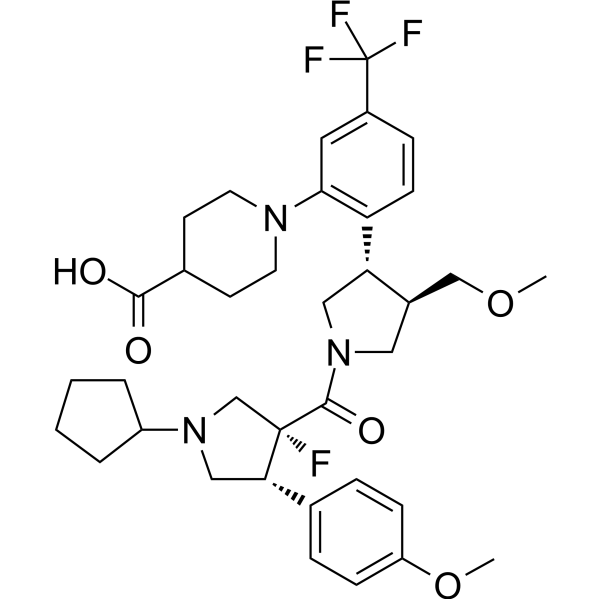
Dersimelagon (MT-7117) is an orally active, selective melanocortin 1 receptor (MC1R) agonist with EC50 values of 8.16, 3.91, 1.14 and 0.251 nM for human (h), cynomolgus monkey (cm), mouse (m) and rat (r) MC1R, respectively. Dersimelagon shows good affinity for hMC1R and hMC4R with Ki values of 2.26, 32.9 nM, respectively. Dersimelagon can be used for the research of skin pigmentation .
|
-
-
- HY-W251181
-
|
|
Tyrosinase
|
Metabolic Disease
|
|
Isobutylamido thiazolyl resorcinol is a selective hTyr inhibitor with an IC50 of 1.1 μM. Isobutylamido thiazolyl resorcinol shows an IC50 of 108 μM against mushroom Tyrosinase. Isobutylamido thiazolyl resorcinol effectively prevents pigmentation caused by UVB irradiation. Isobutylamido thiazolyl resorcinol significantly improves the visibility of acne-induced hyperpigmentation .
|
-
-
- HY-P0097
-
|
Melanostatine-5
|
Melanocortin Receptor
|
Metabolic Disease
Endocrinology
Cancer
|
|
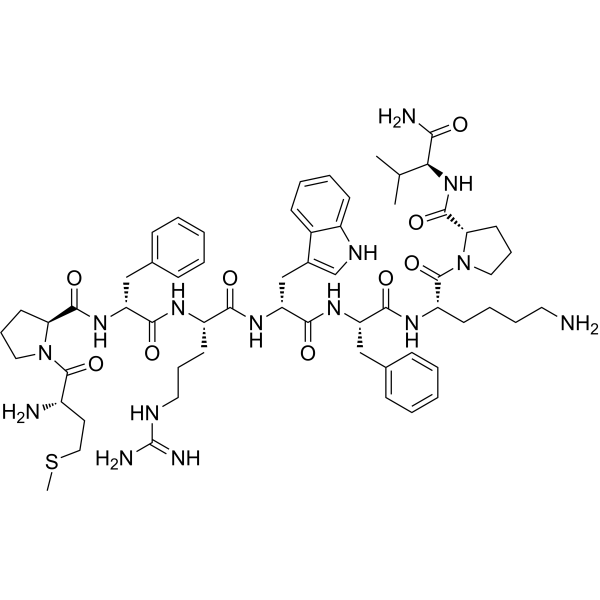
Nonapeptide-1 (Melanostatine-5), a peptide hormone, is a selective antagonist of MC1R (Ki: 40 nM). Nonapeptide-1 is a competitive α-MSH antagonist that potently inhibits intracellular cAMP and melanosome dispersion induced by α-MSH in melanocytes (IC50: 2.5 nM and 11 nM, respectively). Nonapeptide-1 inhibits melanin synthesis, and can be used in the research of skin pigmentation and regulation of steroid production in the adrenal gland, skin cancer .
|
-
-
- HY-P10533
-
|
|
Tyrosinase
|
Others
|
|
Cysteine peptide is a tyrosinase inhibitor with skin-whitening, antioxidant and multi-regulatory activities. Cysteine peptide inhibits enzyme activity and blocks melanin transport, effectively reducing UV-B-induced skin erythema and pigmentation. Cysteine peptide synergistically maintains skin health by quenching ROS, resisting oxidative stress and promoting pheomelanin production. Cysteine peptide safely prevents daily ultraviolet damage and supports moderate sun exposure for vitamin D synthesis. Cysteine peptide also acts as a plant signaling factor to regulate vegetative growth, development and stress resistance responses .
|
-
-
- HY-20074
-
|
(1S,2S,3R,5S)-(+)-Pinanediol
|
Biochemical Assay Reagents
|
Others
|
|
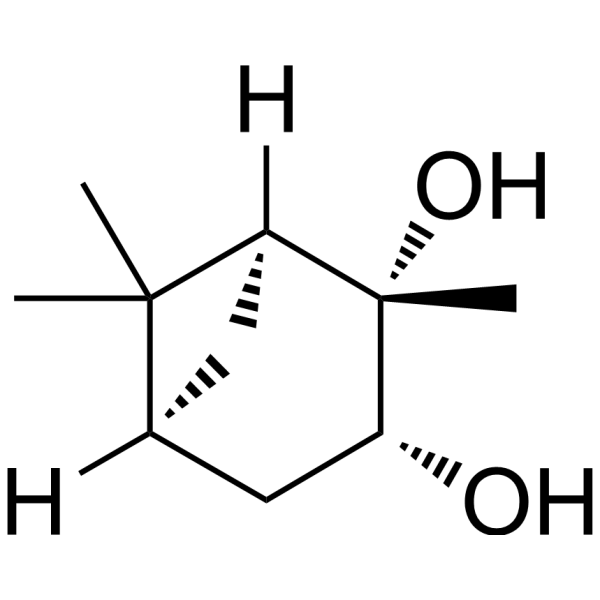
(+)-Pinanediol ((1S,2S,3R,5S)-(+)-Pinanediol) is a potent inducer of melanin production. In S91 cells, it acts by inducing higher levels of pigmentation and nitric oxide (NO) synthesis .
|
-
-
- HY-W015591
-
|
(±)-Mandelic acid; DL-Mandelic acid
|
Bacterial
Endogenous Metabolite
|
Infection
|
|
Mandelic acid ((±)-Mandelic acid), an alpha-hydroxycarboxylic acid, has been widely used as an intermediate of pharmaceutical and fine chemicals. Mandelic acid shows antimicrobial activity and has been used for the research of urinary tract infections and vaginal trichomoniasis. Mandelic acid exhibits high sperm-immobilizing activity and low vaginal irritation .
|
-
-
- HY-N2204
-
|
|
Tyrosinase
Reactive Oxygen Species (ROS)
|
Inflammation/Immunology
|
|
Swertiajaponin is a tyrosinase inhibitor, forms multiple hydrogen bonds and hydrophobic interactions with the binding pocket of tyrosinase, with an IC50 of 43.47 μM. Swertiajaponin also inhibits oxidative stress-mediated MAPK/MITF signaling, leading to decrease in tyrosinase protein level. Swertiajaponin suppresses melanin accumulation and exhibits strong anti-oxidative activity .
|
-
-
- HY-N1775
-
|
3,4-DHAP
|
Tyrosinase
Reactive Oxygen Species (ROS)
Keap1-Nrf2
PARP
Autophagy
Apoptosis
|
Cardiovascular Disease
Neurological Disease
Metabolic Disease
Inflammation/Immunology
Cancer
|
|
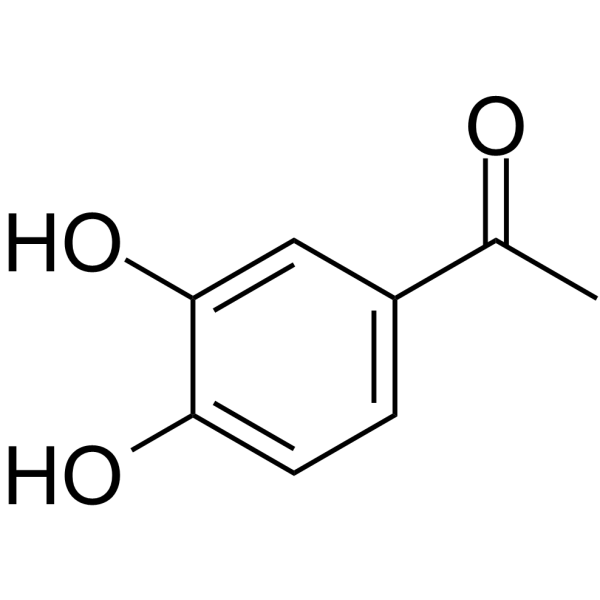
3',4'-Dihydroxyacetophenone (3,4-DHAP) is a phenolic compound with oral bioavailability, possessing potent antioxidant, anti-inflammatory, anticancer and cardiovascular protective activities. 3',4'-Dihydroxyacetophenone inhibits mushroom Tyrosinase activity with an IC50 of 10 μM, thereby suppressing melanogenesis . 3',4'-Dihydroxyacetophenone inhibits platelet aggregation in platelet-rich plasma. 3',4'-Dihydroxyacetophenone reduces ROS levels in human umbilical vein endothelial cells treated with high glucose, upregulates the expression of Nrf2, HO-1 and PARP-1 in cells, and promotes the nuclear translocation of Nrf2 . 3',4'-Dihydroxyacetophenone induces autophagy and apoptosis. 3',4'-Dihydroxyacetophenone inhibits seed germination/growth in most plants. 3',4'-Dihydroxyacetophenone can be used in the research of cancer, neurodegenerative diseases, non-alcoholic steatohepatitis, diabetes, obesity, skin pigmentation disorders, and cardiovascular and cerebrovascular diseases .
|
-
-
- HY-P0097A
-
|
Melanostatine-5 acetate salt
|
Melanocortin Receptor
|
Metabolic Disease
Endocrinology
Cancer
|
|
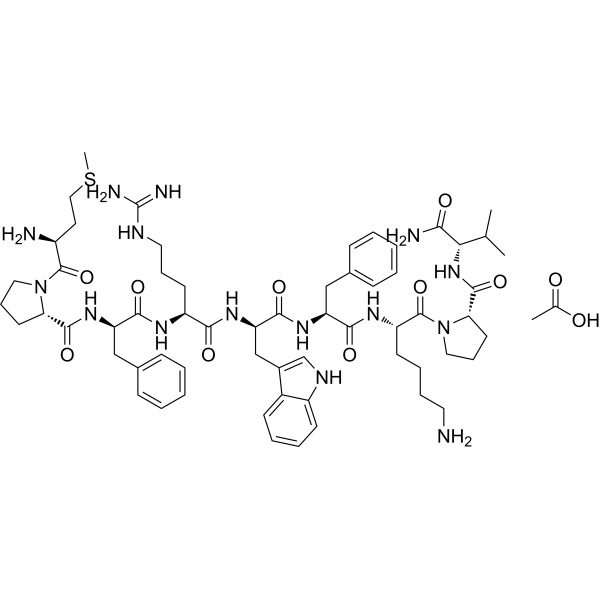
Nonapeptide-1 (Melanostatine-5) acetate salt, a peptide hormone, is a selective antagonist of MC1R (Ki: 40 nM). Nonapeptide-1 acetate salt is a competitive α-MSH antagonist that potently inhibits intracellular cAMP and melanosome dispersion induced by α-MSH in melanocytes (IC50: 2.5 nM and 11 nM, respectively). Nonapeptide-1 acetate salt inhibits melanin synthesis, and can be used in the research of skin pigmentation and regulation of steroid production in the adrenal gland, skin cancer .
|
-
-
- HY-P5247
-
|
PTP20
|
Melanocortin Receptor
Sirtuin
|
Metabolic Disease
Inflammation/Immunology
|
|
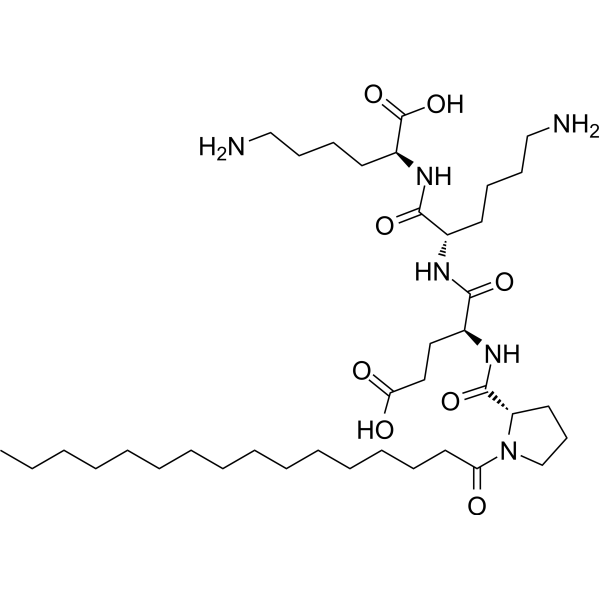
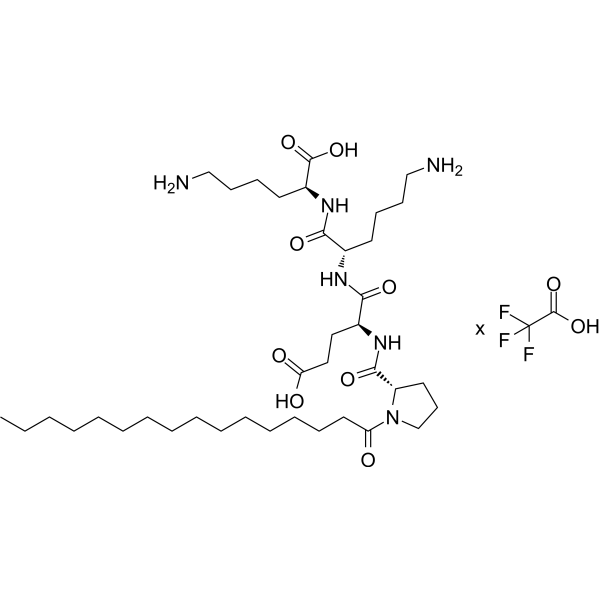
Palmitoyl tetrapeptide-20 (PTP20) is a biomimetic peptide agonist of α-MSH. Palmitoyl tetrapeptide-20 promotes hair pigmentation and delays hair graying by activating the MC1-R pathway (AC50: 0.16 nM), enhancing catalase activity to reduce H2O2 accumulation, and upregulating SIRT1 activity. Palmitoyl tetrapeptide-20 can be used in research on preventing hair loss and improving hair graying .
|
-
-
- HY-78700
-
|
|
Tyrosinase
|
Metabolic Disease
|
|
4-Bromobenzoic acid is a tyrosinase inhibitor (IC50 range 0-0.3 mg/mL). 4-Bromobenzoic acid can be metabolized through the protocatechuic acid (PCA) pathway. 4-Bromobenzoic acid can be used for research on cosmetic whitening or pigmentation conditions .
|
-
-
- HY-W250145
-
|
Nigrosine
|
Biochemical Assay Reagents
|
Others
|
|
Acid Black 2 (Nigrosine) is an alcohol-soluble absorber used to mimic skin pigmentation in tissue-mimicking phantoms. Acid Black 2 acts as an absorber in silicone-based thin tissue phantoms to simulate varying melanosome volume fractions in skin .
|
-
-
- HY-N12267
-
|
(E/Z)-Terrestribisamide
|
Melanocortin Receptor
|
Metabolic Disease
|
|
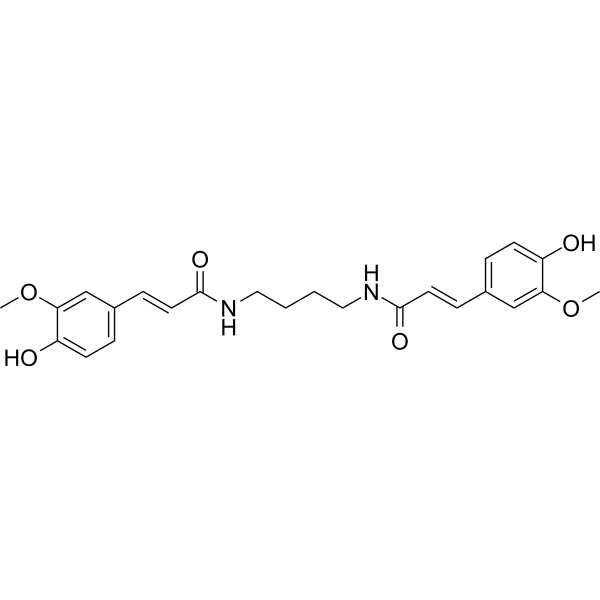
N,N′-Diferuloylputrescine ((E/Z)-Terrestribisamide) is a inhibitor of pigmentation with 57% reduction. N,N′-Diferuloylputrescine significantly reduces the protein level of MITF. N,N′-Diferuloylputrescine has strong antioxidant activities as radical scavengers against reactive oxygen species .
|
-
-
- HY-P5247A
-
|
PTP20 TFA
|
Melanocortin Receptor
Sirtuin
|
Metabolic Disease
Inflammation/Immunology
|
|
Palmitoyl tetrapeptide-20 (PTP20) TFA is a biomimetic peptide agonist of α-MSH. Palmitoyl tetrapeptide-20 TFA promotes hair pigmentation and delays hair graying by activating the MC1-R pathway (AC50: 0.16 nM), enhancing catalase activity to reduce H2O2 accumulation, and upregulating SIRT1 activity. Palmitoyl tetrapeptide-20 TFA can be used in research on preventing hair loss and improving hair graying .
|
-
-
- HY-W015591R
-
|
(±)-Mandelic acid (Standard); DL-Mandelic acid (Standard)
|
Reference Standards
Bacterial
Endogenous Metabolite
|
Infection
|
|
Mandelic acid (Standard) is the analytical standard of Mandelic acid. This product is intended for research and analytical applications. Mandelic acid ((±)-Mandelic acid), an alpha-hydroxycarboxylic acid, has been widely used as an intermediate of pharmaceutical and fine chemicals. Mandelic acid shows antimicrobial activity and has been used for the research of urinary tract infections and vaginal trichomoniasis. Mandelic acid exhibits high sperm-immobilizing activity and low vaginal irritation .
|
-
-
- HY-116640
-
|
|
AP-1
Nuclear Factor of activated T Cells (NFAT)
AMPK
Autophagy
|
Metabolic Disease
Inflammation/Immunology
Endocrinology
|
|
Amorphigenin is a trothotenone compound. Amorphigenin inhibits osteoclast differentiation by suppressing the expression of c-Fos and NFATc1 in activated T cells. Amorphigenin degrades melanosome proteins by activating the AMPK-dependent autophagy pathway, but not in dependence of the mTOR pathway. Amorphigenin significantly protects bone mass and reduces bone erosion in a mouse model of inflammatory bone loss. Amorphigenin can be used to study inflammatory bone diseases, postmenopausal osteoporosis, and skin pigmentation disorders .
|
-
-
- HY-148400
-
|
TXC hydrochloride
|
Ser/Thr Protease
Drug Derivative
|
Metabolic Disease
|
|
Cetyl tranexamate (TXC) hydrochloride is an ester derivative of Tranexamic acid (HY-B0149). Cetyl tranexamate hydrochloride is an inhibitor of fibrinogen activation and can reduce the production of fibrinogen in keratinocytes induced by ultraviolet rays or damage, indirectly inhibiting the melanin production pathway. Cetyl tranexamate hydrochloride also targets melanin (dark spots) and hemoglobin (red spots), reducing vascular dilation and pigmentation by inhibiting inflammatory mediators (such as prostaglandins, platelet activating factors). Cetyl tranexamate hydrochloride can be used as a cosmetic ingredient and is suitable for epidermal pigment disorders such as photoaging, post-inflammatory hyperpigmentation (PIH), and melasma .
|
-
-
- HY-W068430
-
|
|
Insecticide
|
Others
|
|
5,7-Dimethoxy-2,2-dimethylchromene is a synthetic precocenoid, has potential insect control function. 5,7-Dimethoxy-2,2-dimethylchromene induces loss of pigmentation in hatching larvae of shield bug (Eurgaster integriceps) .
|
-
-
- HY-109114A
-
|
MT-7117 phosphate
|
Melanocortin Receptor
|
Metabolic Disease
|
|
Dersimelagon phosphate is an orally active, selective melanocortin 1 receptor (MC1R) agonist with EC50 values of 8.16, 3.91, 1.14 and 0.251 nM for human (h), cynomolgus monkey (cm), mouse (m) and rat (r) MC1R, respectively. Dersimelagon phosphate shows good affinity for hMC1R and hMC4R with Ki values of 2.26, 32.9 nM, respectively. Dersimelagon phosphate can be used for the research of skin pigmentation .
|
-
-
- HY-121889
-
|
|
Tyrosinase
|
Inflammation/Immunology
|
|
FQ is a tyrosinase inhibitor that effectively inhibits the diphenolase activity of mushroom tyrosinase (IC50=120 μM). FQ can be used in the study of pigmentation .
|
-
-
- HY-173512
-
|
|
Tyrosinase
|
Metabolic Disease
|
|
mTYR-IN-1 (compound 3e) is a reversible and competitive mTYR inhibitor with an IC50 of 4.86 μM. mTYR-IN-1 can be used in the study of skin pigmentation .
|
-
-
- HY-177607
-
-
-
- HY-161969
-
|
|
Tyrosinase
|
Cancer
|
|
Tyrosinase-IN-34 (compound 5a) is a human tyrosinase inhibitor (IC50: 3.5 μM) with the potential to control melanogenesis and pigmentation .
|
-
-
- HY-W267446
-
|
|
Melanocortin Receptor
GSK-3
|
Metabolic Disease
Cancer
|
|
6-Methoxy-4-methylcoumarin is a 4-methylcoumarin derivative with an antitumor activity. 6-Methoxy-4-methylcoumarin activates melanin synthesis in B16F10 melanoma cells. 6-Methoxy-4-methylcoumarin is a pigmentation stimulator, and can be used for the study of skin conditions such as vitiligo .
|
-
-
- HY-N0113A
-
|
Ordenina sulfate; Peyocactine sulfate
|
Antibiotic
|
Others
|
|
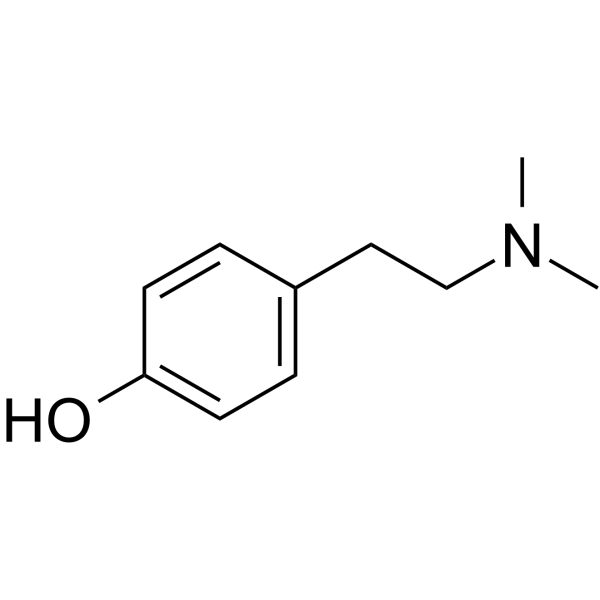
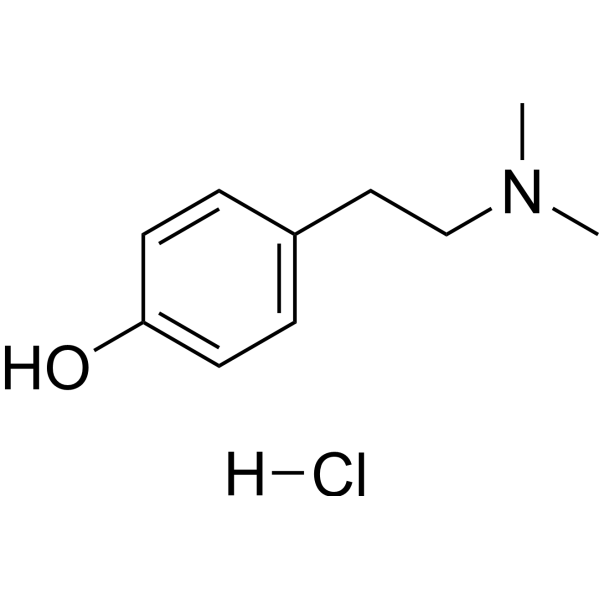
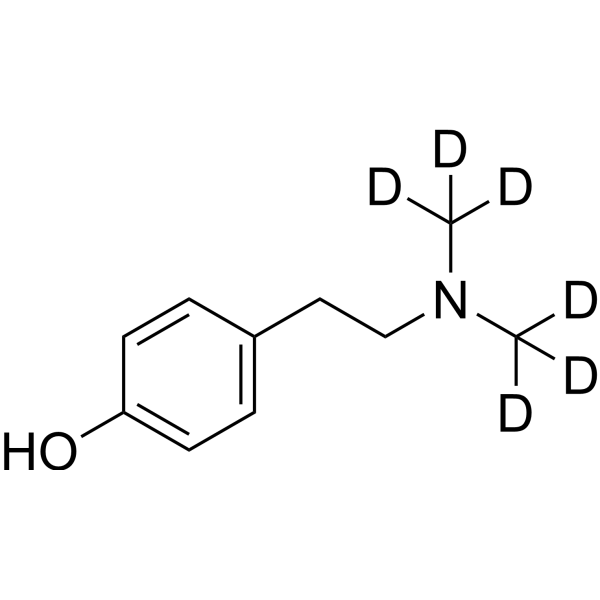
Hordenine sulfate (Ordenina sulfate) is an active compound extracted from malted barley that has melanin-inhibiting activity. Hordenine sulfate significantly reduced melanin content and reduced intracellular cAMP levels. Hordenine sulfate inhibits the expression of proteins related to melanogenesis, including microblind transcription factor (MITF), tyrosinase, tyrosinase-related protein (TRP)-1, and TRP-2. Therefore, Hordenine sulfate can be used as an active ingredient to inhibit pigmentation .
|
-
-
- HY-N3773
-
|
|
Tyrosinase
|
Cancer
|
|
Dodoviscin A is a pigmentation-altering agent, which can be isolated from the aerial parts of Dodonaea viscosa. Dodoviscin A inhibits melanin production in B16-F10 melanoma cells. Dodoviscin A suppresses mushroom tyrosinase activity, and tyrosinase activity induced by 3-isobutyl-1-methylxanthine. Dodoviscin A also inhibits the phorphosylation of cAMP response element binding protein, induced by 3-isobutyl-1-methylxanthine and forskolin .
|
-
-
- HY-W750672
-
|
|
Drug Derivative
|
Others
|
|
Astaxanthin dipalmitate is a carotenoid. Astaxanthin dipalmitate can be used for pigmentation of rainbow trout and sea trout. Carotenoids are important biological active, and may regulate cellular differentiation, growth control, photooxidative protection, cell membrane stability, photosynthesis, vision process and nutrition .
|
-
-
- HY-179100
-
|
|
Tyrosinase
|
Inflammation/Immunology
|
|
Tyrosinase-IN-45 (compound 4) is a tyrosinase inhibitor (IC50 = 1.51 μM). Tyrosinase-IN-45 can reduce the melanin content. Tyrosinase-IN-45 can be used for skin whitening and improving pigmentation .
|
-
-
- HY-N10337
-
|
(-)-Norjuziphine
|
Drug Derivative
|
Cancer
|
|
Norjuziphine ((-)-Norjuziphine) is an alkaloid found in the lotus flower (Nelumbo nucifera). Norjuziphine inhibits the melanogenesis of murine B16 melanoma 4A5 cells stimulated by Theophylline (HY-B0809) (IC50=14.4 μM). Norjuziphine is promising for research of skin whitening and related skin pigmentation diseases .
|
-
-
- HY-179619
-
|
|
Tyrosinase
|
Metabolic Disease
|
|
Tyrosinase-IN-46 (Compound III19) is a tyrosinase inhibitor. Its IC50 values for L-dopa and L-tyrosine are 3.24 and 2.79 nM respectively. Tyrosinase-IN-46 inhibits melanin synthesis and shows a significant anti-pigmentation effect. Tyrosinase-IN-46 can be used for the study of pigmentation disorders .
|
-
-
- HY-N9846
-
|
|
Cholinesterase (ChE)
Glycosidase
|
Neurological Disease
Metabolic Disease
|
|
Luteolin 5,3'-dimethyl ether is a flavonoid compound that exhibits strong binding to enzymes such as acetylcholinesterase (AChE), butyrylcholinesterase (BChE), and α-Glycosidase. Luteolin 5,3'-dimethyl ether can be naturally extracted from the dried roots of Alhagi maurorum (camel thorn). The methanol extract of this plant has significant free radical scavenging ability and enzyme inhibitory potential. Luteolin 5,3'-dimethyl ether can be used in research related to neurodegenerative diseases, diabetes, and skin pigmentation-related diseases .
|
-
| Cat. No. |
Product Name |
Type |
-
- HY-W250145
-
|
Nigrosine
|
Fluorescent Dye
|
|
Acid Black 2 (Nigrosine) is an alcohol-soluble absorber used to mimic skin pigmentation in tissue-mimicking phantoms. Acid Black 2 acts as an absorber in silicone-based thin tissue phantoms to simulate varying melanosome volume fractions in skin .
|
| Cat. No. |
Product Name |
Type |
-
- HY-20074
-
|
(1S,2S,3R,5S)-(+)-Pinanediol
|
Biochemical Assay Reagents
|
|
(+)-Pinanediol ((1S,2S,3R,5S)-(+)-Pinanediol) is a potent inducer of melanin production. In S91 cells, it acts by inducing higher levels of pigmentation and nitric oxide (NO) synthesis .
|
-
- HY-78700
-
|
|
Biochemical Assay Reagents
|
|
4-Bromobenzoic acid is a tyrosinase inhibitor (IC50 range 0-0.3 mg/mL). 4-Bromobenzoic acid can be metabolized through the protocatechuic acid (PCA) pathway. 4-Bromobenzoic acid can be used for research on cosmetic whitening or pigmentation conditions .
|
| Cat. No. |
Product Name |
Target |
Research Area |
-
- HY-P0097
-
|
Melanostatine-5
|
Melanocortin Receptor
|
Metabolic Disease
Endocrinology
Cancer
|
|
Nonapeptide-1 (Melanostatine-5), a peptide hormone, is a selective antagonist of MC1R (Ki: 40 nM). Nonapeptide-1 is a competitive α-MSH antagonist that potently inhibits intracellular cAMP and melanosome dispersion induced by α-MSH in melanocytes (IC50: 2.5 nM and 11 nM, respectively). Nonapeptide-1 inhibits melanin synthesis, and can be used in the research of skin pigmentation and regulation of steroid production in the adrenal gland, skin cancer .
|
-
- HY-P10533
-
|
|
Tyrosinase
|
Others
|
|
Cysteine peptide is a tyrosinase inhibitor with skin-whitening, antioxidant and multi-regulatory activities. Cysteine peptide inhibits enzyme activity and blocks melanin transport, effectively reducing UV-B-induced skin erythema and pigmentation. Cysteine peptide synergistically maintains skin health by quenching ROS, resisting oxidative stress and promoting pheomelanin production. Cysteine peptide safely prevents daily ultraviolet damage and supports moderate sun exposure for vitamin D synthesis. Cysteine peptide also acts as a plant signaling factor to regulate vegetative growth, development and stress resistance responses .
|
-
- HY-P0097A
-
|
Melanostatine-5 acetate salt
|
Melanocortin Receptor
|
Metabolic Disease
Endocrinology
Cancer
|
|
Nonapeptide-1 (Melanostatine-5) acetate salt, a peptide hormone, is a selective antagonist of MC1R (Ki: 40 nM). Nonapeptide-1 acetate salt is a competitive α-MSH antagonist that potently inhibits intracellular cAMP and melanosome dispersion induced by α-MSH in melanocytes (IC50: 2.5 nM and 11 nM, respectively). Nonapeptide-1 acetate salt inhibits melanin synthesis, and can be used in the research of skin pigmentation and regulation of steroid production in the adrenal gland, skin cancer .
|
-
- HY-P5247
-
|
PTP20
|
Melanocortin Receptor
Sirtuin
|
Metabolic Disease
Inflammation/Immunology
|
|
Palmitoyl tetrapeptide-20 (PTP20) is a biomimetic peptide agonist of α-MSH. Palmitoyl tetrapeptide-20 promotes hair pigmentation and delays hair graying by activating the MC1-R pathway (AC50: 0.16 nM), enhancing catalase activity to reduce H2O2 accumulation, and upregulating SIRT1 activity. Palmitoyl tetrapeptide-20 can be used in research on preventing hair loss and improving hair graying .
|
-
- HY-P5247A
-
|
PTP20 TFA
|
Melanocortin Receptor
Sirtuin
|
Metabolic Disease
Inflammation/Immunology
|
|
Palmitoyl tetrapeptide-20 (PTP20) TFA is a biomimetic peptide agonist of α-MSH. Palmitoyl tetrapeptide-20 TFA promotes hair pigmentation and delays hair graying by activating the MC1-R pathway (AC50: 0.16 nM), enhancing catalase activity to reduce H2O2 accumulation, and upregulating SIRT1 activity. Palmitoyl tetrapeptide-20 TFA can be used in research on preventing hair loss and improving hair graying .
|
-
- HY-P5269
-
|
|
Peptides
|
Metabolic Disease
Endocrinology
|
|
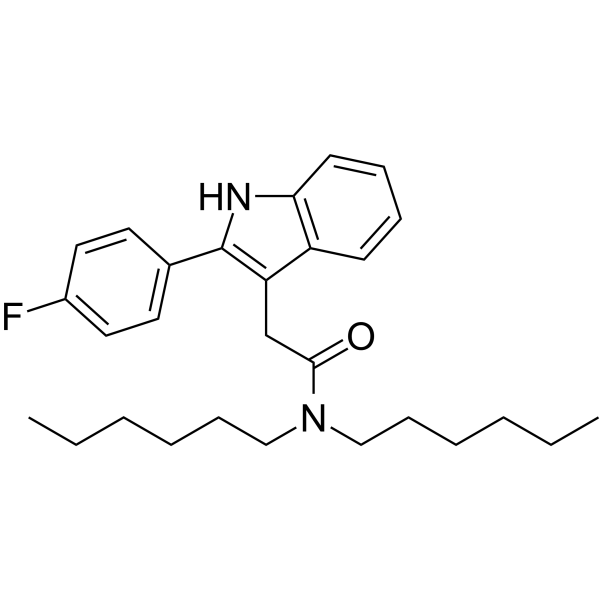
Palmitoyl tetrapeptide-10 is a bioactive peptide. Palmitoyl tetrapeptide-10 works synergistically with other active ingredients to increase the expression of corneodesmosin (a marker of keratinocyte adhesion) and filaggrin (a marker of keratinocyte terminal differentiation), thereby reducing skin permeability and improving skin barrier function. Palmitoyl tetrapeptide-10 can be used in the research of sensitive skin syndrome and skin pigmentation .
|
| Cat. No. |
Product Name |
Category |
Target |
Chemical Structure |
-
- HY-W015591
-
-
-
- HY-N2204
-
-
-
- HY-N1775
-
|
3,4-DHAP
|
Structural Classification
Classification of Application Fields
Pinaceae
Phenols
Polyphenols
Picea schrenkiana Fisch. et Mey.
Plants
Disease Research Fields
Source Classification
Cancer
|
Tyrosinase
Reactive Oxygen Species (ROS)
Keap1-Nrf2
PARP
Autophagy
Apoptosis
|
|
3',4'-Dihydroxyacetophenone (3,4-DHAP) is a phenolic compound with oral bioavailability, possessing potent antioxidant, anti-inflammatory, anticancer and cardiovascular protective activities. 3',4'-Dihydroxyacetophenone inhibits mushroom Tyrosinase activity with an IC50 of 10 μM, thereby suppressing melanogenesis . 3',4'-Dihydroxyacetophenone inhibits platelet aggregation in platelet-rich plasma. 3',4'-Dihydroxyacetophenone reduces ROS levels in human umbilical vein endothelial cells treated with high glucose, upregulates the expression of Nrf2, HO-1 and PARP-1 in cells, and promotes the nuclear translocation of Nrf2 . 3',4'-Dihydroxyacetophenone induces autophagy and apoptosis. 3',4'-Dihydroxyacetophenone inhibits seed germination/growth in most plants. 3',4'-Dihydroxyacetophenone can be used in the research of cancer, neurodegenerative diseases, non-alcoholic steatohepatitis, diabetes, obesity, skin pigmentation disorders, and cardiovascular and cerebrovascular diseases .
|
-
-
- HY-N12267
-
-
-
- HY-W015591R
-
|
(±)-Mandelic acid (Standard); DL-Mandelic acid (Standard)
|
Structural Classification
Ketones, Aldehydes, Acids
Endogenous metabolite
Source Classification
|
Reference Standards
Bacterial
Endogenous Metabolite
|
|
Mandelic acid (Standard) is the analytical standard of Mandelic acid. This product is intended for research and analytical applications. Mandelic acid ((±)-Mandelic acid), an alpha-hydroxycarboxylic acid, has been widely used as an intermediate of pharmaceutical and fine chemicals. Mandelic acid shows antimicrobial activity and has been used for the research of urinary tract infections and vaginal trichomoniasis. Mandelic acid exhibits high sperm-immobilizing activity and low vaginal irritation .
|
-
-
- HY-116640
-
-
-
- HY-W068430
-
-
-
- HY-W267446
-
-
-
- HY-N0113A
-
|
Ordenina sulfate; Peyocactine sulfate
|
Monophenols
Gramineae
Phenols
Hordeum vulgare L.
Plants
Source Classification
|
Antibiotic
|
|
Hordenine sulfate (Ordenina sulfate) is an active compound extracted from malted barley that has melanin-inhibiting activity. Hordenine sulfate significantly reduced melanin content and reduced intracellular cAMP levels. Hordenine sulfate inhibits the expression of proteins related to melanogenesis, including microblind transcription factor (MITF), tyrosinase, tyrosinase-related protein (TRP)-1, and TRP-2. Therefore, Hordenine sulfate can be used as an active ingredient to inhibit pigmentation .
|
-
-
- HY-N3773
-
|
|
Flavonoids
Flavones
Dodonaea viscosa (L.) Jacq.
Sapindaceae
Plants
Source Classification
|
Tyrosinase
|
|
Dodoviscin A is a pigmentation-altering agent, which can be isolated from the aerial parts of Dodonaea viscosa. Dodoviscin A inhibits melanin production in B16-F10 melanoma cells. Dodoviscin A suppresses mushroom tyrosinase activity, and tyrosinase activity induced by 3-isobutyl-1-methylxanthine. Dodoviscin A also inhibits the phorphosylation of cAMP response element binding protein, induced by 3-isobutyl-1-methylxanthine and forskolin .
|
-
-
- HY-N10337
-
-
-
- HY-N9846
-
-
Your information is safe with us. * Required Fields.
Inquiry Information
- Product Name:
- Cat. No.:
- Quantity:
- MCE Japan Authorized Agent:

