1. Search Result
Search Result
Results for "

pressor effect

" in MedChemExpress (MCE) Product Catalog:

15

Inhibitors & Agonists

1

Peptides

1

Natural
Products

Cat. No. Product Name Target Research Areas Chemical Structure
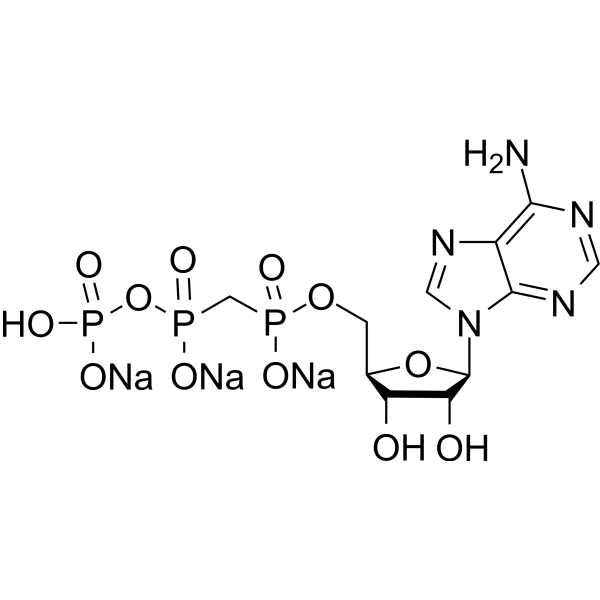
  • HY-108652
    α,β-Methylene-ATP trisodium
    1 Publications Verification

    P2X Receptor Inflammation/Immunology
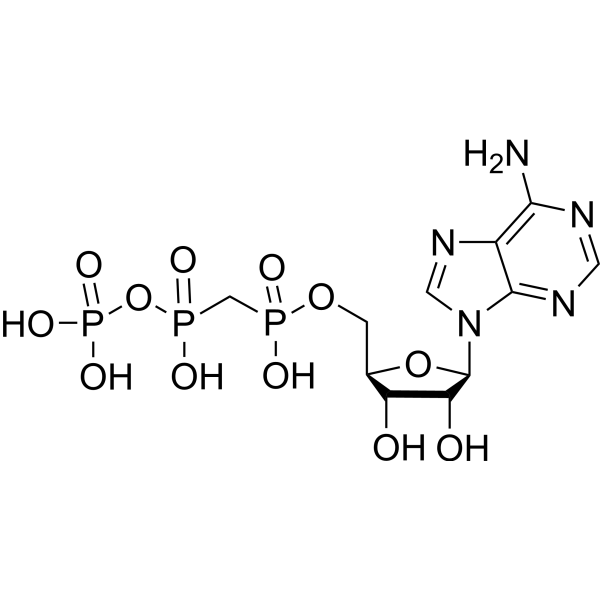
    α,β-Methylene-ATP trisodium is an agonist of P2X1 and P2X3 receptors and can cross the blood-brain barrier. α,β-Methylene-ATP trisodium can trigger a reflex pressor response by activating P2X receptors in peripheral muscles and the central locus coeruleus (LC); this effect can be blocked by the P2X antagonist PPADS (HY-108960). α,β-Methylene-ATP trisodium also activates noradrenergic neurons in the central locus coeruleus, mediating antinociceptive effects; this effect can be attenuated by the locus coeruleus damaging agent DSP-4 (HY-103210/HY-121602). α,β-Methylene-ATP trisodium can be used to study the pathological mechanisms of neuropathic pain, cardiovascular reflex regulation, and antinociceptive effects of the central nervous system .
    α,β-Methylene-ATP trisodium
  • HY-B1199

    Monoamine Oxidase Reactive Oxygen Species (ROS) Cardiovascular Disease Neurological Disease Inflammation/Immunology
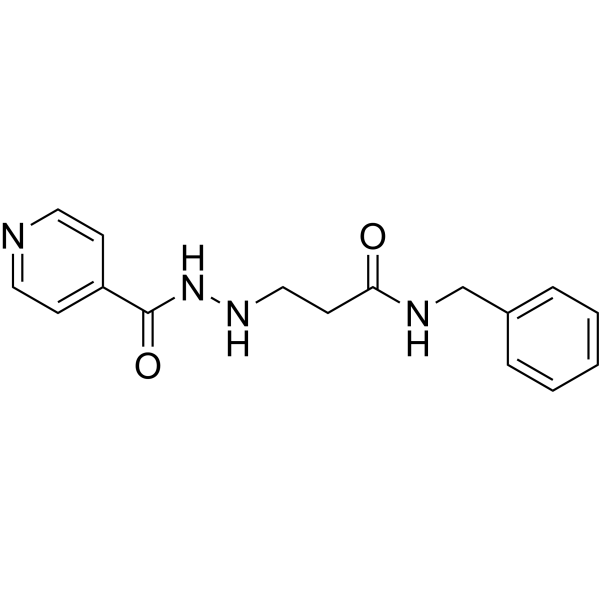
    Nialamide is a non-selective monoamine oxidase (MAO) inhibitor. Nialamide inhibits MAO and regulates ROS production. Nialamide induces hyperkinesis in animals, enhances the anticonvulsant effect of Diphenylhydantoin in mice, increases rectal temperature, and enhances the pressor effect of Norepinephrine. Nialamide can be used in the research of depression, inflammatory diseases, neurodegenerative diseases, and hypertension .
    Nialamide
  • HY-110261
    GS143
    2 Publications Verification

    IKK E1/E2/E3 Enzyme NF-κB Inflammation/Immunology
    GS143 is a selec­tive IκBα ubiquitination inhibitor with an IC50 of 5.2 μM for SCF βTrCP1-mediated IκBα ubiquitylation. GS143 sup­presses NF-κB acti­va­tion and tran­scrip­tion of tar­get genes and does not inhibit proteasome activity. GS143 has anti-asthma effect .
    GS143
  • HY-134440A

    P2X Receptor Inflammation/Immunology
    α,β-Methylene-ATP is an agonist of P2X1 and P2X3 receptors and can cross the blood-brain barrier. α,β-Methylene-ATP can trigger a reflex pressor response by activating P2X receptors in peripheral muscles and the central locus coeruleus (LC); this effect can be blocked by the P2X antagonist PPADS (HY-108960). α,β-Methylene-ATP also activates noradrenergic neurons in the central locus coeruleus, mediating antinociceptive effects; this effect can be attenuated by the locus coeruleus damaging agent DSP-4 (HY-103210/HY-121602). α,β-Methylene-ATP can be used to study the pathological mechanisms of neuropathic pain, cardiovascular reflex regulation, and antinociceptive effects of the central nervous system .
    α,β-Methylene-ATP
  • HY-W103463

    1-Phenylpyrrolidin-2-one

    GABA Receptor Neurological Disease
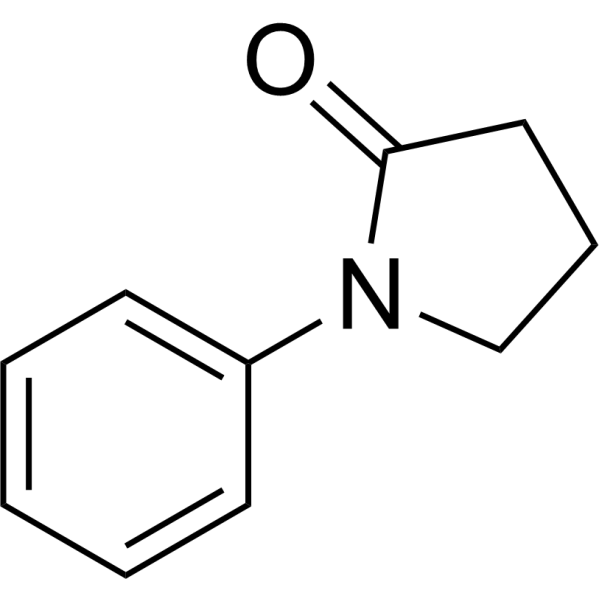
    1-Phenyl-2-pyrrolidinone (1-Phenylpyrrolidin-2-one) is a phenyl analogue of GABA with sedative effect, decreasing the exploratory behavior of rats at 50-100 mg/kg (i.v.). 1-Phenyl-2-pyrrolidinone also has been proved to inhibit emotional reactions in dogs and cats. 1-Phenyl-2-pyrrolidinone induces decreases in the pressor reaction to emotional stress without accompanied by normalization of the function of baroreceptor reflexes .
    1-Phenyl-2-pyrrolidinone
  • HY-P1703

    Endogenous Metabolite Others
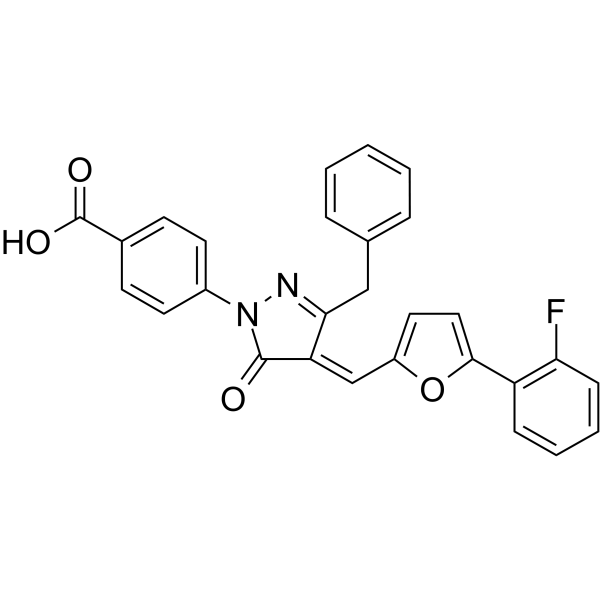
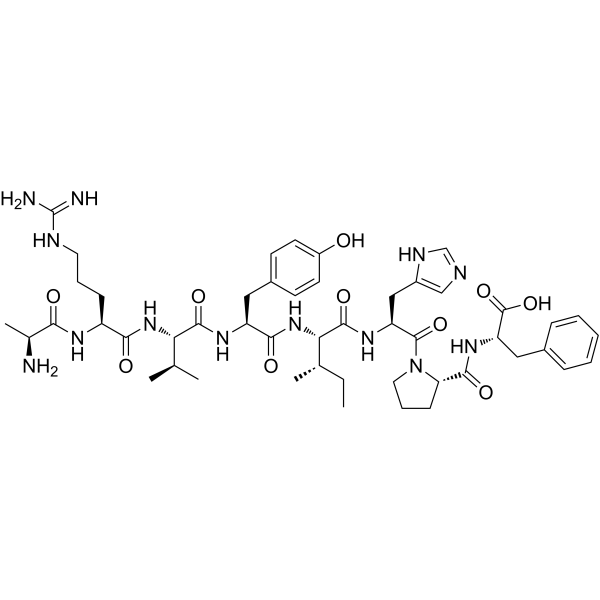
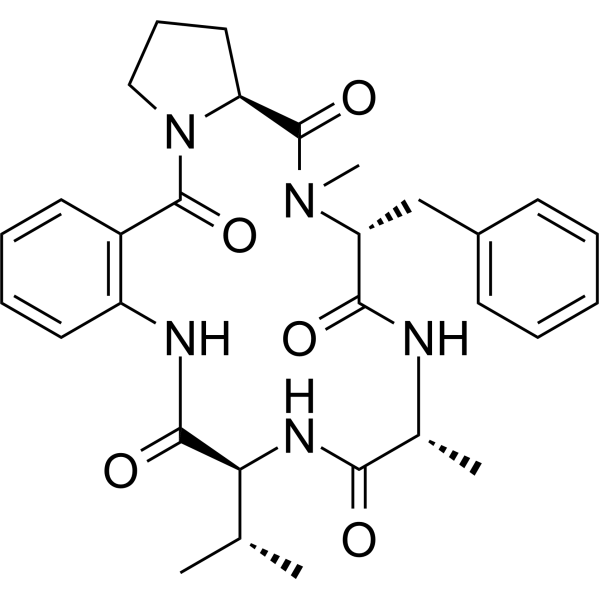
    Avellanin B is a fungal metabolite with pressor effect .
    Avellanin B
  • HY-W752502

    Dopamine Receptor Vasopressin Receptor Adrenergic Receptor Cardiovascular Disease
    Docarpamine is an orally active dopamine prodrug that can be hydroxylated in the small intestine and liver to form active dopamine. Docarpamine mainly activates D1-like receptors in peripheral blood vessels to lower blood pressure and heart rate in a state of spontaneous hypertension. Docarpamine exerts a pressor and tachycardic effect by activating D1-like receptors, vasopressin V1 receptors, and α-adrenergic receptors in normal blood pressure conditions. Docarpamine can be used for research on renal vascular dilation and diuresis .
    Docarpamine
  • HY-134440

    P2X Receptor Inflammation/Immunology
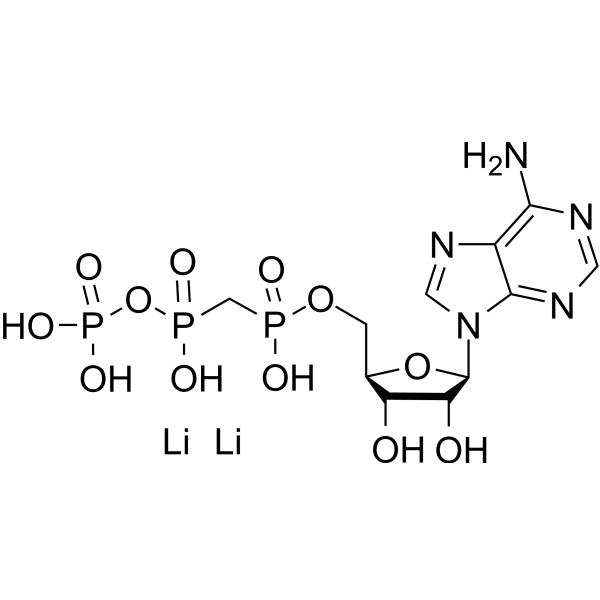
    α,β-Methylene-ATP dilithium is an agonist of P2X1 and P2X3 receptors and can cross the blood-brain barrier. α,β-Methylene-ATP dilithium can trigger a reflex pressor response by activating P2X receptors in peripheral muscles and the central locus coeruleus (LC); this effect can be blocked by the P2X antagonist PPADS (HY-108960). α,β-Methylene-ATP dilithium also activates noradrenergic neurons in the central locus coeruleus, mediating antinociceptive effects; this effect can be attenuated by the locus coeruleus damaging agent DSP-4 (HY-103210/HY-121602). α,β-Methylene-ATP dilithium can be used to study the pathological mechanisms of neuropathic pain, cardiovascular reflex regulation, and antinociceptive effects of the central nervous system .
    α,β-Methylene-ATP dilithium
  • HY-U00244

    P2647; BZQ; Benzoquinamide

    Adrenergic Receptor Dopamine Receptor Metabolic Disease
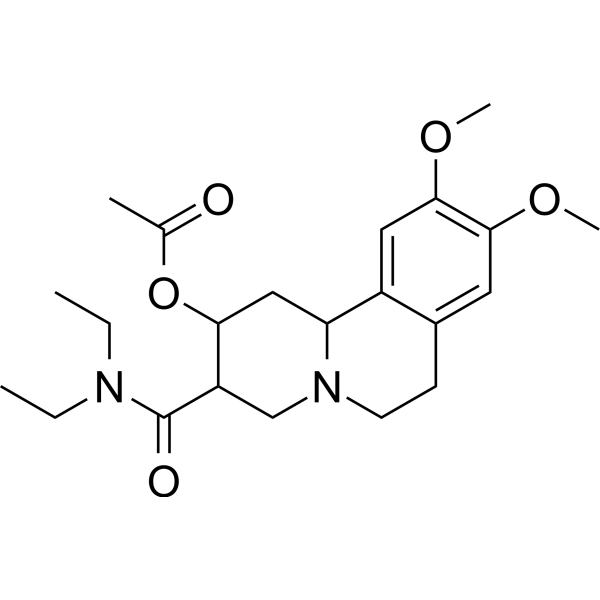
    Benzquinamide (P2647; BZQ; Benzoquinamide) is an orally active binder of dopamine receptors and adrenergic receptors. Benzquinamide specifically targets dopamine D2, D3, D4 receptors and α-2A, α-2B, α-2C adrenergic receptors. Benzquinamide regulates blood pressure and heart rate, attenuates the pressor effect of adrenaline, and exhibits activities such as antiemesis, anxiolysis, and reduction of histamine-induced bronchoconstriction. Benzquinamide has good safety and does not deplete serotonin or norepinephrine in the brain. Benzquinamide can be used in studies related to nausea/vomiting, mental disorders, anxiety states, neurosis, and psychosis .
    Benzquinamide
  • HY-B1199A

    Monoamine Oxidase Reactive Oxygen Species (ROS) Cardiovascular Disease Neurological Disease Inflammation/Immunology
    Nialamide hydrochloride is a non-selective monoamine oxidase (MAO) inhibitor. Nialamide hydrochloride inhibits MAO and regulates ROS production. Nialamide hydrochloride induces hyperkinesis in animals, enhances the anticonvulsant effect of Diphenylhydantoin in mice, increases rectal temperature, and enhances the pressor effect of Norepinephrine. Nialamide hydrochloride can be used in the research of depression, inflammatory diseases, neurodegenerative diseases, and hypertension .
    Nialamide hydrochloride
  • HY-121670

    Others Neurological Disease
    Ambenoxan is a central nervous system-acting skeletal muscle relaxant that is effective in mice, rats, rabbits, dogs, and monkeys without loss of the righting reflex. It has no peripheral neuromuscular blocking effects and significantly reduces or eliminates decerebrate rigidity in rabbits, but does not antagonize the effects of strychnine, leptazol, or tremorine. Like other central nervous system depressants, ambenoxan prolongs sleep duration with hexobarbitone, but it has no local anesthetic effects. In anesthetized cats, the agent lowers blood pressure and reduces the pressor response to epinephrine, but has no effect on norepinephrine.
    Ambenoxan
  • HY-121670A

    Adrenergic Receptor Neurological Disease
    Ambenoxan hydrochloride is a central nervous system-acting skeletal muscle relaxant that is effective in mice, rats, rabbits, dogs, and monkeys without loss of the righting reflex. It has no peripheral neuromuscular blocking effects and significantly reduces or eliminates decerebrate rigidity in rabbits, but does not antagonize the effects of strychnine, leptazol, or tremorine. Like other central nervous system depressants, ambenoxan prolongs sleep duration with hexobarbitone, but it has no local anesthetic effects. In anesthetized cats, the agent lowers blood pressure and reduces the pressor response to epinephrine, but has no effect on norepinephrine.
    Ambenoxan hydrochloride
  • HY-114284

    Angiotensin Receptor Cardiovascular Disease
    L-163958 is an efficient, orally active, balanced angiotensin II receptor (AII receptor) antagonist. L-163958 has balanced high affinity for AT1 and AT2, with its IC50 values being 0.16, 0.12, 0.50, and 0.64 nM in rabbit aorta (AT1), rat midbrain (AT2), human adrenal gland (AT1), and human adrenal gland (AT2), respectively. L-163958 has a strong inhibitory effect on the pressor activity in rats. L-163958 can be used for the study of hypertension and related cardiovascular diseases .
    L-163958
  • HY-U00244A

    P2647 hydrochloride; BZQ hydrochloride; Benzoquinamide hydrochloride

    Adrenergic Receptor Dopamine Receptor Neurological Disease
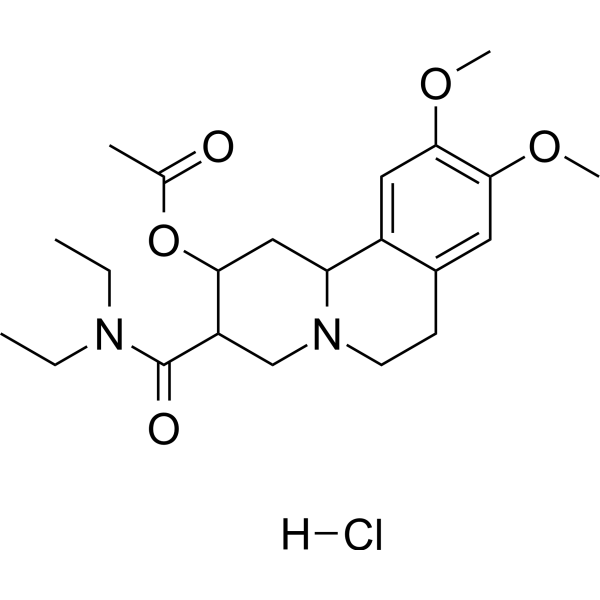
    Benzquinamide (P2647; BZQ; Benzoquinamide) hydrochloride is an orally active binder of dopamine receptors and adrenergic receptors. Benzquinamide hydrochloride specifically targets dopamine D2, D3, D4 receptors and α-2A, α-2B, α-2C adrenergic receptors. Benzquinamide hydrochloride regulates blood pressure and heart rate, attenuates the pressor effect of adrenaline, and exhibits activities such as antiemesis, anxiolysis, and reduction of histamine-induced bronchoconstriction. Benzquinamide hydrochloride has good safety and does not deplete serotonin or norepinephrine in the brain. Benzquinamide hydrochloride can be used in studies related to nausea/vomiting, mental disorders, anxiety states, neurosis, and psychosis .
    Benzquinamide hydrochloride
  • HY-108652R

    Reference Standards P2X Receptor Inflammation/Immunology
    α,β-Methylene-ATP trisodium (Standard) is the analytical standard of α,β-Methylene-ATP (trisodium) (HY-108652). This product is intended for research and analytical applications. α,β-Methylene-ATP trisodium is an agonist of P2X1 and P2X3 receptors and can cross the blood-brain barrier. α,β-Methylene-ATP trisodium can trigger a reflex pressor response by activating P2X receptors in peripheral muscles and the central locus coeruleus (LC); this effect can be blocked by the P2X antagonist PPADS (HY-108960). α,β-Methylene-ATP trisodium also activates noradrenergic neurons in the central locus coeruleus, mediating antinociceptive effects; this effect can be attenuated by the locus coeruleus damaging agent DSP-4 (HY-103210/HY-121602). α,β-Methylene-ATP trisodium can be used to study the pathological mechanisms of neuropathic pain, cardiovascular reflex regulation, and antinociceptive effects of the central nervous system .
    α,β-Methylene-ATP trisodium (Standard)

Inquiry Online

Your information is safe with us. * Required Fields.

Salutation


Country or Region *

Applicant Name *


Organization Name *

Department *


Email Address *


Product Name *

Cat. No.


Requested quantity *

Phone Number *


Remarks

Inquiry Online

Inquiry Information

Product Name:
Cat. No.:
Quantity:
MCE Japan Authorized Agent:

