Search Result
Results for "
primary macrophages
" in MedChemExpress (MCE) Product Catalog:
1
Isotope-Labeled Compounds
| Cat. No. |
Product Name |
Target |
Research Areas |
Chemical Structure |
-
- HY-15648B
-
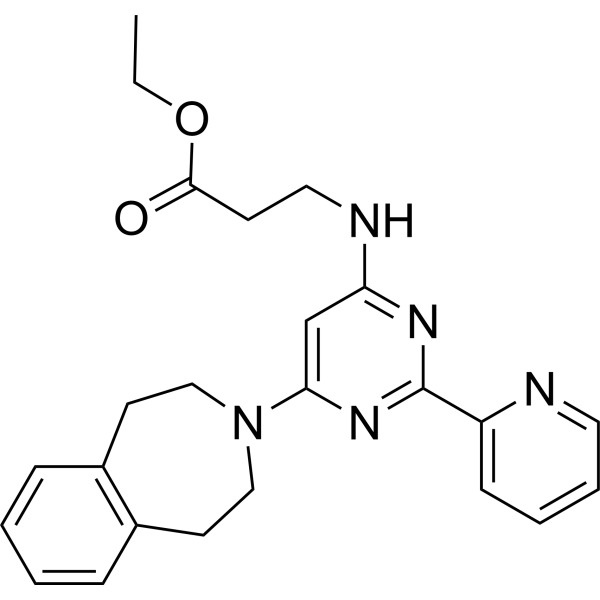
GSK-J4
Maximum Cited Publications
55 Publications Verification
|
Histone Demethylase
Apoptosis
|
Cancer
|
|
GSK-J4 is a potent dual inhibitor of H3K27me3/me2-demethylases JMJD3/KDM6B and UTX/KDM6A with IC50s of 8.6 and 6.6 μM, respectively. GSK-J4 inhibits LPS-induced TNF-α production in human primary macrophages with an IC50 of 9 μM. GSK J4 is a cell permeable proagent of GSK-J1 . GSK-J4 induces endoplasmic reticulum stress-related apoptosis .
|
-
-
- HY-111964
-
|
GS-6207
|
HIV
|
Infection
|
|
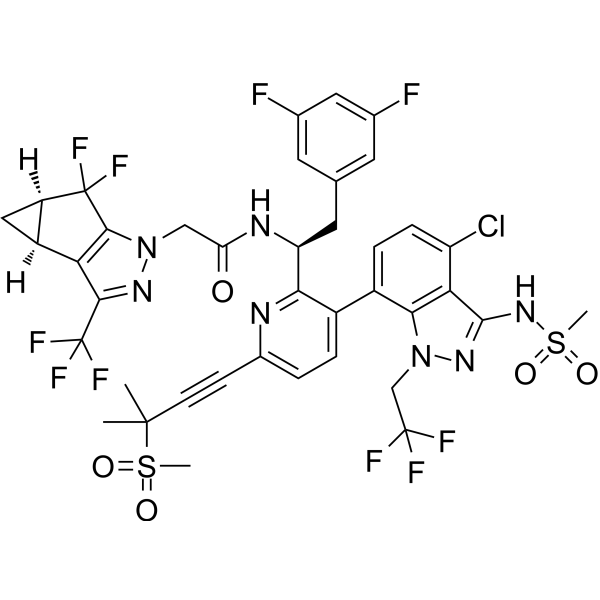
Lenacapavir (GS-6207) is an HIV-1 capsid inhibitor. Lenacapavir binds to the interface between capsid hexamers and CA monomers, disrupts capsid assembly and viral maturation, inhibits nuclear translocation of HIV-1 DNA, interferes with CA-mediated protein-protein interactions, reduces the formation of 2-LTR circles and pre-integration proviruses, induces aberrant capsids, and decreases the production of mature HIV-1. Lenacapavir exhibits activity against a variety of HIV-1 subtypes and clinical isolates. Lenacapavir is applicable to research related to human immunodeficiency virus type 1 (HIV-1) infection .
|
-
-
- HY-15648F
-
|
|
Histone Demethylase
|
Cancer
|
|
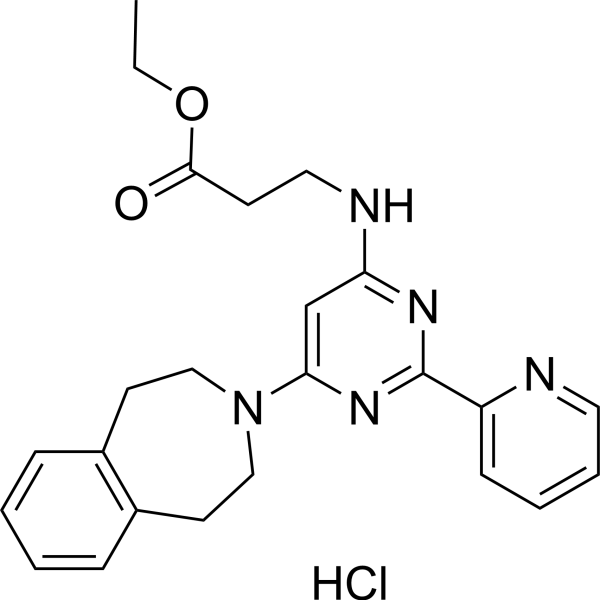
GSK-J4 hydrochloride is a potent dual inhibitor of H3K27me3/me2-demethylases JMJD3/KDM6B and UTX/KDM6A with IC50s of 8.6 and 6.6 μM, respectively. GSK-J4 hydrochloride inhibits LPS-induced TNF-α production in human primary macrophages with an IC50 of 9 μM. GSK-J4 hydrochloride is a cell permeable proagent of GSK-J1 .
|
-
-
- HY-P991220
-
|
|
TREM receptor
|
Neurological Disease
|
|
AL002 is a humanized monoclonal IgG1 antibody and a blood-brain barrier-permeable TREM2 modulator. AL002 binds to TREM2 on the surface of microglia, promotes TREM2 clustering and the formation of the TREM2-DAP12 complex, activates the TREM2 signaling pathway and PI3K cascade, and induces TREM2 internalization and degradation. AL002 is applicable to research related to Alzheimer's disease .
|
-
-
- HY-122515
-
|
|
Others
|
Metabolic Disease
Inflammation/Immunology
|
|
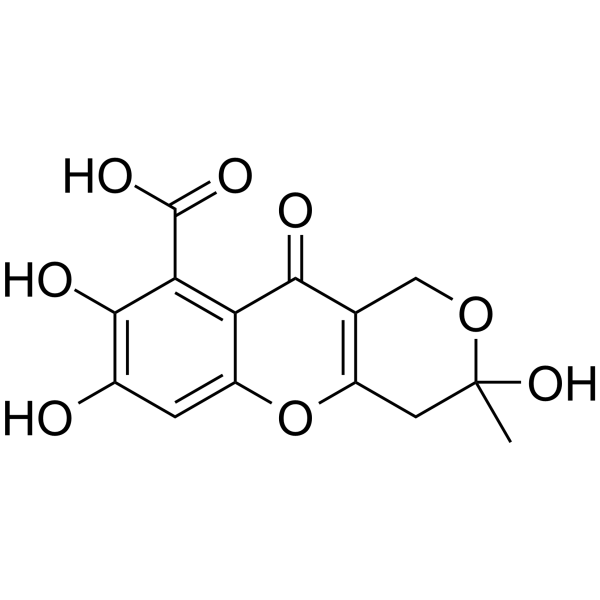
Fulvic Acid is a natural product, which comes from humic substances produced by microorganisms in soil. Fulvic Acid can modulate the immune system, influence the oxidative state of cells, and improve gastrointestinal function. Fulvic Acid has the potential for researching chronic inflammatory diseases, including diabetes .
|
-
-
- HY-W018643
-
|
Methyl ferulate
|
p38 MAPK
Autophagy
|
Neurological Disease
Inflammation/Immunology
Cancer
|
|
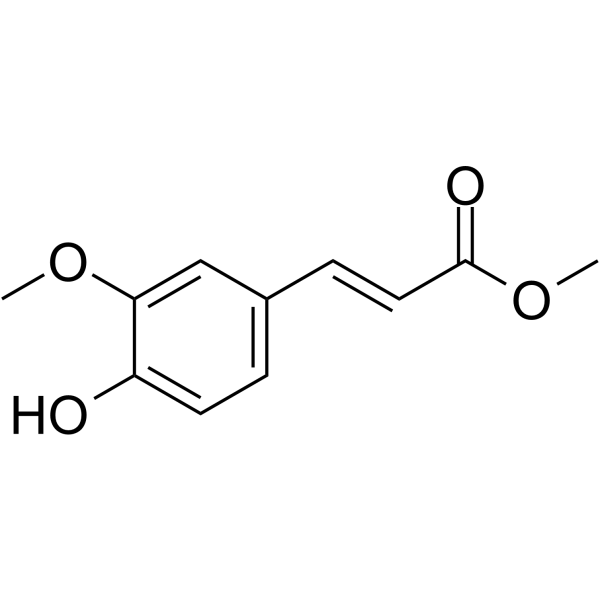
Ferulic acid methyl ester (Methyl ferulate) is a derivative of ferulic acid, isolated from Stemona tuberosa, with anti-inflammatory and antioxidant properties . Ferulic acid methyl ester is a cell membrane and brain permeable compound, shows free radical scavenging ability, used in the research of neurodegenerative disorders . Ferulic acid methyl ester inhibits COX-2 expression, blocks p-p38 and p-JNK in primary bone marrow derived-macrophages .
|
-
-
- HY-168034
-
|
|
STING
Integrin
NF-κB
SARS-CoV
|
Infection
Inflammation/Immunology
|
|
diABZI-4 is a STING activator and broad-spectrum antiviral agent with immunostimulatory activity. diABZI-4 triggers the TBK1-IRF3 and NF-κB signaling cascades by inducing STING oligomerization, thereby promoting the production of type I/III interferons and various proinflammatory cytokines. diABZI-4 exhibits broad-spectrum antiviral activity and effectively inhibits the replication of influenza A virus, SARS-CoV-2, herpes simplex virus, and other viruses. diABZI-4 also activates lymphocytes and macrophages to provide significant pre- and post-exposure protection in viral disease models. diABZI-4 can be used to study COVID-19, respiratory viral infections, and related immunopathological mechanisms .
|
-
-
- HY-157131
-
|
|
TRP Channel
|
Neurological Disease
|
|
TRPV2-selective blocker 1 is a TRPV2-selective blocker that inhibits calcium influx and ionic currents. TRPV2-selective blocker 1 exhibits an IC50 of 6.3 μM against rat TRPV2, and shows no activity against TRPV1, TRPV3 or TRPV4 channels. TRPV2-selective blocker 1 attenuates macrophage phagocytosis, LPS-induced macrophage migration, and calcium microdomains generated by peripheral TRPV2. TRPV2-selective blocker 1 is non-cytotoxic and can be used to investigate the function of TRPV2 during immune processes .
|
-
-
- HY-124370
-
|
9Z,11E-CLA; Methyl 9(Z),11(E)-octadecadienoate; (9Z,11E)-SFE 19:2
|
Endogenous Metabolite
|
Cardiovascular Disease
Cancer
|
|
9 (Z),11 (E)-Conjugated linoleic acid methyl ester (9Z,11E-CLA; Methyl 9 (Z),11 (E)-octadecadienoate; (9Z,11E)-SFE 19:2) is an isomer of Linoleic acid (HY-N0729), and is a conjugated linoleic acid mainly found in meat and dairy products. Conjugated linoleic acid is a bioactive fatty acid that improves body composition, enhances immune system function, and exhibits anti-cancer and anti-atherosclerotic effects .
|
-
-
- HY-B1016
-
|
AR-12008
|
PDGFR
Phosphodiesterase (PDE)
Prostaglandin Receptor
|
Cardiovascular Disease
Neurological Disease
|
|
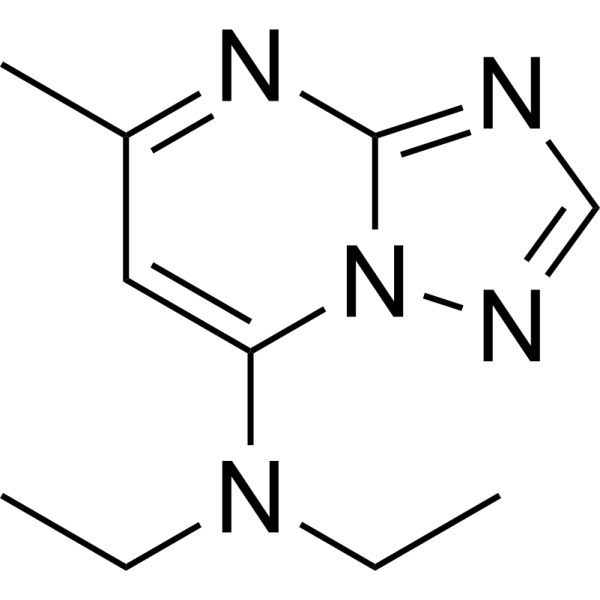
Trapidil (AR-12008) is an orally active vasodilator and antiplatelet agent. Trapidil antagonizes platelet-derived growth factor (PDGF), inhibits phosphodiesterase, thromboxane A2 synthesis and pro-inflammatory cytokine production. Trapidil promotes prostacyclin biosynthesis, reduces lipid peroxidation, regulates nitric oxide metabolism, and inhibits cell proliferation and migration. Trapidil exerts tissue-protective effects, regulates bone turnover, and inhibits pyroptosis via the GPX3/Nrf2 pathway. Trapidil is applicable to research related to renal ischemia-reperfusion injury, chronic stable angina, restenosis, meningioma, diabetic cardiomyopathy and peripheral nerve crush injury .
|
-
-
- HY-N0392
-
|
|
Toll-like Receptor (TLR)
PI3K
Akt
NF-κB
MDM-2/p53
Caspase
MEK
Bcl-2 Family
p38 MAPK
Mitophagy
Reactive Oxygen Species (ROS)
Apoptosis
Calcium Channel
|
Cardiovascular Disease
Infection
Neurological Disease
|
|
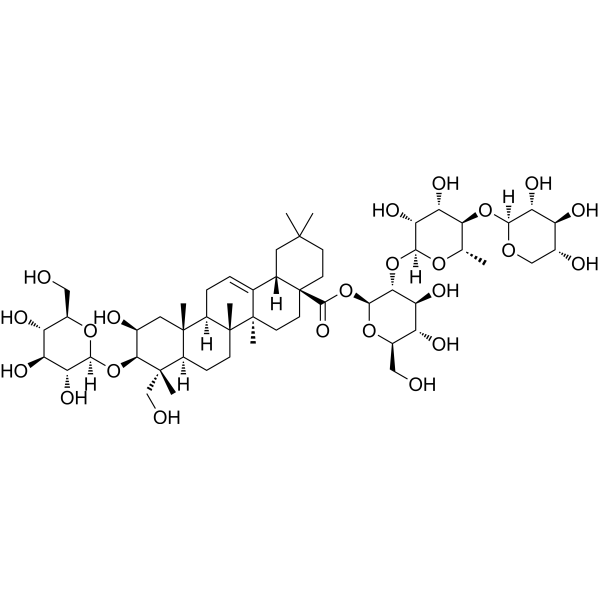
Polygalasaponin F is an orally active triterpenoid saponin monomer. Polygalasaponin F downregulates the expression of Bax, p53, caspase-3, NF-κB p65 and MEK1; restores and upregulates the expression of Bcl-2; activates the PI3K/Akt signaling pathway; inhibits the phosphorylation of p38 MAPK, nuclear translocation of NF-κB, TLR4-mediated signaling pathway, mitophagy (Mitophagy) and ROS production; enhances cell viability and suppresses apoptosis (Apoptosis). Polygalasaponin F maintains mitochondrial function, alleviates Ca 2+ overload, upregulates pCREB and BDNF, preserves cell viability and inhibits the release of inflammatory cytokines. Polygalasaponin F alleviates lung injury induced by influenza A H1N1 and cerebral ischemia-reperfusion injury. Polygalasaponin F is applicable to researches related to Parkinson's disease, cerebral ischemia, pneumonia induced by influenza A H1N1, stroke and Alzheimer's disease .
|
-
-
- HY-173679
-
|
|
PROTACs
PARP
Interleukin Related
STAT
Integrin
HSV
VSV
|
Infection
Cancer
|
|
RBN012811 is a highly selective PROTAC-based PARP14 degrader. RBN012811 forms a ternary complex with cereblon by binding to the NAD + site of PARP14, and mediates the specific degradation of PARP14 via the ubiquitin-proteasome pathway (IC50=10 nM). RBN012811 effectively depletes endogenous PARP14 in various cell lines and primary human macrophages, thereby downregulating IL-10 production and IFN-β mRNA levels, increasing phosphorylated STAT1 levels to enhance inflammatory signaling, and inhibiting interferon-induced ADPr condensate formation. RBN012811 also modulates viral replication, exhibiting increased HSV1 replication while reducing VSV replication. RBN012811 has important application value in research related to cancer and viral infections .
|
-
-
- HY-118131
-
|
|
Ser/Thr Protease
|
Infection
|
|
PKR-IN-C51(compound 51) is an ATP-competitive double-stranded RNA-activated protein kinase (PKR) inhibitor with an IC50 of 9 μM. PKR-IN-C51 inhibits intracellular PKR activation in a dose-dependent manner in primary mouse macrophages .
|
-
-
- HY-W722277A
-
|
|
Interleukin Related
NADH Dehydrogenase
TNF Receptor
JAK
STAT
IRAK
|
Inflammation/Immunology
|
|
LCC-12 (formate) is a copper (II) chelator and a derivative of the biguanide metformin (HY-B0627). LCC-12 (formate) reduces its hydrogen peroxide-dependent oxidation of NADH to NAD+. LCC-12 (formate) reduces IL-1β, IL-2, IL-6, IL-8, and TNF-α levels, as well as JAK2, STAT2, and IL-1 receptor-associated kinase 4 (IRAK4) levels in primary human cytokine-activated monocyte-derived macrophages (MDMs). LCC-12 (formate) reduces the number of CD80+ and CD86+ cytokine-activated MDMs. LCC-12 LCC-12 (formate) improves survival in a mouse model of sepsis induced by LPS or cecal ligation and puncture .
|
-
-
- HY-176497
-
|
G297X
|
Cytochrome P450
|
Metabolic Disease
Cancer
|
|
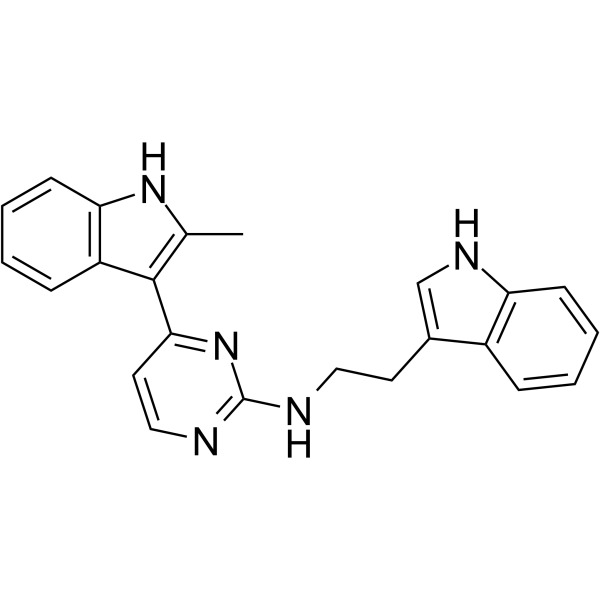
GW273297X is a selective CYP27A1 inhibitor. GW273297X blocks 27-hydroxycholesterol biosynthesis and sterol product formation in human macrophages. GW273297X reduces cancer cells colonization by inhibiting pro-metastatic effects of 27-hydroxycholesterol. GW273297X can be used for the researches of cancer and metabolic disease, such as breast cancer .
|
-
-
- HY-111964A
-
|
GS-6207 sodium
|
HIV
|
Infection
|
|
Lenacapavir (GS-6207) sodium is an HIV-1 capsid inhibitor. Lenacapavir sodium binds to the interface between capsid hexamers and CA monomers, disrupts capsid assembly and viral maturation, inhibits nuclear translocation of HIV-1 DNA, interferes with CA-mediated protein-protein interactions, reduces the formation of 2-LTR circles and pre-integration proviruses, induces aberrant capsids, and decreases the production of mature HIV-1. Lenacapavir sodium exhibits activity against a variety of HIV-1 subtypes and clinical isolates. Lenacapavir sodium is applicable to research related to human immunodeficiency virus type 1 (HIV-1) infection .
|
-
-
- HY-105005
-
|
AAD-2004
|
Prostaglandin Receptor
PGE synthase
Reactive Oxygen Species (ROS)
Apoptosis
|
Neurological Disease
Inflammation/Immunology
|
|
Crisdesalazine (AAD-2004) is a microsomal prostaglandin E2 synthase-1 (mPGES-1) inhibitor. Crisdesalazine acts as a potent free radical scavenger that directly neutralizes reactive oxygen species (ROS) including hydrogen peroxide, exerting neuroprotective effects against apoptosis and axonal damage. Crisdesalazine inhibits PGE2 production, mediates inflammatory responses, and promotes the conversion of macrophages from the pro-inflammatory M1 phenotype to the anti-inflammatory M2 phenotype. Crisdesalazine is applicable to neuroprotection research in multiple sclerosis and spinal cord injury .
|
-
-
- HY-123312
-
|
CK-0993548
|
Arp2/3 Complex
HIV
|
Infection
|
|
CK-548 (CK-0993548) is a Arp2/3 complex inhibitor with the IC50 of 11 μM. CK-548 inhibits HIV-1 nuclear migration and infection .
|
-
-
- HY-162465
-
|
|
STING
IFNAR
|
Cancer
|
|
BDW568 is a selective STING A230 agonist with an EC50 of 5.7 μM. BDW568 triggers the interferon signaling pathway and induces the expression of interferon-stimulated genes including MX1 and OAS1. BDW568 is applicable for cancer-related research .
|
-
-
- HY-171692
-
|
|
Cyclic GMP-AMP Synthase
IFNAR
STING
|
Infection
|
|
G3-YSD is a cGAS agonist. G3-YSD directly interacts with cGAS to enhance its enzymatic activity, promote the conversion of ATP and GTP into cGAMP, and trigger STING-dependent IFN-α/β secretion. G3-YSD acts as a viral mimic to replace actual viral DNA . G3-YSD is applicable to research related to long COVID and type 1 human immunodeficiency virus infection .
|
-
-
- HY-102065
-
|
|
Prostaglandin Receptor
RANKL/RANK
|
Metabolic Disease
|
|
SC-19220 is a prostaglandin E2 receptor EP1 antagonist. SC-19220 blocks functional EP1 receptor activation, and RANK/RANKL signaling pathway. SC-19220 inhibits osteoclast formation and bone resorption by pre-existing osteoclasts. SC-19220 can be used for the research of osteoporotic disorders, inflammatory bone resorption .
|
-
-
- HY-P5081
-
|
|
TGF-β Receptor
Collagen
|
Inflammation/Immunology
|
|
Endotrophin (Mus musculus) is an adipokine, a cleavage fragment derived from Collagen VI, whose levels are elevated in adipose tissue and breast tumors of obese mice. Endotrophin (Mus musculus) activates the TGF-β signaling pathway and reduces the expression of hormone-sensitive lipase. Endotrophin (Mus musculus) induces adipogenesis, lipid accumulation, fibrosis, inflammation, angiogenesis, adipose tissue expansion, epithelial-mesenchymal transition, and insulin resistance; it also induces Cisplatin (HY-17394) resistance in cancer cells. Endotrophin (Mus musculus) can be used in research related to metabolic diseases such as obesity and type 2 diabetes, as well as cancers such as breast cancer .
|
-
-
- HY-120044
-
|
|
Farnesyl Transferase
Ras
|
Cancer
|
|
L-739749 is a farnesyl transferase inhibitor. L-739749 inhibits the selective hypersensitivity of JMML cells to granulocyte-macrophage colony-stimulating factor (GM-CSF) by blocking the prenylation of Ras. L-739749 exhibits a strong inhibitory effect on the growth of primary human JMML cells in vitro .
|
-
-
- HY-151547
-
|
|
P2X Receptor
|
Neurological Disease
|
|
MRS4719 is a potent P2X4 receptor antagonist with an IC50 value of 0.503 μM for human P2X4 receptor. MRS4719 can reduce infarct volume and reduce brain atrophy, showing neuroprotective and neuro-rehabilitative activities in ischemic stroke model. MRS4719 also reduces ATP-induced [Ca 2+]i influx in primary human monocyte-derived macrophages. MRS4719 can be used to research ischemic stroke .
|
-
-
- HY-P10947
-
|
|
Epigenetic Reader Domain
YAP
|
Cancer
|
|
MACTIDE-V is an orally active and selective peptide-drug conjugate targeting CD206. MACTIDE-V delivers Verteporfin (HY-B0146) to CD206 + tumor-associated macrophages (TAM) to inhibit the YAP/TAZ signaling pathway, prompting YAP exclusion from the nucleus, inducing TAM polarization toward an anti-tumoral phenotype with enhanced phagocytosis and antigen presentation, and boosting T cell infiltration and NK cell activity. MACTIDE-V suppresses primary tumor growth and lung metastasis in triple-negative breast cancer (TNBC) mouse models .
|
-
-
- HY-169703
-
SPA0355
1 Publications Verification
|
RANKL/RANK
p38 MAPK
Akt
NF-κB
|
Inflammation/Immunology
|
|
SPA0355 is a thiourea derivative that has antioxidant and anti-inflammatory properties. SPA0355 inhibits the RANKL (receptor activator of nuclear factor κB ligand) induced osteoclast formation in primary bone marrow-derived macrophages. SPA0355 also suppresses the activation of the MAPKs, Akt, and NF-κB pathways. Additionally, SPA0355 promotes osteoblast differentiation, increases alkaline phosphatase activity, and enhances mineral nodule formation. SPA0355 can protect ovariectomized mice from bone loss by stimulating osteoblast differentiation and inhibiting osteoclast resorption, making it useful for studying postmenopausal osteoporosis .
|
-
-
- HY-174443
-
|
|
PROTACs
Epoxide Hydrolase
|
Neurological Disease
Inflammation/Immunology
|
|
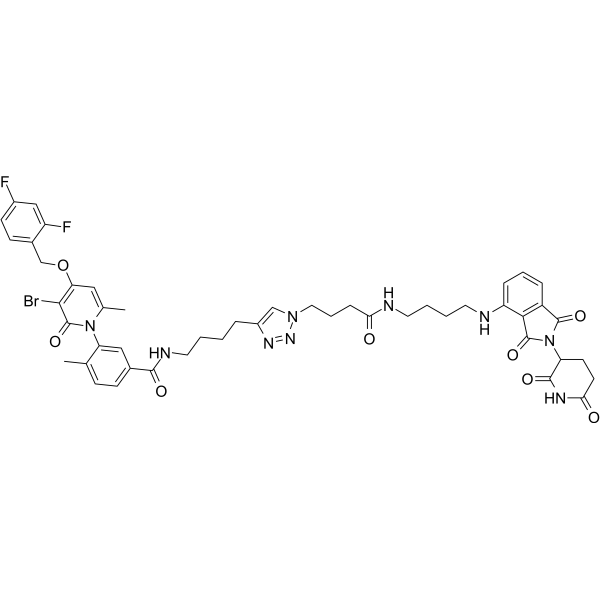
PROTAC sEH degrader-2 is a PROTAC targeting degradation agent for soluble epoxide hydrolase (sEH) with pIC50 values of the catalytic domain of 8.37 (human sEH-H) and 7.12 (mouce sEH-H). PROTAC sEH degrader-2 can be used for the research related to inflammation and neuroinflammation, such as Alzheimer's disease . (Structure Note: Pink: sEH-H ligand (HY-174225); Blue: CRBN Ligand (HY-103597); Black: linker; E3 + linker (HY-141011))
|
-
-
- HY-15648FR
-
|
|
Histone Demethylase
|
Cancer
|
|
GSK-J4 (hydrochloride) (Standard) is the analytical standard of GSK-J4 (hydrochloride). This product is intended for research and analytical applications. GSK-J4 hydrochloride is a potent dual inhibitor of H3K27me3/me2-demethylases JMJD3/KDM6B and UTX/KDM6A with IC50s of 8.6 and 6.6 μM, respectively. GSK-J4 hydrochloride inhibits LPS-induced TNF-α production in human primary macrophages with an IC50 of 9 μM. GSK-J4 hydrochloride is a cell permeable proagent of GSK-J1 .
|
-
-
- HY-15648BR
-
|
|
Histone Demethylase
Apoptosis
|
Cancer
|
|
GSK-J4 (Standard) is the analytical standard of GSK-J4. This product is intended for research and analytical applications. GSK-J4 is a potent dual inhibitor of H3K27me3/me2-demethylases JMJD3/KDM6B and UTX/KDM6A with IC50s of 8.6 and 6.6 μM, respectively. GSK-J4 inhibits LPS-induced TNF-α production in human primary macrophages with an IC50 of 9 μM. GSK J4 is a cell permeable proagent of GSK-J1 . GSK-J4 induces endoplasmic reticulum stress-related apoptosis .
|
-
-
- HY-118962
-
|
|
CCR
HIV
|
Infection
|
|
E913 is a CCR5 antagonist that competes with the binding of antibodies to CCR5 which recognize the C-terminal half of the second extracellular loop (ECL2B) of CCR5. E913 can specifically block the binding of macrophage inflammatory protein-1alpha (MIP-1alpha) to CCR5 (IC50 = 0.002 μM) and MIP-1alpha-elicited cellular Ca 2+ mobilization (IC50 = 0.02 μM). E913 inhibits the replication of laboratory and primary R5 HIV-1 strains as well as various multidrug-resistant monocyte/macrophage tropic (R5) HIV-1 (IC50 = 0.03-0.06 μM). E913 can be used for the research of infection, such as HIV-1 infection .
|
-
-
- HY-151547S
-
|
|
Isotope-Labeled Compounds
P2X Receptor
|
Neurological Disease
|
|
MRS4719-d3 is the deuterium labeled MRS4719 (HY-151547). MRS4719 is a potent P2X4 receptor antagonist with an IC50 value of 0.503 μM for human P2X4 receptor. MRS4719 can reduce infarct volume and reduce brain atrophy, showing neuroprotective and neuro-rehabilitative activities in ischemic stroke model. MRS4719 also reduces ATP-induced [Ca 2+]i influx in primary human monocyte-derived macrophages. MRS4719 can be used to research ischemic stroke .
|
-
-
- HY-125387
-
|
|
Src
|
Inflammation/Immunology
|
|
TOP1210 is a narrow-spectrum tyrosine kinase inhibitor with potent inhibitory activity against P38α, Src, and Syk kinases. TOP1210 effectively reduced proinflammatory cytokines released by peripheral blood monocytes, primary macrophages, HT29 cells, inflammatory cells in ulcerative colitis (UC) biopsies, and myofibroblasts isolated from inflamed colonic UC mucosa. TOP1210 showed significant anti-inflammatory effects in cell experiments and UC biopsies, superior to some selective kinase inhibitors. The multi-kinase inhibition of TOP1210 provides the possibility of obtaining a wider range of therapeutic effects, especially in the regulation of autoimmune responses .
|
-
-
- HY-183934
-
|
|
NF-κB
JNK
ERK
p38 MAPK
TNF Receptor
Interleukin Related
|
Inflammation/Immunology
|
|
Anti-inflammatory agent 99 is a chalcone derivative. Anti-inflammatory agent 99 inhibits LPS (HY-D1056)-induced NF-κB nuclear translocation and suppress the phosphorylation of JNK, ERK, and p38. Anti-inflammatory agent 99 inhibits the expression of cytoinflammatory factors such as TNF-α and IL-6 induced by LPS. Anti-inflammatory agent 99 can be used for the research of LPS-induced septic shock .
|
-
-
- HY-183836
-
|
|
FABP
|
Cardiovascular Disease
|
|
FABP4/5-IN-7 is a dual FABP4/FABP5 inhibitor, with an IC50 of 0.8 μM and a Kd of 0.01 μM for FABP4, and an IC50 of 1.4 μM for FABP5. FABP4/5-IN-7 inhibits lipolysis in adipocytes. FABP4/5-IN-7 inhibits MCP-1 release in macrophages. FABP4/5-IN-7 improves dyslipidemia in diet-induced obese mice. FABP4/5-IN-7 can be used in studies related to dyslipidemia .
|
-
-
- HY-W018643R
-
|
Methyl ferulate (Standard)
|
p38 MAPK
Reference Standards
Autophagy
|
Neurological Disease
Inflammation/Immunology
Cancer
|
|
Ferulic acid methyl ester (Standard) is the analytical standard of Ferulic acid methyl ester (HY-W018643). This product is intended for research and analytical applications. Ferulic acid methyl ester (Methyl ferulate) is a derivative of ferulic acid, isolated from Stemona tuberosa, with anti-inflammatory and antioxidant properties . Ferulic acid methyl ester is a cell membrane and brain permeable compound, shows free radical scavenging ability, used in the research of neurodegenerative disorders . Ferulic acid methyl ester inhibits COX-2 expression, blocks p-p38 and p-JNK in primary bone marrow derived-macrophages .
|
-
-
- HY-W1130452
-
|
|
Liposome
|
Cancer
|
|
Lipid C16-C is an ionizable cationic lipid that can be used to prepare lipid nanoparticles (LNPs) for mRNA delivery. Lipid C16-C mediates ApoE-independent macropinocytosis-based mRNA delivery to macrophages, with endosomal acidification enabling endosomal escape and release of mRNA cargo into the cytosol .
|
-
-
- HY-P992391
-
|
IPH43
|
C-type Lectin-like Receptors (CTLRs)
Apoptosis
|
Cancer
|
|
IPH4301 is a monoclonal antibody targeting MICA/B, with dual activities of cytotoxicity and immunoregulation . IPH4301 blocks the interaction between MICA/B and NKG2D, inhibits their hydrolysis into soluble sMICA/B, and mediates antibody-dependent cellular cytotoxicity and antibody-dependent cellular phagocytosis against tumor cells expressing MICA/MICB. IPH4301 restores the expression and function of NKG2D on primary NK cells and T cells, reverses the immunosuppression induced by M2 macrophages, and enhances NK cell-mediated tumor cell apoptosis. IPH4301 can be used in research related to cancer and triple-negative breast cancer .
|
-
-
- HY-P992338
-
|
|
Mesothelin
Constitutive Androstane Receptor
|
Inflammation/Immunology
Cancer
|
|
CT-1119 is an autologous human anti-Mesothelin chimeric antigen receptor macrophage (CAR-M). CT-1119 mediates CAR-dependent, antigen-dependent functional activities. CT-1119 acts as a phagocytosis inducer, tumor cell killer, pro-inflammatory cytokine inducer, and M1 macrophage polarizer. CT-1119 exhibits stronger resistance to M2 repolarization and reduces tumor burden in a mouse lung cancer xenograft model. CT-1119 can be used for the research of mesothelin-expressing solid tumors .
|
-
-
- HY-N17383
-
|
|
Toll-like Receptor (TLR)
NF-κB
Collagen
Interleukin Related
Cadherin
NOD-like Receptor (NLR)
TGF-β Receptor
FXR
Apoptosis
|
Metabolic Disease
Inflammation/Immunology
|
|
Ligusticum cycloprolactam is a potent, orally active, and CNS-penetrant TLR4/NF-κB inhibitor, exhibiting anti-inflammatory and neuroprotective activity. Ligusticum cycloprolactam reduces FPR1 expression, inhibits NLRP3 inflammasome, TLR4/NF-κB, hepatic MAPK and TGF-β signaling, and selectively activates hepatic FXR. Ligusticum cycloprolactam attenuates pro-inflammatory mediator production, enhances anti-inflammatory cytokine secretion, regulates renal uric acid transporters, and preserves intestinal microbiota composition. Ligusticum cycloprolactam can be used for the research of ischemic stroke, hyperuricemic nephropathy, neuroinflammation, and metabolic dysfunction-associated fatty liver disease .
|
-
-
- HY-186178
-
|
|
CD38
|
Metabolic Disease
Inflammation/Immunology
|
|
CD38-IN-6 is an orally active CD38 inhibitor. CD38-IN-6 regulates NAD + metabolite levels in the liver of aged obese mice by increasing NAD + and NMN levels, and decreasing NAM and ADPR levels. CD38-IN-6 alleviates inflammatory responses in mice. CD38-IN-6 can be used for research related to obesity and inflammation .
|
-
-
- HY-182566
-
|
|
HIV
|
Infection
|
|
ITI-367 is a HIV-1 inhibitor that targets the nuclear localization signal 1 (NLS-1) of HIV-1 matrix protein and the interaction between HIV-1 pre-integration complex (PIC) and importin-β. ITI-367 inhibits HIV-1 replication at the pre-integration stage, reduces the formation of 2-LTR circles, and sequesters viral DNA in the cytoplasm. ITI-367 can be used for the research of HIV infection .
|
-
-
- HY-P992483
-
|
|
Transmembrane Glycoprotein
|
Cancer
|
|
VIS832 is an anti-CD138 monoclonal antibody. VIS832 induces antibody-dependent cellular cytotoxicity. VIS832 inhibits the growth of disseminated multiple myeloma tumors in vivo. VIS832 exerts anti-tumor effects on multiple myeloma in combination with Lenalidomide (HY-A0003) or Bortezomib (HY-10227). VIS832 can be used in research related to multiple myeloma .
|
-
-
- HY-P992441
-
|
|
Transmembrane Glycoprotein
|
Cancer
|
|
PHST001 is a humanized anti-CD24 antibody. PHST001 binds cell-surface CD24, blocks CD24-Siglec10 interaction, and engages Fc receptors to promote macrophage-mediated tumor cell phagocytosis. PHST001 inhibits growth of breast cancer and ovarian cancer, and reduces metastatic lesions in mouse xenograft models. PHST001 can be used for the research of triple negative breast cancer, HER2+ breast cancer, metastatic tumors, and ovarian cancer .
|
-
-
- HY-183647
-
|
|
NO Synthase
|
Inflammation/Immunology
|
|
iNOs-IN-9 is a selective inducible nitric oxide synthase (iNOS) inhibitor with an IC50 of 82 nM against hiNOS. iNOs-IN-9 reduces cytokine-induced inflammatory responses and cell necrosis in inflammatory cell models. iNOs-IN-9 can be used for research related to psoriasis .
|
-
-
- HY-125426
-
|
|
Glycosidase
Dengue Virus
|
Infection
|
|
ToP-DNJ is a selective endoplasmic reticulum α-glucosidase II (GluII) inhibitor with an IC50 value of 9.0 μM. ToP-DNJ selectively inhibits the two catalytic reactions of GluII, and exhibits stronger activity in the first step of converting di-glycosylated glycans to mono-glycosylated glycans. ToP-DNJ exhibits anti-DENV activity. ToP-DNJ can be used in studies related to dengue virus infection .
|
-
-
- HY-102065R
-
|
|
Reference Standards
Prostaglandin Receptor
RANKL/RANK
|
Metabolic Disease
|
|
SC-19220 (Standard) is the analytical standard of SC-19220 (HY-102065). This product is intended for research and analytical applications. SC-19220 is a prostaglandin E2 receptor EP1 antagonist. SC-19220 blocks functional EP1 receptor activation, and RANK/RANKL signaling pathway. SC-19220 inhibits osteoclast formation and bone resorption by pre-existing osteoclasts. SC-19220 can be used for the research of osteoporotic disorders, inflammatory bone resorption .
|
-
| Cat. No. |
Product Name |
Target |
Research Area |
-
- HY-P10449
-
|
|
Peptides
|
Inflammation/Immunology
Cancer
|
|
M2 Peptide is a peptide targeting M2-like tumor-associated macrophages (TAMs). M2 Peptide is used to carry drugs or small interfering RNA (siRNA) to promote the repolarization of M2-like macrophages to M1-like macrophages, thereby altering the immunosuppressive state in the tumor microenvironment and enhancing the anti-tumor immune response. M2 Peptide can be used to study the effect of macrophage polarization and how this polarization change affects tumor growth and metastasis .
|
-
- HY-P5081
-
|
|
TGF-β Receptor
Collagen
|
Inflammation/Immunology
|
|
Endotrophin (Mus musculus) is an adipokine, a cleavage fragment derived from Collagen VI, whose levels are elevated in adipose tissue and breast tumors of obese mice. Endotrophin (Mus musculus) activates the TGF-β signaling pathway and reduces the expression of hormone-sensitive lipase. Endotrophin (Mus musculus) induces adipogenesis, lipid accumulation, fibrosis, inflammation, angiogenesis, adipose tissue expansion, epithelial-mesenchymal transition, and insulin resistance; it also induces Cisplatin (HY-17394) resistance in cancer cells. Endotrophin (Mus musculus) can be used in research related to metabolic diseases such as obesity and type 2 diabetes, as well as cancers such as breast cancer .
|
-
- HY-P10947
-
|
|
Epigenetic Reader Domain
YAP
|
Cancer
|
|
MACTIDE-V is an orally active and selective peptide-drug conjugate targeting CD206. MACTIDE-V delivers Verteporfin (HY-B0146) to CD206 + tumor-associated macrophages (TAM) to inhibit the YAP/TAZ signaling pathway, prompting YAP exclusion from the nucleus, inducing TAM polarization toward an anti-tumoral phenotype with enhanced phagocytosis and antigen presentation, and boosting T cell infiltration and NK cell activity. MACTIDE-V suppresses primary tumor growth and lung metastasis in triple-negative breast cancer (TNBC) mouse models .
|
| Cat. No. |
Product Name |
Target |
Research Area |
Image |
-
- HY-P991220
-
|
|
TREM receptor
|
Neurological Disease
|
|
AL002 is a humanized monoclonal IgG1 antibody and a blood-brain barrier-permeable TREM2 modulator. AL002 binds to TREM2 on the surface of microglia, promotes TREM2 clustering and the formation of the TREM2-DAP12 complex, activates the TREM2 signaling pathway and PI3K cascade, and induces TREM2 internalization and degradation. AL002 is applicable to research related to Alzheimer's disease .
|
-
(5)
-
- HY-P992391
-
|
IPH43
|
C-type Lectin-like Receptors (CTLRs)
Apoptosis
|
Cancer
|
|
IPH4301 is a monoclonal antibody targeting MICA/B, with dual activities of cytotoxicity and immunoregulation . IPH4301 blocks the interaction between MICA/B and NKG2D, inhibits their hydrolysis into soluble sMICA/B, and mediates antibody-dependent cellular cytotoxicity and antibody-dependent cellular phagocytosis against tumor cells expressing MICA/MICB. IPH4301 restores the expression and function of NKG2D on primary NK cells and T cells, reverses the immunosuppression induced by M2 macrophages, and enhances NK cell-mediated tumor cell apoptosis. IPH4301 can be used in research related to cancer and triple-negative breast cancer .
|
-
(5)
-
- HY-P992338
-
|
|
Mesothelin
Constitutive Androstane Receptor
|
Inflammation/Immunology
Cancer
|
|
CT-1119 is an autologous human anti-Mesothelin chimeric antigen receptor macrophage (CAR-M). CT-1119 mediates CAR-dependent, antigen-dependent functional activities. CT-1119 acts as a phagocytosis inducer, tumor cell killer, pro-inflammatory cytokine inducer, and M1 macrophage polarizer. CT-1119 exhibits stronger resistance to M2 repolarization and reduces tumor burden in a mouse lung cancer xenograft model. CT-1119 can be used for the research of mesothelin-expressing solid tumors .
|
-
(5)
-
- HY-P992483
-
|
|
Transmembrane Glycoprotein
|
Cancer
|
|
VIS832 is an anti-CD138 monoclonal antibody. VIS832 induces antibody-dependent cellular cytotoxicity. VIS832 inhibits the growth of disseminated multiple myeloma tumors in vivo. VIS832 exerts anti-tumor effects on multiple myeloma in combination with Lenalidomide (HY-A0003) or Bortezomib (HY-10227). VIS832 can be used in research related to multiple myeloma .
|
-
(5)
-
- HY-P992441
-
|
|
Transmembrane Glycoprotein
|
Cancer
|
|
PHST001 is a humanized anti-CD24 antibody. PHST001 binds cell-surface CD24, blocks CD24-Siglec10 interaction, and engages Fc receptors to promote macrophage-mediated tumor cell phagocytosis. PHST001 inhibits growth of breast cancer and ovarian cancer, and reduces metastatic lesions in mouse xenograft models. PHST001 can be used for the research of triple negative breast cancer, HER2+ breast cancer, metastatic tumors, and ovarian cancer .
|
-
(5)
| Cat. No. |
Product Name |
Category |
Target |
Chemical Structure |
-
- HY-122515
-
-
-
- HY-W018643
-
-
-
- HY-N0392
-
|
|
Triterpenes
Structural Classification
Classification of Application Fields
Terpenoids
Polygalaceae
Polygala japonica Houtt.
Plants
Inflammation/Immunology
Disease Research Fields
Source Classification
|
Toll-like Receptor (TLR)
PI3K
Akt
NF-κB
MDM-2/p53
Caspase
MEK
Bcl-2 Family
p38 MAPK
Mitophagy
Reactive Oxygen Species (ROS)
Apoptosis
Calcium Channel
|
|
Polygalasaponin F is an orally active triterpenoid saponin monomer. Polygalasaponin F downregulates the expression of Bax, p53, caspase-3, NF-κB p65 and MEK1; restores and upregulates the expression of Bcl-2; activates the PI3K/Akt signaling pathway; inhibits the phosphorylation of p38 MAPK, nuclear translocation of NF-κB, TLR4-mediated signaling pathway, mitophagy (Mitophagy) and ROS production; enhances cell viability and suppresses apoptosis (Apoptosis). Polygalasaponin F maintains mitochondrial function, alleviates Ca 2+ overload, upregulates pCREB and BDNF, preserves cell viability and inhibits the release of inflammatory cytokines. Polygalasaponin F alleviates lung injury induced by influenza A H1N1 and cerebral ischemia-reperfusion injury. Polygalasaponin F is applicable to researches related to Parkinson's disease, cerebral ischemia, pneumonia induced by influenza A H1N1, stroke and Alzheimer's disease .
|
-
-
- HY-W018643R
-
-
-
- HY-N17383
-
|
|
Structural Classification
Natural Products
Umbelliferae
Plants
Echinacea angustifolia DC.
Source Classification
|
Toll-like Receptor (TLR)
NF-κB
Collagen
Interleukin Related
Cadherin
NOD-like Receptor (NLR)
TGF-β Receptor
FXR
Apoptosis
|
|
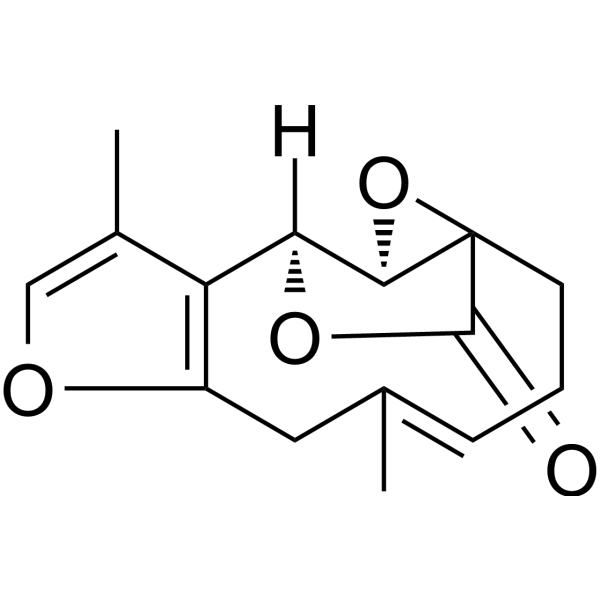
Ligusticum cycloprolactam is a potent, orally active, and CNS-penetrant TLR4/NF-κB inhibitor, exhibiting anti-inflammatory and neuroprotective activity. Ligusticum cycloprolactam reduces FPR1 expression, inhibits NLRP3 inflammasome, TLR4/NF-κB, hepatic MAPK and TGF-β signaling, and selectively activates hepatic FXR. Ligusticum cycloprolactam attenuates pro-inflammatory mediator production, enhances anti-inflammatory cytokine secretion, regulates renal uric acid transporters, and preserves intestinal microbiota composition. Ligusticum cycloprolactam can be used for the research of ischemic stroke, hyperuricemic nephropathy, neuroinflammation, and metabolic dysfunction-associated fatty liver disease .
|
-
| Cat. No. |
Product Name |
Chemical Structure |
-
- HY-151547S
-
|
|
|
MRS4719-d3 is the deuterium labeled MRS4719 (HY-151547). MRS4719 is a potent P2X4 receptor antagonist with an IC50 value of 0.503 μM for human P2X4 receptor. MRS4719 can reduce infarct volume and reduce brain atrophy, showing neuroprotective and neuro-rehabilitative activities in ischemic stroke model. MRS4719 also reduces ATP-induced [Ca 2+]i influx in primary human monocyte-derived macrophages. MRS4719 can be used to research ischemic stroke .
|
-
| Cat. No. |
Product Name |
|
Classification |
-
- HY-176497
-
|
G297X
|
|
Alkynes
|
|
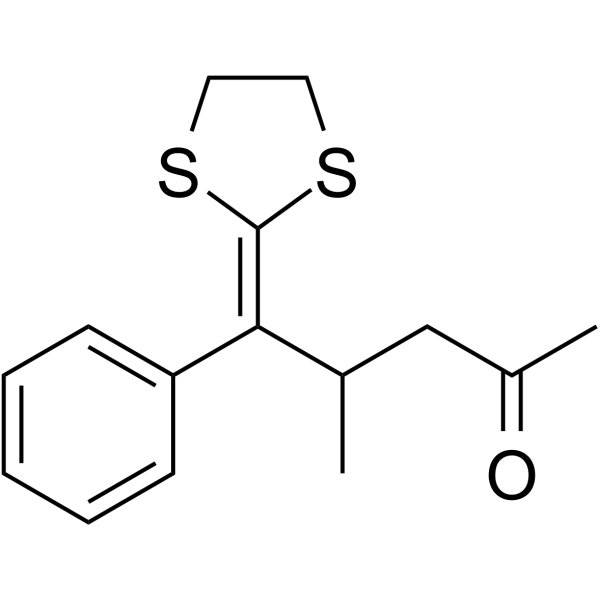
GW273297X is a selective CYP27A1 inhibitor. GW273297X blocks 27-hydroxycholesterol biosynthesis and sterol product formation in human macrophages. GW273297X reduces cancer cells colonization by inhibiting pro-metastatic effects of 27-hydroxycholesterol. GW273297X can be used for the researches of cancer and metabolic disease, such as breast cancer .
|
-
- HY-125387
-
|
|
|
Alkynes
|
|
TOP1210 is a narrow-spectrum tyrosine kinase inhibitor with potent inhibitory activity against P38α, Src, and Syk kinases. TOP1210 effectively reduced proinflammatory cytokines released by peripheral blood monocytes, primary macrophages, HT29 cells, inflammatory cells in ulcerative colitis (UC) biopsies, and myofibroblasts isolated from inflamed colonic UC mucosa. TOP1210 showed significant anti-inflammatory effects in cell experiments and UC biopsies, superior to some selective kinase inhibitors. The multi-kinase inhibition of TOP1210 provides the possibility of obtaining a wider range of therapeutic effects, especially in the regulation of autoimmune responses .
|
| Cat. No. |
Product Name |
|
Classification |
-
- HY-171692
-
|
|
|
CpG ODNs
|
|
G3-YSD is a cGAS agonist. G3-YSD directly interacts with cGAS to enhance its enzymatic activity, promote the conversion of ATP and GTP into cGAMP, and trigger STING-dependent IFN-α/β secretion. G3-YSD acts as a viral mimic to replace actual viral DNA . G3-YSD is applicable to research related to long COVID and type 1 human immunodeficiency virus infection .
|
Your information is safe with us. * Required Fields.
Inquiry Information
- Product Name:
- Cat. No.:
- Quantity:
- MCE Japan Authorized Agent:

