

Search Result
Results for "
protease substrate
" in MedChemExpress (MCE) Product Catalog:
4
Biochemical Assay Reagents
5
Isotope-Labeled Compounds
| Cat. No. |
Product Name |
Target |
Research Areas |
Chemical Structure |
-
- HY-137784
-
|
|
Fluorescent Dye
|
Others
|
|
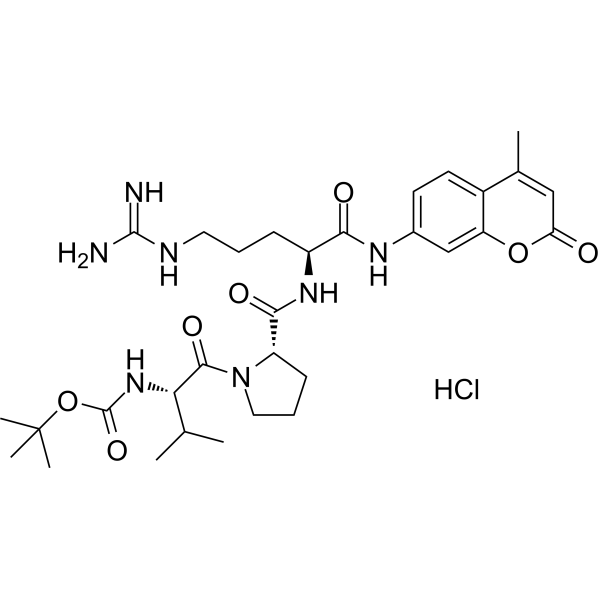
Boc-Val-Pro-Arg-AMC hydrochloride is a sensitive fluorogenic substrate for measuring trypsin-like serine proteases activity .
|
-
-
- HY-D1080
-
EDANS
3 Publications Verification
1,5-EDANS
|
Fluorescent Dye
|
Others
|
|
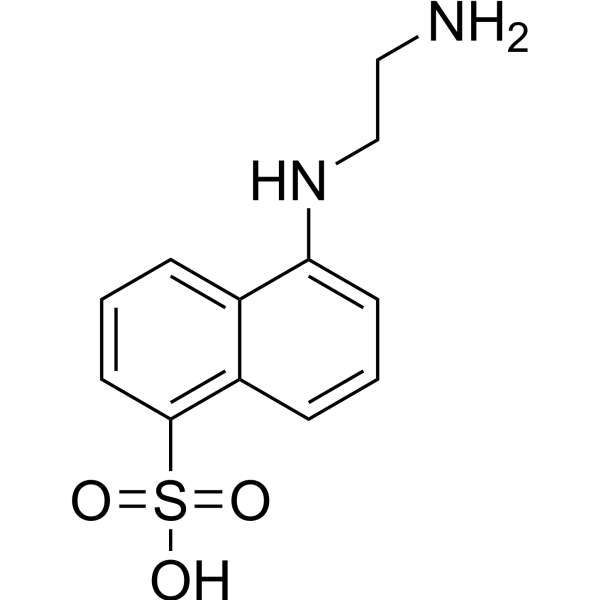
EDANS (1,5-EDANS) is a novel and quenched fluorogenic substrate for assaying retroviral protease by resonance energy transfer (RET) .
|
-
-
- HY-P2295
-
|
|
SARS-CoV
|
Others
|
|
Dabcyl-KTSAVLQSGFRKME-Edans TFA is a fluorogenic peptide. Dabcyl-KTSAVLQSGFRKME-Edans TFA is used as the substrate to measure the enzymatic activities of protease forms. Dabcyl-KTSAVLQSGFRKME-Edans TFA has the potential for study 2019-nCoV (COVID-19) infection .
|
-
-
- HY-P4326
-
|
|
Fluorescent Dye
|
Others
|
|
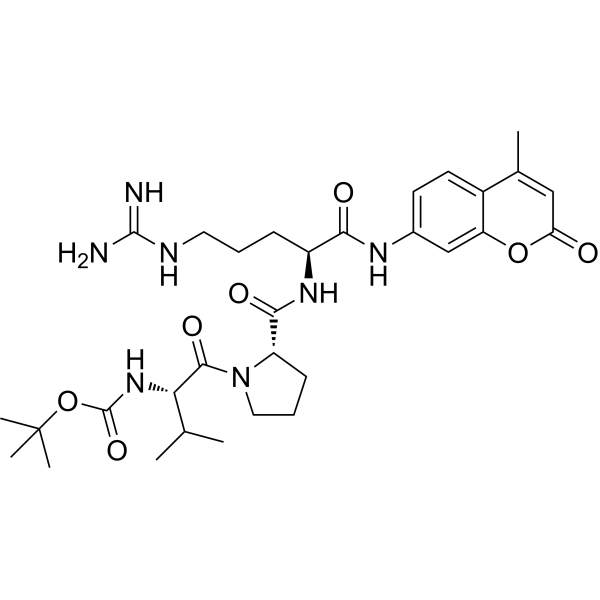
Boc-Val-Pro-Arg-MCA is a sensitive fluorogenic substrate for measuring trypsin-like serine proteases activity .
|
-
-
- HY-131409
-
|
D-Val-Leu-Lys-p-itoailide dihydrochloride; D-VLK-pNA dihydrochloride; S 2251 dihydrochloride
|
Fluorescent Dye
|
Others
|
|
D-Val-Leu-Lys-pNA (D-Val-Leu-Lys-p-nitroanilide) dihydrochloride is a chromogenic peptide substrate that serves as a characteristic substrate for plasmin and plasminogen. D-Val-Leu-Lys-pNA dihydrochloride acts as a sensitive substrate for the DFE27 serine protease derived from Bacillus subtilis DC27. Catalyzed by plasmin, D-Val-Leu-Lys-pNA dihydrochloride binds and hydrolyzes to release p-nitroaniline (pNA), which can be detected colorimetrically at 405 nm as a measure of fibrinolytic activity .
|
-
-
- HY-W027544
-
|
7-Methoxycoumarin-4-acetic acid
|
Fluorescent Dye
|
Others
|
|
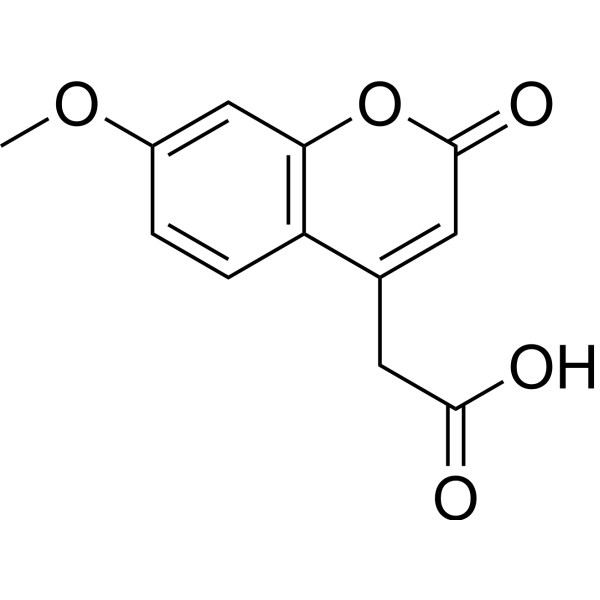
MCA (7-Methoxycoumarin-4-acetic acid) is a Coumarin (HY-N0709) derivative. MCA quantitates platelet-activating factor (PAF) by high-performance liquid chromatography with fluorescent detection. MCA can modify FRET peptide substrates for analyzing protease activities .
|
-
-
- HY-142021
-
|
|
Cathepsin
Parasite
|
Infection
Inflammation/Immunology
|
|
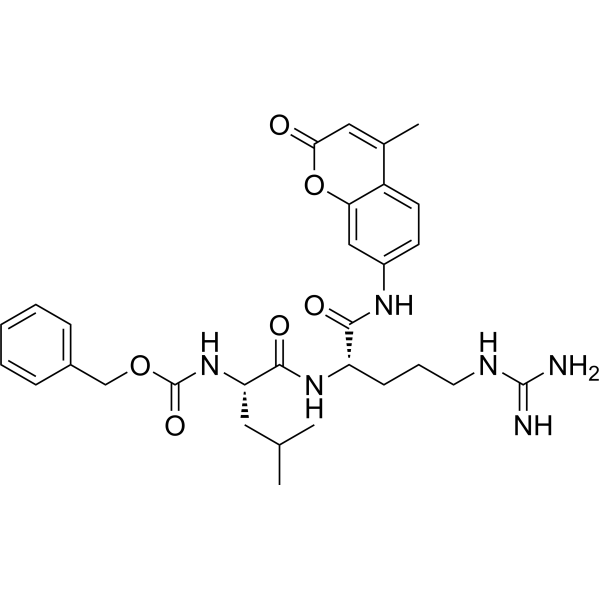
Z-Leu-Arg-AMC is a fluorogenic peptide substrate for cysteine proteases (e.g., Cathepsin) (Ex=350 nm,Em=460 nm). Z-Leu-Arg-AMC is preferentially cleaved by Cathepsin K and S under weakly acidic conditions, while its hydrolysis relies on residual Cathepsin S activity at neutral pH. Z-Leu-Arg-AMC serves as a substrate for recombinant Sphenophorus levis Cathepsin L, falcipain-2, falcipain-3, berghepain-2, knowlepain-2, vivapain-2, as well as falcipain-2 chimeras and constructs. It enables quantitative detection of cysteine protease activity in human inflammatory bronchoalveolar lavage fluid via fluorescence generation. Z-Leu-Arg-AMC can be used in research related to pulmonary inflammatory diseases and malaria .
|
-
-
- HY-P2895
-
|
Clostridiopeptidase B
|
Endogenous Metabolite
|
Others
|
|
Clostripain (Clostridiopeptidase B) is a thiol protease isolated from Clostridium histolyticum. Clostripain exhibits proteolytic activity as well as amidase-esterase activity. The specificity of Clostripain is primarily restricted to arginine residues, but it also shows minor hydrolytic activity toward most lysine-containing substrates. Clostripain catalyzes the ammonolysis of Carbobenzoxyarginyl methyl ester to generate various dipeptides .
|
-
-
- HY-P3949
-
|
|
Fluorescent Dye
|
Others
|
|
Fluorescent Substrate for Glu-Specific Proteases is a V8 protease-Specific chromogenic substrate .
|
-
-
- HY-148073
-
|
|
Fluorescent Dye
Ser/Thr Protease
|
Others
|
|
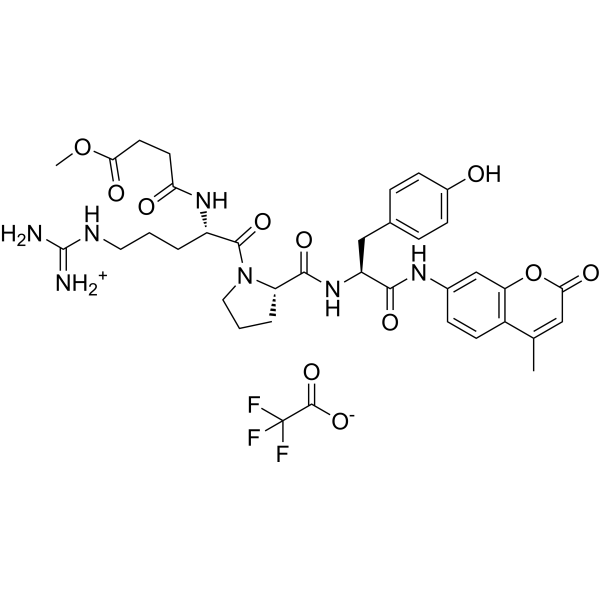
MeO-Succ-Arg-Pro-Tyr-AMC TFA is a fluorogenic peptide substrate for chymotrypsin-like proteases that detects protease activity . (measured at 460 nm)
|
-
-
- HY-137840
-
|
|
Carboxypeptidase
|
Cancer
|
|
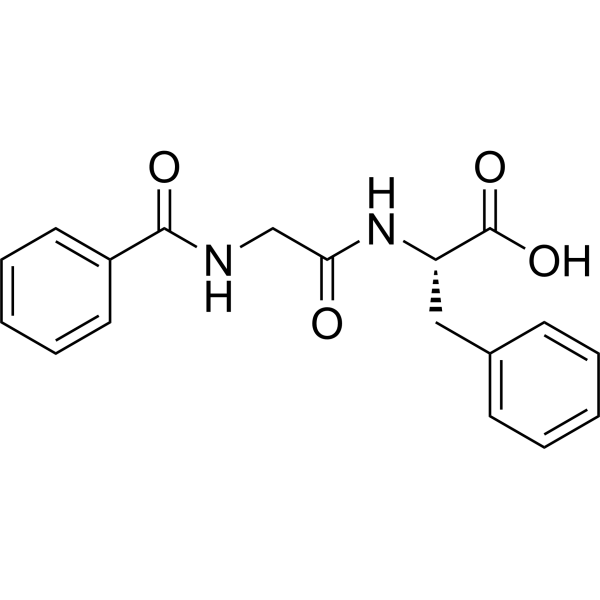
Hippuryl-L-phenylalanine is a substrate of carboxypeptidase. Carboxypeptidase is a protease enzyme that related with obesity, epilepsy and neurodegeneration. Hippuryl-L-phenylalanine can be used for the determination of carboxypeptidase activity .
|
-
-
- HY-P4425
-
|
|
Biochemical Assay Reagents
|
Others
|
|
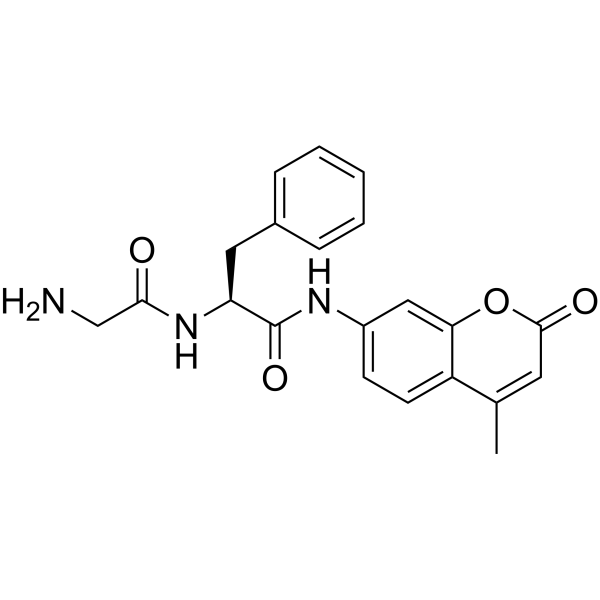
Gly-Phe-AMC is a fluorogenic peptide substrate consisting of a peptide sequence composed of glycine and phenylalanine, linked to the fluorophore AMC. Gly-Phe-AMC also serves as a cathepsin C substrate. Gly-Phe-AMC is widely used to detect the activity of various proteases .
|
-
-
- HY-P2065
-
|
|
Fluorescent Dye
|
Others
|
|
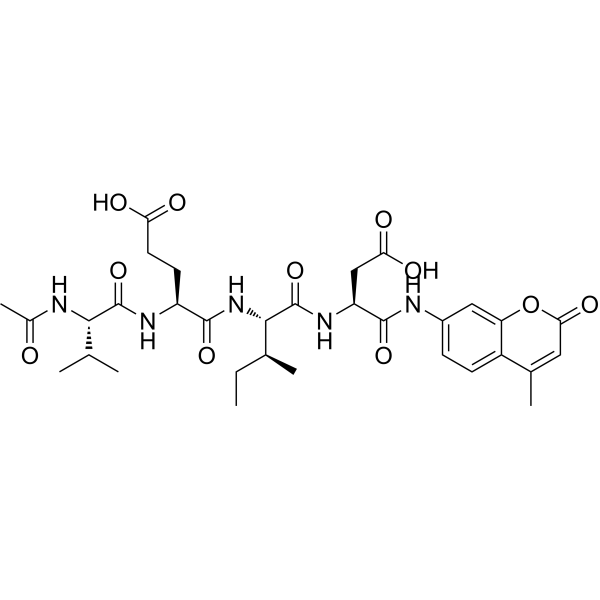
Ac-VEID-AMC is a fluorescent substrate for the determination of caspase-6 and related cysteine protease activities (Ex=340-360 nm, Em=440-460 nm) .
|
-
-
- HY-134435
-
|
|
Fluorescent Dye
|
Others
|
|
Z-Arg-AMC hydrochloride is a fluorogenic substrate for trypsin and papain. Z-Arg-AMC hydrochloride can be used to research activity of trypsin (Ex/Em=355/460 nm) .
|
-
-
- HY-P2990
-
|
TMPRSS15
|
Ser/Thr Protease
|
Metabolic Disease
|
|
Enteropeptidase (TMPRSS15), a type II transmembrane serine protease and a physiological activator of trypsinogen. Enteropeptidase is associated with the brush border membrane (BBM) of the enterocytes in the upper small intestine. Trypsinogen is the primary substrate for Enteropeptidase. Enteropeptidase is involved in digestion in humans and animals .
|
-
-
- HY-P4417
-
|
|
Fluorescent Dye
|
Others
|
|
Ac-IEPD-AMC is a fluorogenic substrate for the determination of protease activity. Ac-IEPD-AMC undergoes hydrolysis and releases the fluorescent product 7-amino-4-methylcoumarin (AMC). AMC is fluorescent under UV light and can emit a fluorescent signal .
|
-
-
- HY-P4419A
-
|
|
Fluorescent Dye
|
Others
|
|
Boc-Asp(OBzl)-Pro-Arg-AMC acetate is a fluorogenic substrate for the determination of protease activity. Boc-Asp(OBzl)-Pro-Arg-AMC acetate undergoes hydrolysis and releases the fluorescent product 7-amino-4-methylcoumarin (AMC). AMC is fluorescent under UV light and can emit a fluorescent signal .
|
-
-
- HY-137303
-
|
FAGLA
|
Bacterial
|
Others
|
|
FA-Gly-Leu-NH2 (FAGLA) is a dipeptide substrate for proteases that can be hydrolyzed by thermophilic proteases and neutral proteases, showing pH-dependent variations in kcat/Km .
|
-
-
- HY-P3934
-
|
|
HIV Protease
|
Infection
|
|
HIV Protease Substrate I is a chromogenic substrate of HIV-1 protease. HIV Protease Substrate I has the cleavage site of HIV protease .
|
-
-
- HY-D1685
-
|
|
Fluorescent Dye
|
Others
|
|
BZiPAR is a fluorescent probe. BZiPAR also is a substrate of trypsin that becomes fluorescent after cleavage by the protease .
|
-
-
- HY-129867
-
|
Z-LLL-AMC
|
Proteasome
|
Others
|
|
Z-Leu-Leu-Leu-AMC is a fluorogenic substrate for measuring the chymotrypsin-like protease activity of the 20S proteasome .
|
-
-
- HY-P3794
-
-
-
- HY-P5313A
-
|
|
Dengue Virus
|
Infection
|
|
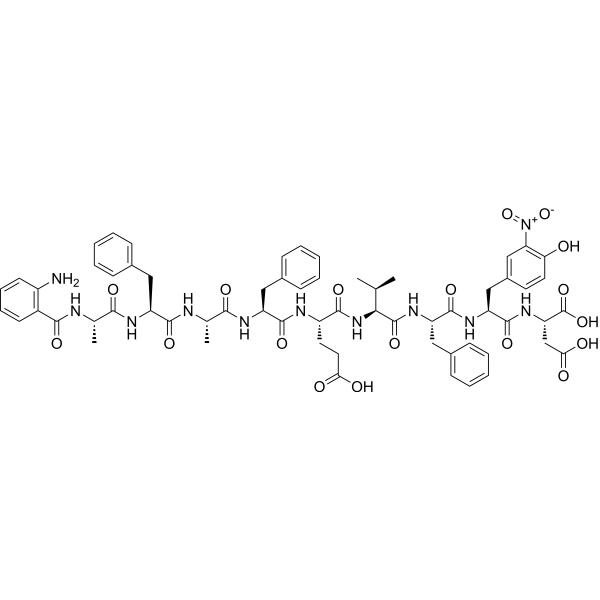
Abz-Nle-Lys-Arg-Arg-Ser-3-(NO2)Tyr acetate is a DEN protease substrate, which can be used in research related to dengue virus (drug development) .
|
-
-
- HY-P4406
-
|
|
Fluorescent Dye
|
Others
|
|
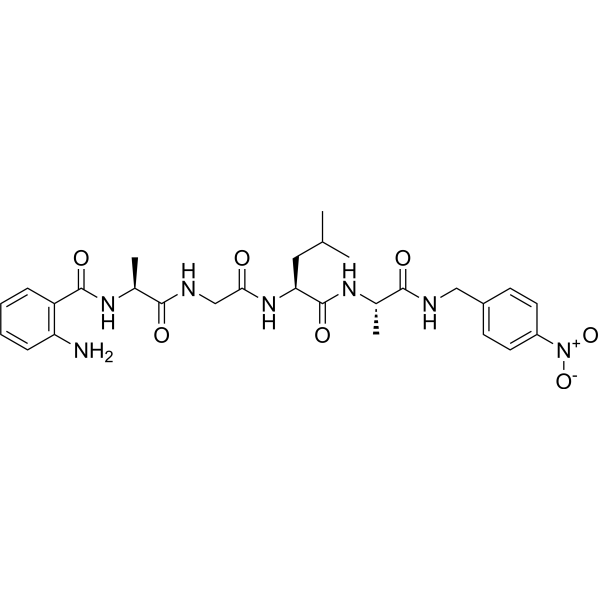
Abz-AGLA-Nba is a fluorogenic substrate for the determination of protease activity. Abz-AGLA-Nba is hydrolyzed to release aminoacyl benzimide (Abz-AGLA) and 2-naphthylaminoacyl (Nba). The product Abz-AGLA produced by this hydrolysis reaction is fluorescent under ultraviolet light and can emit a fluorescent signal .
|
-
-
- HY-D1080R
-
|
1,5-EDANS (Standard)
|
Fluorescent Dye
Reference Standards
|
Others
|
|
EDANS (1,5-EDANS) (Standard) is an analytical standard for EDANS. This product is intended for research and analytical applications. EDANS (1,5-EDANS) is a novel quenched fluorogenic substrate for the analysis of retroviral proteases by resonance energy transfer .
|
-
-
- HY-158307
-
|
|
Cathepsin
|
Others
|
|
Z-Arg-Arg-βNA acetate is a sensitive dipeptide substrate of the protease Cathepsin B and resistant to proteases H and L. Z-Arg-Arg-βNA acetate can serve as an important tool for distinguishing non-Cathepsin B type proteins .
|
-
-
- HY-137872
-
|
|
Biochemical Assay Reagents
|
Others
|
|
L-Leucyl-4-nitroanilide hydrochloride is a commonly used substrate in various biochemical assays to measure the activity of enzymes that cleave peptide bonds, such as proteases. L-Leucine p-nitroanilide hydrochloride has unique chemical properties that allow it to be cleaved by these enzymes to form a yellow product called p-nitroaniline. This makes it a useful tool for detecting and quantifying protease activity in biological samples such as blood or tissue extracts.
|
-
-
- HY-P5062A
-
|
Decanoyl-Arg-Val-Arg-Lys-chloromethylketone TFA
|
Furin
|
Infection
|
|
DEC-RVRK-CMK (Decanoyl-Arg-Val-Arg-Lys-chloromethylketone) TFA is a peptide-based CMK (chloromethylketone) inhibitor that targets and inactivates the secreted soluble kexin (Kex2) (Ki=8.45 μM). The yeast enzyme Kex2 (kexin, EC 3.4.21.61) is a calcium-dependent transmembrane protease and belongs to the mammalian protease family of the serine protease subtilisin family. The binding mechanism of Kex2 with different CMK inhibitors depends on substrate selectivity, particularly the selective differences between lysine and arginine at the P1 position .
|
-
-
- HY-134113
-
|
CBZ-Chromozym TH
|
Biochemical Assay Reagents
|
Others
|
|
Z-Gly-Pro-Arg-pNA (z-GPR-pNA) is a photometric substrate in Prostate-Specific Antigen (PSA) activation protease assays. Z-Gly-Pro-Arg-pNA (z-GPR-pNA) can be used for the test of trypsin activity .
|
-
-
- HY-171444
-
|
|
γ-secretase
Amyloid-β
|
Neurological Disease
|
|
GSM III is a γ-Secretase complexe (GSEC) modulator. GSM III significantly regulates amyloid-β (Aβ) length at the extracellular interface between the protease (NCT, PSEN) and the substrate APPC99. GSM III can be used for Alzheimer's disease (AD) research .
|
-
-
- HY-P4417A
-
|
|
Fluorescent Dye
|
Others
|
|
Ac-IEPD-AMC TFA is a fluorescent substrate used to measure protease activity. Ac-IEPD-AMC undergoes hydrolysis and releases the fluorescent product 7-amino-4-methylcoumarin (AMC). AMC fluoresces under UV light irradiation and can emit fluorescent signals .
|
-
-
- HY-P4323A
-
|
|
Fluorescent Dye
|
Others
|
|
Boc-Gln-Arg-Arg-AMC acetate is a fluorogenic substrate for the determination of protease activity. Boc-Gln-Arg-Arg-AMC undergoes hydrolysis and releases the fluorescent product 7-amino-4-methylcoumarin (AMC). AMC is fluorescent under UV light and can emit a fluorescent signal .
|
-
-
- HY-D1079
-
|
|
DNA Stain
|
Others
|
|
EDANS sodium is a potent fluorogenic substrates. EDANS sodium is a donor for FRET-based nucleic acid probes and protease substrates. EDANS sodium is often paired with DABCYL or DABSYL. The optimal absorbance and emission wavelengths of EDANS sodium are λabs = 336 nm and λem = 490 nm respectively .
|
-
-
- HY-P3948
-
|
|
Fluorescent Dye
|
Others
|
|
Fluorescent Substrate for Pro-Specific Proteases is a fluorescent substrate of pro-specific proteases. Fluorescent Substrate for Pro-Specific Proteases can be used to detect the hydrolysis rate and activity of target enzyme .
|
-
-
- HY-136143
-
|
|
Fluorescent Dye
|
Others
|
|
(BHQ-3)-OSu hexafluorophosphate is used for fluorescent labeling of protease substrates .
|
-
-
- HY-P4496
-
|
|
Phosphatase
|
Others
|
|
Tos-Gly-Pro-Lys-pNA is a substrate for the serine protease ALP and can be used to measure the activity of this enzyme .
|
-
-
- HY-P3947
-
|
|
Ser/Thr Protease
|
Infection
|
|
Fluorescent Substrate for Subtillsin can be used to detect the enzyme activity of subtillsin. Subtilisin is a bacterial serine protease .
|
-
-
- HY-P4658
-
|
|
Dipeptidyl Peptidase
|
Others
|
|
H-Val-Ala-pNA is a substrate for the dipeptide aminopeptidase (DPAPase) of Streptococcus bovis. H-Val-Ala-pNA can be used to measure the activity of the protease .
|
-
-
- HY-P11302
-
|
|
CHIKV
Virus Protease
|
Infection
|
|
DABCYL-RAGGYIFS-(E-EDANS)-NH2, an octapeptide, is a FRET-based substrate peptide of CHIKV nsP2protease with highly sensitivity. DABCYL-RAGGYIFS-(E-EDANS)-NH2 can be cleaved by the active CHIKV nsP2protease, separating fluorophore and quencher and resulting in an increase of fluorescence signal. DABCYL-RAGGYIFS-(E-EDANS)-NH2 can used for the determination of CHIKV nsP2protease activity .
|
-
-
- HY-P4580
-
|
|
Proteasome
|
Others
|
|
Suc-Ala-Ala-Pro-Phe-SBzl can be used as the substrate of rat intestinal mast cell protease (RMCP I), rat skeletal muscle mast cell protease (RMCP II) and Chymotrypsin (HY-108910). Suc-Ala-Ala-Pro-Phe-SBzl can be hydrolyzed by glycine (R208G) .
|
-
-
- HY-P4039
-
|
|
HCV Protease
|
Infection
|
|
Ac-EEVVAC-pNA is a chromogenic substrate for a continuous spectrophotometric assay of HCV NS3 protease. The sequence EEVVAC is derived from the 5A-5B cleavage junction of the HCV polyprotein .
|
-
-
- HY-P3980
-
|
|
HIV Protease
|
Infection
|
|
HIV-1, HIV-2 Protease Substrate is the substrate of HIV-1, HIV-2 protease. And there are 4 residues for conservative substitutions of the substrate binding residues of HIV-1 and HIV-2 protease .
|
-
-
- HY-P5062
-
|
Decanoyl-Arg-Val-Arg-Lys-chloromethylketone
|
Furin
|
Infection
|
|
DEC-RVRK-CMK (Decanoyl-Arg-Val-Arg-Lys-chloromethylketone) is a peptide-based CMK (chloromethylketone) inhibitor that targets and inactivates the secreted soluble kexin (Kex2) (Ki=8.45 μM). The yeast enzyme Kex2 (kexin, EC 3.4.21.61) is a calcium-dependent transmembrane protease and belongs to the mammalian protease family of the serine protease subtilisin family. The binding mechanism of Kex2 with different CMK inhibitors depends on substrate selectivity, particularly the selective differences between lysine and arginine at the P1 position .
|
-
-
- HY-17367S4
-
-
-
- HY-P4406A
-
|
|
Fluorescent Dye
|
Others
|
|
Abz-AGLA-Nba TFA is a fluorogenic substrate for the determination of protease activity. Abz-AGLA-Nba TFA is hydrolyzed to release aminoacyl benzimide (Abz-AGLA) and 2-naphthylaminoacyl (Nba). The product Abz-AGLA produced by this hydrolysis reaction is fluorescent under ultraviolet light and can emit a fluorescent signal .
|
-
-
- HY-P4018
-
|
|
HIV Protease
|
Infection
|
|
HIV Protease Substrate IV is a substrate of HIV protease. HIV Protease Substrate IV can be used to measure the activity of HIV (human immunodeficiency virus) -1 protease .
|
-
-
- HY-120659
-
|
|
Fluorescent Dye
|
Others
|
|
Gly-Gly-AMC is a fluorogenic peptide substrate. Gly-Gly-AMC can be used to assess bacterial protease activity of P. aeruginosa and S. aureus .
|
-
-
- HY-W141825
-
|
|
Fluorescent Dye
|
Infection
Metabolic Disease
|
|
N-Acetyl-DL-phenylalanine β-naphthyl ester is an aromatic amino acid ester, which functions as a chromogenic substrate for chymotrypsin and microbial serine proteases such as subtilisin .
|
-
-
- HY-P2344
-
|
|
HIV Protease
|
Infection
|
|
HIV Protease Substrate 1, a fiuorogenic HIV protease substrate, can be used to study enzymatic activity of HIV protease .
|
-
-
- HY-P4443
-
|
|
Fluorescent Dye
|
Others
|
|
Ac-GAK-AMC is a fluorescent substrate that can be used to measure protease activity. AMC (7-amino-4-methylcoumarin) is a fluorescent group. In the presence of protease, the protease will hydrolyze Ac-GAK-AMC into a fluorescent product .
|
-
- HY-P2344A
-
|
|
HIV Protease
|
Infection
|
|
HIV Protease Substrate 1 TFA, a fiuorogenic HIV protease substrate, can be used to study enzymatic activity of HIV protease .
|
-
- HY-106920
-
|
KNI 272; Kynostatin; NSC 651714
|
HIV Protease
|
Infection
|
|
Kynostatin 272 (KNI 272) is a potent HIV protease inhibitor. Kynostatin 272 inhibits the activity of the HIV protease by simulating the substrate transition state of the HIV protease, thus preventing a key step in the replication of the HIV virus. Kynostatin 272 provides an important research foundation for the development of drugs for HIV and AIDS .
|
-
- HY-P10344
-
|
|
Fluorescent Dye
|
Infection
|
|
MCA-AVLQSGFR-Lys(Dnp)-Lys-NH2 is a fluorescent substrate used for fluorescence resonance energy transfer (FRET) protease assays. This substrate is employed to measure the activity of SARS-CoV-2 3CLpro .
|
-
- HY-P11406
-
|
|
Fluorescent Dye
|
Others
|
|
Ac-RSLK-AMC is a fluorogenic substrate, can be used to measure the enzymatic activities of site-1 protease (S1P) .
|
-
- HY-P4019
-
|
|
HIV Protease
|
Others
|
|
Ac-Ser-Gln-Asn-Tyr-Pro-Val-Val-NH2 is a substrato peptídico of HIV-1 protease. Ac-Ser-Gln-Asn-Tyr-Pro-Val-Val-NH2 acts as the variable substrate in a peptidolytic assay to quantify the inhibition of the protease .
|
-
- HY-117747
-
|
JCR 424; XM 323
|
HIV Protease
|
Infection
|
|
DMP 323 is a potent, nonpeptide cyclic urea inhibitor of HIV protease, effective against both HIV type 1 and type 2. Designed using structural information and database searching, it competitively inhibits the cleavage of both peptide and HIV-1 gag polyprotein substrates. DMP 323 shows comparable potency to other highly effective HIV protease inhibitors like A-80987 and Ro-31-8959. Importantly, its efficacy against HIV protease remains unaffected by human plasma or serum, suggesting low affinity for plasma proteins. Furthermore, DMP 323 demonstrates minimal inhibition of various mammalian proteases at concentrations much higher than those needed for HIV protease inhibition, highlighting its specificity for viral targets .
|
-
- HY-P4773
-
|
|
HSV
|
Infection
|
|
HSV-1 Protease substrate is a peptide substrate for HSV-1 (Herpes Simplex Virus Type 1) protease, and the specificity constant (kcat/Km) at pH 7.5 for cleavage is 5.2 M -1 s -1 .
|
-
- HY-P5377
-
|
Cathepsin K substrate
|
Ser/Thr Protease
|
Others
|
|
Abz-HPGGPQ-EDDnp (Cathepsin K substrate) is a biological active peptide. (Cathepsins are a class of globular lysosomal proteases, playing a vital role in mammalian cellular turnover. They degrade polypeptides and are distinguished by their substrate specificities. Cathepsin K is the lysosomal cysteine protease involved in bone remodeling and resorption. It has potential as a drug target in autoimmune diseases and osteoporosis.This FRET peptide can be used to monitor selectively cathepsin K activity in physiological fluids and cell lysates. Abz-HPGGPQ-EDDnp [where Abz represents o-aminobenzoic acid and EDDnp represents N -(2, 4-dinitrophenyl)-ethylenediamine], a substrate initially developed for trypanosomal enzymes, is efficiently cleaved at the Gly-Gly bond by cathepsin K. This peptide is resistant to hydrolysis by cathepsins B, F, H, L, S and V, Ex/Em=340 nm/420 nm.)
|
-
- HY-17367S2
-
-
- HY-E70331
-
|
|
Endogenous Metabolite
|
Others
|
|
Acid Stable Protease is a biocatalyst and a key enzyme in new biocatalyst technology. Enzyme engineering focuses on enhancing enzyme reaction kinetics, substrate selectivity, and activity under harsh conditions such as low or high pH. By introducing stimulus responsiveness to these enzyme modifications, dynamic control of activity is also possible .
|
-
- HY-E70354
-
|
|
Endogenous Metabolite
|
Others
|
|
Protease for flavors is a biocatalyst and a key enzyme in new biocatalyst technology. Enzyme engineering focuses on enhancing enzyme reaction kinetics, substrate selectivity, and activity under harsh conditions such as low or high pH. By introducing stimulus responsiveness to these enzyme modifications, dynamic control of activity is also possible .
|
-
- HY-P5312
-
|
|
Virus Protease
|
Infection
|
|
Abz-Nle-Lys-Arg-Arg-Ser-3-(NO2)Tyr is a WNV NS2B-NS3 protease substrate. Abz-Nle-Lys-Arg-Arg-Ser-3-(NO2)Tyr is used for WNV NS2B-NS3 protease substrate peptide selective inhibitor development .
|
-
- HY-P4466
-
|
|
HIV Protease
|
Infection
|
|
Arg-Val-(Nle-p-nitro)-Phe-Glu-Ala-Nle-NH2 is a fluorogenic substrate of HIV-1 protease. Arg-Val-(Nle-p-nitro)-Phe-Glu-Ala-Nle-NH2 can be used to test HIV-1 protease activity .
|
-
- HY-P2296
-
|
|
Fluorescent Dye
|
Others
|
|
Abz-FRLKGGAPIKGV-EDDNP TFA is a fluorogenic substrate used to measure the enzymatic activities of protease forms, such as papain-like protease 2 (PLP2) from severe acute respiratory syndrome coronavirus (SARS-CoV). Abz-FRLKGGAPIKGV-EDDNP TFA has the potential for study 2019-nCoV (COVID-19) infection .
|
-
- HY-P3950
-
|
|
Fluorescent Dye
|
Others
|
|
Fluorescent Substrate for Asp-Specific Proteases is a substrate to cleave specifically the Asp-Val bond .
|
-
- HY-153921
-
|
|
Dengue Virus
|
Infection
|
|
DEPN-8 is a WNV protease substrate. DEPN-8 is used for dengue virus protease inhibitor development .
|
-
- HY-P2715
-
-
- HY-P4777A
-
|
Dabcyl-CMV-Edans TFA
|
Fluorescent Dye
|
Infection
|
|
Dabcyl-RGVVNASSRLA-Edans (Dabcyl-CMV-Edans) is a fluorogenic substrate for human cytomegalovirus (HCMV) protease .
|
-
- HY-P4777
-
|
Dabcyl-CMV-Edans
|
Fluorescent Dye
|
Infection
|
|
Dabcyl-RGVVNASSRLA-Edans (Dabcyl-CMV-Edans) is a fluorogenic substrate for human cytomegalovirus (HCMV) protease .
|
-
- HY-P11081
-
|
|
Enterovirus
|
Infection
|
|
P08 is a substrate for EV71 3C protease cleavage with a Kcat/Km of 11.8 mM −1 min −1 .
|
-
- HY-P4209A
-
|
|
Virus Protease
|
Others
|
|
Boc-GRR-AMC (TFA) is a tri-peptide Substrate. Boc-GRR-AMC can be used for a fluorogenic West Nile virus (WNV) substrate, profiling the substrate specificity for the NS2B-NS3 proteases or determining the pH optimum of LdMC activity .
|
-
- HY-137495
-
|
|
PAI-1
Ser/Thr Protease
|
Cancer
|
|
GGACK (H-Glu-Gly-Arg-CMK) is an irreversible substrate-like serine protease urokinase-type plasminogen activator (uPA) inhibitor .
|
-
- HY-137495A
-
|
|
PAI-1
Ser/Thr Protease
|
Cancer
|
|
GGACK (H-Glu-Gly-Arg-CMK) hydrochloride is an irreversible substrate-like serine protease urokinase-type plasminogen activator (uPA) inhibitor .
|
-
- HY-171045
-
-
- HY-P2630
-
|
|
Interleukin Related
|
Inflammation/Immunology
|
|
Suc-YVAD-pNA is a substrate of ICE. Interleukin-1β-converting enzyme (ICE) is a cysteine protease responsible for the cleavage of pre-interleukin-1β (pre-IL-1β) to the mature cytokine and a member of a family of related proteases (the caspases) .
|
-
- HY-P5415
-
|
|
HIV
|
Others
|
|
DABCYL-GABA-Ser-Gln-Asn-Tyr-Pro-Ile-Val-Gln-EDANS is a biological active peptide. (DABCYL-GABA-Ser-Gln-Asn-Tyr-Pro-Ile-Val-Gln-EDANS is also called HIV protease substrate I in some literature. It is widely used for the continuous assay for HIV protease activity. The 11-Kd protease (PR) encoded by the human immunodeficiency virus 1 (HIV-1) is essential for the correct processing of viral polyproteins and the maturation of infectious virus, and is therefore a target for the design of selective acquired immunodeficiency syndrome (AIDS) therapeutics. The FRET-based fluorogenic substrate is derived from a natural processing site for HIV-1 PR. Incubation of recombinant HIV-1 PR with the fluorogenic substrate resulted in specific cleavage at the Tyr-Pro bond and a time-dependent increase in fluorescence intensity that is linearly related to the extent of substrate hydrolysis. The fluorescence quantum yields of the HIV-1 PR substrate in the FRET assay increased by 40.0- and 34.4-fold, respectively, per mole of substrate cleaved. Because of its simplicity and precision in the determination of reaction rates required for kinetic analysis, this substrate offers many advantages over the commonly used HPLC or electrophoresis-based assays for peptide substrate hydrolysis by retroviral PRs. Abs/Em = 340nm/490nm.)
|
-
- HY-P5312A
-
|
|
Virus Protease
|
Infection
|
|
Abz-Gly-Leu-Lys-Arg-Gly-Gly-3-(NO2)Tyr acetate is the acetate salt form of Abz-Gly-Leu-Lys-Arg-Gly-Gly-3-(NO2)Tyr. Abz-Gly-Leu-Lys-Arg-Gly-Gly-3-(NO2)Tyr acetate is the substrate for WNV NS2B NS3 protease, which is utilized for the development of WNV protease substrate peptide selective inhibitor .
|
-
- HY-E70568
-
|
|
Ser/Thr Protease
|
Others
|
|
Protease (O-glycan Cleaving) is recombinantly expressed from E.coli and contains a His tag. Protease (O-glycan Cleaving) is an O-glycan-dependent protease that digests proteins carrying mucin-type O-glycans, including sialylated substrates, glycosylated Ser and Thr residues at the N terminus. Protease (O-glycan Cleaving) digests a variety of O-glycan structures, including sialylated glycosylated core 1 and core 2 structures and Tn antigen. Protease (O-glycan Cleaving) does not digest terminally modified serine or threonine residues, nor does it digest N-glycosylation sites on glycoproteins.
|
-
- HY-P2628
-
|
|
Fluorescent Dye
|
Others
|
|
Dabcyl-YVADAPV-EDANS is a fluorogenic interleukin-1β converting enzyme (ICE) substrate for measuring ICE-like protease activity. Dabcyl-YVADAPV-EDANS detects fluorescence at 360 nm excitation and 480 nm emission wavelengths. ICE-like protease is a critical mediator of K + deprivation-induced apoptosis of cerebellar granule neurons .
|
-
- HY-150242A
-
|
|
Liposome
|
Others
|
|
Cbz-Ala-Ala-Asn TFA is a peptide that designed based on the sequence of the substrate of legumain. Legumain is a cysteine protease. Cbz-Ala-Ala-Asn TFA can be applied as a scaffold for drug delivery .
|
-
- HY-P5313
-
|
|
Dengue Virus
|
Infection
|
|
Abz-Nle-Lys-Arg-Arg-Ser-3-(NO2)Tyr is a DEN protease substrate, which can be used in research related to dengue virus (drug development) .
|
-
- HY-P4038
-
|
|
HCV Protease
|
Infection
|
|
Hepatitis C Virus S5A/5B is a synthetic peptide substrate. Hepatitis C Virus S5A/5B mimics the NS5A/5B junction of the nonstructural protein (NS), served as the substrate for the study of HCV NS3 protease activity .
|
-
- HY-168378
-
|
S-2251
|
Fluorescent Dye
|
Others
|
|
D-Val-Leu-Lys-pNA (S-2251) is a chromogenic peptide substrate that serves as a characteristic substrate for plasmin and plasminogen. D-Val-Leu-Lys-pNA acts as a sensitive substrate for the DFE27 serine protease derived from Bacillus subtilis DC27. Catalyzed by plasmin, D-Val-Leu-Lys-pNA binds and hydrolyzes to release p-nitroaniline (pNA), which can be detected colorimetrically at 405 nm as a measure of fibrinolytic activity .
|
-
- HY-P5356
-
|
Plasmin substrate
|
Fluorescent Dye
|
Others
|
|
H-D-Val-Leu-Lys-AFC (Plasmin substrate) is a biological active peptide. (This is a fluorescent plasmin substrate, Abs/Em=380/500 nm.Plasmin belongs to the family of serine proteases. It plays a key role in fibrinolysis by dissolving fibrin in blood clots. Besides fibrinolysis, plasmin is also involved in such physiological and pathological processes as wound healing, liver repair, and the maintenance of liver homeostasis.)
|
-
- HY-P4465
-
|
|
Fluorescent Dye
|
Others
|
|
Gly-Arg-pNA is a fluorogenic substrate for the measurement of protease activity. Gly-Arg-pNA undergoes hydrolysis and releases the fluorescent product p-nitroaniline. p-nitroaniline is in a fluorescent state under ultraviolet light irradiation and can emit a fluorescent signal .
|
-
- HY-17367S3
-
-
- HY-17367AR
-
|
BMS-232632 sulfate (Standard)
|
Reference Standards
HIV
HIV Protease
SARS-CoV
Cytochrome P450
P-glycoprotein
Endogenous Metabolite
|
Infection
Cancer
|
|
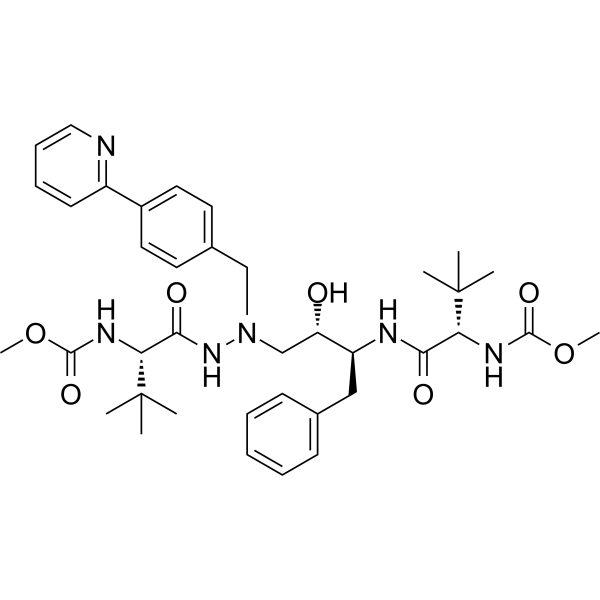
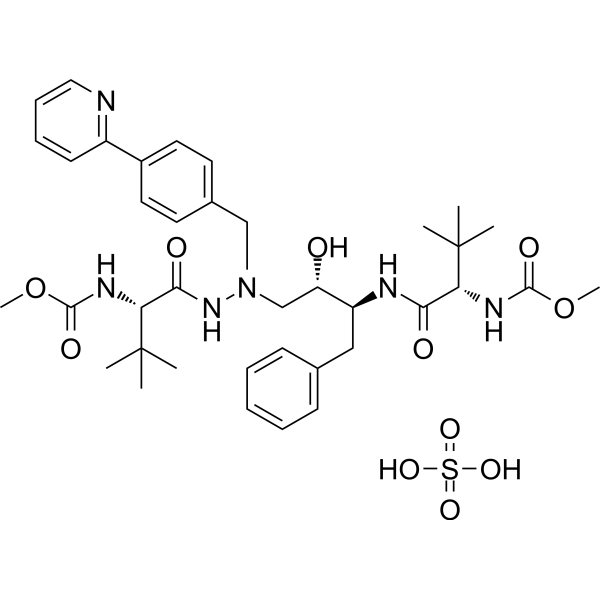
Atazanavir (sulfate) (Standard) is the analytical standard of Atazanavir (sulfate). This product is intended for research and analytical applications. Atazanavir (BMS-232632) sulfate, a highly selective HIV-1 protease inhibitor, is the first protease inhibitor approved for once-daily administration . Atazanavir sulfate is a substrate and inhibitor of CYP3A4, and an inhibitor and inducer of P-glycoprotein (P-gp) . Atazanavir sulfate is also a SARS-CoV 3CLpro inhibitor with an IC50 of
3.49 μM .
|
-
- HY-P11420
-
|
|
Dengue Virus
|
Infection
|
|
2A/2B Dengue protease substrate (Ac-RTSKKR-pNA) is a peptide substrate for Dengue NS2B-NS3 protease. 2A/2B Dengue protease substrate is used for Dengue NS2B-NS3 protease substrate peptide selective inhibitor development .
|
-
- HY-E70326
-
|
|
Endogenous Metabolite
|
Others
|
|
Acid Protease, Aspergillus niger is a biocatalyst and a key enzyme in new biocatalyst technology. Enzyme engineering focuses on enhancing enzyme reaction kinetics, substrate selectivity, and activity under harsh conditions such as low or high pH. By introducing stimulus responsiveness to these enzyme modifications, dynamic control of activity is also possible .
|
-
- HY-P4419
-
|
|
Fluorescent Dye
|
Others
|
|
Boc-Asp(OBzl)-Pro-Arg-AMC is a fluorogenic substrate for the determination of protease activity. Boc-Asp(OBzl)-Pro-Arg-AMC undergoes hydrolysis and releases the fluorescent product 7-amino-4-methylcoumarin (AMC). The excitation and emission wavelengths are 351 nm and 430 nm, respectively .
|
-
- HY-P4408
-
|
|
Fluorescent Dye
|
Others
|
|
Ac-Arg-Gly-Lys-AMC is a fluorogenic substrate for the determination of protease activity. Ac-Arg-Gly-Lys-AMC undergoes hydrolysis and releases the fluorescent product 7-amino-4-methylcoumarin (AMC). AMC is fluorescent under UV light and can emit a fluorescent signal .
|
-
- HY-P4323
-
|
|
Fluorescent Dye
|
Others
|
|
Boc-Gln-Arg-Arg-AMC is a fluorogenic substrate for the determination of protease activity. Boc-Gln-Arg-Arg-AMC undergoes hydrolysis and releases the fluorescent product 7-amino-4-methylcoumarin (AMC). AMC is fluorescent under UV light and can emit a fluorescent signal .
|
-
- HY-P4400
-
|
|
Fluorescent Dye
|
Others
|
|
Z-VDVAD-AFC is a fluorogenic substrate. Z-VDVAD-AFC is used to measure the activity of cysteine protease 3 (Caspase-3). Z-VDVAD-AFC undergoes hydrolysis to release 7-amino-4-trifluoromethylcoumarin (AFC). AFC is fluorescent under ultraviolet light and can emit fluorescent signals .
|
-
- HY-P4416
-
|
|
Fluorescent Dye
|
Others
|
|
Ac-Gly-Ala-Lys(Ac)-AMC is a fluorogenic substrate for the determination of protease activity. Ac-Gly-Ala-Lys(Ac)-AMC undergoes hydrolysis and releases the fluorescent product 7-amino-4-methylcoumarin (AMC). AMC is fluorescent under UV light and can emit a fluorescent signal .
|
-
- HY-P4404
-
|
|
Cathepsin
|
Others
|
|
Abz-GIVRAK(Dnp) is the most efficient substrate for cathepsin B and is highly selective for this enzyme among lysosomal cysteine proteases. After Abz-GIVRAK(Dnp) is hydrolyzed, aminoacylbenziminosulfosuccinic acid (Abz-SAS) is released, and dinitrobenzoyl (Dnp) is also released. The product of this hydrolysis reaction, Abz-SAS, is fluorescent under ultraviolet light and can emit a fluorescent signal .
|
-
- HY-P11734
-
|
|
Ser/Thr Protease
|
Others
|
|
Suc-AAPY-pNA is an oligptide compound and protease substrate. Suc-AAPY-pNA undergoes hydrolysis by proteases at the peptide bond between tyrosine and p-nitroaniline, releasing p-nitroaniline with an absorption peak at OD410. Suc-AAPY-pNA functions as a substrate in preclinical assays for measuring activity of acidic, neutral, and alkaline proteases .
|
-
- HY-P11427
-
-
- HY-P11367
-
|
|
Fluorescent Dye
Ser/Thr Protease
|
Infection
Metabolic Disease
|
|
Boc-Ala-Gly-Pro-Arg-AMC is a synthetic fluorescent substrate, widely used for the detection of protease activity. Boc-Ala-Gly-Pro-Arg-AMC can be used to detect the activity of serine proteases and the oligopeptide enzyme B of Trypanosoma brucei .
|
-
- HY-E70933
-
|
|
Endogenous Metabolite
|
Metabolic Disease
|
|
Protease, Streptomyces griseus, exhibits broad substrate specificity. Its active site consists of one aspartic acid residue, one histidine residue, and one serine residue. Protease tends to hydrolyze the peptide bond on the carboxyl side of glutamate or aspartate.
|
-
- HY-168378A
-
|
S-2251 acetate
|
Fluorescent Dye
|
Others
|
|
D-Val-Leu-Lys-pNA acetate (S-2251 acetate) is a chromogenic peptide substrate that serves as a characteristic substrate for plasmin and plasminogen. D-Val-Leu-Lys-pNA acetate acts as a sensitive substrate for the DFE27 serine protease derived from Bacillus subtilis DC27. Catalyzed by plasmin, D-Val-Leu-Lys-pNA acetate binds and hydrolyzes to release p-nitroaniline (pNA), which can be detected colorimetrically at 405 nm as a measure of fibrinolytic activity .
|
-
- HY-N15079
-
|
|
Bacterial
|
Infection
|
|
Arphamenine B is a Zn 2+-dependent exopeptidase that selectively removes arginine and/or lysine residues from the NH2-terminus of several peptide substrates. Arphamenine B is an inhibitor of aminopeptidase B that can be isolated from bacteria. Arphamenine B enhances the immune response and is used to characterize novel proteases .
|
-
- HY-136887
-
|
|
Bacterial
|
Infection
|
|
Arphamenine B hemisulfate is a Zn 2+-dependent exopeptidase that selectively removes arginine and/or lysine residues from the NH2-terminus of several peptide substrates. Arphamenine B hemisulfate is an inhibitor of aminopeptidase B that can be isolated from bacteria. Arphamenine B hemisulfate enhances the immune response and is used to characterize novel proteases .
|
-
- HY-W027544S
-
|
7-Methoxycoumarin-4-acetic acid-d3
|
Isotope-Labeled Compounds
Fluorescent Dye
|
Others
|
|
MCA-d3 (7-Methoxycoumarin-4-acetic acid3) is the deuterium labeled MCA (HY-W027544) . MCA is a Coumarin (HY-N0709) derivative. MCA quantitates platelet-activating factor (PAF) by high-performance liquid chromatography with fluorescent detection. MCA can modify FRET peptide substrates for analyzing protease activities .
|
-
- HY-P5344
-
|
Fluorigenic PEXEL peptide
|
Parasite
|
Others
|
|
Dabcyl-LNKRLLHETQ-Edans (Fluorigenic PEXEL peptide) is a biological active peptide. (This FRET substrate peptide for Plasmepsin V (PMV) is derived from the conserved Plasmodium Export Element (PEXEL) motif of Histidine-Rich Protein II (HRPII). PMV is an ER aspartic protease that recognizes and cleaves the RXL sequence within the PEXEL motif of proteins exported by human malaria parasite Plasmodium falciparum, allowing them to translocate into host erythrocytes.)
|
-
- HY-P4582
-
|
Suc-FAAF-pNA
|
Ser/Thr Protease
|
Others
|
|
Suc-Phe-Ala-Ala-Phe-pNA (Suc-FAAF-pNA) is a chromogenic polypeptide substrate that can be used for the quantitative activity assay of intracellular subtilisin (ISP) and neutral metalloprotease (NPS) derived from Saccharomonospora canescens. Suc-Phe-Ala-Ala-Phe-pNA is hydrolyzed by the catalytic triad of mature proteases to release the chromophore pNA. Suc-Phe-Ala-Ala-Phe-pNA is applicable to enzymological studies .
|
-
- HY-17367
-
-
- HY-110210
-
|
BODIPY FL,SE
|
Fluorescent Dye
|
Others
|
|
BODIPY FL NHS ester (BODIPY FL, SE) is a cell membranes-penatrable amine-reactive fluorescent probe. The maximum excitation/emission wavelength of the BODIPY-FL NHS ester are 502/511 nm, respectively. BODIPY-FL NHS ester has high stability and is insensitive to the polarity, pH and type of solvent, and can maintain stable fluorescence properties under different environmental conditions. BODIPY-FL NHS ester can be used for the synthesis of protease substrates, live cell imaging, protein labeling and immunoassay .
|
-
- HY-E70005H
-
|
|
Proteasome
|
Cardiovascular Disease
|
|
Collagenase, Type VIII is a mixed enzyme derived from Clostridium histolyticum that contains collagenase, a nonspecific protease, and a clostripain. Collagenase, Type VIII can hydrolyze Type VIII collagen and may be used to study the formation of atherosclerosis. Type VIII collagen is a regulator of endothelial cell differentiation and angiogenesis, a substrate for cell adhesion and migration such as smooth muscle cells, and may accumulate in atherosclerosis. After endotoxin activates the expression of Collagenase, Type VIII, it can reduce the production of Type VIII collagen and has the potential to inhibit atherosclerosis .
|
-
- HY-B2228
-
|
|
Biochemical Assay Reagents
|
Cancer
|
|
Proteinase, Aspergillus oryzae is a serine protease that hydrolyzes peptide bonds in protein substrates, preferring alkaline conditions (optimal pH 10.5). It efficiently degrades casein, poly-L-glutamic acid, and poly-L-lysine, with activity irreversibly inhibited by diisopropylfluorophosphate (DFP) and potato inhibitor. This enzyme catalyzes proteolysis via serine residues in its active site, finding applications in food processing (e.g., soy sauce fermentation), detergents, and leather industries due to its high yield in solid-state fermentation and cost-effective production.
|
-
- HY-17367R
-
|
BMS-232632 (Standard)
|
Reference Standards
HIV
HIV Protease
SARS-CoV
Cytochrome P450
P-glycoprotein
Endogenous Metabolite
|
Infection
Cancer
|
|
Atazanavir (Standard) is the analytical standard of Atazanavir. This product is intended for research and analytical applications. Atazanavir (BMS-232632) is a highly selective and orally active HIV-1 protease inhibitor . Atazanavir is a substrate and inhibitor of CYP3A4, and an inhibitor of P-glycoprotein (P-gp). Atazanavir is also a SARS-CoV 3CL pro inhibitor with an IC50 of 3.49 μM. Atazanavir inhibits cardiac fibrosis, hyperlipidemia and induces malignant glioma death .
|
-
- HY-17367A
-
-
- HY-W127711
-
|
|
Phosphatase
Lipase
|
Metabolic Disease
Inflammation/Immunology
|
Fast Blue B Salt, Dye content ~95% is a diazo dye, primarily used as a chromogenic substrate in biochemical analysis. Fast Blue B Salt, Dye content ~95% is the coupling agent for the histochemical demonstration of proteases. Fast Blue B Salt, Dye content ~95% can be used for the detection of acid phosphatase in Clostridium perfringens, and also for the determination of lipase activity. Fast Blue B Salt, Dye content ~95% reacts directly with the active hydroxyl groups in phenolic compounds to determine the content of phenolic substances .
|
-
- HY-N1181
-
-
- HY-17367S5
-
-
- HY-N1181R
-
-
- HY-160824
-
|
|
Elastase
Thrombin
Factor Xa
Factor XI
Factor VIII
|
Inflammation/Immunology
|
|
Neutrophil elastase-IN-7 (Compound 12) is an effective inhibitor of neutrophil elastase (HNE), with an IC50 value of 0.54 μM. Neutrophil elastase-IN-7 also exhibits significant inhibitory activity against various coagulation proteins, with the IC50 values for thrombin, FXa, FXIa, and FXIIIa being 8.2, 12.7, 1.2, and 5.7 μM, respectively. Neutrophil elastase-IN-7 can be used for research on inflammation, innate immune responses, and tissue remodeling .
|
-
- HY-P3012
-
|
|
Cathepsin
ERK
p38 MAPK
PKC
Protease Activated Receptor (PAR)
MMP
|
Inflammation/Immunology
|
|
Cathepsin G is a pH-dependent serine protease. Cathepsin G hydrolyzes diverse synthetic and protein substrates and remodels extracellular matrix. Cathepsin G exerts immunomodulatory effects via recruiting phagocytes, enhancing T cell motility, activating ERK1/2 and p38 MAPK signaling, and mediating PKCζ membrane translocation. Cathepsin G regulates inflammatory responses by cleaving inflammatory mediators. Cathepsin G participates in vascular regulation by converting angiotensin I to angiotensin II. Cathepsin G induces PAR4-dependent platelet activation, facilitates platelet-neutrophil aggregation, and mediates VITT-related NETosis, thrombus formation. Cathepsin G can be used for the research of immune thrombotic thrombocytopenia, cardiovascular disease, and select autoimmune and inflammatory diseases .
|
-
- HY-111832
-
|
TeGG
|
UGT
|
Infection
Metabolic Disease
|
|
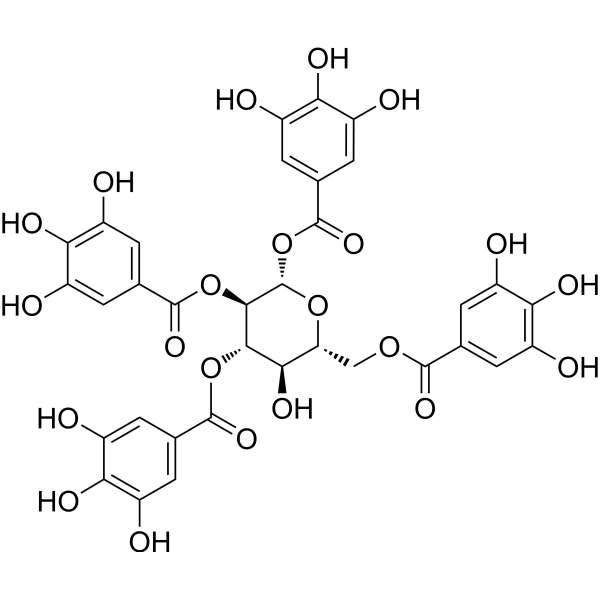
1,2,3,6-Tetragalloylglucose (TEgG) is a competitive inhibitor of UDP-glucuronyltransferase UGT1A1, targeting the competitive substrate binding site of UGT1A1. 1,2,3,6-Tetragalloylglucose inhibits UGT1A1-mediated β-estradiol 3-glucuronidation and SN-38 glucuronidation with IC50 of 6.01 μM and 4.31 μM, respectively, and binds to UGT1A1 with Ki of 3.55 μM. 1,2,3,6-Tetragalloylglucose also induces tumor cell apoptosis, inhibit cell proliferation, activates caspase-3 and induces DNA fragmentation in HL-60 cells. 1,2,3,6-Tetragalloylglucose also inhibits HIV integrase and reverse transcriptase, and inhibits HCV protease .
|
-
- HY-P4122
-
|
|
HIV
|
Others
|
|
TAT (47-57), FAM-labeled is a 5(6)-Carboxyfluorescein (HY-15940)-labeled TAT (HY-P0281). TAT (YGRKKRRQRRR) is derived from the transactivator of transcription (TAT) of human immunodeficiency virus-1 (HIV-1) and is a cell-penetrating peptide .
|
-
- HY-153572A
-
|
|
PROTACs
Bacterial
|
Infection
|
|
Homo-BacPROTAC7 TFA is a PROTAC protein degrader targeting ClpC1/ClpC2 with a Kd of 0.5-2.5 nM for both targets. Homo-BacPROTAC7 (TFA) acts as a bactericidal agent, induces killing of pathogenic mycobacteria, retains activity against dormant-like mycobacterial cells with reduced intracellular ATP levels, and shows elevated antibiotic potency relative to its parent monomer. Homo-BacPROTAC7 (TFA) can be used for the research of tuberculosis .
|
-
| Cat. No. |
Product Name |
Type |
-
- HY-110210
-
|
BODIPY FL,SE
|
Fluorescent Dye
|
|
BODIPY FL NHS ester (BODIPY FL, SE) is a cell membranes-penatrable amine-reactive fluorescent probe. The maximum excitation/emission wavelength of the BODIPY-FL NHS ester are 502/511 nm, respectively. BODIPY-FL NHS ester has high stability and is insensitive to the polarity, pH and type of solvent, and can maintain stable fluorescence properties under different environmental conditions. BODIPY-FL NHS ester can be used for the synthesis of protease substrates, live cell imaging, protein labeling and immunoassay .
|
-
- HY-W127711
-
|
|
Fluorescent Dye
|
Fast Blue B Salt, Dye content ~95% is a diazo dye, primarily used as a chromogenic substrate in biochemical analysis. Fast Blue B Salt, Dye content ~95% is the coupling agent for the histochemical demonstration of proteases. Fast Blue B Salt, Dye content ~95% can be used for the detection of acid phosphatase in Clostridium perfringens, and also for the determination of lipase activity. Fast Blue B Salt, Dye content ~95% reacts directly with the active hydroxyl groups in phenolic compounds to determine the content of phenolic substances .
|
-
- HY-D1080
-
EDANS
3 Publications Verification
1,5-EDANS
|
Fluorescent Dye
|
|
EDANS (1,5-EDANS) is a novel and quenched fluorogenic substrate for assaying retroviral protease by resonance energy transfer (RET) .
|
-
- HY-131409
-
|
D-Val-Leu-Lys-p-itoailide dihydrochloride; D-VLK-pNA dihydrochloride; S 2251 dihydrochloride
|
Fluorescent Dye
|
|
D-Val-Leu-Lys-pNA (D-Val-Leu-Lys-p-nitroanilide) dihydrochloride is a chromogenic peptide substrate that serves as a characteristic substrate for plasmin and plasminogen. D-Val-Leu-Lys-pNA dihydrochloride acts as a sensitive substrate for the DFE27 serine protease derived from Bacillus subtilis DC27. Catalyzed by plasmin, D-Val-Leu-Lys-pNA dihydrochloride binds and hydrolyzes to release p-nitroaniline (pNA), which can be detected colorimetrically at 405 nm as a measure of fibrinolytic activity .
|
-
- HY-W027544
-
|
7-Methoxycoumarin-4-acetic acid
|
Fluorescent Dye
|
|
MCA (7-Methoxycoumarin-4-acetic acid) is a Coumarin (HY-N0709) derivative. MCA quantitates platelet-activating factor (PAF) by high-performance liquid chromatography with fluorescent detection. MCA can modify FRET peptide substrates for analyzing protease activities .
|
-
- HY-148073
-
|
|
Fluorescent Dye
|
|
MeO-Succ-Arg-Pro-Tyr-AMC TFA is a fluorogenic peptide substrate for chymotrypsin-like proteases that detects protease activity . (measured at 460 nm)
|
-
- HY-P2065
-
|
|
Fluorescent Dye
|
|
Ac-VEID-AMC is a fluorescent substrate for the determination of caspase-6 and related cysteine protease activities (Ex=340-360 nm, Em=440-460 nm) .
|
-
- HY-134435
-
|
|
Fluorescent Dye
|
|
Z-Arg-AMC hydrochloride is a fluorogenic substrate for trypsin and papain. Z-Arg-AMC hydrochloride can be used to research activity of trypsin (Ex/Em=355/460 nm) .
|
-
- HY-P4039
-
|
|
Fluorescent Dye
|
|
Ac-EEVVAC-pNA is a chromogenic substrate for a continuous spectrophotometric assay of HCV NS3 protease. The sequence EEVVAC is derived from the 5A-5B cleavage junction of the HCV polyprotein .
|
-
- HY-W141825
-
|
|
Fluorescent Dye
|
|
N-Acetyl-DL-phenylalanine β-naphthyl ester is an aromatic amino acid ester, which functions as a chromogenic substrate for chymotrypsin and microbial serine proteases such as subtilisin .
|
-
- HY-P2628
-
|
|
Fluorescent Dye
|
|
Dabcyl-YVADAPV-EDANS is a fluorogenic interleukin-1β converting enzyme (ICE) substrate for measuring ICE-like protease activity. Dabcyl-YVADAPV-EDANS detects fluorescence at 360 nm excitation and 480 nm emission wavelengths. ICE-like protease is a critical mediator of K + deprivation-induced apoptosis of cerebellar granule neurons .
|
| Cat. No. |
Product Name |
Type |
-
- HY-B2228
-
|
|
Biochemical Assay Reagents
|
|
Proteinase, Aspergillus oryzae is a serine protease that hydrolyzes peptide bonds in protein substrates, preferring alkaline conditions (optimal pH 10.5). It efficiently degrades casein, poly-L-glutamic acid, and poly-L-lysine, with activity irreversibly inhibited by diisopropylfluorophosphate (DFP) and potato inhibitor. This enzyme catalyzes proteolysis via serine residues in its active site, finding applications in food processing (e.g., soy sauce fermentation), detergents, and leather industries due to its high yield in solid-state fermentation and cost-effective production.
|
-
- HY-W127711
-
|
|
Biochemical Assay Reagents
|
Fast Blue B Salt, Dye content ~95% is a diazo dye, primarily used as a chromogenic substrate in biochemical analysis. Fast Blue B Salt, Dye content ~95% is the coupling agent for the histochemical demonstration of proteases. Fast Blue B Salt, Dye content ~95% can be used for the detection of acid phosphatase in Clostridium perfringens, and also for the determination of lipase activity. Fast Blue B Salt, Dye content ~95% reacts directly with the active hydroxyl groups in phenolic compounds to determine the content of phenolic substances .
|
-
- HY-137840
-
|
|
Biochemical Assay Reagents
|
|
Hippuryl-L-phenylalanine is a substrate of carboxypeptidase. Carboxypeptidase is a protease enzyme that related with obesity, epilepsy and neurodegeneration. Hippuryl-L-phenylalanine can be used for the determination of carboxypeptidase activity .
|
-
- HY-137872
-
|
|
Biochemical Assay Reagents
|
|
L-Leucyl-4-nitroanilide hydrochloride is a commonly used substrate in various biochemical assays to measure the activity of enzymes that cleave peptide bonds, such as proteases. L-Leucine p-nitroanilide hydrochloride has unique chemical properties that allow it to be cleaved by these enzymes to form a yellow product called p-nitroaniline. This makes it a useful tool for detecting and quantifying protease activity in biological samples such as blood or tissue extracts.
|
| Cat. No. |
Product Name |
Target |
Research Area |
-
- HY-137784
-
|
|
Fluorescent Dye
|
Others
|
|
Boc-Val-Pro-Arg-AMC hydrochloride is a sensitive fluorogenic substrate for measuring trypsin-like serine proteases activity .
|
-
- HY-P2295
-
|
|
SARS-CoV
|
Others
|
|
Dabcyl-KTSAVLQSGFRKME-Edans TFA is a fluorogenic peptide. Dabcyl-KTSAVLQSGFRKME-Edans TFA is used as the substrate to measure the enzymatic activities of protease forms. Dabcyl-KTSAVLQSGFRKME-Edans TFA has the potential for study 2019-nCoV (COVID-19) infection .
|
-
- HY-P4326
-
|
|
Fluorescent Dye
|
Others
|
|
Boc-Val-Pro-Arg-MCA is a sensitive fluorogenic substrate for measuring trypsin-like serine proteases activity .
|
-
- HY-131409
-
|
D-Val-Leu-Lys-p-itoailide dihydrochloride; D-VLK-pNA dihydrochloride; S 2251 dihydrochloride
|
Fluorescent Dye
|
Others
|
|
D-Val-Leu-Lys-pNA (D-Val-Leu-Lys-p-nitroanilide) dihydrochloride is a chromogenic peptide substrate that serves as a characteristic substrate for plasmin and plasminogen. D-Val-Leu-Lys-pNA dihydrochloride acts as a sensitive substrate for the DFE27 serine protease derived from Bacillus subtilis DC27. Catalyzed by plasmin, D-Val-Leu-Lys-pNA dihydrochloride binds and hydrolyzes to release p-nitroaniline (pNA), which can be detected colorimetrically at 405 nm as a measure of fibrinolytic activity .
|
-
- HY-P3949
-
|
|
Fluorescent Dye
|
Others
|
|
Fluorescent Substrate for Glu-Specific Proteases is a V8 protease-Specific chromogenic substrate .
|
-
- HY-148073
-
|
|
Fluorescent Dye
Ser/Thr Protease
|
Others
|
|
MeO-Succ-Arg-Pro-Tyr-AMC TFA is a fluorogenic peptide substrate for chymotrypsin-like proteases that detects protease activity . (measured at 460 nm)
|
-
- HY-P4425
-
|
|
Biochemical Assay Reagents
|
Others
|
|
Gly-Phe-AMC is a fluorogenic peptide substrate consisting of a peptide sequence composed of glycine and phenylalanine, linked to the fluorophore AMC. Gly-Phe-AMC also serves as a cathepsin C substrate. Gly-Phe-AMC is widely used to detect the activity of various proteases .
|
-
- HY-P2065
-
|
|
Fluorescent Dye
|
Others
|
|
Ac-VEID-AMC is a fluorescent substrate for the determination of caspase-6 and related cysteine protease activities (Ex=340-360 nm, Em=440-460 nm) .
|
-
- HY-P4417
-
|
|
Fluorescent Dye
|
Others
|
|
Ac-IEPD-AMC is a fluorogenic substrate for the determination of protease activity. Ac-IEPD-AMC undergoes hydrolysis and releases the fluorescent product 7-amino-4-methylcoumarin (AMC). AMC is fluorescent under UV light and can emit a fluorescent signal .
|
-
- HY-P4419A
-
|
|
Fluorescent Dye
|
Others
|
|
Boc-Asp(OBzl)-Pro-Arg-AMC acetate is a fluorogenic substrate for the determination of protease activity. Boc-Asp(OBzl)-Pro-Arg-AMC acetate undergoes hydrolysis and releases the fluorescent product 7-amino-4-methylcoumarin (AMC). AMC is fluorescent under UV light and can emit a fluorescent signal .
|
-
- HY-P3012
-
|
|
Cathepsin
ERK
p38 MAPK
PKC
Protease Activated Receptor (PAR)
MMP
|
Inflammation/Immunology
|
|
Cathepsin G is a pH-dependent serine protease. Cathepsin G hydrolyzes diverse synthetic and protein substrates and remodels extracellular matrix. Cathepsin G exerts immunomodulatory effects via recruiting phagocytes, enhancing T cell motility, activating ERK1/2 and p38 MAPK signaling, and mediating PKCζ membrane translocation. Cathepsin G regulates inflammatory responses by cleaving inflammatory mediators. Cathepsin G participates in vascular regulation by converting angiotensin I to angiotensin II. Cathepsin G induces PAR4-dependent platelet activation, facilitates platelet-neutrophil aggregation, and mediates VITT-related NETosis, thrombus formation. Cathepsin G can be used for the research of immune thrombotic thrombocytopenia, cardiovascular disease, and select autoimmune and inflammatory diseases .
|
-
- HY-P4122
-
|
|
HIV
|
Others
|
|
TAT (47-57), FAM-labeled is a 5(6)-Carboxyfluorescein (HY-15940)-labeled TAT (HY-P0281). TAT (YGRKKRRQRRR) is derived from the transactivator of transcription (TAT) of human immunodeficiency virus-1 (HIV-1) and is a cell-penetrating peptide .
|
-
- HY-P4517
-
|
|
Peptides
|
Others
|
|
Z-Tyr-Lys-Arg-pNA is a chromogenic substrate. Z-Tyr-Lys-Arg-pNA can be used to detect the activity of subtilisin-type and yapsin-like proteases .
|
-
- HY-P3934
-
|
|
HIV Protease
|
Infection
|
|
HIV Protease Substrate I is a chromogenic substrate of HIV-1 protease. HIV Protease Substrate I has the cleavage site of HIV protease .
|
-
- HY-P5278
-
|
|
Peptides
|
Others
|
|
Z-Gly-Arg-Thiobenzyl ester is a chromogenic substrate for plasmogen-activated serine proteases .
|
-
- HY-129867
-
|
Z-LLL-AMC
|
Proteasome
|
Others
|
|
Z-Leu-Leu-Leu-AMC is a fluorogenic substrate for measuring the chymotrypsin-like protease activity of the 20S proteasome .
|
-
- HY-P3794
-
-
- HY-P5313A
-
|
|
Dengue Virus
|
Infection
|
|
Abz-Nle-Lys-Arg-Arg-Ser-3-(NO2)Tyr acetate is a DEN protease substrate, which can be used in research related to dengue virus (drug development) .
|
-
- HY-P4406
-
|
|
Fluorescent Dye
|
Others
|
|
Abz-AGLA-Nba is a fluorogenic substrate for the determination of protease activity. Abz-AGLA-Nba is hydrolyzed to release aminoacyl benzimide (Abz-AGLA) and 2-naphthylaminoacyl (Nba). The product Abz-AGLA produced by this hydrolysis reaction is fluorescent under ultraviolet light and can emit a fluorescent signal .
|
-
- HY-158307
-
|
|
Cathepsin
|
Others
|
|
Z-Arg-Arg-βNA acetate is a sensitive dipeptide substrate of the protease Cathepsin B and resistant to proteases H and L. Z-Arg-Arg-βNA acetate can serve as an important tool for distinguishing non-Cathepsin B type proteins .
|
-
- HY-P4209
-
|
|
Peptides
|
Others
|
|
Boc-GRR-AMC is a tri-peptide Substrate. Boc-GRR-AMC can be used for a fluorogenic West Nile virus (WNV) substrate, profiling the substrate specificity for the NS2B-NS3 proteases or determining the pH optimum of LdMC activity .
|
-
- HY-P5062A
-
|
Decanoyl-Arg-Val-Arg-Lys-chloromethylketone TFA
|
Furin
|
Infection
|
|
DEC-RVRK-CMK (Decanoyl-Arg-Val-Arg-Lys-chloromethylketone) TFA is a peptide-based CMK (chloromethylketone) inhibitor that targets and inactivates the secreted soluble kexin (Kex2) (Ki=8.45 μM). The yeast enzyme Kex2 (kexin, EC 3.4.21.61) is a calcium-dependent transmembrane protease and belongs to the mammalian protease family of the serine protease subtilisin family. The binding mechanism of Kex2 with different CMK inhibitors depends on substrate selectivity, particularly the selective differences between lysine and arginine at the P1 position .
|
-
- HY-134113
-
|
CBZ-Chromozym TH
|
Biochemical Assay Reagents
|
Others
|
|
Z-Gly-Pro-Arg-pNA (z-GPR-pNA) is a photometric substrate in Prostate-Specific Antigen (PSA) activation protease assays. Z-Gly-Pro-Arg-pNA (z-GPR-pNA) can be used for the test of trypsin activity .
|
-
- HY-P4417A
-
|
|
Fluorescent Dye
|
Others
|
|
Ac-IEPD-AMC TFA is a fluorescent substrate used to measure protease activity. Ac-IEPD-AMC undergoes hydrolysis and releases the fluorescent product 7-amino-4-methylcoumarin (AMC). AMC fluoresces under UV light irradiation and can emit fluorescent signals .
|
-
- HY-P4323A
-
|
|
Fluorescent Dye
|
Others
|
|
Boc-Gln-Arg-Arg-AMC acetate is a fluorogenic substrate for the determination of protease activity. Boc-Gln-Arg-Arg-AMC undergoes hydrolysis and releases the fluorescent product 7-amino-4-methylcoumarin (AMC). AMC is fluorescent under UV light and can emit a fluorescent signal .
|
-
- HY-P5429
-
|
|
Peptides
|
Others
|
|
DNA-PK Substrate is a biological active peptide. (A substrate for DNA-dependent protein kinase (DNA-PK), phosphorylation. DNA-PK is essential for the repair of DNA double-strand breaks. This peptide corresponding to 11–24 amino acids of human p53 with threonine 18 and serine 20 changed to alanine is used as a substrate for the assay of DNA-PK activityPyroglutamyl (pGlu) peptides may spontaneously form when either Glutamine (Q) or Glutamic acid (E) is located at the sequence N-terminus. The conversion of Q or E to pGlu is a natural occurrence and in general it is believed that the hydrophobic γ-lactam ring of pGlu may play a role in peptide stability against gastrointestinal proteases. Pyroglutamyl peptides are therefore considered a normal subset of such peptides and are included as part of the peptide purity during HPLC analysis.)
|
-
- HY-P4582
-
|
Suc-FAAF-pNA
|
Ser/Thr Protease
|
Others
|
|
Suc-Phe-Ala-Ala-Phe-pNA (Suc-FAAF-pNA) is a chromogenic polypeptide substrate that can be used for the quantitative activity assay of intracellular subtilisin (ISP) and neutral metalloprotease (NPS) derived from Saccharomonospora canescens. Suc-Phe-Ala-Ala-Phe-pNA is hydrolyzed by the catalytic triad of mature proteases to release the chromophore pNA. Suc-Phe-Ala-Ala-Phe-pNA is applicable to enzymological studies .
|
-
- HY-P3948
-
|
|
Fluorescent Dye
|
Others
|
|
Fluorescent Substrate for Pro-Specific Proteases is a fluorescent substrate of pro-specific proteases. Fluorescent Substrate for Pro-Specific Proteases can be used to detect the hydrolysis rate and activity of target enzyme .
|
-
- HY-P4496
-
|
|
Phosphatase
|
Others
|
|
Tos-Gly-Pro-Lys-pNA is a substrate for the serine protease ALP and can be used to measure the activity of this enzyme .
|
-
- HY-P3947
-
|
|
Ser/Thr Protease
|
Infection
|
|
Fluorescent Substrate for Subtillsin can be used to detect the enzyme activity of subtillsin. Subtilisin is a bacterial serine protease .
|
-
- HY-P4658
-
|
|
Dipeptidyl Peptidase
|
Others
|
|
H-Val-Ala-pNA is a substrate for the dipeptide aminopeptidase (DPAPase) of Streptococcus bovis. H-Val-Ala-pNA can be used to measure the activity of the protease .
|
-
- HY-P11302
-
|
|
CHIKV
Virus Protease
|
Infection
|
|
DABCYL-RAGGYIFS-(E-EDANS)-NH2, an octapeptide, is a FRET-based substrate peptide of CHIKV nsP2protease with highly sensitivity. DABCYL-RAGGYIFS-(E-EDANS)-NH2 can be cleaved by the active CHIKV nsP2protease, separating fluorophore and quencher and resulting in an increase of fluorescence signal. DABCYL-RAGGYIFS-(E-EDANS)-NH2 can used for the determination of CHIKV nsP2protease activity .
|
-
- HY-P4580
-
|
|
Proteasome
|
Others
|
|
Suc-Ala-Ala-Pro-Phe-SBzl can be used as the substrate of rat intestinal mast cell protease (RMCP I), rat skeletal muscle mast cell protease (RMCP II) and Chymotrypsin (HY-108910). Suc-Ala-Ala-Pro-Phe-SBzl can be hydrolyzed by glycine (R208G) .
|
-
- HY-P4039
-
|
|
HCV Protease
|
Infection
|
|
Ac-EEVVAC-pNA is a chromogenic substrate for a continuous spectrophotometric assay of HCV NS3 protease. The sequence EEVVAC is derived from the 5A-5B cleavage junction of the HCV polyprotein .
|
-
- HY-P3980
-
|
|
HIV Protease
|
Infection
|
|
HIV-1, HIV-2 Protease Substrate is the substrate of HIV-1, HIV-2 protease. And there are 4 residues for conservative substitutions of the substrate binding residues of HIV-1 and HIV-2 protease .
|
-
- HY-P5062
-
|
Decanoyl-Arg-Val-Arg-Lys-chloromethylketone
|
Furin
|
Infection
|
|
DEC-RVRK-CMK (Decanoyl-Arg-Val-Arg-Lys-chloromethylketone) is a peptide-based CMK (chloromethylketone) inhibitor that targets and inactivates the secreted soluble kexin (Kex2) (Ki=8.45 μM). The yeast enzyme Kex2 (kexin, EC 3.4.21.61) is a calcium-dependent transmembrane protease and belongs to the mammalian protease family of the serine protease subtilisin family. The binding mechanism of Kex2 with different CMK inhibitors depends on substrate selectivity, particularly the selective differences between lysine and arginine at the P1 position .
|
-
- HY-P4406A
-
|
|
Fluorescent Dye
|
Others
|
|
Abz-AGLA-Nba TFA is a fluorogenic substrate for the determination of protease activity. Abz-AGLA-Nba TFA is hydrolyzed to release aminoacyl benzimide (Abz-AGLA) and 2-naphthylaminoacyl (Nba). The product Abz-AGLA produced by this hydrolysis reaction is fluorescent under ultraviolet light and can emit a fluorescent signal .
|
-
- HY-P4018
-
|
|
HIV Protease
|
Infection
|
|
HIV Protease Substrate IV is a substrate of HIV protease. HIV Protease Substrate IV can be used to measure the activity of HIV (human immunodeficiency virus) -1 protease .
|
-
- HY-P2344
-
|
|
HIV Protease
|
Infection
|
|
HIV Protease Substrate 1, a fiuorogenic HIV protease substrate, can be used to study enzymatic activity of HIV protease .
|
-
- HY-P4443
-
|
|
Fluorescent Dye
|
Others
|
|
Ac-GAK-AMC is a fluorescent substrate that can be used to measure protease activity. AMC (7-amino-4-methylcoumarin) is a fluorescent group. In the presence of protease, the protease will hydrolyze Ac-GAK-AMC into a fluorescent product .
|
-
- HY-P2344A
-
|
|
HIV Protease
|
Infection
|
|
HIV Protease Substrate 1 TFA, a fiuorogenic HIV protease substrate, can be used to study enzymatic activity of HIV protease .
|
-
- HY-P10344
-
|
|
Fluorescent Dye
|
Infection
|
|
MCA-AVLQSGFR-Lys(Dnp)-Lys-NH2 is a fluorescent substrate used for fluorescence resonance energy transfer (FRET) protease assays. This substrate is employed to measure the activity of SARS-CoV-2 3CLpro .
|
-
- HY-P11406
-
|
|
Fluorescent Dye
|
Others
|
|
Ac-RSLK-AMC is a fluorogenic substrate, can be used to measure the enzymatic activities of site-1 protease (S1P) .
|
-
- HY-P4019
-
|
|
HIV Protease
|
Others
|
|
Ac-Ser-Gln-Asn-Tyr-Pro-Val-Val-NH2 is a substrato peptídico of HIV-1 protease. Ac-Ser-Gln-Asn-Tyr-Pro-Val-Val-NH2 acts as the variable substrate in a peptidolytic assay to quantify the inhibition of the protease .
|
-
- HY-P4773
-
|
|
HSV
|
Infection
|
|
HSV-1 Protease substrate is a peptide substrate for HSV-1 (Herpes Simplex Virus Type 1) protease, and the specificity constant (kcat/Km) at pH 7.5 for cleavage is 5.2 M -1 s -1 .
|
-
- HY-P5377
-
|
Cathepsin K substrate
|
Ser/Thr Protease
|
Others
|
|
Abz-HPGGPQ-EDDnp (Cathepsin K substrate) is a biological active peptide. (Cathepsins are a class of globular lysosomal proteases, playing a vital role in mammalian cellular turnover. They degrade polypeptides and are distinguished by their substrate specificities. Cathepsin K is the lysosomal cysteine protease involved in bone remodeling and resorption. It has potential as a drug target in autoimmune diseases and osteoporosis.This FRET peptide can be used to monitor selectively cathepsin K activity in physiological fluids and cell lysates. Abz-HPGGPQ-EDDnp [where Abz represents o-aminobenzoic acid and EDDnp represents N -(2, 4-dinitrophenyl)-ethylenediamine], a substrate initially developed for trypanosomal enzymes, is efficiently cleaved at the Gly-Gly bond by cathepsin K. This peptide is resistant to hydrolysis by cathepsins B, F, H, L, S and V, Ex/Em=340 nm/420 nm.)
|
-
- HY-P5312
-
|
|
Virus Protease
|
Infection
|
|
Abz-Nle-Lys-Arg-Arg-Ser-3-(NO2)Tyr is a WNV NS2B-NS3 protease substrate. Abz-Nle-Lys-Arg-Arg-Ser-3-(NO2)Tyr is used for WNV NS2B-NS3 protease substrate peptide selective inhibitor development .
|
-
- HY-P5510
-
|
HCV NS3 protease substrate
|
Peptides
|
Others
|
|
Ac-Asp-Glu-Asp(EDANS)-Glu-Glu-Abu-ψ-(COO)Ala-Ser-Lys(DABCYL)-NH2 (HCV NS3 protease substrate) is a biological active peptide. (This peptide is a HCV protease substrate incorporating an ester bond between residues P1 and P1. Due to ready transesterification of the scissile bond to the acyl-enzyme intermediate, this substrate shows very high kcat/Km values, enabling detection of activity with subnanomolar nonstructural protein 3 (NS3 protease) concentrations. It is widely used for the continuous assay of NS3 protease activity. Substrate cleavage is proportional to the enzyme concentration with a detection limit for NS3 between 1 nM and 250 pM.
|
-
- HY-P4466
-
|
|
HIV Protease
|
Infection
|
|
Arg-Val-(Nle-p-nitro)-Phe-Glu-Ala-Nle-NH2 is a fluorogenic substrate of HIV-1 protease. Arg-Val-(Nle-p-nitro)-Phe-Glu-Ala-Nle-NH2 can be used to test HIV-1 protease activity .
|
-
- HY-P2296
-
|
|
Fluorescent Dye
|
Others
|
|
Abz-FRLKGGAPIKGV-EDDNP TFA is a fluorogenic substrate used to measure the enzymatic activities of protease forms, such as papain-like protease 2 (PLP2) from severe acute respiratory syndrome coronavirus (SARS-CoV). Abz-FRLKGGAPIKGV-EDDNP TFA has the potential for study 2019-nCoV (COVID-19) infection .
|
- HY-P3950
-
|
|
Fluorescent Dye
|
Others
|
|
Fluorescent Substrate for Asp-Specific Proteases is a substrate to cleave specifically the Asp-Val bond .
|
- HY-P4492
-
- HY-P2715
-
- HY-P4777A
-
|
Dabcyl-CMV-Edans TFA
|
Fluorescent Dye
|
Infection
|
|
Dabcyl-RGVVNASSRLA-Edans (Dabcyl-CMV-Edans) is a fluorogenic substrate for human cytomegalovirus (HCMV) protease .
|
- HY-P4777
-
|
Dabcyl-CMV-Edans
|
Fluorescent Dye
|
Infection
|
|
Dabcyl-RGVVNASSRLA-Edans (Dabcyl-CMV-Edans) is a fluorogenic substrate for human cytomegalovirus (HCMV) protease .
|
- HY-P11081
-
|
|
Enterovirus
|
Infection
|
|
P08 is a substrate for EV71 3C protease cleavage with a Kcat/Km of 11.8 mM −1 min −1 .
|
- HY-P4209A
-
|
|
Virus Protease
|
Others
|
|
Boc-GRR-AMC (TFA) is a tri-peptide Substrate. Boc-GRR-AMC can be used for a fluorogenic West Nile virus (WNV) substrate, profiling the substrate specificity for the NS2B-NS3 proteases or determining the pH optimum of LdMC activity .
|
- HY-137495
-
|
|
PAI-1
Ser/Thr Protease
|
Cancer
|
|
GGACK (H-Glu-Gly-Arg-CMK) is an irreversible substrate-like serine protease urokinase-type plasminogen activator (uPA) inhibitor .
|
- HY-137495A
-
|
|
PAI-1
Ser/Thr Protease
|
Cancer
|
|
GGACK (H-Glu-Gly-Arg-CMK) hydrochloride is an irreversible substrate-like serine protease urokinase-type plasminogen activator (uPA) inhibitor .
|
- HY-P2630
-
|
|
Interleukin Related
|
Inflammation/Immunology
|
|
Suc-YVAD-pNA is a substrate of ICE. Interleukin-1β-converting enzyme (ICE) is a cysteine protease responsible for the cleavage of pre-interleukin-1β (pre-IL-1β) to the mature cytokine and a member of a family of related proteases (the caspases) .
|
- HY-P5415
-
|
|
HIV
|
Others
|
|
DABCYL-GABA-Ser-Gln-Asn-Tyr-Pro-Ile-Val-Gln-EDANS is a biological active peptide. (DABCYL-GABA-Ser-Gln-Asn-Tyr-Pro-Ile-Val-Gln-EDANS is also called HIV protease substrate I in some literature. It is widely used for the continuous assay for HIV protease activity. The 11-Kd protease (PR) encoded by the human immunodeficiency virus 1 (HIV-1) is essential for the correct processing of viral polyproteins and the maturation of infectious virus, and is therefore a target for the design of selective acquired immunodeficiency syndrome (AIDS) therapeutics. The FRET-based fluorogenic substrate is derived from a natural processing site for HIV-1 PR. Incubation of recombinant HIV-1 PR with the fluorogenic substrate resulted in specific cleavage at the Tyr-Pro bond and a time-dependent increase in fluorescence intensity that is linearly related to the extent of substrate hydrolysis. The fluorescence quantum yields of the HIV-1 PR substrate in the FRET assay increased by 40.0- and 34.4-fold, respectively, per mole of substrate cleaved. Because of its simplicity and precision in the determination of reaction rates required for kinetic analysis, this substrate offers many advantages over the commonly used HPLC or electrophoresis-based assays for peptide substrate hydrolysis by retroviral PRs. Abs/Em = 340nm/490nm.)
|
- HY-P5312A
-
|
|
Virus Protease
|
Infection
|
|
Abz-Gly-Leu-Lys-Arg-Gly-Gly-3-(NO2)Tyr acetate is the acetate salt form of Abz-Gly-Leu-Lys-Arg-Gly-Gly-3-(NO2)Tyr. Abz-Gly-Leu-Lys-Arg-Gly-Gly-3-(NO2)Tyr acetate is the substrate for WNV NS2B NS3 protease, which is utilized for the development of WNV protease substrate peptide selective inhibitor .
|
- HY-P2628
-
|
|
Fluorescent Dye
|
Others
|
|
Dabcyl-YVADAPV-EDANS is a fluorogenic interleukin-1β converting enzyme (ICE) substrate for measuring ICE-like protease activity. Dabcyl-YVADAPV-EDANS detects fluorescence at 360 nm excitation and 480 nm emission wavelengths. ICE-like protease is a critical mediator of K + deprivation-induced apoptosis of cerebellar granule neurons .
|
- HY-P5313
-
|
|
Dengue Virus
|
Infection
|
|
Abz-Nle-Lys-Arg-Arg-Ser-3-(NO2)Tyr is a DEN protease substrate, which can be used in research related to dengue virus (drug development) .
|
- HY-P4038
-
|
|
HCV Protease
|
Infection
|
|
Hepatitis C Virus S5A/5B is a synthetic peptide substrate. Hepatitis C Virus S5A/5B mimics the NS5A/5B junction of the nonstructural protein (NS), served as the substrate for the study of HCV NS3 protease activity .
|
- HY-P5356
-
|
Plasmin substrate
|
Fluorescent Dye
|
Others
|
|
H-D-Val-Leu-Lys-AFC (Plasmin substrate) is a biological active peptide. (This is a fluorescent plasmin substrate, Abs/Em=380/500 nm.Plasmin belongs to the family of serine proteases. It plays a key role in fibrinolysis by dissolving fibrin in blood clots. Besides fibrinolysis, plasmin is also involved in such physiological and pathological processes as wound healing, liver repair, and the maintenance of liver homeostasis.)
|
- HY-P4465
-
|
|
Fluorescent Dye
|
Others
|
|
Gly-Arg-pNA is a fluorogenic substrate for the measurement of protease activity. Gly-Arg-pNA undergoes hydrolysis and releases the fluorescent product p-nitroaniline. p-nitroaniline is in a fluorescent state under ultraviolet light irradiation and can emit a fluorescent signal .
|
- HY-P11420
-
|
|
Dengue Virus
|
Infection
|
|
2A/2B Dengue protease substrate (Ac-RTSKKR-pNA) is a peptide substrate for Dengue NS2B-NS3 protease. 2A/2B Dengue protease substrate is used for Dengue NS2B-NS3 protease substrate peptide selective inhibitor development .
|
- HY-P4419
-
|
|
Fluorescent Dye
|
Others
|
|
Boc-Asp(OBzl)-Pro-Arg-AMC is a fluorogenic substrate for the determination of protease activity. Boc-Asp(OBzl)-Pro-Arg-AMC undergoes hydrolysis and releases the fluorescent product 7-amino-4-methylcoumarin (AMC). The excitation and emission wavelengths are 351 nm and 430 nm, respectively .
|
- HY-P4408
-
|
|
Fluorescent Dye
|
Others
|
|
Ac-Arg-Gly-Lys-AMC is a fluorogenic substrate for the determination of protease activity. Ac-Arg-Gly-Lys-AMC undergoes hydrolysis and releases the fluorescent product 7-amino-4-methylcoumarin (AMC). AMC is fluorescent under UV light and can emit a fluorescent signal .
|
- HY-P4323
-
|
|
Fluorescent Dye
|
Others
|
|
Boc-Gln-Arg-Arg-AMC is a fluorogenic substrate for the determination of protease activity. Boc-Gln-Arg-Arg-AMC undergoes hydrolysis and releases the fluorescent product 7-amino-4-methylcoumarin (AMC). AMC is fluorescent under UV light and can emit a fluorescent signal .
|
- HY-P4400
-
|
|
Fluorescent Dye
|
Others
|
|
Z-VDVAD-AFC is a fluorogenic substrate. Z-VDVAD-AFC is used to measure the activity of cysteine protease 3 (Caspase-3). Z-VDVAD-AFC undergoes hydrolysis to release 7-amino-4-trifluoromethylcoumarin (AFC). AFC is fluorescent under ultraviolet light and can emit fluorescent signals .
|
- HY-P4416
-
|
|
Fluorescent Dye
|
Others
|
|
Ac-Gly-Ala-Lys(Ac)-AMC is a fluorogenic substrate for the determination of protease activity. Ac-Gly-Ala-Lys(Ac)-AMC undergoes hydrolysis and releases the fluorescent product 7-amino-4-methylcoumarin (AMC). AMC is fluorescent under UV light and can emit a fluorescent signal .
|
- HY-P4404
-
|
|
Cathepsin
|
Others
|
|
Abz-GIVRAK(Dnp) is the most efficient substrate for cathepsin B and is highly selective for this enzyme among lysosomal cysteine proteases. After Abz-GIVRAK(Dnp) is hydrolyzed, aminoacylbenziminosulfosuccinic acid (Abz-SAS) is released, and dinitrobenzoyl (Dnp) is also released. The product of this hydrolysis reaction, Abz-SAS, is fluorescent under ultraviolet light and can emit a fluorescent signal .
|
- HY-P5344
-
|
Fluorigenic PEXEL peptide
|
Parasite
|
Others
|
|
Dabcyl-LNKRLLHETQ-Edans (Fluorigenic PEXEL peptide) is a biological active peptide. (This FRET substrate peptide for Plasmepsin V (PMV) is derived from the conserved Plasmodium Export Element (PEXEL) motif of Histidine-Rich Protein II (HRPII). PMV is an ER aspartic protease that recognizes and cleaves the RXL sequence within the PEXEL motif of proteins exported by human malaria parasite Plasmodium falciparum, allowing them to translocate into host erythrocytes.)
|
- HY-P5528
-
|
|
Peptides
|
Others
|
|
2Abz-SLGRKIQIK(Dnp)-NH2 is a biological active peptide. (This peptide is a second complement component (C2), the physiological substrate for the proenzyme Cls, first complement component. The complement system is a central component of host defense but can also contribute to the inflammation seen in pathological conditions. The C1s protease of the C1 complex initiates the host defense pathway. This peptide employs 2Abz/Dnp FRET pair for quantitation of complement enzyme activity.)
|
- HY-P11734
-
|
|
Ser/Thr Protease
|
Others
|
|
Suc-AAPY-pNA is an oligptide compound and protease substrate. Suc-AAPY-pNA undergoes hydrolysis by proteases at the peptide bond between tyrosine and p-nitroaniline, releasing p-nitroaniline with an absorption peak at OD410. Suc-AAPY-pNA functions as a substrate in preclinical assays for measuring activity of acidic, neutral, and alkaline proteases .
|
- HY-P11427
-
- HY-P11367
-
|
|
Fluorescent Dye
Ser/Thr Protease
|
Infection
Metabolic Disease
|
|
Boc-Ala-Gly-Pro-Arg-AMC is a synthetic fluorescent substrate, widely used for the detection of protease activity. Boc-Ala-Gly-Pro-Arg-AMC can be used to detect the activity of serine proteases and the oligopeptide enzyme B of Trypanosoma brucei .
|
- HY-P11735
-
|
|
Peptides
|
Others
|
|
Suc-AAPP-pNA is a protease substrate. (Sequence: Suc-Ala-Ala-Pro-Pro-pNA) .
|
- HY-168378A
-
|
S-2251 acetate
|
Fluorescent Dye
|
Others
|
|
D-Val-Leu-Lys-pNA acetate (S-2251 acetate) is a chromogenic peptide substrate that serves as a characteristic substrate for plasmin and plasminogen. D-Val-Leu-Lys-pNA acetate acts as a sensitive substrate for the DFE27 serine protease derived from Bacillus subtilis DC27. Catalyzed by plasmin, D-Val-Leu-Lys-pNA acetate binds and hydrolyzes to release p-nitroaniline (pNA), which can be detected colorimetrically at 405 nm as a measure of fibrinolytic activity .
|
| Cat. No. |
Product Name |
Category |
Target |
Chemical Structure |
-
- HY-111832
-
|
TeGG
|
other families
Classification of Application Fields
Phenols
Polyphenols
Metabolic Disease
Plants
Disease Research Fields
Source Classification
|
UGT
|
|
1,2,3,6-Tetragalloylglucose (TEgG) is a competitive inhibitor of UDP-glucuronyltransferase UGT1A1, targeting the competitive substrate binding site of UGT1A1. 1,2,3,6-Tetragalloylglucose inhibits UGT1A1-mediated β-estradiol 3-glucuronidation and SN-38 glucuronidation with IC50 of 6.01 μM and 4.31 μM, respectively, and binds to UGT1A1 with Ki of 3.55 μM. 1,2,3,6-Tetragalloylglucose also induces tumor cell apoptosis, inhibit cell proliferation, activates caspase-3 and induces DNA fragmentation in HL-60 cells. 1,2,3,6-Tetragalloylglucose also inhibits HIV integrase and reverse transcriptase, and inhibits HCV protease .
|
-
-
- HY-17367
-
-
-
- HY-N1181
-
-
-
- HY-17367A
-
-
-
- HY-N1181R
-
-
-
- HY-17367AR
-
-
-
- HY-17367R
-
-
-
- HY-N15079
-
|
|
Microorganisms
Antibiotics
Other Antibiotics
Source Classification
|
Bacterial
|
|
Arphamenine B is a Zn 2+-dependent exopeptidase that selectively removes arginine and/or lysine residues from the NH2-terminus of several peptide substrates. Arphamenine B is an inhibitor of aminopeptidase B that can be isolated from bacteria. Arphamenine B enhances the immune response and is used to characterize novel proteases .
|
-
| Cat. No. |
Product Name |
Chemical Structure |
-
- HY-17367S4
-
|
|
|
Atazanavir-d6 is deuterium labeled Atazanavir. Atazanavir (BMS-232632), a highly selective HIV-1 protease inhibitor, is the first protease inhibitor approved for once-daily administration . Atazanavir (BMS-232632) is a substrate and inhibitor of CYP3A4, and an inhibitor and inducer of P-glycoprotein (P-gp) . Atazanavir is also a SARS-CoV 3CLpro inhibitor with an IC50 of 3.49 μM .
|
-
-
- HY-17367S2
-
|
|
|
Atazanavir-d9 is the deuterium labeled Atazanavir. Atazanavir (BMS-232632), a highly selective HIV-1 protease inhibitor, is the first protease inhibitor approved for once-daily administration . Atazanavir (BMS-232632) is a substrate and inhibitor of CYP3A4, and an inhibitor and inducer of P-glycoprotein (P-gp) . Atazanavir is also a SARS-CoV 3CLpro inhibitor with an IC50 of 3.49 μM .
|
-
-
- HY-17367S3
-
|
|
|
Atazanavir-d5 is the deuterium labeled Atazanavir. Atazanavir (BMS-232632), a highly selective HIV-1 protease inhibitor, is the first protease inhibitor approved for once-daily administration . Atazanavir (BMS-232632) is a substrate and inhibitor of CYP3A4, and an inhibitor and inducer of P-glycoprotein (P-gp) . Atazanavir is also a SARS-CoV 3CLpro inhibitor with an IC50 of 3.49 μM .
|
-
-
- HY-W027544S
-
|
|
|
MCA-d3 (7-Methoxycoumarin-4-acetic acid3) is the deuterium labeled MCA (HY-W027544) . MCA is a Coumarin (HY-N0709) derivative. MCA quantitates platelet-activating factor (PAF) by high-performance liquid chromatography with fluorescent detection. MCA can modify FRET peptide substrates for analyzing protease activities .
|
-
-
- HY-17367S5
-
|
|
|
Atazanavir-d24 (BMS-232632-d24) is deuterium labeled Atazanavir. Atazanavir (BMS-232632) is a highly selective and orally active HIV-1 protease inhibitor . Atazanavir is a substrate and inhibitor of CYP3A4, and an inhibitor of P-glycoprotein (P-gp). Atazanavir is also a SARS-CoV 3CL pro inhibitor with an IC50 of 3.49 μM. Atazanavir inhibits cardiac fibrosis, hyperlipidemia and induces malignant glioma death .
|
-
Your information is safe with us. * Required Fields.
Inquiry Information
- Product Name:
- Cat. No.:
- Quantity:
- MCE Japan Authorized Agent:

