Search Result
Results for "
rabbit platelets
" in MedChemExpress (MCE) Product Catalog:
2
Isotope-Labeled Compounds
| Cat. No. |
Product Name |
Target |
Research Areas |
Chemical Structure |
-
- HY-B1287
-
|
(±)-Citalopram hydrobromide; Lu 10-171
|
Serotonin Transporter
Autophagy
|
Neurological Disease
Cancer
|
|
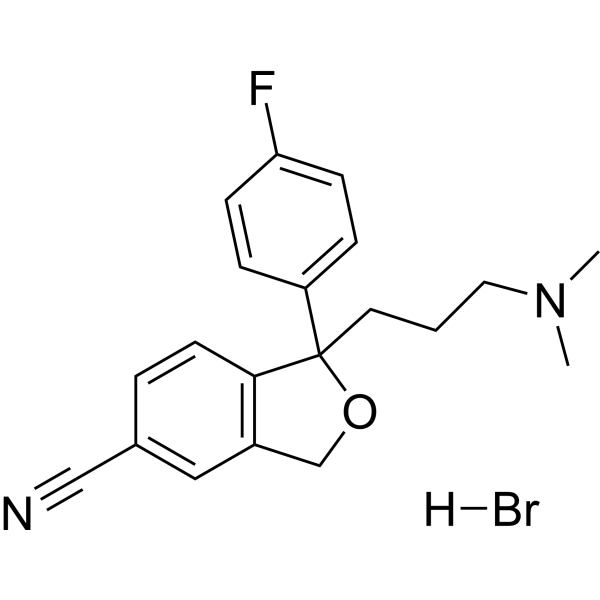
Citalopram hydrobromide is a selective serotonin reuptake inhibitor (SSRI), with blood-brain barrier permeability. Citalopram hydrobromide inhibits 5-HT uptake into synaptosomes with an IC50 of 1.8 nM. Citalopram hydrobromideinhibits the 5-HT uptake in rabbit blood platelets with an IC50 of 14 nM. Antidepressant effect .
|
-
-
- HY-101054
-
NQ301
1 Publications Verification
|
Thrombin
|
Cardiovascular Disease
|
|
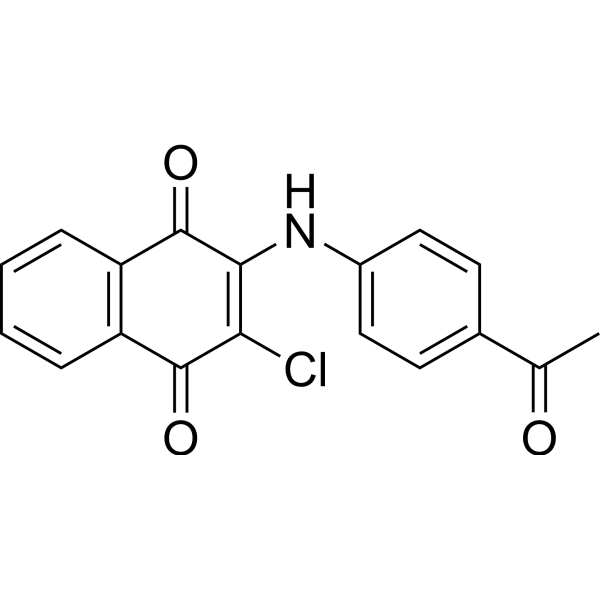
NQ301 is an antithrombotic agent; inhibits collagen-challenged rabbit platelet aggregation with an IC50 of 10 mg/mL.
|
-
-
- HY-122958
-
|
|
α-synuclein
|
Neurological Disease
|
|
Peucedanocoumarin III is an α-synuclein fiber depolymerizer with blood-brain barrier permeability. Peucedanocoumarin III depolymerizes β-sheet aggregate structures, promotes aggregate clearance, inhibits β23-induced cytotoxicity, blocks the formation of Lewy body-like inclusions, and prevents dopaminergic neuron loss. Peucedanocoumarin III can be used in studies related to Parkinson's disease .
|
-
-
- HY-B1016
-
|
AR-12008
|
PDGFR
Phosphodiesterase (PDE)
Prostaglandin Receptor
|
Cardiovascular Disease
Neurological Disease
|
|
Trapidil (AR-12008) is an orally active vasodilator and antiplatelet agent. Trapidil antagonizes platelet-derived growth factor (PDGF), inhibits phosphodiesterase, thromboxane A2 synthesis and pro-inflammatory cytokine production. Trapidil promotes prostacyclin biosynthesis, reduces lipid peroxidation, regulates nitric oxide metabolism, and inhibits cell proliferation and migration. Trapidil exerts tissue-protective effects, regulates bone turnover, and inhibits pyroptosis via the GPX3/Nrf2 pathway. Trapidil is applicable to research related to renal ischemia-reperfusion injury, chronic stable angina, restenosis, meningioma, diabetic cardiomyopathy and peripheral nerve crush injury .
|
-
-
- HY-109897
-
-
-
- HY-B0590A
-
|
Ro 1-9569 Racemate
|
Monoamine Transporter
Dopamine Receptor
|
Neurological Disease
|
|
Tetrabenazine (Ro 1-9569) Racemate is a brain-penetrant and orally active VMAT2-selective ligand with human VMAT2 Ki 100 nM. Tetrabenazine Racemate binds VMAT2 to block monoamine uptake into synaptic vesicles, potentiates cytoplasmic monoamine degradation. Tetrabenazine Racemate weakly blocks dopamine D2 receptors, and increases dopamine turnover via elevated cerebrospinal fluid homovanillic acid. Tetrabenazine Racemate can be used for the research of Huntington’s disease, tardive dyskinesia, and Tourette’s syndrome .
|
-
-
- HY-111247
-
-
-
- HY-128694
-
|
SR27417
|
Platelet-activating Factor Receptor (PAFR)
|
Cardiovascular Disease
|
|
Foropafant (SR27417) highly potent, competitive, selective and orally active antagonist of platelet-activating factor (PAF) receptor, with a Ki value of 57 pM for [ 3H]PAF binding, at least 5-fold lower than that of unlabeled PAF itself. Foropafant potently inhibits PAF-induced aggregation of rabbit and human platelets .
|
-
-
- HY-19121A
-
|
|
Platelet-activating Factor Receptor (PAFR)
|
Cancer
|
|
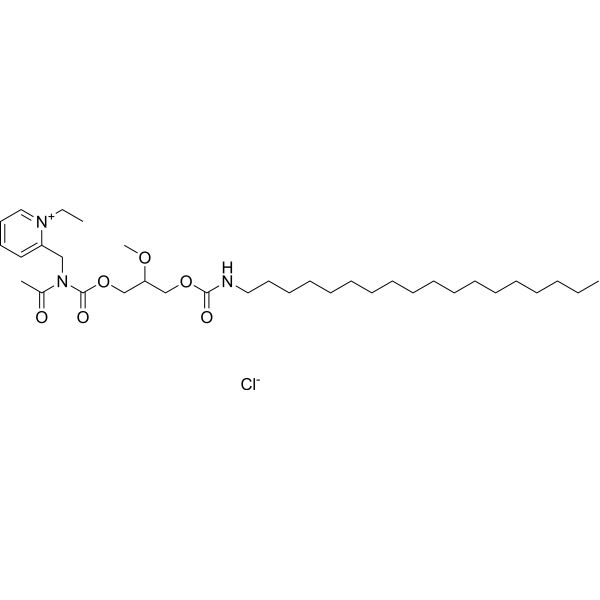
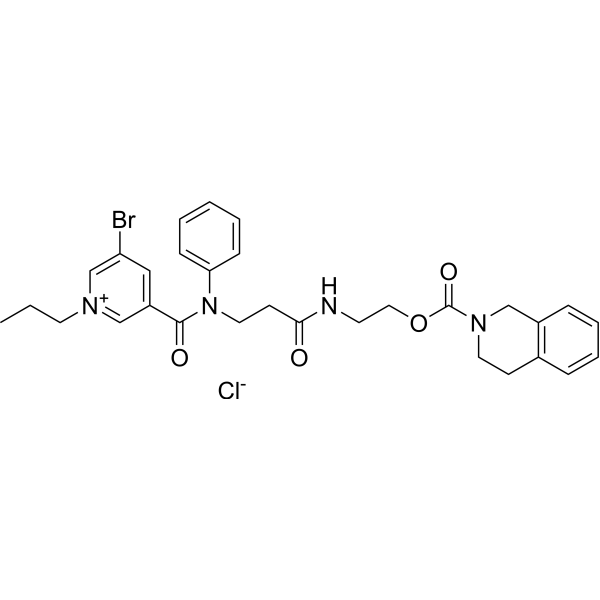
TCV-309 chloride is a potent and specific platelet activating factor (PAF) antagonist. TCV-309 chloride specifically inhibits PAF-induced aggregation of rabbit and human platelets, and [3H]PAF binding to rabbit platelet microsomes with IC50 values of 33 nM, 58 nM and 27 nM, respectively. TCV-309 chloride has beneficial effects in anaphylactic shock .
|
-
-
- HY-108565
-
|
|
Adenylate Cyclase
Prostaglandin Receptor
|
Cardiovascular Disease
|
|
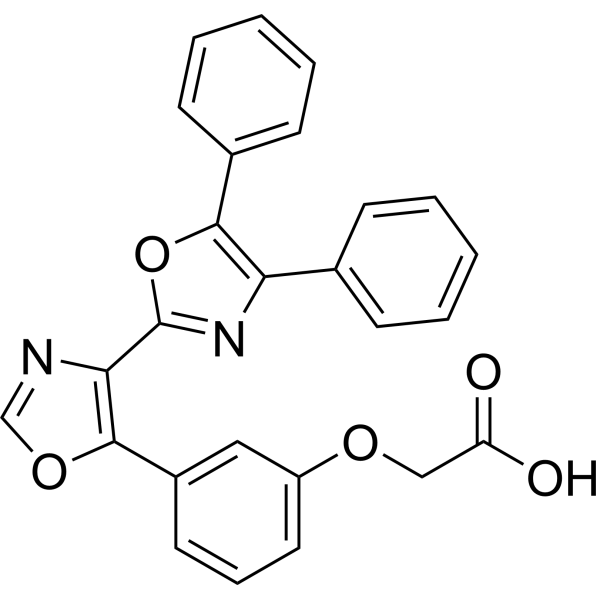
BMY 45778 is a non-prostanoid prostacyclin mimetic. BMY 45778 inhibits human (IC50 = 35 nM), rabbit (IC50: 136 nM) and rat (IC50 : 1.3 μM) platelet aggregation. BMY 45778 also activates adenylyl cyclase. BMY 45778 is a partial agonist at the prostacyclin receptor .
|
-
-
- HY-149454
-
|
|
P2Y Receptor
|
Cancer
|
|
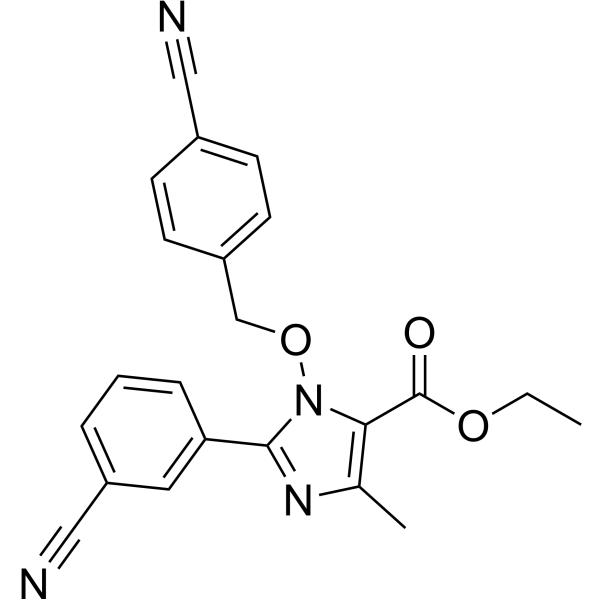
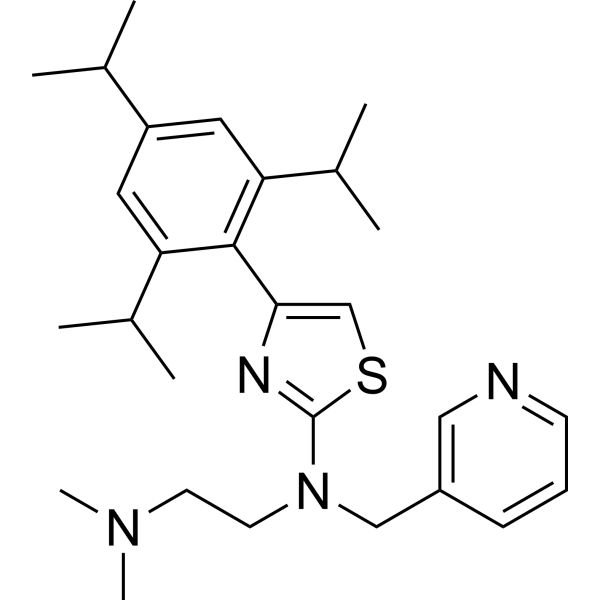
P2Y1/P2Y12 antagonist-1 (compound 24w) is an orally available dual inhibitor of P2Y1 and P2Y12 with antiplatelet activity. P2Y1/P2Y12 antagonist-1 inhibits ADP-induced platelet aggregation in rabbit plasma with an IC50 of 4.23 μM. P2Y1/P2Y12 antagonist-1 exhibits potent inhibitory effects in rat thrombosis model.
|
-
-
- HY-N4267
-
|
|
Calcium Channel
Platelet-activating Factor Receptor (PAFR)
UGT
Leukotriene Receptor
TNF Receptor
PGE synthase
Interleukin Related
|
Cardiovascular Disease
Infection
Inflammation/Immunology
|
|
Yangambin is a PAF receptor antagonist and UGT1A1/UGT1A3 inhibitor, with an IC50 of 29.7 μM and a Ki of 17.1 μM against human UGT1A1, and an IC50 of 56.5 μM and a Ki of 66.8 μM against human UGT1A3. Yangambin blocks PAF-mediated responses, inhibits LTB4-mediated neutrophil infiltration, and suppresses inflammatory events and anaphylactic contraction. Yangambin acts as a central nervous system inhibitor to reduce spontaneous activity, and also exhibits analgesic, anticonvulsant, antileishmanial, vasodilatory and hypotensive effects. Yangambin blocks voltage-gated Ca 2+ channels, reduces the production of NO, TNF-α, IL-6 and PGE2 in cells, increases the production of IL-10, and exerts a protective effect against cardiovascular injury. Yangambin can be used in research related to allergies, cutaneous leishmaniasis, central nervous system diseases and cardiovascular diseases .
|
-
-
- HY-101833
-
-
-
- HY-108908A
-
-
-
- HY-Y1094
-
|
Chloro(1,5-cyclooctadiene)rhodium(I) dimer
|
Biochemical Assay Reagents
|
Cardiovascular Disease
|
|
[Rh(cod)Cl]2 (Chloro(1,5-cyclooctadiene)rhodium(I) dimer) is a rhodium (I) organometallic dimer complex. [Rh(cod)Cl]2 can inhibit platelet-activating factor-mediated platelet aggregation with IC50 values of 5.2 and 43.3 μM in washed rabbit platelets and human platelet-rich plasmas. [Rh(cod)Cl]2 also can inhibit thrombin-, ADP (HY-W010918)- and collagen-induced aggregation with IC50 values of 16.7, 162 and 69.8 μM. [Rh(cod)Cl]2 can be used for the research of cardiovascular disease, such as thrombosis .
|
-
-
- HY-N8218
-
-
-
- HY-N12995
-
-
-
- HY-N1210
-
|
Spiramine C acetate (ester)
|
Bacterial
|
Cancer
|
|
Spiramine A (Spiramine C acetate (ester)) is a diterpene alkaloid with antitumor and antimicrobial activity. Spiramine A inhibits PAF-induced rabbit platelet aggregation in a concentration-dependent manner, with an IC50 vallue of 6.7 μM .
|
-
-
- HY-120612
-
|
|
P2Y Receptor
|
Cardiovascular Disease
|
|
BMS-884775 is a selective and orally active P2Y1 antagonist with an IC50 of 0.1 nM for the human P2Y1 receptor. BMS-884775 has a similar efficacy in preventing arterial thrombosis to Clopidogrel (HY-15283) and Prasugrel (HY-15284), but treatment with BMS-884775 results in shorter bleeding time and lower bleeding risk. BMS-884775 can be used in research related to antiplatelet and arterial thrombosis-associated diseases .
|
-
-
- HY-175675
-
|
|
P2Y Receptor
Keap1-Nrf2
|
Cardiovascular Disease
Neurological Disease
|
|
P2Y1 antagonist 4 is a selective P2Y1 receptor antagonist with excellent blood-brain barrier (BBB) penetration.
P2Y1 antagonist 4 inhibits P2Y1 receptor-mediated cytosolic Ca 2+ increase (IC50 = 1.95 μM) and platelet aggregation (IC50 = 3.24 μM) induced by ADP in rabbit washed platelets. P2Y1 antagonist 4 significantly upregulates the level of nuclear Nrf2 protein in H2O2-treated HT22 cells. P2Y1 antagonist 4 reduces myocardial infarct size in a mouse acute myocardial infarction (MI) model. P2Y1 antagonist 4 can be used for the study of ischemic stroke and myocardial infarction .
|
-
-
- HY-124887
-
-
-
- HY-163101
-
|
|
Platelet-activating Factor Receptor (PAFR)
Leukotriene Receptor
|
Inflammation/Immunology
|
|
CP-96021 is an orally active dual leukotriene D4 (LTD4) and platelet activating factor (PAF) receptor antagonist, featuring a guinea pig LTD4 receptor Ki of 34 nM and a rabbit PAF receptor Ki of 37 nM. CP-96021 blocks ligand binding to its target receptors, inhibits ligand-induced bronchoconstriction, and inhibits antigen-triggered airway obstructive effects. CP-96021 can be used for the research of asthma .
|
-
-
- HY-100125
-
|
SR1368
|
COX
|
Inflammation/Immunology
|
|
Timegadine, a new antiinflammatory agent, is found to be a potent, competitive inhibitor of cyclo-oxygenase (COX) and lipo-oxygenase, with IC50s ranging from 5 nM (washed rabbit platelets) to 20 μM (rat brain) for COX and 100 μM for lipo-oxygenase both in the cytosol fraction of horse platelet homogenates, and in washed rabbit platelets.
|
-
-
- HY-111766
-
|
|
Thrombin
|
Cardiovascular Disease
|
|
YD-3 is a platelet activation inhibitor. YD-3 inhibits Thrombine-induced rabbit platelets aggregation (IC50: 28.3 μM) and phosphoinositol production. In addition, YD-3 also inhibits Trypsin-induced platelet aggregation in human and rabbit with the IC50 of 38.1 μM and 5.7 μM, respectively, but does not affect the proteolytic activity of trypsin .
|
-
-
- HY-100125A
-
|
SR1368 hydrochloride
|
COX
|
Inflammation/Immunology
|
|
Timegadine hydrochloride (SR1368 hydrochloride) is the hydrochloride salt form of Timegadine (HY-100125). Timegadine hydrochloride is an orally active inhibitor for COX and lipo-oxygenase, that inhibits COX in washed rabbit platelets and rat brain with IC50 of 5 nM and 20 μM, inhibits lipo-oxygenase in in horse and washed rabbit platelets with IC50 of 100 μM. Timegadine hydrochloride exhibits anti-arthritis activity .
|
-
-
- HY-N11932
-
-
-
- HY-19126
-
|
|
Platelet-activating Factor Receptor (PAFR)
|
Infection
Cardiovascular Disease
|
|
CL-184005 is an antagonist for platelet-activating factor (PAF), that inhibits the PAF-induced platelet aggregation with IC50 of 600 nM and 510 nM, in human and rabbit platelet-rich plasma. CL-184005 protects the rats from endotoxin-induced gastrointestinal damage and hypotension. CL-184005 exhibits potential attenuating Gram-negative bacterial sepsis .
|
-
-
- HY-N12070
-
|
|
Others
|
Cardiovascular Disease
|
|
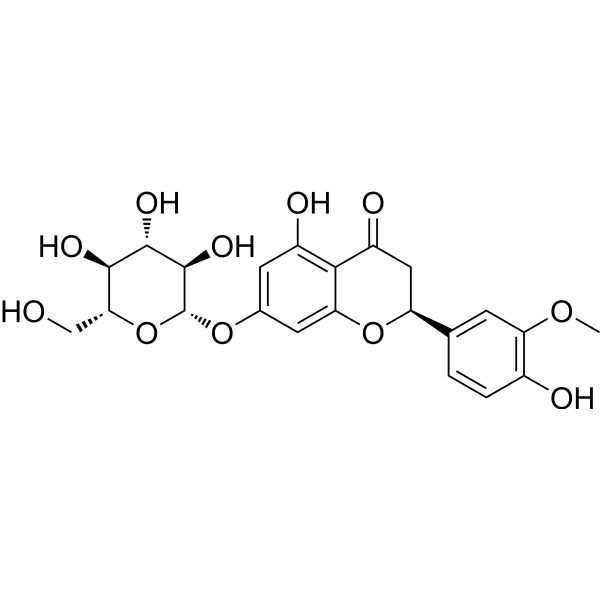
11-O-β-D-glucopyranosyl thamnosmonin, a coumarin glucosides, can be isolated from the roots of Angelica apaensis. 11-O-β-D-glucopyranosyl thamnosmonin has weak inhibitory activity on the aggregation of rabbit platelets induced by PAF, AA, and ADP .
|
-
-
- HY-13511AS
-
-
-
- HY-P3006
-
|
|
Drug Metabolite
|
Cardiovascular Disease
|
|
Des-Leu10-angiotensin I is a nonapeptide that inhibits rabbit lung angiotensin-converting enzyme peptidyl-dipeptide hydrolase with a Ki value of 31 μM, which is generated from angiotensin I by the action of carboxypeptidase-like activities residing in the human platelet and mast cell .
|
-
-
- HY-106837
-
|
Y 24180
|
Platelet-activating Factor Receptor (PAFR)
|
Inflammation/Immunology
|
|
Israpafant (Y-24180) is a potent, selective and long-acting platelet activation factor (PAF) receptor antagonist with IC50s of 0.84 nM and 3.84 nM against PAF-induced human and rabbit platelet aggregation, respectively. Israpafant stimulates both extracellular Ca 2+ influx and intracellular Ca 2+ release in prostate cancer cells. Israpafant suppresses the allergic cutaneous reactions including eosinophilia, cytokine production, edema and erythema in mice .
|
-
-
- HY-106394
-
|
|
P-glycoprotein
|
Cardiovascular Disease
|
|
TP-9201 is a platelet glycoprotein (GP) IIb/IIIa receptor antagonist. TP-9201 inhibits the interaction between GPIIb/IIIa and fibrinogen, thereby suppressing platelet aggregation. TP-9201 exhibits similar inhibitory activity on adenosine diphosphate (ADP) (HY-W010918)-induced platelet aggregation in humans, baboons, and dogs (IC50 = 1-3 μM), while showing lower activity in rabbits (IC50 = 45 μM) and rats (IC50 = 20 μM). TP-9201can be used in studies related to the prevention of rethrombosis after arterial thrombolysis .
|
-
-
- HY-114846
-
|
|
Prostaglandin Receptor
|
Cardiovascular Disease
|
|
Ro 22-9194 inhibits aggregation and thromboxane Az (TXA2) synthetase activity in rabbit and human platelets. Ro 22-9194 has a potent inhibitory action against various types of model arrhythmias. Ro 22-9194 has non-cholinergic cardiac depressant properties with its vasodilating action .
|
-
-
- HY-B1287R
-
|
(±)-Citalopram hydrobromide(Standard); Lu 10-171 (Standard)
|
Reference Standards
Serotonin Transporter
Autophagy
|
Neurological Disease
Cancer
|
|
Citalopram (hydrobromide) (Standard) is the analytical standard of Citalopram (hydrobromide). This product is intended for research and analytical applications. Citalopram hydrobromide is a selective serotonin reuptake inhibitor (SSRI). Citalopram hydrobromide inhibits 5-HT uptake into synaptosomes with an IC50 of 1.8 nM. Citalopram hydrobromideinhibits the 5-HT uptake in rabbit blood platelets with an IC50 of 14 nM. Antidepressant effect .
|
-
-
- HY-B1287S
-
|
(±)-Citalopram hydrobromide-d3; Lu 10-171-d3
|
Isotope-Labeled Compounds
Serotonin Transporter
Autophagy
|
Neurological Disease
Cancer
|
|
Citalopram-d3 ((±)-Citalopram-d3) hydrobromide is deuterium labeled Citalopram (hydrobromide). Citalopram hydrobromide is a selective serotonin reuptake inhibitor (SSRI). Citalopram hydrobromide inhibits 5-HT uptake into synaptosomes with an IC50 of 1.8 nM. Citalopram hydrobromideinhibits the 5-HT uptake in rabbit blood platelets with an IC50 of 14 nM. Antidepressant effect .
|
-
-
- HY-11090A
-
|
|
Factor Xa
Kallikrein
Thrombin
Ser/Thr Protease
|
Cardiovascular Disease
|
|
DPC423 is a selective and orally active factor Xa inhibitor with a Kis of 0.15 (human) and 0.3 (rabbit) nM. DPC423 exhibits Kis of 60, 61 and 6000 nM against human trypsin, plasma kallikrein and thrombin. DPC423 blocks the formation of prothrombinase complex, reduces thrombin production, inhibits fibrin formation and platelet activation. DPC423 can be used for the study of anticoagulation of arterial thrombosis .
|
-
-
- HY-119035
-
|
|
Platelet-activating Factor Receptor (PAFR)
|
Inflammation/Immunology
|
|
R-75317 is a specific platelet-activating factor (PAF) antagonist. R-75317 can prevent the decline in creatinine clearance (Ccr) in a rat model of glomerulonephritis induced by the injection of antibodies extracted from rabbits against rat glomerular basement membrane (GBM) antigens, delay the onset of proteinuria, and improve glomerular hypertrophy, mesangial matrix proliferation, and interstitial fibrosis. R-75317 may be useful in the study of glomerulonephritis .
|
-
-
- HY-121701
-
|
|
Calcium Channel
|
Cardiovascular Disease
|
|
SR 33805 (analog) is an orally active Ca 2+ channel blocker that selectively inhibits the proliferation of smooth muscle cells. SR 33805 (analog) reduces calcium uptake by blocking calcium channels, thereby inhibiting smooth muscle cell proliferation induced by serum, platelet-derived growth factor, and basic fibroblast growth factor. SR 33805 (analog) significantly reduces intimal thickening following endothelial injury in rabbits. SR 33805 (analog) shows promise for cardiovascular disease research, such as in early atherosclerosis .
|
-
-
- HY-11090
-
|
|
Factor Xa
Kallikrein
Thrombin
Ser/Thr Protease
|
Cardiovascular Disease
|
|
DPC423 free base is a selective and orally active factor Xa inhibitor with a Kis of 0.15 (human) and 0.3 (rabbit) nM. DPC423 free base exhibits Kis of 60, 61 and 6000 nM against human trypsin, plasma kallikrein and thrombin. DPC423 free base blocks the formation of prothrombinase complex, reduces thrombin production, inhibits fibrin formation and platelet activation. DPC423 free base can be used for the study of anticoagulation of arterial thrombosis .
|
-
-
- HY-116778
-
|
|
Reactive Oxygen Species (ROS)
|
Cardiovascular Disease
Neurological Disease
Inflammation/Immunology
|
|
Prostaglandin G2 is a prostaglandin peroxide. Prostaglandin G2 acts as a precursor for thromboxane A2 production, inducing platelet aggregation and serotonin release. Prostaglandin G2 also induces cerebral arteriole injury in anesthetized cats via the generation of reactive oxygen free radicals, triggering persistent vasodilation, reduced reactivity to hypocapnia, and endothelial damage. Prostaglandin G2 can be used in studies related to cerebral arteriole injury .
|
-
-
- HY-182418
-
|
|
Platelet-activating Factor Receptor (PAFR)
|
Cardiovascular Disease
|
|
UR-11353 is a selective platelet activating factor (PAF) antagonist with long-lasting activity. UR-11353 inhibits PAF-induced platelet aggregation in rabbit platelet-rich plasma. UR-11353 inhibits PAF-induced hypotension in normotensive rats. UR-11353 protects against PAF-induced mortality in mice .
|
-
-
- HY-114660
-
|
9,11-Epoxymethano PGH1; 9,11-methane-epoxy PGF1α
|
Drug Derivative
|
Cardiovascular Disease
|
|
9,11-methane-epoxy Prostaglandin F1α (9,11-Epoxymethano PGH1; 9,11-methane-epoxy PGF1α) is a derivative of prostaglandin H1. 9,11-methane-epoxy Prostaglandin F1α induces aggregation of isolated rabbit platelets (EC50=0.88 µM) and contraction of rabbit aortic strips (EC50=0.11 µM). 9,11-methane-epoxy Prostaglandin F1α induces contraction of isolated guinea pig tracheas (EC50 = 3.4 µM) .
|
-
-
- HY-W676872
-
|
|
COX
Parasite
|
Infection
Inflammation/Immunology
|
|
Dihydroflavokawin B is a selective COX-1 inhibitor with an IC50 of 1.22 μM. Dihydroflavokawin B weakly inhibits COX-2 and 5-LOX. Dihydroflavokawin B inhibits promastigote forms of Leishmania panamensis and Leishmania braziliensis. Dihydroflavokawin B inhibits rabbit platelet aggregation induced by Arachidonic acid, platelet activating factor, and adenosine diphosphate. Dihydroflavokawin B exhibits in vitro anti-inflammatory activity. Dihydroflavokawin B can be used for the research of leishmaniasis .
|
-
-
- HY-N17892
-
|
|
Others
|
Cardiovascular Disease
|
|
Ariskanin A is a platelet aggregation inhibitor that exists in Aristolochia kankauensis and Aristolochia manshuriensis. Ariskanin A inhibits rabbit platelet aggregation .
|
-
-
- HY-182557
-
|
|
Lipoxygenase
|
Cardiovascular Disease
Inflammation/Immunology
|
|
KC-11404 is an orally active antihistamine and 5-lipoxygenase inhibitor, with an IC50 of 0.9 μM against guinea pig 5-lipoxygenase. KC-11404 inhibits histamine-induced contraction of isolated guinea pig ileum with an IC50 of 0.26 μM. KC-11404 inhibits PAF-induced rabbit platelet aggregation with an IC50 of 2.0 μM. It inhibits the histamine phase of antigen-induced bronchoconstriction and PAF-induced bronchoconstriction in guinea pigs. KC-11404 can be used for the research of asthma .
|
-
-
- HY-101833R
-
-
-
- HY-169788
-
|
|
Others
|
Cardiovascular Disease
|
|
Graveolinine is a quinoline alkaloid, that can be isolated from Ruta chalepensis. Graveolinine exhibits antiplatelet activity, that reduces Arachidonic Acid (HY-109590)- and Collagen-induced aggregation of washed rabbit platelets .
|
-
-
- HY-165434
-
|
EL 784
|
Prostaglandin Receptor
|
Cardiovascular Disease
|
|
Naxaprostene is a prostacyclin analogue. Naxaprostene was much more selective for IP receptors and tended towards partial agonism. Naxaprostene inhibits ADP-induced platelet aggregation. It has been shown to prevent rabbit carotid artery thrombosis.
|
-
-
- HY-175986
-
|
|
Prostaglandin Receptor
|
Inflammation/Immunology
|
|
IP receptor agonist 1 (compound 6c-14S) is an orally active I prostanoid receptor agonist, with an IC50 of 0.15 μM for inhibiting platelet aggregation induced by ADP (HY-W010918,300 μM) in rabbit platelet-rich plasma. IP receptor agonist 1 can be used for study of Pulmonary arterial hypertension .
|
-
-
- HY-W923355
-
|
EPA-TG; Glycerol trieicosapentaenoate; TG(20:5/20:5/20:5)
|
Others
|
Others
|
|
1,2,3-Trieicosapentaenoyl glycerol (EPA-TG) is a glycerol ester that can be obtained by the reaction of polyunsaturated fatty acids or lower alkyl esters with glycerol catalyzed by alkoxide ions . After two intravenous injections of the EPA-TG emulsion into rabbits, the EPA content in plasma and platelet phospholipids increased markedly . In another study, by administering the EPA-TG emulsion, the production of leukotriene B4 by polymorphonuclear leukocytes in rabbits was reduced by 40% .
|
-
- HY-105363
-
|
|
Others
|
Cardiovascular Disease
|
|
RGH-1962 is an orally active antithrombotic agent. RGH-1962 prevents endotoxin-induced decreases in fibrinogen level and platelet count, reduces the level of fibrin degradation products and inhibits the endotoxin-induced enhancement of fibrinolytic activity in a rabbit model of endotoxin-induced disseminated intravascular coagulation. RGH-1962 can be used for the study of thrombotic diseases .
|
-
- HY-108565R
-
|
|
Adenylate Cyclase
Prostaglandin Receptor
Reference Standards
|
Cardiovascular Disease
|
|
BMY 45778 (Standard) is the analytical standard of BMY 45778 (HY-108565). This product is intended for research and analytical applications. BMY 45778 is a non-prostanoid prostacyclin mimetic. BMY 45778 inhibits human (IC50 = 35 nM), rabbit (IC50: 136 nM) and rat (IC50 : 1.3 μM) platelet aggregation. BMY 45778 also activates adenylyl cyclase. BMY 45778 is a partial agonist at the prostacyclin receptor .
|
-
- HY-105364
-
|
GYKI 39521 hydriodide
|
Others
|
Cardiovascular Disease
|
|
RGH-1875 (GYKI 39521) hydriodide is the hydriodide of RGH-1875. RGH-1875 is an orally active antithrombotic agent. RGH-1875 prevents endotoxin-induced decreases in fibrinogen level and platelet count, reduces the level of fibrin degradation products and inhibits the endotoxin-induced enhancement of fibrinolytic activity in a rabbit model of endotoxin-induced disseminated intravascular coagulation. RGH-1875 can be used for the study of thrombotic diseases .
|
-
- HY-N3993
-
-
- HY-182625
-
|
|
Platelet-activating Factor Receptor (PAFR)
|
Others
Inflammation/Immunology
|
|
GS-1160-180 is a PAF receptor antagonist. GS-1160-180 competes with PAF for receptor binding, with no activity against collagen or adenosine diphosphate-induced platelet aggregation. GS-1160-180 can be used for research on asthma, anaphylactic shock, gastric ulceration, and transplant rejection .
|
-
- HY-N17941
-
|
|
Others
|
Cardiovascular Disease
|
|
19-Anhydro-4-epirotungenic acid is a triterpenoid compound that can be isolated from the bark of Ilex rotunda Thunb. 19-Anhydro-4-epirotungenic acid shows no activity against ADP-induced platelet aggregation .
|
-
- HY-N19876
-
-
| Cat. No. |
Product Name |
Target |
Research Area |
-
- HY-P3006
-
|
|
Drug Metabolite
|
Cardiovascular Disease
|
|
Des-Leu10-angiotensin I is a nonapeptide that inhibits rabbit lung angiotensin-converting enzyme peptidyl-dipeptide hydrolase with a Ki value of 31 μM, which is generated from angiotensin I by the action of carboxypeptidase-like activities residing in the human platelet and mast cell .
|
| Cat. No. |
Product Name |
Category |
Target |
Chemical Structure |
-
- HY-122958
-
-
-
- HY-111247
-
-
-
- HY-N4267
-
|
|
Cardiovascular Disease
Structural Classification
other families
Classification of Application Fields
Lignans
Phenylpropanoids
Plants
Disease Research Fields
Source Classification
|
Calcium Channel
Platelet-activating Factor Receptor (PAFR)
UGT
Leukotriene Receptor
TNF Receptor
PGE synthase
Interleukin Related
|
|
Yangambin is a PAF receptor antagonist and UGT1A1/UGT1A3 inhibitor, with an IC50 of 29.7 μM and a Ki of 17.1 μM against human UGT1A1, and an IC50 of 56.5 μM and a Ki of 66.8 μM against human UGT1A3. Yangambin blocks PAF-mediated responses, inhibits LTB4-mediated neutrophil infiltration, and suppresses inflammatory events and anaphylactic contraction. Yangambin acts as a central nervous system inhibitor to reduce spontaneous activity, and also exhibits analgesic, anticonvulsant, antileishmanial, vasodilatory and hypotensive effects. Yangambin blocks voltage-gated Ca 2+ channels, reduces the production of NO, TNF-α, IL-6 and PGE2 in cells, increases the production of IL-10, and exerts a protective effect against cardiovascular injury. Yangambin can be used in research related to allergies, cutaneous leishmaniasis, central nervous system diseases and cardiovascular diseases .
|
-
-
- HY-N8218
-
-
-
- HY-N12995
-
-
-
- HY-N1210
-
-
-
- HY-N11932
-
-
-
- HY-N12070
-
-
-
- HY-116778
-
|
|
Source Classification
|
Reactive Oxygen Species (ROS)
|
|
Prostaglandin G2 is a prostaglandin peroxide. Prostaglandin G2 acts as a precursor for thromboxane A2 production, inducing platelet aggregation and serotonin release. Prostaglandin G2 also induces cerebral arteriole injury in anesthetized cats via the generation of reactive oxygen free radicals, triggering persistent vasodilation, reduced reactivity to hypocapnia, and endothelial damage. Prostaglandin G2 can be used in studies related to cerebral arteriole injury .
|
-
-
- HY-N17892
-
-
-
- HY-169788
-
-
-
- HY-N3993
-
-
-
- HY-N17941
-
-
-
- HY-N19876
-
-
| Cat. No. |
Product Name |
Chemical Structure |
-
- HY-13511AS
-
|
|
|
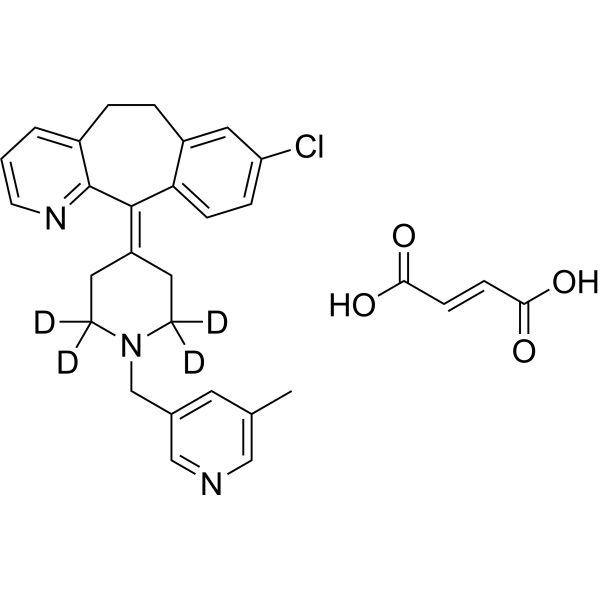
Rupatadine-d4 fumarate is a deuterium labeled Rupatadine fumarate. Rupatadine Fumarate (UR-12592 Fumarate) is a potent dual PAF/H1 antagonist with Ki values of 0.55/0.1 μM (rabbit platelet membranes/guinea pig cerebellum membranes) .
|
-
-
- HY-B1287S
-
|
|
|
Citalopram-d3 ((±)-Citalopram-d3) hydrobromide is deuterium labeled Citalopram (hydrobromide). Citalopram hydrobromide is a selective serotonin reuptake inhibitor (SSRI). Citalopram hydrobromide inhibits 5-HT uptake into synaptosomes with an IC50 of 1.8 nM. Citalopram hydrobromideinhibits the 5-HT uptake in rabbit blood platelets with an IC50 of 14 nM. Antidepressant effect .
|
-
Your information is safe with us. * Required Fields.
Inquiry Information
- Product Name:
- Cat. No.:
- Quantity:
- MCE Japan Authorized Agent: