

Search Result
Results for "
resin
" in MedChemExpress (MCE) Product Catalog:
27
Biochemical Assay Reagents
43
Isotope-Labeled Compounds
| Cat. No. |
Product Name |
Target |
Research Areas |
Chemical Structure |
-
- HY-104081
-
|
Cholestyramine resin; Colestyramine
|
LDLR
|
Cardiovascular Disease
Cancer
|
|
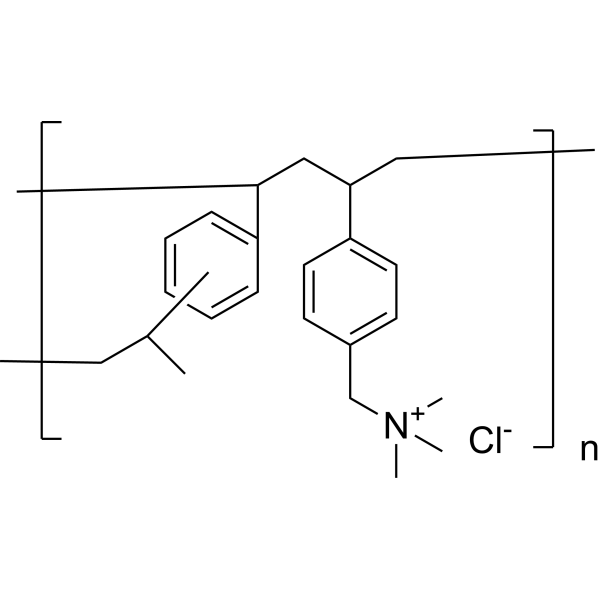
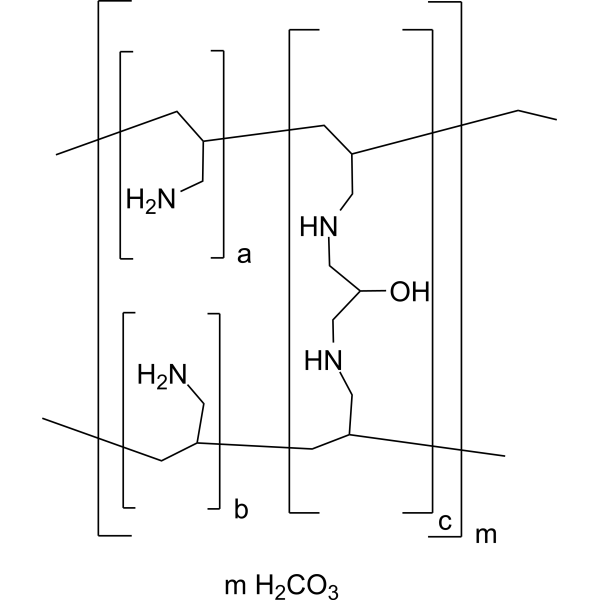
Cholestyramine (Colestyramine) is a bile acid binding resin and can inhibit intestinal bile acid absorption which results in the increasing bile acid synthesis from cholesterol.
|
-
-
- HY-142104
-
|
2-Chlorotrityl Chloride resin (100-200 mesh,1% DVB,0.4-3.0mmol/g)
|
Drug Intermediate
|
Cancer
|
|
2-CTC Resin (100-200 mesh,1% DVB,0.4-3.0mmol/g) is a solid-phase synthesis carrier that has been used to study metabolic disorders in prostate cancer cells. 2-CTC Resin (100-200 mesh,1% DVB,0.4-3.0mmol/g) can be used as a reaction solution of terminal residues and adenine nucleotides to form cyclic peptides. 2-CTC Resin (100-200 mesh,1% DVB,0.4-3.0mmol/g) can prevent racemization during the incorporation of the first protected amino acid and minimized diketopiperazine formation. 2-CTC Resin (100-200 mesh,1% DVB,0.4-3.0mmol/g) is one of the most commonly used and versatile resins available for large-scale production of peptides .
|
-
-
- HY-B0264
-
|
Guaiacol glyceryl ether; Guaiphenesin; Glycerol guaiacolate
|
Mucin
|
Neurological Disease
Inflammation/Immunology
|
|
Guaifenesin (Guaiacol glyceryl ether), a constituent of guaiac resin from the wood of Guajacum officinale Linné, is an expectorant. Guaifenesin can alleviate cough discomfortby increasing sputum volume and decreasing its viscosity, thereby promoting effective cough .
|
-
-
- HY-166198
-
|
|
Drug Derivative
|
Metabolic Disease
|
|
9(Z)-Octadecenedioic acid is a C18 cutin monomer and marine biodegradation rate accelerator for biodegradable resins.9(Z)-Octadecenedioic acid is a structural analog of 9,10,16-trihydroxyhexadecanoic acid (HY-W992515) .
|
-
-
- HY-W017894
-
|
|
Biochemical Assay Reagents
|
Others
|
|
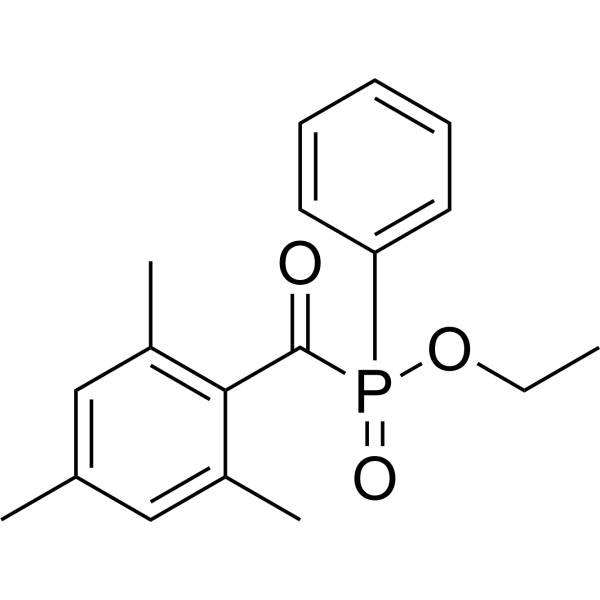
TPO-L is a photoinitiator for the 3D printing of resin that promotes two-photon induced polymerization. The two-photon absorption cross-section spectrum of Lucirin TPO-L shows a maximum of 1.2 GM at 610 nm. Despite its small two-photon absorption cross-section, Lucirin TPO-L exhibits high polymerization quantum yields .
|
-
-
- HY-W013935
-
|
|
Endogenous Metabolite
Estrogen Receptor/ERR
Reactive Oxygen Species (ROS)
|
Endocrinology
|
|
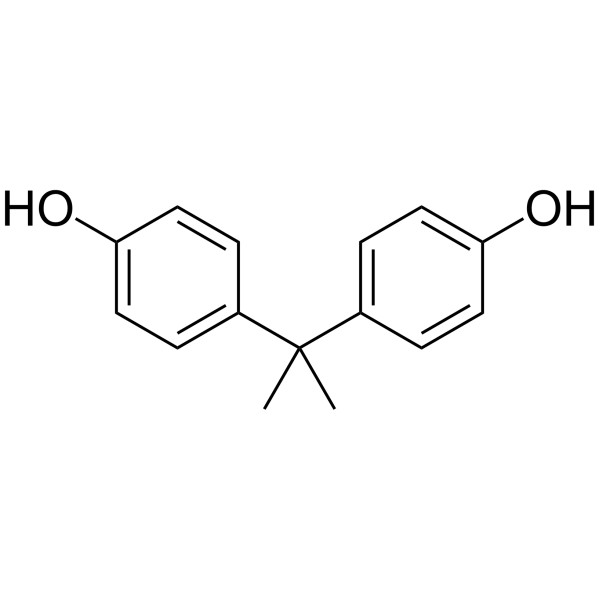
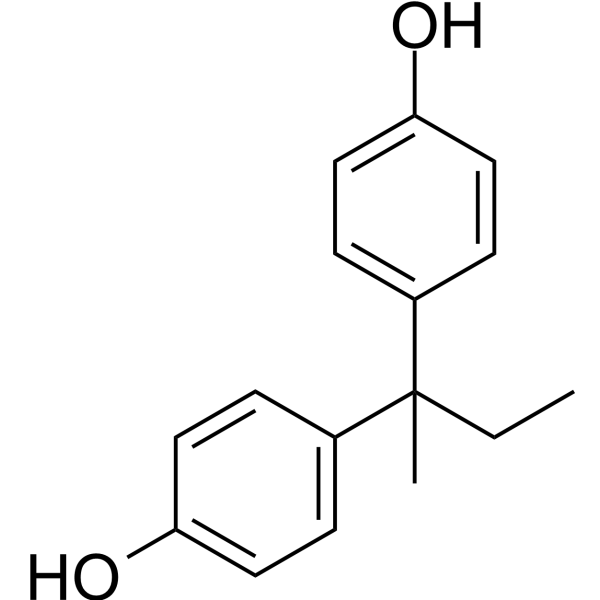
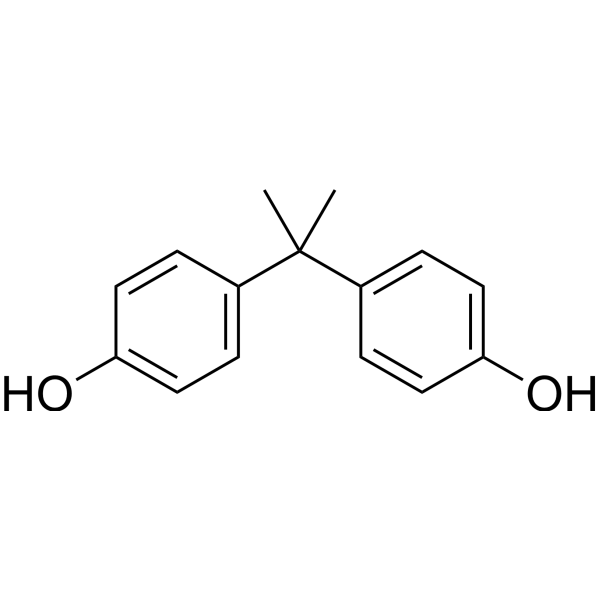
Bisphenol B is a close structural analog of Bisphenol A (BPA) (HY-18260). Bisphenol B is a potent, orally active endocrine disruptor (ED). Bisphenol B binds to G protein-coupled estrogen receptor (GPER) (IC50 = 3.3 μM) with higher affinity and agonistic activity than BPA. Bisphenol B promotes GPER mediated cell migration. Bisphenol B exerts estrogenic effects via GPER pathway at nanomolar concentration. Bisphenol B is used in the manufacture of polycarbonate resin with ED properties .
|
-
-
- HY-W076836
-
|
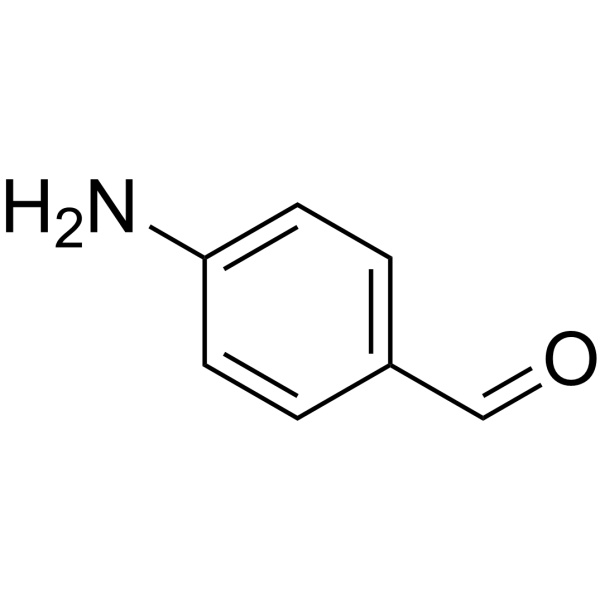
p-aminobenzaldehyde
|
Biochemical Assay Reagents
|
Others
|
|
4-Aminobenzaldehyde (p-aminobenzaldehyde) is a useful synthetic reagent and monomer that can be used to synthesize monoazo dyes and photocurable ion exchange resins. 4-Aminobenzaldehyde is also a corrosion inhibitor of metals .
|
-
-
- HY-N6869
-
|
|
Antibiotic
PPAR
Bacterial
Fungal
|
Infection
Metabolic Disease
Inflammation/Immunology
Cancer
|
|
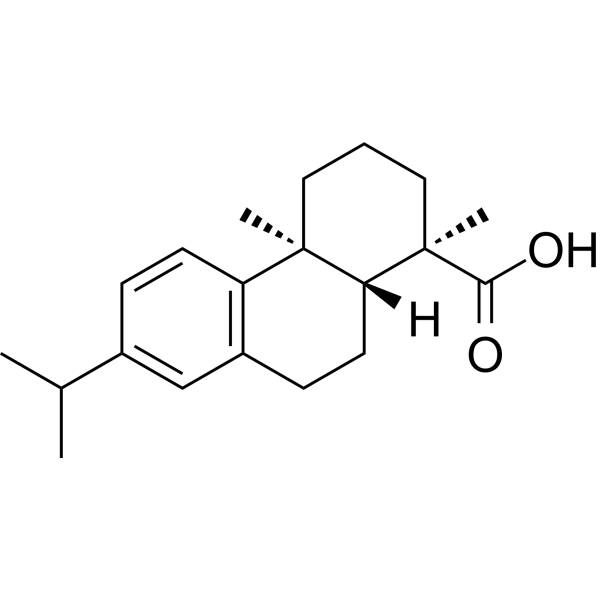
Dehydroabietic acid is a diterpene resin acid that can be isolated from Pinus and Picea. Dehydroabietic acid has anti-bacterial, anti-fungal, anti-inflammatory, and anticancer activities. Dehydroabietic acid is a dual PPAR-α/γ agonist and PPAR-γ partial agonist, which can attenuate insulin resistance (IR) and hepatic steatosis induced by HFD-consumption in mice .
|
-
-
- HY-112939
-
|
MCI-196; Colestimide
|
Biochemical Assay Reagents
|
Metabolic Disease
|
|
Colestilan (MCI-196) is a non-absorbed, non-calcium-based phosphate binder and is also a non-metallic, anion exchange resin. Colestilan is orally active and can be used for hypercholesterolaemia research .
|
-
-
- HY-W072147
-
|
Fmoc-L-Ser-OMe
|
Amino Acid Derivatives
Drug Intermediate
|
Others
|
|
Fmoc-Ser-OMe (Fmoc-L-Ser-OMe) is an Fmoc-protected L-serine methyl ester and also a solid-phase peptide synthesis intermediate. Fmoc-Ser-OMe is linked to Ellman resin via its hydroxyl side chain. Fmoc-Ser-OMe is used in peptide synthesis .
|
-
-
- HY-B1419
-
|
2-Hydroxybenzyl alcohol; Saligenin
|
Drug Intermediate
Bacterial
|
Others
|
|
Salicyl alcohol (2-Hydroxybenzyl alcohol; Saligenin) is a phenolic alcohol-type topical anesthetic and strong sensitizer with antiseptic, antibacterial and antipyretic activities. Salicyl alcohol serves as a precursor for salicin synthesis. Salicyl alcohol induces contact dermatitis and eczematous skin reactions, and is a well-known allergen identified in phenolic resins. Salicyl alcohol is isolated from the barks of European aspen (Populus tremula), rowan (Sorbus aucuparia) and willow (Salix spp.). Salicyl alcohol is used in studies related to allergic contact dermatitis .
|
-
-
- HY-100511
-
|
3,3',4,4'-Benzophenonetetracarboxylic acid
|
MOFs
|
Others
|
|
Benzophenonetetracarboxylic acid (3,3',4,4'-Benzophenonetetracarboxylic acid) is particularly useful in the preparation of high performance polyimides and also useful as curing agents for epoxy resins .
|
-
-
- HY-W002879
-
|
|
Reactive Oxygen Species (ROS)
|
Inflammation/Immunology
|
|
4-Hydroxyphenylboronic acid pinacol ester is a ROS-responsive component. 4-Hydroxyphenylboronic acid pinacol ester can structurally modify hyaluronic acid to prepare ROS-responsive intelligent nanocarriers and compound delivery systems. 4-Hydroxyphenylboronic acid pinacol ester endows hyaluronic acid-based nanocarriers with ROS responsiveness, enabling them to rapidly release the encapsulated Curcumin (HY-N0005) in the presence of reactive oxygen species. 4-Hydroxyphenylboronic acid pinacol ester is applicable to research related to periodontitis. 4-Hydroxyphenylboronic acid pinacol ester can also be used for the synthesis of boronic acid-modified resins .
|
-
-
- HY-W019321
-
|
|
Biochemical Assay Reagents
|
Others
|
|
3-Butenylamine hydrochloride can be used as an intermediate in the production of polymers, adhesives, resins and other chemicals. 3-Butenylamine hydrochloride may cause skin and eye irritation or burns, severe eye damage, and breathing problems .
|
-
-
- HY-N0508
-
Rosin
2 Publications Verification
|
Others
|
Inflammation/Immunology
|
|
Rosin is a natural resin extracted from coniferous trees such as pine trees. Rosin is a frequent contact allergen which induces allergic contact dermatitis. Rosin can be used as emulsifiers, adhesives, and other chemical applications .
|
-
-
- HY-N8757
-
|
|
Others
|
Others
|
|
Dihydropyrocurzerenone is a furanosesquiterpene isolated from the resin of Commiphora sphaerocarpa .
|
-
-
- HY-W109613
-
|
|
Bacterial
PPAR
Fungal
|
Infection
Metabolic Disease
|
|
Methyl dehydroabietate is an orally active resin acid. Methyl dehydroabietate disrupts microbial cell walls and exhibits significant antibacterial activity. Methyl dehydroabietate induces the expression of PPARα in the liver and PPARγ in adipose tissue, and promotes adipocyte differentiation. Methyl dehydroabietate improves insulin resistance, reduces TNFα levels, and alleviates adipocyte hypertrophy and hepatic steatosis in obese mice. Methyl dehydroabietate can be used in research related to obesity, insulin resistance and hepatic steatosis .
|
-
-
- HY-N4098
-
|
|
Apoptosis
|
Neurological Disease
|
|
Incensole acetate is a main constituent of Boswellia carterii resin, has neuroprotective effects against neuronal damage in traumatic and ischemic head injury. Incensole acetate reduces Aβ25–35-triggered apoptosis in hOBNSCs .
|
-
-
- HY-W144037
-
|
Pentanimidic acid
|
Biochemical Assay Reagents
|
Others
|
|
Valeramide (Pentanimidic acid) is an important raw material for organic synthesis, which is produced by ammonolysis of Caproamide. Valeramide can be used to make polyamides, amide resins, preservatives and nylon fibers .
|
-
-
- HY-139446A
-
|
ETPTA (MW 912); TMPETA (MW 912)
|
Biochemical Assay Reagents
|
Others
|
|
Trimethylolpropane ethoxylate triacrylate (MW 912) (ETPTA (MW 912); TMPETA (MW 912)) is a trifunctional acrylate monomer with multiple acrylate functional groups, which can be used in polymerization and crosslinking reactions. Trimethylolpropane ethoxylate triacrylate (MW 912) is widely used in the preparation of cured resins for 3D printing, optical coatings for display devices, and dental composite restorative materials .
|
-
-
- HY-W106322
-
-
-
- HY-N4097
-
|
|
Others
|
Neurological Disease
|
|
Incensole, a 14-membered diterpenoid, is isolated from both essential oils and resins of frankincense. Incensole has shown anti-inflammatory and anti-depression activities due to their ability to activate ion channels in the brain to alleviate anxiety or depression .
|
-
-
- HY-N2075
-
-
-
- HY-N8786
-
|
|
Others
|
Others
|
|
2,4,4'-Trihydroxydihydrochalcone is a Chalcones product that can be isolated from the resin of Dracaena draco. .
|
-
-
- HY-117112
-
|
Hexakis(methoxymethyl)melamine; HMMM
|
Biochemical Assay Reagents
|
Others
|
|
Hexamethoxymethylmelamine (Hexakis(methoxymethyl)melamine; HMMM) is a crosslinking agent, which can be used with polyester resins to produce thermosetting coating .
|
-
-
- HY-W051391
-
|
Me3TACN
|
Biochemical Assay Reagents
|
Others
|
|
1,4,7-Trimethyl-1,4,7-triazonane, also known as TMT or trimethylenetris(aziridine), is a cyclic organic compound. TMT is commonly used as a crosslinking agent and a precursor for polymer and resin synthesis. In addition, it is used as a stabilizer in the production of polyurethane foam and as a curing agent for epoxy resins. Due to its high reactivity and stability, TMT is considered to be a versatile and efficient reagent in various applications.
|
-
-
- HY-Y1117S
-
|
|
Isotope-Labeled Compounds
|
Others
|
|
Melamine- 15N3 is a 15N-labeled Melamine. Melamine is a metabolite?of?cyromazine. Melamine is a intermediate for the synthesis of melamine resin and plastic materials .
|
-
-
- HY-133620
-
|
|
Insecticide
|
Infection
|
|
7-Oxodehydroabietic acid is a diterpene resin acid isolated from the roots of the pine Pinus densiflora. 7-Oxodehydroabietic acid play a defensive role against herbivorous insects via insect endocrine-disrupting activity .
|
-
-
- HY-PS0011
-
|
|
Drug Intermediate
|
Others
|
|
Fmoc-Gly-Wang resin is a resin containing a glycine protecting group and can be used for the synthesis of peptides .
|
-
-
- HY-N10817
-
|
|
Others
|
Others
|
|
(2S)-5-Methoxyflavan-7-ol (compound 2) is a nature product that could be isolated form Dragon's blood resin .
|
-
-
- HY-W010756
-
|
|
Biochemical Assay Reagents
|
Others
|
|
FMOC-AM is a derivative of aminomethyl resin. FMOC-AM provides a solid-phase carrier basis for peptide chain synthesis and can be used in solid-phase peptide synthesis .
|
-
-
- HY-W086630
-
|
2,3-Bornanedione
|
Biochemical Assay Reagents
|
Others
|
|
Camphorquinone (2,3-Bornanedione) is a photoinitiator. Camphorquinone enhances free radical production under visible light (VL) irradiation and exhibits minimal cytotoxicity to HPF cells. Camphorquinone is used in the research of dental resin polymers .
|
-
-
- HY-W654078
-
|
BPAF-13C12; 4,4'-(Perfluoropropane-2,2-diyl)diphenol-13C12
|
Isotope-Labeled Compounds
|
Others
|
|
Bisphenol AF- 13C12 is an isotopic label of Bisphenol AF. Bisphenol AF is used in polycarbonate plastic and epoxy resin manufacturing. Bisphenol AF can significantly increase intracellular ROS levels .
|
-
-
- HY-157236
-
|
|
Biochemical Assay Reagents
|
Others
|
|
AEX Anion-exchange resin 1 is a strong anion exchange chromatography resin, based on monodisperse polystyrene/divinylbenzene (PS-DVB), with a particle size of 50 μm and an ionic ligand of –CH2N + (CH3)3. AEX Anion-exchange resin 1 can be used for the separation and purification of biological macromolecules such as proteins, antibodies, and viral vaccines.
|
-
-
- HY-133593
-
|
|
Others
|
Others
|
|
Palustric acid is a diterpenic resin acid found in Pinus nigra .
|
-
-
- HY-W111881
-
-
-
- HY-Y1117R
-
|
|
Drug Metabolite
Reference Standards
|
Others
|
|
Melamine (Standard) is the analytical standard of Melamine. This product is intended for research and analytical applications. Melamine is a metabolite of cyromazine. Melamine is a intermediate for the synthesis of melamine resin and plastic materials .
|
-
-
- HY-W016413
-
-
-
- HY-112794
-
-
-
- HY-W010875
-
-
-
- HY-171341
-
|
|
Biochemical Assay Reagents
|
Others
|
|
H-Pro-2-ClTrt resin is an acid-sensitive resin for solid-phase peptide synthesis. H-Pro-2-ClTrt resin binds to amino acids through an acid-labile chlorotrityl linker. H-Pro-2-ClTrt resin is promising for research of peptide drug development .
|
-
-
- HY-157239
-
|
|
Biochemical Assay Reagents
|
Cancer
|
|
AEX HQ Anion-exchange resin (POROS 50HQ) is AEX commonly used filler. AEX HQ Anion-exchange resin is HQ strong anion exchange resin and can purify targeting protein .
|
-
-
- HY-157235
-
|
|
Biochemical Assay Reagents
|
Inflammation/Immunology
|
|
AC Antibody affinity resin is AC commonly used packing. AC Antibody affinity resin has highly cross-linked agarose matrix with 85 μm of average particle size. AC Antibody affinity resin has alkali-resistant protein A derivative (E. coli) ligand. AC Antibody affinity resin can be used for antibody affinity chromatography .
|
-
-
- HY-121991
-
|
|
Glycosidase
|
Others
|
|
N-5-Carboxypentyl-1-deoxynojirimycin is an alpha-glucosidase inhibitor, and also can be used to prepare affinity matrices for binding to resins.
|
-
-
- HY-121458
-
|
|
Apoptosis
|
Cancer
|
|
Nemorosone is the main component of the floral resin of Clusia rosea. Nemorosone has an antiproliferative effect on cancer cells. Nemorosone induces apoptosis in HT-29 and LoVo cells .
|
-
-
- HY-157243
-
|
|
Biochemical Assay Reagents
|
Others
|
|
CEX Cation-exchange resin 2 is a CEX strong cation exchange resin, ADC purification resin. CEX Cation-exchange resin 2 contains cross-linked poly(styrene-divinylbenzene), which has good hydrophobicity .
|
-
-
- HY-157233
-
|
|
Biochemical Assay Reagents
|
Cardiovascular Disease
|
|
AC Antibody purification resin 1 is a nano agarose with a particle size of 69μm. AC Antibody purification resin 1 can be used in ADC purification. AC Antibody purification resin 1 contains a ligand: recombinant protein A.
|
-
-
- HY-157241
-
|
|
Biochemical Assay Reagents
|
Others
|
|
CEX Cation-exchange resin 1 is an ion exchange chromatography resin based on monodisperse polystyrene/divinylbenzene (PS-DVB). The particle size of CEX Cation-exchange resin 1 is 50μm and the ligand is -CH2CH2CH2SO3-. CEX Cation-exchange resin 1 can be used for the separation and purification of antibodies, VLPs, viruses and proteins .
|
-
-
- HY-157238
-
|
|
Biochemical Assay Reagents
|
Others
|
|
AEX anion-exchange resin 2 is a AEX commonly used filler and is a strong anion exchange medium, Particle size: ~90μm. AEX anion-exchange resin 2 can be used in Ion exchange chromatography
|
-
-
- HY-157244
-
|
|
Biochemical Assay Reagents
|
Others
|
|
Proteins separation resin is a hydrophobic interaction chromatography resin that can be used in the monoclonal antibody purification (Particle size: 65 μm) .
|
-
- HY-PS0015
-
-
- HY-157246
-
-
- HY-157232
-
|
|
Biochemical Assay Reagents
|
Others
|
AC Antibody purification resin 2 is based on spherical, highly cross-linked agarose beads with a narrow size distribution and high mechanical stability. Used for the separation and purification of complex antibodies such as monoclonal antibody, double antibody, multi-antibody and Fc fusion protein .
Substrate: highly crosslinked agarose microspheres; Particle size: 65μm; Ligand: alkali-resistant recombinant Protein A; ADC purified resin.
|
-
- HY-157245
-
|
|
Biochemical Assay Reagents
|
Others
|
|
Hydrophobic polishing resin is an agarose filler that can be used in hydrophobic interaction chromatography (The average particle size: 40 μm) .
|
-
- HY-157242
-
|
|
Biochemical Assay Reagents
|
Others
|
|
CEX Polishing resin is an agarose filler that can be used in cation exchange chromatography (The average particle size: 50 μm) .
|
-
- HY-157240
-
-
- HY-157237
-
-
- HY-133593R
-
|
|
Reference Standards
Others
|
Others
|
|
Palustric acid (Standard) is the analytical standard of Palustric acid. This product is intended for research and analytical applications. Palustric acid is a diterpenic resin acid found in Pinus nigra .
|
-
- HY-N10383
-
|
|
Others
|
Others
|
|
(1E)-3-Methoxy-8,12-epoxygermacra-1,7,10,11-tetraen-6-one (Compound 4) is a natural compound which can be derived from resins obtained from Commiphora sphaerocarpa .
|
-
- HY-Y1117S2
-
|
|
Isotope-Labeled Compounds
Drug Metabolite
|
Others
|
|
Melamine- 15N3, 13C3 is a 13C- and 15N-labeled Melamine (HY-Y1117). Melamine is a metabolite of cyromazine. Melamine is a intermediate for the synthesis of melamine resin and plastic materials .
|
-
- HY-B1550R
-
|
DL-Benzoin (Standard); Desyl alcohol (Standard); (±)-2-Hydroxy-2-phenylacetophenone (Standard)
|
Reference Standards
PI3K
|
Cancer
|
|
Benzoin (Standard) (DL-Benzoin (Standard)) is the analytical standard of Benzoin (HY-B1550). This product is intended for research and analytical applications. Benzoin (DL-Benzoin), a natural balsamic resin, is a PI3Kα inhibitor with anticancer effects. Benzoin inihits the growth of colon cancer cell line (HCT-116). Benzoin can be used as a food additive.
|
-
- HY-E70365A
-
|
|
Biochemical Assay Reagents
|
Inflammation/Immunology
|
|
IdeS (Immobilized, Microspin) is a resin that covalently couples IdeS protease to agarose beads and cleaves IgG at specific sites to generate F(ab')2 and Fc fragments. After IdeS (Immobilized, Microspin) digestion, F(ab')2 and Fc fragments are obtained in the solution without IdeS enzyme.
|
-
- HY-133596
-
|
|
Potassium Channel
GABA Receptor
|
Neurological Disease
|
|
12,14-Dichlorodehydroabietic acid, a chlorinated resin acid, is a potent Ca 2+-activated K + (BK) channel opener. 12,14-Dichlorodehydroabietic acid blocks GABA-dependent chloride entry in mammalian brain and operates as a non-competitive GABAA antagonist. 12,14-Dichlorodehydroabietic acid increases cytosolic free Ca 2+ and stimulates transmitter release .
|
-
- HY-N6869R
-
|
|
Antibiotic
Reference Standards
PPAR
Bacterial
Fungal
|
Infection
Metabolic Disease
Inflammation/Immunology
Cancer
|
|
Dehydroabietic acid (Standard) is the analytical standard of Dehydroabietic acid. This product is intended for research and analytical applications. Dehydroabietic acid is a diterpene resin acid that can be isolated from Pinus and Picea. Dehydroabietic acid has anti-bacterial, anti-fungal, anti-inflammatory, and anticancer activities. Dehydroabietic acid is a dual PPAR-α/γ agonist and PPAR-γ partial agonist, which can attenuate insulin resistance (IR) and hepatic steatosis induced by HFD-consumption in mice .
|
-
- HY-N12453
-
|
|
Others
|
Others
|
|
Agarsenone is a juniperine sesquiterpene isolated from the resin of Commiphora erythraea.
|
-
- HY-N9129
-
|
|
Others
|
Others
|
|
Cinnamyl isoferulate is a Phenylpropanoids product that can be isolated from From poplar resins .
|
-
- HY-W585942
-
|
3-Methylhexahydrophthalic anhydride
|
Drug Intermediate
|
Others
|
|
4-Methylhexahydroisobenzofuran-1,3-dione (3-Methylhexahydrophthalic anhydride) is mainly used as an intermediate for solvents, resins and adhesives in industry.
|
-
- HY-Y1117S1
-
|
|
Isotope-Labeled Compounds
|
Others
|
|
Melamine- 13C3 is the 13C labeled Melamine . Melamine is a metabolite of cyromazine. Melamine is a intermediate for the synthesis of melamine resin and plastic materials .
|
-
- HY-N10862
-
|
|
Others
|
Others
|
|
(3R)-6,4'-Dihydroxy-8-methoxyhomoisoflavan is a natural product that can be isolated from the red resin of Dracaena cochinchinensis .
|
-
- HY-W780784
-
|
|
Insecticide
|
Endocrinology
|
|
(Z,Z)-3,13-Octadecadien-1-ol is an insect sex pheromone used for trapping redwood resin borers (Synanthedon sequoiae (Edwards)) .
|
-
- HY-121451
-
|
|
Biochemical Assay Reagents
|
Others
|
|
Dibenzyl phthalate, a diaryl phthalate, is extensively used as a plasticizer to modify the properties of the synthetic resin substrates, resulting in the improvement of flexibility and durability of the end products. Dibenzyl phthalate has estrogen agonist/antagonist properties .
|
-
- HY-167627
-
|
|
Bacterial
Insecticide
|
Infection
|
|
Colupulone is a β-acid resin component found in hops (Humulus lupulus) and exhibits antibacterial and anti-larval activity against Culex mosquitoes. Colupulone can be used in studies related to infectious diseases .
|
-
- HY-N10676
-
|
|
Others
|
Cancer
|
|
8,8a-Dihydro-8-hydroxygambogic acid is a natural product, that can be isolated from the resin of Garcinia hanburyi. 8,8a-Dihydro-8-hydroxygambogic acid shows anticancer activity .
|
-
- HY-N2075R
-
|
|
Others
Reference Standards
|
Inflammation/Immunology
|
|
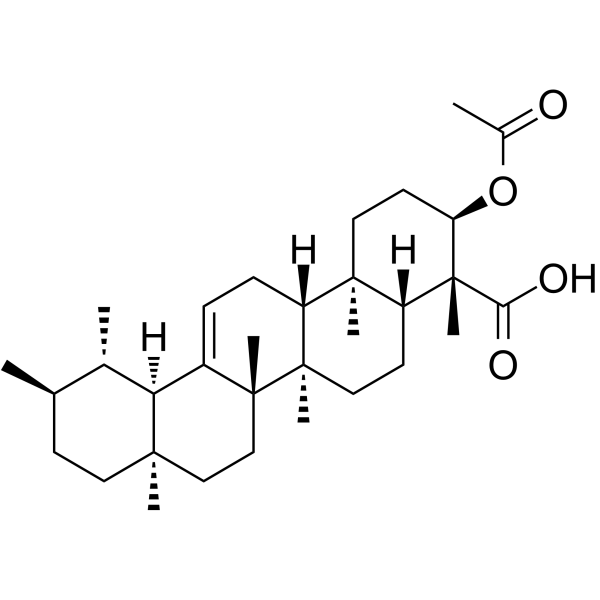
3-Acetyl-beta-boswellic acid (Standard) is the analytical standard of 3-Acetyl-beta-boswellic acid. This product is intended for research and analytical applications. 3-Acetyl-beta-boswellic acid is a boswellic acid isolated from Boswellia serrata gum resin .
|
-
- HY-185069C
-
|
|
Phosphoramidites
DNA/RNA Synthesis
|
Others
|
|
Unylinker-OH Resin (Substitution:300±25 µmol/g) is a macroporous polystyrene resin functionalized with Unylinker active groups with uniform particle size and uniform active groups. It is used for oligonucleotides synthesis.
|
-
- HY-185069B
-
|
|
DNA/RNA Synthesis
|
Others
|
|
Unylinker-OH Resin (Substitution:250±25 µmol/g) is a macroporous polystyrene resin functionalized with Unylinker active groups with uniform particle size and uniform active groups. It is used for oligonucleotides synthesis.
|
-
- HY-185069
-
|
|
DNA/RNA Synthesis
|
Others
|
|
Unylinker-OH Resin (Substitution:150±25 mmol/g) is a macroporous polystyrene resin functionalized with Unylinker active groups with uniform particle size and uniform active groups. It is used for oligonucleotides synthesis.
|
-
- HY-185069A
-
|
|
DNA/RNA Synthesis
|
Others
|
|
Unylinker-OH Resin (Substitution:200±25 µmol/g) is a macroporous polystyrene resin functionalized with Unylinker active groups with uniform particle size and uniform active groups. It is used for oligonucleotides synthesis.
|
-
- HY-185069D
-
|
|
DNA/RNA Synthesis
|
Others
|
|
Unylinker-OH Resin (Substitution:350±25 µmol/g) is a macroporous polystyrene resin functionalized with Unylinker active groups with uniform particle size and uniform active groups. It is used for oligonucleotides synthesis.
|
-
- HY-185069E
-
|
|
DNA/RNA Synthesis
|
Others
|
|
Unylinker-NH Resin (Substitution:150±25 mmol/g) is a macroporous polystyrene resin functionalized with Unylinker active groups with uniform particle size and uniform active groups. It is used for synthesis of oligonucleotides with 30-80 base sequences distribution.
|
-
- HY-N18324
-
-
- HY-N8053
-
|
|
Others
|
Others
|
|
(+)-Longicyclene (Compound Longicyclene) is a sesquiterpene found in the xylem resin of Pinus leiophylla, P. michoacana, P. montezumae, and P. oocarpa .
|
-
- HY-N7388
-
|
|
Endogenous Metabolite
|
Metabolic Disease
|
|
3-Hydroxy-2-methylbutanoic acid is a short-chain carboxylic acid and a normal urinary metabolite produced via isoleucine catabolism, fatty acid β-oxidation and ketogenesis. 3-Hydroxy-2-methylbutanoic acid exists as an acylated residue in resin glycosides derived from plants of the Ipomoea genus. 3-Hydroxy-2-methylbutanoic acid can be used in studies related to β-ketothiolase deficiency .
|
-
- HY-N18095
-
|
|
Drug Metabolite
|
Others
|
|
Tricyclodehydroisohumulone (Compound 10) is an oxidation product of α-acid, which is found in hop resin .
|
-
- HY-N2798
-
|
|
Others
|
Others
|
|
Lariciresinol-4,4'-dimethyl ether-9-acetate (compound IIId) is a derivative of larch resin alcohol .
|
-
- HY-N18675
-
|
|
Others
|
Metabolic Disease
|
|
Convolvulus scammonia extract, derived from the roots of the Convolvulus scammonia plant, has laxative and detoxifying properties. It contains active ingredients such as resins and alkaloids.
|
-
- HY-N9286
-
|
|
Others
|
Others
|
|
7,4'-Dihydroxy-8-methylflavan is a Flavonoids product that can be isolated from the red resin of Dracaena cochinchinensis. .
|
-
- HY-N8866
-
|
|
Others
|
Others
|
|
3,2'-Dihydroxy-4,4'-dimethoxychalcone is a Chalcones product that can be isolated from the resins of Xanthorrhoea hastilis .
|
-
- HY-N3272R
-
|
Methyl β-acetylpropionate (Standard); NSC 24874 (Standard)
|
Reference Standards
Others
|
Others
|
|
Palustric acid (Standard) is the analytical standard of Palustric acid. This product is intended for research and analytical applications. Palustric acid is a diterpenic resin acid found in Pinus nigra .
|
-
- HY-W133921
-
|
|
|
Others
|
|
Dipropylene glycol is a mixture of three structural isomers (2-(2-hydroxypropoxy)-1-propanol, 1,1'-oxybis (2-propanol), and 2,2'-oxybis (1-propanol)), and is also a toxic substance used in plasticizers, polyester resins, cosmetics, fragrances, polyurethane polyols, and alkyd resins. Dipropylene glycol induces liver and kidney damage as well as reproductive toxicity in rodents .
|
-
- HY-N18802
-
|
|
Others
|
Neurological Disease
|
|
Myrrh oil is typically sourced in Egypt, extracted from the resin of myrrh trees. Because this oil's earthy aroma promotes peace of mind and heightened awareness,.
|
-
- HY-133673
-
|
|
Drug Metabolite
|
Others
|
|
Mono (3-carboxypropyl) phthalate (MCPP) is a metabolite of Di-n-octyl phthalate. Di-n-octyl phthalate (DnOP) is a plasticizer used in polyvinyl chloride plastics, cellulose esters, and polystyrene resins .
|
-
- HY-N1608
-
|
|
Others
|
Others
|
|
18-Norabieta-8,11,13-trien-4α-ol (Compound 4) is a natural product that can be isolated from the resins of Populus euphratica .
|
-
- HY-N8811
-
|
|
Others
|
Inflammation/Immunology
Cancer
|
|
Acetyl 11α-methoxy-β-boswellic acid is a terpenoid compound derived from the resin of olive plants, and it holds promise for research in fields such as anti-inflammatory, anti-cancer, and analgesic applications .
|
-
- HY-W587442
-
|
|
Estrogen Receptor/ERR
|
Cancer
|
|
3-Chlorobisphenol A, a chlorinated derivatives of bisphenol A, is an endocrine-disrupting compound. It binds to estrogen receptors, causing disorders in hormone signaling pathways. Bisphenol A is an industrial chemical used in the production of polycarbonate plastics and epoxy resin.
|
-
- HY-134108
-
|
|
Others
|
Endocrinology
|
|
(3E,13Z)-Octadecadien-1-ol is a female sex pheromone attracting males, isolated from female Sequoia resin moths (Synanthedon sequoiae) .
|
-
- HY-N13071
-
|
|
Others
|
Others
|
|
3α-Acetyl-20(29)-lupene-24-oic acid (compound 1) is a typical lupenene-based boswellic acid that can be isolated from the gum resin of Boswellia serrata .
|
-
- HY-N17974
-
|
|
Others
|
Cancer
|
|
8,8a-Dihydro-8-hydroxymorellic acid is a polyprenylated xanthone found in the resin of Garcinia hanburyi. 8,8a-Dihydro-8-hydroxymorellic acid shows cytotoxic against cancer cells .
|
-
- HY-182461
-
|
|
Bacterial
|
Infection
|
|
Deoxymorellin is a caged xanthone found in resins and fruits of Garcinia hanburyi hook. f.. Deoxymorellin exhibits cytotoxicity. Deoxymorellin can be used for research of Methicillin (HY-121544)-resistant or Methicillin-susceptible Staphylococcus aureus .
|
-
- HY-117939
-
|
|
MMP
|
|
|
GM1489 is an MMP inhibitor that reduces degradation at the resin-dentin interface by inhibiting MMP activity, thereby enhancing bonding stability. GM1489 shows potential for researching strategies to improve bonding stability in both superficial and deep dentin .
|
-
- HY-141610
-
|
Methyl enanthate
|
Biochemical Assay Reagents
|
Others
|
|
Methyl heptanoate, commonly used as a flavoring and fragrance ingredient in the food and cosmetic industries, Methyl heptanoate is also used as a solvent for various substances, including resins, oils and waxes, in addition, it has been studied for its potential as a biofuel and polymer production application.
|
-
- HY-N7106S1
-
|
DMP-d6
|
Isotope-Labeled Compounds
|
Others
|
|
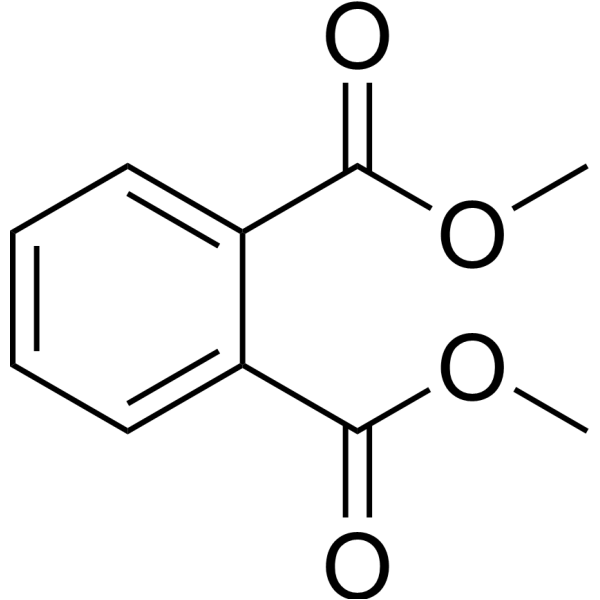
Dimethyl phthalate-d6 is the deuterium labeled Dimethyl phthalate. Dimethyl phthalate, a known endocrine disruptor and one of the phthalate esters (PAEs), is a ubiquitous pollutant. Dimethyl phthalate is commonly used as a plasticizer to impart flexibility to rigid polyvinylchloride (PVC) resins .
|
-
- HY-W142663
-
|
|
Endogenous Metabolite
|
|
|
Bisphenol M is a synthetic organic compound with antioxidant activity. Bisphenol M is commonly used in industry to make plastics and resins, and is used as a stabilizer and preservative in cosmetics. Bisphenol M can also be used in certain food packaging materials to improve product durability and safety.
|
-
- HY-159921
-
|
|
Microtubule/Tubulin
|
Cancer
|
|
Tubulin Polymerization-IN-1 prodrug (Compound 2b) is a palladium (Pd)-mediated tubulin polymerization inhibitor prodrug. Developed based on colchicine binding site inhibitors (CBSIs), it reduces toxicity and enhances targeted release properties. Compared to the parent compound, Tubulin Polymerization-IN-1 prodrug exhibited 68.3-fold lower cytotoxicity, which can be restored in situ in the presence of Pd resin. Mechanistic studies showed that its anticancer activity is consistent with CBSIs. In vivo, Tubulin Polymerization-IN-1 prodrug significantly inhibited tumor growth (63.2%) when activated by Pd resin. It holds promise for research in the field of anticancer therapy .
|
-
- HY-B1952
-
|
2,2'-Oxybis(ethan-1-ol)
|
Environmental Pollutants
Biochemical Assay Reagents
|
Others
|
|
Diethylene glycol (2,2'-Oxybis(ethan-1-ol)) has excellent solubility and reactivity in certain chemical reactions and can help accelerate the activation of certain reactants. In addition, it is widely used in the production process of pigments, resins and other chemicals.
|
-
- HY-N19844
-
|
|
Others
|
Cardiovascular Disease
|
|
3-Heptadecylcatechol is an urushiphenol compound found in Toxicodendron vernicifluum resin and poison oak urushiol. 3-Heptadecylcatechol exhibits anti-platelet aggregation and immune regulation activity. 3-Heptadecylcatechol can be used for the research of thrombotic disorders .
|
-
- HY-W017522
-
-
- HY-N7106S
-
|
DMP (Ring-d4)
|
Isotope-Labeled Compounds
|
Others
|
|
Dimethyl phthalate (Ring-d4) is the deuterium labeled Dimethyl phthalate. Dimethyl phthalate, a known endocrine disruptor and one of the phthalate esters (PAEs), is a ubiquitous pollutant. Dimethyl phthalate is commonly used as a plasticizer to impart flexibility to rigid polyvinylchloride (PVC) resins .
|
-
- HY-100511R
-
|
3,3',4,4'-Benzophenonetetracarboxylic acid (Standard)
|
Biochemical Assay Reagents
Reference Standards
|
Others
|
|
Benzophenonetetracarboxylic acid (Standard) is the analytical standard of Benzophenonetetracarboxylic acid (HY-100511). This product is intended for research and analytical applications. Benzophenonetetracarboxylic acid (3,3',4,4'-Benzophenonetetracarboxylic acid) is particularly useful in the preparation of high performance polyimides and also useful as curing agents for epoxy resins .
|
-
- HY-D0307AR
-
|
Acid Red 27 (Standard); Azorubin S (Standard); FD & C Red Dye No. 2 (Standard)
|
Fluorescent Dye
Reference Standards
|
Others
|
|
Amaranth (Standard) is the analytical standard of Amaranth. This product is intended for research and analytical applications. Amaranth is a dark red to purple azo dye used as a food dye and cosmetics. Amaranth is an anionic dye that can be applied to natural and synthetic fibers, leather, paper, and phenol-formaldehyde resins.
|
-
- HY-W133969
-
|
Shellac wax-free
|
Environmental Pollutants
|
Others
|
|
Shellac is a biodegradable resin composed of polyhydroxy acids, primarily aleuritic acid, shellolic acid, and jalaric acid. It originates as a resinous secretion of the insect Kerria lacca, found on several species of trees in India, Thailand, and China. shellac is used as a wood coating, a binder and encapsulate for pharmaceuticals and food supplements, and in cosmetics products.
|
-
- HY-N7106R
-
|
DMP (Standard)
|
Biochemical Assay Reagents
Reference Standards
|
Others
|
|
Dimethyl phthalate (Standard) is the analytical standard of Dimethyl phthalate. This product is intended for research and analytical applications. Dimethyl phthalate, a known endocrine disruptor and one of the phthalate esters (PAEs), is a ubiquitous pollutant. Dimethyl phthalate is commonly used as a plasticizer to impart flexibility to rigid polyvinylchloride (PVC) resins .
|
-
- HY-N7516
-
|
|
Parasite
Bacterial
Fungal
|
Infection
|
|
4'-Hydroxy-2,4-dimethoxychalcone is a natural chalcone derivatives in the red herbal resin of Dracaena cochinchinensis. 4'-Hydroxy-2,4-dimethoxychalcone displays a wide range of biological activities including antimalarial, antiprotozoal, antibacterial, antifungal activity .
|
-
- HY-B0264S
-
|
Guaiacol glyceryl ether-d3; Guaiphenesin-d3; Glycerol guaiacolate-d3
|
Isotope-Labeled Compounds
|
Neurological Disease
Inflammation/Immunology
|
|
Guaifenesin-d3 is the deuterium labeled Guaifenesin. Guaifenesin (Guaiacol glyceryl ether), a constituent of guaiac resin from the wood of Guajacum officinale Linné, is an expectorant. Guaifenesin can alleviate cough discomfortby increasing sputum volume and decreasing its viscosity, thereby promoting effective cough .
|
-
- HY-W127540
-
|
Hexadecyl acetate
|
Environmental Pollutants
Biochemical Assay Reagents
|
Others
|
|
Palmityl acetate is an ester compound with a waxy odor commonly used as a lubricant or emollient in various cosmetic and personal care products. In addition, it can be used as a plasticizer or stabilizer in the production of plastics and resins. Its unique chemical properties make it an important ingredient in a variety of commercial products, including perfumes, lotions and hair care products.
|
-
- HY-W127346
-
|
|
Environmental Pollutants
Biochemical Assay Reagents
|
Others
|
|
Pentaerythrityl tetrastearate is an ester compound commonly used as a lubricant, emollient or thickener in various cosmetic and personal care products. It is also used as a plasticizer or stabilizer in the production of plastics and resins. Pentaerythrityl tetrastearate has unique chemical properties that make it an important ingredient in a variety of industrial processes, including the manufacture of adhesives, coatings and sealants.
|
-
- HY-N16840
-
-
- HY-B1550
-
-
- HY-Y0842
-
|
Methanamide; Formimidic acid
|
Biochemical Assay Reagents
|
Cardiovascular Disease
Cancer
|
|
Formamide is an effective DNA denaturant that significantly reduces the stability of DNA in buffer solutions. Formamide can also be used as a decalcifying agent for rat cardiac cells. Additionally, formamide is widely used as a solvent or chemical raw material for ion compounds, resins, and plasticizers.
|
-
- HY-N0508R
-
|
|
Reference Standards
Others
|
Inflammation/Immunology
|
|
Rosin (Standard) is the analytical standard of Rosin. This product is intended for research and analytical applications. Rosin is a natural resin extracted from coniferous trees such as pine trees. Rosin is a frequent contact allergen which induces allergic contact dermatitis. Rosin can be used as emulsifiers, adhesives, and other chemical applications .
|
-
- HY-W009400
-
|
|
Drug Intermediate
|
Others
|
|
(2-Dodecen-1-yl)succinic anhydride is an organic compound commonly used in certain polymerization reactions. It is used in the manufacture of products such as plastics and resins, and is widely used in certain industrial fields, such as coatings, inks and textile manufacturing. In addition, the compound is also used as a raw material for pharmaceutical intermediates and surfactants.
|
-
- HY-N4098R
-
|
|
Reference Standards
Apoptosis
|
Neurological Disease
|
|
Incensole Acetate (Standard) is the analytical standard of Incensole Acetate. This product is intended for research and analytical applications. Incensole acetate is a main constituent of Boswellia carterii resin, has neuroprotective effects against neuronal damage in traumatic and ischemic head injury. Incensole acetate reduces Aβ25–35-triggered apoptosis in hOBNSCs .
|
-
- HY-23059
-
|
p-Dodecylbenzenesulphonic acid
|
Environmental Pollutants
Biochemical Assay Reagents
|
Others
|
|
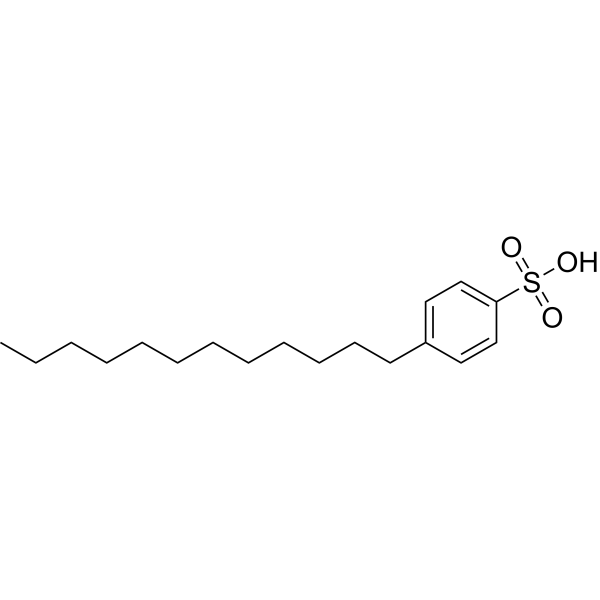
4-Dodecylbenzenesulfonic acid is an organosulfur compound commonly used in various industrial applications. It is usually used as a surfactant, emulsifier and auxiliary agent, etc., and is widely used in lubricants, paints, resins and other fields. In addition, due to its good water solubility and cleaning ability, it can also be used in the preparation of products such as detergents and cleaners.
|
-
- HY-B0264R
-
|
Guaiacol glyceryl ether(Standard); Guaiphenesin(Standard); Glycerol guaiacolate (Standard)
|
Reference Standards
Others
|
Neurological Disease
Inflammation/Immunology
|
|
Guaifenesin (Standard) is the analytical standard of Guaifenesin. This product is intended for research and analytical applications. Guaifenesin (Guaiacol glyceryl ether), a constituent of guaiac resin from the wood of Guajacum officinale Linné, is an expectorant. Guaifenesin can alleviate cough discomfortby increasing sputum volume and decreasing its viscosity, thereby promoting effective cough .
|
-
- HY-W127364
-
|
Pentaerythritol distearate [Lubricants]
|
Environmental Pollutants
Biochemical Assay Reagents
|
Others
|
|
Pentaerythritol distearate (mixture) is a mixture of ester compounds commonly used as a thickener, emulsifier or lubricant in various cosmetic and personal care products. It is also used as a plasticizer or stabilizer in the production of plastics and resins. Pentaerythritol distearate (mixture) has unique chemical properties that make it an important ingredient in a variety of industrial processes, including the manufacture of adhesives, coatings and sealants.
|
-
- HY-P2929B
-
|
|
Glycosidase
|
Cancer
|
|
PNGase F (Immobilized, Microspin) is a resin in which the PNGase F (peptide N-glycosidase F) enzyme is covalently coupled to agarose beads for the removal of N-glycans from antibodies, fusion proteins, and other N-glycosylated proteins. The enzyme is recombinantly expressed in E.coli and the sequence is derived from Flavobacterium meningsepticum .
|
-
- HY-N4097R
-
|
|
Reference Standards
Others
|
Neurological Disease
|
|
Incensole (Standard) is the analytical standard of Incensole. This product is intended for research and analytical applications. Incensole, a 14-membered diterpenoid, is isolated from both essential oils and resins of frankincense. Incensole has shown anti-inflammatory and anti-depression activities due to their ability to activate ion channels in the brain to alleviate anxiety or depression .
|
-
- HY-W015308
-
|
Pelargonic acid methyl ester
|
Biochemical Assay Reagents
Endogenous Metabolite
|
Others
|
|
Methyl nonanoate is an ester compound obtained by the reaction of methanol and nonanoic acid. It has a fruity aroma and is commonly used as a flavoring agent in a variety of foods such as baked goods, confectionary and beverages. Methyl nonanoate is also used as a fragrance ingredient in the manufacture of perfume, cologne and personal care products. Furthermore, it has applications in industrial settings, for example in the production of solvents, resins and plasticizers.
|
-
- HY-B0264S1
-
|
|
Isotope-Labeled Compounds
|
Neurological Disease
Inflammation/Immunology
|
|
Guaifenesin-d5 is the deuterium labeled Guaifenesin. Guaifenesin (Guaiacol glyceryl ether), a constituent of guaiac resin from the wood of Guajacum officinale Linné, is an expectorant. Guaifenesin can alleviate cough discomfortby increasing sputum volume and decreasing its viscosity, thereby promoting effective cough. Guaifenesin also has narcotic effect .
|
-
- HY-Y0842B
-
|
Methanamide (deionized); Formimidic acid (deionized)
|
Biochemical Assay Reagents
|
Cardiovascular Disease
Cancer
|
|
Formamide deionized (Methanamide deionizde) is an effective DNA denaturant that significantly reduces the stability of DNA in buffer solutions. Formamide deionized can also be used as a decalcifying agent for rat cardiac cells. Additionally, Formamide deionized is widely used as a solvent or chemical raw material for ion compounds, resins, and plasticizers .
|
-
- HY-N7106
-
-
- HY-N4142R
-
|
Ideain chloride (Standard)
|
Reference Standards
Cholinesterase (ChE)
|
Cardiovascular Disease
|
|
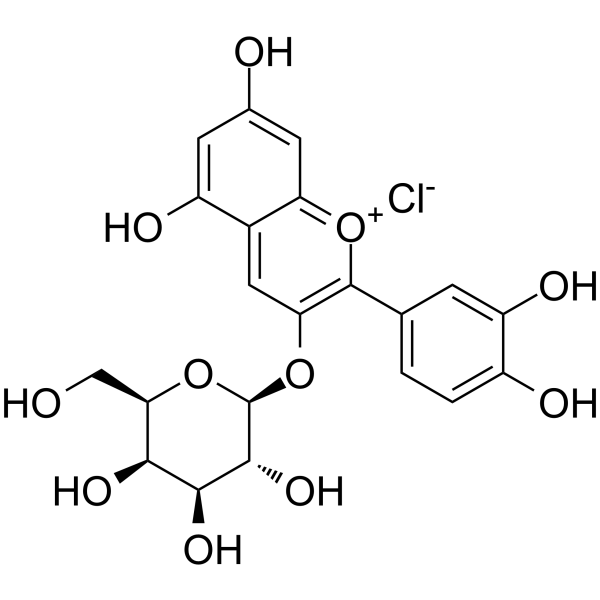
Cyanidin-3-O-galactoside (chloride) (Standard) is the analytical standard of Cyanidin-3-O-galactoside (chloride). This product is intended for research and analytical applications. Cyanidin-3-O-galactoside chloride (Ideain chloride) is a component from extract peel of hawthorn fruit (EPHF) with the value of 179.4 mg/g. EPHF exhibits strong AChE inhibitory activity .
|
-
- HY-N4142
-
|
Ideain chloride
|
Cholinesterase (ChE)
|
Cardiovascular Disease
|
|
Cyanidin-3-O-galactoside chloride (Ideain chloride) is a component from extract peel of hawthorn fruit (EPHF) with the value of 179.4 mg/g. EPHF exhibits strong AChE inhibitory activity .
|
-
- HY-W002105
-
|
|
Endogenous Metabolite
Biochemical Assay Reagents
|
Others
|
|
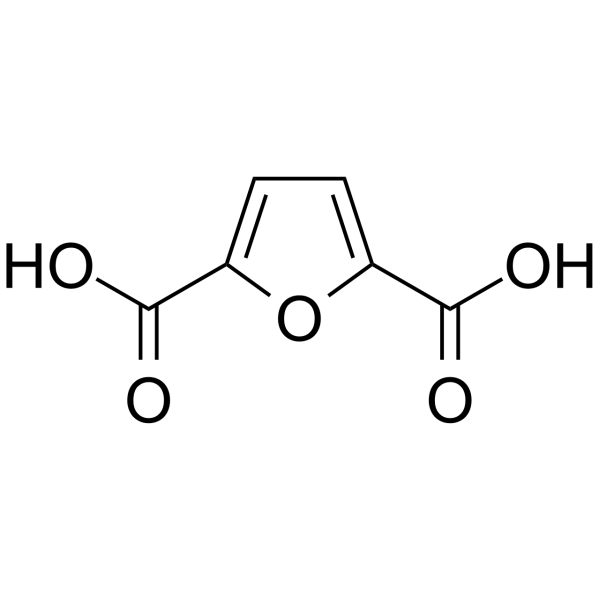
2,5-Furandicarboxylic acid, detected in human urine, is an important renewable biotechnological building block because it serves as an environmentally friendly substitute for terephthalic acid in the production of polyesters. 2,5-Furandicarboxylic acid can be used as the raw material for various chemical intermediates to synthesize polymers, polyurethanes, thermosetting resins, plasticizers, fungicides, macrocyclic ligands and other products .
|
-
- HY-W190908
-
|
|
Biochemical Assay Reagents
|
Others
|
|
Desthiobiotin-PEG3-NHS ester is a single-ring, sulfur-free analog of biotin that binds to streptavidin with nearly equal specificity but less affinity than biotin (Kd = 1011 vs. 1015 M, respectively). Consequently, desthiobiotinylated proteins can be eluted readily and specifically from streptavidin affinity resin using mild conditions based on competitive displacement with free biotin.
|
-
- HY-W012412
-
|
|
Biochemical Assay Reagents
|
Others
|
|
Tetrapropylammonium chloride is a compound belonging to the class of quaternary ammonium compounds. It is a salt with cationic properties and is used in various industrial and biomedical applications. Tetrapropylammonium chloride is commonly used as a phase transfer catalyst to facilitate the movement of reactants between immiscible phases in organic synthesis reactions. It is also used as a surfactant in the formulation of personal care products, detergents, textiles and pharmaceuticals. Additionally, it is used in the production of certain types of polymers and resins.
|
-
- HY-W709120
-
|
|
Isotope-Labeled Compounds
Drug Metabolite
|
Others
|
|
Mono(7-carboxyheptyl) phthalate-d4 is the deuterium labeled Mono(7-carboxyheptyl) phthalate (HY-133674). Mono(7-carboxyheptyl) phthalate is a oxidative metabolite of Di-n-octyl phthalate. Di-n-octyl phthalate (DnOP) is a plasticizer used in polyvinyl chloride plastics, cellulose esters, and polystyrene resins .
|
-
- HY-W017522S3
-
|
Hexanedioic acid-13C
|
Isotope-Labeled Compounds
Endogenous Metabolite
HSV
|
Infection
Metabolic Disease
|
|
Adipic acid- 13C (Hexanedioic acid- 13C) is the 13C labeled Adipic acid (HY-W017522). Adipic acid (Hexanedioic acid) is an orally active compound with anti-HSV-1 activity. Adipic acid has low toxicity and can be used as a food additive and a gelling agent. Adipic acid can also be used in the synthesis of lubricants, artificial resins, plastics, etc .
|
-
- HY-W017522R
-
|
Hexanedioic acid (Standard)
|
Reference Standards
Endogenous Metabolite
HSV
|
Infection
Metabolic Disease
|
|
Adipic acid (Standard) (Hexanedioic acid (Standard)) is the analytical standard of Adipic acid (HY-W017522). This product is intended for research and analytical applications. Adipic acid (Hexanedioic acid) is an orally active compound with anti-HSV-1 activity. Adipic acid has low toxicity and can be used as a food additive and a gelling agent. Adipic acid can also be used in the synthesis of lubricants, artificial resins, plastics, etc .
|
-
- HY-46846
-
|
|
Environmental Pollutants
Biochemical Assay Reagents
|
Others
|
|
Styrene-divinylbenzene sulfonated copolymer is a cation exchange resin prepared from sulfonic acid group-containing microporous styrene/divinylbenzene (DVB) copolymer. Styrene-divinylbenzene sulfonated copolymer serves as the core matrix material for most bilirubin adsorbents. It also acts as a hydrophilic cell immobilization carrier, whose porous structure provides an ideal environment for microbial growth and biochemical reactions .
|
-
- HY-18260
-
|
|
Environmental Pollutants
Endogenous Metabolite
Apoptosis
Reactive Oxygen Species (ROS)
p38 MAPK
Akt
|
Cardiovascular Disease
Metabolic Disease
Endocrinology
Cancer
|
|
Bisphenol A is a phenolic, organic synthetic compound widely used in the production of polycarbonate plastics and epoxy resins. Bisphenol A is a reproductive, developmental, and systemic toxicant, often classified as an endocrine-disrupting compound (EDC). Bisphenol A is associated with many diseases, including cancers, cardiovascular diseases, respiratory diseases, diabetes, kidney diseases, obesity, and reproductivedisorders .
|
-
- HY-B1550S
-
|
DL-Benzoin-d10; Desyl alcohol-d10; (±)-2-Hydroxy-2-phenylacetophenone-d10
|
Isotope-Labeled Compounds
PI3K
|
Cancer
|
|
Benzoin-d10 (DL-Benzoin-d10) is the deuterium labeled Benzoin (HY-B1550). Benzoin (DL-Benzoin), a natural balsamic resin, is a PI3Kα inhibitor with anticancer effects. Benzoin inihits the growth of colon cancer cell line (HCT-116). Benzoin can be used as a food additive .
|
-
- HY-146116
-
|
|
Fungal
|
Infection
|
|
Antifungal agent 32 (compound 1a) is a potent antifungal agent. Antifungal agent 32 inhibits Candida albicans filamentation and biofilm formation. Antifungal agent 32 inhibits the morphological switching of Candida albicans and its adherence to epithelial cells. Antifungal agent 32 can be used for Candida albicans infections research .
|
-
- HY-18260S
-
|
|
Endogenous Metabolite
|
Metabolic Disease
|
|
Bisphenol A-d16 is the deuterium labeled Bisphenol A . Bisphenol A is a phenolic, organic synthetic compound widely used in the production of polycarbonate plastics and epoxy resins. Bisphenol A is a reproductive, developmental, and systemic toxicant, often classified as an endocrine-disrupting compound (EDC). Bisphenol A is associated with many diseases, including cardiovascular diseases, respiratory diseases, diabetes, kidney diseases, obesity, and reproductivedisorders .
|
-
- HY-141610S
-
|
Methyl enanthate-d13
|
Isotope-Labeled Compounds
Biochemical Assay Reagents
|
Others
|
|
Methyl heptanoate-d13 (Methyl enanthate-d13) is the deuterium labeled Methyl heptanoate (HY-141610). Methyl heptanoate, commonly used as a flavoring and fragrance ingredient in the food and cosmetic industries, Methyl heptanoate is also used as a solvent for various substances, including resins, oils and waxes, in addition, it has been studied for its potential as a biofuel and polymer production application.
|
-
- HY-18260S5
-
|
|
Endogenous Metabolite
|
Metabolic Disease
|
|
Bisphenol A-d4-1 is the deuterium labeled Bisphenol A . Bisphenol A is a phenolic, organic synthetic compound widely used in the production of polycarbonate plastics and epoxy resins. Bisphenol A is a reproductive, developmental, and systemic toxicant, often classified as an endocrine-disrupting compound (EDC). Bisphenol A is associated with many diseases, including cardiovascular diseases, respiratory diseases, diabetes, kidney diseases, obesity, and reproductivedisorders .
|
-
- HY-18260S1
-
|
|
Isotope-Labeled Compounds
Endogenous Metabolite
|
Endocrinology
|
|
Bisphenol A-d6 is the deuterium labeled Bisphenol A. Bisphenol A is a phenolic, organic synthetic compound widely used in the production of polycarbonate plastics and epoxy resins. Bisphenol A is a reproductive, developmental, and systemic toxicant, often classified as an endocrine-disrupting compound (EDC). Bisphenol A is associated with many diseases, including cardiovascular diseases, respiratory diseases, diabetes, kidney diseases, obesity, and reproductivedisorders .
|
-
- HY-W724393
-
|
Methyl enanthate-d5
|
Isotope-Labeled Compounds
Biochemical Assay Reagents
|
Others
|
|
Methyl heptanoate-d5 (Methyl enanthate-d5) is the deuterium labeled Methyl heptanoate (HY-141610). Methyl heptanoate, commonly used as a flavoring and fragrance ingredient in the food and cosmetic industries, Methyl heptanoate is also used as a solvent for various substances, including resins, oils and waxes, in addition, it has been studied for its potential as a biofuel and polymer production application.
|
-
- HY-Y0842S3
-
|
Methanamide-15N; Formimidic acid-15N
|
Isotope-Labeled Compounds
Biochemical Assay Reagents
Apoptosis
|
Cardiovascular Disease
Cancer
|
|
Formamide- 15N is the 15N labeled Formamide (HY-Y0842). Formamide is an effective DNA denaturant that significantly reduces the stability of DNA in buffer solutions. Formamide can also be used as a decalcifying agent for rat cardiac cells. Additionally, formamide is widely used as a solvent or chemical raw material for ion compounds, resins, and plasticizers.
|
-
- HY-Y0842S5
-
|
|
Isotope-Labeled Compounds
Biochemical Assay Reagents
Apoptosis
|
Cardiovascular Disease
Cancer
|
|
Formamide-d2 is the deuterium labeled Formamide (HY-Y0842). Formamide is an effective DNA denaturant that significantly reduces the stability of DNA in buffer solutions. Formamide can also be used as a decalcifying agent for rat cardiac cells. Additionally, formamide is widely used as a solvent or chemical raw material for ion compounds, resins, and plasticizers.
|
-
- HY-W778391
-
|
|
Isotope-Labeled Compounds
Endogenous Metabolite
|
Cardiovascular Disease
Endocrinology
|
|
Bisphenol A- 13C2 is 13C labeled Bisphenol A. Bisphenol A is a phenolic, organic synthetic compound widely used in the production of polycarbonate plastics and epoxy resins. Bisphenol A is a reproductive, developmental, and systemic toxicant, often classified as an endocrine-disrupting compound (EDC). Bisphenol A is associated with many diseases, including cardiovascular diseases, respiratory diseases, diabetes, kidney diseases, obesity, and reproductivedisorders .
|
-
- HY-Y0842S4
-
|
|
Isotope-Labeled Compounds
Biochemical Assay Reagents
Apoptosis
|
Cardiovascular Disease
Cancer
|
|
Formamide-d1 is the deuterium labeled Formamide (HY-Y0842). Formamide is an effective DNA denaturant that significantly reduces the stability of DNA in buffer solutions. Formamide can also be used as a decalcifying agent for rat cardiac cells. Additionally, formamide is widely used as a solvent or chemical raw material for ion compounds, resins, and plasticizers.
|
-
- HY-W017522S
-
|
Hexanedioic acid-d10
|
Isotope-Labeled Compounds
Endogenous Metabolite
HSV
|
Infection
Metabolic Disease
|
|
Adipic acid-d10 (Hexanedioic acid-d10) is the deuterium labeled Adipic acid (HY-W017522). Adipic acid (Hexanedioic acid) is an orally active compound with anti-HSV-1 activity. Adipic acid has low toxicity and can be used as a food additive and a gelling agent. Adipic acid can also be used in the synthesis of lubricants, artificial resins, plastics, etc .
|
-
- HY-W017522S6
-
|
Hexanedioic acid-13C2
|
Isotope-Labeled Compounds
Endogenous Metabolite
HSV
|
Infection
Metabolic Disease
|
|
Adipic acid- 13C2 (Hexanedioic acid- 13C2) is 13C labeled Adipic acid (HY-W017522). Adipic acid (Hexanedioic acid) is an orally active compound with anti-HSV-1 activity. Adipic acid has low toxicity and can be used as a food additive and a gelling agent. Adipic acid can also be used in the synthesis of lubricants, artificial resins, plastics, etc .
|
-
- HY-W017522S2
-
|
Hexanedioic acid-d4
|
Isotope-Labeled Compounds
Endogenous Metabolite
HSV
|
Infection
Metabolic Disease
|
|
Adipic acid-d4 (Hexanedioic acid-d4) is the deuterium labeled Adipic acid (HY-W017522). Adipic acid (Hexanedioic acid) is an orally active compound with anti-HSV-1 activity. Adipic acid has low toxicity and can be used as a food additive and a gelling agent. Adipic acid can also be used in the synthesis of lubricants, artificial resins, plastics, etc .
|
-
- HY-W087964
-
|
|
Biochemical Assay Reagents
|
Others
|
|
Dodecanedioyl dichloride, Dodecanedioyl dichloride is commonly used in organic synthesis as a general building block for the preparation of various polymers and plastics, including nylon 12 and polyester resins, it can be used to introduce acid chloride groups into other organic molecules, which can then be further reaction to form more complex compounds, moreover, it has been used in medicinal chemistry as a starting material for the synthesis of various drugs and drug candidates.
|
-
- HY-18260S3
-
|
|
Endogenous Metabolite
|
Metabolic Disease
|
|
Bisphenol A-d8 is the deuterium labeled Bisphenol A . Bisphenol A is a phenolic, organic synthetic compound widely used in the production of polycarbonate plastics and epoxy resins. Bisphenol A is a reproductive, developmental, and systemic toxicant, often classified as an endocrine-disrupting compound (EDC). Bisphenol A is associated with many diseases, including cardiovascular diseases, respiratory diseases, diabetes, kidney diseases, obesity, and reproductivedisorders .
|
-
- HY-W017522S1
-
|
Hexanedioic acid-13C6
|
Isotope-Labeled Compounds
Endogenous Metabolite
HSV
|
Infection
Metabolic Disease
|
|
Adipic acid- 13C6 (Hexanedioic acid- 13C6) is the 13C labeled Adipic acid (HY-W017522). Adipic acid (Hexanedioic acid) is an orally active compound with anti-HSV-1 activity. Adipic acid has low toxicity and can be used as a food additive and a gelling agent. Adipic acid can also be used in the synthesis of lubricants, artificial resins, plastics, etc .
|
-
- HY-Y0842S1
-
|
Methanamide-d3; Formimidic acid-d3
|
Isotope-Labeled Compounds
Biochemical Assay Reagents
Apoptosis
|
Cardiovascular Disease
Cancer
|
|
Formamide-d3 is the deuterium labeled Formamide (HY-Y0842). Formamide is an effective DNA denaturant that significantly reduces the stability of DNA in buffer solutions. Formamide can also be used as a decalcifying agent for rat cardiac cells. Additionally, formamide is widely used as a solvent or chemical raw material for ion compounds, resins, and plasticizers.
|
-
- HY-W017522S4
-
|
Hexanedioic acid-d8
|
Isotope-Labeled Compounds
Endogenous Metabolite
HSV
|
Infection
Metabolic Disease
|
|
Adipic acid-d8 (Hexanedioic acid-d8) is the deuterium labeled Adipic acid (HY-W017522). Adipic acid (Hexanedioic acid) is an orally active compound with anti-HSV-1 activity. Adipic acid has low toxicity and can be used as a food additive and a gelling agent. Adipic acid can also be used in the synthesis of lubricants, artificial resins, plastics, etc .
|
-
- HY-18260S4
-
|
|
Endogenous Metabolite
|
Metabolic Disease
|
|
Bisphenol A-d4 is the deuterium labeled Bisphenol A . Bisphenol A is a phenolic, organic synthetic compound widely used in the production of polycarbonate plastics and epoxy resins. Bisphenol A is a reproductive, developmental, and systemic toxicant, often classified as an endocrine-disrupting compound (EDC). Bisphenol A is associated with many diseases, including cardiovascular diseases, respiratory diseases, diabetes, kidney diseases, obesity, and reproductivedisorders .
|
-
- HY-W736861
-
|
|
iGluR
|
Neurological Disease
|
|
N-Phthaloylglutamic acid is a partial agonist NMDA receptor with a Ki of 13 μM targeting Glu binding-site .
|
-
- HY-18260S6
-
|
|
Isotope-Labeled Compounds
Endogenous Metabolite
|
Metabolic Disease
|
|
Bisphenol A-d14 is a deuterium labeled Bisphenol A (HY-18260). Bisphenol A is a phenolic, organic synthetic compound widely used in the production of polycarbonate plastics and epoxy resins. Bisphenol A is a reproductive, developmental, and systemic toxicant, often classified as an endocrine-disrupting compound (EDC). Bisphenol A is associated with many diseases, including cardiovascular diseases, respiratory diseases, diabetes, kidney diseases, obesity, and reproductivedisorders .
|
-
- HY-133673S
-
|
MCPP-d4
|
Isotope-Labeled Compounds
Drug Metabolite
|
Others
|
|
Mono(3-carboxypropyl) phthalate-d4 (MCPP-d4) is a deuterium labeled Mono(3-carboxypropyl) phthalate (HY-133673). Mono(3-carboxypropyl) phthalate (MCPP) is a metabolite of Di-n-octyl phthalate. Di-n-octyl phthalate (DnOP) is a plasticizer used in polyvinyl chloride plastics, cellulose esters, and polystyrene resins .
|
-
- HY-Y0842S
-
|
Methanamide-13C; Formimidic acid-13C
|
Isotope-Labeled Compounds
Biochemical Assay Reagents
Apoptosis
|
Cardiovascular Disease
Cancer
|
|
Formamide- 13C is the 13C-labeled Formamide (HY-Y0842). Formamide is an effective DNA denaturant that significantly reduces the stability of DNA in buffer solutions. Formamide can also be used as a decalcifying agent for rat cardiac cells. Additionally, formamide is widely used as a solvent or chemical raw material for ion compounds, resins, and plasticizers.
|
-
- HY-18260R
-
|
|
Endogenous Metabolite
Reference Standards
|
Metabolic Disease
|
|
Bisphenol A (Standard) is the analytical standard of Bisphenol A. This product is intended for research and analytical applications. Bisphenol A is a phenolic, organic synthetic compound widely used in the production of polycarbonate plastics and epoxy resins. Bisphenol A is a reproductive, developmental, and systemic toxicant, often classified as an endocrine-disrupting compound (EDC). Bisphenol A is associated with many diseases, including cardiovascular diseases, respiratory diseases, diabetes, kidney diseases, obesity, and reproductivedisorders .
|
-
- HY-W017522S5
-
|
Hexanedioic acid-d4-1
|
Isotope-Labeled Compounds
Endogenous Metabolite
HSV
|
Infection
Metabolic Disease
|
|
Adipic acid-d4-1 (Hexanedioic acid-d4-1) is the deuterium labeled Adipic acid (HY-W017522). Adipic acid (Hexanedioic acid) is an orally active compound with anti-HSV-1 activity. Adipic acid has low toxicity and can be used as a food additive and a gelling agent. Adipic acid can also be used in the synthesis of lubricants, artificial resins, plastics, etc .
|
-
- HY-W008235
-
|
|
Amino Acid Derivatives
Drug Intermediate
|
Cancer
|
|
Fmoc-N-Me-Ala-OH is an Fmoc-protected N-methyl-L-alanine and also a building block for solid-phase peptide synthesis. As a building block, Fmoc-N-Me-Ala-OH is used to synthesize peptidomimetic antagonists of XIAP BIR3 derived from Smac/DIABLO .
|
-
- HY-W088448
-
|
Triphenylsilylhydroxide
|
Biochemical Assay Reagents
|
Others
|
|
Triphenylsilanol (Triphenylsilylhydroxide) is a Silanol. Triphenylsilanol is an effective as an active catalyst component .
|
-
- HY-W720917
-
|
|
CaMK
PKC
Amyloid-β
Apoptosis
|
Neurological Disease
|
|
Junicedric acid is a diterpenoid compound that can be isolated from the resin of the Araucaria araucana tree. Junicedric acid exerts neuroprotective activity by increasing intracellular calcium levels in hippocampal neurons, activating PKC and calcium/calmodulin-dependent protein kinase (CaMKII), and preventing Amyloid-β oligomer-induced synaptic protein loss, apoptosis, and long-term potentiation (LTP) inhibition. Junicedric acid can be used in the study of the pathological mechanisms of neurodegenerative diseases such as Alzheimer's disease .
|
-
- HY-W342261
-
|
Isodurene
|
Drug Isomer
Drug Intermediate
|
Others
|
|
1,2,3,5-Tetramethylbenzene (Isodurene) is an aromatic hydrocarbon isomer of tetramethylbenzene. 1,2,3,5-Tetramethylbenzene serves as an important component of industrial organic solvents. 1,2,3,5-Tetramethylbenzene can be used in the organic synthesis of plastics and resins. 1,2,3,5-Tetramethylbenzene exhibits potential neurotoxicity, acute oral toxicity and mild skin irritation activity .
|
-
- HY-N0087
-
|
Beta-Guttiferrin
|
Bcl-2 Family
Autophagy
|
Cancer
|
|
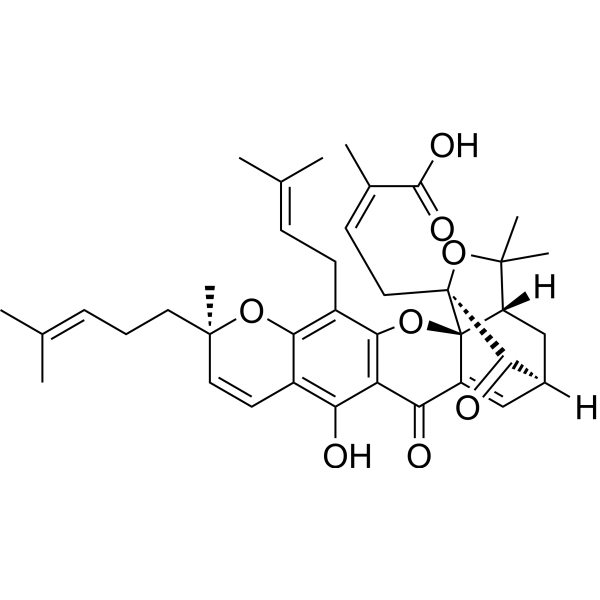
Gambogic Acid (Beta-Guttiferrin) is derived from the gamboges resin of the tree Garcinia hanburyi. Gambogic Acid (Beta-Guttiferrin) inhibits Bcl-XL, Bcl-2, Bcl-W, Bcl-B, Bfl-1 and Mcl-1 with IC50s of 1.47 μM, 1.21 μM, 2.02 μM, 0.66 μM, 1.06 μM and 0.79 μM.
|
-
- HY-W127740
-
|
Isomethyl-α-ionone; α-Isomethylionone
|
Environmental Pollutants
Biochemical Assay Reagents
|
Others
|
|
Isonaline 70 is an industrial solvent that belongs to the family of high flash point aromatic naphtha solvents. It is commonly used in a variety of industries including paints and coatings, adhesives and rubber manufacturing, as a thinner and thinner for resins and polymers. Isonaline 70 has various properties that make it suitable for these applications, including its low viscosity, high solvency and good compatibility with other materials. In addition, it can also be used as a cleaning agent for mechanical equipment.
|
-
- HY-18260S2
-
|
|
Isotope-Labeled Compounds
Reactive Oxygen Species (ROS)
p38 MAPK
Apoptosis
Akt
Endogenous Metabolite
|
Metabolic Disease
|
|
Bisphenol A- 13C12 is the 13C-labeled Bisphenol A (HY-18260). Bisphenol A is a phenolic, organic synthetic compound widely used in the production of polycarbonate plastics and epoxy resins. Bisphenol A is a reproductive, developmental, and systemic toxicant, often classified as an endocrine-disrupting compound (EDC). Bisphenol A is associated with many diseases, including cancers, cardiovascular diseases, respiratory diseases, diabetes, kidney diseases, obesity, and reproductivedisorders .
|
-
- HY-W015308R
-
|
Pelargonic acid methyl ester (Standard)
|
Biochemical Assay Reagents
Reference Standards
Endogenous Metabolite
|
Others
|
|
Methyl nonanoate (Standard) is the analytical standard of Methyl nonanoate. This product is intended for research and analytical applications. Methyl nonanoate is an ester compound obtained by the reaction of methanol and nonanoic acid. It has a fruity aroma and is commonly used as a flavoring agent in a variety of foods such as baked goods, confectionary and beverages. Methyl nonanoate is also used as a fragrance ingredient in the manufacture of perfume, cologne and personal care products. Furthermore, it has applications in industrial settings, for example in the production of solvents, resins and plasticizers.
|
-
- HY-182460
-
|
|
Glycosidase
|
Metabolic Disease
Cancer
|
|
Gambogin is an α-glucosidase inhibitor, found in the resin and dry latex of Garcinia hanburyi. Gambogin exists as an inseparable diastereomeric pair of C-2 epimers (8a and 8b), with 8a having an α-glucosidase inhibitory IC50 of 209.2 μM and 8b showing α-glucosidase inhibitory IC50 > 300 μM. Gambogin can be used for the research of type 2 diabetes and cervical cancer .
|
-
- HY-W134327A
-
|
Diethylaminoethyl dextran (MW 500000)
|
Biochemical Assay Reagents
|
Others
|
|
DEAE-Dextran (MW 500000) is a complex carbohydrate polymer consisting of glucose molecules linked by glycosidic bonds and modified with diethylaminoethyl (DEAE) groups. DEAE-Dextran is a cationic molecule that can be used as a transfection reagent to deliver nucleic acids such as DNA or RNA into cells. Its positive charge interacts with negatively charged cell membranes, facilitating the uptake of nucleic acids. DEAE-Dextran can also be used as an ion-exchange chromatography resin, allowing the separation and purification of biomolecules based on their charge.
|
-
- HY-W724293
-
|
|
Isotope-Labeled Compounds
Biochemical Assay Reagents
|
Others
|
|
Tetrapropylammonium-d28 chloride is the deuterium labeled Tetrapropylammonium chloride (HY-W012412). Tetrapropylammonium chloride is a compound belonging to the class of quaternary ammonium compounds. It is a salt with cationic properties and is used in various industrial and biomedical applications. Tetrapropylammonium chloride is commonly used as a phase transfer catalyst to facilitate the movement of reactants between immiscible phases in organic synthesis reactions. It is also used as a surfactant in the formulation of personal care products, detergents, textiles and pharmaceuticals. Additionally, it is used in the production of certain types of polymers and resins.
|
-
- HY-129380R
-
|
Fructoselysine (Standard)
|
Reference Standards
Endogenous Metabolite
|
Metabolic Disease
|
|
Diethylene glycol (Standard) is the analytical standard of Diethylene glycol. This product is intended for research and analytical applications. 2,2'-Oxybis(ethan-1-ol) (DIETHYLENE GLYCOL) has excellent solubility and reactivity in certain chemical reactions and can help accelerate the activation of certain reactants. In addition, it is widely used in the production process of pigments, resins and other chemicals. Although the compound has no direct medical application, it has wide applications in chemical research and industrial production.
|
-
- HY-W012663
-
|
|
Environmental Pollutants
Drug Intermediate
|
Others
|
|
1,2,6-Hexanetriol, a polyol, is an intermediate for wetting agents, solvents, and pharmaceuticals with excellent moisturizing property. 1,2,6-Hexanetriol is a humectant and plasticizer for hydrophilic films. 1,2,6-Hexanetriol has no significant toxicity in rats, rabbits, and dogs via oral (16 mL/kg), intraperitoneal (10 g/kg) and intravenous (5.6 mL/kg) routes. 1,2,6-Hexanetriol can be used for the cosmetics and resin industries .
|
-
- HY-B1952R
-
|
2,2'-Oxybis(ethan-1-ol) (Standard)
|
Biochemical Assay Reagents
Reference Standards
|
Others
|
|
Diethylene glycol (Standard) is the analytical standard of Diethylene glycol. This product is intended for research and analytical applications. 2,2'-Oxybis(ethan-1-ol) (DIETHYLENE GLYCOL) has excellent solubility and reactivity in certain chemical reactions and can help accelerate the activation of certain reactants. In addition, it is widely used in the production process of pigments, resins and other chemicals. Although the compound has no direct medical application, it has wide applications in chemical research and industrial production.
|
-
- HY-N2056
-
|
11-Keto-β-boswellic acid
|
Lipoxygenase
Leukotriene Receptor
NF-κB
|
Metabolic Disease
Cancer
|
|
11-Keto-beta-boswellic acid (11-Keto-β-boswellic acid) is a pentacyclic triterpenic acid of the oleogum resin from the bark of the Boswellia serrate tree, popularly known as Indian Frankincense. 11-Keto-beta-boswellic acid has the anti-inflammatory activity is primarily due to inhibit 5-lipoxygenase (5-LOX) and subsequent leukotriene and nuclear factor-kappa B (NF-κB) activation and tumor necrosis factor alpha generation production .
|
-
- HY-13995B
-
|
|
Drug Derivative
|
Metabolic Disease
|
|
Sevelamer carbonate is an orally active and non-calcium-based phosphate binding agent and used for the hyperphosphatemia of chronic kidney disease (CKD)research. Sevelamer carbonate effectively lowers serum phosphorus levels hile having minimal effect on serum calcium or serum chloride levels in vivo. Sevelamer carbonate is considered as an improved, buffered form of sevelamer (HY-13995) .
|
-
- HY-178399S
-
|
Pelargonic acid methyl ester-d17
|
Isotope-Labeled Compounds
Endogenous Metabolite
Biochemical Assay Reagents
|
Others
|
|
Methyl nonanoate-d17 (Pelargonic acid methyl ester-d17) is the deuterium labeled Methyl nonanoate (HY-W015308). Methyl nonanoate is an ester compound obtained by the reaction of methanol and nonanoic acid. It has a fruity aroma and is commonly used as a flavoring agent in a variety of foods such as baked goods, confectionary and beverages. Methyl nonanoate is also used as a fragrance ingredient in the manufacture of perfume, cologne and personal care products. Furthermore, it has applications in industrial settings, for example in the production of solvents, resins and plasticizers.
|
-
- HY-W778335
-
|
DMP-13C2
|
Reactive Oxygen Species (ROS)
|
Inflammation/Immunology
|
|
Dimethyl Phthalate- 13C2 (DMP- 13C2) is the 13C-labeled Dimethyl phthalate (HY-N7106). Dimethyl phthalate (DMP) can be used as a plasticizer to impart flexibility to rigid polyvinyl chloride (PVC) resin. Additionally, Dimethyl phthalate is an oral active endocrine disruptor that can cause ovarian dysfunction in mice. Dimethyl phthalate can also induce oxidative stress and apoptosis in cells, thereby affecting blood and red blood cell function in rats .
|
-
- HY-Y0842R
-
|
Methanamide (Standard); Formimidic acid (Standard)
|
Reference Standards
Biochemical Assay Reagents
Apoptosis
|
Cancer
|
|
Formamide (Standard) is the analytical standard of Formamide. This product is intended for research and analytical applications. Formamide is an effective DNA denaturant that significantly reduces the stability of DNA in buffer solutions. It induces apoptosis by promoting the formation of cyclic nucleotides and the phosphorylation and dephosphorylation processes of nucleotides, making it useful in cancer research. Formamide can also be used as a decalcifying agent for rat cardiac cells. Additionally, formamide is widely used as a solvent or chemical raw material for ion compounds, resins, and plasticizers. [4]
|
-
- HY-N2513R
-
|
|
Reference Standards
Lipoxygenase
DNA/RNA Synthesis
|
Cancer
|
|
β-Boswellic acid (Standard) is the analytical standard of β-Boswellic acid. This product is intended for research and analytical applications. β-Boswellic acid is isolated from the gum resin of Boswellia serrata. β-Boswellic acid is a nonreducing-type inhibitor of the 5-lipoxygenase (5-LO) product formation either interacting directly with the 5-LO or blocking its translocation . β-Boswellic acid inhibits the synthesis of DNA, RNA and protein in human leukemia HL-60 cells .
|
-
- HY-N11997
-
|
|
Cholinesterase (ChE)
|
Neurological Disease
|
|
Feralolide is a dihydroisocoumarin isolated from the methanolic extract of aloe vera resin. Feralolide is also a dual inhibitor of AChE and BuChE, with IC50s of 55 μg/mL and 52 μg/mL respectively. Feralolide has antioxidant activity and inhibits 2,2-diphenyl-1-picrylhydrazyl (DPPH) and 2, 2′-azinobis-3-ethylbenzothiazoline-6-sulfonic acid (ABTS). Feralolide could be used in research into cognitive disorders such as Alzheimer's disease, potentially restoring and enhancing memory .
|
-
- HY-N0087R
-
|
Beta-Guttiferrin (Standard)
|
Reference Standards
Bcl-2 Family
Autophagy
|
Cancer
|
|
Gambogic Acid (Standard) is the analytical standard of Gambogic Acid. This product is intended for research and analytical applications. Gambogic Acid (Beta-Guttiferrin) is derived from the gamboges resin of the tree Garcinia hanburyi. Gambogic Acid (Beta-Guttiferrin) inhibits Bcl-XL, Bcl-2, Bcl-W, Bcl-B, Bfl-1 and Mcl-1 with IC50s of 1.47 μM, 1.21 μM, 2.02 μM, 0.66 μM, 1.06 μM and 0.79 μM.
|
-
- HY-N7106S3
-
|
DMP-13C6
|
Reactive Oxygen Species (ROS)
|
Inflammation/Immunology
|
|
Dimethyl phthalate- 13C6 (DMP- 13C6) is the 13C-labeled Dimethyl phthalate (HY-N7106). Dimethyl phthalate (DMP) can be used as a plasticizer to impart flexibility to rigid polyvinyl chloride (PVC) resin. Additionally, Dimethyl phthalate is an oral active endocrine disruptor that can cause ovarian dysfunction in mice. Dimethyl phthalate can also induce oxidative stress and apoptosis in cells, thereby affecting blood and red blood cell function in rats .
|
-
- HY-107929
-
|
Poly(styrenesulfonic acid) calcium salt
|
Potassium Channel
|
Metabolic Disease
|
|
Calcium polystyrene sulfonate (Poly(styrenesulfonic acid) calcium salt) is an orally active potassium-lowering agent. Calcium polystyrene sulfonate binds potassium in the distal colon in exchange for Ca 2+. Calcium polystyrene sulfonate can be used for the research of hyperkalemia in chronic kidney disease .
|
-
- HY-W011188S
-
|
|
Isotope-Labeled Compounds
Biochemical Assay Reagents
|
Others
|
|
Glycidyl stearate-d5 is a deuterium labeled Glycidyl stearate (HY-W011188). Oxiran-2-ylmethyl stearate is a compound belonging to the class of esters. It contains reactive oxirane or epoxy groups that give the molecule its unique properties. Oxiran-2-ylmethyl stearate is derived from stearic acid and epichlorohydrin, which are naturally occurring substances. Glycidyl stearate is commonly used in various industrial applications such as the production of coatings, adhesives and surfactants. It can also be used as a crosslinking agent in the manufacture of polymers and resins.
|
-
- HY-Y0842S2
-
|
|
Isotope-Labeled Compounds
Biochemical Assay Reagents
Apoptosis
|
Cardiovascular Disease
Cancer
|
|
Glycine- 13C, 15N is the 13C and 15N labeled Glycine (HY-Y0842). Formamide is an effective DNA denaturant that significantly reduces the stability of DNA in buffer solutions. It induces apoptosis by promoting the formation of cyclic nucleotides and the phosphorylation and dephosphorylation processes of nucleotides, making it useful in cancer research. Formamide can also be used as a decalcifying agent for rat cardiac cells. Additionally, formamide is widely used as a solvent or chemical raw material for ion compounds, resins, and plasticizers. .
|
-
- HY-W747639
-
|
|
Isotope-Labeled Compounds
Biochemical Assay Reagents
|
Others
|
|
Glycidyl Stearate- 13C3 is 13C labeled Glycidyl stearate. Oxiran-2-ylmethyl stearate is a compound belonging to the class of esters. It contains reactive oxirane or epoxy groups that give the molecule its unique properties. Oxiran-2-ylmethyl stearate is derived from stearic acid and epichlorohydrin, which are naturally occurring substances. Glycidyl stearate is commonly used in various industrial applications such as the production of coatings, adhesives and surfactants. It can also be used as a crosslinking agent in the manufacture of polymers and resins .
|
-
- HY-W701446
-
|
|
Isotope-Labeled Compounds
Biochemical Assay Reagents
|
Others
|
|
Oxiran-2-ylmethyl octadecanoate-d35 is the deuterium labeled Glycidyl stearate (HY-W011188). Oxiran-2-ylmethyl stearate is a compound belonging to the class of esters. It contains reactive oxirane or epoxy groups that give the molecule its unique properties. Oxiran-2-ylmethyl stearate is derived from stearic acid and epichlorohydrin, which are naturally occurring substances. Glycidyl stearate is commonly used in various industrial applications such as the production of coatings, adhesives and surfactants. It can also be used as a crosslinking agent in the manufacture of polymers and resins.
|
-
- HY-W009400R
-
|
|
Others
Reference Standards
|
Others
|
|
(2-Dodecen-1-yl)succinic anhydride (Standard) is the analytical standard of (2-Dodecen-1-yl)succinic anhydride (HY-W009400). This product is intended for research and analytical applications. (2-Dodecen-1-yl)succinic anhydride is an organic compound commonly used in certain polymerization reactions. It is used in the manufacture of products such as plastics and resins, and is widely used in certain industrial fields, such as coatings, inks and textile manufacturing. In addition, the compound is also used as a raw material for pharmaceutical intermediates and surfactants.
|
-
- HY-W013935R
-
|
|
Reference Standards
Endogenous Metabolite
Estrogen Receptor/ERR
Reactive Oxygen Species (ROS)
|
Endocrinology
|
|
Bisphenol B (Standard) is the analytical standard of Bisphenol B. This product is intended for research and analytical applications. Bisphenol B is a close structural analog of Bisphenol A (BPA) (HY-18260). Bisphenol B is a potent, orally active endocrine disruptor (ED). Bisphenol B binds to G protein-coupled estrogen receptor (GPER) (IC50 = 3.3 μM) with higher affinity and agonistic activity than BPA. Bisphenol B promotes GPER mediated cell migration. Bisphenol B exerts estrogenic effects via GPER pathway at nanomolar concentration. Bisphenol B is used in the manufacture of polycarbonate resin with ED properties .
|
-
- HY-Y0496
-
|
|
Insecticide
Environmental Pollutants
Mitosis
|
Cancer
|
1,4-Dichlorobenzene is a non-genotoxic, orally active mitogenic/tumor-promoting carcinogen that is also widely used as a dye, resin intermediate, and deodorant, moth repellent/insecticide. 1,4-Dichlorobenzene induces liver tumors in mice and promotes the growth of spontaneous precancerous lesions, but shows no liver tumor-inducing activity in F344 rats. Exposure to 1,4-dichlorobenzene leads to elevated leukocyte counts, serum alanine aminotransferase, and blood urea nitrogen levels. Due to the hepatotoxic characteristics, 1,4-Dichlorobenzene is applicable to liver cancer-related research .
|
-
- HY-N2056R
-
|
11-Keto-β-boswellic acid (Standard)
|
Reference Standards
Lipoxygenase
Leukotriene Receptor
NF-κB
|
Metabolic Disease
Cancer
|
|
11-Keto-beta-boswellic acid (Standard) is the analytical standard of 11-?Keto-?beta-?boswellic acid. This product is intended for research and analytical applications. 11-Keto-beta-boswellic acid (11-Keto-β-boswellic acid) is a pentacyclic triterpenic acid of the oleogum resin from the bark of the Boswellia serrate tree, popularly known as Indian Frankincense. 11-Keto-beta-boswellic acid has the anti-inflammatory activity is primarily due to inhibit 5-lipoxygenase (5-LOX) and subsequent leukotriene and nuclear factor-kappa B (NF-κB) activation and tumor necrosis factor alpha generation production .
|
-
- HY-W002105R
-
|
|
Reference Standards
Biochemical Assay Reagents
|
Others
|
|
2,5-Furandicarboxylic acid (Standard) is the analytical standard of 2,5-Furandicarboxylic acid (HY-W002105). This product is intended for research and analytical applications. 2,5-Furandicarboxylic acid can be used as the monomer for synthesis of biodegradable polymers such as polyethylene furandicarboxylate (PEF) and polybutylene furandicarboxylate (PBF). 2,5-Furandicarboxylic acid improves the polymers' rigidity, heat resistance and barrier properties, that can be used for food packaging. 2,5-Furandicarboxylic acid can be used as the raw material for various chemical intermediates to synthesize polymers, polyurethanes, thermosetting resins, plasticizers, fungicides, macrocyclic ligands and other products.
|
-
- HY-N7106S2
-
|
DMP-13C6,d4
|
Reactive Oxygen Species (ROS)
|
Inflammation/Immunology
|
|
Dimethyl phthalate- 13C6,d4 (DMP- 13C6,d4) is the deuterium labeled and 13C-labeled Dimethyl phthalate (HY-N7106). Dimethyl phthalate (DMP) can be used as a plasticizer to impart flexibility to rigid polyvinyl chloride (PVC) resin. Additionally, Dimethyl phthalate is an oral active endocrine disruptor that can cause ovarian dysfunction in mice. Dimethyl phthalate can also induce oxidative stress and apoptosis in cells, thereby affecting blood and red blood cell function in rats .
|
-
- HY-W784626
-
|
|
Drug Intermediate
|
Others
|
|
Boc-PNA-T-OH is a thymine-containing peptide nucleic acid monomer and solid-phase synthesis building block .
|
-
- HY-N2513
-
|
|
Lipoxygenase
DNA/RNA Synthesis
|
Cancer
|
|
β-Boswellic acid is isolated from the gum resin of Boswellia serrata with anticancer, antioxidant activity, anti-inflammatory activity and anti-arthritic pain.β-Boswellic acid is an orally active nonreducing-type inhibitor of the 5-lipoxygenase (5-LO) product formation either interacting directly with the 5-LO or blocking its translocation. β-Boswellic acid inhibits the synthesis of DNA, RNA and protein in human leukemia HL-60 cells with IC50 values ranging from 0.6 to 7.1 μM. β-Boswellic acid is promising for research of diabetes, inflammatory and arthritic diseases .
|
-
- HY-W419589
-
|
|
COX
NO Synthase
Interleukin Related
Reactive Oxygen Species (ROS)
|
Inflammation/Immunology
Cancer
|
|
Xanthomicrol is extracted from the resin of the plant called Chinese bellflower (a member of the Scrophulariaceae family) and is a monoamine oxidase (MAOs) inhibitor. Xanthomicrol has anti-tumor and anti-inflammatory properties, with IC50 values of 0.88 and 1.69 μg/mL in HL60 and K562 cells. Xanthomicrol's the main metabolite of 5DT in mouse colon, and it can reduce levels of iNOS protein and mRNA, as well as COX-2 protein levels. Additionally, Xanthomicrol decreases the production of the pro-inflammatory cytokine IL-1β and induces the expression of the antioxidant enzyme HO-1 .
|
-
- HY-107738
-
Guggulsterone
Maximum Cited Publications
21 Publications Verification
Z/E-Guggulsterone
|
Apoptosis
JNK
Akt
Caspase
FXR
Autophagy
|
Cancer
|
|
Guggulsterone is a plant sterol derived from the gum resin of the tree Commiphora wightii. Guggulsterone inhibits the growth of a wide variety of tumor cells and induces apoptosis through down regulation of antiapoptotic gene products (IAP1, xIAP, Bfl-1/A1, Bcl-2, cFLIP and survivin), modulation of cell cycle proteins (cyclin D1 and c-Myc), activation of caspases and JNK, inhibition of Akt . Guggulsterone, a farnesoid X receptor (FXR) antagonist, with IC50s of 24.06 μM and 39.05 μM for (-)-(E)-Guggulsterone (HY-N7781) and (Z)-Guggulsterone (HY-110066), respectively .
|
-
- HY-W111226
-
|
|
Amyloid-β
Amino Acid Derivatives
|
Cardiovascular Disease
Neurological Disease
|
|
Fmoc-His (3-Me)-OH is a histidine derivative with a methylated imidazole group. Fmoc-His (3-Me)-OH can be used for the synthesis of the chemically modified tripeptide His (3-methyl)-Arg-Trp (H (3-Me)-RW). Fmoc-His (3-Me)-OH serves as a resin in Fmoc solid-phase synthesis for the generation of the His-(3-Me)-Gly-Lys peptide. Fmoc-His (3-Me)-OH is a building block for the synthesis of NAHIS02-(p-Met). Fmoc-His (3-Me)-OH can be applied in research related to Alzheimer's disease .
|
-
- HY-N18102
-
|
|
Bacterial
|
Infection
|
|
3,4-Seco-mansumbinoic acid (Compound 2) is an Antibacterial agent. 3,4-Seco-mansumbinoic acid can be isolated from the oleo-resin of Commiphora molmol. 3,4-Seco-mansumbinoic acid exhibits in vitro anti-staphylococcal activity, with the strongest activity against the multidrug-resistant Staphylococcus aureus strain SA-1199B (MIC 4 μg/mL) 3,4-Seco-mansumbinoic acid displays weak potentiation of Ciprofloxacin (HY-B0356) and Tetracycline (HY-A0107) activity against strains of Salmonella enterica serovar Typhimurium SL1344 and L10. 3,4-Seco-mansumbinoic acid can be used for the research of multidrug-resistant bacterial infection (Staphylococcus aureus, Salmonella enterica serovar Typhimurium) .
|
-
- HY-107738R
-
|
Z/E-Guggulsterone (Standard)
|
Apoptosis
JNK
Akt
Caspase
FXR
Autophagy
Reference Standards
|
Cancer
|
|
Guggulsterone (Standard) is the analytical standard of Guggulsterone (HY-107738). This product is intended for research and analytical applications. Guggulsterone is a plant sterol derived from the gum resin of the tree Commiphora wightii. Guggulsterone inhibits the growth of a wide variety of tumor cells and induces apoptosis through down regulation of antiapoptotic gene products (IAP1, xIAP, Bfl-1/A1, Bcl-2, cFLIP and survivin), modulation of cell cycle proteins (cyclin D1 and c-Myc), activation of caspases and JNK, inhibition of Akt. Guggulsterone, a farnesoid X receptor (FXR) antagonist, with IC50s of 24.06 μM and 39.05 μM for (-)-(E)-Guggulsterone (HY-N7781) and (Z)-Guggulsterone (HY-110066), respectively.
|
-
- HY-W105426
-
|
[3-(Methacryloyloxy)propyl]trimethoxysilane
|
Biochemical Assay Reagents
|
Others
|
|
3-(Trimethoxysilyl)propyl methacrylate is a reactive monomer and silane coupling agent with C=C and O-C=O functional groups, acting as a surface modifier and anti-agglomeration agent. 3-(Trimethoxysilyl)propyl methacrylate can be used to prepare nanoparticles .
|
-
- HY-Y0496S
-
|
|
Isotope-Labeled Compounds
Insecticide
|
Others
|
|
1,4-Dichlorobenzene-d4 is the deuterium labeled 1,4-Dichlorobenzene. 1,4-Dichlorobenzene is a non-genotoxic, orally active mitogenic/tumor-promoting carcinogen that is also widely used as a dye, resin intermediate, and deodorant, moth repellent/insecticide. 1,4-Dichlorobenzene induces liver tumors in mice and promotes the growth of spontaneous precancerous lesions, but shows no liver tumor-inducing activity in F344 rats. 1,4-Dichlorobenzene increases the levels of white blood cell count, serum alanine aminotransferase and blood urea nitrogen in occupationally exposed populations. 1,4-Dichlorobenzene is metabolized to 2,5-dichlorophenol and excreted in urine, and this metabolite can serve as a biomarker for 1,4-Dichlorobenzene exposure. Due to its specific hepatotoxic characteristics, 1,4-Dichlorobenzene is applicable to liver cancer-related research .
|
-
- HY-Y0496R
-
|
|
Reference Standards
Insecticide
|
Others
|
|
1,4-Dichlorobenzene (Standard) is the analytical standard of 1,4-Dichlorobenzene. This product is intended for research and analytical applications. 1,4-Dichlorobenzene is a non-genotoxic, orally active mitogenic/tumor-promoting carcinogen that is also widely used as a dye, resin intermediate, and deodorant, moth repellent/insecticide. 1,4-Dichlorobenzene induces liver tumors in mice and promotes the growth of spontaneous precancerous lesions, but shows no liver tumor-inducing activity in F344 rats. 1,4-Dichlorobenzene increases the levels of white blood cell count, serum alanine aminotransferase and blood urea nitrogen in occupationally exposed populations. 1,4-Dichlorobenzene is metabolized to 2,5-dichlorophenol and excreted in urine, and this metabolite can serve as a biomarker for 1,4-Dichlorobenzene exposure. Due to its specific hepatotoxic characteristics, 1,4-Dichlorobenzene is applicable to liver cancer-related research .
|
-
| Cat. No. |
Product Name |
Type |
-
- HY-D0307AR
-
|
Acid Red 27 (Standard); Azorubin S (Standard); FD & C Red Dye No. 2 (Standard)
|
Fluorescent Dye
|
|
Amaranth (Standard) is the analytical standard of Amaranth. This product is intended for research and analytical applications. Amaranth is a dark red to purple azo dye used as a food dye and cosmetics. Amaranth is an anionic dye that can be applied to natural and synthetic fibers, leather, paper, and phenol-formaldehyde resins.
|
| Cat. No. |
Product Name |
Type |
-
- HY-Y0842
-
|
Methanamide; Formimidic acid
|
Biochemical Assay Reagents
|
|
Formamide is an effective DNA denaturant that significantly reduces the stability of DNA in buffer solutions. Formamide can also be used as a decalcifying agent for rat cardiac cells. Additionally, formamide is widely used as a solvent or chemical raw material for ion compounds, resins, and plasticizers.
|
-
- HY-Y0842B
-
|
Methanamide (deionized); Formimidic acid (deionized)
|
Biochemical Assay Reagents
|
|
Formamide deionized (Methanamide deionizde) is an effective DNA denaturant that significantly reduces the stability of DNA in buffer solutions. Formamide deionized can also be used as a decalcifying agent for rat cardiac cells. Additionally, Formamide deionized is widely used as a solvent or chemical raw material for ion compounds, resins, and plasticizers .
|
-
- HY-W134327A
-
|
Diethylaminoethyl dextran (MW 500000)
|
Biochemical Assay Reagents
|
|
DEAE-Dextran (MW 500000) is a complex carbohydrate polymer consisting of glucose molecules linked by glycosidic bonds and modified with diethylaminoethyl (DEAE) groups. DEAE-Dextran is a cationic molecule that can be used as a transfection reagent to deliver nucleic acids such as DNA or RNA into cells. Its positive charge interacts with negatively charged cell membranes, facilitating the uptake of nucleic acids. DEAE-Dextran can also be used as an ion-exchange chromatography resin, allowing the separation and purification of biomolecules based on their charge.
|
-
- HY-W017894
-
|
|
Biochemical Assay Reagents
|
|
TPO-L is a photoinitiator for the 3D printing of resin that promotes two-photon induced polymerization. The two-photon absorption cross-section spectrum of Lucirin TPO-L shows a maximum of 1.2 GM at 610 nm. Despite its small two-photon absorption cross-section, Lucirin TPO-L exhibits high polymerization quantum yields .
|
-
- HY-W105426
-
|
[3-(Methacryloyloxy)propyl]trimethoxysilane
|
Biochemical Assay Reagents
|
|
3-(Trimethoxysilyl)propyl methacrylate is a reactive monomer and silane coupling agent with C=C and O-C=O functional groups, acting as a surface modifier and anti-agglomeration agent. 3-(Trimethoxysilyl)propyl methacrylate can be used to prepare nanoparticles .
|
-
- HY-W076836
-
|
p-aminobenzaldehyde
|
Biochemical Assay Reagents
|
|
4-Aminobenzaldehyde (p-aminobenzaldehyde) is a useful synthetic reagent and monomer that can be used to synthesize monoazo dyes and photocurable ion exchange resins. 4-Aminobenzaldehyde is also a corrosion inhibitor of metals .
|
-
- HY-W002879
-
|
|
Biochemical Assay Reagents
|
|
4-Hydroxyphenylboronic acid pinacol ester is a ROS-responsive component. 4-Hydroxyphenylboronic acid pinacol ester can structurally modify hyaluronic acid to prepare ROS-responsive intelligent nanocarriers and compound delivery systems. 4-Hydroxyphenylboronic acid pinacol ester endows hyaluronic acid-based nanocarriers with ROS responsiveness, enabling them to rapidly release the encapsulated Curcumin (HY-N0005) in the presence of reactive oxygen species. 4-Hydroxyphenylboronic acid pinacol ester is applicable to research related to periodontitis. 4-Hydroxyphenylboronic acid pinacol ester can also be used for the synthesis of boronic acid-modified resins .
|
-
- HY-W019321
-
|
|
Biochemical Assay Reagents
|
|
3-Butenylamine hydrochloride can be used as an intermediate in the production of polymers, adhesives, resins and other chemicals. 3-Butenylamine hydrochloride may cause skin and eye irritation or burns, severe eye damage, and breathing problems .
|
-
- HY-B1952
-
|
2,2'-Oxybis(ethan-1-ol)
|
Biochemical Assay Reagents
|
|
Diethylene glycol (2,2'-Oxybis(ethan-1-ol)) has excellent solubility and reactivity in certain chemical reactions and can help accelerate the activation of certain reactants. In addition, it is widely used in the production process of pigments, resins and other chemicals.
|
-
- HY-23059
-
|
p-Dodecylbenzenesulphonic acid
|
Biochemical Assay Reagents
|
|
4-Dodecylbenzenesulfonic acid is an organosulfur compound commonly used in various industrial applications. It is usually used as a surfactant, emulsifier and auxiliary agent, etc., and is widely used in lubricants, paints, resins and other fields. In addition, due to its good water solubility and cleaning ability, it can also be used in the preparation of products such as detergents and cleaners.
|
-
- HY-139446A
-
|
ETPTA (MW 912); TMPETA (MW 912)
|
Biochemical Assay Reagents
|
|
Trimethylolpropane ethoxylate triacrylate (MW 912) (ETPTA (MW 912); TMPETA (MW 912)) is a trifunctional acrylate monomer with multiple acrylate functional groups, which can be used in polymerization and crosslinking reactions. Trimethylolpropane ethoxylate triacrylate (MW 912) is widely used in the preparation of cured resins for 3D printing, optical coatings for display devices, and dental composite restorative materials .
|
-
- HY-W106322
-
|
|
Biochemical Assay Reagents
|
|
Methyl nadic anhydride is an epoxy resin embedding agent used for embedding biological tissue sections.
|
-
- HY-W051391
-
|
Me3TACN
|
Biochemical Assay Reagents
|
|
1,4,7-Trimethyl-1,4,7-triazonane, also known as TMT or trimethylenetris(aziridine), is a cyclic organic compound. TMT is commonly used as a crosslinking agent and a precursor for polymer and resin synthesis. In addition, it is used as a stabilizer in the production of polyurethane foam and as a curing agent for epoxy resins. Due to its high reactivity and stability, TMT is considered to be a versatile and efficient reagent in various applications.
|
-
- HY-141610
-
|
Methyl enanthate
|
Biochemical Assay Reagents
|
|
Methyl heptanoate, commonly used as a flavoring and fragrance ingredient in the food and cosmetic industries, Methyl heptanoate is also used as a solvent for various substances, including resins, oils and waxes, in addition, it has been studied for its potential as a biofuel and polymer production application.
|
-
- HY-W015308
-
|
Pelargonic acid methyl ester
|
Biochemical Assay Reagents
|
|
Methyl nonanoate is an ester compound obtained by the reaction of methanol and nonanoic acid. It has a fruity aroma and is commonly used as a flavoring agent in a variety of foods such as baked goods, confectionary and beverages. Methyl nonanoate is also used as a fragrance ingredient in the manufacture of perfume, cologne and personal care products. Furthermore, it has applications in industrial settings, for example in the production of solvents, resins and plasticizers.
|
-
- HY-W012412
-
|
|
Biochemical Assay Reagents
|
|
Tetrapropylammonium chloride is a compound belonging to the class of quaternary ammonium compounds. It is a salt with cationic properties and is used in various industrial and biomedical applications. Tetrapropylammonium chloride is commonly used as a phase transfer catalyst to facilitate the movement of reactants between immiscible phases in organic synthesis reactions. It is also used as a surfactant in the formulation of personal care products, detergents, textiles and pharmaceuticals. Additionally, it is used in the production of certain types of polymers and resins.
|
-
- HY-W009400
-
|
|
Biochemical Assay Reagents
|
|
(2-Dodecen-1-yl)succinic anhydride is an organic compound commonly used in certain polymerization reactions. It is used in the manufacture of products such as plastics and resins, and is widely used in certain industrial fields, such as coatings, inks and textile manufacturing. In addition, the compound is also used as a raw material for pharmaceutical intermediates and surfactants.
|
-
- HY-W127364
-
|
Pentaerythritol distearate [Lubricants]
|
Biochemical Assay Reagents
|
|
Pentaerythritol distearate (mixture) is a mixture of ester compounds commonly used as a thickener, emulsifier or lubricant in various cosmetic and personal care products. It is also used as a plasticizer or stabilizer in the production of plastics and resins. Pentaerythritol distearate (mixture) has unique chemical properties that make it an important ingredient in a variety of industrial processes, including the manufacture of adhesives, coatings and sealants.
|
-
- HY-W010875
-
|
|
Biochemical Assay Reagents
|
|
Didecyl phthalate is the primary plasticizer for vinyl resins and is also compatible with polystyrene and cellulose .
|
-
- HY-W087964
-
|
|
Biochemical Assay Reagents
|
|
Dodecanedioyl dichloride, Dodecanedioyl dichloride is commonly used in organic synthesis as a general building block for the preparation of various polymers and plastics, including nylon 12 and polyester resins, it can be used to introduce acid chloride groups into other organic molecules, which can then be further reaction to form more complex compounds, moreover, it has been used in medicinal chemistry as a starting material for the synthesis of various drugs and drug candidates.
|
-
- HY-W127740
-
|
Isomethyl-α-ionone; α-Isomethylionone
|
Biochemical Assay Reagents
|
|
Isonaline 70 is an industrial solvent that belongs to the family of high flash point aromatic naphtha solvents. It is commonly used in a variety of industries including paints and coatings, adhesives and rubber manufacturing, as a thinner and thinner for resins and polymers. Isonaline 70 has various properties that make it suitable for these applications, including its low viscosity, high solvency and good compatibility with other materials. In addition, it can also be used as a cleaning agent for mechanical equipment.
|
-
- HY-B1952R
-
|
2,2'-Oxybis(ethan-1-ol) (Standard)
|
Biochemical Assay Reagents
|
|
Diethylene glycol (Standard) is the analytical standard of Diethylene glycol. This product is intended for research and analytical applications. 2,2'-Oxybis(ethan-1-ol) (DIETHYLENE GLYCOL) has excellent solubility and reactivity in certain chemical reactions and can help accelerate the activation of certain reactants. In addition, it is widely used in the production process of pigments, resins and other chemicals. Although the compound has no direct medical application, it has wide applications in chemical research and industrial production.
|
-
- HY-W127540
-
|
Hexadecyl acetate
|
Biochemical Assay Reagents
|
|
Palmityl acetate is an ester compound with a waxy odor commonly used as a lubricant or emollient in various cosmetic and personal care products. In addition, it can be used as a plasticizer or stabilizer in the production of plastics and resins. Its unique chemical properties make it an important ingredient in a variety of commercial products, including perfumes, lotions and hair care products.
|
-
- HY-W127346
-
|
|
Biochemical Assay Reagents
|
|
Pentaerythrityl tetrastearate is an ester compound commonly used as a lubricant, emollient or thickener in various cosmetic and personal care products. It is also used as a plasticizer or stabilizer in the production of plastics and resins. Pentaerythrityl tetrastearate has unique chemical properties that make it an important ingredient in a variety of industrial processes, including the manufacture of adhesives, coatings and sealants.
|
-
- HY-W015308R
-
|
Pelargonic acid methyl ester (Standard)
|
Biochemical Assay Reagents
|
|
Methyl nonanoate (Standard) is the analytical standard of Methyl nonanoate. This product is intended for research and analytical applications. Methyl nonanoate is an ester compound obtained by the reaction of methanol and nonanoic acid. It has a fruity aroma and is commonly used as a flavoring agent in a variety of foods such as baked goods, confectionary and beverages. Methyl nonanoate is also used as a fragrance ingredient in the manufacture of perfume, cologne and personal care products. Furthermore, it has applications in industrial settings, for example in the production of solvents, resins and plasticizers.
|
-
- HY-Y0842R
-
|
Methanamide (Standard); Formimidic acid (Standard)
|
Biochemical Assay Reagents
|
|
Formamide (Standard) is the analytical standard of Formamide. This product is intended for research and analytical applications. Formamide is an effective DNA denaturant that significantly reduces the stability of DNA in buffer solutions. It induces apoptosis by promoting the formation of cyclic nucleotides and the phosphorylation and dephosphorylation processes of nucleotides, making it useful in cancer research. Formamide can also be used as a decalcifying agent for rat cardiac cells. Additionally, formamide is widely used as a solvent or chemical raw material for ion compounds, resins, and plasticizers. [4]
|
-
- HY-W009400R
-
|
|
Biochemical Assay Reagents
|
|
(2-Dodecen-1-yl)succinic anhydride (Standard) is the analytical standard of (2-Dodecen-1-yl)succinic anhydride (HY-W009400). This product is intended for research and analytical applications. (2-Dodecen-1-yl)succinic anhydride is an organic compound commonly used in certain polymerization reactions. It is used in the manufacture of products such as plastics and resins, and is widely used in certain industrial fields, such as coatings, inks and textile manufacturing. In addition, the compound is also used as a raw material for pharmaceutical intermediates and surfactants.
|
| Cat. No. |
Product Name |
Target |
Research Area |
-
- HY-W072147
-
|
Fmoc-L-Ser-OMe
|
Amino Acid Derivatives
Drug Intermediate
|
Others
|
|
Fmoc-Ser-OMe (Fmoc-L-Ser-OMe) is an Fmoc-protected L-serine methyl ester and also a solid-phase peptide synthesis intermediate. Fmoc-Ser-OMe is linked to Ellman resin via its hydroxyl side chain. Fmoc-Ser-OMe is used in peptide synthesis .
|
-
- HY-W111226
-
|
|
Amyloid-β
Amino Acid Derivatives
|
Cardiovascular Disease
Neurological Disease
|
|
Fmoc-His (3-Me)-OH is a histidine derivative with a methylated imidazole group. Fmoc-His (3-Me)-OH can be used for the synthesis of the chemically modified tripeptide His (3-methyl)-Arg-Trp (H (3-Me)-RW). Fmoc-His (3-Me)-OH serves as a resin in Fmoc solid-phase synthesis for the generation of the His-(3-Me)-Gly-Lys peptide. Fmoc-His (3-Me)-OH is a building block for the synthesis of NAHIS02-(p-Met). Fmoc-His (3-Me)-OH can be applied in research related to Alzheimer's disease .
|
-
- HY-PS0011
-
|
|
Drug Intermediate
|
Others
|
|
Fmoc-Gly-Wang resin is a resin containing a glycine protecting group and can be used for the synthesis of peptides .
|
-
- HY-PS0002
-
|
|
Peptides
|
Others
|
|
Fmoc-Ala-Wang resin is a resin containing an alanine amino protecting group and can be used for peptide synthesis .
|
-
- HY-PS0005
-
|
|
Peptides
|
Others
|
|
Fmoc-Arg(Pbf)-Wang resin is a resin containing an arginine protecting group and can be used for the synthesis of peptides .
|
-
- HY-PS0015
-
-
- HY-W784626
-
|
|
Drug Intermediate
|
Others
|
|
Boc-PNA-T-OH is a thymine-containing peptide nucleic acid monomer and solid-phase synthesis building block .
|
-
- HY-K0218A
-
|
|
|
MCE Streptavidin Agarose 6FF, a 6% highly cross-linked agarose reagent coupled with recombinant streptavidin, is an affinity chromatography medium for separation and purification of biotinylated peptides, antibodies, lectins, etc. The total binding capacity of Streptavidin Agarose 6FF is more than 200 nmol of D-Biotin/mL settled resin.
|
-
- HY-K0255
-
|
|
|
MCE IMAC Agarose (NTA) 6FF is prepared by covalently coupling tetradentate nitrilotriacetic acid (NTA) to an agarose matrix. It features high binding capacity, excellent specificity, and superior ligand stability. The resin allows flexible chelation with metal ions such as Zn2+, Ni2+, or Cu2+, and is suitable for the purification of His-tagged recombinant proteins expressed in bacterial, mammalian, insect, and baculovirus systems.
|
| Cat. No. |
Product Name |
Category |
Target |
Chemical Structure |
-
- HY-Y0842
-
-
-
- HY-18260
-
|
|
Structural Classification
Classification of Application Fields
Phenols
Polyphenols
Endogenous metabolite
Disease Research Fields
Endocrinology
|
Environmental Pollutants
Endogenous Metabolite
Apoptosis
Reactive Oxygen Species (ROS)
p38 MAPK
Akt
|
|
Bisphenol A is a phenolic, organic synthetic compound widely used in the production of polycarbonate plastics and epoxy resins. Bisphenol A is a reproductive, developmental, and systemic toxicant, often classified as an endocrine-disrupting compound (EDC). Bisphenol A is associated with many diseases, including cancers, cardiovascular diseases, respiratory diseases, diabetes, kidney diseases, obesity, and reproductivedisorders .
|
-
-
- HY-107738
-
Guggulsterone
Maximum Cited Publications
21 Publications Verification
Z/E-Guggulsterone
|
Triterpenes
Structural Classification
Classification of Application Fields
Terpenoids
Plants
Burseraceae
Disease Research Fields
Commiphora wightii
Cancer
|
Apoptosis
JNK
Akt
Caspase
FXR
Autophagy
|
|
Guggulsterone is a plant sterol derived from the gum resin of the tree Commiphora wightii. Guggulsterone inhibits the growth of a wide variety of tumor cells and induces apoptosis through down regulation of antiapoptotic gene products (IAP1, xIAP, Bfl-1/A1, Bcl-2, cFLIP and survivin), modulation of cell cycle proteins (cyclin D1 and c-Myc), activation of caspases and JNK, inhibition of Akt . Guggulsterone, a farnesoid X receptor (FXR) antagonist, with IC50s of 24.06 μM and 39.05 μM for (-)-(E)-Guggulsterone (HY-N7781) and (Z)-Guggulsterone (HY-110066), respectively .
|
-
-
- HY-N0087
-
-
-
- HY-B0264
-
-
-
- HY-W017522
-
-
-
- HY-N2513
-
-
-
- HY-W013935
-
-
-
- HY-N7106
-
-
-
- HY-N6869
-
-
-
- HY-N4142
-
-
-
- HY-W002105
-
|
|
Structural Classification
Classification of Application Fields
Ketones, Aldehydes, Acids
Other Diseases
Endogenous metabolite
Disease Research Fields
Source Classification
|
Endogenous Metabolite
Biochemical Assay Reagents
|
|
2,5-Furandicarboxylic acid, detected in human urine, is an important renewable biotechnological building block because it serves as an environmentally friendly substitute for terephthalic acid in the production of polyesters. 2,5-Furandicarboxylic acid can be used as the raw material for various chemical intermediates to synthesize polymers, polyurethanes, thermosetting resins, plasticizers, fungicides, macrocyclic ligands and other products .
|
-
-
- HY-B1419
-
-
-
- HY-N2056
-
-
-
- HY-N0508
-
-
-
- HY-N8757
-
-
-
- HY-W109613
-
|
|
Structural Classification
Pinaceae
Picea abies (L.) H. Karsten
Terpenoids
Diterpenoids
Plants
Source Classification
|
Bacterial
PPAR
Fungal
|
|
Methyl dehydroabietate is an orally active resin acid. Methyl dehydroabietate disrupts microbial cell walls and exhibits significant antibacterial activity. Methyl dehydroabietate induces the expression of PPARα in the liver and PPARγ in adipose tissue, and promotes adipocyte differentiation. Methyl dehydroabietate improves insulin resistance, reduces TNFα levels, and alleviates adipocyte hypertrophy and hepatic steatosis in obese mice. Methyl dehydroabietate can be used in research related to obesity, insulin resistance and hepatic steatosis .
|
-
-
- HY-N4098
-
-
-
- HY-N7516
-
-
-
- HY-B1550
-
-
-
- HY-18260R
-
|
|
Structural Classification
Classification of Application Fields
Phenols
Polyphenols
Endogenous metabolite
Disease Research Fields
Endocrinology
Source Classification
|
Endogenous Metabolite
Reference Standards
|
|
Bisphenol A (Standard) is the analytical standard of Bisphenol A. This product is intended for research and analytical applications. Bisphenol A is a phenolic, organic synthetic compound widely used in the production of polycarbonate plastics and epoxy resins. Bisphenol A is a reproductive, developmental, and systemic toxicant, often classified as an endocrine-disrupting compound (EDC). Bisphenol A is associated with many diseases, including cardiovascular diseases, respiratory diseases, diabetes, kidney diseases, obesity, and reproductivedisorders .
|
-
-
- HY-N4097
-
-
-
- HY-N2075
-
-
-
- HY-N8786
-
-
-
- HY-N7106R
-
-
-
- HY-N0508R
-
-
-
- HY-B0264R
-
-
-
- HY-W015308
-
-
-
- HY-N10817
-
-
-
- HY-133593
-
-
-
- HY-Y1117R
-
-
-
- HY-121458
-
-
-
- HY-N4142R
-
-
-
- HY-W017522R
-
-
-
- HY-W127740
-
|
Isomethyl-α-ionone; α-Isomethylionone
|
Source Classification
|
Environmental Pollutants
Biochemical Assay Reagents
|
|
Isonaline 70 is an industrial solvent that belongs to the family of high flash point aromatic naphtha solvents. It is commonly used in a variety of industries including paints and coatings, adhesives and rubber manufacturing, as a thinner and thinner for resins and polymers. Isonaline 70 has various properties that make it suitable for these applications, including its low viscosity, high solvency and good compatibility with other materials. In addition, it can also be used as a cleaning agent for mechanical equipment.
|
-
-
- HY-N2513R
-
-
-
- HY-107738R
-
|
Z/E-Guggulsterone (Standard)
|
Triterpenes
Structural Classification
Terpenoids
Plants
Burseraceae
Commiphora wightii
|
Apoptosis
JNK
Akt
Caspase
FXR
Autophagy
Reference Standards
|
|
Guggulsterone (Standard) is the analytical standard of Guggulsterone (HY-107738). This product is intended for research and analytical applications. Guggulsterone is a plant sterol derived from the gum resin of the tree Commiphora wightii. Guggulsterone inhibits the growth of a wide variety of tumor cells and induces apoptosis through down regulation of antiapoptotic gene products (IAP1, xIAP, Bfl-1/A1, Bcl-2, cFLIP and survivin), modulation of cell cycle proteins (cyclin D1 and c-Myc), activation of caspases and JNK, inhibition of Akt. Guggulsterone, a farnesoid X receptor (FXR) antagonist, with IC50s of 24.06 μM and 39.05 μM for (-)-(E)-Guggulsterone (HY-N7781) and (Z)-Guggulsterone (HY-110066), respectively.
|
-
-
- HY-133593R
-
-
-
- HY-B1550R
-
-
-
- HY-N6869R
-
-
-
- HY-N12453
-
-
-
- HY-N9129
-
-
-
- HY-N10862
-
-
-
- HY-W780784
-
-
-
- HY-N10676
-
-
-
- HY-N2075R
-
-
-
- HY-N4098R
-
|
|
other families
Terpenoids
Diterpenoids
Plants
Source Classification
|
Reference Standards
Apoptosis
|
|
Incensole Acetate (Standard) is the analytical standard of Incensole Acetate. This product is intended for research and analytical applications. Incensole acetate is a main constituent of Boswellia carterii resin, has neuroprotective effects against neuronal damage in traumatic and ischemic head injury. Incensole acetate reduces Aβ25–35-triggered apoptosis in hOBNSCs .
|
-
-
- HY-N4097R
-
-
-
- HY-W015308R
-
|
Pelargonic acid methyl ester (Standard)
|
Natural Products
Endogenous metabolite
Source Classification
|
Biochemical Assay Reagents
Reference Standards
Endogenous Metabolite
|
|
Methyl nonanoate (Standard) is the analytical standard of Methyl nonanoate. This product is intended for research and analytical applications. Methyl nonanoate is an ester compound obtained by the reaction of methanol and nonanoic acid. It has a fruity aroma and is commonly used as a flavoring agent in a variety of foods such as baked goods, confectionary and beverages. Methyl nonanoate is also used as a fragrance ingredient in the manufacture of perfume, cologne and personal care products. Furthermore, it has applications in industrial settings, for example in the production of solvents, resins and plasticizers.
|
-
-
- HY-129380R
-
-
- HY-Y0842R
-
-
- HY-N11997
-
|
|
Liliaceae
Coumarins
Phenols
Polyphenols
Aloe vera (L.) Burm. f.
Phenylpropanoids
Plants
Source Classification
|
Cholinesterase (ChE)
|
|
Feralolide is a dihydroisocoumarin isolated from the methanolic extract of aloe vera resin. Feralolide is also a dual inhibitor of AChE and BuChE, with IC50s of 55 μg/mL and 52 μg/mL respectively. Feralolide has antioxidant activity and inhibits 2,2-diphenyl-1-picrylhydrazyl (DPPH) and 2, 2′-azinobis-3-ethylbenzothiazoline-6-sulfonic acid (ABTS). Feralolide could be used in research into cognitive disorders such as Alzheimer's disease, potentially restoring and enhancing memory .
|
-
- HY-N0087R
-
-
- HY-W013935R
-
|
|
Phenols
Polyphenols
Endogenous metabolite
Source Classification
|
Reference Standards
Endogenous Metabolite
Estrogen Receptor/ERR
Reactive Oxygen Species (ROS)
|
|
Bisphenol B (Standard) is the analytical standard of Bisphenol B. This product is intended for research and analytical applications. Bisphenol B is a close structural analog of Bisphenol A (BPA) (HY-18260). Bisphenol B is a potent, orally active endocrine disruptor (ED). Bisphenol B binds to G protein-coupled estrogen receptor (GPER) (IC50 = 3.3 μM) with higher affinity and agonistic activity than BPA. Bisphenol B promotes GPER mediated cell migration. Bisphenol B exerts estrogenic effects via GPER pathway at nanomolar concentration. Bisphenol B is used in the manufacture of polycarbonate resin with ED properties .
|
-
- HY-N2056R
-
|
11-Keto-β-boswellic acid (Standard)
|
Triterpenes
Structural Classification
Terpenoids
Boswellia serrata
Plants
Burseraceae
Source Classification
|
Reference Standards
Lipoxygenase
Leukotriene Receptor
NF-κB
|
|
11-Keto-beta-boswellic acid (Standard) is the analytical standard of 11-?Keto-?beta-?boswellic acid. This product is intended for research and analytical applications. 11-Keto-beta-boswellic acid (11-Keto-β-boswellic acid) is a pentacyclic triterpenic acid of the oleogum resin from the bark of the Boswellia serrate tree, popularly known as Indian Frankincense. 11-Keto-beta-boswellic acid has the anti-inflammatory activity is primarily due to inhibit 5-lipoxygenase (5-LOX) and subsequent leukotriene and nuclear factor-kappa B (NF-κB) activation and tumor necrosis factor alpha generation production .
|
-
- HY-N18324
-
-
- HY-N8053
-
-
- HY-N7388
-
|
|
Structural Classification
Endogenous metabolite
Lipid
Source Classification
|
Endogenous Metabolite
|
|
3-Hydroxy-2-methylbutanoic acid is a short-chain carboxylic acid and a normal urinary metabolite produced via isoleucine catabolism, fatty acid β-oxidation and ketogenesis. 3-Hydroxy-2-methylbutanoic acid exists as an acylated residue in resin glycosides derived from plants of the Ipomoea genus. 3-Hydroxy-2-methylbutanoic acid can be used in studies related to β-ketothiolase deficiency .
|
-
- HY-N18095
-
-
- HY-N2798
-
-
- HY-N18675
-
|
|
Structural Classification
Extract
|
Others
|
|
Convolvulus scammonia extract, derived from the roots of the Convolvulus scammonia plant, has laxative and detoxifying properties. It contains active ingredients such as resins and alkaloids.
|
-
- HY-N9286
-
-
- HY-N8866
-
-
- HY-N3272R
-
-
- HY-N18802
-
|
|
Structural Classification
Extract
|
Others
|
|
Myrrh oil is typically sourced in Egypt, extracted from the resin of myrrh trees. Because this oil's earthy aroma promotes peace of mind and heightened awareness,.
|
-
- HY-N1608
-
-
- HY-N8811
-
-
- HY-134108
-
-
- HY-N13071
-
-
- HY-N17974
-
-
- HY-182461
-
-
- HY-N19844
-
-
- HY-N16840
-
-
- HY-W720917
-
|
|
Structural Classification
Pinaceae
Terpenoids
Diterpenoids
Plants
Pinus merkusii Jungh. & de Vriese
Source Classification
|
CaMK
PKC
Amyloid-β
Apoptosis
|
|
Junicedric acid is a diterpenoid compound that can be isolated from the resin of the Araucaria araucana tree. Junicedric acid exerts neuroprotective activity by increasing intracellular calcium levels in hippocampal neurons, activating PKC and calcium/calmodulin-dependent protein kinase (CaMKII), and preventing Amyloid-β oligomer-induced synaptic protein loss, apoptosis, and long-term potentiation (LTP) inhibition. Junicedric acid can be used in the study of the pathological mechanisms of neurodegenerative diseases such as Alzheimer's disease .
|
-
- HY-182460
-
-
- HY-W002105R
-
|
|
Structural Classification
Ketones, Aldehydes, Acids
Endogenous metabolite
Source Classification
|
Reference Standards
Biochemical Assay Reagents
|
|
2,5-Furandicarboxylic acid (Standard) is the analytical standard of 2,5-Furandicarboxylic acid (HY-W002105). This product is intended for research and analytical applications. 2,5-Furandicarboxylic acid can be used as the monomer for synthesis of biodegradable polymers such as polyethylene furandicarboxylate (PEF) and polybutylene furandicarboxylate (PBF). 2,5-Furandicarboxylic acid improves the polymers' rigidity, heat resistance and barrier properties, that can be used for food packaging. 2,5-Furandicarboxylic acid can be used as the raw material for various chemical intermediates to synthesize polymers, polyurethanes, thermosetting resins, plasticizers, fungicides, macrocyclic ligands and other products.
|
-
- HY-N18102
-
|
|
Structural Classification
Commiphora myrrha (Nees) Engl.
Ketones, Aldehydes, Acids
Plants
Burseraceae
Source Classification
|
Bacterial
|
|
3,4-Seco-mansumbinoic acid (Compound 2) is an Antibacterial agent. 3,4-Seco-mansumbinoic acid can be isolated from the oleo-resin of Commiphora molmol. 3,4-Seco-mansumbinoic acid exhibits in vitro anti-staphylococcal activity, with the strongest activity against the multidrug-resistant Staphylococcus aureus strain SA-1199B (MIC 4 μg/mL) 3,4-Seco-mansumbinoic acid displays weak potentiation of Ciprofloxacin (HY-B0356) and Tetracycline (HY-A0107) activity against strains of Salmonella enterica serovar Typhimurium SL1344 and L10. 3,4-Seco-mansumbinoic acid can be used for the research of multidrug-resistant bacterial infection (Staphylococcus aureus, Salmonella enterica serovar Typhimurium) .
|
-
| Cat. No. |
Product Name |
Chemical Structure |
-
- HY-18260S2
-
|
|
|
Bisphenol A- 13C12 is the 13C-labeled Bisphenol A (HY-18260). Bisphenol A is a phenolic, organic synthetic compound widely used in the production of polycarbonate plastics and epoxy resins. Bisphenol A is a reproductive, developmental, and systemic toxicant, often classified as an endocrine-disrupting compound (EDC). Bisphenol A is associated with many diseases, including cancers, cardiovascular diseases, respiratory diseases, diabetes, kidney diseases, obesity, and reproductivedisorders .
|
-
-
- HY-18260S
-
|
|
|
Bisphenol A-d16 is the deuterium labeled Bisphenol A . Bisphenol A is a phenolic, organic synthetic compound widely used in the production of polycarbonate plastics and epoxy resins. Bisphenol A is a reproductive, developmental, and systemic toxicant, often classified as an endocrine-disrupting compound (EDC). Bisphenol A is associated with many diseases, including cardiovascular diseases, respiratory diseases, diabetes, kidney diseases, obesity, and reproductivedisorders .
|
-
-
- HY-18260S1
-
|
|
|
Bisphenol A-d6 is the deuterium labeled Bisphenol A. Bisphenol A is a phenolic, organic synthetic compound widely used in the production of polycarbonate plastics and epoxy resins. Bisphenol A is a reproductive, developmental, and systemic toxicant, often classified as an endocrine-disrupting compound (EDC). Bisphenol A is associated with many diseases, including cardiovascular diseases, respiratory diseases, diabetes, kidney diseases, obesity, and reproductivedisorders .
|
-
-
- HY-Y0842S1
-
|
|
|
Formamide-d3 is the deuterium labeled Formamide (HY-Y0842). Formamide is an effective DNA denaturant that significantly reduces the stability of DNA in buffer solutions. Formamide can also be used as a decalcifying agent for rat cardiac cells. Additionally, formamide is widely used as a solvent or chemical raw material for ion compounds, resins, and plasticizers.
|
-
-
- HY-W017522S4
-
|
|
|
Adipic acid-d8 (Hexanedioic acid-d8) is the deuterium labeled Adipic acid (HY-W017522). Adipic acid (Hexanedioic acid) is an orally active compound with anti-HSV-1 activity. Adipic acid has low toxicity and can be used as a food additive and a gelling agent. Adipic acid can also be used in the synthesis of lubricants, artificial resins, plastics, etc .
|
-
-
- HY-W017522S3
-
|
|
|
Adipic acid- 13C (Hexanedioic acid- 13C) is the 13C labeled Adipic acid (HY-W017522). Adipic acid (Hexanedioic acid) is an orally active compound with anti-HSV-1 activity. Adipic acid has low toxicity and can be used as a food additive and a gelling agent. Adipic acid can also be used in the synthesis of lubricants, artificial resins, plastics, etc .
|
-
-
- HY-18260S6
-
|
|
|
Bisphenol A-d14 is a deuterium labeled Bisphenol A (HY-18260). Bisphenol A is a phenolic, organic synthetic compound widely used in the production of polycarbonate plastics and epoxy resins. Bisphenol A is a reproductive, developmental, and systemic toxicant, often classified as an endocrine-disrupting compound (EDC). Bisphenol A is associated with many diseases, including cardiovascular diseases, respiratory diseases, diabetes, kidney diseases, obesity, and reproductivedisorders .
|
-
-
- HY-Y1117S
-
|
|
|
Melamine- 15N3 is a 15N-labeled Melamine. Melamine is a metabolite?of?cyromazine. Melamine is a intermediate for the synthesis of melamine resin and plastic materials .
|
-
-
- HY-Y0842S3
-
|
|
|
Formamide- 15N is the 15N labeled Formamide (HY-Y0842). Formamide is an effective DNA denaturant that significantly reduces the stability of DNA in buffer solutions. Formamide can also be used as a decalcifying agent for rat cardiac cells. Additionally, formamide is widely used as a solvent or chemical raw material for ion compounds, resins, and plasticizers.
|
-
-
- HY-W017522S
-
|
|
|
Adipic acid-d10 (Hexanedioic acid-d10) is the deuterium labeled Adipic acid (HY-W017522). Adipic acid (Hexanedioic acid) is an orally active compound with anti-HSV-1 activity. Adipic acid has low toxicity and can be used as a food additive and a gelling agent. Adipic acid can also be used in the synthesis of lubricants, artificial resins, plastics, etc .
|
-
-
- HY-W017522S1
-
|
|
|
Adipic acid- 13C6 (Hexanedioic acid- 13C6) is the 13C labeled Adipic acid (HY-W017522). Adipic acid (Hexanedioic acid) is an orally active compound with anti-HSV-1 activity. Adipic acid has low toxicity and can be used as a food additive and a gelling agent. Adipic acid can also be used in the synthesis of lubricants, artificial resins, plastics, etc .
|
-
-
- HY-W654078
-
|
|
|
Bisphenol AF- 13C12 is an isotopic label of Bisphenol AF. Bisphenol AF is used in polycarbonate plastic and epoxy resin manufacturing. Bisphenol AF can significantly increase intracellular ROS levels .
|
-
-
- HY-W017522S2
-
|
|
|
Adipic acid-d4 (Hexanedioic acid-d4) is the deuterium labeled Adipic acid (HY-W017522). Adipic acid (Hexanedioic acid) is an orally active compound with anti-HSV-1 activity. Adipic acid has low toxicity and can be used as a food additive and a gelling agent. Adipic acid can also be used in the synthesis of lubricants, artificial resins, plastics, etc .
|
-
-
- HY-18260S3
-
|
|
|
Bisphenol A-d8 is the deuterium labeled Bisphenol A . Bisphenol A is a phenolic, organic synthetic compound widely used in the production of polycarbonate plastics and epoxy resins. Bisphenol A is a reproductive, developmental, and systemic toxicant, often classified as an endocrine-disrupting compound (EDC). Bisphenol A is associated with many diseases, including cardiovascular diseases, respiratory diseases, diabetes, kidney diseases, obesity, and reproductivedisorders .
|
-
-
- HY-18260S4
-
|
|
|
Bisphenol A-d4 is the deuterium labeled Bisphenol A . Bisphenol A is a phenolic, organic synthetic compound widely used in the production of polycarbonate plastics and epoxy resins. Bisphenol A is a reproductive, developmental, and systemic toxicant, often classified as an endocrine-disrupting compound (EDC). Bisphenol A is associated with many diseases, including cardiovascular diseases, respiratory diseases, diabetes, kidney diseases, obesity, and reproductivedisorders .
|
-
-
- HY-133673S
-
|
|
|
Mono(3-carboxypropyl) phthalate-d4 (MCPP-d4) is a deuterium labeled Mono(3-carboxypropyl) phthalate (HY-133673). Mono(3-carboxypropyl) phthalate (MCPP) is a metabolite of Di-n-octyl phthalate. Di-n-octyl phthalate (DnOP) is a plasticizer used in polyvinyl chloride plastics, cellulose esters, and polystyrene resins .
|
-
-
- HY-Y0496S
-
|
|
|
1,4-Dichlorobenzene-d4 is the deuterium labeled 1,4-Dichlorobenzene. 1,4-Dichlorobenzene is a non-genotoxic, orally active mitogenic/tumor-promoting carcinogen that is also widely used as a dye, resin intermediate, and deodorant, moth repellent/insecticide. 1,4-Dichlorobenzene induces liver tumors in mice and promotes the growth of spontaneous precancerous lesions, but shows no liver tumor-inducing activity in F344 rats. 1,4-Dichlorobenzene increases the levels of white blood cell count, serum alanine aminotransferase and blood urea nitrogen in occupationally exposed populations. 1,4-Dichlorobenzene is metabolized to 2,5-dichlorophenol and excreted in urine, and this metabolite can serve as a biomarker for 1,4-Dichlorobenzene exposure. Due to its specific hepatotoxic characteristics, 1,4-Dichlorobenzene is applicable to liver cancer-related research .
|
-
-
- HY-Y1117S2
-
|
|
|
Melamine- 15N3, 13C3 is a 13C- and 15N-labeled Melamine (HY-Y1117). Melamine is a metabolite of cyromazine. Melamine is a intermediate for the synthesis of melamine resin and plastic materials .
|
-
-
- HY-Y1117S1
-
|
|
|
Melamine- 13C3 is the 13C labeled Melamine . Melamine is a metabolite of cyromazine. Melamine is a intermediate for the synthesis of melamine resin and plastic materials .
|
-
-
- HY-N7106S1
-
|
|
|
Dimethyl phthalate-d6 is the deuterium labeled Dimethyl phthalate. Dimethyl phthalate, a known endocrine disruptor and one of the phthalate esters (PAEs), is a ubiquitous pollutant. Dimethyl phthalate is commonly used as a plasticizer to impart flexibility to rigid polyvinylchloride (PVC) resins .
|
-
-
- HY-N7106S
-
|
|
|
Dimethyl phthalate (Ring-d4) is the deuterium labeled Dimethyl phthalate. Dimethyl phthalate, a known endocrine disruptor and one of the phthalate esters (PAEs), is a ubiquitous pollutant. Dimethyl phthalate is commonly used as a plasticizer to impart flexibility to rigid polyvinylchloride (PVC) resins .
|
-
-
- HY-B0264S
-
|
|
|
Guaifenesin-d3 is the deuterium labeled Guaifenesin. Guaifenesin (Guaiacol glyceryl ether), a constituent of guaiac resin from the wood of Guajacum officinale Linné, is an expectorant. Guaifenesin can alleviate cough discomfortby increasing sputum volume and decreasing its viscosity, thereby promoting effective cough .
|
-
-
- HY-B0264S1
-
|
|
|
Guaifenesin-d5 is the deuterium labeled Guaifenesin. Guaifenesin (Guaiacol glyceryl ether), a constituent of guaiac resin from the wood of Guajacum officinale Linné, is an expectorant. Guaifenesin can alleviate cough discomfortby increasing sputum volume and decreasing its viscosity, thereby promoting effective cough. Guaifenesin also has narcotic effect .
|
-
-
- HY-W709120
-
|
|
|
Mono(7-carboxyheptyl) phthalate-d4 is the deuterium labeled Mono(7-carboxyheptyl) phthalate (HY-133674). Mono(7-carboxyheptyl) phthalate is a oxidative metabolite of Di-n-octyl phthalate. Di-n-octyl phthalate (DnOP) is a plasticizer used in polyvinyl chloride plastics, cellulose esters, and polystyrene resins .
|
-
-
- HY-B1550S
-
|
|
|
Benzoin-d10 (DL-Benzoin-d10) is the deuterium labeled Benzoin (HY-B1550). Benzoin (DL-Benzoin), a natural balsamic resin, is a PI3Kα inhibitor with anticancer effects. Benzoin inihits the growth of colon cancer cell line (HCT-116). Benzoin can be used as a food additive .
|
-
-
- HY-18260S5
-
|
|
|
Bisphenol A-d4-1 is the deuterium labeled Bisphenol A . Bisphenol A is a phenolic, organic synthetic compound widely used in the production of polycarbonate plastics and epoxy resins. Bisphenol A is a reproductive, developmental, and systemic toxicant, often classified as an endocrine-disrupting compound (EDC). Bisphenol A is associated with many diseases, including cardiovascular diseases, respiratory diseases, diabetes, kidney diseases, obesity, and reproductivedisorders .
|
-
-
- HY-Y0842S5
-
|
|
|
Formamide-d2 is the deuterium labeled Formamide (HY-Y0842). Formamide is an effective DNA denaturant that significantly reduces the stability of DNA in buffer solutions. Formamide can also be used as a decalcifying agent for rat cardiac cells. Additionally, formamide is widely used as a solvent or chemical raw material for ion compounds, resins, and plasticizers.
|
-
-
- HY-Y0842S4
-
|
|
|
Formamide-d1 is the deuterium labeled Formamide (HY-Y0842). Formamide is an effective DNA denaturant that significantly reduces the stability of DNA in buffer solutions. Formamide can also be used as a decalcifying agent for rat cardiac cells. Additionally, formamide is widely used as a solvent or chemical raw material for ion compounds, resins, and plasticizers.
|
-
-
- HY-W017522S6
-
|
|
|
Adipic acid- 13C2 (Hexanedioic acid- 13C2) is 13C labeled Adipic acid (HY-W017522). Adipic acid (Hexanedioic acid) is an orally active compound with anti-HSV-1 activity. Adipic acid has low toxicity and can be used as a food additive and a gelling agent. Adipic acid can also be used in the synthesis of lubricants, artificial resins, plastics, etc .
|
-
-
- HY-Y0842S
-
|
|
|
Formamide- 13C is the 13C-labeled Formamide (HY-Y0842). Formamide is an effective DNA denaturant that significantly reduces the stability of DNA in buffer solutions. Formamide can also be used as a decalcifying agent for rat cardiac cells. Additionally, formamide is widely used as a solvent or chemical raw material for ion compounds, resins, and plasticizers.
|
-
-
- HY-W017522S5
-
|
|
|
Adipic acid-d4-1 (Hexanedioic acid-d4-1) is the deuterium labeled Adipic acid (HY-W017522). Adipic acid (Hexanedioic acid) is an orally active compound with anti-HSV-1 activity. Adipic acid has low toxicity and can be used as a food additive and a gelling agent. Adipic acid can also be used in the synthesis of lubricants, artificial resins, plastics, etc .
|
-
-
- HY-W778335
-
|
|
|
Dimethyl Phthalate- 13C2 (DMP- 13C2) is the 13C-labeled Dimethyl phthalate (HY-N7106). Dimethyl phthalate (DMP) can be used as a plasticizer to impart flexibility to rigid polyvinyl chloride (PVC) resin. Additionally, Dimethyl phthalate is an oral active endocrine disruptor that can cause ovarian dysfunction in mice. Dimethyl phthalate can also induce oxidative stress and apoptosis in cells, thereby affecting blood and red blood cell function in rats .
|
-
-
- HY-N7106S3
-
|
|
|
Dimethyl phthalate- 13C6 (DMP- 13C6) is the 13C-labeled Dimethyl phthalate (HY-N7106). Dimethyl phthalate (DMP) can be used as a plasticizer to impart flexibility to rigid polyvinyl chloride (PVC) resin. Additionally, Dimethyl phthalate is an oral active endocrine disruptor that can cause ovarian dysfunction in mice. Dimethyl phthalate can also induce oxidative stress and apoptosis in cells, thereby affecting blood and red blood cell function in rats .
|
-
-
- HY-W011188S
-
|
|
|
Glycidyl stearate-d5 is a deuterium labeled Glycidyl stearate (HY-W011188). Oxiran-2-ylmethyl stearate is a compound belonging to the class of esters. It contains reactive oxirane or epoxy groups that give the molecule its unique properties. Oxiran-2-ylmethyl stearate is derived from stearic acid and epichlorohydrin, which are naturally occurring substances. Glycidyl stearate is commonly used in various industrial applications such as the production of coatings, adhesives and surfactants. It can also be used as a crosslinking agent in the manufacture of polymers and resins.
|
-
-
- HY-W747639
-
|
|
|
Glycidyl Stearate- 13C3 is 13C labeled Glycidyl stearate. Oxiran-2-ylmethyl stearate is a compound belonging to the class of esters. It contains reactive oxirane or epoxy groups that give the molecule its unique properties. Oxiran-2-ylmethyl stearate is derived from stearic acid and epichlorohydrin, which are naturally occurring substances. Glycidyl stearate is commonly used in various industrial applications such as the production of coatings, adhesives and surfactants. It can also be used as a crosslinking agent in the manufacture of polymers and resins .
|
-
-
- HY-Y0842S2
-
|
|
|
Glycine- 13C, 15N is the 13C and 15N labeled Glycine (HY-Y0842). Formamide is an effective DNA denaturant that significantly reduces the stability of DNA in buffer solutions. It induces apoptosis by promoting the formation of cyclic nucleotides and the phosphorylation and dephosphorylation processes of nucleotides, making it useful in cancer research. Formamide can also be used as a decalcifying agent for rat cardiac cells. Additionally, formamide is widely used as a solvent or chemical raw material for ion compounds, resins, and plasticizers. .
|
-
-
- HY-W701446
-
|
|
|
Oxiran-2-ylmethyl octadecanoate-d35 is the deuterium labeled Glycidyl stearate (HY-W011188). Oxiran-2-ylmethyl stearate is a compound belonging to the class of esters. It contains reactive oxirane or epoxy groups that give the molecule its unique properties. Oxiran-2-ylmethyl stearate is derived from stearic acid and epichlorohydrin, which are naturally occurring substances. Glycidyl stearate is commonly used in various industrial applications such as the production of coatings, adhesives and surfactants. It can also be used as a crosslinking agent in the manufacture of polymers and resins.
|
-
-
- HY-N7106S2
-
|
|
|
Dimethyl phthalate- 13C6,d4 (DMP- 13C6,d4) is the deuterium labeled and 13C-labeled Dimethyl phthalate (HY-N7106). Dimethyl phthalate (DMP) can be used as a plasticizer to impart flexibility to rigid polyvinyl chloride (PVC) resin. Additionally, Dimethyl phthalate is an oral active endocrine disruptor that can cause ovarian dysfunction in mice. Dimethyl phthalate can also induce oxidative stress and apoptosis in cells, thereby affecting blood and red blood cell function in rats .
|
-
-
- HY-W778391
-
|
|
|
Bisphenol A- 13C2 is 13C labeled Bisphenol A. Bisphenol A is a phenolic, organic synthetic compound widely used in the production of polycarbonate plastics and epoxy resins. Bisphenol A is a reproductive, developmental, and systemic toxicant, often classified as an endocrine-disrupting compound (EDC). Bisphenol A is associated with many diseases, including cardiovascular diseases, respiratory diseases, diabetes, kidney diseases, obesity, and reproductivedisorders .
|
-
-
- HY-141610S
-
|
|
|
Methyl heptanoate-d13 (Methyl enanthate-d13) is the deuterium labeled Methyl heptanoate (HY-141610). Methyl heptanoate, commonly used as a flavoring and fragrance ingredient in the food and cosmetic industries, Methyl heptanoate is also used as a solvent for various substances, including resins, oils and waxes, in addition, it has been studied for its potential as a biofuel and polymer production application.
|
-
-
- HY-W724393
-
|
|
|
Methyl heptanoate-d5 (Methyl enanthate-d5) is the deuterium labeled Methyl heptanoate (HY-141610). Methyl heptanoate, commonly used as a flavoring and fragrance ingredient in the food and cosmetic industries, Methyl heptanoate is also used as a solvent for various substances, including resins, oils and waxes, in addition, it has been studied for its potential as a biofuel and polymer production application.
|
-
-
- HY-W724293
-
|
|
|
Tetrapropylammonium-d28 chloride is the deuterium labeled Tetrapropylammonium chloride (HY-W012412). Tetrapropylammonium chloride is a compound belonging to the class of quaternary ammonium compounds. It is a salt with cationic properties and is used in various industrial and biomedical applications. Tetrapropylammonium chloride is commonly used as a phase transfer catalyst to facilitate the movement of reactants between immiscible phases in organic synthesis reactions. It is also used as a surfactant in the formulation of personal care products, detergents, textiles and pharmaceuticals. Additionally, it is used in the production of certain types of polymers and resins.
|
-
-
- HY-178399S
-
|
|
|
Methyl nonanoate-d17 (Pelargonic acid methyl ester-d17) is the deuterium labeled Methyl nonanoate (HY-W015308). Methyl nonanoate is an ester compound obtained by the reaction of methanol and nonanoic acid. It has a fruity aroma and is commonly used as a flavoring agent in a variety of foods such as baked goods, confectionary and beverages. Methyl nonanoate is also used as a fragrance ingredient in the manufacture of perfume, cologne and personal care products. Furthermore, it has applications in industrial settings, for example in the production of solvents, resins and plasticizers.
|
-
| Cat. No. |
Product Name |
|
Classification |
-
- HY-159921
-
|
|
|
Alkynes
|
|
Tubulin Polymerization-IN-1 prodrug (Compound 2b) is a palladium (Pd)-mediated tubulin polymerization inhibitor prodrug. Developed based on colchicine binding site inhibitors (CBSIs), it reduces toxicity and enhances targeted release properties. Compared to the parent compound, Tubulin Polymerization-IN-1 prodrug exhibited 68.3-fold lower cytotoxicity, which can be restored in situ in the presence of Pd resin. Mechanistic studies showed that its anticancer activity is consistent with CBSIs. In vivo, Tubulin Polymerization-IN-1 prodrug significantly inhibited tumor growth (63.2%) when activated by Pd resin. It holds promise for research in the field of anticancer therapy .
|
| Cat. No. |
Product Name |
|
Classification |
-
- HY-185069C
-
|
|
|
Phosphoramidites
Uracil
|
|
Unylinker-OH Resin (Substitution:300±25 µmol/g) is a macroporous polystyrene resin functionalized with Unylinker active groups with uniform particle size and uniform active groups. It is used for oligonucleotides synthesis.
|
Your information is safe with us. * Required Fields.
Inquiry Information
- Product Name:
- Cat. No.:
- Quantity:
- MCE Japan Authorized Agent:

