


From 11:00 pm to 12:00 pm EST ( 8:00 pm to 9:00 pm PST ) on January 6th, the website will be under maintenance. We are sorry for the inconvenience. Please arrange your schedule properly.
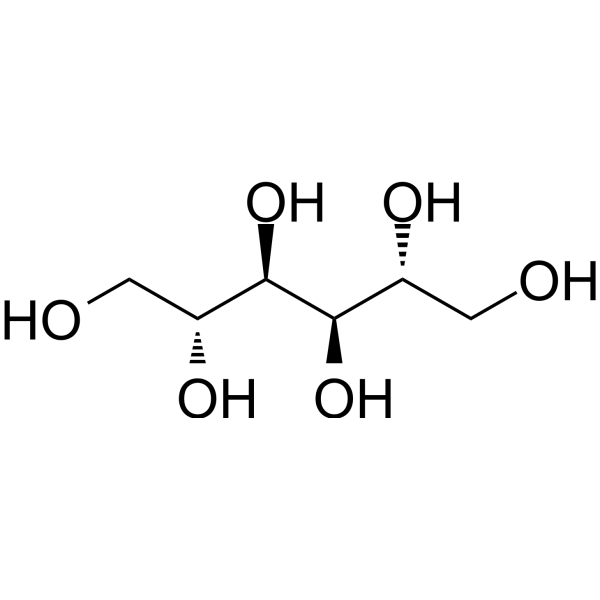
D-Mannitol (Mannitol) is an oral, resistant sugar widely used in the food and pharmaceutical industries to promote the absorption and retention of calcium and magnesium through cecal fermentation, while acting as a osmotic diuretic to reduce tissue edema. D-Mannitol can enhance brown fat formation, improve insulin effect, reduce blood sugar levels, And through the start the β3-adrenergic receptor (β3-AR), PGC1α and PKA induced by means of white fat cells into brown fat cells . D-Mannitol is commonly used to maintain osmotic pressure between the plant cytoplasm and the culture medium and protect cells when the cell wall is weakened or even removed .
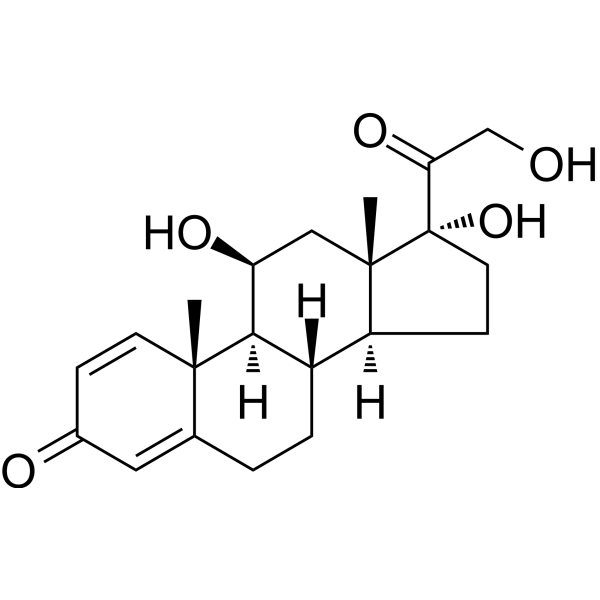
Prednisolone is a potent, orally active corticosteroid and a glucocorticoid. Prednisolone possesses about four times the anti-inflammatory activity of hydrocortisone while causing less salt and water retention. Prednisolone can be used for ocular, anti-inflammatory research .
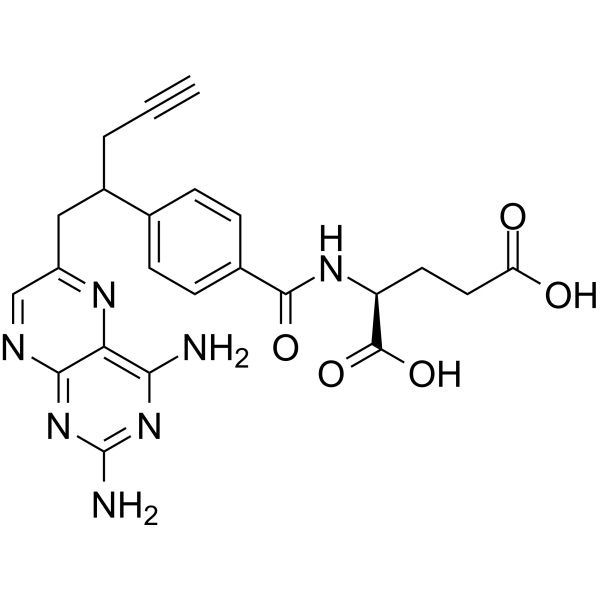
Pralatrexate is an antifolate and is a potent dihydrofolate reductasean (DHFR) inhibitor with a Ki of 13.4 pM. Pralatrexate is a substrate for folylpolyglutamate synthetase with improved cellular uptake and retention. Pralatrexate has antitumor activities and has the potential for relapsed/refractory T-cell lymphoma treatment . Pralatrexate is a click chemistry reagent, it contains an Alkyne group and can undergo copper-catalyzed azide-alkyne cycloaddition (CuAAc) with molecules containing Azide groups.
ETN029 (MC339) is a selective DLL3 ligand. ETN029 labeled with 225Ac has dose-dependent cytotoxicity in SCLC, NEPC and metastatic melanoma cells and increases the phosphorylation of H2AX expression. ETN029 labeled with 177Lu shows rapid uptake persistent tumor retention and favorable tumor-to-kidney ratio. ETN029 can be used for cancers like SCLC and NEPC imaging and research .
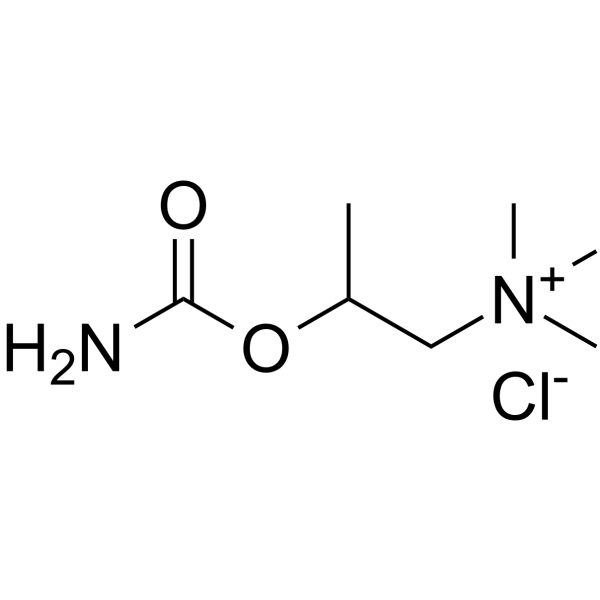
Bethanechol chloride (Carbamyl-β-methylcholine chloride), a parasympathomimetic agent, is a mAChR agonist that exerts its effects via directly stimulating the mAChR (M1, M2, M3, M4, and M5) of the parasympathetic nervous system .
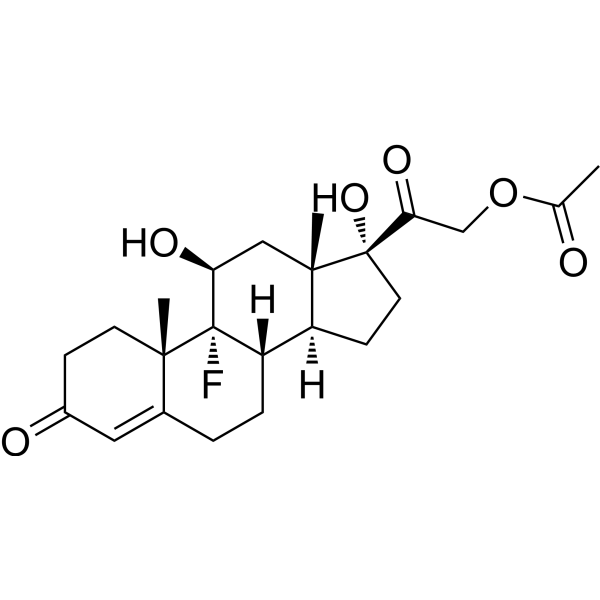
Fludrocortisone acetate (9α-Fludrocortisone acetate) is an orally active synthetic mineralocorticoid. Fludrocortisone acetate can effectively control sodium retention. Fludrocortisone acetate is used in studies of cardiac injury, adrenal insufficiency and orthostatic hypotension .
4,4'-Sulfonyldiphenol (Bisphenol S; Bis(4-hydroxyphenyl) sulfone), a substitute for Bisphenol A (HY-18260), is widely used in industrial and consumer products. 4,4'-Sulfonyldiphenol is an oally ative estrogen receptor (ER) agonist and can competitively bind to thyroid hormone receptors (TR) with IC50 values for TRα and TRβ are 2650 μM and 2294 μM respectively, thereby affecting breast development and reducing the expression of androgen receptor (AR) in fetal testes. 4,4'-Sulfonyldiphenol promotes the progression of glioblastoma by upregulating the EZH2 mediated PI3K/AKT/mTOR pathway. Under chronic exposure, 4,4'-Sulfonyldiphenol can cause significant lipid deposition and dyslipidemia in the mouse liver by upregulating JunB and Atf3, and has a role in causing obesity at low doses. 4,4'-Sulfonyldiphenol induces intestinal inflammation by altering the intestinal microbiome. 4,4'-Sulfonyldiphenol accelerates the progression of atherosclerosis in zebrafish embryo larvae .
Dextran T1 (Dextran 1; Dextran D1) (with a molecular weight of 1,000) is a dehydrated glucose polymer with an average molecular weight of 1,000. Dextran T1 (MW 1,000) has excellent biodegradability and biocompatibility, and can be used as a nanobody carrier scaffold and a freeze-drying protectant. Dextran T1 (MW 1,000) promotes the retention of circulating tumor cells in the capillary bed .
INF7 is a derivative of the N-terminal domain of the HA2 protein and is sensitive to pH. INF7 disrupts the stability of endosomal membranes through a mechanism independent of membrane fusion. INF7 can be used to enhance the endosome escape of complex or liposome-encapsulated proteins. Co-encapsulation of INF7 and molecular imaging probes in liposomes can enhance intracellular signaling and probe retention .
OncoACP3 TFA is a small-molecule ligand of prostatic acid phosphatase (ACP3) with an IC50 of 0.30 nM. OncoACP3 TFA has a modular structure that supports flexible payload delivery. After radiolabeling with Lu-177 it selectively accumulates in ACP3-expressing tumors with a long retention time, enabling targeted radiation delivery. OncoACP3 TFA is applicable to research related to prostate cancer .
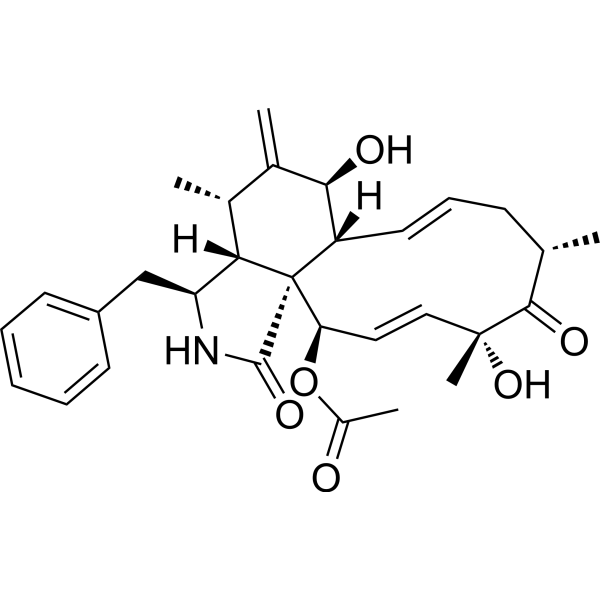
Cytochalasin D (Zygosporin A) is a potent actin polymerization inhibitor, could be derived from fungus. Cytochalasin D has cell-permeable activity. Cytochalasin D inhibits the G-actin–cofilin interaction by binding to G-actin. Cytochalasin D also inhibits the binding of cofilin to F-actin and decreases the rate of both actin polymerization and depolymerization in living cells. Cytochalasin D can reduce exosome release, in turn reducing the amount of survivin present in the tumour environment. Cytochalasin D induces phosphorylation and cytoplasmic retention of Yap .
Cefuroxime axetil is an orally effective broad-spectrum β-lactam antibiotic that targets bacterial penicillin-binding proteins (PBPs, such as PBP3 and PBP1). Cefuroxime axetil inhibits cell wall synthesis, leading to bacterial lysis and death, with a minimum inhibitory concentration (MIC) of 0.12-4 mg/L for non-typeable Haemophilus influenzae (NTHi). Cefuroxime axetil is hydrolyzed by esterase to the active ingredient Cefuroxime (HY-B1256A) after oral absorption. Topical administration of Cefuroxime via bioadhesive nanoparticles (BNPs) can prolong the drug's retention time in the middle ear (≥7 days). Cefuroxime axetil can be used in the study of otitis media (especially NTHi infection). Cefuroxime axetil can achieve precise antibacterial effects through oral or topical nano-delivery systems, reducing systemic exposure and the risk of antibiotic resistance .
(Z)-Zolucatetide (I-67) is a β-catenin inhibitor with IC50 ≤50 nM. (Z)-Zolucatetide's sequence is Ac-PL3-Asp-Npg-B5-Asp-3COOHF-Aib-Ala-Phe-Lys3-PyrS2-3Thi-BztA-GlnR3-Ala-NH2. (Z)-Zolucatetide can be used for cancer research .
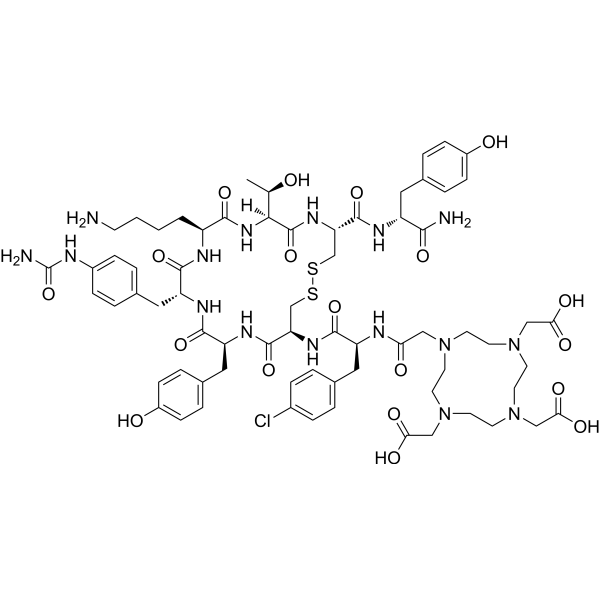
DOTA-LM3 is a somatostatin receptor (SSTR) antagonist. LM3 refers to p-Cl-Phe- cyclo(D-Cys-Tyr-D-4-amino-Phe(carbamoyl)-Lys-Thr-Cys)D-Tyr- NH2, as well as a somatostatin antagonist. DOTA-LM3 is often isotopically labeled for tracing tumors in vivo, such as 177Lu-DOTA-LM3 and 68 Ga-DOTA-LM3. 68 Ga-DOTA-LM3 shows favorable biodistribution, high tumor uptake, good tumor retention, and few safety concerns. 177Lu-DOTA-LM3 can be used for research in DOTATOC-negative liver metastases, such as pancreatic NET and extensive tumor thrombosis . DOTA-LM3 can be used for the synthesis/research of Radionuclide-Drug Conjugates (RDCs).
Polycarbophil is an orally active hydrophilic polymer. Polycarbophil achieves bioadhesion through hydrogen bonding between carboxyl groups and mucosal surfaces, and prolongs compound retention time and regulates compound release through swelling properties. Polycarbophil relieves constipation and diarrhea .
Flipper-TR 5 is a Flipper probe containing a terminal carboxylate for retention on the plasma membrane. Flipper-TR 5 selectively labels the cytoplasmic membrane, and exhibits excellent mechanical sensitivity, negligible cytotoxicity and controllable phototoxicity .
Prednisolone (Standard) is the analytical standard of Prednisolone. This product is intended for research and analytical applications. Prednisolone is a potent, orally active corticosteroid and a glucocorticoid. Prednisolone possesses about four times the anti-inflammatory activity of hydrocortisone while causing less salt and water retention. Prednisolone can be used for ocular, anti-inflammatory research .
Ubretid is a potent inhibitor of plasma cholinesterase. Ubretid therefore delays the hydrolysis of suxamethonium and prolongs its action, similar to the effects shown by other anticholinesterase agents, such as pyridostigmine and donepezil. Ubretid has the potential for the research of urinary retention prolongs the effect of suxamethonium. Ubretid is commonly prescribed for the research of myasthenia gravis and for difficulty in emptying the bladder .
Malotilate (NKK 105), an orally active hepatotropic agent and an anti-fibrotic substance, selectively inhibits the 5-lipoxygenase (5-LOX) (IC50=4.7 μM). Malotilate prevents the development of hepatocytic injury in alcohol-pyrazole hepatitis by decreasing hepatic acetaldehyde levels and preventing the retention of transferrin in the hepatocytes .
Polypropylene glycol 2000 (PPG 2000) is a polyether produced by ring-opening polymerization of propylene oxide. Polypropylene glycol 2000 has low toxicity, and acts as a dispersant for leather finishing materials, as well as a surfactant and wetting agent for pharmaceutical preparations .
Poly(acrylic acid) (MW 250000) is a synthetic cationic electrolyte containing abundant carboxyl groups (-COOH), which exhibits excellent water absorption and retention properties and is often cross-linked to form hydrogels. Poly(acrylic acid) (with a molecular weight of 250,000). Poly(acrylic acid) (MW 250000) can be used as a non-collagenous analog in the biomimetic mineralization research of type I collagen. Poly(acrylic acid) (MW 250000) has pH responsiveness and biocompatibility and is often used as a drug carrier, surface modifier and functional material .
Avosentan (Ro 67-0565; SPP-301) is an orally active endothelin (ETA) receptor antagonist. Avosentan can block the ETA receptor, thereby reducing vascular contraction and exerting a renal protective effect. Avosentan inhibits vascular contraction caused by ET-1 and alleviates the reduction in retinal and optic nerve head blood flow induced by it, lowering intraocular pressure in the glaucoma monkey model. Avosentan non-specifically blocks ETB receptors at high doses, inhibiting ETB-mediated diuresis and natriuresis, and may cause fluid retention. Avosentan can be used to reduce proteinuria with diabetic nephropathy, but induces significant fluid overload and congestive heart failure .
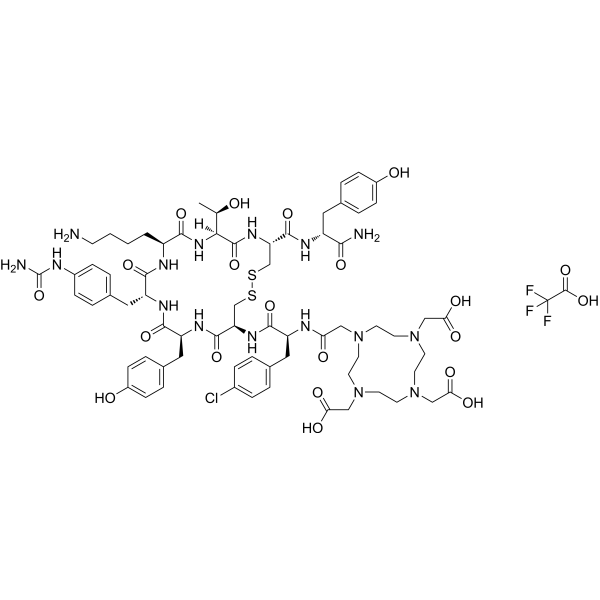
DOTA-LM3 TFA is a somatostatin receptor (SSTR) antagonist. LM3 refers to p-Cl-Phe- cyclo(D-Cys-Tyr-D-4-amino-Phe(carbamoyl)-Lys-Thr-Cys)D-Tyr- NH2, as well as a somatostatin antagonist. DOTA-LM3 TFA is often isotopically labeled for tracing tumors in vivo, such as 177Lu-DOTA-LM3 TFA and 68 Ga-DOTA-LM3 TFA. 68 Ga-DOTA-LM3 TFA shows favorable biodistribution, high tumor uptake, good tumor retention, and few safety concerns. 177Lu-DOTA-LM3 TFA can be used for research in DOTATOC-negative liver metastases, such as pancreatic NET and extensive tumor thrombosis . DOTA-LM3 (TFA) can be used for the synthesis/research of Radionuclide-Drug Conjugates (RDCs).
OncoACP3 is a small-molecule ligand of prostatic acid phosphatase (ACP3) with an IC50 of 0.30 nM. OncoACP3 has a modular structure that supports flexible payload delivery. After radiolabeling with Lu-177 it selectively accumulates in ACP3-expressing tumors with a long retention time, enabling targeted radiation delivery. OncoACP3 is applicable to research related to prostate cancer .
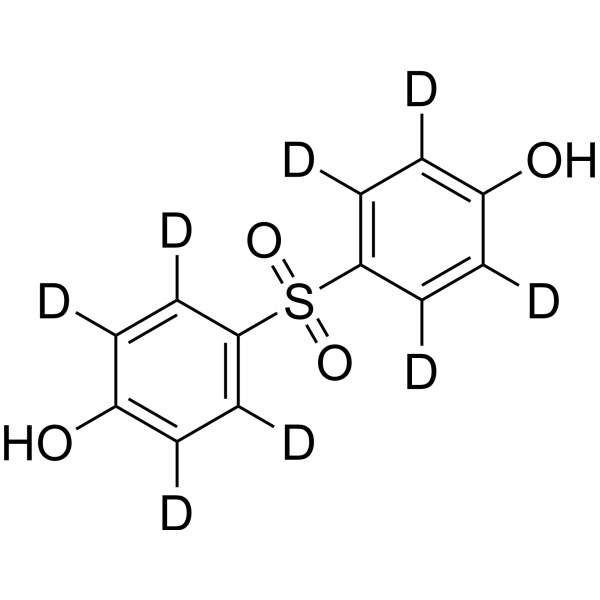
4,4'-Sulfonyldiphenol-d8 (Bisphenol S (4,4'-Sulfonyldiphenol)-d8) is the deuterium labeled 4,4'-Sulfonyldiphenol (HY-W011927).4,4'-Sulfonyldiphenol (Bisphenol S; Bis(4-hydroxyphenyl) sulfone), a substitute for Bisphenol A (HY-18260), is widely used in industrial and consumer products. 4,4'-Sulfonyldiphenol is an estrogen receptor (ER) agonist and can competitively bind to thyroid hormone receptors (TR) with IC50 values for TRα and TRβ are 2650 μM and 2294 μM respectively, thereby affecting breast development and reducing the expression of androgen receptor (AR) in fetal testes. 4,4'-Sulfonyldiphenol promotes the progression of glioblastoma by upregulating the EZH2 mediated PI3K/AKT/mTOR pathway. Under chronic exposure, 4,4'-Sulfonyldiphenol can cause significant lipid deposition and dyslipidemia in the mouse liver by upregulating JunB and Atf3, and has a role in causing obesity at low doses. 4,4'-Sulfonyldiphenol induces intestinal inflammation by altering the intestinal microbiome. 4,4'-Sulfonyldiphenol accelerates the progression of atherosclerosis in zebrafish embryo larvae.
C105SR is a cyclophilin D (CypD) inhibitor targeting to peptidyl-prolylcis-trans isomerase (PPIase). C105SR inhibits mitochondrial permeability transition opening (mPTP) with an IC 50 of 5 nM. C105SR inhibits hypoxia and reoxygenation inudced hepatocyte apoptosis and increases the level of calcium retention capacity (CRC). C105SR exhibits hepaprotective effect in ischaemia-reperfusion injury (IRI) mouse model .
DOTAGA-FAP-2286-ALB is a derivative of Rofapitide tetraxetan (HY-147057). DOTAGA-FAP-2286-ALB is a selective fibroblast activation protein (FAP) inhibitor with an IC50 value of 67.5 nM. DOTAGA-FAP-2286-ALB enhances tumor retention via albumin interaction, prolonging blood circulation and improving radiometal complex stability (e.g., with 111In and 225Ac). DOTAGA-FAP-2286-ALB is promising for research of radionuclide therapy (TRT) of FAP-positive solid tumors .
Locust bean gum is a natural polysaccharide derived from the seeds of the carob tree. It is commonly used as a thickening, stabilizing and gelling agent in a variety of foods, including dairy, baked goods and meat products. Locust bean gum has several properties suitable for these applications, including high water retention capacity, ability to form stable gels at low temperatures, and resistance to acidic conditions. Additionally, it can be used as a dietary fiber supplement due to its potential health benefits, including improving digestion and lowering cholesterol levels.
PM-1, a derivative of Thioflavin-T (ThT; HY-D0218), is a small but highly specific plasma membrane (PM) fluorescent dye for specific and long-time membrane imaging of living and fixed cells. PM-1 is embedded directly into the cell membrane and exhibits a very long retention time on the plasma membrane with a half-life of approximately 15 h. PM-1 can be used in combination with protein labeling probes to study ectodomain shedding and endocytosis processes of cell surface proteins .
Masupirdine mesylate (SUVN-502 mesylate) is a potent, selective, orally active, and brain-penetrating 5-HT6 receptor antagonist (Ki of 2.04 nM for human 5-HT6 receptor). Masupirdine mesylate has pro-cognitive effects on all stages of cognition (acquisition, consolidation, and retention), and can reverse Scopolamine (HY-N0296), MK-801 (HY-15084B)-induced and aging-related memory deficits. Masupirdine mesylate can be used in the research of Alzheimer's disease .
DOTA-ALB-02 is an albumin-bound FAP inhibitor (FAPI) ligand. DOTA-ALB-02 labeled with 177Lu has a high FAP-binding affinity and enhanced tumor uptake and retention with a significant tumor/nontarget ratio. DOTA-ALB-02 can be used for PET/CT and SPECT/CT imaging of cancers, especially late-stage cancers .
SDF-1α (human) TFA is a mononuclear cells chemoattractant that can bind to CXCR4. SDF-1α plays a central role in stem cell homing, retention, survival, proliferation, cardiomyocyte repair, angiogenesis and ventricular remodelling following myocardial infarction. SDF-1α (human) TFA can be used in cardiovascular disease research .
APL-1082 is a drug-Linker conjugate that can be used for ADC synthesis. APL-1082 contains Exatecan (HY-13631) and Linker (HY-175929). APL-1082 reduces aggregation and hydrophobicity in Trastuzumab (HY-P9907) ADCs, enables production of high-DAR (10) ADCs with homogeneity and defined physicochemical properties. APL-1082 forms a Trastuzumab ADC with enhanced stability, showing greater DAR retention over time. APL-1082 can be used for the research of gastric cancer .
Valsartan (CGP 48933) methyl ester is the methyl ester derivative of Valsartan (HY-18204). Valsartan is a selective and orally active angiotensin II type 1 (AT1) receptor blocker (ARB) with potent antihypertensive and cardioprotective effects. Valsartan competitively binds to AT1 receptors, inhibiting the binding of angiotensin II to AT1 receptors, thereby blocking angiotensin II-mediated vasoconstriction, sodium retention, and myocardial hypertrophy signaling pathways. Valsartan reduces systolic blood pressure in L-NAME-induced hypertensive rats. Valsartan can be used for the study and treatment of arterial hypertension, hypertensive heart disease, and heart failure .
(R)-(-)-α-Methylhistamine dihydrochloride is a potent, selective and brain-penetrant agonist of H3 histamine receptor, with a Kd of 50.3 nM . (R)-(-)-α-Methylhistamine dihydrochloride can enhance memory retention, attenuates memory impairment in rats .
Bethanechol (Carbamyl-β-methylcholine), a parasympathomimetic agent, is a mAChR agonist that exerts its effects via directly stimulating the mAChR (M1, M2, M3, M4, and M5) of the parasympathetic nervous system .
FAPI-mFS is an irreversible fibroblast activation protein (FAP) inhibitor, that enhances the uptake and retention time in cancer cells through its covalent binding property for FAP. FAPI-mFS can be used for cancer imaging the therapy, when labeled with radioactive 68Ga or 177Lu . FAPI-mFS can be used for the synthesis/research of Radionuclide-Drug Conjugates (RDCs).
8(S)-HETE (8(S)-Hydroxyeicosatetraenoic acid) is a major lipoxygenase product in PMA-treated murine epidermis. It activates mouse keratinocyte protein kinase C with an IC50 of 100 μM. 8(S)-HETE also activates PPARα selectively at concentrations as low as 0.3 μM. Stereochemical assignment of the (S) enantiomer is based on comparison of chiral HPLC retention times to published results.
BAP9THP is a synthetic cytokinin derivative and a growth regulator. BAP9THP promotes chlorophyll retention (and senescence delay) in plant tissues exceptionally strongly, and growth of tobacco callus almost as strongly as 6-Benzylaminopurine (BAP). BAP9THP induces adventitious shoot formation ignificantly more strongly than N6-isopentenyladenine or Kinetin .
SDF-1α (human) is a mononuclear cells chemoattractant that can bind to CXCR4. SDF-1α plays a central role in stem cell homing, retention, survival, proliferation, cardiomyocyte repair, angiogenesis and ventricular remodelling following myocardial infarction. SDF-1α (human) can be used in cardiovascular disease research .
4,4'-Sulfonyldiphenol (Bisphenol S; Bis(4-hydroxyphenyl) sulfone) (Standard) is the analytical standard of 4,4'-Sulfonyldiphenol (HY-W011927). This product is intended for research and analytical applications. 4,4'-Sulfonyldiphenol, a substitute for Bisphenol A (HY-18260), is widely used in industrial and consumer products. 4,4'-Sulfonyldiphenol is an estrogen receptor (ER) agonist and can competitively bind to thyroid hormone receptors (TR) with IC50 values for TRα and TRβ are 2650 μM and 2294 μM respectively, thereby affecting breast development and reducing the expression of androgen receptor (AR) in fetal testes. 4,4'-Sulfonyldiphenol promotes the progression of glioblastoma by upregulating the EZH2 mediated PI3K/AKT/mTOR pathway. Under chronic exposure, 4,4'-Sulfonyldiphenol can cause significant lipid deposition and dyslipidemia in the mouse liver by upregulating JunB and Atf3, and has a role in causing obesity at low doses. 4,4'-Sulfonyldiphenol induces intestinal inflammation by altering the intestinal microbiome. 4,4'-Sulfonyldiphenol accelerates the progression of atherosclerosis in zebrafish embryo larvae.
Pentixather is a radiolabeled peptide that can target CXCR4. Pentixather can disrupt the interaction between leukemic cells and the bone marrow microenvironment by targeting the CXCR4/CXCL12 signaling axis, reduce the retention of leukemic cells in the protective bone marrow niche, and thereby enhance the sensitivity of leukemic cells to treatment. Pentixather can be used for the study of acute lymphoblastic leukemia (ALL) and acute myeloid leukemia (AML) .
PDE3/4-IN-2 is a dual PDE3A and PDE4B1 inhibitor, with an IC50 of 0.13 nM against PDE3A and 50 nM against PDE4B1. PDE3/4-IN-2 exhibits higher systemic exposure and longer retention time in lung tissues in ICR mice. PDE3/4-IN-2 can be used in research on respiratory diseases such as asthma and chronic obstructive pulmonary disease, as well as autoimmune inflammation-related studies .
HKSOX-1 and its derivatives (HKSOX-1r and HKSOX-1m) are novel fluorescent probes designed for highly sensitive and selective detection of the superoxide anion radical (O2•−) in cellular environments. These probes utilize an aryl trifluoromethanesulfonate group that undergoes O2•−-mediated cleavage, releasing a free phenol and emitting fluorescence. They demonstrate excellent specificity and sensitivity across various pH ranges, withstand interference from strong oxidants and reductants typical in cellular contexts. HKSOX-1r, optimized for cellular retention, has been effectively employed in diverse assays including confocal imaging, flow cytometry, and zebrafish embryo studies, highlighting its utility in investigating O2•− roles in inflammation, mitochondrial stress, and other physiological processes .
DOTA-NI-FAPI-04 is a FAP inhibitor (IC50 = 7.44 nM). By integrating FAP targeting with hypoxia-sensitive groups (nitroimidazole), DOTA-NI-FAPI-04 significantly enhances tumor uptake and retention capabilities. DOTA-NI-FAPI-04 chelates metallic isotopes (such as 68Ga and 177Lu) through DOTA to produce radioactive probes ([68Ga]Ga/DOTA-NI-FAPI-04 and [177Lu]Lu/DOTA-NI-FAPI-04), which can be used for research in tumor diagnostics and therapeutic agents. DOTA-NI-FAPI-04 holds dual targeting potential in the fields of cancer imaging, tumor microenvironment analysis, and radionuclide therapy, particularly suitable for scenarios where the tumor stroma and hypoxic regions synergistically interact .
D-Mannitol- 13C6 is the 13C labeled D-Mannitol (HY-N0378). D-Mannitol (Mannitol) is an oral, resistant sugar widely used in the food and pharmaceutical industries to promote the absorption and retention of calcium and magnesium through cecal fermentation, while acting as a osmotic diuretic to reduce tissue edema. D-Mannitol can enhance brown fat formation, improve insulin effect, reduce blood sugar levels, And through the start the β3-adrenergic receptor (β3-AR), PGC1α and PKA induced by means of white fat cells into brown fat cells . D-Mannitol is commonly used to maintain osmotic pressure between the plant cytoplasm and the culture medium and protect cells when the cell wall is weakened or even removed .
(R)-(-)-α-Methylhistamine dihydrobromide is a potent, selective and brain-penetrant agonist of H3 histamine receptor, with a Kd of 50.3 nM . (R)-(-)-α-Methylhistamine dihydrobromide can enhance memory retention, attenuates memory impairment in rats .
Sodium Hyaluronate Hydroxypropyltrimonium Chloride is a modified form of hyaluronic acid that has been modified by adding positively charged hydroxypropyltrimonium chloride groups to improve its adsorption and retention on the skin. Sodium Hyaluronate Hydroxypropyltrimonium Chloride has good moisturizing and ionic properties and can be used in the research of pharmaceutical and cosmetic fields .
FAP-IN-7 (Compound 5b) is a FAPretention with high selectivity and favorable pharmacokinetics. FAP-IN-7 can be used as a radiotracer for PET imaging and radionuclide therapy of cancers research .
Pecavaptan, a chemical probe, is an orally active and dual antagonist of V1a/V2 receptor (Ki=0.5 nM and 0.6 nM for human, respectively). Pecavaptan promotes an increase in urine production, which reduces the associated symptoms of water retention and edema .
Prednisolone-d8 is the deuterium labeled Prednisolone. Prednisolone is a potent, orally active corticosteroid and a glucocorticoid. Prednisolone possesses about four times the anti-inflammatory activity of hydrocortisone while causing less salt and water retention. Prednisolone can be used for ocular, anti-inflammatory research .
DOTA-ALB-01 is an albumin-bound FAP inhibitor (FAPI) ligand. DOTA-ALB-01 labeled with 68Ga or 177Lu has a high FAP-binding affinity and enhanced tumor uptake and retention. DOTA-ALB-01 can be used for PET/CT and SPECT/CT imaging of cancers, especially late-stage cancers .
TLD-1433 is the fourth-generation ruthenium (II) based photodynamic compound (PDC). TLD-1433 is activated by green light (525 ± 25 nm) and efficiently generates ROS to achieve pathogen inactivation. After photoinactivation, TLD-1433 significantly induces lipid peroxidation of the cell membrane, which can directly damage the integrity of the viral envelope. TLD-1433 has ID50 for enveloped viruses (such as H1N1 influenza virus, coronavirus OC43, HSV-1, Zika virus) is as low as nanomolar level; for non-enveloped viruses (such as adenovirus Ad5, mammalian rotavirus MRV), a concentration of micro-molar level is required for inactivation. TLD-1433 has antigen retention property and can be used for the preparation of inactivated vaccines .
BWD is a PSMA ligand (IC50 = 35.86). BWD exhibits excellent in vitro stability and high affinity. BWD can enhance tumor uptake and retention. BWD can inhibit tumor growth in vivo. BWD can be studied in anticancer research .
DOTA-PSMA-EB-01 (Compound LNC1003) is a specific inhibitor of PSMA (IC50= 10.77 nM).DOTA-PSMA-EB-01 enhances the uptake and retention time of 177Lu in tumors . DOTA-PSMA-EB-01 can be used for the synthesis/research of Radionuclide-Drug Conjugates (RDCs).
JTP-4819 is a potent and specific inhibitor of prolyl endopeptidase (PREP) with IC50s of 0.83 nM (in rat brain supernatant) and 5.43 nM (in Flavobacterium meningosepticum). JTP-4819 has blood-brain penetration, also improves the retention time of amnesia rats induced by Scopolamine (HY-N2096) .
FD-895 is a spliceosome modulator derived from a polyketide natural product, targeting the SF3b subunit of the spliceosome. FD-895 possesses core biological activities for regulating RNA splicing (intron retention, alternative splicing) and inducing apoptosis of cancer cells. FD-895 can be used for the research of cancer, such as chronic lymphocytic leukemia (CLL) .
Masupirdine free base (SUVN-502 free base) is a potent, selective, orally active, and brain-penetrating 5-HT6 receptor antagonist (Ki of 2.04 nM for human 5-HT6 receptor). Masupirdine free base has pro-cognitive effects on all stages of cognition (acquisition, consolidation, and retention), and can reverse Scopolamine (HY-N0296), MK-801 (HY-15084B)-induced and aging-related memory deficits. Masupirdine free base can be used in the research of Alzheimer's disease .
FAP6-19 is a fibroblast activation protein (FAP) targeting radioligand with a Kd of 18.2 nM. FAP6-19 selectively delivers therapeutic radioactive nuclides (such as 177Lu) to the tumor site by targeting the overexpressed FAP protein in the tumor microenvironment, achieving precise killing of cancer cells while minimizing radiation damage to healthy tissues. FAP6-19 exhibits extremely high total cellular uptake and good intracellular retention ability in HT1080 cells. After being labeled with 111In, FAP6-19 produced extremely high tumor/kidney and tumor/liver dose ratios in the mouse model with 4T1 tumors. FAP6-19 can be used in the research of solid tumors expressing FAP.
D-Mannitol, M200 (GMP Like) (Mannitol, M200 (GMP Like)) is the GMP Like class D-Mannitol that can be used as pharmaceutical excipients. D-Mannitol (Mannitol) is an oral, resistant sugar widely used in the food and pharmaceutical industries to promote the absorption and retention of calcium and magnesium through cecal fermentation, while acting as a osmotic diuretic to reduce tissue edema. D-Mannitol can enhance brown fat formation, improve insulin effect, reduce blood sugar levels, And through the start the β3-adrenergic receptor (β3-AR), PGC1α and PKA induced by means of white fat cells into brown fat cells .
Bethanechol (chloride) (Standard) is the analytical standard of Bethanechol (chloride). This product is intended for research and analytical applications. Bethanechol chloride (Carbamyl-β-methylcholine chloride), a parasympathomimetic agent, is a mAChR agonist that exerts its effects via directly stimulating the mAChR (M1, M2, M3, M4, and M5) of the parasympathetic nervous system .
WLSEAGPVVTVRALRGTGSW TFA is a cardiomyocyte-targeting peptide that specifically recognizes tenascin X on the surface of cardiomyocytes. WLSEAGPVVTVRALRGTGSW TFA can serve as a targeting ligand to conjugate with various therapeutic carriers (drugs, genes, exosomes, nanoparticles, etc.) for research on cardiovascular diseases (such as myocardial infarction, heart failure) .
8(R)-HETE is biosynthesized by lipoxygenation of arachidonic acid in marine invertebrates such as gorgonian corals and starfish. Stereochemical assignment of the (R) enantiomer is based on comparison of chiral HPLC retention times to published results.
Ethiazide is a thiazole diuretic which inhibits renal reabsorption of sodium and water, thereby increasing urine excretion, reducing fluid retention, and lowering blood volume and blood pressure. Ethiazide can be used for cardiovascular research .
DOTA-Tyr-Lys-DOTA is a DOTA-based small molecule hapten. DOTA-Tyr-Lys-DOTAexhibits rapid clearance and low whole-body retention. DOTA-Tyr-Lys-DOTA can used in study pretargeted radioimmunotherapy .
UoS12258 is a selective positive allosteric modulator of AMPA receptor. UoS12258 enhances AMPA receptor‐mediated synaptic transmission. UoS12258 improves performance in cognition rat models, including Scopolamine (HY-N0296)‐impaired rats and water maze learning and retention in aged rats .
9(R)-HETE is an enantiomer which makes up 50% of (±)9-HETE. At a concentration of 300 nM, 9(R)-HETE activates RXRγ-dependent transcription 1.5 fold relative to a control.1 Stereochemical assignment of the (R) enantiomer is based on comparison of chiral HPLC retention times to published results.
Antitumor agent-183 (compound 3f) has antitumor activity with metabolic stability. Antitumor agent-183 inhibits cancer cell growth, with IC50s less than 5 nM for A549, HCT116, and HS578T cells. The albumin-bound nanoparticle formulation of Antitumor agent-183 has prolonged retention in the tumor tissues .
Ubretid (Standard) is the analytical standard of Ubretid. This product is intended for research and analytical applications. Ubretid is a potent inhibitor of plasma cholinesterase. Ubretid therefore delays the hydrolysis of suxamethonium and prolongs its action, similar to the effects shown by other anticholinesterase agents, such as pyridostigmine and donepezil. Ubretid has the potential for the research of urinary retention prolongs the effect of suxamethonium. Ubretid is commonly prescribed for the research of myasthenia gravis and for difficulty in emptying the bladder .
TDK-HCPT is a small-molecule conjugate that links glutathione-sensitive thiamine disulfide to the chemotherapy drug 10-Hydroxycamptothecin (HY-N0095) via a thioketal bond. TDK-HCPT can target tumor cells and prolong the retention of chemotherapy agents within tumor cells. TDK-HCPT can inhibit tumor growth, induce apoptosis of tumor cells, and has anti-tumor activity .
Malotilate (Standard) is the analytical standard of Malotilate. This product is intended for research and analytical applications. Malotilate (NKK 105), an orally active hepatotropic agent and an anti-fibrotic substance, selectively inhibits the 5-lipoxygenase (5-LOX) (IC50=4.7 μM). Malotilate prevents the development of hepatocytic injury in alcohol-pyrazole hepatitis by decreasing hepatic acetaldehyde levels and preventing the retention of transferrin in the hepatocytes .
PWZ-029 is a selective inverse agonist for 5 GABAA receptors. PWZ-029 is a benzodiazepine site ligand. PWZ-029 shows a weak but significant partial agonistic effect at 1- and 3-containing receptors. PWZ-029 significantly increases retention session latency in mouse fibroblast cells. PWZ-029 can improve object recognition in normal and scopolamine-treated rat model .
AB-3PRGD2 is a radiotherapeutic agent targeting integrin αvβ3. AB-3PRGD2 shows improved tumor uptake and prolonged tumor retention, leading to significantly enhanced tumor growth suppression. AB-3PRGD2 can remodel the tumor immune microenvironment by upregulating PD-L1 expression and increasing tumor-infiltrating CD8 + T cells .
Pralatrexate (Standard) is the analytical standard of Pralatrexate. This product is intended for research and analytical applications. Pralatrexate is an antifolate and is a potent dihydrofolate reductasean (DHFR) inhibitor with a Ki of 13.4 pM. Pralatrexate is a substrate for folylpolyglutamate synthetase with improved cellular uptake and retention. Pralatrexate has antitumor activities and has the potential for relapsed/refractory T-cell lymphoma treatment . Pralatrexate is a click chemistry reagent, it contains an Alkyne group and can undergo copper-catalyzed azide-alkyne cycloaddition (CuAAc) with molecules containing Azide groups.
RLX (PD 139530) is a PI3K/Akt/FoxO3a signaling inhibitor, possessing significant therapeutic potential in experimental colon cancer. RLX can effectively modulate the tumor microenvironment, enhancing the efficacy of cancer immunotherapy. RLX demonstrates the ability to improve the retention time of therapeutic agents within the tumor microenvironment by utilizing advanced nanoparticle delivery systems. RLX can be integrated with various treatment modalities, such as chemotherapy and radiotherapy, to enhance overall tumor therapy effectiveness .
RLX (PD 139530) hydrochloride is the hydrochloride of RLX (HY-116604). RLX is a PI3K/Akt/FoxO3a signaling inhibitor, possessing significant therapeutic potential in experimental colon cancer. RLX can effectively modulate the tumor microenvironment, enhancing the efficacy of cancer immunotherapy. RLX demonstrates the ability to improve the retention time of therapeutic agents within the tumor microenvironment by utilizing advanced nanoparticle delivery systems. RLX can be integrated with various treatment modalities, such as chemotherapy and radiotherapy, to enhance overall tumor therapy effectiveness .
Pep2-SVKE is an inactive control peptide for pep2-SVKI (HY-P1056). Pep2-SVKE is an inhibitory peptide corresponding to the last 10 amino acids of the C-terminus of the GluR2 AMPA receptor subunit. Pep2-SVKE does not block AMPA-mediated [ 3H]DA exocytosis. Pep2-SVKE does not bind to GRIP or PICK43 and does not block retention of PICK1 by GST-GluR2 and LTD [1] [2] [3] [4] [5].
PD-L1-IN-7 (compound CB31) is an inhibitor of PD-L1, which can induce PD-L1 internalization and PD-L1 retention in cells. PD-L1-IN-7 can inhibit the interaction of PD-1/PD-L1 (IC50: 0.2 nM), change the glycosylation pattern, and promote PD-L1 degradation. PD-L1-IN-7 can also enhance T cell infiltration, amplify T cell function and the ability to kill tumor cells .
cCBD-LL37 is a chimeric antimicrobial peptide modified with a collagen-binding domain (cCBD) (TKKTLRT). cCBD-LL37 has improved retention on collagen after PBS washing and varying electrostatic conditions. cCBD-LL37 binds to collagen involves both specific and non-specific interactions, initiated by long-range electrostatic forces that transitions to close range or hydrophobic interactions. cCBD-LL37 has potent antimicrobial activity with improved structural stability under different ionic strengths and pH conditions (pH 5.5-8). cCBD-LL37 can be used for biomaterials like collagen-based wound dressings research .
Avosentan (Standard) is the analytical standard of Avosentan (HY-15195). This product is intended for research and analytical applications. Avosentan is an orally active endothelin (ETA) receptor antagonist. Avosentan can block the ETA receptor, thereby reducing vascular contraction, and exerting a renal protective effect. Avosentan inhibits vascular contraction caused by ET-1 and alleviates the reduction in retinal and optic nerve head blood flow induced by it, lowering intraocular pressure in the glaucoma monkey model. Avosentan non-specifically blocks ETB receptors at high doses, inhibiting ETB-mediated diuresis and natriuresis, and may cause fluid retention. Avosentan can be used to reduce proteinuria with diabetic nephropathy, but induces significant fluid overload and congestive heart failure.
Valsartan (CGP 48933) methyl ester (Standard) is the analytical standard of Valsartan methyl ester (HY-W414915). This product is intended for research and analytical applications. Valsartan methyl ester is the methyl ester derivative of Valsartan (HY-18204). Valsartan is a selective angiotensin II type 1 (AT1) receptor blocker (ARB) with potent antihypertensive and cardioprotective effects. Valsartan competitively binds to AT1 receptors, inhibiting the binding of angiotensin II to AT1 receptors, thereby blocking angiotensin II-mediated vasoconstriction, sodium retention, and myocardial hypertrophy signaling pathways. Valsartan reduces systolic blood pressure in L-NAME-induced hypertensive rats. Valsartan can be used for the study and treatment of arterial hypertension, hypertensive heart disease, and heart failure .
D-Mannitol (Standard) is the analytical standard of D-Mannitol. This product is intended for research and analytical applications. D-Mannitol (Mannitol) is an oral, resistant sugar widely used in the food and pharmaceutical industries to promote the absorption and retention of calcium and magnesium through cecal fermentation, while acting as a osmotic diuretic to reduce tissue edema. D-Mannitol can enhance brown fat formation, improve insulin effect, reduce blood sugar levels, And through the start the β3-adrenergic receptor (β3-AR), PGC1α and PKA induced by means of white fat cells into brown fat cells .
D-Mannitol, M100 (GMP Like) (Mannitol, M100 (GMP Like)) is the GMP Like class D-Mannitol that can be used as pharmaceutical excipients. D-Mannitol (Mannitol) is an oral, resistant sugar widely used in the food and pharmaceutical industries to promote the absorption and retention of calcium and magnesium through cecal fermentation, while acting as a osmotic diuretic to reduce tissue edema. D-Mannitol can enhance brown fat formation, improve insulin effect, reduce blood sugar levels, And through the start the β3-adrenergic receptor (β3-AR), PGC1α and PKA induced by means of white fat cells into brown fat cells .
PDI2 (PSMA-DOTA-PEI2) is a prostate-specific membrane antigen (PSMA) ligand that acts as a tumor retention agent, renal uptake reducer, imaging agent and antitumor agent, applicable in SPECT diagnostic imaging and radiotheranostics. PDI2 specifically binds to PSMA on prostate cancer cells, enters cells via clathrin-dependent endocytosis, and exhibits higher tumor retention rate and lower renal uptake level. PDI2 is applicable in research related to prostate cancer and castration-resistant metastatic prostate cancer .
KDEL is a tetrapeptide serving as an endoplasmic reticulum (ER) retrieval/retention signal. KDEL can target and deliver exogenous antigen peptides to the ER, significantly enhance and prolong MHC class I molecule presentation, and effectively boost anti-tumor immune responses .
NM404 is a targeted radionuclide processing agent with slow clearance. Radioiodine-labeled NM404 is a small-molecule phospholipid ether analog that exhibits significant tumor uptake capacity and persistent tumor retention properties in more than 45 spontaneous and xenograft tumor models .
Ctrl-CCF1 is a control probe for CCF1. Ctrl-CCF1 can be used to distinguish copper-dependent responses from potential dye-dependent variations, such as cellular uptake, retention, subcellular accumulation, and changes in pH, redox or hydrophobic/hydrophilic environments .
Aminozolamide is a carbonic anhydrase inhibitor. Aminozolamide regulates intraocular pressure by inhibiting carbonic anhydrase activity. Aminozolamide exerts local ocular effects, exhibits good retention in the ciliary body of rabbit eyes, and prevents rapid elimination from the eye. Aminozolamide is applicable to the research of ocular hypertension .
Prednisolone-d6 is the deuterium labeled Prednisolone (HY-17463). Prednisolone is a potent, orally active corticosteroid and a glucocorticoid. Prednisolone possesses about four times the anti-inflammatory activity of hydrocortisone while causing less salt and water retention. Prednisolone can be used for ocular, anti-inflammatory research .
Carprazidil (Ro 12-4713) is a potent vasodilator with activity in suppressing severe hypertension and mild heart failure. The use of carprazidil may lead to sodium retention and increased heart rate, requiring increased doses of diuretics or beta-blockers in some cases. Carprazidil and mecycline may both cause hirsutism, limiting their long-term use in women. Carprazidil did not cause adverse side effects on hematological parameters, liver, or kidney function .
SR-4554 is a probe for the measurement of tumor hypoxia. SR-4554 undergoes enzymatic single-electron reduction reactions within hypoxic cells. SR-4554 determines the 19F retention index for four commonly used mouse tumors (EMT6, SCCVII, KILT and RIF-I) through 19F MRS technique. SR-4554 can used to detect tumor Hypoxia noninvasively by 19F magnetic resonance spectroscopy ( 19F MRS) .
GNF7156 is a DYRK1A/GSK3B inhibitor, IC50 values of 100 nM for DYRK1A and 40 nM for GSK3B. GNF7156 inhibits DYRK1A and GSK3B kinase activity and induces NFAT nuclear retention. GNF7156 stimulates beta-cell cycle entry and division and maintains insulin secretory capacity. GNF7156 can be used for the research of type 1 diabetes, and type 2 diabetes .
BAP9THP (Standard) is the analytical standard of BAP9THP. This product is intended for research and analytical applications. BAP9THP is a synthetic cytokinin derivative and a growth regulator. BAP9THP promotes chlorophyll retention (and senescence delay) in plant tissues exceptionally strongly, and growth of tobacco callus almost as strongly as 6-Benzylaminopurine (BAP). BAP9THP induces adventitious shoot formation ignificantly more strongly than N6-isopentenyladenine or Kinetin .
WYRGRLC is a type II collagen-targeting peptide. WYRGRLC specifically binds to type II collagen α1 in articular cartilage in a sequence-dependent manner. WYRGRLC inhibits the binding of WYRGRL-displaying phage (C1-3) to articular cartilage in a sequence-specific manner. WYRGRLC can act as a retention enhancer to improve the cartilage-targeting ability of polymeric nanoparticles and liposomal nanoplatforms, facilitating the delivery of Rapamycin (HY-10219) to chondrocytes. WYRGRLC can be used in studies related to osteoarthritis .
Betamethasone succinate (NSSL-BMS) is a nano-formulation that can cross the blood-brain barrier. Betamethasone succinate is prepared by encapsulating the Betamethasone (HY-13570) semi-succinate in PEG-liposomes. Betamethasone succinate utilizes the enhanced permeation and retention effects of liposomes to target and deliver the potent glucocorticoid to the inflammatory sites. Betamethasone succinate inhibits the secretion of pro-inflammatory cytokines (such as TNF-α and IL-6) while maintaining the level of anti-inflammatory cytokine TGF-β. Betamethasone succinate can be used in the research of arthritis and cerebral malaria .
Bleomycin B2 (Phleomycin D2) sulfate is a selective antitumor and antibacterial agent that induces DNA strand breaks and inhibits DNA ligase activity. The optimal pH for the activity of Bleomycin B2 sulfate is 9.1, and its efficacy is enhanced by thiol compounds or hydrogen peroxide. Bleomycin B2 sulfate undergoes enzymatic inactivation via bleomycin-inactivating enzymes, exhibits selective retention in squamous cell carcinoma, and is inactivated most rapidly in liver and kidney homogenates. Bleomycin B2 sulfate can be applied in research related to squamous cell carcinoma and other relevant studies .
CypD-IN-7 is a potent cyclophilin D (CypD/PPIF) inhibitor that inhibits CypD PPIase activity (K i= 2.4 nM) and provides protection against mitochondrial permeability transition pore (MPTP) opening. CypD-IN-7 can be used for pancreatitis research .
LANA is a KSHV latency-associated nuclear antigen. The core function of LANA is to act as an "anchor" for the viral genome, attaching it to the chromatin of the host cell. LANA ensures that the episomal DNA of KSHV replicates together with the host chromosome and is evenly distributed among the daughter cells, thereby maintaining the latent infection of the virus in the cell population. LANA can regulate the transcription of viral and host cell genes, and regulate certain host cell genes to promote cell survival. LANA can be used to study the viral DNA tethering structure .
FAP Ligand 3 (compound 54) is a reagent that binds to FAP, with a Ki value of 0.092 nM against human targets. FAP Ligand 3 acts as a tumor-retaining agent and serves as a FAP-targeted positron emission tomography (PET) tracer for tumor imaging. FAP Ligand 3 is applicable to studies related to U87MG glioma .
D-Mannitol- 13C is the 13C labeled D-Mannitol (HY-N0378). D-Mannitol (Mannitol) is an oral, resistant sugar widely used in the food and pharmaceutical industries to promote the absorption and retention of calcium and magnesium through cecal fermentation, while acting as a osmotic diuretic to reduce tissue edema. D-Mannitol can enhance brown fat formation, improve insulin effect, reduce blood sugar levels, And through the start the β3-adrenergic receptor (β3-AR), PGC1α and PKA induced by means of white fat cells into brown fat cells . D-Mannitol is commonly used to maintain osmotic pressure between the plant cytoplasm and the culture medium and protect cells when the cell wall is weakened or even removed .
D-Mannitol-d8 is the deuterium labeled D-Mannitol (HY-N0378). D-Mannitol (Mannitol) is an oral, resistant sugar widely used in the food and pharmaceutical industries to promote the absorption and retention of calcium and magnesium through cecal fermentation, while acting as a osmotic diuretic to reduce tissue edema. D-Mannitol can enhance brown fat formation, improve insulin effect, reduce blood sugar levels, And through the start the β3-adrenergic receptor (β3-AR), PGC1α and PKA induced by means of white fat cells into brown fat cells . D-Mannitol is commonly used to maintain osmotic pressure between the plant cytoplasm and the culture medium and protect cells when the cell wall is weakened or even removed .
FAPI-X5 is a fibroblast activation protein (FAP) inhibitor. FAPI-X5 binds to the FAP catalytic domain, forming hydrogen bonds with key active residues and engaging in π-π stacking to drive functional inhibition. FAPI-X5 exhibits albumin binding activity to prolong systemic circulation half-life. FAPI-X5 induces cytostatic effects on glioblastoma tumors, slowing tumor growth without regression. FAPI-X5, when labeled with 68Ga, acts as a PET tracer with rapid tumor uptake and high-contrast imaging in glioblastoma tumor-bearing mice. FAPI-X5, when labeled with 177Lu or 47Sc, functions as a targeted radionuclide agent with prolonged tumor retention. FAPI-X5 can be used for the research of glioblastoma .
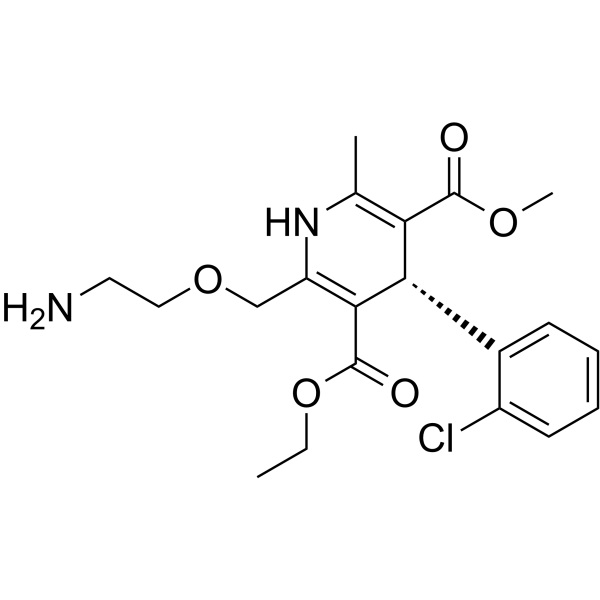
Levamlodipine ((S)-Amlodipine; Levoamlodipin) is an orally active L-type calcium channel blocker and MMP-9 modulator with high permeability and retention properties. Levamlodipine significantly enhances plaque stability and improves lipid profiles by reducing blood pressure, decreasing systolic blood pressure variability, and inhibiting MMP-9 expression in atherosclerotic plaques. Levamlodipine not only alleviates cardiac and aortic hypertrophy and prevents renal atrophy, but also produces synergistic effects in blood pressure reduction and organ protection when combined with bisoprolol (HY-129029). Levamlodipine exerts no significant inhibitory effect on abdominal aortic intimal hyperplasia. When excessively accumulated in the epidermis, Levamlodipine may induce changes in keratin structure, impair the skin barrier and trigger inflammation; long-term use further exacerbates skin irritation caused by local administration. Levamlodipine can be used in research related to hypertension and atherosclerosis .
D-Mannitol-d2 is the deuterium labeled D-Mannitol (HY-N0378). D-Mannitol (Mannitol) is an oral, resistant sugar widely used in the food and pharmaceutical industries to promote the absorption and retention of calcium and magnesium through cecal fermentation, while acting as a osmotic diuretic to reduce tissue edema. D-Mannitol can enhance brown fat formation, improve insulin effect, reduce blood sugar levels, And through the start the β3-adrenergic receptor (β3-AR), PGC1α and PKA induced by means of white fat cells into brown fat cells . D-Mannitol is commonly used to maintain osmotic pressure between the plant cytoplasm and the culture medium and protect cells when the cell wall is weakened or even removed .
PPAR agonist 7 is an orally active pan-PPAR agonist, demonstrating potent activation of all three subtypes, PPARα (EC50 = 1.51 μM), PPARδ (EC50 = 1.11 μM), and PPARγ (EC50 = 3.14 μM). PPAR agonist 7 significantly enhances glucose uptake in adipocytes while exhibiting minimal adipogenic activity. PPAR agonist 7 can suppress PPARγ Ser273 phosphorylation in white adipose tissue and upregulate insulin-sensitizing genes. PPAR agonist 7 does not cause weight gain or fluid retention in high-fat diet (HFD)/
Streptozotocin (HY-13753) (STZ)-induced type 2 diabetes mellitus (T2DM) models. PPAR agonist 7 has selective modulation of PPAR signaling pathways without activation of adipogenic gene programs. PPAR agonist 7 can be used for the study of diabetes .
Levamlodipine ((S)-Amlodipine; Levoamlodipin) hydrochloride is an orally active L-type calcium channel blocker and MMP-9 modulator with high permeability and retention properties. Levamlodipine hydrochloride significantly enhances plaque stability and improves lipid profiles by reducing blood pressure, decreasing systolic blood pressure variability, and inhibiting MMP-9 expression in atherosclerotic plaques. Levamlodipine hydrochloride not only alleviates cardiac and aortic hypertrophy and prevents renal atrophy, but also produces synergistic effects in blood pressure reduction and organ protection when combined with bisoprolol (HY-129029). Levamlodipine hydrochloride exerts no significant inhibitory effect on abdominal aortic intimal hyperplasia. When excessively accumulated in the epidermis, Levamlodipine hydrochloride may induce changes in keratin structure, impair the skin barrier and trigger inflammation; long-term use further exacerbates skin irritation caused by local administration. Levamlodipine hydrochloride can be used in research related to hypertension and atherosclerosis .
Ganglioside GM1 (ammonium) is a monosialylated ganglioside and the prototypic ganglioside for those containing one sialic acid residue. Ganglioside GM1 (ammonium) is one of the most abundant gangliosides in the brain which provides neuroprotection. Ganglioside GM1 (ammonium) exhibits anti-inflammatory property. Ganglioside GM1 (ammonium) has a well-balanced amphiphilic behavior. Ganglioside GM1 (ammonium) can reduce the fluidity of the plasma membrane that implies a retention and enrichment of the ganglioside in specific membrane domains that are called lipid rafts. Ganglioside GM1 (ammonium) can modify the process of differentiation, amplifies responses to neurotrophic factors, protects against excitatory amino acid-related neurotoxicity. Ganglioside GM1 (ammonium) can alleviate acute nerve cell damage through blocking cytotoxicity and potentiating neurotophic factors. Ganglioside GM1 (ammonium) can be studied in neurodegenerative diseases such as Alzheimer’s disease .
D-Mannitol-d is the deuterium labeled D-Mannitol (HY-N0378). D-Mannitol (Mannitol) is an oral, resistant sugar widely used in the food and pharmaceutical industries to promote the absorption and retention of calcium and magnesium through cecal fermentation, while acting as a osmotic diuretic to reduce tissue edema. D-Mannitol can enhance brown fat formation, improve insulin effect, reduce blood sugar levels, And through the start the β3-adrenergic receptor (β3-AR), PGC1α and PKA induced by means of white fat cells into brown fat cells . D-Mannitol is commonly used to maintain osmotic pressure between the plant cytoplasm and the culture medium and protect cells when the cell wall is weakened or even removed .
Ibutamoren (MK-677 free base; MK-0677 free base) is an orally active non-peptide growth hormone secretagogue receptor agonist. Ibutamoren activates signal cascades by mimicking endogenous ligands, triggers pulsatile release of growth hormone from the pituitary gland, and increases serum levels of IGF-1 and insulin-like growth factor-binding protein 3. Ibutamoren not only increases the frequency of growth hormone pulses in male individuals, but also promotes elevated bone formation markers in female individuals with postmenopausal osteoporosis. The combination of Ibutamoren with Alendronate sodium hydrate (HY-11101) significantly increases bone mineral density at the femoral neck. However, Ibutamoren may cause mild, reversible adverse reactions such as increased appetite, fluid retention, and elevated fasting blood glucose. Ibutamoren has been widely used in studies related to idiopathic growth hormone deficiency, sarcopenia, Alzheimer's disease, and osteoporosis .
Levamlodipine-d4 is the deuterium labeled Levamlodipine. Levamlodipine ((S)-Amlodipine; Levoamlodipin) is an orally active L-type calcium channel blocker and MMP-9 modulator with high permeability and retention properties. Levamlodipine significantly enhances plaque stability and improves lipid profiles by reducing blood pressure, decreasing systolic blood pressure variability, and inhibiting MMP-9 expression in atherosclerotic plaques. Levamlodipine not only alleviates cardiac and aortic hypertrophy and prevents renal atrophy, but also produces synergistic effects in blood pressure reduction and organ protection when combined with bisoprolol (HY-129029). Levamlodipine exerts no significant inhibitory effect on abdominal aortic intimal hyperplasia. When excessively accumulated in the epidermis, Levamlodipine may induce changes in keratin structure, impair the skin barrier and trigger inflammation; long-term use further exacerbates skin irritation caused by local administration. Levamlodipine can be used in research related to hypertension and atherosclerosis .
D-Mannitol-2- 13C is the 13C labeled D-Mannitol (HY-N0378). D-Mannitol (Mannitol) is an oral, resistant sugar widely used in the food and pharmaceutical industries to promote the absorption and retention of calcium and magnesium through cecal fermentation, while acting as a osmotic diuretic to reduce tissue edema. D-Mannitol can enhance brown fat formation, improve insulin effect, reduce blood sugar levels, And through the start the β3-adrenergic receptor (β3-AR), PGC1α and PKA induced by means of white fat cells into brown fat cells . D-Mannitol is commonly used to maintain osmotic pressure between the plant cytoplasm and the culture medium and protect cells when the cell wall is weakened or even removed .
Levamlodipine besylate Hemipentahydrate is an orally active L-type calcium channel blocker and MMP-9 modulator with high permeability and retention properties. Levamlodipine besylate Hemipentahydrate significantly enhances plaque stability and improves lipid profiles by reducing blood pressure, decreasing systolic blood pressure variability, and inhibiting MMP-9 expression in atherosclerotic plaques. Levamlodipine besylate Hemipentahydrate not only alleviates cardiac and aortic hypertrophy and prevents renal atrophy, but also produces synergistic effects in blood pressure reduction and organ protection when combined with bisoprolol (HY-129029). Levamlodipine besylate Hemipentahydrate exerts no significant inhibitory effect on abdominal aortic intimal hyperplasia. When excessively accumulated in the epidermis, Levamlodipine besylate Hemipentahydrate may induce changes in keratin structure, impair the skin barrier and trigger inflammation; long-term use further exacerbates skin irritation caused by local administration. Levamlodipine besylate Hemipentahydrate can be used in research related to hypertension and atherosclerosis .
D-Mannitol (Standard) is the analytical standard of D-Mannitol (HY-N0378). This product is intended for research and analytical applications. D-Mannitol (Mannitol) is an oral, resistant sugar widely used in the food and pharmaceutical industries to promote the absorption and retention of calcium and magnesium through cecal fermentation, while acting as a osmotic diuretic to reduce tissue edema. D-Mannitol can enhance brown fat formation, improve insulin effect, reduce blood sugar levels, And through the start the β3-adrenergic receptor (β3-AR), PGC1α and PKA induced by means of white fat cells into brown fat cells . D-Mannitol is commonly used to maintain osmotic pressure between the plant cytoplasm and the culture medium and protect cells when the cell wall is weakened or even removed .
D-Mannitol-d4 (Mannitol-d4) is the deuterium labeled D-Mannitol (HY-N0378). D-Mannitol (Mannitol) is an oral, resistant sugar widely used in the food and pharmaceutical industries to promote the absorption and retention of calcium and magnesium through cecal fermentation, while acting as a osmotic diuretic to reduce tissue edema. D-Mannitol can enhance brown fat formation, improve insulin effect, reduce blood sugar levels, And through the start the β3-adrenergic receptor (β3-AR), PGC1α and PKA induced by means of white fat cells into brown fat cells . D-Mannitol is commonly used to maintain osmotic pressure between the plant cytoplasm and the culture medium and protect cells when the cell wall is weakened or even removed .
D-Mannitol- 13C,d2 is the deuterium and 13C labeled D-Mannitol (HY-N0378). D-Mannitol (Mannitol) is an oral, resistant sugar widely used in the food and pharmaceutical industries to promote the absorption and retention of calcium and magnesium through cecal fermentation, while acting as a osmotic diuretic to reduce tissue edema. D-Mannitol can enhance brown fat formation, improve insulin effect, reduce blood sugar levels, And through the start the β3-adrenergic receptor (β3-AR), PGC1α and PKA induced by means of white fat cells into brown fat cells . D-Mannitol is commonly used to maintain osmotic pressure between the plant cytoplasm and the culture medium and protect cells when the cell wall is weakened or even removed .
Levamlodipine ((S)-Amlodipine; Levoamlodipin) hydrobromide is an orally active L-type calcium channel blocker and MMP-9 modulator with high permeability and retention properties. Levamlodipine hydrobromide significantly enhances plaque stability and improves lipid profiles by reducing blood pressure, decreasing systolic blood pressure variability, and inhibiting MMP-9 expression in atherosclerotic plaques. Levamlodipine hydrobromide not only alleviates cardiac and aortic hypertrophy and prevents renal atrophy, but also produces synergistic effects in blood pressure reduction and organ protection when combined with bisoprolol (HY-129029). Levamlodipine hydrobromide exerts no significant inhibitory effect on abdominal aortic intimal hyperplasia. When excessively accumulated in the epidermis, Levamlodipine hydrobromide may induce changes in keratin structure, impair the skin barrier and trigger inflammation; long-term use further exacerbates skin irritation caused by local administration. Levamlodipine hydrobromide can be used in research related to hypertension and atherosclerosis .
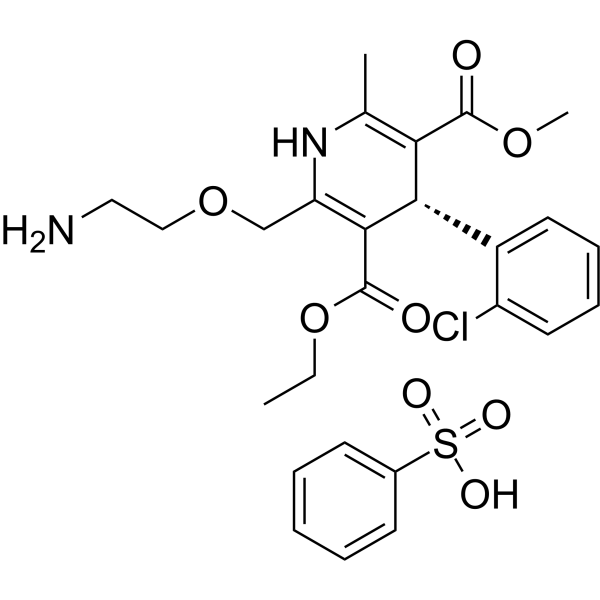
Levamlodipine ((S)-Amlodipine; Levoamlodipin) besylate is an orally active L-type calcium channel blocker and MMP-9 modulator with high permeability and retention properties. Levamlodipine besylate significantly enhances plaque stability and improves lipid profiles by reducing blood pressure, decreasing systolic blood pressure variability, and inhibiting MMP-9 expression in atherosclerotic plaques. Levamlodipine besylate not only alleviates cardiac and aortic hypertrophy and prevents renal atrophy, but also produces synergistic effects in blood pressure reduction and organ protection when combined with bisoprolol (HY-129029). Levamlodipine besylate exerts no significant inhibitory effect on abdominal aortic intimal hyperplasia. When excessively accumulated in the epidermis, Levamlodipine besylate may induce changes in keratin structure, impair the skin barrier and trigger inflammation; long-term use further exacerbates skin irritation caused by local administration. Levamlodipine besylate can be used in research related to hypertension and atherosclerosis .
Natalizumab (AN100226; BG00002) is a humanized monoclonal IgG4 antibody inhibitor that selectively targets α4 integrin (CD49d). It blocks the interaction of integrins such as α4β1 (VLA-4) with vascular cell adhesion molecule VCAM-1, intercellular adhesion molecule ICAM-1, and fibronectin by competitively binding to the α4 subunit. Natalizumab inhibits the adhesion, retention, and transendothelial migration of immune cells (such as CD4 + T cells), reducing the infiltration of inflammatory cells into the central nervous system or lesion sites, thus exerting anti-inflammatory and immunomodulatory activity. Natalizumab is used in the study of relapsing-remitting multiple sclerosis (RRMS) and also has applications in the study of autoimmune or inflammation-related diseases such as Crohn's disease, B-cell lymphoma, and non-infectious uveitis. Natalizumab can also prevent lymphocytes from entering the central nervous system, thereby preventing acute demyelinating relapses .
PARP1/PKM2-IN-1 is a dual PARP1/PKM2 inhibitor, with an IC50 of 39.5 nM against PARP1, and IC50 values of 261 nM (recombinant PKM2) and 50 nM (dimeric PKM2) against PKM2. PARP1/PKM2-IN-1 reduces the dimerization of PKM2 and decreases its nuclear accumulation level. PARP1/PKM2-IN-1 also selectively downregulates PKM2 mRNA and impairs poly (ADP-ribose)-mediated nuclear retention of PKM2. PARP1/PKM2-IN-1 exhibits antiproliferative activity and inhibits the formation of 3D cancer spheroids. PARP1/PKM2-IN-1 can be used in research related to mammary adenocarcinoma, triple-negative breast cancer, BRCA1-mutant triple-negative breast cancer, and prostate adenocarcinoma .
Anti-Mouse/Human VLA-4/CD49d Antibody (PS/2) is an anti-mouse/human VLA-4/CD49d IgG2b monoclonal antibody. Anti-Mouse/Human VLA-4/CD49d Antibody (PS/2) can reduce VLA-4 positive cells. Anti-Mouse/Human VLA-4/CD49d Antibody (PS/2) can inhibit the migration of Tc1 cells to tumors. Anti-Mouse/Human VLA-4/CD49d Antibody (PS/2) inhibits the retention of leukemia cells in the spleen and bone marrow by blocking VLA-4. Anti-Mouse/Human VLA-4/CD49d Antibody (PS/2) can be used for research on inflammation conditions and cancer such as experimental autoimmune encephalomyelitis (EAE), melanoma and leukemia .
Natalizumab (Anti-CD49d) (AN100226; BG00002) Solution is a humanized monoclonal IgG4 antibody inhibitor that selectively targets α4 integrin (CD49d), blocking the interaction of integrins such as α4β1 (VLA-4) with vascular cell adhesion molecule VCAM-1, intercellular adhesion molecule ICAM-1, and fibronectin by competitively binding to the α4 subunit. Natalizumab solution inhibits the adhesion, retention, and transendothelial migration of immune cells (such as CD4 + T cells), reducing the infiltration of inflammatory cells into the central nervous system or lesion sites, thereby exerting anti-inflammatory and immunomodulatory activity. Natalizumab (Anti-CD49d) solution is used in the study of relapsing-remitting multiple sclerosis (RRMS) and is also applied in the research of autoimmune or inflammation-related diseases such as Crohn's disease, B-cell lymphoma, and non-infectious uveitis. Natalizumab (Anti-CD49d) can also prevent lymphocytes from entering the central nervous system, thus preventing acute demyelinating relapses .
2'-Deoxyuridine (Standard) is the analytical standard of 2'-Deoxyuridine. This product is intended for research and analytical applications. 2’-deoxyuridine is a brain-penetrant pyrimidines nucleotide that is associated with nervous system diseases. 2'-Deoxyuridine could increase chromosome breakage and results in a decreased thymidylate synthetase activity. 2'-Deoxyuridine is a precursor in the synthesis of Edoxudine (HY-B1011) and also an analogue of 5-ethynyl-2'-deoxyuridine, EdU (HY-118411). 2’-deoxyuridine reduces microglial activation and improve oxidative stress damage by modulating glycolytic metabolism on the Aβ25-35-induced brain injury, which is promising for research of Alzheimer’s disease (AD) .
In Vitro:The interaction between the 2-deoxyuridine and the column increases the duration of retention of 2-deoxyuridine .
Gradient elution with sodium acetate buffer-ACN eluent on two ZIC-HILIC homemade columns separates 2-deoxyuridine in under 9 min . In Vivo:2'-Deoxyuridine (34.42 ng/mL, gavage, 15 min) passes the blood-brain barrier (BBB) to enter the hippocampus of mice brain .
2'-Deoxyuridine (20 mg/kg, gavage, daily for 4 weeks) improves cognition and memory loss and attenuates the damage to the hippocampus in Aβ25-35-induced mice model .
Flavor is an expression of smell and taste that is achieved through a variety of chemical processes triggered by molecules. Food flavor is an important attribute of food quality and in some cases determines consumers' food preferences. In addition to playing a key role in taste and smell, flavor molecules can also be involved in regulating metabolism and have an impact on health. In daily life, flavor molecules have absolute application value in food and spices. In scientific research, the study of flavor molecules is helpful to reveal the relationship between food intake and taste perception. Research on the combination behavior of flavor and food components can explore the retention, release and perception of flavor molecules. Most importantly, while exploring multi-sensory flavor perception, the food industry can fully mobilize the enthusiasm of researching new strategies for delicious and healthy food design.
Based on the FlavorDB database, collects and organizes 442 flavor molecules, which can be used in taste perception and other related studies.
Flipper-TR 5 is a Flipper probe containing a terminal carboxylate for retention on the plasma membrane. Flipper-TR 5 selectively labels the cytoplasmic membrane, and exhibits excellent mechanical sensitivity, negligible cytotoxicity and controllable phototoxicity .
PM-1, a derivative of Thioflavin-T (ThT; HY-D0218), is a small but highly specific plasma membrane (PM) fluorescent dye for specific and long-time membrane imaging of living and fixed cells. PM-1 is embedded directly into the cell membrane and exhibits a very long retention time on the plasma membrane with a half-life of approximately 15 h. PM-1 can be used in combination with protein labeling probes to study ectodomain shedding and endocytosis processes of cell surface proteins .
D-Mannitol, M200 (GMP Like) (Mannitol, M200 (GMP Like)) is the GMP Like class D-Mannitol that can be used as pharmaceutical excipients. D-Mannitol (Mannitol) is an oral, resistant sugar widely used in the food and pharmaceutical industries to promote the absorption and retention of calcium and magnesium through cecal fermentation, while acting as a osmotic diuretic to reduce tissue edema. D-Mannitol can enhance brown fat formation, improve insulin effect, reduce blood sugar levels, And through the start the β3-adrenergic receptor (β3-AR), PGC1α and PKA induced by means of white fat cells into brown fat cells .
D-Mannitol, M100 (GMP Like) (Mannitol, M100 (GMP Like)) is the GMP Like class D-Mannitol that can be used as pharmaceutical excipients. D-Mannitol (Mannitol) is an oral, resistant sugar widely used in the food and pharmaceutical industries to promote the absorption and retention of calcium and magnesium through cecal fermentation, while acting as a osmotic diuretic to reduce tissue edema. D-Mannitol can enhance brown fat formation, improve insulin effect, reduce blood sugar levels, And through the start the β3-adrenergic receptor (β3-AR), PGC1α and PKA induced by means of white fat cells into brown fat cells .
Ctrl-CCF1 is a control probe for CCF1. Ctrl-CCF1 can be used to distinguish copper-dependent responses from potential dye-dependent variations, such as cellular uptake, retention, subcellular accumulation, and changes in pH, redox or hydrophobic/hydrophilic environments .
4,4'-Sulfonyldiphenol (Bisphenol S; Bis(4-hydroxyphenyl) sulfone), a substitute for Bisphenol A (HY-18260), is widely used in industrial and consumer products. 4,4'-Sulfonyldiphenol is an oally ative estrogen receptor (ER) agonist and can competitively bind to thyroid hormone receptors (TR) with IC50 values for TRα and TRβ are 2650 μM and 2294 μM respectively, thereby affecting breast development and reducing the expression of androgen receptor (AR) in fetal testes. 4,4'-Sulfonyldiphenol promotes the progression of glioblastoma by upregulating the EZH2 mediated PI3K/AKT/mTOR pathway. Under chronic exposure, 4,4'-Sulfonyldiphenol can cause significant lipid deposition and dyslipidemia in the mouse liver by upregulating JunB and Atf3, and has a role in causing obesity at low doses. 4,4'-Sulfonyldiphenol induces intestinal inflammation by altering the intestinal microbiome. 4,4'-Sulfonyldiphenol accelerates the progression of atherosclerosis in zebrafish embryo larvae .
Dextran T1 (Dextran 1; Dextran D1) (with a molecular weight of 1,000) is a dehydrated glucose polymer with an average molecular weight of 1,000. Dextran T1 (MW 1,000) has excellent biodegradability and biocompatibility, and can be used as a nanobody carrier scaffold and a freeze-drying protectant. Dextran T1 (MW 1,000) promotes the retention of circulating tumor cells in the capillary bed .
Polypropylene glycol 2000 (PPG 2000) is a polyether produced by ring-opening polymerization of propylene oxide. Polypropylene glycol 2000 has low toxicity, and acts as a dispersant for leather finishing materials, as well as a surfactant and wetting agent for pharmaceutical preparations .
Poly(acrylic acid) (MW 250000) is a synthetic cationic electrolyte containing abundant carboxyl groups (-COOH), which exhibits excellent water absorption and retention properties and is often cross-linked to form hydrogels. Poly(acrylic acid) (with a molecular weight of 250,000). Poly(acrylic acid) (MW 250000) can be used as a non-collagenous analog in the biomimetic mineralization research of type I collagen. Poly(acrylic acid) (MW 250000) has pH responsiveness and biocompatibility and is often used as a drug carrier, surface modifier and functional material .
Locust bean gum is a natural polysaccharide derived from the seeds of the carob tree. It is commonly used as a thickening, stabilizing and gelling agent in a variety of foods, including dairy, baked goods and meat products. Locust bean gum has several properties suitable for these applications, including high water retention capacity, ability to form stable gels at low temperatures, and resistance to acidic conditions. Additionally, it can be used as a dietary fiber supplement due to its potential health benefits, including improving digestion and lowering cholesterol levels.
4,4'-Sulfonyldiphenol (Bisphenol S; Bis(4-hydroxyphenyl) sulfone) (Standard) is the analytical standard of 4,4'-Sulfonyldiphenol (HY-W011927). This product is intended for research and analytical applications. 4,4'-Sulfonyldiphenol, a substitute for Bisphenol A (HY-18260), is widely used in industrial and consumer products. 4,4'-Sulfonyldiphenol is an estrogen receptor (ER) agonist and can competitively bind to thyroid hormone receptors (TR) with IC50 values for TRα and TRβ are 2650 μM and 2294 μM respectively, thereby affecting breast development and reducing the expression of androgen receptor (AR) in fetal testes. 4,4'-Sulfonyldiphenol promotes the progression of glioblastoma by upregulating the EZH2 mediated PI3K/AKT/mTOR pathway. Under chronic exposure, 4,4'-Sulfonyldiphenol can cause significant lipid deposition and dyslipidemia in the mouse liver by upregulating JunB and Atf3, and has a role in causing obesity at low doses. 4,4'-Sulfonyldiphenol induces intestinal inflammation by altering the intestinal microbiome. 4,4'-Sulfonyldiphenol accelerates the progression of atherosclerosis in zebrafish embryo larvae.
D-Mannitol, M200 (GMP Like) (Mannitol, M200 (GMP Like)) is the GMP Like class D-Mannitol that can be used as pharmaceutical excipients. D-Mannitol (Mannitol) is an oral, resistant sugar widely used in the food and pharmaceutical industries to promote the absorption and retention of calcium and magnesium through cecal fermentation, while acting as a osmotic diuretic to reduce tissue edema. D-Mannitol can enhance brown fat formation, improve insulin effect, reduce blood sugar levels, And through the start the β3-adrenergic receptor (β3-AR), PGC1α and PKA induced by means of white fat cells into brown fat cells .
D-Mannitol, M100 (GMP Like) (Mannitol, M100 (GMP Like)) is the GMP Like class D-Mannitol that can be used as pharmaceutical excipients. D-Mannitol (Mannitol) is an oral, resistant sugar widely used in the food and pharmaceutical industries to promote the absorption and retention of calcium and magnesium through cecal fermentation, while acting as a osmotic diuretic to reduce tissue edema. D-Mannitol can enhance brown fat formation, improve insulin effect, reduce blood sugar levels, And through the start the β3-adrenergic receptor (β3-AR), PGC1α and PKA induced by means of white fat cells into brown fat cells .
INF7 is a derivative of the N-terminal domain of the HA2 protein and is sensitive to pH. INF7 disrupts the stability of endosomal membranes through a mechanism independent of membrane fusion. INF7 can be used to enhance the endosome escape of complex or liposome-encapsulated proteins. Co-encapsulation of INF7 and molecular imaging probes in liposomes can enhance intracellular signaling and probe retention .
(Z)-Zolucatetide (I-67) is a β-catenin inhibitor with IC50 ≤50 nM. (Z)-Zolucatetide's sequence is Ac-PL3-Asp-Npg-B5-Asp-3COOHF-Aib-Ala-Phe-Lys3-PyrS2-3Thi-BztA-GlnR3-Ala-NH2. (Z)-Zolucatetide can be used for cancer research .
DOTA-LM3 is a somatostatin receptor (SSTR) antagonist. LM3 refers to p-Cl-Phe- cyclo(D-Cys-Tyr-D-4-amino-Phe(carbamoyl)-Lys-Thr-Cys)D-Tyr- NH2, as well as a somatostatin antagonist. DOTA-LM3 is often isotopically labeled for tracing tumors in vivo, such as 177Lu-DOTA-LM3 and 68 Ga-DOTA-LM3. 68 Ga-DOTA-LM3 shows favorable biodistribution, high tumor uptake, good tumor retention, and few safety concerns. 177Lu-DOTA-LM3 can be used for research in DOTATOC-negative liver metastases, such as pancreatic NET and extensive tumor thrombosis . DOTA-LM3 can be used for the synthesis/research of Radionuclide-Drug Conjugates (RDCs).
DOTA-LM3 TFA is a somatostatin receptor (SSTR) antagonist. LM3 refers to p-Cl-Phe- cyclo(D-Cys-Tyr-D-4-amino-Phe(carbamoyl)-Lys-Thr-Cys)D-Tyr- NH2, as well as a somatostatin antagonist. DOTA-LM3 TFA is often isotopically labeled for tracing tumors in vivo, such as 177Lu-DOTA-LM3 TFA and 68 Ga-DOTA-LM3 TFA. 68 Ga-DOTA-LM3 TFA shows favorable biodistribution, high tumor uptake, good tumor retention, and few safety concerns. 177Lu-DOTA-LM3 TFA can be used for research in DOTATOC-negative liver metastases, such as pancreatic NET and extensive tumor thrombosis . DOTA-LM3 (TFA) can be used for the synthesis/research of Radionuclide-Drug Conjugates (RDCs).
SDF-1α (human) TFA is a mononuclear cells chemoattractant that can bind to CXCR4. SDF-1α plays a central role in stem cell homing, retention, survival, proliferation, cardiomyocyte repair, angiogenesis and ventricular remodelling following myocardial infarction. SDF-1α (human) TFA can be used in cardiovascular disease research .
FAPI-mFS is an irreversible fibroblast activation protein (FAP) inhibitor, that enhances the uptake and retention time in cancer cells through its covalent binding property for FAP. FAPI-mFS can be used for cancer imaging the therapy, when labeled with radioactive 68Ga or 177Lu . FAPI-mFS can be used for the synthesis/research of Radionuclide-Drug Conjugates (RDCs).
SDF-1α (human) is a mononuclear cells chemoattractant that can bind to CXCR4. SDF-1α plays a central role in stem cell homing, retention, survival, proliferation, cardiomyocyte repair, angiogenesis and ventricular remodelling following myocardial infarction. SDF-1α (human) can be used in cardiovascular disease research .
Pentixather is a radiolabeled peptide that can target CXCR4. Pentixather can disrupt the interaction between leukemic cells and the bone marrow microenvironment by targeting the CXCR4/CXCL12 signaling axis, reduce the retention of leukemic cells in the protective bone marrow niche, and thereby enhance the sensitivity of leukemic cells to treatment. Pentixather can be used for the study of acute lymphoblastic leukemia (ALL) and acute myeloid leukemia (AML) .
DOTA-PSMA-EB-01 (Compound LNC1003) is a specific inhibitor of PSMA (IC50= 10.77 nM).DOTA-PSMA-EB-01 enhances the uptake and retention time of 177Lu in tumors . DOTA-PSMA-EB-01 can be used for the synthesis/research of Radionuclide-Drug Conjugates (RDCs).
FAP6-19 is a fibroblast activation protein (FAP) targeting radioligand with a Kd of 18.2 nM. FAP6-19 selectively delivers therapeutic radioactive nuclides (such as 177Lu) to the tumor site by targeting the overexpressed FAP protein in the tumor microenvironment, achieving precise killing of cancer cells while minimizing radiation damage to healthy tissues. FAP6-19 exhibits extremely high total cellular uptake and good intracellular retention ability in HT1080 cells. After being labeled with 111In, FAP6-19 produced extremely high tumor/kidney and tumor/liver dose ratios in the mouse model with 4T1 tumors. FAP6-19 can be used in the research of solid tumors expressing FAP.
WLSEAGPVVTVRALRGTGSW TFA is a cardiomyocyte-targeting peptide that specifically recognizes tenascin X on the surface of cardiomyocytes. WLSEAGPVVTVRALRGTGSW TFA can serve as a targeting ligand to conjugate with various therapeutic carriers (drugs, genes, exosomes, nanoparticles, etc.) for research on cardiovascular diseases (such as myocardial infarction, heart failure) .
Pep2-SVKE is an inactive control peptide for pep2-SVKI (HY-P1056). Pep2-SVKE is an inhibitory peptide corresponding to the last 10 amino acids of the C-terminus of the GluR2 AMPA receptor subunit. Pep2-SVKE does not block AMPA-mediated [ 3H]DA exocytosis. Pep2-SVKE does not bind to GRIP or PICK43 and does not block retention of PICK1 by GST-GluR2 and LTD [1] [2] [3] [4] [5].
cCBD-LL37 is a chimeric antimicrobial peptide modified with a collagen-binding domain (cCBD) (TKKTLRT). cCBD-LL37 has improved retention on collagen after PBS washing and varying electrostatic conditions. cCBD-LL37 binds to collagen involves both specific and non-specific interactions, initiated by long-range electrostatic forces that transitions to close range or hydrophobic interactions. cCBD-LL37 has potent antimicrobial activity with improved structural stability under different ionic strengths and pH conditions (pH 5.5-8). cCBD-LL37 can be used for biomaterials like collagen-based wound dressings research .
PDI2 (PSMA-DOTA-PEI2) is a prostate-specific membrane antigen (PSMA) ligand that acts as a tumor retention agent, renal uptake reducer, imaging agent and antitumor agent, applicable in SPECT diagnostic imaging and radiotheranostics. PDI2 specifically binds to PSMA on prostate cancer cells, enters cells via clathrin-dependent endocytosis, and exhibits higher tumor retention rate and lower renal uptake level. PDI2 is applicable in research related to prostate cancer and castration-resistant metastatic prostate cancer .
KDEL is a tetrapeptide serving as an endoplasmic reticulum (ER) retrieval/retention signal. KDEL can target and deliver exogenous antigen peptides to the ER, significantly enhance and prolong MHC class I molecule presentation, and effectively boost anti-tumor immune responses .
WYRGRLC is a type II collagen-targeting peptide. WYRGRLC specifically binds to type II collagen α1 in articular cartilage in a sequence-dependent manner. WYRGRLC inhibits the binding of WYRGRL-displaying phage (C1-3) to articular cartilage in a sequence-specific manner. WYRGRLC can act as a retention enhancer to improve the cartilage-targeting ability of polymeric nanoparticles and liposomal nanoplatforms, facilitating the delivery of Rapamycin (HY-10219) to chondrocytes. WYRGRLC can be used in studies related to osteoarthritis .
LANA is a KSHV latency-associated nuclear antigen. The core function of LANA is to act as an "anchor" for the viral genome, attaching it to the chromatin of the host cell. LANA ensures that the episomal DNA of KSHV replicates together with the host chromosome and is evenly distributed among the daughter cells, thereby maintaining the latent infection of the virus in the cell population. LANA can regulate the transcription of viral and host cell genes, and regulate certain host cell genes to promote cell survival. LANA can be used to study the viral DNA tethering structure .
Natalizumab (Anti-CD49d) (AN100226; BG00002) Solution is a humanized monoclonal IgG4 antibody inhibitor that selectively targets α4 integrin (CD49d), blocking the interaction of integrins such as α4β1 (VLA-4) with vascular cell adhesion molecule VCAM-1, intercellular adhesion molecule ICAM-1, and fibronectin by competitively binding to the α4 subunit. Natalizumab solution inhibits the adhesion, retention, and transendothelial migration of immune cells (such as CD4 + T cells), reducing the infiltration of inflammatory cells into the central nervous system or lesion sites, thereby exerting anti-inflammatory and immunomodulatory activity. Natalizumab (Anti-CD49d) solution is used in the study of relapsing-remitting multiple sclerosis (RRMS) and is also applied in the research of autoimmune or inflammation-related diseases such as Crohn's disease, B-cell lymphoma, and non-infectious uveitis. Natalizumab (Anti-CD49d) can also prevent lymphocytes from entering the central nervous system, thus preventing acute demyelinating relapses .
Natalizumab (AN100226; BG00002) is a humanized monoclonal IgG4 antibody inhibitor that selectively targets α4 integrin (CD49d). It blocks the interaction of integrins such as α4β1 (VLA-4) with vascular cell adhesion molecule VCAM-1, intercellular adhesion molecule ICAM-1, and fibronectin by competitively binding to the α4 subunit. Natalizumab inhibits the adhesion, retention, and transendothelial migration of immune cells (such as CD4 + T cells), reducing the infiltration of inflammatory cells into the central nervous system or lesion sites, thus exerting anti-inflammatory and immunomodulatory activity. Natalizumab is used in the study of relapsing-remitting multiple sclerosis (RRMS) and also has applications in the study of autoimmune or inflammation-related diseases such as Crohn's disease, B-cell lymphoma, and non-infectious uveitis. Natalizumab can also prevent lymphocytes from entering the central nervous system, thereby preventing acute demyelinating relapses .
Anti-Mouse/Human VLA-4/CD49d Antibody (PS/2) is an anti-mouse/human VLA-4/CD49d IgG2b monoclonal antibody. Anti-Mouse/Human VLA-4/CD49d Antibody (PS/2) can reduce VLA-4 positive cells. Anti-Mouse/Human VLA-4/CD49d Antibody (PS/2) can inhibit the migration of Tc1 cells to tumors. Anti-Mouse/Human VLA-4/CD49d Antibody (PS/2) inhibits the retention of leukemia cells in the spleen and bone marrow by blocking VLA-4. Anti-Mouse/Human VLA-4/CD49d Antibody (PS/2) can be used for research on inflammation conditions and cancer such as experimental autoimmune encephalomyelitis (EAE), melanoma and leukemia .
D-Mannitol (Mannitol) is an oral, resistant sugar widely used in the food and pharmaceutical industries to promote the absorption and retention of calcium and magnesium through cecal fermentation, while acting as a osmotic diuretic to reduce tissue edema. D-Mannitol can enhance brown fat formation, improve insulin effect, reduce blood sugar levels, And through the start the β3-adrenergic receptor (β3-AR), PGC1α and PKA induced by means of white fat cells into brown fat cells . D-Mannitol is commonly used to maintain osmotic pressure between the plant cytoplasm and the culture medium and protect cells when the cell wall is weakened or even removed .
Prednisolone is a potent, orally active corticosteroid and a glucocorticoid. Prednisolone possesses about four times the anti-inflammatory activity of hydrocortisone while causing less salt and water retention. Prednisolone can be used for ocular, anti-inflammatory research .
Cytochalasin D (Zygosporin A) is a potent actin polymerization inhibitor, could be derived from fungus. Cytochalasin D has cell-permeable activity. Cytochalasin D inhibits the G-actin–cofilin interaction by binding to G-actin. Cytochalasin D also inhibits the binding of cofilin to F-actin and decreases the rate of both actin polymerization and depolymerization in living cells. Cytochalasin D can reduce exosome release, in turn reducing the amount of survivin present in the tumour environment. Cytochalasin D induces phosphorylation and cytoplasmic retention of Yap .
D-Mannitol (Standard) is the analytical standard of D-Mannitol (HY-N0378). This product is intended for research and analytical applications. D-Mannitol (Mannitol) is an oral, resistant sugar widely used in the food and pharmaceutical industries to promote the absorption and retention of calcium and magnesium through cecal fermentation, while acting as a osmotic diuretic to reduce tissue edema. D-Mannitol can enhance brown fat formation, improve insulin effect, reduce blood sugar levels, And through the start the β3-adrenergic receptor (β3-AR), PGC1α and PKA induced by means of white fat cells into brown fat cells . D-Mannitol is commonly used to maintain osmotic pressure between the plant cytoplasm and the culture medium and protect cells when the cell wall is weakened or even removed .
2'-Deoxyuridine (Standard) is the analytical standard of 2'-Deoxyuridine. This product is intended for research and analytical applications. 2’-deoxyuridine is a brain-penetrant pyrimidines nucleotide that is associated with nervous system diseases. 2'-Deoxyuridine could increase chromosome breakage and results in a decreased thymidylate synthetase activity. 2'-Deoxyuridine is a precursor in the synthesis of Edoxudine (HY-B1011) and also an analogue of 5-ethynyl-2'-deoxyuridine, EdU (HY-118411). 2’-deoxyuridine reduces microglial activation and improve oxidative stress damage by modulating glycolytic metabolism on the Aβ25-35-induced brain injury, which is promising for research of Alzheimer’s disease (AD) .
In Vitro:The interaction between the 2-deoxyuridine and the column increases the duration of retention of 2-deoxyuridine .
Gradient elution with sodium acetate buffer-ACN eluent on two ZIC-HILIC homemade columns separates 2-deoxyuridine in under 9 min . In Vivo:2'-Deoxyuridine (34.42 ng/mL, gavage, 15 min) passes the blood-brain barrier (BBB) to enter the hippocampus of mice brain .
2'-Deoxyuridine (20 mg/kg, gavage, daily for 4 weeks) improves cognition and memory loss and attenuates the damage to the hippocampus in Aβ25-35-induced mice model .
D-Mannitol (Standard) is the analytical standard of D-Mannitol. This product is intended for research and analytical applications. D-Mannitol (Mannitol) is an oral, resistant sugar widely used in the food and pharmaceutical industries to promote the absorption and retention of calcium and magnesium through cecal fermentation, while acting as a osmotic diuretic to reduce tissue edema. D-Mannitol can enhance brown fat formation, improve insulin effect, reduce blood sugar levels, And through the start the β3-adrenergic receptor (β3-AR), PGC1α and PKA induced by means of white fat cells into brown fat cells .
KDELR2 Protein, a membrane receptor, crucially maintains endoplasmic reticulum (ER) resident proteins' localization. It binds the K-D-E-L sequence motif, retaining these proteins within the ER. This interaction facilitates vesicle-mediated recycling, ensuring proper subcellular localization through Golgi-to-ER protein return. KDELR2's pH-dependent binding, optimal at pH 5-5.4, underscores the regulatory role of pH in this vital cellular process. KDELR2 Protein, Mouse (Cell-Free, His) is the recombinant mouse-derived KDELR2 protein, expressed by E. coli Cell-free , with N-10*His labeled tag.
The LYVE-1 protein is a ligand-specific transporter that regulates molecular transport between the trans-Golgi network (TGN) and the plasma membrane. It plays a key role in autocrine cell growth regulation, mediating the uptake and catabolism of growth regulators through cell surface retention sequences. LYVE-1 Protein, Human (HEK293, His) is the recombinant human-derived LYVE-1 protein, expressed by HEK293 , with C-6*His labeled tag.
4,4'-Sulfonyldiphenol-d8 (Bisphenol S (4,4'-Sulfonyldiphenol)-d8) is the deuterium labeled 4,4'-Sulfonyldiphenol (HY-W011927).4,4'-Sulfonyldiphenol (Bisphenol S; Bis(4-hydroxyphenyl) sulfone), a substitute for Bisphenol A (HY-18260), is widely used in industrial and consumer products. 4,4'-Sulfonyldiphenol is an estrogen receptor (ER) agonist and can competitively bind to thyroid hormone receptors (TR) with IC50 values for TRα and TRβ are 2650 μM and 2294 μM respectively, thereby affecting breast development and reducing the expression of androgen receptor (AR) in fetal testes. 4,4'-Sulfonyldiphenol promotes the progression of glioblastoma by upregulating the EZH2 mediated PI3K/AKT/mTOR pathway. Under chronic exposure, 4,4'-Sulfonyldiphenol can cause significant lipid deposition and dyslipidemia in the mouse liver by upregulating JunB and Atf3, and has a role in causing obesity at low doses. 4,4'-Sulfonyldiphenol induces intestinal inflammation by altering the intestinal microbiome. 4,4'-Sulfonyldiphenol accelerates the progression of atherosclerosis in zebrafish embryo larvae.
D-Mannitol- 13C is the 13C labeled D-Mannitol (HY-N0378). D-Mannitol (Mannitol) is an oral, resistant sugar widely used in the food and pharmaceutical industries to promote the absorption and retention of calcium and magnesium through cecal fermentation, while acting as a osmotic diuretic to reduce tissue edema. D-Mannitol can enhance brown fat formation, improve insulin effect, reduce blood sugar levels, And through the start the β3-adrenergic receptor (β3-AR), PGC1α and PKA induced by means of white fat cells into brown fat cells . D-Mannitol is commonly used to maintain osmotic pressure between the plant cytoplasm and the culture medium and protect cells when the cell wall is weakened or even removed .
D-Mannitol- 13C6 is the 13C labeled D-Mannitol (HY-N0378). D-Mannitol (Mannitol) is an oral, resistant sugar widely used in the food and pharmaceutical industries to promote the absorption and retention of calcium and magnesium through cecal fermentation, while acting as a osmotic diuretic to reduce tissue edema. D-Mannitol can enhance brown fat formation, improve insulin effect, reduce blood sugar levels, And through the start the β3-adrenergic receptor (β3-AR), PGC1α and PKA induced by means of white fat cells into brown fat cells . D-Mannitol is commonly used to maintain osmotic pressure between the plant cytoplasm and the culture medium and protect cells when the cell wall is weakened or even removed .
Prednisolone-d8 is the deuterium labeled Prednisolone. Prednisolone is a potent, orally active corticosteroid and a glucocorticoid. Prednisolone possesses about four times the anti-inflammatory activity of hydrocortisone while causing less salt and water retention. Prednisolone can be used for ocular, anti-inflammatory research .
D-Mannitol-d2 is the deuterium labeled D-Mannitol (HY-N0378). D-Mannitol (Mannitol) is an oral, resistant sugar widely used in the food and pharmaceutical industries to promote the absorption and retention of calcium and magnesium through cecal fermentation, while acting as a osmotic diuretic to reduce tissue edema. D-Mannitol can enhance brown fat formation, improve insulin effect, reduce blood sugar levels, And through the start the β3-adrenergic receptor (β3-AR), PGC1α and PKA induced by means of white fat cells into brown fat cells . D-Mannitol is commonly used to maintain osmotic pressure between the plant cytoplasm and the culture medium and protect cells when the cell wall is weakened or even removed .
Antitumor agent-183 (compound 3f) has antitumor activity with metabolic stability. Antitumor agent-183 inhibits cancer cell growth, with IC50s less than 5 nM for A549, HCT116, and HS578T cells. The albumin-bound nanoparticle formulation of Antitumor agent-183 has prolonged retention in the tumor tissues .
D-Mannitol-d8 is the deuterium labeled D-Mannitol (HY-N0378). D-Mannitol (Mannitol) is an oral, resistant sugar widely used in the food and pharmaceutical industries to promote the absorption and retention of calcium and magnesium through cecal fermentation, while acting as a osmotic diuretic to reduce tissue edema. D-Mannitol can enhance brown fat formation, improve insulin effect, reduce blood sugar levels, And through the start the β3-adrenergic receptor (β3-AR), PGC1α and PKA induced by means of white fat cells into brown fat cells . D-Mannitol is commonly used to maintain osmotic pressure between the plant cytoplasm and the culture medium and protect cells when the cell wall is weakened or even removed .
D-Mannitol-d is the deuterium labeled D-Mannitol (HY-N0378). D-Mannitol (Mannitol) is an oral, resistant sugar widely used in the food and pharmaceutical industries to promote the absorption and retention of calcium and magnesium through cecal fermentation, while acting as a osmotic diuretic to reduce tissue edema. D-Mannitol can enhance brown fat formation, improve insulin effect, reduce blood sugar levels, And through the start the β3-adrenergic receptor (β3-AR), PGC1α and PKA induced by means of white fat cells into brown fat cells . D-Mannitol is commonly used to maintain osmotic pressure between the plant cytoplasm and the culture medium and protect cells when the cell wall is weakened or even removed .
Levamlodipine-d4 is the deuterium labeled Levamlodipine. Levamlodipine ((S)-Amlodipine; Levoamlodipin) is an orally active L-type calcium channel blocker and MMP-9 modulator with high permeability and retention properties. Levamlodipine significantly enhances plaque stability and improves lipid profiles by reducing blood pressure, decreasing systolic blood pressure variability, and inhibiting MMP-9 expression in atherosclerotic plaques. Levamlodipine not only alleviates cardiac and aortic hypertrophy and prevents renal atrophy, but also produces synergistic effects in blood pressure reduction and organ protection when combined with bisoprolol (HY-129029). Levamlodipine exerts no significant inhibitory effect on abdominal aortic intimal hyperplasia. When excessively accumulated in the epidermis, Levamlodipine may induce changes in keratin structure, impair the skin barrier and trigger inflammation; long-term use further exacerbates skin irritation caused by local administration. Levamlodipine can be used in research related to hypertension and atherosclerosis .
D-Mannitol-2- 13C is the 13C labeled D-Mannitol (HY-N0378). D-Mannitol (Mannitol) is an oral, resistant sugar widely used in the food and pharmaceutical industries to promote the absorption and retention of calcium and magnesium through cecal fermentation, while acting as a osmotic diuretic to reduce tissue edema. D-Mannitol can enhance brown fat formation, improve insulin effect, reduce blood sugar levels, And through the start the β3-adrenergic receptor (β3-AR), PGC1α and PKA induced by means of white fat cells into brown fat cells . D-Mannitol is commonly used to maintain osmotic pressure between the plant cytoplasm and the culture medium and protect cells when the cell wall is weakened or even removed .
D-Mannitol- 13C,d2 is the deuterium and 13C labeled D-Mannitol (HY-N0378). D-Mannitol (Mannitol) is an oral, resistant sugar widely used in the food and pharmaceutical industries to promote the absorption and retention of calcium and magnesium through cecal fermentation, while acting as a osmotic diuretic to reduce tissue edema. D-Mannitol can enhance brown fat formation, improve insulin effect, reduce blood sugar levels, And through the start the β3-adrenergic receptor (β3-AR), PGC1α and PKA induced by means of white fat cells into brown fat cells . D-Mannitol is commonly used to maintain osmotic pressure between the plant cytoplasm and the culture medium and protect cells when the cell wall is weakened or even removed .
Prednisolone-d6 is the deuterium labeled Prednisolone (HY-17463). Prednisolone is a potent, orally active corticosteroid and a glucocorticoid. Prednisolone possesses about four times the anti-inflammatory activity of hydrocortisone while causing less salt and water retention. Prednisolone can be used for ocular, anti-inflammatory research .
D-Mannitol-d4 (Mannitol-d4) is the deuterium labeled D-Mannitol (HY-N0378). D-Mannitol (Mannitol) is an oral, resistant sugar widely used in the food and pharmaceutical industries to promote the absorption and retention of calcium and magnesium through cecal fermentation, while acting as a osmotic diuretic to reduce tissue edema. D-Mannitol can enhance brown fat formation, improve insulin effect, reduce blood sugar levels, And through the start the β3-adrenergic receptor (β3-AR), PGC1α and PKA induced by means of white fat cells into brown fat cells . D-Mannitol is commonly used to maintain osmotic pressure between the plant cytoplasm and the culture medium and protect cells when the cell wall is weakened or even removed .
Pralatrexate is an antifolate and is a potent dihydrofolate reductasean (DHFR) inhibitor with a Ki of 13.4 pM. Pralatrexate is a substrate for folylpolyglutamate synthetase with improved cellular uptake and retention. Pralatrexate has antitumor activities and has the potential for relapsed/refractory T-cell lymphoma treatment . Pralatrexate is a click chemistry reagent, it contains an Alkyne group and can undergo copper-catalyzed azide-alkyne cycloaddition (CuAAc) with molecules containing Azide groups.
Polycarbophil is an orally active hydrophilic polymer. Polycarbophil achieves bioadhesion through hydrogen bonding between carboxyl groups and mucosal surfaces, and prolongs compound retention time and regulates compound release through swelling properties. Polycarbophil relieves constipation and diarrhea .
D-Mannitol, M200 (GMP Like) (Mannitol, M200 (GMP Like)) is the GMP Like class D-Mannitol that can be used as pharmaceutical excipients. D-Mannitol (Mannitol) is an oral, resistant sugar widely used in the food and pharmaceutical industries to promote the absorption and retention of calcium and magnesium through cecal fermentation, while acting as a osmotic diuretic to reduce tissue edema. D-Mannitol can enhance brown fat formation, improve insulin effect, reduce blood sugar levels, And through the start the β3-adrenergic receptor (β3-AR), PGC1α and PKA induced by means of white fat cells into brown fat cells .
D-Mannitol, M100 (GMP Like) (Mannitol, M100 (GMP Like)) is the GMP Like class D-Mannitol that can be used as pharmaceutical excipients. D-Mannitol (Mannitol) is an oral, resistant sugar widely used in the food and pharmaceutical industries to promote the absorption and retention of calcium and magnesium through cecal fermentation, while acting as a osmotic diuretic to reduce tissue edema. D-Mannitol can enhance brown fat formation, improve insulin effect, reduce blood sugar levels, And through the start the β3-adrenergic receptor (β3-AR), PGC1α and PKA induced by means of white fat cells into brown fat cells .
Inquiry Online
Your information is safe with us. * Required Fields.
Western blot analysis of extracts from THP-1(lane 2(20μg), Jurkat (lane 3(20μg) and NIH3T3(lane 4(20μg) using FOXO1A (HY-P80132) Rabbit mAb. Proteins were transferred
to a PVDF membrane and blocked with 5% non-fat milk in TBST for 2 hour at room temperature. The primary antibody (1/1000) and Loading control antibody (Beta Actin, HY-P80438, 1/10000) was
used in 5% non-fat milk in TBST at 4°C overnight. Goat Anti-Mouse/Rabbit IgG-HRP Secondary Antibody (1/10000) was used for 1 hour at room temperature.
Western blot analysis of extracts from THP-1(lane 2(20μg), Jurkat (lane 3(20μg) and NIH3T3(lane 4(20μg) using FOXO1A (HY-P80132) Rabbit mAb. Proteins were transferred
to a PVDF membrane and blocked with 5% non-fat milk in TBST for 2 hour at room temperature. The primary antibody (1/1000) and Loading control antibody (Beta Actin, HY-P80438, 1/10000) was
used in 5% non-fat milk in TBST at 4°C overnight. Goat Anti-Mouse/Rabbit IgG-HRP Secondary Antibody (1/10000) was used for 1 hour at room temperature.
Western blot analysis of extracts from THP-1(lane 2(20μg), Jurkat (lane 3(20μg) and NIH3T3(lane 4(20μg) using FOXO1A (HY-P80132) Rabbit mAb. Proteins were transferred
to a PVDF membrane and blocked with 5% non-fat milk in TBST for 2 hour at room temperature. The primary antibody (1/1000) and Loading control antibody (Beta Actin, HY-P80438, 1/10000) was
used in 5% non-fat milk in TBST at 4°C overnight. Goat Anti-Mouse/Rabbit IgG-HRP Secondary Antibody (1/10000) was used for 1 hour at room temperature.
Western blot analysis of extracts from THP-1(lane 2(20μg), Jurkat (lane 3(20μg) and NIH3T3(lane 4(20μg) using FOXO1A (HY-P80132) Rabbit mAb. Proteins were transferred
to a PVDF membrane and blocked with 5% non-fat milk in TBST for 2 hour at room temperature. The primary antibody (1/1000) and Loading control antibody (Beta Actin, HY-P80438, 1/10000) was
MedchemExpress Validation 03
Western blot analysis of extracts from THP-1(lane 2(20μg), Jurkat (lane 3(20μg) and NIH3T3(lane 4(20μg) using FOXO1A (HY-P80132) Rabbit mAb. Proteins were transferred
MedchemExpress Validation 04
Western blot analysis of extracts from THP-1(lane 2(20μg), Jurkat (lane 3(20μg) and NIH3T3(lane 4(20μg) using FOXO1A (HY-P80132) Rabbit mAb. Proteins were transferred
to a PVDF membrane and blocked with 5% non-fat milk in TBST for 2 hour at room temperature. The primary antibody (1/1000) and Loading control antibody (Beta Actin, HY-P80438, 1/10000) was
used in 5% non-fat milk in TBST at 4°C overnight. Goat Anti-Mouse/Rabbit IgG-HRP Secondary Antibody (1/10000) was used for 1 hour at room temperature.
MedchemExpress Validation
Western blot analysis of extracts from THP-1(lane 2(20μg), Jurkat (lane 3(20μg) and NIH3T3(lane 4(20μg) using FOXO1A (HY-P80132) Rabbit mAb. Proteins were transferred
to a PVDF membrane and blocked with 5% non-fat milk in TBST for 2 hour at room temperature. The primary antibody (1/1000) and Loading control antibody (Beta Actin, HY-P80438, 1/10000) was
used in 5% non-fat milk in TBST at 4°C overnight. Goat Anti-Mouse/Rabbit IgG-HRP Secondary Antibody (1/10000) was used for 1 hour at room temperature.
Western blot analysis of extracts from THP-1(lane 2(20μg), Jurkat (lane 3(20μg) and NIH3T3(lane 4(20μg) using FOXO1A (HY-P80132) Rabbit mAb. Proteins were transferred
to a PVDF membrane and blocked with 5% non-fat milk in TBST for 2 hour at room temperature. The primary antibody (1/1000) and Loading control antibody (Beta Actin, HY-P80438, 1/10000) was
used in 5% non-fat milk in TBST at 4°C overnight. Goat Anti-Mouse/Rabbit IgG-HRP Secondary Antibody (1/10000) was used for 1 hour at room temperature.
MedchemExpress Validation
Western blot analysis of extracts from THP-1(lane 2(20μg), Jurkat (lane 3(20μg) and NIH3T3(lane 4(20μg) using FOXO1A (HY-P80132) Rabbit mAb. Proteins were transferred
to a PVDF membrane and blocked with 5% non-fat milk in TBST for 2 hour at room temperature. The primary antibody (1/1000) and Loading control antibody (Beta Actin, HY-P80438, 1/10000) was
used in 5% non-fat milk in TBST at 4°C overnight. Goat Anti-Mouse/Rabbit IgG-HRP Secondary Antibody (1/10000) was used for 1 hour at room temperature.
MedchemExpress Validation
Western blot analysis of extracts from THP-1(lane 2(20μg), Jurkat (lane 3(20μg) and NIH3T3(lane 4(20μg) using FOXO1A (HY-P80132) Rabbit mAb. Proteins were transferred
to a PVDF membrane and blocked with 5% non-fat milk in TBST for 2 hour at room temperature. The primary antibody (1/1000) and Loading control antibody (Beta Actin, HY-P80438, 1/10000) was
used in 5% non-fat milk in TBST at 4°C overnight. Goat Anti-Mouse/Rabbit IgG-HRP Secondary Antibody (1/10000) was used for 1 hour at room temperature.
MedchemExpress Validation
Western blot analysis of extracts from THP-1(lane 2(20μg), Jurkat (lane 3(20μg) and NIH3T3(lane 4(20μg) using FOXO1A (HY-P80132) Rabbit mAb. Proteins were transferred
to a PVDF membrane and blocked with 5% non-fat milk in TBST for 2 hour at room temperature. The primary antibody (1/1000) and Loading control antibody (Beta Actin, HY-P80438, 1/10000) was
used in 5% non-fat milk in TBST at 4°C overnight. Goat Anti-Mouse/Rabbit IgG-HRP Secondary Antibody (1/10000) was used for 1 hour at room temperature.
MedchemExpress Validation
Western blot analysis of extracts from THP-1(lane 2(20μg), Jurkat (lane 3(20μg) and NIH3T3(lane 4(20μg) using FOXO1A (HY-P80132) Rabbit mAb. Proteins were transferred
to a PVDF membrane and blocked with 5% non-fat milk in TBST for 2 hour at room temperature. The primary antibody (1/1000) and Loading control antibody (Beta Actin, HY-P80438, 1/10000) was
used in 5% non-fat milk in TBST at 4°C overnight. Goat Anti-Mouse/Rabbit IgG-HRP Secondary Antibody (1/10000) was used for 1 hour at room temperature.
MedchemExpress Validation
Western blot analysis of extracts from THP-1(lane 2(20μg), Jurkat (lane 3(20μg) and NIH3T3(lane 4(20μg) using FOXO1A (HY-P80132) Rabbit mAb. Proteins were transferred
to a PVDF membrane and blocked with 5% non-fat milk in TBST for 2 hour at room temperature. The primary antibody (1/1000) and Loading control antibody (Beta Actin, HY-P80438, 1/10000) was
used in 5% non-fat milk in TBST at 4°C overnight. Goat Anti-Mouse/Rabbit IgG-HRP Secondary Antibody (1/10000) was used for 1 hour at room temperature.
MedchemExpress Validation
Western blot analysis of extracts from THP-1(lane 2(20μg), Jurkat (lane 3(20μg) and NIH3T3(lane 4(20μg) using FOXO1A (HY-P80132) Rabbit mAb. Proteins were transferred
to a PVDF membrane and blocked with 5% non-fat milk in TBST for 2 hour at room temperature. The primary antibody (1/1000) and Loading control antibody (Beta Actin, HY-P80438, 1/10000) was
used in 5% non-fat milk in TBST at 4°C overnight. Goat Anti-Mouse/Rabbit IgG-HRP Secondary Antibody (1/10000) was used for 1 hour at room temperature.
MedChemExpress values your privacy and your trust is important to us. We use cookies to enhance your website experience. Some cookies are necessary to run the website.
Privacy and Cookie Policy

