
1. Search Result
Search Result
Results for "

siRNA delivery

" in MedChemExpress (MCE) Product Catalog:

64

Inhibitors & Agonists

1

Screening Libraries

3

Fluorescent Dyes

20

Biochemical Assay Reagents

16

Peptides

1

Inhibitory Antibodies

1

Natural
Products

2

Isotope-Labeled Compounds

32

Oligonucleotides

2

GMP Molecules

Targets Recommended:
Cat. No. Product Name Target Research Areas Chemical Structure
  • HY-112251
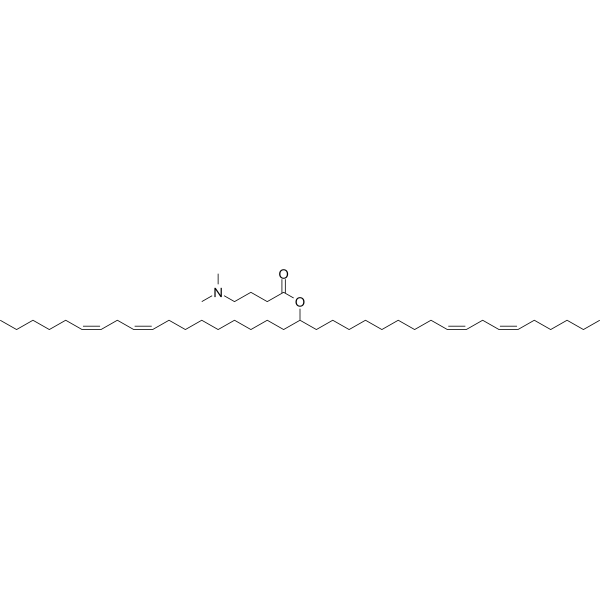
    D-Lin-MC3-DMA
    Maximum Cited Publications
    147 Publications Verification

    Liposome Cancer
    D-Lin-MC3-DMA, an ionizable cationic lipid, is a potent siRNA delivery vehicle.
    D-Lin-MC3-DMA
  • HY-112764
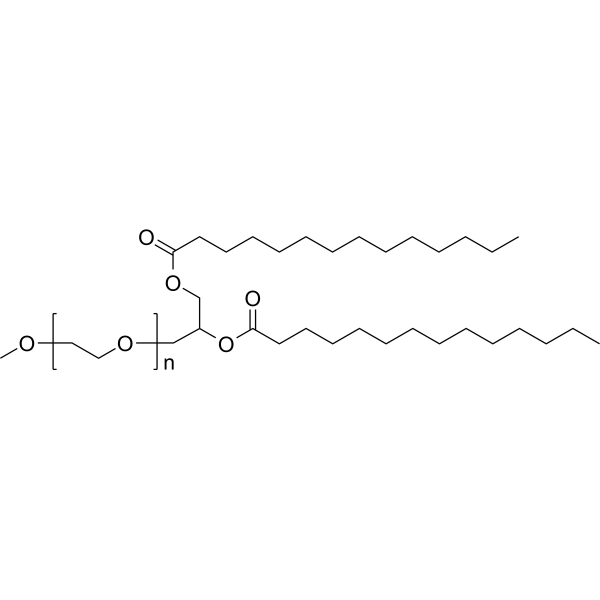
    mPEG2000-DMG
    20+ Cited Publications

    Liposome Metabolic Disease
    DMG-PEG 2000 is used for the preparation of liposome for siRNA delivery with improved transfection efficiency in vitro. DMG-PEG 2000 is also used for the lipid nanoparticle for an oral plasmid DNA delivery approach in vivo through a facile surface modification to improve the mucus permeability and delivery efficiency of the nanoparticles .
    mPEG2000-DMG
  • HY-145405
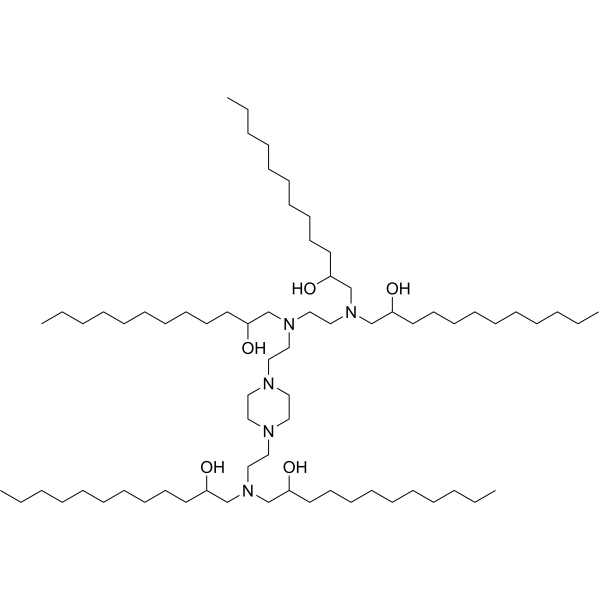
    C12-200
    15+ Cited Publications

    Liposome Others
    C12-200 is a type of ionizable cationic lipid and helper lipid commonly used for mRNA delivery. In the hemophilia B mouse model, mRNA encoding human erythropoietin (EPO) and coagulation factor IX (FIX) can be successfully delivered and expressed using C12-200. C12-200 is utilized in research related to hemophilia B .
    C12-200
  • HY-145799
    5A2-SC8
    1 Publications Verification

    Liposome Cancer
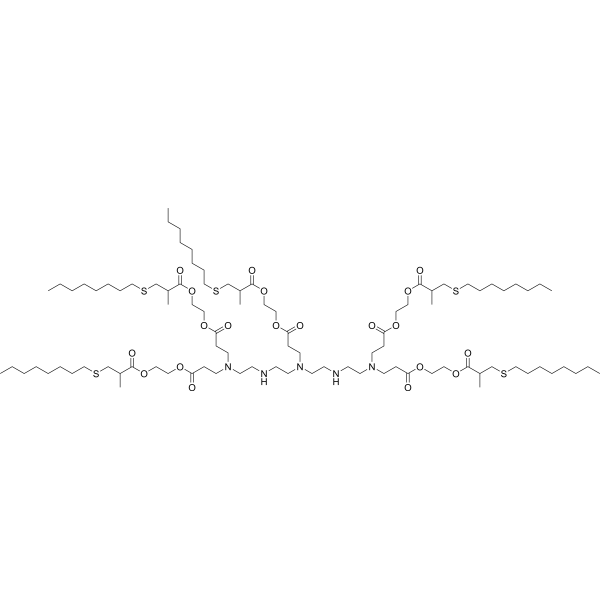
    5A2-SC8 is an ionizable amino lipid in lipid nanoparticles (LNPs) that shows high delivery potential and low in vivo toxicity, enabling efficient delivery of small RNAs such as siRNA and miRNA into tumor cells. 5A2-SC8 LNPs can confer a unique delivery fate of RNA within the liver, thereby changing the therapeutic outcomes in cancer models .
    5A2-SC8
  • HY-168374
    DSPE-PEG2000-Mannose
    1 Publications Verification

    Biochemical Assay Reagents Liposome Small Interfering RNA (siRNA) Cancer
    DSPE-PEG 2000-Mannose is a mannose-containing lipid. DSPE-PEG 2000-Mannose is used to prepare mannose-conjugated Liposome (Man-lipo) for siRNA delivery. Mannose-modified liposomes encapsulating IDO siRNA (Man-lipo-siIDO) preferentially knock down IDO expression in the draining lymph nodes and spleens of melanoma-bearing mice. Man-lipo-siIDO delays the onset time of melanoma and reduces tumor volume .
    DSPE-PEG2000-Mannose
  • HY-112758
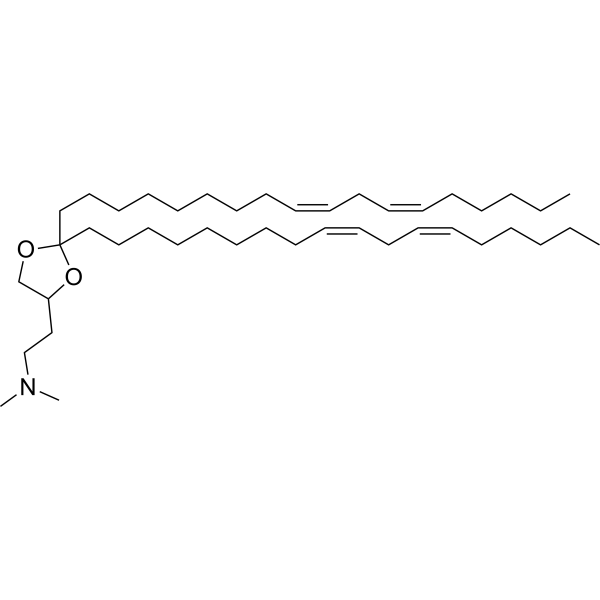
    DLin-KC2-DMA
    5+ Cited Publications

    Liposome Others
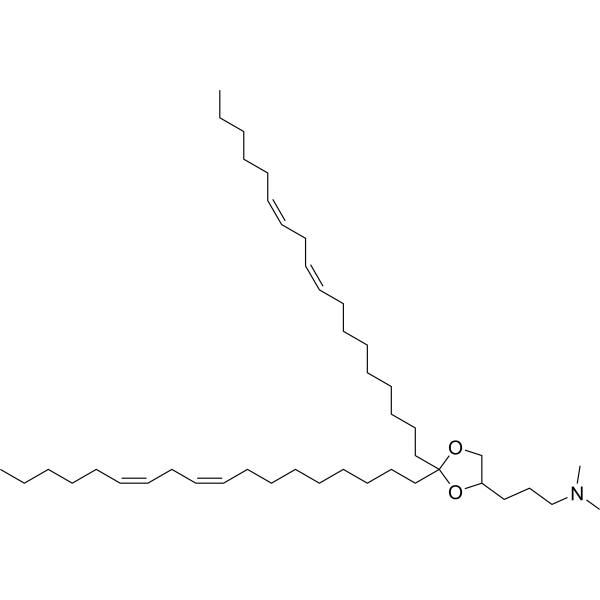
    DLin-KC2-DMA is an ionisable cationic lipid (pKa≈6) that is virtually non-toxic to antigen presenting cells (APCs). DLin-KC2-DMA produces significant siRNA-mediated gene silencing of GAPDH, when binds to lipid nanoparticles (LNP). DLin-KC2-DMA can be used in siRNA delivery studies .
    DLin-KC2-DMA
  • HY-P5423

    Exosomes Liposome Cancer
    GALA is a pH-responsive amphipathic peptide consisting of 30 amino acids, which acts as a lung endothelium-targeting ligand. GALA undergoes a conformational transition from random coil to α-helix in an acidic environment at pH 5.0, thereby inducing endosomal membrane destabilization and fusion. GALA-modified liposomes traverse lung endothelial cells via clathrin-dependent endocytosis and transcytosis, and specifically accumulate in the lungs after intravenous injection. GALA significantly promotes the cytosolic release of cargos carried by exosomes, plasmids and liposomes, effectively enhances gene transfection efficiency, and drives gene knockdown of functional macromolecules (such as siRNA) in alveolar epithelial cells (with no significant cytotoxicity at effective concentrations). GALA serves as a critical tool for studies on lung cancer metastasis (e.g., melanoma lung metastasis) and lung-targeted drug delivery systems .
    GALA
  • HY-168399

    Liposome Cancer
    PEG(2000)-C-DMG is a PEGylated derivative of 1,2-Dimyristoyl-sn-glycerol (HY-128468). PEG(2000)-C-DMG can be used in combination with other lipids in the formation of lipid nanoparticles (LNPs) for the delivery of siRNA .
    PEG(2000)-C-DMG
  • HY-150150F

    Small Interfering RNA (siRNA) Inflammation/Immunology
    Cy3-siRNA Negative Control is Cy3-labeled SiRNA Negative Control (HY-150150). Cy3-siRNA Negative Control can be used for easy visualization and assessment of transfection efficiency.
    Cy3-siRNA Negative Control
  • HY-112757
    DLinDMA
    3 Publications Verification

    Liposome Others
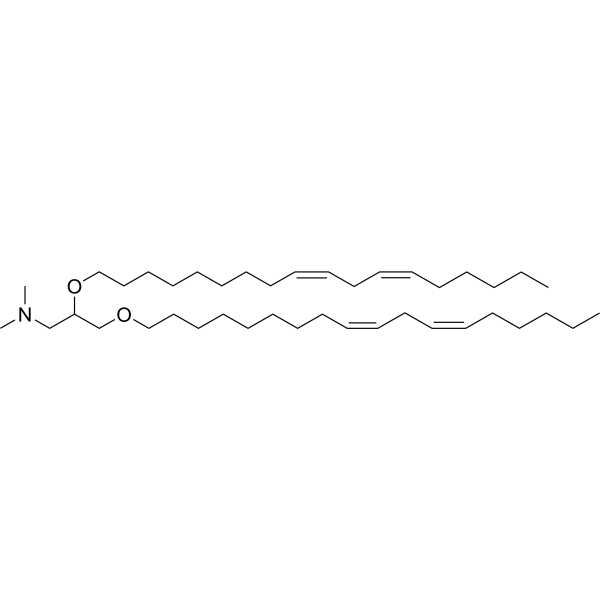
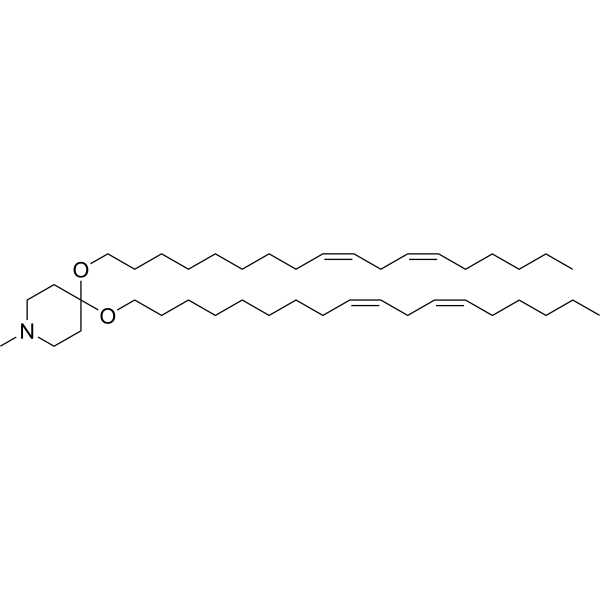
    DLinDMA, a ionizable cationic lipid, is a key lipid component of stable nucleic acid lipid particles (SNALPs) as a benchmark. DLinDMA is used for siRNA delivery .
    DLinDMA
  • HY-147012

    Drug Intermediate Others
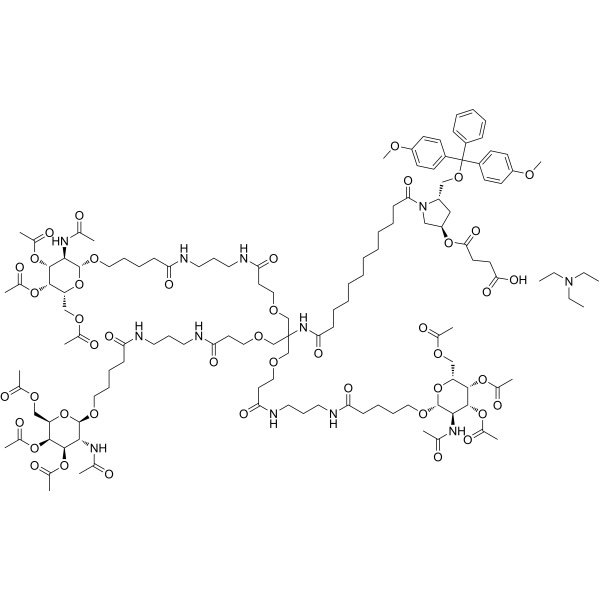
    GalNAc-L96, a triantennary N-acetylgalactosamine (GalNAc), is a ligand of asialoglycoprotein receptor (ASGPR). GalNAc-L96 can be used to synthesize GalNAc-siRNA and can be used for oligonucleotide delivery .
    GalNAc-L96
  • HY-172279A

    Liposome Cancer
    DSPE-PEG2000-TAT is a cell-penetrating peptide-modified PEGylated phospholipid conjugate and cellular uptake enhancer. DSPE-PEG2000-TAT forms via conjugation of Cys-TAT to DSPE-PEG2000-Mal. DSPE-PEG2000-TAT enhances liposomal cellular uptake and siRNA transfection efficiency in glomerular mesangial and macrophage cells. DSPE-PEG2000-TAT can be used for drug delivery .
    DSPE-PEG2000-TAT
  • HY-147087

    Liposome Cancer
    YSK 05 is a pH-sensitive cationic lipid. YSK 05 improves the intracellular trafficking of non-viral vectors. YSK 05-MEND shows significantly good gene silencing activity and hemolytic activity. YSK 05 overcomes the suppression of endosomal escape by PEGylation. YSK 05 effectively enhances siRNA delivery both in vitro and in vivo .
    YSK 05
  • HY-145225

    Liposome Others
    DLin-K-C3-DMA, a cationic lipid, can be used in the synthesis of nucleic acid-lipid particle to delivery of nucleic acid .
    DLin-K-C3-DMA
  • HY-N1446A
    Glycerol Monoleate
    55+ Cited Publications

    Endogenous Metabolite Others
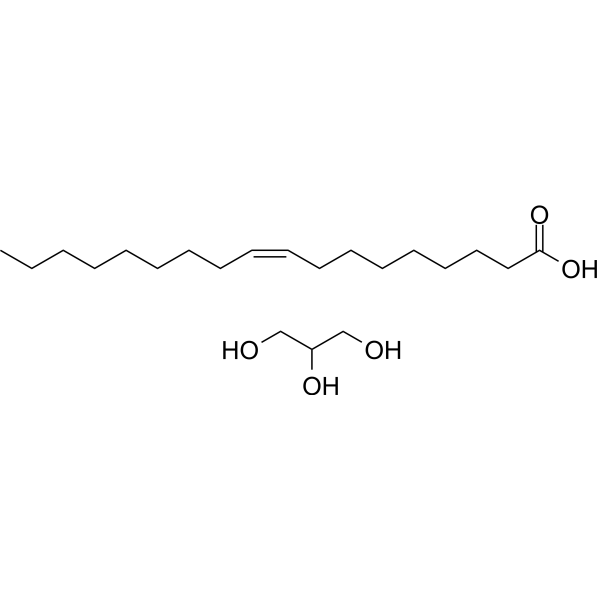
    Glycerol Monoleate is a non-toxic, biodegradable, biocompatible, lipophilic glycerol fatty acid ester. Glycerol Monoleate exhibits hemolytic properties. Glycerol Monoleate is combined with bile salts for use as an emulsifier and absorption enhancer. Glycerol Monoleate can be applied in drug delivery systems and in vitro siRNA delivery .
    Glycerol Monoleate
  • HY-112772A
    98N12-5
    1 Publications Verification

    Liposome Others
    98N12-5 is a novel multi-tail ionizable lipids that has been used for efficient in vivo siRNA-delivery to the liver.
    98N12-5
  • HY-173247

    C-type Lectin-like Receptors (CTLRs) Others
    GalNAc-NAG37 phosphoramidite is an N-acetylgalactosamine (GalNAc) derivative that acts as a ligand for the asialoglycoprotein receptor (ASGPR). GalNAc-NAG37 phosphoramidite can be used to synthesize GalNAc-siRNA and for oligonucleotide delivery .
    GalNAc-NAG37 phosphoramidite
  • HY-148855

    Liposome Others
    OF-C4-Deg-Lin is an ionizable lipid with varied linker lengths. OF-C4-Deg-Lin can be used in the generation of lipid nanoparticles (LNPs) for the delivery of siRNA and mRNA .
    OF-C4-Deg-Lin
  • HY-P4086

    RABV nAChR Neurological Disease Cancer
    Chimeric Rabies Virus Glycoprotein Fragment (RVG-9R) is a cell-penetrating peptide that is synthesized by adding nona-arginine motif to the carboxy terminus of RVG (rabies virus glycoprotein). Chimeric Rabies Virus Glycoprotein Fragment (RVG-9R) binds to
    nAChR
    on neuronal cells to mediate receptor-mediated endocytosis and targeted siRNA delivery. Chimeric Rabies Virus Glycoprotein Fragment (RVG-9R) protects complexed siRNA from degradation, enhances transcellular siRNA delivery in neuronal cells, and promotes efficient, pecific gene silencing. Chimeric Rabies Virus Glycoprotein Fragment (RVG-9R) can be used for the researches of neurological disease and cancer .
    Chimeric Rabies Virus Glycoprotein Fragment (RVG-9R)
  • HY-147266

    VIR-2218 sodium

    Small Interfering RNA (siRNA) HBV Infection
    Elebsiran (VIR-2218) sodium is a siRNA that targets and degrades hepatitis B virus (HBV) and hepatitis D virus (HDV) RNA transcripts. Elebsiran sodium leads to a significant decrease in HBV surface antigen (HBsAg) and a reduction in viral load. Elebsiran sodium binds to the sialic acid-depleted glycoprotein receptor (ASGPR) on the surface of liver cells through the GalNAc ligand, achieving liver-targeted delivery and demonstrating improved liver safety. Elebsiran sodium can be used for the study of chronic HBV/HDV infections .
    Elebsiran sodium
  • HY-154974

    Liposome Cancer
    LNP Lipid-8 (11-A-M) is an ionizable single-tail multi-head lipid that can be used as a lipid nanoparticle (LNP) to deliver siRNA to T cells without targeting ligands. LNP Lipid-8 is more selective for T cells than other cell types such as hepatocytes. LNP Lipid-8 selectively delivers siRNA/sgRNA to T cells (especially CD8+ T cells) through endogenous lipid transport pathways, and can enter cells and release RNA through endocytosis to achieve gene silencing. LNP Lipid-8 loaded with GFP siRNA (siGFP) significantly led to GFP gene silencing in mouse models. LNP Lipid-8 showed good efficacy and safety in both cells and animals, without obvious liver targeting and toxicity. LNP Lipid-8 can be used for RNA delivery research in the fields of tumor immunotherapy and T cell-mediated autoimmune diseases .
    LNP Lipid-8
  • HY-148702

    Liposome Cancer
    di-Pal-MTO is a palm oil-based lipid produced by combining the anticancer agent mitoxantrone (MTO) with palmitoleic acid. When nanoparticles of mono-Pal-MTO and di-Pal-MTO are combined in a molar ratio of 1:1, they show effective siRNA cell delivery and enhance anticancer activity .
    di-Pal-MTO
  • HY-160852

    Liposome Inflammation/Immunology
    YSK 12C4 is an ionizable cationic lipid primarily used to enhance siRNA cellular delivery via multifunctional envelope-type nanodevices (MEND). YSK 12C4 promotes siRNA uptake and endosomal escape, effectively silencing genes in human immune cell lines .
    YSK 12C4
  • HY-P4118

    Penetrating analog

    Amino Acid Derivatives Peptide-Drug Conjugates (PDCs) Others
    EB1 peptide (Penetrating analog) is an endosomolytic agent and siRNA delivery agent. EB1 peptide forms an amphipathic alpha helix upon protonation in early-late endosomes, drives endosomal membrane permeabilization, and enables endocytosed siRNA escape into the cytosol. EB1 peptide facilitates biologically active siRNA cellular uptake and targeted gene silencing. EB1 peptide forms complexes with siRNA. EB1 peptide can be used for drug delivery research .
    EB1 peptide
  • HY-160554

    Liposome Infection Inflammation/Immunology
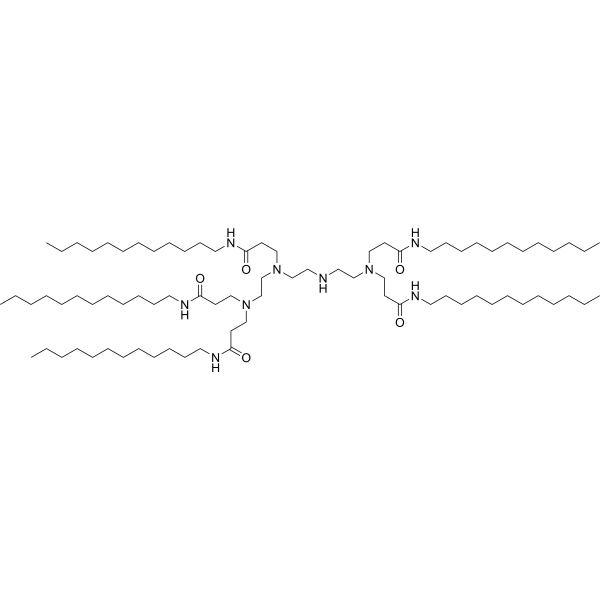
    C12-113 is a lipidoid delivery agent that can be used to transfect siRNA into cells. C12-113 can also be combined with other lipids to form lipid nanoparticles (LNPs) for the delivery of mRNA encoding the spike glycoprotein of severe acute respiratory syndrome coronavirus 2 (SARS-CoV-2) in mice .
    C12-113
  • HY-112763

    Liposome Inflammation/Immunology
    CLinDMA, a cationic lipid, can cause inflammatory response. CLinDMA can be used for the synthesis LNP201. LNP201 is a liposome assembly for systemic delivery of siRNA .
    CLinDMA
  • HY-153184

    Asialoglycoprotein Receptor (ASGPR) Small Interfering RNA (siRNA) Metabolic Disease
    GalNAc-L96 free base is a conjugate of GalNAc and its ligand L96. When conjugated with the A-rich HCV sequence (H12), GalNAc-L96 free base binds potently to ASGPR, with a Ki value of 10.4 nM. GalNAc-L96 free base promotes siRNA delivery to hepatocytes .
    GalNAc-L96 free base
  • HY-112251GL

    Liposome Cancer
    D-Lin-MC3-DMA (GMP Like) is the GMP Like class D-Lin-MC3-DMA (HY-112251). GMP small molecules works appropriately as an auxiliary reagent for cell therapy manufacture. D-Lin-MC3-DMA, an ionizable cationic lipid, is a potent siRNA delivery vehicle.
    D-Lin-MC3-DMA (GMP Like)
  • HY-P4087

    HIV Infection Cancer
    Cys(Npys)-(Arg)9 is a synthetic cationic cell-penetrating peptide with a reversible thiol-reactive nitropyridyl (Npys) group. Cys(Npys)-(Arg)9 efficiently mediates the internalization and delivery of various "cargo" such as proteins and antibodies by forming reversible disulfide bonds with surface-exposed cysteine residues. Cys(Npys)-(Arg)9 endows TALEN proteins with cell-penetrating activity, enabling gene knockout in mammalian cells and protein transduction in wheat microspores. Cys(Npys)-(Arg)9 can be conjugated with antibodies to form cationized IgG for enhancing endosomal escape of oligonucleotides, or form siRNA delivery complexes. When the molar ratio of Cys(Npys)-(Arg)9 to loaded molecules is higher than 1:1, it exerts certain cytotoxic effects on cells. Cys(Npys)-(Arg)9 can be used in studies related to oral squamous cell carcinoma and HIV infection .
    Cys(Npys)-(Arg)9
  • HY-145799A
    5A2-SC8 TFA
    1 Publications Verification

    Liposome Cancer
    5A2-SC8 TFA is an ionizable amino lipid in lipid nanoparticles (LNPs) that shows high delivery potential and low in vivo toxicity, enabling efficient delivery of small RNAs such as siRNA and miRNA into tumor cells. 5A2-SC8 TFA LNPs can confer a unique delivery fate of RNA within the liver, thereby changing the therapeutic outcomes in cancer models .
    5A2-SC8 TFA
  • HY-153137

    304O13

    Liposome Cancer
    Tri-N-tridecyl 3-(ethyl(methyl)amino)propanoate is a biodegradable lipid prepared by the conjugate addition of alkylamines to acrylates. Tri-N-tridecyl 3-(ethyl(methyl)amino)propanoate can be used in various drug delivery systems to deliver polynucleotides, siRNA for example .
    Tri-N-tridecyl 3-(ethyl(methyl)amino)propanoate
  • HY-112251S

    Isotope-Labeled Compounds Others
    D-Lin-MC3-DMA- 13C3 is the 13C labeled D-Lin-MC3-DMA. D-Lin-MC3-DMA, an ionizable cationic lipid, is a potent siRNA delivery vehicle .
    D-Lin-MC3-DMA-13C3
  • HY-P10514

    Small Interfering RNA (siRNA) Others
    Transportan 10 is a derivative of Transportan (HY-P1732) and is an amphiphilic cell penetrating peptide (CPP). Transportan 10 helps molecules penetrate cell membrane barriers by directly interacting with the lipid bilayer. Transportan 10 can be used in gene therapy or siRNA delivery vector research .
    Transportan 10
  • HY-147266A

    VIR-2218

    HBV Small Interfering RNA (siRNA) Infection
    Elebsiran (VIR-2218) is a siRNA that targets and degrades hepatitis B virus (HBV) and hepatitis D virus (HDV) RNA transcripts. Elebsiran leads to a significant decrease in HBV surface antigen (HBsAg) and a reduction in viral load. Elebsiran binds to the sialic acid-depleted glycoprotein receptor (ASGPR) on the surface of liver cells through the GalNAc ligand, achieving liver-targeted delivery and demonstrating improved liver safety. Elebsiran can be used for the study of chronic HBV/HDV infections .
    Elebsiran
  • HY-178106

    Drug Intermediate Cancer
    SCN2 is a esterase-responsive prodrug-based amphiphile composed of SN38 (HY-13704) and di-(triazole-[12]aneN3, N) moiety through a 7‑carbon alkyl chains. SCN2 has excellent self-assembly and reversible siRNA condensation capabilities as well as anti-proliferation activity against cancer cells. SCN2 can be used for synthesis of nanoparticles for drug delivery of lung cancer .
    SCN2
  • HY-145796

    Liposome Others
    503O13 is a degradable ionizable lipid for siRNA delivery.
    503O13
  • HY-112764GL

    Liposome Metabolic Disease
    DMG-PEG 2000 (GMP Like) is DMG-PEG 2000 (HY-112764) produced by using GMP like guidelines. GMP Like small molecules works appropriately as an auxiliary reagent for cell therapy manufacture. DMG-PEG 2000 is used for the preparation of liposome for siRNA delivery with improved transfection efficiency in vitro. DMG-PEG 2000 is also used for the lipid nanoparticle for an oral plasmid DNA delivery approach in vivo through a facile surface modification to improve the mucus permeability and delivery efficiency of the nanoparticles .
    DMG-PEG 2000 (GMP Like)
  • HY-P10055A
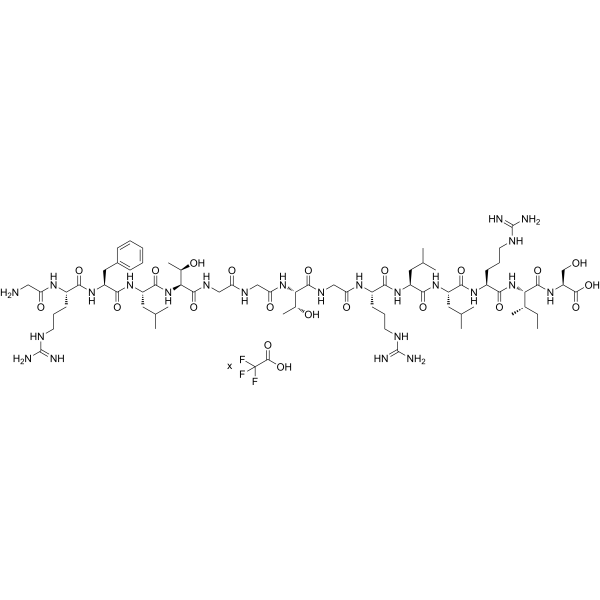
    PSMA targeting peptide TFA
    1 Publications Verification

    PSMA-1 TFA

    PSMA Cancer
    PSMA targeting peptide TFA (PSMA-1 TFA) is a PSMA targeting peptide (GRFLTGGTGRLLRIS) and can be used for targeted delivery of glucose-regulated protein (GRP)-silencing siRNAs in PCa cells .
    PSMA targeting peptide TFA
  • HY-W1049124A

    Liposome Cancer
    PEG5000-C-DMG is a PEGylated derivative of 1,2-Dimyristoyl-sn-glycerol (HY-128468). PEG5000-C-DMG can be combined with other lipids to form lipid nanoparticles (LNPs) for the delivery of siRNA .
    PEG5000-C-DMG
  • HY-P10055

    PSMA-1

    PSMA Cancer
    PSMA-1 is a PSMA targeting peptide (GRFLTGGTGRLLRIS) and can be used for for targeted delivery of glucose-regulated protein (GRP)-silencing siRNAs in PCa cells. PSMA-1 is selected and polyarginine sequences R6 or R9 were added at the C terminus to generate the CTPs. FITC labeling of the peptide with an aminohexanoic acid (Ahx) linker at the N terminus produced FITC-PSMA-1,to track PSMA binding on PCa cells .
    PSMA targeting peptide
  • HY-P4087B

    HIV Others
    Cys(Npys)-(Arg)9 acetate is a synthetic cationic cell-penetrating peptide with a reversible thiol-reactive nitropyridyl (Npys) group. Cys(Npys)-(Arg)9 acetate efficiently mediates the internalization and delivery of various "cargo" such as proteins and antibodies by forming reversible disulfide bonds with surface-exposed cysteine residues. Cys(Npys)-(Arg)9 acetate endows TALEN proteins with cell-penetrating activity, enabling gene knockout in mammalian cells and protein transduction in wheat microspores. Cys(Npys)-(Arg)9 acetate can be conjugated with antibodies to form cationized IgG for enhancing endosomal escape of oligonucleotides, or form siRNA delivery complexes. When the molar ratio of Cys(Npys)-(Arg)9 acetate to loaded molecules is higher than 1:1, it exerts certain cytotoxic effects on cells. Cys(Npys)-(Arg)9 acetate can be used in studies related to oral squamous cell carcinoma and HIV infection .
    Cys(Npys)-(Arg)9 acetate
  • HY-172535

    Lipase Inflammation/Immunology Cancer
    Lipid OA2 dihydrochloride is an ionizable cationic lipid that can be used to prepare single-component lipid nanoparticles for siRNA delivery. Lipid OA2 dihydrochloride can effectively deliver SOCS1-siRNA to dendritic cells, silence the SOCS1 gene, and enhance their antigen-presenting ability and pro-inflammatory factor secretion capacity .
    Lipid OA2 dihydrochloride
  • HY-P11083

    HBV Cancer
    Xentry is a cell-penetrating peptide (CCP) consisting of only 7 amino acids of hepatitis B virus: LCLRPVG. Xentry-linked anti-B-raf antibodies and siRNAs demonstrates the capability to kill B-raf-dependent melanoma cells. Xentry alone or conjugated to β-galactosidase leads to its delivery to most tissues in mice, except circulating blood cells. Xentry can be used for the delivery of large molecules (antibodies, siRNA, enzymes) .
    Xentry
  • HY-163044

    Liposome Infection
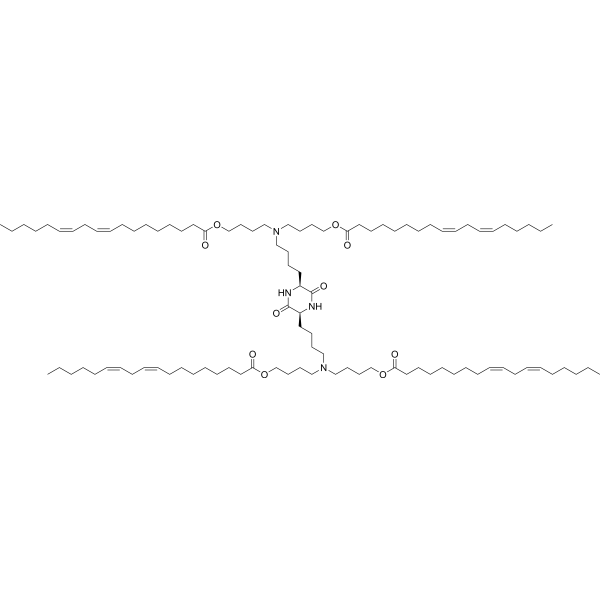
    C12-SPM is a lipid that mediates siRNA delivery. C12-SPM has no significant cytotoxicity and can be used for research on hepatoviral diseases .
    C12-SPM
  • HY-W005729

    Biochemical Assay Reagents Others
    β-D-Galactosamine pentaacetate is an intermediate in the synthesis of triantennary N-Acetylgalactosamine ligands. β-D-Galactosamine pentaacetate can be studied in liver-targeted delivery of siRNA research .
    β-D-Galactosamine pentaacetate
  • HY-153371

    Liposome Others
    50-C2-C9-4tail has been used in the generation of lipid nanoparticles (LNPs) for the delivery of siRNA and mRNA in vitro and in vivo.
    50-C2-C9-4tail
  • HY-P11000

    Biochemical Assay Reagents Others
    INF7TAT is an amphipathic peptide containing the influenza HA2 sequence and the TAT peptide (HY-P0281). INF7TAT can associate with other macromolecules through non-covalent associations. INF7TAT can be used for non-toxic delivery of siRNAs .
    INF7TAT
  • HY-160569

    Liposome Inflammation/Immunology
    C14-SPM is a polyamine branched-chain lipidoid that can be used for the delivery of siRNA .
    C14-SPM
  • HY-145523

    Liposome Others
    OH-Chol is a cationic cholesterol derivative. OH-Chol can be used for siRNA delivery and gene silencing .
    OH-Chol
  • HY-168370

    Liposome Inflammation/Immunology Cancer
    YHS-12 is an ionizable cationic lipid, which can be used to synthesize lipid nanoparticles (LNPs) for the delivery of siRNA and mRNA .
    YHS-12

Inquiry Online

Your information is safe with us. * Required Fields.

Salutation


Country or Region *

Applicant Name *


Organization Name *

Department *


Email Address *


Product Name *

Cat. No.


Requested quantity *

Phone Number *


Remarks

Inquiry Online

Inquiry Information

Product Name:
Cat. No.:
Quantity:
MCE Japan Authorized Agent:

