


1. Search Result
Search Result
Results for "

skin care

" in MedChemExpress (MCE) Product Catalog:

38

Inhibitors & Agonists

1

Fluorescent Dyes

16

Biochemical Assay Reagents

3

Peptides

12

Natural
Products

1

Oligonucleotides

Cat. No. Product Name Target Research Areas Chemical Structure
  • HY-Y0335

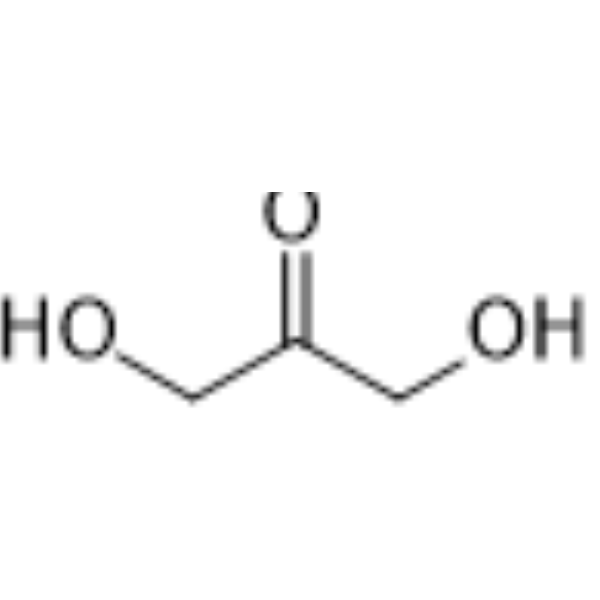
    Dihydroxyacetone

    Bacterial Antibiotic Drug Intermediate Infection
    1,3-Dihydroxyacetone (DHA), the main active ingredient in sunless tanning skin-care preparations and an important precursor for the synthesis of various fine chemicals, is produced on an industrial scale by microbial fermentation of glycerol (HY-B1659) in Gluconobacter oxydans. 1,3-Dihydroxyacetone is also used for synthesis of new biodegradable polymers by combining with lactic acid (HY-B2227) .
    1,3-Dihydroxyacetone
  • HY-125920

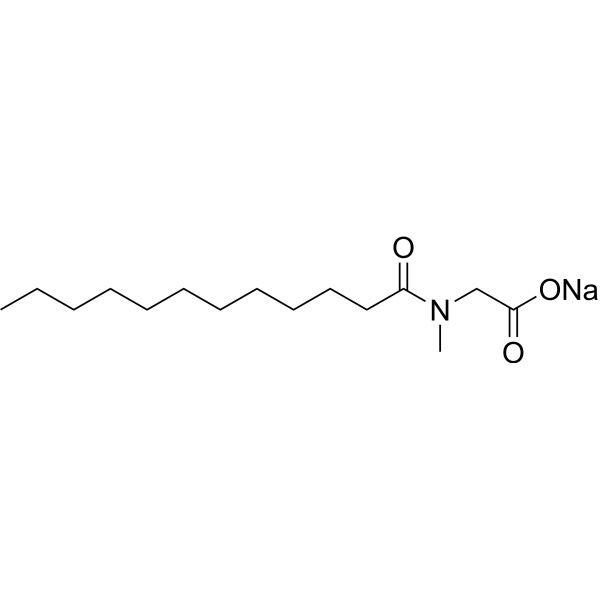
    Sarkosyl NL sodium

    Environmental Pollutants Biochemical Assay Reagents Others
    Lauroylsarcosine sodium is a surfactant commonly used in personal care and cosmetics such as shampoos, facial cleansers and toothpaste. It works by lowering the surface tension of water, allowing it to better penetrate and clean surfaces. Lauroylsarcosine sodium is considered safe for cosmetic use and is approved for use in several countries. However, it can cause skin irritation in high concentrations or with prolonged exposure.
    Lauroylsarcosine sodium
  • HY-N6006

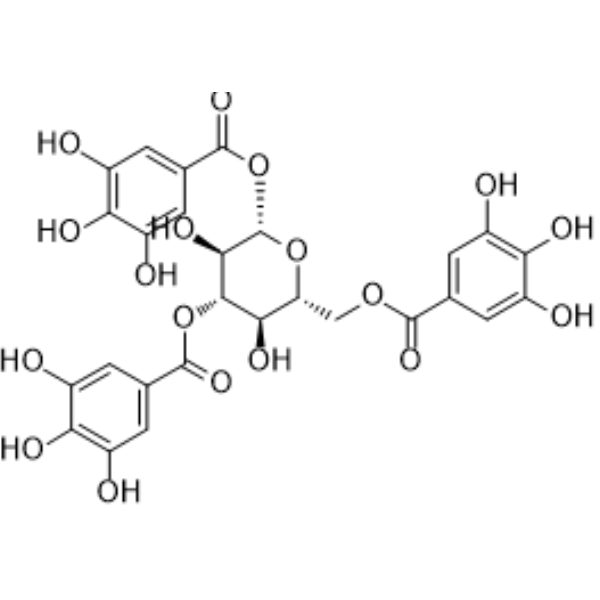
    1,3,6-Tri-O-galloyl-β-D-glucose

    Others Others
    1,3,6-Tri-O-galloyl-beta-D-glucose is a non-covalent inhibitor of tyrosinase (TYR), which can block the rate-limiting step of melanin synthesis and inhibit melanin deposition. 1,3,6-Tri-O-galloyl-beta-D-glucose has antioxidant and anti-inflammatory activities and can be used as a natural active ingredient to develop anti-freckle and whitening skin care products .
    1,3,6-Tri-O-galloyl-beta-D-glucose
  • HY-W099594

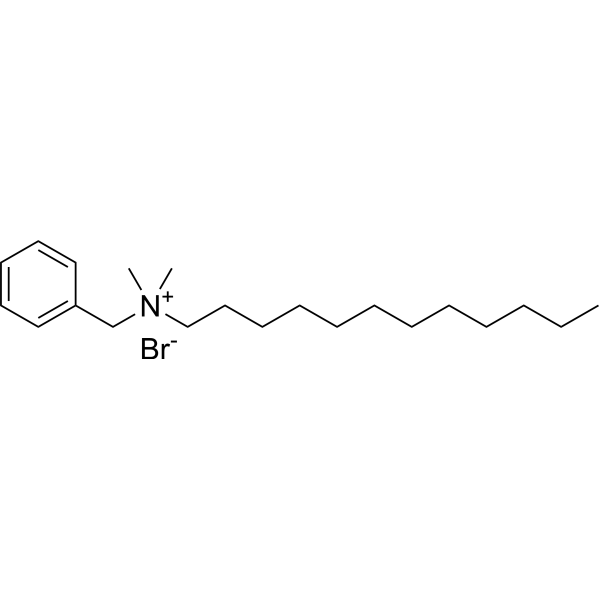
    Benzyldimethyldodecylammonium bromide

    Environmental Pollutants Biochemical Assay Reagents Others
    N-Benzyl-N, N-dimethyldodecan-1-aminium bromide, also known as Benzalkonium Chloride (BAC), is a quaternary ammonium compound widely used as an antimicrobial and surfactant in various industries. BAC is commonly used as a disinfectant and antiseptic in a variety of products including hand sanitizers, disinfectant wipes and eye drops. Its ability to kill bacteria, viruses and fungi makes it an effective tool in preventing the spread of infection. BAC is also used as a preservative and disinfectant in the food industry. It is added to food packaging and processing equipment to prevent the growth of microorganisms and increase the shelf life of foods. Additionally, BACs are found in many household products such as cleaning solutions, fabric softeners and personal care products. Its surfactant properties allow it to be used to reduce surface tension and increase the effectiveness of cleaning agents. Although BAC has many uses, ingestion or exposure to high concentrations of BAC can cause skin irritation and other adverse effects.
    Benzalkonium bromide
  • HY-134120

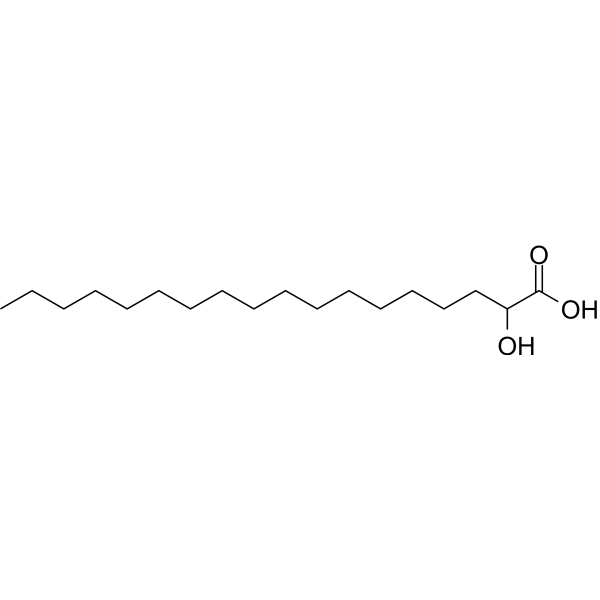
    DL-2-Hydroxystearic acid

    Biochemical Assay Reagents Others
    2-Hydroxystearic acid is an alpha-hydroxy fatty acid commonly used in a variety of personal care products, especially cosmetic and skin care formulations. 2-Hydroxystearic acid has unique chemical properties that make it an effective emulsifier and stabilizer, improving the texture and shelf life of cosmetic products. It also has a potential physiological role in improving skin hydration and elasticity, although its biological function is not fully understood.
    2-Hydroxystearic acid
  • HY-W127534

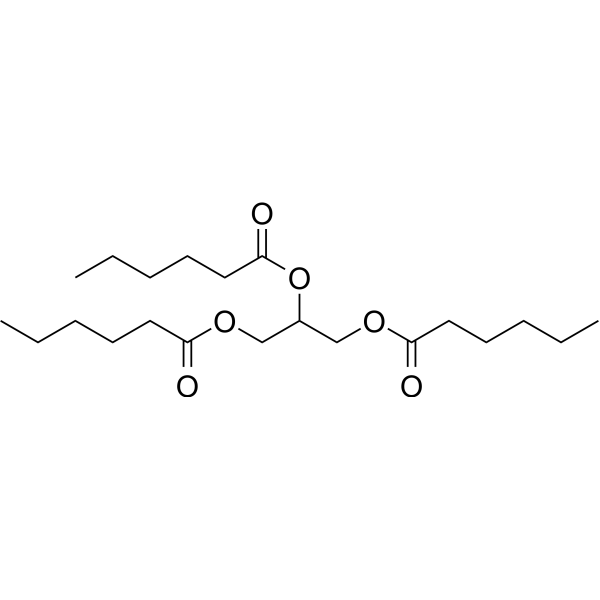
    Trihexanoin

    Biochemical Assay Reagents Others
    TricaproinIt is an organic compound belonging to the class of triacylglycerols. It consists of three molecules of caproic acid esterified to the glycerin backbone, with a mild fatty smell. TricaproinIt has a variety of applications in the cosmetic and personal care industries, especially as an emollient and conditioning agent in skin and hair care products. Additionally, it is used as a lubricant and surfactant in industrial settings.
    Tricaproin
  • HY-P0095

    Angiotensin-converting Enzyme (ACE) Others
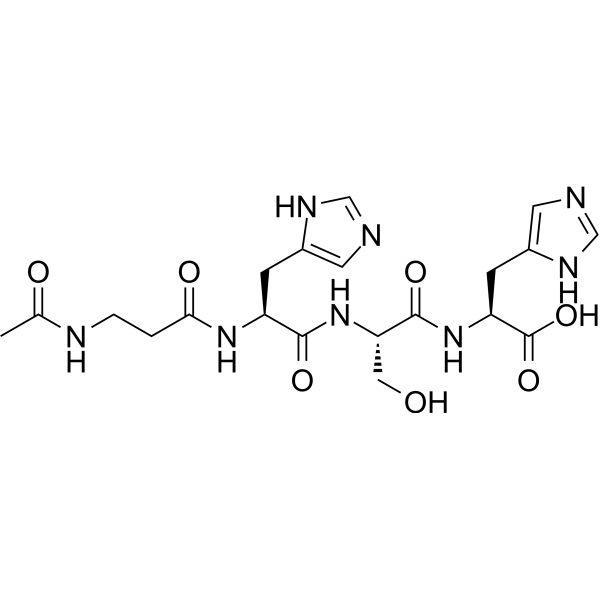
    Acetyl tetrapeptide-5 inhibits glycosylation and ACE-1 activity. Acetyl tetrapeptide-5 reduces edema and relieves vascular pressure by improving the vascular system and strengthening the skin under the eyes. Acetyl tetrapeptide-5 can be used in the research of Antioxidant, anti-aging skin care .
    Acetyl tetrapeptide-5
  • HY-W004295

    Biochemical Assay Reagents Inflammation/Immunology
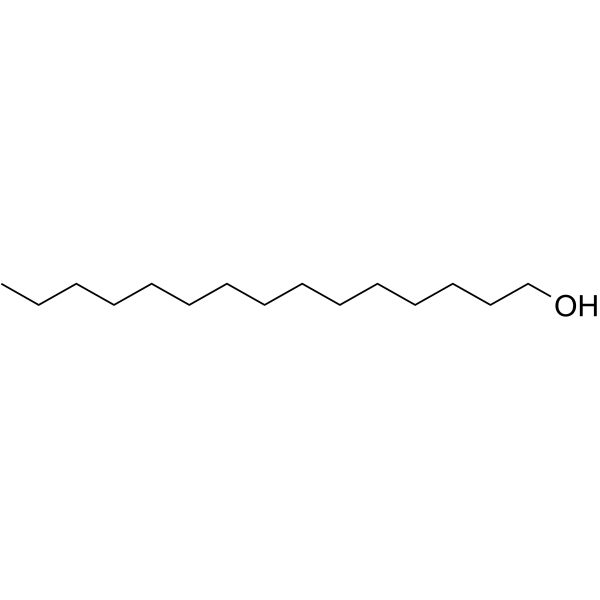
    1-Pentadecanol is a long-chain fatty alcohol. 1-Pentadecanol has anti-comedone activity. 1-Pentadecanol has moisturizing and hydrating properties and can be applied to skin care products. 1-Pentadecanol can be used in the production of surfactants, emulsifiers and lubricants .
    1-Pentadecanol
  • HY-W010807

    Environmental Pollutants Biochemical Assay Reagents Others
    Hexadecyl palmitate is an organic compound commonly used in the cosmetic industry as an emollient, thickener and skin conditioning agent. Cetyl palmitate is derived from a mixture of cetyl alcohol (a fatty alcohol) and palmitic acid (a saturated fatty acid). It is often used in skin care products such as moisturizers, lotions, and creams to improve their texture and Helps them glide smoothly on the skin. In addition to its use in cosmetics, cetyl palmitate is used in other industries including pharmaceuticals, food additives and lubricants. Overall, it's considered safe for use in personal care products, but like any other ingredient, it may cause irritation or an allergic reaction in some people.
    Hexadecyl palmitate
  • HY-W717504

    Drug Derivative
    Glucosylceramide, plant is a plant-derived glycolipid with anti-inflammatory and immunomodulatory activities. Glucosylceramide, plant plays an important role in promoting cell proliferation and repair. Glucosylceramide, plant is widely used in skin care products to enhance skin barrier function. Glucosylceramide, plant has also been studied for improving nervous system health, showing potential neuroprotective effects.
    Glucosylceramide, plant
  • HY-P5220A

    Melitane acetate

    Melanocortin Receptor Others
    Acetyl hexapeptide-1 (Melitane) acetate is a biomimetic peptide that mimics the activity of α-melanocyte-stimulating hormone (α-MSH). Acetyl hexapeptide-1 acetate can regulate muscle contraction, thereby reducing facial expression lines. Acetyl hexapeptide-1 acetate is one of the components of anti-aging skin care essences targeting dynamic wrinkles. Acetyl hexapeptide-1 acetate can be used in studies related to mild photo-aged facial skin and premature graying of hair .
    Acetyl hexapeptide-1 acetate
  • HY-150156

    Drug Derivative Inflammation/Immunology
    Anti-inflammatory agent 32 (compound C3) has anti-oxidative and anti-inflammatory activity. Anti-inflammatory agent 32 can be used for skin care products research and development .
    Anti-inflammatory agent 32
  • HY-D1228

    Fluorescent Dye Others
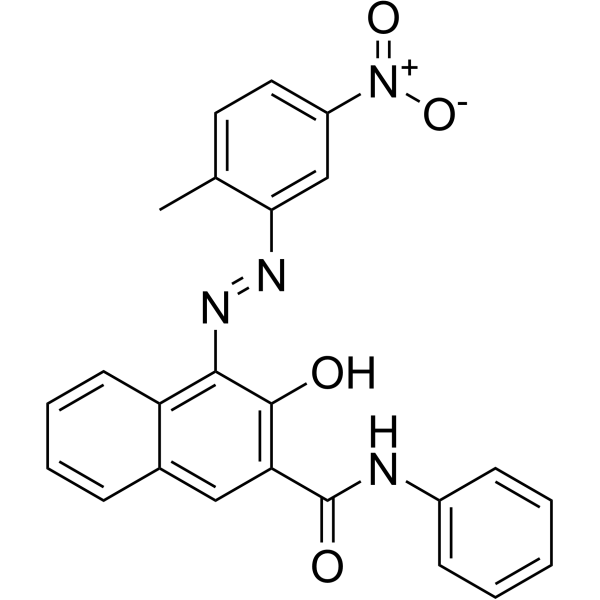
    Pigment Red 22, a coloring agent, is used in the formulation of cleansing products, makeup, moisturizers, and night skin care products.
    Pigment Red 22
  • HY-W127565

    Biochemical Assay Reagents Others
    HexatetracontaneIt is an organic compound belonging to hydrocarbons. It has a high melting point. HexatetracontaneIt has a variety of applications in the cosmetic and personal care industries, especially as an emollient and humectant in skin and hair care products. In addition, it is used as a lubricant and coating agent in industrial environments.
    Hexatetracontane
  • HY-W127465

    Biochemical Assay Reagents Others
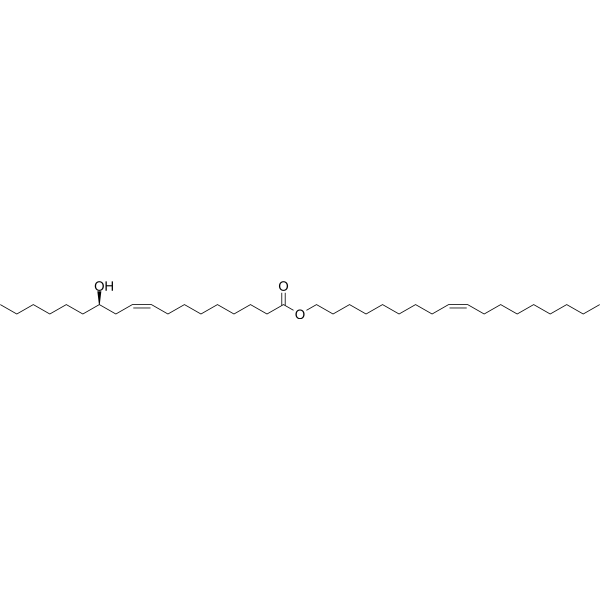
    Oleyl RicinoleateIt is an organic compound belonging to esters. It is formed from the reaction between oleyl alcohol and ricinoleic acid and has a mild fatty odor. Oleyl RicinoleateIt has a variety of applications in the cosmetic and personal care industries, especially as an emollient and conditioning agent in skin and hair care products. Additionally, it is used as a lubricant and plasticizer in industrial settings.
    Oleyl Ricinoleate
  • HY-W250194

    Biochemical Assay Reagents Others
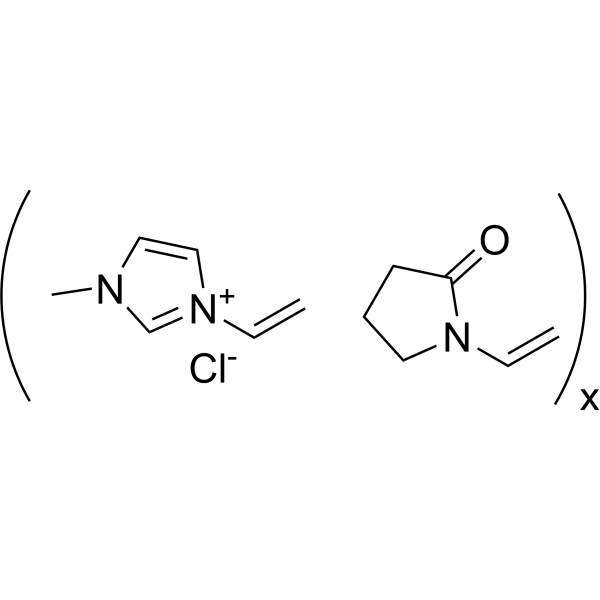
    Luviquat FC 550 is a cationic polymer commonly used in a variety of personal care and cosmetics. It is a viscous liquid containing quaternary ammonium groups which give it a positive charge. Luviquat FC 550 has a variety of properties suitable for these applications including its ability to provide conditioning, antistatic and film-forming properties to hair and skin. In addition, it is used as a binder in oral care products and as a flocculant in industrial water treatment.
    Luviquat FC 550
  • HY-133847

    Laurylamidopropyldimethylamine oxide

    Endogenous Metabolite Others
    LAPAO (Laurylamidopropyldimethylamine oxide) is an amphoteric surfactant with good biocompatibility and surface activity. LAPAO can be used as a detergent and foam enhancer for personal care and household cleaning products. LAPAO is stable at different pH values and can effectively remove dirt and grease. LAPAO also has a conditioning effect and is suitable for use in skin care and hair care products .
    LAPAO
  • HY-W127377

    Biochemical Assay Reagents Others
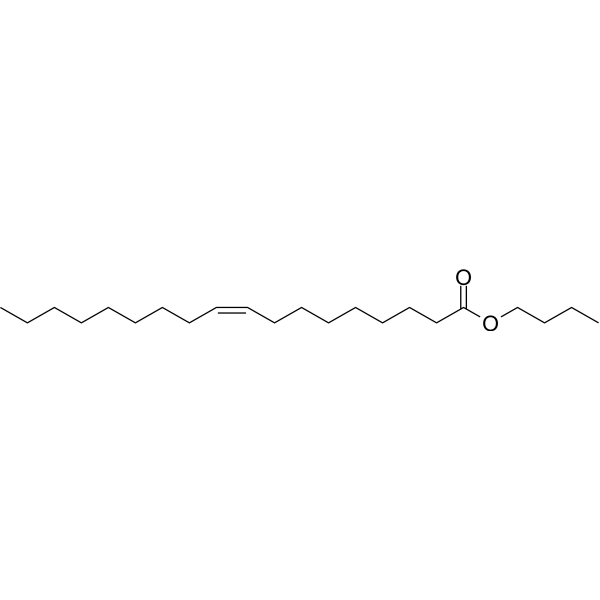
    Butyl oleateIt is an organic compound belonging to esters. It is formed from the reaction of butanol and oleic acid and has a mild fruity smell. Butyl oleateIt has a variety of applications in the cosmetic and personal care industries, especially as an emollient and conditioning agent in skin and hair care products. Additionally, it is used as a lubricant and solvent in industrial settings.
    Butyl oleate
  • HY-W127738

    Vitamin C stearate; Ascorbic acid 6-stearate; Ascorbyl stearate

    Biochemical Assay Reagents Others
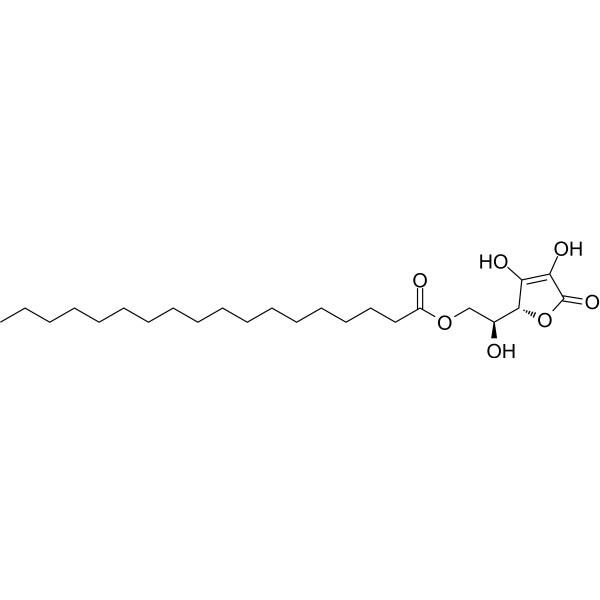
    6-O-Staroyl-L-ascorbic acid is an organic compound commonly used in cosmetics and skin care products. It can be used as an antioxidant and whitening agent, and is widely used in anti-aging, moisturizing and skin repairing. In addition, this compound is used as a catalyst or buffer in certain chemical reactions.
    6-O-Stearoyl-L-ascorbic acid
  • HY-W127437

    Octadecanoic acid, octadecyl ester

    Biochemical Assay Reagents Others
    Stearyl StearateIt is an organic compound belonging to esters. It is formed from the reaction between stearyl alcohol and stearic acid and has a mild fatty odor. Stearyl stearate has several applications in the cosmetic and personal care industries, especially as an emollient and conditioning agent in skin and hair care products. Additionally, it is used as a lubricant and surfactant in industrial settings.
    Stearyl Stearate
  • HY-125920R

    Sarkosyl NL sodium (Standard)

    Biochemical Assay Reagents Reference Standards Others
    Lauroylsarcosine (sodium) (Standard) is the analytical standard of Lauroylsarcosine (sodium). This product is intended for research and analytical applications. Lauroylsarcosine sodium is a surfactant commonly used in personal care and cosmetics such as shampoos, facial cleansers and toothpaste. It works by lowering the surface tension of water, allowing it to better penetrate and clean surfaces. Lauroylsarcosine sodium is considered safe for cosmetic use and is approved for use in several countries. However, it can cause skin irritation in high concentrations or with prolonged exposure.
    Lauroylsarcosine sodium (Standard)
  • HY-W127549

    cis-6-Octadecenoic acid

    Biochemical Assay Reagents Others
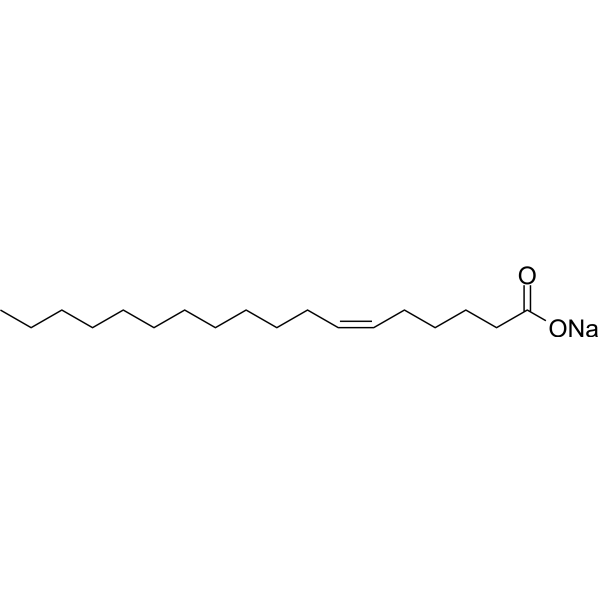
    Petroselinic acid sodium is an organic compound belonging to the class of carboxylic acids. Petroselinic acid sodium has several applications in the cosmetic and personal care industries, especially as an emulsifier and conditioning agent in skin and hair care products. In addition, it has potential utility in inhibiting inflammation-related diseases and cancer.
    Petroselinic acid sodium
  • HY-W717735

    Endogenous Metabolite
    Monononadecanoin is a lipid compound with anti-inflammatory and antioxidant activities. Monononadecanoin is often used as a moisturizer and skin repair ingredient in skin care products. Monononadecanoin also has the function of improving flavor and extending shelf life in food additives.
    Monononadecanoin
  • HY-W010807R

    Biochemical Assay Reagents Reference Standards Others
    Hexadecyl palmitate (Standard) is the analytical standard of Hexadecyl palmitate. This product is intended for research and analytical applications. Hexadecyl palmitate is an organic compound commonly used in the cosmetic industry as an emollient, thickener and skin conditioning agent. Cetyl palmitate is derived from a mixture of cetyl alcohol (a fatty alcohol) and palmitic acid (a saturated fatty acid). It is often used in skin care products such as moisturizers, lotions, and creams to improve their texture and Helps them glide smoothly on the skin. In addition to its use in cosmetics, cetyl palmitate is used in other industries including pharmaceuticals, food additives and lubricants. Overall, it's considered safe for use in personal care products, but like any other ingredient, it may cause irritation or an allergic reaction in some people.
    Hexadecyl palmitate (Standard)
  • HY-148854

    Drug Derivative Collagen Others
    L-Ascorbate-2-sulfate disodium (page 46) is a pharmacologically acceptable salt of the L-Ascorbic acid (HY-B0166G) derivative. L-Ascorbate-2-sulfate disodium stimulates collagen synthesis and possess skin-care functions including an elimination function of active oxygen .
    L-Ascorbate sulfate disodium
  • HY-Y0335R

    Dihydroxyacetone (Standard)

    Reference Standards Drug Intermediate Bacterial Antibiotic Infection
    1,3-Dihydroxyacetone (Standard) is the analytical standard of 1,3-Dihydroxyacetone. This product is intended for research and analytical applications. 1,3-Dihydroxyacetone (DHA), the main active ingredient in sunless tanning skin-care preparations and an important precursor for the synthesis of various fine chemicals, is produced on an industrial scale by microbial fermentation of glycerol (HY-B1659) in Gluconobacter oxydans. 1,3-Dihydroxyacetone is also used for synthesis of new biodegradable polymers by combining with lactic acid (HY-B2227) .
    1,3-Dihydroxyacetone (Standard)
  • HY-N18763

    Others Others
    Capsicum fruit extract can be used in skin, lip, and hair care preparations.
    Capsicum fruit extract
  • HY-N18682

    Bacterial Infection Inflammation/Immunology
    Lonicera caprifolium extract has anti-inflammatory, antibacterial, whitening, anti-aging, anti-allergic and moisturizing effects, and is mainly used in research on hand sanitizers, skin care products and skin contact cleaning products.
    Lonicera caprifolium extract
  • HY-N18699

    Others Others
    The main active ingredient bisabolol contained in the Chamomilla Recutita Flower Extract has a good skin care effect, and it is widely used in functional cosmetics.
    Chamomilla recutita flower extract
  • HY-N18647

    Others Others
    Hamamelis Virginiana Extract is made from the dried bark of witch hazel as a raw material. It is a raw material for plant cosmetics with a variety of skin care effects.
    Hamamelis virginiana extract
  • HY-N18767

    Others Others
    Poria Cocos Extract is obtained from the dried sclerotia of the fungus Poria cocos. It has a variety of skin care effects and is widely used in functional cosmetics.
    Poria cocos extract
  • HY-W127565R

    Biochemical Assay Reagents Reference Standards Others
    Hexatetracontane (Standard) is the analytical standard of Hexatetracontane. This product is intended for research and analytical applications. HexatetracontaneIt is an organic compound belonging to hydrocarbons. It has a high melting point. HexatetracontaneIt has a variety of applications in the cosmetic and personal care industries, especially as an emollient and humectant in skin and hair care products. In addition, it is used as a lubricant and coating agent in industrial environments.
    Hexatetracontane (Standard)
  • HY-N18692

    Others Others
    Cactus Extract is obtained from the rhizome of the plant cactus, and saponin compounds are one of the main effective ingredients in the cactus. It has a certain skin care effect, and can be used as cosmetics material.
    Cactus flower extract
  • HY-N18768

    Others Metabolic Disease
    Leontopodium Alpinum Extract is a fully water-soluble botanical cosmetic raw material, obtained from the Asteraceae plant Edelweiss. Its main component is ferulic acid, which is an organic acid with strong skin care activity.
    Leontopodium alpinum extract
  • HY-W127534R

    Trihexanoin (Standard)

    Biochemical Assay Reagents Reference Standards Others
    Tricaproin (Standard) is the analytical standard of Tricaproin. This product is intended for research and analytical applications. TricaproinIt is an organic compound belonging to the class of triacylglycerols. It consists of three molecules of caproic acid esterified to the glycerin backbone, with a mild fatty smell. TricaproinIt has a variety of applications in the cosmetic and personal care industries, especially as an emollient and conditioning agent in skin and hair care products. Additionally, it is used as a lubricant and surfactant in industrial settings.
    Tricaproin (Standard)
  • HY-N1409

    Drug Derivative Inflammation/Immunology
    Ambroxdiol is a diterpenoid compound with anti-inflammatory activity. Ambroxdiol can be used as an active ingredient in the preparation of preparations for inhibiting inflammatory responses, and can also be used as an anti-inflammatory ingredient in cosmetic preparations for skin and mucous membrane care. Ambroxdiol is applicable to the research of inflammatory diseases .
    Ambroxdiol
  • HY-W004295R

    Reference Standards Others Inflammation/Immunology
    1-Pentadecanol (Standard) is the analytical standard of 1-Pentadecanol. This product is intended for research and analytical applications. 1-Pentadecanol is a long-chain fatty alcohol. 1-Pentadecanol has anti-comedone activity. 1-Pentadecanol has moisturizing and hydrating properties and can be applied to skin care products. 1-Pentadecanol can be used in the production of surfactants, emulsifiers and lubricants.
    1-Pentadecanol (Standard)
  • HY-P11626

    Collagen Metabolic Disease
    Cyclo(Ala-Hyp) is an orally effective collagen-derived hydroxyproline-containing cyclic dipeptide that can be isolated from the culture supernatant of Lactobacillus plantarum. Cyclo(Ala-Hyp) has an AUC0-6h of 2.350 μg/mL·h, significantly higher than traditional collagen oligopeptides. Cyclo(Ala-Hyp) can be used in research related to liver and kidney function protection, skin care, and joint health.
    Cyclo(Ala-Hyp)

Inquiry Online

Your information is safe with us. * Required Fields.

Salutation


Country or Region *

Applicant Name *


Organization Name *

Department *


Email Address *


Product Name *

Cat. No.


Requested quantity *

Phone Number *


Remarks

Inquiry Online

Inquiry Information

Product Name:
Cat. No.:
Quantity:
MCE Japan Authorized Agent:

