


1. Search Result
Search Result
Results for "

solid form

" in MedChemExpress (MCE) Product Catalog:

45

Inhibitors & Agonists

2

Screening Libraries

2

Fluorescent Dye

9

Biochemical Assay Reagents

4

Peptides

4

Inhibitory Antibodies

3

Natural
Products

3

Isotope-Labeled Compounds

3

Oligonucleotides

Cat. No. Product Name Target Research Areas Chemical Structure
  • HY-D0175
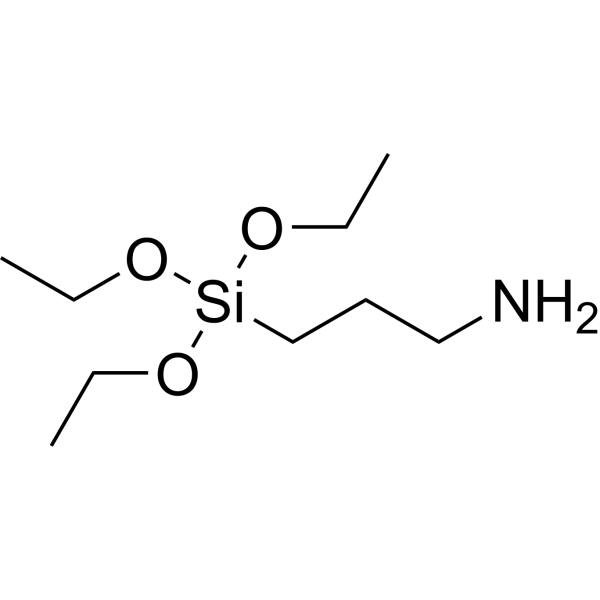
    3-Aminopropyltriethoxysilane
    2 Publications Verification

    γ-Aminopropyltriethoxysilane; APTES

    Biochemical Assay Reagents Others
    3-Aminopropyltriethoxysilane (APTES) acts as a strong glue to immobilize biomolecules such as antibodies and enzymes to silicon and silicon derivatives such as silicon nitride (Si3N4 )) on. 3-Aminopropyltriethoxysilane also acts as a spacer, providing biomolecules with more spatial freedom during immobilization for higher specific activity. 3-Aminopropyltriethoxysilane can form a more stable, sensitive, and highly biocompatible bioanalytical platform by immobilizing biomolecules onto some solid materials, electrode materials, nanomaterials, and nanocomposites .
    3-Aminopropyltriethoxysilane
  • HY-10999A
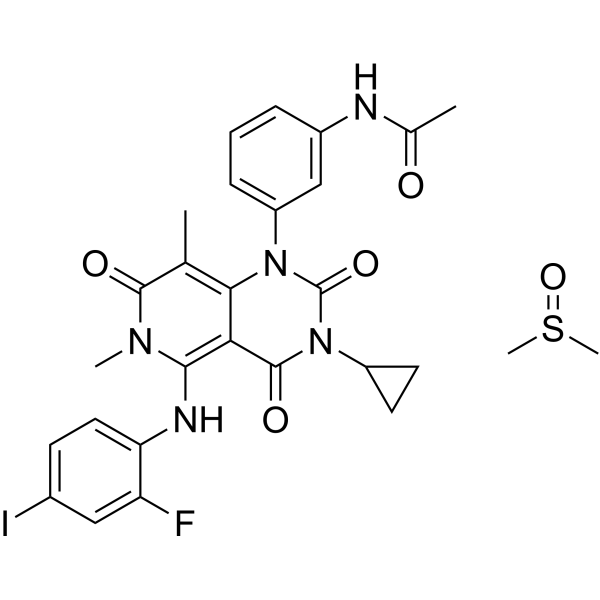
    Trametinib (DMSO solvate)
    Maximum Cited Publications
    286 Publications Verification

    GSK-1120212 (DMSO solvate); JTP-74057 (DMSO solvate)

    MEK Apoptosis Cancer
    Trametinib (DMSO solvate) (GSK-1120212 (DMSO solvate)) is an orally active MEK inhibitor that inhibits MEK1 and MEK2 with IC50s of about 2 nM. Trametinib (DMSO solvate) activates autophagy and induces apoptosis . This product is in solid form, a DMSO solvate, and a stable crystalline form.
    Trametinib (DMSO solvate)
  • HY-113217
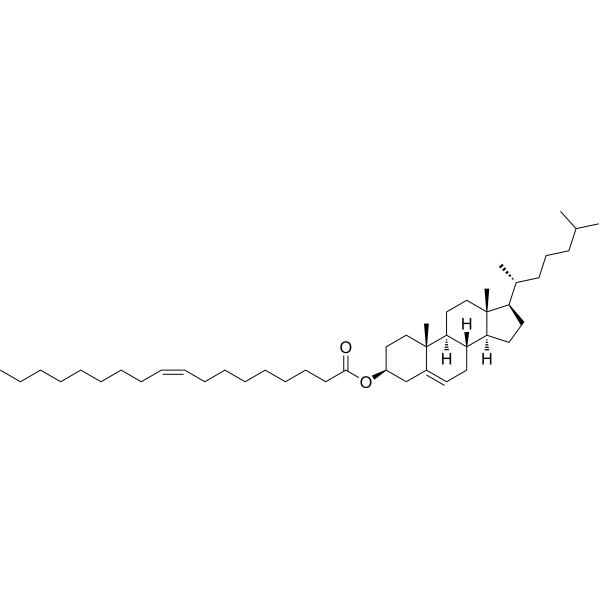
    Cholesteryl oleate
    1 Publications Verification

    Liposome Endogenous Metabolite Metabolic Disease Cancer
    Cholesteryl oleate is an ester compound formed from Cholesterol (HY-N0322) and Oleic acid (HY-N1446), which is involved in lipid transport, storage and cell membrane formation in living organisms. Cholesteryl oleate may serve as a potential biomarker for prostate cancer. Cholesteryl oleate can also prepare cationic solid lipid nanoparticles (SLNs) for efficient gene silencing .
    Cholesteryl oleate
  • HY-152963

    Antibody-Drug Conjugates (ADCs) Inflammation/Immunology Cancer
    Tisotumab vedotin is an antibody drug conjugate (ADC) targeting tissue factor (TF), formed by covalently linking a fully human monoclonal antibody (TF-011) against TF with the microtubule disruptor Monomethyll Auristatin E (MMAE) (HY-15162), and the drug-linker conjugate for ADC is VcMMAE (HY-15575). Tisotumab vedotin has immunomodulatory and anti-tumor activities, and can be used in the study of advanced or metastatic solid tumors such as cervical cancer .
    Tisotumab vedotin
  • HY-142104

    2-Chlorotrityl Chloride Resin (100-200 mesh,1% DVB,0.4-3.0mmol/g)

    Drug Intermediate Cancer
    2-CTC Resin (100-200 mesh,1% DVB,0.4-3.0mmol/g) is a solid-phase synthesis carrier that has been used to study metabolic disorders in prostate cancer cells. 2-CTC Resin (100-200 mesh,1% DVB,0.4-3.0mmol/g) can be used as a reaction solution of terminal residues and adenine nucleotides to form cyclic peptides. 2-CTC Resin (100-200 mesh,1% DVB,0.4-3.0mmol/g) can prevent racemization during the incorporation of the first protected amino acid and minimized diketopiperazine formation. 2-CTC Resin (100-200 mesh,1% DVB,0.4-3.0mmol/g) is one of the most commonly used and versatile resins available for large-scale production of peptides .
    2-CTC Resin (100-200 mesh,1% DVB,0.4-3.0mmol/g)
  • HY-150105

    BMF-219; Menin-MLL inhibitor 21

    Epigenetic Reader Domain Metabolic Disease Inflammation/Immunology Cancer
    Icovamenib (BMF-219) is a selective, orally active, irreversible Menin inhibitor. Icovamenib forms a stable and irreversible covalent bond with Menin. Icovamenib promotes selective and controlled proliferation of beta cells and improvement of beta cell function in ex vivo human islet cultures. Icovamenib enhances glycemic control in animal diabetic models. Icovamenib induces a dose-dependent enhancement in insulin secretion potentiated by the GLP-1 RA. Icovamenib can be used for the study of multiple hematologic malignancies, solid tumors, and diabetes mellitus, such as diffuse large B-cell lymphoma (DLBCL), multiple myeloma (MM) and chronic lymphocytic leukemia and type 2 diabetes .
    Icovamenib
  • HY-159607

    PROTACs SWI/SNF Complex Cancer
    PRT3789 is a selective SMARCA2 PROTAC degrader (DC50 in HeLa cell: 0.72 nM for SMARCA2, 14 nM for SMARCA4). PRT3789 forms a stable ternary complex with Von Hippel-Lindau (VHL) E3 ligase, induces polyubiquitination at SMARCA2-specific lysine residues, and drives proteasome-dependent SMARCA2 degradation. PRT3789 disrupts SWI/SNF chromatin remodeling complex integrity, induces dissociation of specific subunits, suppresses oncogenic gene expression, reduces chromatin accessibility, and upregulates antigen processing/presentation-related gene expression. PRT3789 induces synthetic lethality, inhibits proliferation and colony formation, and drives tumor growth inhibition and regression in SMARCA4-deficient contexts. PRT3789 can be used for the research of SMARCA4-mutated solid tumors, non-small cell lung cancer, endometrial cancer, colorectal cancer, bladder cancer, esophageal cancer, ovarian cancer, and gastric cancer .
    PRT3789
  • HY-143202

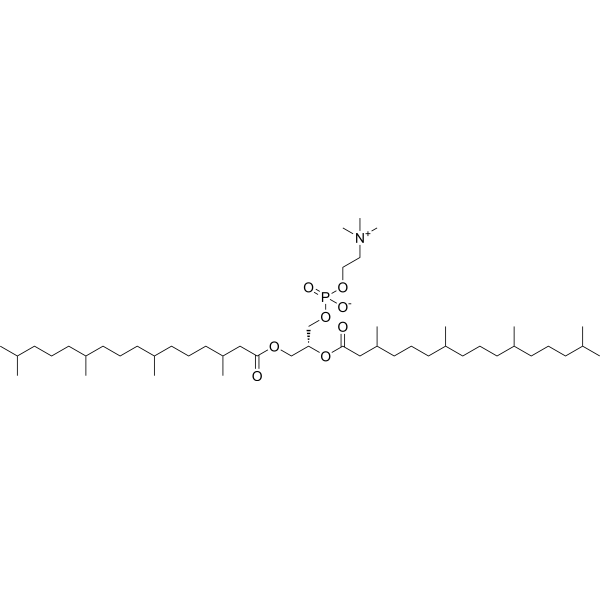
    Liposome Biochemical Assay Reagents Others
    DPhPC is a phospholipid compound characterized by high mechanical and chemical stability, broad temperature phase stability, and high electrical resistance. DPhPC readily forms unilamellar vesicles and solid-supported bilayers. DPhPC is commonly used as a component of nanoliposomal drug carriers or as a model membrane material for studies on membrane proteins/ion channels .
    DPhPC
  • HY-Y0975

    Environmental Pollutants Drug Intermediate Others
    Silver(I) fluoride is a drug intermediate for synthesis of various active compounds. Silver(I) fluoride is a silver(I) complex that can form hydrates in aqueous solutions and in the solid state, enabling its localized application to the tooth decay area for oral health research .
    Silver(I) fluoride
  • HY-Y0973

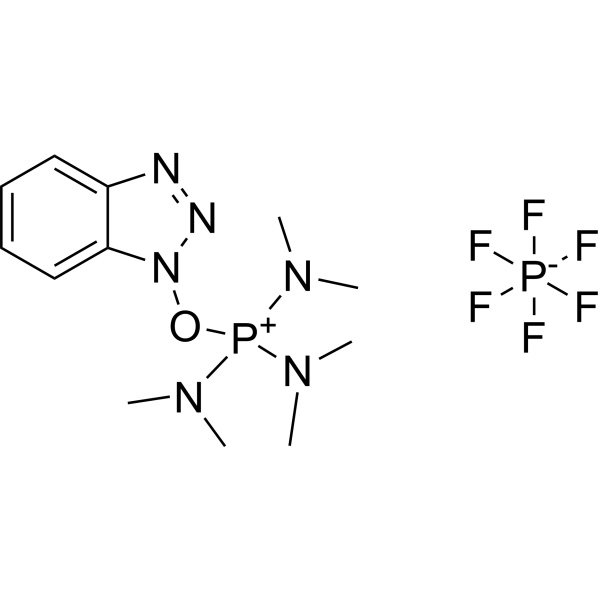
    Biochemical Assay Reagents Drug Intermediate Others
    BOP hexafluorophosphate is a phosphonium-type condensing agent. BOP hexafluorophosphate activates the carboxylic acid component to form a highly reactive O-benzotriazole ester (active ester) intermediate, which then reacts with the amino component to form an amide bond (peptide bond). BOP hexafluorophosphate is applicable to solid-phase polypeptide synthesis and nucleoside modification .
    BOP hexafluorophosphate
  • HY-101530B

    PEG 40 stearate

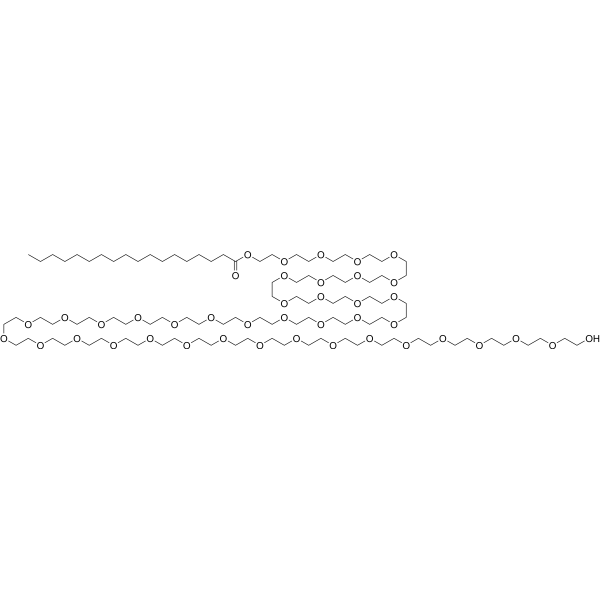
    Biochemical Assay Reagents Others
    Polyoxyl 40 stearate (PEG 40 stearate) is a nonionic surfactant formed by the esterification of stearic acid with polyethylene glycol (PEG) containing approximately 40 ethoxy units, it is widely used in pharmaceutical preparations, nanodrug carriers, emulsification systems and biomedical materials. Polyoxyl 40 stearate can serve as a matrix component of solid lipid nanoparticles to achieve controlled release of encapsulated antifungal drugs; it can also act as a base material for solid lipid nanoparticles for vaginal administration, and polymerizable groups can be introduced via modification with acryloyl chloride .
    Polyoxyl 40 stearate
  • HY-D0219

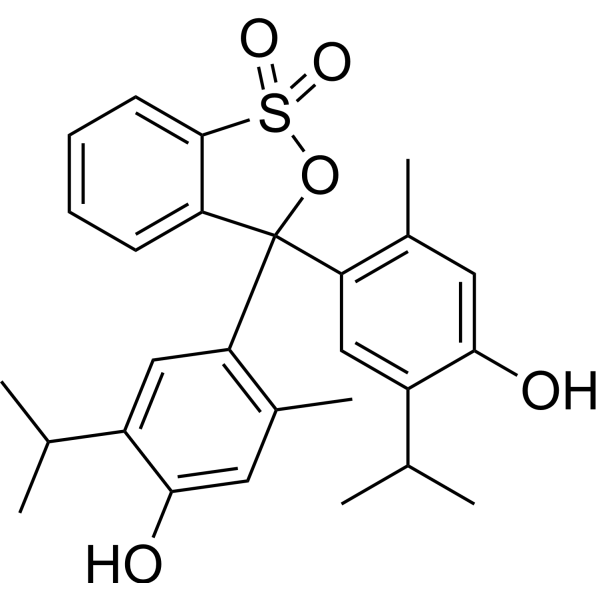
    Thymolsulphonephthalein

    Fluorescent Dye Others
    Thymol blue is a reversible pH indicator that responds to the pH of the solution through structural changes of protonation and deprotonation. Thymol blue is red (HI - form) under acidic conditions and blue (I 2- form) under alkaline conditions. Quantitative detection is achieved through the absorption peak shift (435 nm/596 nm) of the UV-visible spectrum. Thymol blue selectively responds to pH changes, changing from red to yellow at pH 1.2-2.8 and from yellow to blue at pH 8.0-9.6. Thymol blue can be fixed in a silica gel matrix through sol-gel technology to form a solid-state sensor for in-situ pH measurement in the marine environment and acid-base monitoring in the biomedical field[1][2].
    Thymol blue
  • HY-P99740

    CD276/B7-H3 ADC Antibody Cancer
    Mirzotamab is an IgG1κ monoclonal antibody targeting to CD276/B7-H3 with anti-tumor activity. Mirzotamab conjugates with Clezutoclax (HY-137774), a BCL inhibitor to form Mirzotamab clezutoclax (HY-P99741), involving in research with taxane research in relapsed/refractory solid tumors. Mirzotamab clezutoclax (ABBV-155) is a targeted antibody drug conjugate (ADC) .
    Mirzotamab
  • HY-Y0286

    Hartshorn salt, 99%

    Environmental Pollutants Biochemical Assay Reagents Others
    Ammonium carbonate (Ammonium carbonate), 99% is a solid amino compound that functions as a buffer, pH regulator, pore-forming agent, and electrocatalytic oxidation substrate. Ammonium carbonate, 99% is a GRAS-grade direct food additive with no restricted daily intake specified by FAO/WHO, and it shows no acute skin toxicity, clinical signs of toxicity, or effects on body weight in rats. Ammonium carbonate, 99% undergoes electrocatalytic oxidation in alkaline solutions with a Pt/C catalyst (carbonate adsorption interferes with activity). Ammonium carbonate, 99% can serve as a fuel for low-temperature polymer fuel cells and anion exchange membrane fuel cells (with performance superior to pure ammonia), and can also form pores in the carrier-free Pt cathode catalyst layer after low-temperature decomposition, thereby enhancing catalyst activity under low-humidity conditions and the performance of proton exchange membrane fuel cells .
    Ammonium carbonate, 99%
  • HY-77817

    2-formylpyrrole

    Others Others
    Pyrrole-2-carboxaldehyde (2-Formylpyrrole) has vibrational and electronic characteristics used to establish the existence of dimeric form in solid phase and monomeric form in solution phase. Pyrrole-2-carboxaldehyde is a five membered N-heterocyclic system containing pyrrole group as a proton donor and carbonyl group as a proton acceptor .
    Pyrrole-2-carboxaldehyde
  • HY-172615

    Molecular Glues Epigenetic Reader Domain Cancer
    AMPTX-1 is a selective, orally active, covalent reversible BRD9 molecular glue degrader with a DC50 of 0.05 nM. AMPTX-1 selectively recruits BRD9 to the E3 ligase DCAF16. AMPTX-1 forms a ternary complex with BRD9 and a reversible covalent adduct with Cys58 on the surface of DCAF16. AMPTX-1 mediates BRD9 degradation via the proteasome and Cullin RING E3 ligase pathways. AMPTX-1 can be used in the research of solid tumors and hematological malignancies .
    AMPTX-1
  • HY-W102456

    L-4-Acetylphenylalanine

    Biochemical Assay Reagents Amino Acid Derivatives Others
    H-Phe(4-Ac)-OH (L-4-Acetylphenylalanine) is a keto-amino acid that can be converted from α-keto acids containing an acetyl group. H-Phe(4-Ac)-OH can be added to the amber position to form mutant Z-domain proteins. H-Phe(4-Ac)-OH is used as a functional amino acid in peptide modification to achieve chemical bonding between peptides and solid surfaces .
    H-Phe(4-Ac)-OH
  • HY-W010488

    Biochemical Assay Reagents Others
    Dithiooxamide (Rubeanic Acid) is a selective chelating agent and sulfur-containing analog of Oxamide. Dithiooxamide forms stable chelates with various metal ions (such as lead, iron, cadmium, manganese, and aluminum), which can be separated, enriched, and detected by adsorption on solid adsorbents or electrode surfaces .
    Dithiooxamide
  • HY-W142092

    Bacterial Endogenous Metabolite Others
    N-Acetyl-DL-serine is a hydrophobic amino acid that is synthesized in the body and can be found as a free form or as a salt with malonate, phosphate, or acetate. N-Acetyl-DL-serine has antimicrobial activity against Bacillus cereus and Staphylococcus aureus. N-Acetyl-DL-serine has also been used for the immobilization of DNA fragments on solid surfaces and can be used for protein synthesis and optical detection of DNA strands .
    N-Acetyl-DL-serine
  • HY-167840

    PD-1/PD-L1 Neurological Disease Cancer
    IMMH-010 maleate is a prodrug that serves as a novel PD-L1 inhibitor, exhibiting potential antitumor activity for the treatment of neurological disorders and advanced malignant solid tumors. IMMH-010 maleate is rapidly converted to its active form, YPD-29B, following oral administration. IMMH-010 maleate is poised for advancing research in the field of PD-L1 inhibitors and related therapeutic applications.
    IMMH-010 maleate
  • HY-113217S

    Isotope-Labeled Compounds Endogenous Metabolite Others
    Cholesteryl oleate-d7 is deuterium labeled Cholesteryl oleate. Cholesteryl oleate is an ester compound formed from Cholesterol (HY-N0322) and Oleic acid (HY-N1446), which is involved in lipid transport, storage and cell membrane formation in living organisms. Cholesteryl oleate may serve as a potential biomarker for prostate cancer. Cholesteryl oleate can also prepare cationic solid lipid nanoparticles (SLNs) for efficient gene silencing .
    Cholesteryl oleate-d7
  • HY-P10740

    Peptide-Drug Conjugates (PDCs) PSMA Folate Receptor (FR) Cancer
    CBP-1018 is a PDC (peptide-drug conjugate) formed by conjugating Monomethyl auristatin E (HY-15162) to a dual-targeting ligand of FLOR1/PSMA (prostate-specific membrane antigen) via a linker (HY-78738). CBP-1018 binds to FLOR1 and prostate-specific membrane antigen (PSMA). CBP-1018 is applicable to the research of solid tumors and metastatic castration-resistant prostate cancer .
    CBP-1018
  • HY-12455

    ADC Payload Antibiotic DNA Alkylator/Crosslinker Apoptosis Caspase Cancer
    Duocarmycin A is an antitumor antibiotic and DNA alkylating agent with broad-spectrum antibacterial activity, which can serve as a payload for synthesizing antibody-drug conjugates (ADCs). Duocarmycin A selectively binds to the AT-rich minor groove of DNA, forms covalent adducts by alkylating the adenine N3 residue, thereby disrupting DNA structure and inhibiting its replication and transcription. Duocarmycin A induces apoptosis, sub-G1 phase accumulation and chromatin condensation, reduces the levels of pro-caspase-3/9, and induces p53-independent p21 expression. Duocarmycin A is widely used in the research of various malignancies, including leukemia, sarcoma, glioblastoma, as well as multiple solid tumor models such as lung cancer, breast cancer, and colorectal cancer .
    Duocarmycin A
  • HY-P2302

    Antibiotic Bacterial Fungal Infection Inflammation/Immunology Cancer
    Defensin HNP-3 human is an α-defensin stored in the azurophilic granules of human neutrophils. Defensin HNP-3 human exerts broad-spectrum bactericidal, antifungal and antiviral activities mainly by forming bacterial membrane pores, and acts as a chemoattractant for monocytes and T cells. Defensin HNP-3 human maintains epithelial integrity to support periodontal tissue homeostasis, and exerts concentration-dependent effects on epithelial cell proliferation, adhesion and bacterial adhesion. Defensin HNP-3 human targets solid tumors and leukemia by inducing single-strand DNA breaks and membrane permeabilization in tumor cells via electrostatic binding and pore formation. Defensin HNP-3 human is abundant in human tongue squamous cell carcinoma and neutrophils infiltrating oral squamous cell carcinoma. Defensin HNP-3 human can be applied to research related to periodontitis and human tongue squamous cell carcinoma .
    Defensin HNP-3 human
  • HY-178078

    Drug Intermediate Cancer
    PTX-SS-COOH is the proform that can be grafted to the sulfhydryl modified gelatin to form the redox sensitive amphiphilic polymer. The nanoparticle (BSA/Gel-SS-PTX/PTX-SS-COOH NPs) demonstrates an excellent anticancer efficiency. PTX-SS-COOH can be applied in the research of targeted delivery for solid tumors (such as breast cancer and melanoma) by utilizing the unique characteristics of the tumor microenvironment (high GSH level) .
    PTX-SS-COOH
  • HY-D0219A

    Fluorescent Dye Others
    Thymol Blue sodium is an acid-base indicator used to indicate changes in pH. Thymol Blue sodium fades from red to yellow at pH 1.2 to 2.8 and from yellow to blue at pH 8.0 to 9.6. Quantitative detection is achieved through the absorption peak shift (435 nm/596 nm) of the UV-visible spectrum. Thymol blue sodium can be fixed in a silica gel matrix through sol-gel technology to form a solid-state sensor for in-situ pH measurement in the marine environment and acid-base monitoring in the biomedical field .
    Thymol Blue sodium
  • HY-W115798

    Magnesium citrate tribasic nonahydrate, 99%

    Biochemical Assay Reagents Others
    Trimagnesium dicitrate nonahydrate, 99% (Magnesium citrate tribasic nonahydrate, 99%) is an orally active magnesium salt of citric acid in the nonahydrate form. Trimagnesium dicitrate nonahydrate, 99% used as a stabilizer and anticaking agent in food supplements in solid and chewable forms .
    Trimagnesium dicitrate nonahydrate, 99%
  • HY-W127403

    Cholesteryl trans-9-octadecenoate

    Biochemical Assay Reagents Others
    Cholesteryl elaidate is an organic compound belonging to the class of esters. It is formed from the reaction between cholesterol and elaidic acid, producing a white crystalline solid with a mildly sweet taste. Cholesteryl elaidate has several applications in the pharmaceutical industry, particularly as a bioactive compound with potential research potential for improving a range of medical conditions, such as high cholesterol and inflammation-related diseases. Additionally, it has potential applications as a food additive to improve texture and stability.
    Cholesteryl elaidate
  • HY-135325R

    Drug Metabolite Reference Standards Inflammation/Immunology
    Pyrrole-2-carboxaldehyde (Standard) is the analytical standard of Pyrrole-2-carboxaldehyde. This product is intended for research and analytical applications. Pyrrole-2-carboxaldehyde has vibrational and electronic characteristics used to establish the existence of dimeric form in solid phase and monomeric form in solution phase .
    4-Hydroxyacetophenone oxime (Standard)
  • HY-125630

    Biochemical Assay Reagents Others
    Decacyclene is a large polycyclic aromatic hydrocarbon with a triple symmetry. Decacyclene is a three-blade molecular propeller in the solid state, and crystal structure analysis shows that the molecule has a non-planar twisted form, and the crystal is chiral, which may correspond to the enantiomers of the Decacyclene propeller. Decacyclene can be used for research in chemical synthesis and materials science .
    Decacyclene
  • HY-77817R

    2-formylpyrrole (Standard)

    Reference Standards Others Others
    Pyrrole-2-carboxaldehyde (2-Formylpyrrole) (Standard) is the analytical standard of Pyrrole-2-carboxaldehyde. This product is intended for research and analytical applications. Pyrrole-2-carboxaldehyde has vibrational and electronic characteristics used to establish the existence of dimeric form in solid phase and monomeric form in solution phase. Pyrrole-2-carboxaldehyde is a five membered N-heterocyclic system containing pyrrole group as a proton donor and carbonyl group as a proton acceptor .
    Pyrrole-2-carboxaldehyde (Standard)
  • HY-W127444

    Biochemical Assay Reagents Others
    N,N-Dimethyldodecanamide is an organic compound belonging to amides. It consists of a dodecyl chain attached to a nitrogen atom and two methyl groups, forming a white crystalline solid with a faint waxy odour. N,N-Dimethyldodecanamide has several applications in industrial settings, notably as a solvent, lubricant and surfactant. In addition, it can also be used as an intermediate in the synthesis of various chemicals and drugs.
    N,N-Dimethyldodecanamide
  • HY-113217S1

    Isotope-Labeled Compounds Endogenous Metabolite Others
    Cholesteryl oleate-d7-1 is deuterium labeled Cholesteryl oleate. Cholesteryl oleate is an ester compound formed from Cholesterol (HY-N0322) and Oleic acid (HY-N1446), which is involved in lipid transport, storage and cell membrane formation in living organisms. Cholesteryl oleate may serve as a potential biomarker for prostate cancer. Cholesteryl oleate can also prepare cationic solid lipid nanoparticles (SLNs) for efficient gene silencing .
    Cholesteryl oleate-d7-1
  • HY-167680

    GSK823093

    Endogenous Metabolite Metabolic Disease
    Denagliptin (GSK823093) is a small molecule dipeptidyl peptidase IV (DPP-4) inhibitor with activity for the suppression of endocrine and metabolic diseases. Denagliptin can be used to study type 2 diabetes. Denagliptin is stable in the solid state but degrades in solution and in mixtures with various excipients. Denagliptin also exhibits degradation in capsules, mainly through cyclization reactions to form (3S,7S,8aS) aminoamines to provide further synthetic materials. The degradation pathway of Denagliptin was elucidated, providing data to support its formulation development and regulatory filings .
    Denagliptin
  • HY-403689

    Biochemical Assay Reagents Others
    Fmoc-PNA-J(Boc)-OH is a nucleobase-modified PNA monomer (2-aminopyridine PNA monomer M) with Fmoc and Boc protecting groups, used for solid-phase synthesis of PNAs that form stable Hoogsteen triple helices with double-stranded RNA at physiologically relevant conditions .
    Fmoc-PNA-J(Boc)-OH
  • HY-180472

    Biochemical Assay Reagents Others
    2,4-TDI dimer is a dimer formed by the polymerization of two molecules of toluene-2,4-diisocyanate (2,4-TDI). 2,4-TDI dimer is mainly used for the preparation of long-lasting inner layer materials for solid rocket engines .
    2,4-TDI dimer
  • HY-P992316

    Claudin ADC Antibody Cancer
    ATG-022 Antibody is a humanized monoclonal antibody targeting Claudin 18.2 (CLDN 18.2). ATG-022 Antibody binds with VcMMAE (HY-15575) to form an Antibody-Drug Conjugate (ADC). ATG-022 Antibody can be used for the research of advanced/metastatic solid tumors and gastric cancer .
    ATG-022 Antibody
  • HY-P992130

    TQB2102 Antibody

    ADC Antibody EGFR Cancer
    Rolditamig (TQB2102 Antibody) is a recombinant humanized anti-human epidermal growth factor receptor 2 (HER2) antibody. Rolditamig can be conjugated with an enzyme-cleavable linker and a topoisomerase I inhibitor to form the ADC TQB2102. Rolditamig is applicable to research on solid tumors such as HER2-positive breast cancer .
    Rolditamig
  • HY-143202S1

    Isotope-Labeled Compounds Others
    DPhPC-d78 is the deuterium labeled DPhPC (HY-143202). DPhPC is a phospholipid compound characterized by high mechanical and chemical stability, broad temperature phase stability, and high electrical resistance. DPhPC readily forms unilamellar vesicles and solid-supported bilayers. DPhPC is commonly used as a component of nanoliposomal drug carriers or as a model membrane material for studies on membrane proteins/ion channels .
    DPhPC-d78
  • HY-186081

    Drug Metabolite Metabolic Disease
    Ramiprilat acyl-β-D-glucuronide is an acyl glucuronide metabolite of Ramiprilat (HY-B0279). Ramiprilat acyl-β-D-glucuronide undergoes methylation on its glucuronic acid moiety during solid phase extraction with strong cation exchanger cartridges, forming a methylated derivative. Ramiprilat acyl-β-D-glucuronide undergoes in-source conversion to Ramiprilat in mass spectrometry, with conversion extent proportional to declustering potential voltage .
    Ramiprilat acyl-β-D-glucuronide
  • HY-79587

    Biochemical Assay Reagents Others
    Benzil is a 1,2-diketone compound with multiple functions including photo-peroxidation initiator, crosslinking initiator and pattern-forming agent, and is commonly used as a precursor for photodegradable network crosslinkers. In oxygen-purged polymer films or glassy matrices, Benzil reacts with molecular oxygen under illumination at wavelengths greater than 370 nm or 400 nm, and converts to benzoyl peroxide in nearly quantitative yield. Subsequently, the generated benzoyl peroxide groups produce free radicals via thermal or photochemical decomposition, thereby enabling crosslinking of polymer chains, grafting of new monomers, and preparation of patterned polymers on solid surfaces using mask irradiation. Benzil also induces crosslinking of photodegradable poly (phenyl vinyl ketone) to form a stable photodegradable polymer network .
    Benzil
  • HY-183253

    Drug-Linker Conjugates for ADC Eukaryotic Initiation Factor (eIF) EGFR Cancer
    DL149 is a component of an antibody-drug conjugate (ADC) formed by conjugating the eIF4A inhibitor FD236 (HY-186186) with an ADC linker, and exhibits potential antitumor activity. DL149 can bind to an anti-HER2 antibody to form a complete ADC molecule, which precisely binds to the HER2 receptor on the surface of tumor cells. After internalization into cells, it releases the eIF4A inhibitor payload. DL149 irreversibly blocks the mRNA translation process in tumor cells, thereby inhibiting tumor cell proliferation and inducing their death. DL149 exhibits in vivo antitumor activity in the SK-OV-3 xenograft tumor model, and can be used for the research of HER2-positive solid tumors .
    DL149
  • HY-185006

    TRP Channel Others
    TRPV4 antagonist 5 (Example 21) is a TRPV4 antagonist .
    TRPV4 antagonist 5
  • HY-183596

    Drug Intermediate Cancer
    L-His-BPA is a prodrug of L-p-Boronophenylalanine (L-BPA) (HY-W087830), formed by the peptide bond linkage of L-histidine (L-His) (HY-N0832) and L-BPA. L-His-BPA is rapidly cleaved by endogenous proteases to de novo release L-BPA in the systemic circulation. When used in combination with neutron irradiation, L-His-BPA induces complete and durable tumor regression, elicits cancer vaccine responses, and produces abscopal inhibitory effects on unirradiated distant tumors. L-His-BPA can be used in studies of boron neutron capture therapy (BNCT) for relapsed/advanced solid tumors .
    L-His-BPA
  • HY-P992457

    Glycoprotein VI Interleukin Related Cancer
    SAR444200 is a nanobody T-cell engager targeting GPC3 (glypican-3) and TCRαβ (T-cell receptor αβ). SAR444200 has a KD of 0.023 nM for human GPC3 and a KD of 5.2 nM for human TCRαβ. SAR444200 mediates T-cell-dependent cytotoxicity, with high selectivity and killing activity against GPC3-positive tumor cells. SAR444200 binds to GPC3 in a dual-epitope manner, and binds to TCRαβ via its N-terminal nanobody, forming an artificial immunological synapse between T cells and tumor cells. SAR444200 can be used for the research of GPC3 + solid tumors, including liver cancer, lung squamous cell carcinoma and melanoma .
    SAR444200

Inquiry Online

Your information is safe with us. * Required Fields.

Salutation


Country or Region *

Applicant Name *


Organization Name *

Department *


Email Address *


Product Name *

Cat. No.


Requested quantity *

Phone Number *


Remarks

Inquiry Online

Inquiry Information

Product Name:
Cat. No.:
Quantity:
MCE Japan Authorized Agent:

