

1. Search Result
Search Result
Results for "

stressed rats

" in MedChemExpress (MCE) Product Catalog:

86

Inhibitors & Agonists

1

Fluorescent Dyes

5

Biochemical Assay Reagents

4

Peptides

35

Natural
Products

7

Isotope-Labeled Compounds

1

Click Chemistry

1

GMP Molecules

Cat. No. Product Name Target Research Areas Chemical Structure
  • HY-N1964
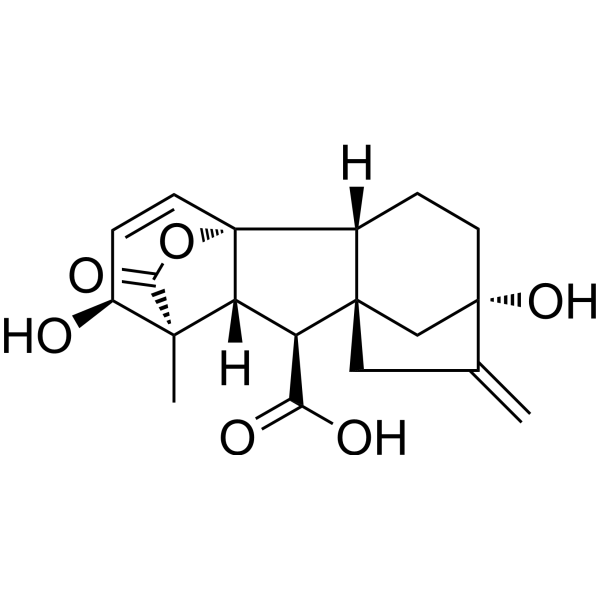
    Gibberellic acid
    1 Publications Verification

    Gibberellin A3

    Environmental Pollutants Drug Derivative Metabolic Disease
    Gibberellic acid (GA3) is a natural plant growth regulator with oral bioactivity. Gibberellic acid governs multiple plant developmental events, including seed germination, cell elongation, floral organ formation, and rice spikelet fertility. Gibberellic acid optimizes root morphology and secondary metabolite production in Echinacea purpurea hairy roots, and serves as a bioactive seed priming agent to improve chilling stress tolerance in chickpea. Gibberellic acid mediates modulation of enzyme activity and secondary metabolism in plants and exerts tissue-specific regulatory effects on antioxidant systems and lipid peroxidation in rats. Gibberellic acid can be used in studies of plant growth, metabolism, and abiotic stress responses .
    Gibberellic acid
  • HY-B0356B
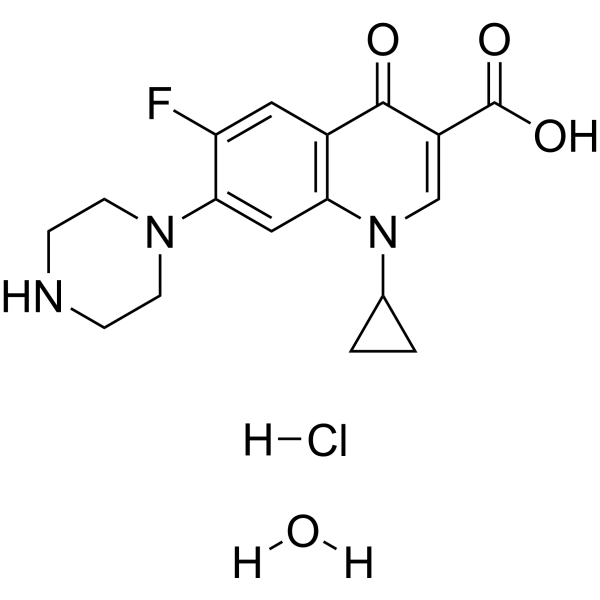
    Ciprofloxacin hydrochloride monohydrate
    Maximum Cited Publications
    52 Publications Verification

    Bay-09867 hydrochloride monohydrate

    Antibiotic Apoptosis Bacterial Reactive Oxygen Species (ROS) Topoisomerase Mitochondrial Metabolism Akt β-catenin Infection Cancer
    Ciprofloxacin (Bay-09867) hydrochloride monohydrate is an orally active, blood-brain barrier permeable fluoroquinolone antibacterial agent. Ciprofloxacin hydrochloride monohydrate exerts bactericidal effects primarily by inhibiting topoisomerase II and IV. Ciprofloxacin hydrochloride monohydrate inhibits the proliferation of human dental pulp stem cells and chondrocytes from young rats, and also activates the Akt signaling pathway and upregulates markers such as β-catenin and Nanog to maintain the morphological characteristics of stem cells. Ciprofloxacin hydrochloride monohydrate induces significant neurotoxicity and tissue damage, including reducing serotonin and glutathione levels in the brain, inducing oxidative stress and depression-like behaviors, and causing articular cartilage damage. Ciprofloxacin hydrochloride monohydrate can be applied to research related to infections of necrotic young permanent teeth and neurotoxicity .
    Ciprofloxacin hydrochloride monohydrate
  • HY-B0356A
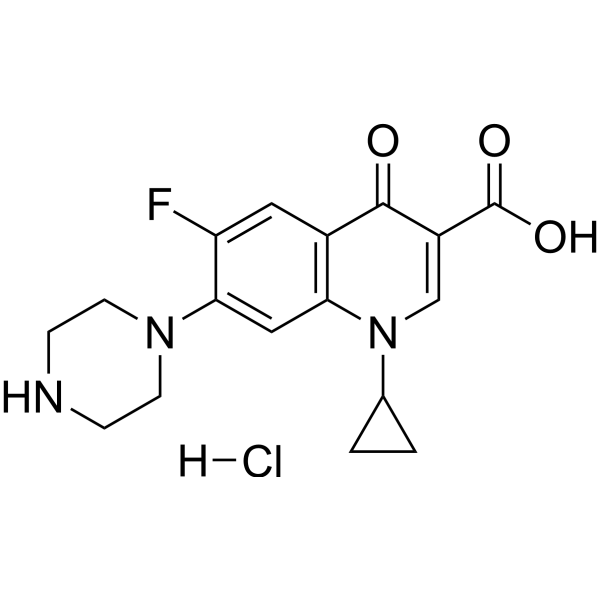
    Ciprofloxacin monohydrochloride
    Maximum Cited Publications
    52 Publications Verification

    Bay-09867 monohydrochloride

    Antibiotic Apoptosis Bacterial Reactive Oxygen Species (ROS) Topoisomerase Mitochondrial Metabolism Akt β-catenin Infection Cancer
    Ciprofloxacin (Bay-09867) monohydrochloride is an orally active, blood-brain barrier permeable fluoroquinolone antibacterial agent. Ciprofloxacin monohydrochloride exerts bactericidal effects primarily by inhibiting topoisomerase II and IV. Ciprofloxacin monohydrochloride inhibits the proliferation of human dental pulp stem cells and chondrocytes from young rats, and also activates the Akt signaling pathway and upregulates markers such as β-catenin and Nanog to maintain the morphological characteristics of stem cells. Ciprofloxacin monohydrochloride induces significant neurotoxicity and tissue damage, including reducing serotonin and glutathione levels in the brain, inducing oxidative stress and depression-like behaviors, and causing articular cartilage damage. Ciprofloxacin monohydrochloride can be applied to research related to infections of necrotic young permanent teeth and neurotoxicity .
    Ciprofloxacin monohydrochloride
  • HY-113149A

    Endogenous Metabolite Reactive Oxygen Species (ROS) Neurological Disease Metabolic Disease Inflammation/Immunology
    Argininosuccinic acid disodium is an intermediate metabolite in the urea cycle, and its level is associated with argininosuccinic aciduria. Argininosuccinic acid disodium can induce oxidative stress, leading to lipid and protein oxidation, reduction of glutathione, and decrease in antioxidant enzyme activity. Argininosuccinic acid disodium can be converted into guanidinosuccinic acid, a nitric oxide mimic, under the action of nitric oxide-derived free radicals. Argininosuccinic acid disodium can be used in the research of metabolic diseases, renal failure, nervous system diseases, etc .
    Argininosuccinic acid disodium
  • HY-Z0478
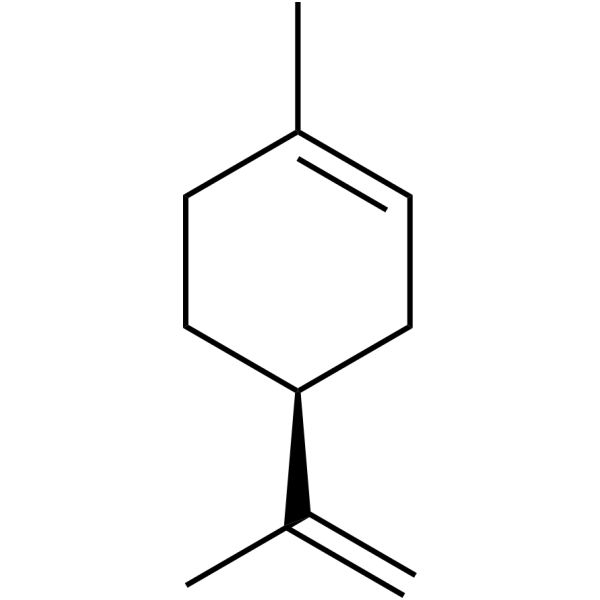
    (-)-Limonene
    1 Publications Verification

    (S)-(-)-Limonene

    Bacterial Antibiotic CaMK Infection Cardiovascular Disease Metabolic Disease
    (-)-Limonene ((S)-(-)-Limonene) is orally active and can cause mild bronchoconstriction. (-)-Limonene alleviates cytosolic and mitochondrial oxidative stress by inhibiting the increase of calcium ions (Ca 2+) and Ca 2+/calmodulin-dependent protein kinase II (CaMKII). It also exerts anti-stress effects by inhibiting the activity of the hypothalamic-pituitary-adrenal (HPA) axis. Additionally, (-)-Limonene can be used as an antibacterial agent in aquaculture .
    (-)-Limonene
  • HY-B0481
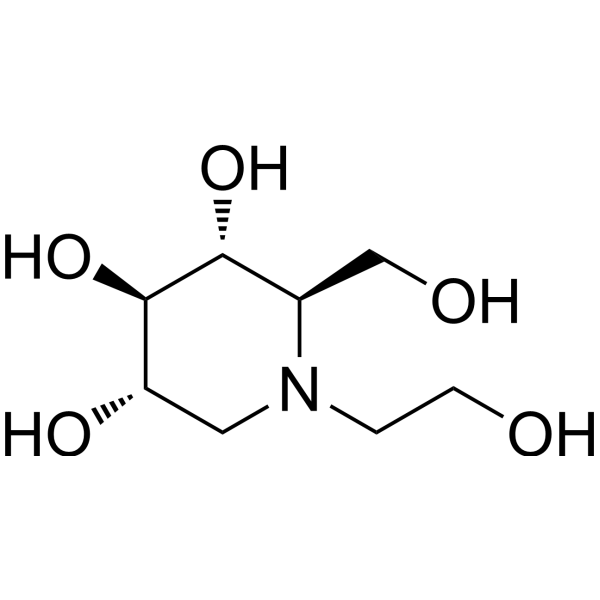
    Miglitol
    2 Publications Verification

    BAY1099; BAY-m1099

    Glycosidase AMPK Reactive Oxygen Species (ROS) Metabolic Disease
    Miglitol (BAY-m1099) is an orally active antidiabetic compound that inhibits the breakdown of glycoconjugates into glucose. Miglitol inhibits glycoside hydrolase enzymes called α-glucosidases. Miglitol inhibits oxidative stress-induced apoptosis and mitochondrial ROS over-production in endothelial cells by enhancement of AMP-activated protein kinase. Dietary supplementation with Miglitol from pre-onset stage in OLETF rats delays the onset and development of diabetes and preserves the insulin secretory function of pancreatic islets .
    Miglitol
  • HY-W027951
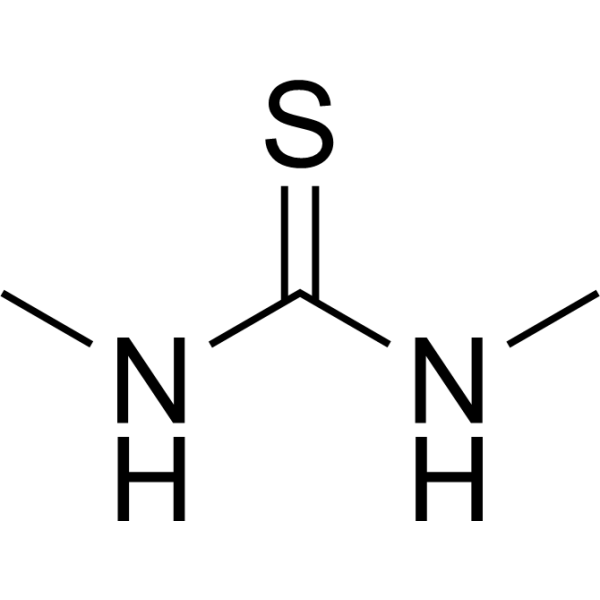
    N,N'-Dimethylthiourea
    1 Publications Verification

    DMTU

    Environmental Pollutants Reactive Oxygen Species (ROS) Inflammation/Immunology
    N,N'-Dimethylthiourea (DMTU), isolated from Allium sativum, is an orally active scavenger of hydroxyl radical (•OH) and blocks •OH production by activated neutrophils in vitro. N,N'-Dimethylthiourea protects against water-immersion restraint stress (WIRS)-induced gastric mucosal lesions in rats by exerting its antioxidant action including •OH scavenging and anti-inflammatory action .
    N,N'-Dimethylthiourea
  • HY-W269593
    Perfluorodecanoic acid
    1 Publications Verification

    PFDA

    Caspase Interleukin Related Metabolic Disease
    Perfluorodecanoic acid (PFDA) is an orally active perfluoroalkyl substance. Perfluorodecanoic acid causes dysfunction of rat fetal Leydig cells via endoplasmic reticulum stress-mediated changes in lipid components. Perfluorodecanoic acid reduces testosterone biosynthesis in rat R2C Leydig cells by inducing endoplasmic reticulum stress. Perfluorodecanoic acid can be used in studies related to fetal Leydig cell dysfunction .
    Perfluorodecanoic acid
  • HY-N7106
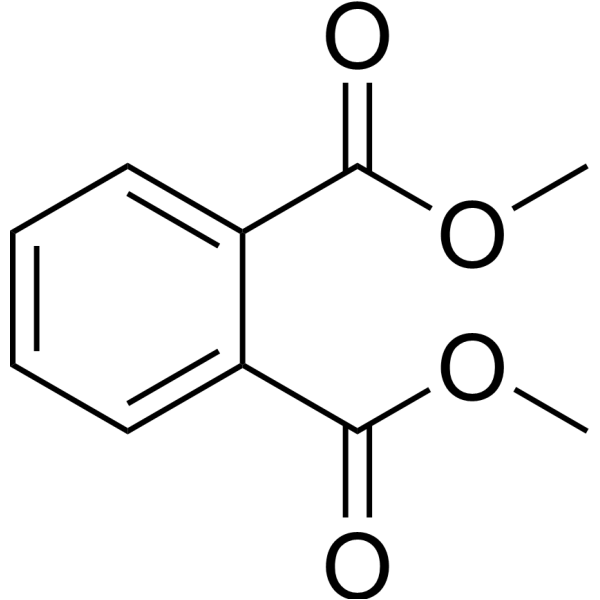
    Dimethyl phthalate
    1 Publications Verification

    DMP

    Environmental Pollutants Biochemical Assay Reagents Apoptosis Reactive Oxygen Species (ROS) Inflammation/Immunology
    Dimethyl phthalate (DMP) can be used as a plasticizer to impart flexibility to rigid polyvinyl chloride (PVC) resin. Additionally, Dimethyl phthalate is an oral active endocrine disruptor that can cause ovarian dysfunction in mice. Dimethyl phthalate can also induce oxidative stress and apoptosis in cells, thereby affecting blood and red blood cell function in rats .
    Dimethyl phthalate
  • HY-W010201
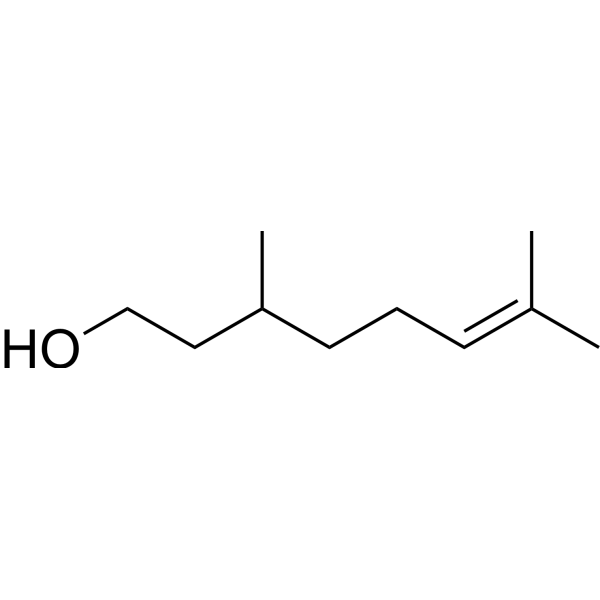
    Citronellol
    2 Publications Verification

    (±)-Citronellol; (±)-β-Citronellol

    Environmental Pollutants Necroptosis Autophagy Fungal Reactive Oxygen Species (ROS) ERK Atg8/LC3 TNF Receptor Apoptosis PI3K p62 Cardiovascular Disease Neurological Disease Cancer
    Citronellol ((±)-Citronellol) is an orally active inducer of apoptosis. Citronellol can prevent oxidative stress, mitochondrial dysfunction, and apoptosis in the SH-SY5Y cell Parkinson's disease model induced by 6-OHDA by regulating the ROS-NO, MAPK/ERK, and PI3K/Akt signaling pathways. Citronellol can induce necroptosis in human lung cancer cells through the TNF-α pathway and accumulation of ROS. Citronellol can reduce the levels of LC-3 and p62 to regulate the autophagy pathway, inhibit oxidative stress and neuroinflammation, and thus have neuroprotective effects on Parkinson's rats. Citronellol exhibits anti-fungal activity against Trichophyton rubrum by inhibiting ergosterol synthesis .
    Citronellol
  • HY-W116336D

    Biochemical Assay Reagents Fungal Bacterial Infection Cancer
    Zinc oxide, <100 nm particle size is a nitrate reductase modulator and growth promoter with plant stress resistance activity and oral toxicity. Zinc oxide, <100 nm particle size acts as a nutrient source for maize plants. By enhancing nitrate reductase activity and reducing free proline levels, it significantly improves plant height, root length and dry matter weight of maize, and its growth-promoting effect is comparable to that of traditional zinc sulfate fertilizer. Zinc oxide, <100 nm particle size induces anemia-related and persistent tissue inflammatory damage, leading to obvious histopathological adverse reactions in the stomach, pancreas, eyes and prostate of rats. Zinc oxide, <100 nm particle size acts as a non-toxic antibacterial agent and selective cytotoxin against multiple bacteria, fungi and spores .
    Zinc oxide, <100 nm particle size
  • HY-N0353
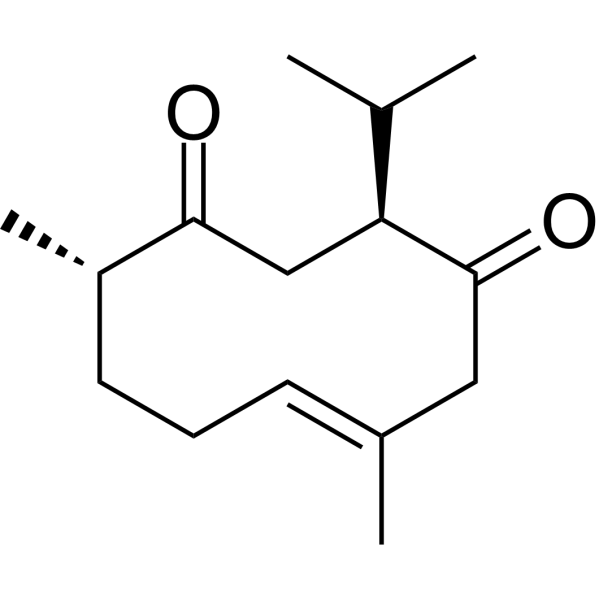
    Curdione
    2 Publications Verification

    (+)-Curdione

    Ferroptosis Apoptosis Reactive Oxygen Species (ROS) Autophagy Glutathione Peroxidase Keap1-Nrf2 Heme Oxygenase (HO) TGF-β Receptor Indoleamine 2,3-Dioxygenase (IDO) Cardiovascular Disease Neurological Disease Cancer
    Curdione ((+)-Curdione) is an orally active sesquiterpenoid. Curdione inhibits platelet aggregation. Curdione induces ferroptosis in colorectal cancer via m6A methylation mediated by METTL14 and YTHDF2. Curdione inhibits ferroptosis in Isoproterenol (HY-B0468)-induced myocardial infarction by regulating the Keap1/Trx1/GPX4 signaling pathway, suppressing oxidative stress (ROS) and apoptosis. Curdione ameliorates Doxorubicin (HY-15142)-induced cardiotoxicity by inhibiting oxidative stress (ROS) and activating the Nrf2/HO-1 pathway. Curdione ameliorates sepsis-induced lung injury by inhibiting platelet-mediated neutrophil extracellular trap formation. Curdione ameliorates Bleomycin (HY-17565A)-induced pulmonary fibrosis by inhibiting TGF-β-induced fibroblast-to-myofibroblast differentiation. Curdione exhibits neuroprotective effects against focal cerebral ischemia-reperfusion injury in rats. Curdione exerts antiproliferative effects against human uterine leiomyosarcoma by targeting IDO1. Curdione protects vascular endothelial cells and atherosclerosis by regulating DNMT1-mediated ERBB4 promoter methylation. Curdione inhibits inducible prostaglandin E2 production (IC50 = 1.1 μM) and cyclooxygenase 2 expression .
    Curdione
  • HY-N12060

    Bcl-2 Family Caspase Apoptosis Autophagy Reactive Oxygen Species (ROS) Akt JNK ERK Cardiovascular Disease Neurological Disease
    Ginkgo biloba extract is a natural product that can be isolated from Ginkgo biloba leaves . Ginkgo biloba extract alleviates oxidative stress-induced neuronal apoptosis (Apoptosis) by stabilizing mitochondrial function, regulating Bcl-2 family proteins and inhibiting caspase activation. Ginkgo biloba extract alleviates testicular injury by upregulating SKP2 and inhibiting Beclin1-independent autophagy (Autophagy) . Ginkgo biloba extract alleviates various types of neuronal damage in animal models. Ginkgo biloba extract reduces behavioral sensitization in rats. Ginkgo biloba extract counteracts Aβ-induced neurotoxicity by blocking a series of Aβ-triggered events, including glucose uptake, ROS accumulation, AKT activation, mitochondrial dysfunction, JNK and ERK 1/2 pathways, and apoptosis, and also interferes with the formation of Aβ oligomers. Ginkgo biloba extract is applicable to research related to cerebral hypoperfusion, testicular injury, Alzheimer's disease, Parkinson's disease, multi-infarct dementia, stroke, traumatic brain injury and amyotrophic lateral sclerosis .
    Ginkgo biloba extract
  • HY-N1487
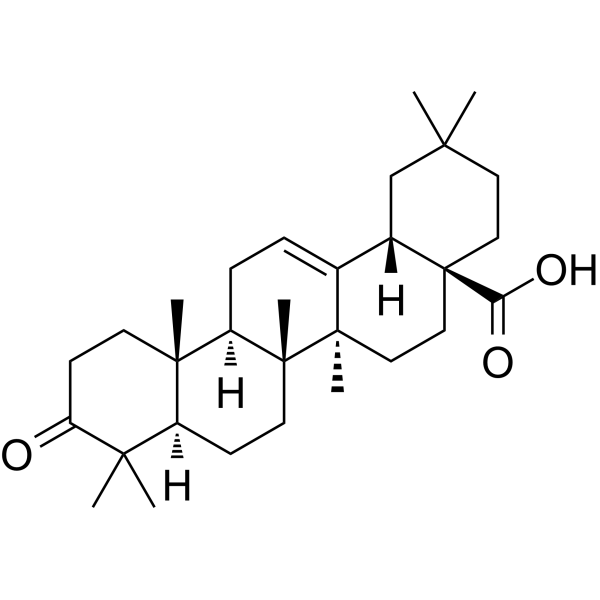
    Oleanonic acid
    2 Publications Verification

    3-Oxooleanolic acid

    HIV Autophagy Ferroptosis Amyloid-β Infection Neurological Disease Inflammation/Immunology Cancer
    Oleanonic acid (3-Oxooleanolic acid) is an orally available triterpene that has anti-inflammatory and insecticidal properties. In vitro, oleanonic acid can improve oxidative stress, autophagy defects, ferroptosis, mitochondrial damage, and endoplasmic reticulum stress induced by Amyloid-β, and in vivo, it can alleviate myocardial hypertrophy in rats .
    Oleanonic acid
  • HY-115584

    Environmental Pollutants Parasite Infection
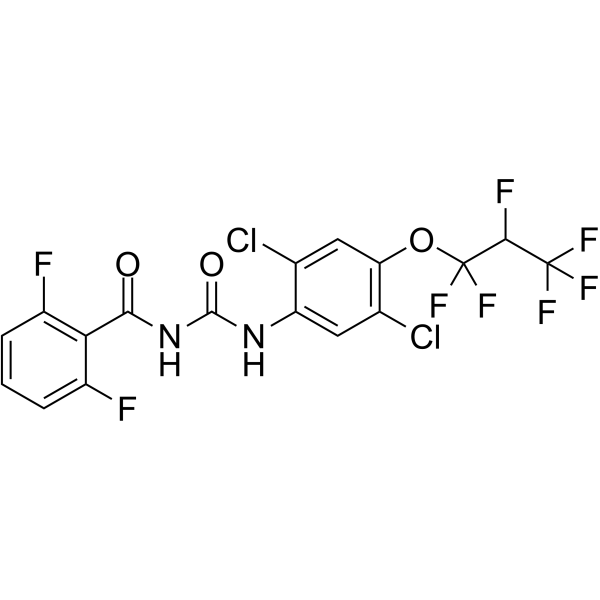
    Lufenuron is an orally active lipophilic benzoylurea insecticide and a chitin synthesis inhibitor that can used for flea and fish lice control. Lufenuron inhibits moulting of arthropods. Lufenuron induces reproductive toxicity, genotoxic effects and oxidative stresses in pregnant albino rats and their fetuses .
    Lufenuron
  • HY-113149

    Endogenous Metabolite Reactive Oxygen Species (ROS) Neurological Disease Metabolic Disease Inflammation/Immunology
    Argininosuccinic acid is an intermediate metabolite in the urea cycle, and its level is associated with argininosuccinic aciduria. Argininosuccinic acid can induce oxidative stress, leading to lipid and protein oxidation, reduction of glutathione, and decrease in antioxidant enzyme activity. Argininosuccinic acid can be converted into guanidinosuccinic acid, a nitric oxide mimic, under the action of nitric oxide-derived free radicals. Argininosuccinic acid can be used in the research of metabolic diseases, renal failure, nervous system diseases, etc .
    Argininosuccinic acid
  • HY-N0507

    TNF Receptor Interleukin Related Neurological Disease Inflammation/Immunology
    Rosavin, an orally bioactive phenylpropanoid from Rhodiola rosea L. (RRL), is an adaptogen that enhances the body’s response to environmental stress. Rosavin significantly influences bone tissue metabolism by inhibiting osteoclastogenesis and promoting osteoblast differentiation, also impacts various diseases, demonstrating antidepressant, adaptogenic, and anxiolytic effects in mouse models. Additionally, Rosavin improves survival, reducing intestinal damage in irradiated rats and Ischemia-reperfusion(I/R)-induced cerebral injury in vivo by regulating inflammation and oxidative stress, making it a promising candidate for research in radiation-induced intestinal injury, I/R-induced cerebral injury and osteoporosis .
    Rosavin
  • HY-120380

    MOFs PARP Neurological Disease
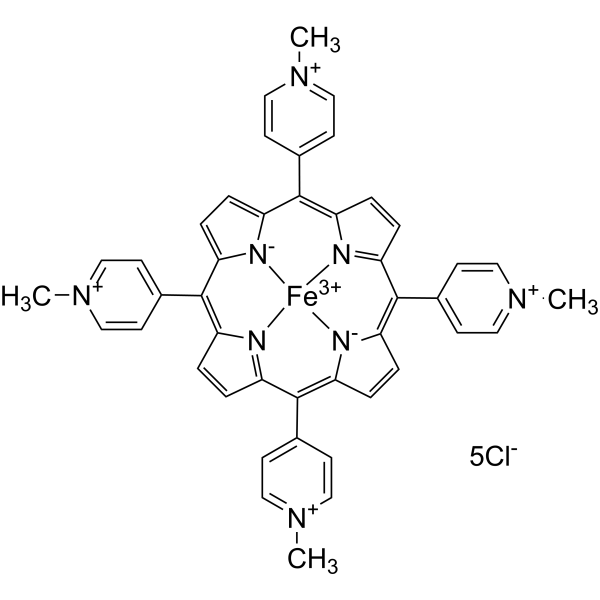
    FeTMPyP is an orally active poly (ADP-ribose) polymerase (PARP) inhibitor. FeTMPyP inhibits cell death, nitrotyrosine formation, and depolarization of mitochondrial transmembrane potential. FeTMPyP reduces homocysteine-induced nitrosative stress and partially restores TFEB protein and mRNA levels. FeTMPyP improves functional and behavioral deficits caused by chronic constriction injury in rats. FeTMPyP alleviates acute cerebral infarction in a rat model of middle cerebral artery occlusion with mild hyperglycemia. FeTMPyP can be used in studies related to neuropathic pain, renal aging, ischemic penumbra, and hyperglycemic stroke .
    FeTMPyP
  • HY-14608R

    Reference Standards Endogenous Metabolite iGluR Ferroptosis Apoptosis Neurological Disease
    L-Glutamic acid (Standard) is the analytical standard of L-Glutamic acid. This product is intended for research and analytical applications. L-Glutamic acid is an excitatory amino acid neurotransmitter that acts as an agonist for all subtypes of glutamate receptors (metabolic rhodophylline, NMDA, and AMPA). L-Glutamic acid has an agonist effect on the release of DA from dopaminergic nerve endings. L-Glutamic acid can be used in the study of neurological diseases . IC50 & Target:DA . In Vitro: L-Glutamic acid (120, 500, 750, 1000 mg/dL) can reduce the harmful effect of lithium on the embryonic development of Xenopus Xenopus .
    L-Glutamic acid (2, 5, 10, 20 mM, 24-48 h) can induce neuroexcitotoxicity in neuroblastoma .
    In Vivo: L-Glutamic acid (3 g/kg, subcutaneous injection) can promote excitotoxic degeneration of retinal ganglion cells in mice .
    L-Glutamic acid (750 mg/kg, intraperitoneal injection) can reduce and inhibit oxidative stress induced by chlorpyrifos (CPF) in rats .
    L-Glutamic acid (Standard)
  • HY-N0729D

    Glutathione Peroxidase SOD Cardiovascular Disease
    Linoleic acid is a critical component of polyunsaturated fatty acids. Linoleic acid reduces GSH-PX and T-SOD activities. Linoleic acid functions as a structural component to maintain a certain level of membrane fluidity of the transdermal water barrier of the epidermis. Linoleic acid can cause acute oxidative damage to red blood cells, ultimately leading to partial acute anemia. Linoleic acid can be used in the research of skin diseases associated with linoleic acid deficiency .
    Linoleic acid,suitable for cell culture
  • HY-108292

    NF-κB Neurological Disease Cancer
    Propacetamol hydrochloride is an orally active prodrug of paracetamol and an inducer of acute liver injury models, with multiple properties including antinociception, antioxidation and gastroprotection. Propacetamol hydrochloride potentiates Tramadol and attenuates Aspirin (HY-14654)-induced gastric mucosal damage and lipid peroxidation. Under specific conditions, Propacetamol hydrochloride also acts as a hepatotoxic inducer, triggering acute liver injury, oxidative stress and apoptosis, with strain differences in toxicity sensitivity. Propacetamol hydrochloride can be used in the research of acute liver injury, drug-induced hepatotoxicity and gastric mucosal damage .
    Propacetamol hydrochloride
  • HY-113256

    Carnitine Palmitoyltransferase (CPT) Endogenous Metabolite Metabolic Disease
    Linoleyl carnitine is an acylcarnitine and metabolite. Linoleyl carnitine in the liver is negatively correlated with pantothenic acid and citric acid in serum. Linoleyl carnitine accumulates in mitochondrial CPT II deficiency .
    Linoleyl carnitine
  • HY-W324435

    Sodium 2,4-dinitrobenzenesulfonate; DNBS sodium salt; DNBSO sodium salt

    NF-κB p38 MAPK COX Inflammation/Immunology
    2,4-Dinitrobenzenesulfonic acid (DNBS; DNBSO) sodium salt (Sodium 2,4-dinitrobenzenesulfonate) is a classic colitis inducer that relies on activation of the NF-κB p65/COX-2/p38 pathway. As a hapten, 2,4-Dinitrobenzenesulfonic acid sodium salt stimulates the production of immune responses in colonic tissues, triggers oxidative stress and inflammatory reactions, and thereby leads to colonic injury. 2,4-Dinitrobenzenesulfonic acid sodium salt successfully induces models of colitis and ulcerative colitis in rats, causing pathological changes such as ulcers, edema, stenosis, shortening and organ adhesion in the distal colon, along with significant increases in the levels of inflammatory indicators and endoplasmic reticulum stress marker proteins. 2,4-Dinitrobenzenesulfonic acid sodium salt is widely used in studies on the mechanisms related to colitis and ulcerative colitis .
    2,4-Dinitrobenzenesulfonic acid sodium salt
  • HY-P2602

    GABA Receptor Neurological Disease
    α-Casozepine is an orally effective anxiolytic that binds to the benzodiazepine site of the GABAA receptor in bovine samples with an IC50 of 88 μM. α-Casozepine exerts anxiolytic and anti-stress effects on cats exposed to unfamiliar environments and dogs undergoing road transport . α-Casozepine exhibits significant anxiolytic activity in rats. α-Casozepine can be used in studies related to fear, anxiety and stress .
    α-Casozepine
  • HY-W704574

    Carboxypeptidase Bradykinin Receptor Interleukin Related Cardiovascular Disease Metabolic Disease
    Mergetpa is a reversible Arg-carboxypeptidase inhibitor with high affinity. Mergetpa reduces B1R. Mergetpa blocks the overexpression of IL-1β protein and mRNA in glucose-fed rats. Mergetpa significantly increases the expression of IL-1β protein in the renal cortex. Mergetpa is used to block the conversion of kinins and B2 receptor antagonists into metabolites lacking the C-terminal arginine. Mergetpa inhibits the time-dependent enhancement of the response of isolated rabbit aorta to bradykinin. Mergetpa preserves the chemotactic activity of full-length SDF-1α on cells. Mergetpa reverses hyperglycemia, excessive weight gain, elevated levels of oxidative stress markers and overexpression of inflammatory markers in glucose-fed rats .
    Mergetpa
  • HY-N5092

    Reactive Oxygen Species (ROS) Cytochrome P450 Metabolic Disease
    7-Methylcoumarin is a coumarin derivative with potent hepatoprotective and antioxidant properties. 7-Methylcoumarin is a mechanism-based inhibitor for CYP2A6. 7-Methylcoumarin significantly decreases alanine aminotransferase (ALT), aspartate aminotransferase (AST), and serum bilirubin (TB) in rats with CCl4-induced liver damage, whilst restoring total protein (TP) and albumin (TA) levels in serum as well as preventing oxidative stress. 7-Methylcoumarin can decline mitotic activity of A. sativum promeristem .
    7-Methylcoumarin
  • HY-N8698
    Picein
    1 Publications Verification

    SOD Ferroptosis Keap1-Nrf2 Heme Oxygenase (HO) Glutathione Peroxidase Neurological Disease Metabolic Disease Inflammation/Immunology
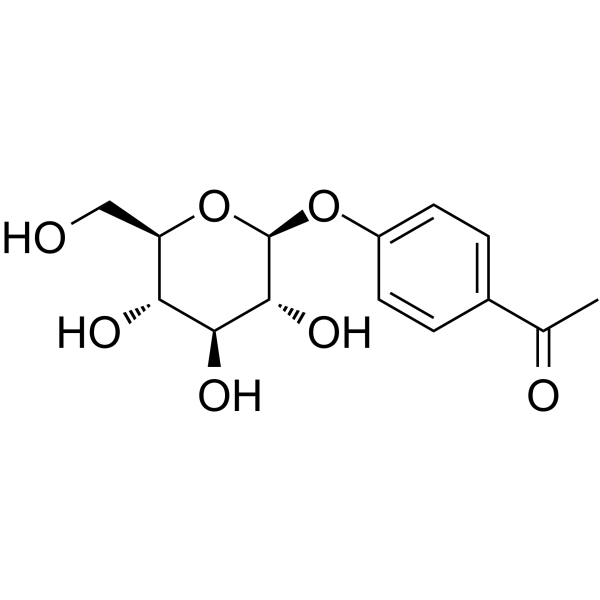
    Picein is an antioxidant and anti-inflammatory agent. Picein can be isolated from the leaves of Picrorhiza kurroa. Picein reduces MDA levels and increases the levels of SOD, GPX and TAC. Picein alleviates oxidative stress and promotes bone regeneration in osteoporotic bone defects by inhibiting Ferroptosis (via activation of the Nrf2/HO-1/GPX4 pathway). Picein prevents scopolamine (HY-N0296)-induced passive avoidance memory impairment in rats. Picein can be used in research related to osteoporotic bone defects and Alzheimer's disease .
    Picein
  • HY-107586

    DAQ B1; L-783281; Dimethylasterriquinone

    Insulin Receptor Akt NO Synthase NADPH Oxidase JAK STAT FOXO DNA/RNA Synthesis ERK Flavivirus Cardiovascular Disease Infection Metabolic Disease Inflammation/Immunology
    Demethylasterriquinone B1 (DAQ B1; L-783281) is an orally active insulin receptor (insulin receptor) agonist and AKT activator. By activating AKT, Demethylasterriquinone B1 upregulates the expression and activity of eNOS to increase NO production, while downregulating the expression of the NADPH oxidase subunit p22phox to reduce oxidative stress and improve vascular endothelial dysfunction in hypertensive rats. Demethylasterriquinone B1 combind with an AKT inhibitor targets the insulin signaling pathway to activate two antiviral pathways, RNA interference and JAK/STAT, in mosquitoes, thereby reducing Zika virus infection .
    Demethylasterriquinone B1
  • HY-113248

    Endogenous Metabolite Adrenergic Receptor Reactive Oxygen Species (ROS) Cardiovascular Disease Inflammation/Immunology
    3-Nitro-L-tyrosine serves as a biomarker of oxidative stress. 3-Nitro-L-tyrosine attenuates the pressor and vasoconstrictive effects of angiotensin II by inhibiting the α1-adrenergic receptor-mediated signaling pathway, and participates in hemodynamic regulation under pathological conditions such as inflammation and ischemia. 3-Nitro-L-tyrosine can be used in studies related to atherosclerosis, ischemia-reperfusion and sepsis .
    3-Nitro-L-tyrosine
  • HY-W026772
    Fluorene
    1 Publications Verification

    Environmental Pollutants Fluorescent Dye TNF Receptor Interleukin Related SOD Reactive Oxygen Species (ROS) Inflammation/Immunology
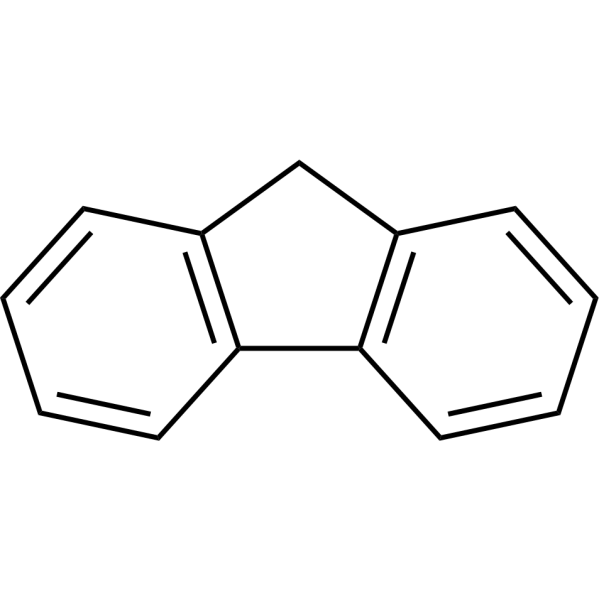
    Fluorene is an orally active polycyclic aromatic hydrocarbon (PAH) and a precursor to other fluorene-based compounds. Fluorene and its derivatives serve as dye precursors for fluorene synthesis. In A549 cells, Fluorene induces oxidative stress and inflammatory responses by increasing ROS and SOD generation, exacerbating lipid peroxidation, modulating antioxidant enzyme activity, and upregulating the expression of pro-inflammatory factors TNF-α and IL-6. In vivo, Fluorene exhibits anxiolytic activity. Fluorene holds potential for research in inflammation and neurological disorders .
    Fluorene
  • HY-160236

    Drug Metabolite Neurological Disease
    3-(3-Sulfooxyphenyl) propanoic acid is a metabolite of Echinacoside (HY-N0020). It promotes neural, psychological and brain health, enhances the proliferation, function and activity of brain cells, and facilitates extinction learning. 3-(3-Sulfooxyphenyl) propanoic acid can be used in research related to anxiety disorders, post-traumatic stress disorder, extinction learning deficits, autism, as well as neurodegenerative diseases including Parkinson's disease and Alzheimer's disease .
    3-(3-Sulfooxyphenyl)propanoic acid
  • HY-P1108
    Astressin 2B
    1 Publications Verification

    CRFR Neurological Disease Inflammation/Immunology
    Astressin 2B is a blood-brain barrier-impermeable, highly selective CRFR2 antagonist (rCRFR2, IC50=0.57 nM). Astressin 2B blocks the protective effects mediated by CRFR2, thereby exacerbating indomethacin (HY-14397)-induced hemorrhagic intestinal injury in rats. Astressin 2B reverses the protective effects of Urocortin 1 against intestinal hypermotility, bacterial invasion and upregulation of inflammatory mediators. Astressin 2B also blocks the anxiogenic effect of Urocortin 2 and attenuates stress-induced anxiety-related behaviors. In the Clostridioides difficile toxin A (C. difficile toxin A)-mediated enteritis model, Astressin 2B mimics the phenotype of CRFR2-deficient mice, significantly exacerbating intestinal epithelial damage, edema, neutrophil migration and the expression of multiple proinflammatory cytokines. Astressin 2B is an important tool molecule for investigating the intestinal protective mechanisms of CRFR2 .
    Astressin 2B
  • HY-P1108A
    Astressin 2B TFA
    1 Publications Verification

    CRFR Neurological Disease Inflammation/Immunology
    Astressin 2B TFA is a blood-brain barrier-impermeable, highly selective CRFR2 antagonist (rCRFR2, IC50=0.57 nM). Astressin 2B TFA blocks the protective effects mediated by CRFR2, thereby exacerbating indomethacin (HY-14397)-induced hemorrhagic intestinal injury in rats. Astressin 2B TFA reverses the protective effects of Urocortin 1 against intestinal hypermotility, bacterial invasion and upregulation of inflammatory mediators. Astressin 2B TFA also blocks the anxiogenic effect of Urocortin 2 and attenuates stress-induced anxiety-related behaviors. In the Clostridioides difficile toxin A (C. difficile toxin A)-mediated enteritis model, Astressin 2B TFA mimics the phenotype of CRFR2-deficient mice, significantly exacerbating intestinal epithelial damage, edema, neutrophil migration and the expression of multiple proinflammatory cytokines. Astressin 2B TFA is an important tool molecule for investigating the intestinal protective mechanisms of CRFR2 .
    Astressin 2B TFA
  • HY-N2896

    Reactive Oxygen Species (ROS) Apoptosis Fungal Bacterial NF-κB SOD AMPK mTOR Notch Toll-like Receptor (TLR) Wnt MyD88 Sirtuin Infection Neurological Disease Inflammation/Immunology Cancer
    Arjunolic acid is an orally active, multifunctional bioactive compound. Arjunolic acid exhibits free radical scavenging activity, as well as fungal and bacterial activities. Arjunolic acid induces apoptosis (Apoptosis) in various cancer cells. Arjunolic acid protects hepatocytes against induced oxidative stress and apoptosis by reducing reactive oxygen species and inhibiting NF-κB activation. Arjunolic acid regulates pancreatic dysfunction in type 2 diabetic rats by blocking the activation of the TLR-4/MyD88 and canonical Wnt pathways. Arjunolic acid inhibits neuroinflammation and ameliorates depressive behaviors via the SIRT1/AMPK/Notch1 signaling pathway in microglia. Arjunolic acid improves Crohn's disease-like colitis by restoring gut microbiota composition and inhibiting TLR4 signaling. Arjunolic acid suppresses osteosarcoma progression by inhibiting Wnt3a-mediated M2 polarization of macrophages. Arjunolic acid ameliorates diabetic retinopathy via the autophagy pathway regulated by AMPK/mTOR/HO-1. Arjunolic acid is applicable to research related to type 2 diabetes, organ toxicity, depression, Crohn's disease, osteosarcoma, diabetic retinopathy, and testicular dysfunction .
    Arjunolic acid
  • HY-P2159

    Opioid Receptor Endogenous Metabolite Neurological Disease
    Dynorphin A (1-8) is a ligand with preference for the κ-opioid receptor, and its IC50 value against human placental κ-opioid receptor is 330 nM. Dynorphin A (1-8) mediates neuroprotective effects by inhibiting oxidative stress, suppressing apoptosis, and competitively displacing the binding of κ partial agonists. Dynorphin A (1-8) is the dominant opioid peptide in human placental villi and tissue extracts; it undergoes rapid hydrolysis and can enter the central nervous system via intranasal administration. Dynorphin A (1-8) can be used in studies related to ischemic stroke .
    Dynorphin A (1-8)
  • HY-W142432

    Biochemical Assay Reagents β-catenin Wnt Arginase TGF-beta/Smad mTOR Akt ERK Atg8/LC3 p62 Autophagy Metabolic Disease Inflammation/Immunology Cancer
    Perfluoroundecanoic acid is a perfluoroalkyl substance (PFAS). Perfluoroundecanoic acid is an orally active oxidative stress inducer. Perfluoroundecanoic acid promotes macrophage M2 polarization, activates Wnt/β-catenin signaling and enhances β-catenin nuclear accumulation. Perfluoroundecanoic acid -induced M2 phenotype macrophage accelerates tumor progression in vitro and in vivo. Perfluoroundecanoic acid induces DNA damage, reproductive and pathophysiological dysfunctions via oxidative stress in male Swiss mice. Perfluoroundecanoic acid inhibits Leydig cell development in pubertal male rats via inducing oxidative stress and autophagy. Perfluoroundecanoic acid accelerates insulitis development in a mouse model of type 1 diabetes. Perfluoroundecanoic acid can be used for the study of ovarian cancer, type 1 diabetes and inflammation .
    Perfluoroundecanoic acid
  • HY-N4202

    Environmental Pollutants Insecticide Apoptosis p38 MAPK Neurological Disease Inflammation/Immunology Cancer
    Dihydrorotenone is an insecticide and irreversible inhibitor of mitochondrial complex I. Dihydrorotenone may induce Parkinson's disease. Dihydrorotenone induces apoptosis in human plasma cells by triggering endoplasmic reticulum stress and activating the p38 signaling pathway. The oral LD50 of dihydrorotenone in rats is approximately 2.5 g/kg. Dihydrorotenone exhibits insecticide activity and cytotoxicity to plasma cells. Dihydrorotenone can be used to establish animal models of Parkinson's disease, safety assessment of natural pesticides, and potential cancer chemoprevention studies .
    Dihydrorotenone
  • HY-W001542

    Reactive Oxygen Species (ROS) Neurological Disease Metabolic Disease Cancer
    5-Hydroxyoxindole is a structural analog of uric acid for its antioxidant. 5-Hydroxyoxindole has DPPH radical scavenging activities and lipid peroxidation-inhibitory activities. 5-Hydroxyoxindole is a product of partial metabolism of tryptophan involving conversion in the gut lumen of tryptophan to indole through the action of bacterial tryptophanase and tryptophan synthase. 5-Hydroxyoxindole is one of the main molecules responsible for the neurological symptoms of hepatic encephalopathy in rats. 5-Hydroxyoxindole can be used for the research of oxidative stress-mediated disorders .
    5-Hydroxyoxindole
  • HY-N5025

    P2X Receptor Apoptosis ERK p38 MAPK c-Myc NF-κB Reactive Oxygen Species (ROS) Neurological Disease Inflammation/Immunology Cancer
    Bullatine A, a diterpenoid alkaloid, is a potent P2X7 antagonist. Bullatine A possesses anti-rheumatic, anti-inflammatory and anti-nociceptive effects. Bullatine A inhibits ATP-induced BV-2 cell death/apoptosis and P2X receptor-mediated inflammatory responses. Bullatine A suppresses glioma cell growth by targeting SIRT6. Bullatine A specifically attenuates pain hypersensitivity in rats. Bullatine A attenuates LPS (HY-D1056)-induced systemic inflammatory response by inhibiting the ROS/JNK/NF-κB pathway in mice. Bullatine A improves despair behavior in Chronic chronic social defeat stress (CSDS) mice. Bullatine A can be used for the study of inflammation, glioblastoma (GBM) and depression .
    Bullatine A
  • HY-119684

    NOD-like Receptor (NLR) Interleukin Related Neurological Disease Inflammation/Immunology
    Maresin 2 is an anti-inflammatory and pro-resolving mediator. Maresin 2 drives intestinal epithelial cell migration by activating the focal cell-matrix adhesion signaling pathway in primary human intestinal epithelial cells, thereby promoting mucosal wound repair. Maresin 2 alleviates nociceptive and anxiety-like behaviors in rats with type 1 diabetes by inhibiting IL-1β in the spinal cord and prefrontal cortex. Maresin 2 attenuates allergic airway inflammation in mice by inhibiting the activation of the NLRP3 inflammasome, Th2-type immune responses, and oxidative stress. Maresin 2 inhibits inflammatory and neuropathic trigeminal neuralgia and reduces neuronal activation in the trigeminal ganglion. Maresin 2 promotes inflammation resolution and mucosal repair after DSS-induced colitis or biopsy-induced colonic mucosal injury .
    Maresin 2
  • HY-B2015

    Environmental Pollutants Insecticide Parasite Cholinesterase (ChE) Infection
    Carbosulfan is an orally active AChE inhibitor that hydrolyzes to Carbofuran in organisms to exert insecticidal effects. Carbosulfan exhibits broad-spectrum insecticidal activity, and it also induces severe oxidative stress by enhancing lipid peroxidation and impairing the antioxidant defense system. Carbosulfan causes reproductive toxicity in male rats and developmental disorders in their offspring. Carbosulfan shows persistence in paddy field environments and potential hazards to non-target organisms, and it is commonly used in studies related to reproductive toxicity and environmental risk assessment .
    Carbosulfan
  • HY-B2029
    Phosalone
    1 Publications Verification

    Insecticide Cholinesterase (ChE) Infection Inflammation/Immunology
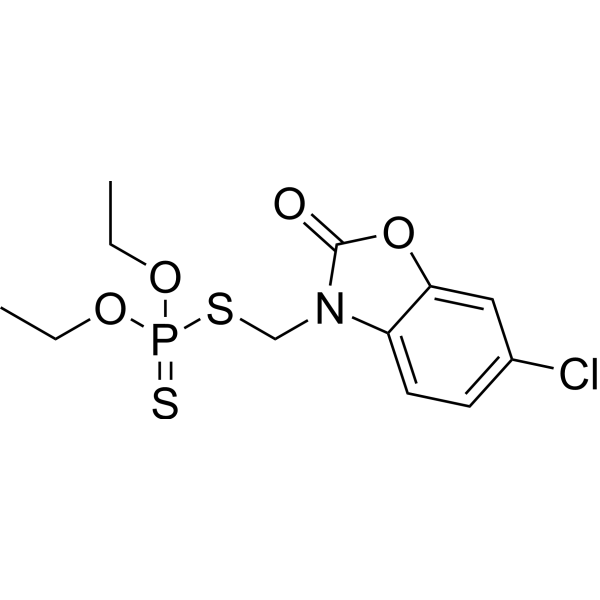
    Phosalone is an orally active, blood-brain barrier penetrant Insecticide and acaricide. Phosalone inhibits the activity of Acetylcholinesterase. Phosalone acts as a substrate for detoxifying esterases. Phosalone induces symptoms of cholinergic hyperactivity, toxic reactions, mortality, oxidative stress, and changes in pro-inflammatory protein levels, and exerts toxic effects on colonic tissues and cells. Phosalone controls pistachio psyllids. Phosalone can be used in studies related to colitis .
    Phosalone
  • HY-145453

    Interleukin Related Inflammation/Immunology
    Propacetamol is an orally active prodrug of Acetaminophen (HY-66005), which exerts antipyretic and analgesic effects after metabolism. Propacetamol reduces Aspirin (ASA) (HY-14654)-induced elevation of malondialdehyde (MDA) in gastric mucosa and plasma, regulates the levels of gastric mucosal glutathione (GSH and GSSG) to maintain cellular antioxidant defense, and increases gastric mucosal uric acid (UA) levels. Propacetamol exerts a dose-dependent protective effect against ASA-induced gastric mucosal damage in rats. Propacetamol can be used for the study of gastric mucosal injury by interfering with oxidative stress .
    Propacetamol
  • HY-125539

    Antibiotic Phosphatase Fungal Infection
    Roridin E is a glucose-6-phosphatase (G6Pase) inhibitor and antibiotic, and is a metabolic byproduct of Roridin A (HY-N9599). Roridin E induces significant oxidative stress, characterized by depletion of glutathione in vivo, induction of hepatic lipid peroxidation, and inhibition of renal superoxide dismutase activity. Roridin E reduces blood glucose levels in rats, but exhibits acute toxicity (which is enhanced when co-administered with linoleic acid (HY-N0729)) and causes hepatotoxicity in male albino mice. Roridin E induces a decrease in total blood protein and increases in the levels of total lipids, γ-glutamyltransferase, alkaline phosphatase, and 5'-nucleotidase. Roridin E can be isolated from molds, and possesses cytostatic and antifungal activities similar to those of Verrucarin A (HY-107426) and Roridin A. Roridin E exhibits in vivo activity in rodents and is commonly used in hepatotoxicity-related studies .
    Roridin E
  • HY-Y1004

    Decyl alcohol

    Environmental Pollutants Biochemical Assay Reagents Parasite Apoptosis Infection
    1-Decanol (Decyl alcohol) is a nematicidal agent derived from Houttuynia cordata, with an LC50 of 31.5 μg/mL against potato cyst nematodes (PCN). 1-decanol directly damages nematode surface structures, induces cellular apoptosis, and disrupts the oxidative stress regulation system, while also downregulating defense-related metabolic pathways in potato, thereby promoting the reallocation of metabolic resources from defense to growth. 1-Decanol can be used for the research of potato cyst nematode infestation .
    1-Decanol
  • HY-N5073

    4''-O-Glucosylvitexin

    JNK p38 MAPK Interleukin Related TNF Receptor Caspase Lactate Dehydrogenase Apoptosis Cardiovascular Disease Metabolic Disease
    Vitexin-4''-O-glucoside (4''-O-Glucosylvitexin) is an orally active natural flavonoid component with multiple pharmacological effects including antioxidation, anti-inflammation, cytoprotection and anti-apoptosis. Vitexin-4''-O-glucoside regulates the MAPK signaling pathway by downregulating the phosphorylation levels of JNK and p38, thereby blocking endoplasmic reticulum stress responses. Vitexin-4''-O-glucoside alleviates oxidative stress by reducing MDA content and upregulating the activities of SOD and CAT, attenuates inflammation by downregulating the expressions of inflammatory factors TNF-α, IL-1β and IL-6, and also reduces LDH release and inhibits caspase-3 activation. Vitexin-4''-O-glucoside effectively improves drug-induced acute liver injury and exerts significant protective effects against myocardial hypoxia/reoxygenation injury. Vitexin-4''-O-glucoside can be used in studies on acute liver injury, cardiovascular diseases and myocardial hypoxia-reoxygenation injury .
    Vitexin-4''-O-glucoside
  • HY-106865

    Dopamine Receptor Adrenergic Receptor Cardiovascular Disease
    Mivazerol is a selective α2-adrenoceptor agonist. Mivazerol decreases the spontaneous release of serotonin (5-HT) and significantly inhibits the immobilization stress-induced enhancement of norepinephrine (NE), dopamine (DA) and dihydroxyphenylacetic acid (DOPAC). Mivazerol inhibits intrathecal release of glutamate evoked by halothane withdrawal in rats, and exerts neuroprotective effects in forebrain ischemia rats. Mivazerol can be used for myocardial ischemia research .
    Mivazerol
  • HY-116625

    GHSR Neurological Disease
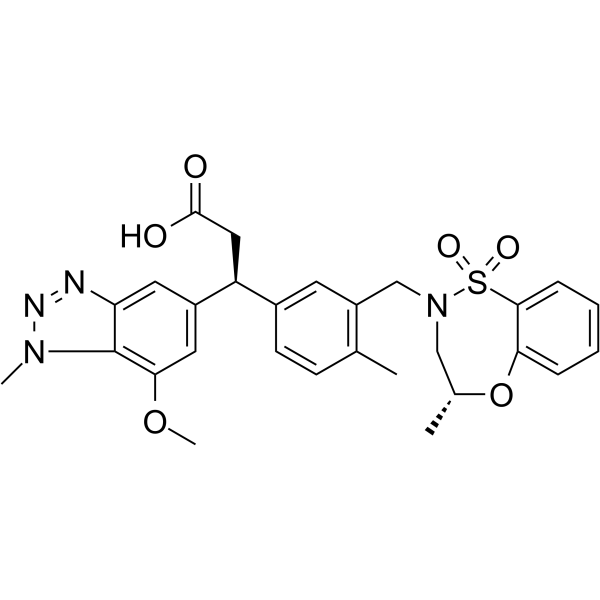
    PF-04628935 (compound 10n) is a potent ghrelin receptor inverse agonist, with an IC50 of 4.6 nM. PF-04628935 exhibits oral bioavailability of 43% in rats and shows reasonable penetration into the brain. PF-04628935 can be used for stress and anxiety research .
    PF-04628935
  • HY-W103463

    1-Phenylpyrrolidin-2-one

    GABA Receptor Neurological Disease
    1-Phenyl-2-pyrrolidinone (1-Phenylpyrrolidin-2-one) is a phenyl analogue of GABA with sedative effect, decreasing the exploratory behavior of rats at 50-100 mg/kg (i.v.). 1-Phenyl-2-pyrrolidinone also has been proved to inhibit emotional reactions in dogs and cats. 1-Phenyl-2-pyrrolidinone induces decreases in the pressor reaction to emotional stress without accompanied by normalization of the function of baroreceptor reflexes .
    1-Phenyl-2-pyrrolidinone
  • HY-B2007

    Environmental Pollutants Acetyl-CoA Carboxylase Herbicide Metabolic Disease Inflammation/Immunology
    Fluazifop-P-butyl is an orally active herbicide and ACCase inhibitor. Fluazifop-P-butyl blocks the formation of malonyl-CoA, disrupts lipid synthesis in sensitive plants, and exhibits concentration-dependent phytotoxicity to non-target maize seedlings. Fluazifop-P-butyl induces oxidative stress in male Wistar rats, impairs their liver and kidney functions, and disrupts testicular function .
    Fluazifop-P-butyl

Inquiry Online

Your information is safe with us. * Required Fields.

Salutation


Country or Region *

Applicant Name *


Organization Name *

Department *


Email Address *


Product Name *

Cat. No.


Requested quantity *

Phone Number *


Remarks

Inquiry Online

Inquiry Information

Product Name:
Cat. No.:
Quantity:
MCE Japan Authorized Agent:

