
1. Search Result
Search Result
Results for "

termination

" in MedChemExpress (MCE) Product Catalog:

43

Inhibitors & Agonists

3

Biochemical Assay Reagents

1

MCE Kits

5

Natural
Products

1

Recombinant Proteins

1

Isotope-Labeled Compounds

3

Antibodies

3

Oligonucleotides

Cat. No. Product Name Target Research Areas Chemical Structure
  • HY-B0956
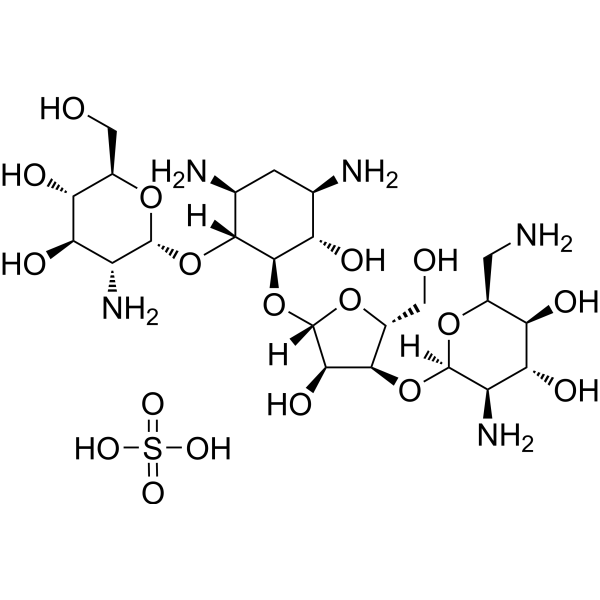
    Paromomycin sulfate
    4 Publications Verification

    Aminosidine sulfate

    Antibiotic Parasite Bacterial Infection
    Paromomycin (Aminosidine) sulfate, a neomycin (HY-B0470) derivative, is a broad spectrum aminoglycoside antibiotic with amebicidal and bactericidal effects. Paromomycin sulfate prematures termination of translation of mRNA and inhibits protein synthesis by specifically binds to the RNA oligonucleotide at the A site of bacterial 30S ribosomes. Paromomycin sulfate can be used for the research of bacterial and parasitic infections .
    Paromomycin sulfate
  • HY-139039
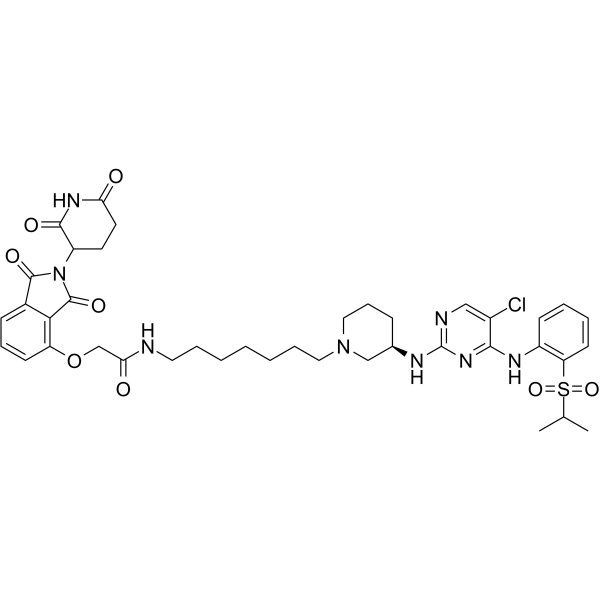
    BSJ-4-116
    4 Publications Verification

    PROTACs CDK Cancer
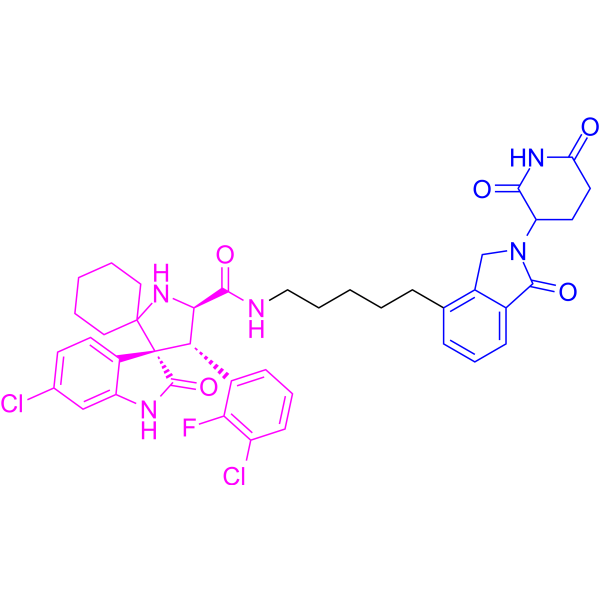
    BSJ-4-116 is a PROTAC connected by ligands for Cereblon and CDK. BSJ-4-116 is a highly potent and selective CDK12 degrader (PROTAC) with an IC50 of 6 nM. BSJ-4-116 downregulates DDR genes through a premature termination of transcription, primarily through increasing poly(adenylation). BSJ-4-116 exhibits potent antiproliferative effects, alone and in combination with the poly(ADP-ribose) polymerase inhibitor Olaparib (HY-10162) .
    BSJ-4-116
  • HY-150090
    SRI-41315
    1 Publications Verification

    CFTR Inflammation/Immunology
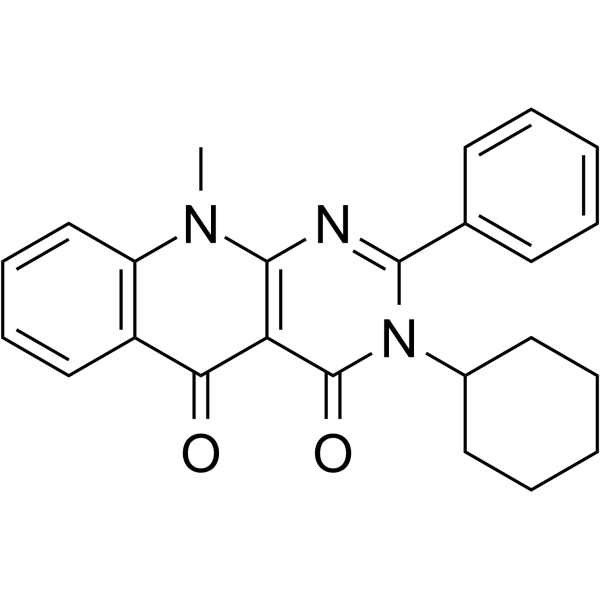
    SRI-41315 induces a prolonged pause at stop codons and suppresses PTCs (premature termination codons) associated with cystic fibrosis in immortalized and primary human bronchial epithelial cells, restoring CFTR (cystic fibrosis transmembrane conductance regulator) expression and function. SRI-41315 suppresses PTCs by reducing the abundance of the termination factor eRF1. SRI-41315 also potentiates aminoglycoside-mediated readthrough, leading to synergistic increases in CFTR activity .
    SRI-41315
  • HY-150089

    CFTR Inflammation/Immunology
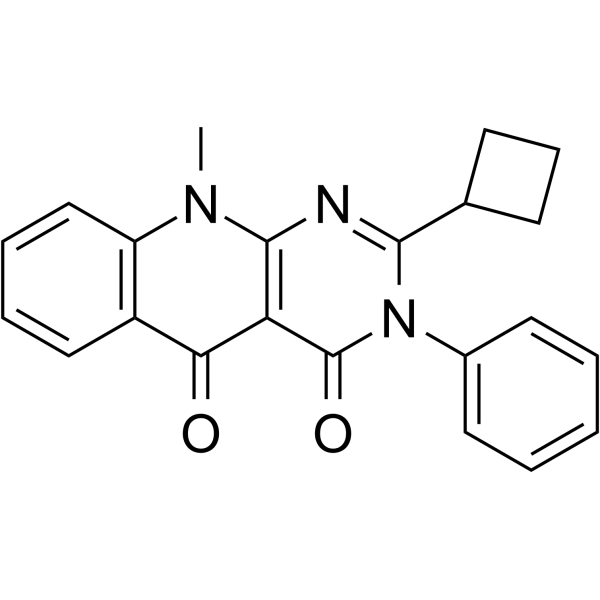
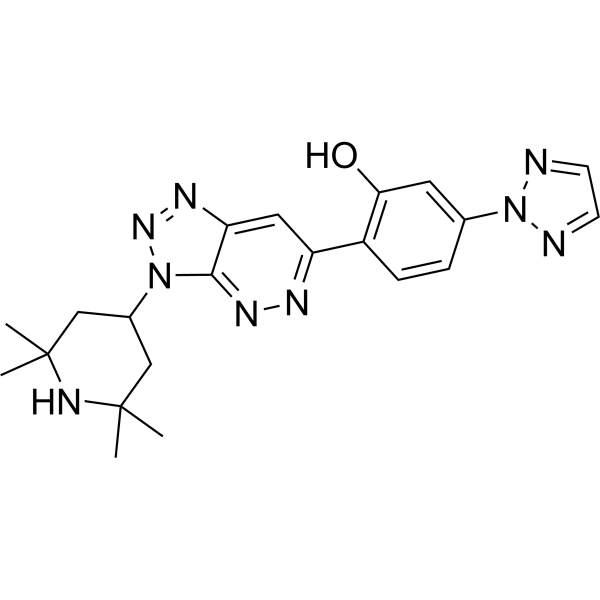
    SRI-37240 is a potent premature termination codons (PTCs) inhibitor. SRI-37240 suppresses CFTR nonsense mutations. SRI-37240 alters cellular translation termination at PTCs in HEK293T cells. SRI-37240 can also restore CFTR function in primary bronchial epithelial cells when combination with G418 .
    SRI-37240
  • HY-19360

    SHB 286; CP-34089; ZK-57671

    Prostaglandin Receptor Cardiovascular Disease Inflammation/Immunology
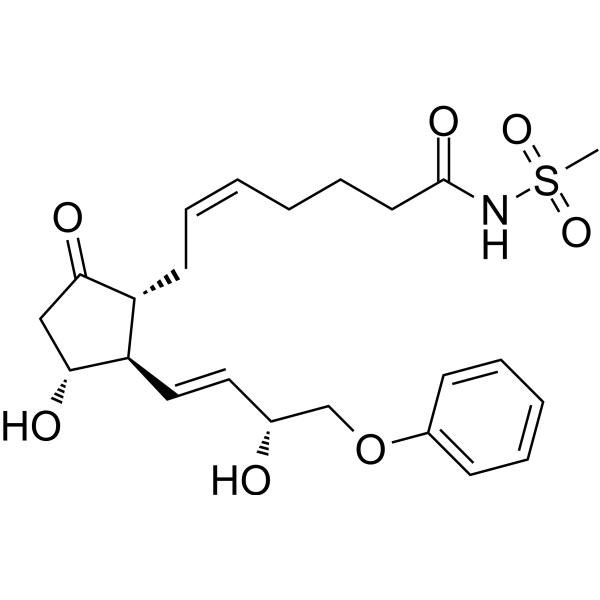
    Sulprostone (SHB 286) is a potent and selective EP3 receptor agonist. Sulprostone (SHB 286) is a prostaglandin E2 (PGE2) analogue and has antiulcer and nonsteroidal abortifacient effects. Sulprostone has potential for the research of pregnancy termination and hemorrhages during delivery .
    Sulprostone
  • HY-128428

    15(S)-15-Methyl Prostaglandin F2α; 15-Methyl-PGF2α

    Prostaglandin Receptor Endocrinology
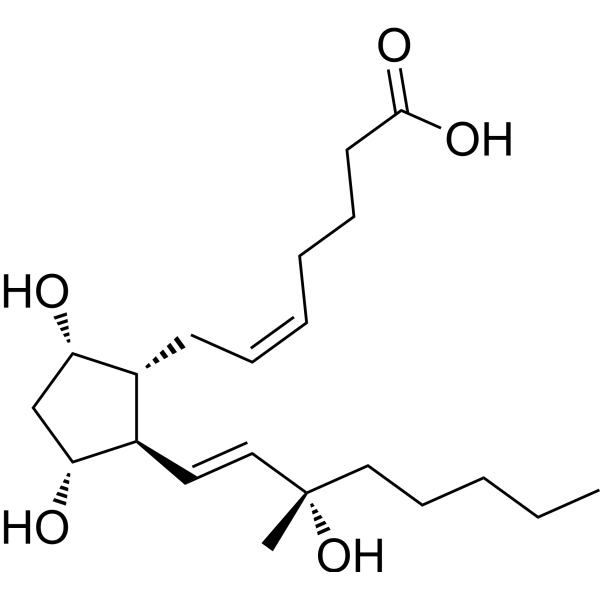
    Carboprost (15(S)-15-Methyl Prostaglandin F2α) is a metabolically stable synthetic analog of prostaglandin F2α. Carboprost stimulates uterine contractions and induces abortion. Carboprost is used for postpartum hemorrhage due to uterine atony and for the termination of pregnancy in the second trimester .
    Carboprost
  • HY-141567A

    Pseudo-UTP trisodium solution (100 mM)

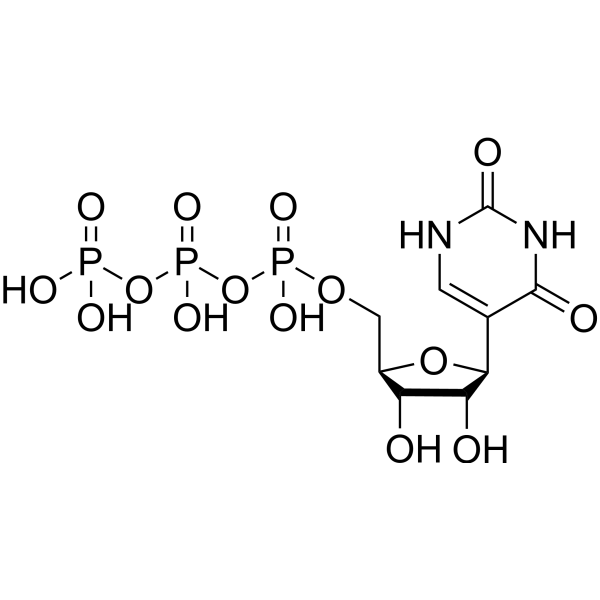
    DNA/RNA Synthesis Infection
    Pseudouridine 5'-triphosphate (Pseudo-UTP) trisodium solution (100 mM) is a modified ribonucleoside triphosphate and uracil base-modified UTP derivative. Pseudouridine 5'-triphosphate trisodium solution (100 mM) enhances translational properties and stability of mRNA, reduces innate immune responses in mammalian cells, and inhibits signal-dependent transcription termination of vaccinia virus early gene transcription while supporting transcription elongation. Pseudouridine 5'-triphosphate trisodium solution (100 mM) can be used for the research of vaccinia virus infection .
    Pseudouridine 5'-triphosphate trisodium solution (100 mM)
  • HY-131603

    3TCTP

    Reverse Transcriptase HCV HBV SARS-CoV Drug Derivative Infection
    Lamivudine triphosphate (3TCTP) is a phosphorylated Lamivudine (HY-B0250) (a nucleoside analogue). Lamivudine triphosphate inhibits the reverse transcriptase of HIV or HBV viruses to block viral replication by chain termination. Lamivudine triphosphate is also an inhibitor of the RdRp activity of the NS5B subunit of the HCV. Lamivudine triphosphate can be incorporated into the nascent RNA by the SARS-CoV-2 RdRp, thus halting mutations in the nascent SARS-CoV-2 RNA .
    Lamivudine triphosphate
  • HY-130122
    MG-277
    1 Publications Verification

    Molecular Glues PROTACs Apoptosis Cancer
    MG-277, a molecular glue degrader, effectively induces degradation of a translation termination factor based on Cereblon E3 ligand, GSPT1, with a DC50 of 1.3 nM. MG-277 potently inhibits tumor cell growth in a p53-independent manner, with IC50s of 3.5 nM for RS4;11 cells and 3.4 nM for p53 mutant RS4;11/IRMI-2 cells, respectively. Anticancer activity .
    MG-277
  • HY-17422S1

    Aciclovir-d4; Acycloguanosine-d4

    Isotope-Labeled Compounds HSV Bacterial Apoptosis Antibiotic Infection Cancer
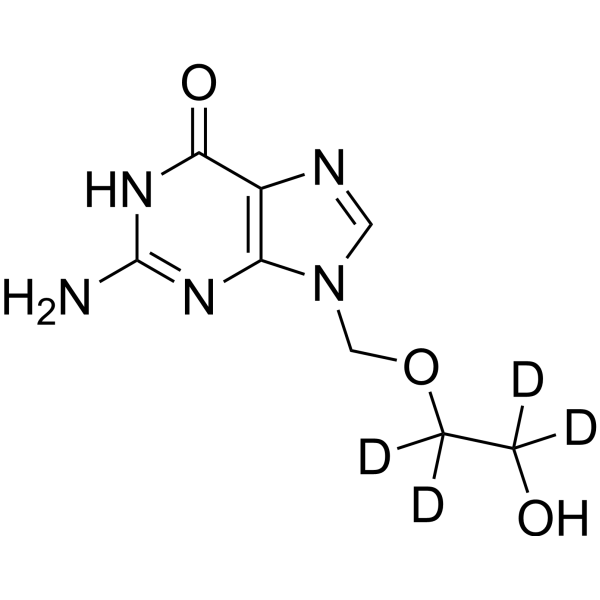
    Acyclovir-d4 is the deuterium labeled Acyclovir. Acyclovir (Aciclovir) is a guanosine analogue and an orally active antiviral agent. Acyclovir inhibits HSV-1 (IC50 of 0.85 μM), HSV-2 (IC50 of 0.86 μM) and varicella-zoster virus. Acyclovir can be phosphorylated by viral thymidine kinase (TK), and Acyclovir triphosphate interferes with viral DNA polymerization through competitive inhibition with guanosine triphosphate and obligatory chain termination . Acyclovir prevents bacterial infections during induction therapy for acute leukaemia .
    Acyclovir-d4
  • HY-136688

    PROTACs Cancer
    MI-389 is a PROTAC translation termination factor GSPT1 degrader. MI-389 disrupts a target that is a shared dependency in different AML and ALL cell lines, and that MI-389 action is dependent on the CRL4 CRBN E3 ligase .
    MI-389
  • HY-W040795

    DNA/RNA Synthesis Endogenous Metabolite Infection
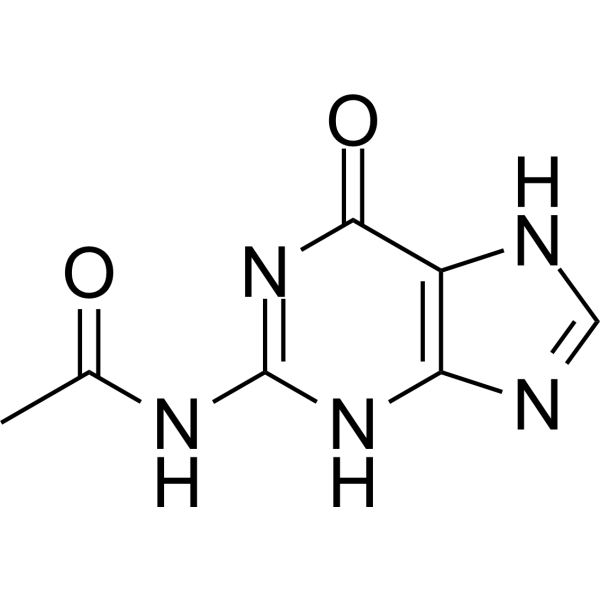
    N2-Acetylguanine is a C2-modified guanine. N2-Acetylguanine binds GR (guanine-guanine riboswitch) with an Kd value of 300 nM. N2-Acetylguanine modulate transcriptional termination. N2-Acetylguanine has the potential for the research of antimicrobial agent .
    N2-Acetylguanine
  • HY-108060A

    NM283 dihydrochloride

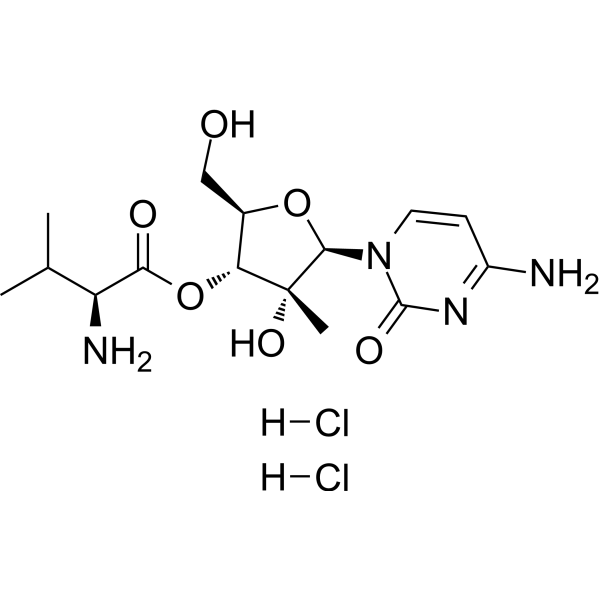
    HCV HCV Protease Nucleoside Antimetabolite/Analog Infection
    Valopicitabine (NM283) dihydrochloride is a nucleoside analog and the orally bioavailable proagent of the potent anti-HCV agent 2'-C-methylcytidine (NM107). NM107competitively inhibits NS5B polymerase, causing chain termination .
    Valopicitabine dihydrochloride
  • HY-141567

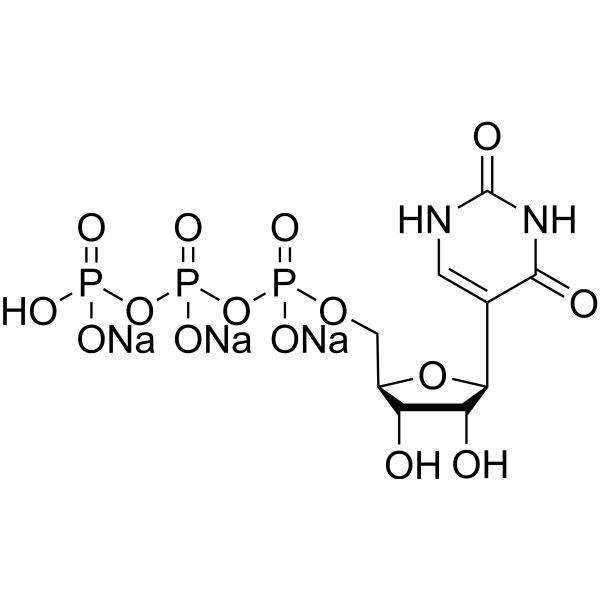
    Pseudo-UTP

    DNA/RNA Synthesis Infection
    Pseudouridine 5'-triphosphate (Pseudo-UTP) is a modified ribonucleoside triphosphate and uracil base-modified UTP derivative. Pseudouridine 5'-triphosphate enhances translational properties and stability of mRNA, reduces innate immune responses in mammalian cells, and inhibits signal-dependent transcription termination of vaccinia virus early gene transcription while supporting transcription elongation. Pseudouridine 5'-triphosphate can be used for the research of vaccinia virus infection .
    Pseudouridine 5'-triphosphate
  • HY-142028A

    AcycloGTP sodium (100 mM)

    DNA/RNA Synthesis Nucleoside Antimetabolite/Analog HIV Reverse Transcriptase Infection
    Acyclovir triphosphate (Synonyms: AcycloGTP) sodium is a Acyclovir (HY-17422) derivative that competitively inhibits viral DNA polymerase by acting as an analog to deoxyguanosine triphosphate (dGTP). Acyclovir triphosphate (sodium) (100 mM) is an inhibitor of HIV-1 reverse transcriptase. Acyclovir triphosphate (sodium) (100 mM) causes termination of viral DNA synthesis .
    Acyclovir triphosphate sodium (100 mM)
  • HY-143792

    Huntingtin P-glycoprotein Neurological Disease
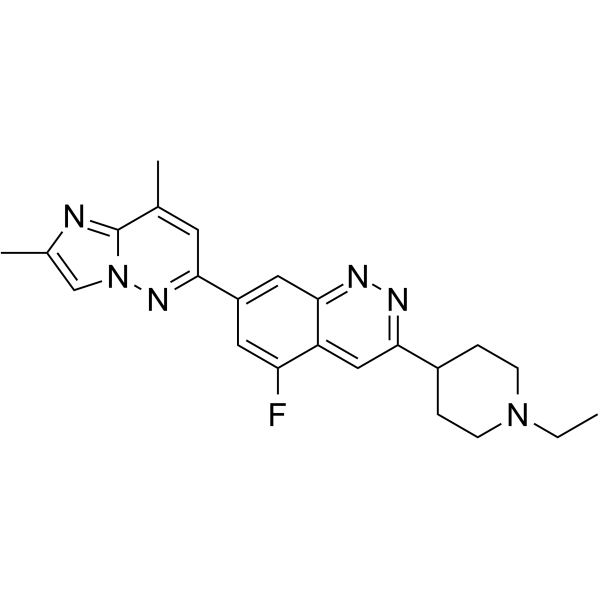
    HTT-D3 is an orally active, blood-brain barrier penetrant splicing modulator of huntingtin (HTT). HTT-D3 promotes the inclusion of a pseudo-exon containing a premature termination codon into HTT pre-mRNA, triggers nonsense-mediated mRNA degradation and reduces HTT protein levels. HTT-D3 induces dose-dependent, comparable reductions in mutant HTT protein in both the brain and peripheral tissues of transgenic mouse models. HTT-D3 can be used for the research of Huntington's disease .
    HTT-D3
  • HY-135730

    Endogenous Metabolite Endocrinology
    Aglepristone is a synthetic steroidal antiprogestin with abortifacient activity. Aglepristone is used exclusively as an abortifacient in pregnant animals. Aglepristone has been shown to be a safe and effective abortifacient in the second trimester of pregnancy. Aglepristone causes termination of pregnancy and does not cause fetal resorption. During aglepristone treatment, an increase in plasma concentrations of prolactin was observed, while progesterone levels remained unchanged. The use of aglepristone also resulted in early arrest of corpus luteum function and a shortening of the estrus interval .
    Aglepristone
  • HY-177569

    Eukaryotic Initiation Factor (eIF) Others
    NVS1.1 is a potent, orally active and brain-penetrant readthrough promoter. NVS1.1 triggers the degradation of eRF1 by activating the ribosome-related quality control pathways (involving GCN1, RNF14, and RNF25), thereby facilitating the reading through of premature termination codons. NVS1.1 can be used for the research of genetic diseases caused by nonsense mutations .
    NVS1.1
  • HY-108060

    NM283

    HCV HCV Protease Nucleoside Antimetabolite/Analog Infection
    Valopicitabine (NM283) is a nucleoside analog and the orally bioavailable proagent of the potent anti-HCV agent 2'-C-methylcytidine (NM107). NM107competitively inhibits NS5B polymerase, causing chain termination .
    Valopicitabine
  • HY-177963

    DNA Methyltransferase Inflammation/Immunology
    NV914 is an inhibitor of FTSJ1 (tryptophan tRNA-specific 2'-O-methyltransferase) that inhibits the methyltransferase activity of FTSJ1, induces translational readthrough of premature termination codons, and enables genes carrying nonsense mutations to synthesize full-length proteins. NV914 belongs to translational readthrough-inducing compounds (TRIDs). NV914 exhibits translational readthrough activity against nonsense mutations in in vitro systems, does not induce readthrough of natural termination codons, and restores CFTR protein expression. NV914 shows favorable acute oral tolerance in mice, with low health risks and good safety profiles. NV914 is applicable to research related to cystic fibrosis and Shwachman-Diamond syndrome .
    NV914
  • HY-E70659

    CDK Cancer
    CDK12/CycK Recombinant Human Active Protein Kinase is a cyclin-dependent kinase that phosphorylates the C-terminal domain (CTD) of RNA polymerase II (Pol II), thereby regulating different phases of the transcription cycle from transcription initiation to elongation and termination .
    CDK12/CycK Recombinant Human Active Protein Kinase
  • HY-177757

    Eukaryotic Initiation Factor (eIF) Others
    NVS2.1 is a potent, orally active and brain-penetrant readthrough promoter. NVS2.1 triggers the degradation of eRF1 by activating the ribosome-related quality control pathways (involving GCN1, RNF14, and RNF25), thereby facilitating the reading through of premature termination codons. NVS2.1 can be used for the research of genetic diseases caused by nonsense mutations .
    NVS2.1
  • HY-131603B

    3TCTP TEA

    Reverse Transcriptase HCV HBV SARS-CoV Drug Derivative Infection
    Lamivudine triphosphate (3TCTP) TEA is a phosphorylated Lamivudine (HY-B0250) (a nucleoside analogue). Lamivudine triphosphate TEA inhibits the reverse transcriptase of HIV or HBV viruses to block viral replication by chain termination. Lamivudine triphosphate TEA is also an inhibitor of the RdRp activity of the NS5B subunit of the HCV. Lamivudine triphosphate TEA can be incorporated into the nascent RNA by the SARS-CoV-2 RdRp, thus halting mutations in the nascent SARS-CoV-2 RNA .
    Lamivudine triphosphate TEA
  • HY-W1119950

    Nucleoside Antimetabolite/Analog DNA/RNA Synthesis Others
    3'-NH-Tr-2',3'-DMF-ddA-5'-CE-Phosphoramidite is an adenine nucleotide monomer precursor used in solid-phase synthesis of oligonucleotides, particularly modified oligonucleotides, such as those with DNA chain end modifications. 3'-NH-Tr-2',3'-DMF-ddA-5'-CE-Phosphoramidite, with trityl (Tr), cyanoethyl (CE), and dimethylformamidine (DMF) protecting groups, is a ddNTP adenosine nucleoside useful in applications such as solid-phase oligonucleotide synthesis, probe design, and chain-termination sequencing .
    3'-NH-Tr-2',3'-DMF-ddA-
5'-CE-Phosphoramidite
  • HY-171587

    HCV Infection
    3′-Deoxy CTP is a nucleotide analogue and a mandatory chain terminator. 3′-Deoxy CTP can cause chain termination by lacking the 3′-hydroxyl group, inhibiting the RNA synthesis activity of HCV nonstructural protein (NS5B) polymerase and blocking viral replication. 3′-Deoxy CTP can be used to study the chain termination mechanism of HCV polymerase and the development of antiviral drugs .
    3′-Deoxy CTP
  • HY-171587A

    HCV Infection
    3′-Deoxy CTP trisodium is the sodium salt form of 3′-Deoxy CTP (HY-171587). 3′-Deoxy CTP trisodium is a nucleotide analogue and a mandatory chain terminator. 3′-Deoxy CTP trisodium can cause chain termination by lacking the 3′-hydroxyl group, inhibiting the RNA synthesis activity of HCV nonstructural protein (NS5B) polymerase and blocking viral replication. 3′-Deoxy CTP trisodium can be used to study the chain termination mechanism of HCV polymerase and the development of antiviral drugs .
    3′-Deoxy CTP trisodium
  • HY-128428R

    15(S)-15-Methyl Prostaglandin F2α (Standard); 15-Methyl-PGF2α (Standard)

    Reference Standards Prostaglandin Receptor Endocrinology
    Carboprost (Standard) is the analytical standard of Carboprost. This product is intended for research and analytical applications. Carboprost (15(S)-15-Methyl Prostaglandin F2α) is a metabolically stable synthetic analog of prostaglandin F2α. Carboprost stimulates uterine contractions and induces abortion. Carboprost is used for postpartum hemorrhage due to uterine atony and for the termination of pregnancy in the second trimester .
    Carboprost (Standard)
  • HY-119482

    Progesterone Receptor Others
    Cymipristone (ZXH-951), a progesterone receptor antagonist, is used potentially for termination of intrauterine pregnancy .
    Cymipristone
  • HY-W784572

    3'-O-Acetyl-2'-deoxyadenosine-5'-O-triphosphate

    DNA/RNA Synthesis Others
    3'-O-Acetyl-dATP is an acetylated derivative of dATP (HY-136648). It has been used as a DNA synthesis chain termination reagent in Sanger sequencing.
    3'-O-Acetyl-dATP
  • HY-N15785

    Biochemical Assay Reagents Metabolic Disease
    18:0-azo PC is an analog of phosphatidylcholine (PC). Under light, 18:0-azo PC can be switched on and off by light, forcing the azobenzene portion of the molecule to undergo cis/trans isomerization, leading to the initiation or termination of cell signaling.
    18:0-Azo PC
  • HY-111245

    Potassium Channel Calcium Channel Sodium Channel Cardiovascular Disease Neurological Disease
    AZD-1305 is an antiarrhythmic agent and atrial selective sodium channel/potassium channel blocker, which can significantly prolongs action potential duration and reduces excitability, cause atrial selective ERP prolongation and acute termination of atrial fibrillation. AZD1305 can be used for atrial fibrillation research .
    AZD-1305
  • HY-163399

    Bacterial Infection
    Antibacterial agent 197 (compound 1-deAA) is a termination inhibitor of non-classical anhydroglycosyl receptors and anhydrowall peptide-type peptidoglycan (PG) in bacterial TGase, with activity against Staphylococcus aureus. Antibacterial agent 197 synergizes with Vancomycin (HY-B0671) and is its antibacterial adjuvant .
    Antibacterial agent 197
  • HY-172002

    3'-O-Methyl GTP sodium

    Drug Derivative Metabolic Disease
    3'-O-Methylguanosine-5'-O-triphosphate (3'-O-Methyl GTP) sodium is a methylated derivative of Guanosine 5'-triphosphate (HY-W010737). 3'-O-Methylguanosine-5'-O-triphosphate has been used as a chain termination reagent in the preparation of early RNA polymerase II elongation intermediates.
    3'-O-Methylguanosine-5'-O-triphosphate sodium
  • HY-W784572A

    3'-O-Acetyl-2'-deoxyadenosine-5'-O-triphosphate sodium

    DNA/RNA Synthesis Others
    3'-O-Acetyl-2'-deoxyadenosine-5'-O-triphosphate (sodium) (3'-O-Acetyl-dATP (sodium)) is an acetylated derivative of the purine nucleotide 2'-deoxyadenosine-5'-triphosphate (HY-136648). 3'-O-Acetyl-2'-deoxyadenosine-5'-O-triphosphate (sodium) can been used as a DNA synthesis chain termination reagent in Sanger sequencing.
    3’-O-Acetyl-dATP sodium
  • HY-N0677AR

    Potassium dehydroandrographolide succinate (Standard)

    Antibiotic Reference Standards Infection Inflammation/Immunology Cancer
    Paromomycin (sulfate) (Standard) is the analytical standard of Paromomycin (sulfate). This product is intended for research and analytical applications. Paromomycin (Aminosidine) sulfate, a neomycin (HY-B0470) derivative, is a broad spectrum aminoglycoside antibiotic with amebicidal and bactericidal effects. Paromomycin sulfate prematures termination of translation of mRNA and inhibits protein synthesis?by specifically binds to the RNA oligonucleotide at the A site of bacterial 30S ribosomes. Paromomycin sulfate can be used for the research of bacterial and parasitic infections .
    Kalii Dehydrographolidi Succinas (Standard)
  • HY-B0956R

    Aminosidine sulfate (Standard)

    Reference Standards Antibiotic Parasite Bacterial Infection
    Paromomycin (sulfate) (Standard) is the analytical standard of Paromomycin (sulfate). This product is intended for research and analytical applications. Paromomycin (Aminosidine) sulfate, a neomycin (HY-B0470) derivative, is a broad spectrum aminoglycoside antibiotic with amebicidal and bactericidal effects. Paromomycin sulfate prematures termination of translation of mRNA and inhibits protein synthesis?by specifically binds to the RNA oligonucleotide at the A site of bacterial 30S ribosomes. Paromomycin sulfate can be used for the research of bacterial and parasitic infections .
    Paromomycin sulfate (Standard)
  • HY-129907

    2-Aminoethyl methylphosphonate

    GABA Receptor Neurological Disease
    2-AEMP (2-Aminoethyl methylphosphonate) is an anti-GABA(A)-ρ1 receptor compound with antagonist activity. 2-AEMP exhibits competitive inhibition compared to TPMPA with an IC(50) value of 18 μM, compared to 7 μM for TPMPA. The release rate of inhibition at termination of 2-AEMP is significantly higher than that of TPMPA. The preincubation time required for the onset of inhibition of 2-AEMP is much shorter than that of TPMPA. Some analogs of 2-AEMP, especially those with benzyl or n-butyl substituents, show lower potency in terms of biological activity .
    2-AEMP
  • HY-108060AR

    NM283 dihydrochloride (Standard)

    Reference Standards HCV HCV Protease Nucleoside Antimetabolite/Analog Infection
    Valopicitabine dihydrochloride (Standard) is the analytical standard of Valopicitabine (dihydrochloride) (HY-108060A). This product is intended for research and analytical applications. Valopicitabine (NM283) dihydrochloride is a nucleoside analog and the orally bioavailable proagent of the potent anti-HCV agent 2'-C-methylcytidine (NM107). NM107competitively inhibits NS5B polymerase, causing chain termination .
    Valopicitabine dihydrochloride (Standard)
  • HY-185150

    9-(2-Phosphonylmethoxy)ethylguanine

    DNA/RNA Synthesis CMV Infection Inflammation/Immunology Cancer
    PMEG is a nuclear DNA polymerases α, δ, and ε inhibitor that causes DNA chain termination, inhibits DNA synthesis, induces cytotoxicity in dividing cells. PMEG is an acyclic nucleotide phosphonate that forms an active phosphorylated metabolite, PMEG diphosphate, within cells. PMEG has activity against leukemia and melanoma in rodent models. PMEG has poor cell permeability; its prodrug is Rabacfosadine (GS-9219) (HY-13640). PMEG shows antiviral activity against against various DNA virus infections including murine cytomegalovirus (MCMV) and human cytomegalovirus (HCMV). PMEG can be used for the research of non-hodgkin's lymphoma [1][2].
    PMEG
  • HY-E70426A

    Biochemical Assay Reagents Metabolic Disease
    Polyphosphate Kinase, Propionibacterium shermanii (EC 2.7.4.1) catalyzes the reversible transfer of phosphate between polyphosphate and ATP. The phosphorylation of ADP to ATP by polyphosphate kinase is by a processive mechanism; the phosphorylation occurs without release of the polymer from the enzyme prior to termination of the reaction.
    Polyphosphate Kinase, Propionibacterium shermanii
  • HY-137694A

    DNA/RNA Synthesis DNA Alkylator/Crosslinker HIV Infection
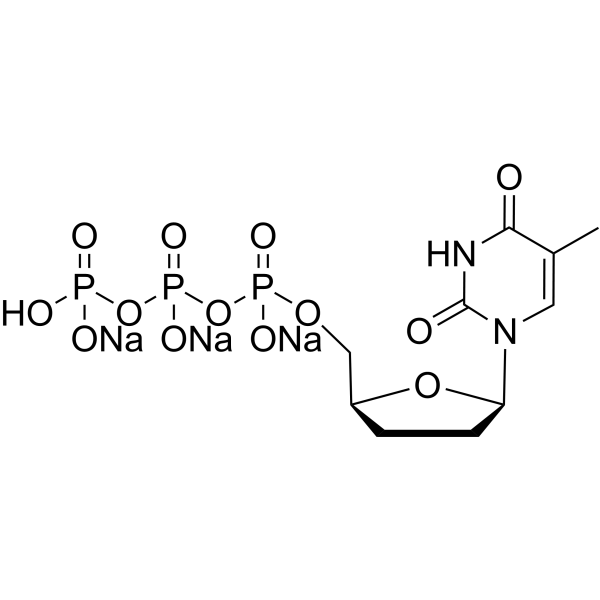
    ddTTP tetrasodium is a DNA polymerase γ inhibitor, with Ki values of 0.05 μM and 0.4 μM against bovine testicular DNA polymerase γ. ddTTP tetrasodium can be incorporated into DNA to cause termination of the extended DNA strand. ddTTP tetrasodium can be used in the research of HIV infection .
    ddTTP tetrasodium
  • HY-106074

    MDL 646

    Drug Derivative Inflammation/Immunology
    Mexiprostil (MDL 646) is an orally active gastric protectant, being a synthetic analogue of Prostaglandin E1 (HY-B0131). Mexiprostil exhibits significant inhibition of gastric acid secretion caused by Histamine (HY-B1204) and Bethanechol (HY-B0406) in rats, dogs, and cats. Mexiprostil can also inhibit the increase in gastric acid secretion caused by Pentagastrin (HY-A0261) in cats, while it does not have this effect in dogs and rats. Mexiprostil does not cause pregnancy termination. Mexiprostil can be used for research on gastric ulcers .
    Mexiprostil
  • HY-12983B

    Drug Metabolite DNA/RNA Synthesis Infection
    ALS-8112-TP is the 5'-triphosphate metabolite of ALS-8112 (HY-12983). ALS-8112-TP is a potent, selective and competitive respiratory syncytial virus (RSV) RNA polymerase inhibitor, with selectivity against polymerases from host or viruses unrelated to RSV such as hepatitis C virus (HCV). ALS-8112-TP can be efficiently recognized by the recombinant RSV polymerase complex, causing chain termination of RNA synthesis. ALS-8112-TP can be used for RSV-infection research .
    ALS-8112-TP

Inquiry Online

Your information is safe with us. * Required Fields.

Salutation


Country or Region *

Applicant Name *


Organization Name *

Department *


Email Address *


Product Name *

Cat. No.


Requested quantity *

Phone Number *


Remarks

Inquiry Online

Inquiry Information

Product Name:
Cat. No.:
Quantity:
MCE Japan Authorized Agent:

