1. Search Result
Search Result
Results for "

tract

" in MedChemExpress (MCE) Product Catalog:

376

Inhibitors & Agonists

2

Fluorescent Dye

6

Biochemical Assay Reagents

13

Peptides

11

Inhibitory Antibodies

34

Natural
Products

1

Recombinant Proteins

45

Isotope-Labeled Compounds

1

Antibodies

6

Oligonucleotides

Cat. No. Product Name Target Research Areas Chemical Structure
  • HY-A0090
    Nitrofurantoin
    5+ Cited Publications

    Bacterial Antibiotic Infection
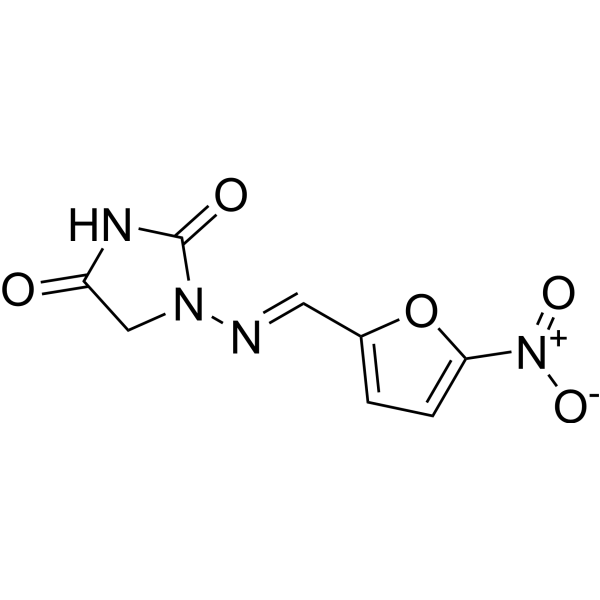
    Nitrofurantoin is a potent and orally active broad-spectrum beta-lactamase antimicrobial agent. Nitrofurantoin acts as an antibiotic and can be used for the study of urinary tract infections (UTIs), including cystitis and kidney infections .
    Nitrofurantoin
  • HY-B0510
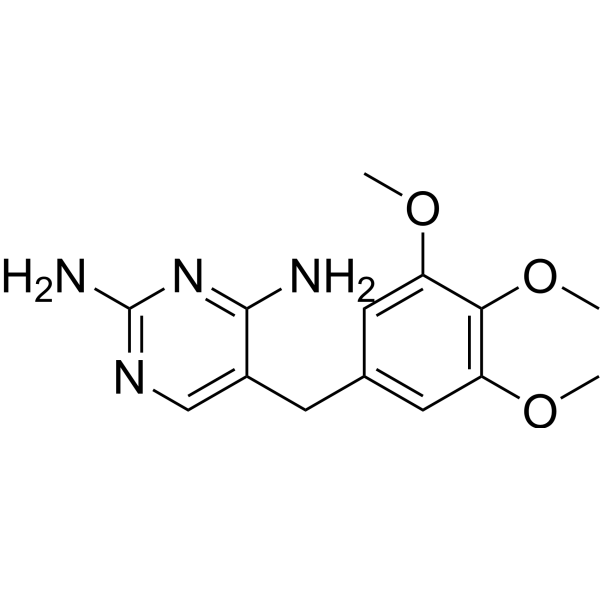
    Trimethoprim
    10+ Cited Publications

    Antifolate Bacterial Antibiotic Influenza Virus Infection Cancer
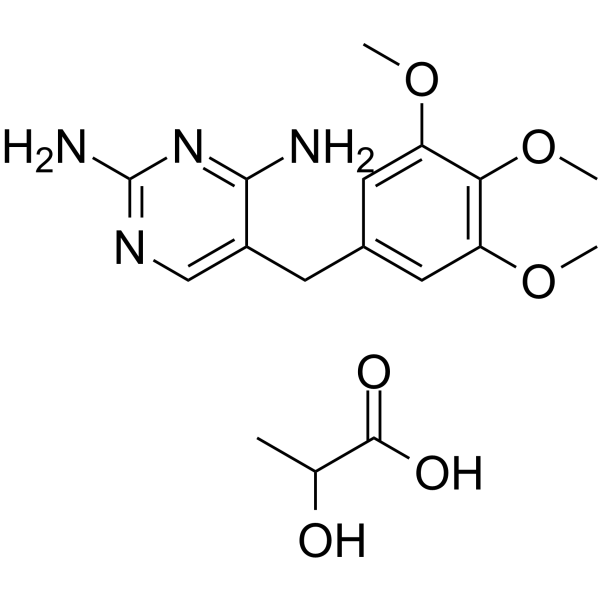
    Trimethoprim is a bacteriostatic antibiotic and an orally active dihydrofolate reductase inhibitor. Trimethoprim is active against a wide range of Gram-positive and Gram-negative aerobic bacteria. Trimethoprim has the potential for the research of urinary tract infections, Shigellosis and Pneumocystis pneumonia. Trimethoprim can inhibit infection of Influenza A virus in chick embryo when combinated with zinc .
    Trimethoprim
  • HY-N1425
    Tiliroside
    3 Publications Verification

    Others Metabolic Disease
    Tiliroside, a glycosidic flavonoid, possesses anti-diabetic activities. Tiliroside is a noncompetitive inhibitor of α-amylase with a Ki value of 84.2  μM. Tiliroside inhibits carbohydrate digestion and glucose absorption in the gastrointestinal tract .
    Tiliroside
  • HY-P9978

    JS-001

    PD-1/PD-L1 Cancer
    Toripalimab is a selective, recombinant, humanized monoclonal antibody against PD-1. Toripalimab is able to bind to PD-1 and block the interaction with its ligands. Toripalimab has exhibited primary anti-tumor effects in tumors such as melanoma, lung cancer, digestive tract tumors, hepatobiliary and pancreatic tumors, neuroendocrine neoplasms, nasopharyngeal carcinoma and urothelial carcinoma .
    Toripalimab
  • HY-B1085
    Cinoxacin
    1 Publications Verification

    Compound 64716

    Bacterial Antibiotic DNA/RNA Synthesis Infection
    Cinoxacin (Compound 64716), a synthetic antimicrobial related to the quinolone class of orally active antibacterial agent. Cinoxacin has antibacterial activity against many gram-negative aerobic bacteria and inhibits bacterial DNA synthesis. Cinoxacin can be used for the research of urinary tract infections and bacterial prostatitis .
    Cinoxacin
  • HY-B0198
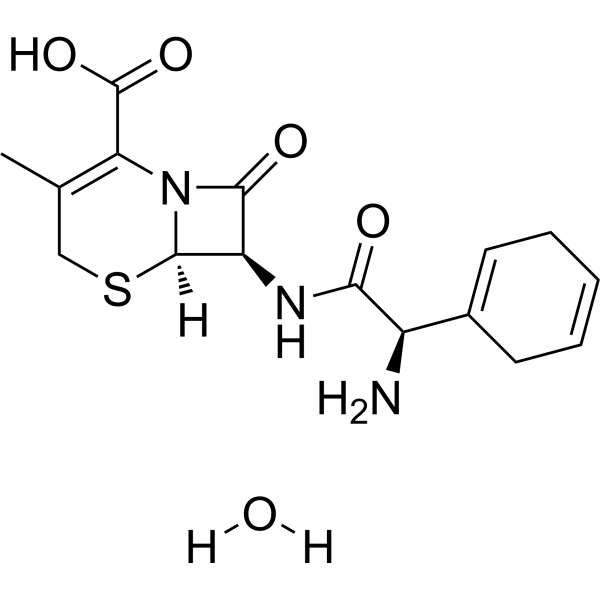
    Cefaclor
    2 Publications Verification

    Antibiotic Penicillin-binding protein (PBP) Bacterial 5-HT Receptor Infection Neurological Disease Inflammation/Immunology
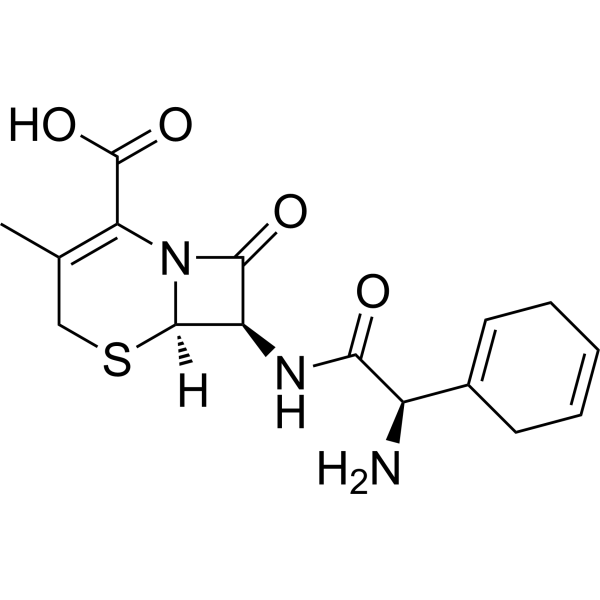
    Cefaclor is a well-absorbed orally active cephalosporin antibiotic. Cefaclor can specifically bind to specific for penicillin-binding protein 3 (PBP3). Cefaclor can be used for the research of depression and kinds of infections caused by bacteria, such as respiratory tract infections, bacterial bronchitis, pharyngitis and skin infections .
    Cefaclor
  • HY-B1050

    SB-265805S; LB-20304a

    Bacterial Antibiotic DNA/RNA Synthesis Topoisomerase Infection
    Gemifloxacin mesylate (SB-265805S; LB-20304a) is an orally active broad-spectrum quinolone antibacterial antibiotic. Gemifloxacin mesylate inhibits DNA synthesis by inhibiting DNA gyrase and Topoisomerase IV activities. Gemifloxacin mesylate has potent antibacterial activities against gram-positive bacteria in vitro efficacy study, particularly Streptococci and Staphylococci. Gemifloxacin mesylate has been used in the research of respiratory tract infections .
    Gemifloxacin mesylate
  • HY-105284
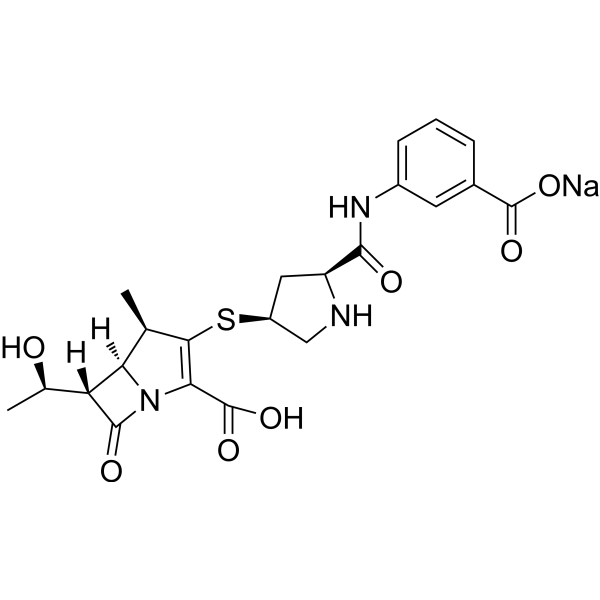
    Sulopenem
    2 Publications Verification

    CP-70429

    Beta-lactamase Bacterial Antibiotic Infection
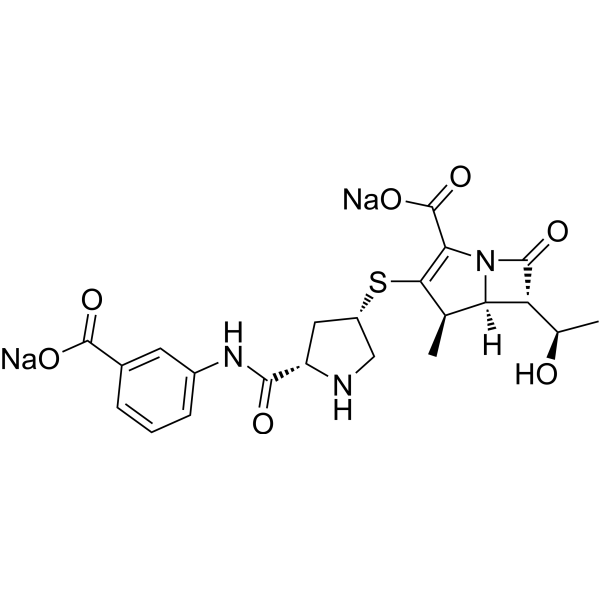
    Sulopenem (CP-70429) is an orally active, parenteral penem antibiotic with broad-spectrum activities against Gram-positive and Gram-negative bacteria. Sulopenem has the potential for urinary tract infections and intra-abdominal infections treatment. Sulopenem is inactive against Pseudomonas aeruginosa and Xanthomonas maltophilia .
    Sulopenem
  • HY-B0395C
    Sitafloxacin hydrate
    5+ Cited Publications

    DU6859a hydrate

    Bacterial Antibiotic Infection
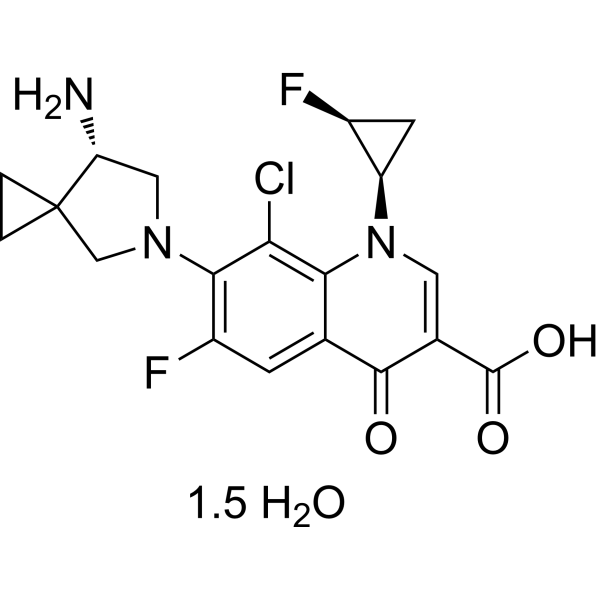
    Sitafloxacin (DU6859a) hydrate is an orally active fluoroquinolone antibiotic (antibiotic) with in vitro activity against a wide range of Gram-positive and -negative bacteria, including anaerobic bacteria, as well as atypical pathogens. Sitafloxacin is used in the study of respiratory tract infections and urinary tract infections .
    Sitafloxacin hydrate
  • HY-B1691

    Hexamine hippurate

    Bacterial Cancer
    Methenamine hippurate (Hexamine hippurate) is an orally active urinary antiseptic agent with a wide antibacterial spectrum. Methenamine hippurate is effective against most common urinary tract pathogens .
    Methenamine hippurate
  • HY-A0111
    Cefetamet
    1 Publications Verification

    Ro 15-8074; Deacetoxycefotaxime

    Antibiotic Bacterial Penicillin-binding protein (PBP) Drug Metabolite Infection
    Cefetamet (Ro 15-8074) is a cephalosporin antibiotic and the active metabolite of Cefetamet pivoxil (HY-B1894A). Cefetamet binds to bacterial penicillin-binding protein (PBP) (IC50 for PBP3 in Escherichia coli W3110 is 2.5 μg/mL). Cefetamet has significant activity against Gram-negative bacteria such as Enterobacteriaceae, Neisseria species, and Haemophilus influenzae, as well as Gram-positive bacteria such as Streptococcus. Cefetamet kills and lyses Treponema pallidum. Cefetamet can be used in the research of respiratory tract, urinary tract, ear, nose and throat infections, and syphilis .
    Cefetamet
  • HY-B1002
    Oxolinic acid
    3 Publications Verification

    Bacterial Antibiotic DNA/RNA Synthesis Infection
    Oxolinic acid is an antibiotic against both Gram-negative and Gram-positive bacteria. Oxolinic acid can be used for the research of acute and chronic urinary tract infections. Oxolinic acid is a DNA/RNA synthesis inhibitor. Oxolinic acid acts a dopamine uptake inhibitor and stimulants locomotor effect in mice .
    Oxolinic acid
  • HY-B0322A
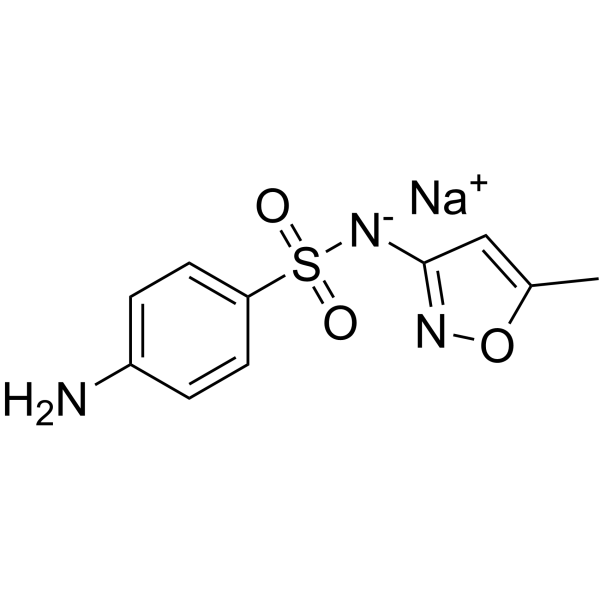
    Sulfamethoxazole sodium
    20+ Cited Publications

    Ro 4-2130 sodium

    Antibiotic Bacterial Infection
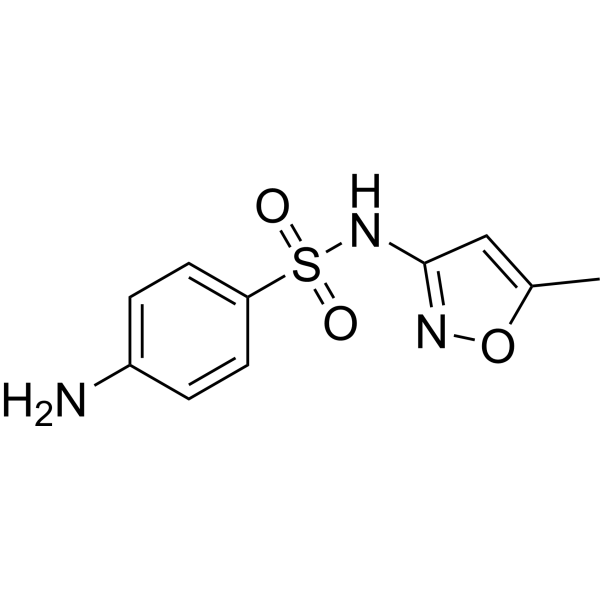
    Sulfamethoxazole (Ro 4-2130) sodium is a sulfonamide antibiotic with a widespread antibacterial activity. Sulfamethoxazole sodium inhibits bacterial folate metabolism by competing with 4-Aminobenzoic acid (HY-B1008) (PABA) to act on dihydropteroate synthetase and dihydropteroate reductase. Sulfamethoxazole sodium can be used for the study of urinary tract infections (UTIs), prostatitis, and bronchitis .
    Sulfamethoxazole sodium
  • HY-A0208
    Rosoxacin
    1 Publications Verification

    Acrosoxacin

    Bacterial Antibiotic Infection
    Rosoxacin (Acrosoxacin) is an orally active and broad-spectrum antibacterial quinolone antibiotic. Rosoxacin inhibits Gram-negative bacteria, including N. gonorrhoeae (MIC range=0.03-0.125 µg/mL).Rosoxacin can be used in studies of urinary tract infections and certain sexually transmitted diseases .
    Rosoxacin
  • HY-14865B
    Omadacycline tosylate
    Maximum Cited Publications
    32 Publications Verification

    PTK 0796 tosylate; Amadacycline tosylate

    Bacterial Antibiotic Infection
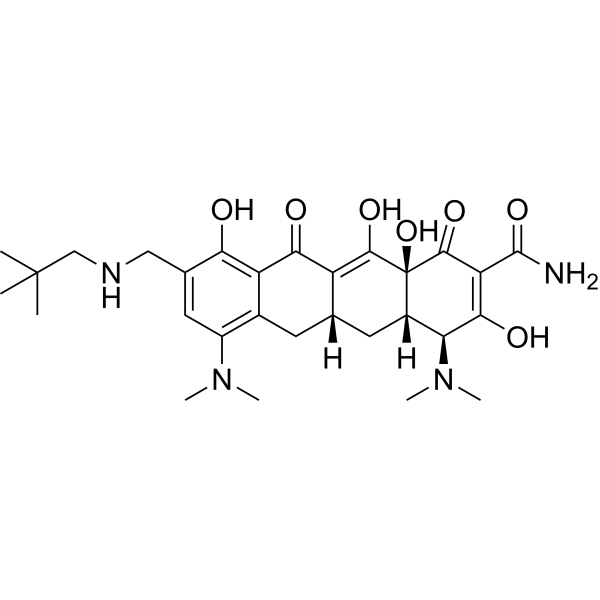
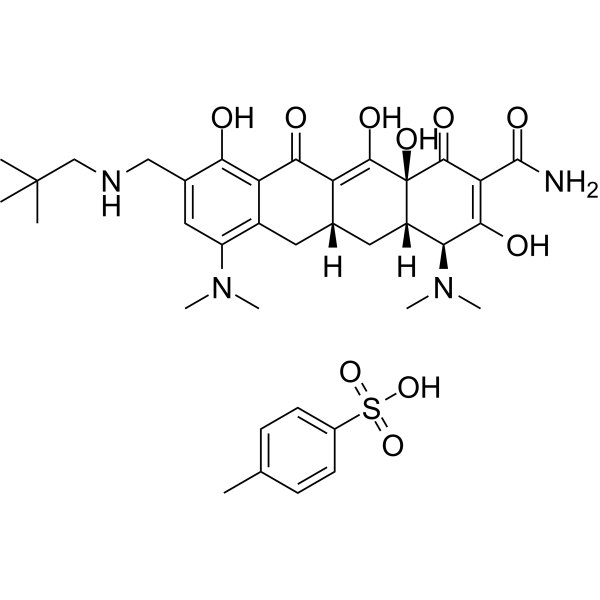
    Omadacycline (PTK 0796) tosylate, a first-in-class orally active aminomethylcycline antibacterial, is a member of the tetracycline class of antibiotics. Omadacycline tosylate acts through the inhibition of bacterial protein synthesis by binding to the 30S ribosomal subunit. Omadacycline tosylate possesses broad-spectrum antibacterial activity against aerobic and anaerobic Gram-positive and Gram-negative bacteria, as well as atypical bacteria. Omadacycline tosylate can be used for the research of acute bacterial skin and skin-structure infections, community-acquired pneumonia, and urinary tract infections .
    Omadacycline tosylate
  • HY-B0395
    Sitafloxacin
    5+ Cited Publications

    DU6859a

    Bacterial Antibiotic Infection
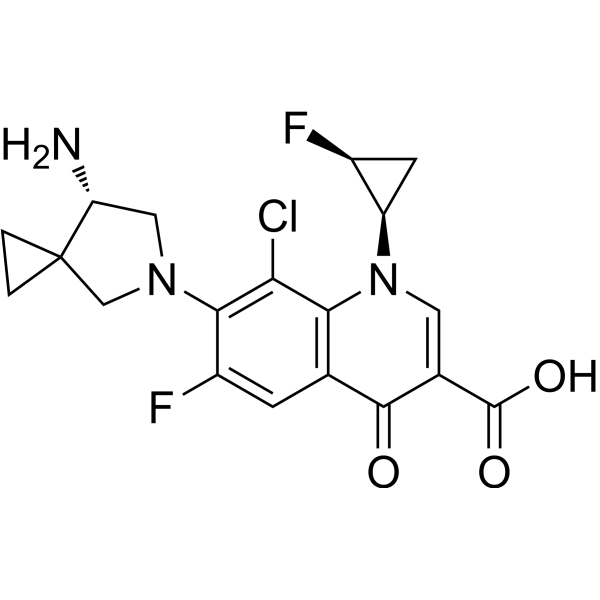
    Sitafloxacin (DU6859a) is a potent, orally active fluoroquinolone antibiotic. Sitafloxacin shows antichlamydial activity and antibacterial activities against a broad range of gram-positive and gram-negative bacteria, including anaerobic bacteria, as well as against atypical pathogens. Sitafloxacin can be used for the research of respiratory tract infection and urinary tract infection .
    Sitafloxacin
  • HY-B1257

    Sodium cefmetazole

    Bacterial Antibiotic Infection Cancer
    Cefmetazole sodium (Sodium cefmetazole) is a semisynthetic cephamycin antibiotic with broad-spectrum antibacterial activity, covering gram-positive, gram-negative, and anaerobic bacteria. Cefmetazole sodium binds to penicillin binding proteins (PBPs), resulting in interfering bacterial cell wall biosynthesis. Cefmetazole sodium is used for the research of gynecologic, intraabdominal, urinary tract, respiratory tract and skin and soft tissue infections .
    Cefmetazole sodium
  • HY-B0213
    Sulfameter
    2 Publications Verification

    Sulfametoxydiazine; 5-Methoxysulfadiazine; NSC 683528

    Antibiotic Bacterial Infection
    Sulfameter (Sulfametoxydiazine) is an orally active long-acting sulfonamide antibiotic. Sulfameter is active against both Gram-positive and Gram-negative bacteria. Sulfameter can be used for the research of diseases such as respiratory and urinary tract infections .
    Sulfameter
  • HY-108402A

    Penicillin-binding protein (PBP) Bacterial Antibiotic Infection
    Cefodizime sodium is a third generation cephalosporin antibiotic with a broad spectrum of antibacterial activity. Cefodizime sodium has no renal toxic effect, good tolerance and immune regulation activity, and can be used for the research of severe infections of the respiratory and urinary tracts .
    Cefodizime sodium
  • HY-N0677A
    Kalii Dehydrographolidi Succinas
    1 Publications Verification

    Potassium dehydroandrographolide succinate

    Antibiotic Infection Inflammation/Immunology
    Kalii Dehydrographolidi Succinas (Potassium dehydroandrographolide succinate) is an antibiotic. Kalii Dehydrographolidi Succinas exerts immunostimulatory, anti-infective and anti-inflammatory effects . Kalii Dehydrographolidi Succinas shows potential for research on viral pneumonia and viral upper respiratory tract infections .
    Kalii Dehydrographolidi Succinas
  • HY-120384
    AZD-0284
    3 Publications Verification

    ROR Inflammation/Immunology
    AZD-0284 is a selective inverse agonist of the nuclear receptor RORγ. AZD-0284 has the potential for plaque psoriasis vulgaris and respiratory tract disorders treatment .
    AZD-0284
  • HY-B0333
    Sulfamethizole
    2 Publications Verification

    Antibiotic Bacterial Infection
    Sulfamethizole is a sulfathiazole antibiotic. Sulfamethizole inhibits the synthesis of folic acid and thymine, and selectively suppresses Photobacterium phosphoreum bioluminescence. Sulfamethizole exerts antibacterial activity against Escherichia coli-mediated urinary tract infections but no activity against sulII gene-positive Escherichia coli. Sulfamethizole is applicable for the research of urinary tract infections and Photobacterium phosphoreum bioluminescence mechanisms .
    Sulfamethizole
  • HY-W011518
    2′-Deoxy-2′-fluoroguanosine
    1 Publications Verification

    Nucleoside Antimetabolite/Analog Influenza Virus Infection
    2′-Deoxy-2′-fluoroguanosine is a nucleoside analog and potent influenza virus inhibitor with an EC90 value of <0.35 μM against influenza A and B viruses. 2′-Deoxy-2′-fluoroguanosine inhibits influenza virus replication in the upper respiratory tract, thereby ameliorating fever and nasal inflammation .
    2′-Deoxy-2′-fluoroguanosine
  • HY-14865C
    Omadacycline hydrochloride
    Maximum Cited Publications
    32 Publications Verification

    PTK0796 hydrochloride; Amadacycline hydrochloride

    Bacterial Antibiotic Infection
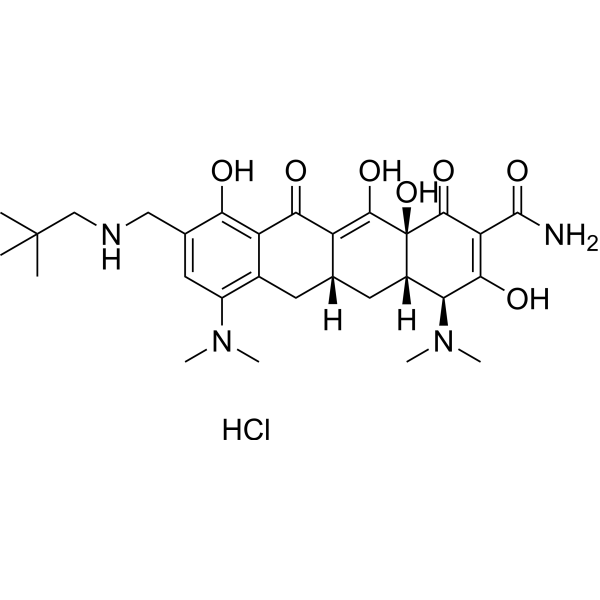
    Omadacycline (PTK 0796) hydrochloride, a first-in-class orally active aminomethylcycline antibacterial, is a member of the tetracycline class of antibiotics. Omadacycline hydrochloride acts through the inhibition of bacterial protein synthesis by binding to the 30S ribosomal subunit. Omadacycline hydrochloride possesses broad-spectrum antibacterial activity against aerobic and anaerobic Gram-positive and Gram-negative bacteria, as well as atypical bacteria. Omadacycline hydrochloride can be used for the research of acute bacterial skin and skin-structure infections, community-acquired pneumonia, and urinary tract infections .
    Omadacycline hydrochloride
  • HY-132987
    Avibactam tomilopil
    2 Publications Verification

    ARX-1796; AV-006

    Beta-lactamase Bacterial Drug Intermediate Infection
    Avibactam tomilopil (ARX-1796, AV-006) is an orally active prodrug of Avibactam and a β-lactamase inhibitor. Avibactam tomilopil can be used in the study of diseases such as urinary tract infections .
    Avibactam tomilopil
  • HY-B0337A
    Sulfadimethoxine sodium
    3 Publications Verification

    Sulphadimethoxine sodium

    Bacterial Antibiotic Infection
    Sulfadimethoxine sodium (Sulphadimethoxine sodium) is a sulfonamide antibiotic. Sulfadimethoxine sodium causes a displacement of Thiopental in plasma protein binding in rats. Sulfadimethoxine sodium is used in a variety of infection studies including urinary tract infections .
    Sulfadimethoxine sodium
  • HY-A0161A

    Clofedanol hydrochloride; Calmotusin hydrochloride; NSC 113595 hydrochloride

    Others Infection
    Chlophedianol (Clofedanol) hydrochloride is an orally active and potent antitussive agent. Chlophedianol hydrochloride can be used for the research of acute cough due to upper respiratory tract infections (URIs) .
    Chlophedianol hydrochloride
  • HY-116016

    L-DOPA ethyl ester; Levodopa ethyl ester

    Dopamine Receptor Drug Metabolite Neurological Disease
    Etilevodopa (L-Dopa ethyl ester), an ethyl-ester proagent of Levodopa, is rapidly hydrolyzed to Levodopa and ethanol by nonspecific esterases in the gastrointestinal tract. Etilevodopa is used for the treatment of Parkinson disease (PD). Levodopa is the direct precursor of dopamine and is a suitable proagent as it facilitates CNS penetration and delivers dopamine .
    Etilevodopa
  • HY-B0159

    Q-35

    Bacterial Antibiotic Infection
    Balofloxacin (Q-35) is an orally active fluoroquinolone antibiotic with broad-spectrum antibacterial activity against gram-negative, gram-positive, and anaerobic bacteria. Balofloxacin can be used for the research of respiratory, intestinal, and urinary tract infections .
    Balofloxacin
  • HY-157536

    Bacterial Infection Inflammation/Immunology
    SMT-738 is a bacterial bactericide. SMT-738 targets the small molecules responsible for lipoprotein transport in Enterobacteriaceae, causing abnormal lipoprotein localization and bacterial cell death. SMT-738 inhibits the growth of E. coli and K. pneumoniae. SMT-738 reduces bacterial loads in mouse models of urinary tract infection, bloodstream infection, and pulmonary infection caused by Enterobacterales. SMT-738 can be used in the research of Enterobacteriaceae infections, urinary tract infections, bloodstream infections, and pneumonia .
    SMT-738
  • HY-144034

    GLP Receptor Metabolic Disease
    GLP-1R agonist 3 is a potent agonist of GLP-1R. GLP-1R agonist 3 is a thickened imidazole derivative compound. Glucagon-like peptide-1 (GLP-1) is an intestinal hypoglycemic hormone secreted by L-cells in the lower gastrointestinal tract. GLP-1R agonist 3 has the potential for the research of diabetes (extracted from patent WO2021197464A1, compound 1) .
    GLP-1R agonist 3
  • HY-B1387

    Antibiotic Bacterial Inflammation/Immunology
    Sulfamethoxypyridazine is an orally active and brain-penetrant sulfonamide antibiotic. Sulfamethoxypyridazine exhibits antibacterial activity and inhibits growth of susceptible bacterial strains. Sulfamethoxypyridazine can be used for the research of pyelonephritis, urinary tract infections, and dermatitis herpetiformis .
    Sulfamethoxypyridazine
  • HY-B0510R

    Reference Standards Antifolate Bacterial Antibiotic Influenza Virus Infection
    Trimethoprim (Standard) is the analytical standard of Trimethoprim. This product is intended for research and analytical applications. Trimethoprim is a bacteriostatic antibiotic and an orally active dihydrofolate reductase inhibitor. Trimethoprim is active against a wide range of Gram-positive and Gram-negative aerobic bacteria. Trimethoprim has the potential for the research of urinary tract infections, Shigellosis and Pneumocystis pneumonia. Trimethoprim can inhibit infection of Influenza A virus in chick embryo when combinated with zinc .
    Trimethoprim (Standard)
  • HY-B1595

    CS 1170

    Antibiotic Bacterial Infection Cancer
    Cefmetazole (CS 1170) is a semisynthetic cephamycin antibiotic with broad-spectrum antibacterial activity, covering gram-positive, gram-negative and anaerobic bacteria. Cefmetazole binds to penicillin binding proteins (PBPs), resulting in interfering bacterial cell wall biosynthesis. Cefmetazole is used for the research of gynecologic, intraabdominal, urinary tract, respiratory tract and skin and soft tissue infections .
    Cefmetazole
  • HY-B0035S2

    Sulfadimidine-13C6; Sulfadimerazine-13C6

    Antibiotic Bacterial Isotope-Labeled Compounds Others
    Sulfamethazine- 13C6 is a 13C-labeled Sulfamethazine (HY-A0178). Sulfamethazine (Sulfadimidine) is an antimicrobial that is widely used to treat and prevent various animal diseases (such as gastrointestinal and respiratory tract infections) .
    Sulfamethazine-13C6
  • HY-A0090R

    Reference Standards Bacterial Antibiotic Infection
    Nitrofurantoin (Standard) is the analytical standard of Nitrofurantoin. This product is intended for research and analytical applications. Nitrofurantoin is a potent and orally active broad-spectrum beta-lactamase antimicrobial agent. Nitrofurantoin acts as an antibiotic and can be used for the study of urinary tract infections (UTIs), including cystitis and kidney infections .
    Nitrofurantoin (Standard)
  • HY-120632

    RSV Infection
    BMS-433771 is a potent orally active inhibitor of respiratory syncytial virus (RSV). BMS-433771 is active against both A and B groups of RSV, with an average EC50 of 20 nM. BMS-433771 can be used for the research of respiratory tract disease .
    BMS-433771
  • HY-B0322AR

    Ro 4-2130 sodium (Standard)

    Reference Standards Antibiotic Bacterial Infection Cancer
    Sulfamethoxazole (Standard) (Ro 4-2130 (Standard)) sodium is the analytical standard of Sulfamethoxazole sodium (HY-B0322A). This product is intended for research and analytical applications. Sulfamethoxazole (Ro 4-2130) sodium is a sulfonamide antibiotic with a widespread antibacterial activity. Sulfamethoxazole sodium inhibits bacterial folate metabolism by competing with 4-Aminobenzoic acid (HY-B1008) (PABA) to act on dihydropteroate synthetase and dihydropteroate reductase. Sulfamethoxazole sodium can be used for the study of urinary tract infections (UTIs), prostatitis, and bronchitis.
    Sulfamethoxazole sodium (Standard)
  • HY-P10369

    Biochemical Assay Reagents Radionuclide-Drug Conjugates (RDCs) Cardiovascular Disease Inflammation/Immunology
    Betiatide, as a chelating agent for Technetium-99m ( 99mTc), is used to prepare 99mTc-MAG3 (mercaptoacetyltriglycine), a radiopharmaceutical for renal function imaging. Betiatide is used for the diagnosis of congenital and acquired abnormalities, renal failure, urinary tract obstructions, and calculi . Betiatide can be used for the synthesis/research of Radionuclide-Drug Conjugates (RDCs).
    Betiatide
  • HY-B0510B
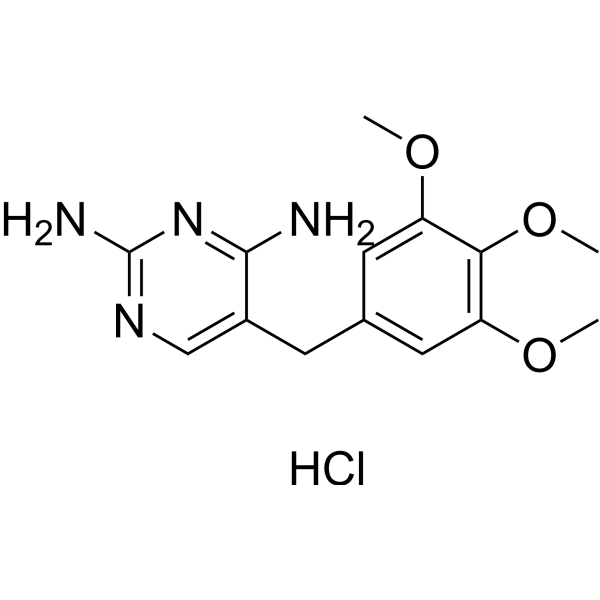
    Trimethoprim hydrochloride
    10+ Cited Publications

    Antifolate Bacterial Antibiotic Influenza Virus Infection Cancer
    Trimethoprim hydrochloride is a bacteriostatic antibiotic and an orally active dihydrofolate reductase inhibitor. Trimethoprim hydrochloride is active against a wide range of Gram-positive and Gram-negative aerobic bacteria. Trimethoprim hydrochloride has the potential for the research of urinary tract infections, Shigellosis and Pneumocystis pneumonia. Trimethoprim hydrochloride can inhibit infection of Influenza A virus in chick embryo when combinated with zinc .
    Trimethoprim hydrochloride
  • HY-16472

    Antibiotic Bacterial Infection
    Sulfacytine is a short-acting sulfonamide antibiotic. Sulfacytine is active against bacteria and is an effective agent for the research of acute uncomplicated urinary tract infections .
    Sulfacytine
  • HY-133937

    Bacterial HIV Infection
    Sulfametrole is an orally active and potent antibacterial. Sulfametrole can be used for infections research, such as HIV, severe pneumonia and UTIs (urinary tract infections) .
    Sulfametrole
  • HY-B1691R

    Hexamine hippurate (Standard)

    Reference Standards Bacterial Cancer
    Methenamine (hippurate) (Standard) is the analytical standard of Methenamine (hippurate). This product is intended for research and analytical applications. Methenamine hippurate (Hexamine hippurate) is an orally active urinary antiseptic agent with a wide antibacterial spectrum. Methenamine hippurate is effective against most common urinary tract pathogens .
    Methenamine hippurate (Standard)
  • HY-108402

    Penicillin-binding protein (PBP) Bacterial Antibiotic Infection
    Cefodizime is a third generation cephalosporin antibiotic with a broad spectrum of antibacterial activity. Cefodizime has no renal toxic effect, good tolerance and immune regulation activity, and has the potential for severe infections of the respiratory and urinary tracts .
    Cefodizime
  • HY-P3501

    NX-1207

    Apoptosis Cancer
    Fexapotide (NX-1207) induces apoptosis selectively, reducing prostate volume at a cellular level. Fexapotide can be used in lower urinary tract symptoms (LUTS) and benign prostatic hyperplasia (BPH) research .
    Fexapotide
  • HY-A0090A

    Antibiotic Bacterial Infection
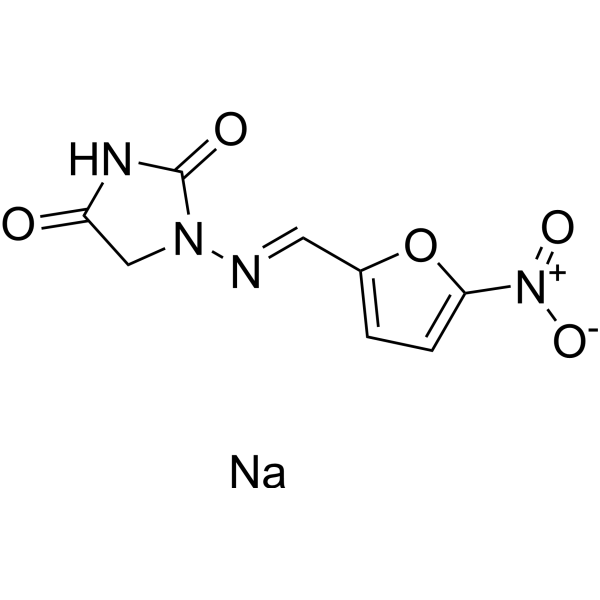
    Nitrofurantoin sodium is a potent and orally active antibacterial agent. Nitrofurantoin sodium acts as an antibiotic. Nitrofurantoin sodium can be used for the study of urinary tract infections (UTIs), including cystitis and kidney infections .
    Nitrofurantoin sodium
  • HY-B0198A
    Cefaclor monohydrate
    2 Publications Verification

    Antibiotic Bacterial Penicillin-binding protein (PBP) 5-HT Receptor Infection Neurological Disease Inflammation/Immunology
    Cefaclor is a well-absorbed orally active cephalosporin antibiotic. Cefaclor can specifically bind to specific for penicillin-binding protein 3 (PBP3). Cefaclor can be used for the research of depression and kinds of infections caused by bacteria, such as respiratory tract infections, bacterial bronchitis, pharyngitis and skin infections .
    Cefaclor monohydrate
  • HY-P990233

    IFNAR Infection Inflammation/Immunology Cancer
    Anti-Mouse IFNγR/CD119 Antibody (GR-20) is a rat-derived IgG2a κ type antibody inhibitor, targeting to mouse IFNγR/CD119.Anti-Mouse IFNγR/CD119 Antibody (GR-20) reacts with the mouse IFNγR (interferon gamma receptor) α chain also known as CD119 and IFNγ receptor 1. Anti-Mouse IFNγR/CD119 Antibody (GR-20) blocks the binding of IFNγ to CD119 therefore inhibiting IFNγ signaling. Anti-Mouse IFNγR/CD119 Antibody (GR-20) can be used for the researches of cancer, infection, inflammation and immunology, such as melanoma and C. trachomatis infected genital tract inflammation .
    Anti-Mouse IFNγR/CD119 Antibody (GR-20)
  • HY-B0395CR

    DU6859a hydrate (Standard)

    Bacterial Antibiotic Reference Standards Infection
    Sitafloxacin (hydrate) (Standard) is the analytical standard of Sitafloxacin (hydrate). This product is intended for research and analytical applications. Sitafloxacin (DU6859a) hydrate is an orally active fluoroquinolone antibiotic (antibiotic) with in vitro activity against a wide range of Gram-positive and -negative bacteria, including anaerobic bacteria, as well as atypical pathogens. Sitafloxacin is used in the study of respiratory tract infections and urinary tract infections .
    Sitafloxacin hydrate (Standard)
  • HY-108402AR

    Penicillin-binding protein (PBP) Reference Standards Bacterial Antibiotic Infection
    Cefodizime (sodium) (Standard) is the analytical standard of Cefodizime (sodium). This product is intended for research and analytical applications. Cefodizime sodium is a third generation cephalosporin antibiotic with a broad spectrum of antibacterial activity. Cefodizime sodium has no renal toxic effect, good tolerance and immune regulation activity, and can be used for the research of severe infections of the respiratory and urinary tracts[1][2].
    Cefodizime sodium (Standard)

Inquiry Online

Your information is safe with us. * Required Fields.

Salutation


Country or Region *

Applicant Name *


Organization Name *

Department *


Email Address *


Product Name *

Cat. No.


Requested quantity *

Phone Number *


Remarks

Inquiry Online

Inquiry Information

Product Name:
Cat. No.:
Quantity:
MCE Japan Authorized Agent:

