
1. Search Result
Search Result
Results for "

transitions

" in MedChemExpress (MCE) Product Catalog:

418

Inhibitors & Agonists

3

Screening Libraries

10

Fluorescent Dyes

45

Biochemical Assay Reagents

38

Peptides

1

MCE Kits

5

Inhibitory Antibodies

68

Natural
Products

19

Isotope-Labeled Compounds

3

Click Chemistry

13

Oligonucleotides

2

GMP Molecules

Cat. No. Product Name Target Research Areas Chemical Structure
  • HY-131370B
    Intralipid 20%
    4 Publications Verification

    Biochemical Assay Reagents Cancer
    Intralipid 20% is a safe fat emulsion that can be used as a nutritional supplement. Intralipid 20% effectively inhibits the opening of the mitochondrial permeability transition pore, effectively protecting the heart from ischaemia-reperfusion injury and has some potential to modulate the innate immune response .
    Intralipid 20%
  • HY-111431
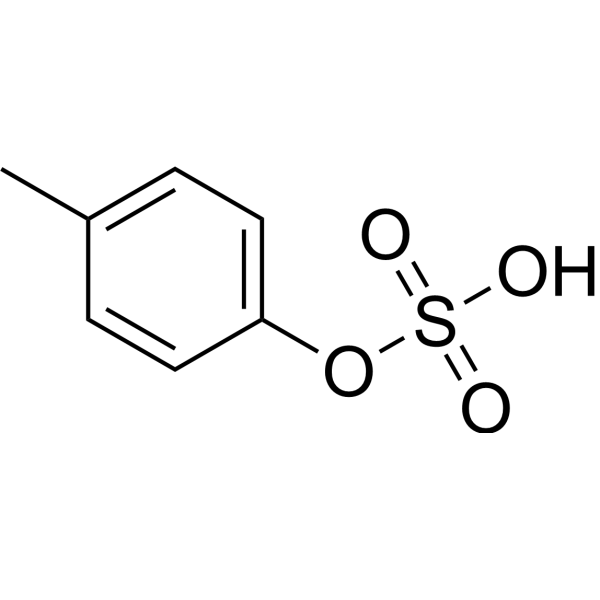
    p-Cresyl sulfate
    5+ Cited Publications

    p-Tolyl sulfate

    JNK p38 MAPK Reactive Oxygen Species (ROS) Metabolic Disease
    p-Cresyl sulfate (p-Tolyl sulfate) is a uremic toxin, that can cause renal damage and dysfunction. p-Cresyl sulfate shows antiproliferation activity. p-Cresyl sulfate increases the protein expression of HIF-1α and VHL, decreases the protein expression of HIF-2α. p-Cresyl sulfate induces epithelial-mesenchymal transition (EMT). p-Cresyl sulfate activates the JNK and p38 MAPK signaling pathways .
    p-Cresyl sulfate
  • HY-P0025
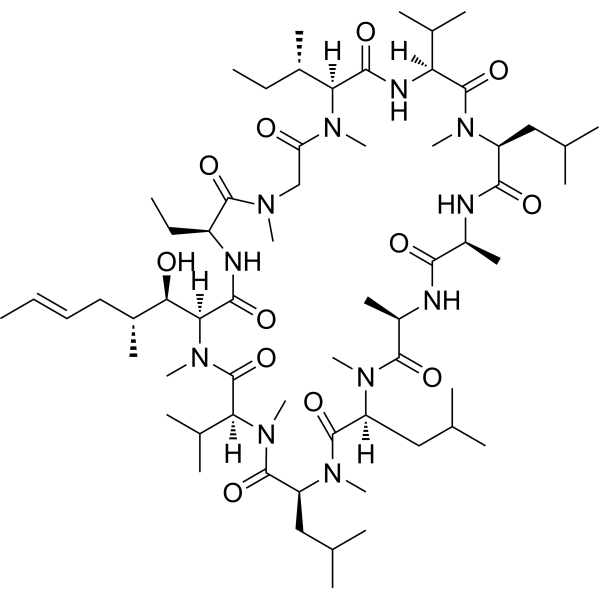
    NIM811
    10+ Cited Publications

    (Melle-4)cyclosporin; SDZ NIM811

    Cyclophilin Mitochondrial Metabolism HCV Infection Inflammation/Immunology
    NIM811 ((Melle-4)cyclosporin; SDZ NIM811) is an orally bioavailable mitochondrial permeability transition and cyclophilin dual inhibitor, which exhibits potent in vitro activity against hepatitis C virus (HCV) .
    NIM811
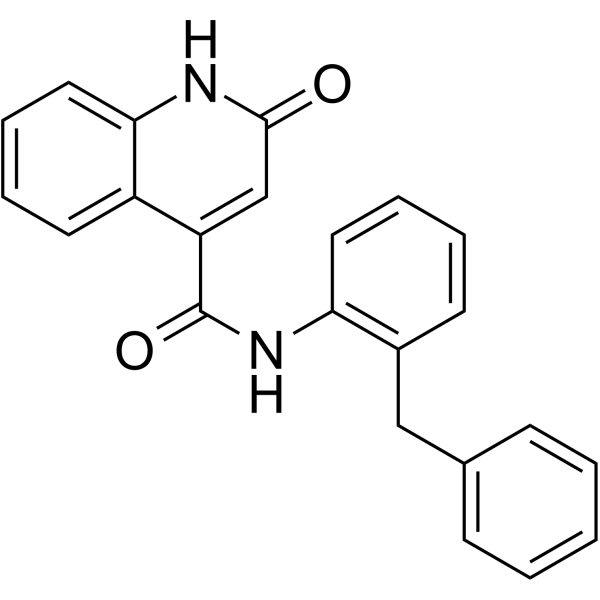
  • HY-100852
    ER-000444793
    5+ Cited Publications

    Mitochondrial Metabolism Cancer
    ER-000444793 is a potent inhibitor of mitochondrial permeability transition pore (mPTP) opening. ER-000444793 inhibits mPTP with an IC50 of 2.8 μM.
    ER-000444793
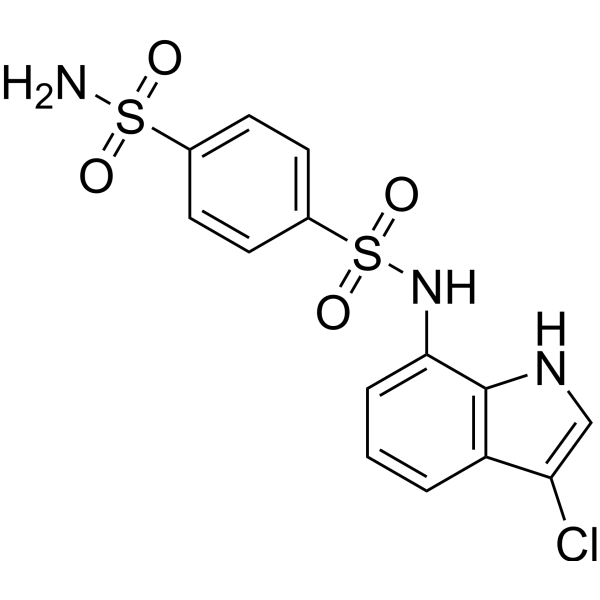
  • HY-149136

    Integrin TGF-beta/Smad Inflammation/Immunology
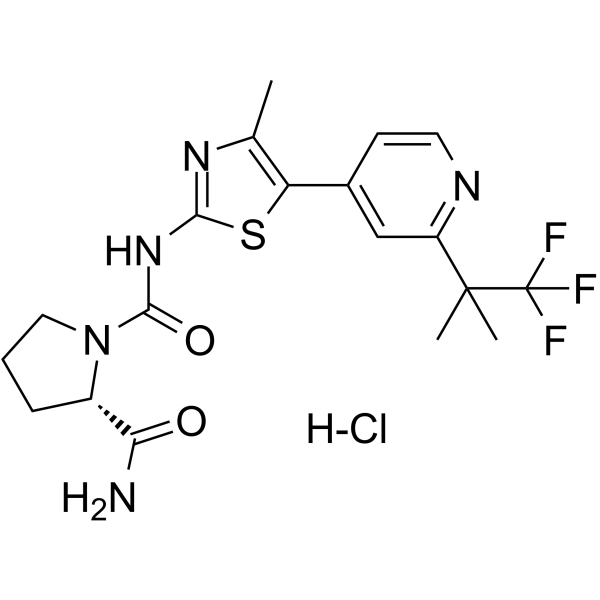
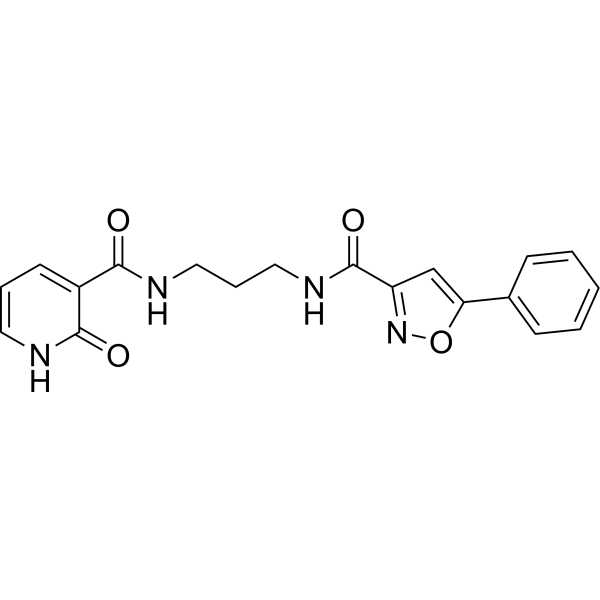
    MORF-627 is a highly selective, orally active integrin αvβ6 inhibitor. By blocking TGF-β1 activation and pSMAD2 signaling, MORF-627 significantly reduces collagen deposition, epithelial-mesenchymal transition markers, and structural changes in fibrotic cells. MORF-627 exhibits significant antifibrotic efficacy without genotoxicity in idiopathic pulmonary fibrosis models. However, MORF-627 induces bladder epithelial proliferation and early invasive urothelial carcinoma in cynomolgus monkeys and human cells, and this toxic effect can be reversed by exogenous TGF-β. MORF-627 can be used for studying the pathological mechanisms of pulmonary fibrosis and evaluating drug safety .
    MORF-627
  • HY-175715

    Mitochondrial Metabolism Neurological Disease
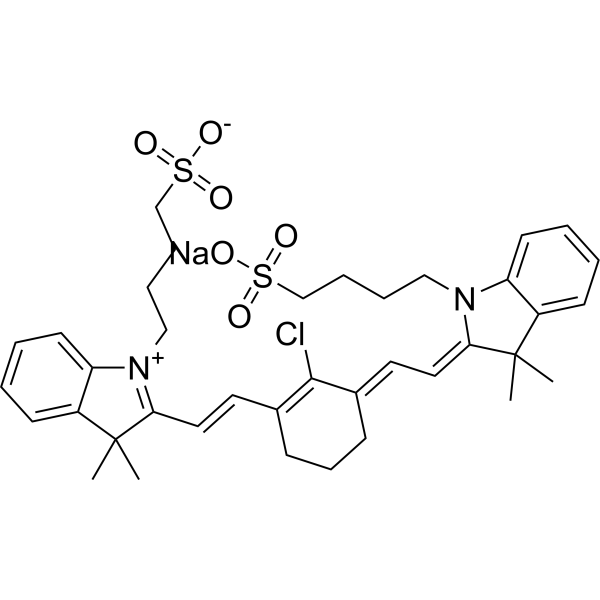
    NRG1271 is an orally active mitochondrial permeability transition pore (mPTP) inhibitor with blood-brain barrier penetration. NRG1271 can be used for the study of Neurological Disease .
    NRG1271
  • HY-N0663

    Mitochondrial Metabolism Cyclophilin Potassium Channel Cardiovascular Disease Neurological Disease Inflammation/Immunology
    Talatisamine is an orally active cyclophilin D activator isolated from the roots of Aconitum carmichaeli Debx. Talatisamine exerts biological functions by activating cyclophilin D, inhibiting Ca 2+-dependent opening of the mitochondrial permeability transition pore (mPTP) (IC50=78 μM), and blocking delayed rectifier K + channels (IC50=146 μM). Talatisamine possesses both antioxidant and membrane-stabilizing properties, effectively inhibits lipid peroxidation and protects mitochondrial membrane function. Talatisamine exhibits multiple activities including antiarrhythmic, hypotensive, anti-inflammatory, anticancer and neuroprotective effects. Talatisamine finds applications in the research of ischemic diseases, rheumatoid arthritis, inflammation-related diseases and Alzheimer's disease .
    Talatisamine
  • HY-P990957

    BCA-101; FMAB2

    EGFR TGF-beta/Smad Inflammation/Immunology Cancer
    Ficerafusp alfa (BCA-101) is a bispecific antibody targeting EGFR and TGFβ, with a Kd of 2.58 nM against EGFR and a Kd of 61.3 nM against TGFβ1. Ficerafusp alfa binds to EGFR, inhibits EGFR phosphorylation, blocks EGF-dependent cell proliferation, and mediates antibody-dependent cellular cytotoxicity against EGFR-positive tumor cells. Ficerafusp alfa sequesters TGFβ via its TGFβRII ECD domain, neutralizes the activity of TGFβ and TGFβ1, and blocks TGFβ-dependent processes, including epithelial-mesenchymal transition, cell invasion, and differentiation of inducible regulatory T cells. Ficerafusp alfa is applicable to research related to head and neck squamous cell carcinoma, advanced solid tumors, squamous non-small cell lung cancer, anal squamous cell carcinoma, colorectal cancer, and pancreatic cancer .
    Ficerafusp alfa
  • HY-B0449
    Methacycline hydrochloride
    2 Publications Verification

    Bacterial Antibiotic Infection
    Methacycline hydrochloride is a tetracycline antibiotic and can inhibits bacterial protein synthesis. Methacycline hydrochloride is a potent epithelial-mesenchymal transition (EMT) inhibitor. Methacycline hydrochloride blocks EMT in vitro and fibrogenesis in vivo without directly affecting TGF-β1 Smad signaling. Methacycline hydrochloride is an antimicrobial and has the potential for pulmonary fibrosis .
    Methacycline hydrochloride
  • HY-N0179
    Ecdysone
    1 Publications Verification

    α-Ecdysone

    Endogenous Metabolite Apoptosis Metabolic Disease
    Ecdysone (α-Ecdysone), a major steroid hormone in insects and herbs, triggers mineralocorticoid receptor (MR) activation and induces cellular apoptosis. Ecdysone plays essential roles in coordinating developmental transitions and homeostatic sleep regulation through its active metabolite 20-hydroxyecdysone (Crustecdysone; 20E; HY-N6979) .
    Ecdysone
  • HY-121134
    Decylubiquinone
    1 Publications Verification

    Reactive Oxygen Species (ROS) Neurological Disease Cancer
    Decylubiquinone is an analog of ubiquinone (coenzyme Q10). Decylubiquinone blocks reactive oxygen species (ROS) production in response to glutathione depletion and inhibits activation of the mitochondrial permeability transition .
    Decylubiquinone
  • HY-104013
    Aminopurvalanol A
    1 Publications Verification

    CDK Apoptosis Cancer
    Aminopurvalanol A is a potent, selective, and cell permeable inhibitor of Cyclins/Cdk complexes. Aminopurvalanol A preferentially targets the G2/M-phase transition inhibiting cancer cell differentiation. Aminopurvalanol A causes the inhibition of sperm fertilizing ability via the inhibition of physiological capacitation-dependent actin polymerization .
    Aminopurvalanol A
  • HY-W011060

    4,7,13,16,21,24-Hexaoxa-1,10-diazabicyclo[8.8.8]hexacosane

    Biochemical Assay Reagents Others
    Cryptand 2.2.2 (4,7,13,16,21,24-Hexaoxa-1,10-diazabicyclo[8.8.8]hexacosane) is a metal ion chelator. Cryptand 2.2.2 forms stable mononuclear, protonated and dinuclear complexes with copper (II) ions; forms protonated complexes with hydrogen ions; and also forms stable complexes with Zn 2+, Co 2+, Ni 2+, Cd 2+, Hg 2+ and Pb 2+ ions. Cryptand 2.2.2 can be used for the preparation of nanoparticles, transition metal compounds, etc.
    Cryptand 2.2.2
  • HY-123931
    ZLDI-8
    1 Publications Verification

    Notch Phosphatase Apoptosis Cancer
    ZLDI-8 is a Notch activating/cleaving enzyme ADAM-17 inhibitor and inhibits the cleavage of Notch protein. ZLDI-8 decreases the expression of pro-survival/anti-apoptosis and epithelial-mesenchymal transition (EMT) related proteins. ZLDI-8 is also a competitive and irreversible tyrosine phosphatase (Lyp) inhibitor with an IC50 of 31.6 μM and a Ki of 26.22 μM. ZLDI-8 inhibits the growth of MHCC97-H cells with an IC50 of 5.32 μM .
    ZLDI-8
  • HY-W094846

    n-Tetradecane

    Environmental Pollutants Biochemical Assay Reagents Others
    Tetradecane (n-Tetradecane) is a low-temperature phase change material with a phase change temperature of 5°C and a latent heat of phase change of 220 J/g. Tetradecane undergoes solid-liquid phase transition around 5°C, and achieves temperature regulation by absorbing or releasing latent heat .
    Tetradecane
  • HY-W017960

    Et-HE; 1,4-DHP

    SOD Endocrinology
    Diludine (BNP-7787) is an orally effective feed additive. Diludine reduces the activity of G6PD and increases the level of superoxide dismutase (SOD). Diludine reduces the mutagenic effect of environmental pollutants, protects parental reproductive systems and improves offspring quality. Diludine is mainly applied during the transition period of dairy cows to increase milk yield and milk fat content, and improve health status during parturition. Diludine can be used in animal feeding research .
    Diludine
  • HY-136788

    AKST4290; BI144807

    CCR Neurological Disease Inflammation/Immunology Cancer
    ALK4290 (AKST4290) is a potent, orally active and selective CCR3 inhibitor with a Ki of 3.2 nM. ALK4290 blocks CCR3-mediated signaling, abrogates macrophage supernatant-driven mesothelial-to-mesenchymal transition, and decreases p38 phosphorylation. ALK4290 inhibits CCL26-CCR3 axis-driven GPX2-mediated B-cell activation, and targets B cells to inhibit activation by GPX2-overexpressing tumor cells. ALK4290 can be used for the research of hepatocellular carcinome and Parkinson’s disease .
    ALK4290
  • HY-N0237
    Atractyloside A
    3 Publications Verification

    Toll-like Receptor (TLR) MyD88 NF-κB Mitochondrial Metabolism Interleukin Related Aquaporin Cardiovascular Disease Metabolic Disease Inflammation/Immunology
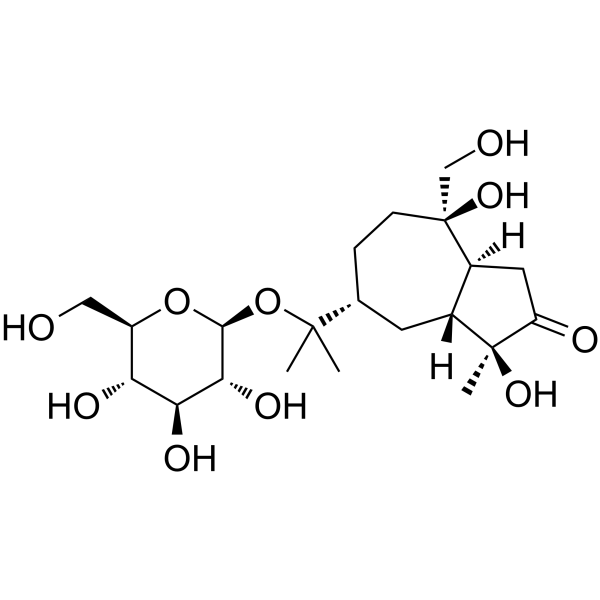
    Atractyloside A is an orally active inhibitor of the TLR4/MyD88/NF-κB signaling pathway and also an opener of the mitochondrial permeability transition pore (MPTP). Atractyloside A interferes with the activation of the TLR4/MyD88/NF-κB pathway, thereby inhibiting intestinal inflammatory responses. Atractyloside A reverses mucin synthesis impairment, improves intestinal barrier integrity, and restores homeostasis by altering the composition of the gut microbiota. Atractyloside A can be used in studies related to spleen deficiency diarrhea and myocardial injury .
    Atractyloside A
  • HY-103038
    ML327
    5 Publications Verification

    c-Myc Autophagy Cancer
    ML327 is a blocker of MYC which can also de-repress E-cadherin transcription and reverse Epithelial-to-Mesenchymal Transition (EMT).
    ML327
  • HY-P99589

    16B5; AB-16B5

    Apoptosis Cancer
    Sotevtamab (16B5) is a humanized IgG2 anti-clusterin monoclonal antibody (mAb). Sotevtamab is an inhibitor of the epithelial to mesenchymal transition. Sotevtamab can be used for cancer research .
    Sotevtamab
  • HY-P1636

    Thrombin YAP Calcium Channel Metabolic Disease
    Hirudin (54-65) is a thrombin antagonist and YAP suppressor with anticoagulatory properties.Hirudin (54-65) blocks thrombin's anion binding site, acts on soluble and thrombus-bound thrombin.Hirudin (54-65) suppresses thrombin-induced profibrotic YAP activity, reduces YAP expression, nuclear translocation, and downstream effector signaling in vascular endothelial cells.Hirudin (54-65) ameliorates obstructive cholestasis, attenuates liver fibrosis symptoms, fibrosis-associated angiogenesis, and endothelial-to-mesenchymal transition.Hirudin (54-65) reduces liver inflammation and tissue hypoxia.Hirudin (54-65) promotes extracellular calcium influx through L-type calcium channels in canine coronary artery smooth muscle, mediates contraction.Hirudin (54-65) induces endothelium-independent contraction of canine coronary arterial segments; this response is not affected by indomethacin pretreatment.Hirudin (54-65) can be used for the research of liver obstructive cholestasis, liver fibrosis .
    Hirudin (54-65)
  • HY-13033
    CDK-IN-2
    1 Publications Verification

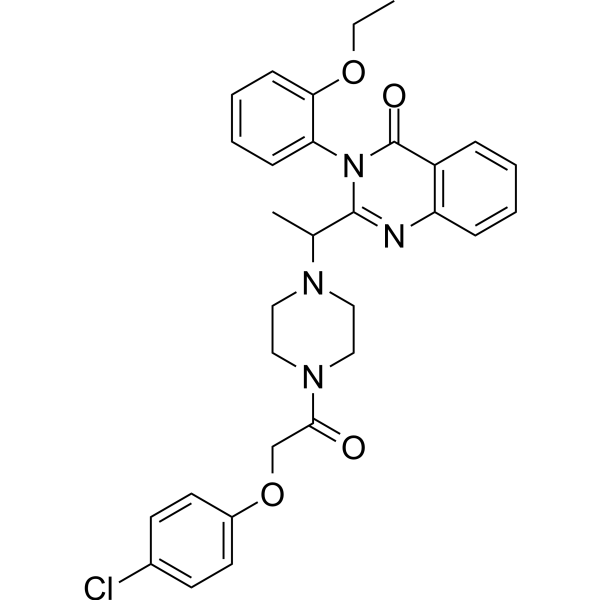
    CDK inhibitor II

    CDK Endocrinology
    CDK-IN-2 is a specific CDK9 inhibitor with an IC50 of less than 8 nM. CDK-IN-2 reduces the phosphorylation level of H3S10. CDK-IN-2 decreases the transition rate of spermatocytes from prophase to metaphase I .
    CDK-IN-2
  • HY-162153

    FGFR Cancer
    CYY292 is an FGFR1 inhibitor that specifically targets the FGFR1/AKT/Snail pathway in GBM cells. CYY292 dose-dependently inhibits cancer cell proliferation, epithelial-mesenchymal transition, stemness, invasion, and migration in vitro .
    CYY292
  • HY-122376

    D-Trans-Allethrin; Esbiol

    Environmental Pollutants Sodium Channel Neurological Disease
    S-Bioallethrin (D-Trans-Allethrin) is a pyrethroid insecticide. S-Bioallethrin disrupts nerve function by modifying the gating kinetics of transitions between the conducting and nonconducting states of voltage-gated sodium channels. S-Bioallethrin also causes inhibition of lymphocyte proliferation and induces histamine release from human basophils .
    S-Bioallethrin
  • HY-122965

    FAK Akt Cancer
    Batatasin III, a stilbenoid, inhibits cancer migration and invasion by suppressing epithelial to mesenchymal transition (EMT) and FAK-AKT signals. Batatasin III has anti-cancer activities .
    Batatasin III
  • HY-157435

    E1/E2/E3 Enzyme Cytochrome P450 Proteasome Cancer
    PELI1-IN-1 (compound 3d) is a potent inhibitor of PELI1, E3 ubiquitin ligase. PELI1-IN-1 has anti-tumPELI1-IN-1, a Resveratrol (HY-16561) derivative, is an orally active PELI1 Inhibitor (Kd = 8.2 μM). PELI1-IN-1 markedly interrupts the interaction of PELI1 and SNAIL/SLUG, and inhibits the K63-polyubiquitization of SNAIL/SLUG by PELI1, subsequently downregulating the protein levels of epithelial-mesenchymal transition (EMT) effectors SNAIL/SLUG. PELI1-IN-1 significantly reduces the level of SNAIL, SLUG and Vimentin without affecting the PELI1 expression. PELI1-IN-1 targets the FHA domain of PELI1 and disrupts the interaction, leading to the anti-metastasis of TNBC cells in vitro and in vivo. PELI1-IN-1 shows no evident toxicity in vivo .
    PELI1-IN-1
  • HY-12093A

    Drug Isomer MMP Cadherin Inflammation/Immunology
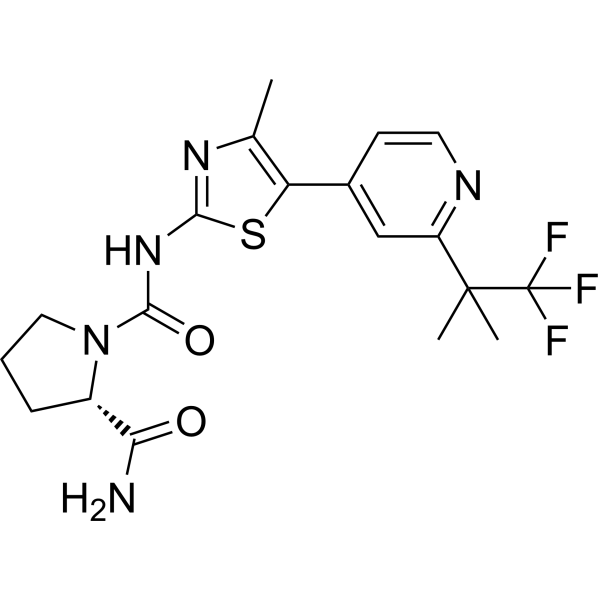
    (R)-MMP408 is an isomer of MMP408 (HY-12093). MMP408 is an orally active MMP-12 inhibitor (IC50=2.0 nM for hMMP-12) that effectively interferes with the epithelial-mesenchymal transition (EMT) process. MMP408 significantly upregulates the expression of E-cadherin in nasal epithelial cells, while inhibiting mesenchymal markers such as vimentin, α-smooth muscle actin and fibronectin, thereby reversing the EMT phenotype. MMP408 is used in studies of airway remodeling-related diseases, including chronic rhinosinusitis with nasal polyps, chronic obstructive pulmonary disease (COPD) and asthma .
    (R)-MMP408
  • HY-119909

    Mitochondrial Metabolism Cardiovascular Disease
    GNX-865 is a mitochondrial permeability transition pore (mPTP) inhibitor that protects against ischemia-reperfusion injury in vivo .
    GNX-865
  • HY-N1196

    NF-κB Inflammation/Immunology
    Suberosin, isolated from Plumbago zeylanica, exhibits anti-inflammatory and anticoagulant activity. Suberosin suppresses PHA-induced PBMC proliferation and arrested cell cycle progression from the G1 transition to the S phase through the modulation of the transcription factors NF-AT and NF-κB .
    Suberosin
  • HY-176861

    E1/E2/E3 Enzyme Cadherin Cancer
    Hakin-1 is a E3 Ubiquitin-Ligase Hakai inhibitor. Hakin-1 blocks Hakai-mediated global ubiquitination and specific ubiquitination of E-cadherin and inhibits epithelial-mesenchymal transition (EMT) progression. Hakan-1 inhibits tumor progression and cancer metastasis. Hakin-1 can be used for the study of carcinoma such as colorectal cancer .
    Hakin-1
  • HY-160187A

    Cadherin MMP Akt FAK ERK NF-κB Cancer
    (Rac)-AAA is a regulator and inhibitor targeting GPR75. By blocking the 20-HETE-induced downregulation of GPR75 expression, (Rac)-AAA effectively inhibits the activation of key downstream signaling pathways including EGFR, AKT, NF-κB and FAK. (Rac)-AAA reverses 20-HETE-mediated epithelial-mesenchymal transition, which is specifically characterized by downregulating vimentin (vimentin), upregulating E-Cadherin, as well as reducing MMP-2 activity and cancer cell migration ability. (Rac)-AAA also abolishes the 20-HETE-induced upregulation of HIC-5 expression and anchorage-independent growth, and modulates the subcellular localization of PKC-α and phosphorylated AKT. (Rac)-AAA is investigated in androgen-independent prostate cancer (castration-resistant prostate cancer) .
    (Rac)-AAA
  • HY-D0812

    Fluorescent Dye Biochemical Assay Reagents Others
    Xylenol Blue is a sulfonephthalein dye. It exhibits observable color changes in response to variations in pH. Xylenol Blue undergoes two distinct color transitions across two specific pH ranges: an acidic range and an alkaline range. In a neutral solution, Xylenol Blue appears yellow (at pH 8); in a strongly acidic medium, its color shifts to red (at pH 2.8); and in an alkaline medium, the yellow hue transitions to blue (at pH 9.6) .
    Xylenol blue
  • HY-P10304A

    Cyclo(Pro-Arg) TFA

    Fungal Infection
    Cyclo (Arg-Pro) TFA is a chitinase inhibitor. Cyclo (Arg-Pro) TFA disrupts cell separation and morphological transition of yeast by inhibiting chitinase activity. Cyclo (Arg-Pro) TFA prevents cell separation of Saccharomyces cerevisiae, leading to the formation of grape-like cell clusters, without inhibiting cell growth. Cyclo (Arg-Pro) TFA blocks the morphological transition of Candida albicans from yeast form to hyphal form, without inhibiting cell growth .
    Cyclo(Arg-Pro) TFA
  • HY-170897

    CDK Cancer
    CDK2-IN-40 is a CDK2 (Cyclin dependent kinase 2) inhibitor, extracted from patent WO 2024/254245 A1 (Example 1). CDK2-IN-40 inhibits CDK2/Cyclin E1 with an IC50 of ≤ 10 nM .
    CDK2-IN-40
  • HY-129263

    Ile-Val

    Ser/Thr Protease Cancer
    L-Isoleucyl-L-valine (Ile-Val) is a dipeptide that induces the bovine trypsinogen-trypsin transition .
    L-Isoleucyl-L-valine
  • HY-117724

    PAI-1 Cardiovascular Disease
    AZ3976 is a potent plasminogen activator inhibitor type 1 (PAI-1) inhibitor with an IC50 value of 26 μM in an enzymatic chromogenic assay. AZ3976 is active with an IC50 of 16 μM in a plasma clot lysis assay. AZ3976 does not bind to active PAI-1 but bound reversibly to latent PAI-1. AZ3976 inhibits PAI-1 by enhancing the latency transition of active PAI-1. AZ3976 displays profibrinolytic activities in a human plasma clot lysis assay .
    AZ3976
  • HY-12564

    Aurora Kinase Apoptosis Mitosis Cancer
    Phthalazinone pyrazole is a potent, selective, and orally active inhibitor of Aurora-A kinase with an IC50 of 0.031 μM. Phthalazinone pyrazole can arrests mitosis and subsequently inhibit tumor growth via apoptosis of proliferating cells. Phthalazinone pyrazole suppresses the epithelial-mesenchymal transition (EMT) during the differentiation of hepatocyte-like cells (HLCs) from human embryonic stem cells .
    Phthalazinone pyrazole
  • HY-N7019

    Others Cancer
    19-Hydroxybufalin is a bufadienolide, inhibits epithelial-mesenchymal transition and attenuates the migration and invasion of PC3 cells .
    19-Hydroxybufalin
  • HY-P10529

    Trk Receptor Infection
    Ganglioside GM1-binding peptide p3 is a synthetic peptide that can specifically bind to the pentasaccharide part of GM1 ganglioside. The dynamic transformation of Ganglioside GM1-binding peptide p3 may play an important role in the function of GM1 as a multiple receptor, such as in the classical pathway of cholera toxin infection. Ganglioside GM1-binding peptide p3 can be used to study the interaction between GM1 and its ligands .
    Ganglioside GM1-binding peptide p3
  • HY-112715

    ATP Synthase Cardiovascular Disease
    ATP synthase inhibitor 1 is a potent inhibitor of c subunit of the F1/FO-ATP synthase complex, inhibits mitochondrial permeability transition pore (mPTP) opening, does not affect ATP levels .
    ATP synthase inhibitor 1
  • HY-P10304C

    Fungal Infection
    Cyclo(Pro-dArg) is an inhibitor of chitinase. Cyclo(Pro-dArg) inhibits the cell separation of Saccharomyces cerevisiae but does not affect its growth. Cyclo(Pro-dArg) inhibits the transition of Candida albicans from yeast to filamentous morphology.
    Cyclo(Pro-dArg)
  • HY-151904

    TAM Receptor FLT3 PDGFR Cancer
    AXL-IN-13 is a potent and orally active AXL inhibitor (IC50: 1.6 nM, Kd: 0.26 nM). AXL-IN-13 reverses TGF-β1-induced epithelial-mesenchymal transition (EMT), and inhibits cancer cell migration and invasion .
    AXL-IN-13
  • HY-156512

    TGF-beta/Smad Cancer
    DT-6 is an effective TGF-β1 inhibitor. DT-6 inhibits M2 macrophage induced epithelial to mesenchymal transition and invasive migration of cancer cells. DT-6 can be used for cancer diseases research .
    DT-6
  • HY-152084

    Drug Derivative Cancer
    Anticancer agent 93 is a 4-Hydroxycoumarin derivative. Anticancer agent 93 can inhibit invasion and migration of lung cancer cells by modulating expression of epithelial-mesenchymal transition (EMT) effectors .
    Anticancer agent 93
  • HY-P11354

    TGF-β Receptor Apoptosis Interleukin Related Integrin Cadherin Inflammation/Immunology
    THR-123 is an orally active ALK3 peptide agonist. THR-123 has a relatively weak binding to ALK2, but does not bind to ALK6. THR-123 suppresses inflammation, apoptosis and the epithelial-to-mesenchymal transition program and reverses established fibrosis in five mouse models of acute and chronic renal injury. THR-123 can be used for the study of kidney fibrosis .
    THR-123
  • HY-111431AR

    p-Tolyl sulfate potassium (Standard)

    JNK p38 MAPK Reactive Oxygen Species (ROS) Reference Standards Metabolic Disease
    p-Cresyl sulfate (potassium) (Standard) is the analytical standard of p-Cresyl sulfate (potassium). This product is intended for research and analytical applications. p-Cresyl sulfate (p-Tolyl sulfate) potassium is a uremic toxin, that can cause renal damage and dysfunction. p-Cresyl sulfate potassium shows antiproliferation activity. p-Cresyl sulfate potassium increases the protein expression of HIF-1α and VHL, decreases the protein expression of HIF-2α. p-Cresyl sulfate potassium induces epithelial-mesenchymal transition (EMT). p-Cresyl sulfate potassium activates the JNK and p38 MAPK signaling pathways .
    p-Cresyl sulfate potassium (Standard)
  • HY-179408

    β-catenin Apoptosis Cancer
    β-catenin-IN-9 is a β-catenin inhibitor. β-catenin-IN-9 induces apoptosis, cell cycle arrest, and inhibits migration, invasion, and epithelial-mesenchymal transition (EMT) in colorectal cancer cells. β-catenin-IN-9 suppresses the transcription of β-catenin and vimentin, and significantly inhibits β-catenin at the protein level. β-catenin-IN-9 can be used for the research of colorectal cancer .
    β-catenin-IN-9
  • HY-157343

    Apoptosis Mitochondrial Metabolism Caspase Neurological Disease Cancer
    GD3 Ganglioside is an Apoptosis inducer and a biomarker for mouse neural stem cells. GD3 Ganglioside expresses in neural stem cells and the subventricular zone of the adult mouse brain. GD3 Ganglioside targets the mitochondrial permeability transition pore complex, induces pore opening, dissipates mitochondrial transmembrane potential, triggers Mitochondrial swelling, releases pro-apoptotic factors, and activates Caspase-9. GD3 Ganglioside is applicable to research related to glioblastoma .
    GD3 Ganglioside
  • HY-N7215

    β-catenin Wnt Cancer
    Jatrophone is a diterpenoid with anticancer activity isolated from Jatropha isabelli. Jatrophone interferes with the Wnt/β-catenin pathway to inhibit the proliferation and epithelial-mesenchymal transition (EMT) of triple-negative breast cancer cells.
    Jatrophone
  • HY-145416

    Bacterial Infection
    G247 is a specific MsbA inhibitor. G247 acts as a transmembrane domains (TMDs) wedge, symmetrically increasing nucleotide-binding domains (NBDs) separation and preventing conformational transition of MsbA. G247 suppresses ATPase activity by increasing inter-NBD distance .
    G247

Inquiry Online

Your information is safe with us. * Required Fields.

Salutation


Country or Region *

Applicant Name *


Organization Name *

Department *


Email Address *


Product Name *

Cat. No.


Requested quantity *

Phone Number *


Remarks

Inquiry Online

Inquiry Information

Product Name:
Cat. No.:
Quantity:
MCE Japan Authorized Agent:

