
1. Search Result
Search Result
Results for "

vancomycin-resistant

" in MedChemExpress (MCE) Product Catalog:

41

Inhibitors & Agonists

1

Biochemical Assay Reagents

6

Peptides

12

Natural
Products

1

Click Chemistry

Cat. No. Product Name Target Research Areas Chemical Structure
  • HY-112579
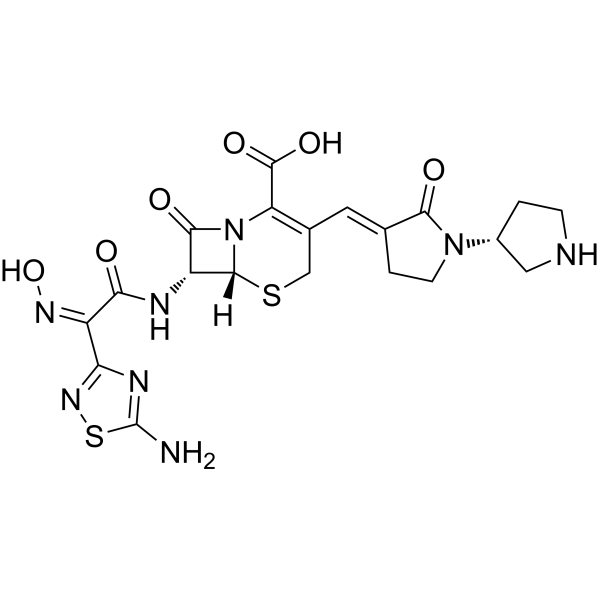
    Ceftobiprole
    3 Publications Verification

    Ro 63-9141; BAL 9141

    Bacterial Antibiotic Infection Inflammation/Immunology
    Ceftobiprole (Ro 63-9141) is a broad-spectrum cephalosporin with high levels of in vitro activity against methicillin- (MRSA) and vancomycin-resistant staphylococci (VRSA) and penicillin-resistant streptococci with a MIC90 value of 2 μg/mL for MRSA. Ceftobiprole also inhibits gram-positive and gram-negative pathogens. Ceftobiprole can be used for the study of hospital-acquired pneumonia (excluding ventilator-associated pneumonia) and community-acquired pneumonia .
    Ceftobiprole
  • HY-106574A

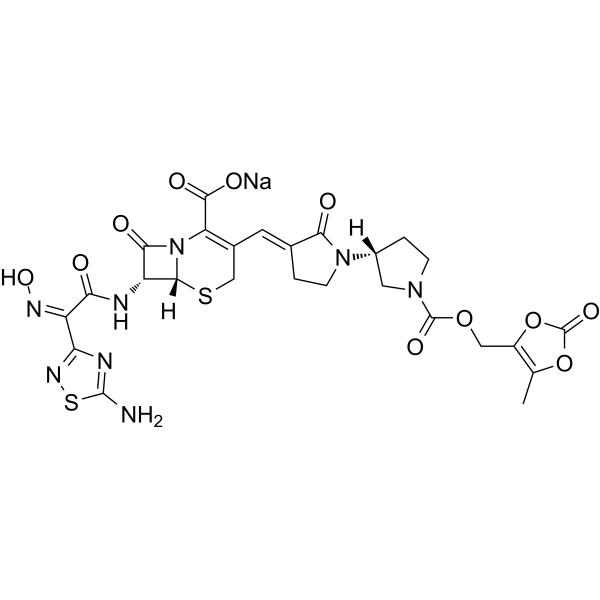
    BAL5788 sodium

    Bacterial Infection Inflammation/Immunology
    Ceftobiprole medocaril (BAL5788) sodium is the parenteral proagent of Ceftobiprole (HY-112579). Ceftobiprole is a parenteral pyrrolidinone cephalosporin. Ceftobiprole is a broad-spectrum cephalosporin with high levels of in vitro activity against methicillin- (MRSA) and vancomycin-resistant staphylococci (VRSA) and penicillin-resistant streptococci. Ceftobiprole also inhibits gram-positive and gram-negative pathogens .
    Ceftobiprole medocaril sodium
  • HY-P3078

    Bacterial Antibiotic Infection
    Amphomycin is a lipopeptide antibiotic that inhibits peptidoglycan synthesis and blocks cell wall development. Amphomycin exhibits potent antibacterial activities against methicillin-resistant S. aureus (MRSA), vancomycin-resistant enterococci (VRE), penicillin-gentamicin-erythromycin-resistant S. pneumonia, and linezolid-quinupristin-dalfopristin-resistant enterococci .
    Amphomycin
  • HY-134978
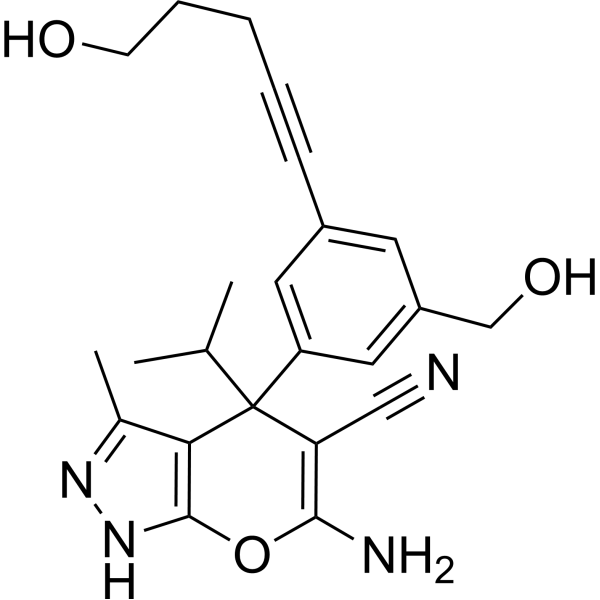
    (Rac)-SHIN2
    2 Publications Verification

    SHMT Bacterial Others
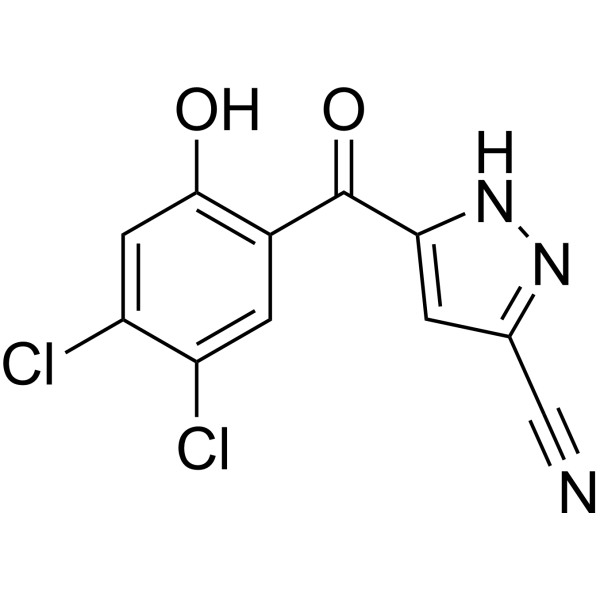
    (Rac)-SHIN2 is a pyrazolopyran derivative and a serine hydroxymethyltransferase (SHMT) inhibitor. (Rac)-SHIN2 has antibacterial activity and low cytotoxicity against Hep2 cells. (Rac)-SHIN2 exerts potent antibacterial activity against both vancomycin-susceptible and vanA-type vancomycin-resistant Enterococcus .
    (Rac)-SHIN2
  • HY-A0279

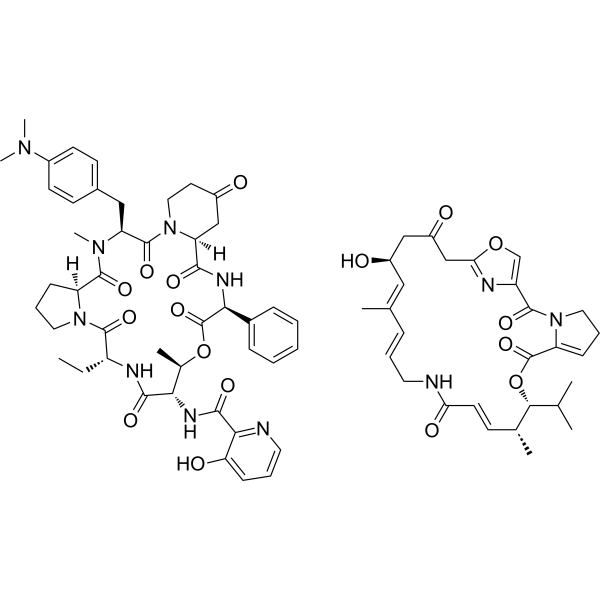
    Pristinamycine

    Bacterial Antibiotic Infection
    Pristinamycin, produced by Streptomyces pristinaespiralis, is an orally active streptogramin-like antibiotic consisting of two chemically unrelated components: Pristinamycin I (PI) and Pristinamycin II (PII). Pristinamycin is highly active against many antibiotic-resistant pathogens, particularly Gram-positive bacteria, including Methicillin-resistant Staphylococcus aureus (MRSA), Vancomycin-resistant S. aureus (VRSA) and Enterococcus faecium (VREF) .
    Pristinamycin
  • HY-10393

    PNU-100592

    Bacterial Antibiotic Infection
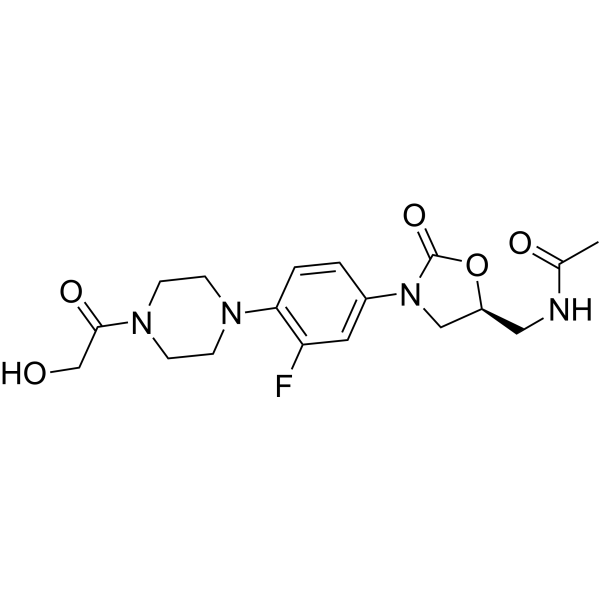
    Eperezolid (PNU-100592) is an orally active protein synthesis inhibitor that targets the bacterial 50S ribosomal subunit. Eperezolid competitively binds to a specific site on the ribosomal 50S subunit (overlapping with the binding sites of chloramphenicol (HY-B0239) and lincomycin (HY-117660)) to inhibit the translation initiation stage and exert antibacterial activity. Eperezolid can induce host cell autophagy to enhance the clearance of intracellular mycobacteria, and its MIC90 for Staphylococcus aureus and Enterococcus is 1-4 μg/mL. Eperezolid is mainly used for antibacterial research on infections with Gram-positive bacteria such as methicillin-resistant (HY-121544) Staphylococci and vancomycin-resistant (HY-B0671) Enterococci, as well as infections with intracellular bacteria such as Mycobacterium tuberculosis .
    Eperezolid
  • HY-N10765

    Bacterial Inflammation/Immunology Cancer
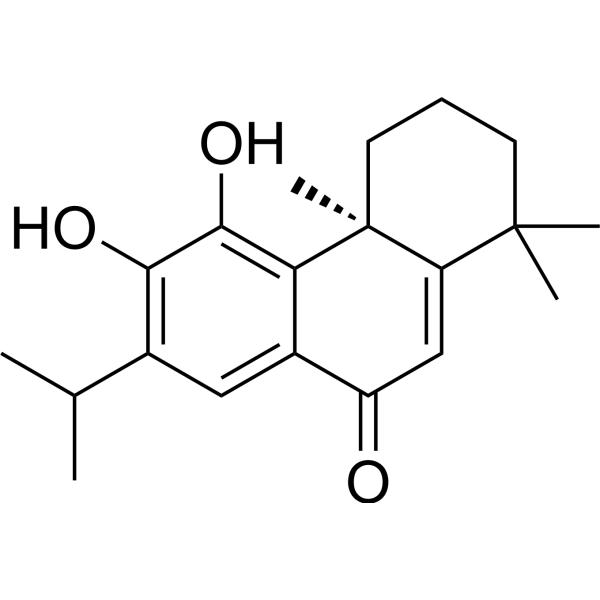
    Salvinolone is active against methicillin-resistant Staphylococcus aureus (MRSA) and vancomycin-resistant Enterococcus (VRE). Salvinolone shows cytotoxic activity with an IC50 of 47.6 μM against the HL-60 tumor cell line for 72 h .
    Salvinolone
  • HY-129034

    Bacterial Antibiotic Infection
    Ramoplanin is a broad-spectrum lipoglycodepsipeptide antibiotic derived from the Actinoplanes spp with with activity against gram-positive bacteria .
    Ramoplanin
  • HY-P11085

    Bacterial Infection
    WLBU2 is a engineered cationic antimicrobial peptide (eCAP) that overcomes the environmental sensitivity of natural antimicrobial peptides (AMPs). WLBU2 exhibits rapid bactericidal effect, with the MIC values of ≤ 10 μM against both Gram-negative and Gram-positive bacteria including MRSA, vancomycin-resistant enterococci, K. pneumoniae, E.aerogenes, E. cloacae, Escherichia coli, et, al. WLBU2 prevents P. aeruginosa biofilm growth and retains its activity in an environment rich in mucus, low pH and high salt concentrations without negative effects on human airway epithelial cells. WLBU2 can be used for the studies of cystic fibrosis (CF) and Pseudomonas aeruginosa infections .
    WLBU2
  • HY-123779

    Bacterial Fungal Infection
    RWJ-49815 is a histidine kinase inhibitor. RWJ-49815 inhibits the autokinase activity of purified GST-Sln1 and the autophosphorylation of KinA in vitro. RWJ-49815 acts as a fungal growth inhibitor . RWJ-49815 serves as a bactericide against Gram-positive pathogenic bacteria. RWJ-49815 is applicable to research related to fungal infections and Gram-positive bacterial infections .
    RWJ-49815
  • HY-116863

    Bacterial Infection
    KKL-40 is a small molecule inhibitor that targets the trans-transcription process and is effective against methicillin-sensitive and -resistant Staphylococcus aureus (S. aureus) as well as other Gram-positive pathogens including vancomycin-resistant Enterococcus faecium, Bacillus subtilis, and Streptococcus pyogenes. KKL-40 synergizes with the human antimicrobial peptide LL-37 to inhibit S. aureus, but does not synergize with other antibiotics such as daptomycin, kanamycin, or erythromycin. Trans-transcription is an extreme form of recoding, and KKL-40 inhibits trans-transcription but is nontoxic to HeLa cells .
    KKL-40
  • HY-156198

    Antibiotic Bacterial Infection
    Bottromycin A2 is a natural antibiotic. Bottromycin A2 is active against methicillin-resistant Staphylococcus aureus (MRSA) and vancomycin-resistant Enterococci (VRE) .
    Bottromycin A2
  • HY-W436428

    Na+/K+ ATPase Bacterial Infection
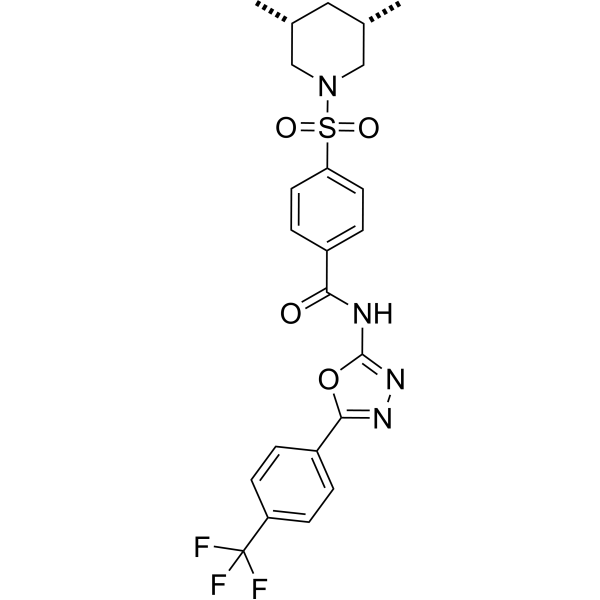
    V-161 is the orally active inhibitor for Na +-V-ATPase with an IC50 of 144 nM. V-161 inhibits Enterococcus hirae and Vancomycin-resistant Enterococcus faecium (VRE) under alkaline condition with MIC of 4 µg/mL and 4 µg/mL. V-161 inhibits colonization of VRE in mouse small intestine .
    V-161
  • HY-106574

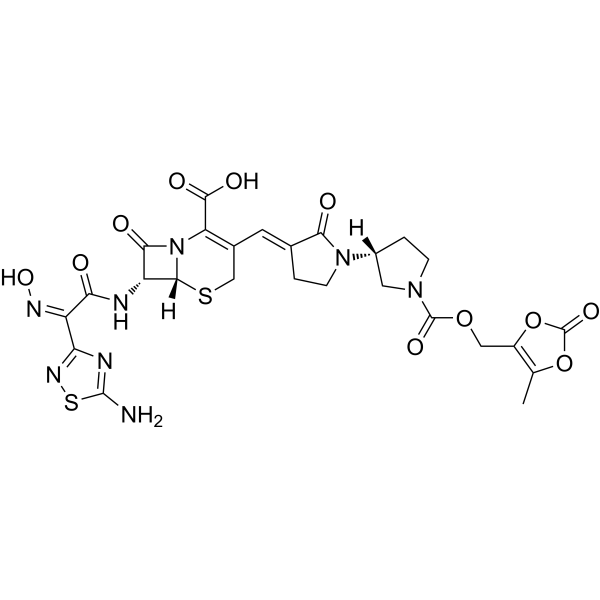
    BAL5788

    Bacterial Infection Inflammation/Immunology
    Ceftobiprole medocaril (BAL5788) is the parenteral proagent of Ceftobiprole (HY-112579). Ceftobiprole is a parenteral pyrrolidinone cephalosporin. Ceftobiprole is a broad-spectrum cephalosporin with high levels of in vitro activity against methicillin- (MRSA) and vancomycin-resistant staphylococci (VRSA) and penicillin-resistant streptococci. Ceftobiprole also inhibits gram-positive and gram-negative pathogens .
    Ceftobiprole medocaril
  • HY-143326

    Bacterial Infection
    Antibacterial agent 83 (compound 17h) displays potent antibacterial activity against various vancomycin-resistant Enterococcus faecalis (VRE) and methicillin-resistant Staphylococcus aureus (MRSA). Antibacterial agent 83 can significantly reduce the biofilm formation of MRSA and exhibited promising selectivity. Antibacterial agent 83 is metabolically stable in human liver microsomes .
    Antibacterial agent 83
  • HY-146811

    Bacterial Inflammation/Immunology
    HSGN-94 is a potent antimicrobial agent with lipoteichoic acid (LTA) biosynthesis inhibition. HSGN-94 inhibits drug-resistant Gram-positive bacteria with MIC values of 0.25-2 μg/mL. HSGN-94 inhibits biofilm formation of MRSA and Vancomycin-resistant Enterococci. HSGN-94 also inhibits pro-inflammatory cytokines, exhibits in vivo efficacy in an MRSA murine wound infection model .
    HSGN-94
  • HY-133191

    PROTAC Linkers Infection Cancer
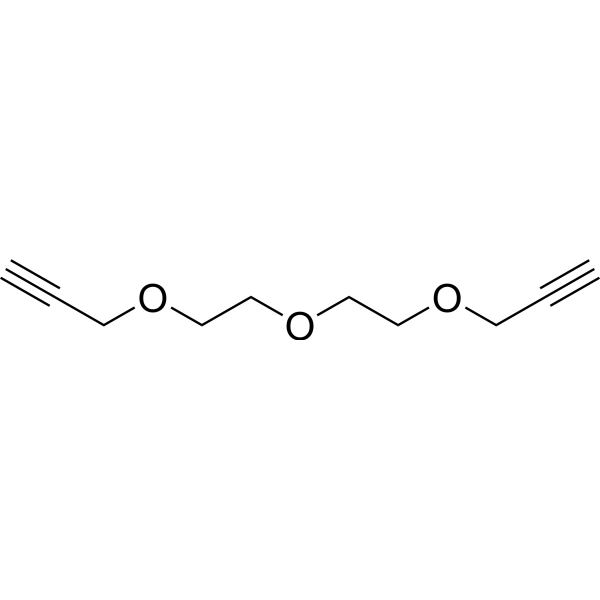
    Bis-propargyl-PEG2 is a PEG-based PROTAC linker can be used in the synthesis of PROTACs. Bis-propargyl-PEG2 is used for the synthesis of demethylvancomycin dimers . Bis-propargyl-PEG2 is a click chemistry reagent, it contains an Alkyne group and can undergo copper-catalyzed azide-alkyne cycloaddition (CuAAc) with molecules containing Azide groups.
    Bis-propargyl-PEG2
  • HY-N16446

    Bacterial Infection
    Stromemycin is a stromelysin inhibitor. Stromemycin exhibits weak antibacterial activity against Staphylococcus aureus, vancomycin-resistant Enterococcus faecium, and Bacillus subtilis when used alone. Stromemycin shows a significant increase in antibacterial efficacy when combined with Compound 5. Stromemycin does not possess a significant cell-killing effect on HCT-116 cells .
    Stromemycin
  • HY-N14316

    Antibiotic Bacterial Infection
    Hongoquercin B is a sesquiterpene antibiotic. Hongoquercin B is only resistant to Vancomycin-resistant Enterococcus faecium at high concentrations .
    Hongoquercin B
  • HY-W033728

    Bacterial Infection
    Platinum(COD)dichloride (Compound Pt1) is an Antibacterial agent. Platinum(COD)dichloride shows antibacterial activity against a panel of gram-positive bacteria including Vancomycin (HY-B0671) and Methicillin (HY-121544) resistant Staphylococcus aureus .
    Platinum(COD)dichloride
  • HY-174273

    Bacterial Infection
    Antibacterial agent 280 (Compound 7af) is an antibacterial agent targeting methicillin-resistant and vancomycin-resistant Staphylococcus aureus (MRSA, VRSA). Antibacterial agent 280 is promising for research of is promising for research of S. aureus infections .
    Antibacterial agent 280
  • HY-N14899

    Bacterial Infection
    Oxasetin has medium activity against Gram-positive bacteria, including Methicillin-resistant Staphylococcus aureus and Vancomycin-resistant Enterococcus faecalis (MIC is 16 μg/mL). Oxasetin has no activity against Gram-negative bacteria and fungi .
    Oxasetin
  • HY-178056

    Carbonic Anhydrase Bacterial Infection
    Carbonic anhydrase-IN-2 is an orally active carbonic anhydrase inhibitor. Carbonic anhydrase-IN-2 shows antibacterial effect against various vancomycin-resistant Enterococcus (VRE) strains. Carbonic anhydrase-IN-2 can be used for the research of infection, such as E. faecium .
    Carbonic anhydrase-IN-2
  • HY-122174

    CP-5609

    Antibiotic Bacterial Infection
    ME-1036 (CP-5609) is a carbapenem antibiotic. ME-1036 against resistant Gram-positive organisms, including Methicillin-resistant Staphylococcus aureus (MRSA), and vancomycin-resistant Enterococci (VRE), and ESBL-producing E. coli and K. pneumoniae but is not effective against P. aeruginosa .
    ME-1036
  • HY-161263

    Bacterial Infection
    Antibacterial agent 182 (compound 8c) is an antibacterial agent that shows antibacterial activity against various Gram-positive bacteria, particularly against Vancomycin-resistant Enterococcus faecalis (MIC ≤0.125 μg/mL). Antibacterial agent 182 inhibits biofilm formation of Staphylococcus aureus and Pseudomonas aeruginosa at sub-MIC doses .
    Antibacterial agent 182
  • HY-173225

    Bacterial Infection
    MRSA/VRE-IN-1 (Compound 3e) is an inhibitor against methicillin-resistant Staphylococcus aureus (MRSA) and vancomycin-resistant Enterococcus (VRE). The MIC/MBC of MRSA/VRE-IN-1 against VRE is 3.6/7.3 µM, and against MRSA is 7.3/14.6 µM. MRSA/VRE-IN-1 can be used in the research of the anti-infection field .
    MRSA/VRE-IN-1
  • HY-N15019

    Antibiotic Bacterial Infection
    Glycothiohexide α is a peptide antibiotic. Glycothiohexide α has strong activity against Gram-positive bacteria including methicillin-resistant Staphylococcus aureus (MRSA) and vancomycin resistant enterococcus (VREF), MIC values of 0.03-0.06 μg/mL .
    Glycothiohexide α
  • HY-N14171

    Bacterial Fungal Infection
    Epicorazine A has activity against Gram-positive bacteria, including methicillin-resistant Staphylococcus aureus (MRSA) and vancomycin resistant enterococcus (VRE), MICs of 12.5-25 μg/mL. Epicorazine A also has effect on Candida albicans with a MIC of 25 μg/mL .
    Epicorazine A
  • HY-12770R

    Mebeverine metabolite Mebeverine alcohol (Standard)

    Reference Standards Drug Metabolite Neurological Disease
    Mebeverine alcohol (Standard) is an analytical standard for Mebeverine alcohol. This product is intended for research and analytical applications. Eperezolid (PNU-100592) is an orally active protein synthesis inhibitor that targets the bacterial 50S ribosomal subunit. Eperezolid competitively binds to a specific site on the ribosomal 50S subunit (overlapping with the binding sites of Chloramphenicol (HY-B0239) and Lincomycin (HY-117660)) to inhibit the translation initiation stage and exert antibacterial activity. Eperezolid can induce host cell autophagy to enhance the clearance of intracellular mycobacteria, and its MIC90 for Staphylococcus aureus and Enterococcus is 1-4 μg/mL. Eperezolid is mainly used for antibacterial research on infections with Gram-positive bacteria such as methicillin-resistant (HY-121544) Staphylococci and vancomycin-resistant (HY-B0671) Enterococci, as well as infections with intracellular bacteria such as Mycobacterium tuberculosis .
    Mebeverine alcohol (Standard)
  • HY-162782A

    Antibiotic Bacterial Infection
    V–C6–Bg-PhCl TFA (compound 5e) is a biguanide-vancomycin conjugate. V–C6–Bg-PhCl TFA has broad-spectrum antibacterial activity against both Gram-negative and Gram-positive bacteria .
    V–C6–Bg-PhCl TFA
  • HY-137527

    Bacterial Infection
    Ac-Lys (Ac)-D-Ala-D-Ala-OH is a synthetic dipeptide analog that mimics the terminal structure of bacterial peptidoglycan chains. Ac-Lys (Ac)-D-Ala-D-Ala-OH serves as a molecular decoy to investigate the mechanism of action of Vancomycin-class antibiotics, and also acts as an affinity chromatography ligand for purifying proteins that bind to Vancomycin. Ac-Lys (Ac)-D-Ala-D-Ala-OH reduces the activity of Vancomycin against susceptible enterococci. Ac-Lys (Ac)-D-Ala-D-Ala-OH is applicable to the research of Vancomycin-resistant enterococcal infections .
    Ac-Lys(Ac)-D-Ala-D-Ala-OH
  • HY-182798

    Bacterial Reactive Oxygen Species (ROS) Infection
    Antibacterial agent 337 is an antibacterial agent. Antibacterial agent 337 specifically interacts with PG in bacterial cell membranes, triggering membrane disruption, membrane depolarization, increased permeability, cytoplasmic leakage, ROS accumulation and rapid bacterial death. Antibacterial agent 337 inhibits biofilm formation and disrupts mature biofilms. Antibacterial agent 337 exhibits potent in vivo antibacterial efficacy in a mouse model of Staphylococcus aureus skin abscess. Antibacterial agent 337 can be used in studies of Gram-positive bacterial infections, including methicillin-resistant Staphylococcus aureus infections, vancomycin-resistant Enterococcus faecalis infections and bacterial biofilm infections .
    Antibacterial agent 337
  • HY-P11085A

    Bacterial Infection
    WLBU2 acetate is a engineered cationic antimicrobial peptide (eCAP) that overcomes the environmental sensitivity of natural antimicrobial peptides (AMPs). WLBU2 acetate exhibits rapid bactericidal effect, with the MIC values of ≤ 10 μM against both Gram-negative and Gram-positive bacteria including MRSA, vancomycin-resistant enterococci, K. pneumoniae, E.aerogenes, E. cloacae, Escherichia coli, et, al. WLBU2 acetate prevents P. aeruginosa biofilm growth and retains its activity in an environment rich in mucus, low pH and high salt concentrations without negative effects on human airway epithelial cells. WLBU2 acetate can be used for the studies of cystic fibrosis (CF) and Pseudomonas aeruginosa infections .
    WLBU2 acetate
  • HY-69174

    Bacterial
    1-Amino-2,5-anhydro-1-deoxy-D-mannitol is a potent antibacterial compound with antibacterial activity against a variety of Gram-positive bacteria, including methicillin-resistant Staphylococcus aureus (MRSA) and vancomycin-resistant Enterococci (VRE). The application potential of 1-Amino-2,5-anhydro-1-deoxy-D-mannitol lies in its ability to effectively combat common drug-resistant bacterial infections. 1-Amino-2,5-anhydro-1-deoxy-D-mannitol may become an emerging antibacterial agent in clinical inhibition.
    1-Amino-2,5-anhydro-1-deoxy-D-mannitol
  • HY-N14172

    Bacterial Fungal Infection
    Epicorazine B has activity against Gram-positive bacteria, including methicillin-resistant Staphylococcus aureus (MRSA) and vancomycin resistant enterococcus (VRE), MICs of 12.5-25 μg/mL. Epicorazine B also has effect on Candida albicans with a MIC of 25 μg/mL .
    Epicorazine B
  • HY-186194

    Drug Derivative Infection
    6-Methoxy-γ-mangostin is a synthetic analogue of prenylated xanthone. 6-Methoxy-γ-mangostin can be used for research on bacterial infection .
    6-Methoxy-γ-mangostin
  • HY-180542

    Carbonic Anhydrase Bacterial Drug Derivative Infection
    CAI0019 is an orally active α-carbonic anhydrase inhibitor based on the Acetazolamide (HY-B0782) framework. CAI0019 exhibits narrow-spectrum antibiofilm activity, with its MIC50 being 0.094 μM and MIC90 being 0.39 μM. CAI0019 selectively inhibits Enterococcus in a septic peritonitis mouse model, without affecting most intestinal commensal bacteria .
    CAI0019
  • HY-181264

    Infection
    Antifungal agent 153, a derivative of Blasticidin S (HY-103401A), is an antibacterial agent. Antifungal agent 153 retains the antibacterial activity of Blasticidin S, exhibits potent inhibitory effects against multidrug-resistant Gram-positive bacteria, and significantly reduces mammalian cytotoxicity. Antifungal agent 153 can be used in studies related to bacterial infections .
    Antifungal agent 153
  • HY-P11659

    Antibiotic Bacterial Infection
    B26 peptoid is a ptoid antibiotic. B26 peptoid exhibits excellent broad-spectrum activity and high selectivity toward a panel of Gram-positive and Gram-negative bacterial strains. B26 peptoid disrupts bacterial membranes and has bactericidal activity. B26 peptoid shows low propensity for bacterial drug resistance. B26 peptoid can be used for the research of bacterial infection .
    B26 peptoid
  • HY-N19290

    Bacterial Infection
    Glenthmycin E is an antibacterial agent found in Australian sheep pasture-derived Streptomyces sp. CMB-PB041. Glenthmycin E inhibits growth of multiple bacterial and exhibits no detectable cytotoxicity to eukaryotic cells including fungal and human carcinoma cells. Glenthmycin E can be used for the research of bacterial infections .
    Glenthmycin E
  • HY-N19214

    Antibiotic Bacterial Infection
    Glenthmycin L is a potent antibiotic that can be found in Australian sheep pasture-derived Streptomyces sp. CMB-PB041. Glenthmycin L exhibits antibacterial activity against Gram-positive bacterial pathogens including Staphylococcus aureus, Enterococcus faecalis, Methicillin (HY-B0974)-resistant Staphylococcus aureus, and Vancomycin (HY-B0671)-resistant Enterococci. Glenthmycin L can be used for the research of bacterial infections caused by Gram-positive pathogens .
    Glenthmycin L

Inquiry Online

Your information is safe with us. * Required Fields.

Salutation


Country or Region *

Applicant Name *


Organization Name *

Department *


Email Address *


Product Name *

Cat. No.


Requested quantity *

Phone Number *


Remarks

Inquiry Online

Inquiry Information

Product Name:
Cat. No.:
Quantity:
MCE Japan Authorized Agent:

