



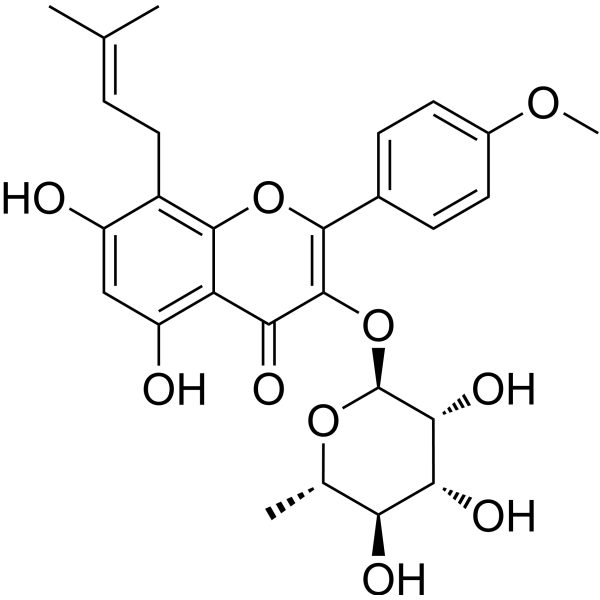
Baohuoside I
Based on 18 publication(s) in Google Scholar
Baohuoside I, a flavonoid isolated from Epimedium koreanum Nakai, acts as an inhibitor of CXCR4, downregulates CXCR4 expression, induces apoptosis and shows anti-tumor activity.
연구목적의 판매만을 진행합니다. 환자를 대상으로 한 판매는 하지 않습니다.
- Purity : 99.94%
- CAS No.: 113558-15-9
- 화학식: C27H30O10
- 분자량:514.52
-
보관:Powder -20°C, 3 years , 4°C, 2 years ; In solvent -80°C, 2 years , -20°C, 1 year

To place orders, for customer services and technical support, please contact: MedChemExpress USA
Tel: 609-228-6898 E-mail: [email protected] [email protected]


-
 Biological Activity
-
Chemical Information
-
용액&용해도
- Protocol
- 순도&문서
- References
-
 Help & FAQs


-
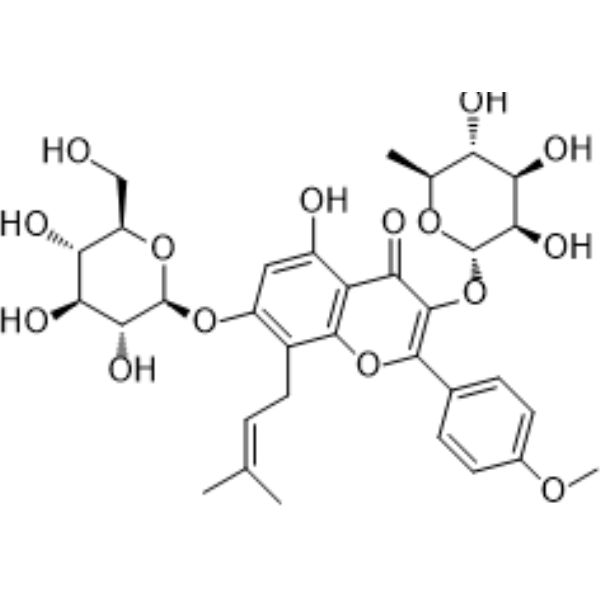
HY-N0014
IcariinPPAR Activator -
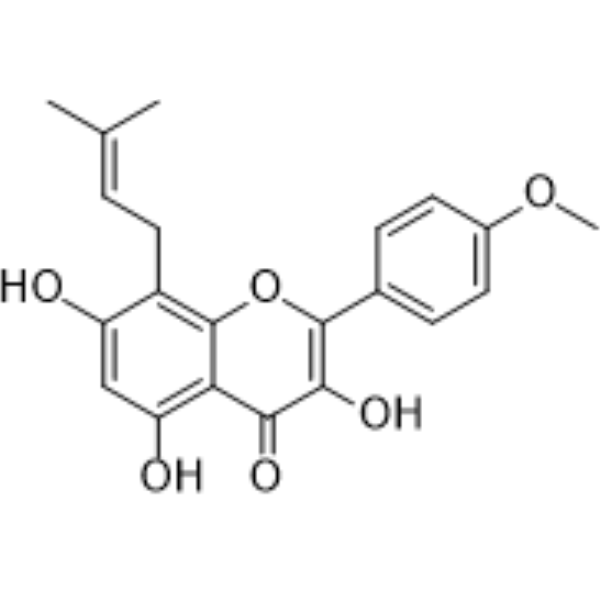
HY-N0678
IcaritinApoptosis Inducer -
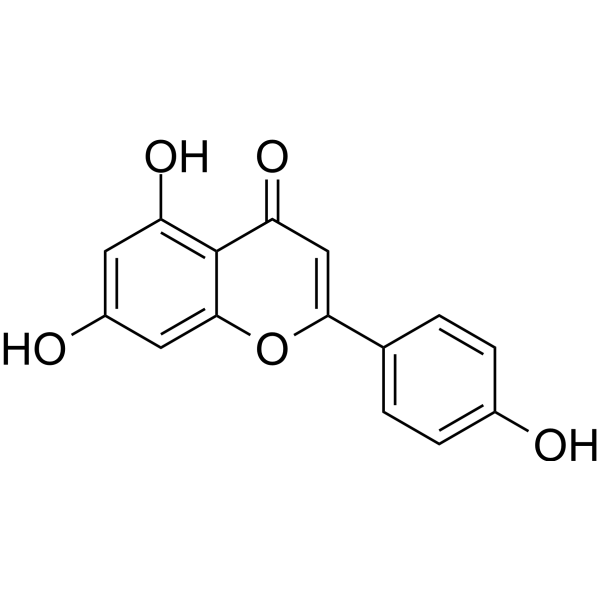
HY-N1201
ApigeninCytochrome P450 Inhibitor -
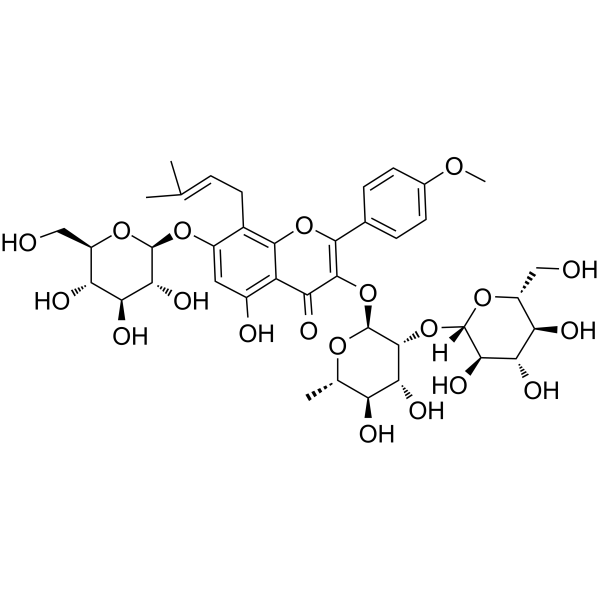
HY-N0257
Epimedin ANatural Product -
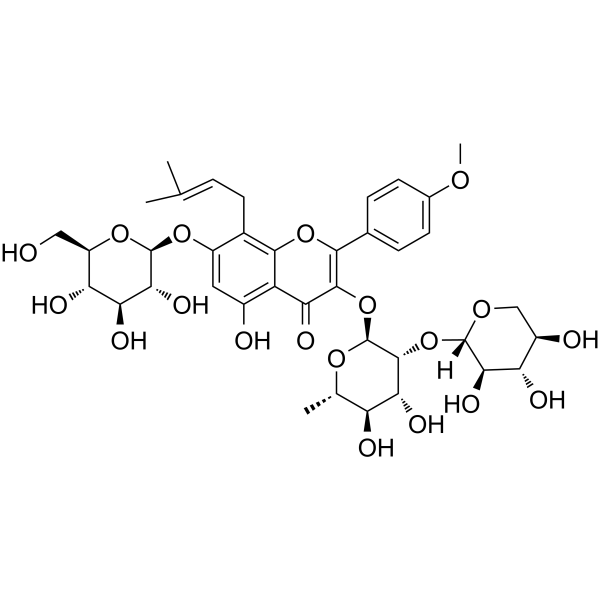
HY-N0259
Epimedin BAnti-osteoporosis Agent -
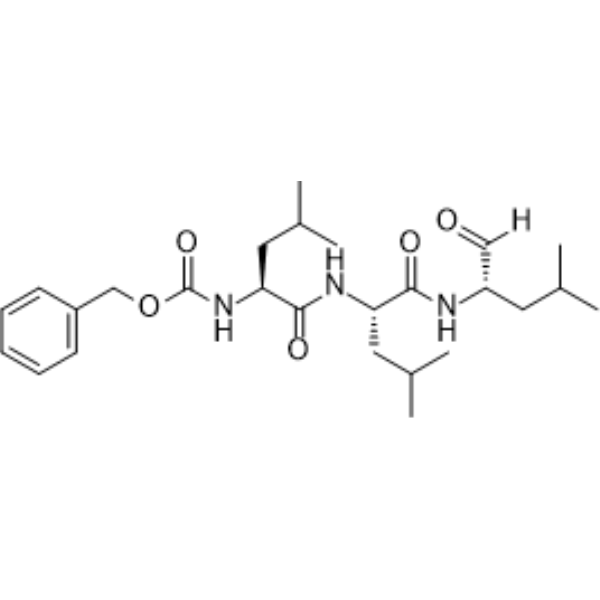
HY-13259
MG-132Proteasome Inhibitor -
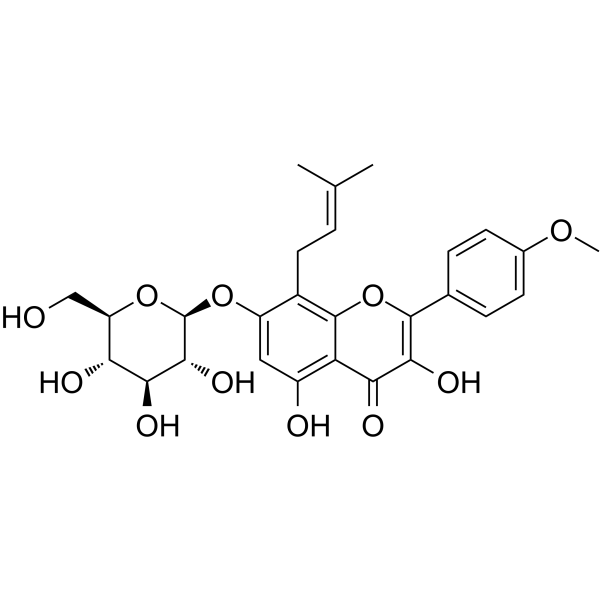
HY-N1939
Icariside IIcarlin Metabolite -
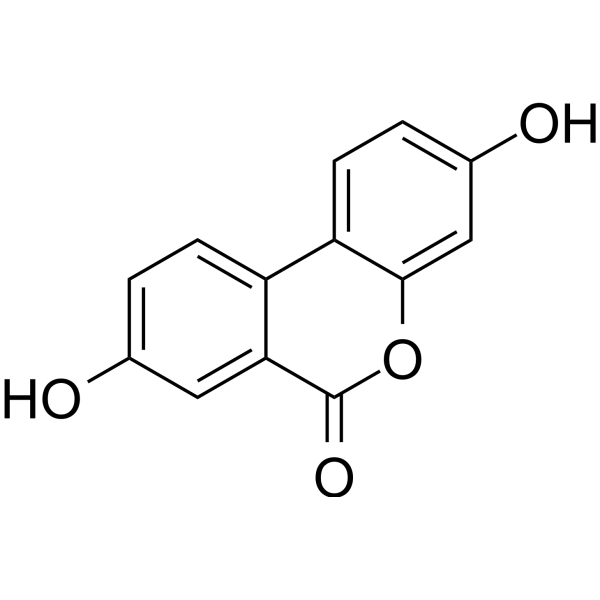
HY-100599
Urolithin AMitophagy Activator -
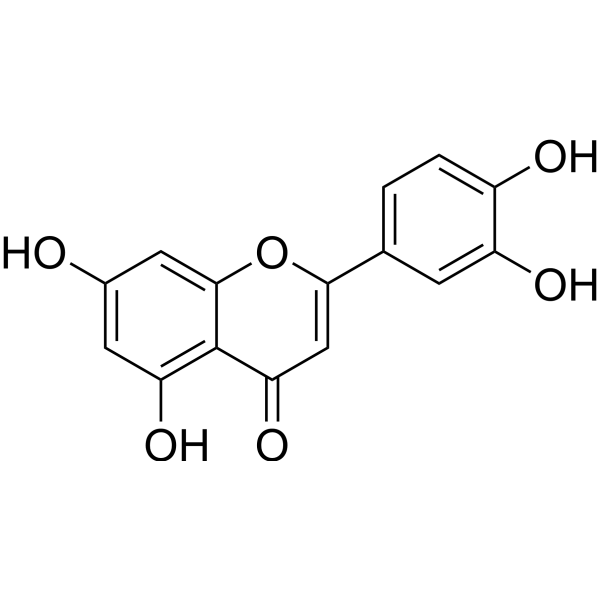
HY-N0162
LuteolinNrf2 Inhibitor -
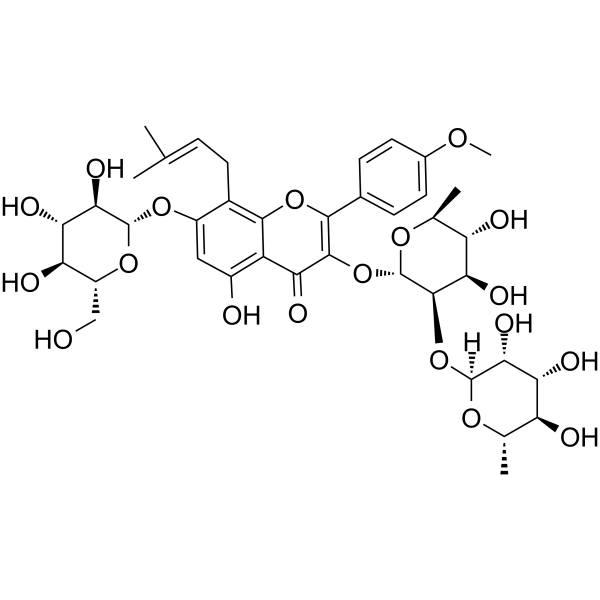
HY-N0260
Epmedin CAnti-inflammatory Agent -
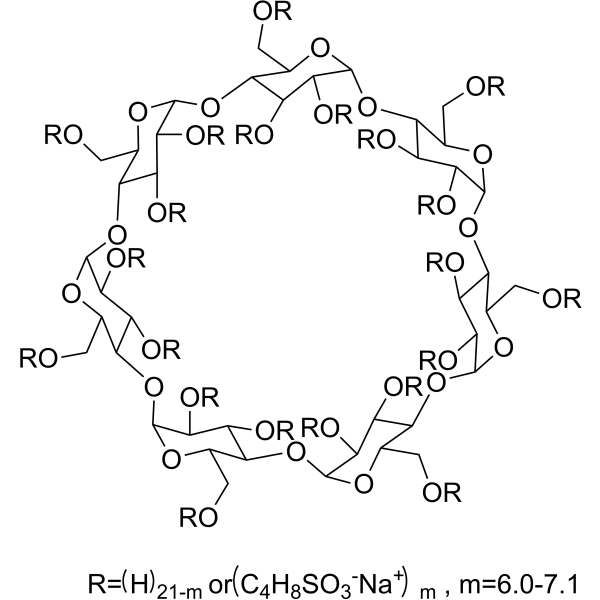
HY-17031
SBE-β-CDExcipient -
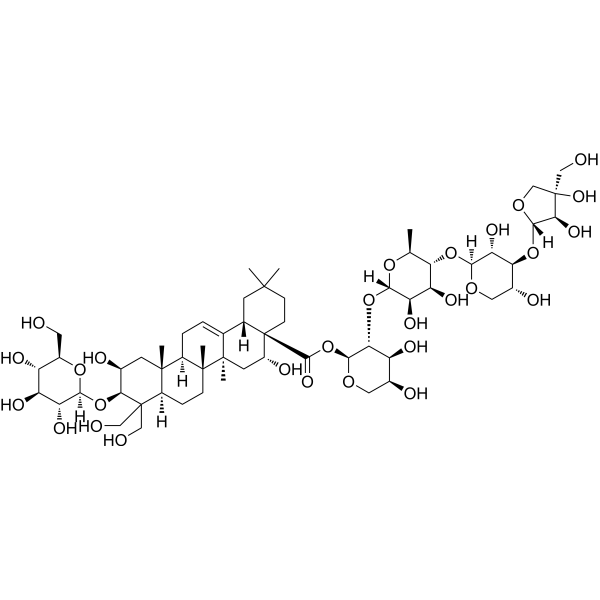
HY-N1411
Platycodin DAMPK Activator
Publications Citing Use of MedChemExpress (MCE) Baohuoside I
More- Bioact Mater. 2025 Jun 5:52:73-91. [Abstract]
- Adv Funct Mater. 2024 Dec 23.
- Small. 2026 Jan 23.
- Phytomedicine. 2025 Jul 25:143:156891. [Abstract]
- Phytomedicine. 2024 Jul 25:130:155590. [Abstract]
- Phytomedicine. 2023 Feb:110:154638. [Abstract]
- Food Chem. 2025 Dec 30:497:146992. [Abstract]
- Food Chem. 2025 Oct 15:489:144992. [Abstract]
- Phytother Res. 2024 Feb;38(2):839-855. [Abstract]
- Cells. 2026 Feb 3;15(3):287. [Abstract]
- Front Pharmacol. 2022 Jun 30;13:920601. [Abstract]
- J Cell Mol Med. 2020;00:1-15.
- Drug Dev Res. 2022 Sep;83(6):1383-1393. [Abstract]
- J Pharm Pharmacol. 2024 May 3;76(5):499-513. [Abstract]
- In Vitro Cell Dev Biol Anim. 2025 Dec 22. [Abstract]
- Rev Bras Farm. 2024 Aug 30.
- Biomed Pharmacother. 2020 Sep:129:110369. [Abstract]
- Biomed Pharmacother. 2020 Aug:128:110366. [Abstract]
 Customer Validation & Images

-
IF
-
WB
-
Cell Proliferation/Viability Assay

-
Cell Migration/Invasion Assay

-
Flow Cytometry


Biological Activity
제품 설명
IC50 & Target
[1]|
CXCR4 |
Cellular Effect
|
Cell Line

|
Type | Value | Description | References |
|---|---|---|---|---|
| MCF7 | IC50 |
7.52 μM
Compound: ICS II
|
Antitumor activity against human MCF7 cells assessed as cell viability incubated for 48 hrs by CCK8 assay
Antitumor activity against human MCF7 cells assessed as cell viability incubated for 48 hrs by CCK8 assay
|
[PMID: 36753987] |
| NCI/ADR-RES | IC50 |
>100 μM
Compound: 2
|
Cytotoxicity against human MCF7/ADR cells after 72 hrs by MTT assay
Cytotoxicity against human MCF7/ADR cells after 72 hrs by MTT assay
|
[PMID: 19523827] |
| Sf9 | IC50 |
1.7 μM
Compound: 58
|
Inhibition of recombinant human PDE5A1 catalytic domain (535 to 860 residues) expressed in baculovirus infected sf9 cells using [3H]cGMP as substrate incubated for 15 mins by liquid scintillation counting method
Inhibition of recombinant human PDE5A1 catalytic domain (535 to 860 residues) expressed in baculovirus infected sf9 cells using [3H]cGMP as substrate incubated for 15 mins by liquid scintillation counting method
|
[PMID: 26908025] |
| Vero | IC50 |
9.34 μM
Compound: ICS II
|
Cytotoxicity against African green monkey Vero cells
Cytotoxicity against African green monkey Vero cells
|
[PMID: 36753987] |
In Vitro
Baohuoside I is an inhibitor of CXCR4, and downregulates CXCR4 expression at 12-25 μM. Baohuoside I (0-25 μM) suppresses NF-κB activation in a dose-dependent manner, suppresses CXCL12 induced the invasion of cervical cancer cells. Baohuoside I also inhibits invasion of breast cancer cells[1]. Baohuoside I inhibits A549 cell viability, with IC50s of 25.1 μM at 24 h, 11.5 μM and 9.6 μM at 48 h and 72 h, respectively. Baohuoside I ((25 μM) suppresses the caspase cascade in A549 cells, elevates ROS levels and activates JNK and p38MAPK signaling cascade[2]. Baohuoside I (3.125, 6.25, 12.5, 25.0 and 50.0 μg/mL) significantly and dose-dependently blocks the growth of esophageal squamous cell carcinoma Eca109 cells, with an IC50 of 4.8 μg/mL at 48 h[3].
MedChemExpress (MCE) has not independently confirmed the accuracy of these methods. They are for reference only.
In Vivo


Chemical Information
-
CAS No. 113558-15-9
-
Appearance Solid
-
분자량 514.52
-
화학식 C27H30O10
-
Color Light yellow to yellow
-
SMILES
OC1=CC(O)=C2C(OC(C3=CC=C(OC)C=C3)=C(O[C@H](O[C@@H](C)[C@H](O)[C@H]4O)[C@@H]4O)C2=O)=C1C/C=C(C)\C
-
Synonyms
Icariin-II; Icariside-II
-
Structure Classification
-
선적
Room temperature in continental US; may vary elsewhere.
-
보관
Powder -20°C 3 years 4°C 2 years In solvent -80°C 2 years -20°C 1 year


Publications (18)
-
Journal Impact Factor
-
Most Recent
-
Bioact Mater
A dual-targeting strategy to inhibit colorectal cancer liver metastasis via tumor cell ferroptosis and cancer-associated fibroblast reprogramming. [Abstract]2025 Jun 5:52:73-91. PMID: 40530415 -
-
-
Phytomedicine
Network pharmacology and experimental validation of inflammation inhibition by ChuanKeZhi Injection in treating asthma. [Abstract]2025 Jul 25:143:156891. PMID: 40450983 -
Phytomedicine
Baohuoside I inhibits virulence of multidrug-resistant Staphylococcus aureus by targeting the transcription Staphylococcus accessory regulator factor SarZ. [Abstract]2024 Jul 25:130:155590. PMID: 38810547 -
Phytomedicine
Icariside II potentiates the anti-PD-1 antitumor effect by reducing chemotactic infiltration of myeloid-derived suppressor cells into the tumor microenvironment via ROS-mediated inactivation of the SRC/ERK/STAT3 signaling pathways. [Abstract]2023 Feb:110:154638. PMID: 36621167 -
Food Chem
Effects of sun drying combined with baking processes on the flavor quality of Chongqing Tuocha raw tea. [Abstract]2025 Dec 30:497:146992. PMID: 41285060 -
Food Chem
Flavonoid-mediated metabolic underpinning quality variation in red bud-sport pear mutants. [Abstract]2025 Oct 15:489:144992. PMID: 40466530 -
Phytother Res
Icariside II prevents kidney fibrosis development in chronic kidney disease by promoting fatty acid oxidation. [Abstract]2024 Feb;38(2):839-855. PMID: 38081477 -
Cells
Identification of Natural Compounds Triggering MRGPRX2-Mediated Calcium Flux and Degranulation in RBL-2H3 Cells. [Abstract]2026 Feb 3;15(3):287. PMID: 41677650 -
Front Pharmacol
Icariside Ⅱ Attenuates Palmitic Acid-Induced Endothelial Dysfunction Through SRPK1-Akt-eNOS Signaling Pathway. [Abstract]2022 Jun 30;13:920601. PMID: 35846993 -
-
Drug Dev Res
Icariside II suppresses the tumorigenesis and development of ovarian cancer by regulating miR-144-3p/IGF2R axis. [Abstract]2022 Sep;83(6):1383-1393. PMID: 35808943 -
J Pharm Pharmacol
Icariside I reduces breast cancer proliferation, apoptosis, invasion, and metastasis probably through inhibiting IL-6/STAT3 signaling pathway. [Abstract]2024 May 3;76(5):499-513. PMID: 37971302 -
In Vitro Cell Dev Biol Anim
Icariside II inhibits ferroptosis and improves high-glucose-induced podocytes injury by downregulating DNMT1. [Abstract]2025 Dec 22. PMID: 41428160 -
-
Biomed Pharmacother
Developing neobavaisoflavone nanoemulsion suppresses lung cancer progression by regulating tumor microenvironment. [Abstract]2020 Sep:129:110369. PMID: 32563983 -
Biomed Pharmacother
Baohuoside-1 targeting mTOR inducing apoptsis to inhibit hepatocellular carcinoma proliferation, invasion and migration. [Abstract]2020 Aug:128:110366. PMID: 32526459
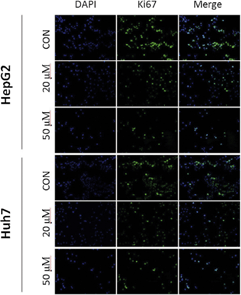
Baohuoside I purchased from MedChemExpress. Usage Cited in: Biomed Pharmacother. 2020 Aug:128:110366. [Abstract]
Ki67 Immunofluorescence following HepG2 and Huh7 cells incubated with Baohuoside-1 or an equal volume of DMEM medium for 24 h.Baohuoside-1 inhibited proliferation in HepG2 and Huh7 cells of liver cancer, and the proliferation inhibited by Baohuoside-1 is dose dependent.
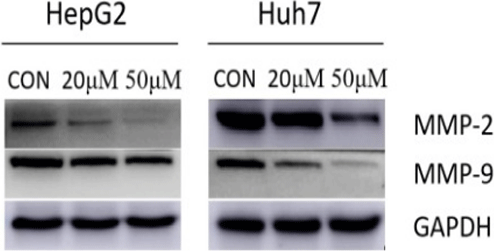
Baohuoside I purchased from MedChemExpress. Usage Cited in: Biomed Pharmacother. 2020 Aug:128:110366. [Abstract]
After 24 h treatment with Baohuoside-1 (20 μM, 50 μM), the expression of metastasis-associated proteins is detected by western blotting analysis.
Baohuoside I purchased from MedChemExpress. Usage Cited in: Biomed Pharmacother. 2020 Aug:128:110366. [Abstract]
CCK8 assay following HepG2 and Huh7 incubated with 5 μM,10 μM, 20 μM, 30 μM, 40 μM, 50 μM, 60 μM, 70 μM, 80 μM, 90 μM Baohuoside-1 or an equal volume of DMEM medium for 24 h.
Baohuoside I purchased from MedChemExpress. Usage Cited in: Biomed Pharmacother. 2020 Aug:128:110366. [Abstract]
Transwell assay following HepG2 and Huh7 cells incubated with Baohuoside-1 (20 μM, 50 μM) or an equal volume of DMEM medium for 24 h.
Baohuoside I purchased from MedChemExpress. Usage Cited in: Biomed Pharmacother. 2020 Aug:128:110366. [Abstract]
Flow cytometry for apoptosis [apoptosis ratio was calculated as (Q2 + Q3)/(Q1+Q2 + Q3+Q4)] of HepG2 and Huh7 cells incubated with Baohuoside-1 (20 μM, 50 μM) or an equal volume of DMEM medium for 24 h.

Baohuoside I purchased from MedChemExpress. Usage Cited in: Biomed Pharmacother. 2020 Aug:128:110366. [Abstract]
HE showed that Baohuoside-1 (25 mg/kg, i.g.) significantly inhibits tumor growth of cell xenografts in nude mice.

Baohuoside I purchased from MedChemExpress. Usage Cited in: Biomed Pharmacother. 2020 Aug:128:110366. [Abstract]
The tumor volumes were measured every three day for 30 days treated with Baohuoside I (25 mg/kg, i.g.).


용액&용해도
In Vitro:
DMSO : ≥ 32 mg/mL (62.19 mM; Hygroscopic DMSO has a significant impact on the solubility of product, please use newly opened DMSO)
* "≥" means soluble, but saturation unknown.
Please refer to the solubility information to select the appropriate solvent. Once prepared, please aliquot and store the solution to prevent product inactivation from repeated freeze-thaw cycles.
Storage method and period of stock solution: -80°C, 2 years; -20°C, 1 year. When stored at -80°C, please use it within 2 years. When stored at -20°C, please use it within 1 year.
Please refer to the solubility information to select the appropriate solvent. Once prepared, please aliquot and store the solution to prevent product inactivation from repeated freeze-thaw cycles.
Storage method and period of stock solution: -80°C, 2 years; -20°C, 1 year. When stored at -80°C, please use it within 2 years. When stored at -20°C, please use it within 1 year.
Concentration (start) × Volume (start) = Concentration (final) × Volume (final)
In Vivo:
Select the appropriate dissolution method based on your experimental animal and administration route.
- For the following dissolution methods, please ensure to first prepare a clear stock solution using an In Vitro approach and then sequentially add co-solvents:
- To ensure reliable experimental results, the clarified stock solution can be appropriately stored based on storage conditions. As for the working solution for In Vivo experiments, it is recommended to prepare freshly and use it on the same day.
- The percentages shown for the solvents indicate their volumetric ratio in the final prepared solution. If precipitation or phase separation occurs during preparation, heat and/or sonication can be used to aid dissolution.
Add each solvent one by one: 10% DMSO 40% PEG300 5% Tween-80 45% Saline
Solubility: ≥ 2.08 mg/mL (4.04 mM); Clear solution
This protocol yields a clear solution of ≥ 2.08 mg/mL (saturation unknown).
Taking 1 mL working solution as an example, add 100 μL DMSO stock solution (20.8 mg/mL) to 400 μL PEG300, and mix evenly; then add 50 μL Tween-80 and mix evenly; then add 450 μL Saline to adjust the volume to 1 mL.
Preparation of Saline: Dissolve 0.9 g sodium chloride in ddH₂O and dilute to 100 mL to obtain a clear Saline solution.
Add each solvent one by one: 10% DMSO 90% (20% SBE-β-CD in Saline)
Solubility: ≥ 2.08 mg/mL (4.04 mM); Clear solution
This protocol yields a clear solution of ≥ 2.08 mg/mL (saturation unknown).
Taking 1 mL working solution as an example, add 100 μL DMSO stock solution (20.8 mg/mL) to 900 μL 20% SBE-β-CD in Saline, and mix evenly.
Preparation of 20% SBE-β-CD in Saline (4°C, storage for one week): 2 g SBE-β-CD powder is dissolved in 10 mL Saline, completely dissolve until clear.
In Vivo Dissolution Calculator
Please enter the basic information of animal experiments:
-
-
-
-
Recommended: Prepare an additional quantity of animals to account for potential losses during experiments.
Please enter your animal formula composition:
-
%DMSO +
Recommended: Keep the proportion of DMSO in working solution below 2% if your animal is weak.
-
%+
-
+%Tween-80 + +
-
%Saline +
The co-solvents required include: DMSO, . All of co-solvents are available by MedChemExpress (MCE). , Tween 80. All of co-solvents are available by MedChemExpress (MCE).
Working solution concentration: 0.22 mg/mL
Method for preparing stock solution: mg drug dissolved in μL DMSO. Stock solution concentration: mg/mL.
1. Take μL DMSO stock solution;
2. Add μL .
μL , mix evenly;
3. Then add μL Tween 80, mix evenly;
4. Then add μL
Please ensure that the stock solution in the first step is dissolved to a clear state, and add co-solvents in sequence. You can use ultrasonic heating (ultrasonic cleaner, recommended frequency 20-40 kHz), vortexing, etc. to assist dissolution.


순도&문서
-
Data Sheet (286 KB)
-
SDS (396 KB)
- English - EN (396 KB)
- Français - FR (396 KB)
- Deutsch - DE (396 KB)
- Norwegian - NO (396 KB)
- Español - ES (396 KB)
- Swedish - SV (396 KB)
- Italian - IT (396 KB)
- Korean - KR (396 KB)
- Portuguese - PT (396 KB)
-
Handling Instructions (2659 KB)
References
[1]. Kim B, et al. Baohuoside I suppresses invasion of cervical and breast cancer cells through the downregulation of CXCR4 chemokine receptor expression. Biochemistry. 2014 Dec 9;53(48):7562-9. [Content Brief]
[2]. Song J, et al. Reactive oxygen species-mediated mitochondrial pathway is involved in Baohuoside I-induced apoptosis in human non-small cell lung cancer. Chem Biol Interact. 2012 Jul 30;199(1):9-17. [Content Brief]
[3]. Wang L, et al. The flavonoid Baohuoside-I inhibits cell growth and downregulates survivin and cyclin D1 expression in esophageal carcinoma via β-catenin-dependent signaling. Oncol Rep. 2011 Nov;26(5):1149-56. [Content Brief]


Complete Stock Solution Preparation Table
Please refer to the solubility information to select the appropriate solvent. Once prepared, please aliquot and store the solution to prevent product inactivation from repeated freeze-thaw cycles.
Storage method and period of stock solution: -80°C, 2 years; -20°C, 1 year. When stored at -80°C, please use it within 2 years. When stored at -20°C, please use it within 1 year.
| Optional Solvent | Concentration Solvent Mass | 1 mg | 5 mg | 10 mg | 25 mg |
|---|---|---|---|---|---|
| DMSO | 1 mM | 1.9436 mL | 9.7178 mL | 19.4356 mL | 48.5890 mL |
| 5 mM | 0.3887 mL | 1.9436 mL | 3.8871 mL | 9.7178 mL | |
| 10 mM | 0.1944 mL | 0.9718 mL | 1.9436 mL | 4.8589 mL | |
| 15 mM | 0.1296 mL | 0.6479 mL | 1.2957 mL | 3.2393 mL | |
| 20 mM | 0.0972 mL | 0.4859 mL | 0.9718 mL | 2.4294 mL | |
| 25 mM | 0.0777 mL | 0.3887 mL | 0.7774 mL | 1.9436 mL | |
| 30 mM | 0.0648 mL | 0.3239 mL | 0.6479 mL | 1.6196 mL | |
| 40 mM | 0.0486 mL | 0.2429 mL | 0.4859 mL | 1.2147 mL | |
| 50 mM | 0.0389 mL | 0.1944 mL | 0.3887 mL | 0.9718 mL | |
| 60 mM | 0.0324 mL | 0.1620 mL | 0.3239 mL | 0.8098 mL |


Baohuoside I Related Classifications
HY-N0011 Related Classifications
 Powered by Bioz