Others
-
Others Related Products (76524)
Related Products (76524)

-
LIAS Human Pre-designed siRNA Set A
 0 ImagesCat. No.: HY-RS07639
LIAS Human Pre-designed siRNA Set A contains three designed siRNAs for LIAS gene (Human), as well as a negative control, a positive control, and a FAM-labeled negative control.
-
LMO7 Human Pre-designed siRNA Set A
 0 ImagesCat. No.: HY-RS07721
LMO7 Human Pre-designed siRNA Set A contains three designed siRNAs for LMO7 gene (Human), as well as a negative control, a positive control, and a FAM-labeled negative control.
-
LPAR6 Human Pre-designed siRNA Set A
 0 ImagesCat. No.: HY-RS07761
LPAR6 Human Pre-designed siRNA Set A contains three designed siRNAs for LPAR6 gene (Human), as well as a negative control, a positive control, and a FAM-labeled negative control.
-
LPCAT1 Human Pre-designed siRNA Set A
 0 ImagesCat. No.: HY-RS07764
LPCAT1 Human Pre-designed siRNA Set A contains three designed siRNAs for LPCAT1 gene (Human), as well as a negative control, a positive control, and a FAM-labeled negative control.
-
11-(Methylsulfinyl)undecyl-glucosinolate
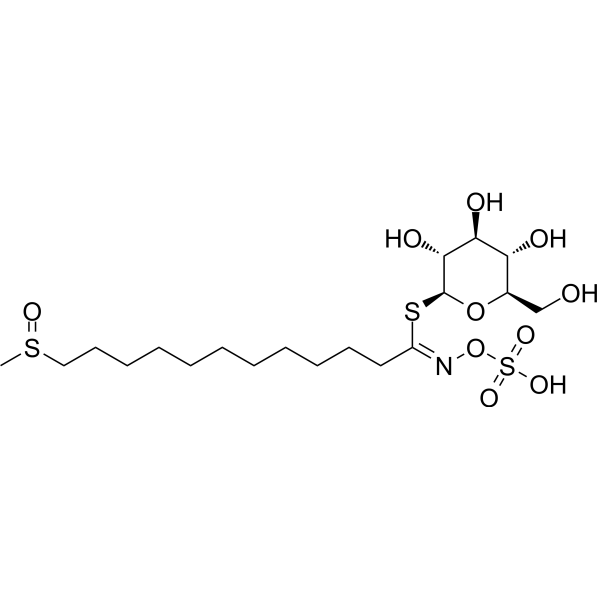 0 ImagesSynonyms: Homoglucocamelinin; GS11
11-(Methylsulfinyl)undecyl-glucosinolate is an aliphatic glucosinolate.

-
A2G0 Glycan
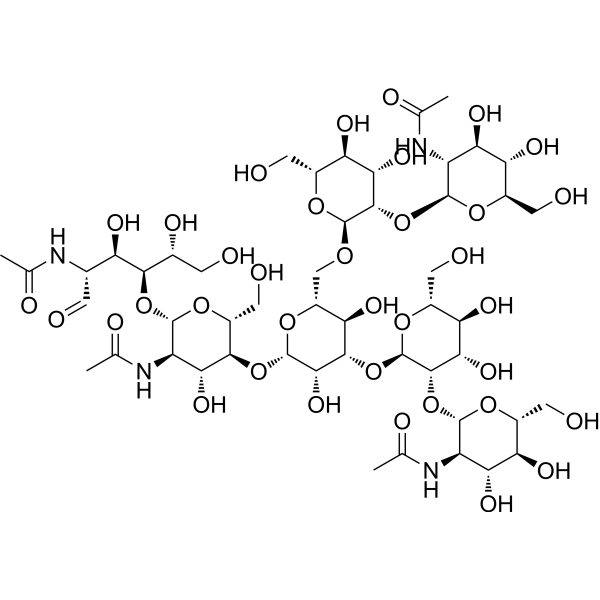 0 ImagesCat. No.: HY-N10629CAS No.: 84808-02-6
A2G0 Glycan is a glycan, and can be used for labeling and modification of proteins.
-
D-lactosyl-β-1,1′ N-stearoyl-D-erythro-sphingosine
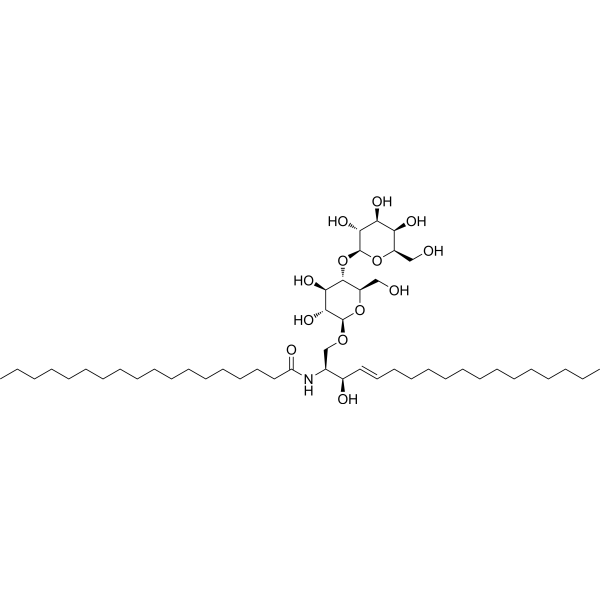 0 Images
D-lactosyl-β-1,1′ N-stearoyl-D-erythro-sphingosine is a neutral glycolipid.
-
3,7,25-Trihydroxycucurbita-5,23-dien-19-al
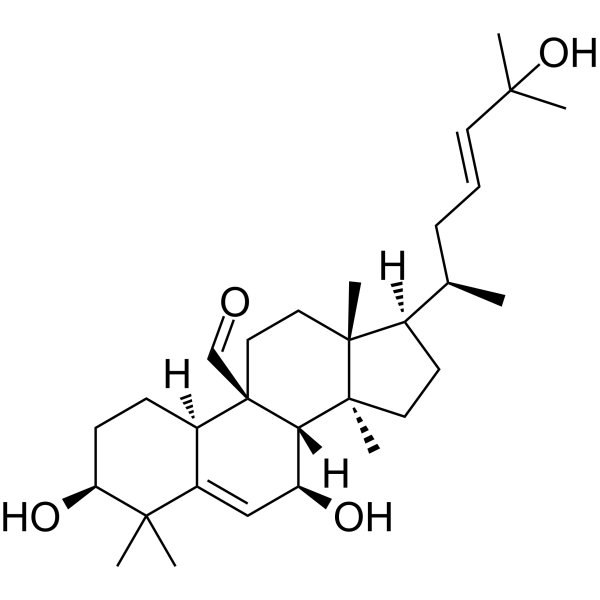 0 ImagesCat. No.: HY-N10685CAS No.: 85372-65-2Synonyms: TCD
3,7,25-Trihydroxycucurbita-5,23-dien-19-al (TCD) is a natural product, that can be isolated from the chloroform extract of the leaves of Momordica foetida.
-
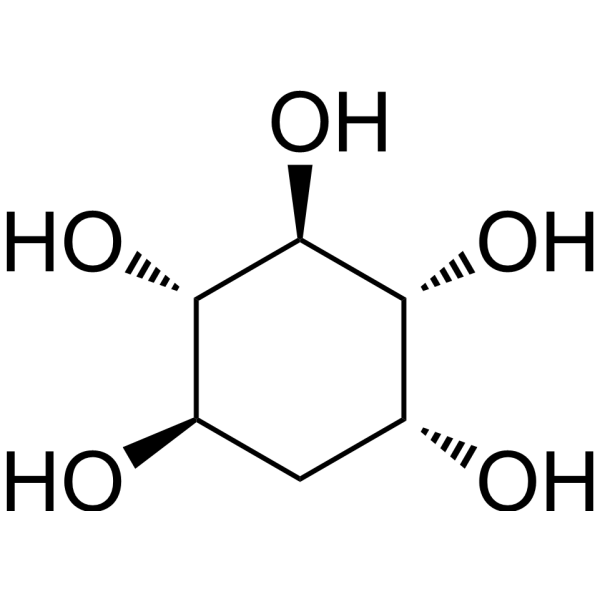
23-Nor-6-oxopristimerol
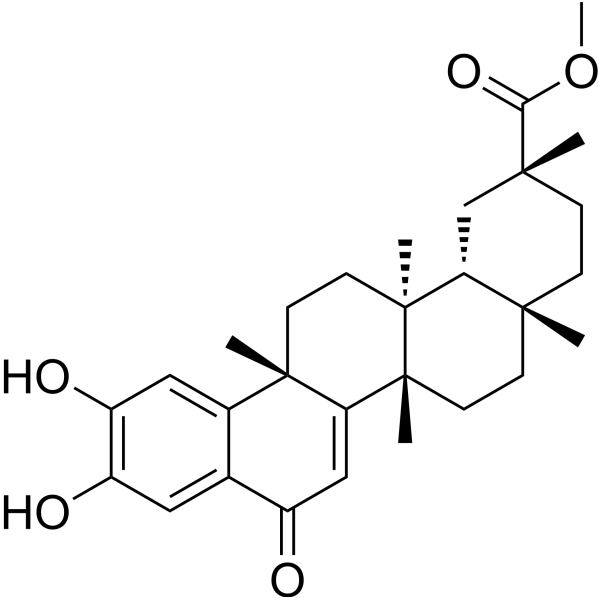 0 ImagesCat. No.: HY-N10851CAS No.: 118172-79-5
23-Nor-6-oxopristimerol is a phenolic dinor-triterpene.
-
(-)-8-Methoxyobliquin
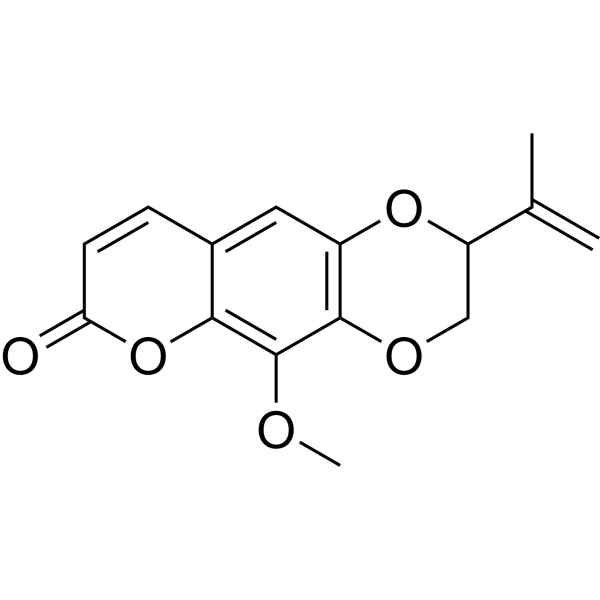 0 ImagesCat. No.: HY-N10978CAS No.: 105249-48-7
(-)-8-Methoxyobliquin is a coumarin compound that can be isolated from the aerial parts ofH. heterophyllus.
-
Regaloside E
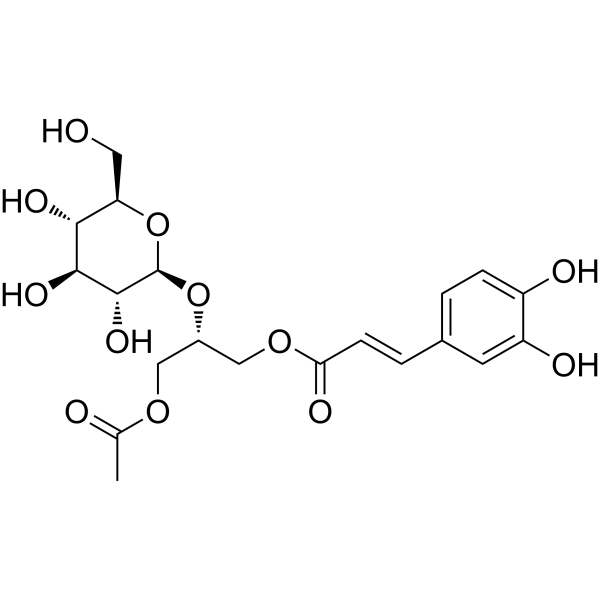 0 Images
Regaloside E is a natural product that can be isolated from Lilium longiflorum Thunb. .
-
5′-Des-O-methylharringtonine
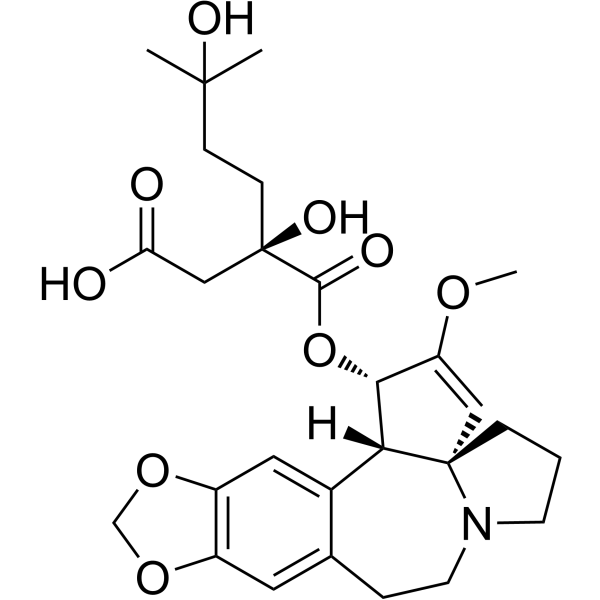 0 ImagesCat. No.: HY-N11758CAS No.: 182325-73-1
5′-Des-O-methylharringtonine is a nature product that could be isolated from Cephalotaxus harringtonia.
-
Triptotriterpenic acid C
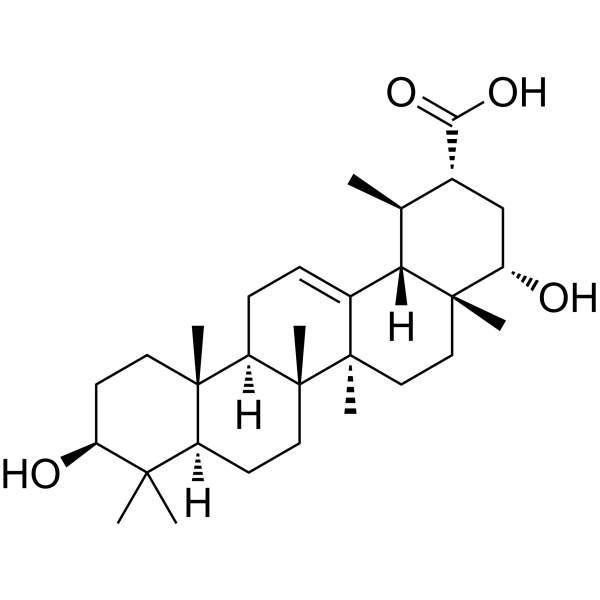 0 ImagesCat. No.: HY-N12014CAS No.: 123914-32-9
Triptotriterpenic acid C is a ursolic-type acid that can be isolated from total glycosides extracted from the root of Tripterygium wilfordii Hook.f..
-
Montbretin A
 0 Images
Montbretin A is an active compound.
-
Acetylthevetin A
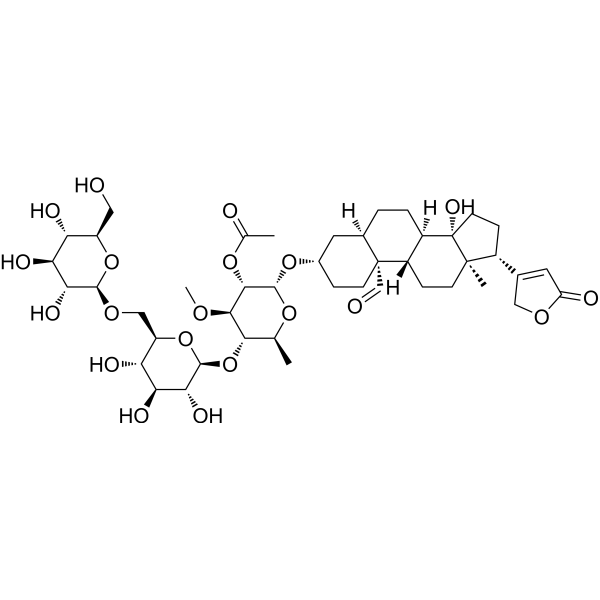 0 Images
Acetylthevetin A is a natural product isolated from oleander (Cascabela thevetioides).
-
Arachidin 2
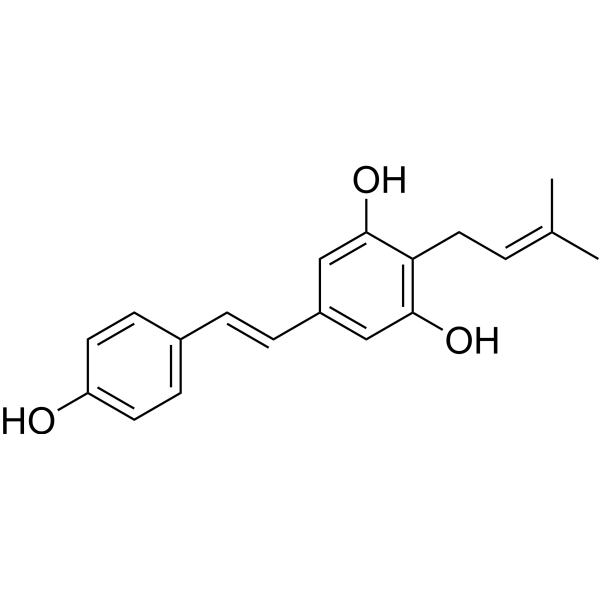 0 ImagesCat. No.: HY-N12144CAS No.: 61517-87-1Synonyms: 4-Prenylresveratrol
Arachidin 2 is a naturally occurring secondary metabolite from peanuts. Arachidin-2 suppresses Peronophythora litchii, which causes the litchi downy blight.