



Notch
Notch signaling is evolutionarily conserved and operates in many cell types and at various stages during development. Notch signaling occurs via cell-cell communication, where transmembrane ligands on one cell activate transmembrane receptors on a juxtaposed cell.
Regulation of Notch signaling is critical to development and maintenance of most eukaryotic organisms. The Notch receptors (NOTCH1, 2, 3, and 4) and ligands (DLL1, 3, and 4, JAG1 and 2) are integral membrane proteins and direct cell-cell interactions are needed to activate signaling. Ligand-expressing cells activate Notch signaling through an unusual mechanism involving Notch proteolysis to release the intracellular domain from the membrane, allowing the Notch receptor to function directly as the downstream signal transducer.
All Product Categories
-
Notch Related Products (123)
Related Products (123)

-
Recombinant Proteins (52)
-
Antibodies (12)
-
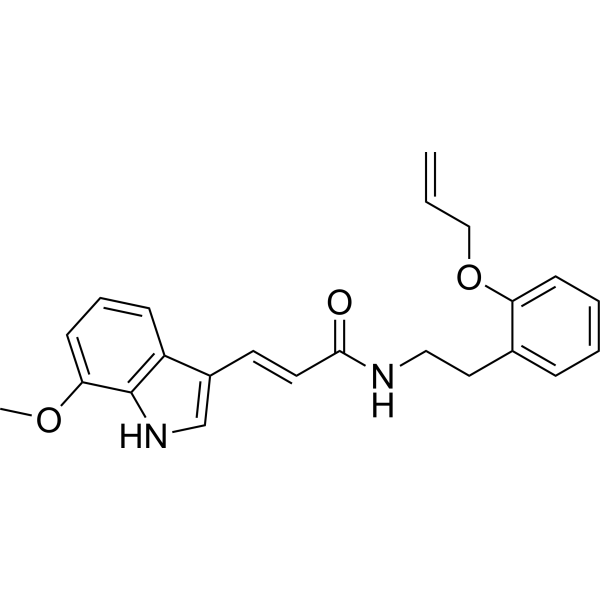
ZLDI-8
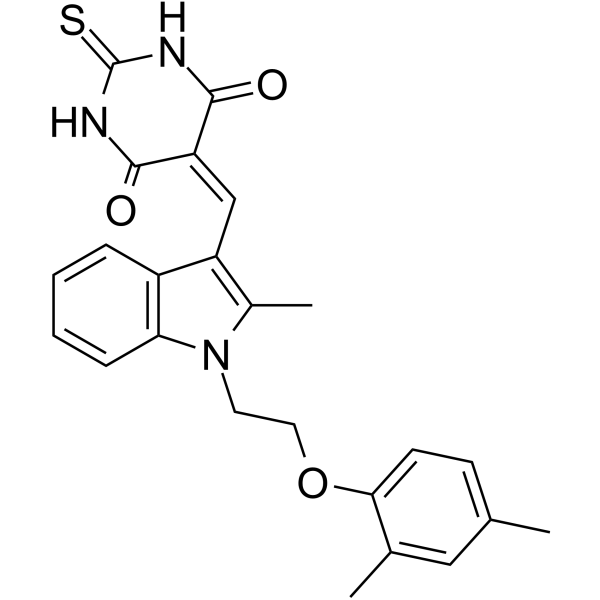 0 ImagesZLDI-8 is a Notch activating/cleaving enzyme ADAM-17 inhibitor and inhibits the cleavage of Notch protein. ZLDI-8 decreases the expression of pro-survival/anti-apoptosis and epithelial-mesenchymal transition (EMT) related proteins. ZLDI-8 is also a competitive and irreversible tyrosine phosphatase (Lyp) inhibitor with an IC50 of 31.6 μM and a Ki of 26.22 μM. ZLDI-8 inhibits the growth of MHCC97-H cells with an IC50 of 5.32 μM.
-
LIV-1205 (CBA-1205)
 0 ImagesCat. No.: HY-P990613Purity: 98.80%Synonyms: CBA-1205LIV-1205 (CBA-1205) is a humanized antibody expressed in CHO cells that targets DLK1. LIV-1205 (CBA-1205) contains a huIgG1 type heavy chain and a huκ type light chain, with a predicted molecular weight (MW) of 150 kDa. The isotype control for LIV-1205 (CBA-1205) can be referenced as Human IgG1 kappa, Isotype Control (HY-P99001).
-
SAHM1
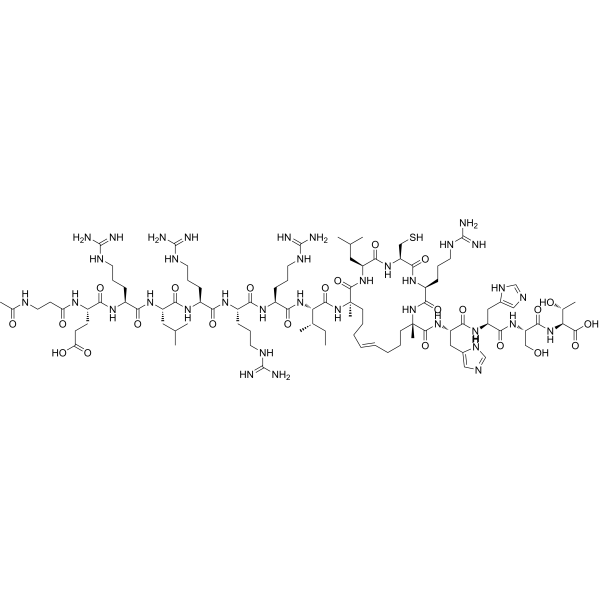 0 ImagesCat. No.: HY-P2203CAS No.: 2050906-89-1SAHM1, a peptide mimetic of a dominant negative form of mastermind-like (MAML), inhibits canonical Notch transcription complex formation. SAHM1 can be used for the research of allergic airway inflammation in mice.
-
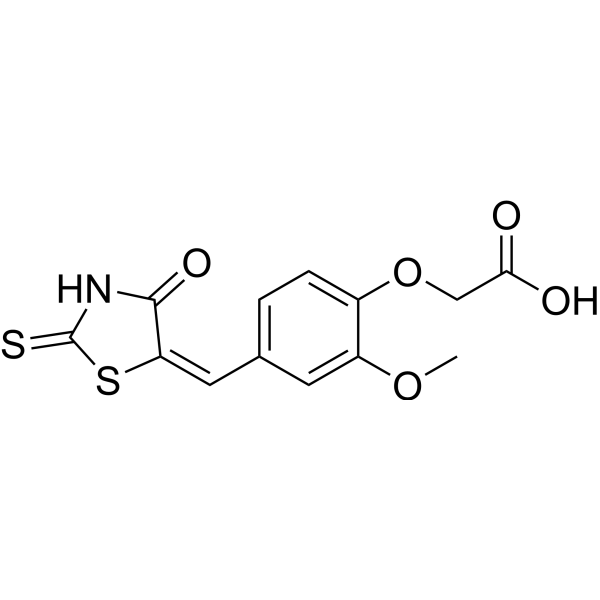
Demcizumab
 0 ImagesSynonyms: OMP 21M18

-
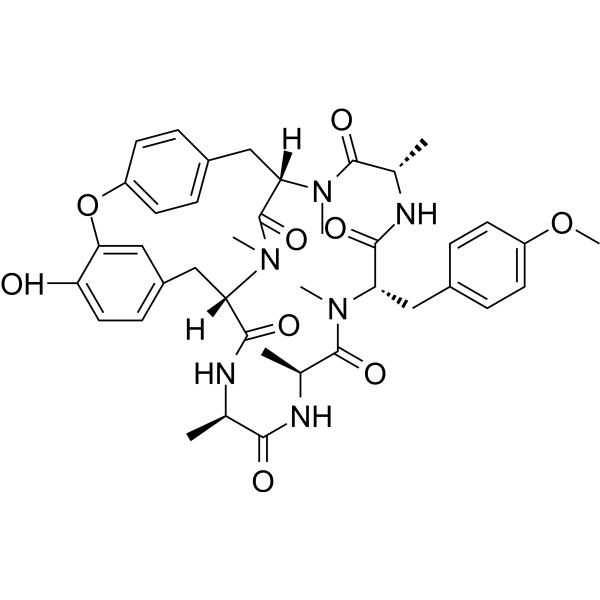
Kaempferol 3-O-gentiobioside
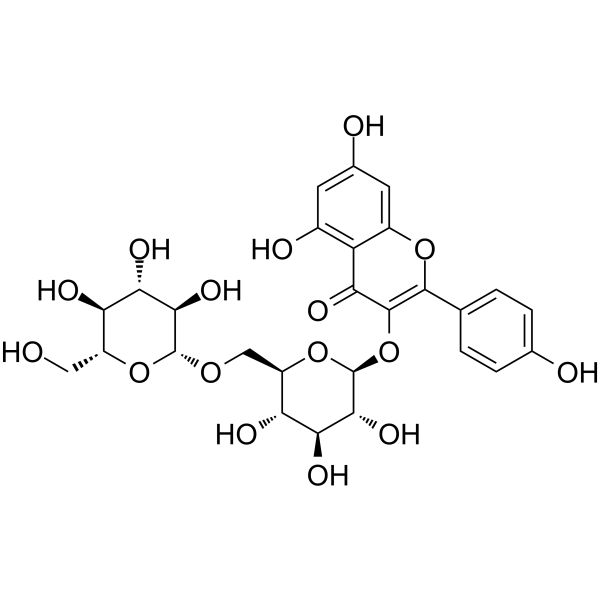 0 ImagesKaempferol 3-O-gentiobioside is an orally active flavonoid, with a Ka value of 57 µM against human NOTCH1 and an IC50 value of 50 μM against α-glucosidase. Kaempferol 3-O-gentiobioside inhibits the NOTCH signaling pathway. It downregulates the expression of TLR4 and NLRP3, and suppresses the activation and nuclear translocation of NF-κB. Kaempferol 3-O-gentiobioside inhibits the expression of MUC5AC, reduces nitrite and ROS levels, and attenuates excessive mucus secretion. It exhibits antibacterial activity, reducing the formation and growth of MRSA biofilms. Kaempferol 3-O-gentiobioside blocks the TGF-β/ALK5/Smad signaling pathway and inhibits epithelial-mesenchymal transition. It suppresses the proliferation, migration, invasion and metastatic growth of tumor cells. Kaempferol 3-O-gentiobioside alleviates airway inflammation and mucus hypersecretion in mice with allergic asthma. It reduces the volume of ovarian cancer xenografts in mice. Kaempferol 3-O-gentiobioside can be used in research related to allergic asthma, diabetes, MRSA infection, breast cancer, gastric cancer and ovarian cancer.
-
Valproic acid-d15
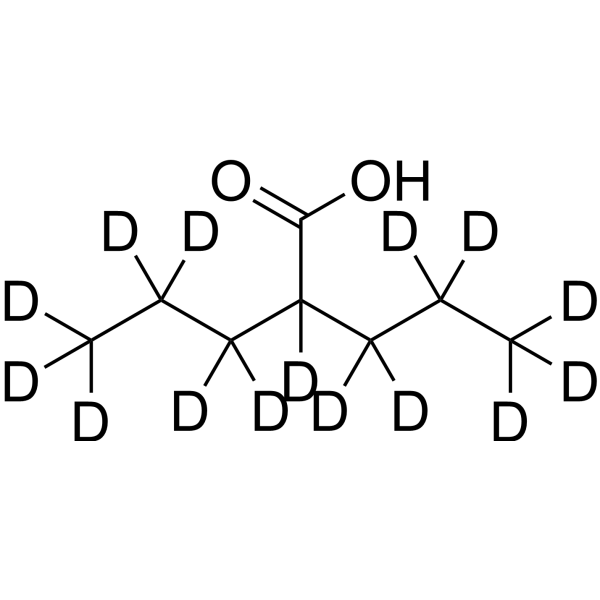 0 ImagesSynonyms: VPA-d15; 2-Propylpentanoic acid-d15Valproic acid-d15 is the deuterium labeled Valproic acid. Valproic acid (VPA; 2-Propylpentanoic Acid) is an HDAC inhibitor, with IC50 in the range of 0.5 and 2 mM, also inhibits HDAC1 (IC50, 400 μM), and induces proteasomal degradation of HDAC2. Valproic acid activates Notch1 signaling and inhibits proliferation in small cell lung cancer (SCLC) cells. Valproic acid sodium salt is used in the treatment of epilepsy, bipolar disorder and prevention of migraine headaches.
-
Zocilurtatug
 0 ImagesSynonyms: ZL-1310 Antibody
-
Enoticumab
 0 ImagesSynonyms: REGN421Enoticumab (REGN421, SAR153192) is an IgG1κ antibody targeting human Dll4. DLL4 is a ligand of the Notch signaling pathway and regulates fatty acid uptake through non-transcriptional regulation of macropinocytosis-dependent long-chain fatty acid uptake. Specific in vivo activity of Enoticumab in an ovarian xenograft model. EGN421 (2.5 mg/kg once weekly) resulted in 86% and 83% tumor growth inhibition in mouse subcutaneous TOV-112D or intraperitoneal A2780 human tumor xenograft models, respectively.
-
Valproic acid-d6
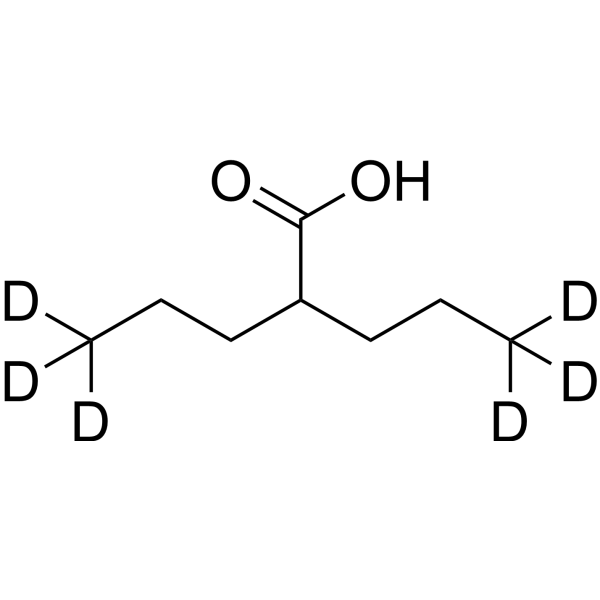 0 ImagesSynonyms: VPA-d6; 2-Propylpentanoic acid-d6Valproic acid-d6 is the deuterium labeled Valproic acid. Valproic acid (VPA; 2-Propylpentanoic Acid) is an HDAC inhibitor, with IC50 in the range of 0.5 and 2 mM, also inhibits HDAC1 (IC50, 400 μM), and induces proteasomal degradation of HDAC2. Valproic acid activates Notch1 signaling and inhibits proliferation in small cell lung cancer (SCLC) cells. Valproic acid sodium salt is used in the treatment of epilepsy, bipolar disorder and prevention of migraine headaches.
-
LY900009
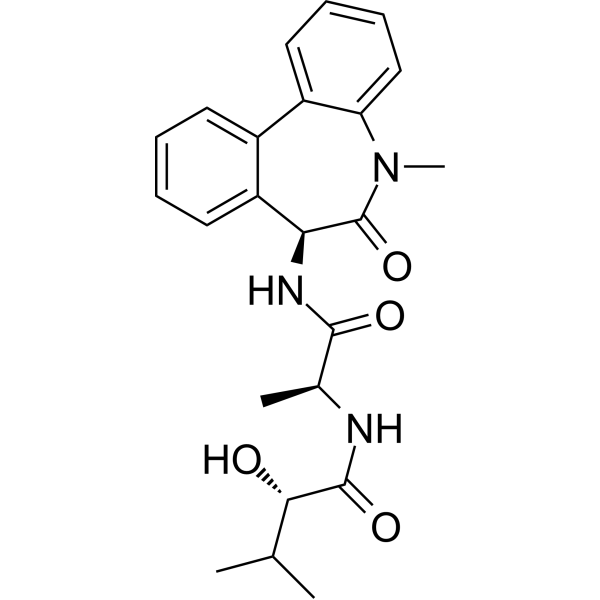 0 ImagesLY900009 is a potent and orally active, First-in-class inhibitor of Notch signaling via selective inhibition of the γ-secretase protein (GSI). LY900009 inhibits Notch signalling in tumor cell lines and endothelial cells (IC50=0.005-20 nM). LY900009 can be used for advanced cancer research.
-
Navicixizumab
 0 ImagesSynonyms: OMP-305B83; Anti-DLL4 Reference Antibody (navicixizumab)Navicixizumab (OMP-305B83) is a bispecific anti-VEGF and anti-DLL4 inhibitory antibody. Navicixizumab can combine with Paclitaxel (HY-B0015) for cancer research. Navicixizumab can be used in the research of ovarian, primary peritoneal, or fallopian tube cancer.
-
ASR-490
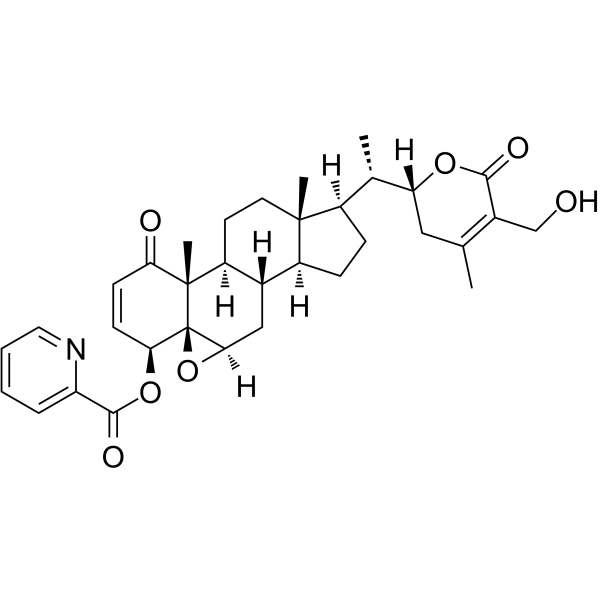 0 ImagesASR-490 reduces the viability of HCT116 and SW620 cells by downregulating Notch1 signaling. ASR-490 overcomes Notch1 overexpression and inhibits the growth of HCT/Notch1 transfectants. ASR-490 inhibits the tumor growth in control (pCMV/HCT116) and Notch1/HCT116 in xenotransplanted mice.

-
Valproic acid-d4
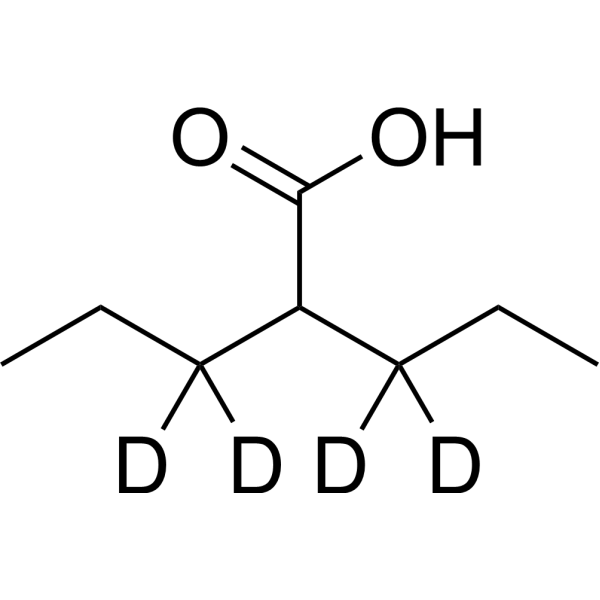 0 ImagesSynonyms: VPA-d4; 2-Propylpentanoic acid-d4Valproic acid-d4 is the deuterium labeled Valproic acid. Valproic acid (VPA; 2-Propylpentanoic Acid) is an HDAC inhibitor, with IC50 in the range of 0.5 and 2 mM, also inhibits HDAC1 (IC50, 400 μM), and induces proteasomal degradation of HDAC2. Valproic acid activates Notch1 signaling and inhibits proliferation in small cell lung cancer (SCLC) cells. Valproic acid sodium salt is used in the treatment of epilepsy, bipolar disorder and prevention of migraine headaches.
-
Theasaponin E1
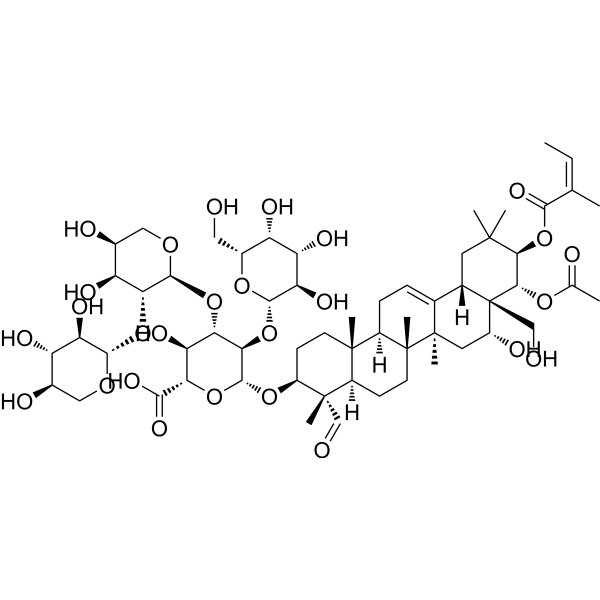 0 ImagesTheasaponin E1 is an orally effective tea saponin. Theasaponin E1 inhibits the proliferation of cancer cells by activating apoptosis. Theasaponin E1 inhibits angiogenesis in ovarian cancer cells and HUVECs by reducing the expression of VEGF. Theasaponin E1 upregulates the phosphorylation level of ATM protein and the expression level of PTEN protein in cancer cells, decreases the phosphorylation levels of Akt, mTOR, p70S6K and 4E-BP1 proteins, downregulates the expression of HIF-1α and NF-κB, and reduces the protein expression of Notch ligands Dll4 and Jagged1. Theasaponin E1 exerts neuroprotective effects by inhibiting the activity of acetylcholinesterase, activating α-secretase and neprilysin, reducing the concentration of Aβ, and inhibiting the activities of β-secretase and γ-secretase. Theasaponin E1 exhibits toxic effects on cancer cells and quinone reductase-inducing activity, and inhibits tumor growth in vivo. Theasaponin E1 induces ferroptosis in Pomacea canaliculata by synergistically disrupting cholesterol homeostasis and sphingolipid metabolism. Theasaponin E1 possesses anti-biofilm activity against Candida albicans. Theasaponin E1 can be used in the research of ovarian cancer, obesity, Alzheimer's disease and fungal infections.




