



PROTACs
PROTAC (PROteolysis-TArgeting Chimera) is a heterobifunctional nanomolecule containing two different ligands, ligand for ubiquitin E3 and ligand for target protein. The two parts are connected by linker to form a "three-unit" polymer, target protein ligand-linker-E3 ligase ligand. Building blocks of PROTAC molecules include PROTAC Linker, Ligand for Target Protein for PROTAC, Ligand for E3 Ligase, E3 Ligase Ligand-Linker Conjugate, Target Protein Ligand-Linker Conjugate, etc.
PROTACs Isoform Specific Products
All Product Categories
-
PROTACs Related Products (1334)
Related Products (1334)

-
Antibodies (1)
-
PROTACs Isoform Comparison
-
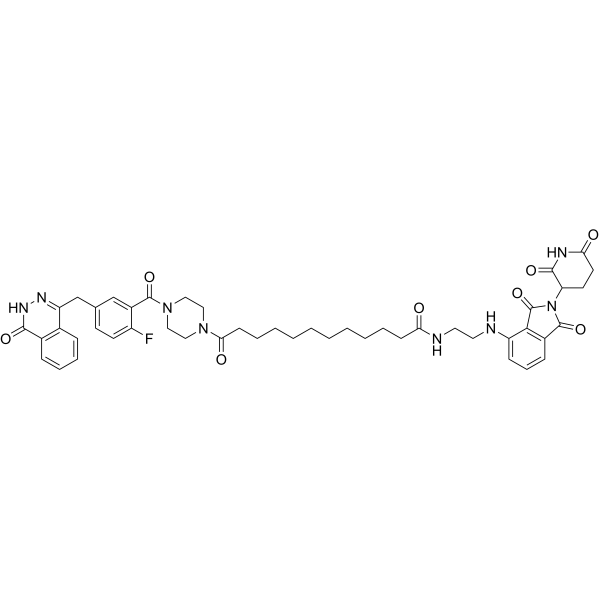
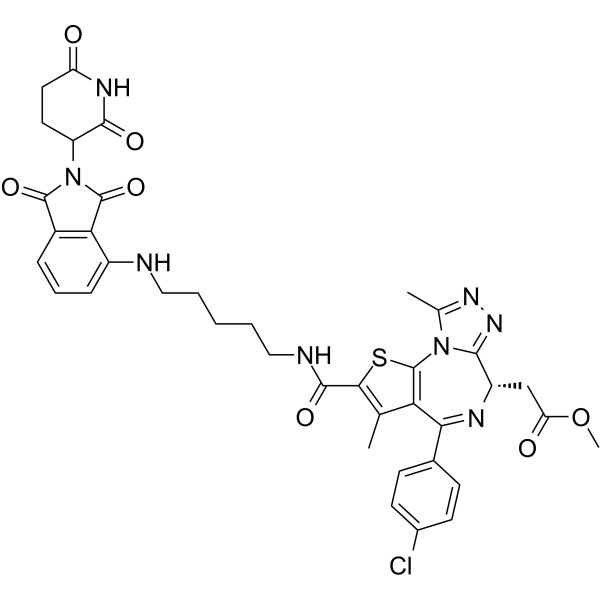
CBPD-409
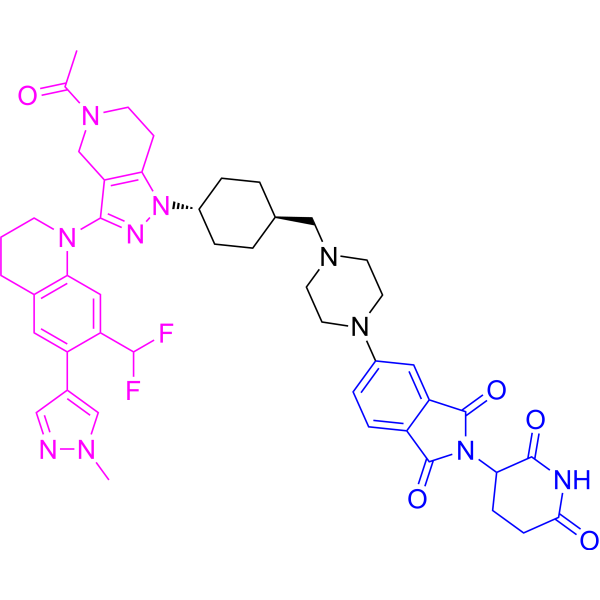 0 ImagesCBPD-409 is an orally active PROTAC degrader for CBP/p300, with DC50 of 0.2–0.4 nM. CBPD-409 exhibits antiproliferative effects in AR+ prostate cancer cell lines VCaP, LNCaP and 22Rv1, with IC50s of 1.2–2.0 nM. CBPD-409 exhibits antitumor efficacy (Red: CBP inhibitor GNE049 (HY-108435); Blue: CRBN/cullin 4A Thalidomide (HY-14658); Black: Linker).
-
xStAx-VHLL
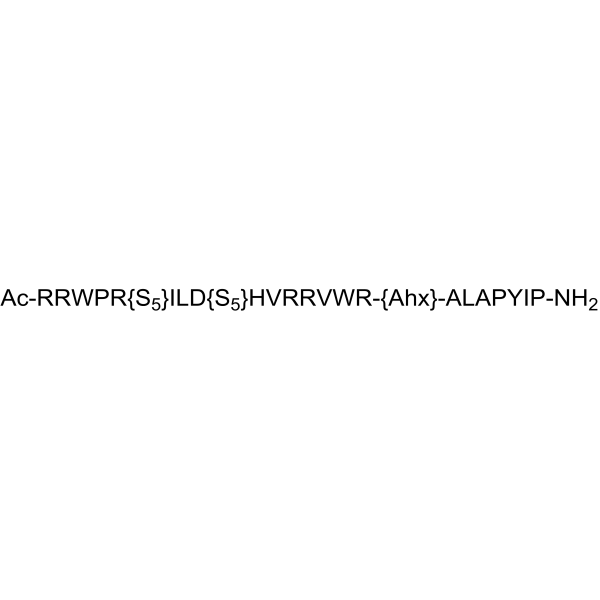 0 ImagesCat. No.: HY-P5819Purity: 99.95%xStAx-VHLL is a β-catenin PROTAC degrader that promotes ubiquitination and proteasome degradation of β-catenin. xStAx-VHLL inhibits the Wnt/β-catenin signaling pathway. xStAx-VHLL can inhibit the proliferation of colon cancer cells and has anti-tumor activity.
-
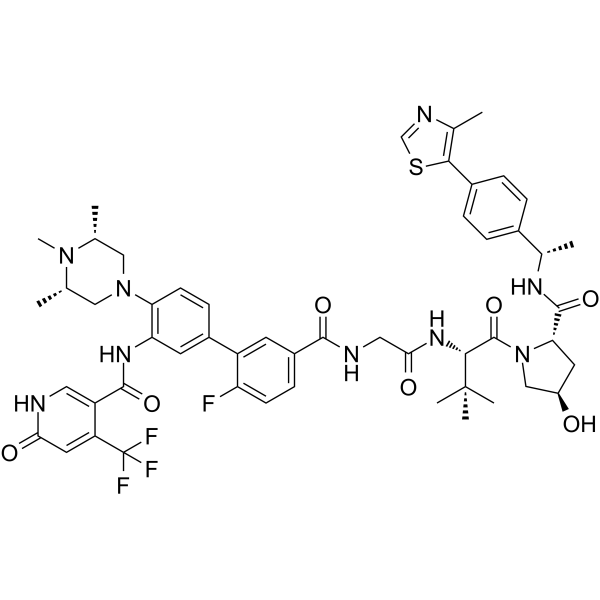
CFT8634
 0 ImagesCFT8634 is an orally active BRD9 PROTAC degrader with a DC50 of 0.003 μM (HEK293T.166). CFT8634 recruits the CRBN E3 ubiquitin ligase to form a ternary complex, triggering CRBN-catalyzed BRD9 polyubiquitination and 26S proteasome-mediated degradation. CFT8634 induces sustained tumor regression and inhibits tumor growth in mouse models. CFT8634 can be used in research related to synovial sarcoma, SMARCB-1-deficient cancers, acute myeloid leukemia, malignant rhabdoid tumors, and multiple myeloma.
-
FOSL1 degrader 1
 0 ImagesCat. No.: HY-162723Purity: 99.66%FOSL1 degrader 1 is a FOSL1 PROTAC degrader with a DC50 of 2.3 μM. FOSL1 degrader 1 induces proteasomal degradation of FOSL1. FOSL1 degrader 1 eliminates cancer stem cells in head and neck squamous cell carcinoma. FOSL1 degrader 1 suppresses head and neck squamous cell carcinoma tumorigenesis. FOSL1 degrader 1 can be used for the research of head and neck squamous cell carcinoma.
-
Catadegbrutinib
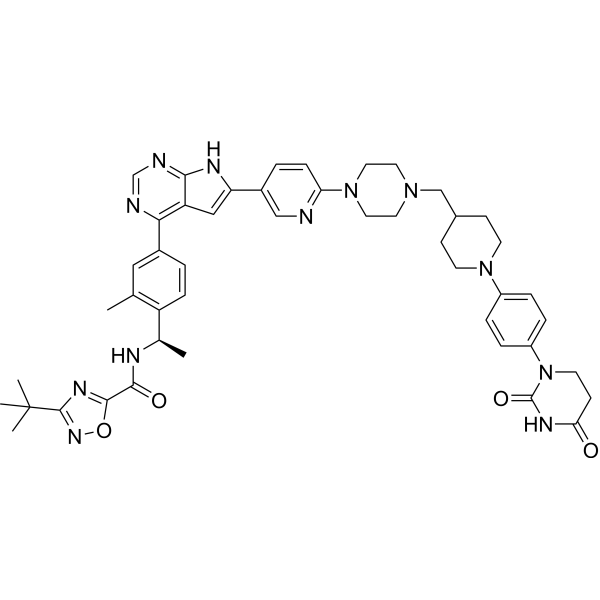 0 ImagesSynonyms: BGB-16673; BTK-IN-29BGB-16673 (BGB-16673) is an orally active, selective BTK PROTAC degrader (IC50=0.69 nM). BGB-16673 ligates BTK to E3 ubiquitin ligase, causing BTK to undergo polyubiquitination, which is then recognized and degraded by the proteasome, thereby exerting efficient BTK degradation activity. BGB-16673 can be used in the research of B-cell malignancies such as chronic lymphocytic leukemia, small lymphocytic lymphoma, and mantle cell lymphoma.
-
PROTAC HK2 Degrader-1
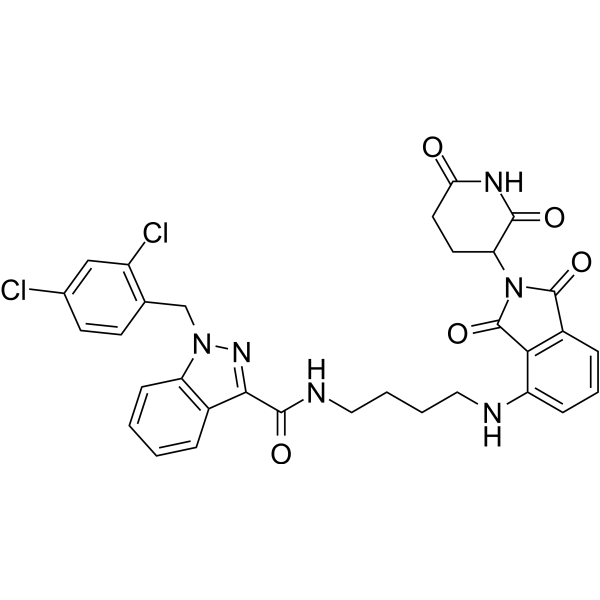 0 ImagesPROTAC HK2 Degrader-1 is a PROTAC consisting of Lonidamine (HY-B0486) as a target protein Hexokinase 2 (HK2) inhibitor and Thalidomide (HY-14658) as a CRBN ligand-linked PROTAC. PROTAC HK2 Degrader-1 selectively inhibits the proliferation of breast cancer cells by forming a ternary complex through the ubiquitin-proteasome system to degrade Hexokinase 2 (HK2) protein leading to mitochondrial damage and cell death. PROTAC HK2 Degrader-1 effectively inhibits breast tumor growth and reduces the colonic side effects of cisplatin for breast cancer research.
-
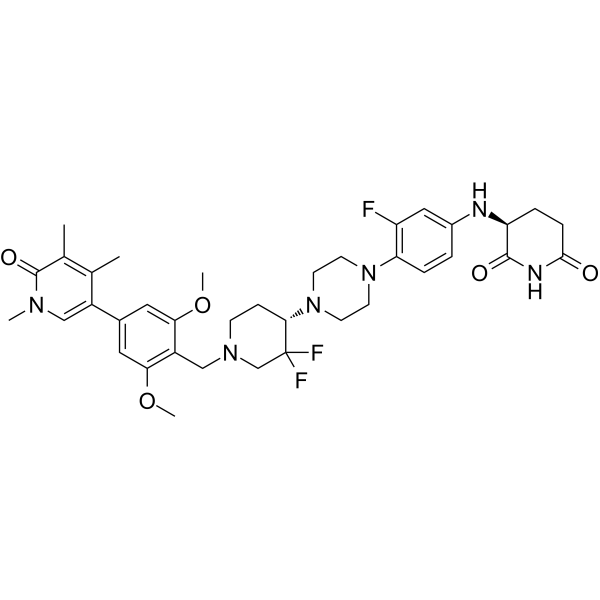
Seldegamadlin
 0 ImagesSynonyms: KT-253Seldegamadlin (KT-253) is a selective p53 stabilizer and a MDM2 PROTAC degrader (DC50 = 0.4 nM). Seldegamadlin inhibits the proliferation of cancer cell RS4;11 with an IC50 of 0.3 nM, arrests the cell cycle at G2/M phase, and induces apoptosis. Seldegamadlin upregulates p53 activity and overcomes the p53-MDM2 feedback loop. Seldegamadlin can be used for the study of hematologic and solid tumors, such as acute myeloid leukemia (AML) and acute lymphoblastic leukemia (ALL).
-
XL01126
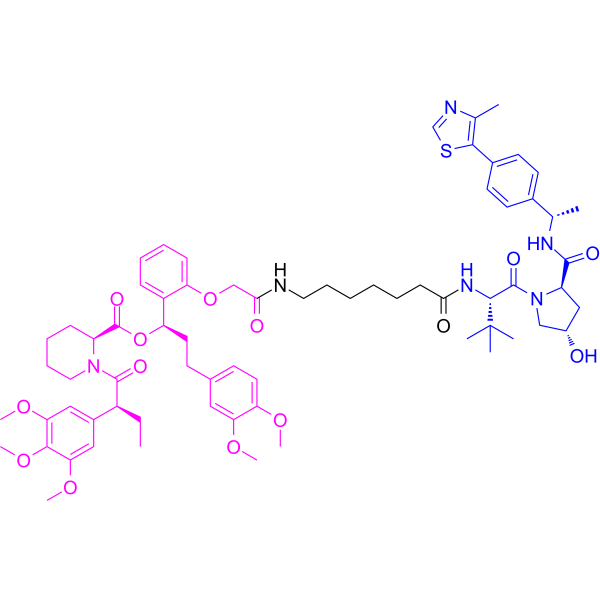
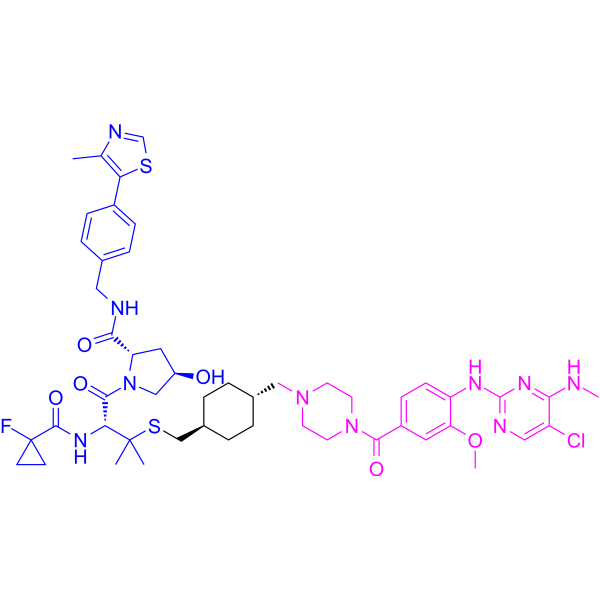 0 ImagesXL01126 is a blood-brain barrier-permeable, selective LRRK2 PROTAC degrader (DC50: 14 nM (G2019S LRRK2) and 32 nM (WT LRRK2)). XL01126 forms a positively cooperative ternary complex with VHL E3 ubiquitin ligase and LRRK2, mediating the polyubiquitination and proteasomal degradation of LRRK2. XL01126 induces Mitophagy. XL01126 is applicable to research related to Parkinson's disease.
-
ARCC-4
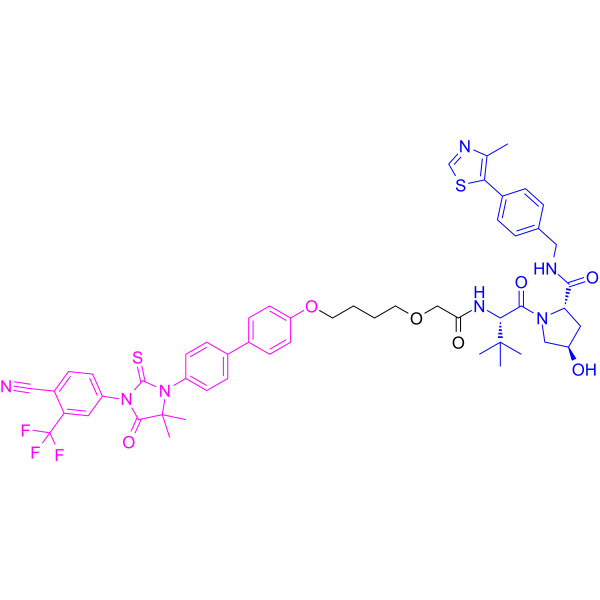 0 ImagesARCC-4 is a low-nanomolar Androgen Receptor (AR) degrader based on PROTAC, with a DC50 of 5?nM. ARCC-4 is an enzalutamide-based von Hippel-Lindau (VHL)-recruiting AR PROTAC and outperforms enzalutamide. ARCC-4 effectively degrades clinically relevant AR mutants associated with antiandrogen therapy.
-
JQAD1
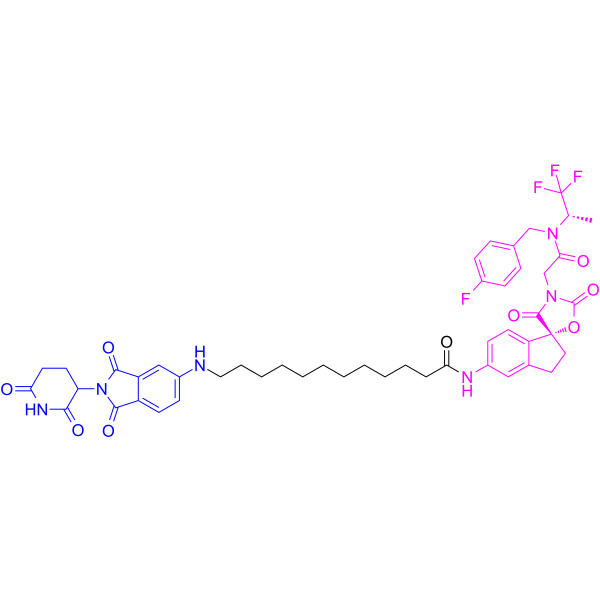 0 ImagesJQAD1 is a EP300 PROTAC degrader. JQAD1 selectively targets EP300 and induces its degradation via the CRBN-dependent proteasomal pathway. JQAD1 reduces the levels of H3K27ac and the expression of MYCN. JQAD1 induces apoptosis (apoptosis) and inhibits cancer cell growth. JQAD1 exerts anti-neuroblastoma effects in vivo in a CRBN-dependent manner. JQAD1 can be used for the research of neuroblastoma.
-
GSK215
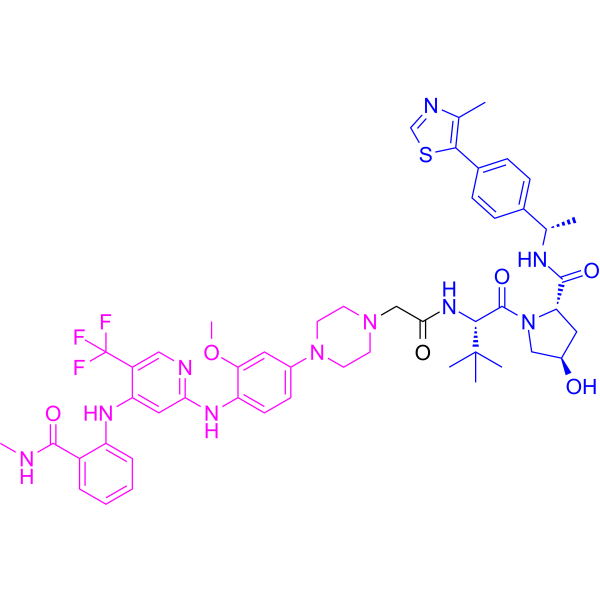 0 ImagesGSK215 is a potent and selective PROTAC focal adhesion kinase (FAK) degrader with a pDC50 of 8.4. GSK215 is designed by a binder for the VHL E3 ligase and the FAK inhibitor VS-4718. GSK215 induces rapid and prolonged FAK degradation, giving a long-lasting effect on FAK levels and a marked pharmacokinetic/pharmacodynamics (PK/PD) disconnect.
-
Nrf2 degrader 1
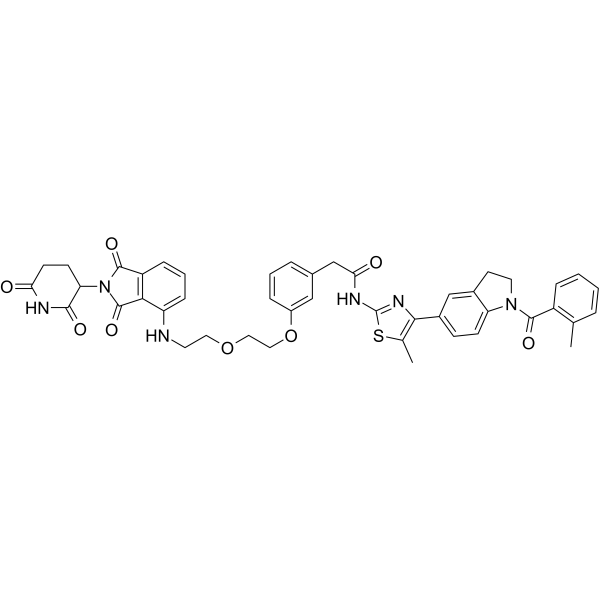 0 ImagesNrf2 degrader 1 (compound 1) is a PROTAC Nrf2 degrader with a DC50 of 0.1-1 μM in huH1 cells. Nrf2 degrader 1 inhibits cancer cells growth for A549 and LK-2 cells with IC50 values of 100 nM and 40 nM, respectively. Nrf2 degrader 1 can be used for the study of liver cancer, non-small cell lung cancer (NSCLC) and squamous cell carcinoma of lung cancer.
-
BMS-986458
 0 ImagesBMS-986458 is a highly selective, orally active cereblon-based BCL6 PROTAC degrader and antitumor agent. BMS-986458 selectively degrades BCL6 by binding cereblon to the BTB domain of BCL6, thereby regulating the cell cycle, antiproliferative and interferon signaling pathways, and upregulating the expression and distribution of CD20. BMS-986458 modulates the phenotype of follicular helper T cells and reduces circulating tumor DNA levels. The combination of BMS-986458 with CD20xCD3 bispecific antibody also enhances the efficiency of T cell tumor infiltration and expansion. BMS-986458 induces regression of BCL6-positive tumors and prolongs survival, and it is suitable for research related to B-cell non-Hodgkin lymphoma, diffuse large B-cell lymphoma, follicular lymphoma, and relapsed/refractory lymphoma.




