



c-Myc
Myc
The transcription factor c-Myc is a member of the basic helix-loop-helix leucinezipper (bHLHZip) protein family. The target genes of the c-MYC protein participate in different cellular functions, including cell cycle, survival, protein synthesis, cell adhesion, and micro-RNA expression. c-Myc is also one of the four factors used in reprogramming somatic cells to induce pluripotent stem (iPS) cells and is implicated in maintaining cancer stem-like cells (CSCs). Most biological functions of c-Myc require heterodimerization with its activation partner Max.
c-Myc is also part of a dynamic network whose members interact selectively with one another and with various transcriptional coregulators and histone-modifying enzymes. Deregulated expression of c-MYC caused by gene amplification, retroviral insertion, or chromosomal translocation is associated with tumorigenesis. c-Myc has been identified as a highly promising target for cancer therapy.
All Product Categories
-
c-Myc Related Products (249)
Related Products (249)

-
Antibodies (12)
-
Licoflavone A
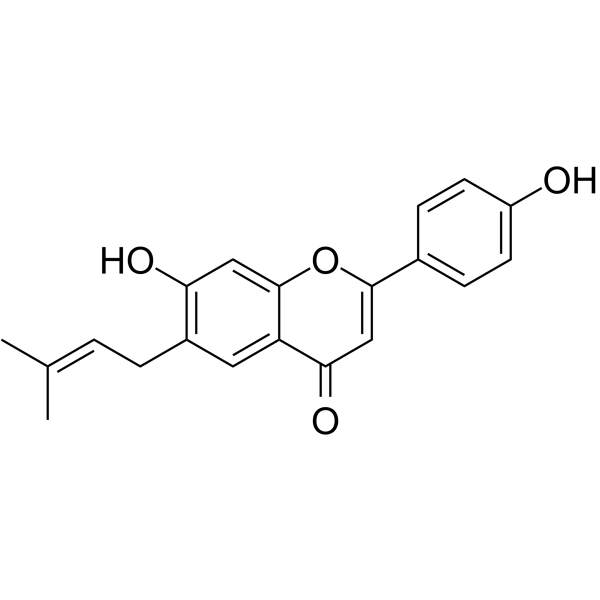 0 ImagesLicoflavone A is an orally active PTP1B/VEGFR-2 inhibitor, with an IC50 of 54.5 μM against PTP1B, an IC50 of 14.36 μM and a Kd of 142.38 nM against human VEGFR-2. Licoflavone A blocks the PI3K/AKT and MEK/ERK signaling pathways. Licoflavone A induces G1 phase cell cycle arrest, apoptosis via the intrinsic mitochondrial pathway (apoptosis), and inhibits migration, invasion and epithelial-mesenchymal transition (EMT) of gastric cancer cells. Licoflavone A inhibits the proliferation of gastric cancer cells in vitro and in xenograft models. Licoflavone A reduces the expression levels of HIF-1α, GLUT1, LDHA, PKM2 and HK2 in hypoxic gastric cancer cells, decreases glucose uptake and suppresses glycolysis. Licoflavone A can be used in research related to gastric cancer, type 2 diabetes and obesity.
-
Licoflavone B
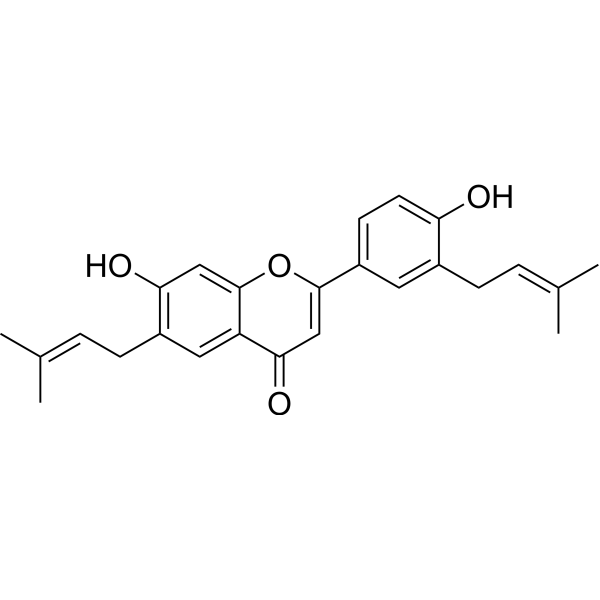 0 ImagesLicoflavone B is an orally active flavonoid, with IC50 values of 23.78 μM and 31.5 μM against SmATPase and SmADPase of Schistosoma mansoni, respectively. Licoflavone B selectively targets viral RdRp, inhibits viral replication, and reduces the expression levels of viral NP and PB2. Licoflavone B inhibits c-Myc expression and suppresses cancer cell proliferation. Licoflavone B disrupts the tegument of worms, reduces egg production, and induces the death of adult Schistosoma mansoni. Licoflavone B blocks the activation of the MAPK pathway, maintains colonic barrier integrity, inhibits colonic cell apoptosis, and reshapes the gut microbiota. Licoflavone B can be used in research related to influenza, multiple myeloma, schistosomiasis, and ulcerative colitis.
-
CMLD010509
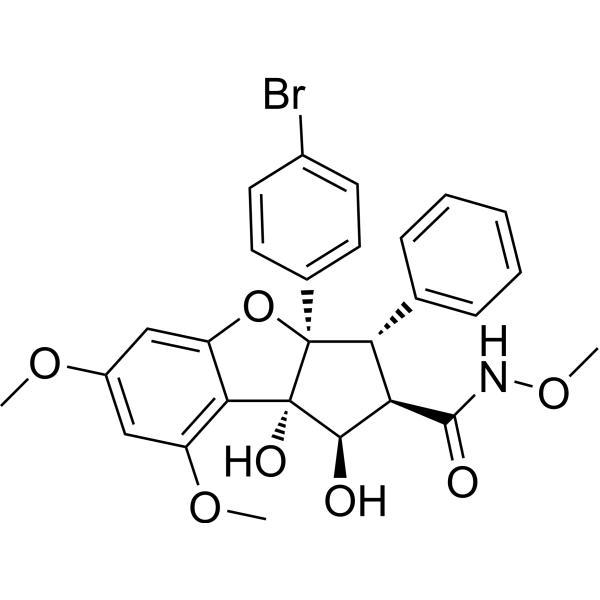 0 ImagesSynonyms: SDS-1-021CMLD010509 (SDS-1-021) is a highly specific inhibitor of the oncogenic translation program supporting multiple myeloma (MM)-including key oncoproteins such as MYC, MDM2, CCND1, MAF, and MCL-1. CMLD010509 (SDS-1-021) shows an IC50 below 10 nM for most MM cell lines and induces apoptosis. CMLD010509 (SDS-1-021) is a potent and selective translation inhibitor through an eIF4E phosphorylation-independent mechanism.
-
Inosine-5'-diphosphate disodium
 0 ImagesSynonyms: IDP disodium; Inosine-5'-diphosphoric acid disodiumInosine-5'-diphosphate disodium (IDP disodium) is a decoy substrate of NM23-H2. Inosine-5'-diphosphate disodium has a superior bond capacity on GDP-binding pocket of NM23-H2 (KD: 5.0 μM). Inosine-5'-diphosphate disodium abrogates c-MYC transcription, induces apoptosis and G2/M cell cycle arrest by disrupting NM23-H2-Pu27-GQ interactions without affecting NM23-H2-mediated kinase properties. Inosine-5'-diphosphate disodium has antihypoxic, antihyperthermic and antiarrhythmic activity and protects animals against the noxious effects of γ-irradiation. Inosine-5'-diphosphate disodium can be used for cancers like Burkitt's lymphoma and cardiovascular diseases research.
-
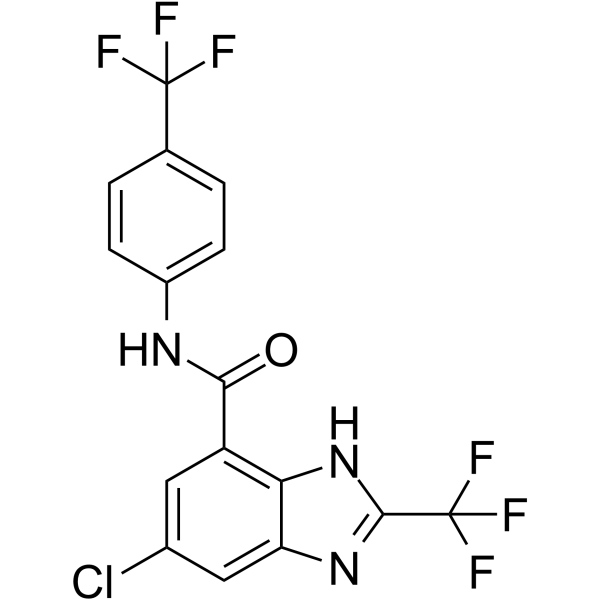
c-Myc inhibitor 6
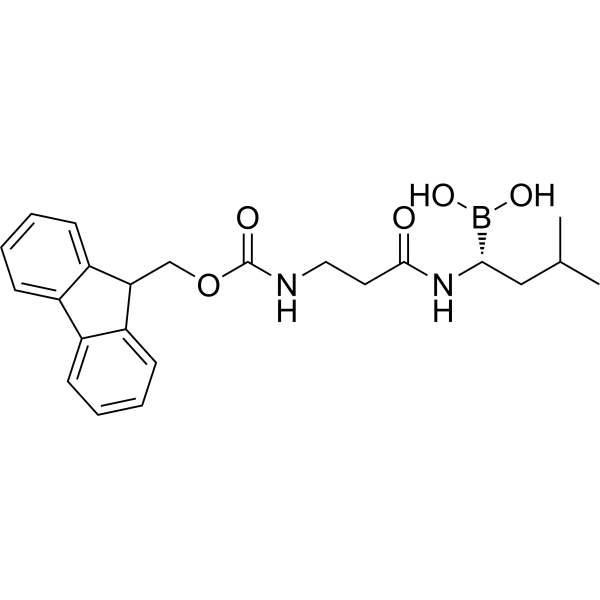 0 Imagesc-Myc inhibitor 6 (compound A102) is a c-Myc inhibitor. c-Myc inhibitor 6 decreases cancer cell viability and degrades c-Myc protein. c-Myc inhibitor 6 can be used for the research of c-Myc imbalance, such as cancer, cardiovascular diseases, and viral infection.
-
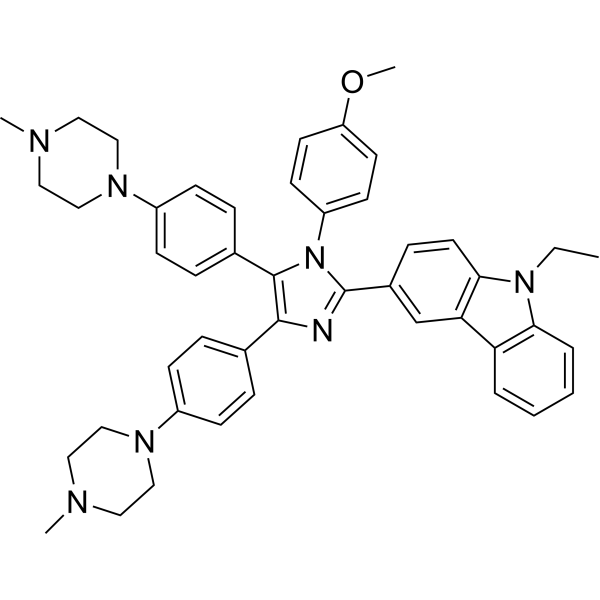
ML327
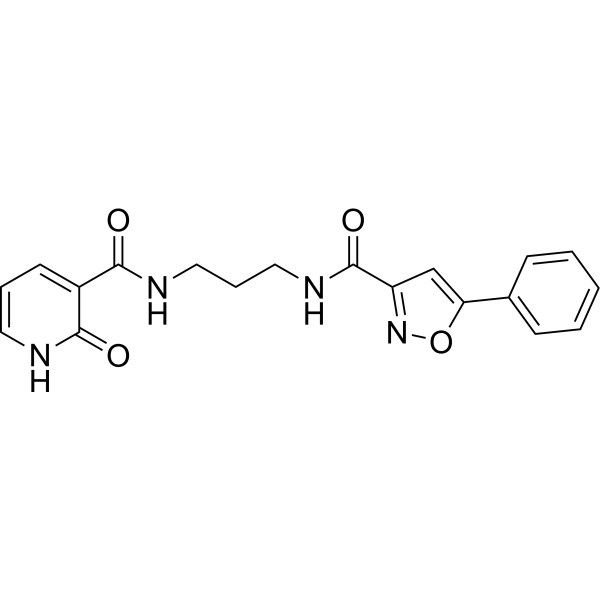 0 ImagesML327 is a blocker of MYC which can also de-repress E-cadherin transcription and reverse Epithelial-to-Mesenchymal Transition (EMT).

-
MYC degrader 1 TFA
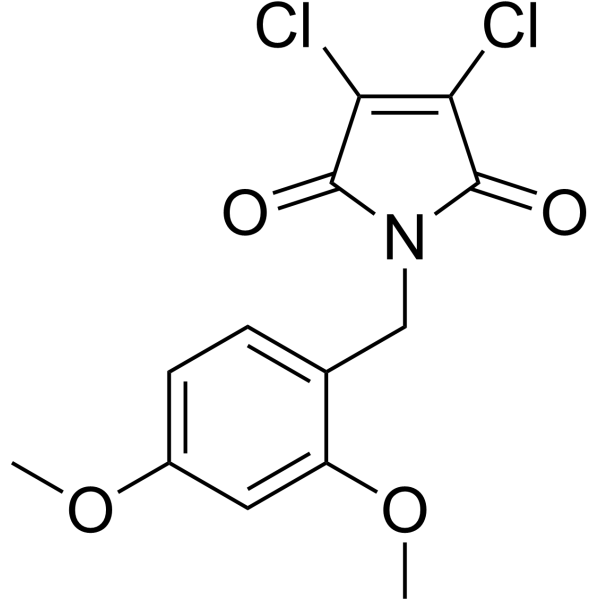
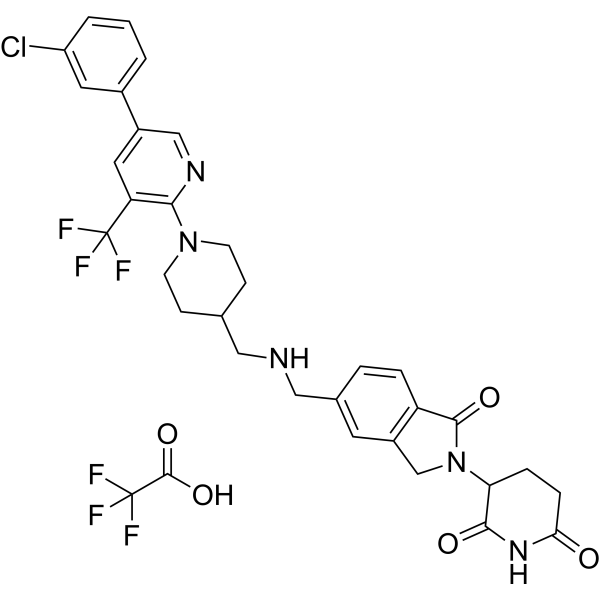 0 ImagesCat. No.: HY-162318APurity: 99.36%MYC degrader 1 TFA (compound A80.2HCl) is an orally available MYC molecular glues degrader with anti-tumor activity. MYC degrader 1 TFA restores pRB1 protein activity and re-establishes sensitivity of MYC overexpressing cancer cells to CDK4/6 inhibitors.
-
Mycro2
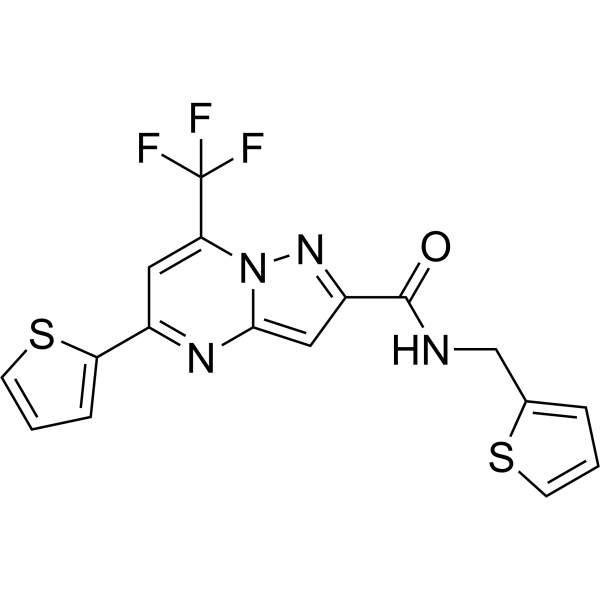 0 ImagesMycro2 is an inhibitor of c-Myc/Max dimer and DNA binding, with an IC50 value of 23 μM for the inhibition of Myc/Max DNA binding activity. Mycro2 can inhibit c-myc-dependent cell proliferation, gene transcription and oncogenic transformation.
-
Stauprimide
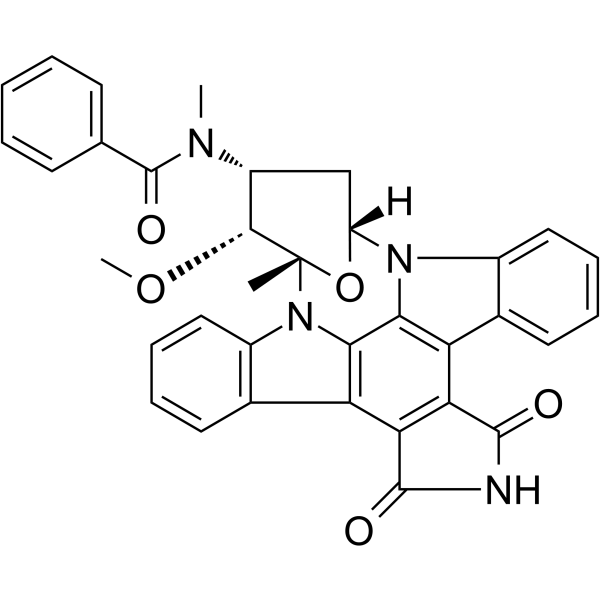 0 ImagesStauprimide is a staurosporine analog that promotes embryonic stem cell (ESC) differentiation. Stauprimide is a non-broad spectrum inhibitor that binds to the MYC transcription factor NME2 and blocks its nuclear localization in ESCs, which results in down-regulation of MYC transcription.
-
SYUIQ-5
 0 ImagesSYUIQ-5 is a G-quadruplex ligand. SYUIQ-5 stabilizes G-quadruplex and induce senescence. SYUIQ-5 inhibits c-myc gene promoter activity. SYUIQ-5 induces cancer cells autophagy by triggering telomere damage through TRF2 delocalization from telomeres.
-
PROTAC CDK9 degrader-9
 0 ImagesPROTAC CDK9 degrader-9 is an orally active, selective CDK9 PROTAC degrader with a DC50 of 3.94 nM. PROTAC CDK9 degrader-9 downregulates downstream targets c-Myc and MCL-1. PROTAC CDK9 degrader-9 inhibits the proliferation of breast cancer cells. PROTAC CDK9 degrader-9 can be used for the research of triple-negative breast cancer.
-
Soyasaponin Ba
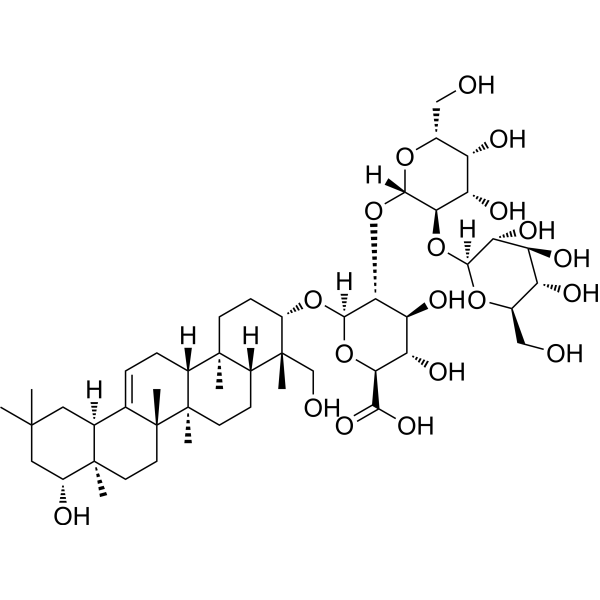 0 ImagesSoyasaponin Ba is a soyasaponin that can be isolated from Phaseolus vulgaris, acts as an aldose reductase inhibitor (ARI). Soyasaponin Ba activates Akt/GSK3β/β-catenin signaling pathway, reduces lipid accumulation, lowers ROS generation, improves mitochondrial membrane potential, ATP levels, and morphology, and inhibits apoptosis. Soyasaponin Ba can be used for the research of lipid accumulation and secondary diabetic complications.
-
10074-A4
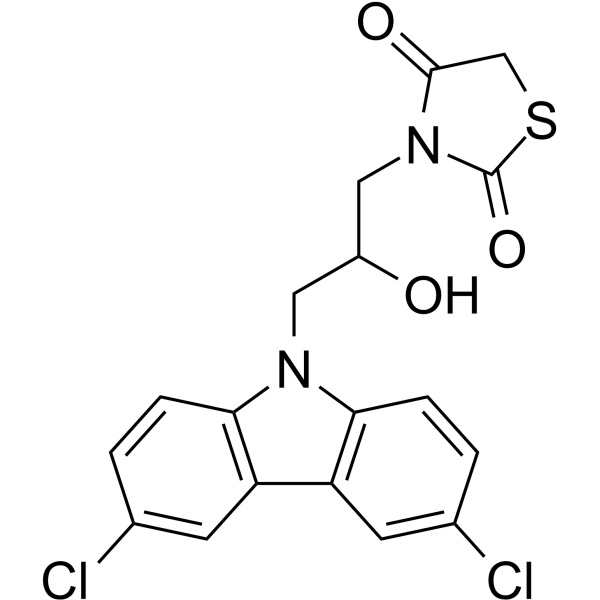 0 Images10074-A4 is a c-Myc inhibitor. 10074-A4 could bind to c-Myc370-409 at different sites along the peptide chain. 10074-A4 has anticancer effects.
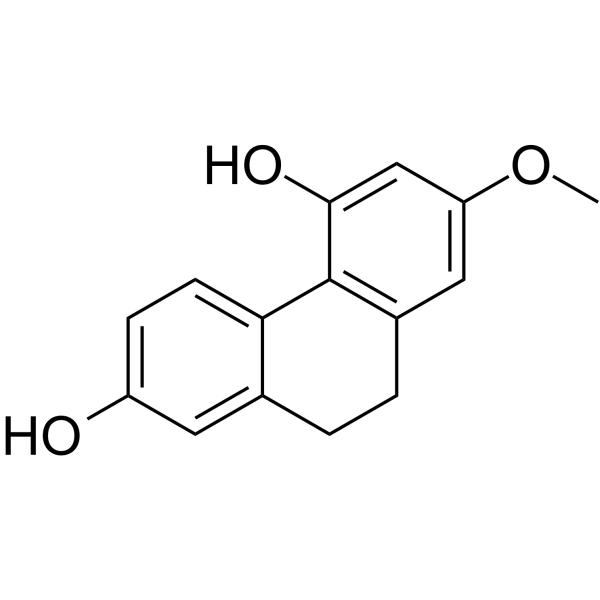
-
CT1113
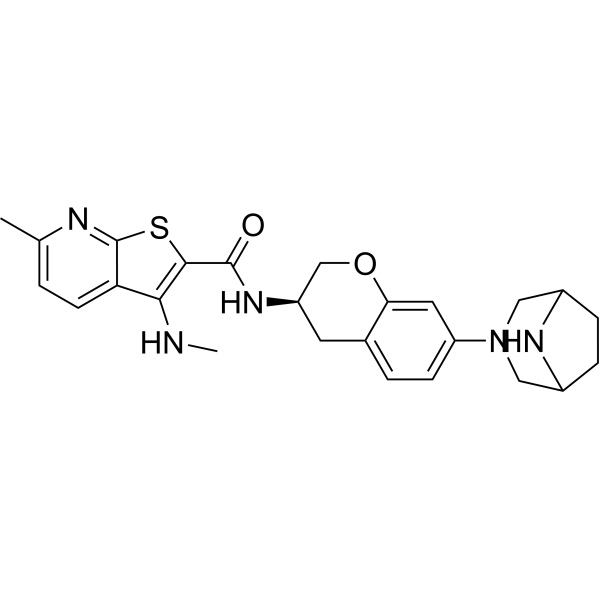 0 ImagesCT1113 is a selective, orally active USP25/USP28 inhibitor. CT1113 inhibits cancer cell proliferation, induces apoptosis, and causes G2/S phase cell cycle arrest. CT1113 reduces the levels of total BCR-ABL1, phosphorylated BCR-ABL1, total STAT5, and phosphorylated STAT5, but does not alter the mRNA level of BCR-ABL1. CT1113 is applicable to research related to pancreatic cancer, colon cancer, and acute leukemia.
-
Nodosin
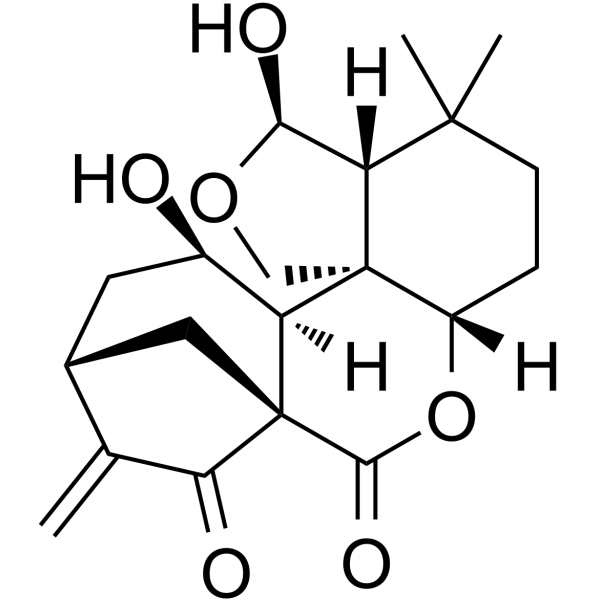 0 ImagesNodosin is an orally active diterpenoid compound that can be isolated from Isodon serra. Nodosin can inhibit the proliferation and induce cell cycle arrest and apoptosis of tumor cells. Nodosin can also inhibit oxidative stress, inflammatory responses, and ferroptosis. Nodosin has anti-inflammatory and anti-tumor activities.




