



Isotope-Labeled Compounds
Isotope-labeled compounds are chemical substances in which some atoms in their molecules are replaced by isotope atoms. The range of stable isotope products can cover from gases to complex molecules. Isotope-labeled compounds could provide a site-specific investigation of structures, making molecules easily detectable by mass spectrometry and NMR, and maintaining the physico-chemical properties of the target molecule at the same time.
MCE isotope-labeled compounds are all stable isotope-labeled compounds and are non-radioactive labeled substances. MCE isotope-labeled compounds are unique tools for identifying and understanding biological and chemical processes. Stable isotope-labeled products are now getting more and more popular among scientists. The scope of application is gradually penetrating into various scientific fields, such as life sciences, food and medicine, agriculture, environment, geology, etc. Stable isotope-labeled compounds have a wide range of applications in the Life Science areas, such as Metabolomics, Proteomics, Clinical studies, Deuterium drugs, etc.
All Product Categories
-
Isotope-Labeled Compounds Related Products (11051)
Related Products (11051)

-
Tributyl phosphate-d27
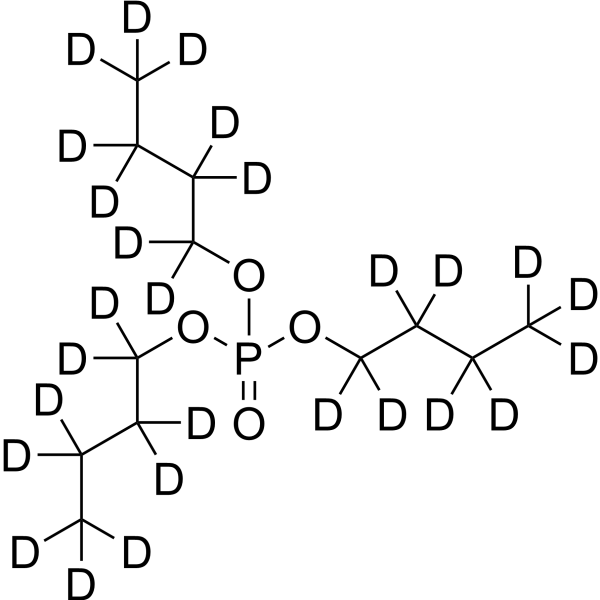 0 ImagesTributyl phosphate-d27 is the deuterium labeled Tributyl phosphate.
-
Riboflavin-d3
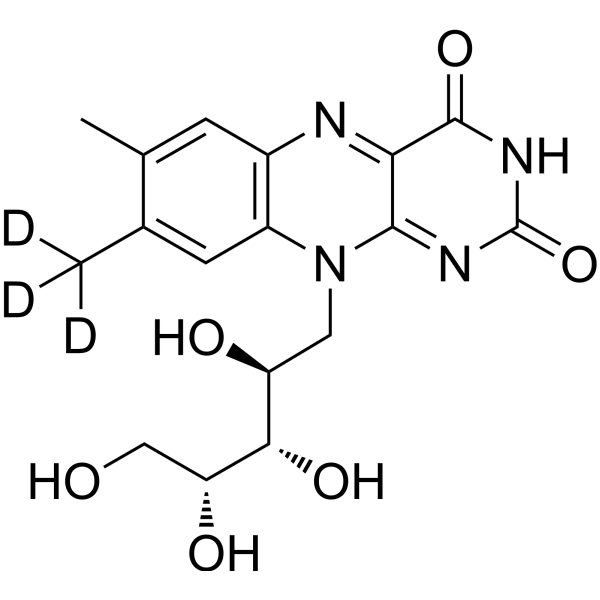 0 ImagesCat. No.: HY-B0456S3Purity: 99.90%Synonyms: Vitamin B2-d3; E101-d3Riboflavin-d3 is the deuterium labeled Riboflavin. Riboflavin is an easily absorbed micronutrient with a key role in maintaining health in humans and other animals.
-
Adenosine 5'-diphosphate-15N5 dilithium
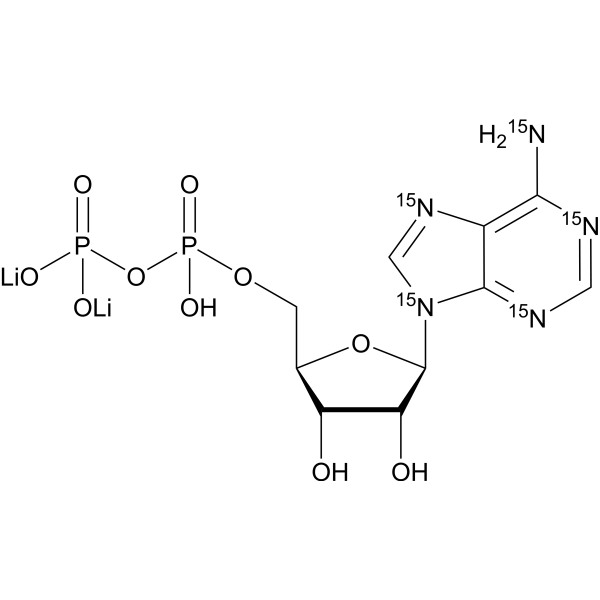 0 ImagesCat. No.: HY-W010918S2Synonyms: Adenosine diphosphate-15N5 dilithium; ADP-15N5 dilithiumAdenosine 5'-diphosphate-15N5 (Adenosine diphosphate-15N5 dilithium) dilithium is 15N labeled Adenosine 5'-diphosphate (HY-W010918). Adenosine 5'-diphosphate (Adenosine diphosphate) is a nucleoside diphosphate. Adenosine 5'-diphosphate is the product of ATP dephosphorylation by ATPases. Adenosine 5'-diphosphate induces human platelet aggregation and inhibits stimulated adenylate cyclase by an action at P2T-purinoceptors.
-
Ribociclib-d6 hydrochloride
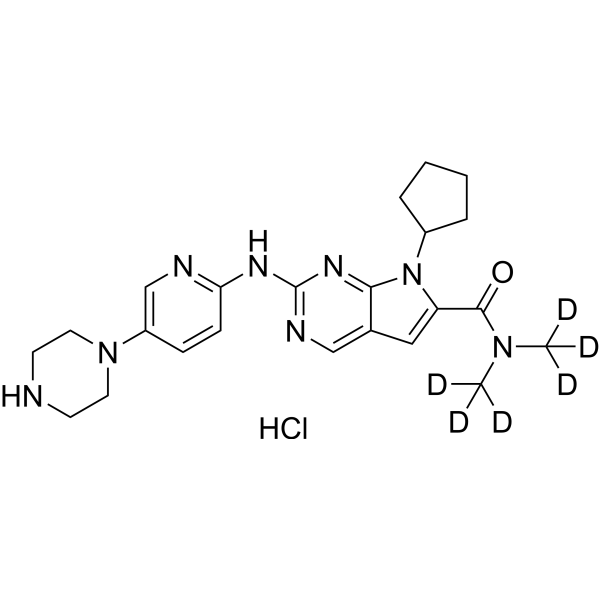 0 ImagesSynonyms: LEE011-d6 hydrochlorideRibociclib-d6 (LEE011-d6) hydrochloride is a deuterium labeled Ribociclib. Ribociclib is a highly specific CDK4/6 inhibitor with IC50 values of 10 nM and 39 nM, respectively, and is over 1,000-fold less potent against the cyclin B/CDK1 complex.
-
4’-Hydroxy Flurbiprofen-d3
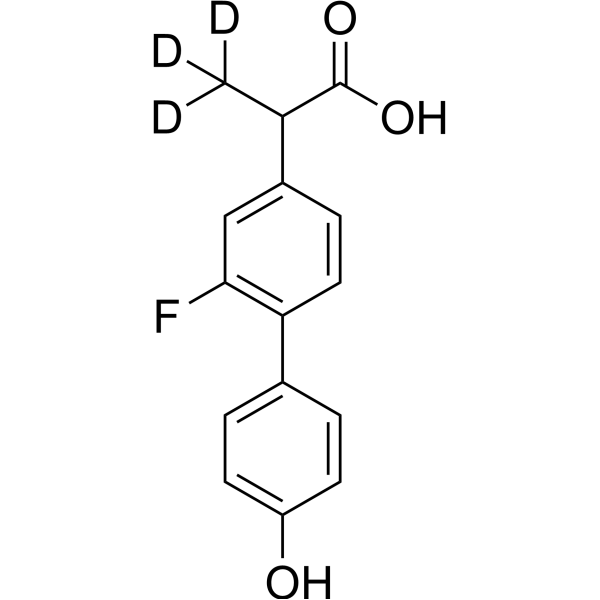 0 ImagesCat. No.: HY-132436SCAS No.: 1189694-02-74’-Hydroxy Flurbiprofen-d3 is the deuterium labeled 4’-Hydroxy Flurbiprofen.
-
2-Deoxy-D-glucose-d
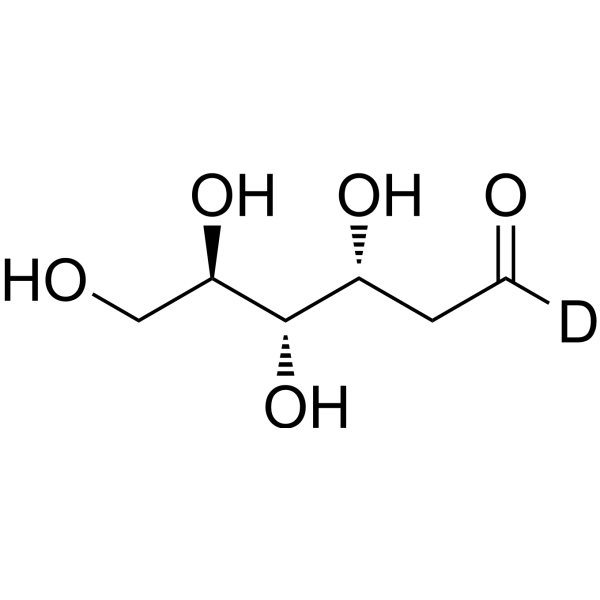 0 ImagesSynonyms: 2-DG-d1; 2-Deoxy-D-arabino-hexose-d1; D-Arabino-2-deoxyhexose-d12-Deoxy-D-glucose-d is the deuterium labeled 2-Deoxy-D-glucose. 2-Deoxy-D-glucose is a glucose analog that acts as a competitive inhibitor of glucose metabolism, inhibiting glycolysis via its actions on hexokinase.
-
D-Glucose-d12-1
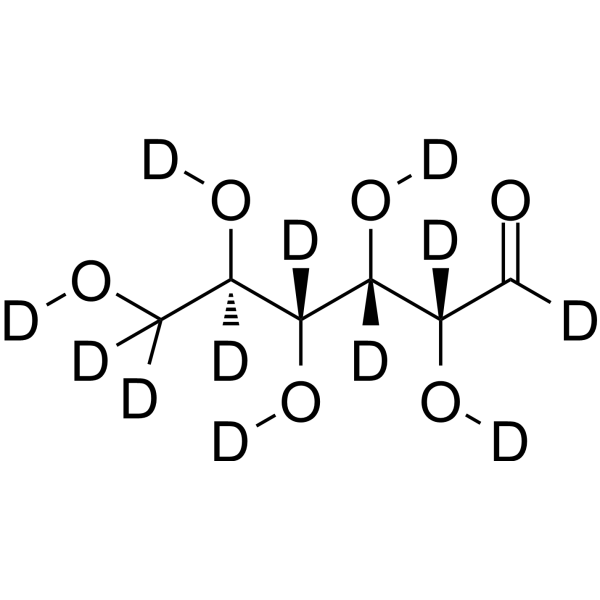 0 ImagesSynonyms: Glucose-d12-1; D-(+)-Glucose-d12-1; Dextrose-d12-1D-Glucose-d12-12 is the deuterium labeled D-Glucose. D-Glucose (Glucose), a monosaccharide, is an important carbohydrate in biology. D-Glucose is a carbohydrate sweetener and critical components of the general metabolism, and serve as critical signaling molecules in relation to both cellular metabolic status and biotic and abiotic stress response.
-
Verapamil-d3 hydrochloride
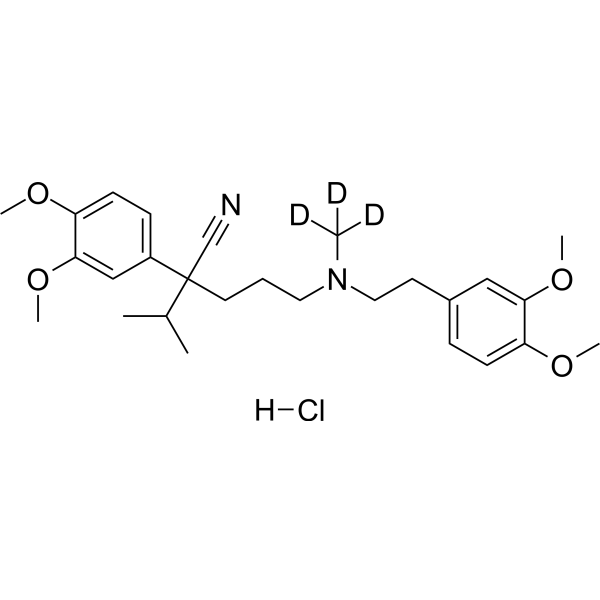 0 ImagesCat. No.: HY-A0064SCAS No.: 2714485-49-9Synonyms: (±)-Verapamil-d3 hydrochloride; CP-16533-1-d3 hydrochlorideVerapamil-d3 (hydrochloride) is the deuterium labeled Verapamil hydrochloride. Verapamil hydrochloride ((±)-Verapamil hydrochloride) is a calcium channel blocker and a potent and orally active first-generation P-glycoprotein (P-gp) inhibitor. Verapamil hydrochloride also inhibits CYP3A4. Verapamil hydrochloride has the potential for high blood pressure, heart arrhythmias and angina research.
-
(R)-3-Hydroxybutanoic acid-13C2 sodium
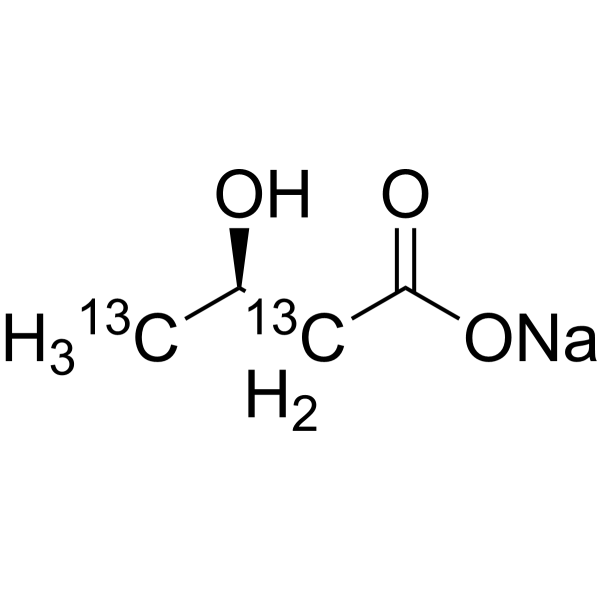 0 ImagesSynonyms: (R)-(-)-3-Hydroxybutanoic acid-13C2 sodium; (R)-3-Hydroxybutyric acid-13C2 sodium(R)-3-Hydroxybutanoic acid-13C2 sodium is the 13C labeled (R)-3-Hydroxybutanoic acid sodium (HY-W015851). (R)-3-Hydroxybutanoic acid sodium is a metabolite converted from acetoacetic acid catalyzed by 3-hydroxybutyrate dehydrogenase. (R)-3-Hydroxybutanoic acid sodium can function as a nutrition source, and as a precursor for vitamins, antibiotics and pheromones.
-
Phenytoin-d10
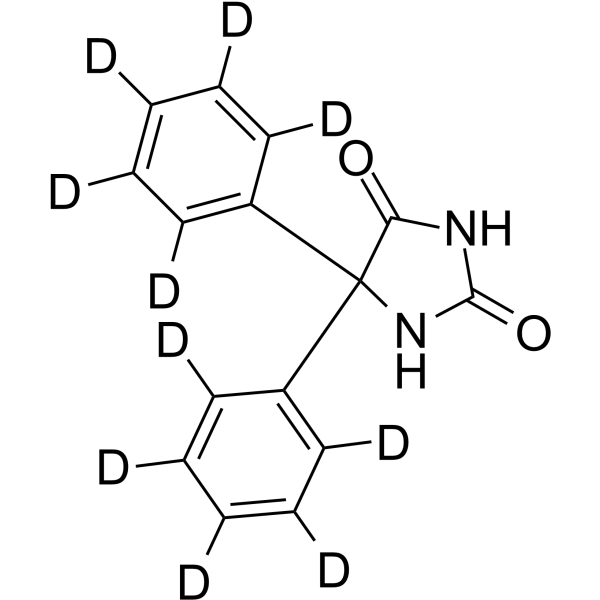 0 ImagesSynonyms: 5,5-Diphenylhydantoin-d10Phenytoin-d10 is the deuterium labeled Phenytoin. Phenytoin (5,5-Diphenylhydantoin) is a potent Voltage-gated Na+ channels (VGSCs) blocker. Phenytoin has antiepileptic activity and reduces breast tumour growth and metastasis in mice.
-
Fluconazole-d4
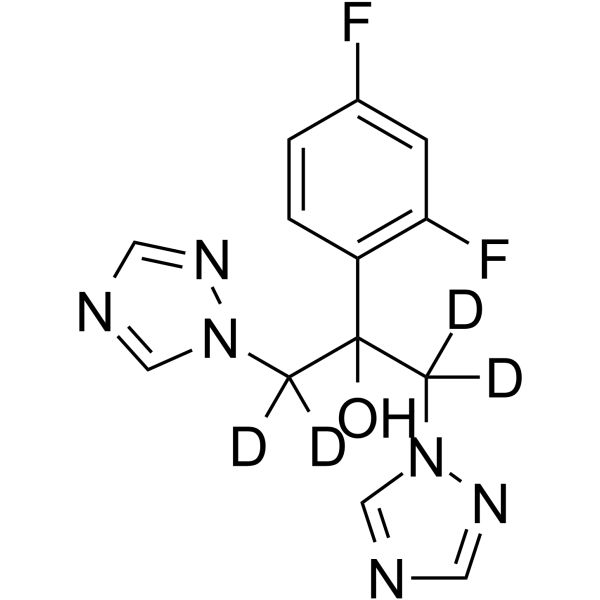 0 ImagesSynonyms: UK-49858-d4Fluconazole-d4 is the deuterium labeled Fluconazole. Fluconazole (UK-49858) is a triazole antifungal agent with excellent activities against a broad range of fungi, especially against Candida albicans. Fluconazole inhibits C. albicans and Candida kefyr with IC99s range from 0.20 μg/mL to 0.39 μg/mL.
-
Ropivacaine-d7
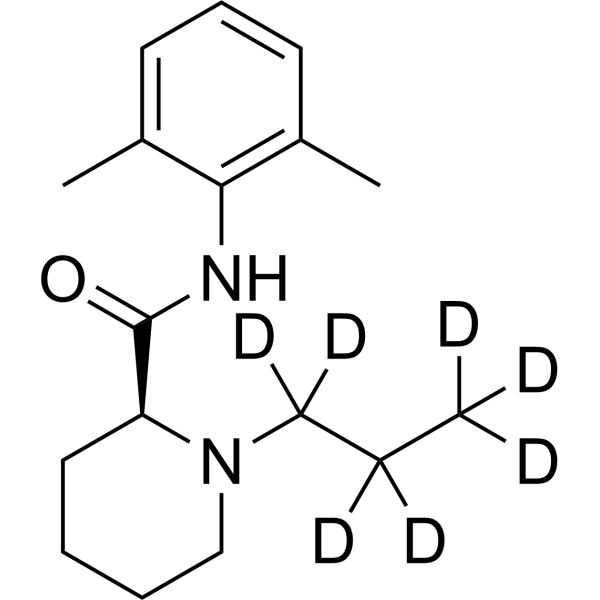 0 ImagesRopivacaine-d7 is deuterium labeled Ropivacaine. Ropivacain is a potent?sodium channel?blocker. Ropivacain blocks impulse conduction via reversible inhibition of?sodium ion influx?in nerve fibrese. Ropivacaine is also an inhibitor of K2P (two-pore domain potassium channel) TREK-1 with an IC50 of 402.7 μM in COS-7 cell's membrane. Ropivacaine is used for the research of neuropathic pain?management.
-
Irinotecan-d10 hydrochloride
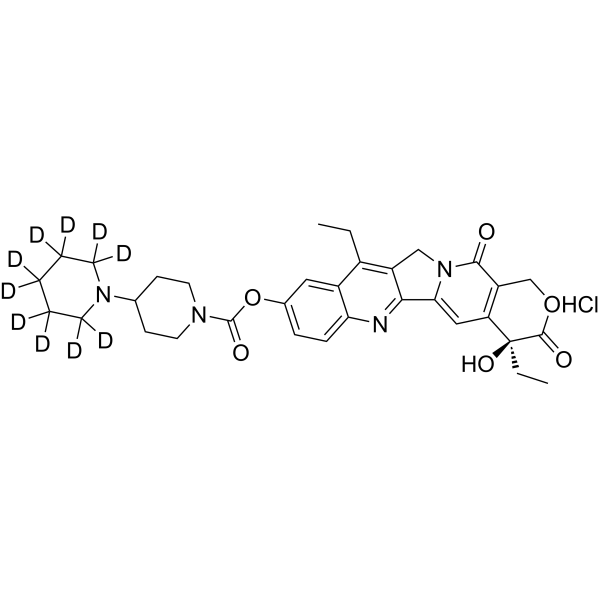 0 ImagesIrinotecan-d10 (hydrochloride) is the deuterium labeled Irinotecan. Irinotecan ((+)-Irinotecan) is a topoisomerase I inhibitor, preventing religation of the DNA strand by binding to topoisomerase I-DNA complex.
-
L-Asparagine-13C4,15N2 monohydrate
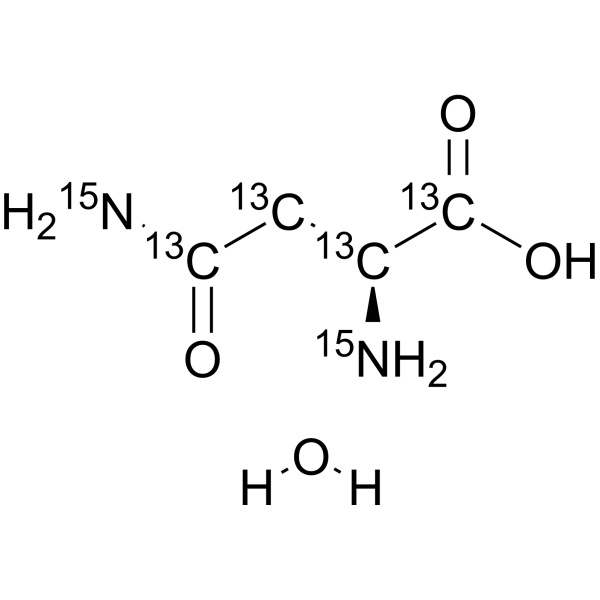 0 ImagesL-Asparagine-13C4,15N2 monohydrateis the 13C-labeled and 15N-labeled L-Asparagine monohydrate (HY-W017443). L-Asparagine monohydrate is an essential amino acid for leukemic cells and a substrate for L-Asparaginase. L-Asparaginase is a potent anti-leukemic enzyme that promotes asparagine (Asn) and glutamine (Gln) depletion and inhibits protein biosynthesis in lymphoblasts. Removal of L-asparagine from plasma by L-Asparaginase results in inhibition of RNA and DNA synthesis and subsequent apoptosis. L-Asparaginase has cell-killing ability in vitro and in vivo, and selectively inhibits the growth of cancer cells with low asparagine synthetase (AASNS) expression. L-Asparagine monohydrate can be used as a biomarker and sensor for the study of childhood acute lymphoblastic leukemia.
-
Carbon-13C
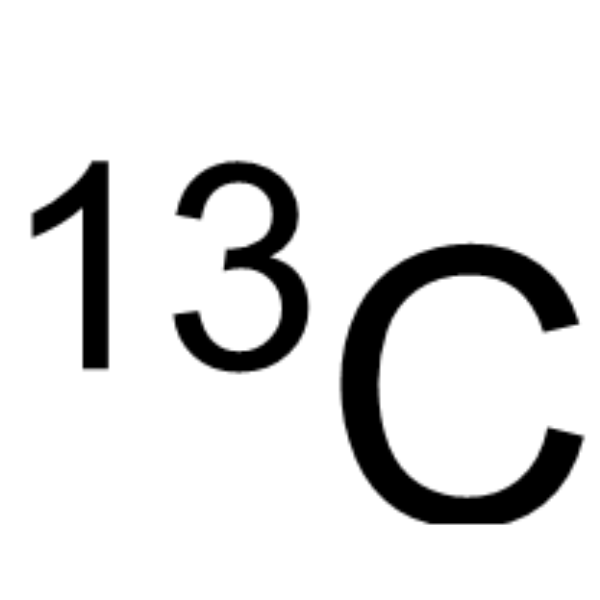 0 ImagesCat. No.: HY-Y1213SCAS No.: 14762-74-4Carbon-13C is the 13C labeled Carbon (HY-Y1213). Carbon possesses unique physicochemical properties such as electrical and structural characteristics, making it a core material in the field of fuel cells. Carbon also serves as a pharmaceutical excipient and can be used in the synthesis of other compounds.
-
Florfenicol-d3
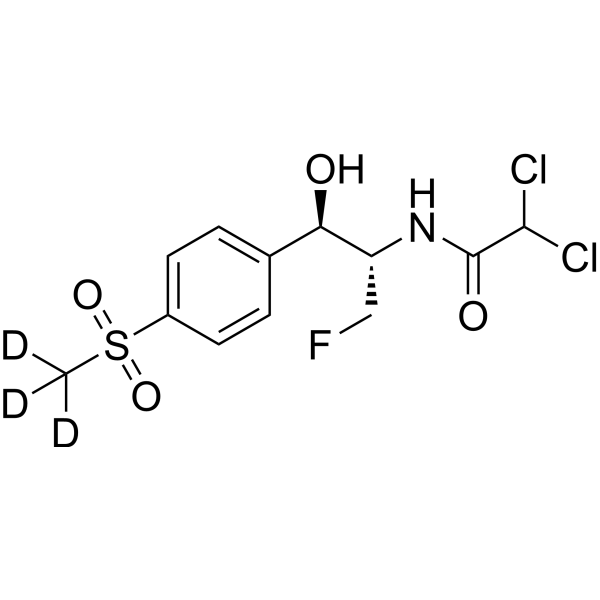 0 ImagesSynonyms: (-)-Florfenicol-d3; SCH-25298-d3Florfenicol-d3 ((-)-Florfenicol-d3)?is the deuterium labeled Florfenicol. Florfenicol, a commonly used veterinary antibiotic, is currently indicated for bovine respiratory disease, and also used in aquaculture for the control of enteric septicemia in catfish. Florfenicol can induce early embryonic death in eggs, with an LC50 of 1.07 μg/g.
-
Acetylcholine-d4 bromide
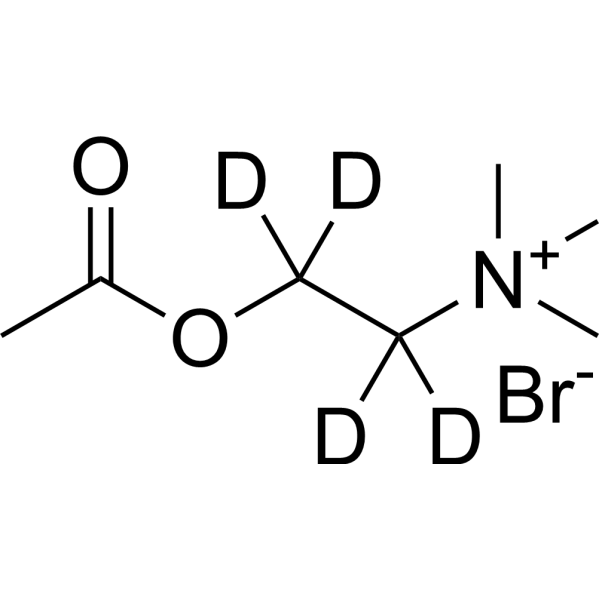 0 ImagesSynonyms: ACh-d4 bromideAcetylcholine-d4 (bromide) is the deuterium labeled Acetylcholine bromide.
-
(Rac)-Atropine-d3
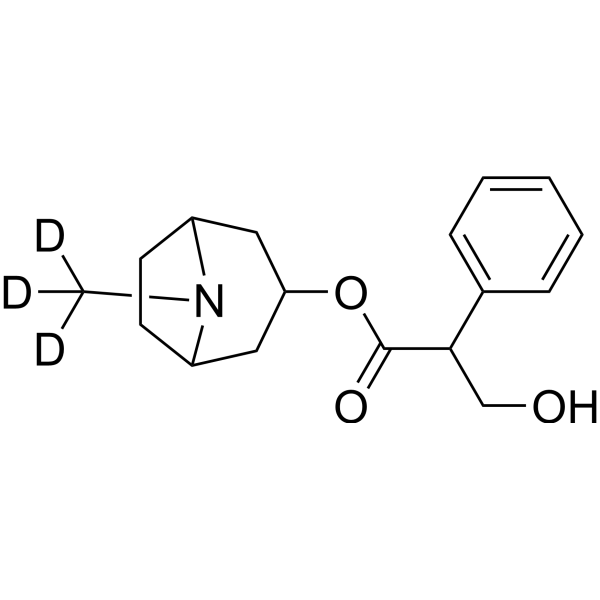 0 ImagesSynonyms: (Rac)-Tropine tropate-d3; (Rac)-Hyoscyamine-d3(Rac)-Atropine-d3 is the deuterium labeled (Rac)-Atropine[1].
-
Acetylcholine-d9 bromide
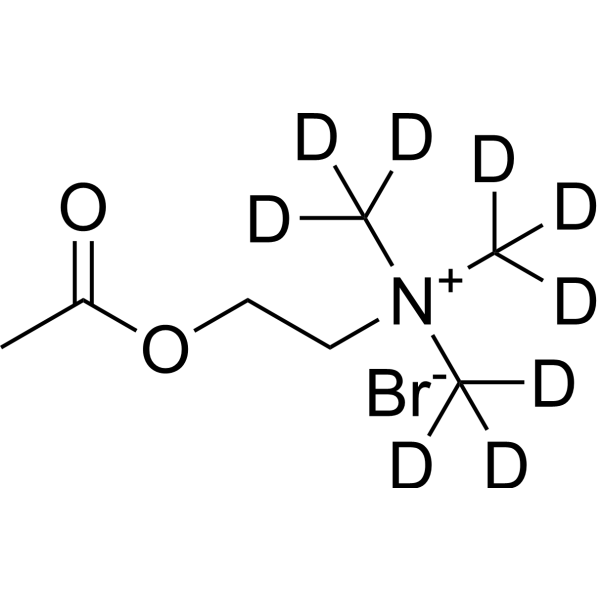 0 ImagesSynonyms: ACh-d9 bromideAcetylcholine-d9 (bromide) is the deuterium labeled Acetylcholine bromide.



