



Isotope-Labeled Compounds
Isotope-labeled compounds are chemical substances in which some atoms in their molecules are replaced by isotope atoms. The range of stable isotope products can cover from gases to complex molecules. Isotope-labeled compounds could provide a site-specific investigation of structures, making molecules easily detectable by mass spectrometry and NMR, and maintaining the physico-chemical properties of the target molecule at the same time.
MCE isotope-labeled compounds are all stable isotope-labeled compounds and are non-radioactive labeled substances. MCE isotope-labeled compounds are unique tools for identifying and understanding biological and chemical processes. Stable isotope-labeled products are now getting more and more popular among scientists. The scope of application is gradually penetrating into various scientific fields, such as life sciences, food and medicine, agriculture, environment, geology, etc. Stable isotope-labeled compounds have a wide range of applications in the Life Science areas, such as Metabolomics, Proteomics, Clinical studies, Deuterium drugs, etc.
All Product Categories
-
Isotope-Labeled Compounds Related Products (11097)
Related Products (11097)

-
Carbon-13C
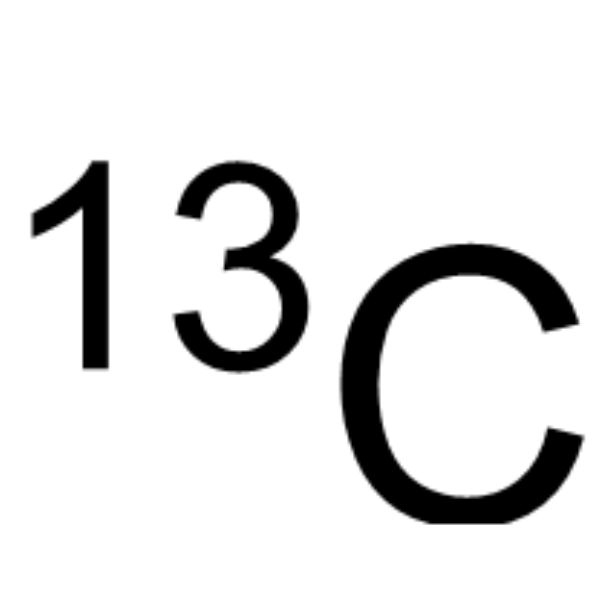 0 ImagesCat. No.: HY-Y1213SCAS No.: 14762-74-4Carbon-13C is the 13C labeled Carbon (HY-Y1213). Carbon possesses unique physicochemical properties such as electrical and structural characteristics, making it a core material in the field of fuel cells. Carbon also serves as a pharmaceutical excipient and can be used in the synthesis of other compounds.
-
Florfenicol-d3
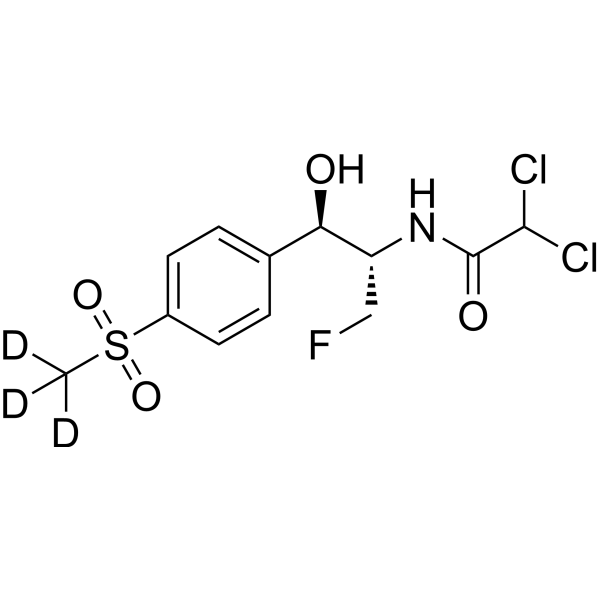 0 ImagesSynonyms: (-)-Florfenicol-d3; SCH-25298-d3Florfenicol-d3 ((-)-Florfenicol-d3)?is the deuterium labeled Florfenicol. Florfenicol, a commonly used veterinary antibiotic, is currently indicated for bovine respiratory disease, and also used in aquaculture for the control of enteric septicemia in catfish. Florfenicol can induce early embryonic death in eggs, with an LC50 of 1.07 μg/g.
-
Acetylcholine-d4 bromide
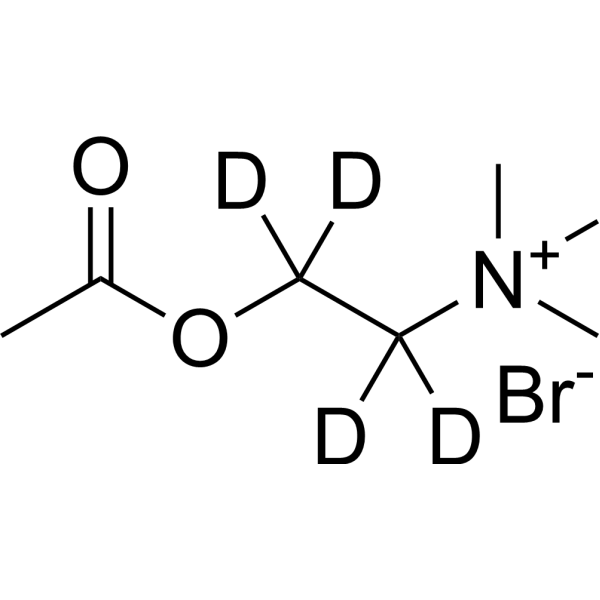 0 ImagesSynonyms: ACh-d4 bromideAcetylcholine-d4 (bromide) is the deuterium labeled Acetylcholine bromide.
-
(Rac)-Atropine-d3
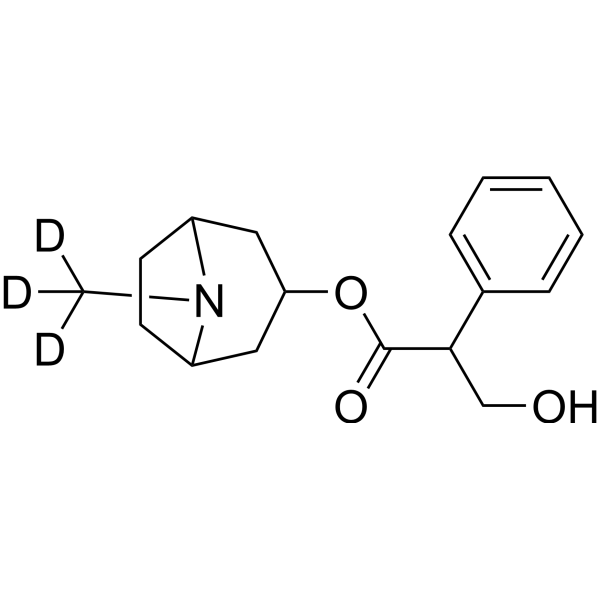 0 ImagesSynonyms: (Rac)-Tropine tropate-d3; (Rac)-Hyoscyamine-d3(Rac)-Atropine-d3 is the deuterium labeled (Rac)-Atropine[1].
-
Acetylcholine-d9 bromide
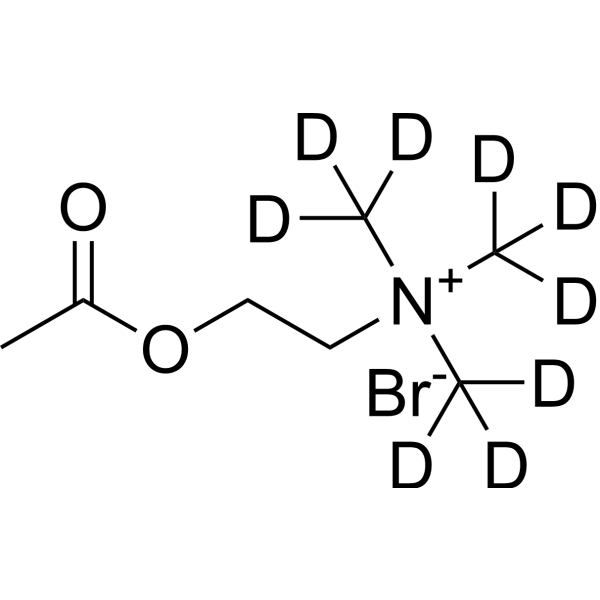 0 ImagesSynonyms: ACh-d9 bromideAcetylcholine-d9 (bromide) is the deuterium labeled Acetylcholine bromide.
-
Spermidine-13C4 hydrochloride
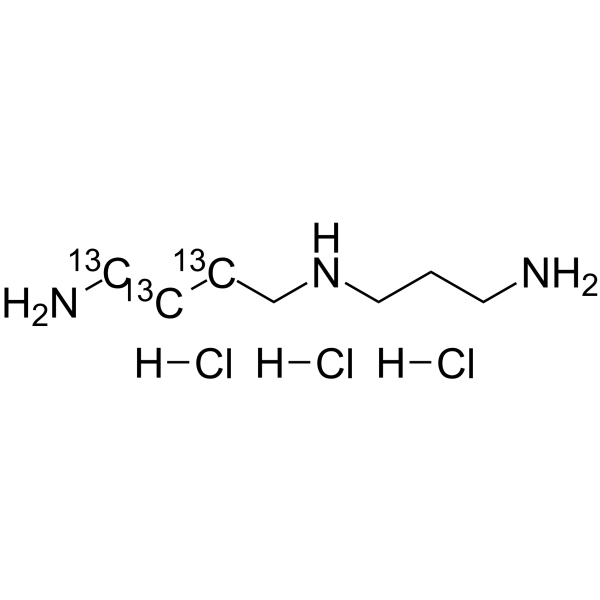 0 ImagesSpermidine-13C4 (hydrochloride) is the 13C-labeled Spermidine trihydrochloride. Spermidine hydrochloride maintains cell membrane stability, increases antioxidant enzymes activities, improving photosystem II (PSII), and relevant gene expression. Spermidine hydrochloride significantly decreases the H2O2 and O2.- contents.
-
C18-Ceramide-d7
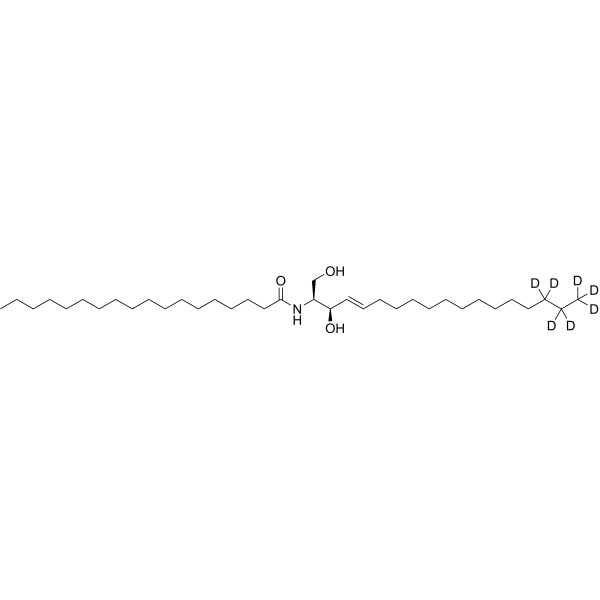 0 ImagesC18-Ceramide-d7 is deuterium labeled C18-Ceramide.
-
Levocarnitine propionate-d3 hydrochloride
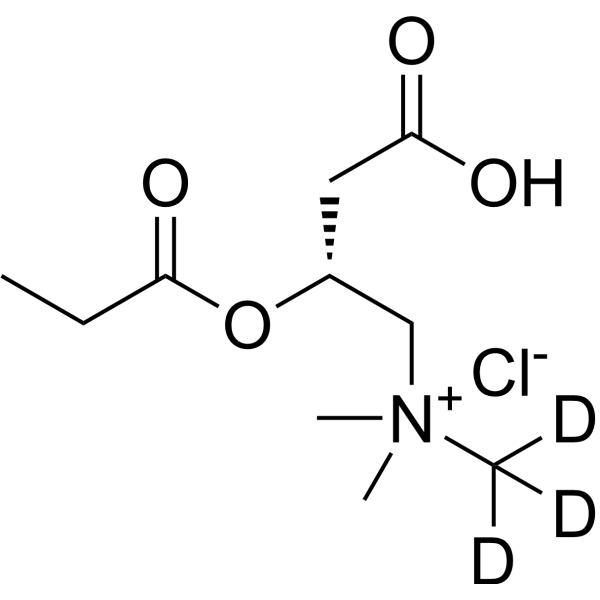 0 ImagesSynonyms: L-Propionylcarnitine-d3 chloride; ST-261-d3Levocarnitine propionate-d3 (hydrochloride) is the deuterium labeled Levocarnitine propionate hydrochloride. Levocarnitine propionate hydrochloride (L-Propionylcarnitine chloride; ST-261) is a ligand of carnitine acetyltransferase (CAT) with high enzyme affinity. Levocarnitine propionate hydrochloride possesses antioxidant activity. Levocarnitine propionate hydrochloride increases intracellular L-carnitine reserves. Levocarnitine propionate hydrochloride exerts a protective effect against myocardial ischemia-reperfusion injury. Levocarnitine propionate hydrochloride can be used in research related to myocardial ischemia-reperfusion injury and chronic ischemic heart disease.
-
Cholesterol sulfate-d7 sodium
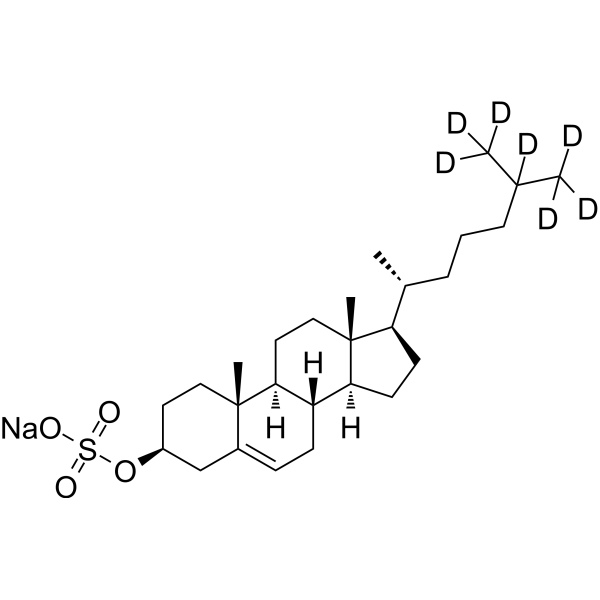 0 ImagesCholesterol sulfate sodium-d7 is the deuterium labeled Cholesterol sulfate sodium. Cholesterol sulfate sodium is a naturally occurring, orally active cholesterol derivative that is widely distributed in various tissues and body fluids. Cholesterol sulfate sodium acts as a DOCK2 inhibitor, with IC50 values of 2 μM and 2.9 μM against mouse and human targets, respectively. Cholesterol sulfate sodium restricts excessive neutrophil infiltration and alleviates intestinal inflammation and damage. Cholesterol sulfate sodium serves as an activator of protein kinase C (PKC), which promotes squamous cell differentiation and inhibits skin carcinogenesis. Cholesterol sulfate sodium regulates cholesterol homeostasis and cellular metabolism by activating the AMPK-Sirt1 pathway. Cholesterol sulfate sodium can be used in research related to actinic keratitis, ulcerative colitis, skin cancer, and other conditions.
-
Alanine-2,3,3,3-d4
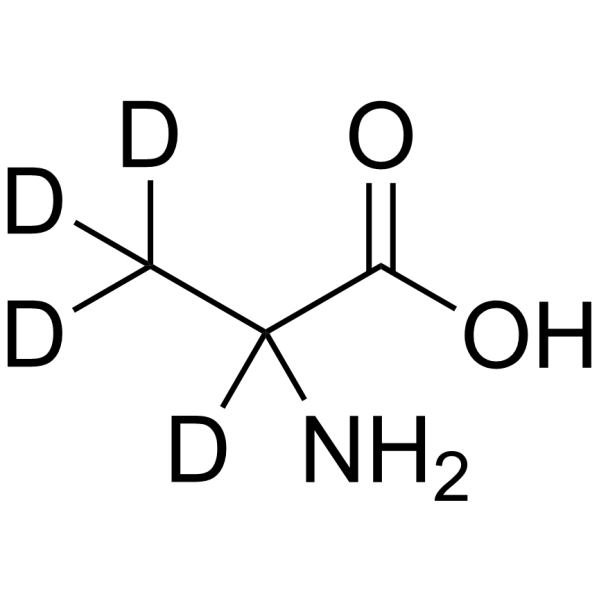 0 ImagesAlanine-2,3,3,3-d4 is the deuterium labeled Alanine-2,3,3,3[1].
-
Vitamin B5-d4 calcium
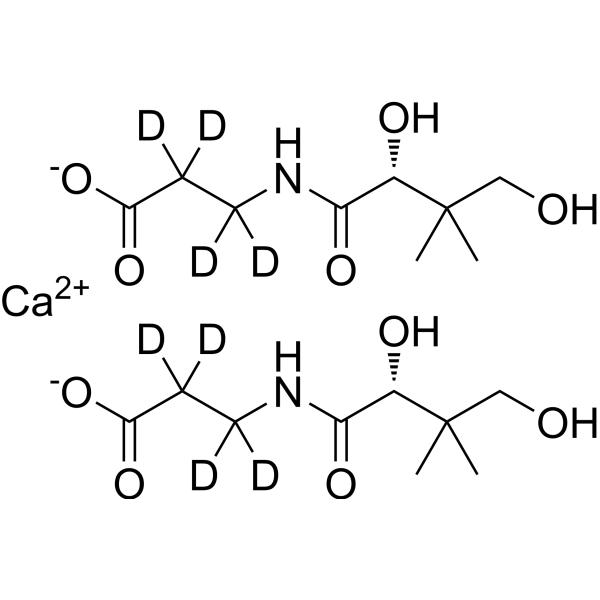 0 ImagesCat. No.: HY-144243SPurity: 99.17%Vitamin B5-d4 (calcium) is the deuterium labeled Vitamin B5 calcium.
-
1,3-Diphenylguanidine-d10
 0 ImagesCat. No.: HY-W716965CAS No.: 2468795-96-01,3-Diphenylguanidine-d10 is the deuterium labeled 1,3-Diphenylguanidine (HY-W014332). 1,3-diphenylguanidine is the primary and secondary accelerator in the vulcanization of rubber and is found in the rubber industry.
-
Octanal-d16
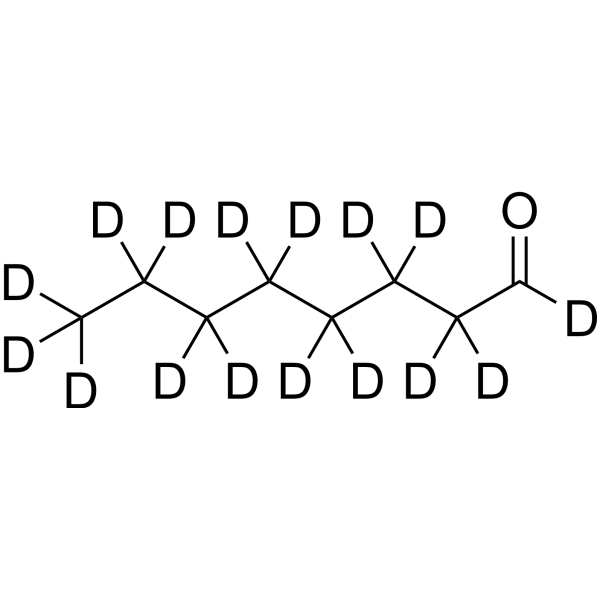 0 ImagesCat. No.: HY-N8015SCAS No.: 1219794-66-7Octanal-d16 is the deuterium labeled Octanal. Octanal is a fragrant aldehyde with antioxidant and antibacterial activity. Its antifungal effect against G. citri-aurantii may be related to the disruption of cell membrane integrity and the leakage of cellular components. Additionally, Octanal exhibits cytotoxicity towards HeLa cells, with an IC50 value of 3.5 μg/mL.
-
β-Alanine-d4
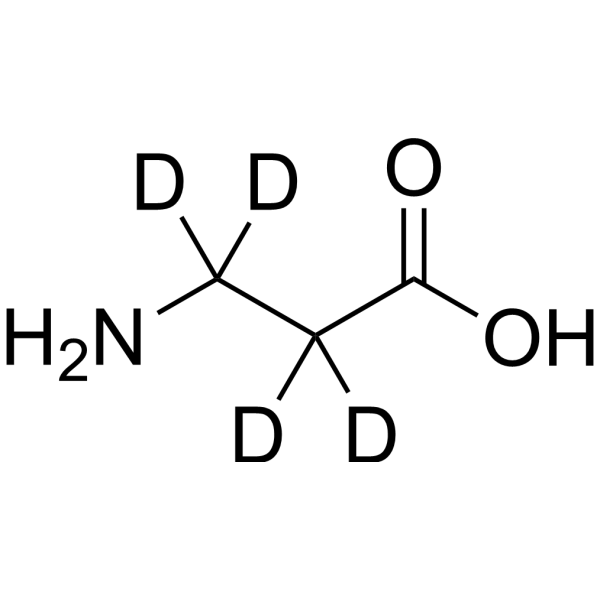 0 ImagesSynonyms: 2-Carboxyethylamine-d4; 3-Aminopropanoic acid-d4β-Alanine-d4 is the deuterium labeled β-Alanine. β-Alanine is a non-essential amino acid that is shown to be metabolized into carnosine, which functions as an intracellular buffer.
-
Chenodeoxycholic acid-d5
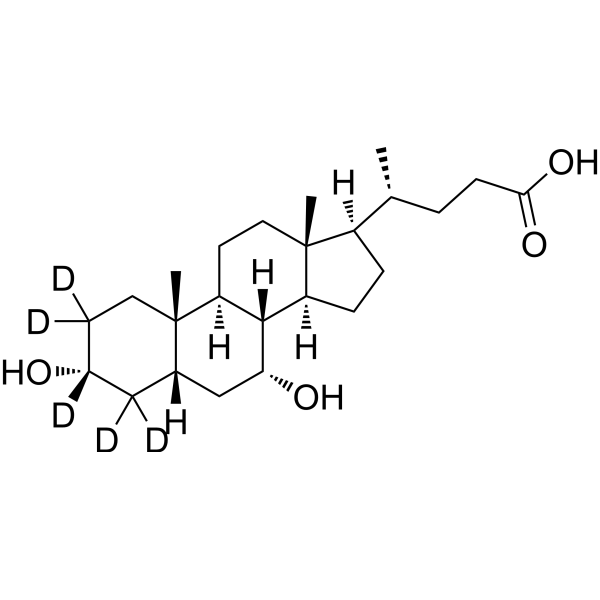 0 ImagesSynonyms: CDCA-d5Chenodeoxycholic acid-d5 is the deuterium labeled Chenodeoxycholic Acid. Chenodeoxycholic Acid is a hydrophobic primary bile acid that activates nuclear receptors (FXR) involved in cholesterol metabolism.
-
DL-Glutamic acid-d3
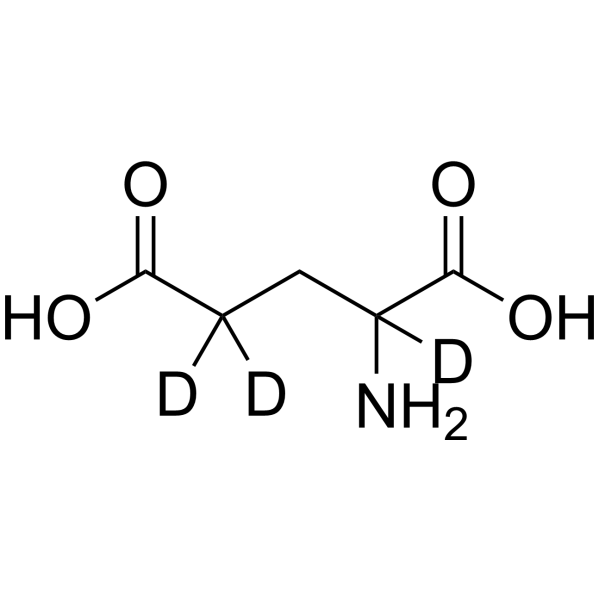 0 ImagesDL-Glutamic acid-d3 is the d3-labeled DL-Glutamic acid (HY-W041895). DL-Glutamic acid is a racemic amino acid mixture and an antibacterial agent. DL-Glutamic acid reduces RNA and DNA levels, with a more significant effect on RNA. DL-Glutamic acid inhibits cell division of Rhodospirillum rubrum.
-
Tauroursodeoxycholate-d4 sodium
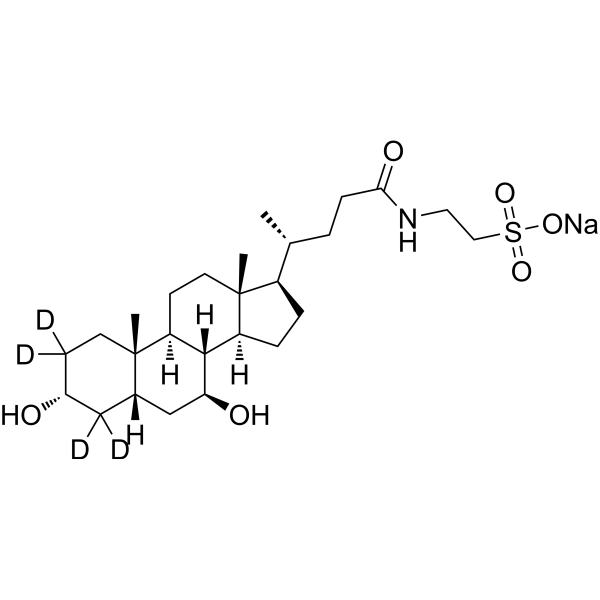 0 ImagesSynonyms: Tauroursodeoxycholic acid-d4 sodium; TUDCA-d4 sodium; UR 906-d4 sodiumTauroursodeoxycholate-d4 (sodium) is the deuterium labeled Tauroursodeoxycholate sodium. Tauroursodeoxycholate (Tauroursodeoxycholic acid; TUDCA) sodium is an endoplasmic reticulum (ER) stress inhibitor. Tauroursodeoxycholate significantly reduces expression of apoptosis molecules, such as caspase-3 and caspase-12. Tauroursodeoxycholate also inhibits ERK.
-
Myristoyl-L-carnitine-d3 chloride
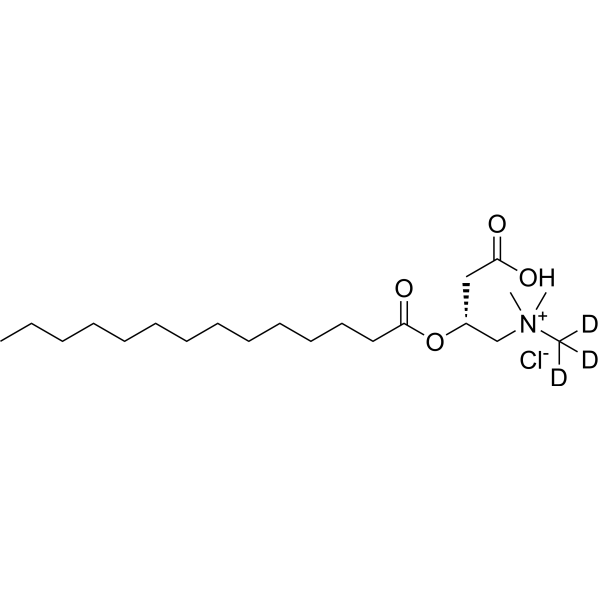 0 ImagesMyristoyl-L-carnitine-d3 chloride is the deuterium labeled Myristoyl-L-carnitine chloride (HY-135170). Myristoyl-L-Carnitine Chloride is a natural long-chain glycoline, amino acid derivative.
-
Estrone sulfate-d4 sodium
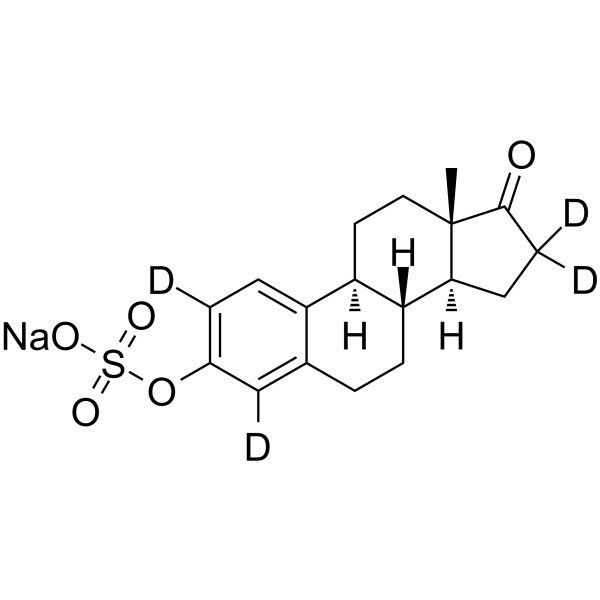 0 ImagesEstrone sulfate-d4 sodium is the deuterium labeled Estrone sulfate sodium (HY-113293B). Estrone sulfate sodium is an inactive endogenous estrogen that can be converted into Estrone (HY-B0234) and Estradiol (HY-B0141). Estrone sulfate sodium is also a substrate of the OATP1B3 transporter. Estrone sulfate sodium can be converted into Estrone and Estradiol in normal mammary parenchymal cells. Estrone sulfate sodium stimulates the growth of nitrosomethylurea-induced mammary tumors in ovariectomized rats and the colony formation of dispersed nitrosomethylurea mammary cells, with conversion into Estrone and Estradiol occurring both in vivo and in vitro during this process. Estrone sulfate sodium is applicable to breast cancer-related research.
-
β-Carotene-d8
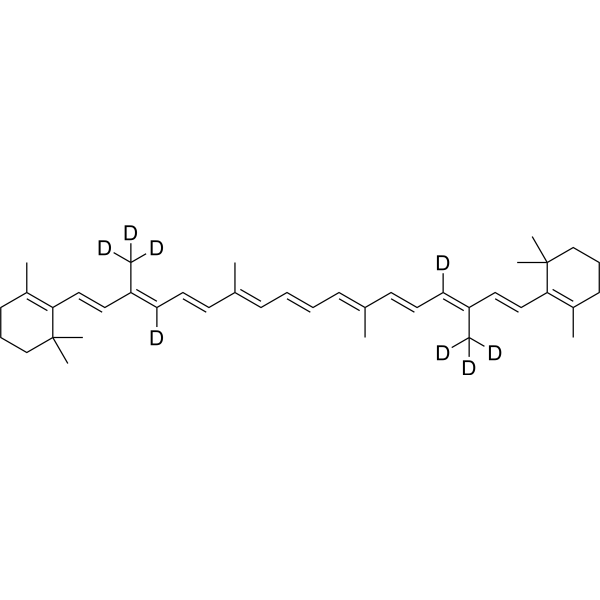 0 ImagesCat. No.: HY-N0411S1CAS No.: 53163-44-3Synonyms: Provitamin A-d8; beta-Carotene-d8



