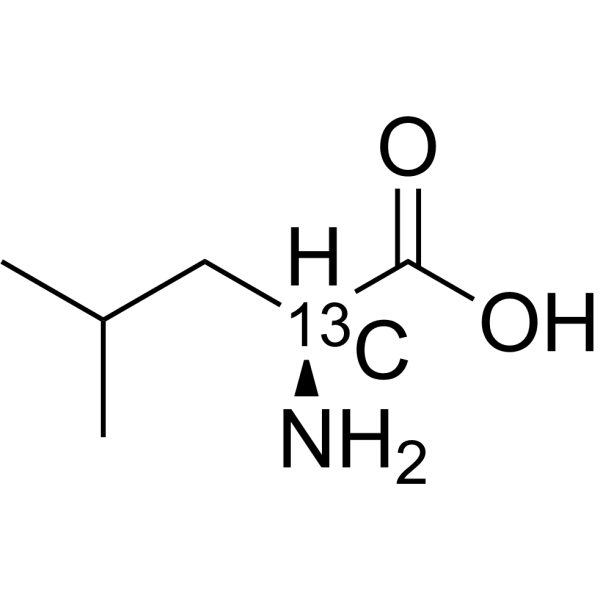
mTOR
Mammalian target of Rapamycin
mTOR (mammalian target of Rapamycin) is a protein that in humans is encoded by the mTOR gene. mTOR is a serine/threonine protein kinase that regulates cell growth, cell proliferation, cell motility, cell survival, protein synthesis, and transcription. mTOR belongs to the phosphatidylinositol 3-kinase-related kinase protein family. mTOR integrates the input from upstream pathways, including growth factors and amino acids. mTOR also senses cellular nutrient, oxygen, and energy levels. The mTOR pathway is dysregulated in human diseases, such as diabetes, obesity, depression, and certain cancers. Rapamycin inhibits mTOR by associating with its intracellular receptor FKBP12. The FKBP12-rapamycin complex binds directly to the FKBP12-Rapamycin Binding (FRB) domain of mTOR, inhibiting its activity.
mTOR Isoform Specific Products
All Product Categories
-
mTOR Inhibitors
(516)
View all products
-
mTOR Agonists
(8)
View all products
-
mTOR Antagonist
(1)
View all products
-
mTOR Activators
(73)
View all products
-
mTOR Modulators
(16)
View all products
-
mTOR p53 Inhibitor
(1)
View all products
-
mTOR Degraders
(2)
View all products
-
mTOR Control
(1)
View all products
-
mTOR Substrate
(1)
View all products
-
mTOR Ligands
(2)
View all products
-
mTOR Related Products (660)
Related Products (660)

-
Antibodies (14)
-
mTOR Signaling Pathway
-
mTOR Isoform Comparison
-
ATR-IN-20
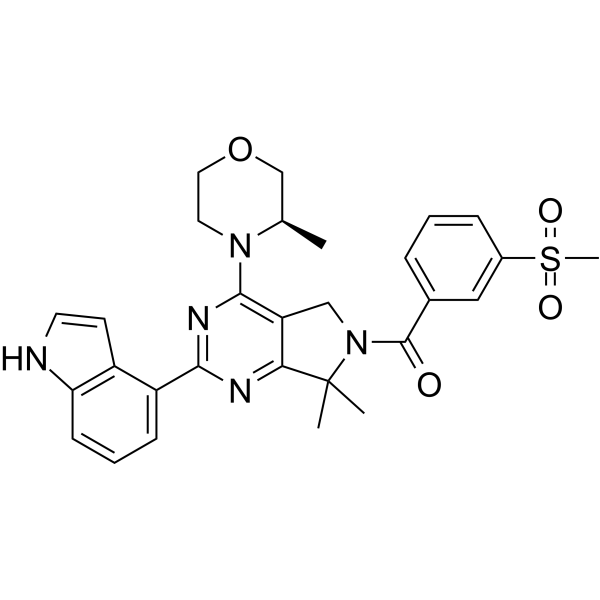 0 ImagesCat. No.: HY-151915CAS No.: 3012609-63-8ATR-IN-20 is a potent ATR (ATM/ATR) inhibitor with an IC50 of 3 nM. ATR-IN-20 possess an inhibitory effect on mTOR (IC50 of 18 nM) while displaying good selectivity against PI3Kα (100 nM), ATM (100 nM), and DNA-PK (662 nM). ATR-IN-20 exhibits excellent pharmacokinetic profile (F = 30%), and has anticancer effects.
-
PI3Kα-IN-27
 0 ImagesCat. No.: HY-178812CAS No.: 2098649-83-1
-
Antifungal agent 106
 0 ImagesCat. No.: HY-161856Antifungal agent 106 (Compound Z31) is a benzoic acid derivative and a potential fungicide against Monilinia fructicola. Antifungal agent 106 exhibits antifungal activity with an EC50 value of 11.8 mg/L. It affects hyphal growth by disrupting cell membrane integrity, leading to increased membrane permeability and release of intracellular electrolytes. Antifungal agent 106 can be used in research related to brown rot of stone fruits.
-
Antitumor agent-122
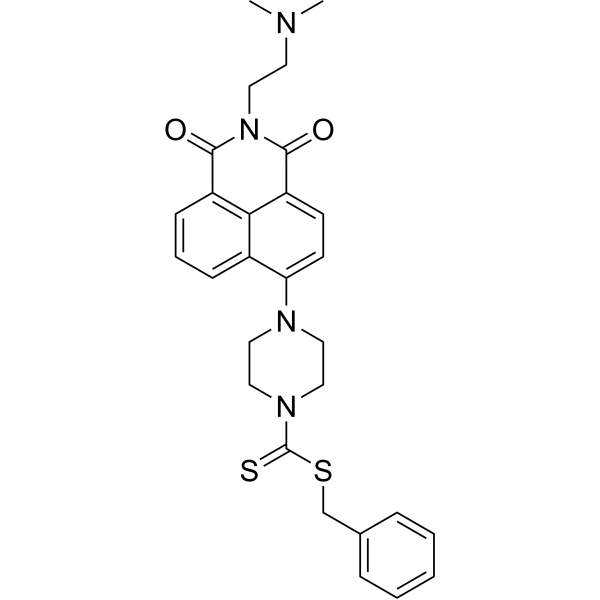 0 ImagesCat. No.: HY-149717CAS No.: 2378641-43-9Antitumor agent-122 is a potent multi-target antitumor agent that exerts its effects through the induction of ferroptosis, autophagy, apoptosis, and cell cycle arrest. In the ferroptosis pathway, Antitumor agent-122 inhibits GPX4 expression and upregulates FACL4 expression, increasing intracellular lipid peroxidation and ferrous ion levels. In the autophagy pathway, Antitumor agent-122 induces autophagy by inhibiting the AKT/mTOR signaling pathway. In the apoptosis and cell cycle pathways, Antitumor agent-122 arrests cells at the G1/S phase and subsequently promots mitochondrial pathway-mediated apoptosis. Antitumor agent-122 can be used in the research of solid tumors including gastric, liver, ovarian, and bladder cancers.
-
WH23
 0 ImagesCat. No.: HY-181670WH23 is a dehydrogenase/reductase SDR family member 11 (DHRS11) inhibitor with IC50 values of 0.037 μM. WH23 binds to DHRS11, forming a hydrogen bond with the enzyme’s His210 residue. WH23 suppresses androgen receptor mRNA and protein expression, reduces c-Myc expression, and inhibits cancer cell proliferation. WH23 inhibits PI3K/AKT signaling by reducing phosphorylation of PDK1, AKT, mTOR, and ERK. WH23 enhances Capivasertib (HY-15431)-induced cytotoxicity and apoptosis. WH23 can be used for the research of luminal androgen receptor-positive triple-negative breast cancer.
-
YB-3–17
 0 ImagesCat. No.: HY-170405CAS No.: 2940242-88-4YB-3-17 is a bifunctional molecule, that inhibits mTOR (IC50=0.22 nM) or degrades G1 to S phase transition 1 gene (GSPT1, DC50=5 nM) in a PROTAC mechanism. YB-3-17 exhibits antiproliferative activity in multi glioblastoma cell lines with IC50 of nanomolare levels. YB-3-17 exhibits antitumor efficacy in mouse models.
-
PI3K/Akt/mTOR-IN-3
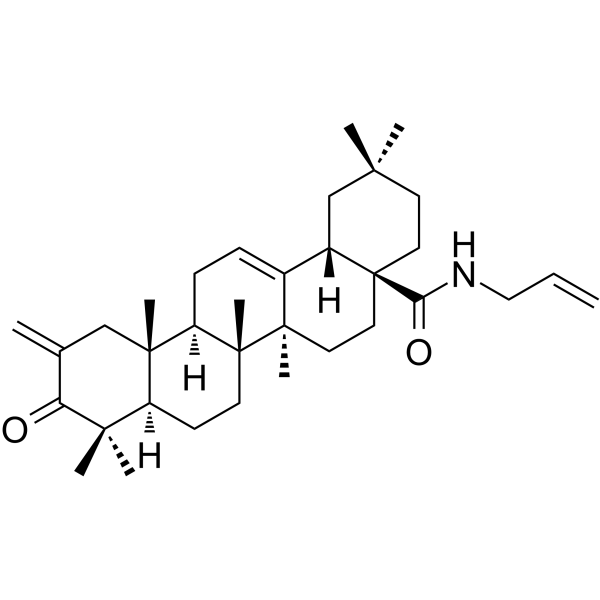 0 ImagesCat. No.: HY-147913CAS No.: 2457245-94-0PI3K/Akt/mTOR-IN-3 (compound 3d) is a potent PI3K/AKT/mTOR inhibitor. PI3K/Akt/mTOR-IN-3 displays the inhibitory activity in MCF-7, HeLa and HepG2 cells, with IC50 values of 0.77, 1.23, and 4.57μM, respectively. PI3K/Akt/mTOR-IN-3 inhibits the migration of MCF-7 and HeLa cells at the concentration of 4 μM. PI3K/Akt/mTOR-IN-3 induces cell apoptosis and S phase arrest.
-
4-FPBUA
 0 ImagesCat. No.: HY-169022CAS No.: 2089636-93-94-FPBUA is a semisynthetic analog of usnic acid (HY-W015883) that can enhance cellular blood-brain barrier (BBB) function and increase the transport of Amyloid β (Aβ) across monolayer cells. 4-FPBUA is also an inhibitor of mTOR, capable of enhancing cellular Autophagy, thereby reversing BBB disruption in vivo and being utilized in research for Alzheimer's disease.
-
mTOR/STAT3-IN-1
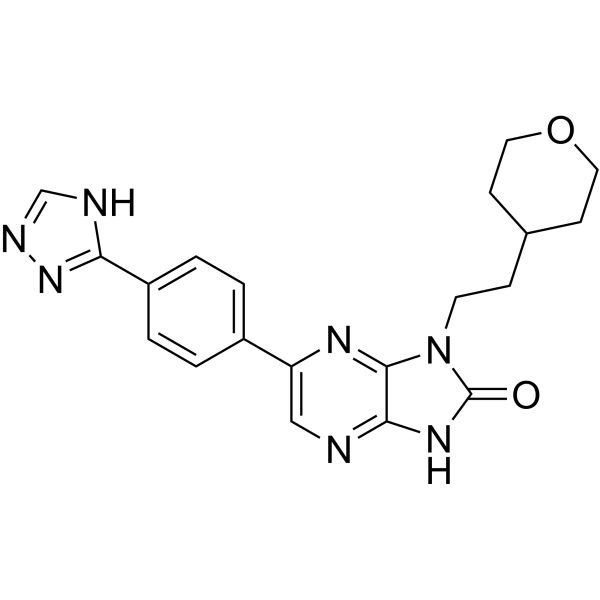
 0 ImagesCat. No.: HY-183306mTOR/STAT3-IN-1 is a dual mTOR/STAT3 inhibitor. mTOR/STAT3-IN-1 exhibits potent mTOR inhibitory activity and moderate STAT3 inhibitory activity, while exerting cell type-dependent antiproliferative and senolytic activities in human cell lines. mTOR/STAT3-IN-1 can be used in the research of glioblastoma and aging-related diseases.
-
3HOI-BA-01
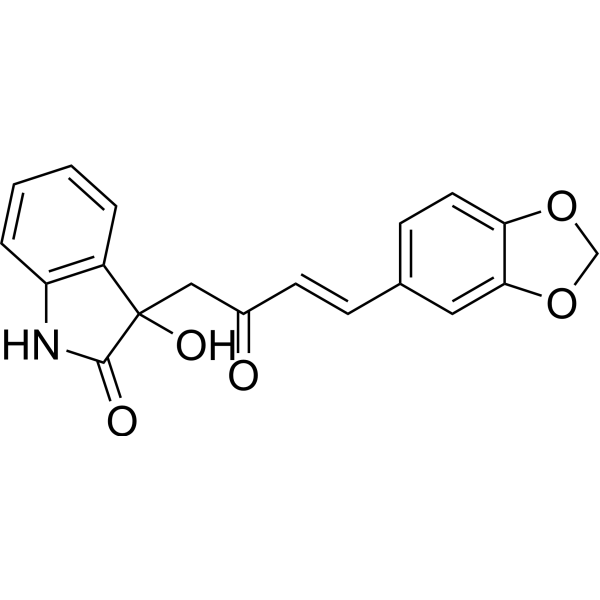 0 ImagesCat. No.: HY-121726CAS No.: 355428-84-1
-
(+)-Usnic acid (Standard)
 0 Images(+)-Usnic acid (Standard) is the analytical standard of (+)-Usnic acid. This product is intended for research and analytical applications. (+)-Usnic acid is isolated from isolated from lichens, binds at the ATP-binding pocket of mTOR, and inhibits mTORC1/2 activity. (+)-Usnic acid inhibits the phosphorylation of mTOR downstream effectors: Akt (Ser473), 4EBP1, S6K, induces autophay, with anti-cancer activity. (+)-Usnic acid possesses antimicrobial activity against a number of planktonic gram-positive bacteria, including Staphylococcus aureus, Enterococcus faecalis, and Enterococcus faecium.
-
LGB321 monohydrochloride
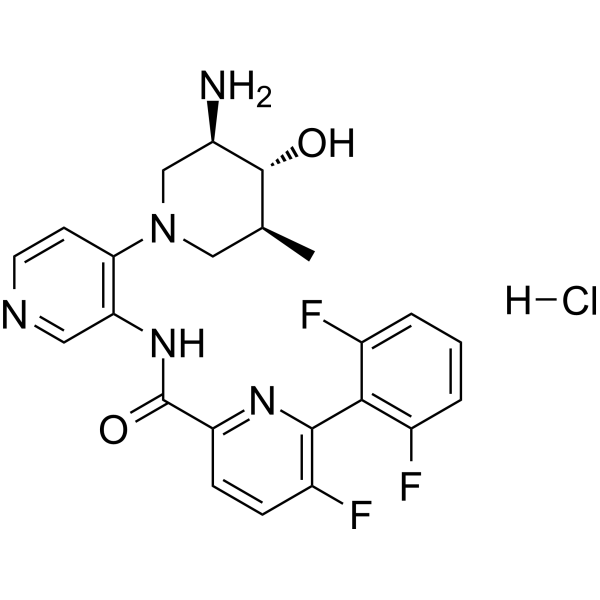 0 ImagesCat. No.: HY-15901ACAS No.: 1469925-36-7LGB321 monohydrochloride is a potent, selective, orally active and ATP competitive inhibitor of all three PIM kinases. LGB321 monohydrochloride inhibits proliferation, mTOR-C1 signaling and phosphorylation of BAD in a number of cell lines derived from diverse hematologic malignancies. LGB321 monohydrochloride can be used for the research of hematologic malignancies.
-
D-87503
 0 ImagesCat. No.: HY-108959CAS No.: 800394-83-6D-87503 is a potent inhibitor of PI3k/Akt/mTOR, with the IC50s of 62 nM and 0.76 μM, respectively for PI3k and Erk2. D-87503 effectively suppressed the target downstream substrates Akt and Rsk1 kinase of the PI3k/Akt/mTOR signaling pathway.
-
L-Leucine-15N,d10
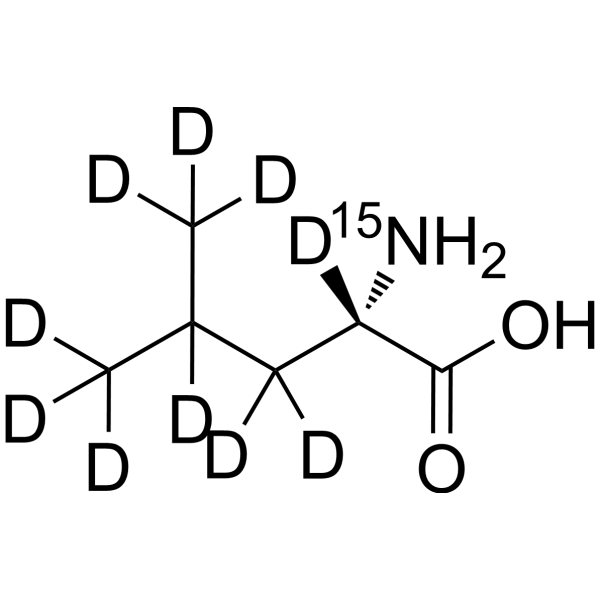 0 ImagesCat. No.: HY-N0486S13L-Leucine-15N,d10 is an essential branched-chain amino acid (BCAA), which activates the mTOR signaling pathway.
-
MCX 28
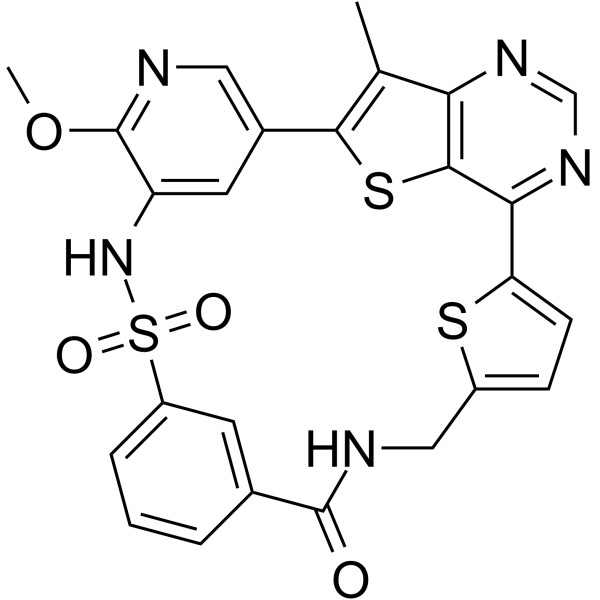 0 ImagesCat. No.: HY-139832CAS No.: 1414453-58-9MCX 28, a triple PI3K/mTOR/PIM inhibitor, displays low nanomolar activity.
-
Sulindac Sulfone-d6
 0 ImagesCat. No.: HY-W742805CAS No.: 2519512-94-6Sulindac Sulfone-d6 is the deuterium labeled Sulindac sulfone (HY-B1787). Sulindac sulfone is an mTORC1 pathway inhibitor and a metabolite of Sulindac. Sulindac sulfone inhibits colon cancer cell growth and induces cell cycle arrest. Sulindac sulfone is used in cancer research.
-
Desmethyl-VS-5584
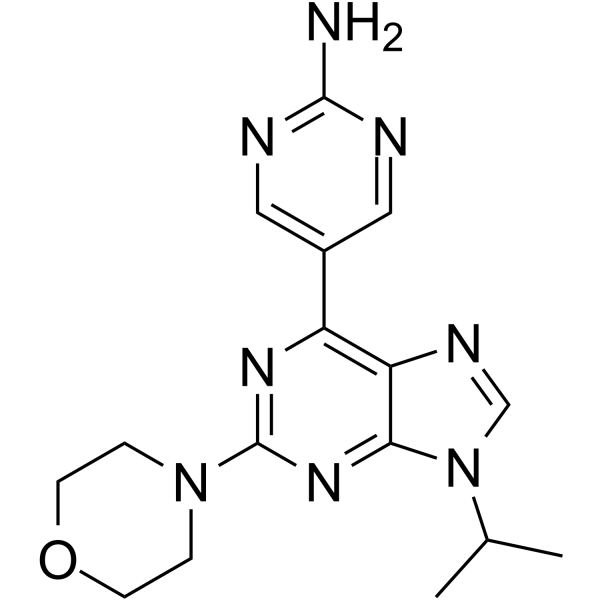 0 ImagesCat. No.: HY-101776CAS No.: 1246535-95-4Synonyms: Desmethyl-SB2343Desmethyl-VS-5584 is a dimethyl analog of VS-5584 which is an potent and selective mTOR/PI3K dual inhibitor with pyrido [2,3-d] pyrimidine structure.