45 Results for "

MITF

" in MedChemExpress (MCE) Product Catalog:
Products (45)

45 Results for "MITF" in MCE Product Catalog:

7
7 Publications Verification
Art. -Nr.: HY-101464
CAS. Nr.: 19992-50-8
Reinheit:  ≥98.0%
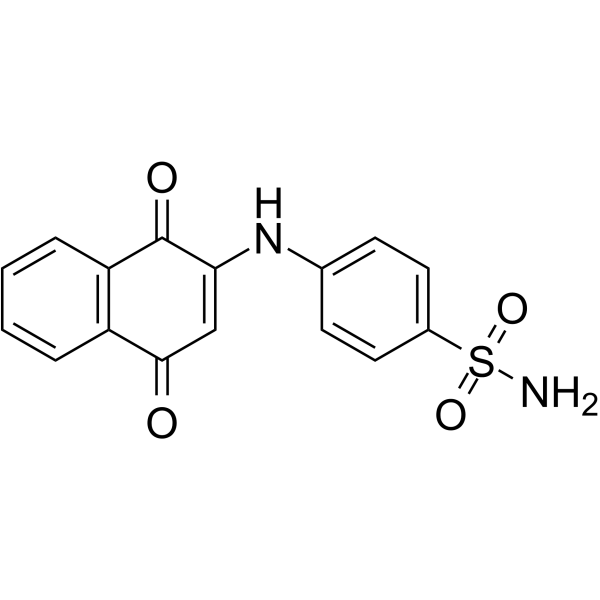
ML329 is a micropthalmia-associated transcription factor (MITF) inhibitor, which inhibits TRPM-1 promoter activity with an IC50 of 1.2 μM.
loading...
    loading...
2
2 Cited Publications
Art. -Nr.: HY-156483
CAS. Nr.: 1164471-33-3
Reinheit:  99.76%
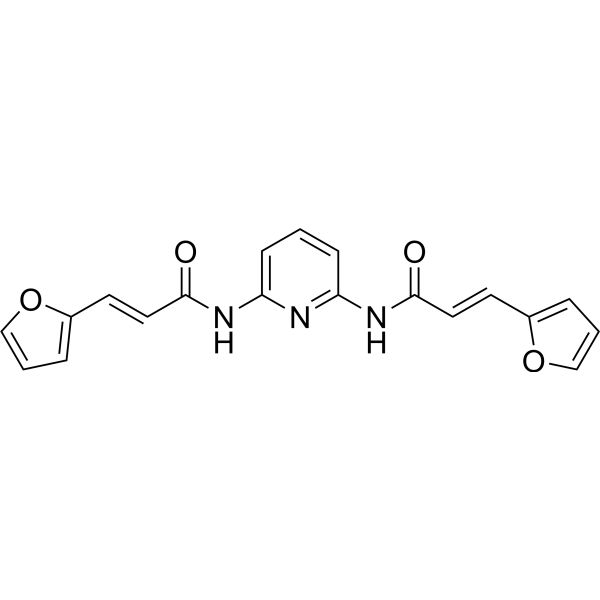
TT-012 is a MITF inhibitor with a human MITF IC50 of 13.1 nM and a human MITF Kd value of 15.5 nM. TT-012 reduces mRNA levels of MITF downstream genes linked to melanosome biogenesis, cell survival, and proliferation, and upregulates cell cycle-inhibiting genes. TT-012 can be used for the research of melanoma[1][2][3].
loading...
    loading...
1
1 Cited Publications
Art. -Nr.: HY-N4280
CAS. Nr.: 2445-80-9
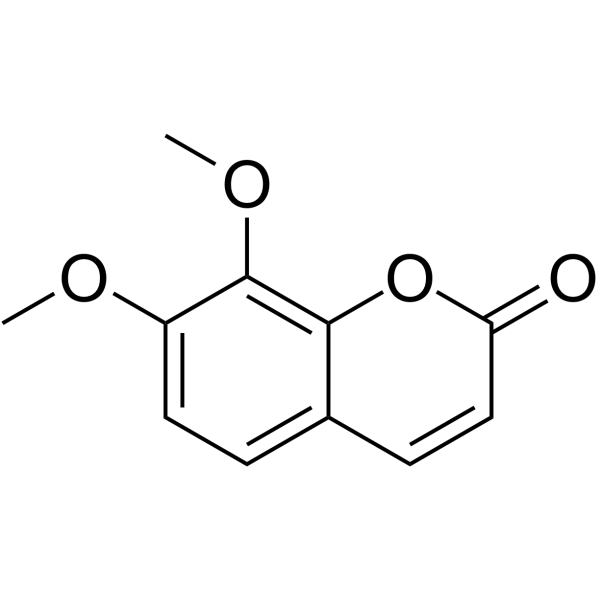
7,8-Dimethoxycoumarin is a coumarin compound derived from Artemisia caruifolia with oral activity. 7,8-Dimethoxycoumarin inhibits mitochondrial permeability transition pore and H +/K +-ATPase, and exhibits antioxidant, anti-inflammatory, renoprotective, neuroprotective and gastroprotective effects. 7,8-Dimethoxycoumarin reduces lipid peroxidation (TBARS), increases GSH levels, inhibits myeloperoxidase (MPO) activity, and regulates the expression of inflammatory factors by inhibiting the NF‑κB and MAPK pathways. 7,8-Dimethoxycoumarin ameliorates gastric mucosal injury, alleviates renal tissue lesions and relieves neuropathic pain. 7,8-Dimethoxycoumarin can be used in studies related to acute renal failure, trigeminal neuralgia and gastritis .
loading...
    loading...
Art. -Nr.: HY-113337A
CAS. Nr.: 102783-36-8
Synonyms: P1,P4-Di-(adenosine-5')-tetraphosphate tetraammonium
Target:  

Apoptosis

Forschungsgebiete:  

Cancer

Ap4A tetraammonium (P1,P4-Di-(adenosine-5')-tetraphosphate tetraammonium) is a conserved second messenger in organisms ranging from bacteria to humans. Ap4A tetraammonium binds to the histidine triad nucleotide-binding protein 1 (HINT1) activates the transcription of genes downstream of MITF. Ap4A tetraammonium induces apoptosis .
loading...
    loading...
Art. -Nr.: HY-D0168
CAS. Nr.: 504-15-4
Synonyms: 3,5-Dihydroxytoluene
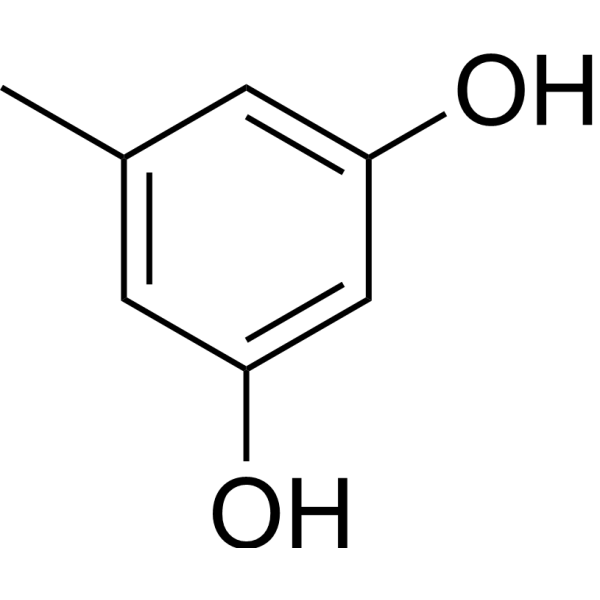
Orcinol (3,5-Dihydroxytoluene) is an organic compound used in biological dyeing and proteomics research. Orcinol inhibits melanogenesis in B16F10 cells by upregulating the MAPK/ERK signaling pathway, and suppresses the expression of MITF, tyrosinase (TYR), TRP1, and DCT. Orcinol exhibits certain DPPH radical scavenging activity. In addition, Orcinol can alter nitrogen balance in animals. Orcinol holds promise for research in cancer and metabolic diseases .
loading...
    loading...
Art. -Nr.: HY-N1481
CAS. Nr.: 112-63-0
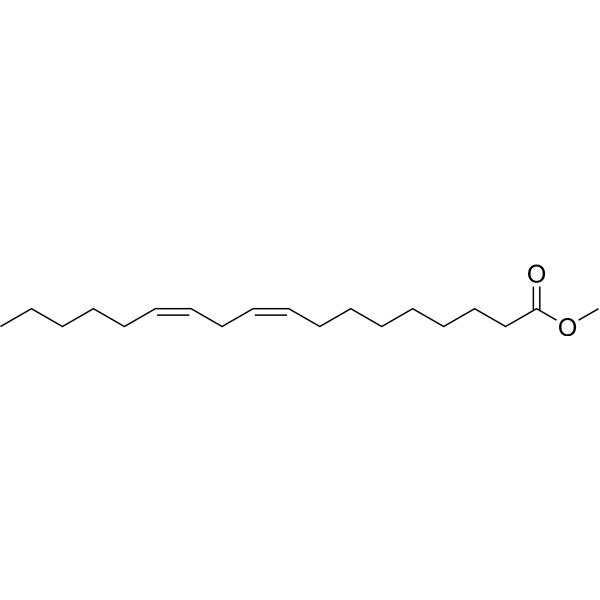
Methyl linoleate, a major active constituent of Sageretia thea fruit (HFSF), is a major anti-melanogenic compound. Methyl linoleate downregulates microphthalmia-associated transcription factor (MITF) and tyrosinase-related proteins .
loading...
    loading...
Art. -Nr.: HY-N2413
CAS. Nr.: 60546-10-3
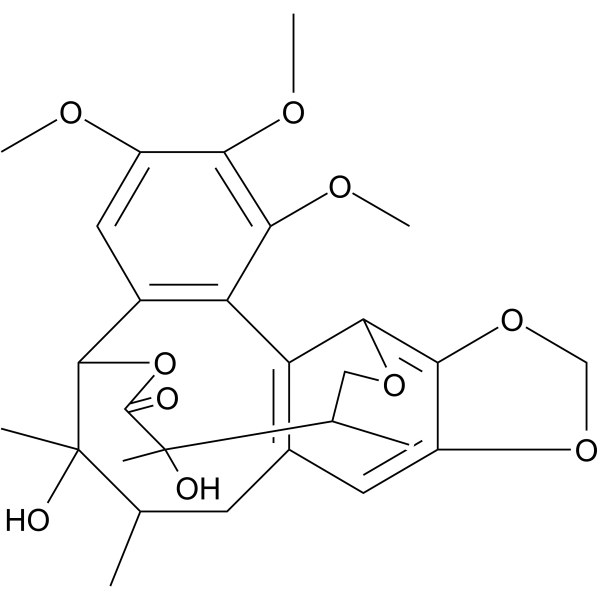
Gomisin D is an orally active lignan that binds to PDGFRβ with a Kd of 10 μM. By targeting PDGFRβ to regulate signaling pathways, Gomisin D inhibits the activation and proliferation of hepatic stellate cells and promotes their apoptosis, thereby ameliorating hepatic fibrosis. Gomisin D exhibits multiple activities such as photoprotection, antimelanogenesis, antioxidant effects, and hypoglycemic activity. Gomisin D can be used in studies related to diabetes, Alzheimer's disease, and hepatic fibrosis .
loading...
    loading...
Art. -Nr.: HY-N2983
CAS. Nr.: 32884-36-9
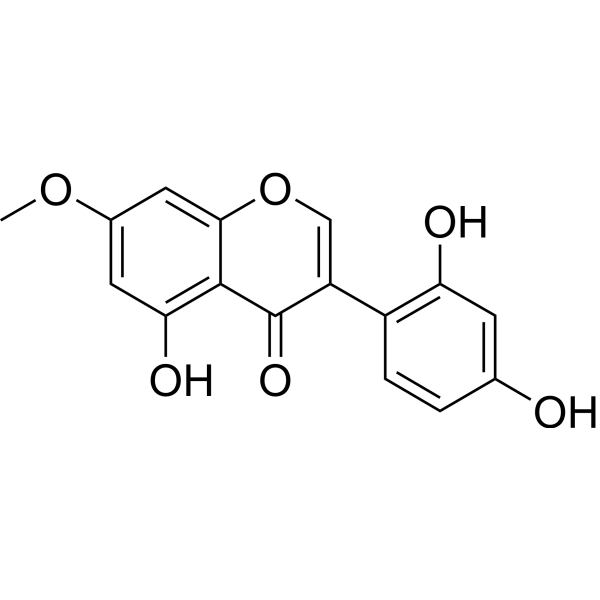
Cajanin is a potent and orally active anti-melanogenic agent. Cajanin shows antiproliferative activity in MNT1 Cells. Cajanin efficiently decreases the melanin content. Cajanin down-regulates the mRNA and protein expression levels of MITF, tyrosinase, TRP-1 and Dct (TRP-2). Cajanin induces cell cycle arrest at G2/M and S phase. Cajanin stimulates osteoblast proliferation. Cajanin has the potential for the research of human hyperpigmented disorders and menopausal osteoporosis .
loading...
    loading...
Art. -Nr.: HY-N2204
CAS. Nr.: 6980-25-2
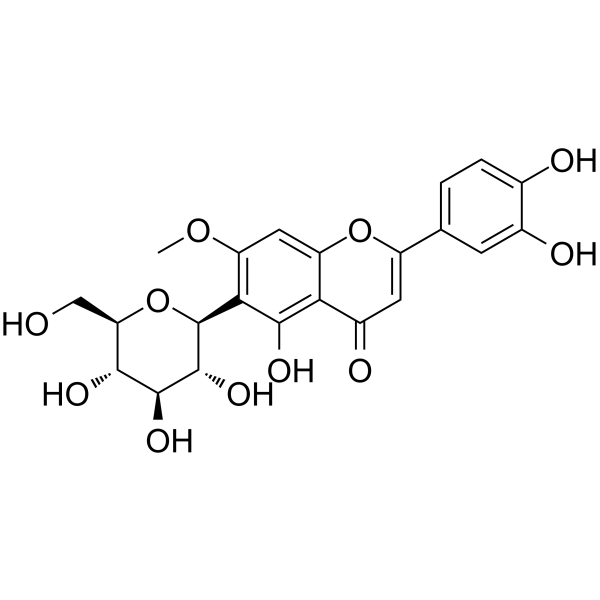
Swertiajaponin is a tyrosinase inhibitor, forms multiple hydrogen bonds and hydrophobic interactions with the binding pocket of tyrosinase, with an IC50 of 43.47 μM. Swertiajaponin also inhibits oxidative stress-mediated MAPK/MITF signaling, leading to decrease in tyrosinase protein level. Swertiajaponin suppresses melanin accumulation and exhibits strong anti-oxidative activity .
loading...
    loading...
Art. -Nr.: HY-N1775
CAS. Nr.: 1197-09-7
Synonyms: 3,4-DHAP
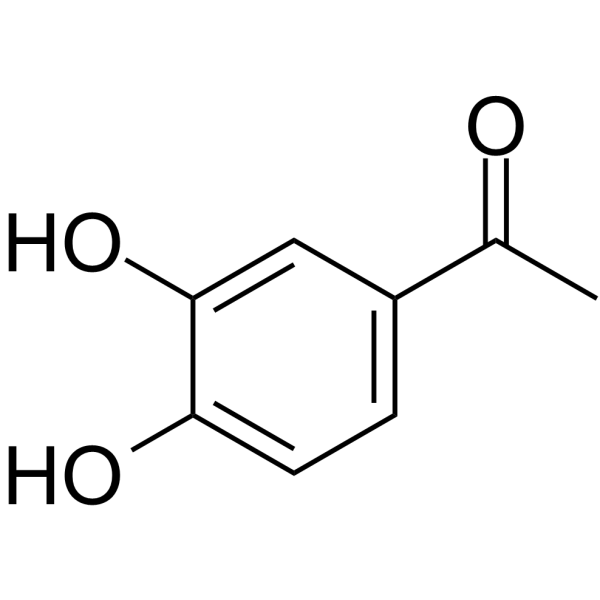
3',4'-Dihydroxyacetophenone (3,4-DHAP) is a phenolic compound with oral bioavailability, possessing potent antioxidant, anti-inflammatory, anticancer and cardiovascular protective activities. 3',4'-Dihydroxyacetophenone inhibits mushroom Tyrosinase activity with an IC50 of 10 μM, thereby suppressing melanogenesis . 3',4'-Dihydroxyacetophenone inhibits platelet aggregation in platelet-rich plasma. 3',4'-Dihydroxyacetophenone reduces ROS levels in human umbilical vein endothelial cells treated with high glucose, upregulates the expression of Nrf2, HO-1 and PARP-1 in cells, and promotes the nuclear translocation of Nrf2 . 3',4'-Dihydroxyacetophenone induces autophagy and apoptosis. 3',4'-Dihydroxyacetophenone inhibits seed germination/growth in most plants. 3',4'-Dihydroxyacetophenone can be used in the research of cancer, neurodegenerative diseases, non-alcoholic steatohepatitis, diabetes, obesity, skin pigmentation disorders, and cardiovascular and cerebrovascular diseases .
loading...
    loading...
Art. -Nr.: HY-N6901
CAS. Nr.: 56857-57-9
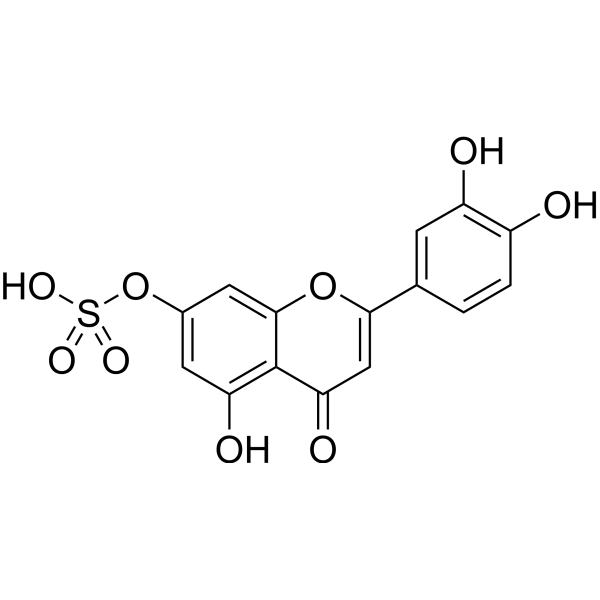
Luteolin 7-sulfate is isolated from Phyllospadix iwatensis Makino, a marine plant. Luteolin 7-sulfate attenuates TYR gene expression through the intervention of a cAMP-responsive element binding protein (CREB)- and microphthalmia-associated transcription factor (MITF)-mediated signaling pathway, leading to the decreased melanin synthesis .
loading...
    loading...
Art. -Nr.: HY-124857
CAS. Nr.: 26927-01-5
Reinheit:  98%
Synonyms: 7-Desacetoxy-6,7-dehydrogedunin
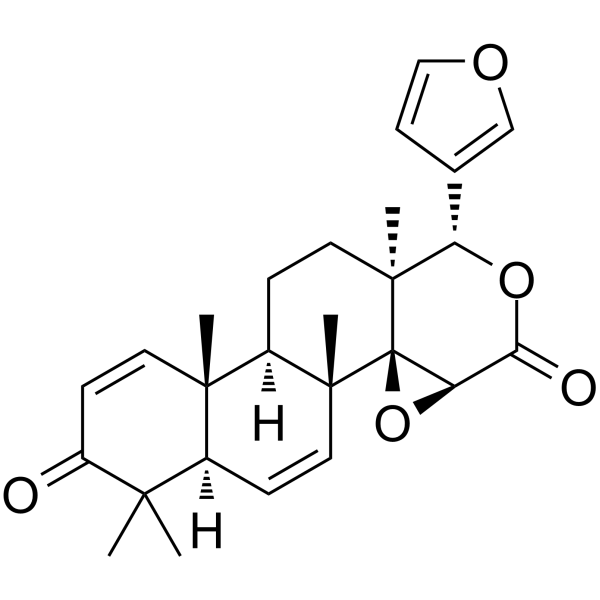
7DG (7-Desacetoxy-6,7-dehydrogedunin) is a PKR inhibitor, P2X7 purinergic receptor inhibitor, and skin-lightening agent. 7DG binds outside the ATP-catalytic domain of PKR, blocks the kinase activity-independent protein-protein interactions of PKR, inhibits the phosphorylation and activity of PKR, disrupts ASC assembly and caspase-1 activation, and suppresses the activation of the NLRP1 inflammasome. 7DG inhibits pyroptosis, suppresses the ATP-P2X7 signaling pathway, and abolishes ATP-induced increases in the expression levels of MITF, tyrosinase, PMEL/gp100, and melanin content. 7DG exerts skin-lightening effects in cultured skin in vitro. 7DG can be used in research related to chronic obstructive pulmonary disease, gout, type 2 diabetes, Alzheimer's disease, and hyperpigmentary skin disorders .
loading...
    loading...
Art. -Nr.: HY-N10016
CAS. Nr.: 132741-56-1
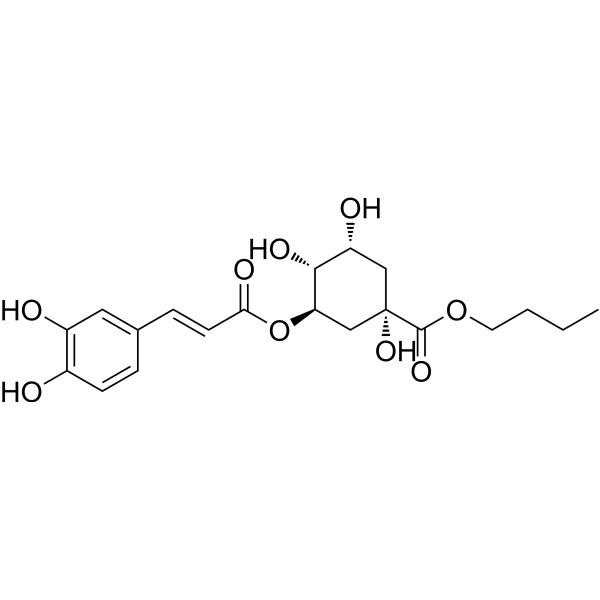
Chlorogenic acid butyl ester, a caffeoylquinic acid, is a potent melanogenesis inhibitor. Chlorogenic acid butyl ester inhibits the expression of microphtalmia-associated transcription factor (MITF), tyrosinase, tyrosinerelated protein 1 (TRP-1), and TRP-2. Chlorogenic acid butyl ester also shows antioxidant activity .
loading...
    loading...
Art. -Nr.: HY-N12267
CAS. Nr.: 42369-86-8
Synonyms: (E/Z)-Terrestribisamide
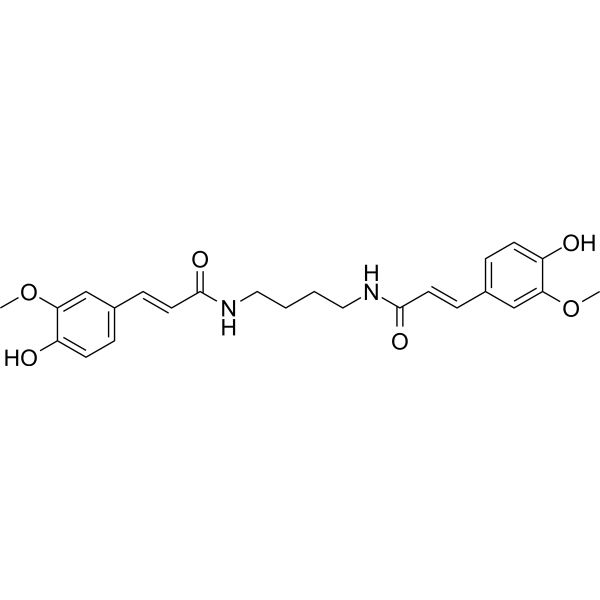
N,N′-Diferuloylputrescine ((E/Z)-Terrestribisamide) is a inhibitor of pigmentation with 57% reduction. N,N′-Diferuloylputrescine significantly reduces the protein level of MITF. N,N′-Diferuloylputrescine has strong antioxidant activities as radical scavengers against reactive oxygen species .
loading...
    loading...
Art. -Nr.: HY-113337
CAS. Nr.: 5542-28-9
Synonyms: P1,P4-Di-(adenosine-5')-tetraphosphate
Ap4A (P1,P4-Di-(adenosine-5')-tetraphosphate) is a conserved second messenger in organisms ranging from bacteria to humans. Ap4A binds to the histidine triad nucleotide-binding protein 1 (HINT1) activates the transcription of genes downstream of MITF. Ap4A induces apoptosis .
loading...
    loading...
Art. -Nr.: HY-RS16290
Forschungsgebiete:  

Cancer

Mitf Mouse Pre-designed siRNA Set A contains three designed siRNAs for Mitf gene (Mouse), as well as a negative control, a positive control, and a FAM-labeled negative control.

loading...
    loading...
Art. -Nr.: HY-179717
WZS0347 is a MITF PROTAC degrader. WZS0347 effectively reduces the MITF protein levels in several melanoma cell lines, including B16F10, A375, and GAK. WZS0347 significantly inhibits the proliferation, migration, and invasion of melanoma cells. WZS0347 can be used for research on melanoma .
loading...
    loading...
Art. -Nr.: HY-W250160
CAS. Nr.: 100403-24-5
Synonyms: Polydeoxyribonucleotide
PDRN (Polydeoxyribonucleotide) is a deoxynucleotide polymer mainly derived from the sperm of rainbow trout or salmon. PDRN inhibits pro-inflammatory factors and promotes VEGF expression via the cAMP-PKA pathway by activating the adenosine A2A receptor (A2AR), thereby driving angiogenesis and collagen deposition in fibroblasts. Degradation products of PDRN provide DNA raw materials for proliferating cells through the salvage synthesis pathway, accelerating re-epithelialization. PDRN reduces melanin synthesis and cell apoptosis by upregulating ERK/AKT phosphorylation and inhibiting the activities of MITF and tyrosinase, and resists skin aging by attenuating nuclear autophagy and blocking the interaction between LC3-SIRT1. PDRN is mainly used for wound repair, post-aesthetic surgery recovery and anti-aging research .
loading...
    loading...
Art. -Nr.: HY-179718
TT-012-Br (Compound 4) is a ligand for MITF and can be used for the synthesis of PROTACs, such as WZS0347 (HY-179717) .
loading...
    loading...
Art. -Nr.: HY-N10623
CAS. Nr.: 2767066-84-0
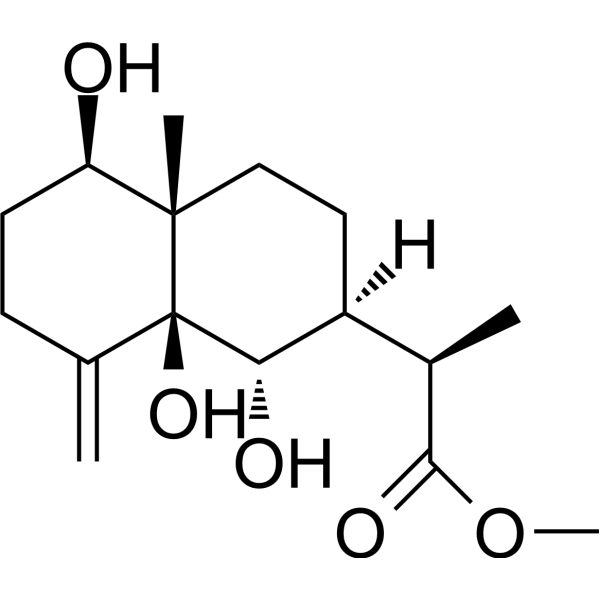
5-epi-Arvestonate A is a sesquiterpenoid isolated from the whole plants of Seriphidium transiliense. 5-epi-Arvestonate A promotes melanogenic production by activating the transcription of microphthalmia-associated transcription factor (MITF) and tyrosinase family genes. 5-epi-Arvestonate A inhibits the expression of IFN-γ-chemokine through the JAK/STAT signaling pathway in immortalized human keratinocyte (HaCaT) cells .
loading...
    loading...

