



Anacardic Acid
Based on 17 publication(s) in Google Scholar
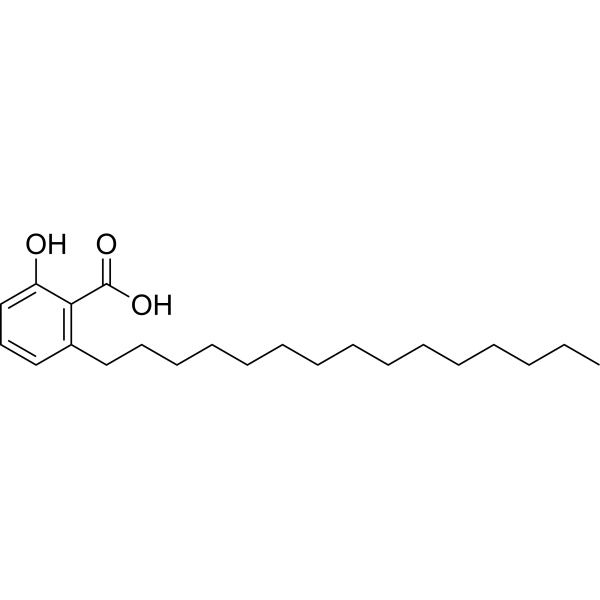
Anacardic Acid, extracted from cashew nut shell liquid, is a histone acetyltransferase inhibitor, inhibits HAT activity of p300 and PCAF, with IC50s of ∼8.5 μM and ∼5 μM, respectively.
Nos produits utilisent uniquement pour la recherche. Nous ne vendons pas aux patients.
- Pureté : 98.49%
- CAS No.: 16611-84-0
- Formule: C22H36O3
- Masse moléculaire:348.52
-
Stockage:Powder -20°C, 3 years , 4°C, 2 years ; In solvent -80°C, 6 months , -20°C, 1 month

To place orders, for customer services and technical support, please contact: MedChemExpress USA
Tel: 609-228-6898 E-mail: [email protected] [email protected]


-
 Activité biologique
-
Chemical Information
-
Solvant et solubilité
- Pureté et documentation
- Références
-
 Help & FAQs


-
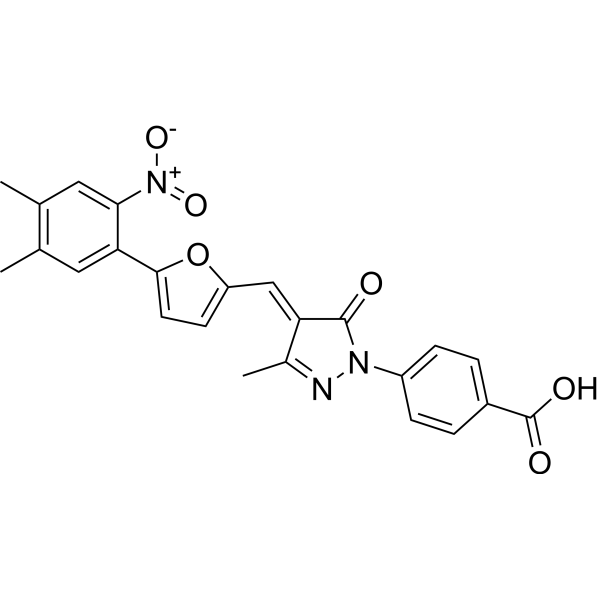
HY-13823
C646p300/CBP HAT Inhibitor -
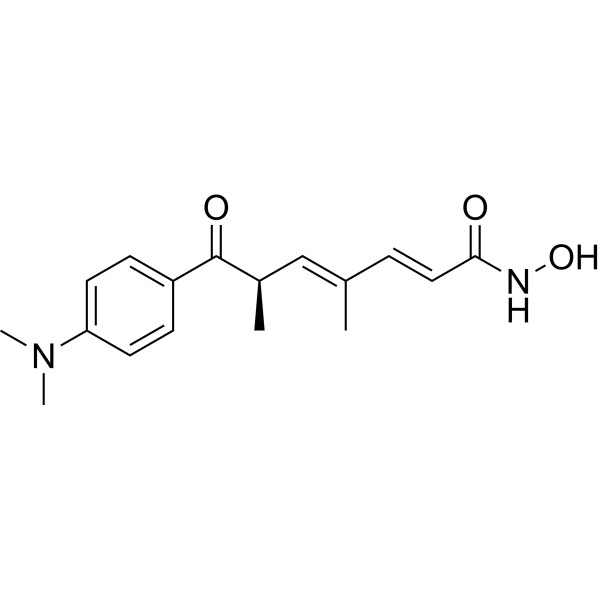
HY-15144
Trichostatin AHDAC Class I/II Inhibitor -
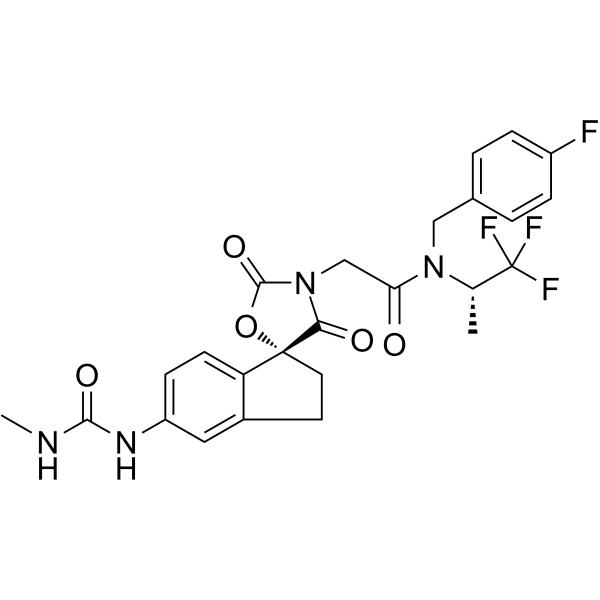
HY-107455
A-485p300/CBP Inhibitor -
HY-N0005
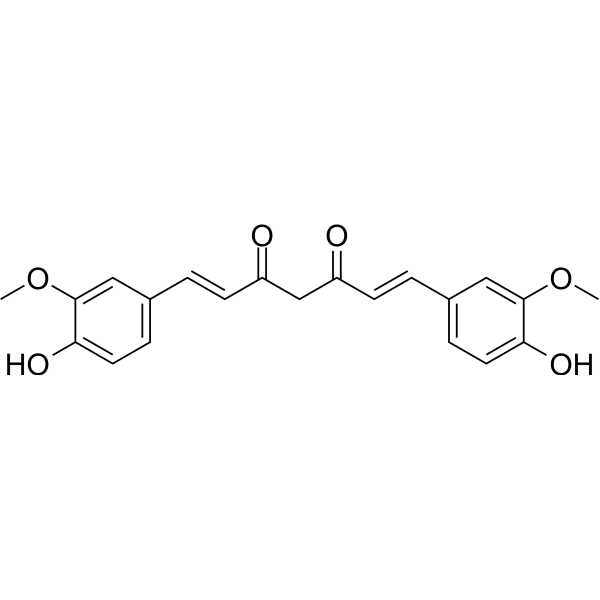
Curcuminp300 Histone Acetylatransferase Inhibitor -
HY-15887
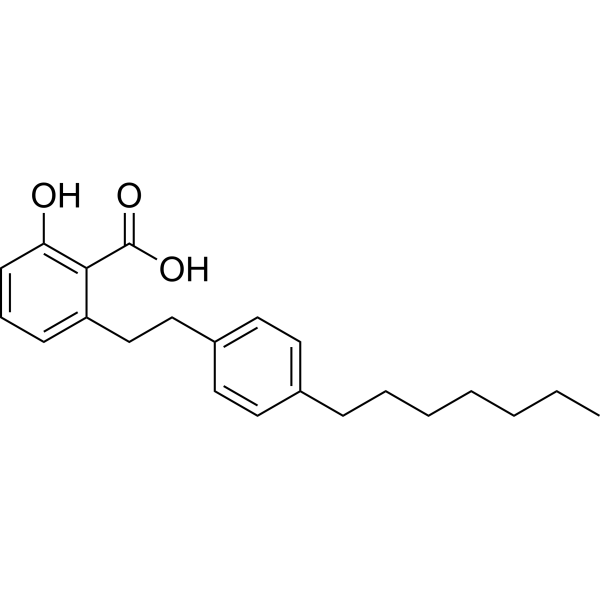
MG 149Tip60 Inhibitor -
HY-10221
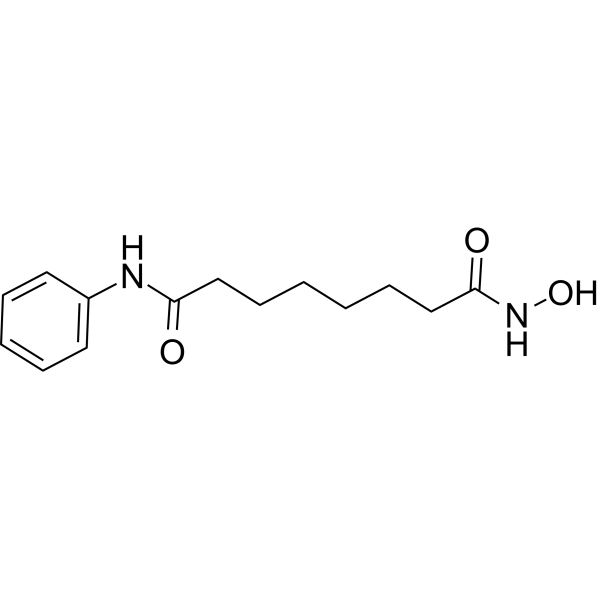
VorinostatHDAC Inhibitor -
HY-N0077
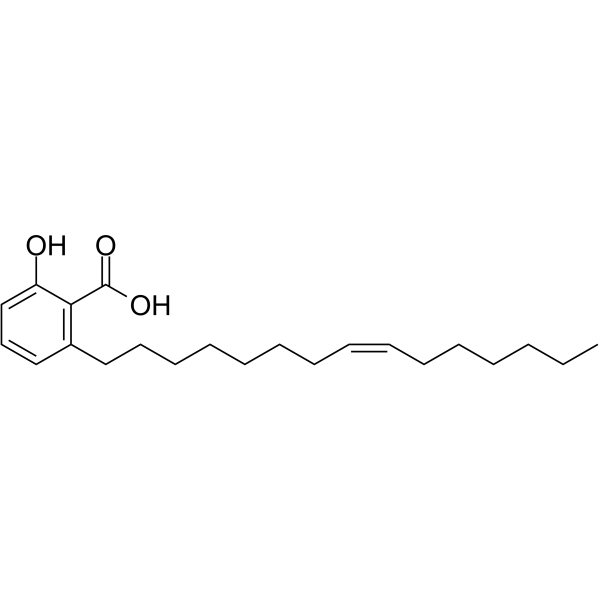
Ginkgolic acidE1/E2/E3 Enzyme Inhibitor -
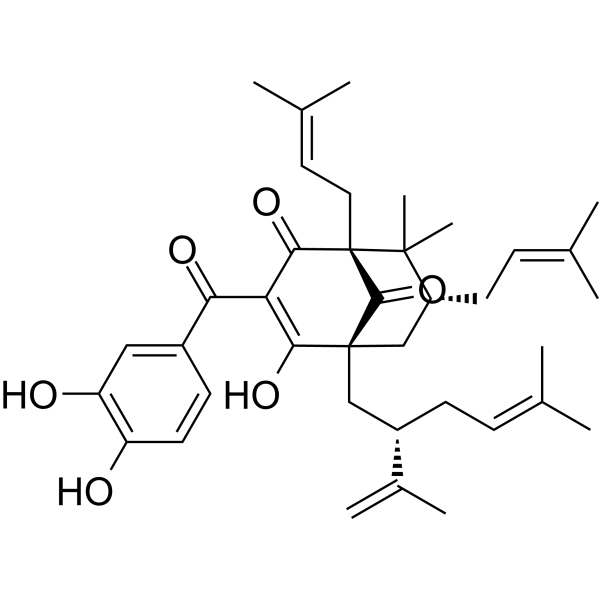
HY-107569
GarcinolAChE Inhibitor -
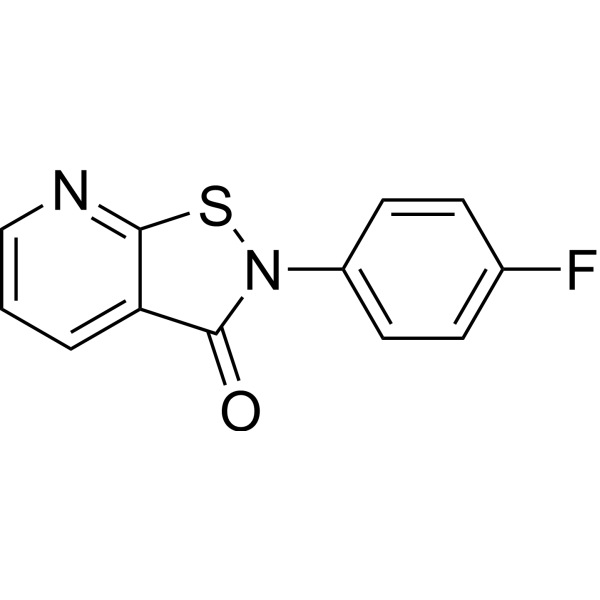
HY-124696
PU139HAT Inhibitor -
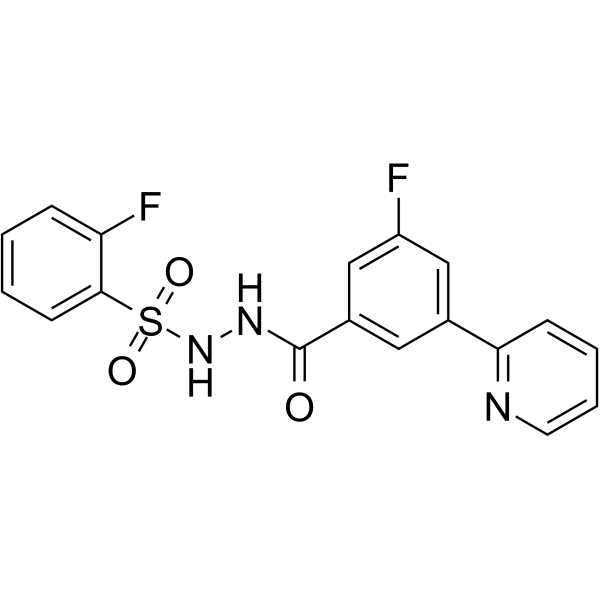
HY-102058
WM-1119KAT6A Inhibitor -
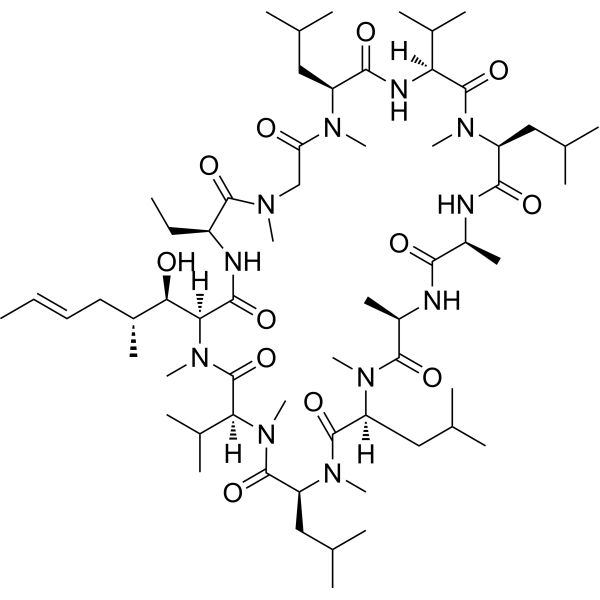
HY-B0579
Cyclosporin ACalcineurin Inhibitor -
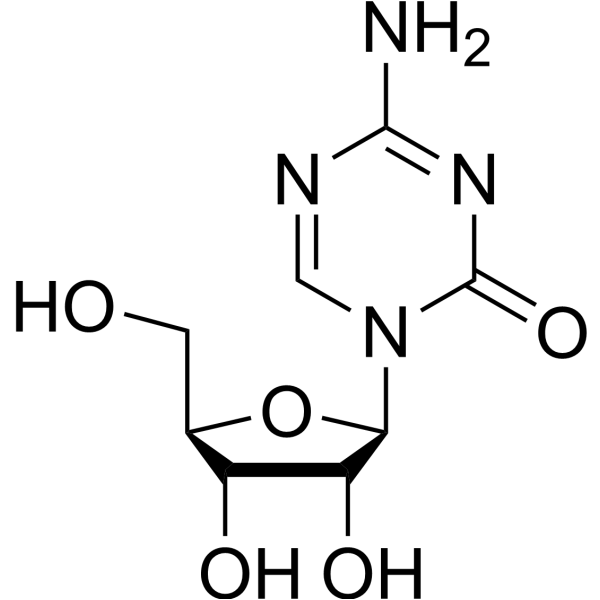
HY-10586
5-AzacytidineDNMT Inhibitor
Publications Citing Use of MedChemExpress (MCE) Anacardic Acid
More- Cancer Cell. 2024 Jun 10;42(6):985-1002.e18. [Abstract]
- Cell Mol Biol Lett. 2025 Jan 29;30(1):14. [Abstract]
- Cell Death Dis. 2021 Jun 7;12(6):582. [Abstract]
- Arch Toxicol. 2026 Mar 10. [Abstract]
- Food Chem. 2021 Sep 15:356:129696. [Abstract]
- EMBO Rep. 2025 Aug;26(16):4100-4123. [Abstract]
- J Mol Cell Biol. 2025 May 22;16(11):mjae056. [Abstract]
- Int Immunopharmacol. 2026 Jun 15:179:116613. [Abstract]
- Sci Rep. 2025 Jun 4;15(1):19590. [Abstract]
- Comput Struct Biotechnol J. 2021;19:4868-4883. [Abstract]
- FASEB J. 2022 Nov;36(11):e22593. [Abstract]
- FASEB J. 2019 Aug;33(8):9100-9115. [Abstract]
- J Biol Chem. 2025 Dec 20;302(2):111091. [Abstract]
- Mol Immunol. 2021 Mar:131:180-190. [Abstract]
- J Nat Med. 2025 Nov 23. [Abstract]
- Sci Total Environ. 2021 Aug 20:783:147014. [Abstract]
- Patent. US20180263995A1.
 Customer Validation & Images

-
WB
-
Cell Proliferation/Viability Assay
-
WB
-
IF
-
Cell Migration/Invasion Assay


Activité biologique
Description
IC50 & Target
[1]|
p300-HAT 8.5 μM (IC50) |
PCAF 5 μM (IC50) |
Cellular Effect
|
Cell Line

|
Type | Value | Description | References |
|---|---|---|---|---|
| Sf21 | IC50 |
5 μM
Compound: 4
|
Inhibition of full length recombinant human FLAG-tagged PCAF expressed in baculovirus infected Sf21 cells using N-terminal H3 peptide substrate after 10 mins by radiometric filter binding assay in presence of [3H]acetyl-CoA
Inhibition of full length recombinant human FLAG-tagged PCAF expressed in baculovirus infected Sf21 cells using N-terminal H3 peptide substrate after 10 mins by radiometric filter binding assay in presence of [3H]acetyl-CoA
|
[PMID: 26701186] |
| Sf21 | IC50 |
5 μM
Compound: 94
|
Inhibition of FLAG epitope-tagged recombinant human PCAF expressed in baculovirus infected insect Sf21 cells using [3H]acetyl-CoA as substrate preincubated for 10 mins followed by substrate addition measured after 10 mins by liquid scintillation counting
Inhibition of FLAG epitope-tagged recombinant human PCAF expressed in baculovirus infected insect Sf21 cells using [3H]acetyl-CoA as substrate preincubated for 10 mins followed by substrate addition measured after 10 mins by liquid scintillation counting
|
10.1039/C1MD00199J |
| Sf21 | IC50 |
8.5 μM
Compound: 4
|
Inhibition of full length recombinant human His6-tagged p300 expressed in baculovirus infected Sf21 cells using N-terminal H3 peptide substrate after 10 mins by radiometric filter binding assay in presence of [3H]acetyl-CoA
Inhibition of full length recombinant human His6-tagged p300 expressed in baculovirus infected Sf21 cells using N-terminal H3 peptide substrate after 10 mins by radiometric filter binding assay in presence of [3H]acetyl-CoA
|
[PMID: 26701186] |
| Sf21 | IC50 |
8.5 μM
Compound: 94
|
Inhibition of His6-tagged recombinant full length p300 (unknown origin) expressed in baculovirus infected insect Sf21 cells using [3H]acetyl-CoA as substrate preincubated for 10 mins followed by substrate addition measured after 10 mins by liquid scintill
Inhibition of His6-tagged recombinant full length p300 (unknown origin) expressed in baculovirus infected insect Sf21 cells using [3H]acetyl-CoA as substrate preincubated for 10 mins followed by substrate addition measured after 10 mins by liquid scintill
|
10.1039/C1MD00199J |
| Sf21 | IC50 |
8.5 μM
Compound: Anacardic acid
|
Inhibition of recombinant human full-length His6-tagged p300 expressed in baculovirus infected Sf21 insect cells using [3H]acetylCoA as substrate preincubated for 10 mins followed by substrate addition and measured after 10 mins by liquid scintillation co
Inhibition of recombinant human full-length His6-tagged p300 expressed in baculovirus infected Sf21 insect cells using [3H]acetylCoA as substrate preincubated for 10 mins followed by substrate addition and measured after 10 mins by liquid scintillation co
|
[PMID: 31910017] |
In Vitro
Anacardic Acid is a histone acetyltransferase, inhibits HAT activity of p300 and PCAF, with IC50s of ~8.5 μM and ~5 μM, respectively[1]. Anacardic Acid (300 μM) inhibits mycelial growth. Anacardic Acid (50 μM) induces apoptosis-like characteristics in M. oryzae, and the effect is caspase independent. Anacardic Acid (1-80 μM) leads to loss of mitochondrial potential. Anacardic Acid (1-60 μM) also exhibits antioxidant activity in M. oryzae[3].
MedChemExpress (MCE) has not independently confirmed the accuracy of these methods. They are for reference only.
In Vivo
MedChemExpress (MCE) has not independently confirmed the accuracy of these methods. They are for reference only.


Chemical Information
-
CAS No. 16611-84-0
-
Appearance Solid
-
Masse moléculaire 348.52
-
Formule C22H36O3
-
Color White to off-white
-
SMILES
O=C(O)C1=C(CCCCCCCCCCCCCCC)C=CC=C1O
-
Synonyms
Hydroginkgolic acid; Ginkgolic Acid C15:0
-
Structure Classification
-
Livraison
Room temperature in continental US; may vary elsewhere.
-
Stockage
Powder -20°C 3 years 4°C 2 years In solvent -80°C 6 months -20°C 1 month


Publications (17)
-
Journal Impact Factor
-
Most Recent
-
Cancer Cell
Tumor cells impair immunological synapse formation via central nervous system-enriched metabolite. [Abstract]2024 Jun 10;42(6):985-1002.e18. PMID: 38821061 -
Cell Mol Biol Lett
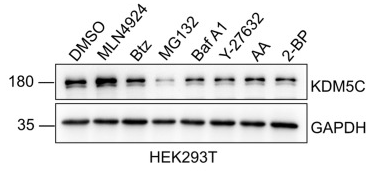
The histone demethylase KDM5C enhances the sensitivity of acute myeloid leukemia cells to lenalidomide by stabilizing cereblon. [Abstract]2025 Jan 29;30(1):14. PMID: 39881283
Anacardic Acid purchased from MedChemExpress. Usage Cited in: Cell Mol Biol Lett. 2025 Jan 29;30(1):14. [Abstract]
HEK293T cellswere treated with various types of inhibitors (1 µM Anacardic Acid) for 24 h and the resulting cell lysates were subjected to western blotting.
-
Cell Death Dis
Effects of short-chain fatty acids in inhibiting HDAC and activating p38 MAPK are critical for promoting B10 cell generation and function. [Abstract]2021 Jun 7;12(6):582. PMID: 34099635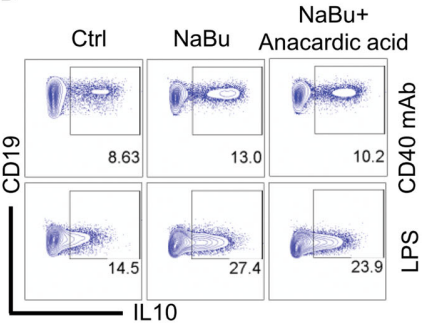
Anacardic Acid purchased from MedChemExpress. Usage Cited in: Cell Death Dis. 2021 Jun 7;12(6):582. [Abstract]
B10 cell frequency in purified splenic B cells cultured with or without Anacardic acid (1–10 μM) under the existence of CD40 mAb or LPS for 2 days. Results were shown as representative FACS plots or bar graphs. The data are presented as mean ± SD from three independent experiments.
-
Arch Toxicol
Oxidative stress-mediated DNA fragmentation involved in STING-dependent apoptosis in human keratinocytes by 5-amino-2-methylphenol under ambient UVB exposure. [Abstract]2026 Mar 10. PMID: 41807792 -
Food Chem
Effects of acetylation on dissociation and phosphorylation of actomyosin in postmortem ovine muscle during incubation at 4 °C in vitro. [Abstract]2021 Sep 15:356:129696. PMID: 33838605 -
EMBO Rep
PCAF-mediated acetylation regulates RAD51 dynamic localization on chromatin during HR repair. [Abstract]2025 Aug;26(16):4100-4123. PMID: 40664718 -
J Mol Cell Biol
DNAJC12 downregulation induces neuroblastoma progression via increased histone H4K5 lactylation. [Abstract]2025 May 22;16(11):mjae056. PMID: 39716470
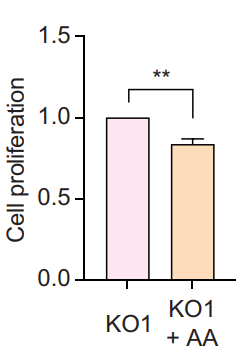
Anacardic Acid purchased from MedChemExpress. Usage Cited in: J Mol Cell Biol. 2025 May 22;16(11):mjae056. [Abstract]
DNAJC12 KO1 SH-SY5Y cells were treated with the p300/CBP inhibitor anacardic acid (AA, 10 μM). Cell proliferation rates was measured.
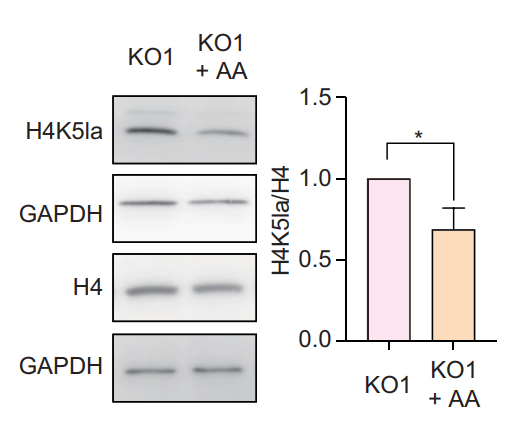
Anacardic Acid purchased from MedChemExpress. Usage Cited in: J Mol Cell Biol. 2025 May 22;16(11):mjae056. [Abstract]
DNAJC12 KO1 SH-SY5Y cells were treated with the p300/CBP inhibitor anacardic acid (AA, 10 μM). H4K5la levels was measured.
Anacardic Acid purchased from MedChemExpress. Usage Cited in: J Mol Cell Biol. 2025 May 22;16(11):mjae056. [Abstract]
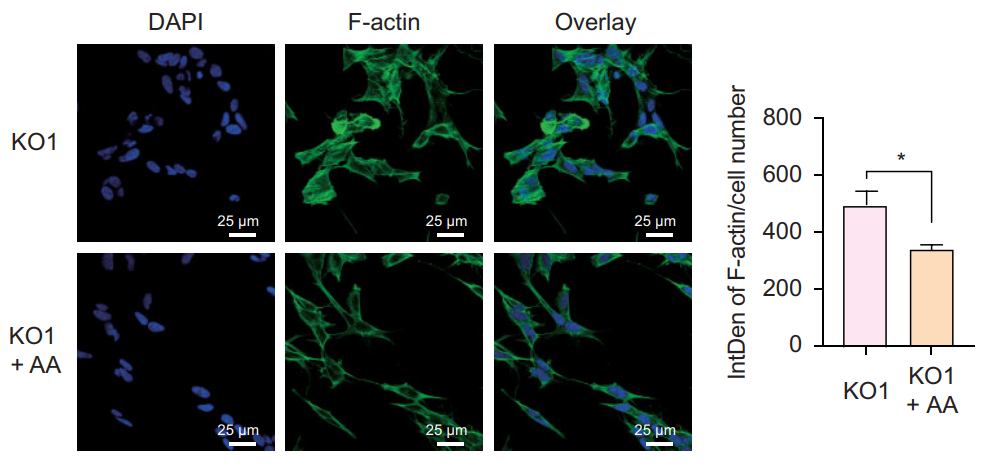
DNAJC12 KO1 SH-SY5Y cells were treated with the p300/CBP inhibitor anacardic acid (AA, 10 μM). F-actin amounts ( scale bar, 25 μm) was measured.
Anacardic Acid purchased from MedChemExpress. Usage Cited in: J Mol Cell Biol. 2025 May 22;16(11):mjae056. [Abstract]
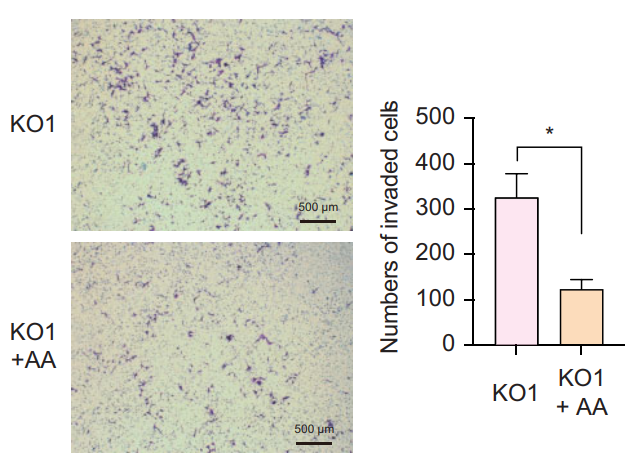
DNAJC12 KO1 SH-SY5Y cells were treated with the p300/CBP inhibitor anacardic acid (AA, 10 μM). Cell invasion capability (scale bar, 10 μm) was measured.
-
Int Immunopharmacol
Anacardic acid mitigates traumatic brain injury-induced inflammatory damage: involvement of TLR4/MyD88/NF-κB pathway regulation and inhibition of P300 HAT activity on NF-κB acetylation. [Abstract]2026 Jun 15:179:116613. PMID: 41950807 -
Sci Rep
The hydroxamate based HDAC inhibitor WMJ-J-09 induces colorectal cancer cell death by targeting tubulin and downregulating survivin. [Abstract]2025 Jun 4;15(1):19590. PMID: 40467895 -
Comput Struct Biotechnol J
An overview of potential inhibitors targeting non-structural proteins 3 (PLpro and Mac1) and 5 (3CLpro/Mpro) of SARS-CoV-2. [Abstract]2021;19:4868-4883. PMID: 34457214 -
FASEB J
Molecular and functional characterization of an evolutionarily conserved CREB-binding protein in the Lymnaea CNS. [Abstract]2022 Nov;36(11):e22593. PMID: 36251357 -
FASEB J
Anacardic acid inhibits RANKL-induced osteoclastogenesis in vitro and prevents ovariectomy-induced bone loss in vivo. [Abstract]2019 Aug;33(8):9100-9115. PMID: 31050917 -
J Biol Chem
UBE2I promotes immune infiltration and tumor progression in thyroid cancer and modulates hnRNPA2B1 SUMOylation. [Abstract]2025 Dec 20;302(2):111091. PMID: 41429355 -
Mol Immunol
DNA damage-triggered activation of cGAS-STING pathway induces apoptosis in human keratinocyte HaCaT cells. [Abstract]2021 Mar:131:180-190. PMID: 33423764 -
J Nat Med
Anacardic acid ameliorates insulin resistance and diabetic nephropathy: network pharmacology, in vivo and molecular docking studies targeting TNF- α / TGFβR1 signaling. [Abstract]2025 Nov 23. PMID: 41276776 -
Sci Total Environ
Histone hypoacetylation contributes to neurotoxicity induced by chronic nickel exposure in vivo and in vitro. [Abstract]2021 Aug 20:783:147014. PMID: 34088129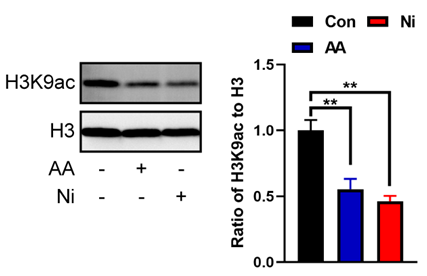
Anacardic Acid purchased from MedChemExpress. Usage Cited in: Sci Total Environ. 2021 Aug 20:783:147014. [Abstract]
The acetylation level of H3K9 in primary cultured hippocampal neurons treated with NiCl2 or anacardic acid (AA, 4 µM, 72 h), a HAT inhibitor, was measured by western blot.
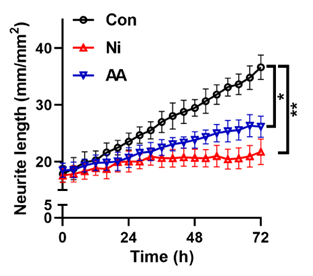
Anacardic Acid purchased from MedChemExpress. Usage Cited in: Sci Total Environ. 2021 Aug 20:783:147014. [Abstract]
Neurite length of cultured neurons treated with NiCl2 or Anacardic Acid (4 µM, 72 h) was measured with the IncuCyte Zoom system. The data represent at least three independent experiments. *p < 0.05 vs the control group, **p < 0.01 vs the control group.
-


Solvant et solubilité
In Vitro:
DMSO : 100 mg/mL (286.93 mM; Need ultrasonic; Hygroscopic DMSO has a significant impact on the solubility of product, please use newly opened DMSO)
Please refer to the solubility information to select the appropriate solvent. Once prepared, please aliquot and store the solution to prevent product inactivation from repeated freeze-thaw cycles.
Storage method and period of stock solution: -80°C, 6 months; -20°C, 1 month. When stored at -80°C, please use it within 6 months. When stored at -20°C, please use it within 1 month.
Please refer to the solubility information to select the appropriate solvent. Once prepared, please aliquot and store the solution to prevent product inactivation from repeated freeze-thaw cycles.
Storage method and period of stock solution: -80°C, 6 months; -20°C, 1 month. When stored at -80°C, please use it within 6 months. When stored at -20°C, please use it within 1 month.
Concentration (start) × Volume (start) = Concentration (final) × Volume (final)
In Vivo:
Select the appropriate dissolution method based on your experimental animal and administration route.
- For the following dissolution methods, please ensure to first prepare a clear stock solution using an In Vitro approach and then sequentially add co-solvents:
- To ensure reliable experimental results, the clarified stock solution can be appropriately stored based on storage conditions. As for the working solution for In Vivo experiments, it is recommended to prepare freshly and use it on the same day.
- The percentages shown for the solvents indicate their volumetric ratio in the final prepared solution. If precipitation or phase separation occurs during preparation, heat and/or sonication can be used to aid dissolution.
Add each solvent one by one: 10% DMSO 90% (20% SBE-β-CD in Saline)
Solubility: 10 mg/mL (28.69 mM); Suspended solution; Need ultrasonic
This protocol yields a suspended solution of 10 mg/mL. Suspended solution can be used for oral and intraperitoneal injection.
Taking 1 mL working solution as an example, add 100 μL DMSO stock solution (100.0 mg/mL) to 900 μL 20% SBE-β-CD in Saline, and mix evenly.
Preparation of 20% SBE-β-CD in Saline (4°C, storage for one week): 2 g SBE-β-CD powder is dissolved in 10 mL Saline, completely dissolve until clear.
Add each solvent one by one: 10% DMSO 40% PEG300 5% Tween-80 45% Saline
Solubility: 2.5 mg/mL (7.17 mM); Suspended solution; Need ultrasonic
This protocol yields a suspended solution of 2.5 mg/mL. Suspended solution can be used for oral and intraperitoneal injection.
Taking 1 mL working solution as an example, add 100 μL DMSO stock solution (25.0 mg/mL) to 400 μL PEG300, and mix evenly; then add 50 μL Tween-80 and mix evenly; then add 450 μL Saline to adjust the volume to 1 mL.
Preparation of Saline: Dissolve 0.9 g sodium chloride in ddH₂O and dilute to 100 mL to obtain a clear Saline solution.
In Vivo Dissolution Calculator
Please enter the basic information of animal experiments:
-
-
-
-
Recommended: Prepare an additional quantity of animals to account for potential losses during experiments.
Please enter your animal formula composition:
-
%DMSO +
Recommended: Keep the proportion of DMSO in working solution below 2% if your animal is weak.
-
%+
-
+%Tween-80 + +
-
%Saline +
The co-solvents required include: DMSO, . All of co-solvents are available by MedChemExpress (MCE). , Tween 80. All of co-solvents are available by MedChemExpress (MCE).
Working solution concentration: 0.22 mg/mL
Method for preparing stock solution: mg drug dissolved in μL DMSO. Stock solution concentration: mg/mL.
1. Take μL DMSO stock solution;
2. Add μL .
μL , mix evenly;
3. Then add μL Tween 80, mix evenly;
4. Then add μL
Please ensure that the stock solution in the first step is dissolved to a clear state, and add co-solvents in sequence. You can use ultrasonic heating (ultrasonic cleaner, recommended frequency 20-40 kHz), vortexing, etc. to assist dissolution.


Pureté et documentation
-
Fiche technique (275 KB)
-
SDS (393 KB)
- English - EN (393 KB)
- Français - FR (393 KB)
- Deutsch - DE (393 KB)
- Norwegian - NO (393 KB)
- Español - ES (393 KB)
- Swedish - SV (393 KB)
- Italian - IT (393 KB)
- Korean - KR (393 KB)
- Portuguese - PT (393 KB)
-
Instruction de manipulation (2659 KB)
Références
[1]. Balasubramanyam K, et al. Small molecule modulators of histone acetyltransferase p300. J Biol Chem. 2003 May 23;278(21):19134-40. Epub 2003 Mar 6. [Content Brief]
[2]. Peng C, et al. Phenylephrine-induced cardiac hypertrophy is attenuated by a histone acetylase inhibitor anacardic acid in mice. Mol Biosyst. 2017 Mar 28;13(4):714-724. [Content Brief]
[3]. Muzaffar S, et al. Anacardic acid induces apoptosis-like cell death in the rice blast fungus Magnaporthe oryzae. Appl Microbiol Biotechnol. 2016 Jan;100(1):323-35. [Content Brief]


Complete Stock Solution Preparation Table
Please refer to the solubility information to select the appropriate solvent. Once prepared, please aliquot and store the solution to prevent product inactivation from repeated freeze-thaw cycles.
Storage method and period of stock solution: -80°C, 6 months; -20°C, 1 month. When stored at -80°C, please use it within 6 months. When stored at -20°C, please use it within 1 month.
| Optional Solvent | Concentration Solvent Mass | 1 mg | 5 mg | 10 mg | 25 mg |
|---|---|---|---|---|---|
| DMSO | 1 mM | 2.8693 mL | 14.3464 mL | 28.6928 mL | 71.7319 mL |
| 5 mM | 0.5739 mL | 2.8693 mL | 5.7386 mL | 14.3464 mL | |
| 10 mM | 0.2869 mL | 1.4346 mL | 2.8693 mL | 7.1732 mL | |
| 15 mM | 0.1913 mL | 0.9564 mL | 1.9129 mL | 4.7821 mL | |
| 20 mM | 0.1435 mL | 0.7173 mL | 1.4346 mL | 3.5866 mL | |
| 25 mM | 0.1148 mL | 0.5739 mL | 1.1477 mL | 2.8693 mL | |
| 30 mM | 0.0956 mL | 0.4782 mL | 0.9564 mL | 2.3911 mL | |
| 40 mM | 0.0717 mL | 0.3587 mL | 0.7173 mL | 1.7933 mL | |
| 50 mM | 0.0574 mL | 0.2869 mL | 0.5739 mL | 1.4346 mL | |
| 60 mM | 0.0478 mL | 0.2391 mL | 0.4782 mL | 1.1955 mL | |
| 80 mM | 0.0359 mL | 0.1793 mL | 0.3587 mL | 0.8966 mL | |
| 100 mM | 0.0287 mL | 0.1435 mL | 0.2869 mL | 0.7173 mL |


Anacardic Acid Related Classifications
HY-N2020 Related Classifications
 Powered by Bioz