



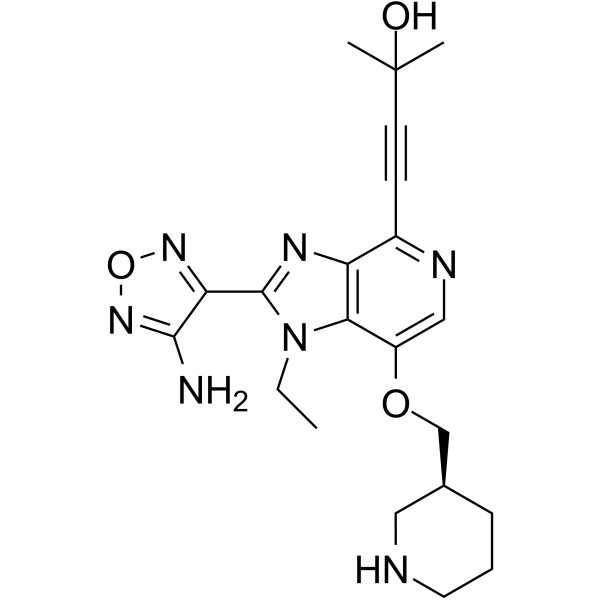
GSK-690693
Based on 42 publication(s) in Google Scholar
GSK-690693 is an ATP-competitive pan-Akt inhibitor with IC50s of 2 nM, 13 nM, 9 nM for Akt1, Akt2 and Akt3, respectively. GSK-690693 is also an AMPK inhibitor, affects Unc-51-like autophagy activating kinase 1 (ULK1) activity and robustly inhibits STING-dependent IRF3 activation.
Para uso exclusivo en investigación. No vendemos a pacientes.
- Pureza : 98.47%
- No. CAS: 937174-76-0
- Fòrmula: C21H27N7O3
- Peso molecular:425.48
-
Almacenamiento:Powder -20°C, 3 years , 4°C, 2 years ; In solvent -80°C, 1 year , -20°C, 6 months

To place orders, for customer services and technical support, please contact: MedChemExpress USA
Tel: 609-228-6898 E-mail: [email protected] [email protected]


-
 Actividad biológica
-
Chemical Information
-
Solvente y solubilidad
- Protocolo
- Pureza y Documentación
- Referencias
-
 Help & FAQs


-
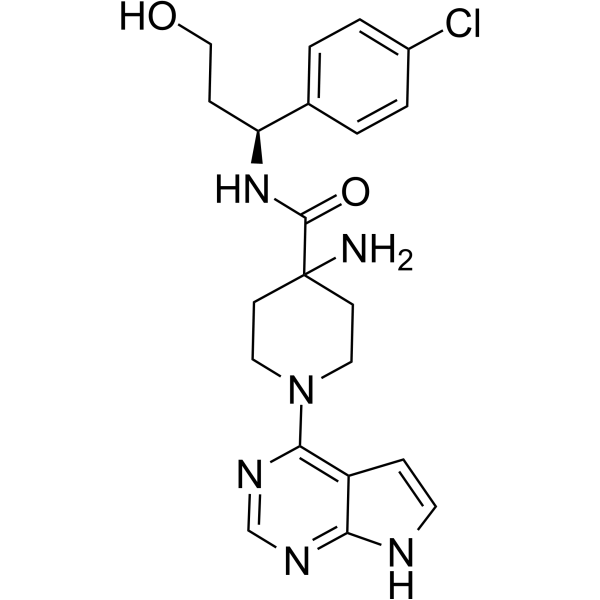
HY-15431
CapivasertibAkt Inhibitor -
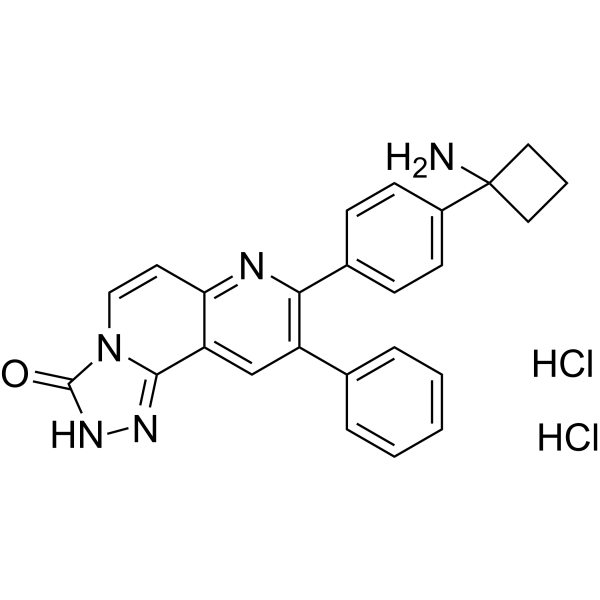
HY-10358
MK-2206 dihydrochlorideAllosteric Akt Inhibitor -
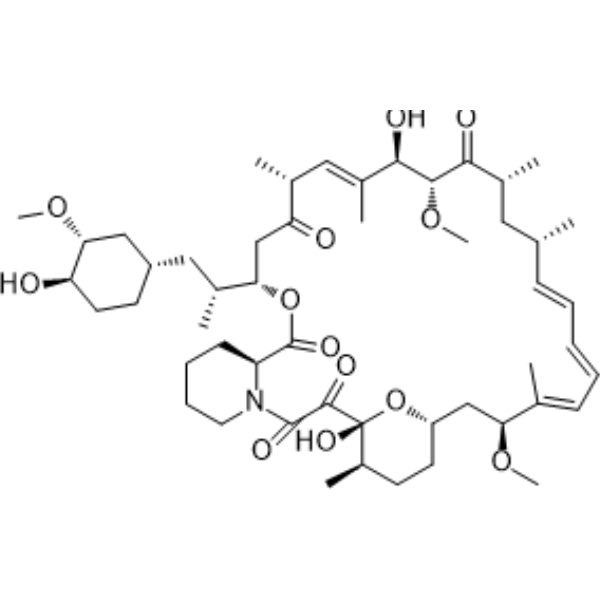
HY-10219
RapamycinmTOR Inhibitor -
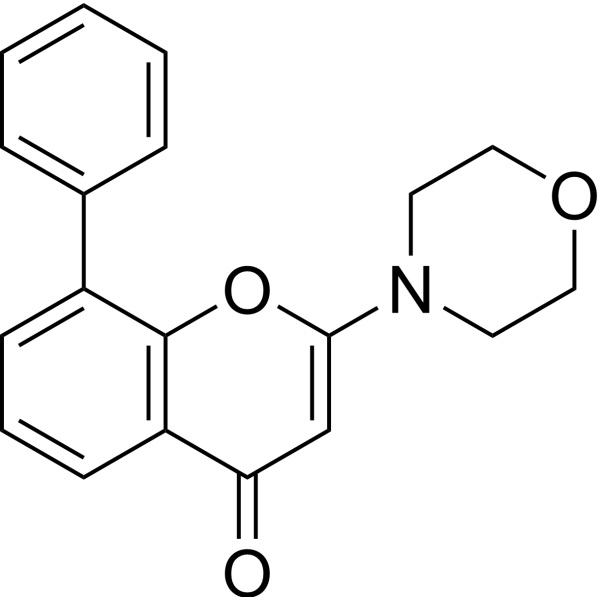
HY-10108
LY294002PI3K Inhibitor -
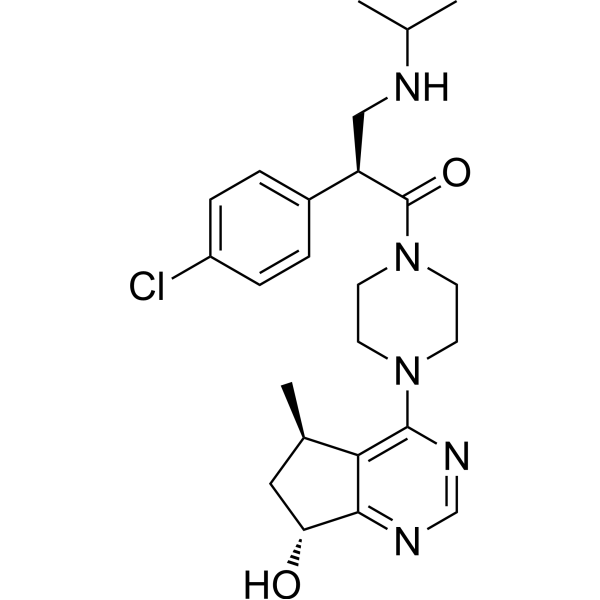
HY-15186
IpatasertibPan-Akt Inhibitor -
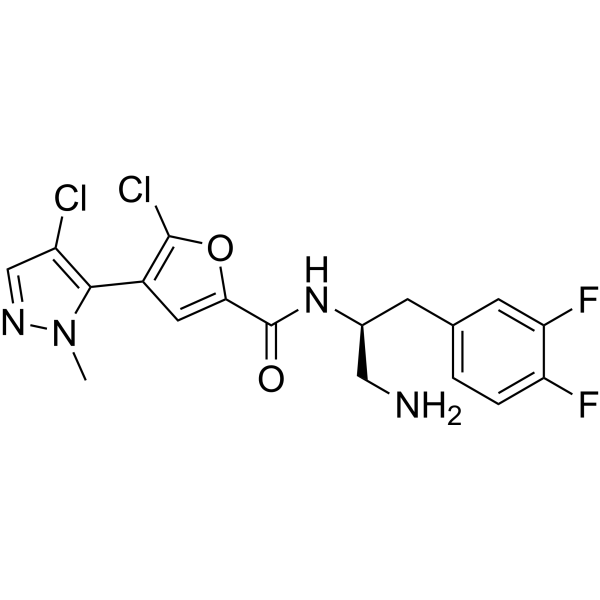
HY-15965
UprosertibAkt Inhibitor -
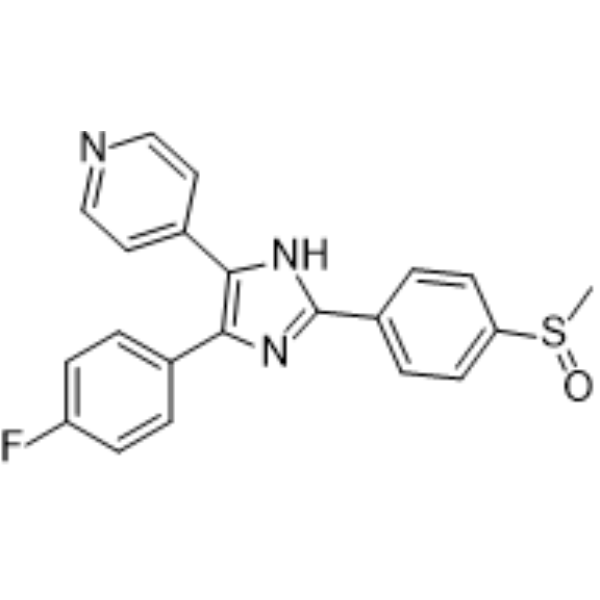
HY-10256
Adezmapimodp38 MAPK Inhibitor -
HY-12028
PD98059MEK Inhibitor -
HY-18749
SC79Akt Activator -
HY-16071
AT13148AGC Kinase Inhibitor -
HY-19719
MiransertibAKT Inhibitor -
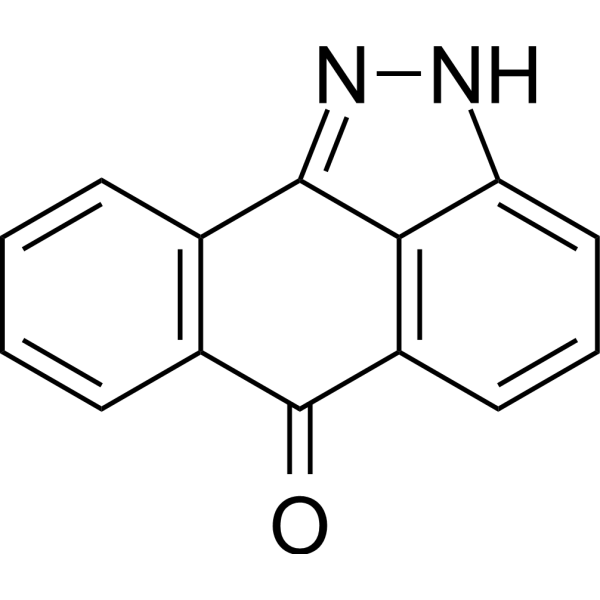
HY-12041
SP600125JNK Inhibitor
Publications Citing Use of MedChemExpress (MCE) GSK-690693
More- Nat Commun. 2023 Mar 28;14(1):1726. [Abstract]
- Sci Transl Med. 2018 Jul 18;10(450):eaaq1093. [Abstract]
- J Exp Clin Cancer Res. 2021 Oct 27;40(1):340. [Abstract]
- Cell Rep Med. 2023 Oct 17;4(10):101200. [Abstract]
- EBioMedicine. 2019 Sep:47:114-127. [Abstract]
- Burns Trauma. 2025.
- Int J Surg. 2026 Feb 24. [Abstract]
- Apoptosis. 2022 Jun;27(5-6):329-341. [Abstract]
- Mol Med. 2024 Dec 6;30(1):242. [Abstract]
- Antioxidants (Basel). 2022 Jan 29;11(2):274. [Abstract]
- Cell Rep. 2025 Nov 25;44(12):116608. [Abstract]
- Biochem Pharmacol. 2020 Aug:178:114038. [Abstract]
- Cells. 2022 Oct 18;11(20):3270. [Abstract]
- Pharmaceuticals (Basel). 2021 Sep 22;14(10):949. [Abstract]
- Int J Cancer. 2021 Sep 1;149(5):1137-1149. [Abstract]
- Exp Neurol. 2025 Apr:386:115173. [Abstract]
- Cell Signal. 2025 Mar:127:111617. [Abstract]
- J Cereb Blood Flow Metab. 2023 May;43(5):736-748. [Abstract]
- iScience. 2023 Nov 15;26(12):108469. [Abstract]
- FASEB J. 2026 Jan 15;40(1):e71389. [Abstract]
- Breast Cancer (Dove Med Press). 2025 Oct 21:17:949-965. [Abstract]
- Toxicol Appl Pharmacol. 2024 Aug:489:117017. [Abstract]
- Arch Biochem Biophys. 2020 Jul 15;687:108375. [Abstract]
- Acta Histochem. 2025 Jan 25;127(1):152229. [Abstract]
- Biomed Res Int. 2022 Mar 8:2022:5988310. [Abstract]
- Cardiovasc Ther. 2023 Mar 30:2023:3939360. [Abstract]
- Vet Microbiol. 2022 Aug:271:109488. [Abstract]
- Reprod Sci. 2021 Aug;28(8):2314-2322. [Abstract]
- PLoS One. 2019 May 15;14(5):e0216759. [Abstract]
- PLoS One. 2016 Jan 28;11(1):e0147682. [Abstract]
- J Mol Histol. 2026 Jan 7;57(1):29. [Abstract]
- Exp Ther Med. 2021 Jul;22(1):703. [Abstract]
- Oncologie. 2024 Feb 23.
- J Stroke Cerebrovasc Dis. 2023 Sep 19;32(11):107367. [Abstract]
- Anticancer Drugs. 2026 Jan 14. [Abstract]
- Hematology. 2023 Dec;28(1):2214465. [Abstract]
- University of Washington. 2025.
- Research Square Preprint. 2022 Feb.
- Patent. US20210299273A1.
- Universidad de Granada. 2020 Sep.
- Oxid Med Cell Longev. 2019 Apr 28:2019:2717986. [Abstract]
- Oncotarget. 2016 May 17;7(20):29131-42. [Abstract]
 Customer Validation & Images

-
Flow Cytometry
-
In Vivo Efficacy Study
-
WB
-
Histological Imaging/Staining
-
Histological Imaging/Staining
Ver todos los productos específicos de isoformas AMPK
More

Actividad biológica
Descripciòn
IC50 & Target
[1]|
Akt1 2 nM (IC50) |
Akt3 9 nM (IC50) |
Akt2 13 nM (IC50) |
PKCη 2 nM (IC50) |
PKCθ 2 nM (IC50) |
PrkX 5 nM (IC50) |
PAK6 6 nM (IC50) |
PAK4 10 nM (IC50) |
PKCδ 14 nM (IC50) |
PKCβ1 19 nM (IC50) |
PKCε 21 nM (IC50) |
PKA 24 nM (IC50) |
PKG1β 33 nM (IC50) |
AMPK 50 nM (IC50) |
PAK5 52 nM (IC50) |
DAPK3 81 nM (IC50) |
Autophagy |
Cellular Effect
|
Cell Line

|
Type | Value | Description | References |
|---|---|---|---|---|
| A549 | IC50 |
105.33 μM
Compound: GSK690693
|
Cytotoxicity against human A549 cells assessed as decrease in cell viability after 24 hrs by MTT assay
Cytotoxicity against human A549 cells assessed as decrease in cell viability after 24 hrs by MTT assay
|
[PMID: 29966916] |
| A549 | IC50 |
11.83 μM
Compound: GSK690693
|
Cytotoxicity against human A549 cells incubated for 24 hrs by MTT assay
Cytotoxicity against human A549 cells incubated for 24 hrs by MTT assay
|
[PMID: 39047611] |
| BT-474 | IC50 |
0.05 μM
Compound: 3g, GSK-690693
|
Antiproliferative activity against human BT474 cells
Antiproliferative activity against human BT474 cells
|
[PMID: 18800763] |
| BT-474 | IC50 |
0.14 μM
Compound: 3g, GSK-690693
|
Inhibition of AKT-mediated GSK3-beta phosphorylation in human BT474 cells
Inhibition of AKT-mediated GSK3-beta phosphorylation in human BT474 cells
|
[PMID: 18800763] |
| BT-474 | IC50 |
138 nM
Compound: GSK-690693
|
Inhibition of GSK3-beta phosphorylation in human BT474 cells
Inhibition of GSK3-beta phosphorylation in human BT474 cells
|
[PMID: 19179070] |
| BT-474 | IC50 |
69 nM
Compound: GSK-690693
|
Antiproliferative activity against human BT474 cells
Antiproliferative activity against human BT474 cells
|
[PMID: 19179070] |
| C6 | IC50 |
14.5 μM
Compound: GSK690693
|
Cytotoxicity against rat C6 cells assessed as decrease in cell viability after 24 hrs by MTT assay
Cytotoxicity against rat C6 cells assessed as decrease in cell viability after 24 hrs by MTT assay
|
[PMID: 29966916] |
| HCT-116 | IC50 |
8.2 μM
Compound: GSK690693
|
Growth inhibition of human HCT116 cells after 72 hrs by coulter counter method
Growth inhibition of human HCT116 cells after 72 hrs by coulter counter method
|
[PMID: 24900862] |
| HFF | IC50 |
16.3 μM
Compound: 3g, GSK-690693
|
Cytotoxicity against HFF cells
Cytotoxicity against HFF cells
|
[PMID: 18800763] |
| HFF | IC50 |
>23000 nM
Compound: GSK-690693
|
Antiproliferative activity against human HFF cells
Antiproliferative activity against human HFF cells
|
[PMID: 19179070] |
| JeKo-1 | IC50 |
3 μM
Compound: GSK690693
|
Antiproliferative activity against human JeKo1 cells after 72 hrs by CellTiter Glo assay
Antiproliferative activity against human JeKo1 cells after 72 hrs by CellTiter Glo assay
|
[PMID: 28704757] |
| JVM-2 | IC50 |
1.6 μM
Compound: GSK690693
|
Antiproliferative activity against human JVM2 cells after 72 hrs by CellTiter Glo assay
Antiproliferative activity against human JVM2 cells after 72 hrs by CellTiter Glo assay
|
[PMID: 28704757] |
| LNCaP | IC50 |
0.02 μM
Compound: 3g, GSK-690693
|
Antiproliferative activity against human LNCaP cells
Antiproliferative activity against human LNCaP cells
|
[PMID: 18800763] |
| LNCaP | IC50 |
21 nM
Compound: GSK-690693
|
Antiproliferative activity against human LNCAP cells
Antiproliferative activity against human LNCAP cells
|
[PMID: 19179070] |
| Maver1 | IC50 |
5.1 μM
Compound: GSK690693
|
Antiproliferative activity against human Maver1 cells after 72 hrs by CellTiter Glo assay
Antiproliferative activity against human Maver1 cells after 72 hrs by CellTiter Glo assay
|
[PMID: 28704757] |
| NCI-H460 | IC50 |
5.4 μM
Compound: GSK690693
|
Growth inhibition of human NCI-H460 cells after 72 hrs by coulter counter method
Growth inhibition of human NCI-H460 cells after 72 hrs by coulter counter method
|
[PMID: 24900862] |
| PC-3 | IC50 |
15.5 μM
Compound: GSK690693
|
Antiproliferative activity against human PC3 cells after 72 hrs by MTT assay
Antiproliferative activity against human PC3 cells after 72 hrs by MTT assay
|
[PMID: 24308997] |
| PC-3 | IC50 |
14.1 μM
Compound: GSK690693
|
Antiproliferative activity against human PC3 cells after 72 hrs by MTT assay
Antiproliferative activity against human PC3 cells after 72 hrs by MTT assay
|
[PMID: 30151089] |
| Sf9 | IC50 |
0.89 μM
Compound: 3g, GSK-690693
|
Inhibition of human recombinant ROCK1 expressed in Sf9 cells
Inhibition of human recombinant ROCK1 expressed in Sf9 cells
|
[PMID: 18800763] |
| Z-138 | IC50 |
3.1 μM
Compound: GSK690693
|
Antiproliferative activity against human Z138 cells after 72 hrs by CellTiter Glo assay
Antiproliferative activity against human Z138 cells after 72 hrs by CellTiter Glo assay
|
[PMID: 28704757] |
In Vitro
GSK690693 is very selective for the Akt isoforms versus the majority of kinases in other families. However, GSK690693 is less selective for members of the AGC kinase family including PKA, PrkX, and PKC isozymes with IC50 of 24 nM, 5 nM, and 2-21 nM, respectively. GSK690693 also potently inhibits AMPK and DAPK3 from the CAMK family with IC50 of 50 nM and 81 nM, respectively, and PAK4, 5, and 6 from the STE family with IC50 of 10 nM, 52 nM, and 6 nM, respectively. GSK690693 inhibits the phosphorylation of GSK3β in tumor cells with IC50 ranging from 43 nM to 150 nM. GSK690693 treatment leads to a dose-dependent increase in the nuclear accumulation of the transcription factor FOXO3A. GSK690693 potently inhibits the proliferation of T47D, ZR-75-1, BT474, HCC1954, MDA-MB-453, and LNCaP cells with IC50 of 72 nM, 79 nM, 86 nM, 119 nM, 975 nM, and 147 nM, respectively. GSK690693 treatment induces apoptosis at concentrations > 100 nM in both LNCaP and BT474 cells[1]. Consistent with the role of AKT in cell survival, GSK690693 induces apoptosis in sensitive ALL cell lines[2].
MedChemExpress (MCE) has not independently confirmed the accuracy of these methods. They are for reference only. Further protocols information, click here.
In Vivo
MedChemExpress (MCE) has not independently confirmed the accuracy of these methods. They are for reference only.
Ensayo clínico
| NCT Number | Sponsor | Condition | Start Date |
Phase
|
|---|---|---|---|---|
| NCT01329991 | Plexxikon| | 2011-05 | PHASE1 |


Chemical Information
-
No. CAS 937174-76-0
-
Appearance Solid
-
Peso molecular 425.48
-
Fòrmula C21H27N7O3
-
Color Off-white to yellow
-
SMILES
CC(O)(C)C#CC1=NC=C(OC[C@@H]2CNCCC2)C3=C1N=C(C4=NON=C4N)N3CC
-
Envío
Room temperature in continental US; may vary elsewhere.
-
Almacenamiento
Powder -20°C 3 years 4°C 2 years In solvent -80°C 1 year -20°C 6 months


Publications (42)
-
Journal Impact Factor
-
Most Recent
-
Nat Commun
Domain-specific p53 mutants activate EGFR by distinct mechanisms exposing tissue-independent therapeutic vulnerabilities. [Abstract]2023 Mar 28;14(1):1726. PMID: 36977662 -
Sci Transl Med
PP2A inhibition is a druggable MEK inhibitor resistance mechanism in KRAS-mutant lung cancer cells. [Abstract]2018 Jul 18;10(450):eaaq1093. PMID: 30021885 -
J Exp Clin Cancer Res
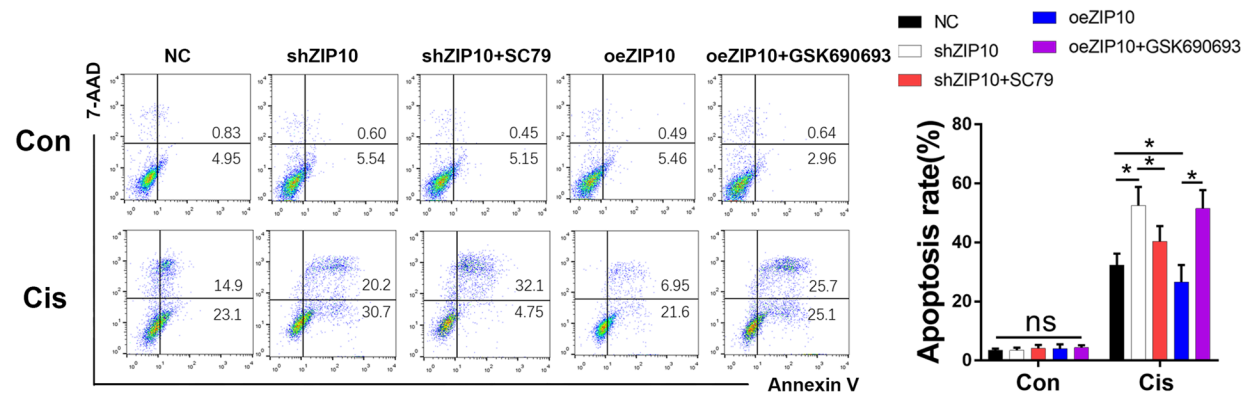
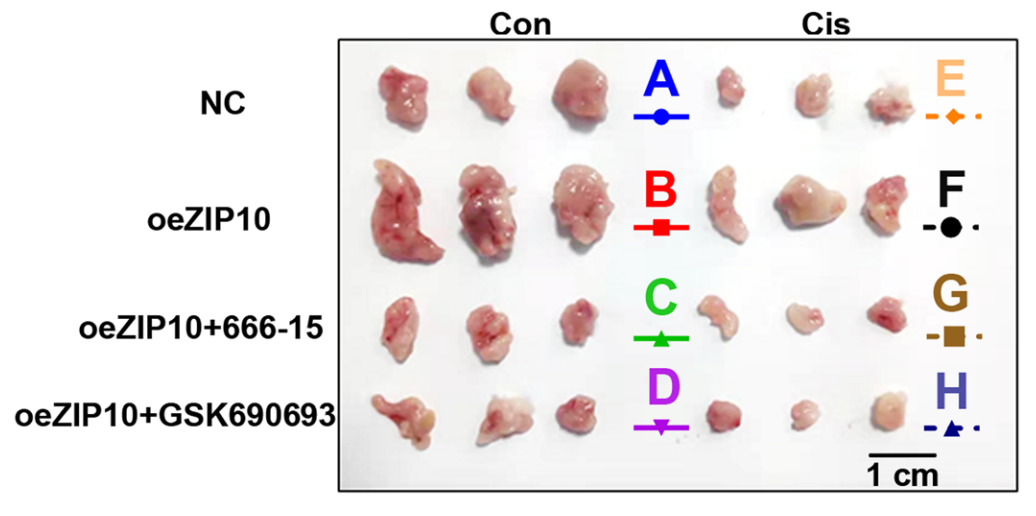
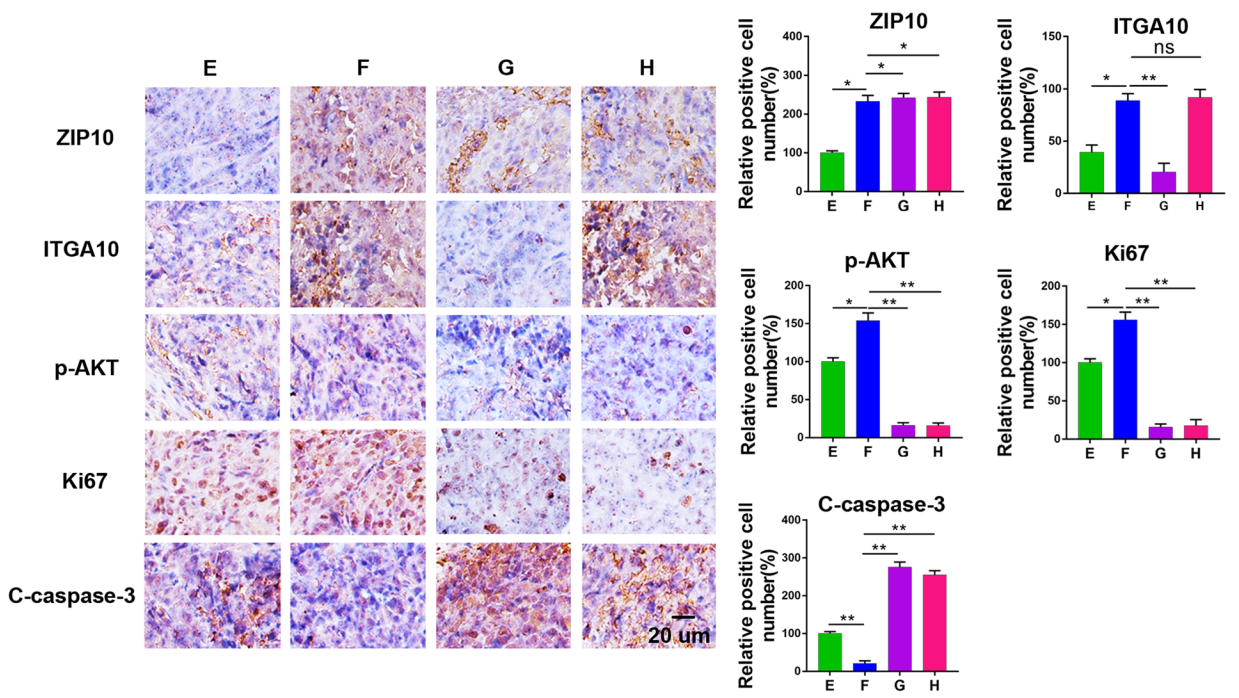
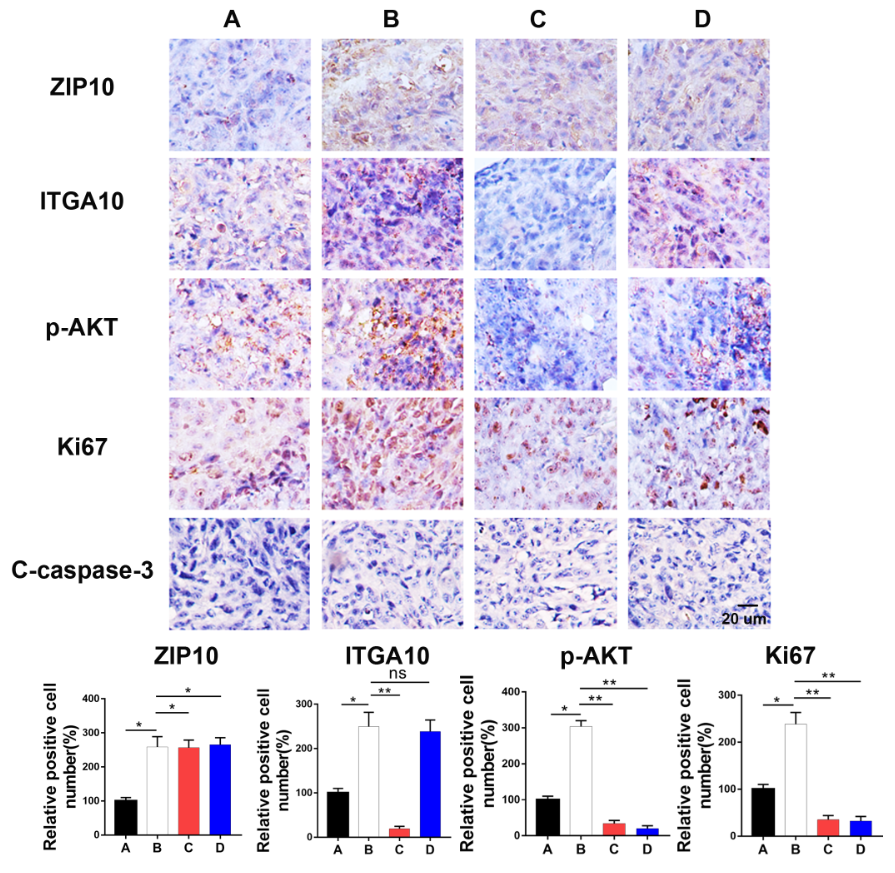
ZIP10 drives osteosarcoma proliferation and chemoresistance through ITGA10-mediated activation of the PI3K/AKT pathway. [Abstract]2021 Oct 27;40(1):340. PMID: 34706747
GSK-690693 purchased from MedChemExpress. Usage Cited in: J Exp Clin Cancer Res. 2021 Oct 27;40(1):340. [Abstract]
GSK-690693 (10 μM) attenuated the chemoresistance of 143B cells induced by ZIP10 overexpression.
GSK-690693 purchased from MedChemExpress. Usage Cited in: J Exp Clin Cancer Res. 2021 Oct 27;40(1):340. [Abstract]
GSK-690693 (30 mg/kg; i.p.; once daily) attenuated the promotion of tumor growth and chemoresistance by ZIP10 overexpression in 143B xenograft mice.
GSK-690693 purchased from MedChemExpress. Usage Cited in: J Exp Clin Cancer Res. 2021 Oct 27;40(1):340. [Abstract]
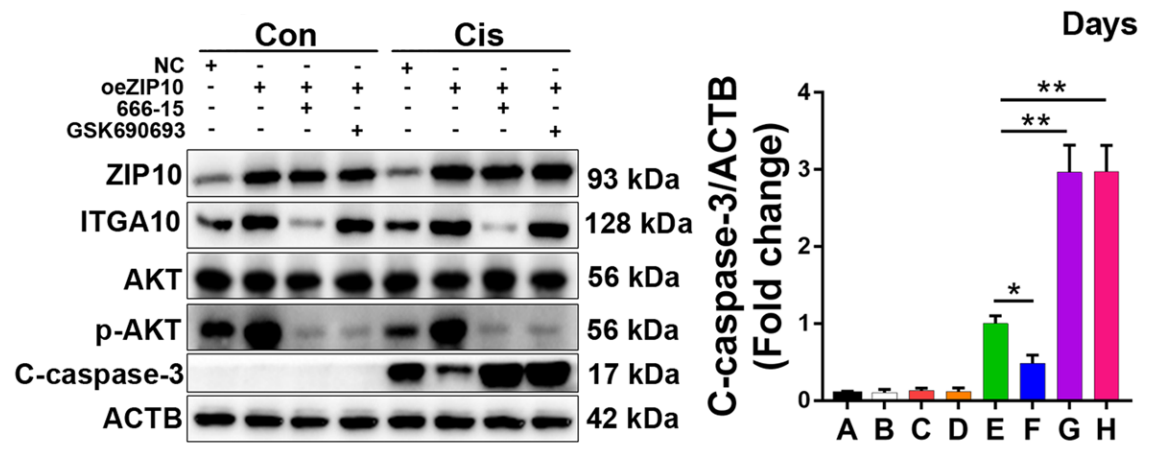
GSK-690693 (30 mg/kg; i.p.; once daily) decreased the protein levels of p-AKT increased by the overexpression of ZIP10 in 143B cell-derived xenografts.
GSK-690693 purchased from MedChemExpress. Usage Cited in: J Exp Clin Cancer Res. 2021 Oct 27;40(1):340. [Abstract]
GSK-690693 (30 mg/kg; i.p.; once daily) prevented the ZIP10 overexpression-induced increases in Ki67 and p-AKT expression in 143B cell-derived xenograft tissues under cisplatin treatment.
GSK-690693 purchased from MedChemExpress. Usage Cited in: J Exp Clin Cancer Res. 2021 Oct 27;40(1):340. [Abstract]
GSK-690693 (30 mg/kg; i.p.; once daily). IHC staining analysis of Ki67, ZIP10, ITGA10, p-AKT and cleaved caspase 3 in 143B cell-derived xenograft tissues without cisplatin treatment.
-
Cell Rep Med
Signaling-induced systematic repression of miRNAs uncovers cancer vulnerabilities and targeted therapy sensitivity. [Abstract]2023 Oct 17;4(10):101200. PMID: 37734378 -
EBioMedicine
Augmenting the therapeutic efficacy of adenosine against pancreatic cancer by switching the Akt/p21-dependent senescence to apoptosis. [Abstract]2019 Sep:47:114-127. PMID: 31495718 -
-
Int J Surg
Melatonin attenuates oxidative stress-induced ferroptosis of nucleus pulposus cells and intervertebral disc degeneration via PI3K/AKT-mTOR pathway. [Abstract]2026 Feb 24. PMID: 41729690 -
Apoptosis
Ambra1 regulates apoptosis and chemosensitivity in breast cancer cells through the Akt-FoxO1-Bim pathway. [Abstract]2022 Jun;27(5-6):329-341. PMID: 35257265 -
Mol Med
Triolein alleviates ischemic stroke brain injury by regulating autophagy and inflammation through the AKT/mTOR signaling pathway. [Abstract]2024 Dec 6;30(1):242. PMID: 39639187 -
Antioxidants (Basel)
Blue Light Alters the Composition of the Jejunal Microbiota and Promotes the Development of the Small Intestine by Reducing Oxidative Stress. [Abstract]2022 Jan 29;11(2):274. PMID: 35204158 -
Cell Rep
Fibrillarin regulates epithelial integrity via EZH2-mediated modulation of scribble expression. [Abstract]2025 Nov 25;44(12):116608. PMID: 41296560 -
Biochem Pharmacol
Ginsenoside Rh4 suppresses aerobic glycolysis and the expression of PD-L1 via targeting AKT in esophageal cancer. [Abstract]2020 Aug:178:114038. PMID: 32422139 -
Cells
Follicle-Stimulating Hormone Alleviates Ovarian Aging by Modulating Mitophagy- and Glycophagy-Based Energy Metabolism in Hens. [Abstract]2022 Oct 18;11(20):3270. PMID: 36291137 -
Pharmaceuticals (Basel)
Activity of New Synthetic (2-Chloroethylthio)-1,4-naphthoquinones in Prostate Cancer Cells. [Abstract]2021 Sep 22;14(10):949. PMID: 34681173 -
Int J Cancer
Effects of Metformin on the virus/host cell crosstalk in human papillomavirus-positive cancer cells. [Abstract]2021 Sep 1;149(5):1137-1149. PMID: 33844847 -
Exp Neurol
RvE1/ChemR23 facilitates hematoma clearance and promotes M2 polarization of macrophages/microglia in intracerebral hemorrhage. [Abstract]2025 Apr:386:115173. PMID: 39892453 -
Cell Signal
ANXA2 promotes chondrocyte differentiation and fracture healing by regulating the phosphorylation of STAT3 and PI3K/AKT signaling pathways. [Abstract]2025 Mar:127:111617. PMID: 39863030 -
J Cereb Blood Flow Metab
Activin A alleviates neuronal injury through inhibiting cGAS-STING-mediated autophagy in mice with ischemic stroke. [Abstract]2023 May;43(5):736-748. PMID: 36537048 -
iScience
β-adrenergic receptor regulates embryonic epithelial extensibility through actomyosin inhibition. [Abstract]2023 Nov 15;26(12):108469. PMID: 38213788 -
FASEB J
GLCCI1-Deficiency Facilitates Persistent Eosinophilic Lung Inflammation in Asthma via Upregulation of CCL5. [Abstract]2026 Jan 15;40(1):e71389. PMID: 41460639 -
Breast Cancer (Dove Med Press)
Ambra1 Deficiency Inhibits the Proliferation of Breast Cancer Cells Through the Akt-FoxO1-p27 Pathway. [Abstract]2025 Oct 21:17:949-965. PMID: 41141217 -
Toxicol Appl Pharmacol
Lycorine relieves the CCl4-induced liver fibrosis mainly via the JAK2/STAT3 and PI3K/AKT signaling pathways. [Abstract]2024 Aug:489:117017. PMID: 38925513 -
Arch Biochem Biophys
Identification and characterization of human PEIG-1/GPRC5A as a 12-O-tetradecanoyl phorbol-13-acetate (TPA) and PKC-induced gene. [Abstract]2020 Jul 15;687:108375. PMID: 32339486 -
Acta Histochem
Normal dermal mesenchymal stem cells improve the functions of psoriatic keratinocytes by inducing autophagy. [Abstract]2025 Jan 25;127(1):152229. PMID: 39864345 -
Biomed Res Int
Molecular Mechanism of Gleditsiae Spina for the Treatment of High-Grade Serous Ovarian Cancer Based on Network Pharmacology and Pharmacological Experiments. [Abstract]2022 Mar 8:2022:5988310. PMID: 35299895 -
Cardiovasc Ther
KCa3.1 Promotes Proinflammatory Exosome Secretion by Activating AKT/Rab27a in Atrial Myocytes during Rapid Pacing. [Abstract]2023 Mar 30:2023:3939360. PMID: 37035755 -
Vet Microbiol
Epidermal growth factor receptor (EGFR) promotes uptake of bovine parainfluenza virus type 3 into MDBK cells. [Abstract]2022 Aug:271:109488. PMID: 35691094 -
Reprod Sci
Modulation of Autophagy Through Regulation of 5'-AMP-Activated Protein Kinase Affects Mitophagy and Mitochondrial Function in Primary Human Trophoblasts. [Abstract]2021 Aug;28(8):2314-2322. PMID: 33619701 -
PLoS One
The ginsenoside Rk3 exerts anti-esophageal cancer activity in vitro and in vivo by mediating apoptosis and autophagy through regulation of the PI3K/Akt/mTOR pathway. [Abstract]2019 May 15;14(5):e0216759. PMID: 31091245 -
PLoS One
2016 Jan 28;11(1):e0147682. PMID: 26821351 -
J Mol Histol
Deficiency of METTL3 alleviates excessive autophagy and apoptosis in mice with slow transit constipation and glutamic acid-induced interstitial cells of Cajal via the activation of PI3K/AKT pathway. [Abstract]2026 Jan 7;57(1):29. PMID: 41495570 -
Exp Ther Med
2021 Jul;22(1):703. PMID: 34007312 -
-
J Stroke Cerebrovasc Dis
VEGF-A ameliorates ischemia hippocampal neural injury via regulating autophagy and Akt/CREB signaling in a rat model of chronic cerebral hypoperfusion. [Abstract]2023 Sep 19;32(11):107367. PMID: 37734181 -
Anticancer Drugs
Isovanillin regulates gastric cancer cells apoptosis and metastasis by targeting ROS-mediated MAPK and PI3K signaling pathways. [Abstract]2026 Jan 14. PMID: 41546559 -
Hematology
2023 Dec;28(1):2214465. PMID: 37222135 -
-
-
-
-
Oxid Med Cell Longev
Cyclophilin A Protects Cardiomyocytes against Hypoxia/Reoxygenation-Induced Apoptosis via the AKT/Nox2 Pathway. [Abstract]2019 Apr 28:2019:2717986. PMID: 31182989 -
Oncotarget
Dual inhibition of AKT/FLT3-ITD by A674563 overcomes FLT3 ligand-induced drug resistance in FLT3-ITD positive AML. [Abstract]2016 May 17;7(20):29131-42. PMID: 27074558


Solvente y solubilidad
In Vitro:
DMSO : 20 mg/mL (47.01 mM; ultrasonic and warming and heat to 60°C; Hygroscopic DMSO has a significant impact on the solubility of product, please use newly opened DMSO)
Please refer to the solubility information to select the appropriate solvent. Once prepared, please aliquot and store the solution to prevent product inactivation from repeated freeze-thaw cycles.
Storage method and period of stock solution: -80°C, 1 year; -20°C, 6 months. When stored at -80°C, please use it within 1 year. When stored at -20°C, please use it within 6 months.
Please refer to the solubility information to select the appropriate solvent. Once prepared, please aliquot and store the solution to prevent product inactivation from repeated freeze-thaw cycles.
Storage method and period of stock solution: -80°C, 1 year; -20°C, 6 months. When stored at -80°C, please use it within 1 year. When stored at -20°C, please use it within 6 months.
Concentration (start) × Volume (start) = Concentration (final) × Volume (final)
In Vivo:
Select the appropriate dissolution method based on your experimental animal and administration route.
- For the following dissolution methods, please ensure to first prepare a clear stock solution using an In Vitro approach and then sequentially add co-solvents:
- To ensure reliable experimental results, the clarified stock solution can be appropriately stored based on storage conditions. As for the working solution for In Vivo experiments, it is recommended to prepare freshly and use it on the same day.
- The percentages shown for the solvents indicate their volumetric ratio in the final prepared solution. If precipitation or phase separation occurs during preparation, heat and/or sonication can be used to aid dissolution.
Add each solvent one by one: 10% DMSO 40% PEG300 5% Tween-80 45% Saline
Solubility: 2 mg/mL (4.70 mM); Clear solution; Need ultrasonic
This protocol yields a clear solution of 2 mg/mL.
Taking 1 mL working solution as an example, add 100 μL DMSO stock solution (20.0 mg/mL) to 400 μL PEG300, and mix evenly; then add 50 μL Tween-80 and mix evenly; then add 450 μL Saline to adjust the volume to 1 mL.
Preparation of Saline: Dissolve 0.9 g sodium chloride in ddH₂O and dilute to 100 mL to obtain a clear Saline solution.
Add each solvent one by one: 10% DMSO 90% (20% SBE-β-CD in Saline)
Solubility: 2 mg/mL (4.70 mM); Suspended solution; Need ultrasonic
This protocol yields a suspended solution of 2 mg/mL. Suspended solution can be used for oral and intraperitoneal injection.
Taking 1 mL working solution as an example, add 100 μL DMSO stock solution (20.0 mg/mL) to 900 μL 20% SBE-β-CD in Saline, and mix evenly.
Preparation of 20% SBE-β-CD in Saline (4°C, storage for one week): 2 g SBE-β-CD powder is dissolved in 10 mL Saline, completely dissolve until clear.
For the following dissolution methods, please prepare the working solution directly:
It is recommended to prepare fresh solutions and use them promptly within a short period of time.
The percentages shown for the solvents indicate their volumetric ratio in the final prepared solution. If precipitation or phase separation occurs during preparation, heat and/or sonication can be used to aid dissolution.
Add each solvent one by one: 20% HP-β-CD/10 mM Citrate pH 2.0
Solubility: 10 mg/mL (23.50 mM); Clear solution; Need ultrasonic
In Vivo Dissolution Calculator
Please enter the basic information of animal experiments:
-
-
-
-
Recommended: Prepare an additional quantity of animals to account for potential losses during experiments.
Please enter your animal formula composition:
-
%DMSO +
Recommended: Keep the proportion of DMSO in working solution below 2% if your animal is weak.
-
%+
-
+%Tween-80 + +
-
%Saline +
The co-solvents required include: DMSO, . All of co-solvents are available by MedChemExpress (MCE). , Tween 80. All of co-solvents are available by MedChemExpress (MCE).
Working solution concentration: 0.22 mg/mL
Method for preparing stock solution: mg drug dissolved in μL DMSO. Stock solution concentration: mg/mL.
1. Take μL DMSO stock solution;
2. Add μL .
μL , mix evenly;
3. Then add μL Tween 80, mix evenly;
4. Then add μL
Please ensure that the stock solution in the first step is dissolved to a clear state, and add co-solvents in sequence. You can use ultrasonic heating (ultrasonic cleaner, recommended frequency 20-40 kHz), vortexing, etc. to assist dissolution.

Protocolo
-
Autophagy
Autophagy is a process in which eukaryotic cells use lysosomes to degrade their own cytoplasmic proteins and damaged organelles under the regulation of autophagy related gene (Atg). Microtubule-associated proteins light chain 3 (LC3) is recognized as autophagy marker, which transfers from cytoplasmic LC3 (LC3-I) to membrane type (LC3-II). LC3-II/I ratio could be detected by Western Blot and fluorescence microscopy.
-
Lysosome and acidic-vesicle live-cell staining
Lysosome and acidic-vesicle live-cell staining detects acidic intracellular compartments by using membrane-permeant acidotropic probes that accumulate in low-pH vesicles, including lysosomes, late endosomes, autolysosomes, and acidic phagosomes. LysoTracker staining is commonly used as an intensity-based readout of acidic lysosomal compartment abundance or enlargement, while acridine orange produces green fluorescence in less concentrated compartments and red fluorescence after concentration-dependent accumulation in acidic vesicular organelles. Loss or reduction of acridine-orange red signal can be used as a readout of lysosomal membrane permeabilization or reduced acidic-vesicle integrity. This protocol is designed for live cultured cells and can be adapted for fluorescence microscopy, high-content imaging, plate-reader readout, or flow cytometry when the selected literature supports the readout. Because these dyes report acidotropic accumulation rather than lysosome identity alone,
-
Macroautophagy Solutions
Macroautophagy is a conserved lysosome-dependent degradation pathway in which cytoplasmic material is sequestered into double-membrane autophagosomes and delivered to lysosomes for degradation and recycling. The pathway supports cellular homeostasis during nutrient limitation, organelle stress, protein-aggregate accumulation, infection, differentiation, and tissue remodeling by coupling cargo sequestration, autophagosome maturation, lysosomal fusion, and degradation of cargo-derived macromolecules. The core molecular sequence includes initiation by nutrient- and stress-regulated autophagy machinery, autophagosome nucleation, LC3/ATG8-family conjugation to autophagosomal membranes, cargo selection through receptors such as SQSTM1/p62, autophagosome-lysosome fusion, and lysosomal degradation. LC3 was identified as a mammalian homolog of yeast Atg8 that localizes to autophagosomal membranes after processing, and p62/SQSTM1 was shown to connect ubiquitinated cargo with autophagic degradati


Pureza y Documentación
-
Ficha de datos (284 KB)
-
SDS (479 KB)
- English - EN (479 KB)
- Français - FR (479 KB)
- Deutsch - DE (479 KB)
- Norwegian - NO (479 KB)
- Español - ES (479 KB)
- Swedish - SV (479 KB)
- Italian - IT (479 KB)
- Korean - KR (479 KB)
- Portuguese - PT (479 KB)
-
Instrucciones de manejo (2659 KB)
Referencias
[1]. Rhodes N, et al. Characterization of an Akt kinase inhibitor with potent pharmacodynamic and antitumor activity. Cancer Res, 2008, 68(7), 2366-2374. [Content Brief]
[2]. Levy DS, et al. AKT inhibitor, GSK690693, induces growth inhibition and apoptosis in acute lymphoblastic leukemia cell lines. Blood, 2009, 113(8), 1723-1729. [Content Brief]
[3]. Altomare DA, et al. GSK690693 delays tumor onset and progression in genetically defined mouse models expressing activated Akt. Clin Cancer Res, 2010, 16(2), 486-496. [Content Brief]
[4]. Konno H, et al. Pro-inflammation Associated with a Gain-of-Function Mutation (R284S) in the Innate Immune Sensor STING. Cell Rep. 2018 Apr 24;23(4):1112-1123. [Content Brief]


Complete Stock Solution Preparation Table
Please refer to the solubility information to select the appropriate solvent. Once prepared, please aliquot and store the solution to prevent product inactivation from repeated freeze-thaw cycles.
Storage method and period of stock solution: -80°C, 1 year; -20°C, 6 months. When stored at -80°C, please use it within 1 year. When stored at -20°C, please use it within 6 months.
| Optional Solvent | Concentration Solvent Mass | 1 mg | 5 mg | 10 mg | 25 mg |
|---|---|---|---|---|---|
| DMSO | 1 mM | 2.3503 mL | 11.7513 mL | 23.5026 mL | 58.7566 mL |
| 5 mM | 0.4701 mL | 2.3503 mL | 4.7005 mL | 11.7513 mL | |
| 10 mM | 0.2350 mL | 1.1751 mL | 2.3503 mL | 5.8757 mL | |
| 15 mM | 0.1567 mL | 0.7834 mL | 1.5668 mL | 3.9171 mL | |
| 20 mM | 0.1175 mL | 0.5876 mL | 1.1751 mL | 2.9378 mL | |
| 25 mM | 0.0940 mL | 0.4701 mL | 0.9401 mL | 2.3503 mL | |
| 30 mM | 0.0783 mL | 0.3917 mL | 0.7834 mL | 1.9586 mL | |
| 40 mM | 0.0588 mL | 0.2938 mL | 0.5876 mL | 1.4689 mL |


GSK-690693 Related Classifications
HY-10249 Related Classifications
 Powered by Bioz