



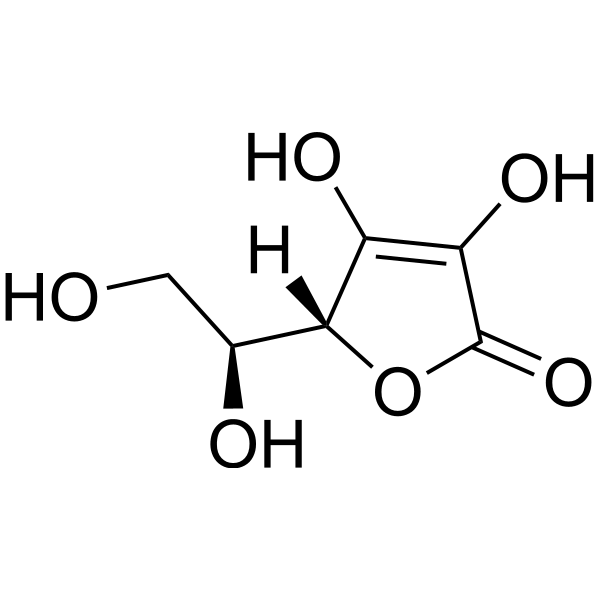
L-Ascorbic acid
Based on 91 publication(s) in Google Scholar
L-Ascorbic acid (L-Ascorbate), an electron donor, is an endogenous antioxidant agent. L-Ascorbic acid inhibits selectively Cav3.2 channels with an IC50 of 6.5 μM. L-Ascorbic acid is also a collagen deposition enhancer and an elastogenesis inhibitor. L-Ascorbic acid exhibits anti-cancer effects through the generation of reactive oxygen species (ROS) and selective damage to cancer cells.
For research use only. We do not sell to patients.
- Purity : 99.96%
- CAS No.: 50-81-7
- Formula: C6H8O6
- Molecular Weight:176.12
-
Storage:
RT, protect from light.
In solvent -80°C, 1 year , -20°C, 6 months

To place orders, for customer services and technical support, please contact: MedChemExpress USA
Tel: 609-228-6898 E-mail: [email protected] [email protected]


-
 Biological Activity
-
Chemical Information
-
Solvent & Solubility
- Purity & Documentation
- References
-
 Help & FAQs


-
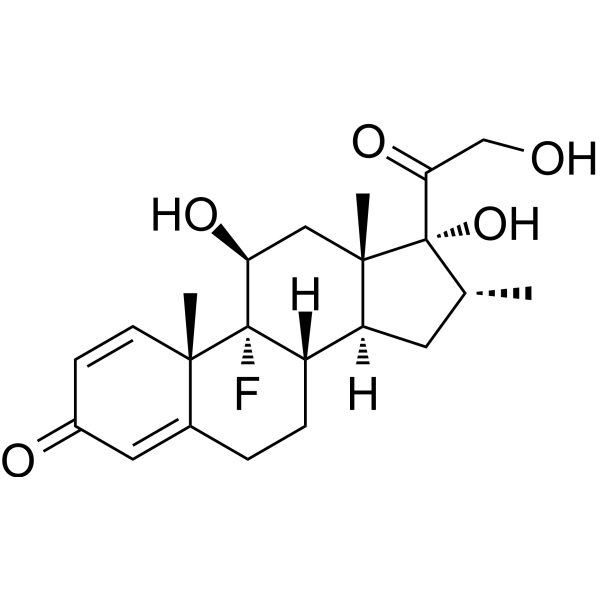
HY-14648
DexamethasoneGR Agonist -
HY-D0886
β-Glycerophosphate disodium salt pentahydratePhosphatase Inhibitor -
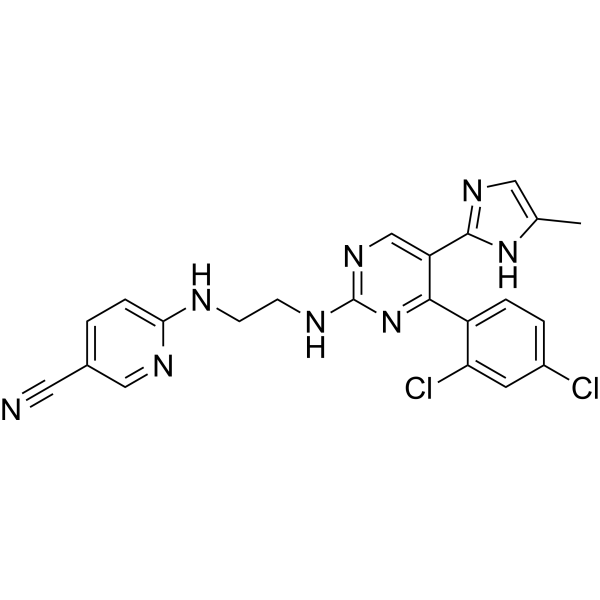
HY-10182
LaduviglusibGSK-3 Inhibitor -
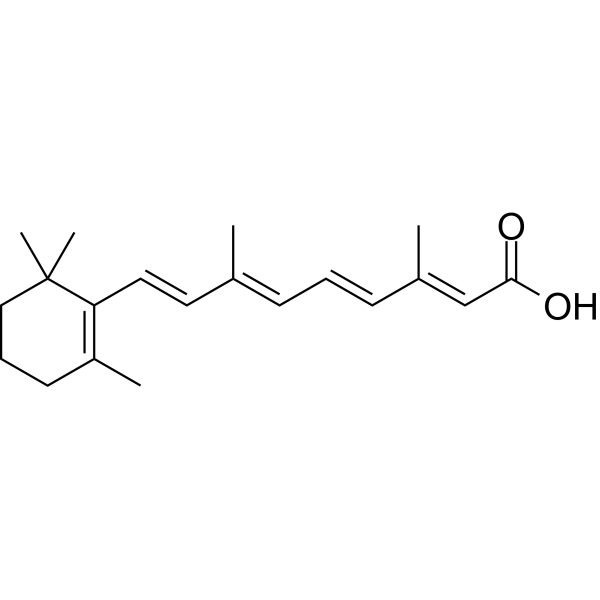
HY-14649
Retinoic acidRAR Agonist -
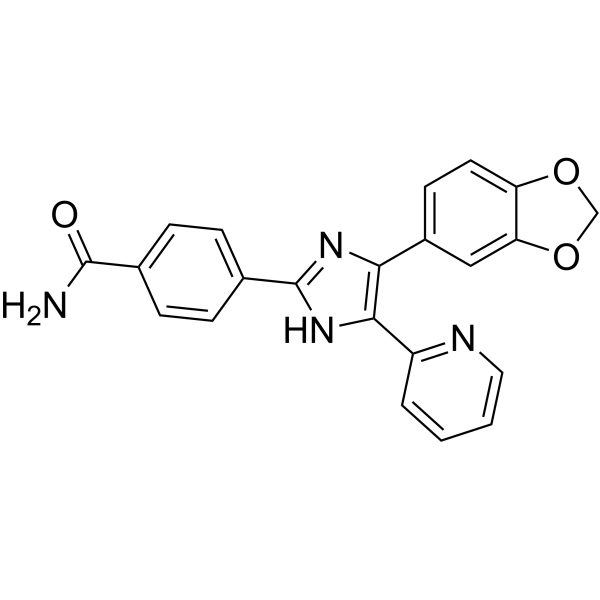
HY-10431
SB-431542TGF-β Receptor Kinase Inhibitor -
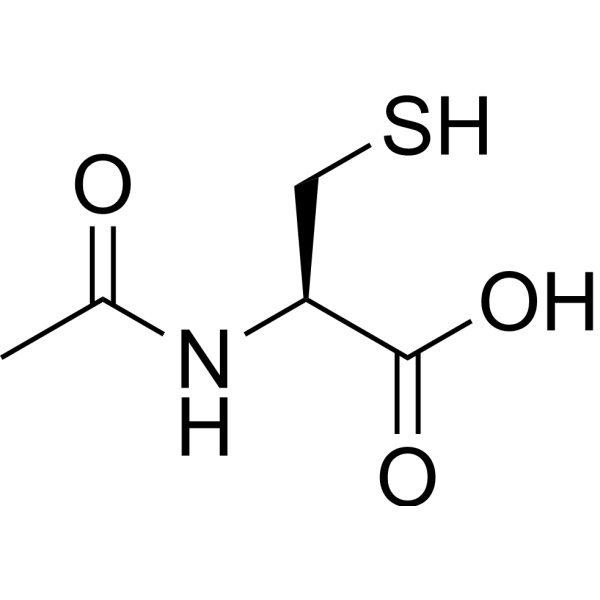
HY-B0215
AcetylcysteineMucolytic Agent -
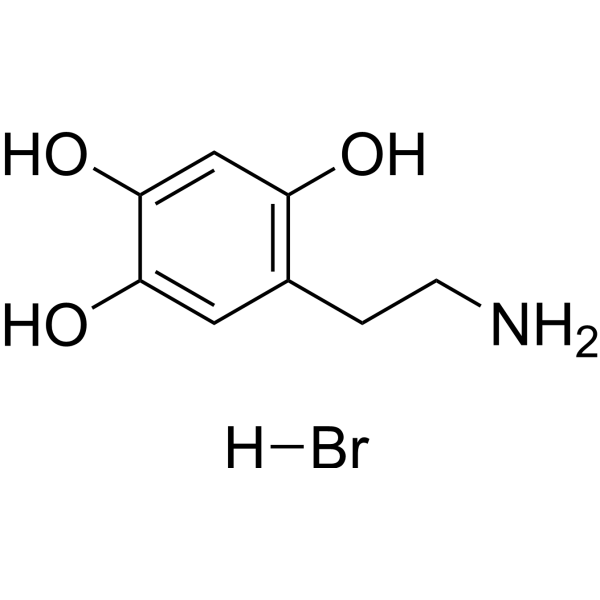
HY-B1081A
Oxidopamine hydrobromideNeurotoxin -
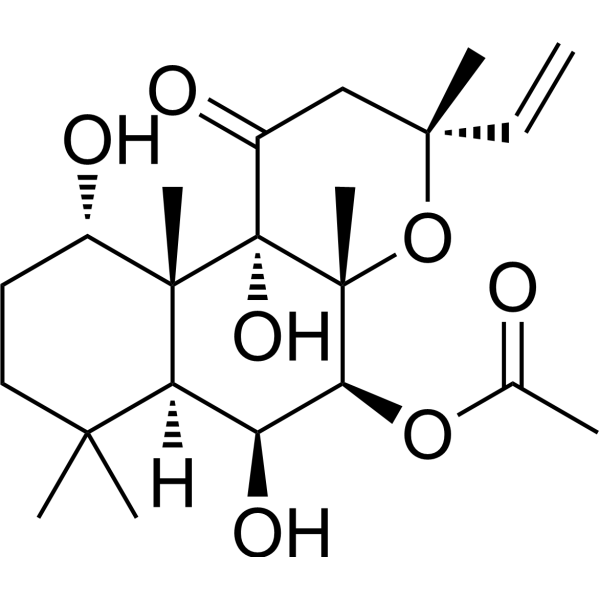
HY-15371
ForskolinAdenylate Cyclase Activator -
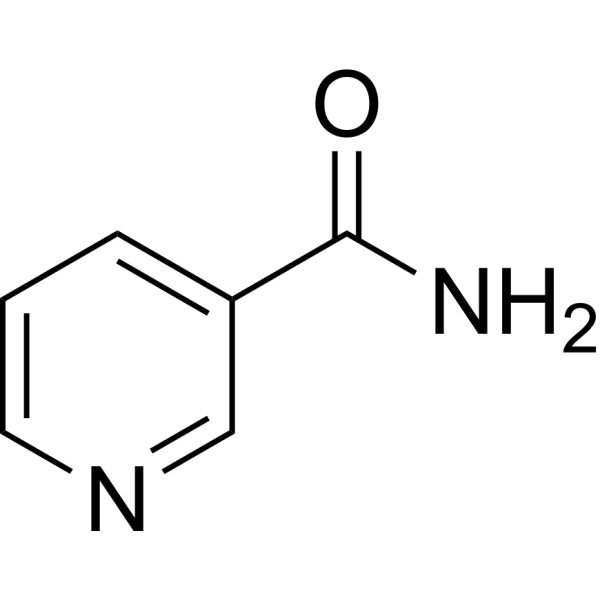
HY-B0150
NicotinamideSIRT Inhibitor -
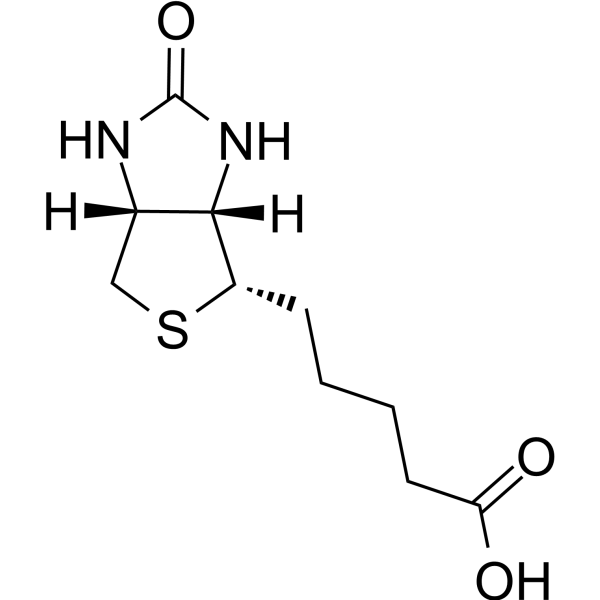
HY-B0511
BiotinVitamin B7 -
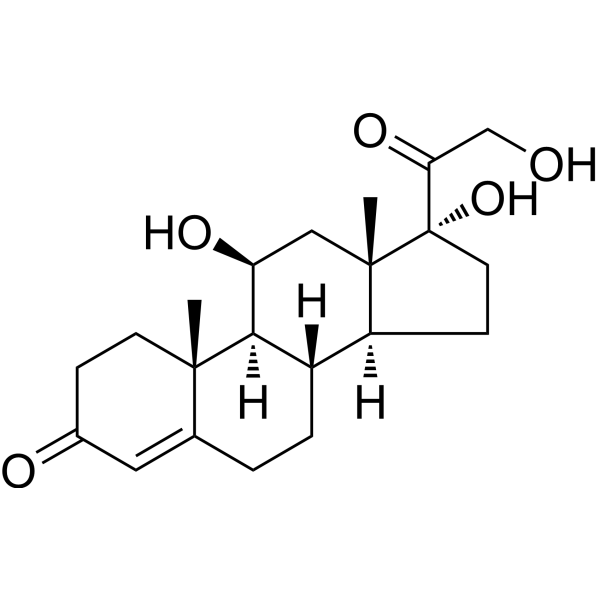
HY-N0583
HydrocortisoneGlucocorticoid Receptor Agonist -
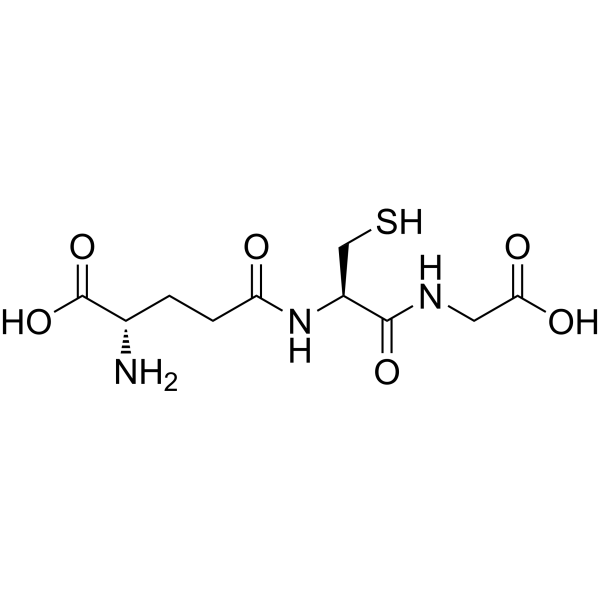
HY-D0187
L-Glutathione reducedAntioxidant
Publications Citing Use of MedChemExpress (MCE) L-Ascorbic acid
More- Cancer Cell. 2024 Apr 8;42(4):682-700.e12. [Abstract]
- Adv Mater. 2025 Feb;37(7):e2415543. [Abstract]
- Mil Med Res. 2020 Nov 1;7(1):52. [Abstract]
- Nat Immunol. 2023 Feb;24(2):280-294. [Abstract]
- Cell Host Microbe. 2025 Jan 8;33(1):104-118.e7. [Abstract]
- Bone Res. 2025 Mar 3;13(1):30. [Abstract]
- Autophagy. 2026 Jul 24:1-20.
- Nat Commun. 2025 Jul 18;16(1):6621. [Abstract]
- ACS Nano. 2025 Mar 18;19(10):10180-10198. [Abstract]
- J Adv Res. 2025 May 10:S2090-1232(25)00309-1. [Abstract]
- Redox Biol. 2022 Aug;54:102392. [Abstract]
- Adv Sci (Weinh). 2026 May 19:e75784. [Abstract]
- Biomaterials. 2025 Feb:313:122756. [Abstract]
- Med. 2026 Aug 14;7(8):101193.
- J Neuroinflammation. 2025 Sep 24;22(1):211. [Abstract]
- Chin Herb Med. 2026 Mar 1.
- Mater Today Bio. 2025 Jun 21:33:102009. [Abstract]
- Acta Neuropathol. 2026 Mar 16;151(1):26. [Abstract]
- Virtual Phys Prototyp. 2026 Mar 1;21.
- Sci China Life Sci. 2018 Oct;61(10):1151-1167. [Abstract]
- Int J Biol Macromol. 2025 Jun;315(Pt 1):144179. [Abstract]
- Int J Biol Macromol. 2024 Jan;256(Pt 1):127779. [Abstract]
- Antioxidants (Basel). 2024 May 27;13(6):653. [Abstract]
- Mater Today Adv. 2026 Feb 10.
- Free Radic Biol Med. 2020 Feb 1:147:220-230. [Abstract]
- Cancer Cell Int. 2024 May 31;24(1):192. [Abstract]
- Redox Rep. 2024 Dec;29(1):2428147. [Abstract]
- J Ethnopharmacol. 2025 Jan 31:340:119128. [Abstract]
- Antioxid Redox Signal. 2020 Dec 10;33(17):1191-1208. [Abstract]
- J Agric Food Chem. 2025 Jun 4;73(22):13891-13901. [Abstract]
- Eur J Med Chem. 2022 Mar 5:231:114151. [Abstract]
- Cell Mol Life Sci. 2026 Jun 6. [Abstract]
- Ind Crops Prod. 2025 Oct 18;237:122143.
- Food Funct. 2022 May 10;13(9):5089-5101. [Abstract]
- Food Biosci. 2025 Sep 18;73:107628.
- Cell Biol Toxicol. 2023 Jun;39(3):679-702. [Abstract]
- ACS Appl Bio Mater. 2026 Jul 6;9(13):5591-5605. [Abstract]
- Int J Mol Sci. 2025 Feb 5;26(3):1334. [Abstract]
- Front Cell Dev Biol. 2022 Feb 10:10:810327. [Abstract]
- Bioorg Chem. 2026 Jun 19:180:110125. [Abstract]
- Bioorg Chem. 2025 Feb:155:108133. [Abstract]
- Bioorg Chem. 2024 May:146:107261. [Abstract]
- Bioorg Chem. 2021 Oct:115:105177. [Abstract]
- Mol Med Rep. 2019 Dec;20(6):4933-4942. [Abstract]
- J Cell Mol Med. 2020 Apr;24(7):4212-4222. [Abstract]
- Environ Toxicol Pharmacol. 2026 Mar:122:104954. [Abstract]
- iScience. 2024 Feb 5;27(3):109111. [Abstract]
- Biosci Rep. 2019 May 21;39(5):BSR20182137. [Abstract]
- FASEB J. 2020 Sep;34(9):11474-11487. [Abstract]
- Hematol Oncol. 2024 Jul;42(4):e3295. [Abstract]
- J Biol Chem. 2023 Dec;299(12):105462. [Abstract]
- J Cell Physiol. 2024 May;239(5):e31215. [Abstract]
- Cell Cycle. 2023 Feb;22(4):476-493. [Abstract]
- Ren Fail. 2026 Dec;48(1):2676320. [Abstract]
- J Orthop Surg Res. 2025 Nov 14;20(1):997. [Abstract]
- J Orthop Surg Res. 2025 Oct 29;20(1):943. [Abstract]
- J Orthop Surg Res. 2025 Apr 15;20(1):379. [Abstract]
- J Nat Prod. 2022 Jul 22;85(7):1808-1815. [Abstract]
- J Sex Med. 2018 Feb;15(2):136-147. [Abstract]
- IUBMB Life. 2024 Oct;76(10):832-844. [Abstract]
- Mol Biol Rep. 2024 Mar 14;51(1):421. [Abstract]
- Genes (Basel). 2024 Sep 13;15(9):1206. [Abstract]
- J Neurosci Res. 2019 Dec;97(12):1689-1705. [Abstract]
- Mol Pharmacol. 2025 Nov;107(11):100078. [Abstract]
- Fitoterapia. 2021 Sep:153:104984. [Abstract]
- J Mol Histol. 2024 Aug;55(4):503-512. [Abstract]
- Clin Exp Pharmacol Physiol. 2024 Nov;51(11):e13923. [Abstract]
- Biochem Biophys Res Commun. 2024 May 14:708:149770. [Abstract]
- Biol Methods Protoc. 2025 Feb 13;10(1):bpaf012. [Abstract]
- Drug Chem Toxicol. 2024 May;47(3):347-355. [Abstract]
- Cytotechnology. 2021 Dec;73(6):787-800. [Abstract]
- J Pharmacol Toxicol Methods. 2020 Nov-Dec:106:106913. [Abstract]
- Anim Biotechnol. 2024 Nov;35(1):2404043. [Abstract]
- Biol Pharm Bull. 2025;48(6):895-907. [Abstract]
- STAR Protoc. 2026 Jul 16;7(3):104718.
- Pak J Pharm Sci. 2026 Jan;39(1):102-116. [Abstract]
- bioRxiv. 2026 Jul 21.
- bioRxiv. 2026 May 19.
- chemRxiv. 2026 Apr 24.
- SSRN. 2026 Mar 20.
- Res Sq. 2025 Oct 27.
- bioRxiv. 2025 August 25.
- Res Sq. 2025 Jul 21.
- SSRN. 2025 Jan 14.
- Med Rev (2021). 2024 Jun 14;4(6):531-543. [Abstract]
- Biomed Pharmacother. 2022 Sep:153:113558. [Abstract]
- Research Square Print. 2022 Aug.
- Oxid Med Cell Longev. 2022 Jan 27:2022:7502632. [Abstract]
- Environ Toxicol. 2021 Apr;36(4):520-529. [Abstract]
- J Afr Ass Physiol Sci. 7(1): 30-37, July 2019.
- Nigerian Journal of Scientific Research. 18 (3): 2019.
 Customer Validation & Images

-
2D/3D Cell Culture and Differentiation
-
Cell Proliferation/Viability Assay
-
WB
-
IHC
-
WB
All Endogenous Metabolite Isoforms
MoreAll Calcium Channel Isoforms
More

Biological Activity
Description
IC50 & Target
|
T-type calcium channel |
Microbial Metabolite |
Cellular Effect
|
Cell Line

|
Type | Value | Description | References |
|---|---|---|---|---|
| A549 | IC50 |
>100 μM
Compound: L-ASA
|
Antiproliferative activity against human A549 cells assessed as reduction in cell viability incubated for 72 hrs by MTT assay
Antiproliferative activity against human A549 cells assessed as reduction in cell viability incubated for 72 hrs by MTT assay
|
[PMID: 31586832] |
| CFPAC-1 | IC50 |
>100 μM
Compound: L-ASA
|
Antiproliferative activity against human CFPAC-1 cells assessed as reduction in cell viability incubated for 72 hrs by MTT assay
Antiproliferative activity against human CFPAC-1 cells assessed as reduction in cell viability incubated for 72 hrs by MTT assay
|
[PMID: 31586832] |
| Erythrocyte | EC50 |
119.87 μg/mL
Compound: Ascorbic acid
|
Antioxidant activity in erythrocytes assessed as inhibition of hemolysis
Antioxidant activity in erythrocytes assessed as inhibition of hemolysis
|
[PMID: 22677320] |
| Erythrocyte | EC50 |
96.625 μg/mL
Compound: Ascorbic acid
|
Hemolysis of human erythrocytes after 30 mins by spectrophotometry
Hemolysis of human erythrocytes after 30 mins by spectrophotometry
|
[PMID: 23811092] |
| HCT-116 | IC50 |
>100 μM
Compound: L-ASA
|
Antiproliferative activity against human HCT116cells assessed as reduction in cell viability incubated for 72 hrs by MTT assay
Antiproliferative activity against human HCT116cells assessed as reduction in cell viability incubated for 72 hrs by MTT assay
|
[PMID: 31586832] |
| HEK293 | EC50 |
0.5 nM
Compound: Ascorbic acid
|
Agonist activity at human adrenergic alpha2B receptor expressed in HEK293 cells coexpressing Gqi5 protein by FLIPR assay
Agonist activity at human adrenergic alpha2B receptor expressed in HEK293 cells coexpressing Gqi5 protein by FLIPR assay
|
[PMID: 19243956] |
| HEK293 | EC50 |
156 μM
Compound: 54670067
|
Substrate uptake and inhibition of the Na(+)/L-Ascorbic Acid Transporter 1 (SVCT1, SLC23A1) as assessed by the fluorescent FLIPR membrane potential dye in HEK-293 JumpIN-SLC23A1 cells (PubChem AID: 1794810)
Substrate uptake and inhibition of the Na(+)/L-Ascorbic Acid Transporter 1 (SVCT1, SLC23A1) as assessed by the fluorescent FLIPR membrane potential dye in HEK-293 JumpIN-SLC23A1 cells (PubChem AID: 1794810)
|
10.5281/zenodo.7360349 |
| HeLa | IC50 |
>100 μM
Compound: L-ASA
|
Antiproliferative activity against human HeLa cells assessed as reduction in cell viability incubated for 72 hrs by MTT assay
Antiproliferative activity against human HeLa cells assessed as reduction in cell viability incubated for 72 hrs by MTT assay
|
[PMID: 31586832] |
| HepG2 | IC50 |
>100 μM
Compound: L-ASA
|
Antiproliferative activity against human HepG2 cells assessed as reduction in cell viability incubated for 72 hrs by MTT assay
Antiproliferative activity against human HepG2 cells assessed as reduction in cell viability incubated for 72 hrs by MTT assay
|
[PMID: 31586832] |
| HFF | IC50 |
>100 μM
Compound: L-ASA
|
Cytotoxicity against human HFF cells assessed as reduction in cell viability incubated for 72 hrs by MTT assay
Cytotoxicity against human HFF cells assessed as reduction in cell viability incubated for 72 hrs by MTT assay
|
[PMID: 31586832] |
| HL-60 | IC50 |
0.01 μM
Compound: Vitamin C
|
Antioxidant activity in human HL60 cells assessed as inhibition of relative oxygen species generation by DCFH-DA method
Antioxidant activity in human HL60 cells assessed as inhibition of relative oxygen species generation by DCFH-DA method
|
[PMID: 19555121] |
| HL-60 | IC50 |
10.2 μM
Compound: Vitamin C
|
Antioxidant activity in human HL60 cells assessed as inhibition of TPA-stimulated hydrogen peroxide induced DCFH-DA oxidation by fluorometric microplate assay
Antioxidant activity in human HL60 cells assessed as inhibition of TPA-stimulated hydrogen peroxide induced DCFH-DA oxidation by fluorometric microplate assay
|
[PMID: 16562834] |
| HL-60 | IC50 |
9.7 μM
Compound: Vitamin C
|
Antioxidant activity against TPA-induced ROS production in human HL60 cells by 2',7'-dichlorodihydrofluorescein diacetate cellular-based assay
Antioxidant activity against TPA-induced ROS production in human HL60 cells by 2',7'-dichlorodihydrofluorescein diacetate cellular-based assay
|
[PMID: 12762791] |
| J774.A1 | IC50 |
>100 μM
Compound: AA
|
Antiinflammatory activity in mouse J774.A1 cells assessed as inhibition of LPS-induced NO production incubated for 24 hrs by Griess reagent based analysis
Antiinflammatory activity in mouse J774.A1 cells assessed as inhibition of LPS-induced NO production incubated for 24 hrs by Griess reagent based analysis
|
[PMID: 33422907] |
| MCF7 | IC50 |
>100 μM
Compound: L-ASA
|
Antiproliferative activity against human MCF7 cells assessed as reduction in cell viability incubated for 72 hrs by MTT assay
Antiproliferative activity against human MCF7 cells assessed as reduction in cell viability incubated for 72 hrs by MTT assay
|
[PMID: 31586832] |
| RD | EC50 |
>2270 μM
Compound: AA
|
Antiviral activity against Herpes simplex virus type 1 infected in human RD cells assessed as inhibition of virus-induced cytopathic effect
Antiviral activity against Herpes simplex virus type 1 infected in human RD cells assessed as inhibition of virus-induced cytopathic effect
|
[PMID: 22390834] |
| SW-620 | IC50 |
>100 μM
Compound: L-ASA
|
Antiproliferative activity against human SW620 cells assessed as reduction in cell viability incubated for 72 hrs by MTT assay
Antiproliferative activity against human SW620 cells assessed as reduction in cell viability incubated for 72 hrs by MTT assay
|
[PMID: 31586832] |
In Vitro
The anti-cancer effects of L-Ascorbic acid are determined by sodium-dependent vitamin C transporter 2 (SVCT-2), a transporter of L-ascorbic acid. L-Ascorbic acid (0.1 μM-2 mM) exhibits anti-cancer effects according to SVCT-2 expression and L-ascorbic acid uptake. Human colorectal cancer cell lines displays differential responses to L-ascorbic acid, primarily depending on the expression level of SVCT-2[4].
MedChemExpress (MCE) has not independently confirmed the accuracy of these methods. They are for reference only.
-
Cell Line:High SVCT-2 expressing cell lines Sw620, Sw480, LoVo, SNU-C4; Low SVCT-2 expressing cell lines HCT15, HCT116, DLD-1, CoLo-205
-
Concentration:0, 0.1 μM, 1 μM, 10 μM, 0.1 mM, 0.5 mM, 1 mM, and 2 mM
-
Incubation Time:24 hours
-
Result:Some high SVCT-2 expressing cancer cells demonstrated a dramatic cell-autonomous inhibitory effect of L-ascorbic acid.
Low SVCT-2 expressing cell lines showed biphasic responses to L-ascorbic acid.
-
Cell Line:Sw620, Sw480, LoVo, SNU-C4, HCT15, HCT116, DLD-1, CoLo-205 cell lines
-
Concentration:1 mM
-
Incubation Time:
-
Result:The cell lines showed different levels of SVCT-2 expression in western blot analyses: Sw620, Sw480, and Lovo expressed high levels of SVCT-2 whereas HCT116, HCT15, and DLD-1 expressed low levels.
In Vivo
MedChemExpress (MCE) has not independently confirmed the accuracy of these methods. They are for reference only.
-
Animal Model:Normal rats:Albino rats of either sex weighing between 125-175 g[5]
-
Dosage:Group I received L-ascorbic acid 60 mg/kg, Group II received Tolbutamide 20 mg/kg and Group III was given L-ascorbic acid (60 mg/kg) prior to the administration of tolbutamide 20 mg/kg
-
Administration:Administered orally
-
Result:L-ascorbic acid at the dose of 60 mg/kg produced 50.91% blood glucose reduction at 0.5 h and 20 mg/kg body weight of Tolbutamide produced 33% at 4 h as peak effects. In the presence of L-ascorbic acid (60 mg/kg), the action of Tolbutamide was early in onset and maintained for 6 h.
-
Animal Model:Diabetic rats:Albino rats of either sex weighing between 125 to 175 g were fasted overnight before injection with Alloxan[5]
-
Dosage:Group I received L-ascorbic acid 40 mg/kg and Group II received Tolbutamide 20 mg/kg while Group III was given L-ascorbic acid 40 mg/kg prior to Tolbutamide administration (20 mg/kg).
-
Administration:Oral administration
-
Result:L-ascorbic acid (40 mg/kg alone) produced 42.53% blood glucose reduction at 1.5 h and Tolbutamide 20 mg/kg produced 45.09 at 4 h. Administration of L-ascorbic acid 40 mg/kg body weight prior to Tolbutamide produced antidiabetic activity at 0.5 h and was maintained for 6 h.


Chemical Information
-
CAS No. 50-81-7
-
Appearance Solid
-
Molecular Weight 176.12
-
Formula C6H8O6
-
Color White to off-white
-
SMILES
OC([C@@]1([H])[C@H](CO)O)=C(O)C(O1)=O
-
Synonyms
L-Ascorbate; Vitamin C
-
Structure Classification
-
Shipping
Room temperature in continental US; may vary elsewhere.
-
Storage
RT, protect from light
In solvent -80°C 1 year -20°C 6 months


Publications (91)
-
Journal Impact Factor
-
Most Recent
-
Cancer Cell
PDGFRα+ITGA11+ fibroblasts foster early-stage cancer lymphovascular invasion and lymphatic metastasis via ITGA11-SELE interplay. [Abstract]2024 Apr 8;42(4):682-700.e12. PMID: 38428409 -
Adv Mater
Hydrolysis of 2D Nanosheets Reverses Rheumatoid Arthritis Through Anti-Inflammation and Osteogenesis. [Abstract]2025 Feb;37(7):e2415543. PMID: 39726077 -
Mil Med Res
Direct conversion of human fibroblasts into dopaminergic neuron-like cells using small molecules and protein factors. [Abstract]2020 Nov 1;7(1):52. PMID: 33129359 -
Nat Immunol
Rebalancing TGFβ1/BMP signals in exhausted T cells unlocks responsiveness to immune checkpoint blockade therapy. [Abstract]2023 Feb;24(2):280-294. PMID: 36543960 -
Cell Host Microbe
2025 Jan 8;33(1):104-118.e7. PMID: 39706182 -
Bone Res
Enhanced SIRT3 expression restores mitochondrial quality control mechanism to reverse osteogenic impairment in type 2 diabetes mellitus. [Abstract]2025 Mar 3;13(1):30. PMID: 40025004 -
-
Nat Commun
2025 Jul 18;16(1):6621. PMID: 40681515 -
ACS Nano
Starfish-Inspired Synergistic Reinforced Hydrogel Wound Dressing: Dual Responsiveness and Enhanced Bioactive Compound Delivery for Advanced Skin Regeneration and Management. [Abstract]2025 Mar 18;19(10):10180-10198. PMID: 40048360 -
J Adv Res
Antimycin A inhibits alpha-herpesvirus replication by disrupting the formation of pyrimidinosomes. [Abstract]2025 May 10:S2090-1232(25)00309-1. PMID: 40354935 -
Redox Biol
Dissecting the process of human neutrophil lineage determination by using alpha-lipoic acid inducing neutrophil deficiency model. [Abstract]2022 Aug;54:102392. PMID: 35797799 -
Adv Sci (Weinh)
Herba Lysimachiae Polysaccharide-Modified Selenium Nanoparticles Alleviate Oxidative Injury in Kidney Stones via TOMM22-Regulated Mitophagy Activation. [Abstract]2026 May 19:e75784. PMID: 42154455 -
Biomaterials
Precision pore structure optimization of additive manufacturing porous tantalum scaffolds for bone regeneration: A proof-of-concept study. [Abstract]2025 Feb:313:122756. PMID: 39182327
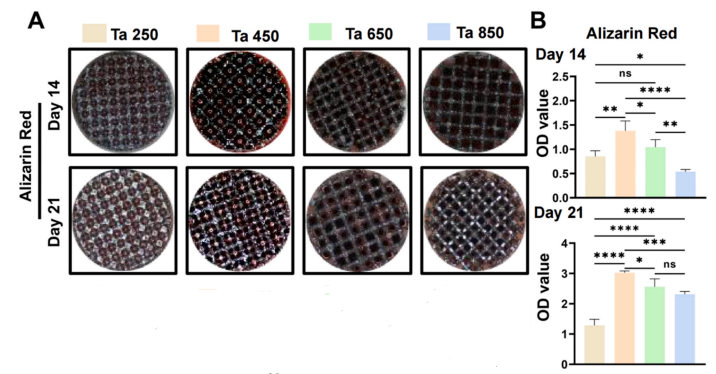
L-Ascorbic acid purchased from MedChemExpress. Usage Cited in: Biomaterials. 2025 Feb:313:122756. [Abstract]
(A) Representative images of Alizarin Red staining on 14 and 21 days of BMSCs seeded on porous tantalum scaffolds and cultured in osteogenic induction medium containing 1 M β-glycerophosphate (β-Glycerophosphate disodium salt pentahydrate) and 10 mM ascorbic acid ( L-Ascorbic acid). (B) Quantitative analysis of dissolved calcium nodules after 14 days and 21 days (n = 4).
-
-
J Neuroinflammation
Inhibition of Ephrin receptor signaling in the paraventricular nucleus attenuates psoriasis-like dermatitis via synaptic plasticity and immune homeostasis modulation. [Abstract]2025 Sep 24;22(1):211. PMID: 40993793 -
-
Mater Today Bio
A biomimetic multimodal nanoplatform combining neutrophil-coated two-dimensional metalloporphyrinic framework nanosheet and exendin-4 to treat obesity-related osteoporosis. [Abstract]2025 Jun 21:33:102009. PMID: 40673132 -
Acta Neuropathol
2026 Mar 16;151(1):26. PMID: 41838122 -
-
Sci China Life Sci
2018 Oct;61(10):1151-1167. PMID: 30159682 -
Int J Biol Macromol
Trained immunity driven by Enterococcus faecalis ribosomal protein S11 enhances antigen presentation and boosts influenza vaccine efficacy via nanoparticle delivery. [Abstract]2025 Jun;315(Pt 1):144179. PMID: 40381785 -
Int J Biol Macromol
Ligand "switching on" fluorescence of HIV-1 RNA-templated copper nanoclusters for ligand-RNA interaction assays. [Abstract]2024 Jan;256(Pt 1):127779. PMID: 37981280 -
Antioxidants (Basel)
Vitamin C Alleviates the Negative Effects of Heat Stress on Reproductive Processes by Regulating Amino Acid Metabolism in Granulosa Cells. [Abstract]2024 May 27;13(6):653. PMID: 38929092
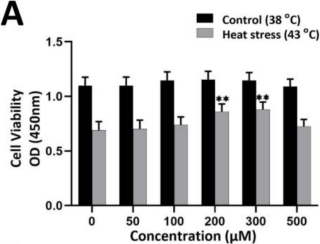
L-Ascorbic acid purchased from MedChemExpress. Usage Cited in: Antioxidants (Basel). 2024 May 27;13(6):653. [Abstract]
L-Ascorbic acid (Vitamin C) (50-500 μM; 6 h) significantly increases the viability of heat-stressed gastric cancer cells at concentrations of 200 μM and 300 μM.
-
-
Free Radic Biol Med
Glsnf1-mediated metabolic rearrangement participates in coping with heat stress and influencing secondary metabolism in Ganoderma lucidum. [Abstract]2020 Feb 1:147:220-230. PMID: 31883976 -
Cancer Cell Int
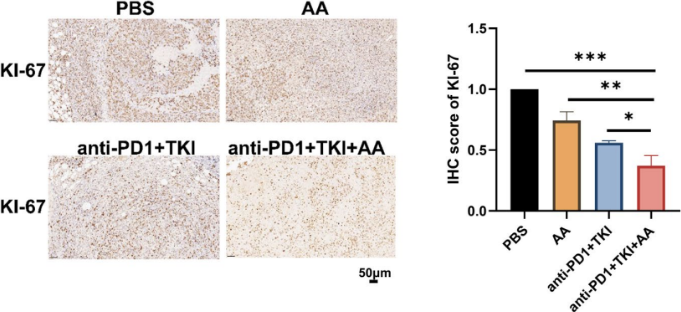
Metabolomics reveals ascorbic acid inhibits ferroptosis in hepatocytes and boosts the effectiveness of anti-PD1 immunotherapy in hepatocellular carcinoma. [Abstract]2024 May 31;24(1):192. PMID: 38822322
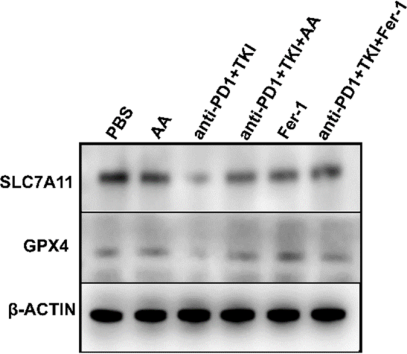
L-Ascorbic acid purchased from MedChemExpress. Usage Cited in: Cancer Cell Int. 2024 May 31;24(1):192. [Abstract]
L-Ascorbic acid (AA) (150 μL of 1.5 M; i.p.; every two days) enhances the expression of GPX4 and SLC7A11 proteins in mouse liver.
L-Ascorbic acid purchased from MedChemExpress. Usage Cited in: Cancer Cell Int. 2024 May 31;24(1):192. [Abstract]
L-Ascorbic acid (AA) (150ul of 1.5 M; i.p.; every two days) significantly decreases the expression of Ki67 in C57BL/6 mice.
-
Redox Rep
Inhibition of SLC40A1 represses osteoblast formation via inducing iron accumulation and activating the PERK/ATF4/CHOP pathway mediated oxidative stress. [Abstract]2024 Dec;29(1):2428147. PMID: 39607819 -
J Ethnopharmacol
Serum metabolomics and 16S rRNA amplicon sequencing reveal the role of puerarin in alleviating bone loss aggravated by antidiabetic agent pioglitazone in type 2 diabetic mice. [Abstract]2025 Jan 31:340:119128. PMID: 39617084 -
Antioxid Redox Signal
Cysteine Deprivation Targets Ovarian Clear Cell Carcinoma Via Oxidative Stress and Iron-Sulfur Cluster Biogenesis Deficit. [Abstract]2020 Dec 10;33(17):1191-1208. PMID: 32336105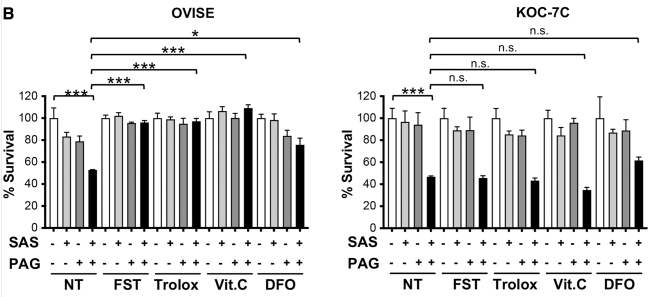
L-Ascorbic acid purchased from MedChemExpress. Usage Cited in: Antioxid Redox Signal. 2020 Dec 10;33(17):1191-1208. [Abstract]
L-Ascorbic acid (Vitamin C) (250 μM, 1 h) significantly alleviates the growth suppression induced by combined SAS and PAG treatment only in OVISE cells, but shows no effect in KOC-7C cells.
-
J Agric Food Chem
Sodium Benzoate Inhibits Osteoblast Differentiation and Accelerates Bone Loss by Regulating the FGF2/p38/RUNX2 Pathway. [Abstract]2025 Jun 4;73(22):13891-13901. PMID: 40404584 -
Eur J Med Chem
Discovery of novel diphenylbutene derivative ferroptosis inhibitors as neuroprotective agents. [Abstract]2022 Mar 5:231:114151. PMID: 35123296 -
Cell Mol Life Sci
TRIM47 drives metabolic reprogramming and tumor progression in Nasopharyngeal Carcinoma via K48-linked ubiquitination and degradation of SDHB. [Abstract]2026 Jun 6. PMID: 42250096 -
-
Food Funct
Vitamin C enhances the ex vivo proliferation of porcine muscle stem cells for cultured meat production. [Abstract]2022 May 10;13(9):5089-5101. PMID: 35411884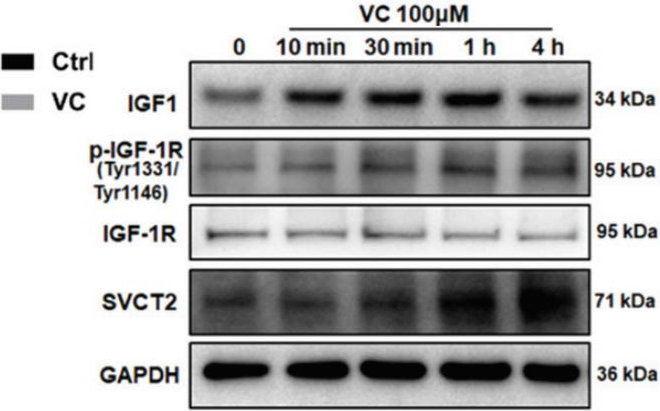
L-Ascorbic acid purchased from MedChemExpress. Usage Cited in: Food Funct. 2022 May 10;13(9):5089-5101. [Abstract]
L-Ascorbic acid (Vitamin C) (100 μM; 10 min-4 h) upregulates the protein expression levels of IGF-1, p-IGF-1R, and SVCT2 in a time-dependent manner.
-
-
Cell Biol Toxicol
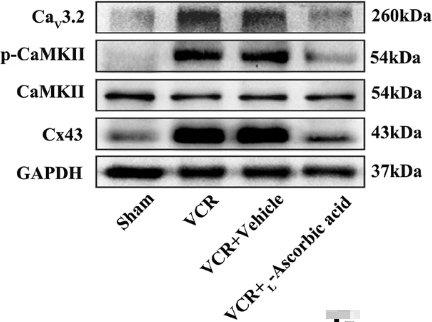
CaMKII and CaV3.2 T-type calcium channel mediate Connexin-43-dependent inflammation by activating astrocytes in vincristine-induced neuropathic pain. [Abstract]2023 Jun;39(3):679-702. PMID: 34286406
L-Ascorbic acid purchased from MedChemExpress. Usage Cited in: Cell Biol Toxicol. 2023 Jun;39(3):679-702. [Abstract]
L-Ascorbic acid (300 μM, 10 μL intrathecal injection) reduces the levels of CaV3.2, p-CaMKII, and Cx43 in mice.
-
ACS Appl Bio Mater
Electrostatic Microsphere Intestinal Aging Model and Traditional Chinese Medicine Antiaging Mechanism Study. [Abstract]2026 Jul 6;9(13):5591-5605. PMID: 42275210 -
Int J Mol Sci
Synergistic Effects of a Novel Combination of Natural Compounds Prevent H2O2-Induced Oxidative Stress in Red Blood Cells. [Abstract]2025 Feb 5;26(3):1334. PMID: 39941102 -
Front Cell Dev Biol
Blockade of GCH1/BH4 Axis Activates Ferritinophagy to Mitigate the Resistance of Colorectal Cancer to Erastin-Induced Ferroptosis. [Abstract]2022 Feb 10:10:810327. PMID: 35223839 -
Bioorg Chem
Accelerated development of 4-HPPD inhibitors using a hybrid deep learning approach with Bayesian-guided reinforcement learning. [Abstract]2026 Jun 19:180:110125. PMID: 42348944 -
Bioorg Chem
Discovery of potent antiosteoporotic cyclic depsipeptides with an unusual nitrile hydroxy acid from Microascus croci. [Abstract]2025 Feb:155:108133. PMID: 39798453 -
Bioorg Chem
Identifying eleven new ferroptosis inhibitors as neuroprotective agents from FDA-approved drugs. [Abstract]2024 May:146:107261. PMID: 38460336 -
Bioorg Chem
A new ferroptosis inhibitor, isolated from Ajuga nipponensis, protects neuronal cells via activating NRF2-antioxidant response elements (AREs) pathway. [Abstract]2021 Oct:115:105177. PMID: 34303035 -
Mol Med Rep
Exendin‑4 promotes osteogenic differentiation of adipose‑derived stem cells and facilitates bone repair. [Abstract]2019 Dec;20(6):4933-4942. PMID: 31661134 -
J Cell Mol Med
Different culture method changing CD105 expression in amniotic fluid MSCs without affecting differentiation ability or immune function. [Abstract]2020 Apr;24(7):4212-4222. PMID: 32119193 -
Environ Toxicol Pharmacol
2026 Mar:122:104954. PMID: 41644025 -
iScience
Modeling the precise interaction of glioblastoma with human brain region-specific organoids. [Abstract]2024 Feb 5;27(3):109111. PMID: 38390494 -
Biosci Rep
Autologous decellularized extracellular matrix protects against H2O2-induced senescence and aging in adipose-derived stem cells and stimulates proliferation in vitro. [Abstract]2019 May 21;39(5):BSR20182137. PMID: 31048361 -
FASEB J
Hydrogen sulfide attenuates renal fibrosis by inducing TET-dependent DNA demethylation on Klotho promoter. [Abstract]2020 Sep;34(9):11474-11487. PMID: 32729950 -
Hematol Oncol
TET2 regulates extranodal NK/T cell lymphoma progression through regulation of DNA methylation. [Abstract]2024 Jul;42(4):e3295. PMID: 38979860 -
J Biol Chem
c-Src regulates δ-secretase activation and truncated Tau production by phosphorylating the E3 ligase Traf6. [Abstract]2023 Dec;299(12):105462. PMID: 37977223 -
J Cell Physiol
Dynamic changes of endothelial and stromal cilia are required for the maintenance of corneal homeostasis. [Abstract]2024 May;239(5):e31215. PMID: 38308657 -
Cell Cycle
METTL3-mediated long non-coding RNA MIR99AHG methylation targets miR-4660 to promote bone marrow mesenchymal stem cell osteogenic differentiation. [Abstract]2023 Feb;22(4):476-493. PMID: 36369887 -
Ren Fail
2026 Dec;48(1):2676320. PMID: 42269640 -
J Orthop Surg Res
RNA-sequencing-based elucidation of the mechanism underlying aFGF mediated regulation of BMSCs via the PI3K-AKT pathway and its implications for rotator cuff injury repair. [Abstract]2025 Nov 14;20(1):997. PMID: 41239461 -
J Orthop Surg Res
Functional mechanism and clinical implications of miR-455-5p in delayed fracture healing. [Abstract]2025 Oct 29;20(1):943. PMID: 41163026 -
J Orthop Surg Res
Investigation on the role of Icariin in tendon injury repair: focusing on tendon stem cell differentiation. [Abstract]2025 Apr 15;20(1):379. PMID: 40234966 -
J Nat Prod
Ferroptosis Inhibitory Aromatic Abietane Diterpenoids from Ajuga decumbens and Structural Revision of Two 3,4-Epoxy Group-Containing Abietanes. [Abstract]2022 Jul 22;85(7):1808-1815. PMID: 35796002 -
J Sex Med
Changes in Male Rat Sexual Behavior and Brain Activity Revealed by Functional Magnetic Resonance Imaging in Response to Chronic Mild Stress. [Abstract]2018 Feb;15(2):136-147. PMID: 29275048 -
IUBMB Life
Bencaosome [16:0 Lyso PA+XLGB28-sRNA] improves osteoporosis by simultaneously promoting osteogenesis and inhibiting osteoclastogenesis in mice. [Abstract]2024 Oct;76(10):832-844. PMID: 39012196 -
Mol Biol Rep
ILK inhibition reduces osteophyte formation through suppression of osteogenesis in BMSCs via Akt/GSK-3β/β-catenin pathway. [Abstract]2024 Mar 14;51(1):421. PMID: 38483756 -
Genes (Basel)
CHIR99021 and Brdu Are Critical in Chicken iPSC Reprogramming via Small-Molecule Screening. [Abstract]2024 Sep 13;15(9):1206. PMID: 39336797 -
J Neurosci Res
Enhanced mitochondrial inhibition by 3,4-dihydroxyphenyl-acetaldehyde (DOPAL)-oligomerized α-synuclein. [Abstract]2019 Dec;97(12):1689-1705. PMID: 31420910 -
Mol Pharmacol
LZ-106 inhibits anchorage-independent growth of non-small cell lung cancer cells by a positive feedback between reactive oxygen species induction and autophagy flux blockage. [Abstract]2025 Nov;107(11):100078. PMID: 41110219 -
Fitoterapia
2021 Sep:153:104984. PMID: 34216691 -
J Mol Histol
2024 Aug;55(4):503-512. PMID: 38801643 -
Clin Exp Pharmacol Physiol
AEBP1 restores osteoblastic differentiation under dexamethasone treatment by activating PI3K/AKT signalling. [Abstract]2024 Nov;51(11):e13923. PMID: 39358837 -
Biochem Biophys Res Commun
Exploring the impact of high-altitude de-acclimatization on renal function: The roles of oxidative and endoplasmic reticulum stress in rat models. [Abstract]2024 May 14:708:149770. PMID: 38518722 -
Biol Methods Protoc
Optimizing drug sensitivity assays in patient-derived tumor organoids: a comparison of IC50 estimation methods and experimental parameters. [Abstract]2025 Feb 13;10(1):bpaf012. PMID: 40060949 -
Drug Chem Toxicol
Amelioration of metabolic disorders in H9C2 cardiomyocytes induced by PM2.5 treated with vitamin C. [Abstract]2024 May;47(3):347-355. PMID: 36815321 -
Cytotechnology
Substrate coated with autologous decellularized extracellular matrix facilitates in vitro spreading of spheroid from adipose-derived stem cells through regulating ERK1/2-MMP2/9 pathway. [Abstract]2021 Dec;73(6):787-800. PMID: 34776629 -
J Pharmacol Toxicol Methods
Establishment of drug screening in human embryonic stem cells based on a high-content screening system. [Abstract]2020 Nov-Dec:106:106913. PMID: 32822830 -
Anim Biotechnol
Vitamin C enhances the in vitro development of early porcine embryos by improving mitochondrial function. [Abstract]2024 Nov;35(1):2404043. PMID: 39306701 -
Biol Pharm Bull
Anti-osteoporosis Activity of Sodium Glucuronate in Preosteo-blast MC3T3-E1 Cells and an Ovariectomized Rat Model. [Abstract]2025;48(6):895-907. PMID: 40571633 -
-
Pak J Pharm Sci
Syringaresinol inhibits ferroptosis and ameliorates glucocorticoid-induced MC3T3-E1 osteoporosis by modulating the Nrf2/SLC7A11/GPX4 pathway. [Abstract]2026 Jan;39(1):102-116. PMID: 41482780 -
-
-
-
-
-
-
-
-
Med Rev (2021)
2024 Jun 14;4(6):531-543. PMID: 39664081 -
Biomed Pharmacother
2022 Sep:153:113558. PMID: 36076621 -
-
Oxid Med Cell Longev
miR-154-5p Affects the TGF β 1/Smad3 Pathway on the Fibrosis of Diabetic Kidney Disease via Binding E3 Ubiquitin Ligase Smurf1. [Abstract]2022 Jan 27:2022:7502632. PMID: 35126820 -
Environ Toxicol
Dichloroacetate attenuates the stemness of colorectal cancer cells via trigerring ferroptosis through sequestering iron in lysosomes. [Abstract]2021 Apr;36(4):520-529. PMID: 33166055 -
-


Solvent & Solubility
In Vitro:
H2O : ≥ 100 mg/mL (567.79 mM)
DMSO : 100 mg/mL (567.79 mM; Need ultrasonic; Hygroscopic DMSO has a significant impact on the solubility of product, please use newly opened DMSO)
* "≥" means soluble, but saturation unknown.
Please refer to the solubility information to select the appropriate solvent. Once prepared, please aliquot and store the solution to prevent product inactivation from repeated freeze-thaw cycles.
Storage method and period of stock solution: -80°C, 1 year; -20°C, 6 months. When stored at -80°C, please use it within 1 year. When stored at -20°C, please use it within 6 months.
* Note: If you choose water as the stock solution, please dilute it to the working solution, then filter and sterilize it with a 0.22 μm filter before use.
Please refer to the solubility information to select the appropriate solvent. Once prepared, please aliquot and store the solution to prevent product inactivation from repeated freeze-thaw cycles.
Storage method and period of stock solution: -80°C, 1 year; -20°C, 6 months. When stored at -80°C, please use it within 1 year. When stored at -20°C, please use it within 6 months.
* Note: If you choose water as the stock solution, please dilute it to the working solution, then filter and sterilize it with a 0.22 μm filter before use.
Concentration (start) × Volume (start) = Concentration (final) × Volume (final)
In Vivo:
Select the appropriate dissolution method based on your experimental animal and administration route.
- For the following dissolution methods, please ensure to first prepare a clear stock solution using an In Vitro approach and then sequentially add co-solvents:
- To ensure reliable experimental results, the clarified stock solution can be appropriately stored based on storage conditions. As for the working solution for In Vivo experiments, it is recommended to prepare freshly and use it on the same day.
- The percentages shown for the solvents indicate their volumetric ratio in the final prepared solution. If precipitation or phase separation occurs during preparation, heat and/or sonication can be used to aid dissolution.
Add each solvent one by one: 10% DMSO 40% PEG300 5% Tween-80 45% Saline
Solubility: ≥ 5 mg/mL (28.39 mM); Clear solution
This protocol yields a clear solution of ≥ 5 mg/mL (saturation unknown).
Taking 1 mL working solution as an example, add 100 μL DMSO stock solution (50.0 mg/mL) to 400 μL PEG300, and mix evenly; then add 50 μL Tween-80 and mix evenly; then add 450 μL Saline to adjust the volume to 1 mL.
Preparation of Saline: Dissolve 0.9 g sodium chloride in ddH₂O and dilute to 100 mL to obtain a clear Saline solution.
Add each solvent one by one: 10% DMSO 90% (20% SBE-β-CD in Saline)
Solubility: ≥ 5 mg/mL (28.39 mM); Clear solution
This protocol yields a clear solution of ≥ 5 mg/mL (saturation unknown).
Taking 1 mL working solution as an example, add 100 μL DMSO stock solution (50.0 mg/mL) to 900 μL 20% SBE-β-CD in Saline, and mix evenly.
Preparation of 20% SBE-β-CD in Saline (4°C, storage for one week): 2 g SBE-β-CD powder is dissolved in 10 mL Saline, completely dissolve until clear.
For the following dissolution methods, please prepare the working solution directly:
It is recommended to prepare fresh solutions and use them promptly within a short period of time.
The percentages shown for the solvents indicate their volumetric ratio in the final prepared solution. If precipitation or phase separation occurs during preparation, heat and/or sonication can be used to aid dissolution.
Add each solvent one by one: PBS
Solubility: 100 mg/mL (567.79 mM); Clear solution; Need ultrasonic and warming and heat to 60°C
In Vivo Dissolution Calculator
Please enter the basic information of animal experiments:
-
-
-
-
Recommended: Prepare an additional quantity of animals to account for potential losses during experiments.
Working solution concentration: 0.22 mg/mL
This product has good water solubility, please refer to the measured solubility data in water/PBS/Saline for details.


Purity & Documentation
-
Data Sheet (288 KB)
-
SDS (394 KB)
- English - EN (394 KB)
- Français - FR (394 KB)
- Deutsch - DE (394 KB)
- Norwegian - NO (394 KB)
- Español - ES (394 KB)
- Swedish - SV (394 KB)
- Italian - IT (394 KB)
- Korean - KR (394 KB)
- Portuguese - PT (394 KB)
-
Handling Instructions (2659 KB)
References
[1]. Sebastian J Padayatty, et al. Vitamin C as an antioxidant: evaluation of its role in disease prevention. J Am Coll Nutr. 2003 Feb;22(1):18-35. [Content Brief]
[2]. Michael T Nelson, et al. Molecular mechanisms of subtype-specific inhibition of neuronal T-type calcium channels by ascorbate. J Neurosci. 2007 Nov 14;27(46):12577-83. [Content Brief]
[3]. Aleksander Hinek, et al. Sodium L-ascorbate enhances elastic fibers deposition by fibroblasts from normal and pathologic human skin. J Dermatol Sci. 2014 Sep;75(3):173-82. [Content Brief]
[4]. Sungrae Cho, et al. Hormetic dose response to L-ascorbic acid as an anti-cancer drug in colorectal cancer cell lines according to SVCT-2 expression. Sci Rep. 2018 Jul 27;8(1):11372. [Content Brief]
[5]. Satyanarayana Sreemantula, et al. Influence of antioxidant (L- ascorbic acid) on tolbutamide induced hypoglycaemia/antihyperglycaemia in normal and diabetic rats. BMC Endocr Disord. 2005 Mar 3;5(1):2. [Content Brief]


Complete Stock Solution Preparation Table
Please refer to the solubility information to select the appropriate solvent. Once prepared, please aliquot and store the solution to prevent product inactivation from repeated freeze-thaw cycles.
Storage method and period of stock solution: -80°C, 1 year; -20°C, 6 months. When stored at -80°C, please use it within 1 year. When stored at -20°C, please use it within 6 months.
| Optional Solvent | Concentration Solvent Mass | 1 mg | 5 mg | 10 mg | 25 mg |
|---|---|---|---|---|---|
| H2O / DMSO | 1 mM | 5.6779 mL | 28.3897 mL | 56.7795 mL | 141.9487 mL |
| 5 mM | 1.1356 mL | 5.6779 mL | 11.3559 mL | 28.3897 mL | |
| 10 mM | 0.5678 mL | 2.8390 mL | 5.6779 mL | 14.1949 mL | |
| 15 mM | 0.3785 mL | 1.8926 mL | 3.7853 mL | 9.4632 mL | |
| 20 mM | 0.2839 mL | 1.4195 mL | 2.8390 mL | 7.0974 mL | |
| 25 mM | 0.2271 mL | 1.1356 mL | 2.2712 mL | 5.6779 mL | |
| 30 mM | 0.1893 mL | 0.9463 mL | 1.8926 mL | 4.7316 mL | |
| 40 mM | 0.1419 mL | 0.7097 mL | 1.4195 mL | 3.5487 mL | |
| 50 mM | 0.1136 mL | 0.5678 mL | 1.1356 mL | 2.8390 mL | |
| 60 mM | 0.0946 mL | 0.4732 mL | 0.9463 mL | 2.3658 mL | |
| 80 mM | 0.0710 mL | 0.3549 mL | 0.7097 mL | 1.7744 mL | |
| 100 mM | 0.0568 mL | 0.2839 mL | 0.5678 mL | 1.4195 mL |
* Note: If you choose water as the stock solution, please dilute it to the working solution, then filter and sterilize it with a 0.22 μm filter before use.


L-Ascorbic acid Related Classifications
HY-B0166 Related Classifications
 Powered by Bioz