457 Results for "

O2

" in MedChemExpress (MCE) Product Catalog:
Products (457)

457 Results for "O2" in MCE Product Catalog:

Cat. No.: HY-N10277
Target:  

Others

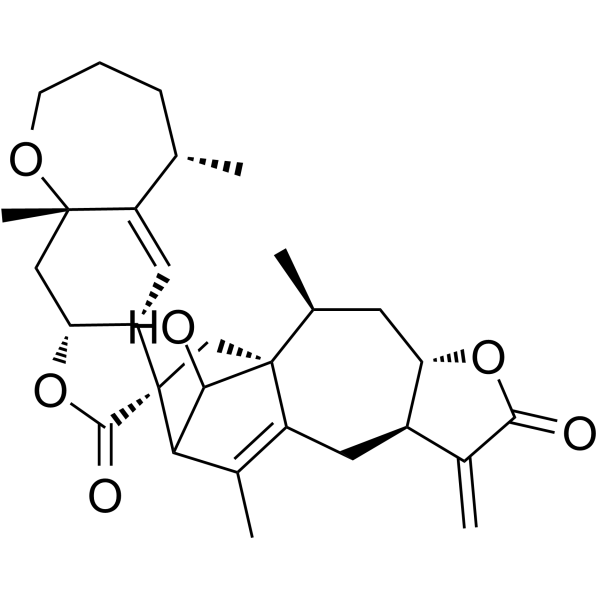
Inubritannolide A displays slight strong neuroprotective potency against different types of neuronal cells mediated by various inducers including H2O2, 6-hydroxydopamine (6-OHDA), and lipopolysaccharide (LPS).
loading...
    loading...
Cat. No.: HY-N0615R
CAS No.: 80418-24-2
Synonyms: Sanchinoside R1 (Standard); Sanqi glucoside R1 (Standard)
Notoginsenoside R1 (Standard) is the analytical standard of Notoginsenoside R1. This product is intended for research and analytical applications. Notoginsenoside R1 (Sanchinoside R1), a saponin, is isolated from P. notoginseng. Notoginsenoside R1 exhibits anti-oxidation, anti-inflammatory, anti-angiogenic, and anti-apoptosis activities. Notoginsenoside R1 provides cardioprotection against ischemia/reperfusion (I/R) injury. Notoginsenoside R1 also provides neuroprotection in H2O2-induced oxidative damage in PC12 cells [2] .
loading...
    loading...
Cat. No.: HY-N8788
CAS No.: 675624-38-1
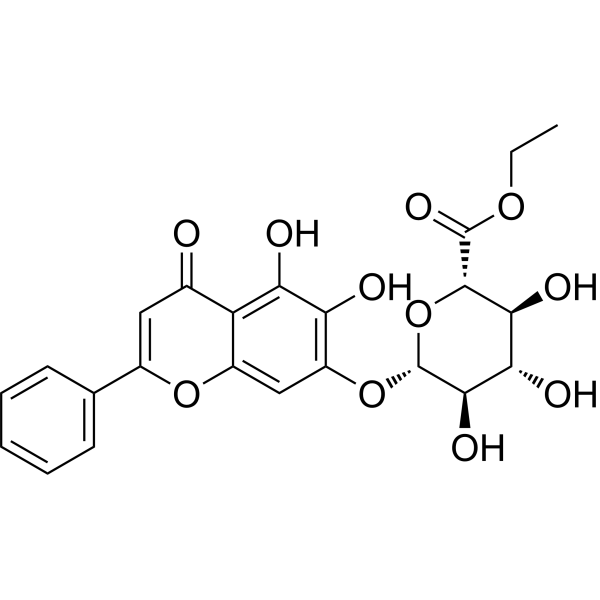
Baicalein 7-O-β-D-ethylglucuronide is a natural flavone glycoside that can be extracted from Scutellaria baicalensis Georgi. Baicalein 7-O-β-D-ethylglucuronide has antioxidant activity. Baicalein 7-O-β-D-ethylglucuronide inhibits FeSO4-Cys-induced lipid peroxidation of liver homogenate. Baicalein 7-O-β-D-ethylglucuronide also shows strong cytoprotective effect on H2O2-induced oxidative damage of human umbilical vein endothelial cells [2].
loading...
    loading...
Cat. No.: HY-150563
CAS No.: 2361384-14-5
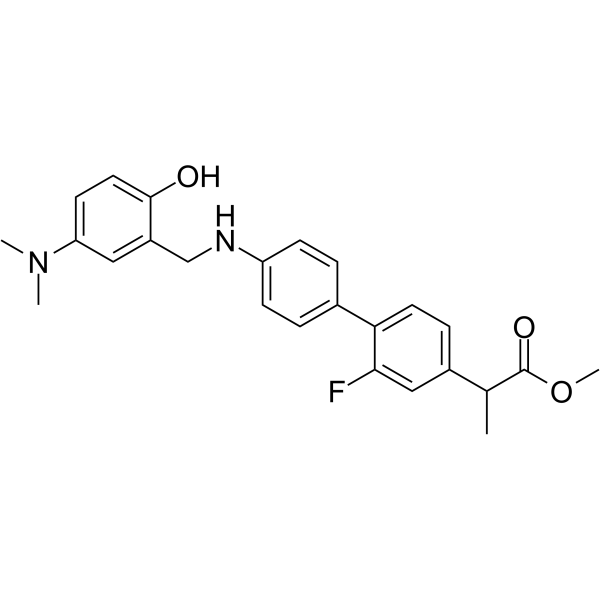
Neuroinflammatory-IN-2 is a potent anti-neuroinflammatory agent with an IC50 value of 10.30 μM for MAO-B, and 96.33% inhibition of 1-42 aggregation at 25 μM. Neuroinflammatory-IN-2 has neuroprotective activity in H2O2-induced PC-12 cell injury. Neuroinflammatory-IN-2 also has biometal chelating abilities, antioxidant activity, anti-neuroinflammatory activity and appropriate BBB permeability. Neuroinflammatory-IN-2 can be used for researching Alzheimer’s disease .
loading...
    loading...
Cat. No.: HY-W423191
CAS No.: 534-42-9
Synonyms: 4-O-α-D-Glucopyranosyl-D-gluconic acid
Maltobionic acid (4-O-α-D-Glucopyranosyl-D-gluconic acid) is an orally active oligosaccharide and iron chelator with antibacterial activity. Maltobionic acid inhibits the expression of NFATc1, suppresses osteoclast differentiation, inhibits bone resorption, and increases serum calcitonin levels. Maltobionic acid protects mammalian cells from hydrogen peroxide (H2O2)-induced oxidative damage; resists fermentation by the gut microbiota; and exhibits anti-digestive and anti-fermentative properties. Maltobionic acid can be used in research related to osteoporosis, bacterial infections, and constipation [2] .
loading...
    loading...
Cat. No.: HY-D2965
CAS No.: 1219603-04-9
Synonyms: SPG1
SNAP-Peroxy-Green-1 (SPG1) a SNAP tag fluorescent probe. SNAP-Peroxy-Green-1 can be used for detecting H2O2 in the extracellular space or on the surface of the cell membrane .
loading...
    loading...
Cat. No.: HY-12508
CAS No.: 380607-77-2
Purity:  99.31%
Target:  

iGluR

Research Areas:  

Neurological Disease

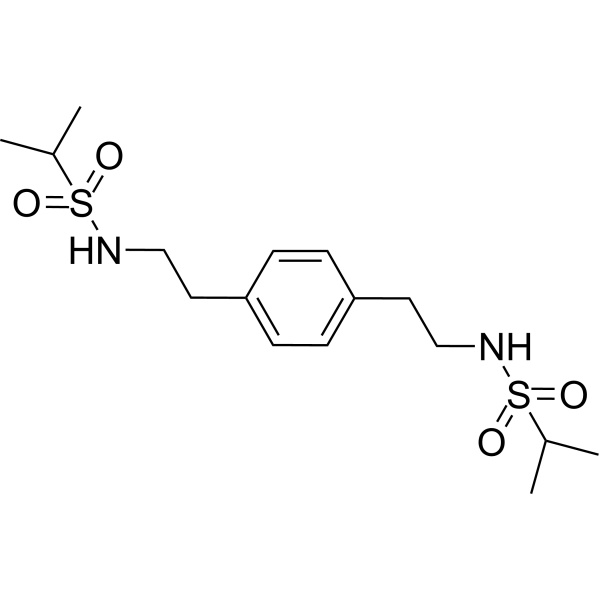
CMPDA is a positive allosteric modulator of AMPA receptors with EC50s of 45.4 ± 4.2 nM/63.4 ± 5.6 nM for GluA2i/GluA2o receptor.
loading...
    loading...
Cat. No.: HY-P70068
Purity:  ≥ 95%, as determined by reducing SDS-PAGE.
Synonyms: rDeChlorite dismutase/Cld, His; Chlorite dismutase; Chlorite O(2)-lyase; Daro_2580; Cld
Species:  
Source:  
loading...
    loading...
Cat. No.: HY-119171
CAS No.: 1953157-39-5
Purity:  99.80%
Target:  

KMO

GSK 366 is a type II kynurenine-3-monooxygenase (KMO) inhibitor with IC50 values of 2.3 nM and 0.7 nM for human KMO and P. fluorescens-KMO (Pf-KMO). GSK 366 binds to KMO’s substrate site, prevents productive NADPH association, substrate binding, and FAD hydroperoxy species formation. GSK 366 does not stimulate hydrogen peroxide (H2O2) production and reduces H2O2 levels. GSK 366 can be used for the researches of inflammation and neurological disease, such as acute pancreatitis multiple organ dysfunction syndrome and Alzheimer’s disease .
loading...
    loading...
Cat. No.: HY-114886
CAS No.: 351978-83-1
Research Areas:  

Metabolic Disease

IGP-5 is a mitochondrial sn-Glycerol 3-phosphate Dehydrogenase (mGPDH) inhibitor with the IC50 of 0.7 μM aganist mGPDH H2O2 production . IGP-5 can be used for study of energy metabolism .
loading...
    loading...
Cat. No.: HY-125859B
CAS No.: 9003-99-0
Target:  

Bacterial

Research Areas:  

Infection

Lactoperoxidase, bovine milk is an antimicrobial protein that belongs to the mammalian heme peroxidase family. Lactoperoxidase, bovine milk uses H2O2 to catalyze the oxidation of its preferred halide substrates including I , Br , F , or the pseudohalide SCN .
loading...
    loading...
Cat. No.: HY-N2203
CAS No.: 59282-55-2
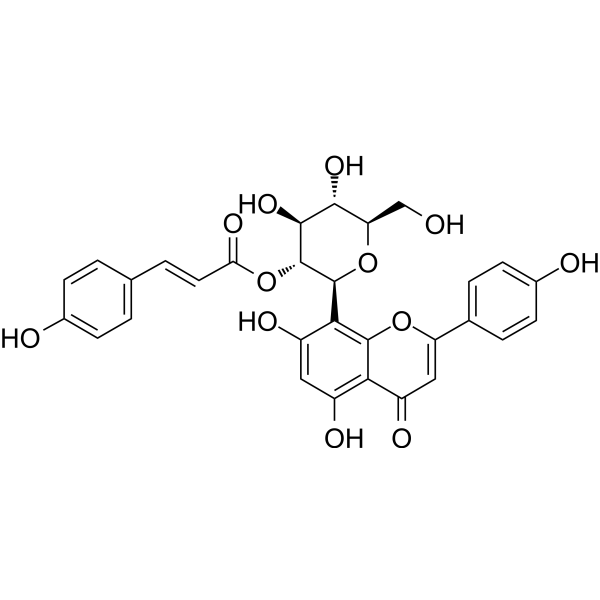
Vitexin2''-O-p-coumarate is isolated from fenugreek seeds. Vitexin2''-O-p-coumarate strongly promotes 2BS cell proliferation induced by H2O2 [2].
loading...
    loading...
Cat. No.: HY-N2627
CAS No.: 53584-69-3
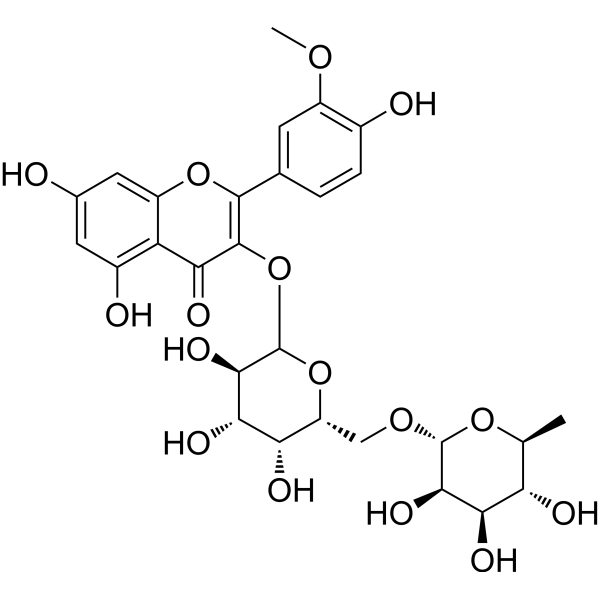
Isorhamnetin 3-O-robinobioside is a flavonoid compound. Isorhamnetin shows a protective effect against lipid peroxidation induced by H2O2. Isorhamnetin 3-O-robinobioside also inhibits the genotoxicity induced by hydroxyl radicals .
loading...
    loading...
Cat. No.: HY-174868
CAS No.: 3055107-60-0
iP300w (Compound 9) is a Histone acetyltransferase p300 (KAT3B) inhibitor. iP300w can be used for synthesis of PROTAC BT-O2C (HY-174866) .
loading...
    loading...
Cat. No.: HY-W110905
CAS No.: 19381-50-1
Research Areas:  

Others

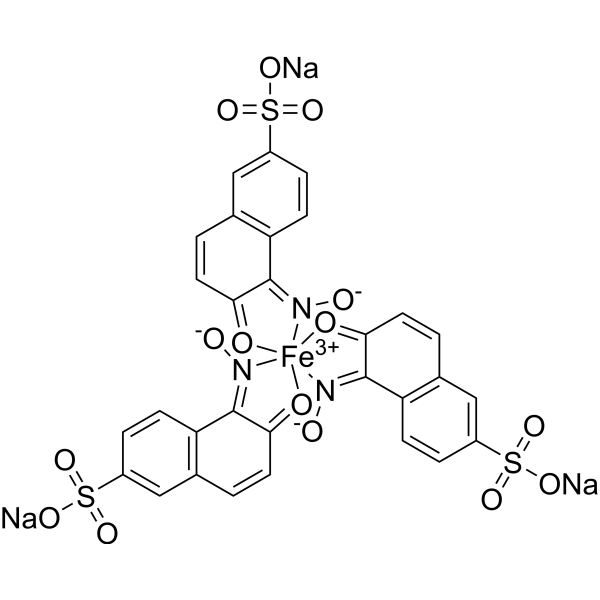
Naphthol green B is an iron-complex dye. Naphthol green B can be used in wool dyeing, silk dyeing and polyamide dyeing. Naphthol green B can be used to fabricate electrochemical sensor for the detection of H2O2 [2].
loading...
    loading...
Cat. No.: HY-161783
CAS No.: 3048532-05-1
HDAC6-IN-45 (Compound 15) is a selective inhibitor for HDAC6 with IC50 of 15.2 nM. HDAC6-IN-45 exhibits neurotrophic through the upregulation of GAP43 and Beta-3 tubulin markers. HDAC6-IN-45 activates the Nrf2 signaling pathway, reduces H2O2-induced ROS production, inhibits apoptosis in PC12, and exhibits neuroprotective efficacy in SCOP-induced zebrafish Alzheimer's Disease models. HDAC6-IN-45 exhibits antioxidant activity and good blood-brain barrier (BBB) permeability .
loading...
    loading...
Cat. No.: HY-P11474
FZ1 peptide is a cyclic heptapeptide and also an integrin αvβ3 agonist. FZ1 peptide activates the FAK/PI3K-AKT/ERK pathway and upregulates VEGFC to promote angiogenesis. FZ1 peptide exhibits antibacterial activity in extracts of HA-c-FZ1 hydrogel; it inhibits LPS-induced proinflammatory cytokine secretion in RAW264.7 macrophages; it reduces H2O2-induced ROS levels; it increases the healing rate of scratch wounds. FZ1 peptide can be used in studies related to diabetic skin wounds [2].
loading...
    loading...
Cat. No.: HY-116730
CAS No.: 886755-63-1
Research Areas:  

Others

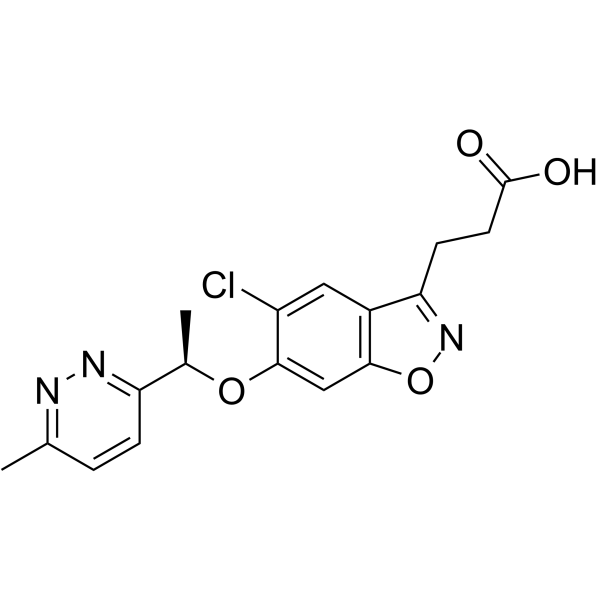
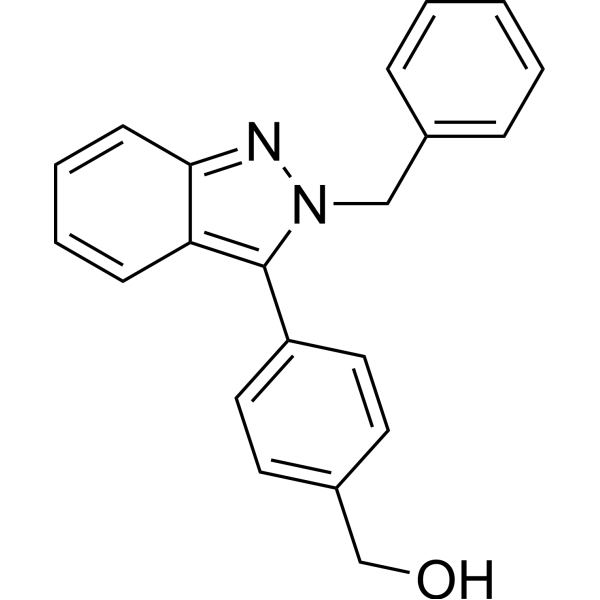
CHS-111 is a benzyl indazole inhibitor of superoxide anion O 2- generation. CHS-111 inhibits the cell migration, and reduces the formyl-Met-Leu-Phe- but not phorbol ester-stimulated phospholipase D activity, with the IC50 of 3.9 μM .
loading...
    loading...
Cat. No.: HY-151109
Target:  

Fluorescent Dye

Research Areas:  

Others

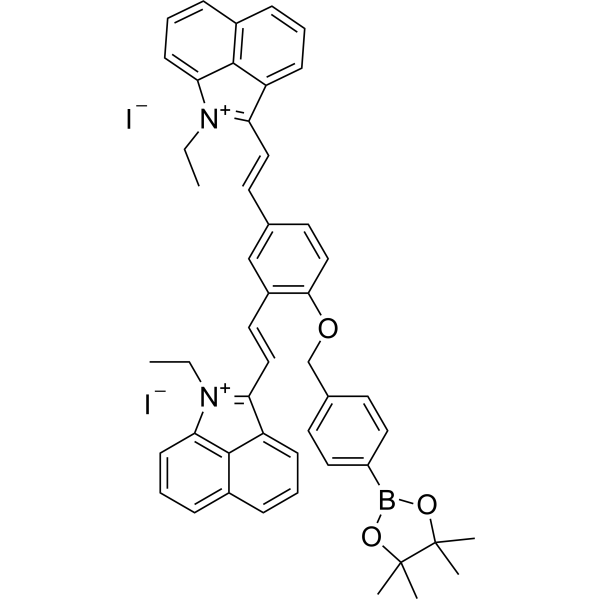
IR-990 is an activatable NIR-II fluorescent probe with an acceptor-π-acceptor (A-π-A) skeleton for real-time detection of H2O2 in vivo. IR-990 is a powerful diagnosis of agent-induced liver injury (DILI) .
loading...
    loading...
Cat. No.: HY-N20734
CAS No.: 64527-08-8
Synonyms: Polygalacin
Rhamnazin 3-O-rutinoside (Polygalacin) is a flavonoid compound. Rhamnazin 3-O-rutinoside can be extracted from Areca catechu L. Rhamnazin 3-O-rutinoside shows no significant inhibitory effect on recombinant hPTP1B, with an IC50 > 100 μM. Rhamnazin 3-O-rutinoside reduces Apoptotic cell death. Rhamnazin 3-O-rutinoside possesses cellular antioxidant activity and alleviates H2O2-induced oxidative stress. Rhamnazin 3-O-rutinoside lacks free radical scavenging activity. Rhamnazin 3-O-rutinoside can be used in the research of neurodegenerative diseases [2] .
loading...
    loading...

