1. Search Result
Search Result
Results for "

ACCs

" in MedChemExpress (MCE) Product Catalog:

72

Inhibitors & Agonists

1

Screening Libraries

1

Biochemical Assay Reagents

5

Peptides

2

MCE Kits

1

Inhibitory Antibodies

11

Natural
Products

1

Isotope-Labeled Compounds

1

Oligonucleotides

Cat. No. Product Name Target Research Areas Chemical Structure
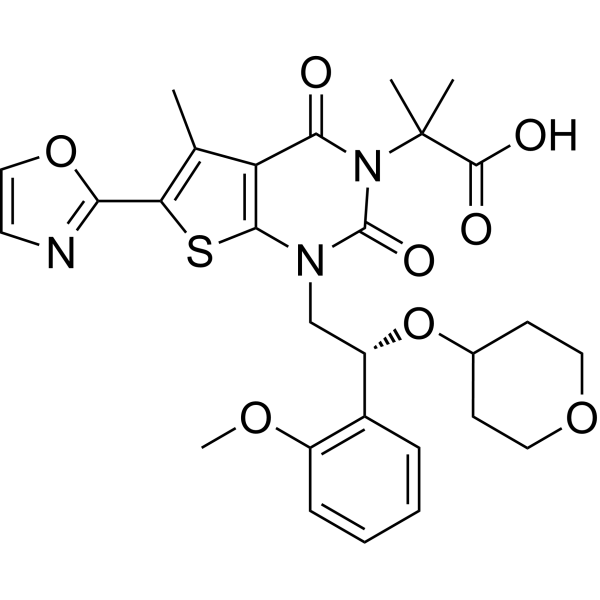
  • HY-16901
    Firsocostat
    Maximum Cited Publications
    23 Publications Verification

    ND-630; GS-0976; NDI-010976

    Acetyl-CoA Carboxylase Metabolic Disease
    Firsocostat (ND-630; GS-0976; NDI-010976) is an acetyl-CoA carboxylase (ACC) inhibitor; inhibits human ACC1 and ACC2 with IC50 values of 2.1 and 6.1 nM, respectively.
    Firsocostat
  • HY-D0713
    7ACC2
    5+ Cited Publications

    Monocarboxylate Transporter Mitochondrial Metabolism Cancer
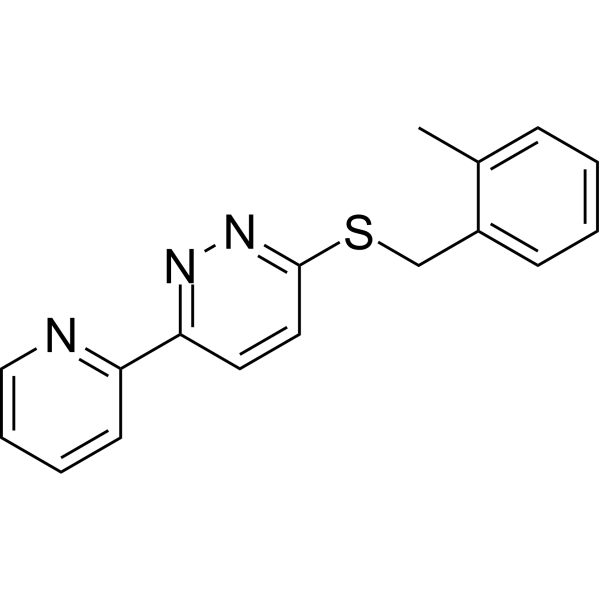
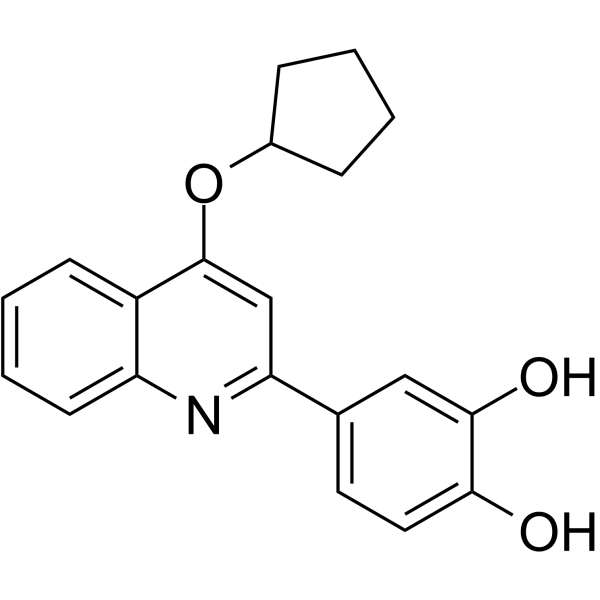
    7ACC2 is a potent monocarboxylate transporter (MCT) inhibitor with an IC50 of 11 nM for inhibition of [ 14C]-lactate influx. 7ACC2 is also a potent inhibitor of mitochondrial pyruvate transport. 7ACC2 is an anticancer agent through inhibition of lactate flux .
    7ACC2
  • HY-101842
    ND-646
    10+ Cited Publications

    Acetyl-CoA Carboxylase Cancer
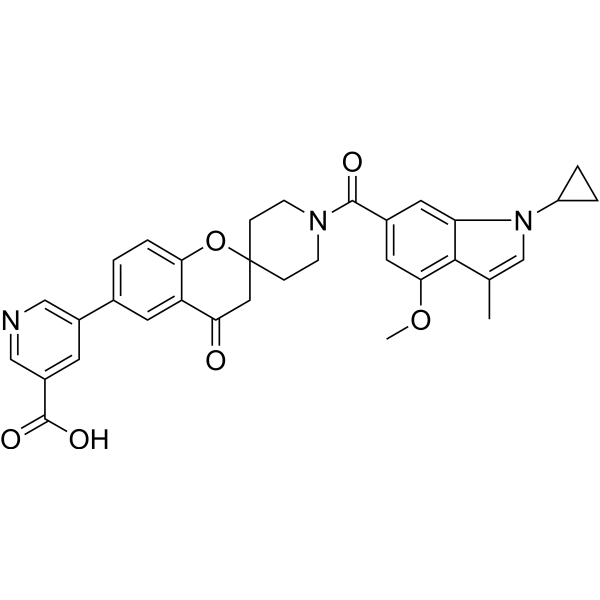
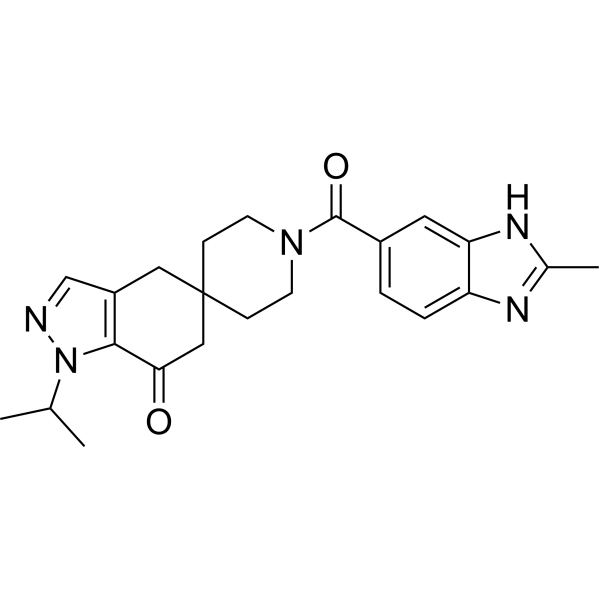
    ND-646 is an orally bioavailable and steric inhibitor of acetyl-CoA carboxylase (ACC) with IC50s of 3.5 nM and 4.1 nM for recombinant hACC1 and hACC2, respectively.
    ND-646
  • HY-153367
    FHD-609
    2 Publications Verification

    PROTACs Epigenetic Reader Domain Cancer
    FHD-609 is a PROTAC degrader and inhibitor of BRD9 (Bromodomain-containing protein 9). FHD-609 targets to ncBAF, can be used for research of wide range of cancers that contain a mutation in a BAF complex subunit. FHD-609 in combination with Telomelysin or INO5401, may play a role in adrenocortical carcinoma (ACC) treatment. (Blue: BRD9 ligand-6 (HY-49393), Black: linker (HY-168309); Pink: (S)-Deoxy-thalidomide-Br (HY-168308) ) .
    FHD-609
  • HY-125848

    Apoptosis AMPK PPAR p38 MAPK PI3K Akt GSK-3 Reactive Oxygen Species (ROS) SOD Caspase Neurological Disease Metabolic Disease Inflammation/Immunology Cancer
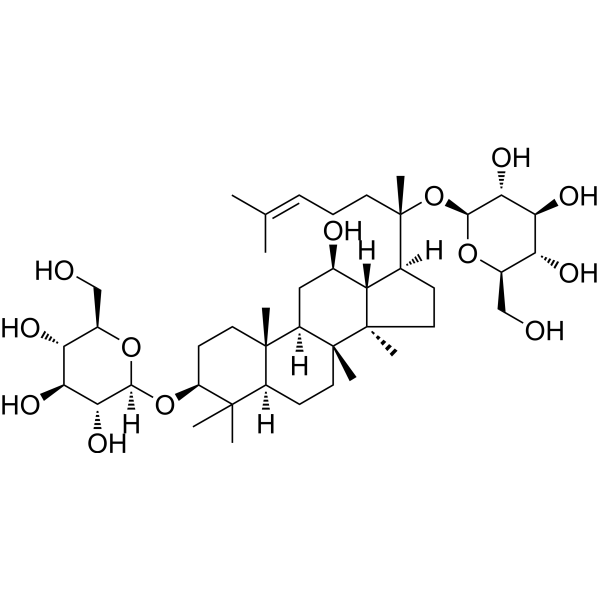
    Ginsenoside F2 is an orally active bioactive compound that participates in the regulation of metabolism and inflammation. Ginsenoside F2 promotes the phosphorylation of AMPK and ACC, binds to PPARγ, inhibits the phosphorylation of MAPK, activates the PI3K/AKT/GSK-3β pathway, reduces GLRX expression, and regulates lipid metabolism. Ginsenoside F2 reduces ROS production and MDA levels, restores SOD activity in cells, and alleviates oxidative stress. Ginsenoside F2 induces cell apoptosis (Apoptosis) and increases the number of cleaved caspase-3-positive cells. Ginsenoside F2 reduces body weight gain, adipose tissue weight and serum lipid levels in obese mice, and activates the hepatic AMPK signaling pathway and the expression of antioxidant enzymes. Ginsenoside F2 alleviates atopic dermatitis in mice by inhibiting inflammation and reshaping the gut microbiota . Ginsenoside F2 is applicable to research related to insulin resistance, obesity, atopic dermatitis, liver cancer, glioblastoma and glioma .
    Ginsenoside F2
  • HY-12942
    PF-05175157
    3 Publications Verification

    Acetyl-CoA Carboxylase Metabolic Disease
    PF-05175157 is broad spectrum acetyl-CoA carboxylase (ACC) inhibitor with IC50s of 27.0, 33.0, 23.5 and 50.4 nM for ACC1 (human), ACC2 (human), ACC1 (rat), ACC2 (rat), respectively.
    PF-05175157
  • HY-15259
    CP-640186
    5+ Cited Publications

    Acetyl-CoA Carboxylase Metabolic Disease
    CP-640186 is an orally active and cell-permeable Acetyl-CoA carboxylase (ACC) inhibitor with IC50s of 53 nM and 61 nM for rat liver ACC1 and rat skeletal muscle ACC2 respectively. Acetyl-CoA carboxylase (ACC) is a key enzyme of fatty acid metabolism that enables the synthesis of malonyl-CoA. CP-640186 can also stimulate muscle fatty acid oxidation .
    CP-640186
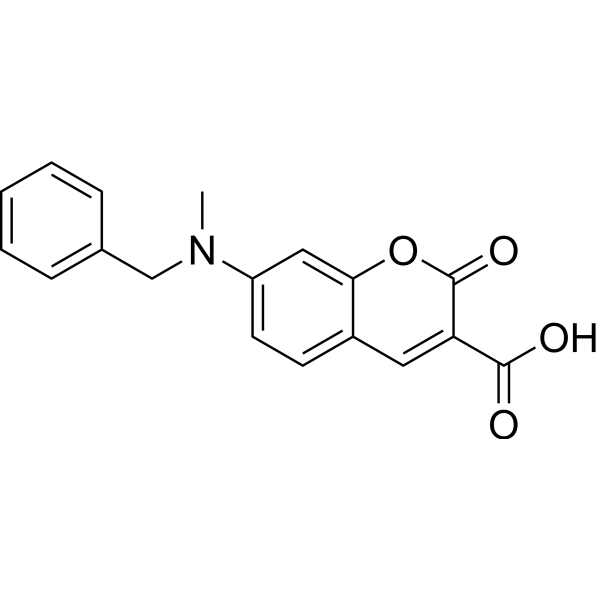
  • HY-D0067
    7ACC1
    5+ Cited Publications

    DEAC; Coumarin D 1421; D 1421

    Monocarboxylate Transporter Cancer
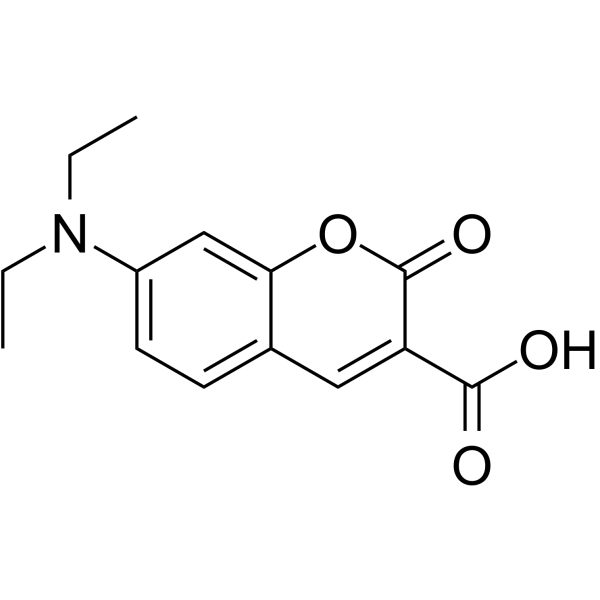
    7ACC1 (DEAC; Coumarin D 1421; D 1421) is a monocarboxylate transporter 1 (MCT-1)/MCT-4 specifc blocker. 7ACC1 attenuates renal cancer cell proliferation, migration, invasion and down-regulates the levels of MCT1/MCT4 expression and extracellular lactate. 7ACC1 is promising for research of cancers .
    7ACC1
  • HY-12741
    LDN-212320
    5+ Cited Publications

    LDN-0212320; OSU-0212320

    EAAT Neurological Disease
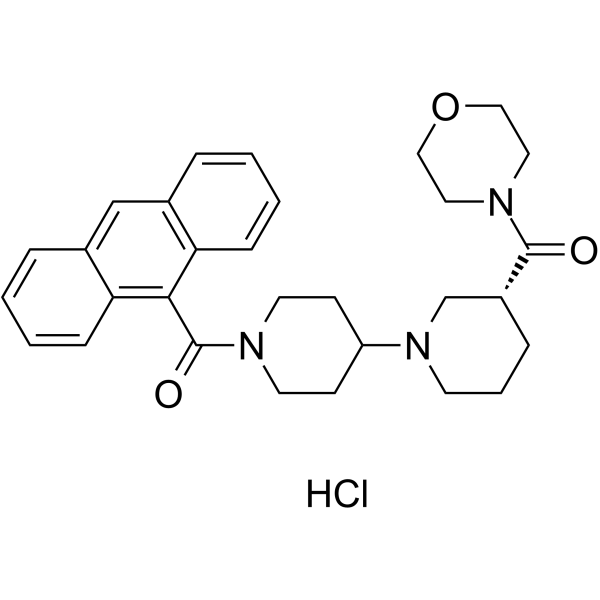
    LDN-212320 (LDN-0212320) is a glutamate transporter (GLT-1)/excitatory amino acid transporter 2 (EAAT2) activator (at translational level). LDN-212320 (LDN-0212320) prevents nociceptive pain by upregulating astroglial GLT-1 expression in the hippocampus and ACC [1]
    LDN-212320
  • HY-N0853
    Alisol A
    5 Publications Verification

    AMPK Acetyl-CoA Carboxylase PPAR MMP Interleukin Related Infection Cardiovascular Disease Neurological Disease Metabolic Disease Inflammation/Immunology Cancer
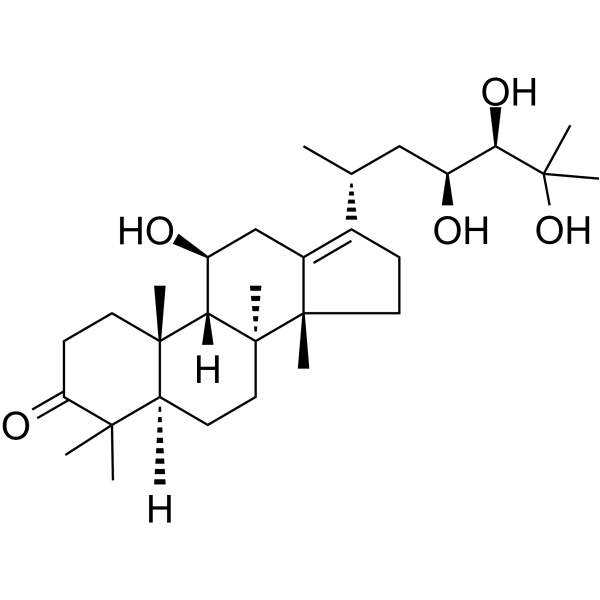
    Alisol A is an orally active tetracyclic triterpenoid compound of the prototerpane type. Alisol A can be extracted from the rhizome of Alisma orientale. Alisol A activates AMPK/ACC/SREBP-1c, SIRT1, PPARα, inhibits MMP-2/-9, decreases inflammatory cytokine expression (IL-1β, IL-6, IL-8). Alisol A has anti-tumor activity against breast cancer and colorectal cancer. Alisol A has anti-obesity and anti-atherosclerotic activities. Alisol A can be used in the research of hepatitis B, breast cancer, colorectal cancer, atherosclerosis, and obesity .
    Alisol A
  • HY-100771

    Indoleamine 2,3-Dioxygenase (IDO) Cardiovascular Disease
    PCC0208009 is a potent IDO inhibitor with an IC50 value of 4.52 nM in HeLa cell. PCC0208009 alleviates neuropathic pain and comorbidities by regulating synaptic plasticity of anterior cingulate cortex (ACC) and amygdala .
    PCC0208009
  • HY-160912

    ELOVL Metabolic Disease
    ELOVL6-IN-5 is an orally active and selective elongase enzyme of long-chain fatty acid family 6 (ELOVL6) inhibitor with IC50 values of 85 nM and 38 nM for human and mouse ELOVL6, respectively. ELOVL6-IN-5 shows >60-fold selectivity over other ELOVL family enzymes (ELOVL1, 2, 3, 5) and no effect on other lipid synthesis enzymes like ACC1, ACC2. ELOVL6-IN-5 reduces hepatic fatty acid composition ratio of C18 to C16 in diet-induced obesity (DIO) and KKAy mice. ELOVL6 inhibition by ELOVL6-IN-5 does not improve insulin resistance. ELOVL6-IN-5 can be used for the research of metabolic disease .
    ELOVL6-IN-5
  • HY-15259A
    CP-640186 hydrochloride
    5+ Cited Publications

    Acetyl-CoA Carboxylase Metabolic Disease
    CP-640186 hydrochloride is an orally active and cell-permeable Acetyl-CoA carboxylase (ACC) inhibitor with IC50s of 53 nM and 61 nM for rat liver ACC1 and rat skeletal muscle ACC2 respectively. Acetyl-CoA carboxylase (ACC) is a key enzyme of fatty acid metabolism that enables the synthesis of malonyl-CoA. CP-640186 hydrochloride can also stimulate muscle fatty acid oxidation .
    CP-640186 hydrochloride
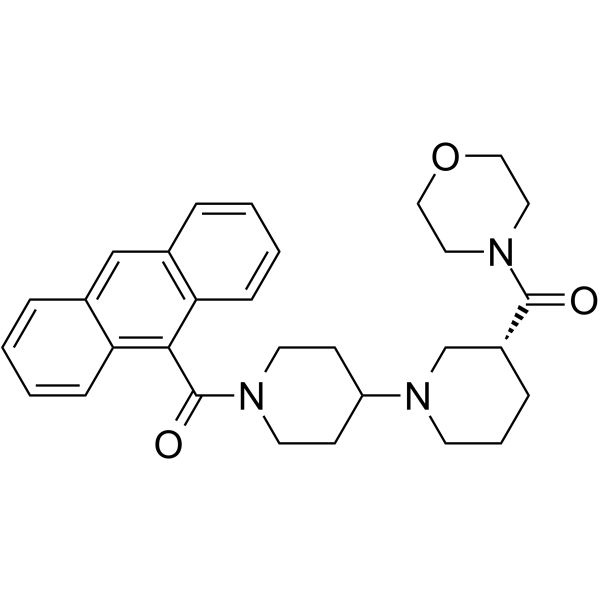
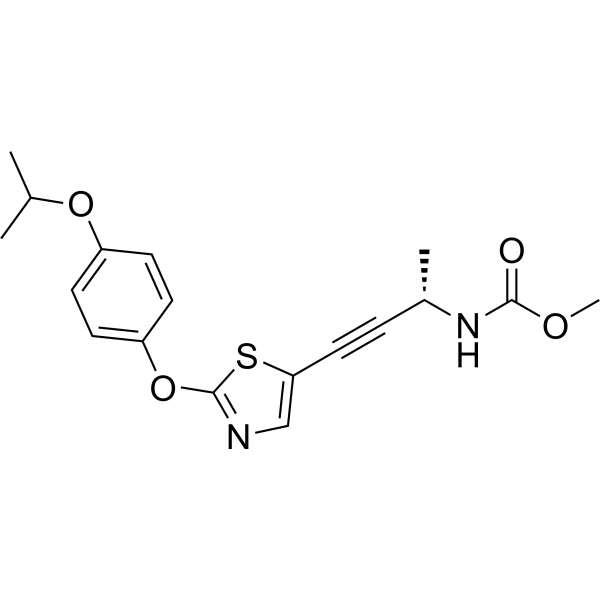
  • HY-147004

    Acetyl-CoA Carboxylase Metabolic Disease
    A-908292 is a potent and selective acetyl-CoA carboxylase 2 (ACC2) inhibitor, with an IC50 of 23 nM for human ACC2. A-908292 can be used for the research of fatty acid metabolism . A-908292 is a click chemistry reagent, it contains an Alkyne group and can undergo copper-catalyzed azide-alkyne cycloaddition (CuAAc) with molecules containing Azide groups.
    A-908292
  • HY-135981
    CMS-121
    2 Publications Verification

    Acetyl-CoA Carboxylase Neurological Disease Inflammation/Immunology
    CMS-121 is a quinolone derivative and an orally active acetyl-CoA carboxylase 1 (ACC1) inhibitor. CMS-121 protects HT22 cells against ischemia and oxidative damage with EC50 values of 7 nM and 200 nM, respectively. CMS-121 has strong neuroprotective, anti-inflammatory, antioxidative and renoprotective activities .
    CMS-121
  • HY-N0772
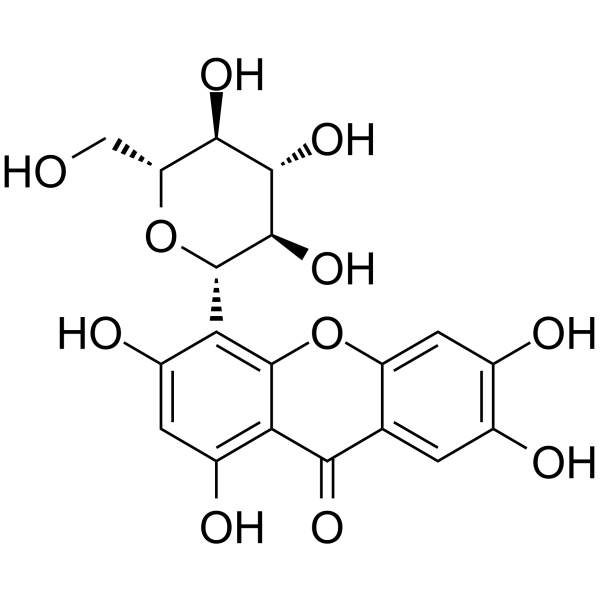
    Isomangiferin
    4 Publications Verification

    VEGFR NOD-like Receptor (NLR) NF-κB Bacterial AMPK Acetyl-CoA Carboxylase Apoptosis Reactive Oxygen Species (ROS) HSV Drug Derivative Infection Metabolic Disease Inflammation/Immunology Cancer
    Isomangiferin is an orally active xanthone C-glucoside, and its chemical structure is similar to Mangiferin (HY-N0290). Isomangiferin is an effective VEGFR-2 kinase inhibitor, which can induces cell apoptosis, inhibit the growth, metastasis and angiogenesis of breast cancer. Isomangiferin exerts anti-inflammatory effects by inhibiting the HMGB1/NLRP3/NF-κB signaling pathway, thereby improving the renal function indicators of diabetic mice. Isomangiferin exhibits inhibitory effects on various bacteria and herpes simplex virus type 1 (HSV-1). Isomangiferin promotes the migration and osteogenic differentiation of bone marrow mesenchymal stem cells (BMSCs) and reduces cell apoptosis and the production of ROS by activating the AMPK/ACC pathway, thereby facilitating fracture healing .
    Isomangiferin
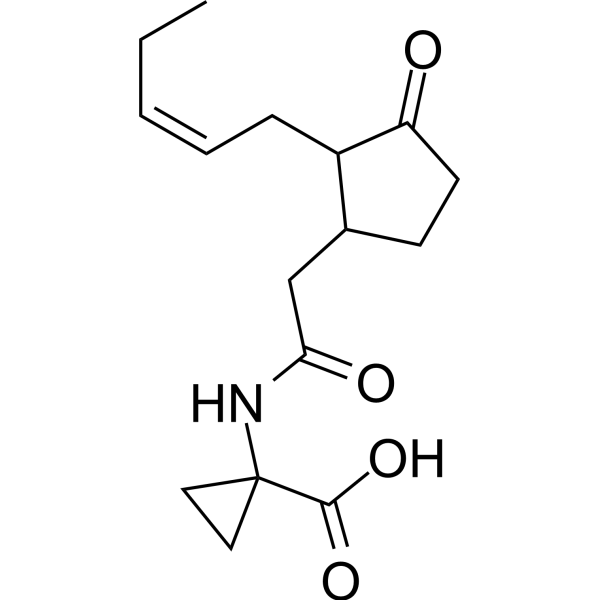
  • HY-151931

    Jasmonyl-ACC

    Phytohormone Metabolic Disease
    JA-ACC (Jasmonyl-ACC) is a derivative of 1-aminocyclopropane-1-carboxylic acid (ACC). ACC is the direct precursor of the plant hormone ethylene. JA-ACC inhibits root growth in Arabidopsis and the inhibition is independent of jasmonic acid (JA) signaling .
    JA-ACC
  • HY-107709
    MK-4074
    4 Publications Verification

    Acetyl-CoA Carboxylase Metabolic Disease
    MK-4074 is a liver-specific inhibitor of acetyl-CoA carboxylase ACC1 and ACC2 with IC50 values of approximately 3 nM.
    MK-4074
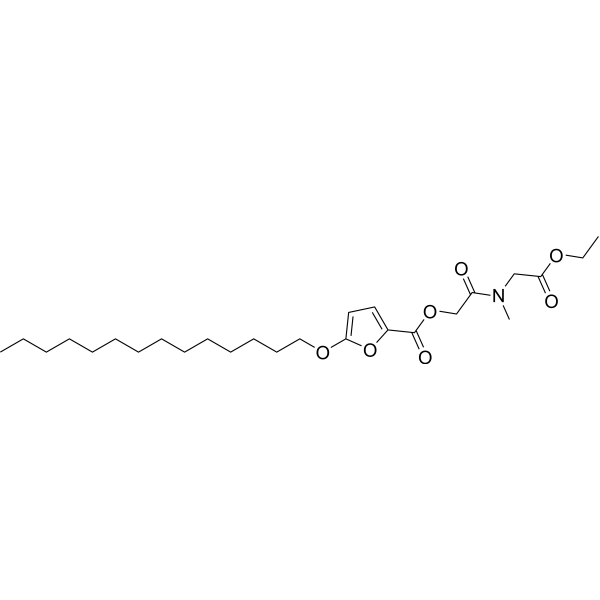
  • HY-17641

    DRM01

    Acetyl-CoA Carboxylase Others
    Olumacostat glasaretil (DRM01) is a small molecule inhibitor of acetyl coenzyme A carboxylase (ACC).
    Olumacostat glasaretil
  • HY-152117

    Acetyl-CoA Carboxylase Bacterial Infection
    Acetyl-CoA Carboxylase-IN-1 is a potent acetyl-CoA carboxylase (ACC) inhibitor with an IC50 value of <5 nM. Acetyl-CoA Carboxylase-IN-1 has antibacterial activity .
    Acetyl-CoA Carboxylase-IN-1
  • HY-102066

    AZD-7451

    Trk Receptor Cancer
    Utatrectinib (AZD-7451) is a potent, selective and orally active Trk inhibitor. Utatrectinib blocks TrkC activation and associated tumorigenic behaviors .
    Utatrectinib
  • HY-119575

    1,3,7,9-Tetramethyluric acid; Theacrine

    Influenza Virus Collagen Sirtuin Interleukin Related TGF-beta/Smad ERK p38 MAPK Inflammation/Immunology
    Tetramethyluric acid (1,3,7,9-Tetramethyluric acid) is an orally active purine alkaloid in Coffea species and Camellia kucha. Tetramethyluric acid exhibits antiviral, and anti-inflammatory activity. Tetramethyluric acid can be used for the research of inflammation disease, and influenza virus infection .
    Tetramethyluric acid
  • HY-19624

    ACC-789; ZK202650

    VEGFR PDGFR Cancer
    NVP-ACC789 is an inhibitor of human VEGFR-1, VEGFR-2 (mouse VEGFR-2), VEGFR-3 and PDGFR-β with IC50s of 0.38, 0.02 (0.23), 0.18, 1.4 μM, respectively.
    NVP-ACC789
  • HY-N0853A
    Alisol A 24-acetate
    1 Publications Verification

    Alisol A 24-monoacetate; Alisol A monoacetate

    AMPK Carnitine Palmitoyltransferase (CPT) Acyltransferase Fatty Acid Synthase (FASN) Acetyl-CoA Carboxylase Bcl-2 Family PPAR Nuclear Factor of activated T Cells (NFAT) PI3K Akt PKA ERK Apoptosis Autophagy Cardiovascular Disease Infection Neurological Disease Metabolic Disease Endocrinology
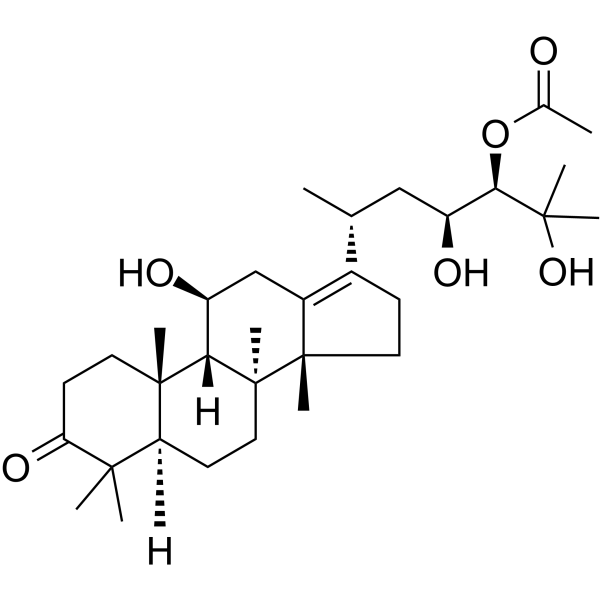
    Alisol A 24-acetate (Alisol A monoacetate) is an orally active derivative of protostane-type tetracyclic triterpenoid. Alisol A 24-acetate upregulates the expression of adiponectin, AMPKα, CPT1, and ACOX1; downregulates the expression of SREBP-1c, ACC, FAS, Bcl-2, Bcl-xl, PPAR-γ, perilipin A, and NFATc1; inhibits the activity of PI3K/Akt/mTOR and HMGR; and activates the PKA and ERK signaling pathways. Alisol A 24-acetate regulates cell apoptosis (apoptosis), autophagy (Autophagy, hepatic lipid accumulation, inflammatory response, neuroprotection, MRSA membrane integrity, and osteoclast differentiation. Alisol A 24-acetate can be used in research related to non-alcoholic fatty liver disease, nephrotoxicity, obesity, global cerebral ischemia-reperfusion injury, bacterial infection, and osteoporosis .
    Alisol A 24-acetate
  • HY-P10002

    Proteasome Cancer
    EWFW-ACC is the tetrapeptide substrate for the immunoproteasome and has selectivity for the LMP7 subunits .
    EWFW-ACC
  • HY-124609

    AMPK Acetyl-CoA Carboxylase Neurological Disease
    CAD031 is an orally active AMPK/ACC1 signaling pathway activator and a derivative of the Alzheimer's disease (AD) targeted agent J147 (HY-13779) (more active than J147 in human neural stem cell assays). CAD031 can cross the blood-brain barrier, activate AMPK and inhibit ACC1, thereby increasing ac-CoA levels, improving mitochondrial function and reducing free fatty acid synthesis. CAD031 has neuroprotective, neurogenesis-promoting and memory-improving activities and can be used in the study of Alzheimer's disease and aging-related neurodegenerative diseases. CAD031 effectively enhances the memory of mice, improves dendritic structure, and stimulates cell division in the germinal zone of the brain of elderly mice .
    CAD031
  • HY-79503

    Mandyphos SL-M001-1, (2R,2μR)-1,1μ-Bis[(R)-(dimethylamino)phenylmethyl]-2,2μ-bis(diphenylphosphino)ferrocene (acc to CAS)

    Drug Intermediate Others
    (Rp,R'p)-(R)-Mandyphos (Mandyphos SL-M001-1, (2R,2μR)-1,1μ-Bis[(R)-(dimethylamino)phenylmethyl]-2,2μ-bis(diphenylphosphino)ferrocene (acc to CAS)) is a drug intermediate for synthesis of various active compounds.
    (Rp,R'p)-(R)-Mandyphos
  • HY-147932

    Acetyl-CoA Carboxylase Cancer
    ACC1/2-IN-2 (compound PF-3) is a potent ACC1/2 inhibitor with IC50 values of 22 and 48 nM for ACC1 and ACC2, respectively. ACC1/2-IN-2 has antiproliferation activity and can be used for cancer research .
    ACC1/2-IN-2
  • HY-147376

    Acetyl-CoA Carboxylase Metabolic Disease
    hACC2-IN-1 is a potent acetyl-CoA carboxylase 2 (ACC2) inhibitor, with an IC50 value of 2.5 μM (hACC2). hACC2-IN-1 could be used for obesity research .
    hACC2-IN-1
  • HY-W588256

    Endogenous Metabolite Acetyl-CoA Carboxylase Infection
    12-Tridecenoic acid is a metabolite of intestinal flora, which can promote the expression of acetyl-CoA carboxylase α (ACC) and inhibit the expression of carnitine palmitoyltransferase 1A (CPT1A), thereby aggravating hepatic steatosis. 12-Tridecenoic acid aggravates hepatic steatosis by affecting the ACC-CPT1A axis .
    12-Tridecenoic acid
  • HY-120904

    AMPK Metabolic Disease
    AMPK-IN-1 is an activator of AMPK (EC50: 551 nM for isoform α2β2γ1). AMPK-IN-1 leads to eEF2 phosphorylation in a mTORC1-independent way .
    AMPK-IN-1
  • HY-179537

    Acetyl-CoA Carboxylase Drug Derivative Inflammation/Immunology
    CKBA, a derivative of AKBA (HY-N0892) is an inhibitor of acetyl-CoA carboxylase 1 (ACC1), with an IC50 of 5.02 μM. CKBA inhibits the differentiation of Th17 cells and has IC50 values of 3.28 μM for mouse cells and 3.61 μM for human cells. CKBA ointment significantly alleviates psoriasis-like inflammation in mice. CKBA can be used for the study of psoriasis .
    CKBA
  • HY-N10612

    AMPK PPAR TRP Channel Mitochondrial Metabolism Metabolic Disease Cancer
    Petasin inhibits adipogenesis in cell 3T3-F442A with an IC50 of 0.95 μM. Petasin inhibits the expression of lipid synthesis factors ACC1, FAS and SCD1 by inhibiting transcription factors PPARγ and C/EBPα, as well as targeting TRPA1 and TRPV1 channels . Petasin inhibits mitochondrial complex I, thereby inhibiting tumor growth and metastasis. Petasin activates AMPK signaling pathway, participating in regulation of glucose and lipid metabolism. Petasin is orally active .
    Petasin
  • HY-127108

    Acetyl-CoA Carboxylase Metabolic Disease Cancer
    ND-654 is a highly selective acetyl-CoA carboxylase (ACC) inhibitor (IC50: ACC1=3 nM, ACC2=8 nM). ND-654 reduces hepatic lipogenesis, decreases neutrophil recruitment and promotes anti-inflammatory M2 macrophage polarization. ND-654 is promising for research of nonalcoholic steatohepatitis and hepatocellular carcinoma .
    ND-654
  • HY-148684

    AMPK Metabolic Disease
    AMPK activator 10 is an orally active, potent AMPK activator with EC150 of 44.3 nM by cell-ELISA. AMPK activator 10 increases the phosphorylation levels of ACC. AMPK activator 10 exhibits a glucose lowering effect .
    AMPK activator 10
  • HY-178040

    Acetyl-CoA Carboxylase Pyruvate Carboxylase (PC) Parasite Insecticide Infection
    Insecticidal agent 26 (Compound A11), a spiro insecticidal agent, is a dual-functional inhibitor of pest Acetyl-CoA carboxylase (ACC) and Pyruvate carboxylase (PC). Insecticidal agent 26 has potent insecticidal activity against Sogatella furcifera with a LC50 of 11.0  μg/mL, with significant biosafety to bees. Insecticidal agent 26 can be used for management of white-backed planthoppers (WBPs) .
    Insecticidal agent 26
  • HY-151931S

    Jasmonyl-ACC-d3

    Isotope-Labeled Compounds Others
    JA-ACC-d3 is deuterium labeled JA-ACC .
    JA-ACC-d3
  • HY-P10003B

    Proteasome Others
    iso-VQA-ACC acetate is a substrate for constitutive proteasome .
    iso-VQA-ACC acetate
  • HY-16943

    Bacterial Acetyl-CoA Carboxylase Infection
    Moiramide B is a potent acetyl-CoA carboxylase (ACC) inhibitor with an IC50 value of 6 nM. Moiramide B has antibacterial activity .
    Moiramide B
  • HY-150191

    Lipoxygenase Acetyl-CoA Carboxylase Metabolic Disease
    IMA-1 is an inhibitor that inhibits the interaction between arachidonic acid 12-lipoxygenase (ALOX12) and acetyl-CoA carboxylase 1 (ACC1). IMA-1 significantly blocks the progression of diet-induced non-alcoholic steatohepatitis (NASH) in male mice and crab-eating monkeys, and does not cause hyperlipidemia. IMA-1 can be used for the study of NASH .
    IMA-1
  • HY-173565

    Acetyl-CoA Carboxylase Inflammation/Immunology
    ACC-IN-1 (Compound B1) is an allosteric inhibitor of acetyl-CoA carboxylase (ACC). ACC-IN-1 targets ACC to regulate lipid metabolism, which can improve liver steatosis, inflammation related to non-alcoholic steatohepatitis (NASH) .
    ACC-IN-1
  • HY-16946

    Acetyl-CoA Carboxylase Metabolic Disease
    CP-610431 is a reversible, ATP-uncompetitive, isozyme-nonselective acetyl-CoA carboxylase (ACC) inhibitor. CP-610431 inhibits ACC1 and ACC2 with IC50s of ~50 nM. CP-610431 can be used for the research of metabolic syndrome .
    CP-610431
  • HY-121273

    Dichlorfop acid; (±)-Diclofop

    Acetyl-CoA Carboxylase Parasite Drug Metabolite Infection
    Diclofop (Dichlorfop acid) is an acetyl-CoA carboxylase (ACC) inhibitor. Diclofop is also the major metabolite of the herbicide Diclofop-methyl (HY-136367). Diclofop exhibits antimalarial activity with an IC50 of 210 μM against P. falciparum .
    Diclofop
  • HY-147930

    Acetyl-CoA Carboxylase Cancer
    ACC1/2-IN-1 (compound 4s) is a potent ACC1/2 inhibitor with IC50 values of 98.06 and 29.43 nM for ACC1 and ACC2, respectively. ACC1/2-IN-1 can be used for cancer research .
    ACC1/2-IN-1
  • HY-42632

    Acetyl-CoA Carboxylase Metabolic Disease
    ACC1/2-IN-3 (example 66) is an ACC1 and ACC2 inhibitor with an IC50 value of 1-10 nM for both. ACC1/2-IN-3 can be used for the study of diseases mediated by ACC, such as metabolic disease .
    ACC1/2-IN-3
  • HY-16901R

    ND-630 (Standard); GS-0976 (Standard); NDI-010976 (Standard)

    Acetyl-CoA Carboxylase Reference Standards Metabolic Disease
    Firsocostat (Standard) is the analytical standard of Firsocostat. This product is intended for research and analytical applications. Firsocostat (ND-630; GS-0976; NDI-010976) is an acetyl-CoA carboxylase (ACC) inhibitor; inhibits human ACC1 and ACC2 with IC50 values of 2.1 and 6.1 nM, respectively.
    Firsocostat (Standard)
  • HY-N7521

    Procyanidine C2

    Acetyl-CoA Carboxylase Fatty Acid Synthase (FASN) Stearoyl-CoA Desaturase (SCD) PPAR AMPK mTOR JNK Inflammation/Immunology
    Procyanidin C2 (Procyanidine C2) is a lipid metabolism regulator and antioxidant with free radical scavenging activity. Procyanidin C2 down-regulates ACC, SREBP-1c, FAS, SCD-1 and PPARγ. Procyanidin C2 increases the level of phosphorylated AMPKα and inhibits the level of phosphorylated mTOR. Procyanidin C2 reduces lipid accumulation, alleviates oxidative stress, enhances fatty acid oxidation and improves mitochondrial function. Procyanidin C2 can be used in the research of non-alcoholic fatty liver disease .
    Procyanidin C2
  • HY-P99527

    ACC-001; PF 05236806

    Amyloid-β Neurological Disease
    Vanutide cridificar (ACC-001) is an aminoterminal Aβ1-7 peptide conjugate. Vanutide cridificar can be used for Alzheimer's disease (AD) research .
    Vanutide cridificar
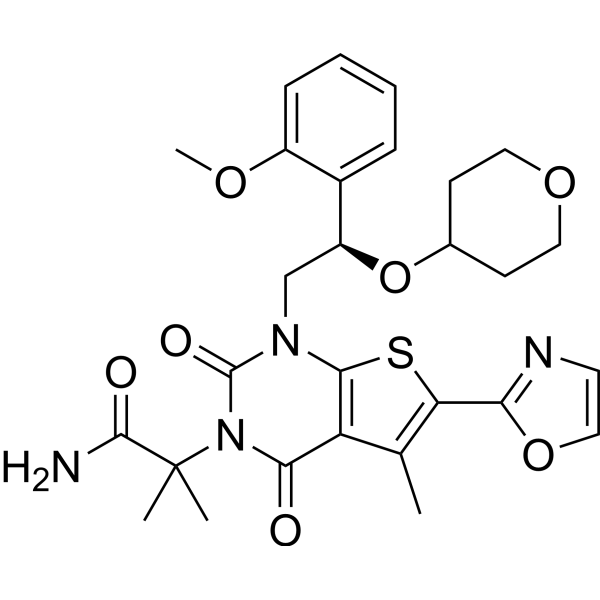
  • HY-16901A

    ND-630 (S enantiomer); GS-0976 (S enantiomer); NDI-010976 (S enantiomer)

    Acetyl-CoA Carboxylase Others
    Firsocostat S enantiomer (ND-630 S enantiomer) is the less active S enantiomer of Firsocostat. Firsocostat is an acetyl-CoA carboxylase (ACC) inhibitor.
    Firsocostat (S enantiomer)
  • HY-169009

    Acetyl-CoA Carboxylase Infection
    (Rac)-Spirotetramat-enol (Compound 8) is a ligand of acetyl-CoA carboxylase that can be used to synthesize PROTAC ADC degrader (HY-169008) .
    (Rac)-Spirotetramat-enol

Inquiry Online

Your information is safe with us. * Required Fields.

Salutation


Country or Region *

Applicant Name *


Organization Name *

Department *


Email Address *


Product Name *

Cat. No.


Requested quantity *

Phone Number *


Remarks

Inquiry Online

Inquiry Information

Product Name:
Cat. No.:
Quantity:
MCE Japan Authorized Agent:

