
1. Search Result
Search Result
Results for "

APCI-positive mode LC/MS

" in MedChemExpress (MCE) Product Catalog:

106

Inhibitors & Agonists

2

Screening Libraries

6

Fluorescent Dye

4

Biochemical Assay Reagents

2

Peptides

2

Inhibitory Antibodies

7

Natural
Products

1

Isotope-Labeled Compounds

1

Oligonucleotides

Targets Recommended:
Cat. No. Product Name Target Research Areas Chemical Structure
  • HY-108341A
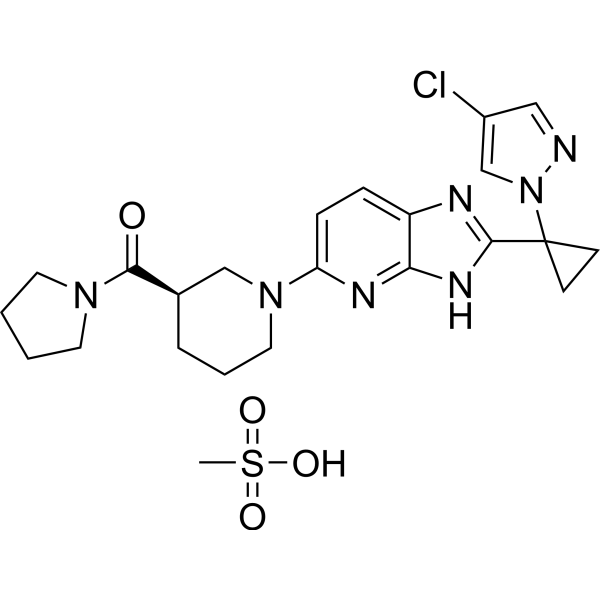
    PF-06424439 methanesulfonate
    Maximum Cited Publications
    25 Publications Verification

    Acyltransferase Metabolic Disease
    PF-06424439 methanesulfonate is an oral, potent and selective imidazopyridine diacylglycerol acyltransferase 2 (DGAT2) inhibitor with an IC50 of 14 nM . PF-06424439 methanesulfonate is slowly reversible, time-dependent inhibitor, which inhibits DGAT2 in a noncompetitive mode with respect to the acyl-CoA substrate .
    PF-06424439 methanesulfonate
  • HY-108810

    Ilaris; ACZ 885

    Interleukin Related Inflammation/Immunology Cancer
    Canakinumab (ACZ885) is a recombinant human anti-IL-1β monoclonal antibody. Canakinumab shows IC50 values of 43.6 and 40.8 pM for human and marmoset IL-1β, respectively. The mode of action of canakinumab is based on the neutralization of IL-1β signaling, resulting in suppression of inflammation related to disorders of autoimmune origin .
    Canakinumab
  • HY-108341
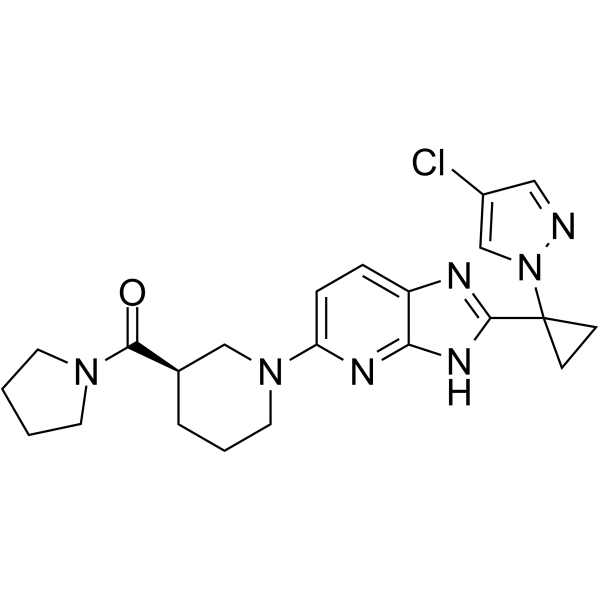
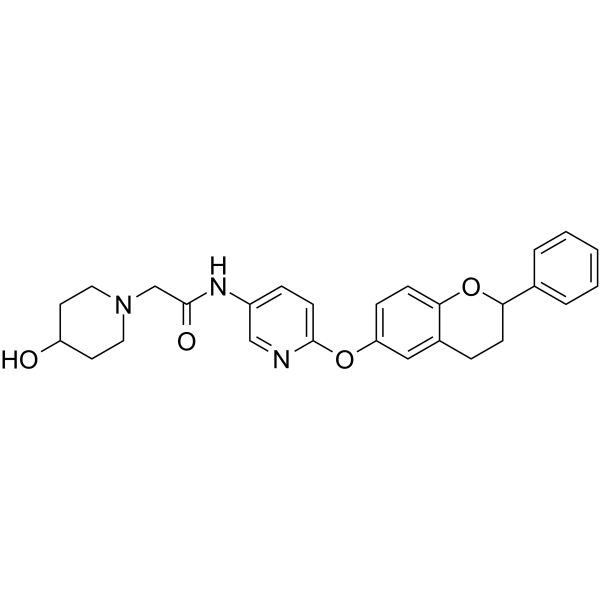
    PF-06424439
    Maximum Cited Publications
    25 Publications Verification

    Acyltransferase Metabolic Disease
    PF-06424439 is an oral, potent and selective imidazopyridine diacylglycerol acyltransferase 2 (DGAT2) inhibitor with an IC50 of 14 nM . PF-06424439 is slowly reversible, time-dependent inhibitor, which inhibits DGAT2 in a noncompetitive mode with respect to the acyl-CoA substrate .
    PF-06424439
  • HY-120166
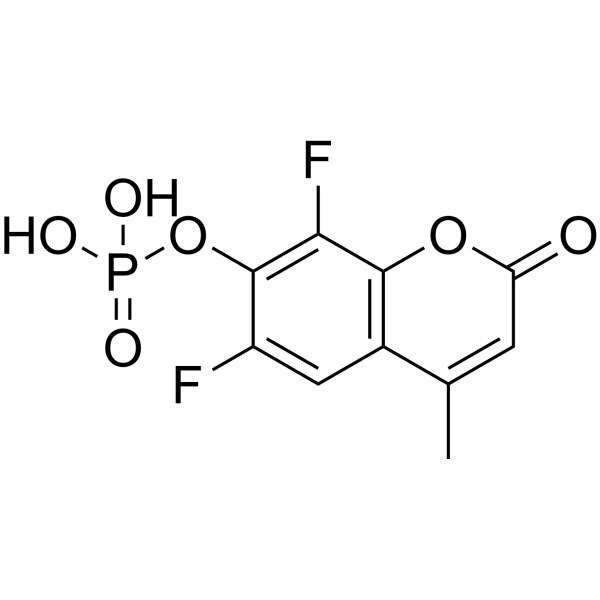
    DiFMUP
    1 Publications Verification

    6,8-Difluoro-4-methylumbelliferyl phosphate

    Phosphatase Others
    DiFMUP is a fluorogenic substrate, and has been widely used for the continuous detection of phosphatase activities. DiFMUP is hydrolysis by a phosphatase results in the release of Xuorescent DIFMU, which can be easily followed in continuous mode by a Xuorescence reader .
    DiFMUP
  • HY-13625
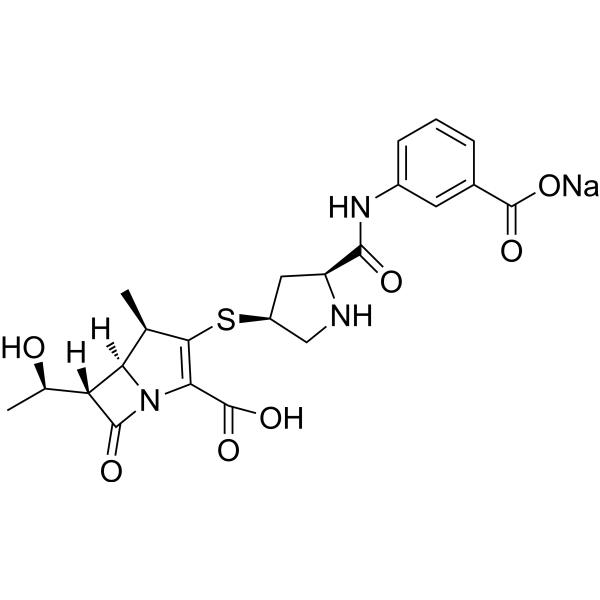
    Ertapenem sodium
    10+ Cited Publications

    L-749345; MK-826

    Bacterial Antibiotic Infection Cancer
    Ertapenem sodium (L-749345) is a broad spectrum and long acting β-lactam antibiotic. Ertapenem sodium has a broad-spectrum anti-anaerobic activity against a variety of anaerobes with a mode MIC of 0.12 μg/mL. Ertapenem sodium can be used for the research of severe infections caused by bacteria in the skin, lungs, stomach, pelvis, and urinary tract .
    Ertapenem sodium
  • HY-101044
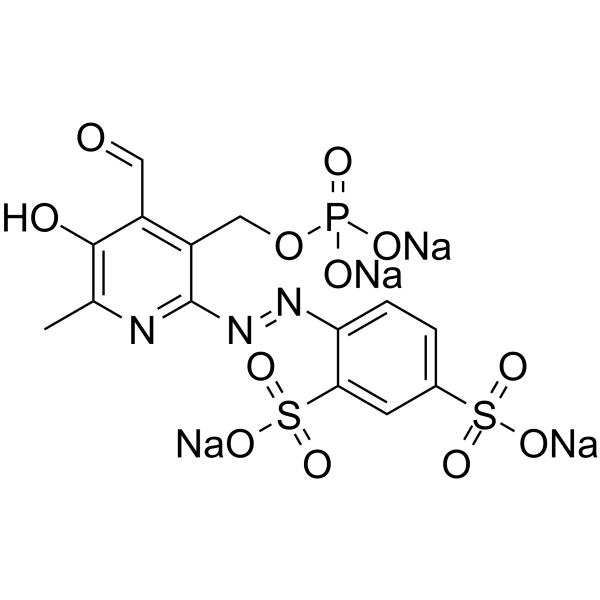
    PPADS tetrasodium
    5+ Cited Publications

    P2X Receptor Na+/Ca2+ Exchanger Neurological Disease
    PPADS tetrasodiuma is a non-selective P2X receptor antagonist. PPADS tetrasodiuma blocks recombinant P2X1, -2, -3, -5 with IC50s ranging from 1 to 2.6 μM. PPADS tetrasodiuma blocks native P2Y2-like (IC50~0.9 mM) and recombinant P2Y4 (IC50~15 mM) receptors. PPADS tetrasodiuma is an inhibitor of the reverse mode of the Na/Ca 2+ exchanger in guinea pig airway smooth muscle .
    PPADS tetrasodium
  • HY-Y0091

    9,9-Dimethyl-4,5-bis(diphenylphosphino)xanthene

    Biochemical Assay Reagents Others
    Xantphos (9,9-Dimethyl-4,5-bis(diphenylphosphino)xanthene) is a bisphosphine ligand. Xantphos coordinates to metals in either cis or trans chelation mode. Xantphos acts as a key ligand in palladium or platinum catalyzed reactions. Xantphos can be used in the construction of heterocyclic compounds in organic synthesis .
    Xantphos
  • HY-122815

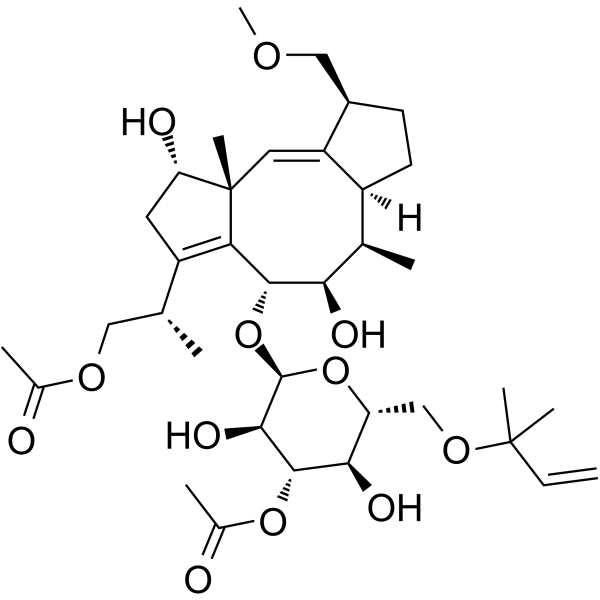
    Fusicoccin A

    Apoptosis Cancer
    Fusicoccin (Fusicoccin A), a fungal pytotoxin, is a stabilizer of specific 14-3-3 protein-protein interactions. Fusicoccin sabilizes H +-ATPase/14-3-3 cmplex in pants, maintaining the enzyme in activated state. Fusicoccin also stabilizes 14-3-3 protein interactions with binding partners containing a C-terminal 14-3-3 recognition motif (a mode 3 motif), such as ERα, GPIbα, TASK3, CTFR, and p53. Fusicoccin induces apoptosis in cancer cells and has anticancer activity .
    Fusicoccin
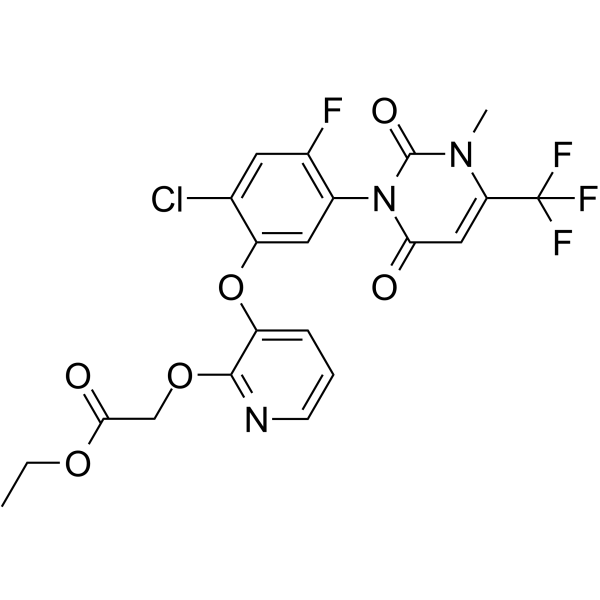
  • HY-139838

    Herbicide Others Cancer
    Epyrifenacil is a protoporphyrinogen oxidase (PPO) inhibiting herbicide, potently targeting the PPO2 isoform from weeds such as Amaranthus palmeri with an IC50 of 0.637 nM. Epyrifenacil also inhibits liver mitochondrial PPO across species, with IC50 values of 2.2 nM (mouse), 2.6 nM (rat), 12.1 nM (rabbit), 7.6 nM (dog), and 10.2 nM (human). Epyrifenacil induces liver tumor development in mice. Epyrifenacil can be used for weed control, and also used as a tool compound in toxicological research to study the mechanism of PPO inhibition, chemical-induced hepatotoxicity, and the mode of action of non-genotoxic carcinogens in rodents [3].
    Epyrifenacil
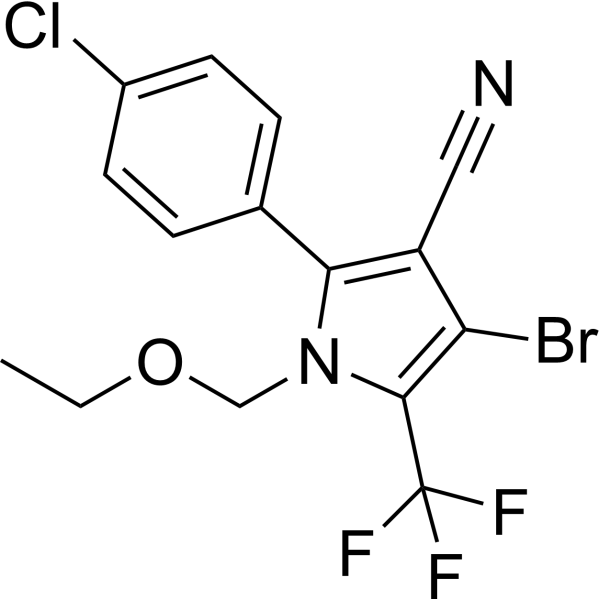
  • HY-B0840

    Environmental Pollutants Parasite Oxidative Phosphorylation Metabolic Disease
    Chlorfenapyr is a pyrrole insecticide. Chlorfenapyr has a mode of action: the mixed function oxidase oxidizes and removes the Nethoxymethyl group to form the active metabolite, CL 303268. Chlorfenapyr is used for termite control and crop protection against a variety of insect and mite pests .
    Chlorfenapyr
  • HY-145561

    BLD-0409; PAT-409

    Phosphodiesterase (PDE) LPL Receptor Inflammation/Immunology Cancer
    Cudetaxestat (BLD-0409; PAT-409) is an orally active and noncompetitive autotaxin (ATX) inhibitor. Cudetaxestat inhibits the activity of ATX, reduces the production of LPA, and thereby blocks the signal transduction of the ATX-LPA axis. Cudetaxestat can still maintain nanomolar-level biochemical efficacy even when the concentration of the LPC substrate increases. Cudetaxestat can be used for the study of various diseases related to LPA including fibrosis, tumor metastasis, inflammation and autoimmune diseases, etc .
    Cudetaxestat
  • HY-148730
    BRD7586
    1 Publications Verification

    Bacterial Cancer
    BRD7586 is a potent and selective Streptococcus pyogenes Cas9 (SpCas9) inhibitor. BRD7586 specifically engages SpCas9 but not Cas12a in cells and enhances SpCas9 specificity at multiple loci. BRD7586 inhibits SpCas9 at multiple genomic loci irrespective of the mode of SpCas9 delivery .
    BRD7586
  • HY-108586

    Potassium Channel Neurological Disease
    NS3623 is an activator of human ether-a-go-go-related gene (hERG1/KV11.1) potassium channels. NS3623 activates the IKr and Ito currents and has antiarrhythmic effect. NS3623 has a dual mode of action, being an inhibitor of hERG1 channels .
    NS3623
  • HY-W090309

    Biochemical Assay Reagents Others
    Monosodium 2-sulfoterephthalate is an oxygen-containing organic linker and coordination ligand. Under hydrothermal conditions, Monosodium 2-sulfoterephthalate binds to Cr 3+ ions via deprotonated carboxyl groups to form the MIL-101 (Cr)-SO3H metal-organic framework. Monosodium 2-sulfoterephthalate also adopts monodentate and hexadentate linkage modes with Er III ions, respectively, thereby forming monomeric and polymeric Er III compounds .
    Monosodium 2-sulfoterephthalate
  • HY-126356

    Liposome Cardiovascular Disease
    1-Stearoyl-2-arachidonoyl-sn-glycero-3-phosphocholine is a major phospholipid in low-density lipoprotein and belongs to the group of 1-acyl phosphatidylcholines. 1-Stearoyl-2-arachidonoyl-sn-glycero-3-phosphocholine does not induce morphological changes in washed human platelets. 1-Stearoyl-2-arachidonoyl-sn-glycero-3-phosphocholine can be used for the research of atherosclerosis and thrombotic diseases .
    1-Stearoyl-2-arachidonoyl-sn-glycero-3-phosphocholine
  • HY-106449

    DA-6034 free acid

    NF-κB COX Apoptosis ERK Calcium Channel Inflammation/Immunology Cancer
    Recoflavone (DA-6034 (free acid)), a synthetic derivative of the flavonoid Eupatilin (HY-N0783), is orally active. Recoflavone can inhibit the NF-κB pathway and induce [Ca( 2+)]i increase in epithelial cells. Recoflavone exhibits activities such as anti-inflammation, anti-tumor effects, protection of gastric and intestinal mucosa, and promotion of secretion in the ocular surface and salivary glands. Recoflavone can be used for the research of diseases such as dry eye, gastric injury, and intestinal injury .
    Recoflavone
  • HY-123785
    ORM-10962
    3 Publications Verification

    Na+/Ca2+ Exchanger Metabolic Disease
    ORM-10962 is a potent, highly selective sodium-calcium exchanger (NCX) inhibitor, with IC50 values of 67 and 55 nM for the reverse and forward mode inhibition, respectively. ORM-10962 shows antiarrhythmic effect .
    ORM-10962
  • HY-D0226

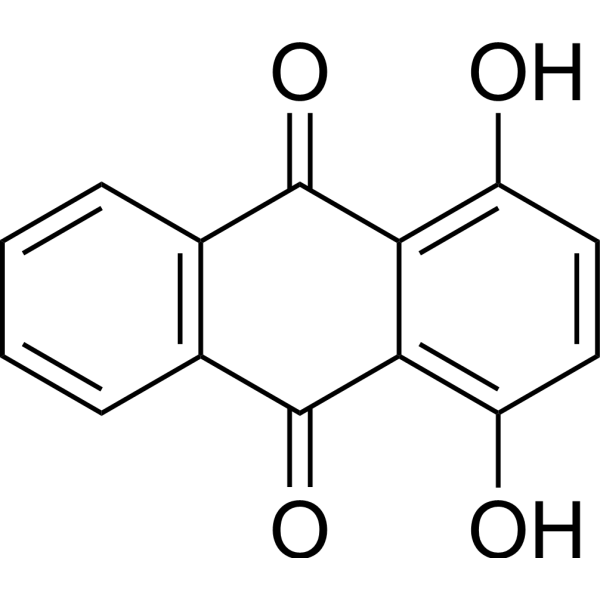
    1,4-Dihydroxyanthraquinone

    DNA/RNA Synthesis Fungal Infection Cancer
    Quinizarin (1,4-Dihydroxyanthraquinone), a part of the anticancer agents such as Doxorubicin, Daunorubicin, and Adriamycin, interacts with DNA by intercalating mode (Kd=86.1 μM). Quinizarin is used as a fungicide and pesticide chemical and has shown the ability to inhibit tumor cell growth .
    Quinizarin
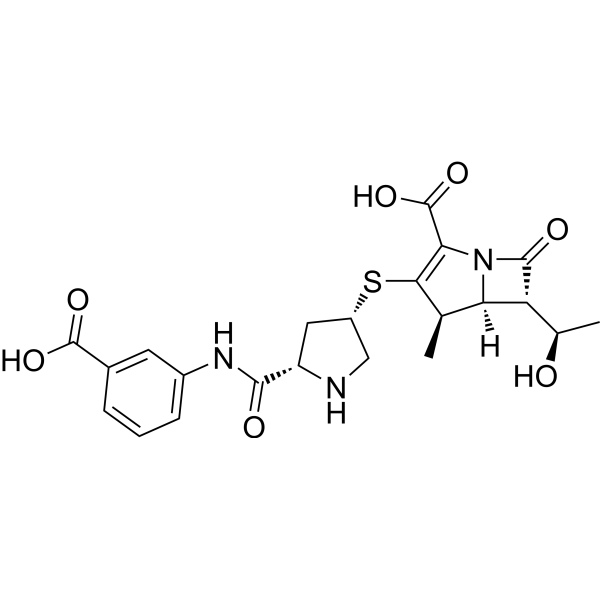
  • HY-A0294

    MK-0826

    Antibiotic Bacterial Infection Cancer
    Ertapenem (MK-0826) is a broad spectrum and long acting β-lactam antibiotic. Ertapenem has a broad-spectrum anti-anaerobic activity against a variety of anaerobes with a mode MIC of 0.12 μg/mL. Ertapenem can be used for the research of severe infections caused by bacteria in the skin, lungs, stomach, pelvis, and urinary tract .
    Ertapenem
  • HY-A0294A
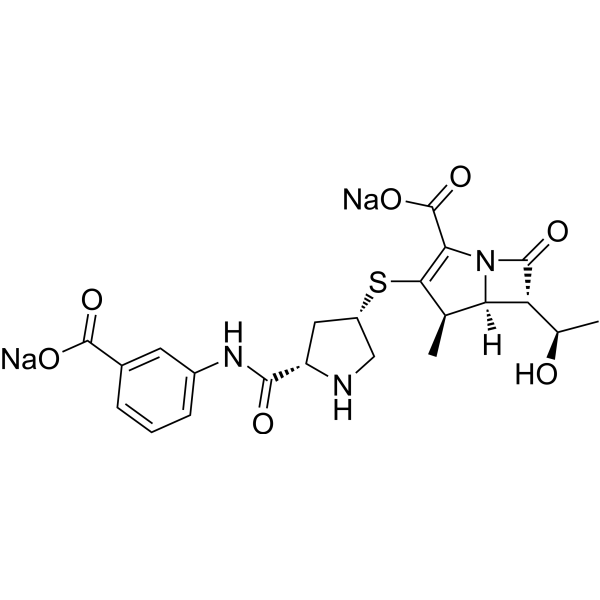
    Ertapenem disodium
    10+ Cited Publications

    MK-0826 disodium

    Bacterial Antibiotic Infection Cancer
    Ertapenem (MK-0826) disodium is a broad spectrum and long acting β-lactam antibiotic. Ertapenem disodium has a broad-spectrum anti-anaerobic activity against a variety of anaerobes with a mode MIC of 0.12 μg/mL. Ertapenem disodium can be used for the research of severe infections caused by bacteria in the skin, lungs, stomach, pelvis, and urinary tract .
    Ertapenem disodium
  • HY-13625R

    L-749345 (Standard); MK-826 (Standard)

    Reference Standards Bacterial Antibiotic Infection Cancer
    Ertapenem sodium (Standard) is the analytical standard of Ertapenem sodium. This product is intended for research and analytical applications. Ertapenem sodium (L-749345) is a broad spectrum and long acting β-lactam antibiotic. Ertapenem sodium has a broad-spectrum anti-anaerobic activity against a variety of anaerobes with a mode MIC of 0.12 μg/mL. Ertapenem sodium can be used for the research of severe infections caused by bacteria in the skin, lungs, stomach, pelvis, and urinary tract[1][2].
    Ertapenem sodium (Standard)
  • HY-143889

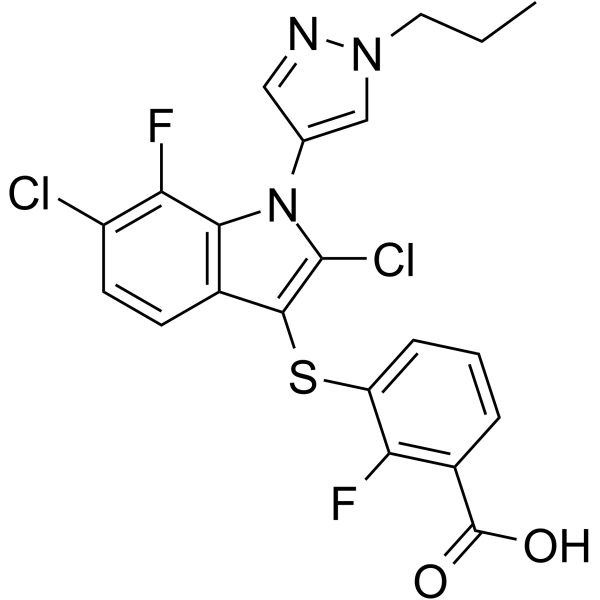
    CDK Cancer
    Senexin C is a selective and orally active CDK8/19 inhibitor. Senexin C shows a strong tumor-enrichment pharmacokinetic (PK) profile and tumor-pharmacodynamic (PD) marker responses. Senexin C inhibits the growth of MV4-11 leukemia cells with good tolerability .
    Senexin C
  • HY-153021

    Parasite Infection
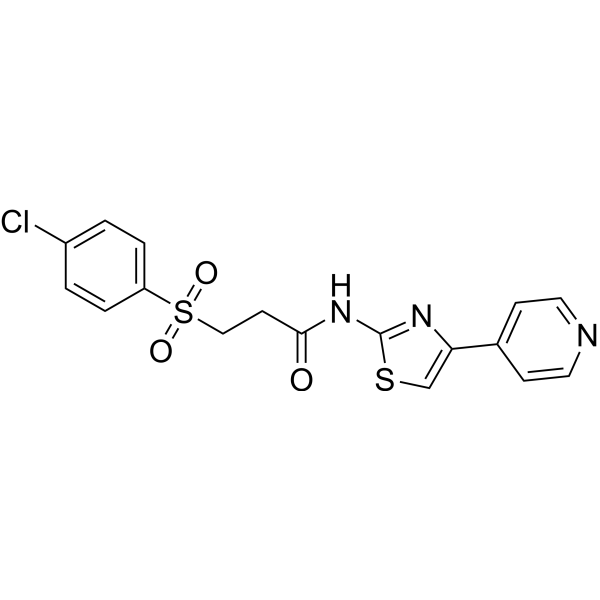
    NMT-IN-1 is a Trypanosoma brucei N-myristoyltransferase (TbNMT) inhibitor, with an IC50 of 31 μM against TbNMT and an IC50 of 66 μM against hNMT. As a thiazolidinone hit compound identified via virtual screening, NMT-IN-1 exerts enzymatic inhibitory effects by binding to the active site of TbNMT. NMT-IN-1 adopts a binding mode distinct from that of pyrazole sulfonamide inhibitors and can inhibit the myristoyl transfer reaction catalyzed by TbNMT. NMT-IN-1 is mainly used in the research of anti-parasitic lead compounds for human African trypanosomiasis (African sleeping sickness). It provides a structural basis for the subsequent optimization of TbNMT inhibitors with high activity, high selectivity and blood-brain barrier permeability .
    NMT-IN-1
  • HY-D0871

    N-Cyclohexyltaurine

    Biochemical Assay Reagents Influenza Virus Infection
    CHES (N-Cyclohexyltaurine) is a biological buffer reagent that binds to influenza virus hemagglutinin (HA). CHES mimics the binding mode of sialic acid to the HA receptor-binding site .
    CHES
  • HY-144372

    TRP Channel Neurological Disease
    TRPV1 antagonist 3 (Compound 7q) is a potent TRPV1 antagonist with an IC50 of 2.66 nM against capsaicin. TRPV1 antagonist 3 is mode-selective, oral bioavailable (F = 60%) and CNS-penetrant .
    TRPV1 antagonist 3
  • HY-112373

    Aurora Kinase Others
    Aurora kinase inhibitor-3 is a strong and selective Aurora A kinase inhibitor with an IC50 of 42 nM, and weakly inhibits EGFR with an IC50 of >10 μM. Aurora kinase inhibitor-3 has a binding mode with the cyclopropanecarboxylic acid moiety directed towards the solvent exposed region of the ATP-binding pocket .
    Aurora kinase inhibitor-3
  • HY-10061B

    AZD-3355 hydrochloride

    GABA Receptor Metabolic Disease
    Lesogaberan (AZD-3355) hydrochloride is a potent and selective GABAB receptor agonist with an EC50 of 8.6 nM for human recombinant GABAB receptor. The affinity (Kis) of Lesogaberan hydrochloride for rat GABAB and GABAA receptors, as measured by displacement of [ 3H]GABA binding in brain membranes: 5.1 nM and 1.4 μM, respectively. Lesogaberan hydrochloride inhibits transient lower esophageal sphincter relaxation through a peripheral mode of action .
    Lesogaberan hydrochloride
  • HY-136182A

    Na+/Ca2+ Exchanger Cardiovascular Disease Neurological Disease
    YM-244769 is a potent, selective and orally active Na +/Ca 2+ exchanger (NCX) inhibitor. YM-244769 preferentially inhibits NCX3 and suppresses the unidirectional outward NCX current (Ca 2+ entry mode), with IC50s of 18 nM and 50 nM, respectively. YM-244769 efficiently protects against hypoxia/reoxygenation-induced SH-SY5Y neuronal cell damage. YM-244769 can also increase urine volume and urinary excretion of electrolytes in mice .
    YM-244769
  • HY-100298

    MCC-135

    Na+/Ca2+ Exchanger Cardiovascular Disease
    Caldaret is an intracellular Ca 2+ handling modulator that acts through reverse mode Na +/Ca 2+ exchanger inhibition.
    Caldaret
  • HY-121462

    Quinoline Blue

    Fluorescent Dye Cancer
    Cyanine is an excellent fluorescent core scaffold for constructing fluorescent probes. Covalent conjugation of Cyanine with other potent compounds can not only enhance their efficacy but also expand their application modes. Cyanine supports the development of cancer theranostic agents. Cyanine can be used in cancer research .
    Cyanine
  • HY-B0840R

    Oxidative Phosphorylation Parasite Reference Standards Metabolic Disease
    Chlorfenapyr (Standard) is the analytical standard of Chlorfenapyr. This product is intended for research and analytical applications. Chlorfenapyr is a pyrrole insecticide. Chlorfenapyr has a mode of action: the mixed function oxidase oxidizes and removes the Nethoxymethyl group to form the active metabolite, CL 303268. Chlorfenapyr is used for termite control and crop protection against a variety of insect and mite pests .
    Chlorfenapyr (Standard)
  • HY-148318

    Casein Kinase Cancer
    CK2α-IN-1 (compound 2) is a selective CK2α inhibitor (IC50=7.0 µM; Ki=1.6 µM) that exhibits a non-ATP-competitive mode of action. CK2α-IN-1 exhibits good potential for anticancer studies .
    CK2α-IN-1
  • HY-W582504

    CuCl(TPP)3

    DNA Stain Bacterial Fungal Infection Cancer
    Chlorotris(triphenylphosphine)copper (CuCl(TPP)₃) is a DNA-targeted metal complex. Chlorotris(triphenylphosphine)copper involves non-covalent interactions (such as groove binding mode) through the copper(I) center to affect DNA function, showing inhibitory activity against bacteria, fungi, and tumor cells. Chlorotris(triphenylphosphine)copper is promising for research of antibacterial, antitumor, and antioxidant agents .
    Chlorotris(triphenylphosphine)copper
  • HY-136182

    Na+/Ca2+ Exchanger Cardiovascular Disease Neurological Disease
    YM-244769 dihydrochloride is a potent, selective and orally active Na +/Ca 2+ exchanger (NCX) inhibitor. YM-244769 dihydrochloride preferentially inhibits NCX3 and suppresses the unidirectional outward NCX current (Ca 2+ entry mode), with IC50s of 18 nM and 50 nM, respectively. YM-244769 dihydrochloride efficiently protects against hypoxia/reoxygenation-induced SH-SY5Y neuronal cell damage. YM-244769 dihydrochloride can also increase urine volume and urinary excretion of electrolytes in mice .
    YM-244769 dihydrochloride
  • HY-123626

    Epigenetic Reader Domain Cancer
    BiBET is a chemical probe of BET/BRD4 and is able to bind to two bromodomains simultaneously in a bivalent and cis-binding mode .
    BiBET
  • HY-116919

    Lipoxygenase Cardiovascular Disease
    MLS000536924 is a potent and selective inhibitor of human epithelial 15-lipoxygenase-2 with competitive activity. MLS000536924 exhibits more than 50-fold selectivity in inhibiting h15-LOX-2 and can be effectively applied to study its role in atherosclerosis, cystic fibrosis, and ferroptosis. The binding mode of MLS000536924 shows stronger restriction of protein movement than other inhibitors, further verifying its higher biological activity .
    MLS000536924
  • HY-107659

    Na+/Ca2+ Exchanger Cardiovascular Disease Neurological Disease
    YM-244769 hydrochloride is a potent, selective and orally active Na +/Ca 2+ exchanger (NCX) inhibitor. YM-244769 hydrochloride preferentially inhibits NCX3 and suppresses the unidirectional outward NCX current (Ca 2+ entry mode), with IC50s of 18 nM and 50 nM, respectively. YM-244769 hydrochloride efficiently protects against hypoxia/reoxygenation-induced SH-SY5Y neuronal cell damage. YM-244769 hydrochloride can also increase urine volume and urinary excretion of electrolytes in mice .
    YM-244769 hydrochloride
  • HY-179237

    MAPKAPK2 (MK2) Others
    MK2-IN-8 (Compound 42) is a covalent MK2 kinase inhibitor. MK2-IN-8 forms a unique covalent bond with the catalytic lysine, thereby demonstrating that the fluorosulfonate can effectively target the catalytic lysine in kinases.
    MK2-IN-8
  • HY-D1463

    Fluorescent Dye Others
    Nile Blue Methacrylamide is a pH-responsive probe. Nile Blue Methacrylamide exhibits pH-sensitive absorption and fluorescence emission in the physiological pH range, with spectral shifts occurring between acidic and near-physiological pH conditions . (Ex/Em = 590/670-700 nm)
    Nile Blue Methacrylamide
  • HY-142881

    LYTACs Others
    D-MoDE-A (1) is a bifunctional small molecule that mediates the degradation of extracellular proteins through the asialoglycoprotein receptor (ASGPR).
    D-MoDE-A (1)
  • HY-151207

    Apoptosis ADC Payload Cancer
    Anticancer agent 81 (Compound 37b3) is an anticancer agent and can induce tumor cell cycle arrest and apoptosis. Anticancer agent 81 can be used as a payload to conjugate with Trastuzumab (HY-P9907) to obtain the antibody–agent conjugate (ADC) T-PBA. T-PBA maintained its mode of target and internalization ability of Trastuzumab .
    Anticancer agent 81
  • HY-10061

    AZD-3355

    GABA Receptor Metabolic Disease
    Lesogaberan (AZD-3355) is a potent and selective GABAB receptor agonist with an EC50 of 8.6 nM for human recombinant GABAB receptors. The affinity (Kis) of Lesogaberan for rat GABAB and GABAA receptors, as measured by displacement of [ 3H]GABA binding in brain membranes: 5.1 nM and 1.4 μM, respectively. Lesogaberan inhibits transient lower esophageal sphincter relaxation through a peripheral mode of action .
    Lesogaberan
  • HY-P991461

    XmAb968

    CD38 Cancer
    AMG-424 (XmAb968) is a human bispecific antibody (bsAb) targeting CD38 & CD3E. AMG-424 kills CD38-expressing cancer cells, triggers T-cell proliferation and attenuates cytokine release. AMG 424 has antitumor activity in a bone marrow-invasive mouse cancer model and induces peripheral B-cell depletion in cynomolgus monkeys. AMG-424 can be used in multiple myeloma research. Recommended isotype control: half-IG G1-kappa/(scFv-heavy-lambda)-h-CH2-CH3 .
    AMG-424
  • HY-W002328

    Biochemical Assay Reagents Others
    Pyrazole-3-carboxylic acid is an alternative anchoring group to carboxylic acid in phthalocyanine dyes. Pyrazole-3-carboxylic acid shows flexible coordination modes when coordinates with metal ions. Pyrazole-3-carboxylic acid can chelate to metal ions and form very stable complexes through its N and O atoms. Pyrazole-3-carboxylic acid can be used to synthesize derivatives that possess antibacterial, anti-inflammatory, ulcerogenic liability and antiproliferative activities .
    Pyrazole-3-carboxylic acid
  • HY-P11004

    Bacterial Antibiotic Infection
    A3-APO is an antimicrobial peptide. A3-APO has a significant antimicrobial activity by a dual mode of action with both membrane disintegration and intracellular target inhibition. A3-APO can deactivate bacterial toxins and increase the expression of anti-inflammatory cytokines (such as IL-4 and IL-10), without antimicrobial resistance. A3-APO accelerates burn wounds healing in mice infection model of Acinetobacter baumannii and Staphylococcus aureus .
    A3-APO
  • HY-176065

    Sodium Channel Neurological Disease
    Nav1.2-IN-1 (compound 5i), a 3-(1,2,3,6-tetrahydropyridine)-4-azaindole derivative, is a potent and selective Nav1.2 inhibitor. Nav1.2-IN-1 induces a reduction in the peak amplitude of Nav1.2 currents with an IC50 value of 7.79 μM. Nav1.2-IN-1 exhibits antiepileptic activity. Nav1.2-IN-1 shows high anticonvulsant effect and low neurotoxicity in subcutaneous Pentetrazole (sc-PTZ)-induced epilepsy mode .
    Nav1.2-IN-1
  • HY-175176

    HDAC Apoptosis Pyroptosis Reactive Oxygen Species (ROS) Caspase Cancer
    HDAC1/6-IN-3 is a potent HDAC inhibitor. HDAC1/6-IN-3 shows excellent inhibitory activities against HDAC1 (IC50 = 1.1 nM) and HDAC6 (IC50 = 2.7 nM). HDAC1/6-IN-3 significantly arrests HepG2 cells at the G0/G1 phase and induces apoptosis and pyroptosis. HDAC1/6-IN-3 exhibits significant antitumor activity in the HepG2 xenograft mode. HDAC1/6-IN-3 can be used for the study of cancers such as liver cancer, lung cancer, colon cancer and breast cancer .
    HDAC1/6-IN-3
  • HY-176288

    Eukaryotic Initiation Factor (eIF) Bcl-2 Family Apoptosis Ras PERK Cancer
    eIF4E/eIF4G PPI-IN-1 is an eIF4E/eIF4G interaction inhibitor with a KD of 20.2 μM for eIF4E protein. eIF4E/eIF4G PPI-IN-1 plays an antitumor role in multiple modes of action including regulating the activity of eIF4E by inhibiting the Ras/MAPK/eIF4E signaling pathway, apoptosis and cell migration. eIF4E/eIF4G PPI-IN-1 suppresses the growth of HepG2 xenografts in nude mice and was relatively nontoxic to mice .
    eIF4E/eIF4G PPI-IN-1
  • HY-142885

    LYTACs Others
    M-MoDE-A (2) is a bifunctional small molecule that mediates the degradation of extracellular proteins through the asialoglycoprotein receptor (ASGPR).
    M-MoDE-A (2)
  • HY-145407A

    Fungal Infection
    ent-Heronamide C has antifungal activity and is designed as probe for the mode-of-action analysis of heronamide C .
    ent-Heronamide C

Inquiry Online

Your information is safe with us. * Required Fields.

Salutation


Country or Region *

Applicant Name *


Organization Name *

Department *


Email Address *


Product Name *

Cat. No.


Requested quantity *

Phone Number *


Remarks

Inquiry Online

Inquiry Information

Product Name:
Cat. No.:
Quantity:
MCE Japan Authorized Agent:

