1. Search Result
Search Result
Results for "

AR protein

" in MedChemExpress (MCE) Product Catalog:

106

Inhibitors & Agonists

1

Screening Libraries

4

Peptides

3

Natural
Products

19

Recombinant Proteins

8

Isotope-Labeled Compounds

3

Antibodies

2

Click Chemistry

Cat. No. Product Name Target Research Areas Chemical Structure
  • HY-153342
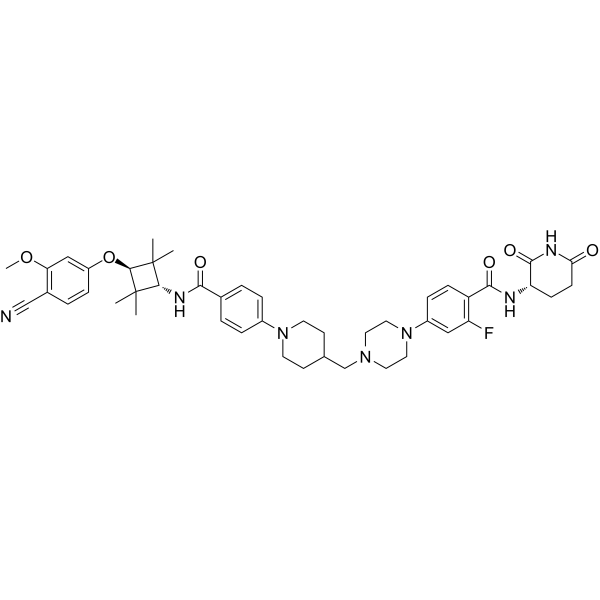
    Luxdegalutamide
    2 Publications Verification

    ARV-766; JSB462

    PROTACs Androgen Receptor Cancer
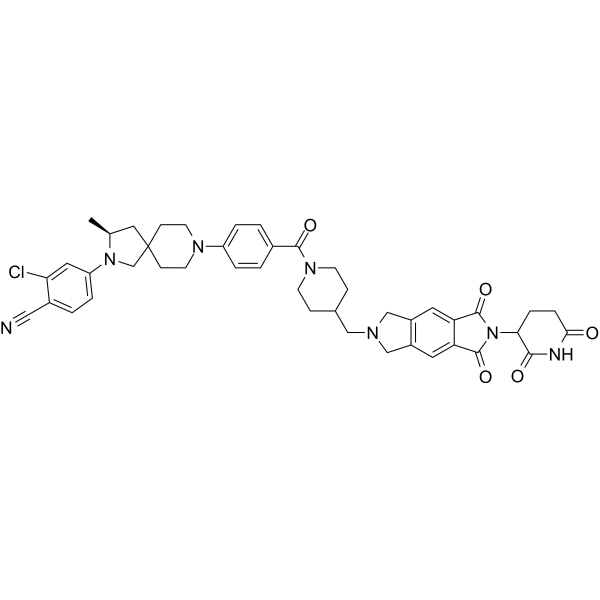
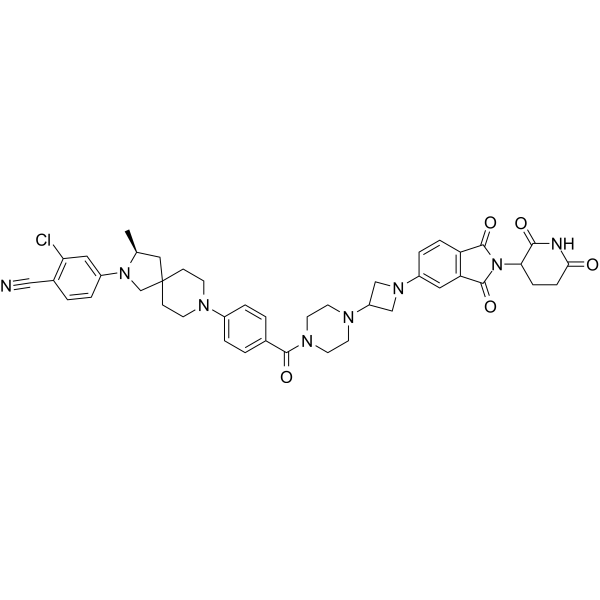
    Luxdegalutamide (ARV-766) is an orally active protein hydrolysis targeted chimeric (PROTAC) targeting androgen receptor (AR), which can degrade AR resistance related mutants, including T878/H875/L702 mutants. Luxdegalutamide has anti-tumor activity and can be used in the study of castration resistant prostate cancer .
    Luxdegalutamide
  • HY-135794
    11-Ketodihydrotestosterone
    1 Publications Verification

    11-KDHT; 5α-Dihydro-11-keto testosterone

    Androgen Receptor Endocrinology
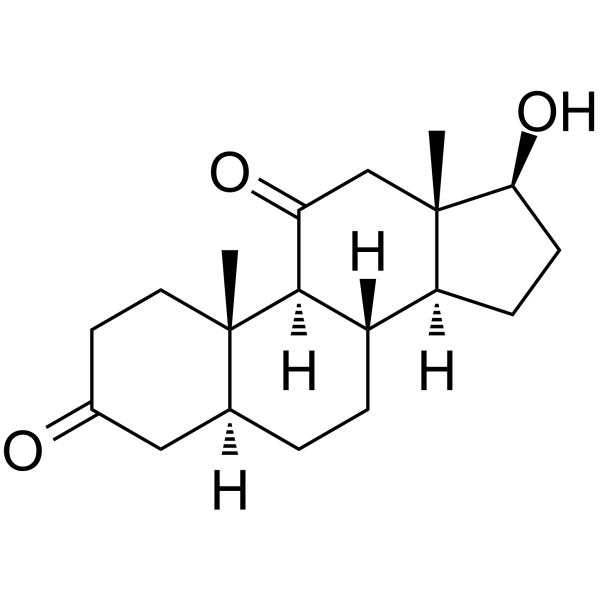
    11-Ketodihydrotestosterone (11-KDHT; 5α-Dihydro-11-keto testosterone) is an endogenous steroid and a metabolite of 11β-Hydroxyandrostenedione. 11-Ketodihydrotestosterone is an active androgen and is also a potent androgen receptor (AR) agonist with a Ki of 20.4 nM and an EC50 of 1.35 nM for human AR. 11-Ketodihydrotestosterone drives gene regulation, protein expression and cell growth in androgen-dependent prostate cancer cells .
    11-Ketodihydrotestosterone
  • HY-Y0261A

    Environmental Pollutants Biochemical Assay Reagents Others
    Ammonium sulphate,≥99.0%,AR is an inorganic sulfate salt used for molecular biology . Ammonium sulphate,≥99.0%,AR can be used to precipitate proteins, separate antibodies, and enhance antigen-antibody reactions. Ammonium sulphate,≥99.0%,AR can serve as a nitrogen source in plant fertilizers and has developmentally toxicity to freshwater snails, but increases the number of Anopheles africanus and Culex mosquito larvae in rice paddies. Ammonium sulphate,≥99.0%,AR also inhibits the conversion of glucose to ascorbic acid in plants .
    Ammonium sulphate,≥99.0%,AR
  • HY-70006
    Galeterone
    3 Publications Verification

    TOK-001; VN-124-1

    Molecular Glues Androgen Receptor MNK Cytochrome P450 Apoptosis Cancer
    Galeterone (TOK-001) is a potent, orally active molecular glue degrader, which degrades androgen receptor (AR) and its splice variants (AR-Vs) and MAP kinase-interacting serine/threonine protein kinase Mnk1/2. Galeterone also functions as a CYP17 inhibitor (IC50 = 47 nM). Galeterone induces cell apoptosis. Galeterone inhibits tumor growth in human prostate cancer xenograft mouse models. Galeterone can be used for castration resistant prostate cancer (CRPC) and pancreatic ductal adenocarcinoma (PDAC) research [1][2].
    Galeterone
  • HY-12798
    Netarsudil
    1 Publications Verification

    AR-13324

    Monoamine Transporter ROCK Cardiovascular Disease Neurological Disease
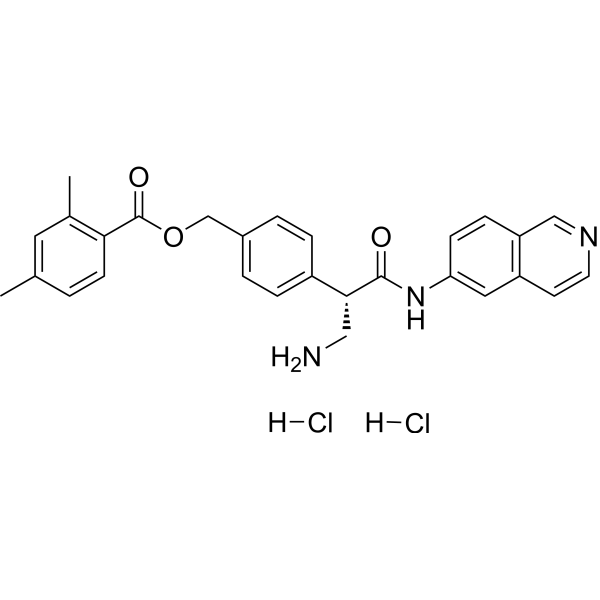
    Netarsudil (AR-13324) is a competitive inhibitor of Rho-associated protein kinases (ROCK I and ROCK II) and a reversible inhibitor of the norepinephrine transporter (NET). Netarsudil reduces intraocular pressure by inhibiting ROCK, causing relaxation of trabecular meshwork cells and dilation of episcleral veins, thereby increasing the ease of aqueous humor outflow, while inhibiting NET to reduce aqueous humor production. Netarsudil is mainly used in the study of ocular hypertension and primary open-angle glaucoma .
    Netarsudil
  • HY-153918
    (R)-SKBG-1
    1 Publications Verification

    Androgen Receptor Cancer
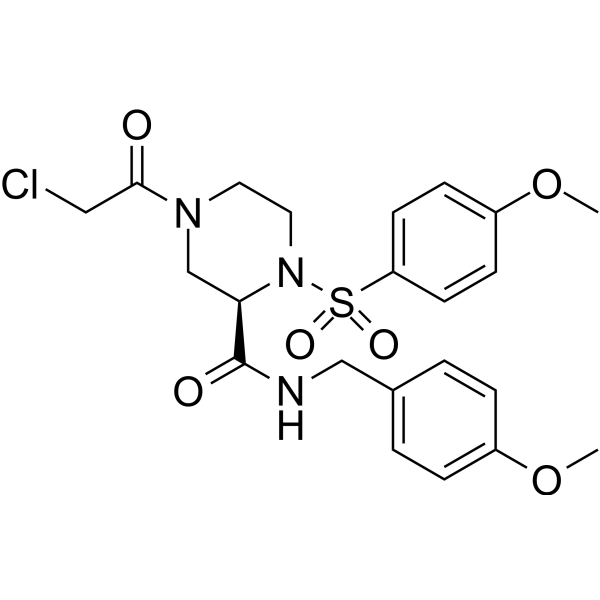
    (R)-SKBG-1 is a covalent inhibitor targeting the RNA binding protein NONO. (R)-SKBG-1 can reduce the expression of androgen receptor (AR) and its splice variants, inhibiting cancer cell proliferation. (R)-SKBG-1 inhibits androgen receptor expression with IC50 of 3.1 μM and 5.5 μM for AR-FL mRNA and AR-V7 mRNA, respectively. (R)-SKBG-1 interferes with the gene regulatory network of cancer cells and inhibits cancer cell growth by stabilizing the interaction between NONO and mRNA. (R)-SKBG-1 can be used in the study of cancers related to NONO dysfunction, such as prostate cancer .
    (R)-SKBG-1
  • HY-13981
    Ligandrol
    2 Publications Verification

    LGD-4033

    Androgen Receptor Apoptosis Insulin Receptor Caspase Metabolic Disease Endocrinology
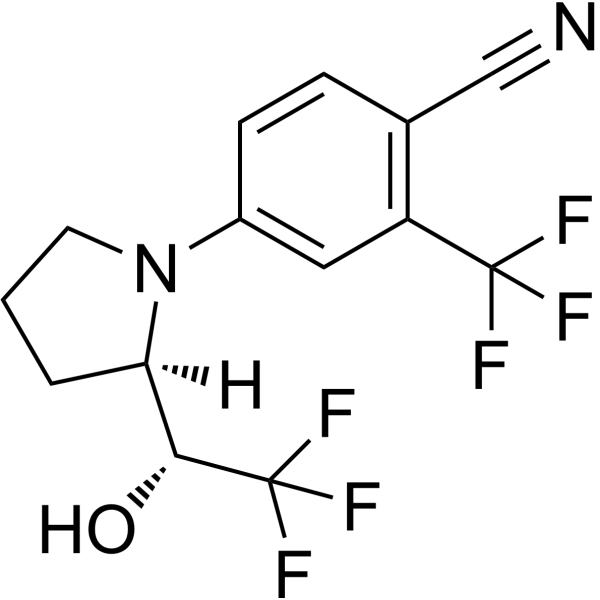
    Ligandrol is an orally active, selective androgen receptor (AR) agonist. Ligandrol enhances protein synthesis, inhibits muscle breakdown and oxidative stress, improves muscle cell viability and bone tissue microstructure, and reduces Cisplatin (HY-17394)-induced muscle toxicity and apoptosis. Ligandrol promotes muscle growth, protects bone structure, and has anti-diabetic, anti-apoptotic and antioxidant effects. Ligandrol can antagonize Streptozotocin (HY-13753) damage to pancreatic islets and improve the symptoms of type 2 diabetes .
    Ligandrol
  • HY-130845A

    Ligands for E3 Ligase Ligands for Target Protein for PROTAC Androgen Receptor Cancer
    AR antagonist 1 (compound 29) hydrochloride is a potent androgen receptor (AR) antagonist and binds to E3 ligase ligands with weak binding affinities to VHL protein in the synthesis of PROTAC ARD-266 (HY-133020) .
    AR antagonist 1 hydrochloride
  • HY-12798B
    Netarsudil hydrochloride
    1 Publications Verification

    AR-13324 hydrochloride

    ROCK Cardiovascular Disease Neurological Disease
    Netarsudil (AR-13324) hydrochloride is a competitive inhibitor of Rho-associated protein kinases (ROCK I and ROCK II) and a reversible inhibitor of the norepinephrine transporter (NET). Netarsudil hydrochloride reduces intraocular pressure by inhibiting ROCK, causing relaxation of trabecular meshwork cells and dilation of episcleral veins, thereby increasing the ease of aqueous humor outflow, while inhibiting NET to reduce aqueous humor production. Netarsudil hydrochloride is mainly used in the study of ocular hypertension and primary open-angle glaucoma .
    Netarsudil hydrochloride
  • HY-156751A

    RO7656594

    PROTACs Androgen Receptor Cancer
    GDC-2992 (Compound 28A) is an orally bioavailable androgen receptor (AR) PROTAC degrader. GDC-2992 degrads AR with a DC50 value of 2.7 nM and inhibits proliferation with an IC50 valude of 9.7 nM in VCaPcells. GDC-2992 can be used for prostatic cancer study. (Structure Note: Pink: target protein ligand (HY-130845); Blue: E3 ligase ligand (HY-W1003189A); Black: linker (HY-169975); E3 ligase ligand +linker (HY-169976A)) .
    GDC-2992
  • HY-130992

    Androgen Receptor Ligands for Target Protein for PROTAC Cancer
    Androgen receptor antagonist 1 is an orally available full androgen receptor (AR) antagonist with an IC50 of 59 nM . Androgen receptor antagonist 1 (Compound 6) can be used in the synthesis of PROTAC AR degraders, which results 24% and 47 % AR protein degradation in LNCaP cells at 1 μM and 10 μM, respectively .
    Androgen receptor antagonist 1
  • HY-114402

    PROTACs Androgen Receptor Cancer
    ARD-69 is a PROTAC degrader based on the E3 ubiquitin ligase VHL and targeting the androgen receptor, which can induce androgen receptor (AR) protein degradation in AR-positive prostate cancer cells. ARD-69 inhibits AR-regulated gene expression, binds to the AR ligand binding domain at one end and binds to VHL at the other end, prompting AR to be recruited to the E3 ubiquitin ligase complex, triggering proteasome degradation, thereby inhibiting AR signaling pathways and downstream gene expression (such as PSA, TMPRSS2). ARD-69 can be used to study of castration-resistant prostate cancer (mCRPC) .
    ARD-69 is composed of a target protein ligand (pink part) AR antagonist 14 (HY-172624), a PROTAC linker (black part) tert-Butyl 4-ethynyl-[1,4'-bipiperidine]-1'-carboxylate (HY-W442074), and a VHL-type E3 ubiquitinase ligand (blue part) VH 101, acid (HY-47070); among them, the VHL ligand and the linker can form a conjugate VH 101-amide-piperidine-Pip-alkyne (HY-172625).
    ARD-69
  • HY-12798A
    Netarsudil dimesylate
    1 Publications Verification

    AR-13324 dimesylate

    ROCK Cardiovascular Disease Neurological Disease
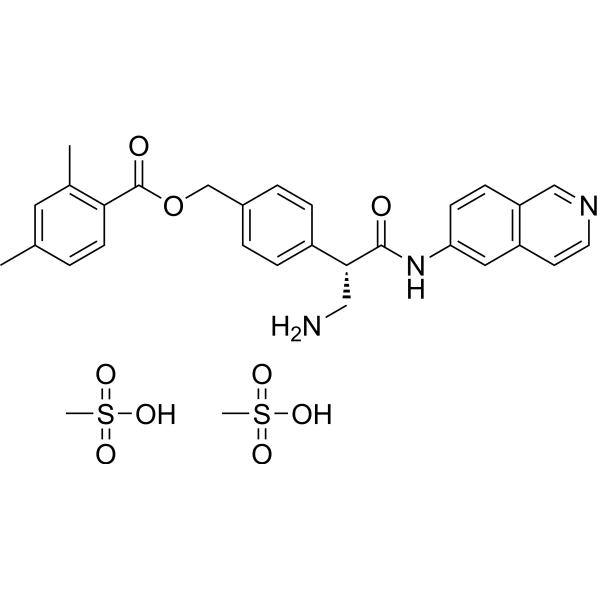
    Netarsudil (AR-13324) dimesylate is a competitive inhibitor of Rho-associated protein kinases (ROCK I and ROCK II) and a reversible inhibitor of the norepinephrine transporter (NET). Netarsudil dimesylate reduces intraocular pressure by inhibiting ROCK, causing relaxation of trabecular meshwork cells and dilation of episcleral veins, thereby increasing the ease of aqueous humor outflow, while inhibiting NET to reduce aqueous humor production. Netarsudil dimesylate is mainly used in the study of ocular hypertension and primary open-angle glaucoma .
    Netarsudil dimesylate
  • HY-16079
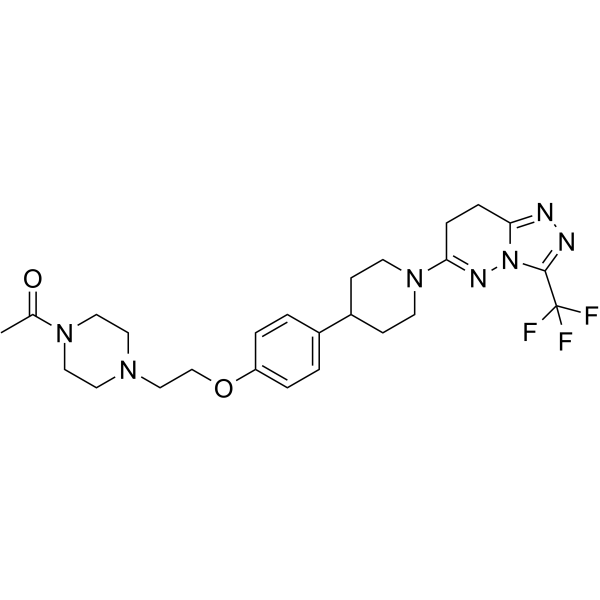
    AZD3514
    3 Publications Verification

    Androgen Receptor Cancer
    AZD3514 is an orally activie and selective androgen receptor (AR) inhibitor. AZD3514 androgen-dependently and -independently inhibits AR signal. AZD351 down-regulates nuclear AR levels in human LNCaP prostate cancer cells in the absence of androgen with an pIC50 value of 5.75. AZD3514 can be used for the research of prostate cancer .
    AZD3514
  • HY-N7045
    Isosilybin B
    2 Publications Verification

    Androgen Receptor Apoptosis CDK Caspase PSMA Cancer
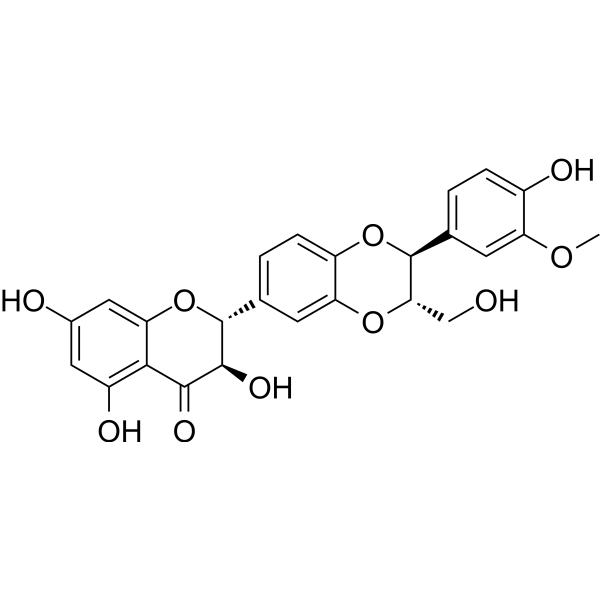
    Isosilybin B is a flavonolignan. Isosilybin B can be isolated from Silybum marianum. Isosilybin B can regulate cell cycle-related proteins (e.g., reduce cyclins (D3, D1, A, E), Cdk4, Cdk2, Cdc25A), and activate Caspases (Caspase-9 and Caspase-3). Isosilybin B can promote Apoptosis, reduce androgen receptor (AR) and PSA. Isosilybin B has anticancer activity against prostate cancer .
    Isosilybin B
  • HY-132292

    PROTACs Androgen Receptor Cancer
    ARD-2128 is a highly potent, orally bioavailable PROTAC androgen receptor (AR) degrader. ARD-2128 effectively reduces AR protein, suppresses AR-regulated genes in tumor tissues, and inhibits growth of tumor without signs of toxicity. ARD-2128 has the potential for the research of the prostate cancer .
    ARD-2128
  • HY-149433

    PROTACs Androgen Receptor Apoptosis Cancer
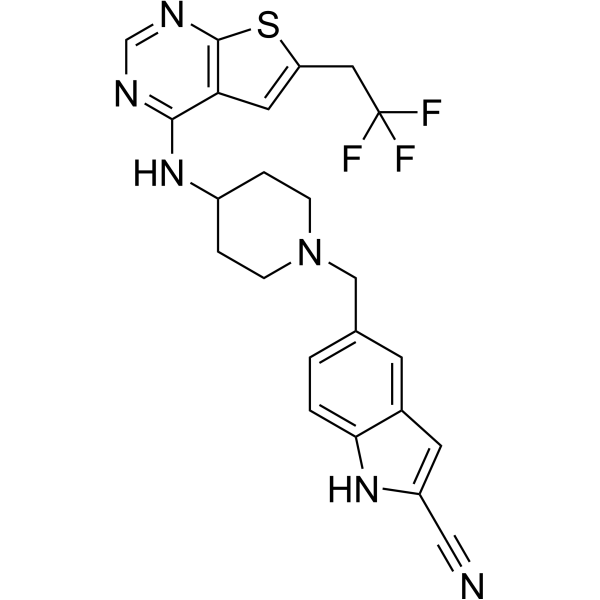
    BWA-522 is an orally active PROTAC degrader targeting full-length androgen receptor (AR-FL) and androgen receptor splice variant 7 (AR-V7). BWA-522 antagonizes the N-terminal domain (AR-NTD) of the androgen receptor, suppresses AR downstream signaling proteins and induces cancer cells apoptosis. BWA-522 inhibits tumor growth in LNCaP xenograft mouse model. BWA-522 can be used for the research of prostate cancer .
    BWA-522
  • HY-161409

    Androgen Receptor Apoptosis Cancer
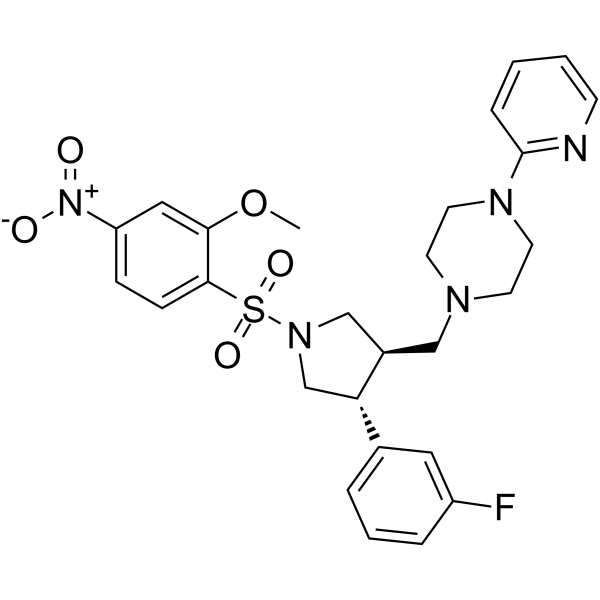
    SC912 is an AR-V7 inhibitor (IC50 = 0.36 μM). SC912 possesses safety, potency and selectivity. SC912 binds directly to AR-FL and AR-V7 proteins, inhibites nuclear localization and chromatin binding capabilities. SC912 exerts anticancer activity through inhibition of proliferation, induction of cell cycle arrest and apoptosis .
    SC912
  • HY-133045

    Ligands for E3 Ligase Cancer
    VHL Ligand 8 is a VHL ligand. VHL Ligand 8 can be used to synthesize ARD-266 (HY-133020), a highly potent and VHL E3 ligase-based androgen receptor (AR) PROTAC degrader. ARD-266 effectively induces degradation of AR protein in AR-positive LNCaP, VCaP, and 22Rv1 prostate cancer cell lines with DC50 values of 0.2-1 nM .
    VHL Ligand 8
  • HY-19319
    MI-136
    1 Publications Verification

    Epigenetic Reader Domain Androgen Receptor Apoptosis Cancer
    MI-136 is an inhibitor of the menin-MLL protein-protein interaction (PPI), with an IC50 of 31 nM and a Kd of 23.6 nM. MI-136 shows to block AR signaling and has the potential for the study in castration-resistant tumors .
    MI-136
  • HY-171978

    Adrenergic Receptor Cardiovascular Disease
    LM-189 is a β2-adrenergic receptor 2AR) ligand and G protein-biased modulator with a human β2AR Ki of 0.063 nM.LM-189 promotes β2AR coupling to Gαs and Gαi heterotrimers, stabilizes distinct β2AR conformations including a TM6 outward state, and increases β2AR ICL2 dynamics.LM-189 restricts β2AR ligand-binding pocket conformational heterogeneity, stabilizes polar ligand-receptor interaction networks, and exhibits bias toward Gαi signaling over Gαs signaling.LM-189 enabled cryo-EM structural characterization of the β2AR-Gi complex.LM-189 can be used for the research of congestive heart failure .
    LM-189
  • HY-N5124
    Meloside A
    4 Publications Verification

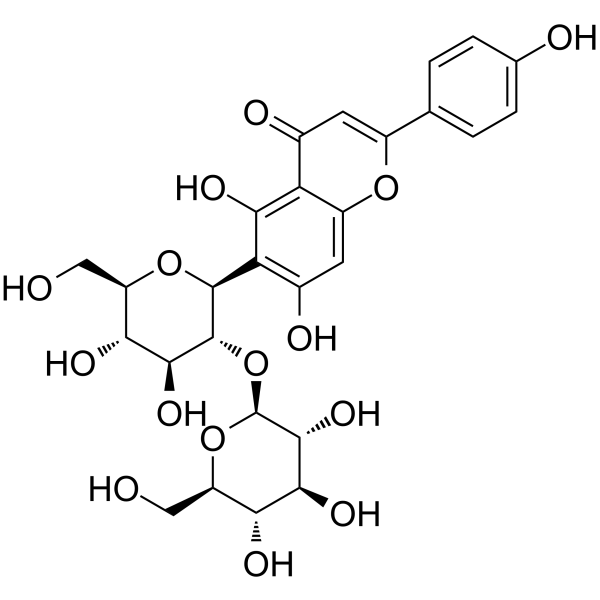
    Isovitexin 2''-O-glucoside; Isovitexin 2''-O-β-D-glucoside

    Androgen Receptor Apoptosis Reactive Oxygen Species (ROS) Interleukin Related TGF-β Receptor Neurological Disease Metabolic Disease Inflammation/Immunology Cancer
    Meloside A (Isovitexin 2''-O-glucoside) is a flavonoid with antioxidant activity. Meloside A can inhibit cell apoptosis and ROS production. Meloside A can inhibit androgen receptor (AR) nuclear translocation and AR protein expression. Meloside A can reduce IL-6, TGF-β1 and DKK-1 levels. Meloside A can be used for the researches of inflammation and endocrinology, such as hair loss .
    Meloside A
  • HY-171978A

    Adrenergic Receptor Cardiovascular Disease
    LM-189 free base, a G protein alpha subunit I (Gαi)-biased agonist, is a Gαi-biased ligand of β2-adrenergic receptor (β2AR). LM-189 free base stabilizes a distinct conformation in TM6 and increases the dynamics of ICL2. LM-189 free base can be used to develop the Gαi-biased β2AR agonists .
    LM-189 free base
  • HY-P1345A
    TLQP-21 TFA
    2 Publications Verification

    Complement System Neurological Disease Endocrinology
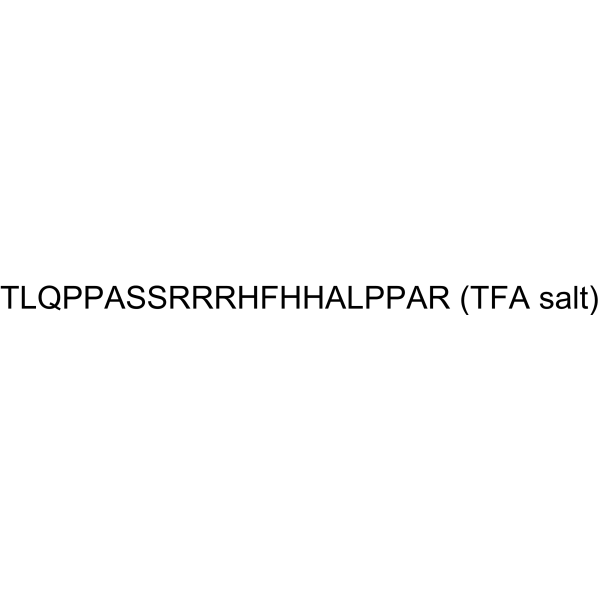
    TLQP-21 TFA, a VGF-derived peptide endowed of endocrine and extraendocrine properties, is a potent G-protein-coupled receptor complement-3a receptor1 (C3aR1) agonist (EC50: mouse TLQP-21=10.3 μM; human TLQP-21=68.8μM). TLQP-21 TFA activates C3aR1 to induce an increase of intracellular Ca 2+. TLQP-21 TFA is used for the research in regulation of nociception and other relevant physiologic functions .
    TLQP-21 TFA
  • HY-B1421

    LY031537

    Adrenergic Receptor Trace Amine-associated Receptor (TAAR) Metabolic Disease
    Ractopamine hydrochloride (LY031537) is a potent and orally active β-adrenergic receptor (βAR) agonist with Kd value of ~25 nM for pig β1AR and β2AR. Ractopamine hydrochloride also is a mTAAR1 agonist with an EC50 of 16 μM. Ractopamine hydrochloride promotes muscle mass development, limits fat deposition, reduces feed consumption, increases total cellular protein synthesis, and improves growth rate and feed efficiency in finishing swine. Ractopamine hydrochloride can be used for researching to increase lean tissue growth and improve production efficiency in pigs .
    Ractopamine hydrochloride
  • HY-160777

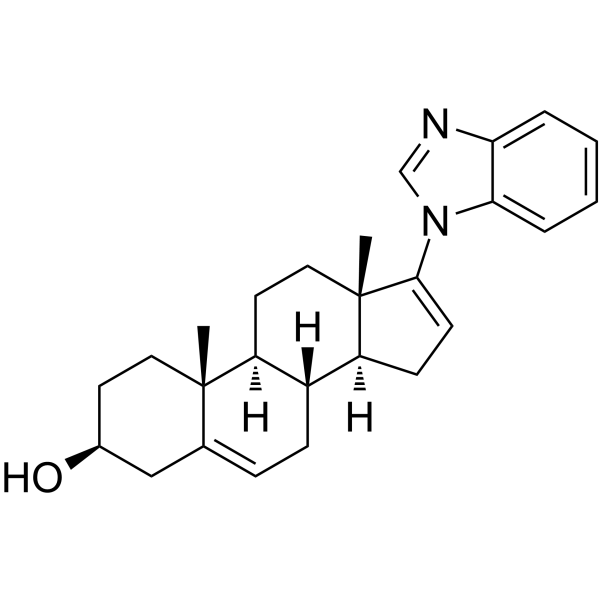
    Galeterone 3β-imidazole

    Molecular Glues Androgen Receptor MNK Apoptosis Cancer
    VNPP433-3β (Galeterone 3β-imidazole) is an orally active molecular glue degrader, which degrades androgen receptor (AR) and its splice variants (AR-Vs) and MAP kinase-interacting serine/threonine protein kinase Mnk1/2. VNPP433-3β induces cell apoptosis. VNPP433-3β inhibits tumor growth in the CWR22Rv1 xenograft mouse model. VNPP433-3β can be used for the study of castration resistant prostate cancer (CRPC) and pancreatic ductal adenocarcinoma (PDAC) .
    VNPP433-3β
  • HY-120006A
    (rel)-AR234960
    1 Publications Verification

    ERK Cardiovascular Disease
    (rel)-AR234960 is a selective and competitive agonist of the G protein-coupled receptor MAS. (rel)-AR234960 binds to the MAS receptor to activate the downstream ERK1/2 signaling pathway, inducing the expression of connective tissue growth factor (CTGF) and its downstream collagen subtype genes (such as COL1A1, COL3A1). (rel)-AR234960 promotes collagen synthesis in cardiac fibroblasts through the MAS-ERK1/2-CTGF pathway and aggravates extracellular matrix remodeling. (rel)-AR234960's in vitro effect can be blocked by the MAS inverse agonist AR244555 and MEK1 inhibitor. (rel)-AR234960 regulates the expression of cardiac fibrosis-related genes and can be used in the study of heart failure .
    (rel)-AR234960
  • HY-149862
    ARD-2051
    1 Publications Verification

    PROTACs Androgen Receptor Cancer
    ARD-2051 is a selective and orally active androgen receptor (AR) proteolysis-targeting chimera degrader. ARD-2051 achieves DC50 values of 0.6 nM for AR protein degradation in both the LNCaP and VCaP prostate cancer cell lines. ARD-2051 exhibits effective anti-tumor activity in VCaP xenograft mice model. ARD-2051 can be used for the research of prostate cancer (Pink: AR ligand (HY-400666), Blue: CRBN Ligand (HY-14658), Black: Linker) .
    ARD-2051
  • HY-133020

    PROTACs Androgen Receptor Cancer
    ARD-266 is a highly potent and von Hippel-Lindau E3 ligase-based Androgen Receptor (AR) PROTAC degrader. ARD-266 effectively induces degradation of AR protein in AR-positive LNCaP, VCaP, and 22Rv1 prostate cancer cell lines with DC50 values of 0.2-1 nM . ARD-266 is a click chemistry reagent, it contains an Alkyne group and can undergo copper-catalyzed azide-alkyne cycloaddition (CuAAc) with molecules containing Azide groups.
    ARD-266
  • HY-124292
    Honokiol DCA
    1 Publications Verification

    Honokiol dichloroacetate

    Androgen Receptor Cancer
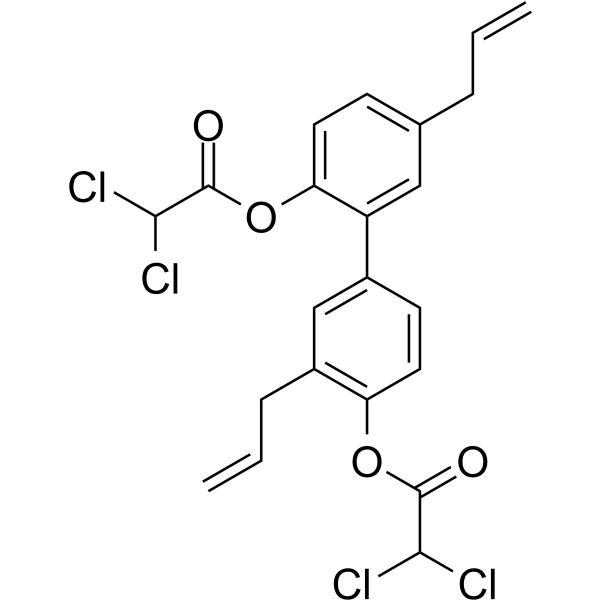
    Honokiol DCA (Honokiol dichloroacetate) is a dichloroacetate analog of Honokiol. Honokiol DCA can inhibit the growth of human prostate cancer cells in vitro and suppress the androgen receptor (AR) protein level .
    Honokiol DCA
  • HY-117992

    Complement System Inflammation/Immunology
    BR103 is a C3aR-specific small molecule ligand. BR103 can be used to measure ligand affinity for a G protein-coupled receptor for saturation and competitive binding .
    BR103
  • HY-135794S

    11-KDHT-d3; 5α-Dihydro-11-keto testosterone-d3

    Isotope-Labeled Compounds Androgen Receptor Endocrinology
    11-Ketodihydrotestosterone-d3 is the deuterium labeled 11-Ketodihydrotestosterone. 11-Ketodihydrotestosterone (11-KDHT; 5α-Dihydro-11-keto testosterone) is an endogenous steroid and a metabolite of 11β-Hydroxyandrostenedione. 11-Ketodihydrotestosterone is an active androgen and is also a potent androgen receptor (AR) agonist with a Ki of 20.4 nM and an EC50 of 1.35 nM for human AR. 11-Ketodihydrotestosterone drives gene regulation, protein expression and cell growth in androgen-dependent prostate cancer cells .
    11-Ketodihydrotestosterone-d3
  • HY-164552

    Apoptosis Androgen Receptor Cancer
    ZNU-IMB-Z15 (Compound Z15) is an antagonist of the androgen receptor (AR) and also a selective degrader of AR and ARV7. ZNU-IMB-Z15 can directly bind to the ligand-binding domain (LBD) and activation function-1 region of AR, and promote AR degradation through the proteasome pathway. ZNU-IMB-Z15 effectively inhibits the transcriptional activity of AR, AR mutants, and AR splice variants (ARVs), downregulating the mRNA and protein levels of AR downstream target genes, thereby overcoming the resistance to second-generation antiandrogen drugs induced by AR LBD mutations, AR amplification, and ARVs in castration-resistant prostate cancer (CRPC). ZNU-IMB-Z15 can inhibit the proliferation of AR-positive CRPC cell lines and induce their apoptosis, demonstrating anticancer activity both in vivo and in vitro .
    ZNU-IMB-Z15
  • HY-133862

    Influenza Virus G protein-coupled Bile Acid Receptor 1 Adenosine Receptor Infection
    SCH-202676 is an allosteric modulator of G protein-coupled receptors (GPCRs) and adenosine receptor (AR). SCH-202676 has antiviral activity and inhibits 3CL pro in a time-dependent manner with an IC50 value of 0.655 µM .
    SCH-202676
  • HY-136960

    Adrenergic Receptor Others
    β2AR antagonist 1 is a potent β2-adrenergic receptor (β2AR) inhibitor. β2AR antagonist 1 exhibits high selectivity for β2AR over β1AR, vasopressin receptor type 2, and angiotensin type 1 receptor. β2AR antagonist 1 stabilizes the inactive conformation of β2AR and interferes with its coupling to G proteins and β-arrestins .
    β2AR antagonist 1
  • HY-179433

    PROTACs Androgen Receptor Estrogen Receptor/ERR Src Cancer
    PROTAC AR Degrader-12 is a highly efficient PROTAC targeting AR coactivator binding site (AR-CBS). PROTAC AR Degrader-12 induces AR degradation in a ubiquitin proteasome system (UPS) pathway-dependent manner. PROTAC AR Degrader-12 inhibits tumor cell growth by affecting DNA replication and cell division PROTAC AR Degrader-12 could not only effectively degrade AR, but also potently inhibit the proliferation of MCF-7 and multiple mutant or resistant BC cells. PROTAC AR Degrader-12 effectively blocked estrogen receptor α (ERα) signaling through a dual mechanism involving ERα protein downregulation and suppression of its transcriptional activity. PROTAC AR Degrader-12 significantly inhibits the mRNA expression of FOXA1, GREB1, SRC, and PELP1. PROTAC AR Degrader-12 can be used for the study of breast cancer .
    PROTAC AR Degrader-12
  • HY-160547

    PROTACs Androgen Receptor Metabolic Disease
    PROTAC AR Degrader-5 (compound A46) is a potent AR PROTACs degrader with an IC50 value of 49 nM. PROTAC AR Degrader-5 inhibits sebaceous plaque and induces hair regeneration (Pink: ligand for target protein (HY-169967); black: linker (HY-169966); Blue: E3 ligase ligand (HY-125845)) .
    PROTAC AR Degrader-5
  • HY-W877989

    Ligands for E3 Ligase Cancer
    BWA-522 intermediate-1 is an intermediate in the synthesis of PROTAC BWA-522 (HY-149433) and serves as a ligand molecule for cereblon E3 ubiquitin ligase. BWA-522 is an orally active small molecule protein-targeting chimera (PROTAC) that has significant degradation effects on AR-FL and AR-V7 .
    BWA-522 intermediate-1
  • HY-P1345

    Complement System Neurological Disease Endocrinology
    TLQP-21, a VGF-derived peptide endowed of endocrine and extraendocrine properties, is a potent G-protein-coupled receptor complement-3a receptor 1 (C3aR1) agonist (EC50: mouse TLQP-21=10.3 μM; human TLQP-21=68.8 μM). TLQP-21 activates C3aR1 to induce an increase of intracellular Ca 2+. TLQP-21 is used for the research in regulation of nociception and other relevant physiologic functions .
    TLQP-21
  • HY-110012

    Adenosine Receptor Infection
    SCH-202676 hydrobromide is an allosteric modulator of G protein-coupled receptors (GPCRs) and adenosine receptor (AR). SCH-202676 hydrobromide has antiviral activity and inhibits 3CL pro in a time-dependent manner with an IC50 value of 0.655 μM .
    SCH-202676 hydrobromide
  • HY-111848A

    SNIPERs PROTACs Androgen Receptor Cancer
    PROTAC AR Degrader-4 comprises a IAP ligand binding group, a linker and an Androgen Receptor (AR) binding group. PROTAC AR Degrader-4 is an AR degrader. Degradation inducers based on cIAP1 are called specific and non-genetic IAP-dependent protein erasers (SNIPERs) .
    PROTAC AR Degrader-4 TFA
  • HY-111848

    SNIPERs PROTACs Androgen Receptor Cancer
    PROTAC AR Degrader-4 comprises a IAP ligand binding group, a linker and an Androgen Receptor (AR) binding group. PROTAC AR Degrader-4 is an AR degrader. Degradation inducers based on cIAP1 are called specific and non-genetic IAP-dependent protein erasers (SNIPERs) .
    PROTAC AR Degrader-4
  • HY-150025

    DNA Methyltransferase Apoptosis Cancer
    (4aS,8aR)-NPD-001 is a potent and allosteric inhibitor of DNMT3A. (4aS,8aR)-NPD-001 inhibits DNMT3A activity by disrupting protein-protein interactions. (4aS,8aR)-NPD-001 induces apoptosis of acute myeloid leukemia (AML) cell lines. (4aS,8aR)-NPD-001 induces differentiation of distinct AML cell lines including cells with mutated DNMT3A R882 .
    (4aS,8aR)-NPD-001
  • HY-130845

    Ligands for E3 Ligase Ligands for Target Protein for PROTAC Cancer
    AR antagonist 1 (compound 29) is a potent androgen receptor (AR) antagonist and binds to E3 ligase ligands with weak binding affinities to VHL protein in the synthesis of PROTAC ARD-266 (HY-133020).
    AR antagonist 1
  • HY-400766

    Drug Intermediate Cancer
    BWA-522 intermediate-2 is a BWA-522 intermediate. BWA-522 is an orally available small molecule protein-targeting chimera (PROTACs) with significant degradation effect on AR-FL and AR-V7 .
    BWA-522 intermediate-2
  • HY-148777

    PROTACs Androgen Receptor Cancer
    A031 is a highly effective PROTAC androgen receptor (AR) degrader with an IC50 value less than 0.25 μM for AR protein degradation. A031 has an inhibitory effect on tumor growth in zebrafish with human prostate cancer (VCaP) .
    A031
  • HY-110202

    Adenosine Receptor Neurological Disease Inflammation/Immunology
    MRS5698 is a selective Gi protein-coupled A3 adenosine receptor (A3AR) agonist, with Kis of approximately 3 nM for human and mouse A3AR, respectively. MRS5698 can be used for the research of pain and psoriasis .
    MRS5698
  • HY-148361

    FAP Others
    Fluorogen binding modulator-1 (PubChem SID 125240934) is a fluorogen activating protein (FAP)-fluorogen binding modulator with -log EC50s of 6.61 and 6.37 for AM2.2-β2AR and AM2.2-GPR32, respectively .
    Fluorogen binding modulator-1
  • HY-157491

    PROTACs Androgen Receptor Epigenetic Reader Domain Cancer
    K2-B4-5e is a E3 ligase KLHDC2-based BRD4 and androgen receptor (AR) degradation PROTAC. K2-B4-5e is capable of inducing rapid and robust degradation of BET-family and AR proteins in cells .
    K2-B4-5e
  • HY-70006A

    TOK-001 hydrochloride; VN-124-1 hydrochloride

    Molecular Glues Androgen Receptor MNK Cytochrome P450 Apoptosis Cancer
    Galeterone (TOK-001) hydrochloride is a potent, orally active molecular glue degrader, which degrades androgen receptor (AR) and its splice variants (AR-Vs) and MAP kinase-interacting serine/threonine protein kinase Mnk1/2. Galeterone hydrochloride also functions as a CYP17 inhibitor (IC50 = 47 nM). Galeterone hydrochloride induces cell apoptosis. Galeterone hydrochloride inhibits tumor growth in human prostate cancer xenograft mouse models. Galeterone hydrochloride can be used for castration resistant prostate cancer (CRPC) and pancreatic ductal adenocarcinoma (PDAC) research [1][2].
    Galeterone hydrochloride

Inquiry Online

Your information is safe with us. * Required Fields.

Salutation


Country or Region *

Applicant Name *


Organization Name *

Department *


Email Address *


Product Name *

Cat. No.


Requested quantity *

Phone Number *


Remarks

Inquiry Online

Inquiry Information

Product Name:
Cat. No.:
Quantity:
MCE Japan Authorized Agent:

