1. Search Result
Search Result
Results for "

AST

" in MedChemExpress (MCE) Product Catalog:

45

Inhibitors & Agonists

1

Peptides

13

Natural
Products

1

Recombinant Proteins

1

Isotope-Labeled Compounds

5

Oligonucleotides

Cat. No. Product Name Target Research Areas Chemical Structure
  • HY-112870
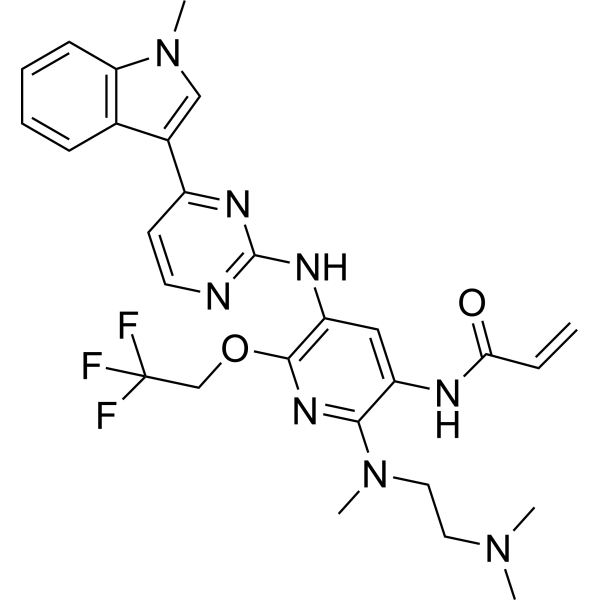
    Firmonertinib
    Maximum Cited Publications
    6 Publications Verification

    Alflutinib; Furmonertinib; AST2818

    EGFR Cancer
    Firmonertinib (Alflutinib; Furmonertinib) is an orally active, mutant-selective, and highly brain penetrant EGFR inhibitor. Firmonertinib inhibits EGFR active mutations as well as the T790M acquired resistant mutation. Firmonertinib has the potential for the research of cancer diseases, especially advanced non-small cell lung cancer (NSCLC) with EGFR ex20ins mutation .
    Firmonertinib
  • HY-112870A
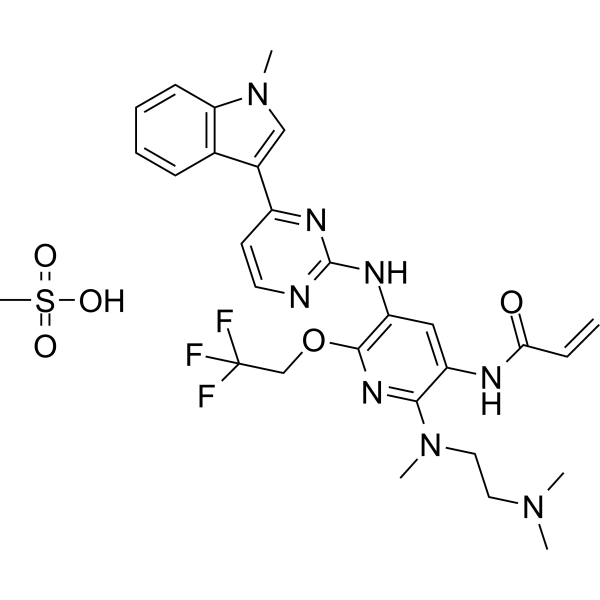
    Firmonertinib mesylate
    Maximum Cited Publications
    6 Publications Verification

    Alflutinib mesylate; Furmonertinib mesylate; AST2818 mesylate

    EGFR Inflammation/Immunology Cancer
    Firmonertinib (Alflutinib; Furmonertinib) mesylate is is an orally active, mutant-selective, and blood-brain barrier penetrant EGFR inhibitor. Firmonertinib mesylate inhibits EGFR active mutations as well as the T790M acquired resistant mutation. Firmonertinib mesylate has the potential for the research of cancer diseases, especially advanced non-small cell lung cancer (NSCLC) with EGFR ex20ins mutation .
    Firmonertinib mesylate
  • HY-15002
    AST 487
    5 Publications Verification

    NVP-AST 487

    RET FLT3 VEGFR c-Kit Bcr-Abl Cancer
    AST 487 is a RET kinase inhibitor with IC50 of 880 nM, inhibits RET autophosphorylation and activation of downstream effectors, also inhibits Flt-3 with IC50 of 520 nM.
    AST 487
  • HY-147041
    Selvigaltin
    1 Publications Verification

    GB1211

    Galectin Inflammation/Immunology Cancer
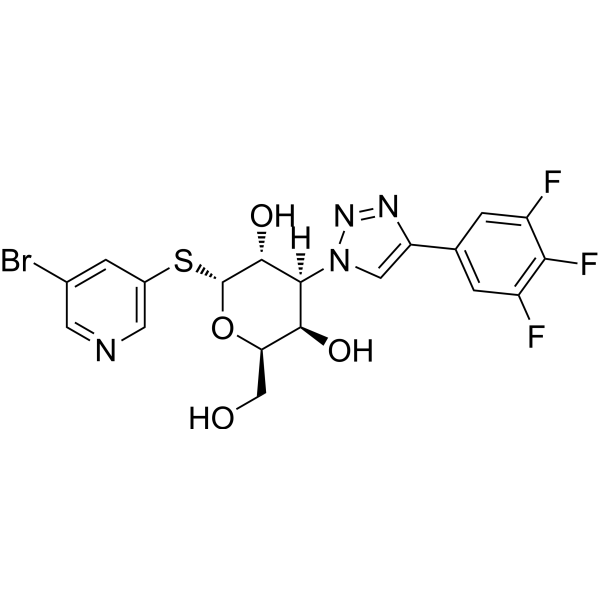
    Selvigaltin (GB1211) is an orally active galectin-3 small molecule inhibitor with an IC50 value of 12 nM in rabbits, showing anti-tumor activity. Selvigaltin decreases galectin-3 levels in the liver and reduces biomarkers of liver function (AST, ALT, bilirubin), inflammation (cells foci) and fibrosis (PSR, SHG), as well as decreasing the mRNA and protein expression of several key inflammation and fibrosis biomarkers (IL6, TGFβ3, SNAI2, collagen). Selvigaltin restores T-cell activity and induces less tumors and metastasis .
    Selvigaltin
  • HY-P3016A

    EC 2.6.1.1, porcine heart; GOT, porcine heart; AST, porcine heart

    Aminotransferases (Transaminases) Cardiovascular Disease
    Aspartate aminotransferase (EC 2.6.1.1), porcine heart is a metabolic regulator with the highest activity in the heart, liver and skeletal muscle. Aspartate aminotransferase, porcine heart comprises two isozymes: the cytoplasmic form (AST1) and the mitochondrial form (AST2). By catalyzing reversible transamination reactions between oxaloacetate, L-glutamate and other substances, it is deeply involved in key physiological processes such as amino acid metabolism, the tricarboxylic acid cycle and neurotransmitter synthesis. Aspartate aminotransferase, porcine heart also provides substrate support for the synthesis of urea and purines/pyrimidines. Aspartate aminotransferase, porcine heart is a serum marker reflecting cardiac and hepatic injury, and its abnormal levels are also closely associated with myocardial infarction, cardiovascular diseases and various cancers .
    Aspartate aminotransferase, porcine heart
  • HY-124573

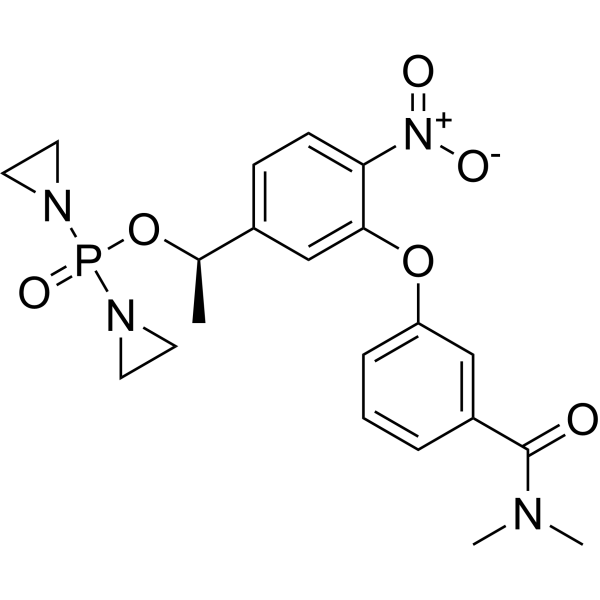
    OBI-3424; TH-3424; (R)-AST-3424

    DNA Alkylator/Crosslinker Cancer
    (R)-Odafosfamide (OBI-3424) is a proagent that is selectively converted by AKR1C3 (aldo-keto reductase 1C3) to a potent DNA-alkylating agent. (R)-Odafosfamide can be used for hepatocellular carcinoma, castrate-resistant prostate cancer, and acute lymphoblastic leukemia (ALL) research .
    (R)-Odafosfamide
  • HY-13427
    Allitinib tosylate
    2 Publications Verification

    AST-1306 (TsOH)

    EGFR Cancer
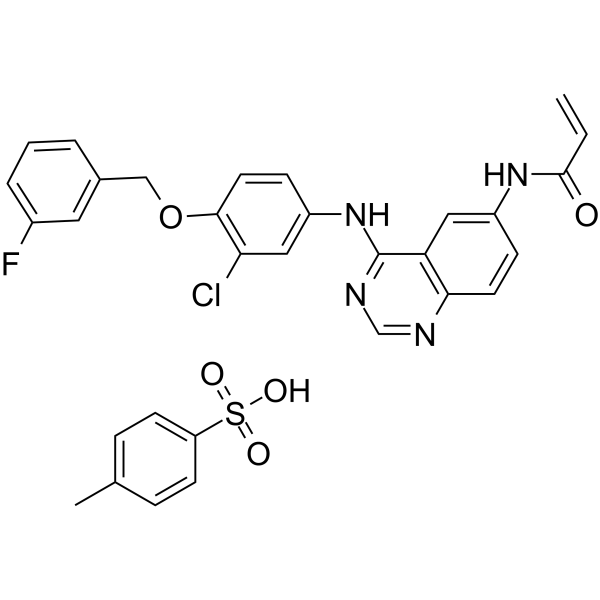
    Allitinib tosylate (AST-1306 (TsOH)) is an orally active and irreversible EGFR and ErbB2 inhibitor with IC50s of 0.5 and 3 nM, respectively. Allitinib tosylate also inhibits ErbB4 with an IC50 of 0.8 nM. Allitinib tosylate is an anilino-quinazoline compound and has anti-cancer activity
    Allitinib tosylate
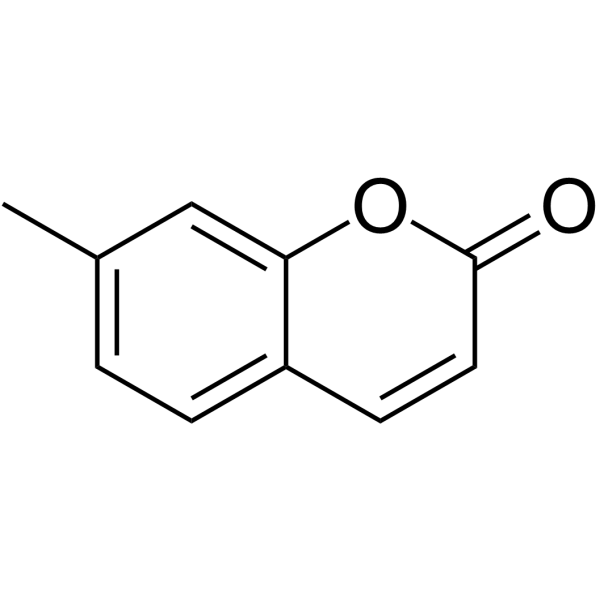
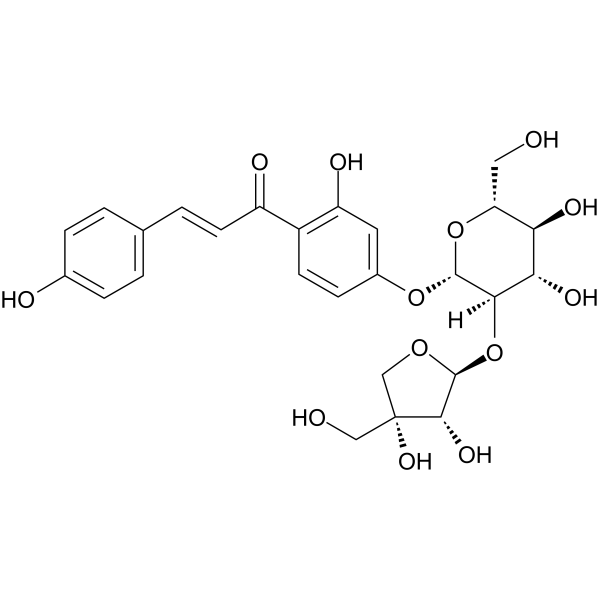
  • HY-N5092

    Reactive Oxygen Species (ROS) Cytochrome P450 Metabolic Disease
    7-Methylcoumarin is a coumarin derivative with potent hepatoprotective and antioxidant properties. 7-Methylcoumarin is a mechanism-based inhibitor for CYP2A6. 7-Methylcoumarin significantly decreases alanine aminotransferase (ALT), aspartate aminotransferase (AST), and serum bilirubin (TB) in rats with CCl4-induced liver damage, whilst restoring total protein (TP) and albumin (TA) levels in serum as well as preventing oxidative stress. 7-Methylcoumarin can decline mitotic activity of A. sativum promeristem .
    7-Methylcoumarin
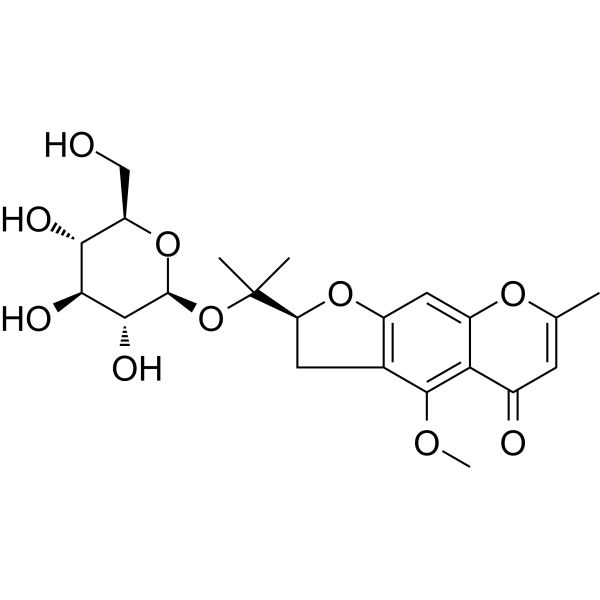
  • HY-N0442

    4'-O-β-D-Glucosyl-5-O-methylvisamminol

    NF-κB p38 MAPK JNK Src TNF Receptor NOD-like Receptor (NLR) Amyloid-β MEK ERK Ferroptosis VEGFR Anaplastic lymphoma kinase (ALK) Reactive Oxygen Species (ROS) Neurological Disease Metabolic Disease Inflammation/Immunology Cancer
    5-O-Methylvisammioside (4'-O-β-D-Glucosyl-5-O-methylvisamminol) is an orally active natural chromone glycoside and multiple biological activities. 5-O-Methylvisammioside inhibits ferroptosis by activating the Nrf2/HO-1 signaling axis. 5-O-Methylvisammioside alleviates intestinal barrier damage by inhibiting the ROS/NF-κB/NLRP3 pathway. 5-O-Methylvisammioside exerts a protective effect against acute liver injury by reducing ALT/AST, decreasing inflammatory infiltration, and inhibiting IκB-α phosphorylation and NF-κB nuclear translocation. 5-O-Methylvisammioside blocks the HMGB1/RAGE/MEK/ERK signaling axis to exert anti-tumor and anti-angiogenic effects. 5-O-Methylvisammioside improves depression-like behaviors by inhibiting Src kinase and the NF-κB pathway .
    5-O-Methylvisammioside
  • HY-15375
    Allitinib
    2 Publications Verification

    AST-1306; ALS 1306

    EGFR Cancer
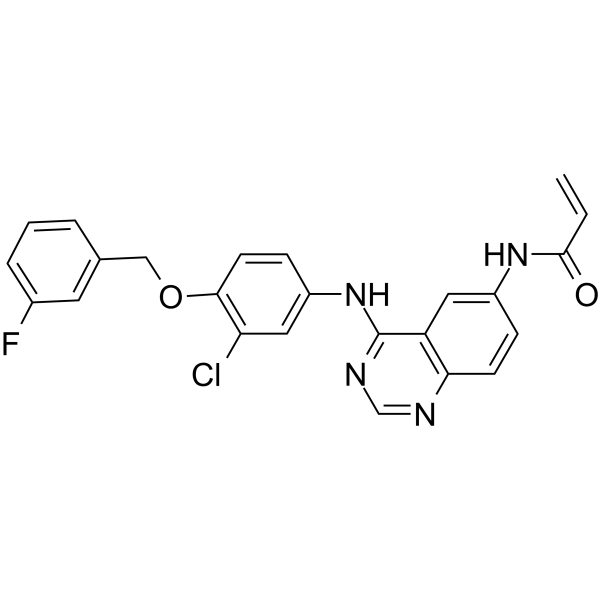
    Allitinib (AST-1306) is an orally active and irreversible EGFR and ErbB2 inhibitor with IC50s of 0.5 and 3 nM, respectively. Allitinib also inhibits ErbB4 with an IC50 of 0.8 nM. Allitinib is an anilino-quinazoline compound and has anti-cancer activity .
    Allitinib
  • HY-P3016

    EC 2.6.1.1; GOT; AST

    Aminotransferases (Transaminases) Cardiovascular Disease
    Aspartate aminotransferase (EC 2.6.1.1), Genetically engineered bacteria is a metabolic regulator with the highest activity in the heart, liver and skeletal muscle. Aspartate aminotransferase, Genetically engineered bacteria comprises two isozymes: the cytoplasmic form (AST1) and the mitochondrial form (AST2). By catalyzing reversible transamination reactions between oxaloacetate, L-glutamate and other substances, it is deeply involved in key physiological processes such as amino acid metabolism, the tricarboxylic acid cycle and neurotransmitter synthesis. Aspartate aminotransferase, Genetically engineered bacteria also provides substrate support for the synthesis of urea and purines/pyrimidines. Aspartate aminotransferase, Genetically engineered bacteria is a serum marker reflecting cardiac and hepatic injury, and its abnormal levels are also closely associated with myocardial infarction, cardiovascular diseases and various cancers .
    Aspartate aminotransferase, Genetically engineered bacteria
  • HY-N6987

    FXR Factor Xa Cardiovascular Disease Inflammation/Immunology
    Licraside, found in Glycyrrhiza glabra, is a Farnesoid X receptor (FXR) activator. Licraside activates FXR to induce upregulation of SHP and BSEP, regulates bile acid homeostasis, reduces elevated biliary and serum TBA, serum ALT, AST, GGT, ALP, and TBIL levels, and attenuates liver histopathological damage. Licraside inhibits factor Xa with an IC50 of 48.54 mM. Licraside can be used for the research of cholestasis and thromboembolic diseases .
    Licraside
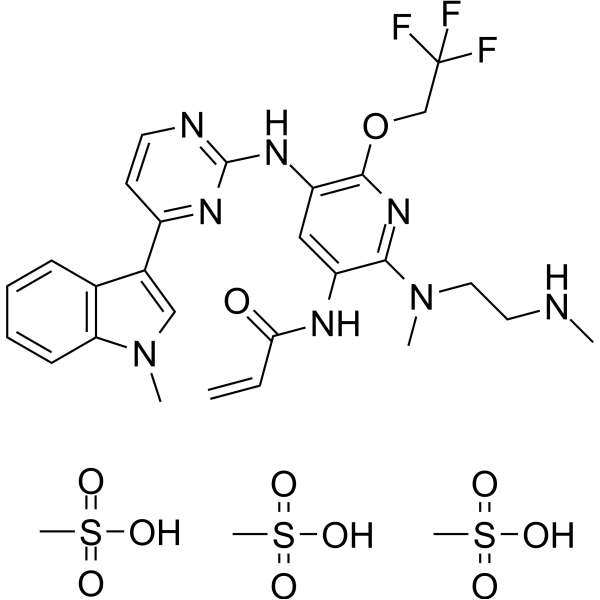
  • HY-138627A

    EGFR Drug Metabolite Cancer
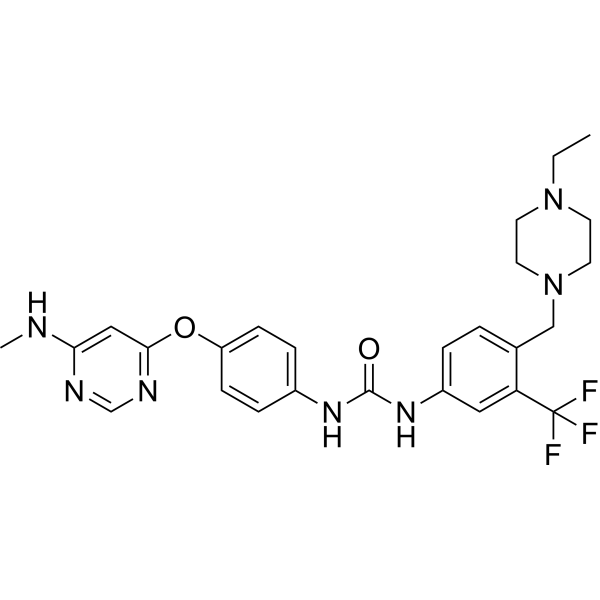
    AST5902 trimesylate is the principal metabolite of Alflutinib (AST2818) both in vitro and in vivo. AST5902 trimesylate exerts antineoplastic activity. Alflutinib is an EGFR inhibitor .
    AST5902  trimesylate
  • HY-RS05605

    Small Interfering RNA (siRNA) Others

    GOT1 Human Pre-designed siRNA Set A contains three designed siRNAs for GOT1 gene (Human), as well as a negative control, a positive control, and a FAM-labeled negative control.

    GOT1 Human Pre-designed siRNA Set A
    GOT1 Human Pre-designed siRNA Set A
  • HY-149040

    (S)-OBI-3424; (S)-TH-3424; AST-3424

    17β-HSD Cancer
    Odafosfamide ((S)-OBI-3424) is a highly selective prodrug bis-alkylating agent activated by aldehyde-keto reductase 1C3 (AKR1C3(). Odafosfamide is highly cytotoxic to cell lines with high AKR1C3 expression. Odafosfamide exhibits antitumor activity in a variety of tumors with high AKR1C3 expression (such as liver cancer, non-small cell lung cancer, and leukemia). Odafosfamide can be used in cancer research .
    Odafosfamide
  • HY-176192

    Toll-like Receptor (TLR) NF-κB p38 MAPK ERK IKK TNF Receptor Interleukin Related Inflammation/Immunology
    SMU-14a is a selective Toll-like receptor 3 (TLR3) inhibitor wirh an IC50 of 0.18 μM. SMU-14a reduces phosphorylation of p65, ERK, and TBK1 via NF-κB, MAPK, and IRF3 signaling pathways. SMU-14a inhibits IL-6 secretion in mouse peritoneal macrophages, downregulates TNF-α in human peripheral blood monocytes and decreases serum alanine aminotransferase (ALT) and aspartate aminotransferase (AST) levels. SMU-14a can be used for the research of acute hepatitis .
    SMU-14a
  • HY-P3016B

    EC 2.6.1.1, Human liver; GOT, Human liver; AST, Human liver

    Aminotransferases (Transaminases) Cardiovascular Disease
    Aspartate aminotransferase (EC 2.6.1.1), Human liver is a metabolic regulator with the highest activity in the heart, liver and skeletal muscle. Aspartate aminotransferase, Human liver comprises two isozymes: the cytoplasmic form (AST1) and the mitochondrial form (AST2). By catalyzing reversible transamination reactions between oxaloacetate, L-glutamate and other substances, it is deeply involved in key physiological processes such as amino acid metabolism, the tricarboxylic acid cycle and neurotransmitter synthesis. Aspartate aminotransferase, Human liver also provides substrate support for the synthesis of urea and purines/pyrimidines. Aspartate aminotransferase, Human liver is a serum marker reflecting cardiac and hepatic injury, and its abnormal levels are also closely associated with myocardial infarction, cardiovascular diseases and various cancers .
    Aspartate aminotransferase, Human liver
  • HY-139785

    AST-008

    Toll-like Receptor (TLR) Others Cancer
    Cavrotolimod is an immunostimulatory spherical nucleic acid (SNA) modified with type B CpG oligonucleotides designed to agonize TLR9 and elicit immune responses useful in oncology applications.
    Cavrotolimod
  • HY-133528

    TRP Channel Neurological Disease
    OptoBI-1 is a photochromic TRPC3 agonist, which asts as a photopharmacological tool to control of neuronal firing .
    OptoBI-1
  • HY-W017241

    1-Hydroxymethylnaphthalene

    Bacterial Biochemical Assay Reagents Infection
    1-Naphthalenemethanol is a hydroxyl-substituted naphthalene derivative. 1-Naphthalenemethanol can be extracted from the root of Annona senegalensis. 1-Naphthalenemethanol is a photolysis product of 1-napthaleneacetic acid. 1-Naphthalenemethanol, together with PAPS, provides some protection against the irreversible inactivation of AST IV caused by N-OH-2AF. 1-Naphthalenemethanol can be used in antibacterial research .
    1-Naphthalenemethanol
  • HY-W012856

    3-Methylethylbenzene

    Reactive Oxygen Species (ROS) FGFR TGF-β Receptor MMP Metabolic Disease
    3-Ethyltoluene (3-Methylethylbenzene) is an isomer of Ethyltoluenes. 3-Ethyltoluene inhibits cell survival and proliferation and increases ROS production. 3-Ethyltoluene upregulates cellular inflammatory gene expression. 3-Ethyltoluene induces cell fibrosis with increased level of AST, FGF-23, Cyt-7 p21, TGFβ, TIMP2, and MMP2. 3-Ethyltoluene can be used for liver diseases such as NAFLD research .
    3-Ethyltoluene
  • HY-178857

    Cannabinoid Receptor Metabolic Disease
    CB1 antagonist 6 (Compound 11jE2) is an orally active CB1R antagonist, with an IC50 value of 23 nM. CB1 antagonist 6 significantly reduces food intake and body weight, improves glucose tolerance and insulin resistance, and decreases serum ALT and AST levels in diet-induced obese (DIO) mice, demonstrating hepatoprotective effects. CB1 antagonist 6 can be used for the study of metabolic syndrome (obesity, diabetes) .
    CB1 antagonist 6
  • HY-N2638

    Apoptosis Cardiovascular Disease
    Ilexsaponin A, isolated from the root of Ilex pubescens, attenuates ischemia-reperfusion-induced myocardial injury through anti-apoptotic pathway. Ilexsaponin A can reduce myocardial infarct size, lower the serum levels of LDH, AST and CK-MB, increase cellular viability and inhibit apoptosis in hypoxia/reoxygenation cardiomyocytes .
    Ilexsaponin A
  • HY-153812

    AST070

    Anion Exchangers Metabolic Disease
    AST 7062601 (AST070) is a Ucp1 inducer that strongly induces endogenous Ucp1 expression in primary mouse brown adipocytes. Ucp1 refers to uncoupling protein, found in brown and beige fat cells. In mammals, UCP1 oxidizes fatty acids and uncouples ATP production in mitochondria to promote energy dissipation as heat. AST 7062601 can be used to study thermogenic, uncoupled respiration .
    AST 7062601
  • HY-138627AR

    Reference Standards EGFR Drug Metabolite Cancer
    AST5902 (trimesylate) (Standard) is the analytical standard of AST5902 (trimesylate). This product is intended for research and analytical applications. AST5902 trimesylate is the principal metabolite of Alflutinib (AST2818) both in vitro and in vivo. AST5902 trimesylate exerts antineoplastic activity. Alflutinib is an EGFR inhibitor[1].
    AST5902  trimesylate (Standard)
  • HY-138627

    Drug Metabolite EGFR Cancer
    AST5902 is the active metabolite of Firmonertinib (HY-112870) (EGFR inhibitor). AST5902 has antineoplastic activity .
    AST5902
  • HY-138627B

    EGFR Drug Metabolite Cancer
    AST5902 mesylate is a principal metabolite of Alflutinib, exhibiting significant antineoplastic activity. AST5902 mesylate contributes to the overall pharmacological effects in the treatment of non-small cell lung cancer. AST5902 mesylate is involved in the response to activating EGFR mutations and can help overcome EGFR T790M drug-resistant mutations.
    AST5902 mesylate
  • HY-158378

    R-AST-OH

    Glutaminase Cancer
    Trivalent hydroxyarsinothricn (R-AST-OH) is a covalent and irreversible kidney-type glutaminase (KGA) inhibitor. Trivalent hydroxyarsinothricn binds to the glutamine binding site and forms a covalent bond with an active site cysteine residue. Trivalent hydroxyarsinothricn selectively kills triple-negative breast cancer (TNBC) cells and is not cytotoxic to the control cell line. KGA is the enzyme that controls glutamine metabolism and is correlated with tumor malignancy .
    Trivalent hydroxyarsinothricn
  • HY-N6595

    Others Others
    Lucidone A is a lanostanoid isolated from the fruiting bodies of G. resinaceum. lucidone A showed inhibitory effects against the increase of ALT and AST levels in HepG2 cells induced by H2O2 compared to a control group in the range of their maximum non-toxic concentration (MNTC) .
    Lucidone A
  • HY-139785A

    AST-008 sodium

    Toll-like Receptor (TLR) Others
    Cavrotolimod sodium is an immunostimulatory spherical nucleic acid (SNA) modified with type B CpG oligonucleotides designed to agonize TLR9 and elicit immune responses useful in oncology applications.
    Cavrotolimod sodium
  • HY-RS13038

    Small Interfering RNA (siRNA) Others

    SLC17A5 Human Pre-designed siRNA Set A contains three designed siRNAs for SLC17A5 gene (Human), as well as a negative control, a positive control, and a FAM-labeled negative control.

    SLC17A5 Human Pre-designed siRNA Set A
    SLC17A5 Human Pre-designed siRNA Set A
  • HY-162583

    Phosphodiesterase (PDE) Inflammation/Immunology
    PDE4-IN-17 (compound 4e) is a potent PDE4 inhibitor. PDE4-IN-17 inhibits PDE4B and PDE4D with IC50s of 10.0 and 15.2 nM, respectively. PDE4-IN-17 has good oral bioavailability (F=66%) and longer half-life (t1/2=2.0 h) in SD rats .
    PDE4-IN-17
  • HY-P3690

    Proteasome Others
    Ac-Leu-Leu-Norleucinol (ALLN) is a calpain inhibitor, can be used for research of Acetaminophen (HY-66005) induced acute liver damage, and lowers glutamic-oxalacetic transaminease (ALT) and glutamic-pyruvic transaminase (AST) .
    Ac-Leu-Leu-Norleucinol
  • HY-N2638R

    Reference Standards Apoptosis Cardiovascular Disease
    Ilexsaponin A (Standard) is the analytical standard of Ilexsaponin A. This product is intended for research and analytical applications. Ilexsaponin A, isolated from the root of Ilex pubescens, attenuates ischemia-reperfusion-induced myocardial injury through anti-apoptotic pathway. Ilexsaponin A can reduce myocardial infarct size, lower the serum levels of LDH, AST and CK-MB, increase cellular viability and inhibit apoptosis in hypoxia/reoxygenation cardiomyocytes .
    Ilexsaponin A (Standard)
  • HY-W017241R

    1-Hydroxymethylnaphthalene (Standard)

    Reference Standards Bacterial Biochemical Assay Reagents Infection
    1-Naphthalenemethanol (Standard) is the analytical standard of 1-Naphthalenemethanol (HY-W017241). This product is intended for research and analytical applications. 1-Naphthalenemethanol is a hydroxyl-substituted naphthalene derivative. 1-Naphthalenemethanol can be extracted from the root of Annona senegalensis. 1-Naphthalenemethanol is a photolysis product of 1-napthaleneacetic acid. 1-Naphthalenemethanol, together with PAPS, provides some protection against the irreversible inactivation of AST IV caused by N-OH-2AF. 1-Naphthalenemethanol can be used in antibacterial research .
    1-Naphthalenemethanol (Standard)
  • HY-N5092R

    Reference Standards Reactive Oxygen Species (ROS) Cytochrome P450 Metabolic Disease
    7-Methylcoumarin (Standard) is the analytical standard of 7-Methylcoumarin. This product is intended for research and analytical applications. 7-Methylcoumarin is a coumarin derivative with potent hepatoprotective and antioxidant properties. 7-Methylcoumarin is a mechanism-based inhibitor for CYP2A6. 7-Methylcoumarin significantly decreases alanine aminotransferase (ALT), aspartate aminotransferase (AST), and serum bilirubin (TB) in rats with CCl4-induced liver damage, whilst restoring total protein (TP) and albumin (TA) levels in serum as well as preventing oxidative stress. 7-Methylcoumarin can decline mitotic activity of A. sativum promeristem .
    7-Methylcoumarin (Standard)
  • HY-N0442R

    4'-O-β-D-Glucosyl-5-O-methylvisamminol (Standard)

    Reference Standards p38 MAPK Reactive Oxygen Species (ROS) TNF Receptor MEK ERK VEGFR Src Amyloid-β Anaplastic lymphoma kinase (ALK) NF-κB NOD-like Receptor (NLR) JNK Ferroptosis Neurological Disease Metabolic Disease Inflammation/Immunology Cancer
    5-O-Methylvisammioside (4'-O-β-D-Glucosyl-5-O-methylvisamminol) (Standard) is the analytical standard of 5-O-Methylvisammioside. This product is intended for research and analytical applications. 5-O-Methylvisammioside is an orally active natural chromone glycoside and multiple biological activities. 5-O-Methylvisammioside inhibits ferroptosis by activating the Nrf2/HO-1 signaling axis. 5-O-Methylvisammioside alleviates intestinal barrier damage by inhibiting the ROS/NF-κB/NLRP3 pathway. 5-O-Methylvisammioside exerts a protective effect against acute liver injury by reducing ALT/AST, decreasing inflammatory infiltration, and inhibiting IκB-α phosphorylation and NF-κB nuclear translocation. 5-O-Methylvisammioside blocks the HMGB1/RAGE/MEK/ERK signaling axis to exert anti-tumor and anti-angiogenic effects. 5-O-Methylvisammioside improves depression-like behaviors by inhibiting Src kinase and the NF-κB pathway.
    5-O-Methylvisammioside (Standard)
  • HY-P3016C

    EC 2.6.1.1, Human (HEK293); GOT, Human (HEK293); AST, Human (HEK293)

    Aminotransferases (Transaminases) Cardiovascular Disease
    Aspartate aminotransferase (EC 2.6.1.1), Human (HEK293) is a metabolic regulator with the highest activity in the heart, liver and skeletal muscle. Aspartate aminotransferase, Human (HEK293) comprises two isozymes: the cytoplasmic form (AST1) and the mitochondrial form (AST2). By catalyzing reversible transamination reactions between oxaloacetate, L-glutamate and other substances, it is deeply involved in key physiological processes such as amino acid metabolism, the tricarboxylic acid cycle and neurotransmitter synthesis. Aspartate aminotransferase, Human (HEK293) also provides substrate support for the synthesis of urea and purines/pyrimidines. Aspartate aminotransferase, Human (HEK293) is a serum marker reflecting cardiac and hepatic injury, and its abnormal levels are also closely associated with myocardial infarction, cardiovascular diseases and various cancers .
    Aspartate aminotransferase, Human (HEK293)
  • HY-RS19854

    Small Interfering RNA (siRNA) Others

    Tmprss11d Mouse Pre-designed siRNA Set A contains three designed siRNAs for Tmprss11d gene (Mouse), as well as a negative control, a positive control, and a FAM-labeled negative control.

    Tmprss11d Mouse Pre-designed siRNA Set A
    Tmprss11d Mouse Pre-designed siRNA Set A
  • HY-112870AS

    Alflutinib-d3 mesylate; Furmonertinib-d3 mesylate; AST2818-d3 mesylate

    Isotope-Labeled Compounds EGFR Inflammation/Immunology Cancer
    Firmonertinib-d3 (Alflutinib-d3) mesylate is the deuterium labeled Firmonertinib mesylate (HY-112870A). Firmonertinib (Alflutinib; Furmonertinib) mesylate is is an orally active, mutant-selective, and blood-brain barrier penetrant EGFR inhibitor. Firmonertinib mesylate inhibits EGFR active mutations as well as the T790M acquired resistant mutation. Firmonertinib mesylate has the potential for the research of cancer diseases, especially advanced non-small cell lung cancer (NSCLC) with EGFR ex20ins mutation.
    Firmonertinib-d3 mesylate
  • HY-181761

    FXR Metabolic Disease
    FXR agonist 16 is a FXR agonist with an EC50 of 2.2 μM. FXR agonist 16 activates FXR transcriptional activity, upregulates SHP and BSEP, and downregulates Cyp7a1. FXR agonist 16 exhibits hepatoprotective activity and reduces AST and ALT levels in free fatty acid-induced hepatocellular injury models. FXR agonist 16 can be used for the research of liver injury .
    FXR agonist 16
  • HY-N7773

    TNF Receptor Interleukin Related Caspase SOD Neurological Disease Metabolic Disease
    Hibiscetin is an orally active anti-inflammatory, antioxidant, antihyperglycemic, hypolipidemic, hepatoprotective and neuroprotective agent. Hibiscetin reduces the levels of TNF-α, IL-1β and IL-6. Hibiscetin inhibits lipid peroxidation, reduces MDA levels, and induces the activities of antioxidant enzymes CAT, GSH and SOD. Hibiscetin lowers blood glucose, reverses reduced insulin levels, regulates adipokine levels, and reduces elevated AST and ALT levels. Hibiscetin alleviates Rotenone (HY-B1756)-induced akinesia and catalepsy, normalizes neurotransmitter levels, and modulates the activities of activated caspase 3 and BDNF. Hibiscetin can be used in the research of type 2 diabetes, Parkinson's disease and Huntington's disease .
    Hibiscetin
  • HY-N17557

    Schizarin D

    HBV HIV Infection
    Schizanrin D (Schizarin D) is a C18 Dibenzocyclooctadiene lignin. Schizanrin D can be derived from dried stems of Kadsura matsudai. Schizanrin D inhibits HBeAg production. Schizanrin D is inactive in vitro against HIV replication .
    Schizanrin D
  • HY-182469

    Lactate Dehydrogenase AMPK FOXO Interleukin Related Reactive Oxygen Species (ROS) TNF Receptor Bcl-2 Family Caspase Apoptosis Neurological Disease
    FuBIG is an iminoguanidine derivative with neuroprotective effects. FuBIGL inhibits L-LDH activation and reduces lactate production. FuBIGL exerts protective effects on inflammatory nerve cells, upregulates the expressions of AMPK, pAMPK and FOXO3, and activates the AMPK pathway in cells. FuBIG exerts anti-inflammatory effects by reducing pro-inflammatory cytokines (IL-6, IL-1β, TNF-α) and increasing the anti-inflammatory cytokine IL-10. FuBIG maintains mitochondrial membrane potential, alleviates mitochondrial dysfunction, reduces ROS production, and relieves oxidative stress. FuBIG upregulates Bcl-2, downregulates Bax and Caspase-3, and inhibits cell apoptosis (apoptosis). FuBIG improves metabolic disorders in diabetic mice, decreases the levels of LDL-C, ALT and AST, and increases HDL-C level simultaneously. FuBIG can be used in the research of diabetic neuroinflammation .
    FuBIG
  • HY-183337

    NOD-like Receptor (NLR) Interleukin Related Inflammation/Immunology
    ZM734 is an orally active and selective NLRP3 inflammasome inhibitor. ZM734 inhibits the secretion of IL-1β. ZM734 alleviates pulmonary inflammation in a mouse model of acute lung injury. ZM734 can be used for the research of inflammatory diseases such as acute lung injury .
    ZM734

Inquiry Online

Your information is safe with us. * Required Fields.

Salutation


Country or Region *

Applicant Name *


Organization Name *

Department *


Email Address *


Product Name *

Cat. No.


Requested quantity *

Phone Number *


Remarks

Inquiry Online

Inquiry Information

Product Name:
Cat. No.:
Quantity:
MCE Japan Authorized Agent:

