1. Search Result
Search Result
Results for "

ATP binding pocket

" in MedChemExpress (MCE) Product Catalog:

69

Inhibitors & Agonists

1

Screening Libraries

1

Peptides

6

Natural
Products

1

Isotope-Labeled Compounds

Cat. No. Product Name Target Research Areas Chemical Structure
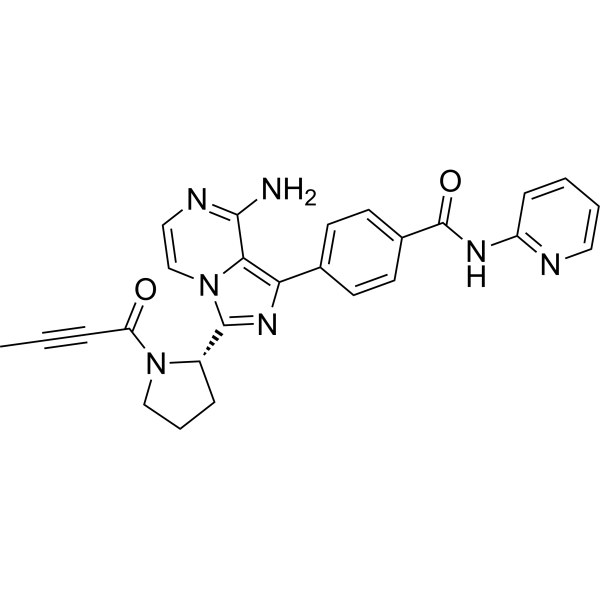
  • HY-17600
    Acalabrutinib
    Maximum Cited Publications
    31 Publications Verification

    Calquence; ACP-196

    Btk Inflammation/Immunology Cancer
    Acalabrutinib (ACP-196) is an orally active, irreversible, and highly selective second-generation BTK inhibitor. Acalabrutinib binds covalently to Cys481 in the ATP-binding pocket of BTK. Acalabrutinib demonstrates potent on-target effects and efficacy in mouse models of chronic lymphocytic leukemia (CLL). Acalabrutinib can be used for CLL research . Acalabrutinib is a click chemistry reagent, itcontains an Alkyne group and can undergo copper-catalyzed azide-alkyne cycloaddition (CuAAc) with molecules containing Azide groups.
    Acalabrutinib
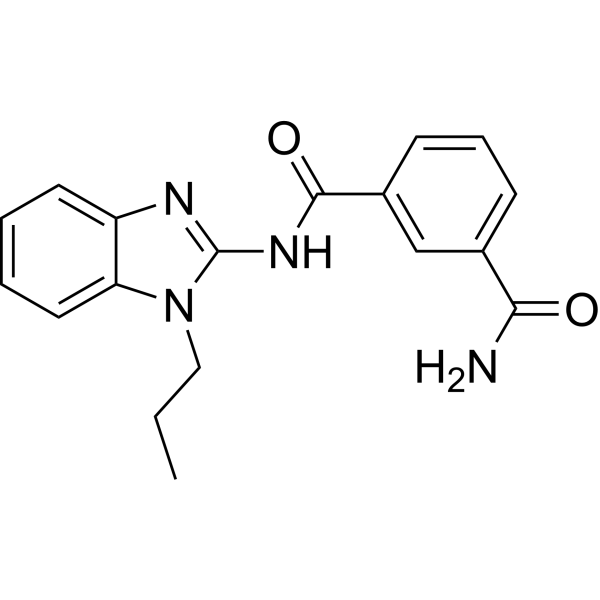
  • HY-103490
    Takinib
    25+ Cited Publications

    EDHS-206

    MAP3K Apoptosis Infection Inflammation/Immunology Cancer
    Takinib (EDHS-206) is an orally active and selective TAK1 inhibitor (IC50=9.5 nM), more than 1.5 log more potent than the second and third ranked targets, IRAK4 (120 nM) and IRAK1 (390 nM), respectively. Takinib is an inhibitor of autophosphorylated TAK1 that non-competitively binds within the ATP binding pocket. Takinib induces apoptosis following TNFα stimulation in cell models of rheumatoid arthritis and metastatic breast cancer. Takinib is also a P. falciparum protein kinase 9 (PfPK9) inhibitor (KD(app) of 0.46 μM) .
    Takinib
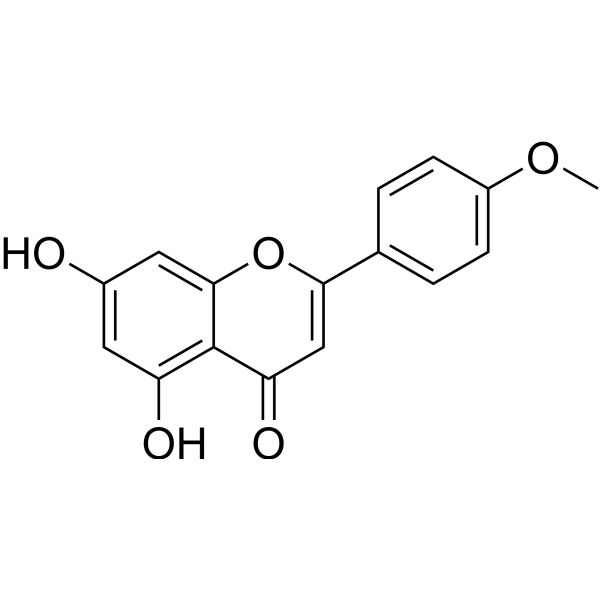
  • HY-N0451
    Acacetin
    Maximum Cited Publications
    13 Publications Verification

    5,7-Dihydroxy-4'-methoxyflavone

    Apoptosis Autophagy Neurological Disease Inflammation/Immunology Cancer
    Acacetin (5,7-Dihydroxy-4'-methoxyflavone) is an orally active flavonoid derived from Dendranthema morifolium. Acacetin docks in the ATP binding pocket of PI3Kγ. Acacetin causes cell cycle arrest and induces apoptosis and autophagy in cancer cells. Acacetin has potent anti-cancer and anti-inflammatory activity and has the potential for pain-related diseases research .
    Acacetin
  • HY-125017
    Bozitinib
    1 Publications Verification

    PLB-1001; CBT-101; Vebreltinib

    c-Met/HGFR Cancer
    Bozitinib (PLB-1001) is a highly selective c-MET kinase inhibitor with blood-brain barrier permeability. Bozitinib (PLB-1001) is a ATP-competitive small-molecule inhibitor, binds to the conventional ATP-binding pocket of the tyrosine kinase superfamily .
    Bozitinib
  • HY-159520

    Ofirnoflast; HT-6184

    NEKs NOD-like Receptor (NLR) Caspase Apoptosis Pyroptosis NF-κB Cardiovascular Disease Inflammation/Immunology Cancer
    Ofirnoflastum (Ofirnoflast) is an orally active first-in-class allosteric NEK7 inhibitor with an IC50 of 46 nM. Ofirnoflastum binds an allosteric site adjacent to NEK7’s ATP-binding pocket, induces conformational shifts, disrupts NEK7-NLRP3 binding, blocks NLRP3 inflammasome assembly, spares NEK7’s physiological functions, and suppresses caspase-1, caspase-8, NF-κB, and TNF activity. Ofirnoflastum reduces pro-inflammatory cytokine production, suppresses ASC specks, IL-1β release, pyroptotic cell death, and leukemic burden, induces apoptosis and erythroid differentiation, restores hematopoiesis, and improves outcomes in colitis models. Ofirnoflastum can be used for the research of myelodysplastic syndromes, chronic myelomonocytic leukemia, and acute myeloid leukemia .
    Ofirnoflastum
  • HY-17537
    APY29
    10+ Cited Publications

    IRE1 Cancer
    APY29, an ATP-competitive inhibitor, is an allosteric modulator of IRE1α which inhibits IRE1α autophosphorylation by binding to the ATP-binding pocket with IC50 of 280 nM. APY29 acts as a ligand that allosterically activates IRE1α adjacent RNase domain .
    APY29
  • HY-151545
    WNK1-IN-1
    1 Publications Verification

    Ser/Thr Protease Cardiovascular Disease Cancer
    WNK1-IN-1 is a selective inhibitor of WNK1 with an IC50 value of 1.6 μM. WNK1-IN-1 inhibits OSR1 phosphorylation with an IC50 value of 4.3 μM. WNK1-IN-1 can be used for the research of blood pressure regulation and cancer .
    WNK1-IN-1
  • HY-160196

    GCN2 modulator-1

    Eukaryotic Initiation Factor (eIF) Cancer
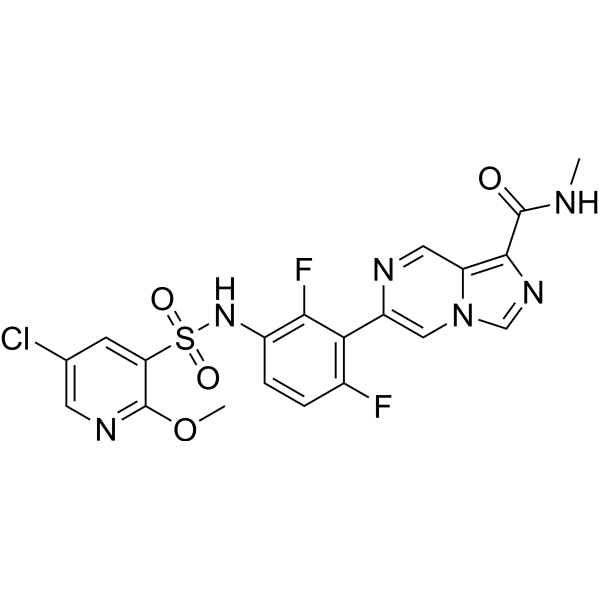
    HC-7366 (GCN2 modulator-1) is an orally effective GCN2 activator. HC-7366 can effectively compete and occupy the ATP binding pocket of GCN2, with its IC50 being 72 nM. This binding triggers the conformational activation of GCN2, leading to the upregulation of downstream signals (such as ATF4, ASNS) in the integrated stress response (ISR) pathway, ultimately exerting anti-tumor effects. HC-7366 also has inhibitory activity against ZAK, with its IC50 being 47 nM. HC-7366 can be used for research on fibrosarcoma and acute myeloid leukemia .
    HC-7366
  • HY-125176
    G907
    1 Publications Verification

    Bacterial Infection
    G907 is a selective antagonist of ATP-binding cassette (ABC) transporter MsbA with anti-microbial activity. G907 inhibits E. coli MsbA with an IC50 value of 18 nM. G907 traps MsbA in an inward-facing, lipopolysaccharide-bound conformation by wedging into an architecturally conserved transmembrane pocket .
    G907
  • HY-N0656A
    (+)-Usnic acid
    2 Publications Verification

    mTOR Bacterial Autophagy Infection Inflammation/Immunology Cancer
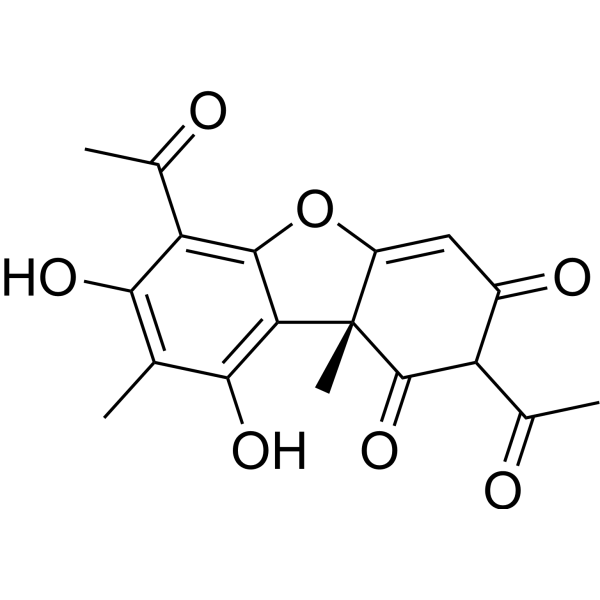
    (+)-Usnic acid is isolated from isolated from lichens, binds at the ATP-binding pocket of mTOR, and inhibits mTORC1/2 activity. (+)-Usnic acid inhibits the phosphorylation of mTOR downstream effectors: Akt (Ser473), 4EBP1, S6K, induces autophay, with anti-cancer and anti-inflammatory activity. (+)-Usnic acid possesses antimicrobial activity against a number of planktonic gram-positive bacteria, including Staphylococcus aureus, Enterococcus faecalis, and Enterococcus faecium .
    (+)-Usnic acid
  • HY-148907

    CaMK MEK Mixed Lineage Kinase RIP kinase Tau Protein Neurological Disease
    CS640 (Compound 19) is a chemical probe and a calmodulin-dependent kinase inhibitor. CS640 inhibits CaMK1D, CaMK1B, CaMK1A, CaMK1G, MEK5, RIPK4, mLK3 and PIP5K1, with IC50 values of 8, 3, 1, 1, 25 nM, 5.69, 2.75 and 11.2 μM, respectively. CS640 blocks Aβ-induced hyperphosphorylation of tau protein at the Thr181 site, but fails to protect primary mouse cortical neurons from Aβ-induced toxic damage. CS640 is applicable to research related to Alzheimer's disease .
    CS640
  • HY-115719

    Ser/Thr Kinase Neurological Disease
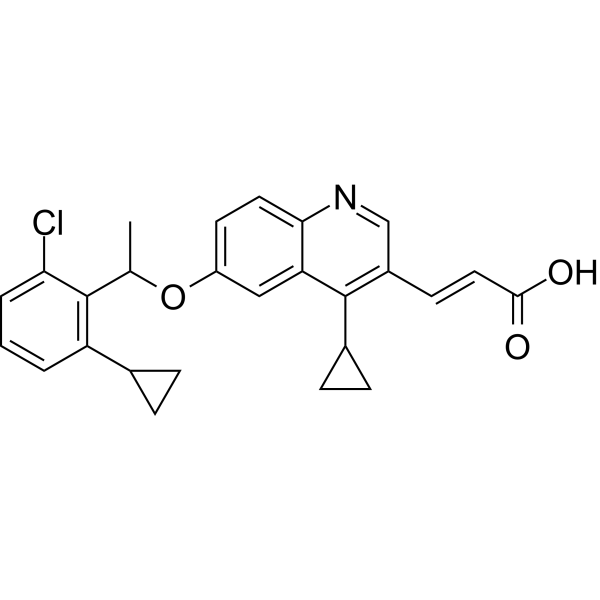
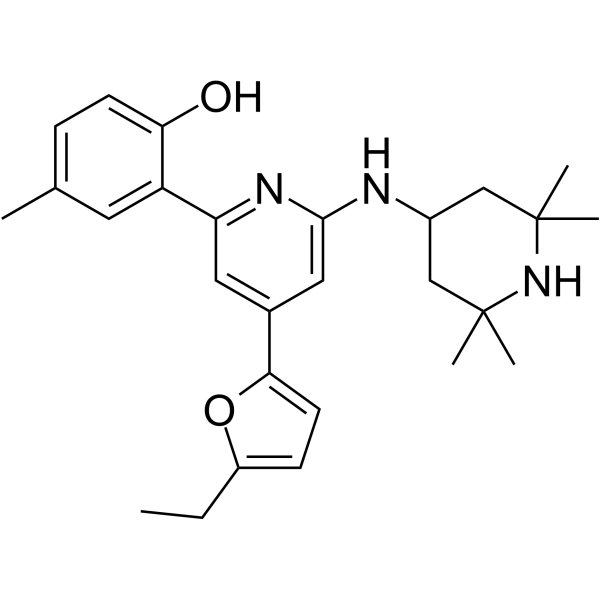
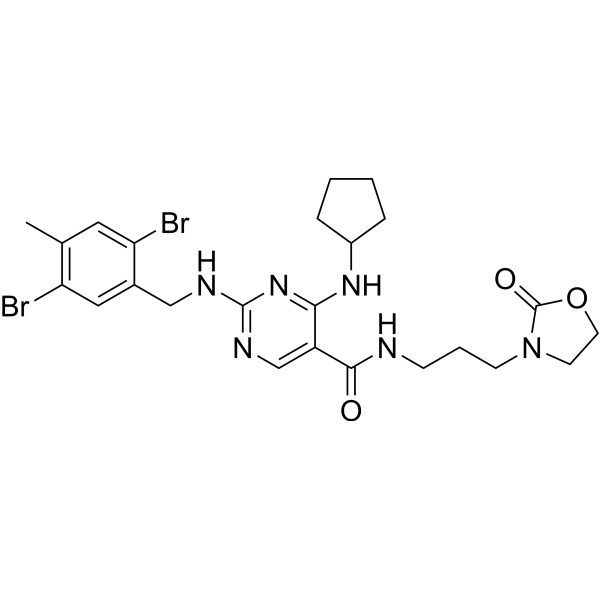
    NR162 is a selective CASK (Ca 2+/calmodulin-dependent Ser/Thr kinase) inhibitor with an IC50 of 80 nM and a Kd of 22 nM. NR162 shows about 50-fold selectivity for CASK than TYRO3. NR162 targets the unique GFG motif of CASK and has excellent shape complementarity to the CASK ATP binding pocket. NR162 can be used for the research of neurological diseases .
    NR162
  • HY-112589

    Bacterial Infection Cancer
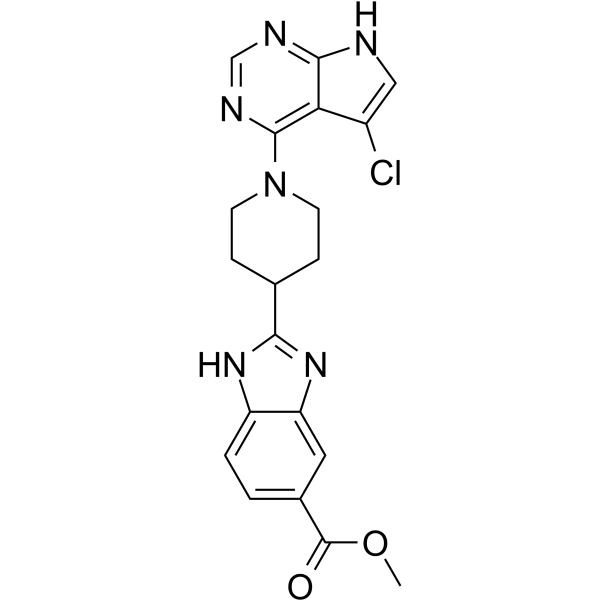
    BRITE-338733 is an inhibitor of E. coli RecA ATPase activity (IC50: 4.7 μM). BRITE-338733 also inhibits the ATP hydrolysis activity of RSC chromatin remodeling enzyme by binding to its ATP-binding pocket and DNA (IC50: 0.316 μM). BRITE-338733 exhibits cytotoxicity against MCF-7 and MDA-MB-231 breast cancer cells. BRITE-338733 can be used in studies on antibacterial adjuvants and anticancer research .
    BRITE-338733
  • HY-122616

    Trk Receptor Neurological Disease
    PF-06273340 is a peripherally restricted pan-Trk inhibitor with IC50 values of 6, 4, 3 nM for TrkA, TrkB, and TrkC receptors. PF-06273340 binds in a DFG-out conformation, targeting less conserved kinase ligand binding domain regions outside the ATP binding pocket. PF-06273340 exhibits anti-hyperalgesic and analgesic effects. PF-06273340 can be used for the research of pain .
    PF-06273340
  • HY-N5112A
    β,β-Dimethylacrylalkannin
    3 Publications Verification

    Arnebin 1

    FGFR Necroptosis Apoptosis CDK JNK Inflammation/Immunology
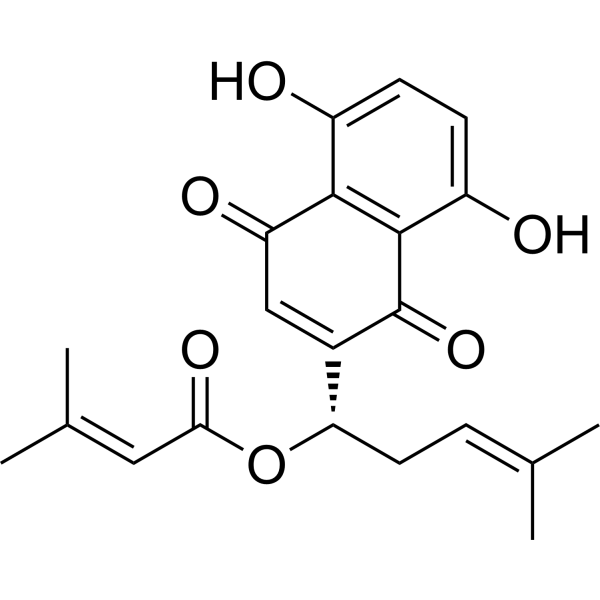
    β,β-Dimethylacrylalkannin (Arnebin 1) is an orally active FGFR1 inhibitor (IC50=2.5 μM) and the main active component of Lithospermum erythrorhizon. β,β-Dimethylacrylalkannin blocks downstream signaling by binding to the ATP pocket of FGFR1, and regulates the CDK1/Cdc25C pathway and ROS-JNK axis, thereby inducing G2/M phase arrest, necrosis and apoptosis in cancer cells, and inhibiting tumor proliferation. β,β-Dimethylacrylalkannin also acts as a colistin adjuvant to disrupt the cell membrane of Gram-negative bacteria. β,β-Dimethylacrylalkannin exhibits significant tumor-inhibitory effects with no obvious toxicity in PDX models, but chronic exposure to high doses may alter the relative lung/liver weights of rats, while acute exposure to high doses causes responses such as reduced motor activity. β,β-Dimethylacrylalkannin finds wide application in studies related to hepatocellular carcinoma, colorectal cancer, colistin-resistant bacterial infections, hepatitis and psoriasis .
    β,β-Dimethylacrylalkannin
  • HY-120097

    LIM Kinase (LIMK) Reverse Transcriptase Infection
    R-10015, a broad-spectrum antiviral compound for HIV infection, acts as a potent and selective inhibitor of LIM domain kinase (LIMK) and binds to the ATP-binding pocket, with an IC50 of 38 nM for human LIMK1 .
    R-10015
  • HY-157508
    VCP Activator 1
    2 Publications Verification

    p97 Others
    VCP Activator 1 is a VCP activator that dose-dependently stimulates VCP ATPase activity. VCP Activator 1 binds an allosteric pocket near the C-terminus. In addition, VCP Activator 1 binding site can also be occupied by a phenylalanine residue in the VCP C-terminal tail .
    VCP Activator 1
  • HY-175327

    ACSL Family Ferroptosis Neurological Disease Cancer
    LIBX-A402 is a selective, ATP-dependent inhibitor of ACSL4 (hACSL4, IC50=0.33 μM, Kd=3.3 μM) and an inhibitor of ferroptosis. LIBX-A402 targets the fatty acid-binding pocket of ACSL4 and prevents cells from undergoing ferroptosis. LIBX-A402 can be used in the research of cancer and Parkinson's disease .
    LIBX-A402
  • HY-112373

    Aurora Kinase Others
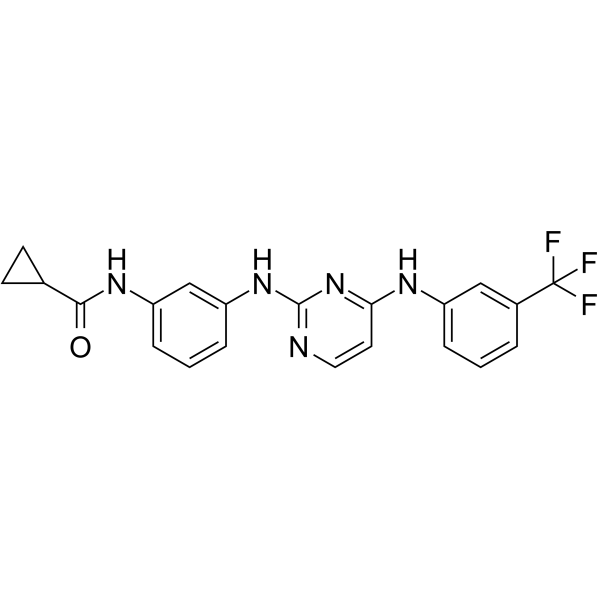
    Aurora kinase inhibitor-3 is a strong and selective Aurora A kinase inhibitor with an IC50 of 42 nM, and weakly inhibits EGFR with an IC50 of >10 μM. Aurora kinase inhibitor-3 has a binding mode with the cyclopropanecarboxylic acid moiety directed towards the solvent exposed region of the ATP-binding pocket .
    Aurora kinase inhibitor-3
  • HY-19628

    RIP kinase TGF-β Receptor Inflammation/Immunology
    OD36 is a RIPK2 inhibitor with an IC50 of 5.3 nM. OD36 is a macrocyclic inhibitor with potent binding to the ALK2 kinase ATP pocket. OD36 shows ALK2-directed activity with KDs of 37 nM .
    OD36
  • HY-12679

    Btk Cancer
    PF-06658607 is an alkynylated irreversible Brutons tyrosine kinase (BTK) inhibitor that covalently reacts with active site cysteines in the ATP-binding pocket. PF-06658607 can be used to detect "off "-targets for covalent kinase inhibitors in cancer cells. The alkyne moiety allows for azide-based detection probe via copper-catalyzed click chemistry .
    PF-06658607
  • HY-124858

    STAT JAK Apoptosis Cardiovascular Disease Cancer
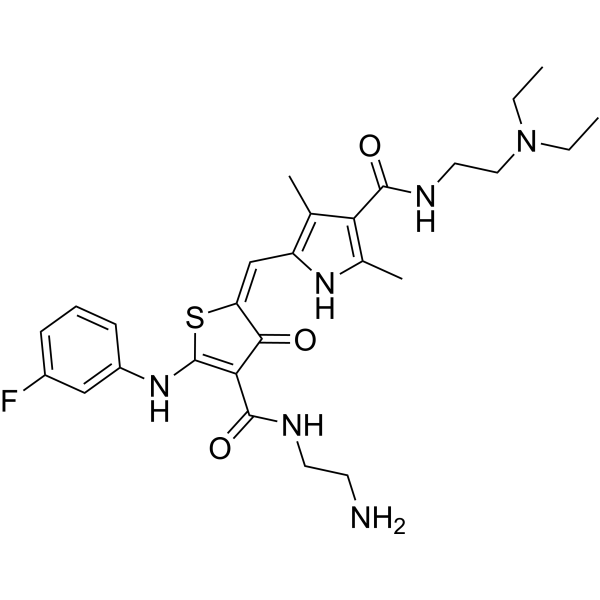
    SC99 is an orally active, selective STAT3 inhibitor targeting JAK2-STAT3 pathway. SC99 docks into the ATP-binding pocket of JAK2. SC99 inhibits phosphorylation of JAK2 and STAT3 with no effects on the other kinases associated with STAT3 signaling. SC99 inhibits platelet activation, aggregation and displays potent anti-myeloma, anti-thrombotic activities .
    SC99
  • HY-173447

    NTPDase CD73 Cancer
    8-BuS-AMP is a NTPDase1 inhibitor and a CD73/CD39 inhibitor, with an IC50 of 35 μM and a Ki value of 0.292 μM against human NTPDase1; its Ki values against human CD73 and CD39 are 1.19 μM and 0.847 μM, respectively. 8-BuS-AMP binds to the substrate-binding pockets of NTPDase1 and CD73 to effectively block the conversion of ATP and AMP to adenosine, thereby enhancing the activation and proliferation of human peripheral T lymphocytes. 8-BuS-AMP possesses excellent enzymatic hydrolysis resistance and metabolic stability, resists hydrolysis by multiple NTPDase subtypes, and shows no activity against P2Y1 and P2Y12 receptors. 8-BuS-AMP can be used in purinergic signaling pathway and cancer-related studies .
    8-BuS-AMP
  • HY-122184

    HSP Apoptosis Cancer
    PET-16 is a selective HSP70 inhibitor that binds to an allosteric pocket of the substrate-binding domain. PET-16 inhibits the ability of HSP70 to cycle between ATP-bound and ADP-bound states. PET-16 induces apoptosis in multiple myeloma .
    PET-16
  • HY-167846

    JAK Cancer
    YLIU-4-105-1 is a Type II JAK2 inhibitor. YLIU-4-105-1 binds to the ATP-binding pocket of JH1. YLIU-4-105-1 has in vivo pharmacodynamic activity as evidenced by inhibiting pSTAT5, reducing spleen to body weight, and lowering blood reticulocyte counts in a dose-dependent manner .
    YLIU-4-105-1
  • HY-115741

    Nucleoside Antimetabolite/Analog Neurological Disease Cancer
    3BrB-PP1 is an ATP-competitive analog. 3BrB-PP1 can specifically inhibit the activity of protein kinase with mutations in the ATP-binding pocket (mutation of Thr97 within Sty1’s ATP-binding pocket) .
    3BrB-PP1
  • HY-164399

    HSP EGFR CDK Akt Cancer
    SST0116CL1 is a HSP90 inhibitor (IC50: 0.21 μM). SST0116CL1 binds to the ATP binding pocket of Hsp90, and interferes with Hsp90 chaperone function thus resulting in client protein (EGFR, CDK4 and AKT) degradation. SST0116CL1 induces degradation of Her2 in BT-474 cell (IC50: 0.2 μM). SST0116CL1 has antiproliferative activity and inhibits tumor growth. SST0116CL1 can be used for the study of leukemia, gastric and ovarian carcinoma .
    SST0116CL1
  • HY-19628A

    RIP kinase TGF-β Receptor Inflammation/Immunology
    OD36hydrochloride is a RIPK2 inhibitor with an IC50 of 5.3 nM. OD36 hydrochloride is a macrocyclic inhibitor with potent binding to the ALK2 kinase ATP pocket. OD36 hydrochloride shows ALK2-directed activity with KDs of 37 nM .
    OD36 hydrochloride
  • HY-178980

    Casein Kinase Cancer
    APL-5125 (Compound 61f) is a potent, selective and orally active ATP-competitive CK2α inhibitor with an IC50 of 0.348 nM and a Ki of 0.095 nM. APL-5125 binds to CK2α in a bivalent manner, simultaneously interacting with the ATP-binding site and the αD pocket. APL-5125 exhibits antitumor activity and can be used for the research of cancer, such as colon cancer .
    APL-5125
  • HY-146727

    JAK Inflammation/Immunology
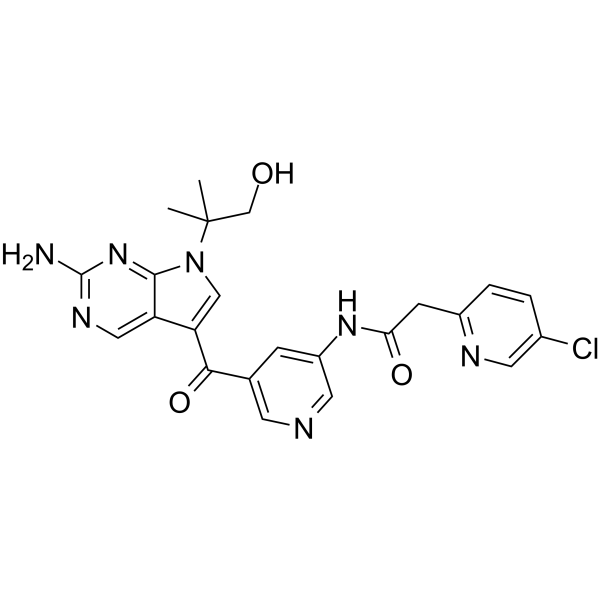
    JAK3-IN-11 (Compound 12), a potent, noncytotoxic, irreversible, orally active JAK3 inhibitor with IC50 value of 1.7 nM, has excellent selectivity (>588-fold compared to other JAK isoforms), covalently bind to the ATP-binding pocket in JAK3. JAK3-IN-11 strongly inhibits JAK3-dependent signaling and T cell proliferation, is a promising tool for study autoimmune diseases .
    JAK3-IN-11
  • HY-164523

    Checkpoint Kinase (Chk) Cancer
    PV1162 is a selective Chk2 inhibitor with an IC50 of 0.29 nM. PV1162 inhibits ATP binding to Chk2 by targeting the gatekeeper-dependent hydrophobic pocket, which is specific to Chk2 and located behind the ATP-binding site (adenine-binding region), thereby inhibiting the phosphorylation activity of Chk2. PV1162 holds potential application value in the field of cancer therapy .
    PV1162
  • HY-124764

    PAK Cancer
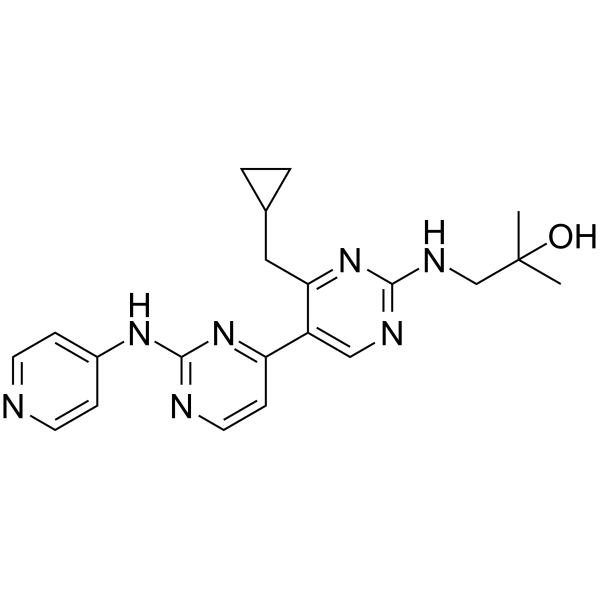
    KY-04031 is a potent PAK4 inhibitor with IC50 of 0.79 μM. KY-04031 binds to the ATP-binding pocket of PAK4. KY-04031 blocks tumor cell growth and invasion .
    KY-04031
  • HY-N0451R
    Acacetin (Standard)
    Maximum Cited Publications
    13 Publications Verification

    5,7-Dihydroxy-4'-methoxyflavone (Standard)

    Reference Standards Apoptosis Autophagy Neurological Disease Inflammation/Immunology Cancer
    Acacetin (Standard) is the analytical standard of Acacetin. This product is intended for research and analytical applications. Acacetin (5,7-Dihydroxy-4'-methoxyflavone) is an orally active flavonoid derived from Dendranthema morifolium. Acacetin docks in the ATP binding pocket of PI3Kγ. Acacetin causes cell cycle arrest and induces apoptosis and autophagy in cancer cells. Acacetin has potent anti-cancer and anti-inflammatory activity and has the potential for pain-related diseases research .
    Acacetin (Standard)
  • HY-17600R

    ACP-196 (Standard)

    Reference Standards Btk Cancer
    Acalabrutinib (Standard) is the analytical standard of Acalabrutinib. This product is intended for research and analytical applications. Acalabrutinib (ACP-196) is an orally active, irreversible, and highly selective second-generation BTK inhibitor. Acalabrutinib binds covalently to Cys481 in the ATP-binding pocket of BTK. Acalabrutinib demonstrates potent on-target effects and efficacy in mouse models of chronic lymphocytic leukemia (CLL) . Acalabrutinib is a click chemistry reagent, itcontains an Alkyne group and can undergo copper-catalyzed azide-alkyne cycloaddition (CuAAc) with molecules containing Azide groups.
    Acalabrutinib (Standard)
  • HY-173275

    PDGFR Cancer
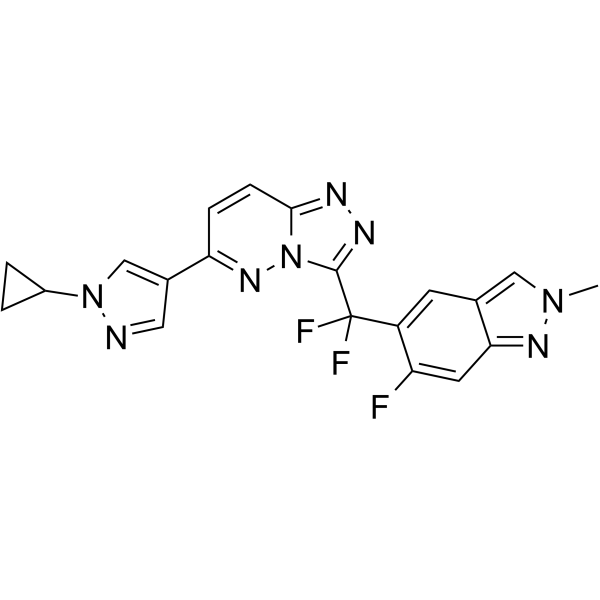
    PDGFRα kinase inhibitor 3 (Compound L7) is a highly potent inhibitor targeting the PDGFRα D842V kinase with IC50s values of 23.8 nM and 2.1 nM in biochemical and cellular assays, respectively. PDGFRα kinase inhibitor 3 binds to the ATP-binding pocket of PDGFRα D842V to block its downstream signaling pathways and inhibit kinase activity. PDGFRα kinase inhibitor 3 can be used for gastrointestinal stromal tumors (GISTs) study .
    PDGFRα kinase inhibitor 3
  • HY-150258

    Trk Receptor Others
    TRK-IN-22 (compound 11) is a TRK inhibitor. TRK-IN-22 (compound 11), a typical type I inhibitor, covers the ATP-binding pocket of TRKA .
    TRK-IN-22
  • HY-118902

    CDK Others
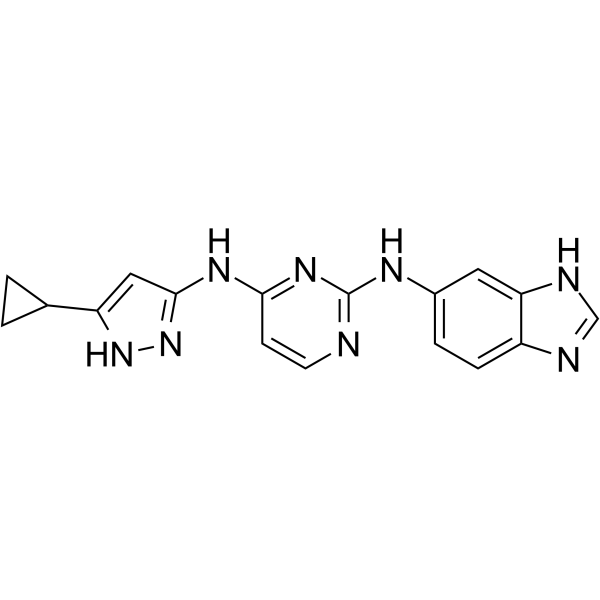
    Aloisine B (compound 9) is a cyclin-dependent kinase (CDK) inhibitor. Aloisine B inhibits cell proliferation by arresting cells in both G1 and G2 via competing with ATP-binding pocket .
    Aloisine B
  • HY-N12399

    PKA Inflammation/Immunology
    Aplithianines A is a potent inhibitor against J-PKA with an IC50 of 1 μM , and inhibits wild-type PKA with an IC50 of 84 nM. Aplithianines A inhibits J-PKAcα catalytic activity by competitively binding to the ATP pocket .
    Aplithianines A
  • HY-119699

    Checkpoint Kinase (Chk) Cancer
    PV1115 is a potent and highly selective Chk2 inhibitor with an IC50 of 0.14 nM, 66000 nM, >100000 nM for Chk2, Chk1 and RSK2, respectively. PV1115 is situated within the ATP-binding pocket of Chk2 .
    PV1115
  • HY-172618

    FGFR Cancer
    FGFR1 inhibitor-18 (compound 16) is a potent FGFR1 inhibitor with an IC50 value of 1.31 nM. FGFR1 inhibitor-18 can occupy within the ATP-binding pocket of the target FGFR1 .
    FGFR1 inhibitor-18
  • HY-153008

    Bcr-Abl Cancer
    BCR-ABL-IN-7 (compound 4) is a WT and T315I mutant ABL kinases inhibitor. BCR-ABL-IN-7 effectively inhibits activities of WT and T315I mutant ABL kinases. BCR-ABL-IN-7 can be used for the research of chronic myeloid leukemia (CML) research .
    BCR-ABL-IN-7
  • HY-149488

    FGFR Cancer
    FGFR1 inhibitor-9 (Compound 7) is an FGFR1 inhibitor (IC50s: 0.85 nM). FGFR1 inhibitor-9 binds to the ATP-binding pocket of FGFR1. FGFR1 inhibitor-9 has anticancer activity .
    FGFR1 inhibitor-9
  • HY-149487

    FGFR Cancer
    FGFR1 inhibitor-8 (Compound 9) is a FGFR1 inhibitor (IC50s: 0.5 nM). FGFR1 inhibitor-8 binds to the ATP-binding pocket of FGFR1. FGFR1 inhibitor-8 has anticancer activity .
    FGFR1 inhibitor-8
  • HY-161395

    Bacterial Infection
    IDD-8E is an effective anti-pseudomonal agent (MIC =4.4 µM ) with no cytotoxicity. IDD-8E shows significant pseudomonal killing and disruption of pseudomonal biofilm. IDD-8E binds to the ATP-binding pocket of WaaP and also inhibits other ESKAPE pathogens.
    IDD-8E
  • HY-75368

    LRRK2 Neurological Disease
    SRI-31255 is an orally active LRRK2 inhibitor with IC50 values of 520 and 427 nM for human wild-type (WT) and mutant G2019S, respectively. SRI-31255 exerts neuroprotective effects by binding to the ATP-binding pocket of LRRK2, inhibiting kinase activity. SRI-31255 can be used as a lead compound for the development of LRRK2-targeted drugs for the treatment of Parkinson's disease .
    SRI-31255
  • HY-156026

    FAK Cancer
    FAK-IN-11 (Compound 4l) is a FAK inhibitor. FAK-IN-11 binds to the ATP binding pocket of FAK, and inhibits phosphorylation of FAK protein. FAK-IN-11 shows cytotoxic activity against the MDA-MB-231 cells with an IC50 of 13.73? μM. FAK-IN-11 induces non-apoptotic cell death in MDA-MB-231 cells .
    FAK-IN-11
  • HY-W757743

    ACP-196-d3

    Isotope-Labeled Compounds Others
    Acalabrutinib-d3 (ACP-196-d3) is the deuterated form of Acalabrutinib (HY-17600). Acalabrutinib (ACP-196) is an orally active, irreversible, highly selective second-generation BTK inhibitor. Acalabrutinib covalently binds to Cys481 in the ATP-binding pocket of BTK. Acalabrutinib shows strong targeting and efficacy in mouse models of chronic lymphocytic leukemia (CLL).
    Acalabrutinib-d3
  • HY-143261

    GSK-3 Metabolic Disease Inflammation/Immunology Cancer
    GSK-3β inhibitor 7 is a GSK-3β inhibitor with an IC50 value of 5.25 μM. GSK-3β inhibitor 7 is inserted into the ATP-binding binding pocket of GSK-3β and forms hydrogen-bond. GSK-3β inhibitor 7 shows high hepatocyte glucose uptake (83.5%), and can be used in the research of numerous diseases like diabetes, inflammation, cancer, Alzheimer's disease, and bipolar disorder .
    GSK-3β inhibitor 7
  • HY-N0656AR

    Reference Standards mTOR Bacterial Autophagy Cancer
    (+)-Usnic acid (Standard) is the analytical standard of (+)-Usnic acid. This product is intended for research and analytical applications. (+)-Usnic acid is isolated from isolated from lichens, binds at the ATP-binding pocket of mTOR, and inhibits mTORC1/2 activity. (+)-Usnic acid inhibits the phosphorylation of mTOR downstream effectors: Akt (Ser473), 4EBP1, S6K, induces autophay, with anti-cancer activity . (+)-Usnic acid possesses antimicrobial activity against a number of planktonic gram-positive bacteria, including Staphylococcus aureus, Enterococcus faecalis, and Enterococcus faecium .
    (+)-Usnic acid (Standard)
  • HY-12491

    PI3K Apoptosis Cancer
    PIK-C98 is a potent and selective PI3K inhibitor, with IC50s of 0.59, 1.64, 3.65, and 0.74 μM for α, β, δ, and γ isoforms, respectively. PIK-C98 inhibits all class I PI3Ks but has no effects on AKT or mTOR activity. PIK-C98 interferes with the ATP-binding pockets of PI3Ks by forming H-bonds and arene-H interactions with specific amino acid residues. PIK-C98 induces apoptosis by inhibiting PI3K. PIK-C98 can be used for the research of multiple myeloma .
    PIK-C98

Inquiry Online

Your information is safe with us. * Required Fields.

Salutation


Country or Region *

Applicant Name *


Organization Name *

Department *


Email Address *


Product Name *

Cat. No.


Requested quantity *

Phone Number *


Remarks

Inquiry Online

Inquiry Information

Product Name:
Cat. No.:
Quantity:
MCE Japan Authorized Agent:

