1. Search Result
Search Result
Results for "

ATP-dependent

" in MedChemExpress (MCE) Product Catalog:

88

Inhibitors & Agonists

8

Fluorescent Dyes

2

Biochemical Assay Reagents

2

Peptides

11

Natural
Products

21

Recombinant Proteins

8

Isotope-Labeled Compounds

38

Antibodies

1

Oligonucleotides

Cat. No. Product Name Target Research Areas Chemical Structure
  • HY-13328
    Sapanisertib
    Maximum Cited Publications
    52 Publications Verification

    INK-128; MLN0128; TAK-228

    mTOR Autophagy Cancer
    Sapanisertib (INK-128; MLN0128; TAK-228) is an orally available, ATP-dependent mTOR1/2 inhibitor with an IC50 of 1 nM for mTOR kinase.
    Sapanisertib
  • HY-128933
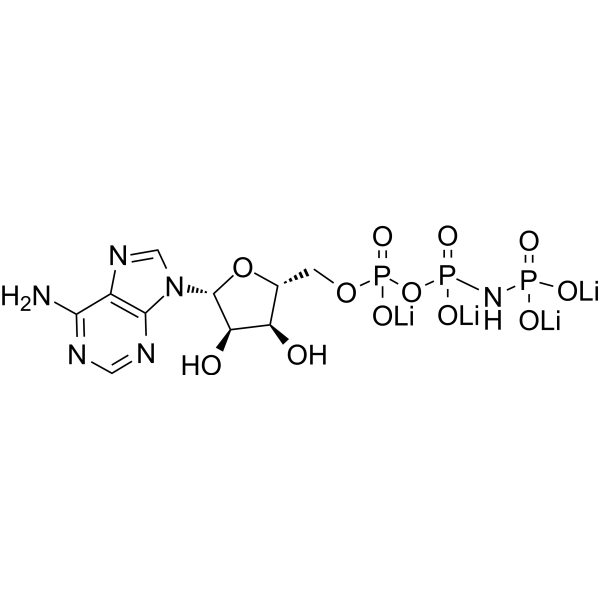
    AMP-PNP tetralithium
    3 Publications Verification

    Adenylyl-imidodiphosphate tetralithium

    Potassium Channel Metabolic Disease
    AMP-PNP (Adenylyl-imidodiphosphate) tetralithium is a non-hydrolyzable ATP analog. AMP-PNP tetralithium binds to ATP binding sites competely but is not hydrolyzed by enzymes, providing stable experimental conditions for studying ATP-dependent processes. AMP-PNP tetralithium can also be used to study enzyme activity, kinase regulation, DNA/RNA metabolism, ion channel function, and protein complex assembly .
    AMP-PNP tetralithium
  • HY-N2306
    Aclacinomycin A
    5 Publications Verification

    Aclarubicin

    Topoisomerase DNA/RNA Synthesis Proteasome Antibiotic Cancer
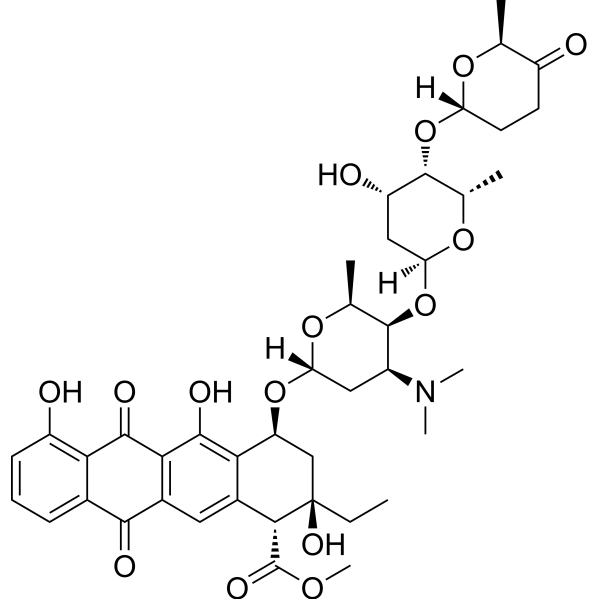
    Aclacinomycin A (Aclarubicin) is an orally active and potent anthracycline antitumor antibiotic. Aclacinomycin A is an inhibitor of topoisomerase I and II. Aclacinomycin A inhibits synthesis of nucleic acid, especially RNA. Aclacinomycin A might inhibit the 26S protease complex as well as the ubiquitin-ATP-dependent proteolysis .
    Aclacinomycin A
  • HY-D1297
    ER-Tracker Green
    5+ Cited Publications

    Fluorescent Dye Others
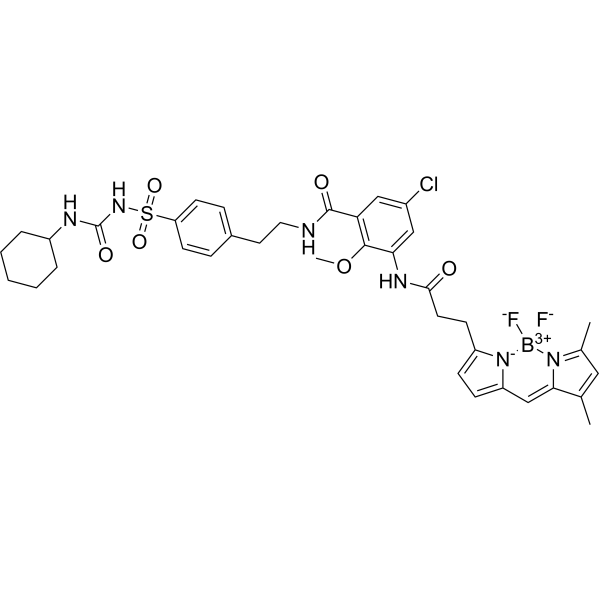
    ER-Tracker dye is a derivative of BODIPY series dyes coupled with Glibenclamide (HY-15206), highly selective binding to the endoplasmic reticulum, non-toxic to cells at low concentrations, this type of dye is an environmentally sensitive probe, and formaldehyde treatment can still retain part of the fluorescence, with high fluorescence life, good extinction coefficient and other characteristics. Glibenclamide is an atp-dependent K + channel blocker (Kir6, KATP) and CFTR Cl-channel blocker that binds in the endoplasmic reticulum. ER-Tracker is not suitable for staining cells after fixation .
    ER-Tracker Green
  • HY-101981
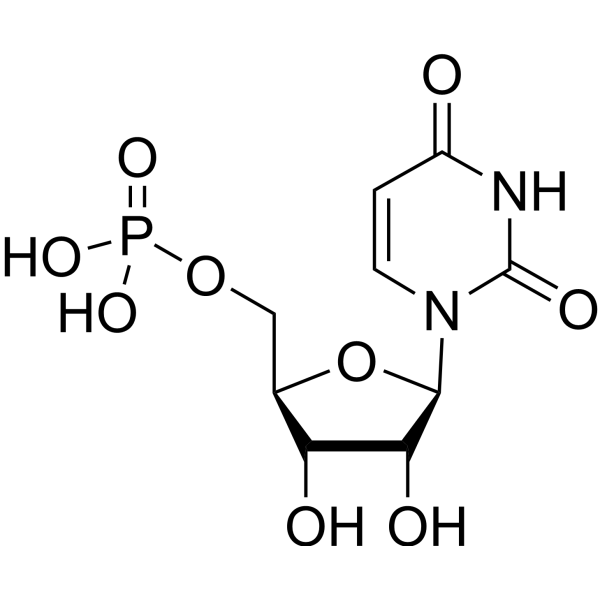
    Uridine 5'-monophosphate
    2 Publications Verification

    5'-​Uridylic acid

    Endogenous Metabolite Cholinesterase (ChE) Potassium Channel Apoptosis Cardiovascular Disease Metabolic Disease
    Uridine 5'-monophosphate (5'-Uridylic acid) is an orally active mitochondrial ATP-dependent potassium channel activator that has a protective effect on the heart. Uridine 5'-monophosphate can promote the synthesis of CDP-choline and induce apoptosis in intestinal epithelial cells, which is beneficial for gut development and reduces diarrhea .
    Uridine 5'-monophosphate
  • HY-130777A
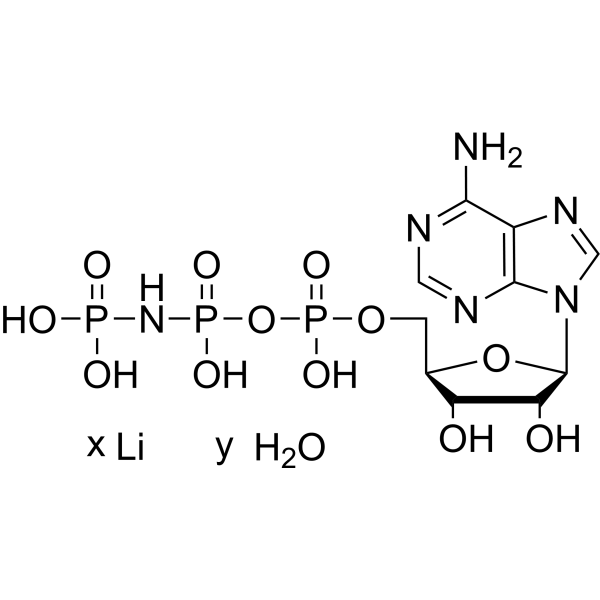
    AMP-PNP lithium hydrate
    3 Publications Verification

    Adenylyl imidodiphosphate lithium hydrate

    Drug Derivative Metabolic Disease
    AMP-PNP (Adenylyl imidodiphosphate) lithium hydrate is a non-hydrolyzable ATP analog. AMP-PNP lithium hydrate binds to ATP binding sites competely but is not hydrolyzed by enzymes, providing stable experimental conditions for studying ATP-dependent processes. AMP-PNP lithium hydrate can also be used to study enzyme activity, kinase regulation, DNA/RNA metabolism, ion channel function, and protein complex assembly .
    AMP-PNP lithium hydrate
  • HY-D1431
    ER-Tracker Red
    4 Publications Verification

    Fluorescent Dye Cancer
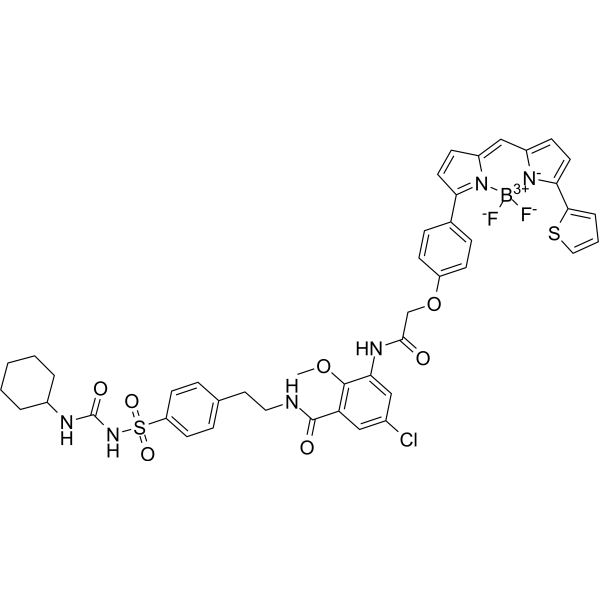
    ER-Tracker dye is a derivative of BODIPY series dyes coupled with Glibenclamide (HY-15206), highly selective binding to the endoplasmic reticulum, non-toxic to cells at low concentrations, this type of dye is an environmentally sensitive probe, and formaldehyde treatment can still retain part of the fluorescence, with high fluorescence life, good extinction coefficient and other characteristics. Glibenclamide is an atp-dependent K + channel blocker (Kir6, KATP) and CFTR Cl-channel blocker that binds in the endoplasmic reticulum. ER-Tracker is not suitable for staining cells after fixation. Ex/Em=587/615 nm .
    ER-Tracker Red
  • HY-14668
    Lomitapide mesylate
    5+ Cited Publications

    AEGR-733 mesylate; BMS-201038 mesylate

    Microsomal Triglyceride Transfer Protein (MTP) mTOR LDLR Autophagy Apoptosis Cardiovascular Disease Neurological Disease Metabolic Disease Cancer
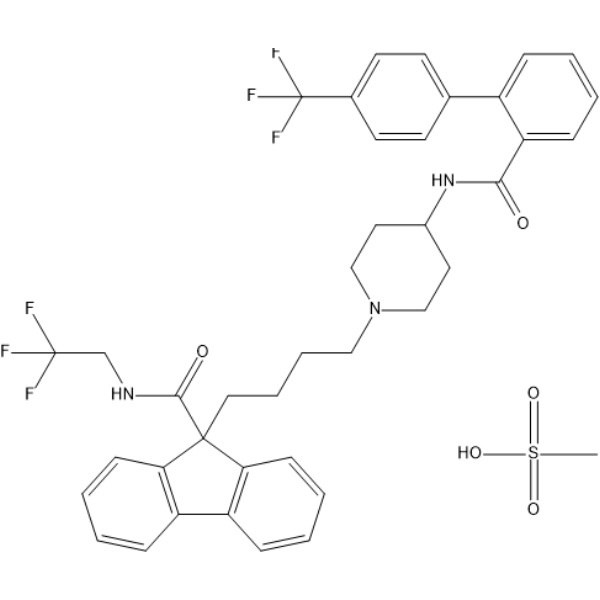
    Lomitapide (AEGR-733; BMS-201038) mesylate is an orally active microsomal triglyceride transfer protein (MTP) inhibitor and a selective mTORC1 inhibitor with lipid-lowering activity and BBB permeability. Lomitapide mesylate significantly reduces plasma LDL levels by blocking the assembly and secretion of very-low-density lipoprotein (VLDL). Lomitapide mesylate inhibits mTORC1 in an ATP-dependent manner, thereby inducing AMPK-independent autophagic cell death and suppressing cancer cell growth and apoptosis. Lomitapide mesylate also enhances tumor infiltration of CD8 + T cells. In addition, Lomitapide mesylate inhibits HDAC, improves endothelial function, effectively alleviates vascular inflammation and oxidative stress, and exerts neuroprotective effects in a cerebral ischemia/reperfusion injury model. Lomitapide mesylate can be used in research on related diseases such as colorectal cancer, breast cancer, melanoma, ischemic stroke, and familial hypercholesterolemia .
    Lomitapide mesylate
  • HY-128586
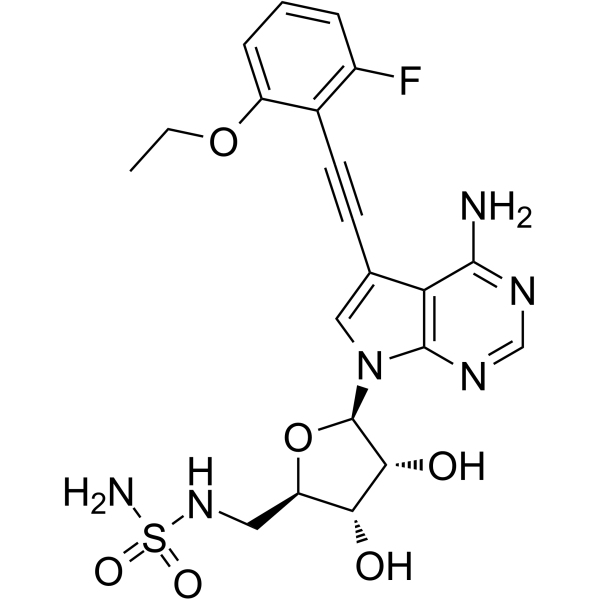
    TAS4464
    5+ Cited Publications

    Apoptosis Carbonic Anhydrase NEDD8-activating Enzyme Cancer
    TAS4464 is a long-acting, highly selective covalent inhibitor targeting NEDD8-activating enzyme (NAE) (IC50=0.955 nM), and also inhibits CAII with an IC50 of 0.73 μM, which is less potent than MLN4924 (HY-70062). The IC50 values of TAS4464 against other E1 enzymes UAE and SAE are 449 nM and 1280 nM, respectively. TAS4464 targets NEDD8 in an ATP-dependent manner to inhibit NAE, blocks the neddylation pathway, causes accumulation of CRL ubiquitin ligase substrates (such as CDT1, p27, phosphorylated IκBα), and further induces tumor cell apoptosis. TAS4464 exhibits antiproliferative and cytotoxic effects, and has broad-spectrum antitumor activity against various hematologic and solid tumor cell lines as well as patient-derived tumor cells. TAS4464 has a wide selcetive window, without obvious toxicity. TAS4464 can be used in the research of hematologic malignancies (leukemia, lymphoma, multiple myeloma, etc.) and solid tumors (small cell lung cancer, colorectal cancer, sarcoma, endometrial cancer, ovarian cancer, etc.) .
    TAS4464
  • HY-Y0095

    2-Hydroxyethanesulfonic acid

    Environmental Pollutants Mitochondrial Metabolism Parasite Metabolic Disease
    Isethionic acid is a calcium binder and anionic detergent that enhances mitochondrial calcium binding capacity by competitively binding to calcium binding sites on the outer mitochondrial membrane. Isethionic acid can inhibit calcium-activated mitochondrial respiration. Isethionic acid inhibits barnacle (Balanus amphitrite) larvae with LC50s of 23 μg/mL (24 h) and 17 μg/mL (48 h), respectively. Isethionic acid can inhibit the attachment of barnacle larvae (complete inhibition at 10 μg/mL) and regulate mitochondrial calcium transport, and can enhance ATP-dependent calcium uptake at high calcium concentrations. Isethionic acid can be used to study the mechanism of mitochondrial calcium metabolism.
    Isethionic acid (80% in water)
  • HY-W013175
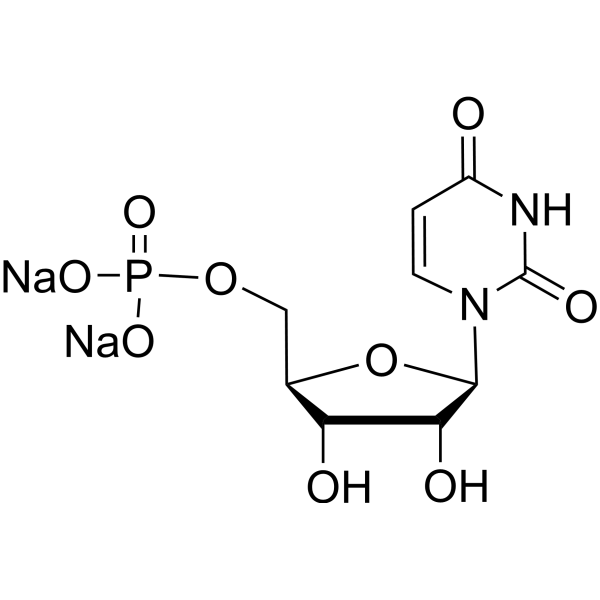
    Uridine 5'-monophosphate disodium salt
    2 Publications Verification

    5'-​Uridylic acid disodium salt

    Endogenous Metabolite Cholinesterase (ChE) Potassium Channel Apoptosis Cardiovascular Disease Metabolic Disease
    Uridine 5'-monophosphate (5'-Uridylic acid) disodium salt is an orally active mitochondrial ATP-dependent potassium channel activator that has a protective effect on the heart. Uridine 5'-monophosphate disodium salt can promote the synthesis of CDP-choline and induce apoptosis in intestinal epithelial cells, which is beneficial for gut development and reduces diarrhea .
    Uridine 5'-monophosphate disodium salt
  • HY-173432

    ACSL Family Ferroptosis Neurological Disease Cancer
    LIBX-A401 is a selective long-chain acyl-CoA synthetase 4 (ACSL4) inhibitor with a human IC50 values of 0.38 μM and a Kd of 0.72 μM. LIBX-A401 binds to ACSL4 in an ATP-dependent manner, stabilizes the C-terminal domain, alters the fatty acid gate region, and interacts with residues A329 and Q302 within the fatty acid binding site. LIBX-A401 exhibits anti-ferroptosis properties in cells. LIBX-A401 can be used for the researches of cancer and parkinson's disease .
    LIBX-A401
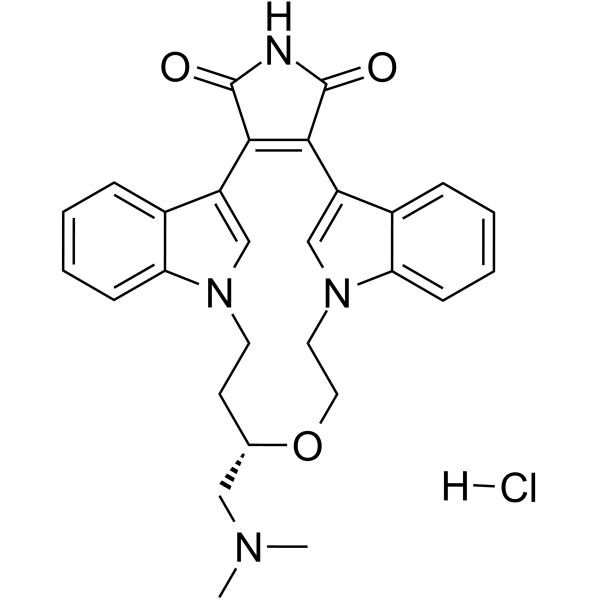
  • HY-10195B
    Ruboxistaurin hydrochloride
    10+ Cited Publications

    LY333531 hydrochloride

    PKC Metabolic Disease
    Ruboxistaurin (LY333531) hydrochloride is an orally active, selective PKC beta inhibitor (Ki=2 nM). Ruboxistaurin hydrochloride exhibits ATP dependent competitive inhibition of PKC beta I with an IC50 of 4.7 nM. Ruboxistaurin hydrochloride inhibits PKC beta II with an IC50 of 5.9 nM .
    Ruboxistaurin hydrochloride
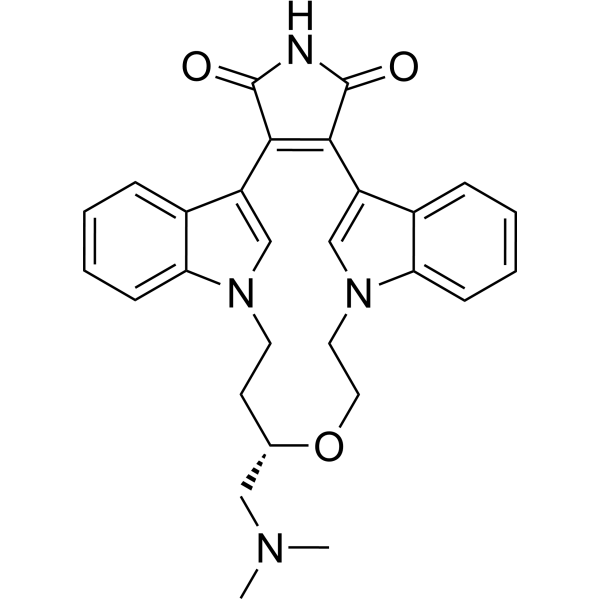
  • HY-10195
    Ruboxistaurin
    10+ Cited Publications

    LY333531

    PKC Metabolic Disease
    Ruboxistaurin (LY333531) is an orally active, selective PKC beta inhibitor (Ki=2 nM). Ruboxistaurin exhibits ATP dependent competitive inhibition of PKC beta I with an IC50 of 4.7 nM. Ruboxistaurin inhibits PKC beta II with an IC50 of 5.9 nM .
    Ruboxistaurin
  • HY-175328

    ACSL Family Ferroptosis Neurological Disease Cancer
    LIBX-A403 is a potent, selective and reversible ACSL4 inhibitor with a human IC50 of 0.049 μM and a Kd of 0.29 μM. LIBX-A403 binds in the ACSL4 fatty acid pocket in an ATP-dependent manner. LIBX-A403 prevents cell ferroptosis. LIBX-A403 can be used for the researches of cancer and parkinson's disease .
    LIBX-A403
  • HY-D1429

    Fluorescent Dye Others
    ER-Tracker dye is a derivative of BODIPY series dyes coupled with Glibenclamide (HY-15206), highly selective binding to the endoplasmic reticulum, non-toxic to cells at low concentrations, this type of dye is an environmentally sensitive probe, and formaldehyde treatment can still retain part of the fluorescence, with high fluorescence life, good extinction coefficient and other characteristics. Glibenclamide is an atp-dependent K + channel blocker (Kir6, KATP) and CFTR Cl-channel blocker that binds in the endoplasmic reticulum. ER-Tracker is not suitable for staining fixed cells. Staining followed by fixation is possible, but cells fixed with aldehydes will only retain partial fluorescence (Ex/Em = 374/ 430-640 nm) .
    ER-Tracker Blue-White DPX
  • HY-156782
    DHX9-IN-1
    1 Publications Verification

    DNA/RNA Synthesis Cancer
    DHX9-IN-1 is an inhibitor of ATP-dependent RNA helicase A (DHX9). Its EC50 value is 1.41 μM. DHX9-IN-1 has anti-tumor activity and can be used in colorectal cancer research .
    DHX9-IN-1
  • HY-B0501

    CP 76136-27

    P-glycoprotein Bacterial Antibiotic Infection
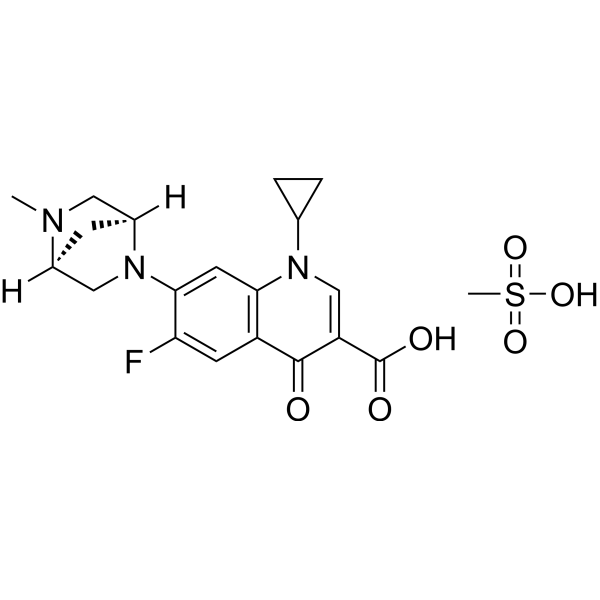
    Danofloxacin mesylate (CP 76136-27) is a fluoroquinolone used as a veterinary drug. Danofloxacin mesylate has a broad spectrum of bactericidal activity, mainly inhibiting the DNA cycloenzyme of the bacteria. In addition, Danofloxacin mesylate is a substrate for ATP-dependent efflux transporters (P-gp and MRP2) .
    Danofloxacin mesylate
  • HY-103322

    PKA Potassium Channel Metabolic Disease Cancer
    6-Bnz-cAMP sodium, a derivative of cyclic adenosine monophosphate (cAMP), is a selective PKA activator with inhibitory activity against the bTREK-1 K + channel. 6-Bnz-cAMP sodium does not activate the Epac signaling pathway. It inhibits the bTREK-1 K + channel via a voltage-independent, ATP-dependent mechanism that is independent of the PKA/Epac/calmodulin kinase/MAP kinase pathway. 6-Bnz-cAMP sodium activates CREB phosphorylation to regulate osteoblast-specific gene expression, induces osteoblast differentiation, promotes extracellular matrix mineralization, supports osteoblast proliferation, and shows no cytotoxicity toward osteoblasts. It can be used in studies related to bone tissue repair and regeneration .
    6-Bnz-cAMP sodium salt
  • HY-D1078

    Fluorescent Dye Reactive Oxygen Species (ROS) P-glycoprotein Others
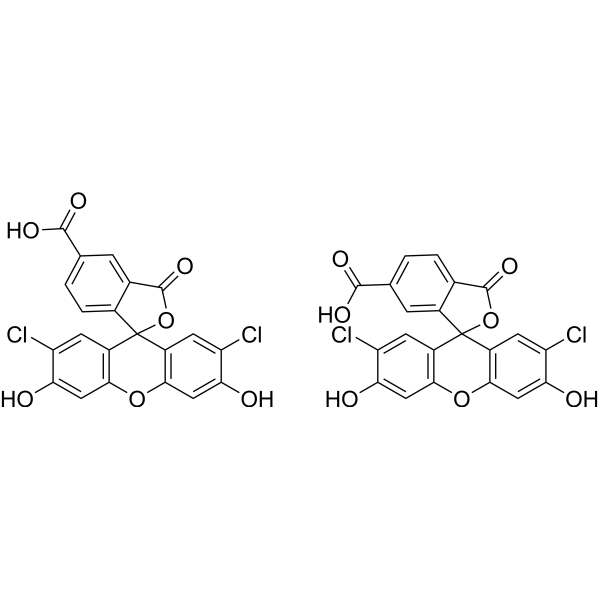
    5 (6)-Carboxy-2',7'-dichlorofluorescein diacetate is a fluorescein-based reactive oxygen species (ROS) probe and also a MRP2 substrate. 5 (6)-Carboxy-2',7'-dichlorofluorescein diacetate serves as a substrate for intracellular esterases, which cleave its acetate groups to generate a fluorescent product capable of detecting intracellular ROS. 5 (6)-Carboxy-2',7'-dichlorofluorescein diacetate is ATP-dependent and is transported via a single MRP2 binding site; it competes with LTC4 for MRP2 binding sites and inhibits MRP2-mediated LTC4 transport (Ex/Em = 496/525 nm) .
    5(6)-Carboxy-2',7'-dichlorofluorescein diacetate
  • HY-P3005

    DNA/RNA Synthesis Others
    T4 DNA ligase is the product of gene 30 of phage T4. T4 DNA ligase catalyzes the repair of single-stranded nicks in duplex DNA and joins duplex DNA restriction fragments having either blunt or cohesive ends. T4 DNA ligase catalyze the sealing of adjacent 5′-phosphate and 3′-­hydroxyl termini at single-stranded breaks in double-stranded DNA.T4 DNA ligase is an ATP-dependent ligase enzyme. T4 DNA ligase can be used in various biotechnological applications. T4 DNA ligase can join the ends of single-stranded DNA in the absence of any duplex DNA structure at the ligation site .
    T4 DNA ligase
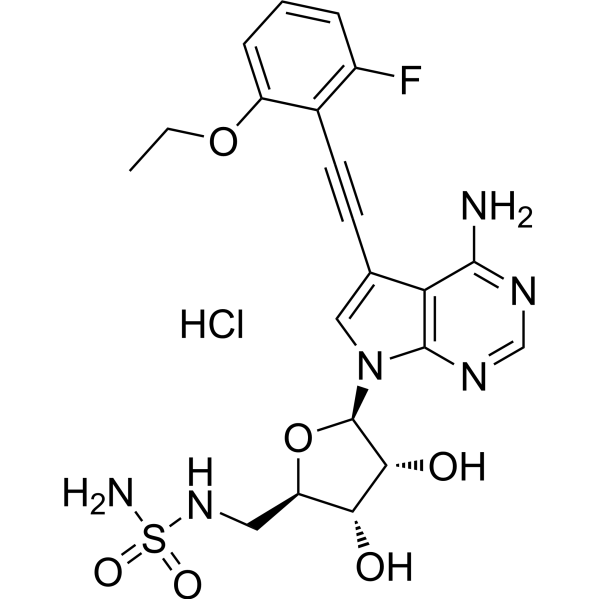
  • HY-128586A
    TAS4464 hydrochloride
    5+ Cited Publications

    NEDD8-activating Enzyme Carbonic Anhydrase Apoptosis Cancer
    TAS4464 hydrochloride is a long-acting, highly selective covalent inhibitor targeting NEDD8-activating enzyme (NAE) (IC50=0.955 nM), and also inhibits CAII with an IC50 of 0.73 μM, which is less potent than MLN4924 (HY-70062). The IC50 values of TAS4464 hydrochloride against other E1 enzymes UAE and SAE are 449 nM and 1280 nM, respectively. TAS4464 hydrochloride targets NEDD8 in an ATP-dependent manner to inhibit NAE, blocks the neddylation pathway, causes accumulation of CRL ubiquitin ligase substrates (such as CDT1, p27, phosphorylated IκBα), and further induces tumor cell apoptosis. TAS4464 hydrochloride exhibits antiproliferative and cytotoxic effects, and has broad-spectrum antitumor activity against various hematologic and solid tumor cell lines as well as patient-derived tumor cells. TAS4464 hydrochloride has a wide therapeutic window, without obvious toxicity. TAS4464 hydrochloride can be used in the research of hematologic malignancies (leukemia, lymphoma, multiple myeloma, etc.) and solid tumors (small cell lung cancer, colorectal cancer, sarcoma, endometrial cancer, ovarian cancer, etc.) .
    TAS4464 hydrochloride
  • HY-160007

    DNA/RNA Synthesis Cancer
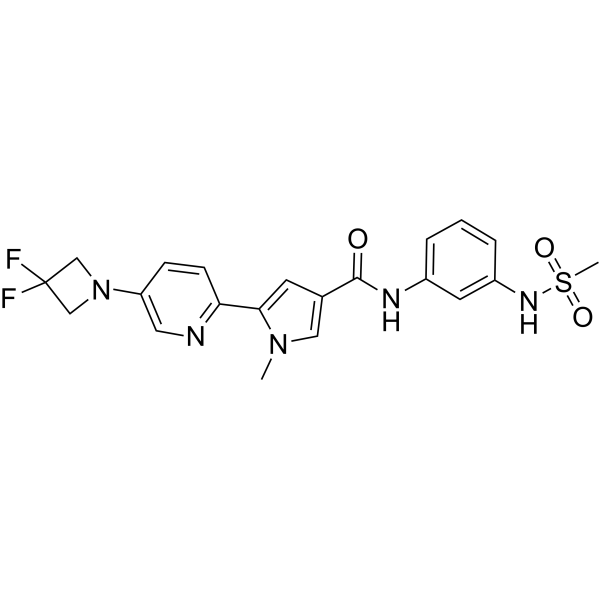
    DHX9-IN-3 (Compound 621) is an inhibitor of ATP-dependent RNA helicase A (DHX9). DHX9-IN-3 has an IC50 of 8.7 nM for anti-proliferation in LS411N cells. DHX9-IN-3 can be used in the study of cancer .
    DHX9-IN-3
  • HY-175327

    ACSL Family Ferroptosis Neurological Disease Cancer
    LIBX-A402 is a selective, ATP-dependent inhibitor of ACSL4 (hACSL4, IC50=0.33 μM, Kd=3.3 μM) and an inhibitor of ferroptosis. LIBX-A402 targets the fatty acid-binding pocket of ACSL4 and prevents cells from undergoing ferroptosis. LIBX-A402 can be used in the research of cancer and Parkinson's disease .
    LIBX-A402
  • HY-DY1074

    Fluorescent Dye Others
    ER-Tracker dye is a derivative of BODIPY series dyes coupled with Glibenclamide (HY-15206) , highly selective binding to the endoplasmic reticulum, non-toxic to cells at low concentrations, this type of dye is an environmentally sensitive probe, and formaldehyde treatment can still retain part of the fluorescence, with high fluorescence life, good extinction coefficient and other characteristics. Glibenclamide is an atp-dependent K + channel blocker (Kir6, KATP) and CFTR Cl-channel blocker that binds in the endoplasmic reticulum. ER-Tracker is not suitable for staining fixed cells. Staining followed by fixation is possible, but cells fixed with aldehydes will only retain partial fluorescence .
    Solvent and concentration: DMSO: 1 mM
    ER-Tracker Blue-White DPX (solution)
  • HY-N2306A

    Aclarubicin hydrochloride

    Topoisomerase DNA/RNA Synthesis Proteasome Antibiotic Cancer
    Aclacinomycin A (Aclarubicin) hydrochloride is an orally active and potent anthracycline antitumor antibiotic. Aclacinomycin A hydrochloride is an inhibitor of topoisomerase I and II. Aclacinomycin A hydrochloride inhibits synthesis of nucleic acid, especially RNA. Aclacinomycin A hydrochloride might inhibit the 26S protease complex as well as the ubiquitin-ATP-dependent proteolysis .
    Aclacinomycin A hydrochloride
  • HY-160870

    Fluorescent Dye Others
    Firefly luciferase-IN-3 (CID: 17087944) is an inhibitor of ATP-dependent luciferase (Firefly luciferase) and has nM-level inhibitory activity against NanoLuc (pIC50=7.5) .
    Firefly luciferase-IN-3
  • HY-160869

    Fluorescent Dye Others
    Firefly luciferase-IN-2 (compound 5j) is an inhibitor of ATP-dependent luciferase (Firefly luciferase), the major light-emitting enzyme in fireflies and kowtow bugs. Firefly luciferase-IN-2 inhibits P. pyralis luciferase with an IC50 of 0.15 μM, while the inhibitory potency against R. reniformis is not significant .
    Firefly luciferase-IN-2
  • HY-101981R

    5'-​Uridylic acid (Standard)

    Reference Standards Endogenous Metabolite Cardiovascular Disease Metabolic Disease
    Uridine 5'-monophosphate (Standard) is the analytical standard of Uridine 5'-monophosphate. This product is intended for research and analytical applications. Uridine 5'-monophosphate (5'-Uridylic acid) is an orally active mitochondrial ATP-dependent potassium channel activator that has a protective effect on the heart. Uridine 5'-monophosphate can promote the synthesis of CDP-choline and induce apoptosis in intestinal epithelial cells, which is beneficial for gut development and reduces diarrhea.
    Uridine 5'-monophosphate (Standard)
  • HY-W013175S2

    5'-​Uridylic acid-13C9,15N2 disodium

    Isotope-Labeled Compounds Endogenous Metabolite Cholinesterase (ChE) Potassium Channel Apoptosis Cardiovascular Disease Metabolic Disease
    Uridine 5'-monophosphate- 13C9, 15N2 disodium is the 13C and 15N labeled Uridine 5'-monophosphate disodium salt (HY-W013175). Uridine 5'-monophosphate (5'-Uridylic acid) disodium salt is an orally active mitochondrial ATP-dependent potassium channel activator that has a protective effect on the heart. Uridine 5'-monophosphate disodium salt can promote the synthesis of CDP-choline and induce apoptosis in intestinal epithelial cells, which is beneficial for gut development and reduces diarrhea .
    Uridine 5'-monophosphate-13C9,15N2 disodium
  • HY-DY1043

    Fluorescent Dye Others
    ER-Tracker dye is a derivative of BODIPY series dyes coupled with Glibenclamide (HY-15206) , highly selective binding to the endoplasmic reticulum, non-toxic to cells at low concentrations, this type of dye is an environmentally sensitive probe, and formaldehyde treatment can still retain part of the fluorescence, with high fluorescence life, good extinction coefficient and other characteristics. Glibenclamide is an atp-dependent K + channel blocker (Kir6, KATP) and CFTR Cl-channel blocker that binds in the endoplasmic reticulum. ER-Tracker is not suitable for staining cells after fixation .
    Solvent and concentration: DMSO: 1 mM
    ER-Tracker Green (solution)
  • HY-173162

    P-glycoprotein Potassium Channel Cardiovascular Disease Cancer
    GPV0057 (Compound 5d) is a selective and potent P-glycoprotein (P-gp) inhibitor. GPV0057 is also a selective potassium channel Kir2.1 activator. GPV0057 competitively binds to the substrate-binding site of P-gp, inhibiting ATP-dependent drug efflux to reverse multidrug resistance in tumor cells. GPV0057 can also stabilizes the open state of Kir2.1 and promotes potassium ion influx. GPV0057 is promising for research of tumors with high P-gp expression, Kir2.1-deficient diseases such as heart failure and Andersen-Tawil Syndrome .
    GPV0057
  • HY-161916

    DNA/RNA Synthesis Cancer
    Polθ-IN-4 is an orally active prodrug of a DNA polymerase θ (Polθ) inhibitor with Kms of 3.7, 3.7 and 5.2 μM in human, mouse and rat recombinant alkaline phosphatases. Polθ-IN-4 that inhibits Polθ activity by targeting its ATP-dependent helicase domain. Polθ-IN-4 demonstrates significant anti-tumor activity in multiple animal experiments. Polθ-IN-4 can be used for the studies of breast cancer and ovarian cancer .
    Polθ-IN-4
  • HY-128038

    Opioid Receptor Neurological Disease
    N-Desmethyl-loperamide is a major metabolite of loperamide, a drug that selectively activates peripheral μopioid receptors with a Ki value of 0.16 nM. N-Desmethyl-loperamide is a substrate of the ATP-dependent efflux transporter P-glycoprotein .
    N-Desmethyl-loperamide
  • HY-160873

    Fluorescent Dye Others
    Firefly luciferase-IN-5 (CID: 16031203) is an inhibitor of ATP-dependent luciferase (Firefly luciferase). It has nM-level inhibitory activity against GRLuc, RLuc8, and RLuc respectively (pIC50=8.5,7.5,5.5) .
    Firefly luciferase-IN-5
  • HY-DY1026

    Fluorescent Dye Cancer
    ER-Tracker dye is a derivative of BODIPY series dyes coupled with Glibenclamide (HY-15206) , highly selective binding to the endoplasmic reticulum, non-toxic to cells at low concentrations, this type of dye is an environmentally sensitive probe, and formaldehyde treatment can still retain part of the fluorescence, with high fluorescence life, good extinction coefficient and other characteristics. Glibenclamide is an atp-dependent K + channel blocker (Kir6, KATP) and CFTR Cl-channel blocker that binds in the endoplasmic reticulum. ER-Tracker is not suitable for staining cells after fixation. Ex/Em=587/615 nm .
    Solvent and concentration: DMSO: 1 mM
    ER-Tracker Red (solution)
  • HY-148407

    Fluorescent Dye Others
    lucPpy-IN-1 (compound 9) is an ATP-dependent luciferase from Photinus pyralis (lucPpy) inhibitor with an IC50 value of 4.0 μM. lucPpy-IN-1 can be used for the research of target’s agentgability .
    lucPpy-IN-1
  • HY-156580

    DNA/RNA Synthesis Cancer
    WRN inhibitor 4 is a Werner Syndrome ATP-dependent helicase (WRN) inhibitor. WRN inhibitor 4 can be used for cancer research .
    WRN inhibitor 4
  • HY-N2306R

    Aclarubicin (Standard)

    Reference Standards Topoisomerase DNA/RNA Synthesis Proteasome Antibiotic Cancer
    Aclacinomycin A (Standard) is the analytical standard of Aclacinomycin A. This product is intended for research and analytical applications. Aclacinomycin A (Aclarubicin) is an orally active and potent anthracycline antitumor antibiotic. Aclacinomycin A is an inhibitor of topoisomerase I and II. Aclacinomycin A inhibits synthesis of nucleic acid, especially RNA. Aclacinomycin A might inhibit the 26S protease complex as well as the ubiquitin-ATP-dependent proteolysis .
    Aclacinomycin A (Standard)
  • HY-E70034

    Endogenous Metabolite Metabolic Disease
    Galactokinase (BiGalK) is a phosphotransferase. Galactokinase catalyzes ATP-dependent phosphorylation of α-d-galactose to galactose 1-phosphate .
    Galactokinase (BiGalK)
  • HY-145126

    CFTR Inflammation/Immunology
    CP-628006, a small molecule CFTR potentiator, restores ATP-dependent channel gating to the cystic fibrosis mutant G551D-CFTR.
    CP-628006
  • HY-158257

    Fluorescent Dye Others
    Firefly luciferase-IN-4 (CID: 3987260) is an inhibitor of ATP-dependent luciferase (Firefly luciferase). It has nM-level inhibitory activity (pIC< sub>50=6.5) .
    Firefly luciferase-IN-4
  • HY-160686

    VEGFR Others
    GSK248233A is a dual inhibitor of Fluc and VEGFR2 with IC50 of 1.03 μM and 2 nM, respectively. GSK248233A also shows activity against the AGC family. GSK248233A acts as a protein kinase inhibitor across ATP-dependent and -independent luciferases with potential implications for Fluc reporter assays .
    GSK248233A
  • HY-158256

    Fluorescent Dye Others
    Luciferase-IN-3 (compound 5h) is an inhibitor of ATP-dependent luciferase (Firefly luciferase), the major light-emitting enzyme in fireflies and kowtow bugs. Firefly luciferase-IN-2 inhibits P. pyralis luciferase with an IC50 of 3.2 μM, while the inhibitory potency against R. reniformis is not significant .
    Luciferase-IN-3
  • HY-101981S

    5'-Uridylic acid-15N2

    Endogenous Metabolite Isotope-Labeled Compounds Cholinesterase (ChE) Potassium Channel Apoptosis Cardiovascular Disease Metabolic Disease
    Uridine 5'-monophosphate- 15N2 (5'-​Uridylic acid- 15N2) is the 15N labeled Uridine 5'-monophosphate (HY-101981). Uridine 5'-monophosphate (5'-Uridylic acid) is an orally active mitochondrial ATP-dependent potassium channel activator that has a protective effect on the heart. Uridine 5'-monophosphate can promote the synthesis of CDP-choline and induce apoptosis in intestinal epithelial cells, which is beneficial for gut development and reduces diarrhea .
    Uridine 5'-monophosphate-15N2
  • HY-P1712A

    Biochemical Assay Reagents Metabolic Disease
    Arthrofactin (TFA) is an effective lipopeptide biosurfactant in Pseudomonas sp. MIS38. Arthrofactin (TFA) production is associated with multiple ATP dependent active transporter systems .
    Arthrofactin TFA
  • HY-153692

    DNA/RNA Synthesis Cancer
    WRN inhibitor 1 is a Wemer Syndrome ATP dependent helicase enzyme (WRN) inhibitor that inhibits WRN helicase domain activity. WRN inhibitor 1 can be used in the study of cancer .
    WRN inhibitor 1
  • HY-156579

    DNA/RNA Synthesis Cancer
    WRN inhibitor 3 (example 110), a cyclic vinyl sulfone compound, is a Wemer Syndrome ATP dependent helicase enzyme (WRN) inhibitor. WRN inhibitor 3 can be used for the research of cancer .
    WRN inhibitor 3
  • HY-156581

    DNA/RNA Synthesis Cancer
    WRN inhibitor 5, a cyclic vinyl sulfone compound, is a Wemer Syndrome ATP dependent helicase enzyme (WRN) inhibitor. WRN inhibitor 5 can be used for the research of cancer, including cancers characterized by microsatellite instability (MSI) and/or defective DNA mismatch repair system (dMMR) .
    WRN inhibitor 5
  • HY-N15267

    FAK Akt mTOR Cancer
    Ovalitenone is a flavonoid compound that can be isolated from the plant Millettia peguensis. It shows no cytotoxic effects on lung cancer H460 and A549 cells, but it significantly inhibits anchorage-independent growth, CSC-like phenotypes, colony formation, and the migration and invasion capabilities of cancer cells. Ovalitenone can significantly reduce the levels of N-cadherin, snail, and slug, while increasing E-cadherin, thus inhibiting the EMT pathway. Additionally, Ovalitenone suppresses the signaling pathways regulated by focal adhesion kinase (FAK), ATP-dependent tyrosine kinase (AKT), mammalian target of rapamycin (mTOR), and cell division cycle 42 (Cdc42) .
    Ovalitenone

Inquiry Online

Your information is safe with us. * Required Fields.

Salutation


Country or Region *

Applicant Name *


Organization Name *

Department *


Email Address *


Product Name *

Cat. No.


Requested quantity *

Phone Number *


Remarks

Inquiry Online

Inquiry Information

Product Name:
Cat. No.:
Quantity:
MCE Japan Authorized Agent:

