
1. Search Result
Search Result
Results for "

ATX

" in MedChemExpress (MCE) Product Catalog:

69

Inhibitors & Agonists

2

Peptides

3

Recombinant Proteins

2

Isotope-Labeled Compounds

10

Antibodies

5

Oligonucleotides

Cat. No. Product Name Target Research Areas Chemical Structure
  • HY-110078
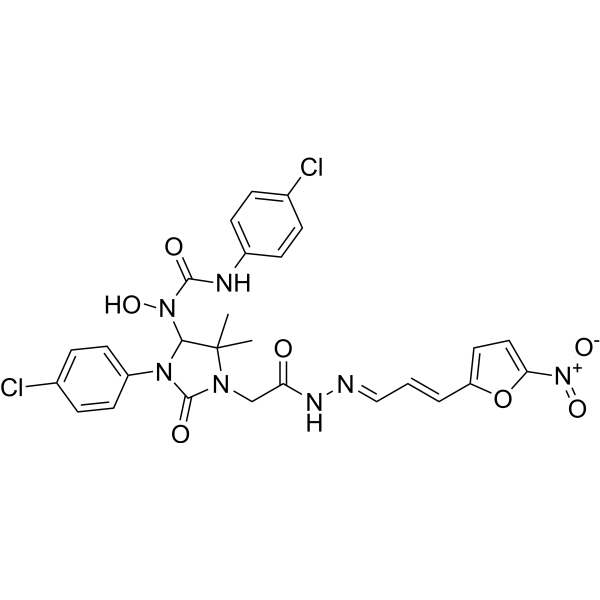
    Eeyarestatin I
    Maximum Cited Publications
    11 Publications Verification

    p97 Apoptosis Cancer
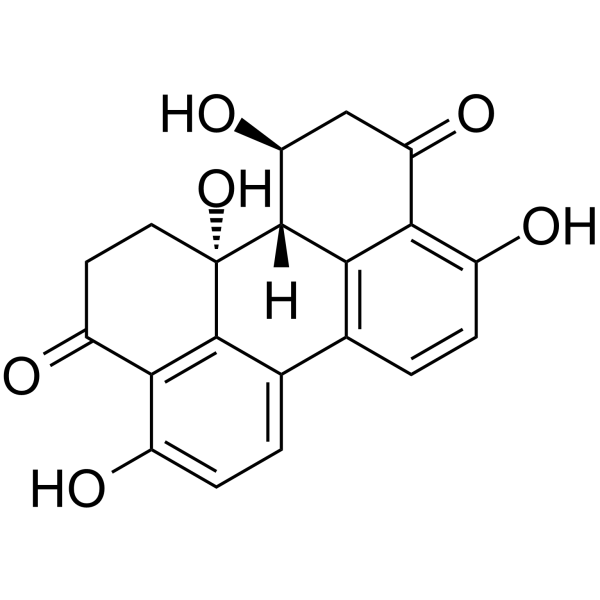
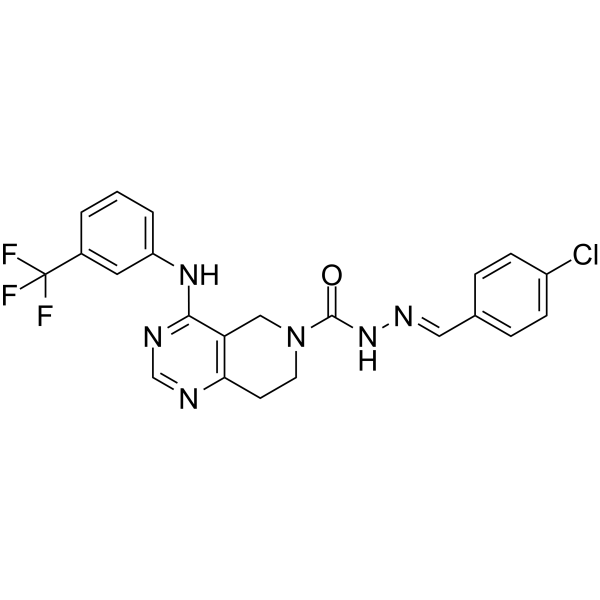
    Eeyarestatin I, a potent endoplasmic reticulum-associated protein degradation (ERAD) inhibitor, is a potent protein translocation inhibitor. Eeyarestatin I inhibits Sec61 translocon. Eeyarestatin I targets the p97-associated deubiquitinating process (PAD) and inhibits atx3-dependent deubiquitination. Eeyarestatin I interferes at a step prior to proteasomal degradation. Eeyarestatin I induces cell death via the proapoptotic protein NOXA and has anticancer effects .
    Eeyarestatin I
  • HY-101772
    Ziritaxestat
    5+ Cited Publications

    GLPG1690

    Phosphodiesterase (PDE) Inflammation/Immunology
    Ziritaxestat (GLPG1690) is a first-in-class autotaxin (ATX) inhibitor, with an IC50 of 131 nM and a Ki of 15 nM .
    Ziritaxestat
  • HY-19329
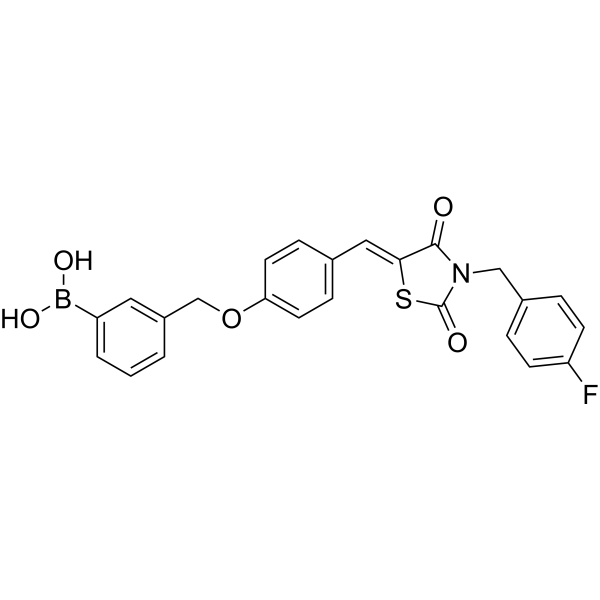
    HA130
    4 Publications Verification

    Phosphodiesterase (PDE) Cancer
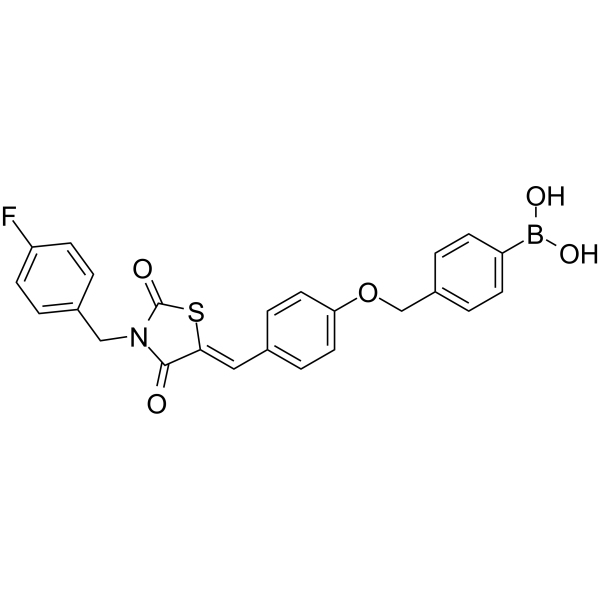
    HA130 is a selective autotaxin (ATX) inhibitor with an IC50 of 28 nM.
    HA130
  • HY-148792

    PRAX-562

    Sodium Channel Neurological Disease
    Relutrigine (PRAX-562) is an orally active inhibitor of persistent sodium channel. Relutrigine potently and preferentially inhibits persistent INa induced by ATX-II (Nav 1.5 activator) or the SCN8A mutation N1768D with IC50 values of 141 nM and 75 nM, respectively. Relutrigine exhibits potent use-dependent block and reduces neuronal intrinsic excitability. Relutrigine has effective anticonvulsant activity .
    Relutrigine
  • HY-145344

    Phosphodiesterase (PDE) Cancer
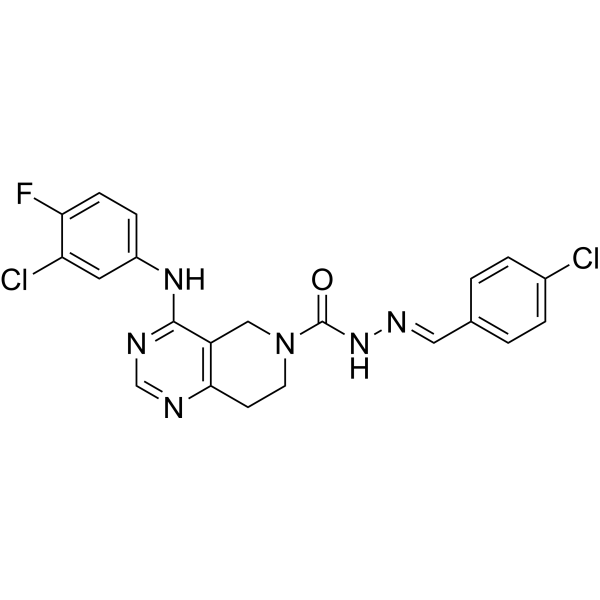
    ONO-8430506 is an orally bioavailable and potent autotaxin (ATX)/ENPP2 inhibitor with the IC90 of 100 nM for ATX activity in mouse plasma .
    ONO-8430506
  • HY-145561

    BLD-0409; PAT-409

    Phosphodiesterase (PDE) LPL Receptor Inflammation/Immunology Cancer
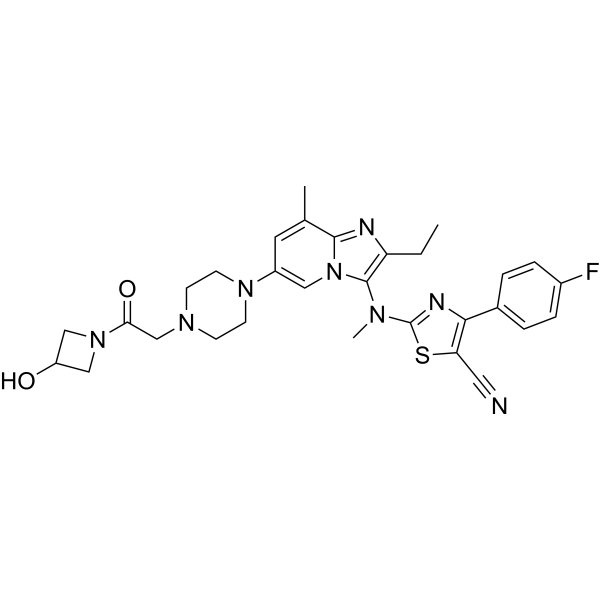
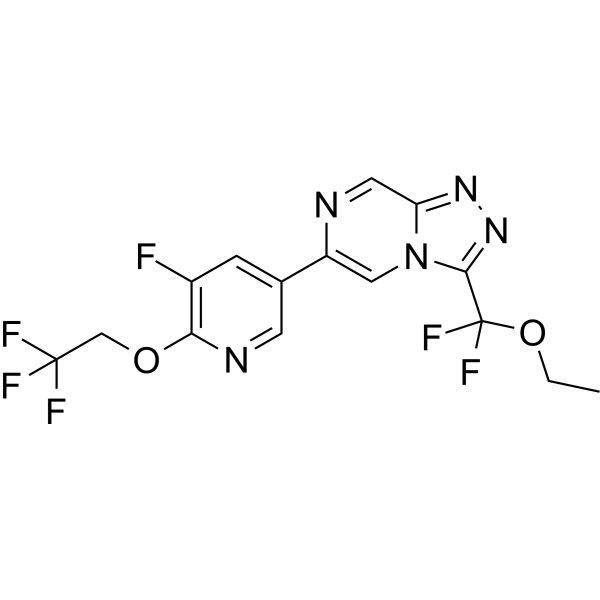
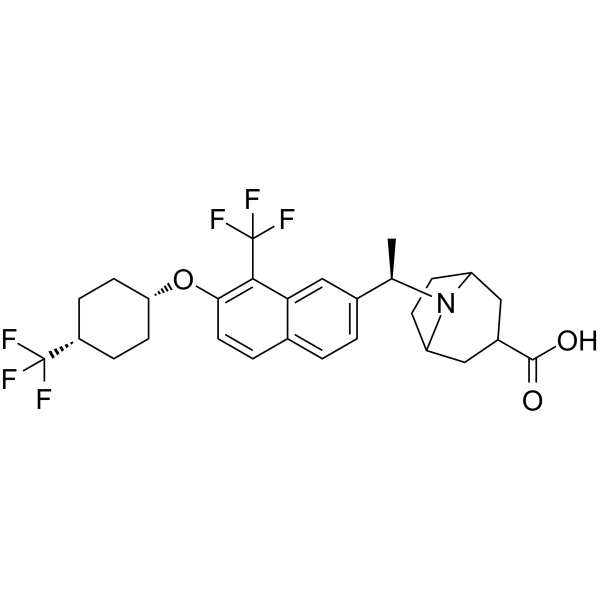
    Cudetaxestat (BLD-0409; PAT-409) is an orally active and noncompetitive autotaxin (ATX) inhibitor. Cudetaxestat inhibits the activity of ATX, reduces the production of LPA, and thereby blocks the signal transduction of the ATX-LPA axis. Cudetaxestat can still maintain nanomolar-level biochemical efficacy even when the concentration of the LPC substrate increases. Cudetaxestat can be used for the study of various diseases related to LPA including fibrosis, tumor metastasis, inflammation and autoimmune diseases, etc .
    Cudetaxestat
  • HY-124772
    BI-2545
    1 Publications Verification

    Phosphodiesterase (PDE) Inflammation/Immunology
    BI-2545, a chemical probe, is a potent autotaxin (ATX) inhibitor that significantly reduces LPA, with IC50s of 2.2 nM and 3.4 nM for human ATX and rat ATX, respectively .
    BI-2545
  • HY-120797

    IOA-289

    LPL Receptor Cancer
    CRT0273750 is an autotaxin (ATX) inhibitor and modulates LPA levels in plasm (IC50 = 0.014 μM). CRT0273750 can be used in ATX/LPA-dependent models of cancer .
    CRT0273750
  • HY-P1604
    ATX-II
    1 Publications Verification

    Sodium Channel Cardiovascular Disease Inflammation/Immunology
    ATX-II is a selective sodium channel modulator toxin. ATX-II enhances late sodium current, prevents full sodium channel inactivation, and generates persistent current fractions. ATX-II has pro-arrhythmic effect. ATX-II slows intrinsic heart rate, prolongs QT interval and sinus node recovery time, and causes sinus pauses and arrests. ATX-II can be used for the research of atrial fibrillation, long QT syndrome, and long QT3 syndrome .
    ATX-II
  • HY-P1604A
    ATX-II TFA
    1 Publications Verification

    Sodium Channel Cardiovascular Disease Inflammation/Immunology
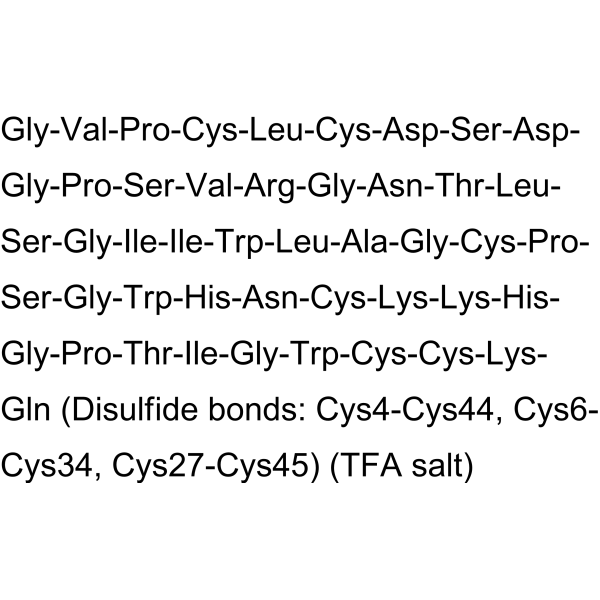
    ATX-II TFA is a selective sodium channel modulator toxin. ATX-II TFA enhances late sodium current, prevents full sodium channel inactivation, and generates persistent current fractions. ATX-II TFA has pro-arrhythmic effect. ATX-II TFA slows intrinsic heart rate, prolongs QT interval and sinus node recovery time, and causes sinus pauses and arrests. ATX-II TFA can be used for the research of atrial fibrillation, long QT syndrome, and long QT3 syndrome .
    ATX-II TFA
  • HY-116100A

    Phosphodiesterase (PDE) Inflammation/Immunology
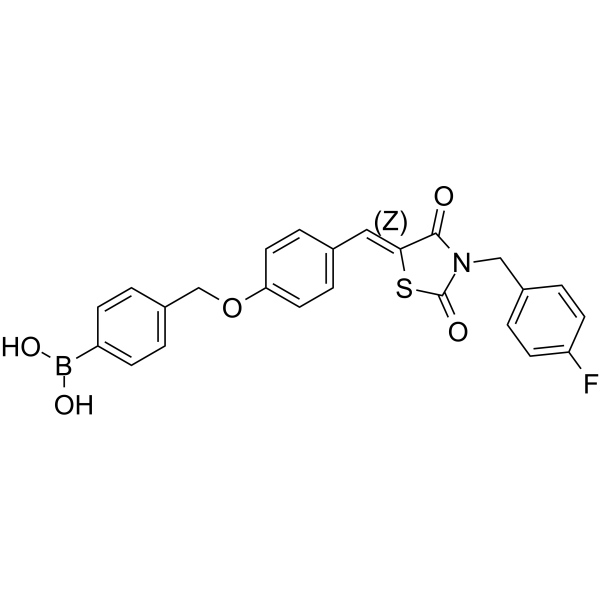
    HA-155 is a potent and selective autotaxin (ATX) inhibitor with an IC50 of 5.7 nM .
    HA155
  • HY-135053

    Phosphodiesterase (PDE) Inflammation/Immunology
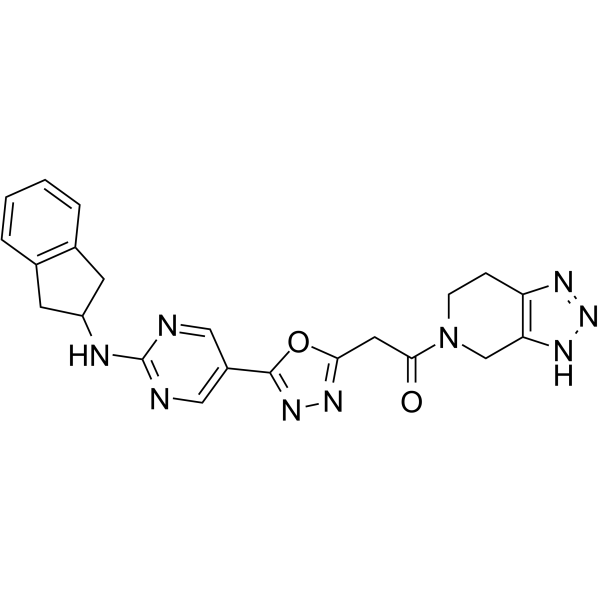
    Autotaxin-IN-3 is a Autotaxin(ATX) inhibitor with an IC50 of 2.4 nM, compound 33, sourced from patent WO2018212534A1 .
    Autotaxin-IN-3
  • HY-143237

    Phosphodiesterase (PDE) Others
    ATX inhibitor 11 (compound 13c) is a potent ATX (autotaxin) inhibitor, with an IC50 of 2.7 nM. ATX inhibitor 11 can typically alleviate the severity of fibrosis tissues and effectively reduce the deposition of fibrotic biomarker α-SMA in mice fibrosis model. ATX inhibitor 11 can be used for lung fibrosis research .
    ATX inhibitor 11
  • HY-169004

    TGF-beta/Smad Interleukin Related Neurological Disease Inflammation/Immunology
    CBT-295 is an orally active autotaxin (ATX) inhibitor. CBT-295 exhibits a significant reduction in inflammatory cytokines like TGF-β, TNF-α and IL-6 levels, also reduced bile duct proliferation marker CK-19 and lowered liver fibrosis. The reversal of liver fibrosis with CBT-295 led to a reduction in blood and brain ammonia levels. CBT-295 also reduced neuroinflammation induced by ammonia. CBT-295 is promising for research of liver cirrhosis and associated encephalopathy .
    CBT-295
  • HY-116100

    Phosphodiesterase (PDE) Neurological Disease Inflammation/Immunology Cancer
    (E/Z)-HA155 is a potent autotaxin (ATX) type I inhibitor. (E/Z)-HA155 can be used for researching cancer, fibrotic diseases, inflammation, pain and angiogenesis .
    (E/Z)-HA155
  • HY-12812

    Phosphodiesterase (PDE) Neurological Disease Cancer
    Autotaxin modulator 1 is an autotaxin (ATX) enzyme inhibitor, extracted from patent WO 2014018881 A1, Compound Example 12b. Autotaxin modulator 1 is expected to be useful for researching demyelination due to injury or disease, as well as for researching proliferative disorders such as cancer .
    Autotaxin modulator 1
  • HY-146205

    Phosphodiesterase (PDE) Cardiovascular Disease
    ATX inhibitor 18 is a potent ATX inhibitor with an IC50 value of 24.2 nM. ATX inhibitor 18 shows antiproliferative activity and anti-fibrosis activity. ATX inhibitor 18 suppresses collagen deposition in TGF-β-mediated cardiac fibrosis .
    ATX inhibitor 18
  • HY-133019

    Phosphodiesterase (PDE) Inflammation/Immunology
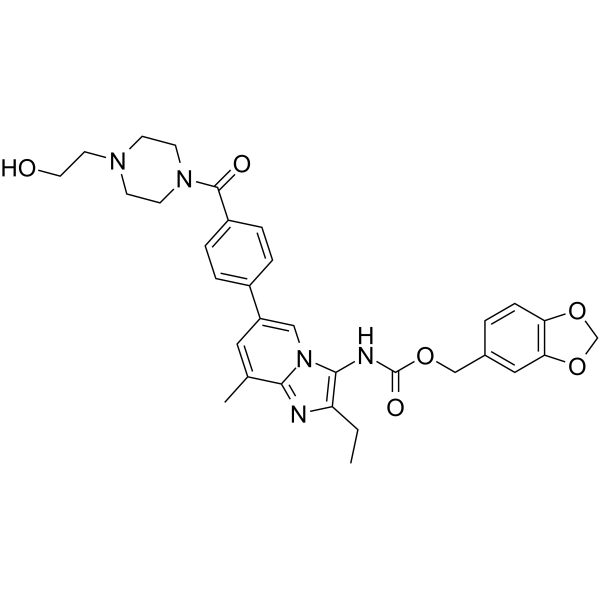
    ATX inhibitor 5 is a potent and orally active autotaxin (ATX) inhibitor, with an IC50 of 15.3 nM. ATX inhibitor 5 shows anti-hepatofibrosis effects and reduces CCl4-induced hepatic fibrosis level prominently .
    ATX inhibitor 5
  • HY-111410

    Phosphodiesterase (PDE) Cancer
    ATX inhibitor 1 is a potent ATX (IC50=1.23 nM, FS-3 and 2.18 nM, bis-pNPP) inhibitor.
    ATX inhibitor 1
  • HY-126233

    Phosphodiesterase (PDE) Metabolic Disease
    PAT-347 is an Autotaxin (ATX) inhibitor. ATX is a secretory enzyme that hydrolyzes lysophosphatidylcholine (LPC) and regulates lysophosphatidic acid (LPA) production in the blood .
    PAT-347
  • HY-150614

    Phosphodiesterase (PDE) LPL Receptor Cancer
    Autotaxin-IN-6 (compound 23) is a potent autotaxin (ATX) inhibitor with an IC50 value of 30 nM. Autotaxin-IN-6 can reduce cell migration. Autotaxin-IN-6 can be used for researching anticancer .
    Autotaxin-IN-6
  • HY-157639A

    Others Cardiovascular Disease
    18:2 Lyso PA sodium is an unsaturated lysophosphatidic acid (LysoPA), a lipid mediator mainly present in plasma and thought to be involved in the pathogenesis of acute coronary syndrome (ACS). 18:2 Lyso PA sodium significantly correlates with serum autotaxin (ATX) in peripheral arteries .
    18:2 Lyso PA sodium
  • HY-142644

    Phosphodiesterase (PDE) Inflammation/Immunology
    ATX inhibitor 7 is a autotaxin inhibitor and shows good oral exposure.
    ATX inhibitor 7
  • HY-169071S

    Phosphodiesterase (PDE) Others
    ATX-1905 is a positron emission tomography (PET) tracer that demonstrates good autotaxin (ATX) binding specificity and achieves semiquantification of lung ATX expression levels, which are elevated in fibrotic lungs. ATX-1905 exhibits elevated uptake in Bleomycin (HY-108345)-induced pulmonary fibrosis (BPF) lungs. ATX-1905 is promising for research of idiopathic pulmonary fibrosis (IPF) .
    ATX-1905
  • HY-174267S

    Phosphodiesterase (PDE) Inflammation/Immunology
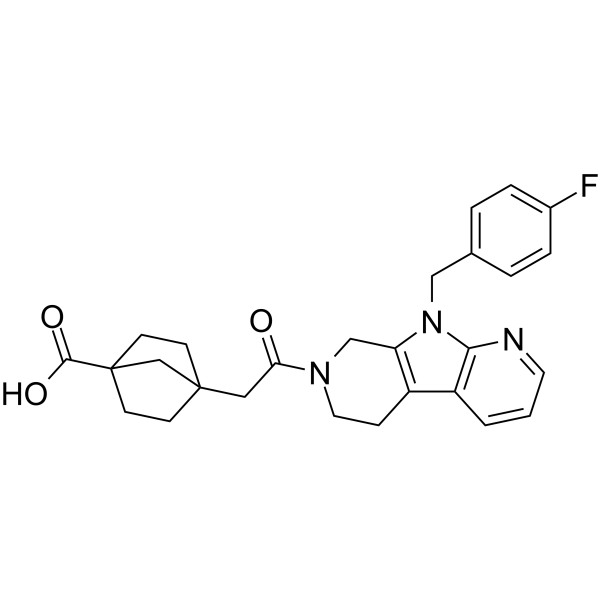
    ATX-IN-2 (Compound 25) is an orally active and potent ATX inhibitor with an IC50 value of 3.27 nM. ATX-IN-2 reduces lysophosphatidic acid (LPA) secretion. ATX-IN-2 is promising for research of ATX-mediated diseases, such as inflammation, pulmonary fibrosis .
    ATX-IN-2
  • HY-173509

    Phosphodiesterase (PDE) LPL Receptor Infection Cardiovascular Disease Neurological Disease Cancer
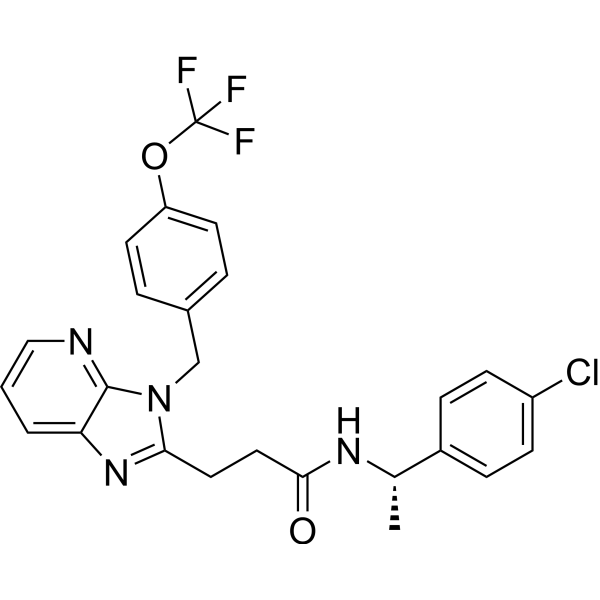
    ATX inhibitor 27 (Compound 31) is an ATX inhibitor. The IC50 values of ATX inhibitor 27 against human autotaxin (hATX) and lysophosphatidylcholine (LPC) are 13 nM and 23 nM, respectively. ATX inhibitor 27 reduces LPA levels in vivo by inhibiting ATX enzyme. ATX inhibitor 27 can be used in the study of ATX-LPA-related diseases such as inflammation, neurodegenerative diseases and cancer .
    ATX inhibitor 27
  • HY-143583

    Phosphodiesterase (PDE) Neurological Disease Cancer
    ATX inhibitor 10 is a potent inhibitor of ATX. ATX inhibitor 10 is s nitrogen-containing heterocyclic compound. ATX plays a role in causing pathological conditions including fibrosis, arthritis, neurodegeneration, neuropathic pain, and cancer. ATX inhibitor 10 has the potential for the research of ATX related diseases (extracted from patent WO2021115375A1, compound 35) .
    ATX inhibitor 10
  • HY-143420

    Phosphodiesterase (PDE) Inflammation/Immunology
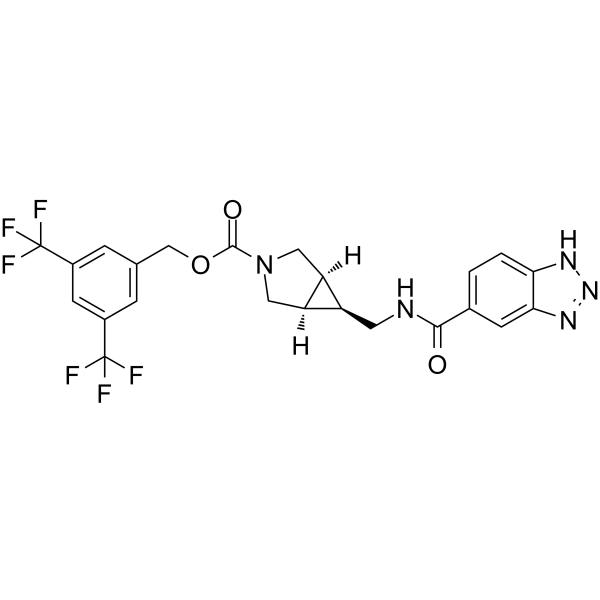
    ATX inhibitor 15 (compound 30), a indole-based carbamate derivative, is a potent autotaxin (ATX) inhibitor with an IC50 of 2.17 nM. ATX inhibitor 15 inhibits in vivo ATX and the gene expression of pro-fibrotic factors. ATX inhibitor 15 has lung protection effects in Bleomycin challenged mice lung fibrosis model .
    ATX inhibitor 15
  • HY-143582

    Phosphodiesterase (PDE) Cancer
    ATX inhibitor 9 is a potent inhibitor of ATX. ATX inhibitor 9 is a thickened heteroaryl derivatives compound. Autotaxin (ATX), also known as ENPP2, is a secreted enzyme that is highly expressed mainly in cancer cells, bronchial epithelial cells and alveolar macrophages in the lung. ATX inhibitor 9 has the potential for the research of cancer or fibrous degenerative disease (extracted from patent WO2021078227A1, compound 3) .
    ATX inhibitor 9
  • HY-143419

    Phosphodiesterase (PDE) Inflammation/Immunology
    ATX inhibitor 14 (compound 4), a indole-based carbamate derivative, is a potent autotaxin (ATX) inhibitor with an IC50 of 0.41 nM. ATX inhibitor 14 has the potential for fibrosis relevant diseases research .
    ATX inhibitor 14
  • HY-103035

    Phosphodiesterase (PDE) Cancer
    BIO-32546 (example 12b, S-isomer) is an autotaxin (ATX) modulator (IC50: 1 nM), extracted from the patent US20170158687A1 .
    BIO-32546
  • HY-149018

    Phosphodiesterase (PDE) Cancer
    ATX inhibitor 22 is a novel inhibitor of ATX (autotaxin) with IC50 of 218 nM but lost its inhibitory activity of LPAR1 .
    ATX inhibitor 22
  • HY-120743

    Biochemical Assay Reagents Metabolic Disease
    Triplin is a copper chelator, Triplin perturbs copper ion transport involved in the interaction of RAN1 and ATX1. Triplin suppresses the toxic effects of excess copper ions on plant root growth. Triplin increases the RNA expression of ERF1. Triplin acts through the ethylene signal transduction pathway. Triplin also is a bacterial pore-former .
    Triplin
  • HY-148291

    LPL Receptor Phosphodiesterase (PDE) Cancer
    BrP-LPA sodium is a pan-opposite agent for lysophosphatidic acid (LPA). It has antagonistic activity against LPA1 (IC50 = 4520 nM), LPA2 (IC50 = 468 nM), LPA3, and LPA4. BrP-LPA sodium also has partial agonistic activity for LPA5, with its EC50 being 1282 nM. BrP-LPA sodium has ATX inhibitory activity. BrP-LPA sodium effectively inhibits the migration and invasion of breast cancer cells. BrP-LPA sodium achieves tumor regression and anti-angiogenesis in mice breast cancer xenograft model. BrP-LPA sodium can be used for the study of breast cancer .
    BrP-LPA sodium
  • HY-179042

    TGF-beta/Smad p38 MAPK Phosphodiesterase (PDE) Inflammation/Immunology
    TGF-β/Smad-IN-3 (Compound 4w) is an effective TGF-β/Smad inhibitor. TGF-β/Smad-IN-3 exerts anti-pulmonary fibrosis activity by simultaneously inhibiting the TGF-β/Smad and MAPK signaling pathways. TGF-β/Smad-IN-3 significantly inhibits collagen deposition induced by TGF-β1, with its IC50 value being 3.21 μM. TGF-β/Smad-IN-3 has an IC₅₀ of 46.77 nM for the autocrine motility factor (ATX). TGF-β/Smad-IN-3 significantly reduces the expression levels of α-SMA, COL1A1 and FN in TGF-β1-induced CCC-HPF-1 cells, and effectively inhibited TGF-β1-induced cell migration. TGF-β/Smad-IN-3 can be used for the study of pulmonary fibrosis .
    TGF-β/Smad-IN-3
  • HY-175537

    Phosphodiesterase (PDE) Inflammation/Immunology
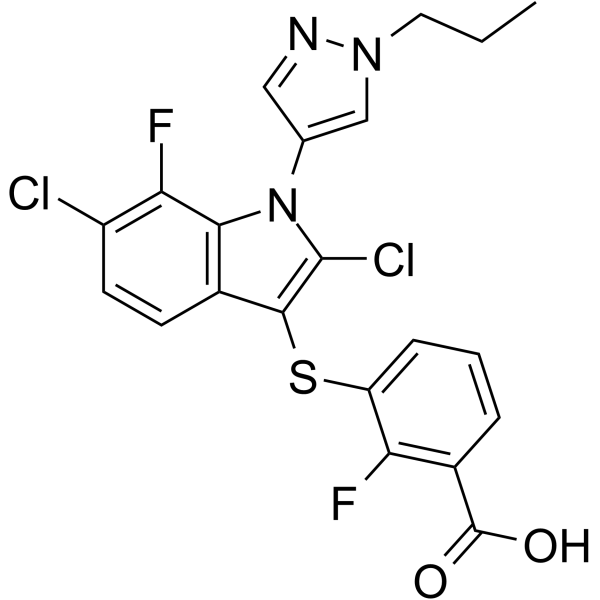
    ATX-IN-3 is an orally active autotaxin (ATX) inhibitor with an IC50 of 46 nM. ATX-IN-3 certainly reduces collagen deposition and ameliorates lung fibrosis in the pulmonary fibrosis mouse model. ATX-IN-3 has good metabolic stability and drug-like properties. ATX-IN-3 can used for the study of idiopathic pulmonary fibrosis (IFP) .
    ATX-IN-3
  • HY-170765

    Phosphodiesterase (PDE) Inflammation/Immunology
    ATX-IN-1 (compound 35) is an inhibitor of ATX (IC50=0.7 nM) with anti-inflammatory activity. ATX-IN-1 can inhibit TGF-β/Smad pathway and reduce collagen deposition to alleviate Bleomycin (HY-108345)-induced fibrosis in mice. ATX-IN-1 has good oral bioavailability (F=69.5%) and particle stability .
    ATX-IN-1
  • HY-146889

    Phosphodiesterase (PDE) Cancer
    ATX inhibitor 16 is a potent ATX inhibitor with an IC50 of 0.0021 μM. ATX inhibitor 16 shows excellent anti-proliferative activities in breast cancer cells .
    ATX inhibitor 16
  • HY-146890

    Phosphodiesterase (PDE) Cancer
    ATX inhibitor 17 is a potent ATX inhibitor with an IC50 of 0.019 μM. ATX inhibitor 17 shows excellent anti-proliferative activities in breast cancer cells .
    ATX inhibitor 17
  • HY-146122

    Phosphodiesterase (PDE) Cancer
    ATX inhibitor 19 (compound 22) is a potent ATX (autotaxin) inhibitor, with an IC50 of 156 nM .
    ATX inhibitor 19
  • HY-146124

    Phosphodiesterase (PDE) Cancer
    ATX inhibitor 21 (compound 8) is a potent ATX (autotaxin) inhibitor, with an IC50 of 3490 nM .
    ATX inhibitor 21
  • HY-144766

    Apoptosis Cancer
    ATX inhibitor 13 (10c) is an orally active and potent ATX inhibitor, with an IC50 of 3.4 nM. ATX inhibitor 13 inhibits proliferation and migration, and induces apoptosis and G2 phase arrest in RAW264.7 cells. ATX inhibitor 13 suppresses tumor cell colony formation .
    ATX inhibitor 13
  • HY-173483

    Phosphodiesterase (PDE) ERK JNK p38 MAPK Inflammation/Immunology
    ATX inhibitor 26 is an Autotaxin (ATX) inhibitor with an IC50 of 57 nM in human plasma. ATX inhibitor 26 inhibits cell migration and collagen gel contraction. ATX inhibitor 26 has significant anti-fibrotic effects, reducing collagen deposition in a Bleomycin (BLM) (HY-108345)-induced pulmonary fibrosis model .
    ATX inhibitor 26
  • HY-146123

    Phosphodiesterase (PDE) Cancer
    ATX inhibitor 20 (compound 24) is a potent ATX (autotaxin) inhibitor, with an IC50 of 2.3 nM .
    ATX inhibitor 20
  • HY-143581

    Phosphodiesterase (PDE) Inflammation/Immunology
    ATX inhibitor 8 is a Autotaxin (ATX) inhibitor extracted from patent WO2018212534A1 compound 96 .
    ATX inhibitor 8
  • HY-163093

    Others Cancer
    ATX inhibitor 24 is a potent ATX inhibitor with IC50 of 7.51±0.72 nM that has anti-tumor effect .
    ATX inhibitor 24
  • HY-144743

    Phosphodiesterase (PDE) Others
    ATX inhibitor 12 (compound 20) is an orally active and potent ATX (autotaxin) inhibitor, with an IC50 of 1.72 nM. ATX inhibitor 12 effectively alleviates lung structural damage with fewer fibrotic lesions at an oral dose of 60 mg/kg in C57Bl/6J mice. ATX inhibitor 12 can be uesd for idiopathic pulmonary fibrosis (IPF) research .
    ATX inhibitor 12
  • HY-168930

    Phosphodiesterase (PDE) Inflammation/Immunology
    ATX inhibitor 25 (Compound 29) is an orally active Autotaxin inhibitor with an IC50 of 1.08 nM. ATX inhibitor 25 exhibits excellent in vitro metabolic stability, with a t1/2 of more than 170 minutes. In the bleomycin (HY-108345)-induced pulmonary fibrosis mouse model, orally administered ATX inhibitor 25 shows anti-fibrotic effects .
    ATX inhibitor 25
  • HY-139096

    Phosphodiesterase (PDE) Cancer
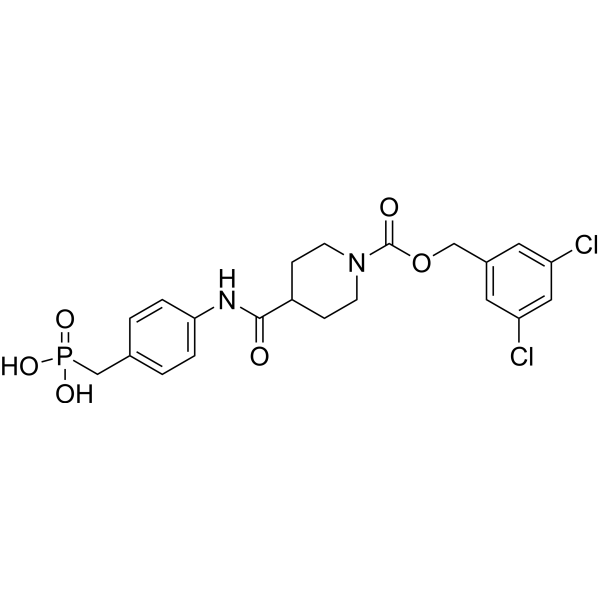
    4-Pentadecylbenzylphosphonic acid is an Autotaxin (ATX) inhibitor. 4-Pentadecylbenzylphosphonic acid has antitumor activity .
    4-Pentadecylbenzylphosphonic acid
  • HY-149716

    Phosphodiesterase (PDE) Cancer
    MEY-003 is an Autotaxin(ATX) inhibitor with EC50s of 460 nM and 1.09 μM for hATX-β and hATX-ɣ (analysis with LPC18:1). MEY-003 behaves as a non-competitive inhibitor with K iof 432 nM. MEY-003 can be used for targeted ATX-related disease research .
    MEY-003

Inquiry Online

Your information is safe with us. * Required Fields.

Salutation


Country or Region *

Applicant Name *


Organization Name *

Department *


Email Address *


Product Name *

Cat. No.


Requested quantity *

Phone Number *


Remarks

Inquiry Online

Inquiry Information

Product Name:
Cat. No.:
Quantity:
MCE Japan Authorized Agent:

