56 Results for "

Adrenergic Receptor Activators

" in MedChemExpress (MCE) Product Catalog:
Products (56)

56 Results for "Adrenergic Receptor Activators" in MCE Product Catalog:

74
74 Publications Verification
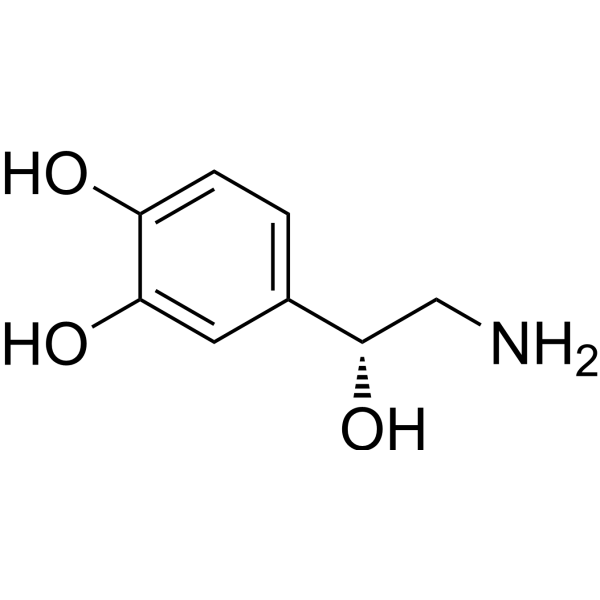
Cat. No.: HY-13715
CAS No.: 51-41-2
Purity:  99.61%
Synonyms: Levarterenol; L-Noradrenaline
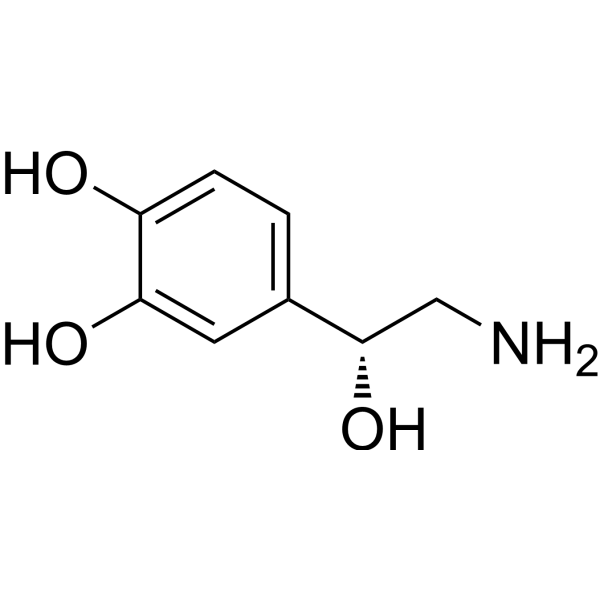
Norepinephrine (Levarterenol; L-Noradrenaline) is a potent adrenergic receptor (AR) agonist. Norepinephrine activates α1, α2, β1 receptors .
loading...
    loading...
74
74 Publications Verification
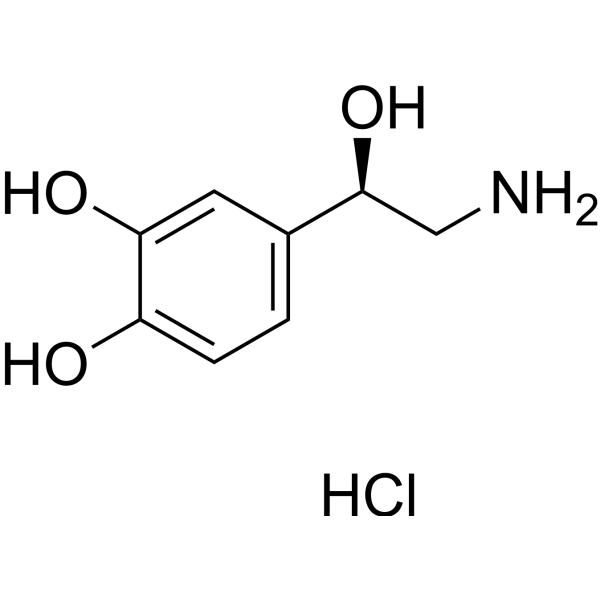
Cat. No.: HY-13715A
CAS No.: 329-56-6
Purity:  99.89%
Synonyms: Levarterenol hydrochloride; L-Noradrenaline hydrochloride
Norepinephrine (Levarterenol; L-Noradrenaline) hydrochloride is a potent adrenergic receptor (AR) agonist. Norepinephrine activates α1, α2, β1 receptors .
loading...
    loading...
74
74 Publications Verification
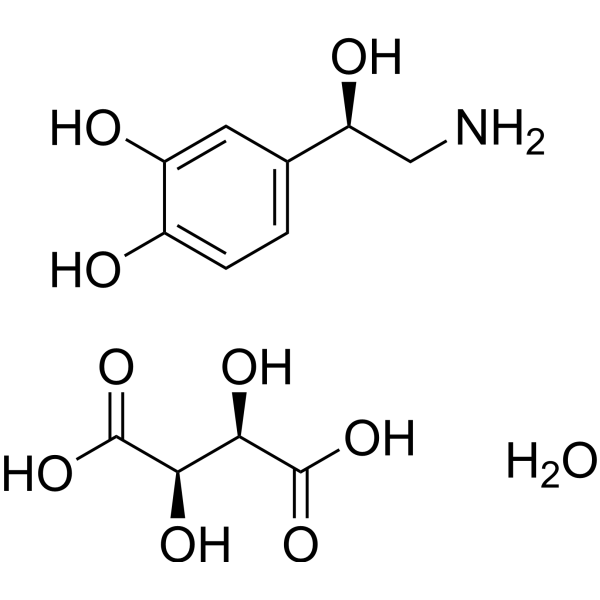
Cat. No.: HY-13715B
CAS No.: 108341-18-0
Purity:  99.96%
Synonyms: Levarterenol bitartrate monohydrate; L-Noradrenaline bitartrate monohydrate
Norepinephrine (Levarterenol; L-Noradrenaline) bitartrate monohydrate is a potent adrenergic receptor (AR) agonist. Norepinephrine activates α1, α2, β1 receptors .
loading...
    loading...
74
74 Publications Verification
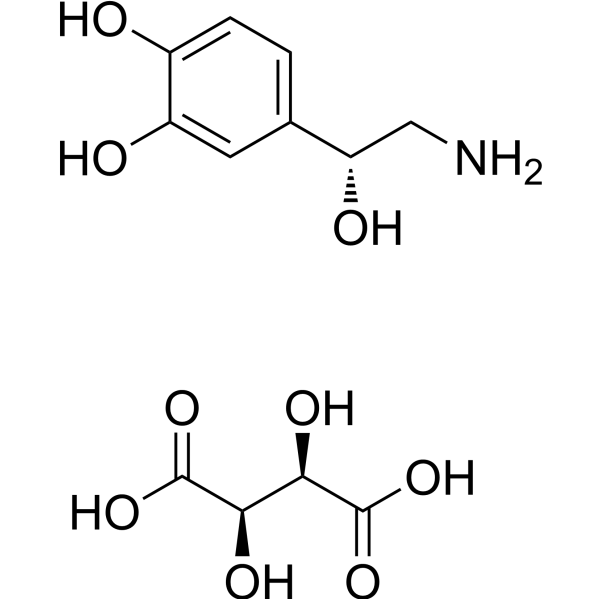
Cat. No.: HY-13715C
CAS No.: 51-40-1
Purity:  99.76%
Synonyms: Levarterenol tartrate; L-Noradrenaline tartrate
Norepinephrine (Levarterenol; L-Noradrenaline) tartrate is a potent adrenergic receptor (AR) agonist. Norepinephrine tartrate activates α1, α2, β1 receptors .
loading...
    loading...
10
10 Cited Publications
Cat. No.: HY-N2037
CAS No.: 5843-65-2
Synonyms: Norcoclaurine; Demethyl-Coclaurine
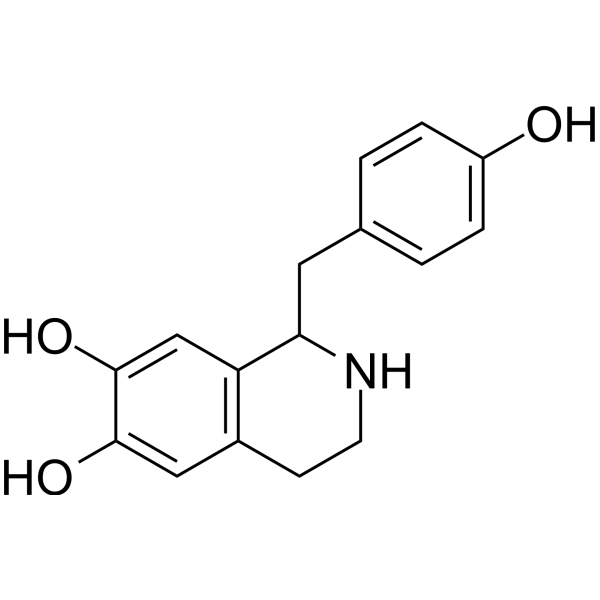
Higenamine (Norcoclaurine), a β2-AR agonist with antioxidant capability, is a key component of the Chinese herb aconite root that prescribes for treating symptoms of heart failure in the oriental Asian countries. Higenamine is also a α1-adrenergic receptor antagonist with hypotensive effect. is a selective LSD1 inhibitor (IC50=1.47 μM) that can be isolated from aconite. Higenamine hydrochloride has anti-inflammatory and antibacterial activity. Higenamine protects myocyte Apoptosis and ischemia/reperfusion (I/R) injury through selective activation of beta2-adrenergic receptor (β2-AR). Higenamine also reduces I/R-induced myocardial infarction in mice. Higenamine can attenuate IL-1β-induced Apoptosis through ROS-mediated PI3K/Akt signaling pathway. Higenamine protects brain cells from oxygen deprivation. Higenamine can promote bone formation in osteoporosis through the SMAD2/3 pathway. Higenamine can be used to study cancer, inflammation, cardiorenal syndrome and other diseases .
loading...
    loading...
6
6 Cited Publications
Cat. No.: HY-14300A
CAS No.: 503070-58-4
Purity:  99.82%
Synonyms: GW642444 trifenatate
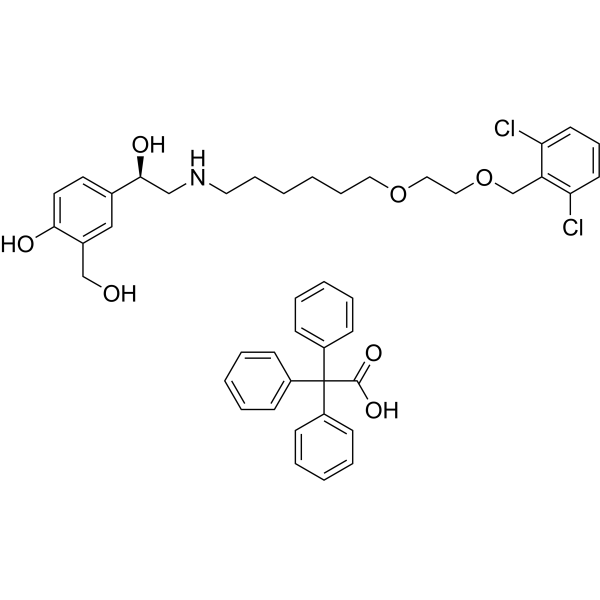
Vilanterol (GW642444) trifenatate is a long-acting β2 adrenergic receptor agonist. Vilanterol trifenatate has pEC50 values for β2-AR, β1-AR, and β3-AR of 9.4, 6.4, and 6.1, respectively. Vilanterol trifenatate selectively activates airway β2 adrenergic receptors, increases cAMP and thus relaxes bronchial smooth muscle. Vilanterol trifenatate can be used in asthma research [2][4].
loading...
    loading...
6
6 Cited Publications
Cat. No.: HY-14300
CAS No.: 503068-34-6
Purity:  99.30%
Synonyms: GW642444
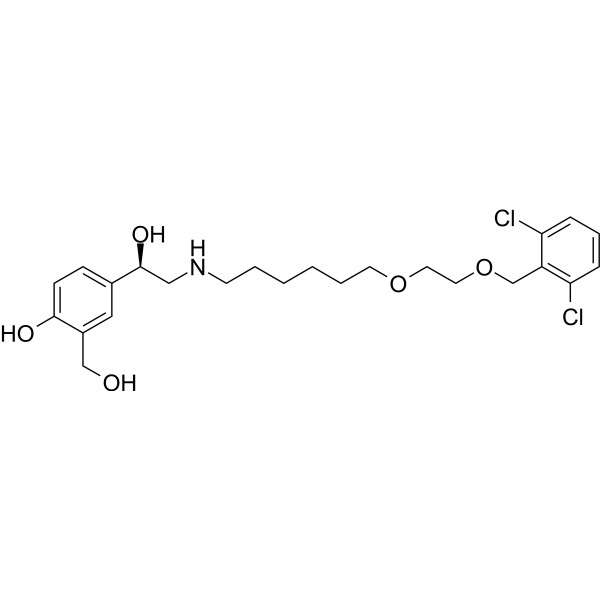
Vilanterol (GW642444) is a long-acting β2 adrenergic receptor agonist. Vilanterol has pEC50 values for β2-AR, β1-AR, and β3-AR of 9.4, 6.4, and 6.1, respectively. Vilanterol selectively activates airway β2 adrenergic receptors, increases cAMP and thus relaxes bronchial smooth muscle. Vilanterol can be used in asthma research [3][5].
loading...
    loading...
3
3 Cited Publications
Cat. No.: HY-B1392
CAS No.: 81161-17-3
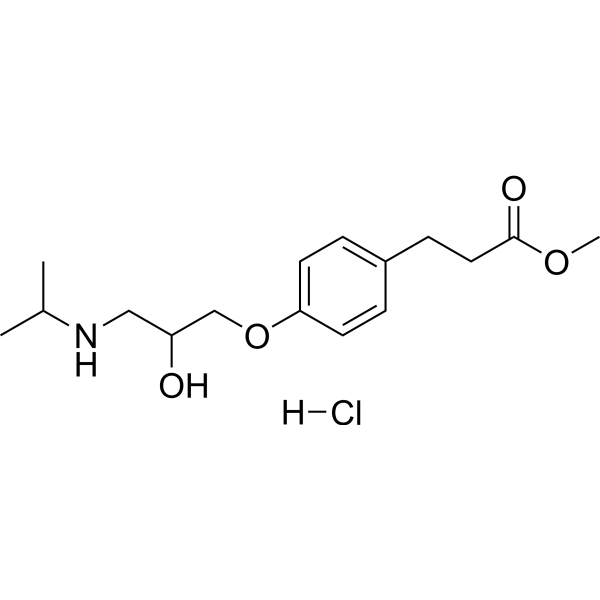
Esmolol hydrochloride is an ultra-short-acting cardioselective β1-adrenergic blocker. Esmolol hydrochloride exerts its antiarrhythmic effect by activating Neurokinin 1 Receptor. Esmolol hydrochloride attenuates post resuscitation myocardial dysfunction. Esmolol hydrochloride improves diabetic wound healing by inhibiting aldose reductase and the production of advanced glycation end products and promoting fibroblast migration. Esmolol hydrochloride can be used to study cardiac diseases such as arrhythmias and diabetic foot ulcers .
loading...
    loading...
2
2 Cited Publications
Cat. No.: HY-N2374
CAS No.: 855-96-9
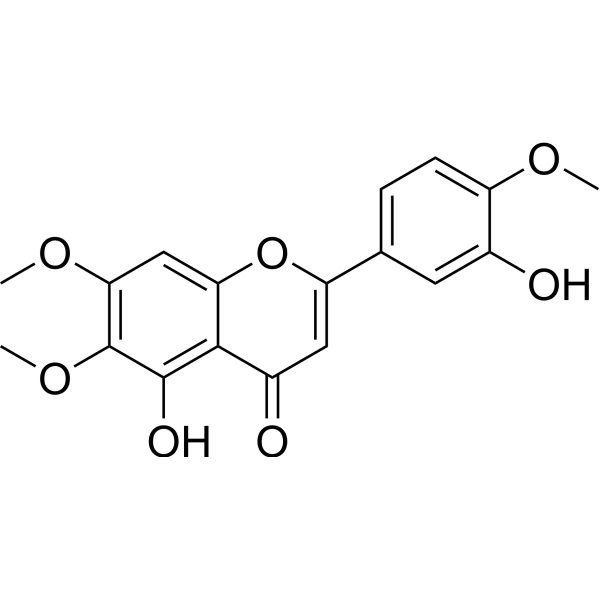
Eupatorin is an orally active flavonoid with antiproliferative and vasodilatory properties. Eupatorin downregulates the expression levels of NF-κB, MMP9, IL-1β and TNF-α. Eupatorin induces apoptosis, G2/M phase cell cycle arrest, and reactive oxygen species (ROS) production. Eupatorin modulates the activities of muscarinic receptors and β-adrenergic receptors; inhibits sarcoplasmic reticulum calcium release and calcium channels; and activates the NO/sGC/cGMP pathway, indomethacin-sensitive pathway, and potassium channel pathway. Eupatorin exerts cytotoxic effects on cancer cell lines, and is metabolized by CYP1A1 and CYP1 family enzymes to form metabolites with antiproliferative activity. Eupatorin can be used in research related to breast cancer, hypertension, and leukemia .
loading...
    loading...
1
1 Cited Publications
Cat. No.: HY-103211
CAS No.: 244192-94-7
Purity:  ≥99.0%
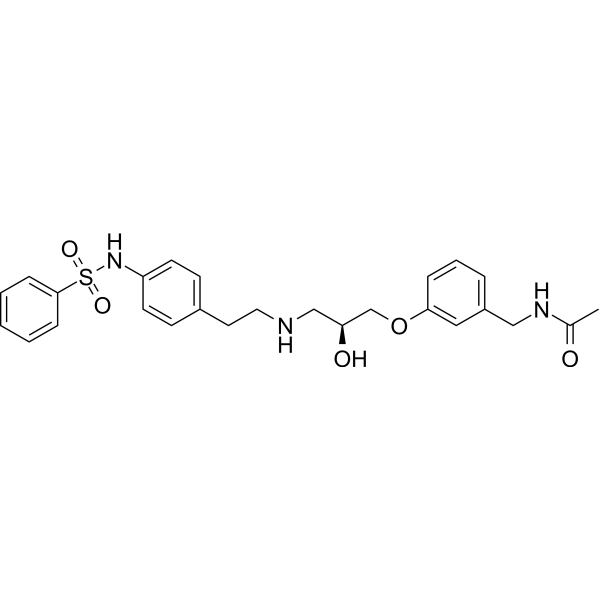
L748337 is a potent β3-adrenergic receptor antagonist and displays selectivity over β1 and β2 receptors. The Ki values of L748337 for β3-, β2- and β1-adrenoceptors are 4.0 nM, 204 nM and 390 nM, respectively . L748337 couples predominantly to Gi to activate MAPK signaling and increases phosphorylation of Erk1/2 with pEC50 value of 11.6 . L748337 can be used for the research of cancer, nonalcoholic fatty liver disease (NAFLD), and cardiovascular related diseases .
loading...
    loading...
1
1 Cited Publications
Cat. No.: HY-P3641A
Target:  

GnRH Receptor

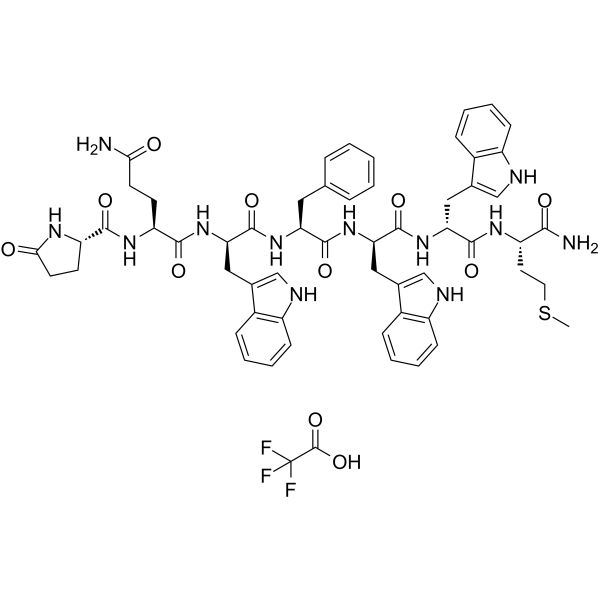
Kisspeptin 13 TFA is the TFA salt form of Kisspeptin 13 (HY-P3641). Kisspeptin-13 TFA inhibits glucose-induced insulin secretion with an IC50 of 1.2 nM. Kisspeptin 13 TFA activates the hypothalamic-pituitary-adrenal (HPA) axis, causes hyperthermia, motor behavior and anxiety in rats. Kisspeptin 13 TFA interacts with α2-adrenergic and 5-HT2 serotonin receptors, exhibits antidepressant efficacy. Kisspeptin 13 TFA is an activator for GPR54 and GnRH receptor, which enhances memory and can be used in Alzheimer's disease research .
loading...
    loading...
1
1 Cited Publications
Cat. No.: HY-P1376A
Research Areas:  

Endocrinology

G-Protein antagonist peptide TFA is a truncated substance P-related peptide, competes with receptor for G protein binding. G-Protein antagonist peptide TFA inhibits the activation of Gi or Go by M2 muscarinic cholinergic receptor (M2 mAChR) or of Gs by beta-adrenergic receptor in the reconstituted phospholipid vesicles, assayed by receptor-promoted GTP hydrolysis .
loading...
    loading...
Cat. No.: HY-N1163
CAS No.: 6474-90-4
Synonyms: (-)-Tetrahydroalstonine
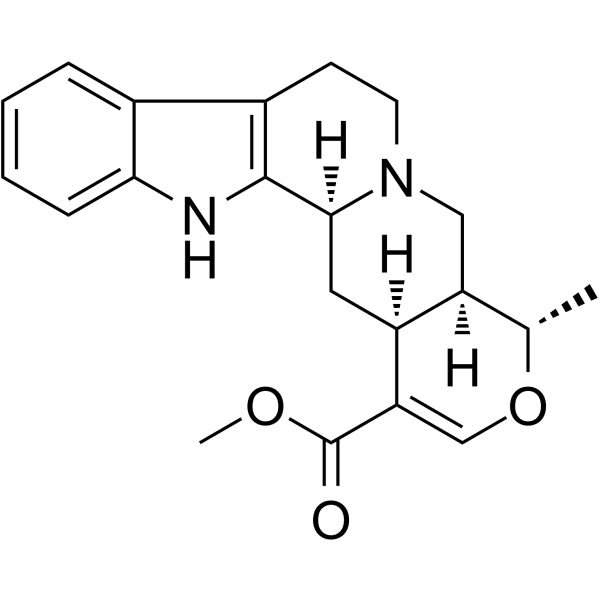
Tetrahydroalstonine ((-)-Tetrahydroalstonine) is an indole alkaloid and a selective α₂-adrenergic receptor antagonist. Tetrahydroalstonine exhibits certain neuroprotective effects. Tetrahydroalstonine can regulate autophagy-lysosomal function by activating the Akt/mTOR pathway, significantly reducing OGD/R-induced primary cortical neuronal injury .
loading...
    loading...
Cat. No.: HY-B1435
CAS No.: 964-52-3
Synonyms: Thymoxamine hydrochloride
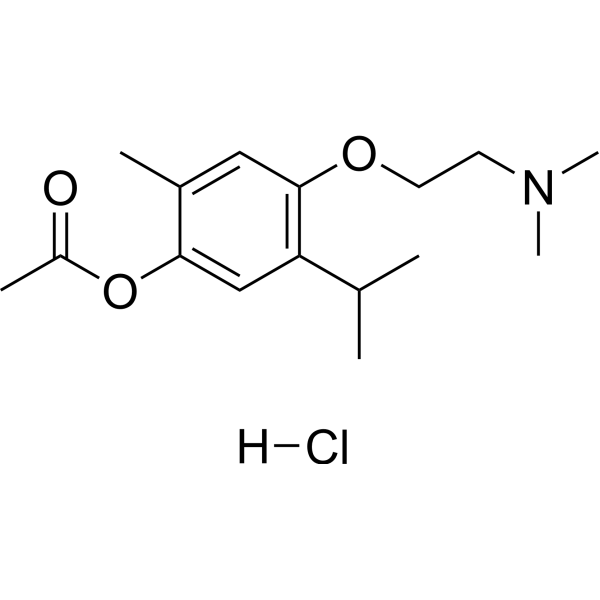
Moxisylyte (Thymoxamine) hydrochloride is a selective α1A-adrenergic receptor antagonist. Moxisylyte hydrochloride competitively antagonizes the activation mediated by norepinephrine. Moxisylyte hydrochloride relaxes penile cavernous smooth muscle and aids erectile function. Moxisylyte hydrochloride is applicable to research related to erectile dysfunction and multiple system atrophy .
loading...
    loading...
Cat. No.: HY-107580
CAS No.: 306935-41-1
Purity:  99.91%
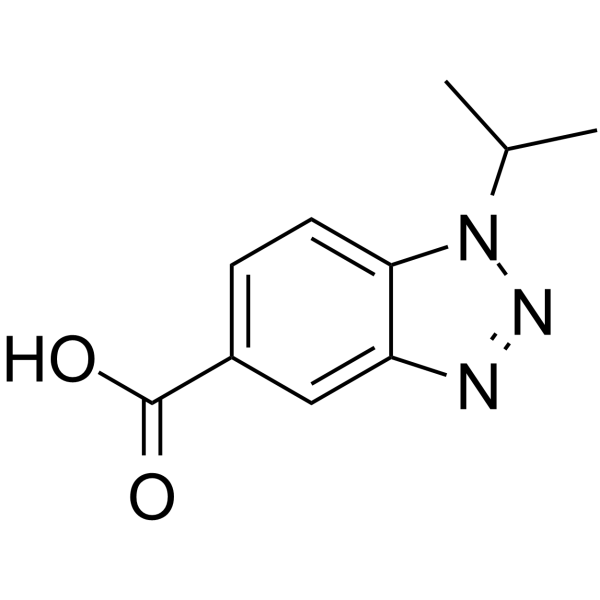
GPR109 receptor agonist-1 is a highly selective agonist of the human orphan G protein-coupled receptor GPR109b, and does not activate the mouse homologous receptor PUMA-G. GPR109 receptor agonist-1 functionally modulates the human GPR109b receptor via the cAMP signaling pathway, with an EC50 of 400 nM. GPR109 receptor agonist-1 inhibits isoproterenol (HY-B0468)-stimulated lipolysis in human subcutaneous adipocytes, with efficacy comparable to that of Niacin (HY-B0143), and does not act on β-adrenergic receptors. GPR109 receptor agonist-1 can be used in studies related to dyslipidemia and atherosclerosis .
loading...
    loading...
Cat. No.: HY-13715R
CAS No.: 51-41-2
Synonyms: Levarterenol (Standard); L-Noradrenaline (Standard)
Norepinephrine (Standard) is the analytical standard of Norepinephrine. This product is intended for research and analytical applications. Norepinephrine (Levarterenol; L-Noradrenaline) is a potent adrenergic receptor (AR) agonist. Norepinephrine activates α1, α2, β1 receptors .
loading...
    loading...
Cat. No.: HY-A0144
CAS No.: 709-55-7
Research Areas:  

Cardiovascular Disease

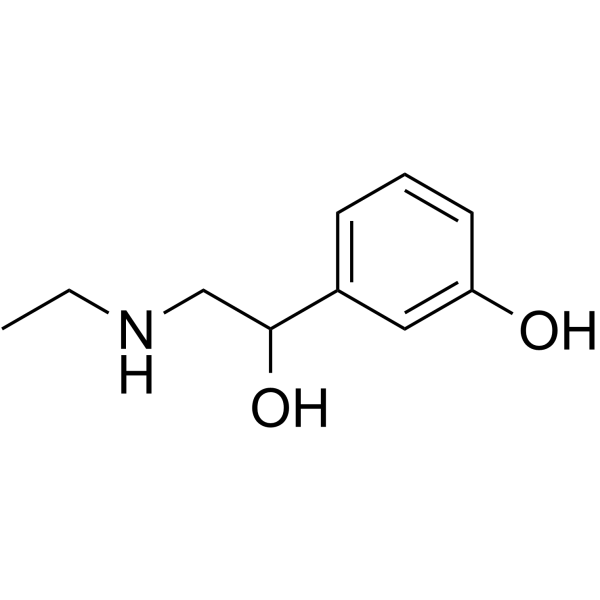
Etilefrine is a sympathetic nerve agonist and AMPK activator that selectively targets α1/β1 adrenergic receptors. Etilefrine stimulates α1 adrenergic receptors, leading to contraction of vascular smooth muscle and increased peripheral resistance. Etilefrine also stimulates β1 receptors to enhance myocardial contractility and increase heart rate, thereby increasing blood pressure and improving cardiac output. Etilefrine also bidirectionally regulates the AMPK/Akt pathway and modulates the phosphorylation levels. Etilefrine can be used in cardiovascular research, such as postural hypotension, chylothorax, and improving low cardiac output .
loading...
    loading...
Cat. No.: HY-A0144A
CAS No.: 943-17-9
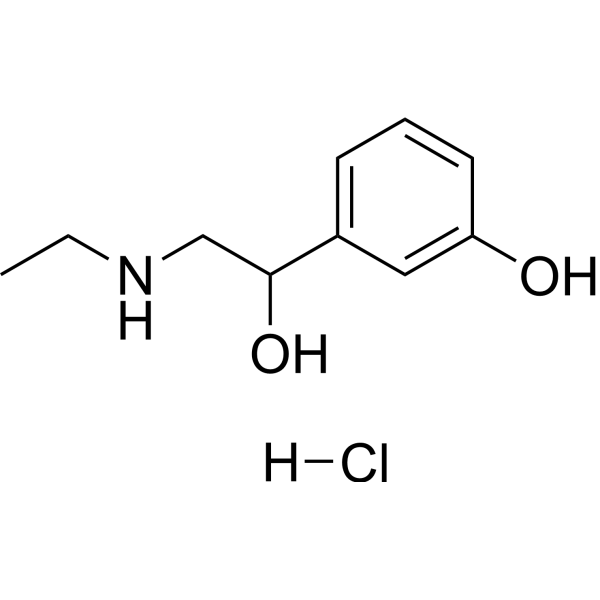
Etilefrine hydrochloride is a sympathetic nerve agonist and AMPK activator that selectively targets α1/β1 adrenergic receptors. Etilefrine hydrochloride stimulates α1 adrenergic receptors, leading to contraction of vascular smooth muscle and increased peripheral resistance. Etilefrine hydrochloride also stimulates β1 receptors to enhance myocardial contractility and increase heart rate, thereby increasing blood pressure and improving cardiac output. Etilefrine hydrochloride also bidirectionally regulates the AMPK/Akt pathway and modulates the phosphorylation levels. Etilefrine hydrochloride can be used in cardiovascular research, such as postural hypotension, chylothorax, and improving low cardiac output .
loading...
    loading...
Cat. No.: HY-101005
CAS No.: 16503-22-3
Synonyms: Nα-Methylhistamine dihydrochloride
Research Areas:  

Infection

N-Methylhistamine dihydrochloride (Nα-Methylhistamine dihydrochloride) is a non-selective Histamine receptor agonist. N-Methylhistamine dihydrochloride activates histamine H1, H2 and H3 receptors; it stimulates central H1 receptors by activating sympathetic α and β adrenergic receptors to inhibit intestinal transit, exerts dose-dependent inhibition on intestinal transit, reduces histamine turnover in mouse brains, and increases gastric acid secretion without altering plasma gastrin concentrations. N-Methylhistamine dihydrochloride produces a pH-dependent, voltage-independent potentiating effect on acid-sensing ion channel 1a, and shows no significant activity toward homologous ASIC2a channels. N-Methylhistamine dihydrochloride can be used in studies related to Helicobacter pylori infection .
loading...
    loading...
Cat. No.: HY-P10336
CAS No.: 1383743-23-4
Target:  

Serpin

Research Areas:  

Neurological Disease Endocrinology

Serpinin is an agonist of the protease inhibitor Nexin-1 (PN-1). Serpinin upregulates the expression of PN-1 through the cAMP-PKA-Sp1 signaling pathway, promoting granule biogenesis in endocrine cells. Serpinin is used in research related to the regulation of secretory function . Serpinin is a selective agonist for β-adrenergic receptors. Serpinin interacts with β1-adrenergic receptors to activate the AC-cAMP-PKA pathway, which regulates myocardial systolic and diastolic function. pGlu-serpinin upregulates Bcl2 mRNA transcription and exerts neuroprotective effects .
loading...
    loading...

