
34 Results for "

Adrenergic Receptor Modulators

" in MedChemExpress (MCE) Product Catalog:
Products (34)

34 Results for "Adrenergic Receptor Modulators" in MCE Product Catalog:

18
18 Publications Verification
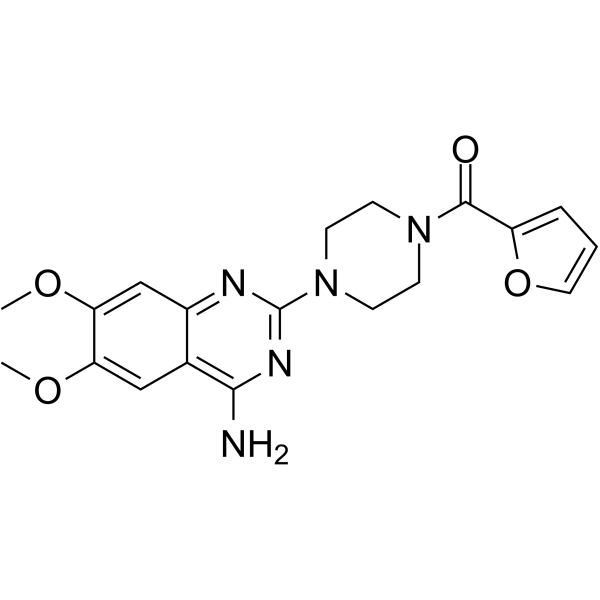
Cat. No.: HY-B0193
CAS No.: 19216-56-9
Prazosin is an α-adrenergic receptor antagonist. Prazosin can reduce inflammation, relieve anxiety, alleviate panic, prevent memory decline, and modulate the pain-relieving effects of opioids. Prazosin can be used in the study of hypertension and Alzheimer’s disease .
loading...
    loading...
2
2 Cited Publications
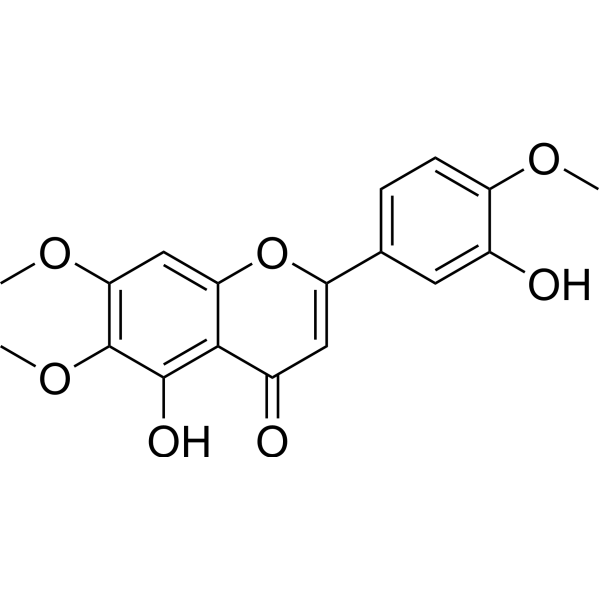
Cat. No.: HY-N2374
CAS No.: 855-96-9
Eupatorin is an orally active flavonoid with antiproliferative and vasodilatory properties. Eupatorin downregulates the expression levels of NF-κB, MMP9, IL-1β and TNF-α. Eupatorin induces apoptosis, G2/M phase cell cycle arrest, and reactive oxygen species (ROS) production. Eupatorin modulates the activities of muscarinic receptors and β-adrenergic receptors; inhibits sarcoplasmic reticulum calcium release and calcium channels; and activates the NO/sGC/cGMP pathway, indomethacin-sensitive pathway, and potassium channel pathway. Eupatorin exerts cytotoxic effects on cancer cell lines, and is metabolized by CYP1A1 and CYP1 family enzymes to form metabolites with antiproliferative activity. Eupatorin can be used in research related to breast cancer, hypertension, and leukemia .
loading...
    loading...
1
1 Cited Publications
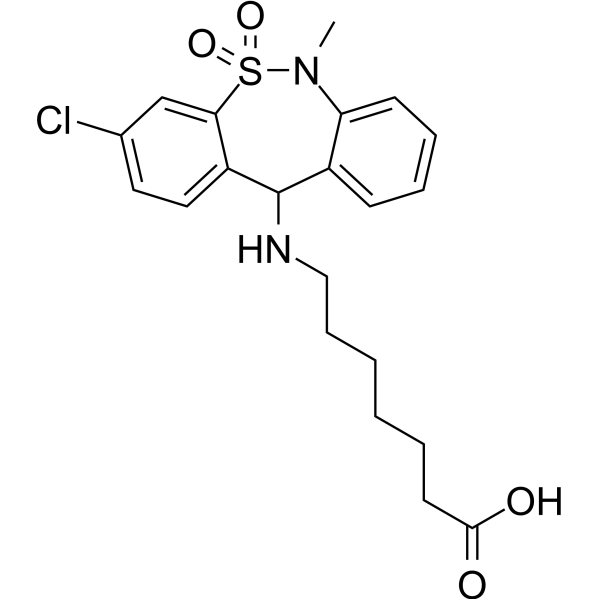
Cat. No.: HY-90003
CAS No.: 72797-41-2
Tianeptine is an atypical antidepressant. Tianeptine is a moderate-intensity agonist of the μ-opioid receptor (MOR), and to a lesser extent, is an agonist of the δ-opioid receptor (DOR). Tianeptine is a glutamate modulator that can enhance AMPA receptor and antagonize NMDA receptor. tianeptine increases sensitivity of the α1 adrenergic receptor, which only manifests in chronic treatment. Tianeptine exerts neuroprotective effects under stress/inflammation-induced conditions, exhibiting anti-inflammatory and antioxidant properties. Tianeptine inhibits MMP-9 by suppressing the PI3K/Akt-mediated NF-κB pathway. Tianeptine can be used to alleviate symptoms of depression and anxiety, but does not cause sedative effects .
loading...
    loading...
1
1 Cited Publications
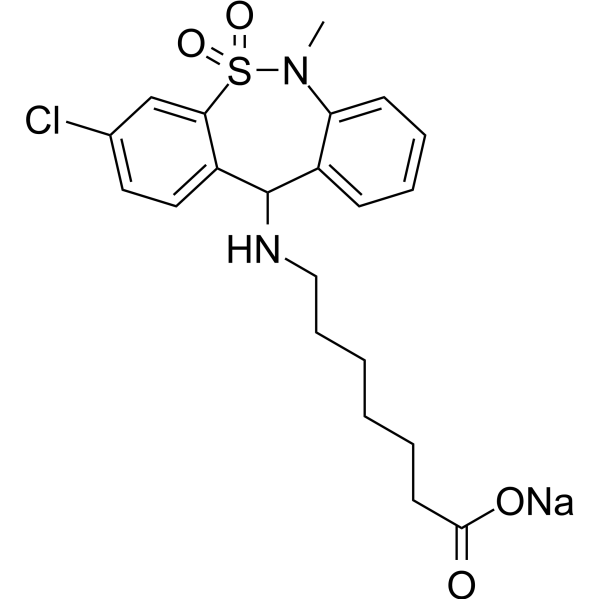
Cat. No.: HY-90003A
CAS No.: 30123-17-2
Tianeptine sodium salt is an atypical antidepressant. Tianeptine sodium salt is a moderate-intensity agonist of the μ-opioid receptor (MOR), and to a lesser extent, is an agonist of the δ-opioid receptor (DOR). Tianeptine sodium salt is a glutamate modulator that can enhance AMPA receptor and antagonize NMDA receptor. Tianeptine sodium salt increases sensitivity of the α1 adrenergic receptor, which only manifests in chronic treatment. Tianeptine sodium salt exerts neuroprotective effects under stress/inflammation-induced conditions, exhibiting anti-inflammatory and antioxidant properties. Tianeptine sodium salt inhibits MMP-9 by suppressing the PI3K/Akt-mediated NF-κB pathway. Tianeptine sodium salt can be used to alleviate symptoms of depression and anxiety, but does not cause sedative effects .
loading...
    loading...
Cat. No.: HY-123012
CAS No.: 391920-32-4
Purity:  98.40%
Synonyms: LY-488756
Target:  

Adrenergic Receptor

Research Areas:  

Others

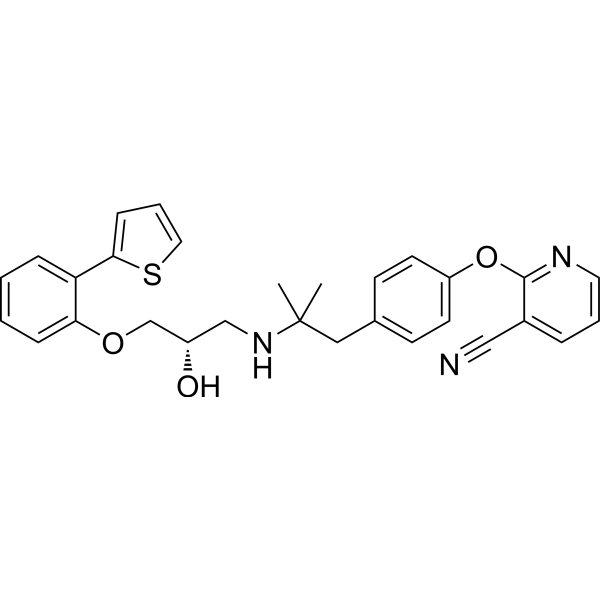
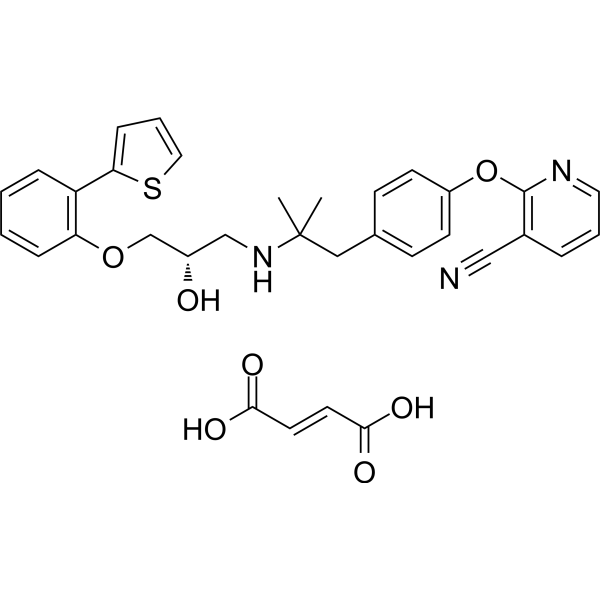
Lubabegron is a potent modulator of β-adrenergic receptor (β-AR). Lubabegron demonstrates antagonistic behavior at the β1 and β 2 receptor subtypes and agonistic behavior at the β 3 receptor subtype in cattle. Lubabegron reduces NH3 gas emissions from an animal or its waste. Lubabegron is available as an animal supplement .
loading...
    loading...
Cat. No.: HY-P2917
CAS No.: 9030-66-4
Synonyms: GyK
Glycerol kinase, microorganism (GyK) acts as a NR4A1 inhibitor with enzymatic activity. It directly binds to and inhibits the transcription factor NR4A1, thereby negatively regulating hepatic gluconeogenesis and reducing blood glucose levels. Glycerol kinase, microorganism positively regulates UCP1 expression via partial dependence on the β-adrenergic receptor-cAMP-CREB pathway, promotes browning of white adipose tissue and thermogenesis, and further modulates intracellular fatty acid composition and energy metabolism. In diabetic mouse models, overexpression of Glycerol kinase effectively antagonizes NR4A1-induced hyperglycemia, demonstrating potential for improving glucose homeostasis. Glycerol kinase, microorganism can be used for studies on diabetes and obesity .
loading...
    loading...
Cat. No.: HY-N1255
CAS No.: 6451-73-6
Synonyms: (-)-Scoulerine; Discretamine
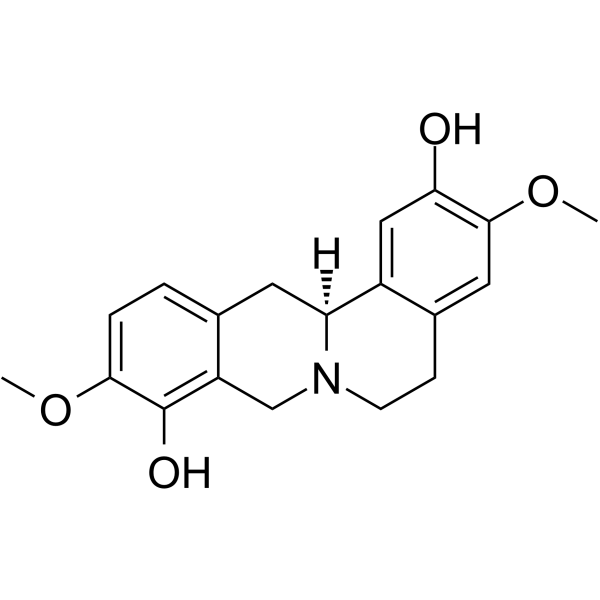
Scoulerine ((-)-Scoulerine; Discretamine) hydrochloride is a multi-target inhibitor with anti-tumor and antioxidant activities. Scoulerine mainly targets the PI3K/Akt/mTOR signaling axis and α1D-adrenergic receptor, disrupts microtubule structure, and induces cell cycle arrest and apoptosis. Scoulerine effectively inhibits mitochondrial dehydrogenase activity, targets GABA receptors and BACE1, and suppresses the proliferation, migration, invasion, epithelial-mesenchymal transition and stem cell properties of cancer cells. Scoulerine also exhibits multiple pharmacological activities including anti-Plasmodium falciparum, antibacterial, antiemetic and antitussive effects, and regulates endoplasmic reticulum stress and mitochondrial function (modulates Bax, Bcl-2 and cytochrome c). Scoulerine is applicable to research related to leukemia, ovarian cancer, and colorectal cancer .
loading...
    loading...
Cat. No.: HY-A0066A
CAS No.: 59-97-2
Synonyms: Imidaline hydrochloride; NSC35110 hydrochloride
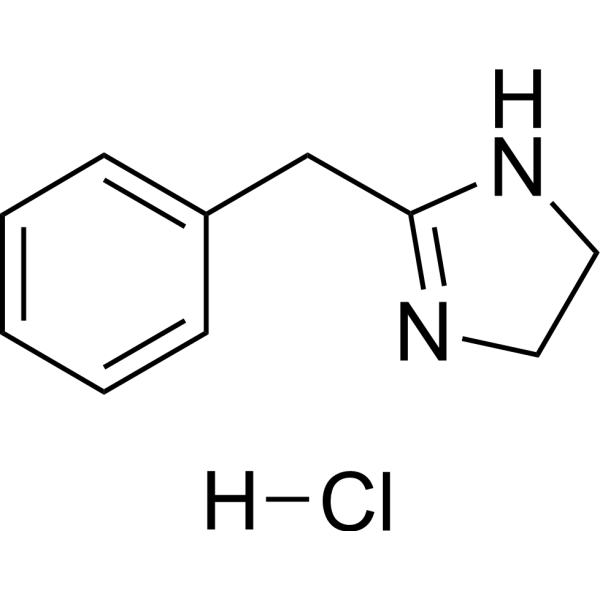
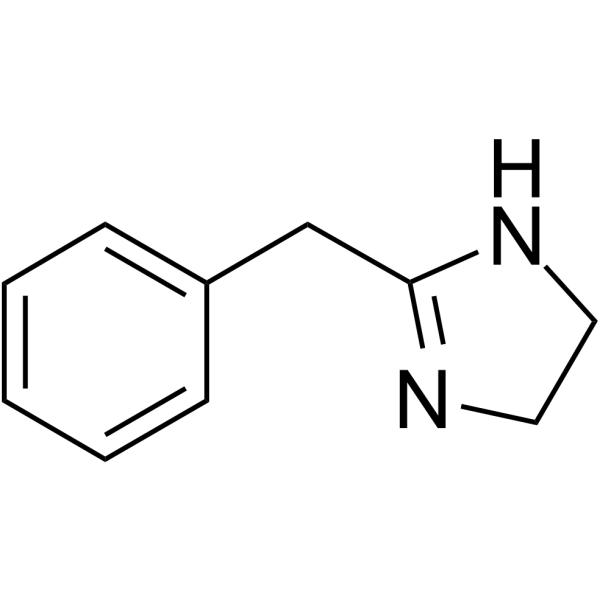
Tolazoline hydrochloride (Imidaline hydrochloride) is an α-adrenergic receptor antagonist. Tolazoline hydrochloride inhibits Noradrenaline (HY-13715)-induced cell contraction, modulates vascular resistance, increases arterial pressure, and reverses bradycardia and tachypnea. Tolazoline hydrochloride can be used to study erectile dysfunction, α2-adrenergic receptor agonist-related poisoning, and skin vascular disease research .
loading...
    loading...
Cat. No.: HY-107580
CAS No.: 306935-41-1
Purity:  99.91%
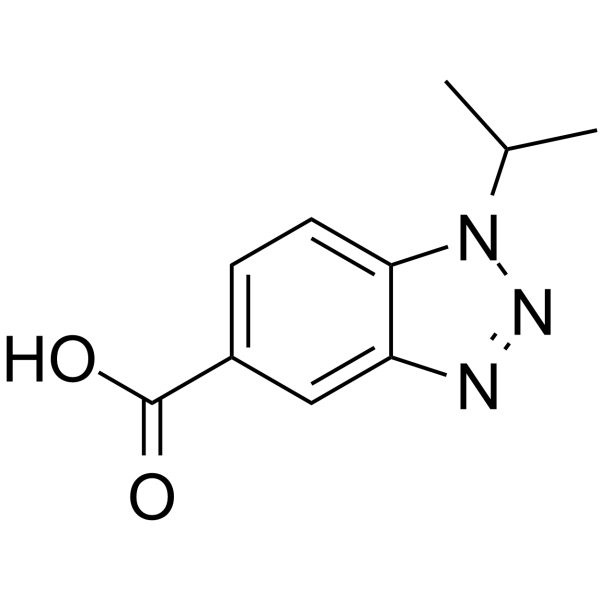
GPR109 receptor agonist-1 is a highly selective agonist of the human orphan G protein-coupled receptor GPR109b, and does not activate the mouse homologous receptor PUMA-G. GPR109 receptor agonist-1 functionally modulates the human GPR109b receptor via the cAMP signaling pathway, with an EC50 of 400 nM. GPR109 receptor agonist-1 inhibits isoproterenol (HY-B0468)-stimulated lipolysis in human subcutaneous adipocytes, with efficacy comparable to that of Niacin (HY-B0143), and does not act on β-adrenergic receptors. GPR109 receptor agonist-1 can be used in studies related to dyslipidemia and atherosclerosis .
loading...
    loading...
Cat. No.: HY-A0066
CAS No.: 59-98-3
Synonyms: Imidaline; NSC35110
Target:  

Adrenergic Receptor

Tolazoline (Imidaline) is an α-adrenergic receptor antagonist. Tolazoline inhibits Noradrenaline (HY-13715)-induced cell contraction, modulates vascular resistance, increases arterial pressure, and reverses bradycardia and tachypnea. Tolazoline can be used to study erectile dysfunction, α2-adrenergic receptor agonist-related poisoning, and skin vascular disease research .
loading...
    loading...
Cat. No.: HY-171978
Target:  

Adrenergic Receptor

Research Areas:  

Cardiovascular Disease

LM-189 is a β2-adrenergic receptor2AR) ligand and G protein-biased modulator with a human β2AR Ki of 0.063 nM.LM-189 promotes β2AR coupling to Gαs and Gαi heterotrimers, stabilizes distinct β2AR conformations including a TM6 outward state, and increases β2AR ICL2 dynamics.LM-189 restricts β2AR ligand-binding pocket conformational heterogeneity, stabilizes polar ligand-receptor interaction networks, and exhibits bias toward Gαi signaling over Gαs signaling.LM-189 enabled cryo-EM structural characterization of the β2AR-Gi complex.LM-189 can be used for the research of congestive heart failure .
loading...
    loading...
Cat. No.: HY-A0144
CAS No.: 709-55-7
Research Areas:  

Cardiovascular Disease

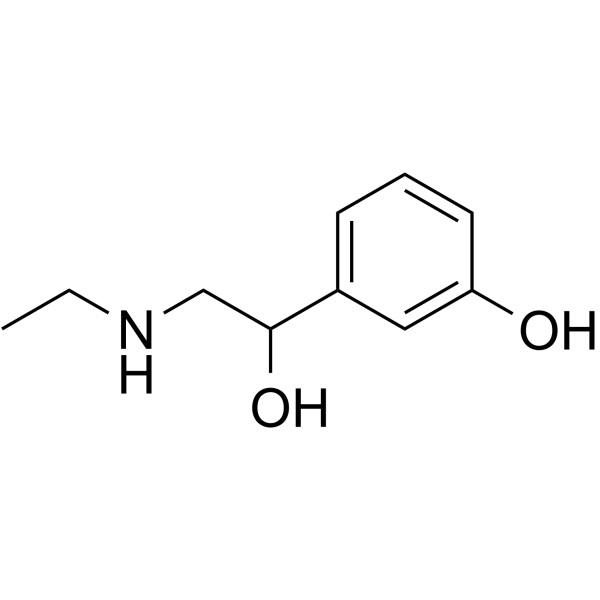
Etilefrine is a sympathetic nerve agonist and AMPK activator that selectively targets α1/β1 adrenergic receptors. Etilefrine stimulates α1 adrenergic receptors, leading to contraction of vascular smooth muscle and increased peripheral resistance. Etilefrine also stimulates β1 receptors to enhance myocardial contractility and increase heart rate, thereby increasing blood pressure and improving cardiac output. Etilefrine also bidirectionally regulates the AMPK/Akt pathway and modulates the phosphorylation levels. Etilefrine can be used in cardiovascular research, such as postural hypotension, chylothorax, and improving low cardiac output .
loading...
    loading...
Cat. No.: HY-A0144A
CAS No.: 943-17-9
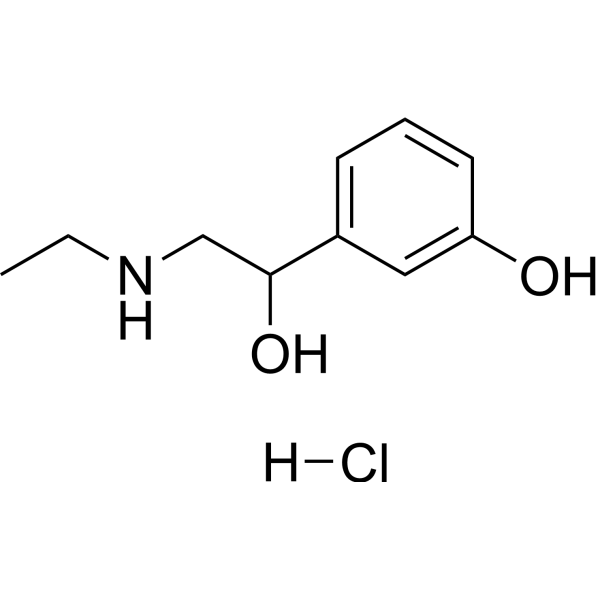
Etilefrine hydrochloride is a sympathetic nerve agonist and AMPK activator that selectively targets α1/β1 adrenergic receptors. Etilefrine hydrochloride stimulates α1 adrenergic receptors, leading to contraction of vascular smooth muscle and increased peripheral resistance. Etilefrine hydrochloride also stimulates β1 receptors to enhance myocardial contractility and increase heart rate, thereby increasing blood pressure and improving cardiac output. Etilefrine hydrochloride also bidirectionally regulates the AMPK/Akt pathway and modulates the phosphorylation levels. Etilefrine hydrochloride can be used in cardiovascular research, such as postural hypotension, chylothorax, and improving low cardiac output .
loading...
    loading...
Cat. No.: HY-123012A
CAS No.: 391926-19-5
Synonyms: LY-591281; LY-488756 fumarate
Target:  

Androgen Receptor

Research Areas:  

Others

Lubabegron fumarate is a potent modulator of β-adrenergic receptor (β-AR). Lubabegron fumarate demonstrates antagonistic behavior at the β1 and β 2 receptor subtypes and agonistic behavior at the β 3 receptor subtype in cattle. Lubabegron fumarate reduces NH3 gas emissions from an animal or its waste. Lubabegron fumarate is available as an animal supplement .
loading...
    loading...
Cat. No.: HY-179226
CAS No.: 2816062-15-2
AP-7-168, molecular glues, is a β-arrestin-biased negative allosteric modulator of the β2-adrenergic receptor (β2AR). AP-7-168 can promote β2AR homodimerization and inhibit GRK5-mediated β2AR phosphorylation. AP-7-168 can sustain bronchorelaxation in cell and tissue. AP-7-168 can be used for the researches of inflammation and immunology, such as asthma .
loading...
    loading...
Cat. No.: HY-120155
CAS No.: 206862-30-8
Target:  

Sigma Receptor iGluR

Research Areas:  

Neurological Disease

MS-377 is a selective and orally active sigma-1 receptor ligand (Ki=73 nM) with weak affinity for sigma-2 receptor (Ki=6900 nM) and no affinity for any other receptors including dopamine, serotonin, PCP site, glutamate, γ-aminobutylic acid, adenosine, adrenergic receptors, etc. (Ki: >10 μM). MS-377 indirectly modulates the NMDA receptor ion-channel complex. MS-377 is a antipsychotic agent. MS-377 inhibits PCP-induced behaviors by inhibition of the increase in dopamine and serotonin release in the rat medial prefrontal cortex. MS-377 can be used for research of schizophrenia .
loading...
    loading...
Cat. No.: HY-90003AR
CAS No.: 30123-17-2
Tianeptine sodium salt (Standard) is the analytical standard of Tianeptine sodium salt (HY-90003A). This product is intended for research and analytical applications. Tianeptine sodium salt is an atypical antidepressant. Tianeptine sodium salt is a moderate-intensity agonist of the μ-opioid receptor (MOR), and to a lesser extent, is an agonist of the δ-opioid receptor (DOR). Tianeptine sodium salt is a glutamate modulator that can enhance AMPA receptor and antagonize NMDA receptor. Tianeptine sodium salt increases sensitivity of the α1 adrenergic receptor, which only manifests in chronic treatment. Tianeptine sodium salt exerts neuroprotective effects under stress/inflammation-induced conditions, exhibiting anti-inflammatory and antioxidant properties. Tianeptine sodium salt inhibits MMP-9 by suppressing the PI3K/Akt-mediated NF-κB pathway. Tianeptine sodium salt can be used to alleviate symptoms of depression and anxiety, but does not cause sedative effects.
loading...
    loading...
Cat. No.: HY-90003S
CAS No.: 1189870-26-5
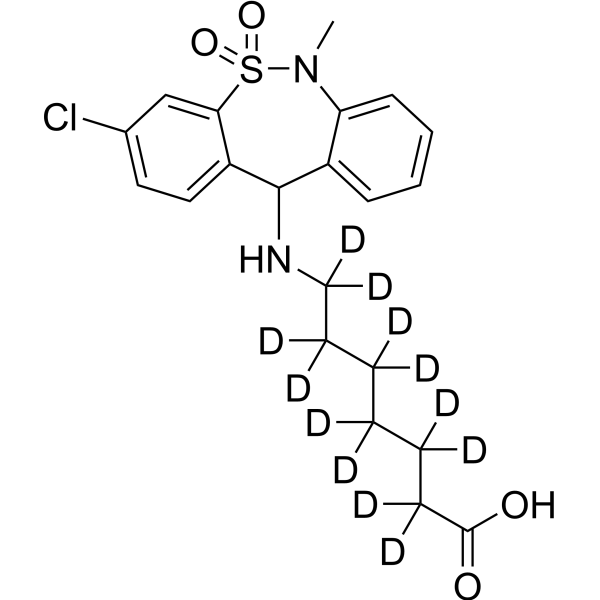
Tianeptine-d12 is a deuterated analog of Tianeptine (HY-90003).Tianeptine is an atypical antidepressant. Tianeptine is a moderate-intensity agonist of the μ-opioid receptor (MOR), and to a lesser extent, is an agonist of the δ-opioid receptor (DOR). Tianeptine is a glutamate modulator that can enhance AMPA receptor and antagonize NMDA receptor. Tianeptine increases sensitivity of the α1 adrenergic receptor, which only manifests in chronic treatment. Tianeptine exerts neuroprotective effects under stress/inflammation-induced conditions, exhibiting anti-inflammatory and antioxidant properties. Tianeptine inhibits MMP-9 by suppressing the PI3K/Akt-mediated NF-κB pathway. Tianeptine can be used to alleviate symptoms of depression and anxiety, but does not cause sedative effects.
loading...
    loading...
Cat. No.: HY-119497
CAS No.: 208842-53-9
SB251023 is a β3-adrenergic receptor agonist with pEC50 values of 7.14 and 6.91 for the β3a- and β3b-adrenergic receptors, respectively. SB251023 is capable of modulating cyclic AMP levels and extracellular acidification rate (EAR) in cells. It has potential application value in the study of cardiovascular diseases and metabolic-related disorders .
loading...
    loading...
Cat. No.: HY-A0066R
CAS No.: 59-98-3
Synonyms: Imidaline (Standard); NSC35110 (Standard)
Tolazoline (Standard) is the analytical standard of Tolazoline. This product is intended for research and analytical applications. Tolazoline (Imidaline) is an α-adrenergic receptor antagonist. Tolazoline inhibits Noradrenaline (HY-13715)-induced cell contraction, modulates vascular resistance, increases arterial pressure, and reverses bradycardia and tachypnea. Tolazoline can be used to study erectile dysfunction, α2-adrenergic receptor agonist-related poisoning, and skin vascular disease research .
loading...
    loading...

