
1. Search Result
Search Result
Pathways Recommended: Apoptosis
Results for "

Apoptosis/Necrosis Inducer

" in MedChemExpress (MCE) Product Catalog:

121

Inhibitors & Agonists

2

Fluorescent Dyes

3

Biochemical Assay Reagents

4

Peptides

3

Inhibitory Antibodies

27

Natural
Products

10

Isotope-Labeled Compounds

2

Antibodies

1

Click Chemistry

4

Oligonucleotides

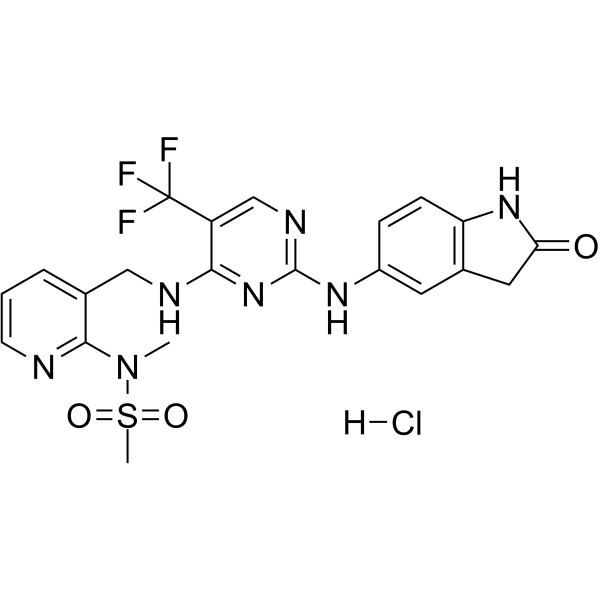
Cat. No. Product Name Target Research Areas Chemical Structure
  • HY-13062
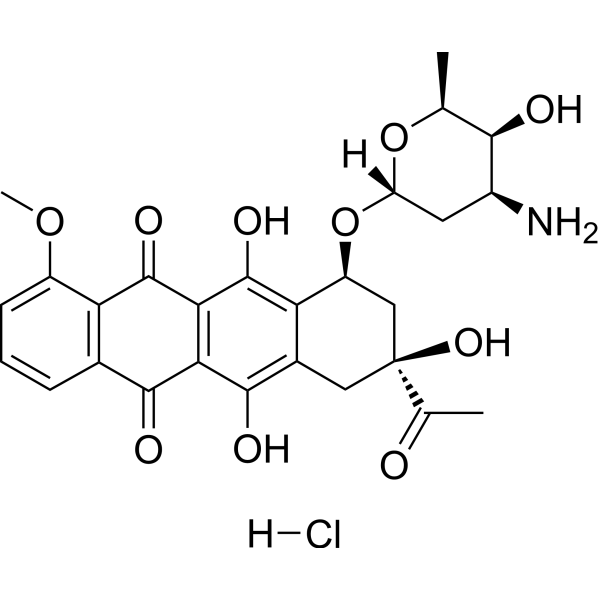
    Daunorubicin hydrochloride
    Maximum Cited Publications
    37 Publications Verification

    Daunomycin hydrochloride; RP 13057 hydrochloride; Rubidomycin hydrochloride

    Topoisomerase DNA/RNA Synthesis ADC Payload Bacterial Autophagy Apoptosis Antibiotic Infection Neurological Disease Cancer
    Daunorubicin (Daunomycin) hydrochloride is a topoisomerase II inhibitor with potent anti-tumor activity. Daunorubicin hydrochloride inhibits DNA and RNA synthesis. Daunorubicin hydrochloride is a cytotoxin that inhibits cancer cell viability and induces apoptosis and necrosis. Daunorubicin hydrochloride is also an anthracycline antibiotic. Daunorubicin hydrochloride can be used in the research of infection and variety of cancers, including leukemia, non-Hodgkin lymphomas, Ewing's sarcoma, Wilms' tumor .
    Daunorubicin hydrochloride
  • HY-101200

    SIN-1 chloride

    Apoptosis Autophagy Reactive Oxygen Species (ROS) Annexin A NF-κB Cardiovascular Disease Neurological Disease Inflammation/Immunology Cancer
    Linsidomine hydrochloride (SIN-1 chloride) is a spontaneous ROS/RNS generator and peroxynitrite donor. Linsidomine hydrochloride is a vasodilator and platelet aggregation inhibitor. Linsidomine hydrochloride induces oxidative stress-induced chondrocyte apoptosis and necrosis. Linsidomine hydrochloride inhibits the migration, proliferation and neointima formation of vascular smooth muscle cells by inhibiting the expression of annexin A2. In addition, low doses of Linsidomine hydrochloride shows protective effects on Zn 2+ treated nerve cells .
    Linsidomine hydrochloride
  • HY-N0194
    Asiatic acid
    4 Publications Verification

    Apoptosis Parasite Inflammation/Immunology Cancer
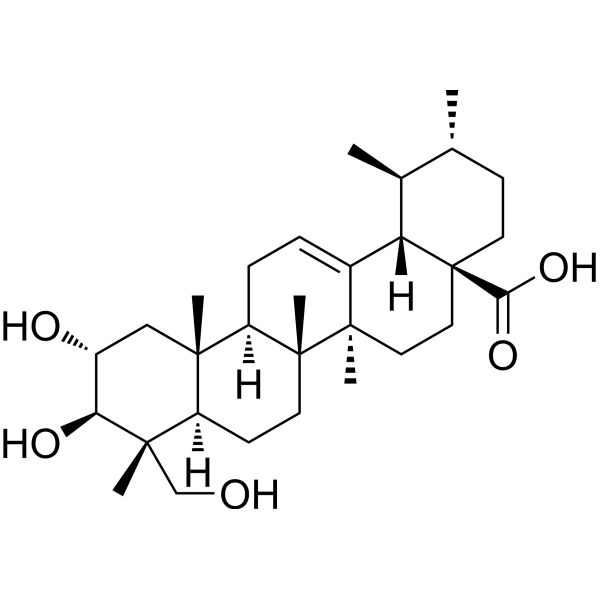
    Asiatic acid, a pentacyclic triterpene found in Centella asiatica (Centella asiatica), has anticancer activity. Asiatic acid induces apoptosis in melanoma cells and has barrier protective effects on human aortic endothelial cells (HAEC). Asiatic acid also has anti-inflammatory activity and inhibits tumor necrosis factor (TNF)-α-induced endothelial barrier dysfunction. Asiatic acid also inhibits NLRP3 inflammasome activation and NF-κB pathway, effectively inhibits inflammation in rats, and has neuroprotective effects in rat spinal cord injury (SCI) model .
    Asiatic acid
  • HY-B0190A
    Nafamostat mesylate
    15+ Cited Publications

    FUT-175

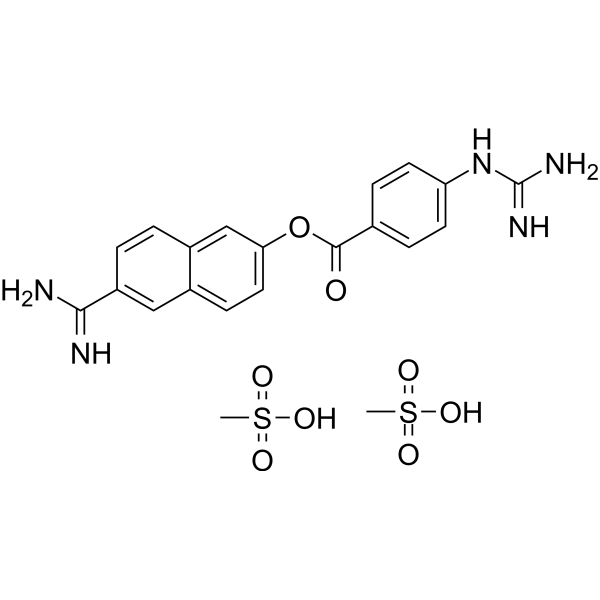
    Flavivirus TNF Receptor NF-κB Apoptosis Ser/Thr Protease Infection Cancer
    Nafamostat mesylate (FUT-175), an anticoagulant, is a synthetic serine protease inhibitor. Nafamostat mesylate has anticancer and antivirus effect. Nafamostat mesylate induce apoptosis by up-regulating the expression of tumor necrosis factor receptor-1 (TNFR1). Nafamostat mesylate can be used in the development of the pathological thickening of the arterial wall .
    Nafamostat mesylate
  • HY-13062A
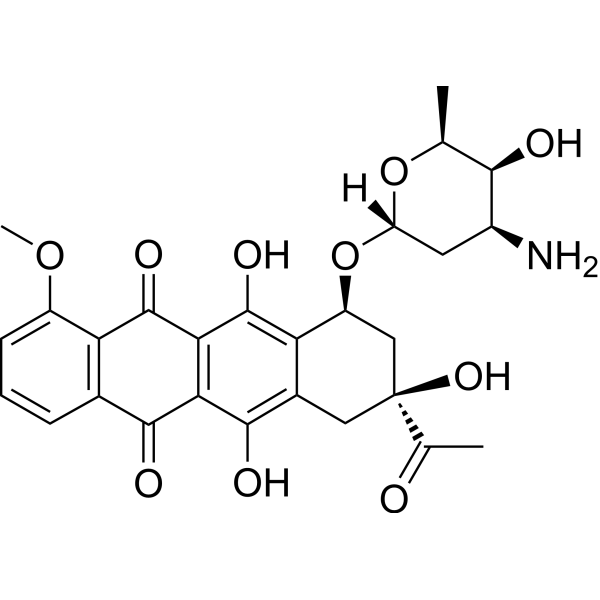
    Daunorubicin
    Maximum Cited Publications
    37 Publications Verification

    Daunomycin; RP 13057; Rubidomycin

    Topoisomerase DNA/RNA Synthesis ADC Payload Autophagy Bacterial Antibiotic Apoptosis Infection Neurological Disease Cancer
    Daunorubicin (Daunomycin) is a topoisomerase II inhibitor with potent anti-tumor activity. Daunorubicin inhibits DNA and RNA synthesis. Daunorubicin is a cytotoxin that inhibits cancer cell viability and induces apoptosis and necrosis. Daunorubicin is also an anthracycline antibiotic. Daunorubicin can be used in the research of infection and variety of cancers, including leukemia, non-Hodgkin lymphomas, Ewing's sarcoma, Wilms' tumor .
    Daunorubicin
  • HY-15425
    PF-543
    20+ Cited Publications

    Sphingosine Kinase 1 Inhibitor II

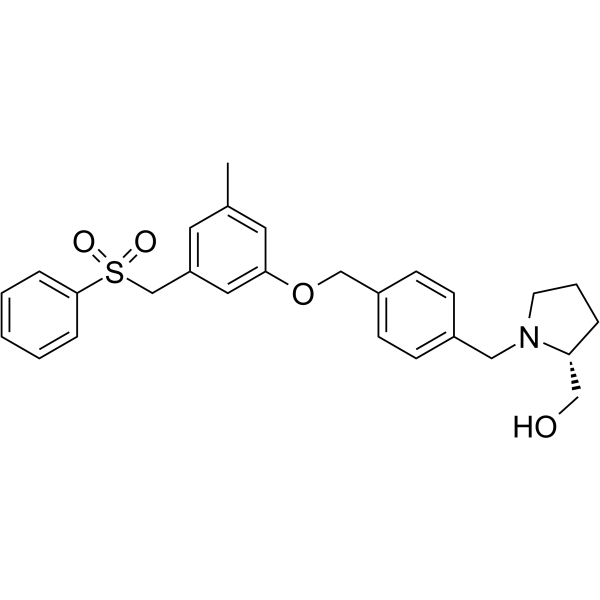
    SphK LPL Receptor Apoptosis Autophagy Cardiovascular Disease Inflammation/Immunology Cancer
    PF-543 (Sphingosine Kinase 1 Inhibitor II) is a potent, selective, reversible and sphingosine-competitive SPHK1 inhibitor with an IC50 of 2 nM and a Ki of 3.6 nM. PF-543 is >100-fold selectivity for SPHK1 over SPHK2. PF-543 is an effective potent inhibitor of sphingosine 1-phosphate (S1P) formation in whole blood with an IC50 of 26.7 nM. PF-543 induces apoptosis, necrosis, and autophagy .
    PF-543
  • HY-W010800

    Topoisomerase DNA/RNA Synthesis Apoptosis Necroptosis Cancer
    Cholesteryl hemisuccinate is a with hepatoprotective an anticancer activity. Cholesteryl hemisuccinate inhibits Acetaminophen (AAP, HY-66005) hepatotoxicity, and prevents AAP-induced hepatic apoptosis and necrosis. Cholesteryl hemisuccinate inhibits DNA polymerase and DNA topoisomerase to inhibit DNA replication and repair and cell division. Thus, Cholesteryl hemisuccinate inhibits tumor growth .
    Cholesteryl hemisuccinate
  • HY-B1218
    Sulfaphenazole
    10+ Cited Publications

    Cytochrome P450 Antibiotic Bacterial Necroptosis Apoptosis Infection Cardiovascular Disease
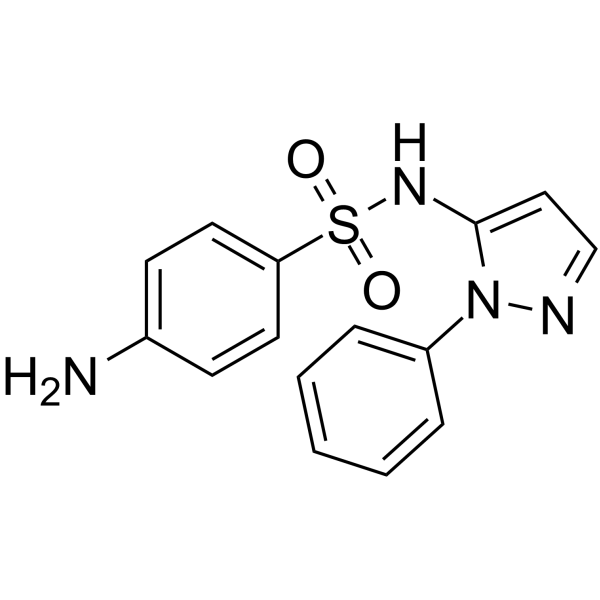
    Sulfaphenazole is a selective inhibitor of human cytochrome P450 (CYP) 2C9 enzyme. Sulfaphenazole is a cytoprotective agent against light-induced death of photoreceptors. Sulfaphenazole inhibits light-induced necrosis and mitochondrial stress-initiated apoptosis. Sulfaphenazole is an off patent sulfonamide antibiotic and demonstrates bactericidal activity through enhanced M1 macrophage activity. Sulfaphenazole can significantly reduce infarct size and restore post-ischemic coronary flow following ischemia and reperfusion .
    Sulfaphenazole
  • HY-B1248
    Chlorhexidine
    10+ Cited Publications

    Environmental Pollutants Antibiotic Necroptosis Bacterial Apoptosis Infection
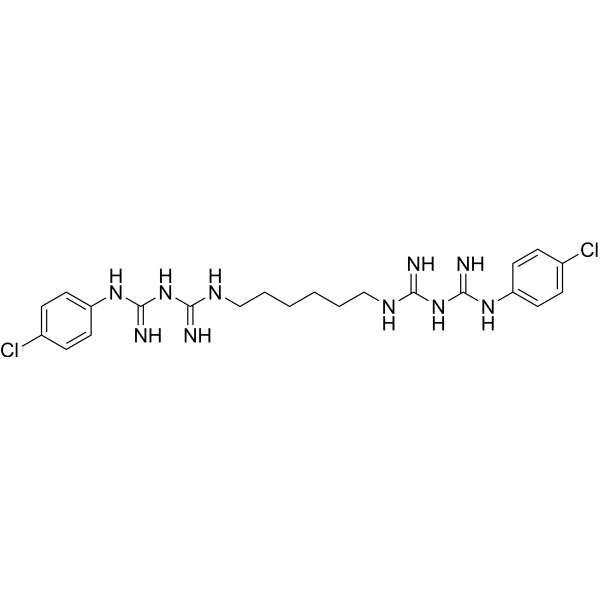
    Chlorhexidine is a orally active cationic antimicrobial agent that targets microbial cell membranes. Chlorhexidine binds to cell membrane phospholipids non-specifically, destroys membrane structure and induces leakage of cell contents. Chlorhexidine has broad-spectrum bactericidal activity against both Gram-positive and Gram-negative bacteria. Chlorhexidine can interfere with membrane permeability, cause protein precipitation and energy metabolism disorders, such as rapid inhibition of microbial growth and induction of cell death (necrosis or apoptosis) .
    Chlorhexidine
  • HY-B0608

    Environmental Pollutants Antibiotic Bacterial Necroptosis Apoptosis Infection
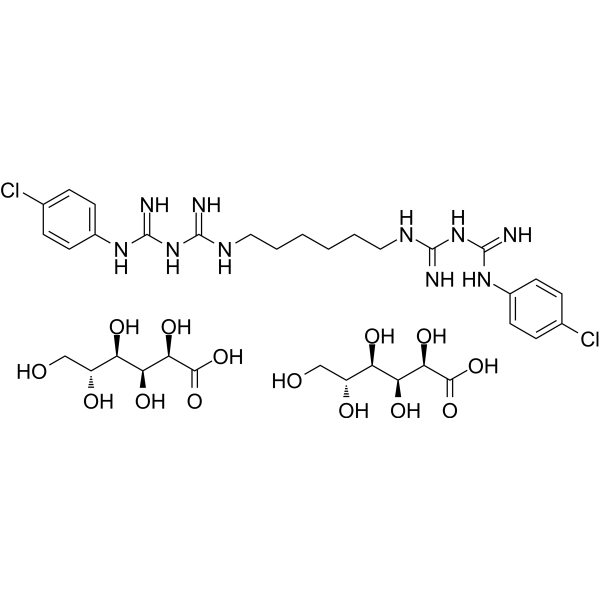
    Chlorhexidine digluconate (20% in water) is a orally active cationic antimicrobial agent that targets microbial cell membranes. Chlorhexidine digluconate (20% in water) binds to cell membrane phospholipids non-specifically, destroys membrane structure and induces leakage of cell contents. Chlorhexidine digluconate (20% in water) has broad-spectrum bactericidal activity against both Gram-positive and Gram-negative bacteria. Chlorhexidine digluconate (20% in water) can interfere with membrane permeability, cause protein precipitation and energy metabolism disorders, such as rapid inhibition of microbial growth and induction of cell death (necrosis or apoptosis) .
    Chlorhexidine digluconate (20% in water)
  • HY-P1860
    TNF-α (31-45), human
    10+ Cited Publications

    TNF Receptor NF-κB Apoptosis Inflammation/Immunology Cancer
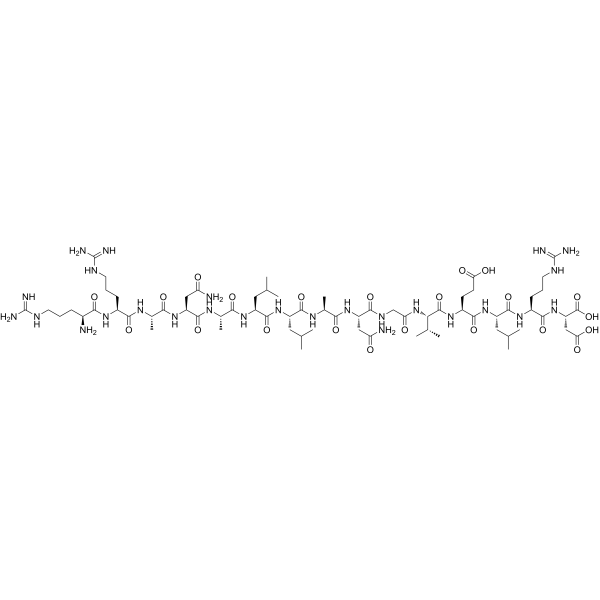
    TNF-α (31-45), human is a potent NF-kB pathway activator. TNF-αis a proinflammatory cytokine that induces necrosis or apoptosis. TNF alpha stimulates NF-κB pathway via TNFR2 promotes cancer growth, invasion, and metastasis .
    TNF-α (31-45), human
  • HY-W010800A

    Cholesterol hydrogen succinate Tris salt; CHS-Tris

    Biochemical Assay Reagents Topoisomerase DNA/RNA Synthesis Apoptosis Necroptosis Inflammation/Immunology Cancer
    Cholesterol hemisuccinate (Cholesterol hydrogen succinate) Tris salt is a compound with hepatoprotective and anticancer activity. Cholesterol hemisuccinate Tris salt inhibits Acetaminophen (AAP) (HY-66005) hepatotoxicity, and prevents AAP-induced hepatic apoptosis and necrosis. Cholesterol hemisuccinate Tris salt inhibits DNA polymerase and DNA topoisomerase to inhibit DNA replication and repair and cell division. Cholesterol hemisuccinate Tris salt inhibits tumor growth. Cholesterol hemisuccinate Tris salt can be used for buffer preparation .
    Cholesterol hemisuccinate Tris salt
  • HY-W013699
    Chlorhexidine diacetate
    10+ Cited Publications

    Environmental Pollutants Antibiotic Necroptosis Bacterial Apoptosis Infection
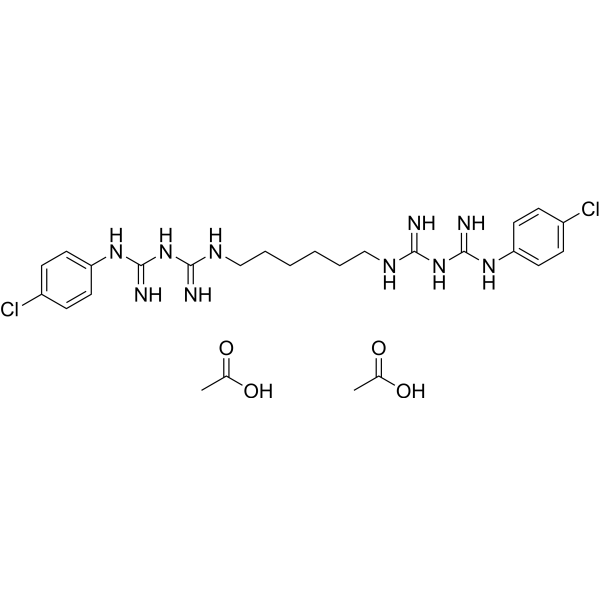
    Chlorhexidine diacetate is a orally active cationic antimicrobial agent that targets microbial cell membranes. Chlorhexidine diacetate binds to cell membrane phospholipids non-specifically, destroys membrane structure and induces leakage of cell contents. Chlorhexidine diacetate has broad-spectrum bactericidal activity against both Gram-positive and Gram-negative bacteria. Chlorhexidine diacetate can interfere with membrane permeability, cause protein precipitation and energy metabolism disorders, such as rapid inhibition of microbial growth and induction of cell death (necrosis or apoptosis) .
    Chlorhexidine diacetate
  • HY-113341
    7β-Hydroxycholesterol
    2 Publications Verification

    Reactive Oxygen Species (ROS) Apoptosis Interleukin Related Cardiovascular Disease Neurological Disease Inflammation/Immunology Cancer
    7β-Hydroxycholesterol is an oxysterol that derived by the oxidation of cholesterol. 7β-hydroxycholesterol can induce cellular oxidative stress, apoptosis, and necrosis, resulting in cytotoxicity. 7β-hydroxycholesterol has antitumor activity .
    7β-Hydroxycholesterol
  • HY-B0863
    Glyphosate
    1 Publications Verification

    Environmental Pollutants Necroptosis Apoptosis Autophagy Neurological Disease
    Glyphosate, a non-selective systemic biocide with broad-spectrum activity, is an herbicidal derivative of the amino acid glycine. Glyphosate inhibits the enzymatic activity of the 5-endopyruvylshikimate 3-phosphate synthase (EPSPS) in the shikimic acid pathway, preventing the synthesis of the aromatic amino acids tyrosine, phenylalanine, and tryptophan. Glyphosate induces oxidative stress, neuroinflammation, and mitochondrial dysfunction, processes that lead to neuronal death by autophagia, necrosis, or apoptosis, as well as the appearance of behavioral and motor disorders .
    Glyphosate
  • HY-113332
    Myristoleic acid
    1 Publications Verification

    Environmental Pollutants Endogenous Metabolite Apoptosis Inflammation/Immunology
    Myristoleic acid, a cytotoxic component in the extract from Serenoa repens, induces apoptosis and necrosis in human prostatic LNCaP cells .
    Myristoleic acid
  • HY-B0886A
    Iproniazid
    2 Publications Verification

    Monoamine Oxidase Apoptosis Neurological Disease Metabolic Disease Endocrinology
    Iproniazid is an orally active, irreversible, non-selective monoamine oxidase (MAO) inhibitor. Iproniazid inhibits MAO activity and enhances Rotenone (HY-B1756)-induced Apoptosis. Iproniazid modulates neurotransmitter levels, affects neuronal function, induces hepatic necrosis, and interferes with the endocrine system. Iproniazid can be used in the research of depression, Parkinson's disease, and hepatotoxicity .
    Iproniazid
  • HY-W014839

    Sodium cyclamate; Cyclohexylsulfamic acid sodium

    Environmental Pollutants Necroptosis Apoptosis Metabolic Disease Cancer
    Cyclamic acid sodium (Sodium cyclamate) is a commonly used sweetener. Cyclamic acid sodium is toxic to osteoblasts and can inhibit cell proliferation, induce apoptosis and reduce cell mineralization. Cyclamic acid sodium causes focal necrosis of bladder organs in rats in vitro, which can promote bladder cancer, but some studies have shown that low doses of Cyclamic acid sodium have no carcinogenic effect. In addition, Cyclamic acid sodium has no effect on insulin and glucagon secretion induced by arginine .
    Cyclamic acid sodium
  • HY-NP006
    Protein A
    1 Publications Verification

    SPA

    Endogenous Metabolite Apoptosis Inflammation/Immunology
    Protein A (SPA) is an immunoglobulin (Ig)-binding protein that exists on the bacterial surface and can be freely secreted into the extracellular environment. Protein A blocks opsonophagocytosis and induces B cell apoptosis in vitro by binding to the Fc region of antibodies and the Fab region of B cell receptors. Protein A can form toxic immune complexes with IgG, thereby inducing leukocyte necrosis. Protein A contributes to the virulence expression of Staphylococcus aureus. Protein A triggers allergic reactions in IgG-pretreated mouse models. Protein A can be used in studies related to immune system diseases .
    Protein A
  • HY-15425A
    PF-543 Citrate
    20+ Cited Publications

    Sphingosine Kinase 1 Inhibitor II Citrate

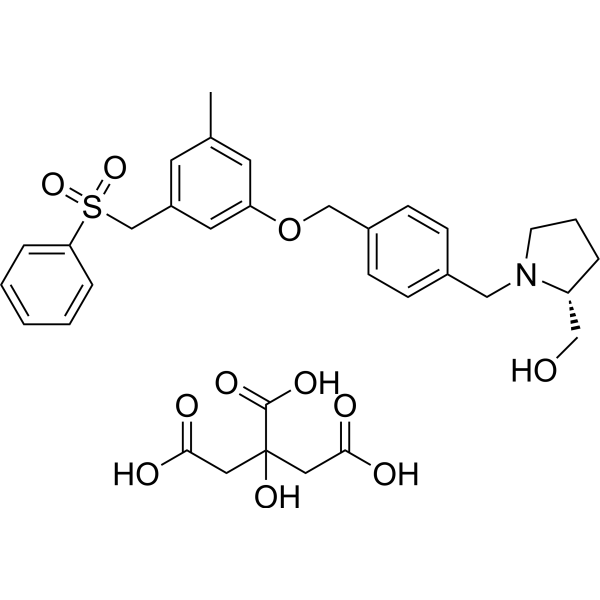
    SphK LPL Receptor Apoptosis Autophagy Cardiovascular Disease Inflammation/Immunology Cancer
    PF-543 Citrate (Sphingosine Kinase 1 Inhibitor II Citrate) is a potent, selective, reversible and sphingosine-competitive SPHK1 inhibitor with an IC50 of 2 nM and a Ki of 3.6 nM. PF-543 Citrate is >100-fold selectivity for SPHK1 over SPHK2. PF-543 Citrate is an effective potent inhibitor of sphingosine 1-phosphate (S1P) formation in whole blood with an IC50 of 26.7 nM. PF-543 Citrate induces apoptosis, necrosis, and autophagy .
    PF-543 Citrate
  • HY-P99934
    Eftozanermin alfa
    1 Publications Verification

    ABBV-621

    Apoptosis Caspase TNF Receptor Cancer
    Eftozanermin alfa (ABBV-621) is a tumor necrosis factor-related apoptosis-inducing ligand receptor (TRAIL-R) agonist. Eftozanermin alfa is a fusion protein consisting of a mutant immunoglobulin G1-Fc linked to 2 single-chain trimers of TRAIL. Eftozanermin alfa induces apoptosis in tumor cells by activation of death receptors (DR4 receptor and DR5 receptor) with Kds of 780 nM and 635 nM. Eftozanermin alfa can be used for the research of multiple solid and heme malignancies .
    Eftozanermin alfa
  • HY-Y0651

    Environmental Pollutants Biochemical Assay Reagents Infection Inflammation/Immunology
    Sodium sulfite is an inorganic salt used as an antioxidant and preservative. Sodium sulfite is also used in sulfonation and sulfomethylation reactions. Sodium sulfite can also be used as a bleaching agent, desulfurizer, and dechlorinator. Sodium sulfite inhibits hepatocyte proliferation, promotes hepatocyte apoptosis and necrosis, and impairs mitochondrial integrity. Sodium sulfite induces superoxide anion production, primes neutrophils for enhanced superoxide anion generation, and induces neutrophil gene expression. Sodium sulfite can be used in studies related to pulmonary inflammation and gastric tissue injury .
    Sodium sulfite
  • HY-N3029
    Noreugenin
    2 Publications Verification

    Interleukin Related Apoptosis Glutathione Peroxidase SOD Glutathione S-transferase Necroptosis Inflammation/Immunology
    Noreugenin is a phenolic compound found in Calea uniflora Less. Noreugenin inhibits myeloperoxidase activity and reduces levels of proinflammatory cytokines IL-1β and IL-17A levels in LPS (HY-D1056)-induced murine pleurisy model. Noreugenin reduces apoptosis and necrosis. Noreugenin reduces lipid peroxidation, and antioxidant enzyme (CAT, SOD, GST) activity. Noreugenin exhibits anti-inflammatory and antioxidant effects. Noreugenin can be used for the research of inflammatory conditions, such as pleurisy .
    Noreugenin
  • HY-B1145
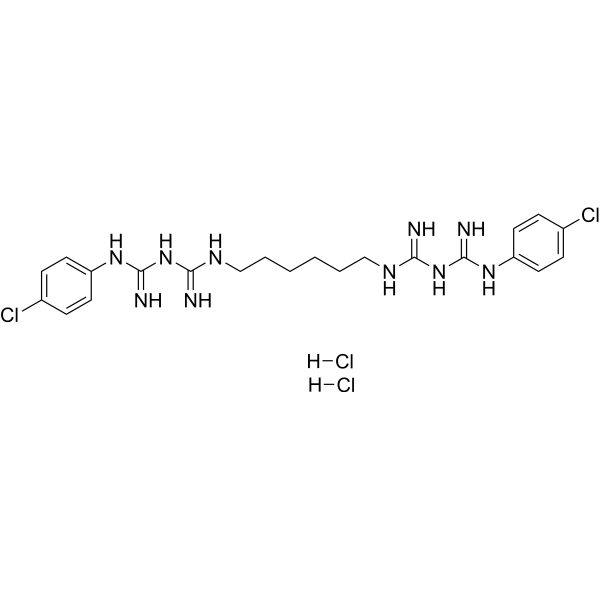
    Chlorhexidine dihydrochloride
    10+ Cited Publications

    Environmental Pollutants Antibiotic Apoptosis Bacterial Necroptosis Infection
    Chlorhexidine dihydrochloride is a orally active cationic antimicrobial agent that targets microbial cell membranes. Chlorhexidine dihydrochloride binds to cell membrane phospholipids non-specifically, destroys membrane structure and induces leakage of cell contents. Chlorhexidine dihydrochloride has broad-spectrum bactericidal activity against both Gram-positive and Gram-negative bacteria. Chlorhexidine dihydrochloride can interfere with membrane permeability, cause protein precipitation and energy metabolism disorders, such as rapid inhibition of microbial growth and induction of cell death (necrosis or apoptosis) .
    Chlorhexidine dihydrochloride
  • HY-101849
    Fasentin
    4 Publications Verification

    GLUT TNF Receptor Apoptosis Cardiovascular Disease Cancer
    Fasentin, a potent glucose uptake inhibitor, inhibits GLUT-1/GLUT-4 transporters. Fasentin preferentially inhibits GLUT4 (IC50=68 μM) over GLUT1. Fasentin is a death receptor stimuli (FAS) sensitizer and sensitizes cells to FAS-induced cell death. Fasentin is also a tumor necrosis factor (TNF) apoptosis-inducing ligand sensitizer. Fasentin blocks glucose uptake in cancer cell lines and has anti-angiogenic activity .
    Fasentin
  • HY-B0541

    Cyclohexylsulfamic acid; Cyclamate

    Environmental Pollutants Apoptosis Necroptosis Metabolic Disease Cancer
    Cyclamic acid (Cyclamate) is a commonly used sweetener. Cyclamic acid sodium is toxic to osteoblasts and can inhibit cell proliferation, induce apoptosis and reduce cell mineralization. Cyclamic acid sodium causes focal necrosis of bladder organs in rats in vitro, which can promote bladder cancer, but some studies have shown that low doses of Cyclamic acid sodium have no carcinogenic effect. In addition, Cyclamic acid sodium has no effect on insulin and glucagon secretion induced by arginine .
    Cyclamic acid
  • HY-B0886
    Iproniazid phosphate
    2 Publications Verification

    Monoamine Oxidase Apoptosis Neurological Disease Metabolic Disease Endocrinology
    Iproniazid phosphate is an orally active, irreversible, non-selective monoamine oxidase (MAO) inhibitor. Iproniazid phosphate inhibits MAO activity and enhances Rotenone (HY-B1756)-induced Apoptosis. Iproniazid phosphate modulates neurotransmitter levels, affects neuronal function, induces hepatic necrosis, and interferes with the endocrine system. Iproniazid phosphate can be used in the research of depression, Parkinson's disease, and hepatotoxicity .
    Iproniazid phosphate
  • HY-W012985

    ATP Synthase Apoptosis Metabolic Disease Cancer
    Methyl pyruvate is a methyl ester derivative of pyruvic acid. Methyl pyruvate induces insulin release and membrane depolarization. Methyl pyruvate rescues proteasome damage and nuclear localization of TdP-43 caused by overexpression of σ1RE102Q by enhancing ATP synthesis. Methyl pyruvate selectively protects normal lung fibroblasts from cell death induced by Irinotecan (HY-16562). Methyl pyruvate promotes apoptosis and necrosis in cancer cells and downregulates angiogenesis and cell cycle pathways. Methyl pyruvate is an effective substrate for dihydrodihydrogen dehydrogenase.
    Methyl pyruvate
  • HY-W747676

    Isotope-Labeled Compounds Apoptosis Autophagy Necroptosis Neurological Disease
    Glyphosate- 13C is the 13C-labeled Glyphosate (HY-B0863). Glyphosate, a non-selective systemic biocide with broad-spectrum activity, is an herbicidal derivative of the amino acid glycine. Glyphosate inhibits the enzymatic activity of the 5-endopyruvylshikimate 3-phosphate synthase (EPSPS) in the shikimic acid pathway, preventing the synthesis of the aromatic amino acids tyrosine, phenylalanine, and tryptophan. Glyphosate induces oxidative stress, neuroinflammation, and mitochondrial dysfunction, processes that lead to neuronal death by autophagia, necrosis, or apoptosis, as well as the appearance of behavioral and motor disorders .
    Glyphosate-13C
  • HY-P1860A
    TNF-α (31-45), human TFA
    10+ Cited Publications

    TNF Receptor NF-κB Apoptosis Inflammation/Immunology
    TNF-α (31-45), human TFA is a potent NF-kB pathway activator. TNF-αis a proinflammatory cytokine that induces necrosis or apoptosis. TNF alpha stimulates NF-κB pathway via TNFR2 promotes cancer growth, invasion, and metastasis .
    TNF-α (31-45), human TFA
  • HY-126193

    NO Synthase Apoptosis Autophagy Reactive Oxygen Species (ROS) Cancer
    JS-K is a NO donor that reacts with glutathione to generate NO at physiological pH. JS-K induces reactive oxygen species (ROS) to mediate apoptosis. JS-K induces autophagy. JS-K inhibits invasion. JS-K has a broad spectrum anti-proliferative activity in cancer cells. JS-K reduces tumor volume and causes necrosis of implanted tumors in mice .
    JS-K
  • HY-161865

    Apoptosis Cancer
    Antitumor agent-180 (Compound 13a) is an inhibitor for BUB1 mitotic checkpoint serine/threonine kinase B (BUB1B). Antitumor agent-180 inhibits the proliferation of ccRCC cell Caki-1 with IC50 of 2.047 µM. Antitumor agent-180 induces necrosis and apoptosis in Caki-1 .
    Antitumor agent-180
  • HY-W010800R

    Reference Standards Topoisomerase DNA/RNA Synthesis Apoptosis Necroptosis Cancer
    Cholesteryl hemisuccinate (Standard) is the analytical standard of Cholesteryl hemisuccinate. This product is intended for research and analytical applications. Cholesteryl hemisuccinate is a with hepatoprotective an anticancer activity. Cholesteryl hemisuccinate inhibits Acetaminophen (AAP, HY-66005) hepatotoxicity, and prevents AAP-induced hepatic apoptosis and necrosis. Cholesteryl hemisuccinate inhibits DNA polymerase and DNA topoisomerase to inhibit DNA replication and repair and cell division. Thus, Cholesteryl hemisuccinate inhibits tumor growth[1][2].
    Cholesteryl hemisuccinate (Standard)
  • HY-N0194R

    Reference Standards Apoptosis Parasite Inflammation/Immunology Cancer
    Asiatic acid (Standard) is the analytical standard of Asiatic acid. This product is intended for research and analytical applications. Asiatic acid, a pentacyclic triterpene found in Centella asiatica (Centella asiatica), has anticancer activity. Asiatic acid induces apoptosis in melanoma cells and has barrier protective effects on human aortic endothelial cells (HAEC). Asiatic acid also has anti-inflammatory activity and inhibits tumor necrosis factor (TNF)-α-induced endothelial barrier dysfunction. Asiatic acid also inhibits NLRP3 inflammasome activation and NF-κB pathway, effectively inhibits inflammation in rats, and has neuroprotective effects in rat spinal cord injury (SCI) model .
    Asiatic acid (Standard)
  • HY-N10520

    Methyl protopectin; Polygalacturonic acid

    Apoptosis Necroptosis Endogenous Metabolite Inflammation/Immunology Cancer
    Pectic acid (Methyl protopectin), a polygalacturonic acid, induces cell apoptosis and necrosis in pituitary tumor cells. Pectic acid can be used in the research of cancers and autoimmune disease .
    Pectic acid
  • HY-168926

    Reactive Oxygen Species (ROS) Apoptosis Cancer
    NQO2-IN-1 (Compound 20b) is the inhibitor for quinone oxidoreductase (NQO) that inhibits NQO2 with an IC50 of 95 nM. NQO2-IN-1 overcomes the resistance of NSCLC cells to tumor necrosis factor-related apoptosis-inducing ligand (TRAIL) by induction of ROS and apoptosis .
    NQO2-IN-1
  • HY-172089

    Apoptosis Cancer
    TG101209 analog 1 (Compound 8h) is an inhibitor for BUB1B with an IC50 of 10.36 μM. TG101209 analog 1 exhibits cytotoxicity (IC50 for Caki-1 is 1.347 μM), induce necrosis and apoptosis .
    TG101209 analog 1
  • HY-B0190

    Flavivirus TNF Receptor NF-κB Apoptosis Ser/Thr Protease Infection Cancer
    Nafamostat, an anticoagulant, is a synthetic serine protease inhibitor. Nafamostat has anticancer and antivirus effect. Nafamostat induce apoptosis by up-regulating the expression of tumor necrosis factor receptor-1 (TNFR1). Nafamostat can be used in the development of the pathological thickening of the arterial wall .
    Nafamostat
  • HY-156432

    Anaplastic lymphoma kinase (ALK) mTOR PARP Caspase Cancer
    ALK-IN-26 is an ALK inhibitor with IC50 value of 7.0 μM for ALK tyrosine kinase. ALK-IN-26 has good pharmacokinetic properties and blood-brain barrier (BBB) permeability. ALK-IN-26 can induce apoptosis, autophagy and necrosis. ALK-IN-26 can be used in glioblastoma studies .
    ALK-IN-26
  • HY-P3385

    SCB-313

    Drug Derivative Apoptosis Cancer
    Rilunermin alfa (SCB-313) is a recombinant fusion protein composed of the human C-propeptide of alpha1(I) collagen (Trimer-Tag) to the C-terminus of the mature human tumor necrosis factor (TNF)-related apoptosis-inducing ligand (TRAIL; Apo2L). Rilunermin alfa has potential pro-apoptotic and antineoplastic activities .
    Rilunermin alfa
  • HY-15425B

    Sphingosine Kinase 1 Inhibitor II hydrochloride

    SphK LPL Receptor Apoptosis Autophagy Cardiovascular Disease Inflammation/Immunology Cancer
    PF-543 hydrochloride (Sphingosine Kinase 1 Inhibitor II hydrochloride) is a potent, selective, reversible and sphingosine-competitive SPHK1 inhibitor with an IC50 of 2 nM and a Ki of 3.6 nM. PF-543 hydrochloride is >100-fold selectivity for SPHK1 over SPHK2. PF-543 hydrochloride is an effective potent inhibitor of sphingosine 1-phosphate (S1P) formation in whole blood with an IC50 of 26.7 nM. PF-543 hydrochloride induces apoptosis, necrosis, and autophagy .
    PF-543 hydrochloride
  • HY-B1145S

    Isotope-Labeled Compounds Antibiotic Bacterial Necroptosis Apoptosis Infection
    Chlorhexidine-d8 (dihydrochloride) is the deuterium labeled Chlorhexidine dihydrochloride (HY-B1145). Chlorhexidine dihydrochloride is a orally active cationic antimicrobial agent that targets microbial cell membranes. Chlorhexidine dihydrochloride binds to cell membrane phospholipids non-specifically, destroys membrane structure and induces leakage of cell contents. Chlorhexidine dihydrochloride has broad-spectrum bactericidal activity against both Gram-positive and Gram-negative bacteria. Chlorhexidine dihydrochloride can interfere with membrane permeability, cause protein precipitation and energy metabolism disorders, such as rapid inhibition of microbial growth and induction of cell death (necrosis or apoptosis) .
    Chlorhexidine-d8 dihydrochloride
  • HY-B1248R

    Reference Standards Antibiotic Bacterial Necroptosis Apoptosis Infection
    Chlorhexidine (Standard) is the analytical standard of Chlorhexidine (HY-B1248). This product is intended for research and analytical applications. Chlorhexidine is a orally active cationic antimicrobial agent that targets microbial cell membranes. Chlorhexidine binds to cell membrane phospholipids non-specifically, destroys membrane structure and induces leakage of cell contents. Chlorhexidine has broad-spectrum bactericidal activity against both Gram-positive and Gram-negative bacteria. Chlorhexidine can interfere with membrane permeability, cause protein precipitation and energy metabolism disorders, such as rapid inhibition of microbial growth and induction of cell death (necrosis or apoptosis) .
    Chlorhexidine (Standard)
  • HY-W144308

    TCHQ; Tetrachloroquinol

    Drug Metabolite Necroptosis Reactive Oxygen Species (ROS) Apoptosis Metabolic Disease Cancer
    Tetrachlorohydroquinone (TCHQ) is a metabolite of Pentachlorophenol. Tetrachlorohydroquinone induces reactive oxidant stress (ROS), inhibits apoptosis and induces necrosis in primary mouse splenocytes. Tetrachlorohydroquinone increases DNA lesions and induces oxidative stress in rodents .
    Tetrachlorohydroquinone
  • HY-15615A
    Dordaviprone
    5+ Cited Publications

    TIC10; ONC-201

    TNF Receptor Apoptosis Cancer
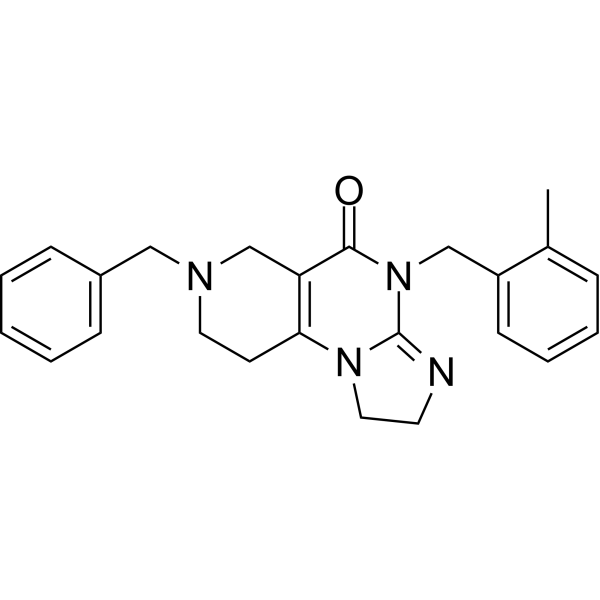
    Dordaviprone (TIC10) is a potent, orally active, and stable tumor necrosis factor-related apoptosis-inducing ligand (TRAIL) inducer which acts by inhibiting Akt and ERK, consequently activating Foxo3a and significantly inducing cell surface TRAIL. Dordaviprone can cross the blood-brain barrier .
    Dordaviprone
  • HY-B0190AR

    FUT-175 (Standard)

    Flavivirus TNF Receptor NF-κB Apoptosis Ser/Thr Protease Reference Standards Infection Cancer
    Nafamostat (mesylate) (Standard) is the analytical standard of Nafamostat (mesylate). This product is intended for research and analytical applications. Nafamostat mesylate (FUT-175), an anticoagulant, is a synthetic serine protease inhibitor. Nafamostat mesylate has anticancer and antivirus effect. Nafamostat mesylate induce apoptosis by up-regulating the expression of tumor necrosis factor receptor-1 (TNFR1). Nafamostat mesylate can be used in the development of the pathological thickening of the arterial wall .
    Nafamostat mesylate (Standard)
  • HY-175869

    Ferroptosis Metabolic Disease Inflammation/Immunology
    Ferroptosis-IN-22 is a selective ferroptosis inhibitor by targeting NCOA4 and disrupting its interaction with ferritin with an EC50 of 520 nM and a Kd of 0.78 μM. Ferroptosis-IN-22 has a strong inhibitory activity against ferroptosis induced by multiple ferroptosis inducers (RSL3 (HY-100218A), Erastin (HY-15763), ML210 (HY-100003), FIN56 (HY-103087)), but does not inhibit necrosis induced by H2O2 or apoptosis induced by STS (HY-15141). Ferroptosis-IN-22 effectively ameliorates Concanavalin A (HY-P2149)-induced acute liver injury. Ferroptosis-IN-22 can be used for the study of ferroptosis-related diseases .
    Ferroptosis-IN-22
  • HY-W727999

    Apoptosis Cancer
    Koenimbine is an anticancer agent that can be obtained from the leaves and fruits of Murraya koenigii. Koenimbine can induce apoptosis and necrosis in HT-29 and SW48 cells. Koenimbine can be used in the research of cancer .
    Koenimbine
  • HY-N10443

    Parasite Apoptosis Autophagy Reactive Oxygen Species (ROS) Infection
    Mammea A/BA has potent activity against Trypanosoma cruzi (T. cruzi). Mammea A/BA induces mitochondrial dysfunction, reactive oxygen species (ROS) production and DNA fragmentation, and increases number of acidic vacuoles. Mammea A/BA can induce apoptosis, autophagy and necrosis. Mammea A/BA can be used for researching chagas disease .
    Mammea A/BA
  • HY-N1214A

    (E/Z)-Super Squalene; (E/Z)-AddaVax

    Apoptosis Cancer
    (E/Z)-Squalene ((E/Z)-Super Squalene; (E/Z)-AddaVax) is a triterpenic compound. (E/Z)-Squalene accumulates and reduces liver cholesterol and triglycerides in the liver. (E/Z)-Squalen regulates the production of intracellular active oxidants (ROS) and induces apoptosis and necrosis in a concentration-and time-dependent manner .
    (E/Z)-Squalene

Inquiry Online

Your information is safe with us. * Required Fields.

Salutation


Country or Region *

Applicant Name *


Organization Name *

Department *


Email Address *


Product Name *

Cat. No.


Requested quantity *

Phone Number *


Remarks

Inquiry Online

Inquiry Information

Product Name:
Cat. No.:
Quantity:
MCE Japan Authorized Agent:

