
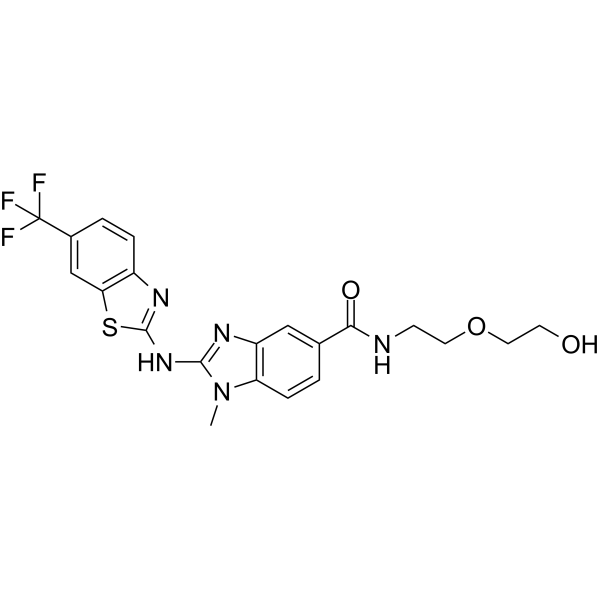
191 Results for "

COPD

" in MedChemExpress (MCE) Product Catalog:
Products (191)

191 Results for "COPD" in MCE Product Catalog:

36
36 Publications Verification
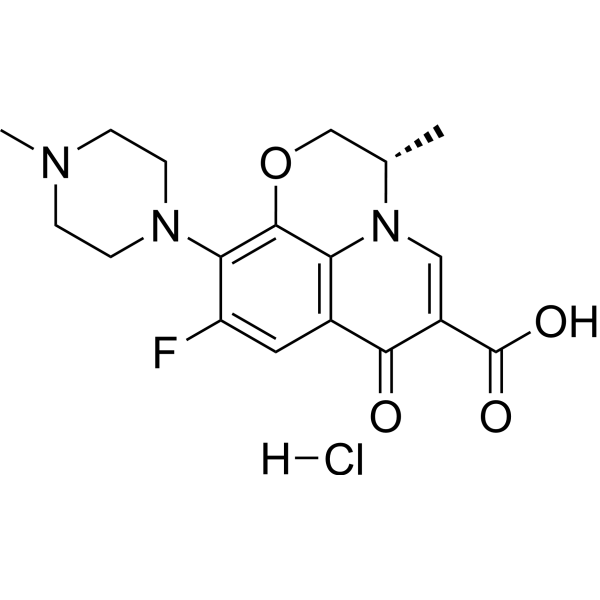
Cat. No.: HY-B0330B
CAS No.: 177325-13-2
Synonyms: (-)-Ofloxacin hydrochloride
Levofloxacin hydrochloride is an orally active antibiotic. Levofloxacin inhibits DNA gyrase and topoisomerase IV activity, inducing Apoptosis. Levofloxacin hydrochloride has antibacterial activity against both Gram-positive and Gram-negative bacteria. Levofloxacin hydrochloride exhibits anticancer activity against lung cancer. Levofloxacin hydrochloride has anti-acnegenic, anxiogenic, and analgesic effects. Levofloxacin hydrochloride shortens sleep duration in mice. Levofloxacin hydrochloride can be used in the research of infectious diseases (such as tuberculosis, chronic periodontitis, bacterial infections associated with stable COPD, and BK viremia) and lung cancer .
12
12 Cited Publications
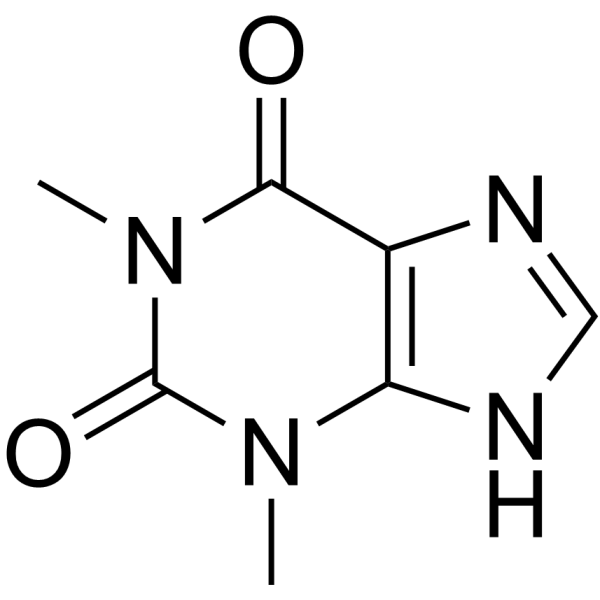
Cat. No.: HY-B0809
CAS No.: 58-55-9
Synonyms: 1,3-Dimethylxanthine; Theo-24
Theophylline (1,3-Dimethylxanthine) is a potent phosphodiesterase (PDE) inhibitor, adenosine receptor antagonist, and histone deacetylase (HDAC) activator. Theophylline (1,3-Dimethylxanthine) inhibits PDE3 activity to relax airway smooth muscle. Theophylline (1,3-Dimethylxanthine) has anti-inflammatory activity by increase IL-10 and inhibit NF-κB into the nucleus. Theophylline (1,3-Dimethylxanthine) induces apoptosis. Theophylline (1,3-Dimethylxanthine) can be used for asthma and chronic obstructive pulmonary disease (COPD) research .
10
10 Cited Publications
Cat. No.: HY-B0809A
CAS No.: 5967-84-0
Synonyms: 1,3-Dimethylxanthine monohydrate; Theo-24 monohydrate
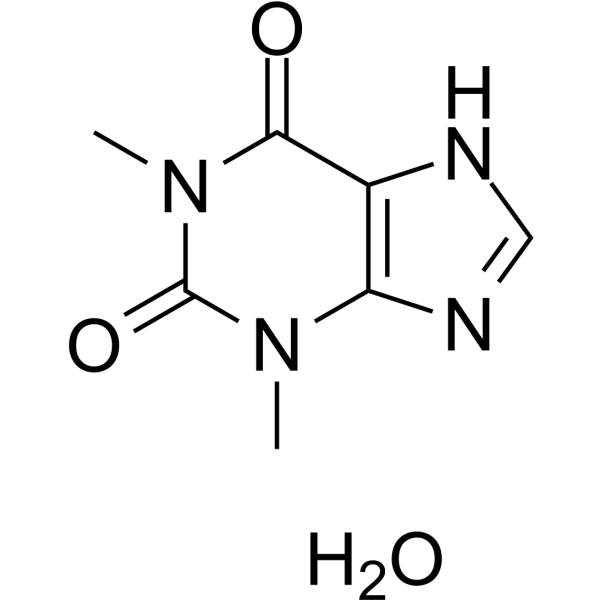
Theophylline (1,3-Dimethylxanthine) monohydrate is a potent phosphodiesterase (PDE) inhibitor, adenosine receptor antagonist, and histone deacetylase (HDAC) activator. Theophylline (1,3-Dimethylxanthine) monohydrate inhibits PDE3 activity to relax airway smooth muscle. Theophylline (1,3-Dimethylxanthine) monohydrate has anti-inflammatory activity by increase IL-10 and inhibit NF-κB into the nucleus. Theophylline (1,3-Dimethylxanthine) monohydrate induces apoptosis. Theophylline (1,3-Dimethylxanthine) monohydrate can be used for asthma and chronic obstructive pulmonary disease (COPD) research .
10
10 Cited Publications
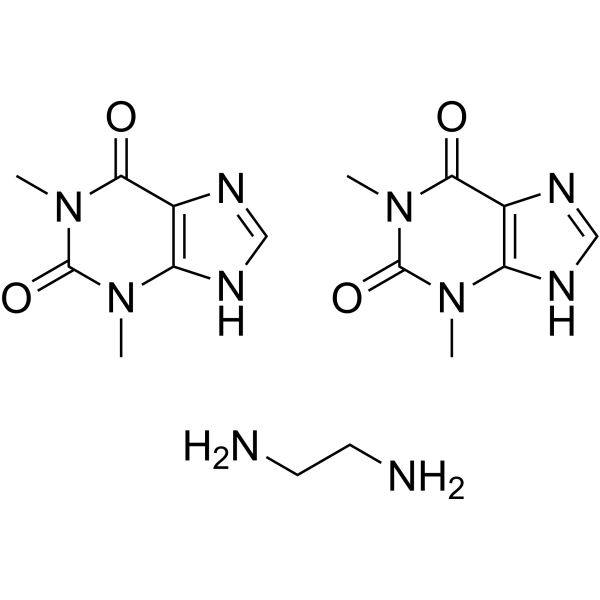
Cat. No.: HY-B0809R
CAS No.: 58-55-9
Synonyms: 1,3-Dimethylxanthine(Standard); Theo-24 (Standard)
Theophylline (Standard) is the analytical standard of Theophylline. This product is intended for research and analytical applications. Theophylline (1,3-Dimethylxanthine) is a potent phosphodiesterase (PDE) inhibitor, adenosine receptor antagonist, and histone deacetylase (HDAC) activator. Theophylline (1,3-Dimethylxanthine) inhibits PDE3 activity to relax airway smooth muscle. Theophylline (1,3-Dimethylxanthine) has anti-inflammatory activity by increase IL-10 and inhibit NF-κB into the nucleus. Theophylline (1,3-Dimethylxanthine) induces apoptosis. Theophylline (1,3-Dimethylxanthine) can be used for asthma and chronic obstructive pulmonary disease (COPD) research .
7
7 Cited Publications
Cat. No.: HY-108901
CAS No.: 183814-30-4
Purity:  99.91%
Formoterol hemifumarate hydrate is a selective, long-acting beta 2-adrenoceptor agonist. Formoterol is a bronchodilator used for the research of the asthma and chronic obstructive pulmonary disease (COPD). Formoterol hemifumarate hydrate induces mitochondrial biogenesis and promotes cognitive recovery after traumatic brain injury .
7
7 Cited Publications
Cat. No.: HY-B0436
CAS No.: 51022-70-9
Synonyms: Albuterol hemisulfate; AH-3365 hemisulfate
Target:  

Adrenergic Receptor ERK

Research Areas:  

Inflammation/Immunology Cancer

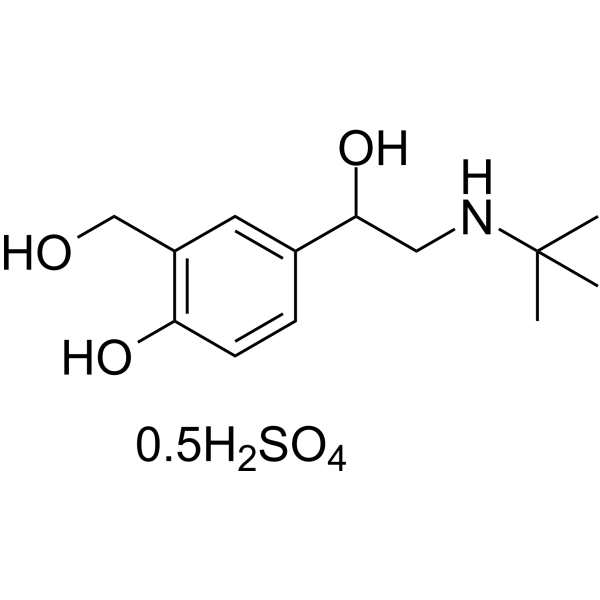
Salbutamol (Albuterol) hemisulfate is an orally active short-acting β2-adrenergic receptor agonist. Salbutamol hemisulfate promotes tumorigenesis in gastric cancer cells through the β2-AR/ERK/EMT pathway. Salbutamol hemisulfate can relax bronchial smooth muscle and is used to study bronchospasm induced by asthma and chronic obstructive pulmonary disease .
7
7 Cited Publications
Cat. No.: HY-B1037
CAS No.: 18559-94-9
Synonyms: Albuterol; AH-3365
Target:  

Adrenergic Receptor ERK

Research Areas:  

Inflammation/Immunology Cancer

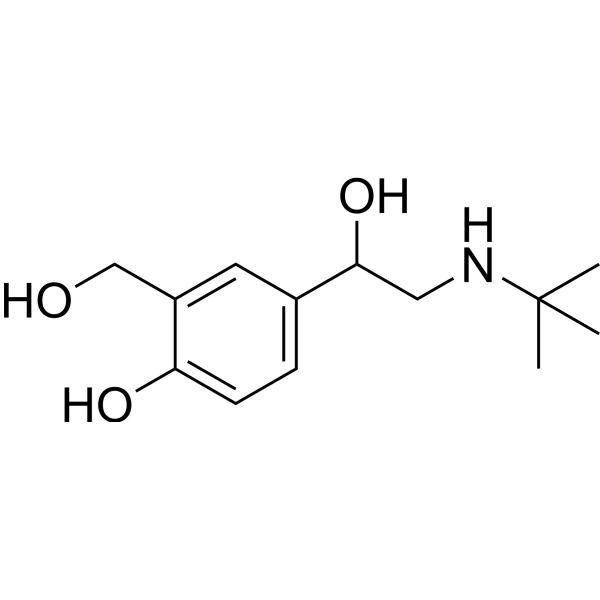
Salbutamol (Albuterol) is an orally active short-acting β2-adrenergic receptor agonist. Salbutamol promotes tumorigenesis in gastric cancer cells through the β2-AR/ERK/EMT pathway. Salbutamol can relax bronchial smooth muscle and is used to study bronchospasm induced by asthma and chronic obstructive pulmonary disease .
6
6 Cited Publications
Cat. No.: HY-17585
CAS No.: 76-90-4
Target:  

mAChR GPR109A

Research Areas:  

Others Inflammation/Immunology

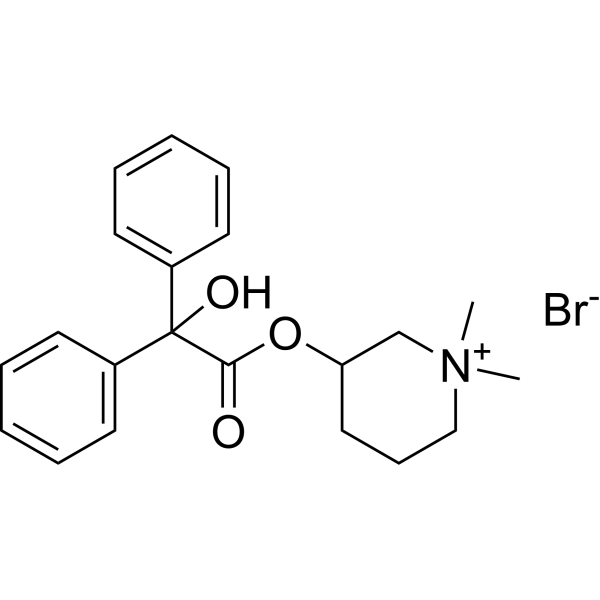
Mepenzolate bromide is an orally administered muscarinic receptor antagonist with Kis of 0.68 and 2.6 nM for hM2R and hM3R, respectively. Mepenzolate bromide can be used to suppress the gastrointestinal hypermotility associated with irritable bowel syndrome .Mepenzolate bromide is a GPR109A inhibitor .
5
5 Cited Publications
Cat. No.: HY-14299
CAS No.: 312753-06-3
Purity:  99.98%
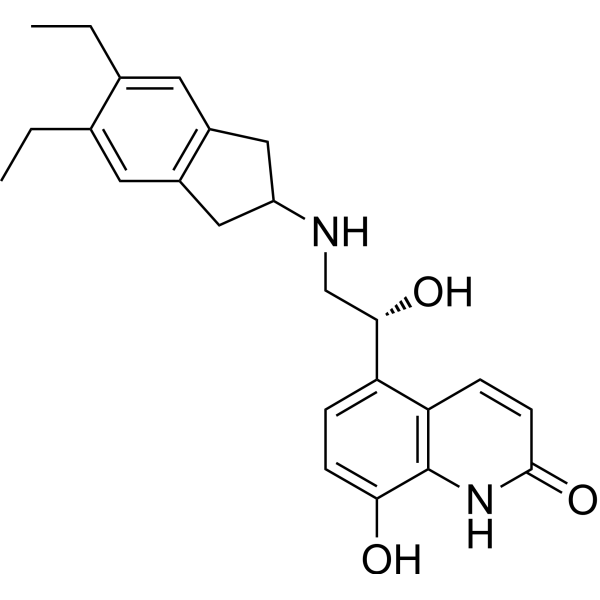
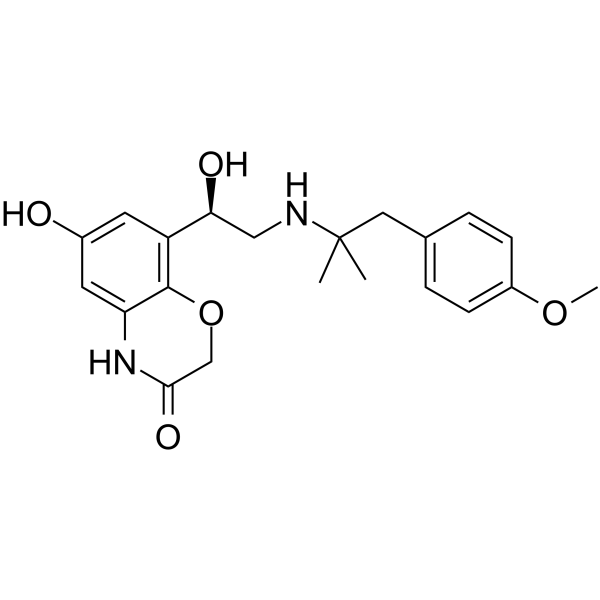
Indacaterol is an orally active ultra-long-acting β2 adrenergic receptor (ADRB2) agonist. Indacaterol inhibits NF-κB activity in a β-arrestin2-dependent manner, preventing further lung damage and improving lung function in COPD (chronic obstructive pulmonary disorder). Indacaterol can also be used in cardiovascular disease research .
5
5 Cited Publications
Cat. No.: HY-14144
CAS No.: 320345-99-1
Purity:  98.58%
Synonyms: LAS 34273; LAS-W 330
Target:  

mAChR

Research Areas:  

Inflammation/Immunology

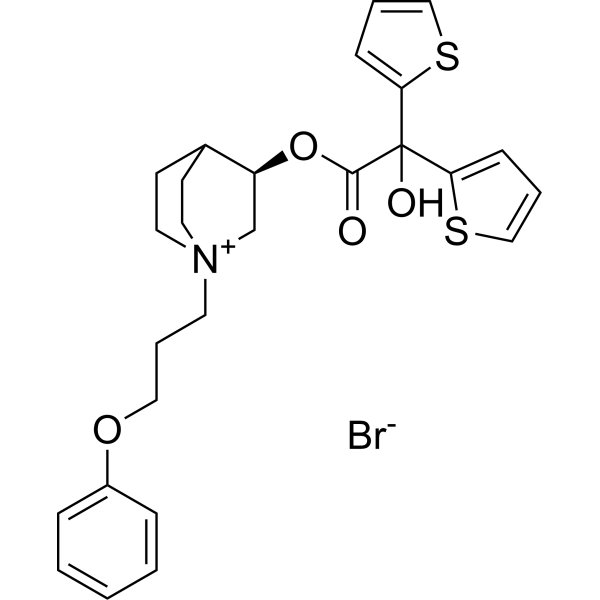
Aclidinium Bromide (LAS 34273; LAS-W 330) is a long-acting, inhaled muscarinic antagonist. Aclidinium Bromide has the potential for chronic obstructive pulmonary disease (COPD) research .
5
5 Cited Publications
Cat. No.: HY-14299A
CAS No.: 753498-25-8
Purity:  99.82%
Synonyms: QAB149
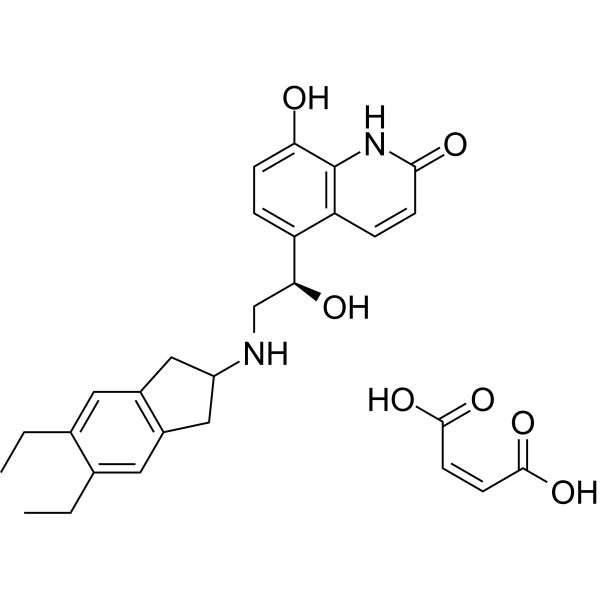
Indacaterol maleate (QAB149) is an orally active ultra-long-acting β2 adrenergic receptor (ADRB2) agonist. Indacaterol maleate inhibits NF-κB activity in a β-arrestin2-dependent manner, preventing further lung damage and improving lung function in COPD (chronic obstructive pulmonary disorder). Indacaterol maleate can also be used in cardiovascular disease research .
4
4 Cited Publications
Cat. No.: HY-139206
CAS No.: 2452464-73-0
Purity:  99.65%
Synonyms: IL-17A inhibitor 1
Target:  

Interleukin Related

Research Areas:  

Inflammation/Immunology

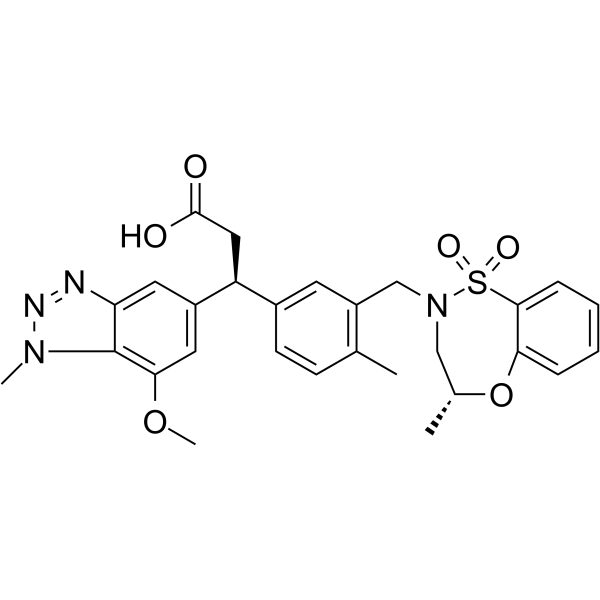
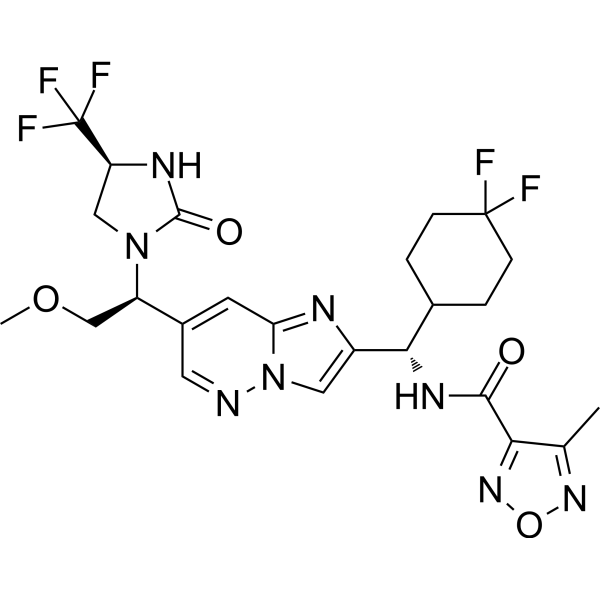
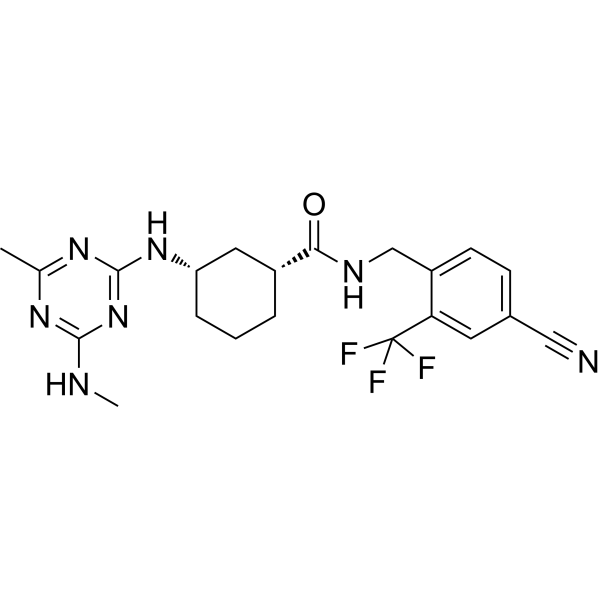
LY3509754 (IL-17A inhibitor 1) is a IL-17A inhibitor, with IC50 values of <9.45 nM and 9.3 nM in alphalisa assay and HT-29 cells .
3
3 Cited Publications
Cat. No.: HY-P99444
CAS No.: 2173054-79-8
Synonyms: MSTT 1041A; RG 6149
Astegolimab (MSTT 1041A; RG 6149) is a human IgG2 monoclonal antibody. Astegolimab blocks IL-33 signaling by targeting the IL-33 receptor ST2. Astegolimab reduces p53 expression, mitigates IL33-upregulated SASP factors such as IL1α, IL6 and MCP1. Astegolimab mitigates IL33-increased p-p65/p65 ratio. Astegolimab blocks CM-induced neutrophil extracellular trap (NET) formation. Astegolimab is used in chronic obstructive pulmonary disease (COPD) and myocardial research .
3
3 Cited Publications
Cat. No.: HY-153040
CAS No.: 1325721-55-8
Purity:  99.67%
Synonyms: Bach1-IN-1
Research Areas:  

Metabolic Disease

HPPE (compound 236) is an orally active, potential Bach1 inhibitor. Bach1 is a transcription factor of the cap'n'collar type alkaline region leucine zipper factor family (CNC-bZip) that regulates mitochondrial metabolism and reduces glucose utilization. HPPE can be used for research in psoriasis, multiple sclerosis, and COPD .
3
3 Cited Publications
Cat. No.: HY-10790
CAS No.: 153259-65-5
Purity:  99.91%
Synonyms: SB-207499
Research Areas:  

Inflammation/Immunology

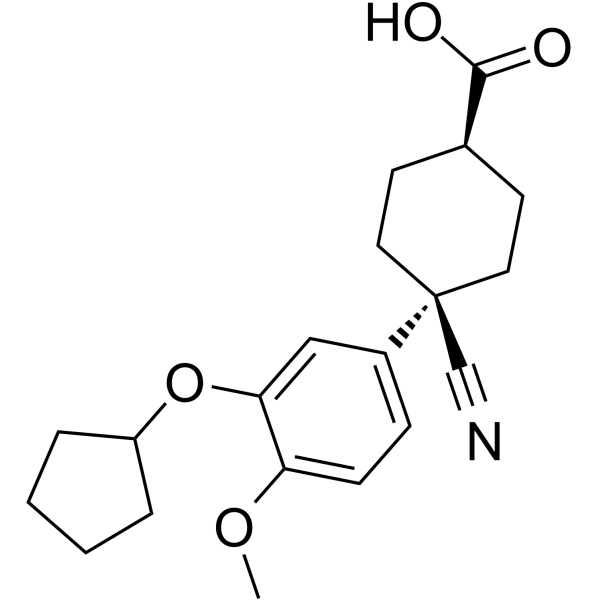
Cilomilast (SB-207499) is a potent, selective and orally active inhibitor of Phosphodiesterase 4 (PDE4), with IC50s of ~100 and 120 nM for LPDE4 and HPDE4, respectively. Cilomilast shows selectivity for PDE4 over PDE1, PDE2, PDE3 and PDE5 (IC50=74, 65, >100, and 83 μM, respectively). Cilomilast has anti-inflammatory and immunomodulatory effects and can be used for thr research of asthma and chronic obstructive pulmonary disease (COPD) .
2
2 Cited Publications
Cat. No.: HY-B0944
CAS No.: 121808-62-6
Target:  

Bacterial

Research Areas:  

Inflammation/Immunology

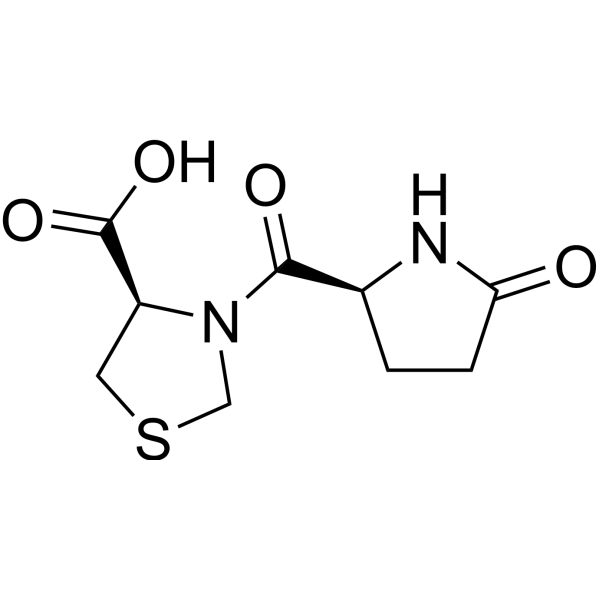
Pidotimod is an orally active dipeptide immunostimulant with immunomodulatory properties on the adaptive and the innate immune responses. Pidotimod increases macrophage activity and humoral immune functions. Pidotimod can be used for the research of chronic bronchitis, chronic obstructive pulmonary disease (COPD), bronchiectasis, and chronic idiopathic urticaria,et al .
2
2 Cited Publications
Cat. No.: HY-19644
CAS No.: 1142090-23-0
Synonyms: GSK 2256294
Target:  

Epoxide Hydrolase

Research Areas:  

Cardiovascular Disease

GSK2256294A (GSK 2256294) is a selective and orally active inhibitor of soluble epoxide hydrolase (sEH). GSK2256294A inhibits recombinant human sEH, rat sEH orthologs and murine sEH orthologs with IC50s of 27, 61 and 189 pM, respectively. GSK2256294A can be used for the research of chronic obstructive pulmonary disease (COPD) and cardiovascular disease .
2
2 Cited Publications
Cat. No.: HY-153192
CAS No.: 1423719-30-5
Purity:  99.93%
Synonyms: BI 1015550
Research Areas:  

Inflammation/Immunology

Nerandomilast (BI 1015550) is an orally active inhibitor of PDE4B with an IC50 value of 7.2 nM. Nerandomilast has good safety and potential applications in inflammation, allergic diseases, pulmonary fibrosis, and chronic obstructive pulmonary disease (COPD) .
2
2 Cited Publications
Cat. No.: HY-153192A
Purity:  99.93%
Synonyms: BI 1015550 dihydrate
Research Areas:  

Inflammation/Immunology

Nerandomilast (BI 1015550) dihydrate is an orally active inhibitor of PDE4B with an IC50 value of 7.2 nM. Nerandomilast (dihydrate) has good safety and potential applications in inflammation, allergic diseases, pulmonary fibrosis, and chronic obstructive pulmonary disease (COPD) .
1
1 Cited Publications
Cat. No.: HY-119708
CAS No.: 1884461-72-6
Purity:  99.70%
Synonyms: RPL-554
Ensifentrine (RPL-554) is an inhaled dual inhibitor of PDE3 and PDE4 with IC50s of 0.4 nM and 1479 nM, respectively. Ensifentrine blocks PDE3 and PDE4 enzymes, thereby increasing the levels of cyclic adenosine monophosphate (cAMP) and cyclic guanosine monophosphate (cGMP) in lung cells, dilating the bronchi, and inhibiting the activation and migration of inflammatory cells. Ensifentrine can be used in the research of chronic obstructive pulmonary disease (COPD) .

