1. Search Result
Search Result
Isoforms Recommended: CXCR2
Results for "

CXCR2

" in MedChemExpress (MCE) Product Catalog:

70

Inhibitors & Agonists

1

Fluorescent Dye

2

Peptides

4

Inhibitory Antibodies

3

Natural
Products

3

Recombinant Proteins

1

Isotope-Labeled Compounds

2

Antibodies

4

Oligonucleotides

Targets Recommended:
Cat. No. Product Name Target Research Areas Chemical Structure
  • HY-16711
    SB225002
    55+ Cited Publications

    CXCR Inflammation/Immunology Endocrinology Cancer
    SB225002, a potent, selective and non-peptide CXCR2 antagonist, inhibits 125I-IL-8 binding to CXCR2 with an IC50 of 22 nM.
    SB225002
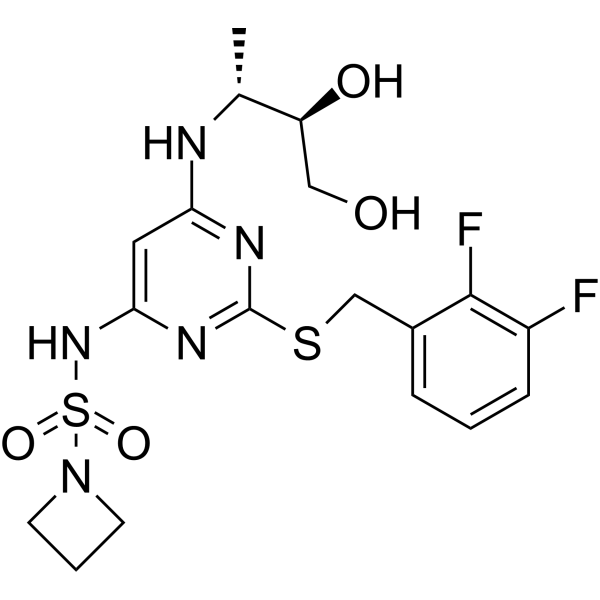
  • HY-19855
    AZD-5069
    10+ Cited Publications

    CXCR Endocrinology Cancer
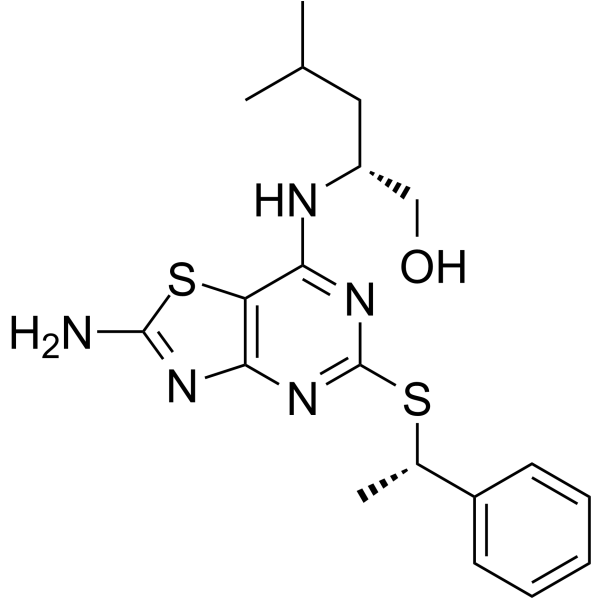
    AZD-5069 is a potent CXCR2 chemokine receptor antagonist, used for caner treatment.
    AZD-5069
  • HY-15251
    Reparixin
    Maximum Cited Publications
    62 Publications Verification

    Repertaxin; DF 1681Y

    CXCR Inflammation/Immunology Endocrinology Cancer
    Reparixin is a non-competitive allosteric inhibitor of the chemokine receptors CXCR1 and CXCR2 activation with IC50s of 1 and 100 nM, respectively.
    Reparixin
  • HY-13848
    Rugocrixan
    20+ Cited Publications

    AZD8797; KAND567

    CX3CR1 CXCR Inflammation/Immunology Endocrinology Cancer
    AZD8797 (KAND567) is an allosteric non-competitive and orally active antagonist of the human CX3CR1 receptor; antagonizes CX3CR1 and CXCR2 with Kis of 3.9 and 2800 nM, respectively .
    Rugocrixan
  • HY-10198
    Navarixin
    30+ Cited Publications

    SCH 527123; MK-7123

    CXCR Inflammation/Immunology Endocrinology Cancer
    Navarixin (SCH 527123) is a potent, allosteric and orally active antagonist of both CXCR1 and CXCR2, with Kd values of 41 nM for cynomolgus CXCR1 and 0.20 nM, 0.20 nM, 0.08 nM for mouse, rat and cynomolgus monkey CXCR2, respectivelly [2].
    Navarixin
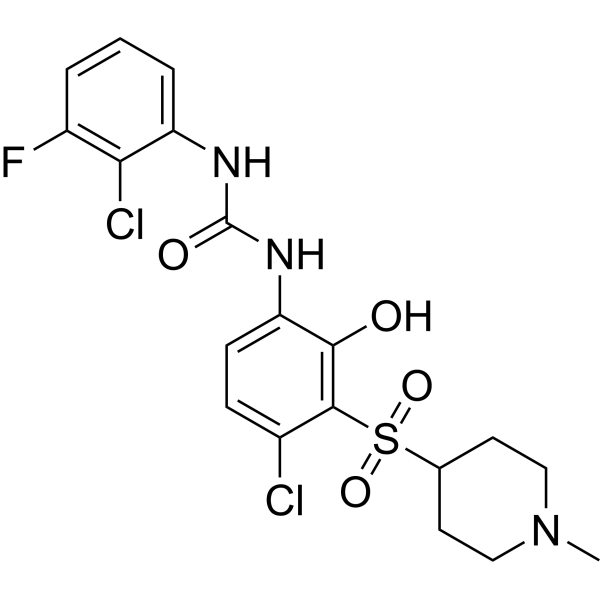
  • HY-119339
    SX-682
    5+ Cited Publications

    CXCR Inflammation/Immunology Endocrinology Cancer
    SX-682 is an orally bioavailable, potent allosteric inhibitor of CXCR1 and CXCR2. SX-682 can block tumor myeloid-derived suppressor cells (MDSCs) recruitment and enhance T cell activation and antitumor immunity .
    SX-682
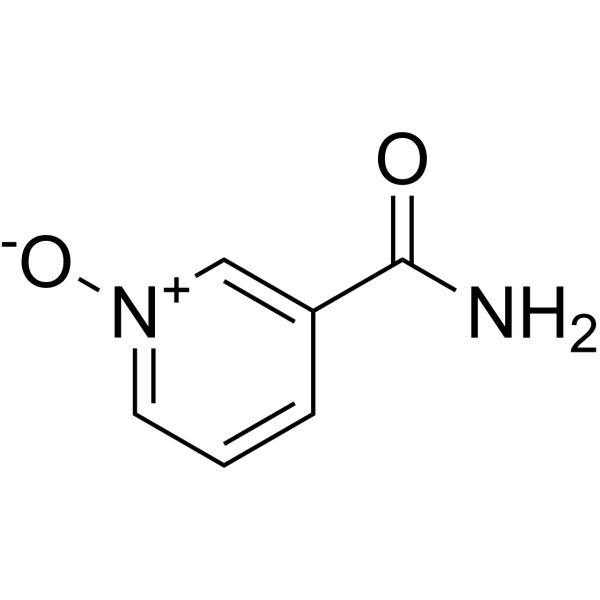
  • HY-101407
    Nicotinamide N-oxide
    3 Publications Verification

    Oxidative Phosphorylation CXCR Drug Metabolite Endogenous Metabolite Inflammation/Immunology Endocrinology
    Nicotinamide N-oxide, an in vivo nicotinamide metabolite, is a potent, and selective antagonist of the CXCR2 receptor.
    Nicotinamide N-oxide
  • HY-50688
    SB-265610
    5+ Cited Publications

    CXCR Inflammation/Immunology
    SB-265610 is a selective, competitive, nonpeptide and allosteric CXCR2 antagonist. SB-265610 blocks rat cytokine-induced neutrophil chemoattractant-1 (CINC-1)-induced calcium mobilization and neutrophil chemotaxis with IC50s of 3.7 nM and 70 nM, respectively [2].
    SB-265610
  • HY-101022
    CXCR2-IN-1
    4 Publications Verification

    CXCR Inflammation/Immunology Endocrinology
    CXCR2-IN-1 is a central nervous system penetrant CXCR2 antagonist with a pIC50 of 9.3.
    CXCR2-IN-1
  • HY-120878
    CXCR2-IN-2
    1 Publications Verification

    CXCR Inflammation/Immunology
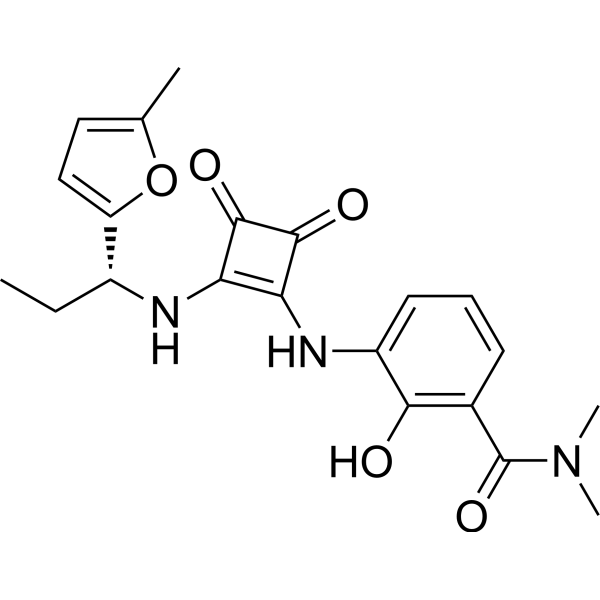
    CXCR2-IN-2 is a selective, brain penetrant, and orally bioavailable CXCR2 antagonist (IC50=5.2 nM/1 nM in β-arrestin assay/CXCR2 Tango assay, respectively). CXCR2-IN-2 displays ~730-fold selectivity over CXCR1 and >1900-fold selectivity over all other chemokine receptors. CXCR2-IN-2 inhibits human whole blood Gro-α induced CD11b expression with an IC50 of 0.04 μM .
    CXCR2-IN-2
  • HY-19768
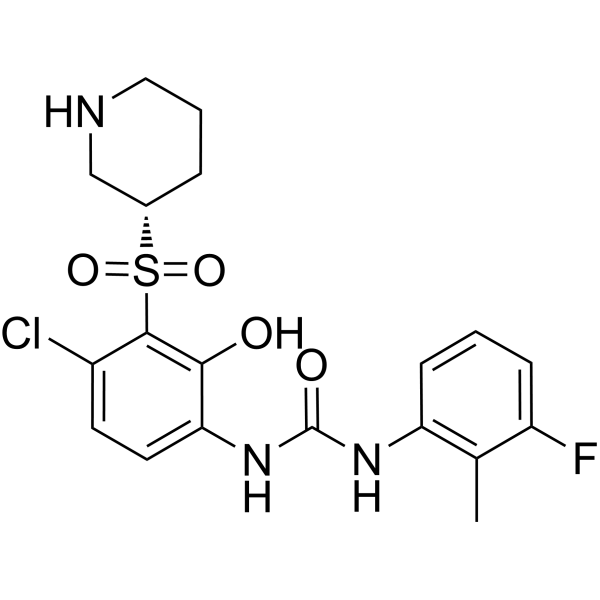
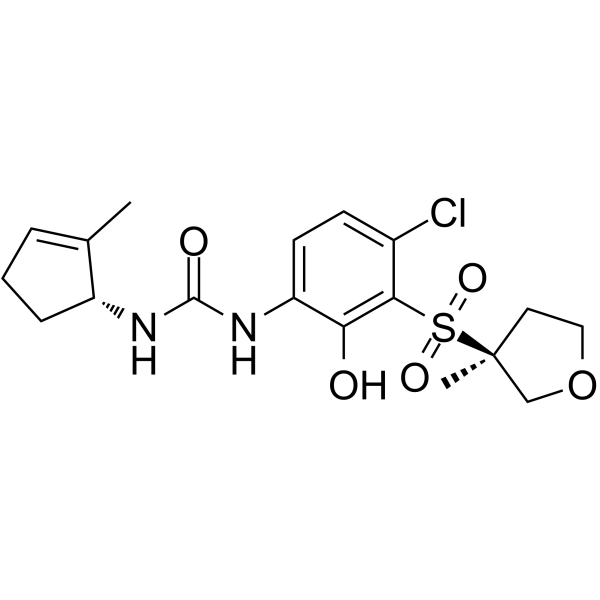
    Danirixin
    5+ Cited Publications

    GSK1325756

    CXCR Inflammation/Immunology Endocrinology
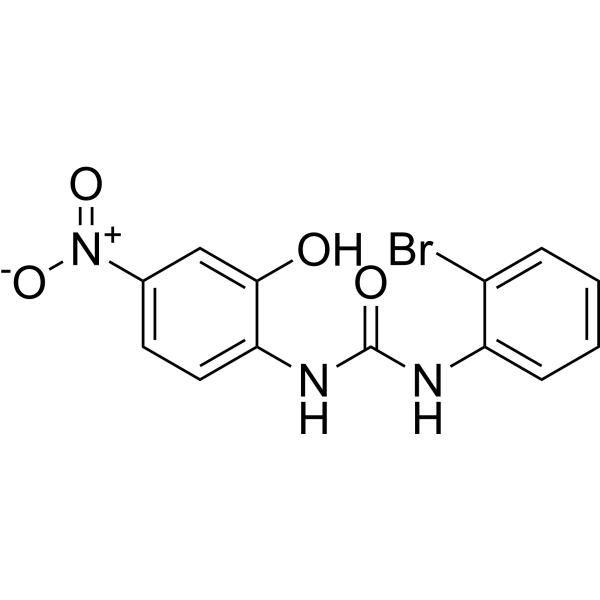
    Danirixin is a selective, and reversible CXCR2 antagonist, with IC50?of?12.5 nM for CXCL8.
    Danirixin
  • HY-19519A
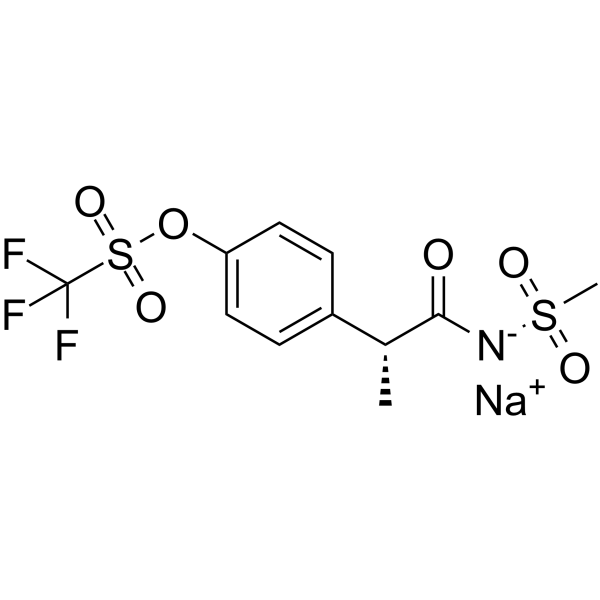
    Ladarixin sodium
    1 Publications Verification

    DF 2156A

    CXCR Infection Inflammation/Immunology Cancer
    Ladarixin sodium (DF 2156A) is an orally active, allosteric non-competitive and dual CXCR1 and CXCR2 antagonist. Ladarixin sodium can be used for the research of COPD and asthma .
    Ladarixin sodium
  • HY-19519
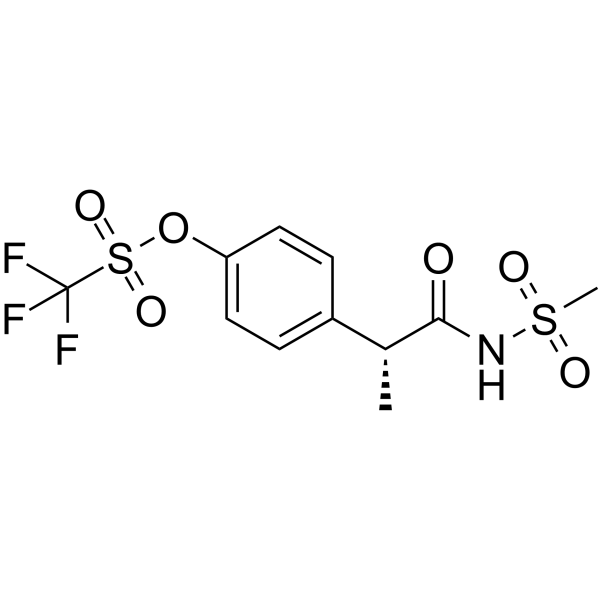
    Ladarixin
    1 Publications Verification

    DF 2156A free base

    CXCR Inflammation/Immunology Cancer
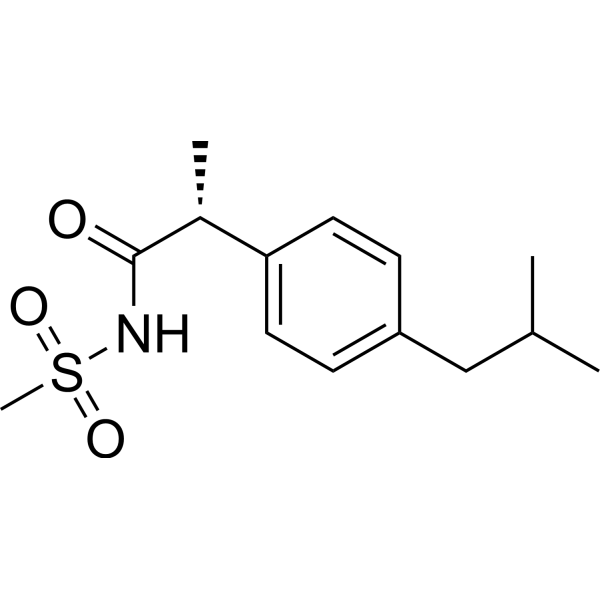
    Ladarixin (DF 2156A free base) is an orally active, allosteric non-competitive and dual CXCR1 and CXCR2 antagonist. Ladarixin can be used for the research of COPD and asthma .
    Ladarixin
  • HY-120427
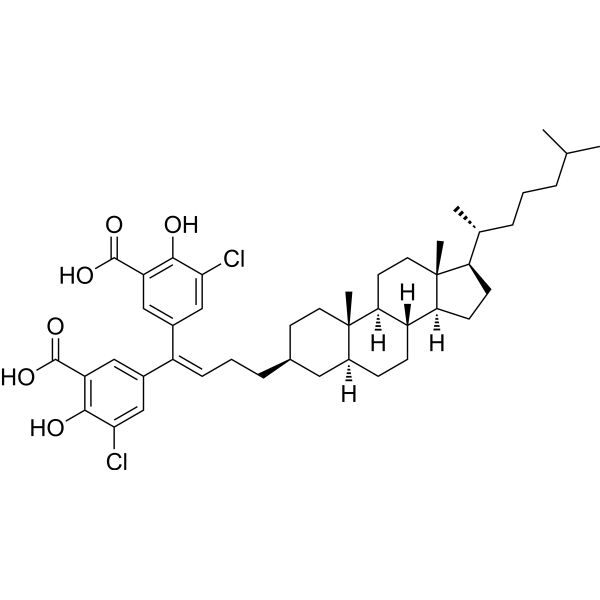
    Cosalane
    1 Publications Verification

    NSC 658586

    CCR CXCR HIV HSV Infection Inflammation/Immunology
    Cosalane (NSC 658586) is a CCR7 (IC50 = 2.43 μM) and CXCR2 antagonist (IC50 = 0.66 μM). Cosalane is an inhibitor of HIV replication with a wide range of activity against HIV-1 isolates, HIV-2, Rauscher murine leukemia virus, HSV-1, HSV-2 and human cytomegalovirus. Cosalane inhibits both attachment of gp120 to CD4. Cosalane inhibits human and murine CCR7 in response to both CCL19 and CCL21 agonists. Cosalane can be studied in research for HIV or attenuating acute graft-versus-host disease (aGVHD) in allogeneic hematopoietic stem cell transplantation (HSCT) [2] .
    Cosalane
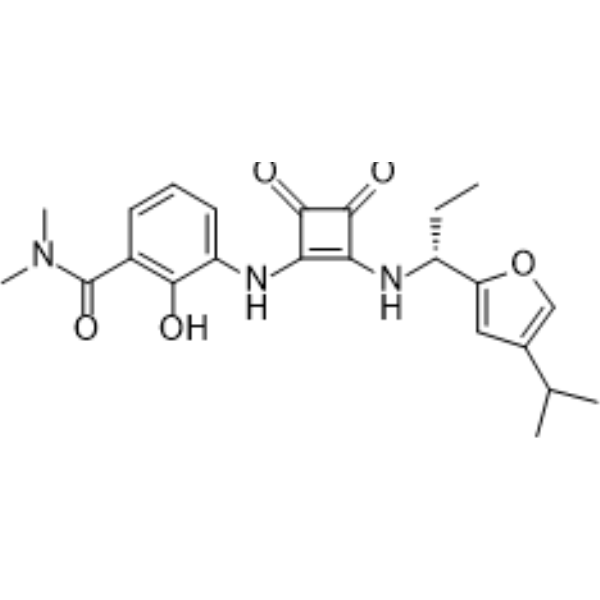
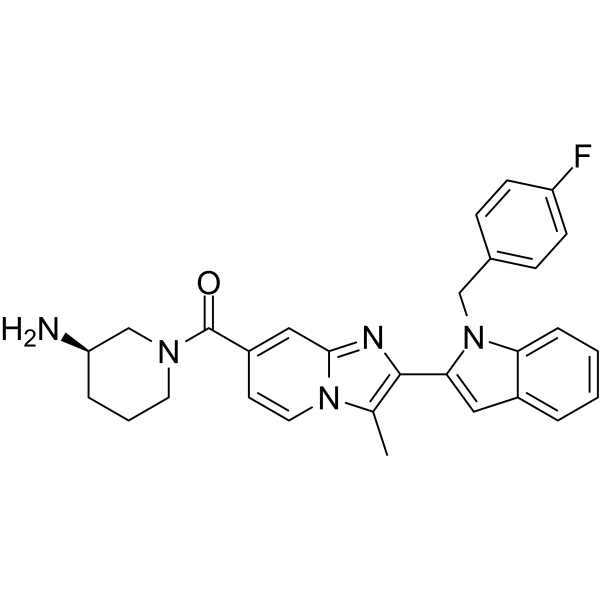
  • HY-153450

    Protein Arginine Deiminase Cancer
    JBI-589 is a non-covalent PAD4 isoform-selective inhibitor with oral bioavailability. JBI-589 reduces CXCR2 expression and blocks neutrophil chemotaxis. JBI-589 reduces primary tumor and metastases, and enhances the anti-tumor effect of checkpoint inhibitors. JBI-589 can be used in cancer research [2].
    JBI-589
  • HY-165428

    CXCR Arrestin Inflammation/Immunology
    SCH-900875 is an orally active, brain-penetrant and selective CXCR3 receptor inhibitor, which also shows high selectivity over CXCR1 and CXCR2 receptors. SCH-900875 binds to CXCR3, blocking the binding of ligands CXCL9, CXCL10, and CXCL11, inhibiting downstream G protein and β-arrestin signaling pathways to suppress inflammatory cell migration. SCH-900875 is promising for research of autoimmune diseases (rheumatoid arthritis, multiple sclerosis) and inflammatory disorders (psoriasis, inflammatory bowel disease) [2].
    SCH-900875
  • HY-145640

    AZD4721; RIST4721

    CXCR Inflammation/Immunology
    Vimnerixin (AZD4721) is the potent and orally active antagonist of acidic CXC chemokine receptor 2 (CXCR2). Vimnerixin has the potential for the research of inflammatory disease .
    Vimnerixin
  • HY-147392

    CXCR Metabolic Disease
    CXCR2 antagonist 8 is a potent and selective CXCR2 antagonist. CXCR2 antagonist 8 can be used for insulin resistance research .
    CXCR2 antagonist 8
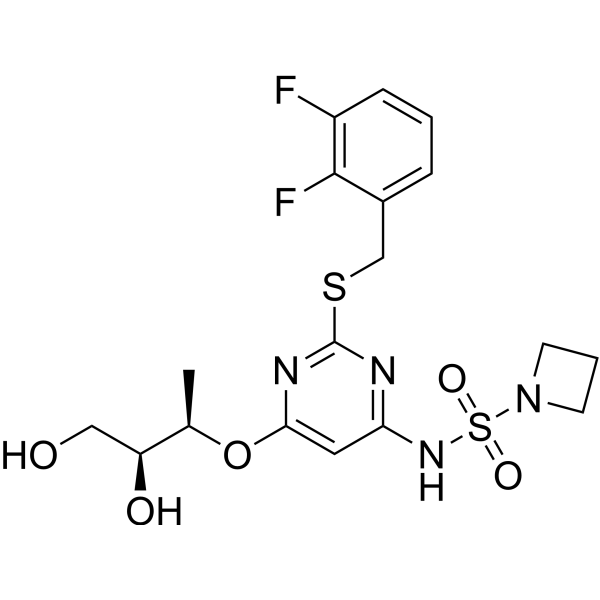
  • HY-15462
    SRT3109
    2 Publications Verification

    AZD-5122

    CXCR Inflammation/Immunology Endocrinology
    SRT3109 is an antagonist of CXCR2, with a pIC50 of 8.2, and used in the research of chemokine mediated diseases.
    SRT3109
  • HY-10011
    SCH 563705
    4 Publications Verification

    CXCR Inflammation/Immunology Endocrinology
    SCH 563705 is a potent and orally available CXCR2 and CXCR1 antagonist, with IC50s of 1.3 nM, 7.3 nM and Kis of 1 and 3 nM, respectively.
    SCH 563705
  • HY-119259

    CXCR Inflammation/Immunology
    AZD8309 is an orally active antagonist of CXCR2. AZD8309 has the ability to regulate the transmigration of neutrophils. AZD8309 can be used in the study of inflammatory diseases .
    AZD8309
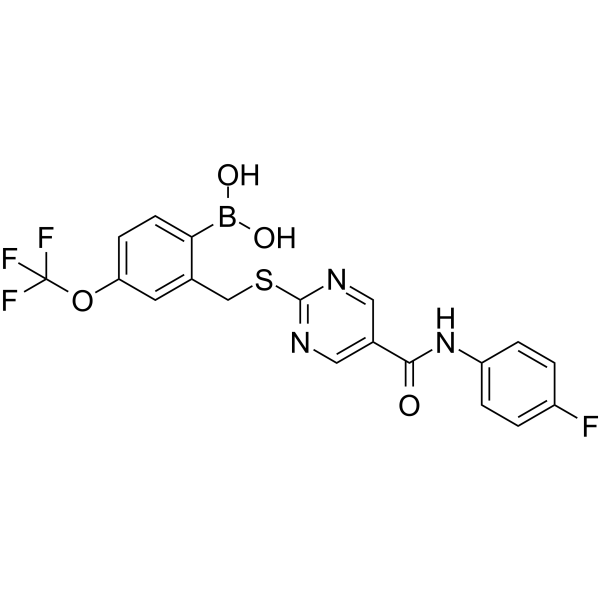
  • HY-12927

    CXCR Inflammation/Immunology
    SX-517 is a dual CXCR2/1 antagonist, containing boronic acid. SX-517 inhibits CXCL1-induced Ca 2+ flux (IC50=38 nM), and antagonizes CXCL8-induced [(35)S]GTPγS binding (IC50=60 nM) and ERK1/2 phosphorylation. SX-517 has significant ability for inflammation suppression, in both humanized polymorphonuclear (PMN) cells and in murine model [2].
    SX-517
  • HY-139873

    CXCR Cancer
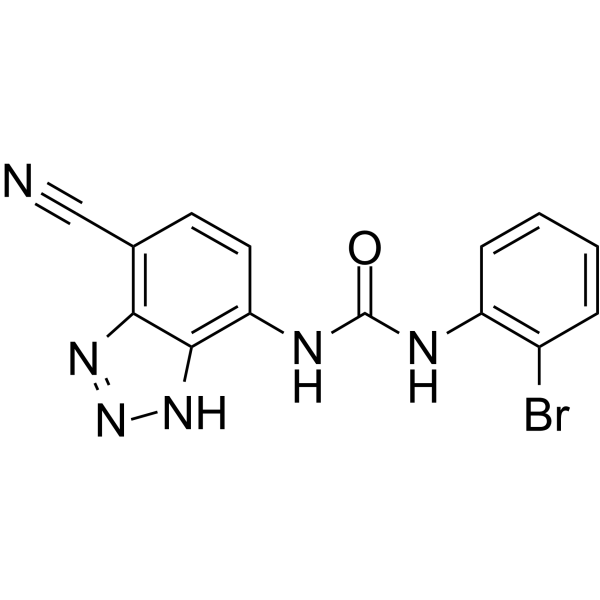
    CXCR2 antagonist 2 is a potent CXCR2 antagonist for cancer immunoresearch with an IC50 value of 95 nM.
    CXCR2 antagonist 2
  • HY-18263C

    SB-656933 tosylate

    CXCR Interleukin Related Inflammation/Immunology
    Elubrixin tosylate (SB-656933 tosylate) is a potent, selective, competitive, reversible and orally active CXCR2 antagonist and an IL-8 receptor antagonist. Elubrixin tosylate inhibits neutrophil CD11b upregulation (IC50 of 260.7 nM) and shape change (IC50 of 310.5 nM). Elubrixin tosylate has the potential for inflammatory diseases research, such as inflammatory bowel disease and airway inflammation [2] .
    Elubrixin tosylate
  • HY-16981

    CXCR Inflammation/Immunology
    SB-332235 is a potent, orally active nonpeptide CXCR2 antagonist, with an IC50 of 7.7 nM. SB-332235 displays 285-fold selectivity for CXCR2 over CXCR1. SB-332235 inhibits acute and chronic models of arthritis in the rabbit. SB-332235 inhibits viability of AML cells [2].
    SB-332235
  • HY-P4846
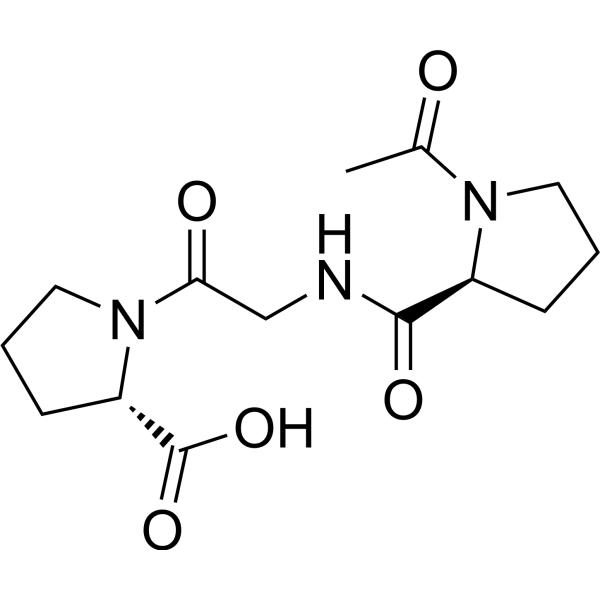
    Ac-Pro-Gly-Pro-OH
    2 Publications Verification

    CXCR Apoptosis IFNAR TNF Receptor Interleukin Related Infection Inflammation/Immunology
    Ac-Pro-Gly-Pro-OH is an endogenous degradation product of extracellular collagen and acts as a CXCR2 agonist . Ac-Pro-Gly-Pro-OH exerts bactericidal activity by generating hydrogen peroxide, inhibits pulmonary inflammation, and reduces immune cell apoptosis (apoptosis). Ac-Pro-Gly-Pro-OH promotes the production of IFN-γ and inhibits the production of TNF-α and IL-6 in leukocytes. Ac-Pro-Gly-Pro-OH increases the survival rate of mice in sepsis models, enhances the bactericidal activity of neutrophils, acts as a neutrophil chemoattractant, induces neutrophil polarization, and regulates inflammatory and repair processes. Ac-Pro-Gly-Pro-OH induces chronic inflammation and tissue remodeling through sustained action. Ac-Pro-Gly-Pro-OH is released via alkaline hydrolysis of corneal proteins in alkali-injured eyes, thereby driving the early infiltration of neutrophils into the cornea. Ac-Pro-Gly-Pro-OH is applicable to research related to sepsis, chronic obstructive pulmonary disease, cystic fibrosis, bronchiolitis obliterans syndrome, severe asthma, idiopathic pulmonary fibrosis, and corneal ulcer [2] .
    Ac-Pro-Gly-Pro-OH
  • HY-RS03400

    Small Interfering RNA (siRNA) CXCR Others

    CXCR2 Human Pre-designed siRNA Set A contains three designed siRNAs for CXCR2 gene (Human), as well as a negative control, a positive control, and a FAM-labeled negative control.

    CXCR2 Human Pre-designed siRNA Set A
    CXCR2 Human Pre-designed siRNA Set A
  • HY-15251A

    (Rac)-Repertaxin; (Rac)-DF 1681Y

    CXCR Inflammation/Immunology Endocrinology Cancer
    (Rac)-Reparixin is the isomer of Reparixin (HY-15251), and can be used as an experimental control. Reparixin is a non-competitive allosteric inhibitor of the chemokine receptors CXCR1 and CXCR2 activation with IC50s of 1 and 100 nM, respectively.
    (Rac)-Reparixin
  • HY-149096

    CXCR Others
    CCR7 antagonist 1 (30c) is a dual CXCR2 (IC50 of 11.02 μM) and CCR7 (IC50 of 0.43 μM) antagonist .
    CCR7 antagonist 1
  • HY-179387

    CXCR Autophagy NOD-like Receptor (NLR) Reactive Oxygen Species (ROS) Apoptosis Cancer
    CXCR2-IN-3 is a CXCR2 inhibitor with an IC50 of 11.37 μM. CXCR2-IN-3 mediates CXCR2-Ca 2+ signalling inhibition halted autophagic flux, subsequently facilitating ROS-mediated apoptotic cell death. CXCR2-IN-3 suppresses the CXCR2-NLRP3 canonical pathway, suppressing pre-tumorigenic markers. CXCR2-IN-3 causes autophagy-dependent cell death in polyploid giant cancer cells (PGCCs). CXCR2-IN-3 can be used for the research of oral squamous cell carcinoma (OSCC) .
    CXCR2-IN-3
  • HY-139874

    CXCR Inflammation/Immunology Cancer
    CXCR2 antagonist 3 (compound 11h) is a potent antagonist of CXC chemokine receptor 2 (CXCR2). CXCR2 antagonist 3 demonstrates double-digit nanomolar potencies against CXCR2 and significantly inhibited neutrophil infiltration into the air pouch. CXCR2 antagonist 3 reduces the infiltration of neutrophils and MDSCs and enhance the infiltration of CD3 + T lymphocytes into the Pan02 tumor tissues .
    CXCR2 antagonist 3
  • HY-13021

    CXCR Inflammation/Immunology Endocrinology
    SRT3190 is an antagonist of CXCR2, used in the research of chemokine mediated diseases.
    SRT3190
  • HY-N2573

    L-Corydalmine; TLZ-16

    Fungal CXCR Infection Neurological Disease
    Corydalmine (L-Corydalmine) inhibits spore germination of some plant pathogenic as well as saprophytic fungi . Corydalmine acts as an oral analgesic agent, exhibiting potent analgesic activity [2]. Corydalmine alleviates Vincristine-induced neuropathic pain in mice by inhibiting an NF-κB-dependent CXCL1/CXCR2 signaling pathway .
    Corydalmine
  • HY-163475
    CXCL-CXCR1/2-IN-1
    1 Publications Verification

    CXCR Cancer
    CXCL-CXCR1/2-IN-1 is an orally active ELR +CXCL-CXCR1/2 pathway inhibitor with an EC50 of 42.7 nM for CXCR2 . CXCL-CXCR1/2-IN-1 shows anticancer and antiangiogenic effects .
    CXCL-CXCR1/2-IN-1
  • HY-144784

    CXCR Inflammation/Immunology Cancer
    CXCR2 antagonist 7 (compound 19) is a potent CXCR2 antagonist. CXCR2 antagonist 7 shows potent CXCR2 binding affinity (IC50=0.044 µM) and calcium mobilization (IC50=0.66 µM) [ 1].
    CXCR2 antagonist 7
  • HY-144781

    CXCR Inflammation/Immunology Cancer
    CXCR2 antagonist 5 (compound 25) is a potent CXCR2 antagonist. CXCR2 antagonist 5 shows potent CXCR2 binding affinity (IC50=0.013 µM) and calcium mobilization (IC50=0.1 µM) [ 1].
    CXCR2 antagonist 5
  • HY-144783

    CXCR Inflammation/Immunology Cancer
    CXCR2 antagonist 6 (compound 35c) is a potent CXCR2 antagonist. CXCR2 antagonist 6 shows potent CXCR2 binding affinity (IC50=0.044 µM) and calcium mobilization (IC50=0.66 µM) [ 1].
    CXCR2 antagonist 6
  • HY-144780

    CXCR Cancer
    CXCR2 antagonist 4 (compound 7) is a potent CXCR2 antagonist with an IC50 value of 0.13 μM. CXCR2 antagonist 4 can inhibit CXCL8-induced cytosolic calcium increase (IC50 = 27 μM). CXCR2 antagonist 4 can be used for researching anticancer .
    CXCR2 antagonist 4
  • HY-D2310

    CXCR Inflammation/Immunology
    CXCR2 Probe 1 (Compound [18F]16b) is a selective ligand for CXCR2 and is a radiotracer for PET imaging of neutrophils in inflammatory diseases .
    CXCR2 Probe 1
  • HY-174727

    mRNA Inflammation/Immunology
    Human CXCR2 mRNA encodes the human C-X-C motif chemokine receptor 2 (CXCR2) protein, a member of the G-protein-coupled receptor family. CXCR2 is a receptor for interleukin 8 (IL8). It binds to IL8 with high affinity, and transduces the signal through a G-protein activated second messenger system. This receptor also binds to chemokine (C-X-C motif) ligand 1 (CXCL1/MGSA), a protein with melanoma growth stimulating activity, and has been shown to be a major component required for serum-dependent melanoma cell growth.
    Human CXCR2 mRNA
  • HY-18263A

    SB-656933

    CXCR Interleukin Related Inflammation/Immunology
    Elubrixin (SB-656933) is a potent, selective, competitive, reversible and orally active CXCR2 antagonist and an IL-8 receptor antagonist. Elubrixin inhibits neutrophil CD11b upregulation (IC50 of 260.7 nM) and shape change (IC50 of 310.5 nM). Elubrixin has the potential for inflammatory diseases research, such as inflammatory bowel disease and airway inflammation [2] .
    Elubrixin
  • HY-RS03401

    Small Interfering RNA (siRNA) CXCR Others

    Cxcr2 Mouse Pre-designed siRNA Set A contains three designed siRNAs for Cxcr2 gene (Mouse), as well as a negative control, a positive control, and a FAM-labeled negative control.

    Cxcr2 Mouse Pre-designed siRNA Set A
    Cxcr2 Mouse Pre-designed siRNA Set A
  • HY-RS03402

    Small Interfering RNA (siRNA) CXCR Others

    Cxcr2 Rat Pre-designed siRNA Set A contains three designed siRNAs for Cxcr2 gene (Rat), as well as a negative control, a positive control, and a FAM-labeled negative control.

    Cxcr2 Rat Pre-designed siRNA Set A
    Cxcr2 Rat Pre-designed siRNA Set A
  • HY-120878A

    CXCR Neurological Disease Inflammation/Immunology Cancer
    (R,R)-CXCR2-IN-2 (compound 67), diastereoisomer of CXCR2-IN-2 (compound 68) (HY-120878), is a CXCR2 antagonist with a pIC50 of 9 and 6.8 in the Tango assay and d in the HWB Gro-α induced CD11b expression assay, respectively .
    (R,R)-CXCR2-IN-2
  • HY-124056

    CXCR Cancer
    AZ10397767 is an orally active, selective CXCR2 receptor antagonist with an IC50 of 1 nM. AZ10397767 attenuates the Oxaliplatin (HY-17371)-induced NF-κB transcriptional activity and potentiates Oxaliplatin-induced apoptosis in androgen-independent prostate cancer (AIPC) cells. AZ10397767 significantly inhibits neutrophil recruitment into tumors which then adversely affects tumor growth in vitro and in vivo [2] .
    AZ10397767
  • HY-110268

    CXCR Inflammation/Immunology
    NVP CXCR2 20 is a selective CXCR2 inhibitor with analgesic and antinociceptive activities. NVP CXCR2 20 selectively blocks CXCR2 signaling and attenuates mechanical and thermal hypersensitivity in rat chronic constriction injury (CCI) models. NVP CXCR2 20 inhibits CXCL3-induced hypersensitivity in naive mice and reduces elevated CXCL3 protein levels in the spinal cord and dorsal root ganglia (DRG) of CCI-exposed rats. NVP CXCR2 20 can be used for the research of neuropathic pain and chronic obstructive pulmonary disease (COPD) [2] .
    NVP CXCR2 20
  • HY-181681

    CCR CXCR Cancer
    CXCR2 antagonist 10 (Compound 10b) is a CCR2 antagonist with an IC50 of 0.48 μM. CXCR2 antagonist 10 also exhibits antagonistic activity against CXCR2/CCR7, with IC50 values of 4.18 μM and 2.07 μM, respectively. CXCR2 antagonist 10 is applicable for cancer research .
    CXCR2 antagonist 10
  • HY-173491

    CXCR CCR Inflammation/Immunology Cancer
    CXCR2/CCR7 antagonist-1 (compound 6) is a potent CXCR2 and CCR7 dual antagonist with IC50s of 0.0046 and 0.0014 μM, respectively. CXCR2/CCR7 antagonist-1 can be used in the study of cancer metastasis and autoimmune diseases .
    CXCR2/CCR7 antagonist-1
  • HY-P991746

    CXCR Cancer
    Anti-Mouse CXCR2 Antibody (Cx2Mab-1) reacts with mouse CXCR2 targeting the N-terminal extracellular domain of CXCR2. Recommend Isotype Controls: Rat IgG2b kappa, Isotype Control (HY-P990682).
    Anti-Mouse CXCR2 Antibody (Cx2Mab-1)
  • HY-101407R

    Reference Standards CXCR Drug Metabolite Endogenous Metabolite Inflammation/Immunology Endocrinology
    Nicotinamide N-oxide (Standard) is the analytical standard of Nicotinamide N-oxide. This product is intended for research and analytical applications. Nicotinamide N-oxide, an in vivo nicotinamide metabolite, is a potent, and selective antagonist of the CXCR2 receptor.
    Nicotinamide N-oxide (Standard)

Inquiry Online

Your information is safe with us. * Required Fields.

Salutation


Country or Region *

Applicant Name *


Organization Name *

Department *


Email Address *


Product Name *

Cat. No.


Requested quantity *

Phone Number *


Remarks

Inquiry Online

Inquiry Information

Product Name:
Cat. No.:
Quantity:
MCE Japan Authorized Agent:

