1. Search Result
Search Result
Isoforms Recommended: CYP3A CYP3
Results for "

CYP3A

" in MedChemExpress (MCE) Product Catalog:

70

Inhibitors & Agonists

10

Natural
Products

2

Recombinant Proteins

10

Isotope-Labeled Compounds

4

Antibodies

1

Click Chemistry

4

Oligonucleotides

Cat. No. Product Name Target Research Areas Chemical Structure
  • HY-10493
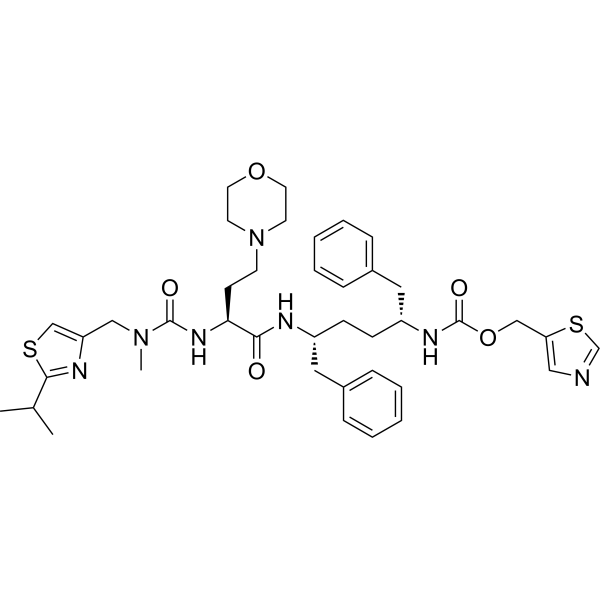
    Cobicistat
    Maximum Cited Publications
    12 Publications Verification

    GS-9350

    Cytochrome P450 HIV Infection Cancer
    Cobicistat is a potent and selective inhibitor of cytochrome P450 3A (CYP3A) enzymes with IC50s of 30-285 nM. Cobicistat is a pharmacokinetic enhancer which increases the overall absorption of several HIV medications.
    Cobicistat
  • HY-N0693
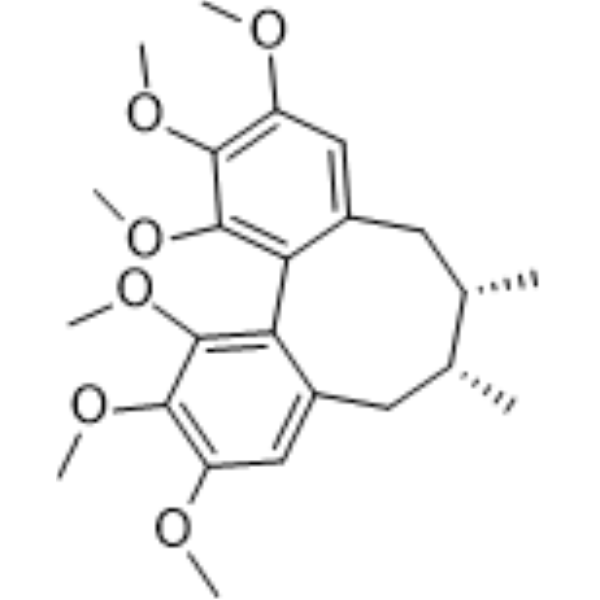
    Schisandrin A
    Maximum Cited Publications
    12 Publications Verification

    Schizandrin-A; Wuweizisu-A; Deoxyschizandrin

    Cytochrome P450 Autophagy Virus Protease Inflammation/Immunology Cancer
    Schisandrin A inhibits CYP3A activity with an IC50 of 6.60 μM and Ki of 5.83 μM, respectively.
    Schisandrin A
  • HY-108881

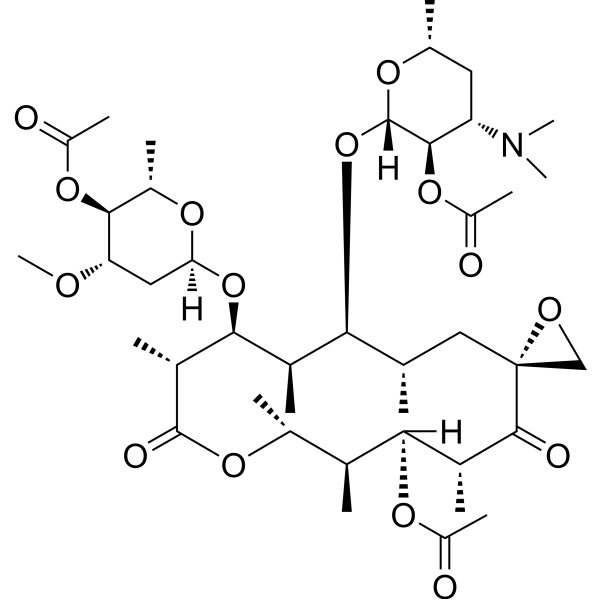
    Triacetyloleandomycin

    Cytochrome P450 Bacterial Infection Inflammation/Immunology
    Troleandomycin (Triacetyloleandomycin), a macrolide acrolide antibiotic, is a selective CYP3A inhibitor. Troleandomycin is an oral corticosteroid for asthma study [3].
    Troleandomycin
  • HY-B0696A

    NO050328 hydrochloride; NO328 hydrochloride; TGB hydrochloride

    GABA Receptor Neurological Disease
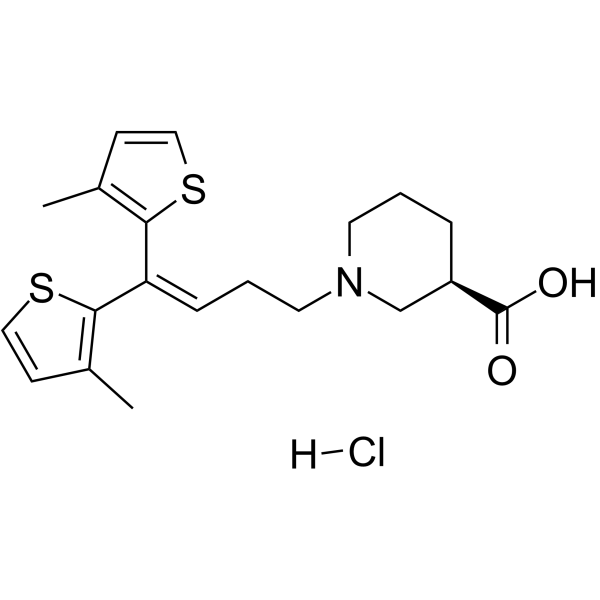
    Tiagabine hydrochloride (NO050328; NO328; TGB) is an orally active, highly selective, and reversible GAT-1 inhibitor and anticonvulsant that crosses the blood-brain barrier. By blocking the reuptake of GABA in neurons and glial cells, tiagabine increases extracellular GABA levels to enhance inhibitory signal transduction, thereby exerting multiple activities such as anticonvulsant, neuroprotective, and antioxidant effects. Tiagabine hydrochloride exhibits linear pharmacokinetic properties. Although it is metabolized by CYP3A and has a high protein binding rate, it carries a low risk of cognitive impairment. Tiagabine hydrochloride is widely used in research on related diseases including epilepsy (including refractory partial seizures), alcohol withdrawal symptoms, and Huntington's disease [3] .
    Tiagabine hydrochloride
  • HY-N0692
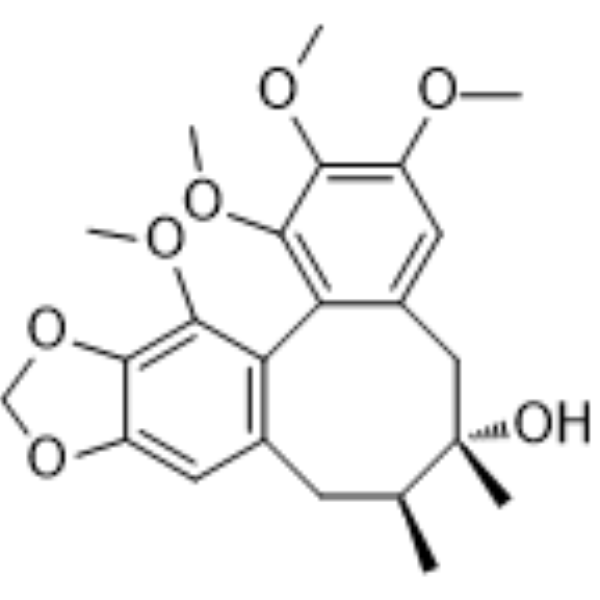
    Schisandrol B
    2 Publications Verification

    Gomisin-A; TJN-101; Wuweizi alcohol-B

    Reactive Oxygen Species (ROS) Cytochrome P450 Autophagy Cancer
    Schisandrol B (Gomisin-A) is a major active constituent of Schisandra chinensis with hepato-protective effects. Schisandrol B inhibits reactive oxygen species (ROS) production. Schisandrol B inhibits the activity of P-glycoprotein and CYP3A and also has anti-inflammatory, anti-diabetic and antioxidant activities [3].
    Schisandrol B
  • HY-B0696

    NO050328; NO328; TGB

    GABA Receptor Neurological Disease
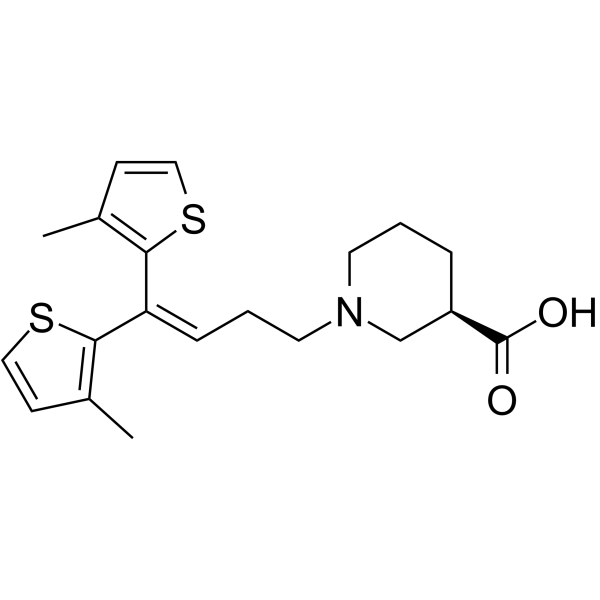
    Tiagabine (NO050328; NO328; TGB) is an orally active, highly selective, and reversible GAT-1 inhibitor and anticonvulsant that crosses the blood-brain barrier. By blocking the reuptake of GABA in neurons and glial cells, tiagabine increases extracellular GABA levels to enhance inhibitory signal transduction, thereby exerting multiple activities such as anticonvulsant, neuroprotective, and antioxidant effects. Tiagabine exhibits linear pharmacokinetic properties. Although it is metabolized by CYP3A and has a high protein binding rate, it carries a low risk of cognitive impairment. Tiagabine is widely used in research on related diseases including epilepsy (including refractory partial seizures), alcohol withdrawal symptoms, and Huntington's disease [3] .
    Tiagabine
  • HY-13463
    Avatrombopag
    5 Publications Verification

    AKR-501; E5501; YM477

    Thrombopoietin Receptor Inflammation/Immunology Cancer
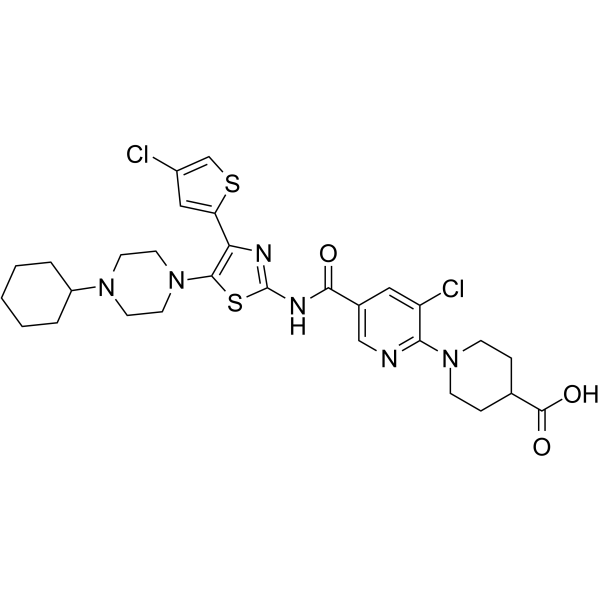
    Avatrombopag (AKR-501) is an orally active, nonpeptide thrombopoietin (TPO) receptor agonist (EC50=3.3 nM). Avatrombopag mimics the biological activities of TPO. Avatrombopag increases platelet production by activating the intracellular signaling system, and promotes production of platelets and megakaryocytes from hemopoietic precursor cells. Avatrombopag is a substrate of cytochrome P450 (CYP) 2C9 and CYP3A [3].
    Avatrombopag
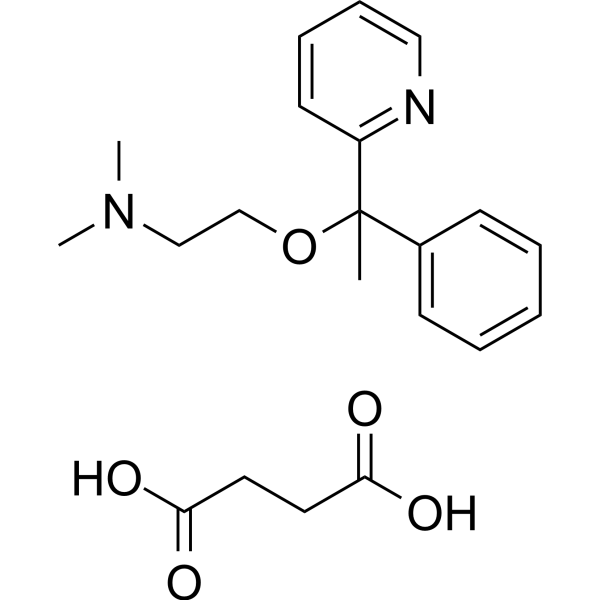
  • HY-A0069

    Histamine Receptor Cytochrome P450 Neurological Disease Metabolic Disease
    Doxylamine succinate is a first-generation antihistamine and acts as a histamine H1 receptor antagonist. Doxylamine succinate is orally active, possessing analgesic and hypnotic activities. Doxylamine succinate enhances the activities of CYP2B, CYP2A, CYP3A and thyroxine-glucuronosyltransferase via promoting substrate hydroxylation and thyroxine metabolic pathways. Doxylamine succinate decreases serum thyroxine (T4) level and elevates serum thyroid-stimulating hormone (TSH) level. Doxylamine succinate induces liver enlargement and increases the activities of hepatic microsomal cytochrome P450, cytochrome b5 and NADPH-cytochrome c reductase. Doxylamine succinate can be used for the research of nausea, allergy, insomnia [3].
    Doxylamine succinate
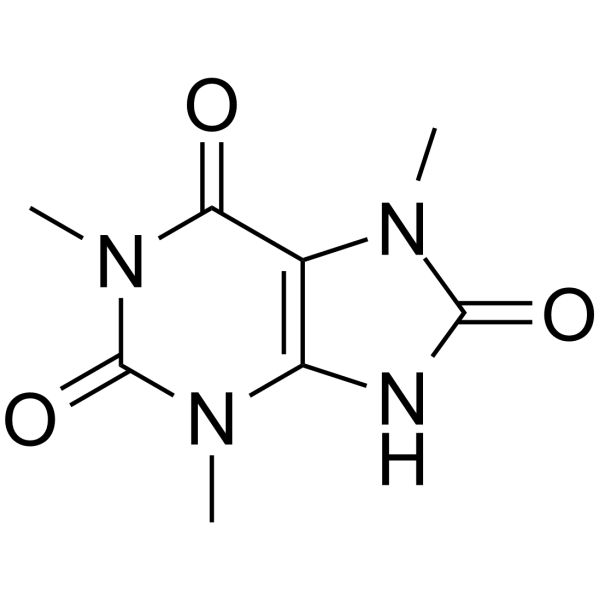
  • HY-113327

    Endogenous Metabolite Cancer
    1,3,7-Trimethyluric acid is the metabolite of caffeine. The metabolic ratio 1,3,7-Trimethyluric acid to caffeine can be evaluated as a biomarker to describe variability in CYP3A activity in a cohort .
    1,3,7-Trimethyluric acid
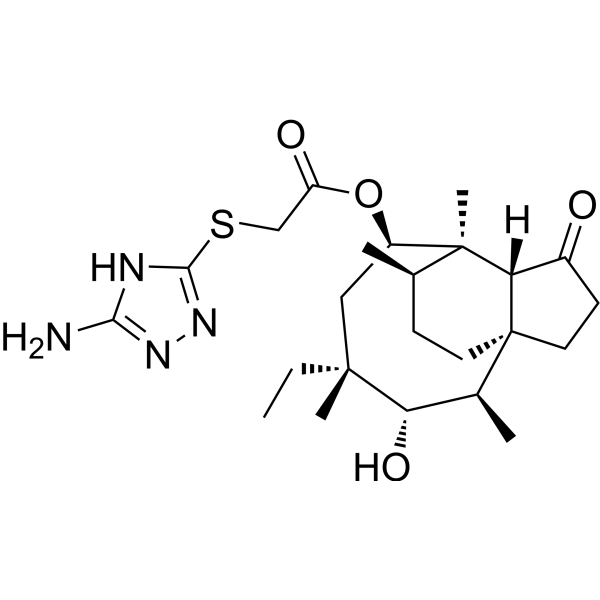
  • HY-W019847

    Cytochrome P450 Infection Metabolic Disease
    Azamulin is an irreversible, highly selective inhibitior of human CYP3Aa. Azamulin has CYP3A inhibition activity with IC50 values range from 0.03-0.24 μM. Azamulin can be used for the research of metabolism and antiinfection .
    Azamulin
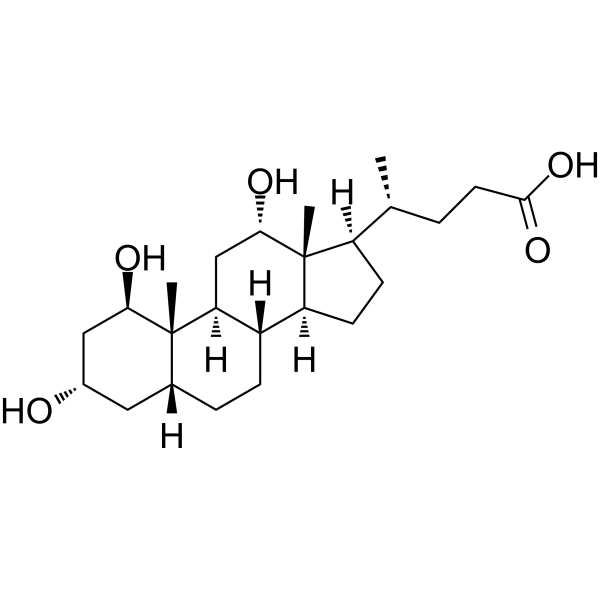
  • HY-113482

    1β-OH-DCA

    Endogenous Metabolite Cytochrome P450 Metabolic Disease
    1β-Hydroxydeoxycholic acid (1β-OH-DCA), a secondary bile acid, is a CYP3A biomarker. Deoxycholic acid is specifically metabolized into 1β-Hydroxydeoxycholic acid by CYP3A4 and CYP3A7 using recombinant human CYP450 enzymes .
    1β-Hydroxydeoxycholic acid
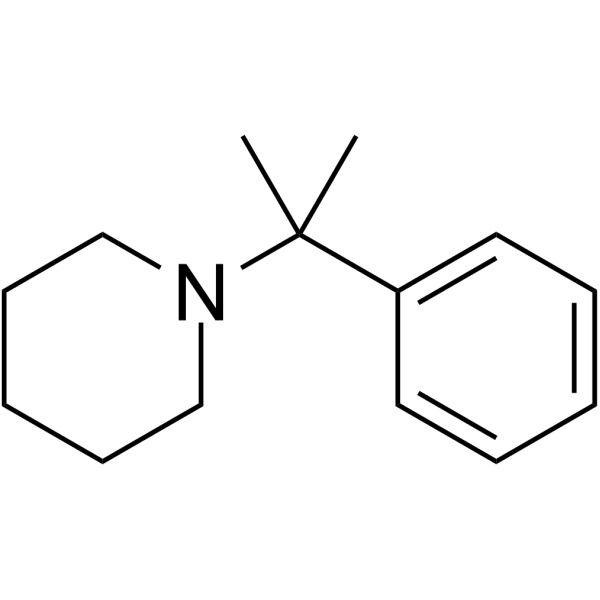
  • HY-W040468

    Cytochrome P450 Metabolic Disease
    2-Phenyl-2-(1-piperidinyl)propane is a selective and reversible human CYP2B6 inhibitor with an IC50 of 5.1 μM and a Ki of 5.6. 2-Phenyl-2-(1-piperidinyl)propane inhibits CYP2D6 (IC50=74 μM), CYP3A (IC50=200 μM) .
    2-Phenyl-2-(1-piperidinyl)propane
  • HY-N1457
    Chrysosplenetin
    3 Publications Verification

    P-glycoprotein Topoisomerase Apoptosis DNA/RNA Synthesis Wnt β-catenin Parasite Infection Metabolic Disease Cancer
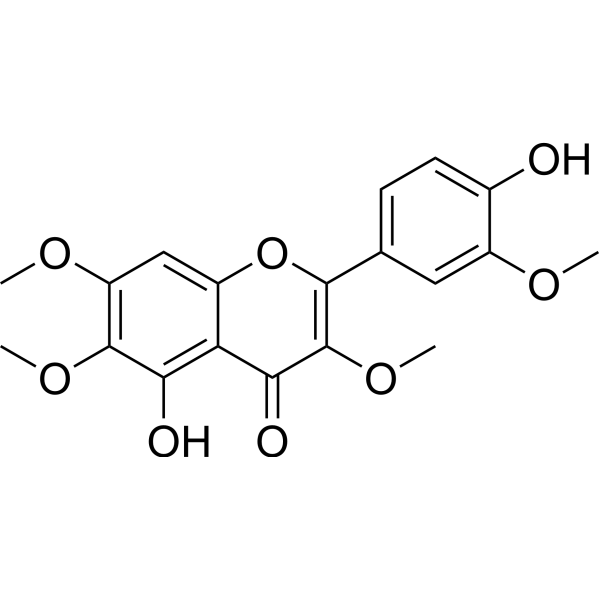
    Chrysosplenetin is an orally active polymethoxyflavone. Chrysosplenetin exerts anticancer effects by inhibiting topoisomerase, protecting DNA and inducing apoptosis. Chrysosplenetin acts as an antimalarial sensitizer, reverses Artemisinin (HY-B0094) resistance by inhibiting and downregulating P-glycoprotein, and enhances the efficacy of Artemisinin. Chrysosplenetin promotes bone formation by activating the Wnt/β-catenin pathway and exerts anti-osteoporotic effects [3] .
    Chrysosplenetin
  • HY-13463A
    Avatrombopag maleate
    5 Publications Verification

    AKR-501 maleate; E5501 maleate; YM477 maleate

    Thrombopoietin Receptor Cytochrome P450 ERK STAT Inflammation/Immunology Cancer
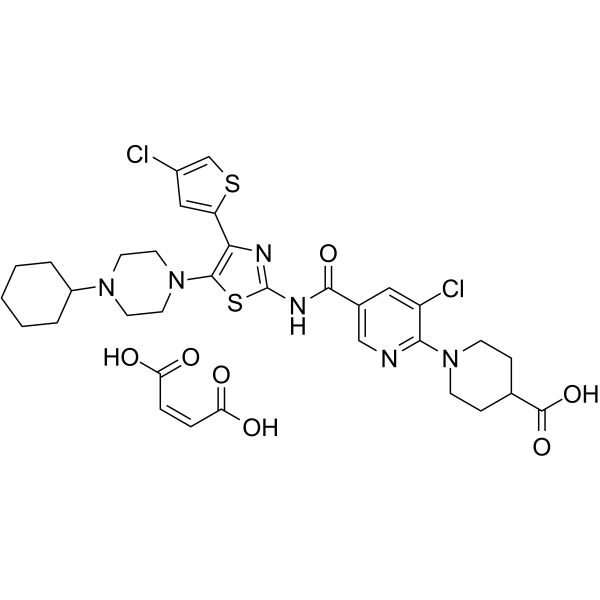
    Avatrombopag (AKR-501) maleate is an orally active, non-peptide thrombopoietin receptor (TPO receptor) agonist (EC50: 3.3 nM). Avatrombopag maleate mimics the biological activity of TPO. Avatrombopag maleate increases platelet production by activating intracellular signaling systems and promotes the production of platelets and megakaryocytes from hematopoietic precursor cells. Avatrombopag maleate is a substrate for cytochrome P450 (CYP) 2C9 and CYP3A [3].
    Avatrombopag maleate
  • HY-16718

    PF-00251802

    Glucocorticoid Receptor Cytochrome P450 Inflammation/Immunology Endocrinology
    Dagrocorat (PF-00251802) is an orally active and selective high-affinity partial agonist of the glucocorticoid receptor. Dagrocorat is also a time-dependent reversible inhibitor of CYP3A (IC50=1.3 μM in human liver microsomes) and CYP2D6 (Ki=0.57 μM in human liver microsomes). Dagrocorat can be used for the research of rheumatoid arthritis .
    Dagrocorat
  • HY-130353

    N-desethylamiodarone hydrochloride; LB 33020 hydrochloride

    Potassium Channel Autophagy Cardiovascular Disease
    Desethylamiodarone hydrochloride (N-desethylamiodarone hydrochloride) is a major active metabolite of Amiodarone. Desethylamiodarone hydrochloride is formed by CYP3A isoenzymes. Amiodarone is an antiarrhythmic agent for inhibition of ATP-sensitive potassium channel with an IC50 of 19.1 μM [3].
    Desethylamiodarone hydrochloride
  • HY-117580

    OH-PRED

    Drug Metabolite Inflammation/Immunology
    16α-Hydroxyprednisolone (OH-PRED) is a stereoselective metabolite of the 22(R) epimer of the glucocorticoid Budesonide (HY-13580). 16α-Hydroxyprednisolone formation is catalyzed by isoenzymes within the cytochrome P450 3A (CYP3A) subfamily. 16α-Hydroxyprednisolone formation can be inhibited by antibodies targeting the CYP3A subfamily [3].
    16α-Hydroxyprednisolone
  • HY-B0589C

    Cytochrome P450 Metabolic Disease
    (3S,5S)-Atorvastatin is a inactive enantiomer of Atorvastatin. (3S,5S)-Atorvastatin can activate pregnane X receptor (PXR). Atorvastatin is an orally active HMG-CoA reductase inhibitor, has the ability to effectively decrease blood lipids .
    (3S,5S)-Atorvastatin
  • HY-151239

    AR 00440993

    Cytochrome P450 Cancer
    ONT-993 is an aliphatic hydroxylated metabolite. ONT-993 inhibits CYP2D6 (IC50=7.9 µM) and causes metabolism-dependent inactivation of CYP3A (KI=1.6 µM) .
    ONT-993
  • HY-137789

    LY 213829

    COX Cancer
    Tazofelone (LY 213829) is a cyclooxygenase-II (COX-II) inhibitor. Tazofelone transform into sulfoxide and quinol metabolites is primarily mediated by CYP3A. Tazofelone can be used for the research of inflammatory bowel disease .
    Tazofelone
  • HY-150574

    Cytochrome P450 Infection
    CYP3A4-IN-1 (compound 5a) is a potent cytochrome P450 3A4 (CYP3A4) inhibitor with an IC50 value of 0.085 µM .
    CYP3A4-IN-1
  • HY-107534

    GnRH Receptor Endocrinology
    AG-045572 is a GnRH receptor antagonist with Kis of 6.0 nM and 3.8 nM for human and rat GnRH receptor, respectively. AG-045572 is metabolized by CYP3A and ressuppresses testosterone .
    AG-045572
  • HY-117789

    keto-ITZ

    Cytochrome P450 Infection Cancer
    Keto-itraconazole (keto-ITZ) is a metabolism of Itraconazole (HY-17514) with a potent inhibitor activity of CYP3A. Keto-itraconazole shows unbound IC50 value of 4.6 nM when coincubated with human liver microsomes and midazolam .
    Keto-itraconazole
  • HY-13463B
    Avatrombopag hydrochloride
    5 Publications Verification

    AKR-501 hydrochloride; E5501 hydrochloride; YM477 hydrochloride

    Thrombopoietin Receptor Cardiovascular Disease Cancer
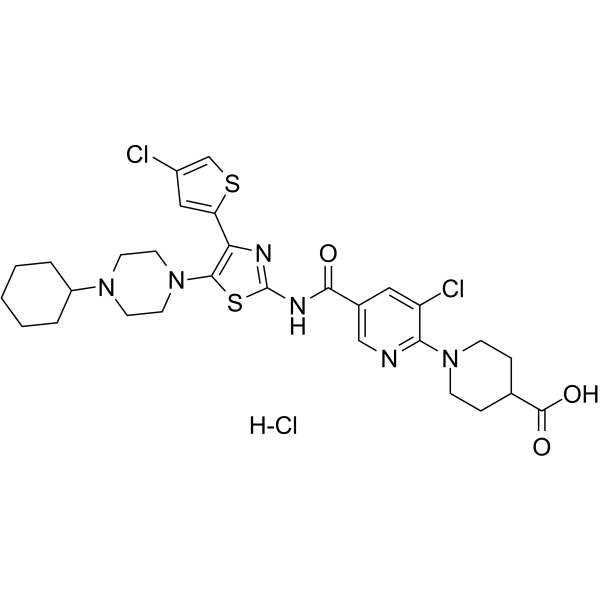
    Avatrombopag (AKR-501) hydrochloride is an orally active, nonpeptide thrombopoietin (TPO) receptor agonist (EC50=3.3 nM). Avatrombopag hydrochloride mimics the biological activities of TPO. Avatrombopag hydrochloride increases platelet production by activating the intracellular signaling system, and promotes production of platelets and megakaryocytes from hemopoietic precursor cells. Avatrombopag hydrochloride is a substrate of cytochrome P450 (CYP) 2C9 and CYP3A [3].
    Avatrombopag hydrochloride
  • HY-10493R

    GS-9350 (Standard)

    Reference Standards Cytochrome P450 HIV Infection Cancer
    Cobicistat (Standard) is the analytical standard of Cobicistat. This product is intended for research and analytical applications. Cobicistat is a potent and selective inhibitor of cytochrome P450 3A (CYP3A) enzymes with IC50s of 30-285 nM. Cobicistat is a pharmacokinetic enhancer which increases the overall absorption of several HIV medications.
    Cobicistat (Standard)
  • HY-10493S

    GS-9350-d8

    Isotope-Labeled Compounds HIV Cytochrome P450 Infection
    Cobicistat-d8 (GS-9350-d8) is a deuterated version of Cobicistat (HY-10493). Cobicistat is a potent and selective inhibitor of cytochrome P450 3A (CYP3A) with IC50 values of 30-285 nM. Cobicistat is a pharmacokinetic enhancer that enhances the absorption of anti-HIV active molecules [3].
    Cobicistat-d8
  • HY-100902

    Cytochrome P450 Metabolic Disease
    CDD3506 is used for elevating high density lipoprotein cholesterol (HDL) by inducing hepatic cytochrome P450IIIA (CYP3A) activity.
    CDD3506
  • HY-118216

    Biloxazol

    Fungal Cytochrome P450 Infection
    Bitertanol (Biloxazol) is a potent antifungal agent. Bitertanol also is an CYP1A1, CYP2B, and CYP3A inducer in vivo and an CYP1A inhibitor in vitro .
    Bitertanol
  • HY-130353S

    Isotope-Labeled Compounds Potassium Channel Autophagy Cardiovascular Disease
    Desethyl Amiodarone-d4 (hydrochloride) is the deuterium labeled Desethylamiodarone hydrochloride. Desethylamiodarone hydrochloride (N-desethylamiodarone hydrochloride) is a major active metabolite of Amiodarone. Desethylamiodarone hydrochloride is formed by CYP3A isoenzymes. Amiodarone is an antiarrhythmic agent for inhibition of ATP-sensitive potassium channel with an IC50 of 19.1 μM [3].
    Desethyl Amiodarone-d4 hydrochloride
  • HY-16718A

    PF-00251802 hydrochloride

    Glucocorticoid Receptor Cytochrome P450 Inflammation/Immunology Endocrinology
    Dagrocorat (PF-00251802) hydrochloride is an orally active and selective high-affinity partial agonist of the glucocorticoid receptor. Dagrocorat hydrochloride is also a time-dependent reversible inhibitor of CYP3A (IC50=1.3 μM in human liver microsomes) and CYP2D6 (Ki=0.57 μM in human liver microsomes). Dagrocorat hydrochloride can be used for the research of rheumatoid arthritis .
    Dagrocorat hydrochloride
  • HY-N7454

    Drug Metabolite Bacterial Infection
    Anhydroerythromycin A is a degradation product of the macrolide antibiotic erythromycin. Anhydroerythromycin A is formed via degradation of erythromycin in acidic aqueous solutions in vitro as well as in vivo. Anhydroerythromycin A is active against S. aureus and B. cereus in vitro (MICs = 12.5 and 6.25 μg/ml, respectively). Anhydroerythromycin A also inhibits steroid 6β-hydroxylase activity associated with the cytochrome P450 (CYP) isoform CYP3A in human liver microsomes.
    Anhydroerythromycin A
  • HY-13463BS

    AKR-501-d8 hydrochloride; E5501-d8 hydrochloride; YM477-d8 hydrochloride

    Isotope-Labeled Compounds Thrombopoietin Receptor Cardiovascular Disease
    Avatrombopag-d8 (hydrochloride) is deuterium labeled Avatrombopag (hydrochloride). Avatrombopag (AKR-501) hydrochloride is an orally active, nonpeptide thrombopoietin (TPO) receptor agonist (EC50=3.3 nM). Avatrombopag hydrochloride mimics the biological activities of TPO. Avatrombopag hydrochloride increases platelet production by activating the intracellular signaling system, and promotes production of platelets and megakaryocytes from hemopoietic precursor cells. Avatrombopag hydrochloride is a substrate of cytochrome P450 (CYP) 2C9 and CYP3A [3].
    Avatrombopag-d8 hydrochloride
  • HY-13463R

    AKR-501 (Standard); E5501 (Standard); YM477 (Standard)

    Reference Standards Thrombopoietin Receptor Inflammation/Immunology Cancer
    Avatrombopag (Standard) is the analytical standard of Avatrombopag. This product is intended for research and analytical applications. Avatrombopag (AKR-501) is an orally active, nonpeptide thrombopoietin (TPO) receptor agonist (EC50=3.3 nM). Avatrombopag mimics the biological activities of TPO. Avatrombopag increases platelet production by activating the intracellular signaling system, and promotes production of platelets and megakaryocytes from hemopoietic precursor cells. Avatrombopag is a substrate of cytochrome P450 (CYP) 2C9 and CYP3A [3].
    Avatrombopag (Standard)
  • HY-A0069A

    Histamine Receptor Cytochrome P450 Neurological Disease Metabolic Disease
    Doxylamine is a first-generation antihistamine and acts as a histamine H1 receptor antagonist. Doxylamine is orally active, possessing analgesic and hypnotic activities. Doxylamine enhances the activities of CYP2B, CYP2A, CYP3A and thyroxine-glucuronosyltransferase via promoting substrate hydroxylation and thyroxine metabolic pathways. Doxylamine decreases serum thyroxine (T4) level and elevates serum thyroid-stimulating hormone (TSH) level. Doxylamine induces liver enlargement and increases the activities of hepatic microsomal cytochrome P450, cytochrome b5 and NADPH-cytochrome c reductase. Doxylamine can be used for the research of nausea, allergy, insomnia [3].
    Doxylamine
  • HY-B0696B

    NO050328 hydrochloride hydrate; NO328 hydrochloride hydrate; TGB hydrochloride hydrate

    GABA Receptor Neurological Disease
    Tiagabine (NO050328; NO328; TGB) hydrochloride hydrate is an orally active, highly selective, and reversible GAT-1 inhibitor and anticonvulsant that crosses the blood-brain barrier. By blocking the reuptake of GABA in neurons and glial cells, tiagabine increases extracellular GABA levels to enhance inhibitory signal transduction, thereby exerting multiple activities such as anticonvulsant, neuroprotective, and antioxidant effects. Tiagabine hydrochloride hydrate exhibits linear pharmacokinetic properties. Although it is metabolized by CYP3A and has a high protein binding rate, it carries a low risk of cognitive impairment. Tiagabine hydrochloride hydrate is widely used in research on related diseases including epilepsy (including refractory partial seizures), alcohol withdrawal symptoms, and Huntington's disease [3] .
    Tiagabine hydrochloride hydrate
  • HY-A0069R

    Reference Standards Histamine Receptor Cytochrome P450 Neurological Disease Metabolic Disease
    Doxylamine succinate (Standard) is the analytical standard of Doxylamine succinate (HY-A0069). This product is intended for research and analytical applications. Doxylamine succinate is a first-generation antihistamine and acts as a histamine H1 receptor antagonist. Doxylamine succinate is orally active, possessing analgesic and hypnotic activities. Doxylamine succinate enhances the activities of CYP2B, CYP2A, CYP3A and thyroxine-glucuronosyltransferase via promoting substrate hydroxylation and thyroxine metabolic pathways. Doxylamine succinate decreases serum thyroxine (T4) level and elevates serum thyroid-stimulating hormone (TSH) level. Doxylamine succinate induces liver enlargement and increases the activities of hepatic microsomal cytochrome P450, cytochrome b5 and NADPH-cytochrome c reductase. Doxylamine succinate can be used for the research of nausea, allergy, insomnia [3].
    Doxylamine succinate (Standard)
  • HY-150580

    Cytochrome P450 Inflammation/Immunology Cancer
    CYP3A4-IN-2 is a specific inhibitor of cytochrome P450 3A4 (CYP3A4) with the IC50 value of 0.055 μM. CYP3A4-IN-2 is a ritonavir analogue with increased hydrophobicity of the R2 side group and stronger inhibitory effect compared to ritonavir. CYP3A4-IN-2 can be used as an antiviral agent and immunosuppressants .
    CYP3A4-IN-2
  • HY-175345

    Parasite Infection
    CYP3A4-IN-5 (Compound 5p) is a potent Leishmania major pteridine reductase 1 (Lm PTR1) inhibitor (IC50=12.77 µM). CYP3A4-IN-5 is promising for research of parasite infection .
    CYP3A4-IN-5
  • HY-146177

    Bacterial Cytochrome P450 Infection
    CYP3A4 enzyme-IN-1 (compound 59) is a potent antibacterial agent, with a MIC of 1 μg/mL for MRSA. CYP3A4 enzyme-IN-1 exhibits low to moderate inhibitory effects on CYP1A2, CYP2E1, CYP2D6, and CYP3A4 enzymes .
    CYP3A4 enzyme-IN-1
  • HY-100901

    Cytochrome P450 Metabolic Disease
    CDD3505 is used for elevating high density lipoprotein cholesterol (HDL) by inducing hepatic cytochrome P450IIIA (CYP3A) activity.
    CDD3505
  • HY-117580S

    OH-PRED-d3

    Isotope-Labeled Compounds Drug Metabolite Inflammation/Immunology
    16α-Hydroxyprednisolone-d3 is the deuterium labeled 16α-Hydroxyprednisolone. 16α-Hydroxyprednisolone is a stereoselective metabolite of the 22(R) epimer of the glucocorticoid Budesonide (HY-13580). 16α-Hydroxyprednisolone formation is catalyzed by isoenzymes within the cytochrome P450 3A (CYP3A) subfamily. 16α-Hydroxyprednisolone formation can be inhibited by antibodies targeting the CYP3A subfamily .
    16α-Hydroxyprednisolone-d3
  • HY-117580R

    OH-PRED (Standard)

    Reference Standards Drug Metabolite Inflammation/Immunology
    16α-Hydroxyprednisolone (OH-PRED) (Standard) is the analytical standard of 16α-Hydroxyprednisolone. This product is intended for research and analytical applications. 16α-Hydroxyprednisolone is a stereoselective metabolite of the 22(R) epimer of the glucocorticoid Budesonide (HY-13580). 16α-Hydroxyprednisolone formation is catalyzed by isoenzymes within the cytochrome P450 3A (CYP3A) subfamily. 16α-Hydroxyprednisolone formation can be inhibited by antibodies targeting the CYP3A subfamily .
    16α-Hydroxyprednisolone (Standard)
  • HY-N0693R

    Schizandrin-A (Standard); Wuweizisu-A (Standard); Deoxyschizandrin (Standard)

    Reference Standards Cytochrome P450 Autophagy Virus Protease Inflammation/Immunology Cancer
    Schisandrin A (Standard) is the analytical standard of Schisandrin A. This product is intended for research and analytical applications. Schisandrin A inhibits CYP3A activity with an IC50 of 6.60 μM and Ki of 5.83 μM, respectively.
    Schisandrin A (Standard)
  • HY-135175

    Adrenergic Receptor Cardiovascular Disease Neurological Disease
    Phenoprolamine hydrochloride is an adrenergic α1 receptor antagonist that exhibits potent antihypertensive effects. Phenoprolamine hydrochloride demonstrates neuroprotective and cardioprotective properties. Phenoprolamine hydrochloride inhibits CYP2D and CYP3A activities while down-regulating their mRNA transcription.
    Phenoprolamine hydrochloride
  • HY-W110138

    DNA/RNA Synthesis Cytochrome P450 ROCK Cancer
    Chloroxoquinoline is an anticancer agent. Chloroxoquinoline damages the DNA templates of cancer cells, inducing DNA breaks and cell death, and inhibits cell invasion via down-regulating Rho/Rho kinase signaling pathway. Chloroxoquinoline enhances the radiation sensitivity of Lewis lung cancer cells and xenograft tumors in tumor-bearing mouse models but decreases efficacy after long term exposure in rat models by auto-induction effects on CYP1A and CYP3A. Chloroxoquinoline has a broad-spectrum anticancer activity, such as non-small-cell lung carcinoma (NSCLC), breast cancer and gastric cancer .
    Chloroxoquinoline
  • HY-118216R

    Biloxazol (Standard)

    Reference Standards Fungal Cytochrome P450 Infection
    Bitertanol (Standard) is the analytical standard of Bitertanol. This product is intended for research and analytical applications. Bitertanol (Biloxazol) is a potent antifungal agent. Bitertanol also is an CYP1A1, CYP2B, and CYP3A inducer in vivo and an CYP1A inhibitor in vitro .
    Bitertanol (Standard)
  • HY-130353R

    N-desethylamiodarone hydrochloride(Standard); LB 33020 hydrochloride (Standard)

    Reference Standards Potassium Channel Autophagy Cardiovascular Disease
    Desethylamiodarone (hydrochloride) (Standard) is the analytical standard of Desethylamiodarone (hydrochloride). This product is intended for research and analytical applications. Desethylamiodarone hydrochloride (N-desethylamiodarone hydrochloride) is a major active metabolite of Amiodarone. Desethylamiodarone hydrochloride is formed by CYP3A isoenzymes. Amiodarone is an antiarrhythmic agent for inhibition of ATP-sensitive potassium channel with an IC50 of 19.1 μM [3].
    Desethylamiodarone hydrochloride (Standard)
  • HY-N2621

    Cytochrome P450 Inflammation/Immunology
    Evodol is a natural product isolated from the dried and nearly ripe fruits of Euodia rutaecarpa. Evodol shows inhibitory activity against NO production . Evodol possesses larvicidal activity against the Asian tiger mosquitoes with a LC50 value of 32.43 μg/ml . Evodol has the inhibitory effect on CYP3A [3].
    Evodol
  • HY-N0692R

    Gomisin-A (Standard); TJN-101 (Standard); Wuweizi alcohol-B (Standard)

    Reference Standards Reactive Oxygen Species (ROS) Cytochrome P450 Autophagy Cancer
    Schisandrol B (Standard) is the analytical standard of Schisandrol B. This product is intended for research and analytical applications. Schisandrol B (Gomisin-A) is a major active constituent of Schisandra chinensis with hepato-protective effects. Schisandrol B inhibits reactive oxygen species (ROS) production. Schisandrol B inhibits the activity of P-glycoprotein and CYP3A and also has anti-inflammatory, anti-diabetic and antioxidant activities [3].
    Schisandrol B (Standard)
  • HY-13463BR

    AKR-501 hydrochloride (Standard); E5501 hydrochloride (Standard); YM477 hydrochloride (Standard)

    Thrombopoietin Receptor Reference Standards Cardiovascular Disease Cancer
    Avatrombopag (hydrochloride) (Standard) is the analytical standard of Avatrombopag (hydrochloride). This product is intended for research and analytical applications. Avatrombopag (AKR-501) hydrochloride is an orally active, nonpeptide thrombopoietin (TPO) receptor agonist (EC50=3.3 nM). Avatrombopag hydrochloride mimics the biological activities of TPO. Avatrombopag hydrochloride increases platelet production by activating the intracellular signaling system, and promotes production of platelets and megakaryocytes from hemopoietic precursor cells. Avatrombopag hydrochloride is a substrate of cytochrome P450 (CYP) 2C9 and CYP3A [3].
    Avatrombopag hydrochloride (Standard)

Inquiry Online

Your information is safe with us. * Required Fields.

Salutation


Country or Region *

Applicant Name *


Organization Name *

Department *


Email Address *


Product Name *

Cat. No.


Requested quantity *

Phone Number *


Remarks

Inquiry Online

Inquiry Information

Product Name:
Cat. No.:
Quantity:
MCE Japan Authorized Agent:

