
Search Result
Results for "
Chlorophyll
" in MedChemExpress (MCE) Product Catalog:
4
Biochemical Assay Reagents
2
Isotope-Labeled Compounds
| Cat. No. |
Product Name |
Target |
Research Areas |
Chemical Structure |
-
- HY-N3075
-
-
-
- HY-W127709
-
|
|
Environmental Pollutants
Biochemical Assay Reagents
|
Others
|
|
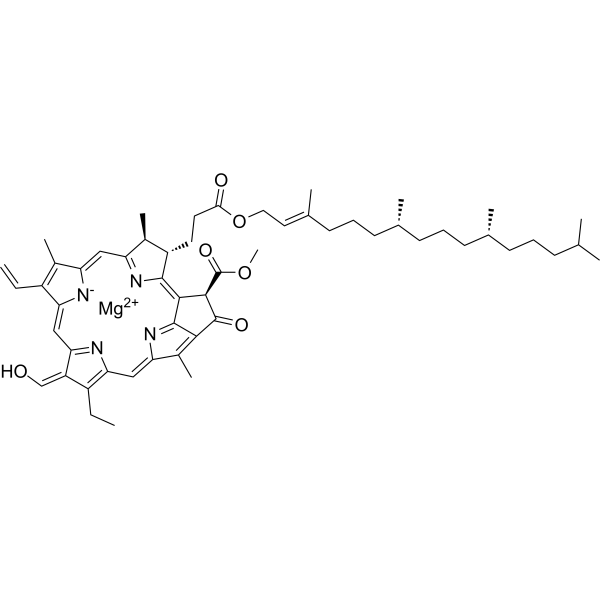
Chlorophyll b is an orally active tetrapyrrole derivative and pigment. Chlorophyll b can be obtained from photosynthetic organisms such as plants and algae. Chlorophyll b acts as a hydrogen donor and increases Glutathione levels. Chlorophyll b has antioxidant activity and functionally replaces chlorophyll a in photosystem II to participate in photosynthesis. Chlorophyll b reduces Cisplatin (HY-17394)-induced DNA damage, chromosome instability, and oxidative stress. Chlorophyll b is mainly used in the study of plant photosynthesis mechanism .
|
-
-
- HY-125665
-
|
|
Apoptosis
|
Cardiovascular Disease
Cancer
|
|
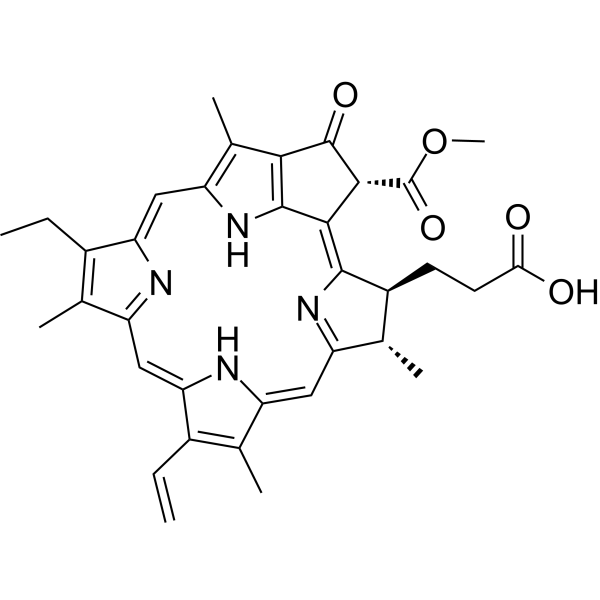
Pheophorbide A is an intermediate product in the chlorophyll degradation pathway. Pheophorbide A can be used as a photosensitizer. Pheophorbide A is a lymphatic vascular activator. Pheophorbide A has antitumor activity. Pheophorbide A can be used for human lymphatic vascular insufficiencies research .
|
-
-
- HY-122464
-
|
|
Herbicide
|
Others
|
|
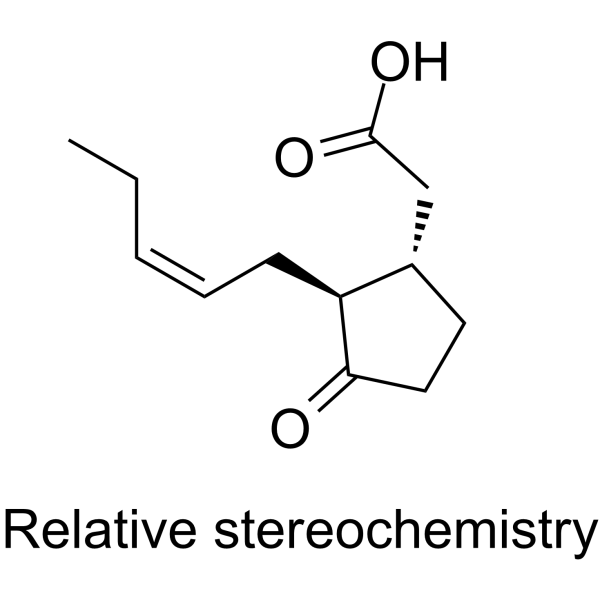
(±)-Jasmonic acid is an endogenous growth regulator closely related to plant resistance to abiotic stresses, used to activate defense responses to wounding, herbivory, and pathogen attacks. (±)-Jasmonic acid does not play an independent regulatory role, but works in a complex signaling network with other plant hormone signaling pathways. In addition, (±)-Jasmonic acid can also reduce chlorophyll levels in green and etiolated barley leaf segments and inhibit the elongation of rice seedlings .
|
-
-
- HY-129430
-
|
|
Ferrochelatase
|
Metabolic Disease
|
|
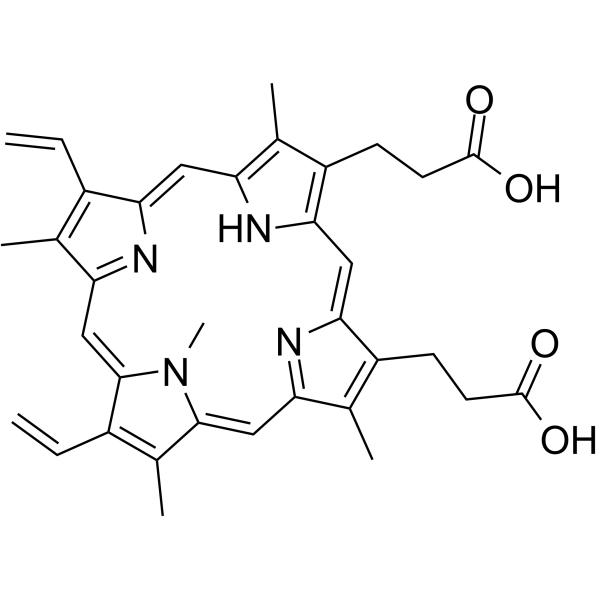
N-Methylprotoporphyrin IX is a Ferrochelatase inhibitor with a Ki app value of 3 nM. N-methylprotoporphyrin IX dimethyl ester potently inhibits the synthesis of phycocyanin and chlorophyll a. N-Methylprotoporphyrin IX can be used for the research of haem deficiency-associated disorders .
|
-
-
- HY-139838
-
|
|
Herbicide
|
Others
Cancer
|
|
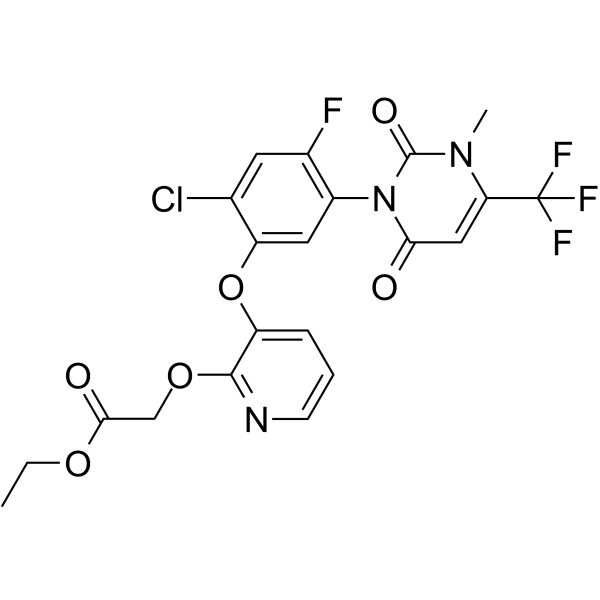
Epyrifenacil is a protoporphyrinogen oxidase (PPO) inhibiting herbicide, potently targeting the PPO2 isoform from weeds such as Amaranthus palmeri with an IC50 of 0.637 nM. Epyrifenacil also inhibits liver mitochondrial PPO across species, with IC50 values of 2.2 nM (mouse), 2.6 nM (rat), 12.1 nM (rabbit), 7.6 nM (dog), and 10.2 nM (human). Epyrifenacil induces liver tumor development in mice. Epyrifenacil can be used for weed control, and also used as a tool compound in toxicological research to study the mechanism of PPO inhibition, chemical-induced hepatotoxicity, and the mode of action of non-genotoxic carcinogens in rodents [3].
|
-
-
- HY-W051140
-
|
Disilver sulfate, 99%
|
Environmental Pollutants
Biochemical Assay Reagents
|
Others
|
|
Silver sulfate acts as an ethylene inhibitor and a shoot regeneration promoter. Silver sulfate promotes shoot proliferation in explants of the cherry rootstock CAB-6P. Silver sulfate is applicable to studies on the optimization of micropropagation for cherry rootstocks .
|
-
-
- HY-128972
-
|
|
Reactive Oxygen Species (ROS)
Apoptosis
|
Others
|
|
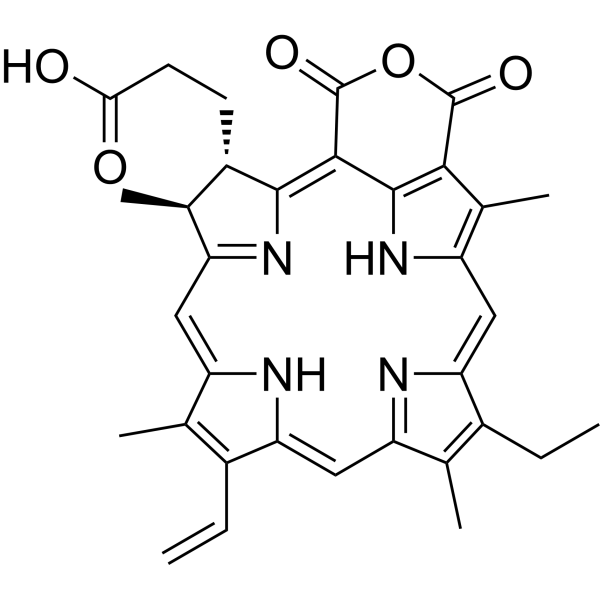
Purpurin 18, a derivative of chlorophyll and a type of dihydroporphyrin, is used to produce photosensitizers. Purpurin 18 photodynamic therapy can induce cell apoptosis and has anti-tumor activity .
|
-
-
- HY-137473
-
|
Pyropheophorbide-a methyl ester
|
Apoptosis
|
Cancer
|
|
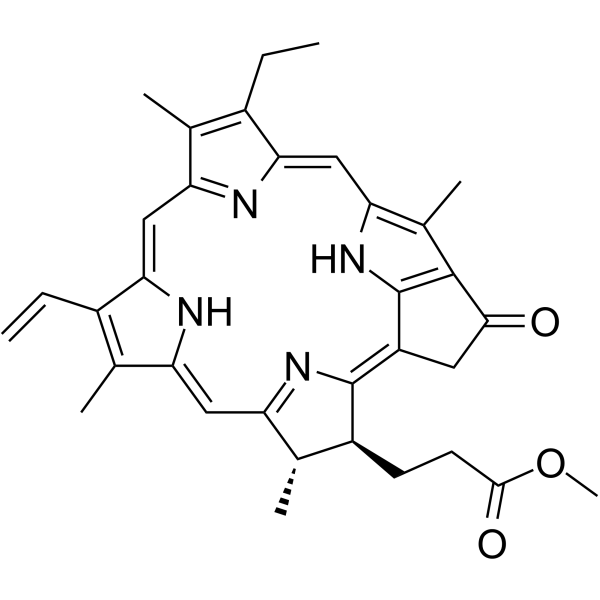
Methyl pyropheophorbide-a (Pyropheophorbide-a methyl ester), a chlorophyll-a derivative, is a potent photosensitizer that can be used in photodynamic therapy (PDT) of cancer. Methyl pyropheophorbide-a has photodynamic activity and can induce apoptosis and inhibit tumor growth .
|
-
-
- HY-122464S2
-
|
|
Isotope-Labeled Compounds
|
Others
|
|
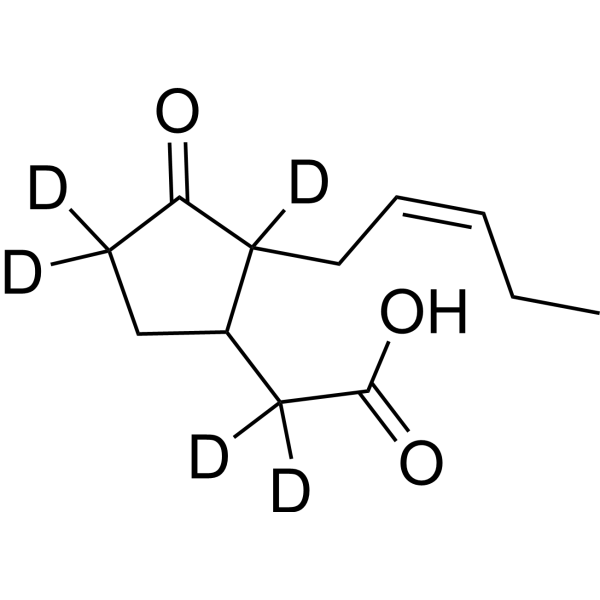
(±)-Jasmonic acid-d5 is the deuterium labeled (±)-Jasmonic acid. (±)-Jasmonic acid is a plant growth regulator and a derivative of α-linolenic acid. (±)-Jasmonic acid decreases chlorophyll levels in green and etiolated barley leaf segments and inhibits elongation of rice seedlings.
|
-
-
- HY-B2024
-
|
|
Environmental Pollutants
Herbicide
|
Others
|
|
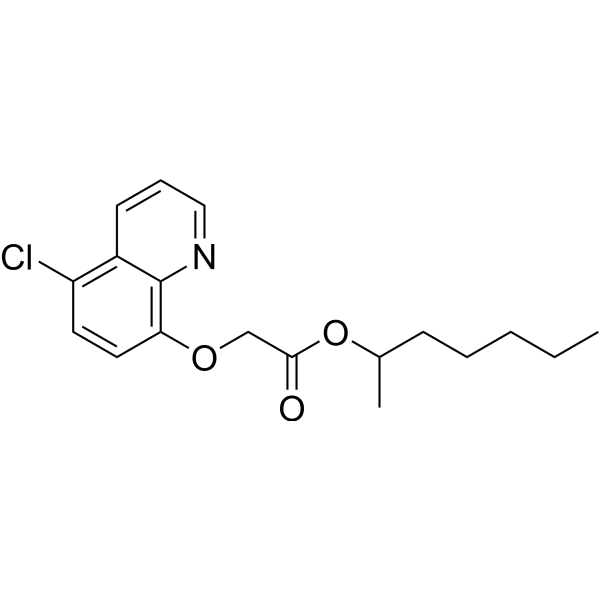
Cloquintocet-mexyl is a herbicide safener. Cloquintocet-mexyl promotes the expression of genes related to chlorophyll synthesis (such as GTR and PPO) and chlorophyll-binding protein genes (CBP), increases the chlorophyll content, thereby promoting photosynthesis and reducing oxidative stress. Cloquintocet-mexyl improves wheat tolerance to Fomesafen (HY-B2010) .
|
-
-
- HY-N10902
-
-
-
- HY-D1815
-
|
APC Dye
|
Fluorescent Dye
|
Others
|
|
Allophycocyanin (APC Dye) is a light-harvesting protein, containing strongly coupled dimers of chromophores. Allophycocyanin serve as a minimal system to examine photosynthetic energy transfer. Allophycocyanin strongly absorbs far-red light (FRL), and expresses during acclimation to low light, likely associates with chlorophyll a-containing photosystem I .
|
-
-
- HY-P2888
-
|
BOD
|
Biochemical Assay Reagents
|
Metabolic Disease
|
|
Bilirubin oxidase (BOD) is an electrocatalyst with oxygen removal activity. Bilirubin oxidase can catalyze the oxidation of bilirubin to biliverdin. Bilirubin oxidase participates in the metabolism of porphyrins and chlorophyll, and acts as a catalyst for oxygen reduction. Bilirubin oxidase can serve as a component of a single-enzyme oxygen removal system for reductase-based voltammetric biosensors .
|
-
-
- HY-W040206
-
|
|
Environmental Pollutants
Acetolactate Synthase (ALS)
Herbicide
|
Others
|
|
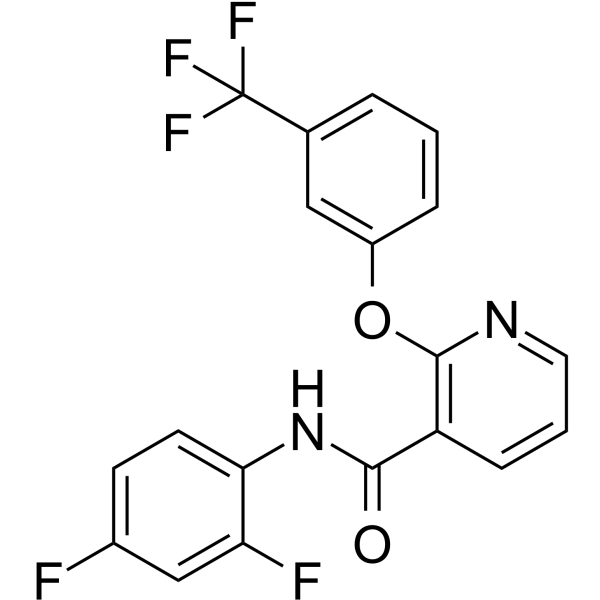
Diflufenican is a Herbicide. Diflufenican inhibits phytoene desaturase (PDS) in the carotenoid synthesis pathway. Diflufenican suppresses the production of PDS, blocks carotenoid biosynthesis, thereby inducing chlorophyll destruction and cell membrane rupture, and ultimately causes the death of broadleaf weeds. The combination of Diflufenican and Flufenacet can be used to control Lolium rigidum populations resistant to ALS/ACCase .
|
-
-
- HY-119176
-
|
|
Environmental Pollutants
Protoporphyrinogen IX oxidase
Herbicide
|
Others
|
|
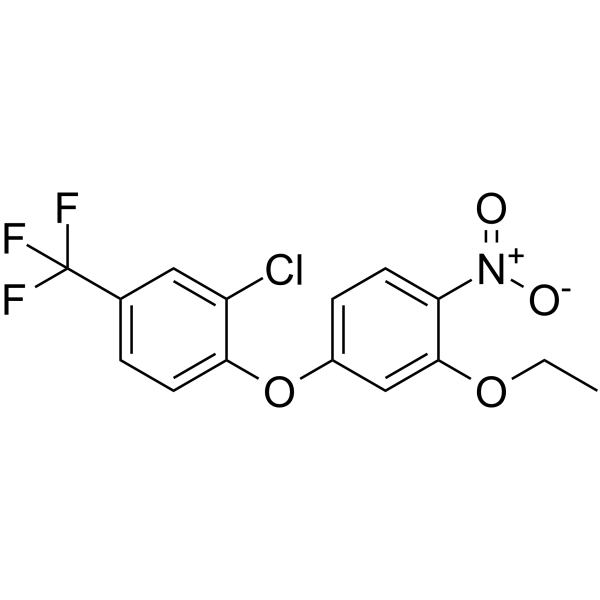
Oxyfluorfen is a pre- and post-emergence diphenyl ether herbicide to control annual broad-leaved and grass weeds. Oxyfluorfen is a protoporphyrinogen oxidase inhibitor and inhibits photosynthesis by blocking chlorophyll synthesis. Oxyfluorfen can inhibit cell growth. Oxyfluorfen induces DNA damage and exhibits toxicity toward aquatic organisms such as Paramisgurnus dabryanus. Oxyfluorfen has genome-level deleterious effects on fish that can lead to stunted skeletal growth. Oxyfluorfen induces transverse limb deficiency or craniosynostosis .
|
-
-
- HY-W040194
-
|
|
Environmental Pollutants
Herbicide
|
Metabolic Disease
|
|
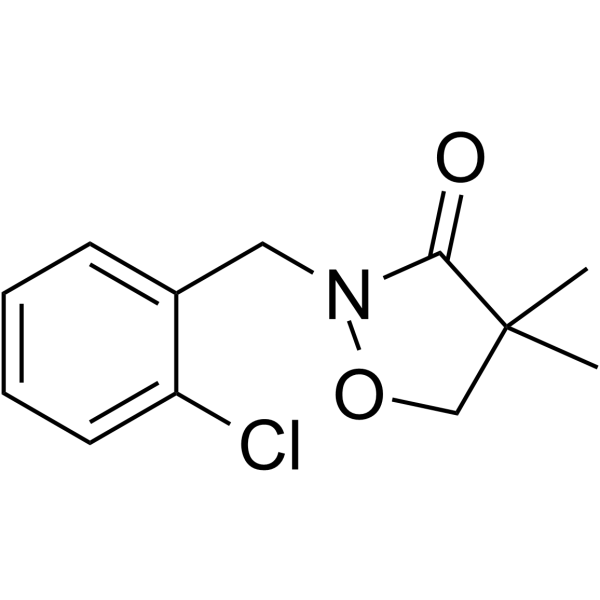
Clomazone is a broad spectrum herbicide, mainly used to control annual broadleaf weeds and grass weeds in various crops such as rice, soybeans, and peanuts. Clomazone inhibits carotenoid biosynthesis, and treated plants show typical "albinism" symptoms due to the destruction of chloroplast membrane structure leading to chlorophyll degradation. Clomazone exhibits multiple toxic effects on non-target organisms, including aquatic lethality, developmental malformations, liver damage, mitochondrial dysfunction, and hematotoxicity .
|
-
-
- HY-137910
-
|
|
Environmental Pollutants
HPPD
Herbicide
|
Infection
|
|
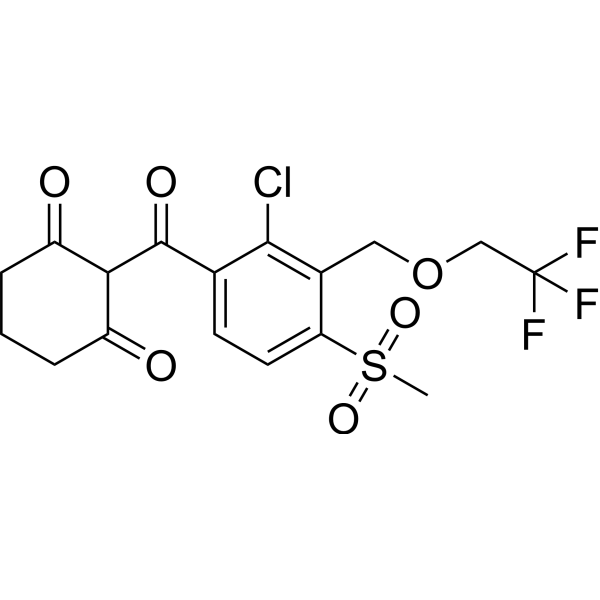
Tembotrione is a herbicide belonging to the HPPD (dioxygenase) inhibitor class with crop selectivity. Tembotrione effectively controls a variety of weeds including broadleaf and gramineous species by disrupting carotenoid synthesis, which leads to chlorophyll degradation and leaf whitening. Mixing Tembotrione with isoxaflutole or adding surfactants optimizes its efficacy and reduces phytotoxicity, with no residual impact on subsequent cruciferous crops, thus helping to increase maize grain yield. The activity of Tembotrione decreases under drought conditions, and under specific conditions (such as double-dose treatment), it may cause reversible yellowing and even yield reduction in crops such as poppy .
|
-
-
- HY-P10579
-
123B9
1 Publications Verification
|
Ephrin Receptor
|
Cancer
|
|
123B9, a tumor-homing agent, is a potent and selective EphA2 agonist with a Kd value of 4.0 μM. 123B9 selectively targets the EphA2 tyrosine kinase receptor ligand-binding domain. 123B9 does not appreciably inhibit the ligand binding domains of the most closely related EphA3 and EphA4 receptors .
|
-
-
- HY-N3075R
-
|
(E)-Phytol (Standard)
|
Reference Standards
Parasite
Bacterial
Keap1-Nrf2
|
Infection
Inflammation/Immunology
|
|
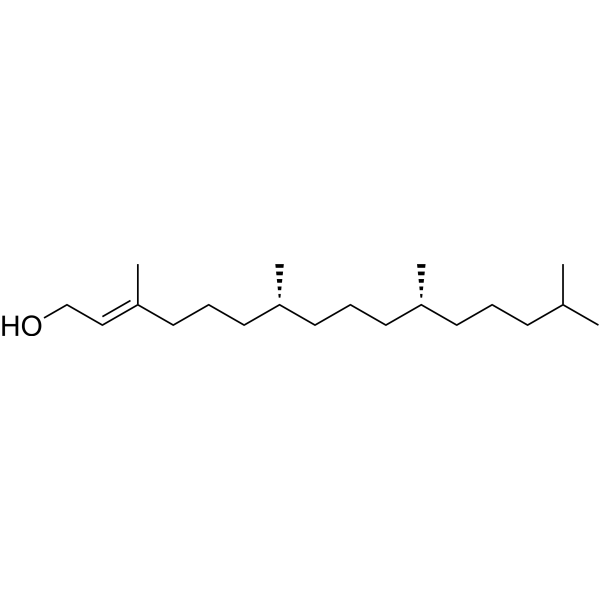
Phytol (Standard) is the analytical standard of Phytol. This product is intended for research and analytical applications. Phytol ((E)-Phytol) is an orally active diterpenoid alcohol that can be extracted from chlorophyll. Phytol has antioxidant, anti-inflammatory, anti-schistosomiasis and antibacterial activities[1][2][3].
|
-
-
- HY-136476
-
|
|
Endogenous Metabolite
|
Others
|
|
Mg (II) protoporphyrin IX is a precursor of chlorophyll in Chlorella. Mg (II) protoporphyrin IX acts as a negative effector of nuclear photosynthetic gene expression. Mg (II) protoporphyrin IX can be used to study signal molecules involved in plastid-nucleus communication .
|
-
-
- HY-W854659
-
|
Ce6 trisodium
|
Photosensitizer
|
Cancer
|
|
Chlorin e6 Ce6 (trisodium) is a water-soluble derivative of chlorophyll, belonging to the chlorin class of photosensitizers with an absorption wavelength range of 600-670 nm. Chlorin e6 trisodium emits characteristic red fluorescence upon light excitation, enabling real-time identification of tumor boundaries and progression. Chlorin e6 trisodium can be used for the study of photodynamic therapy (PDT) of cancers (bladder cancer) and fluorescence diagnosis of neoplastic lesions .
|
-
-
- HY-158189
-
|
|
Photosensitizer
Reactive Oxygen Species (ROS)
Apoptosis
|
Neurological Disease
Cancer
|
|
TPP-Ce6 is a mitochondria-targeted photosensitizer formed by the ester bond conjugation of chlorophyll e6 (Ce6) with triphenylphosphine (TPP). Under light irradiation or ultrasound exposure, TPP-Ce6 generates reactive oxygen species, induces cell apoptosis, and triggers immunogenic cell death. TPP-Ce6 can serve as a component of carrier-free co-delivery systems, undergo enzyme-induced self-assembly within tumors, and modulate tumor hypoxia. TPP-Ce6 is applicable to research on breast cancer and glioblastoma .
|
-
-
- HY-W017448
-
|
N,N-Dimethylpiperidinium chloride; PIX
|
Environmental Pollutants
Biochemical Assay Reagents
|
Others
|
|
Mepiquat chloride (N,N-Dimethylpiperidinium chloride) is a systemic plant growth regulator. Mepiquat chloride reduces the activity of RuBP carboxylase. Mepiquat chloride decreases plant height, total length of vegetative and fruiting branches, and total leaf area of cotton. Mepiquat chloride reduces the net photosynthetic rate of cotton leaves. Mepiquat chloride promotes starch accumulation in cotton leaves without altering sucrose content .
|
-
-
- HY-122464S1
-
|
|
Isotope-Labeled Compounds
|
Others
|
|
Jasmonic acid-d5 is deuterium labeled (±)-Jasmonic acid. (±)-Jasmonic acid is a plant growth regulator and a derivative of α-linolenic acid. (±)-Jasmonic acid decreases chlorophyll levels in green and etiolated barley leaf segments and inhibits elongation of rice seedlings.
|
-
-
- HY-119698
-
|
SD 8339; N-Benzyl-9-(tetrahydro-2h-pyran-2-yl)adenine
|
Environmental Pollutants
Drug Derivative
|
Others
|
|
BAP9THP is a synthetic cytokinin derivative and a growth regulator. BAP9THP promotes chlorophyll retention (and senescence delay) in plant tissues exceptionally strongly, and growth of tobacco callus almost as strongly as 6-Benzylaminopurine (BAP). BAP9THP induces adventitious shoot formation ignificantly more strongly than N6-isopentenyladenine or Kinetin .
|
-
-
- HY-148851
-
|
BChl a, from Rhodopseudomonas sphaeroides (under argon)
|
Bacterial
|
Others
|
|
Bacteriochlorophyll a, from Rhodopseudomonas sphaeroides (under argon) (BChl a, from Rhodopseudomonas sphaeroides (under argon)) is a chlorophyll analog found in some bacteria that participates in the light absorption and energy transfer processes of photosynthesis .
|
-
-
- HY-147365
-
|
|
Environmental Pollutants
Herbicide
|
Others
|
|
Acifluorfen-methyl is an inhibitor of the heme and chlorophyll biosynthetic enzyme protoporphyrinogen oxidase (Protox). Acifluorfen-methyl is a photobleaching herbicide .
|
-
-
- HY-137474
-
|
|
Photosensitizer
|
Cancer
|
|
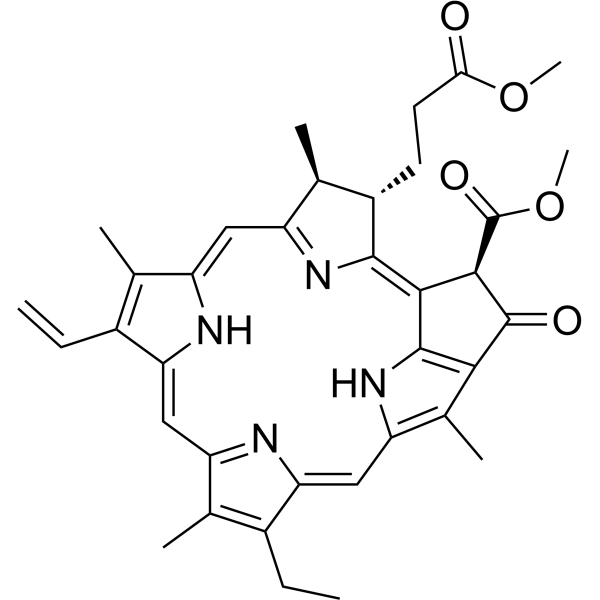
Purpurin 18 methyl ester, a chlorophyll-a derivative, is a photosensitizer that can be used in photodynamic therapy (PDT). Purpurin 18 methyl ester has photodynamic activity to induce cancer cell death .
|
-
-
- HY-W725473
-
|
|
Isotope-Labeled Compounds
|
Others
|
|
Oxyfluorfen-d5 is deuterated labeled Oxyfluorfen (HY-119176) Oxyfluorfen is a pre- and post-emergence diphenyl ether herbicide to control annual broad-leaved and grass weeds. Oxyfluorfen is a protoporphyrinogen oxidase inhibitor and inhibits photosynthesis by blocking chlorophyll synthesis.
|
-
-
- HY-N10516
-
|
|
Bacterial
|
Others
|
|
Bacteriopheophytin, a photosynthetic pigment, is a bacterial demagnetised chlorophyll composed of bacterial chlorophyll in which two hydrogen atoms replace the magnesium center. Bacteriopheophytin acts as an electron acceptor in the purple bacterial reaction center (RC) and is involved in electron transfer .
|
-
-
- HY-157470
-
|
|
Protoporphyrinogen IX oxidase
|
Cancer
|
|
PPO-IN-6 is a protoporphyrinogen oxidase (PPO) inhibitor that blocks the production of heme and chlorophyll. Pop-in-6 can be used IN the detection and research of cancer and other diseases .
|
-
-
- HY-136513
-
-
-
- HY-137473R
-
|
Pyropheophorbide-a methyl ester (Standard)
|
Apoptosis
Reference Standards
|
Cancer
|
|
Methyl pyropheophorbide-a (Standard) is the analytical standard of Methyl pyropheophorbide-a. This product is intended for research and analytical applications. Methyl pyropheophorbide-a (Pyropheophorbide-a methyl ester), a chlorophyll-a derivative, is a potent photosensitizer that can be used in photodynamic therapy (PDT) of cancer. Methyl pyropheophorbide-a has photodynamic activity and can induce apoptosis and inhibit tumor growth .
|
-
-
- HY-P2888B
-
|
BOD, Magnaporthe oryzae
|
Endogenous Metabolite
|
Metabolic Disease
|
|
Bilirubin oxidase (BOD), Magnaporthe oryza is a multi-copper oxidase that catalyzes the oxidation of bilirubin to biliverdin and reduces molecular oxygen to water. Bilirubin oxidase, Magnaporthe oryzae can participate in the metabolism of porphyrin and chlorophyll, and is widely used in biochemical research as a catalyst for oxygen reduction .
|
-
-
- HY-124894
-
|
|
Fungal
|
Infection
|
(+)-Benalaxyl is a broad-spectrum benzamide fungicide. (+)-Benalaxyl inhibits the growth of the freshwater algae S. obliquus, with an EC50 value of 8.441 mg/L. (+)-Benalaxyl can induce the production of chlorophyll a and b, as well as increase the activity of superoxide dismutase (SOD) and the generation of malondialdehyde (MDA). (+)-Benalaxyl has inhibitory effects on catalase (CAT). (+)-Benalaxyl is effective against diseases caused by oomycetes .
|
-
-
- HY-122464B
-
|
2-iso Jasmonic acid; 7-iso Jasmonic acid
|
Herbicide
|
Others
|
|
7-epi Jasmonic acid is the isomer of (±)-Jasmonic acid (HY-122464). (±)-Jasmonic acid is a plant growth regulator and a derivative of α-linolenic acid. (±)-Jasmonic acid decreases chlorophyll levels in green and etiolated barley leaf segments and inhibits elongation of rice seedlings.
|
-
-
- HY-157160
-
|
|
Herbicide
|
Others
|
|
PPO-IN-5 (compound 9) is a herbicide based on PPO inhibitors. PPO, protoporphyrinogen oxidase, participates in the biosynthetic pathway of heme and chlorophyll synthesis. PPO-IN-5 is tolerant in cereal crops such as wheat, corn, and rice, and is a potential herbicide in wheat fields .
|
-
-
- HY-168854
-
|
|
Photosensitizer
Reactive Oxygen Species (ROS)
|
Cancer
|
|
TBC-1 is a chlorophyll-a derivative, is a photosensitizer that can be used in photodynamic therapy (PDT). TBC-1 efficiently generats Type-I ROS and endoplasmic reticulum targeting ability. TBC-1 shows biocompatibility and PDT efficiency in vitro under both normoxia and hypoxia .
|
-
-
- HY-P10685
-
|
[Tyr5,12,Lys7]-Polyphemusin II
|
HIV
CMV
|
Infection
|
|
T-22 (polyphemusin II with [Tyr5,12,Lys7]) is a new synthetic peptide that fights HIV, with an EC50 of 0.008 μg/mL and a CC50 of 54 μg/mL. T22 promotes plant height, photosynthesis, total chlorophyll content, and gas exchange in tomatoes, and it can resist CMV .
|
-
-
- HY-W040194R
-
|
|
Herbicide
Reference Standards
|
Metabolic Disease
|
|
Clomazone (Standard) is the analytical standard of Clomazone (HY-W040194). This product is intended for research and analytical applications. Clomazone is a broad spectrum herbicide, mainly used to control annual broadleaf weeds and grass weeds in various crops such as rice, soybeans, and peanuts. Clomazone inhibits carotenoid biosynthesis, and treated plants show typical "albinism" symptoms due to the destruction of chloroplast membrane structure leading to chlorophyll degradation. Clomazone exhibits multiple toxic effects on non-target organisms, including aquatic lethality, developmental malformations, liver damage, mitochondrial dysfunction, and hematotoxicity.
|
-
-
- HY-119176R
-
|
|
Herbicide
Reference Standards
Protoporphyrinogen IX oxidase
|
Others
|
|
Oxyfluorfen (Standard) is the analytical standard of Oxyfluorfen. This product is intended for research and analytical applications. Oxyfluorfen is a pre- and post-emergence diphenyl ether herbicide to control annual broad-leaved and grass weeds. Oxyfluorfen is a protoporphyrinogen oxidase inhibitor and inhibits photosynthesis by blocking chlorophyll synthesis. Oxyfluorfen can inhibit cell growth. Oxyfluorfen induces DNA damage and exhibits toxicity toward aquatic organisms such as Paramisgurnus dabryanus. Oxyfluorfen has genome-level deleterious effects on fish that can lead to stunted skeletal growth. Oxyfluorfen induces transverse limb deficiency or craniosynostosis .
|
-
-
- HY-N15167
-
|
Chlorophyllide c2
|
Drug Derivative
|
Others
|
|
Chlorophyll c2 is a natural photosynthetic pigment belonging to the chlorophyll c series found in seaweeds. Chlorophyll c2 can capture and transmit light energy .
|
-
-
- HY-137910R
-
|
|
Reference Standards
Herbicide
HPPD
|
Others
|
|
Tembotrione (Standard) is the analytical standard of Tembotrione. This product is intended for research and analytical applications. Tembotrione is a drug that may reduce the
productivity of carrots. Tembotrione has the activity of reducing carrot stem
mass. Tembotrione can be used to study the total productivity of carrot
. Tembotrione is a herbicide belonging to the HPPD (dioxygenase) inhibitor class with crop selectivity. Tembotrione effectively controls a variety of weeds including broadleaf and gramineous species by disrupting carotenoid synthesis, which leads to chlorophyll degradation and leaf whitening. Mixing Tembotrione with isoxaflutole or adding surfactants optimizes its efficacy and reduces phytotoxicity, with no residual impact on subsequent cruciferous crops, thus helping to increase maize grain yield. The activity of Tembotrione decreases under drought conditions, and under specific conditions (such as double-dose treatment), it may cause reversible yellowing and even yield reduction in crops such as poppy .
|
-
-
- HY-D0992
-
|
Peridinin-Chlorophyll-protein complex
|
Fluorescent Dye
|
Cancer
|
|
PerCP is a peridinin-chlorophyll protein complex derived from the dinoflagellate *Glenodinium*, suitable for immunofluorescence staining of formalin-fixed, paraffin-embedded human tumor sections. As a red fluorescent dye, PerCP enables clear differentiation between antibody-bound tumor regions and yellow-green autofluorescence of tissues. PerCP allows simultaneous observation of tissue morphology without counterstaining. PerCP can be used in cancer research (Ex/Em = 482/677 nm) .
|
-
-
- HY-W681749
-
|
Morphactin
|
Biochemical Assay Reagents
|
Others
|
|
Morphactin Chlorflurenol methyl (Morphactin) is a plant growth regulator. Morphactin Chlorflurenol methyl preserves chlorophyll and suppresses senescence. Morphactin Chlorflurenol methyl regulates chlorophyll metabolic enzymes and alleviates heat-induced leaf senescence by enhancing chlorophyll content and reducing electrolyte leakage. Morphactin Chlorflurenol methyl promotes shoot redifferentiation and tracheary element development in tobacco calluses. Morphactin Chlorflurenol methyl can be applied to the investigation of heat-induced leaf senescence .
|
-
-
- HY-W747529
-
|
|
Herbicide
|
Others
|
|
Fluthiacet-methyl is an isoxazole herbicide and also a protoporphyrinogen oxidase (Protox) inhibitor. Fluthiacet-methyl inhibits chlorophyll biosynthesis in cotyledons of velvetleaf and cotton. Fluthiacet-methyl induces electrolyte leakage in cotyledons of sensitive plants such as velvetleaf and cotton. Fluthiacet-methyl induces the accumulation of protoporphyrin IX in cotton cotyledons .
|
-
-
- HY-E70911
-
|
|
Biochemical Assay Reagents
|
Others
|
|
Chlorophyllase (EC 3.1.1.14) is part of the chlorophyll degradation pathway and is believed to be involved in various plant chlorosis processes, such as fruit ripening, leaf senescence, and flowering, as well as chlorophyll turnover and homeostasis. Chlorophyllase (EC 3.1.1.14) preferentially acts on chlorophyll a, but can also use chlorophyll b and pheophytin as substrates.
|
-
-
- HY-183743
-
|
|
Biochemical Assay Reagents
|
Others
|
|
Chlorophyllide A is a tetrapyrrole metabolite late in the biosynthesis of chlorophylls and bacteriochlorophylls. Chlorophyllide A can be used as a photosensitizer for the research of photodynamic therapy-related research .
|
-
-
- HY-N17999
-
|
|
EBV
|
Infection
Cancer
|
10-Hydroxypheophorbide A is a chlorophyll-related compound found in the leaves of Neptunia oieracea. 10-Hydroxypheophorbide A inhibits the activation of tumor promoter-induced Epstein-Barr virus (EBV) activation. 10-Hydroxypheophorbide A exhibits photo-induced cytotoxicity in cancer cells .
|
-
- HY-D3260
-
|
|
Fluorescent Dye
|
Others
|
|
PerCP-Cy5.5 is a tandem fluorescent dye composed of a polydinoflavin-chlorophyll protein complex (PerCP) coupled with the anthocyanin dye Cy5.5. PerCP-Cy5.5 is widely used in multicolor flow cytometry analysis (Ex/Em = 48/677-695 nm).
|
-
- HY-W728891
-
|
|
Herbicide
|
Others
|
|
Pentoxazone is a protoporphyrinogen IX oxidase (PPO)-inhibiting herbicide. Pentoxazone inhibits chlorophyll and heme synthesis, drives protoporphyrinogen IX accumulation and oxidation, and generates singlet oxygen to oxidize cell membranes and induce cell damage.Pentoxazone suppresses fresh weight growth of multiple weed species and shows low activity against weedy rice. Pentoxazone can be used for the research of direct-seeding rice field weed management .
|
-
- HY-P2888D
-
|
|
Biochemical Assay Reagents
|
Metabolic Disease
|
|
Bilirubin Oxidase, Myrothecium verrucaria (EC 1.3.3.5) is a family of oxidoreductases that act on the CH-CH group as a donor and use oxygen as an acceptor. Bilirubin Oxidase, Myrothecium verrucaria (EC 1.3.3.5) is involved in the metabolism of porphyrins and chlorophyll. The two substrates of Bilirubin Oxidase, Myrothecium verrucaria (EC 1.3.3.5) are bilirubin and O2, while its two products are biliverdin and H2O.
|
-
- HY-119698R
-
|
SD 8339 (Standard); N-Benzyl-9-(tetrahydro-2h-pyran-2-yl)adenine (Standard)
|
Drug Derivative
Reference Standards
|
Others
|
|
BAP9THP (Standard) is the analytical standard of BAP9THP. This product is intended for research and analytical applications. BAP9THP is a synthetic cytokinin derivative and a growth regulator. BAP9THP promotes chlorophyll retention (and senescence delay) in plant tissues exceptionally strongly, and growth of tobacco callus almost as strongly as 6-Benzylaminopurine (BAP). BAP9THP induces adventitious shoot formation ignificantly more strongly than N6-isopentenyladenine or Kinetin .
|
-
- HY-167959
-
|
|
Herbicide
|
Infection
|
|
MCPA-isooctyl is a selective conductive phenoxycarboxylate herbicide and an alternative to 2,4-D Butyl ester (HY-B0867). MCPA-isooctyl effectively controls broadleaf weeds in various crop fields via post-emergence foliar or soil treatment. MCPA-isooctyl is absorbed by the roots, stems and leaves of plants; it is easily metabolized and detoxified in gramineous crops, but difficult to metabolize in dicotyledonous weeds, causing stem and leaf distortion, root deformation, and eventually weed death. When formulated into chitosan nanoparticles, MCPA-isooctyl still significantly inhibits the growth of weeds in wheat fields, and reduces their chlorophyll content and biomass at low doses .
|
-
- HY-W419221
-
|
|
Herbicide
|
Others
|
|
Bixlozone, a proherbicide that requires in planta activation to its phytotoxic form, 5-ketobixlozone, is used to selectively control annual ryegrass (Lolium rigidum) in Australian cereal and canola crops. .
|
-
- HY-W753209
-
|
|
Herbicide
HPPD
|
Others
|
|
Tolpyralate is a selective post-emergence herbicide and corn Herbicide. Tolpyralate inhibits 4-HPPD. Tolpyralate exhibits herbicidal activity against a variety of weeds, including the glyphosate-resistant weed Amaranthus tuberculatus .
|
-
| Cat. No. |
Product Name |
Type |
-
- HY-D1815
-
|
APC Dye
|
Fluorescent Dye
|
|
Allophycocyanin (APC Dye) is a light-harvesting protein, containing strongly coupled dimers of chromophores. Allophycocyanin serve as a minimal system to examine photosynthetic energy transfer. Allophycocyanin strongly absorbs far-red light (FRL), and expresses during acclimation to low light, likely associates with chlorophyll a-containing photosystem I .
|
-
- HY-D0992
-
|
Peridinin-Chlorophyll-protein complex
|
Fluorescent Dye
|
|
PerCP is a peridinin-chlorophyll protein complex derived from the dinoflagellate *Glenodinium*, suitable for immunofluorescence staining of formalin-fixed, paraffin-embedded human tumor sections. As a red fluorescent dye, PerCP enables clear differentiation between antibody-bound tumor regions and yellow-green autofluorescence of tissues. PerCP allows simultaneous observation of tissue morphology without counterstaining. PerCP can be used in cancer research (Ex/Em = 482/677 nm) .
|
-
- HY-D3260
-
|
|
Fluorescent Dye
|
|
PerCP-Cy5.5 is a tandem fluorescent dye composed of a polydinoflavin-chlorophyll protein complex (PerCP) coupled with the anthocyanin dye Cy5.5. PerCP-Cy5.5 is widely used in multicolor flow cytometry analysis (Ex/Em = 48/677-695 nm).
|
| Cat. No. |
Product Name |
Type |
-
- HY-W127709
-
|
|
Biochemical Assay Reagents
|
|
Chlorophyll b is an orally active tetrapyrrole derivative and pigment. Chlorophyll b can be obtained from photosynthetic organisms such as plants and algae. Chlorophyll b acts as a hydrogen donor and increases Glutathione levels. Chlorophyll b has antioxidant activity and functionally replaces chlorophyll a in photosystem II to participate in photosynthesis. Chlorophyll b reduces Cisplatin (HY-17394)-induced DNA damage, chromosome instability, and oxidative stress. Chlorophyll b is mainly used in the study of plant photosynthesis mechanism .
|
-
- HY-W854659
-
|
Ce6 trisodium
|
Biochemical Assay Reagents
|
|
Chlorin e6 Ce6 (trisodium) is a water-soluble derivative of chlorophyll, belonging to the chlorin class of photosensitizers with an absorption wavelength range of 600-670 nm. Chlorin e6 trisodium emits characteristic red fluorescence upon light excitation, enabling real-time identification of tumor boundaries and progression. Chlorin e6 trisodium can be used for the study of photodynamic therapy (PDT) of cancers (bladder cancer) and fluorescence diagnosis of neoplastic lesions .
|
-
- HY-W017448
-
|
N,N-Dimethylpiperidinium chloride; PIX
|
Biochemical Assay Reagents
|
|
Mepiquat chloride (N,N-Dimethylpiperidinium chloride) is a systemic plant growth regulator. Mepiquat chloride reduces the activity of RuBP carboxylase. Mepiquat chloride decreases plant height, total length of vegetative and fruiting branches, and total leaf area of cotton. Mepiquat chloride reduces the net photosynthetic rate of cotton leaves. Mepiquat chloride promotes starch accumulation in cotton leaves without altering sucrose content .
|
-
- HY-148851
-
|
BChl a, from Rhodopseudomonas sphaeroides (under argon)
|
Biochemical Assay Reagents
|
|
Bacteriochlorophyll a, from Rhodopseudomonas sphaeroides (under argon) (BChl a, from Rhodopseudomonas sphaeroides (under argon)) is a chlorophyll analog found in some bacteria that participates in the light absorption and energy transfer processes of photosynthesis .
|
| Cat. No. |
Product Name |
Target |
Research Area |
-
- HY-P10579
-
123B9
1 Publications Verification
|
Ephrin Receptor
|
Cancer
|
|
123B9, a tumor-homing agent, is a potent and selective EphA2 agonist with a Kd value of 4.0 μM. 123B9 selectively targets the EphA2 tyrosine kinase receptor ligand-binding domain. 123B9 does not appreciably inhibit the ligand binding domains of the most closely related EphA3 and EphA4 receptors .
|
-
- HY-P2194
-
|
|
Peptides
|
Inflammation/Immunology
|
|
AtPep3 is a hormone-like peptide. AtPep3 can enhance salinity tolerance of plants and inhibits the salt-induced bleaching of chlorophyll in seedlings .
|
-
- HY-P10685
-
|
[Tyr5,12,Lys7]-Polyphemusin II
|
HIV
CMV
|
Infection
|
|
T-22 (polyphemusin II with [Tyr5,12,Lys7]) is a new synthetic peptide that fights HIV, with an EC50 of 0.008 μg/mL and a CC50 of 54 μg/mL. T22 promotes plant height, photosynthesis, total chlorophyll content, and gas exchange in tomatoes, and it can resist CMV .
|
-
- HY-P2194A
-
|
|
Peptides
|
Inflammation/Immunology
|
|
AtPep3 TFA is a hormone-like peptide. AtPep3 TFA can enhance salinity tolerance of plants and inhibits the salt-induced bleaching of chlorophyll in seedlings .
|
| Cat. No. |
Product Name |
Category |
Target |
Chemical Structure |
| Cat. No. |
Product Name |
Chemical Structure |
-
- HY-122464S2
-
|
|
|
(±)-Jasmonic acid-d5 is the deuterium labeled (±)-Jasmonic acid. (±)-Jasmonic acid is a plant growth regulator and a derivative of α-linolenic acid. (±)-Jasmonic acid decreases chlorophyll levels in green and etiolated barley leaf segments and inhibits elongation of rice seedlings.
|
-
-
- HY-W725473
-
|
|
|
Oxyfluorfen-d5 is deuterated labeled Oxyfluorfen (HY-119176) Oxyfluorfen is a pre- and post-emergence diphenyl ether herbicide to control annual broad-leaved and grass weeds. Oxyfluorfen is a protoporphyrinogen oxidase inhibitor and inhibits photosynthesis by blocking chlorophyll synthesis.
|
-
Your information is safe with us. * Required Fields.
Inquiry Information
- Product Name:
- Cat. No.:
- Quantity:
- MCE Japan Authorized Agent:

