1. Search Result
Search Result
Pathways Recommended: Cell Cycle/DNA Damage
Results for "

DNA lesion

" in MedChemExpress (MCE) Product Catalog:

20

Inhibitors & Agonists

5

Natural
Products

1

Oligonucleotides

Cat. No. Product Name Target Research Areas Chemical Structure
  • HY-147313
    TH10785
    2 Publications Verification

    DNA/RNA Synthesis Metabolic Disease Cancer
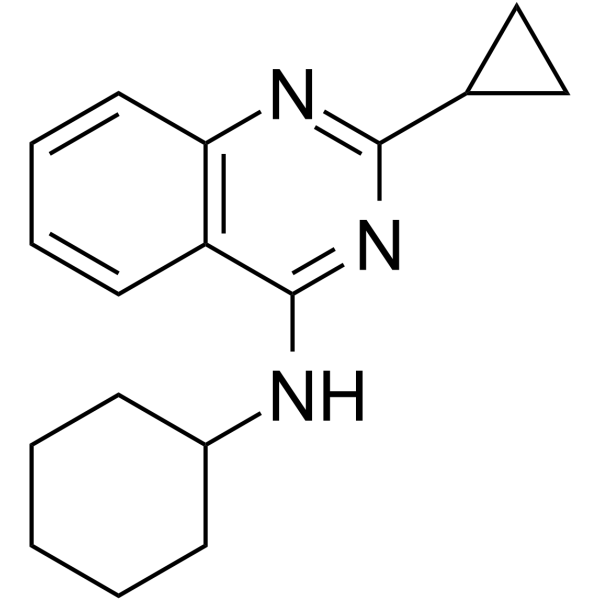
    TH10785 is a DNA glycosylase 1 (OGG1) activator, TH10785 can interact with the phenylalanine-319 and glycine-42 amino acids of OGG1 and increase the enzyme activity, generates β, δ-lyase enzymatic function. TH10785 can control the catalytic activity mediated by a nitrogen base within its molecular structure. TH10785 can be used for the research of various diseases and aging connected with DNA oxidative lesions .
    TH10785
  • HY-128760
    COH34
    1 Publications Verification

    Poly(ADP-ribose) Glycohydrolase (PARG) Cancer
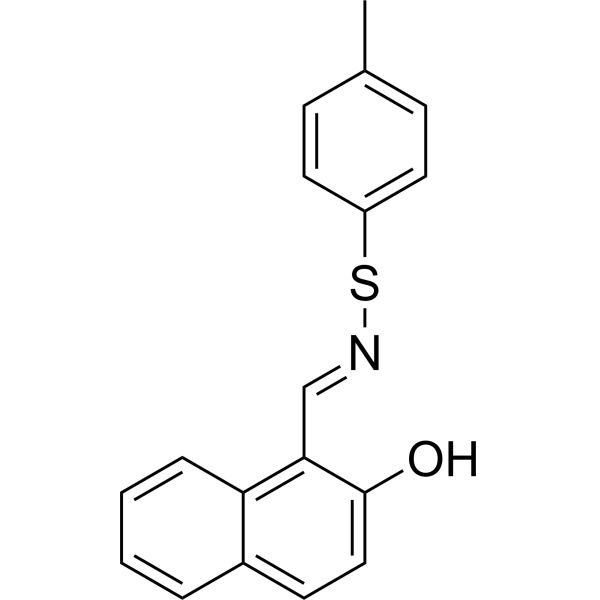
    COH34 is a potent and specific poly(ADP-ribose) glycohydrolase (PARG) inhibitor with an IC50 of 0.37 nM. COH34 binds to the catalytic domain of PARG (Kd=0.547 μM), thereby prolonging PARylation at DNA lesions and trapping DNA repair factors .
    COH34
  • HY-163731
    EGR-1-IN-1
    2 Publications Verification

    DNA Methyltransferase Interleukin Related Inflammation/Immunology
    EGR-1-IN-1 is a EGR-1 inhibitor with an IC50 of 1.86 μM. EGR-1-IN-1 binds to the zinc finger DNA-binding domain of EGR-1 and promotes the dissociation of the EGR-1-DNA complex. EGR-1-IN-1 reduces the mRNA expression levels of EGR-1-regulated inflammatory genes induced by TNFα. EGR-1-IN-1 alleviates atopic dermatitis-like lesions in the ear skin of mice. EGR-1-IN-1 serves as a lead compound for the development of targeted compounds for inflammatory skin diseases. EGR-1-IN-1 can be used in studies related to atopic dermatitis .
    EGR-1-IN-1
  • HY-125098
    Illudin S
    1 Publications Verification

    DNA Alkylator/Crosslinker Apoptosis Infection Cancer
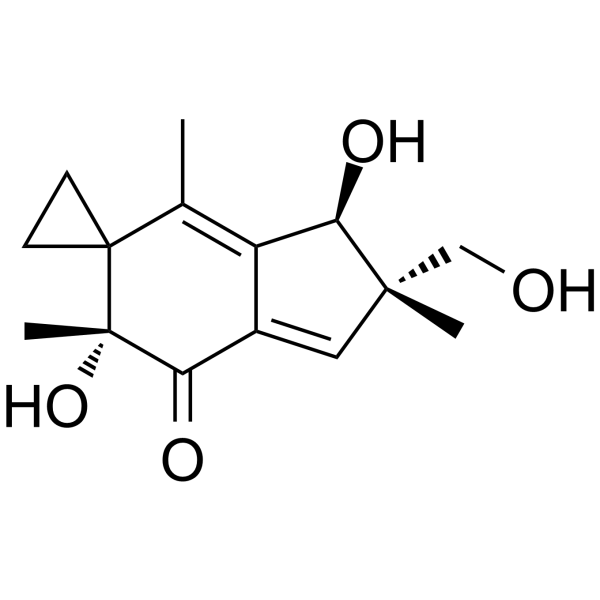
    Illudin S, a cytotoxic Illudin, is a natural sesquiterpene with strong anti-tumour and antiviral activities. Illudin S has genotoxic activities. Illudin S blocks the G1-S phase interface of the cell cycle in human leukemia cells .
    Illudin S
  • HY-N6787
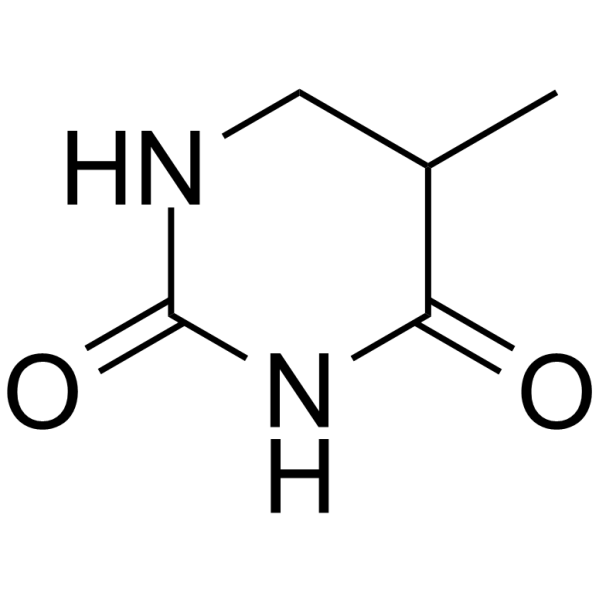
    5,6-Dihydro-5-methyluracil
    3 Publications Verification

    Dihydrothymine

    Endogenous Metabolite Infection
    5,6-Dihydro-5-methyluracil (Dihydrothymine) is an intermediate breakdown product of Thymine (HY-W010450). 5,6-Dihydro-5-methyluracil can be used as a marker of DNA damage. 5,6-Dihydro-5-methyluracil can be used for the research of COVID-19 .
    5,6-Dihydro-5-methyluracil
  • HY-N1677

    Akt mTOR Bacterial Fungal AMPK Infection Metabolic Disease Inflammation/Immunology Cancer
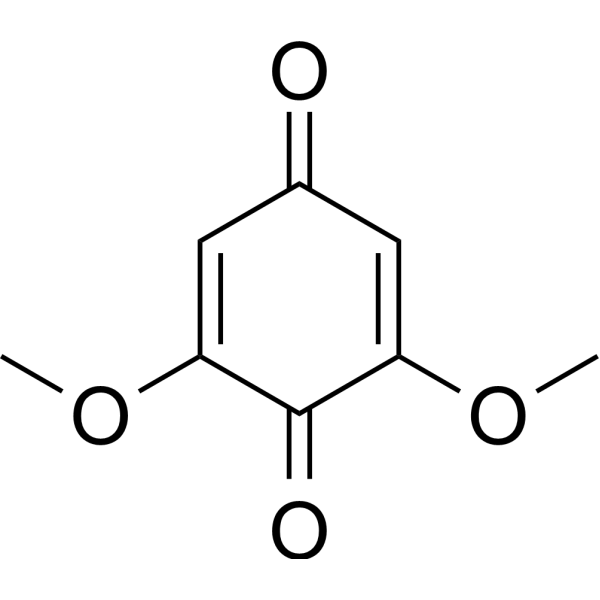
    2,6-Dimethoxy-1,4-benzoquinone is a 1,4-benzoquinone derivative. 2,6-Dimethoxy-1,4-benzoquinone promotes phosphorylation of AKT, S6K, mTOR, 4E-BP1, and AMPK, and attenuates mTORC1 activity as part of the AKT/mTOR pathway. 2,6-Dimethoxy-1,4-benzoquinone stimulates myoblast differentiation, increases myotube size, elevates MHC protein expression, enhances mitochondrial biogenesis, respiration, and DNA content, and increases skeletal muscle weights, fiber size, grip strength, and treadmill performance. 2,6-Dimethoxy-1,4-benzoquinone exerts anti-cancer, anti-inflammatory, anti-adipogenic, antibacterial, and antimutagenic effects, inhibits adipogenic transcription factors, nitric oxide production, skin tumor development, Magnaporthe oryzae growth, spore germination, appressorium formation, and growth of select bacterial species, induces H2O2 generation and rice defense gene expression, and reduces rice blast lesion formation. 2,6-Dimethoxy-1,4-benzoquinone can be used for the research of obesity, skin tumorigenesis, rice blast disease, and food-borne illness .
    2,6-Dimethoxy-1,4-benzoquinone
  • HY-129056

    Thrombin NF-κB AP-1 Cardiovascular Disease Neurological Disease
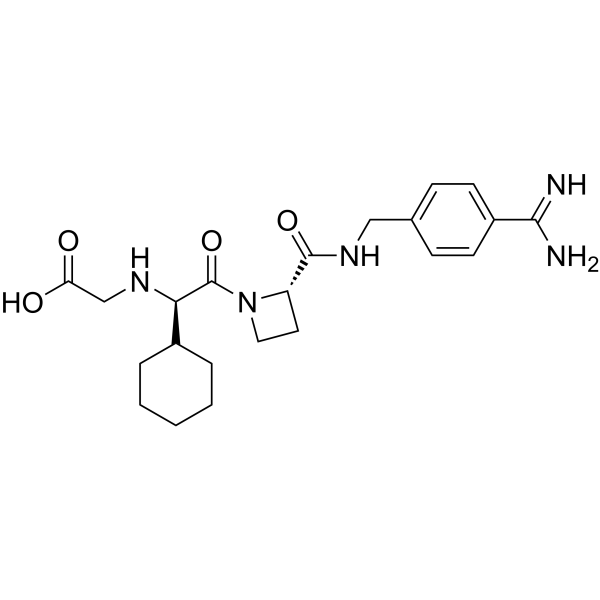
    Melagatran is a reversible, selective, orally active direct inhibitor of thrombin with a Ki of 2 nM. Melagatran binds directly to the active site of thrombin, inhibiting thrombin-mediated conversion of fibrinogen to fibrin. Melagatran reduces the DNA binding activity of NF-κB and AP-1. Melagatran reduces fibrin deposition in organs, alleviates ischemic brain damage, and reduces the size of advanced atherosclerotic lesions. Melagatran can be used in the study of cardiovascular disease (coronary thrombosis, atherosclerosis) and ischemic brain damage .
    Melagatran
  • HY-N6726

    Fungal Endogenous Metabolite Infection Cancer
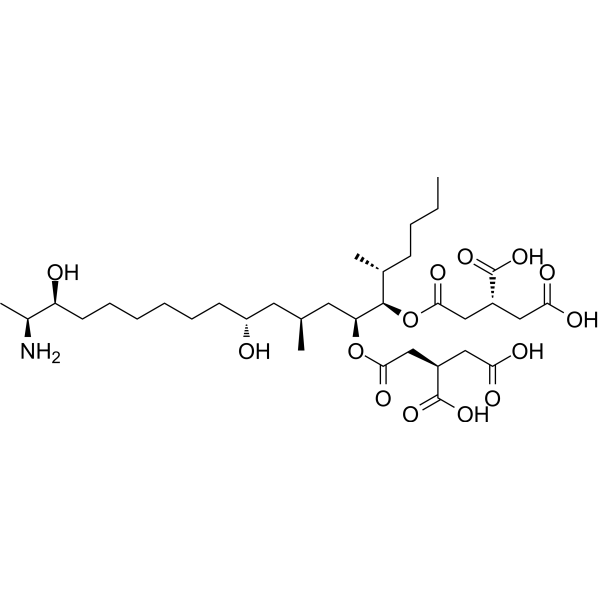
    Fumonisin B3 is an orally active fumonisin Mycotoxin. Fumonisin B3 can be isolated from Fusarium moniliforme, Fusarium proliferatum and Fusarium nygamai. Fumonisin B3 induces precancerous lesions, triggers embryonic death of chicken embryos, causes severe hemorrhage in dead chicken embryos. Fumonisin B3 can be used in studies related to hepatocellular carcinoma .
    Fumonisin B3
  • HY-E70577

    Endonuclease Others
    DNA repair enzyme. Endonuclease IV has endonuclease activity at AP sites, 3' phosphodiesterase activity that can remove a variety of ligation-blocking lesions from the 3' end of DNA, endonuclease activity on oxidative DNA lesions, and 3' to 5' exonuclease activity .
    Endonuclease IV
  • HY-131468

    AMD473; ZD0473

    DNA/RNA Synthesis Cancer
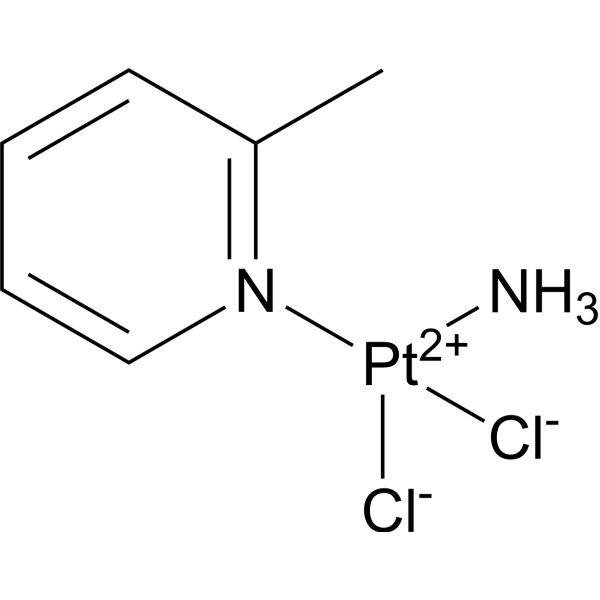
    Picoplatin (AMD473) is a platinum-based antineoplastic agent. Picoplatin is specifically to circumvent thiol-mediated drug resistance by sterically hindering its reaction with glutathione (GSH) while still retaining the ability to form cytotoxic lesions with DNA .
    Picoplatin
  • HY-164496

    DNA/RNA Synthesis Cancer
    KL-50 is a selective toxin toward tumors that lack the DNA repair protein O 6-methylguanine-DNA-methyltransferase (MGMT), which reverses the formation of O 6-alkylguanine lesions. KL-50 activates DNA damage response pathways and cycle arrest in MGMT-cells, independent of mismatch repair (MMR). KL-50 is promising for research of brain tumors that lack the DNA repair protein MGMT .
    KL-50
  • HY-115567

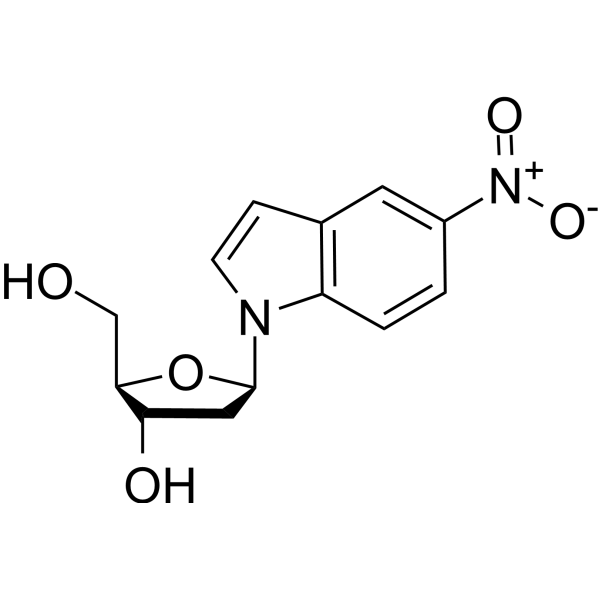
    1-(β-D-2-Deoxyribofuranosyl)-5-nitroindole

    Apoptosis Cancer
    5-NIdR (1-(β-D-2-Deoxyribofuranosyl)-5-nitroindole), an artificial nucleoside, exhibits the ability to inhibit the replication of DNA lesions generated by Temozolomide (HY-17364). 5-NIdR induces cancer cells apoptosis and arrests cell cycle at G0 phase. 5-NIdR enhances Temozolomide anti-tumor efficacy in murine glioblastoma model .
    5-NIdR
  • HY-125209A

    Apoptosis PARP DNA/RNA Synthesis Cancer
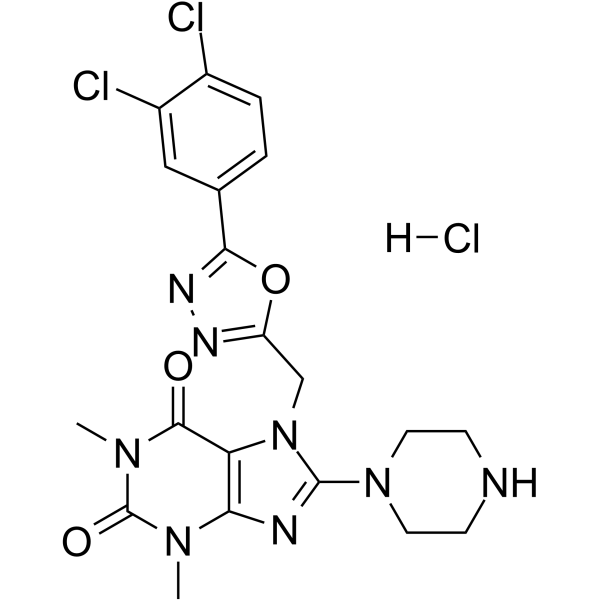
    TH5427 hydrochloride is a NUDT5 inhibitor with a human target IC50 of 29 nM, ~690-fold selectivity over MTH1 in vitro, and selective functional inhibition over other NUDIX hydrolases including NUDT9 .TH5427 hydrochloride binds to the active site of NUDT5, blocking enzymatic activity related to ADP-ribose metabolism and PAR-derived ATP synthesis .TH5427 hydrochloride blocks progestin-dependent nuclear ATP synthesis, impairs progestin-induced chromatin remodeling, inhibits histone H1 displacement, disrupts progestin-dependent gene regulation, and abrogates progestin-dependent proliferation in breast cancer cells .TH5427 hydrochloride functions as a versatile probe to study nuclear ATP dynamics and ADP-ribose-related metabolism in cells .TH5427 hydrochloride engages NUDT5 at physiological temperatures, as demonstrated by Drug Affinity Responsive Target Stability (DARTS) assay .TH5427 hydrochloride stabilizes NUDT5 against thermal denaturation in cell lysates and intact cells, as shown by cellular thermal shift assay (CETSA) .TH5427 hydrochloride functionally inhibits NUDT5 activity, leading to downstream effects on oxidative DNA damage and DNA replication in triple-negative breast cancer (TNBC) cells .TH5427 hydrochloride suppresses proliferation of TNBC cells without inducing cell death or apoptosis, slows DNA replication in TNBC cells, promotes accumulation of oxidative DNA lesions, and triggers DNA damage response in TNBC cells .TH5427 hydrochloride suppresses growth of TNBC cells in vitro, inhibits growth of TNBC xenograft tumors in nude mice in vivo, and shows greater potency against TNBC cell lines compared to ER-positive and normal-like breast cell lines .TH5427 hydrochloride can be used for the research of breast cancer and triple-negative breast cancer .
    TH5427 hydrochloride
  • HY-175812

    Endonuclease Cancer
    MU876 (Compound 32) is a MUS81 inhibitor with an IC50 of 0.5  μM. MU876 effectively inhibits MUS81-dependent homologous recombination (HR) and break-induced replication (BIR) pathways. MU876 sensitizes cancer cells to DNA-damaging agents, such as Cisplatin (HY-17394), through impairing their ability to repair DNA lesions. MU876 can be used for cancers chemotherapy research .
    MU876
  • HY-W144308

    TCHQ; Tetrachloroquinol

    Drug Metabolite Necroptosis Reactive Oxygen Species (ROS) Apoptosis Metabolic Disease Cancer
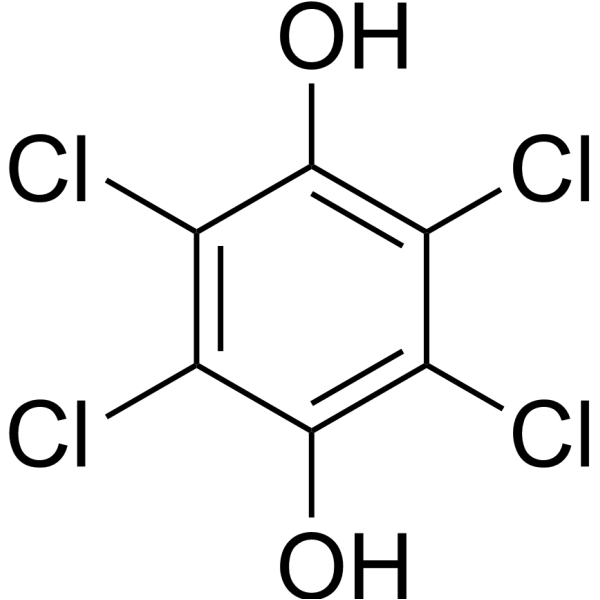
    Tetrachlorohydroquinone (TCHQ) is a metabolite of Pentachlorophenol. Tetrachlorohydroquinone induces reactive oxidant stress (ROS), inhibits apoptosis and induces necrosis in primary mouse splenocytes. Tetrachlorohydroquinone increases DNA lesions and induces oxidative stress in rodents .
    Tetrachlorohydroquinone
  • HY-W011950
    Acridin-9-amine hydrochloride hydrate
    4 Publications Verification

    DNA/RNA Synthesis Others
    Acridin-9-amine (9-Aminoacridine) hydrochloride hydrate is a mutagen and DNA modifier. Acridin-9-amine hydrochloride hydrate induces mutagenic lesions during DNA replication .
    Acridin-9-amine hydrochloride hydrate
  • HY-120893

    Endogenous Metabolite Others
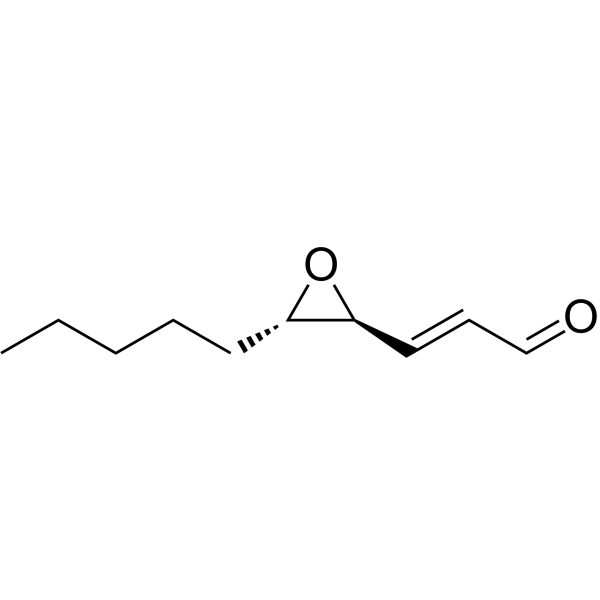
    trans-4,5-Epoxy-(E)-2-decenal is an oxygenated α,β-unsaturated aldehyde found in mammalian blood that gives blood its characteristic metallic odor. It is used by predators to locate blood or prey .
    trans-4,5-Epoxy-(E)-2-decenal
  • HY-133598

    DNA/RNA Synthesis Cancer
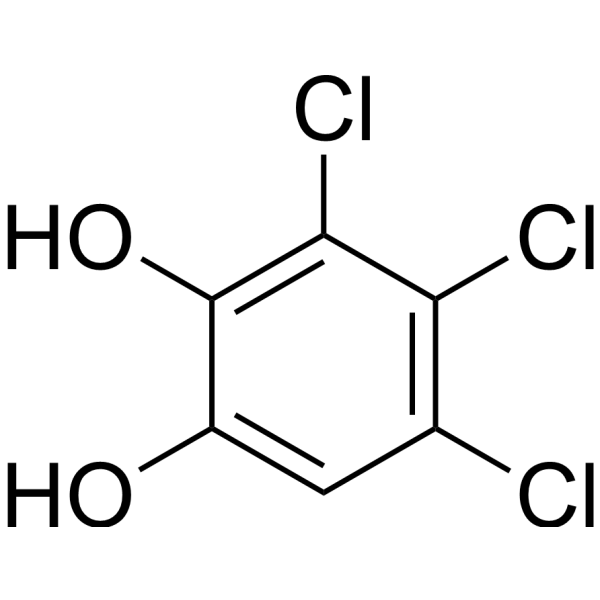
    3,4,5-Trichlorocatechol is a catechol derivative of pentachlorophenol and induces oxidative DNA lesions .
    3,4,5-Trichlorocatechol
  • HY-W144308R

    TCHQ (Standard); Tetrachloroquinol (Standard)

    Drug Metabolite Reactive Oxygen Species (ROS) Reference Standards Necroptosis Apoptosis Metabolic Disease Cancer
    Tetrachlorohydroquinone (Standard) is the analytical standard of Tetrachlorohydroquinone (HY-W144308). This product is intended for research and analytical applications. Tetrachlorohydroquinone (TCHQ) is a metabolite of Pentachlorophenol. Tetrachlorohydroquinone induces reactive oxidant stress (ROS), inhibits apoptosis and induces necrosis in primary mouse splenocytes. Tetrachlorohydroquinone increases DNA lesions and induces oxidative stress in rodents .
    Tetrachlorohydroquinone (Standard)
  • HY-N1677R

    Reference Standards Akt mTOR Bacterial Fungal AMPK Infection Metabolic Disease Inflammation/Immunology Cancer
    2,6-Dimethoxy-1,4-benzoquinone (Standard) is the analytical standard of 2,6-Dimethoxy-1,4-benzoquinone (HY-N1677). This product is intended for research and analytical applications. 2,6-Dimethoxy-1,4-benzoquinone is a 1,4-benzoquinone derivative. 2,6-Dimethoxy-1,4-benzoquinone promotes phosphorylation of AKT, S6K, mTOR, 4E-BP1, and AMPK, and attenuates mTORC1 activity as part of the AKT/mTOR pathway. 2,6-Dimethoxy-1,4-benzoquinone stimulates myoblast differentiation, increases myotube size, elevates MHC protein expression, enhances mitochondrial biogenesis, respiration, and DNA content, and increases skeletal muscle weights, fiber size, grip strength, and treadmill performance. 2,6-Dimethoxy-1,4-benzoquinone exerts anti-cancer, anti-inflammatory, anti-adipogenic, antibacterial, and antimutagenic effects, inhibits adipogenic transcription factors, nitric oxide production, skin tumor development, Magnaporthe oryzae growth, spore germination, appressorium formation, and growth of select bacterial species, induces H2O2 generation and rice defense gene expression, and reduces rice blast lesion formation. 2,6-Dimethoxy-1,4-benzoquinone can be used for the research of obesity, skin tumorigenesis, rice blast disease, and food-borne illness.
    2,6-Dimethoxy-1,4-benzoquinone (Standard)

Inquiry Online

Your information is safe with us. * Required Fields.

Salutation


Country or Region *

Applicant Name *


Organization Name *

Department *


Email Address *


Product Name *

Cat. No.


Requested quantity *

Phone Number *


Remarks

Inquiry Online

Inquiry Information

Product Name:
Cat. No.:
Quantity:
MCE Japan Authorized Agent:

