Search Result
Results for "
DNA probe
" in MedChemExpress (MCE) Product Catalog:
5
Biochemical Assay Reagents
2
Isotope-Labeled Compounds
| Cat. No. |
Product Name |
Target |
Research Areas |
Chemical Structure |
-
- HY-133821
-
|
|
G-quadruplex
|
Neurological Disease
|
|
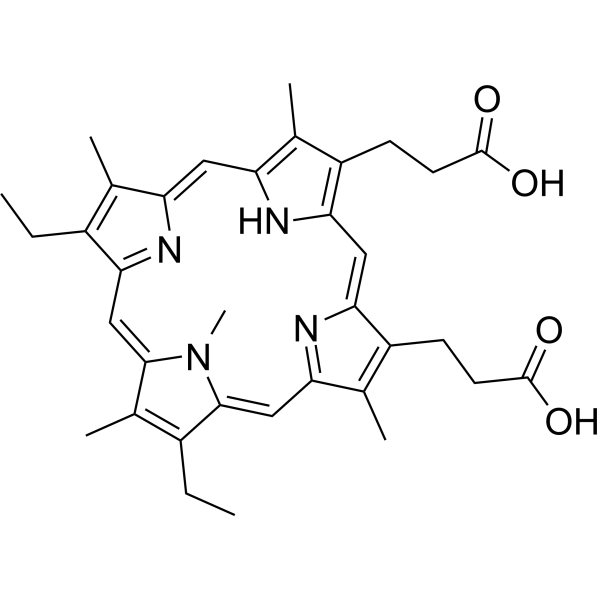
N-Methylmesoporphyrin IX (NMM), a widely used G-quadruplex DNA specific fluorescent binder, is an efficient probe for monitoring Aβ fibrillation. N-Methylmesoporphyrin IX is an in situ inhibitor and an ex situ monitor for Aβ amyloidogenesis both in vitro and in cells. N-Methylmesoporphyrin IX is sensitive to G-quadruplexes DNA but has no response to duplexes, triplexes and single-stranded forms DNA. N-Methylmesoporphyrin IX is nonfluorescent alone or in monomeric Aβ environments, but emits strong fluorescence through stacking with the Aβ assemblies .
|
-
-
- HY-139912
-
|
|
DNA Stain
Biochemical Assay Reagents
|
Others
|
|
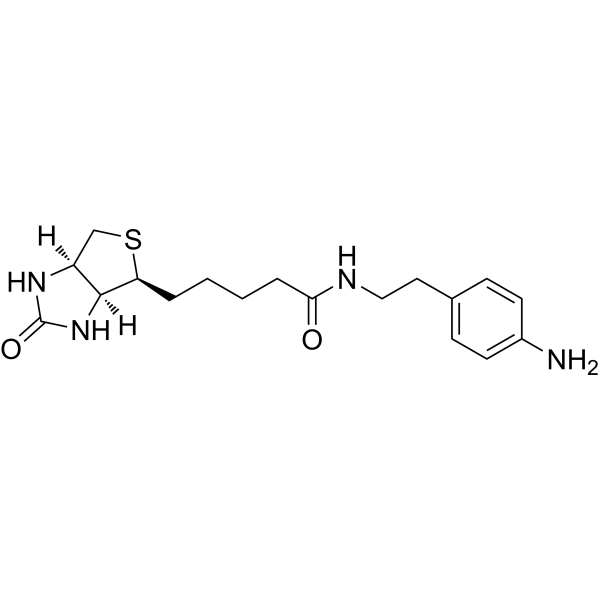
Biotin-aniline is a probe with substantially high reactivity towards RNA and DNA. Biotin-aniline is also a novel APEX2 substrate. Biotin-aniline can label proteins via miniSOG. Biotin-aniline emerges as more efficient probe for capturing subcellular transcriptome in living cells with high spatial specificity .
|
-
-
- HY-43520
-
|
|
Fluorescent Dye
|
Others
|
|
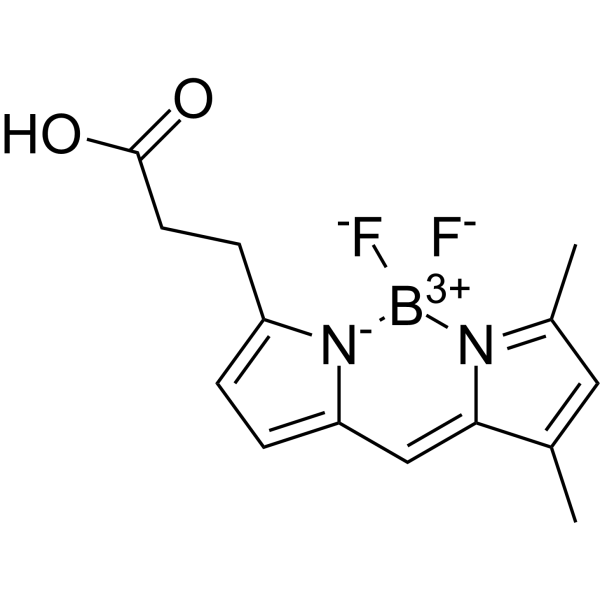
BODIPY-FL is a green fluorescent dye that can be used to label probes or primers. BODIPY-FL fluorescence can be quenched after interacting with uniquely positioned guanine, making it useful for quantifying specific DNA or RNA molecules. The maximum absorption wavelength of BODIPY-FL is 505 nm, and the maximum emission wavelength is 513 nm .
|
-
-
- HY-D0150
-
|
|
Fluorescent Dye
|
Others
|
|
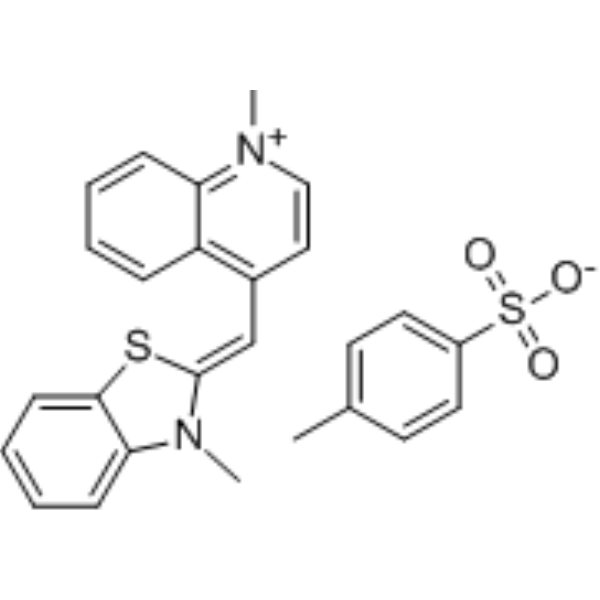
Thiazole Orange is an asymmetric anthocyanin dye that can be coupled with oligonucleotides (ONs) to prepare fluorescent hybridization probes. Thiazole Orange has been widely used in biomolecular detection and staining of DNA/ RNA in gels and can be used for reticulocyte analysis. Thiazole orange generates a significant fluorescence enhancement and high quantum yield when it binds with nucleic acids, especially RNA. Thiazole orange can permeate living cell membranes. Thiazole orange can use UV light for detection, but can also be detected with blue light. The excitation and emission of Thiazole orange are λex = 510 nm (488 nm and 470 nm also show strong excitation) and λem = 527 nm, respectively .
|
-
-
- HY-W012642
-
|
|
DNA Stain
|
Others
|
|
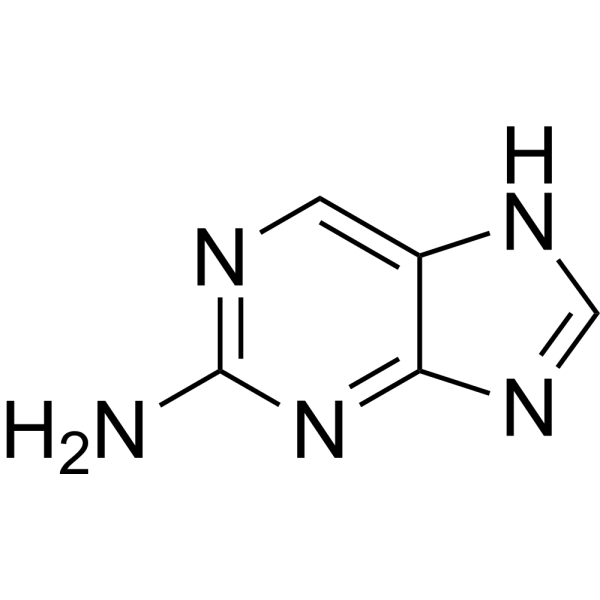
2-Aminopurine, a fluorescent analog of guanosine and adenosine, is a widely used fluorescence-decay-based probe of DNA structure. When 2-Aminopurine is inserted in anoligonucleotide, its fluorescence is highly quenched by stacking with the natural bases. 2-Aminopurine has been used to probe nucleic acid structure and dynamics .
|
-
-
- HY-D1817
-
|
|
Fluorescent Dye
|
Others
|
|
Vari Fluor 488-Phalloidin is a fluorescent derivative of Phalloidin that specifically labels myofilament proteins and exhibits green fluorescence when labeled, allowing for fluorescence imaging using FITC channels (Ex/Em=488 nm/513 nm) .
|
-
-
- HY-15558
-
Hoechst 33258
Maximum Cited Publications
22 Publications Verification
bisBenzimide H 33258; H 33258
|
Fluorescent Dye
DNA Stain
DNA Alkylator/Crosslinker
|
Others
|
|
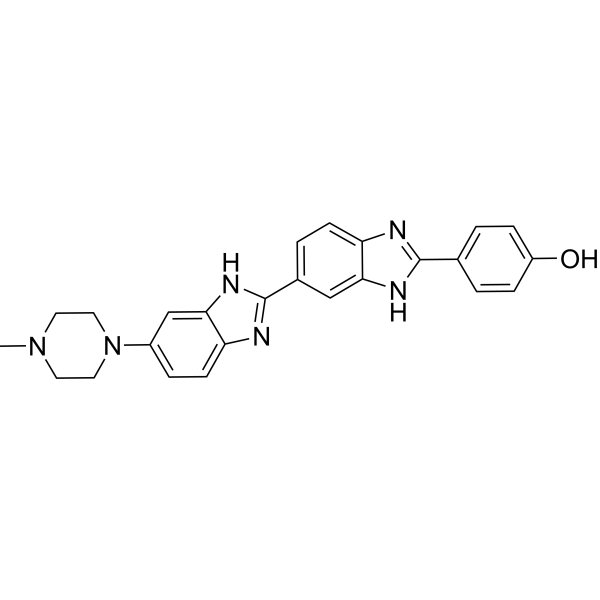
Hoechst 33258 is a blue to blue-green fluorescent live cell dye that can label DNA. Hoechst 33258 can specifically bind to the minor groove of DNA (and tends to bind to A/T-rich DNA), resulting in a significant increase in fluorescence intensity. Hoechst 33258 can cross the cell membrane and cause changes in DNA structure, such as G2/M phase arrest. Hoechst 33258 can bind to live or fixed cells, and the fluorescence intensity increases with increasing solution pH. As a DNA-specific probe, Hoechst 33258 can be used to detect DNA content, analyze cell cycle, etc. The excitation wavelength of Hoechst 33258 is 350-365 nm, and the emission wavelength is 460-490 nm .
|
-
-
- HY-W040129
-
|
|
DNA Alkylator/Crosslinker
DNA/RNA Synthesis
Apoptosis
Caspase
|
Infection
Neurological Disease
Cancer
|
|
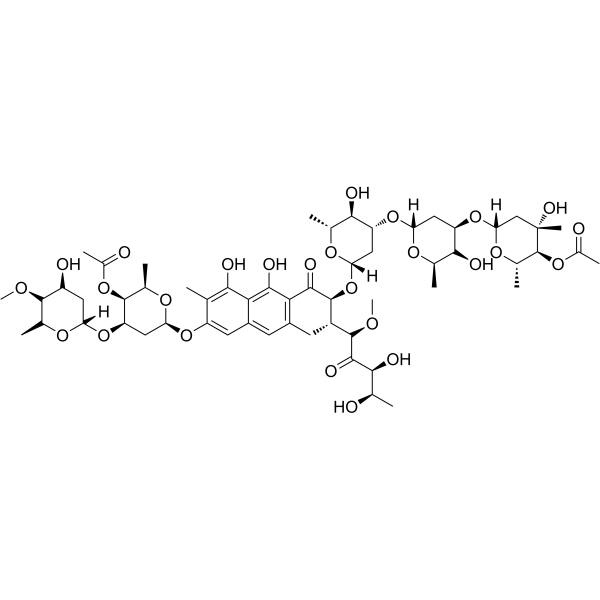
Chromomycin A3 is an inhibitor that selectively binds to GC-rich DNA sequences. Chromomycin A3 targets the DNA minor groove after forming a dimer with Mg 2+. Chromomycin A3 inhibits DNA replication and transcription, blocks the binding of Sp1 transcription factor to target gene promoters, downregulates the expression of anti-apoptotic proteins such as FLIP, Mcl-1, and XIAP, and induces S-phase cycle arrest and caspase-dependent apoptosis in tumor cells. Chromomycin A3 can antagonize oxidative stress induced by glutathione depletion and neuronal apoptosis induced by Camptothecin (HY-15660). Chromomycin A3 can be used in basic research on malignant tumors such as cholangiocarcinoma, and is a potential chemosensitizer and GC-rich region probe .
|
-
-
- HY-135136
-
|
|
Biochemical Assay Reagents
Fluorescent Dye
|
Others
|
|
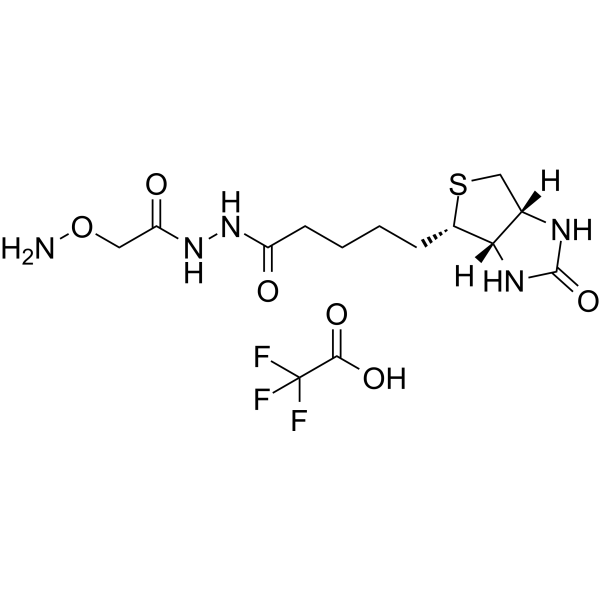
Aldehyde reactive probe TFA is an aldehyde reactive probe. Aldehyde reactive probe TFA specifically labels the AP site in DNA with biotin residues. Aldehyde reactive probe TFA can detect RNA oxidation-induced debasement sites. Aldehyde reactive probe TFA can be used to quantify AP sites or detect other aldehyde-containing DNA damage and RNA oxidation-induced debasement sites .
|
-
-
- HY-D1819
-
|
|
Fluorescent Dye
|
Others
|
|
Vari Fluor 633-Phalloidin is a fluorescent derivative of Phalloidin that specifically labels myofilament proteins and exhibits red fluorescence at 630/650 nm when labeled .
|
-
-
- HY-B1422
-
|
Aminacrine
|
Bacterial
HIV
|
Infection
|
|
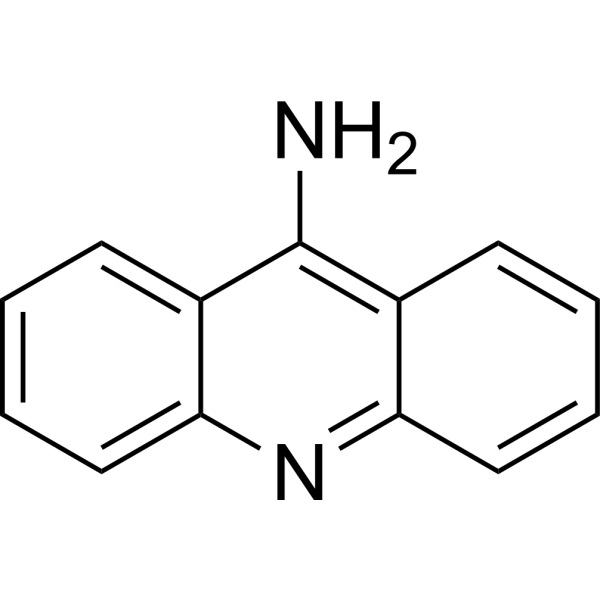
9-Aminoacridine, a fluorescent probe, acts as an indicator of pH for quantitative determination of transmembrane pH gradients (inside acidic). 9-Aminoacridine is an antimicrobial. 9-Aminoacridine exerts its antimicrobial activity by interacting with specific bacterial DNA and disrupting the proton motive force in K. pneumoniae. 9-Aminoacridine is a HIV-1 inhibitor and inhibits HIV LTR transcription highly dependent on the presence and location of the amino moiety. 9-Aminoacridine inhibits virus replication in HIV-1 infected cell lines. 9-Aminoacridine is used as a Rifampin (RIF; HY-B0272) adjuvant for the multidrug-resistant K. pneumoniae infections .
|
-
-
- HY-D1730A
-
|
|
Fluorescent Dye
|
Others
|
|
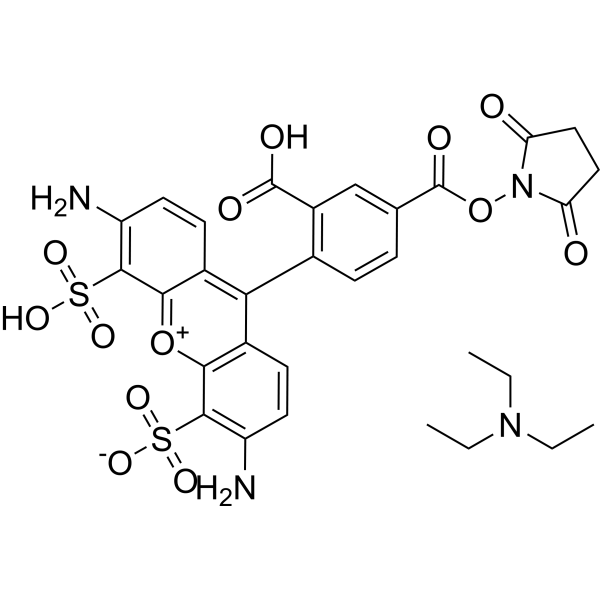
AF488 NHS ester TEA is an amine specific fluorescence probe (λem=525 nm=525 nm). AF488 NHS ester reacts with sulfhydryl groups and amines in aqueous and biological samples then change their chemical structure and fluorescence properties after derivatization. AF488 exhibits the λem and λex wavelength of 520 nm and 470 nm, respectively .
|
-
-
- HY-135009
-
|
DASPI
|
G-quadruplex
|
Others
|
|
2-Di-1-ASP (DASPI; Compound 18a) is a mono-stryryl dye, and widely used as mitochondrial stain and groove-binding fluorescent probes for double-stranded DNA. 2-Di-1-ASP is selective for G-quadruplex (G4) and double-stranded DNA .
|
-
-
- HY-D1816
-
|
|
Fluorescent Dye
|
Others
|
|
Vari Fluor 555-Phalloidin is a fluorescent derivative of Phalloidin that specifically labels myofilament proteins and exhibits red fluorescence when labeled, allowing for fluorescence imaging using the PE channel (Ex/Em=550 nm/561 nm) .
|
-
-
- HY-D1742
-
|
|
Fluorescent Dye
DNA Stain
|
Others
|
|
DeepRed Nucleus Dye is a novel cell permeant and far red-fluorescing DNA probe. DeepRed Nucleus Dye excites at a wavelength of 647 nm, close to the Ex, and produces a fluorescence spectrum extending from 665 nm out to beyond 780 nm wavelengths. DeepRed Nucleus Dye fluorescence reflects cellular DNA content. DeepRed Nucleus Dye can be used in combination with FITC and RPE-labelled antibodies, without the need for fluorescence compensation .
|
-
-
- HY-D2222
-
|
|
Fluorescent Dye
|
Others
|
|
5-HMSiR-Hoechst is a DNA probe. 5-HMSiR-Hoechst comprises Hoechst 33258 and spontaneously blinking far-red hydroxymethyl silicon-rhodamine (HMSiR). 5-HMSiR-Hoechst can stain living cells. Ex/Em=640 nm/675 nm .
|
-
-
- HY-D0215
-
|
Safranine T
|
Fluorescent Dye
Bacterial
|
Infection
Metabolic Disease
|
|
Safranin (Safranin T) is an important and classical phenazinium dye. Safranin has been extensively used in the academic field as a spectroscopic probe and indicator. Safranin possesses a planar structure and cationic charge. Safranin can readily intercalate into biological macromolecules, including DNA and proteins. Safranin has antibacterial effects against gram-positive bacteria (S. aureus). Safranin can be used as a redox indicator in the determination of metal ion concentration .
|
-
-
- HY-168534
-
|
|
SF3B1
Apoptosis
|
Cancer
|
|
WX-02-23 is a small-molecule probe that stereoselectively and site-specifically binds to C258 of FOXA1 and C1111 of SF3B1. WX-02-23 remodels FOXA1's chromatin binding and pioneer activity in a DNA-dependent manner, disrupts spliceosome assembly, and enhances the thermal stability of SF3B1. WX-02-23 inhibits tumor cell proliferation and induces apoptosis. WX-02-23 can be used for research on cancers such as prostate cancer .
|
-
-
- HY-D1725
-
|
|
Fluorescent Dye
DNA Stain
|
Others
|
|
Cy3-dCTP is a directly fluorescently labeled deoxyribonucleotide, in which Cy3 is a cyanine fluorescent dye. Cy3-dCTP is used for direct enzymatic labeling of DNA and cDNA: with the aid of DNA polymerases, this modified nucleotide is incorporated into the extending DNA strand during processes such as reverse transcription, PCR, nick translation or random primer labeling .
|
-
-
- HY-147652
-
|
|
DNA Stain
|
Others
|
|
G-quadruplex DNA fluorescence probe 1 (Compound E1) is a selective G-quadruplex DNA targeting fluorescent probe. G-quadruplex DNA fluorescence probe 1 can pass through membrane and enter living cells with low cytotoxicity .
|
-
-
- HY-D1668
-
|
|
DNA Stain
Reverse Transcriptase
|
Infection
Neurological Disease
Cancer
|
|
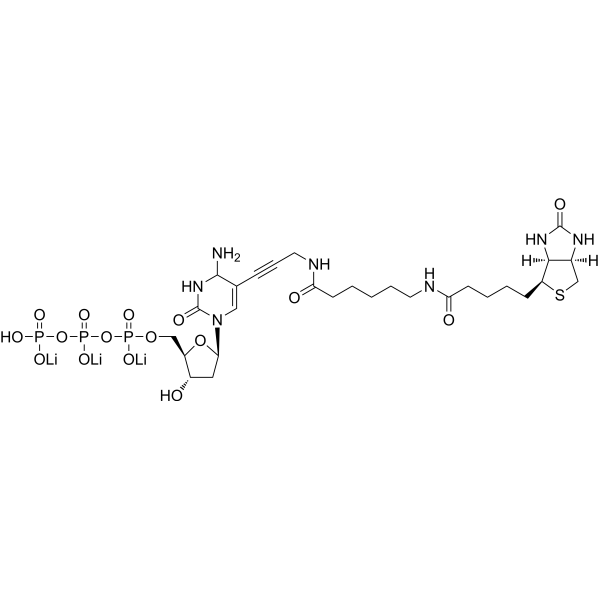
Biotin-11-dCTP is a biotinylated deoxynucleoside triphosphate and an important DNA labeling reagent. In random primer DNA labeling reactions, Biotin-11-dCTP incorporates into newly synthesized DNA strands to generate labeled DNA probes suitable for hybridization applications. In addition, Biotin-11-dCTP can serve as a substrate for terminal deoxynucleotidyl transferase to end-label oligonucleotides for telomere sequence detection, or to label the cut ends of linearized DNA molecules, thereby supporting streptavidin-based electron microscopy analysis. For example, Biotin-11-dCTP can label the cut ends of linearized DNA molecules under the action of dGTP and avian myeloblastosis virus reverse transcriptase .
|
-
-
- HY-122198
-
ML367
1 Publications Verification
|
Checkpoint Kinase (Chk)
|
Cancer
|
|
ML367 is a potent inhibitor of ATPase family AAA domain-containing protein 5 (ATAD5) stabilization, acts as a probe molecule that has low micromolar inhibitory activity. ML367 blocks DNA repair pathways, suppresses general DNA damage responses including RPA32-phosphorylation and CHK1-phosphorylation in response to UV irradiation .
|
-
-
- HY-113352
-
|
|
Endogenous Metabolite
PARP
|
Cancer
|
|
7-Methylguanine is an orally active and competitive PARP-1 inhibitor with a Ki value of 61 μM. 7-Methylguanine is a metabolite of nucleic acids. 7-Methylguanine has anticancer activity against uterine sarcoma and colon adenocarcinoma. 7-Methylguanine is used as a probe for protein-DNA interactions .
|
-
-
- HY-151662
-
|
N3-TFBA
|
ADC Linker
|
Others
|
|
4-Azido-2,3,5,6-tetrafluorobenzoic Acid (N3-TFBA) is a click chemistry reagent containing an azide group. 4-Azido-2,3,5,6-tetrafluorobenzoic Acid is a complex with FAM-labeled DNA probe. 4-Azido-2,3,5,6-tetrafluorobenzoic Acid can be used as versatile photoaffinity labeling agents to probe biological receptors. It contains an azide group and can undergo copper-catalyzed azide-alkyne cycloaddition (CuAAc) with molecules containing alkyne groups. It can also undergo ring strain-promoted alkyne-azide cycloaddition (SPAAC) with molecules containing DBCO or BCN groups.
|
-
-
- HY-148161
-
|
|
DNA/RNA Synthesis
|
Cancer
|
|
L82-G17 is an uncompetitive DNA ligase I (Lig I)-selective inhibitor. L82-G17 inhibits the third step of the ligation reaction, phosphodiester bond formation. L82-G17can be used as a probe of the catalytic activity .
|
-
-
- HY-D1090
-
|
|
DNA Stain
Fluorescent Dye
|
Others
|
|
JOE is a xanthene fluorophore (i.e., 4′,5′-dichloro-2′,7′-dimethoxy-5 (6)-carboxyfluorescein; 2',7'-dimethoxy-4',5'-dichloro-6-carboxyfluorescein) with an absorption wavelength of approximately 525 nm and an emission wavelength of approximately 550 nm. The fluorescence quantum yield of JOE correlates with the rigidity of the linker arm and the distance to dG nucleoside. JOE is commonly used as a fluorescent label for oligonucleotides and molecular beacon probes, and also serves as the acceptor fluorophore in fluorescence energy transfer primers for DNA sequencing .
|
-
-
- HY-D1820
-
|
|
Fluorescent Dye
|
Others
|
|
Vari Fluor 594-Phalloidin is a fluorescent derivative of Phalloidin that specifically labels myofilament proteins and exhibits red fluorescence at 585/609 nm when labeled .
|
-
-
- HY-156257
-
UNC9512
1 Publications Verification
|
DNA/RNA Synthesis
|
Cancer
|
|
UNC9512 is a selective 53BP1 inhibitor with an IC50 of 0.46 μM, and a Kd values of 0.17 μM. UNC9512 binds 53BP1 and its tandem Tudor domain, disrupts histone H4 interaction, and inhibits 53BP1 activity. UNC9512 can be used as a probe for DNA damage repair and Gene editing .
|
-
-
- HY-161296
-
|
|
Bacterial
HIV
|
Infection
|
|
TH6342 is a SAMHD1 modulator that binds to pretetrameric SAMHD1 and prevents its oligomerization and allosteric activation. SAMHD1 is a dNTP triphosphohydrolase and an HIV-1 restriction factor. SAMHD1 can limit the replication of retroviruses and DNA viruses and has antiviral effects. The inhibitory mechanism of TH6342 does not occupy the SAMHD1 nucleotide-binding pocket, gently binds the target, and functions as a chemical probe .
|
-
-
- HY-W103047
-
|
|
Fluorescent Dye
Reactive Oxygen Species (ROS)
|
Others
|
|
1-Pyrenebutyric acid is a fluorescence probe whose fluorescence lifetime depends on local oxygen and free radical concentrations. 1-Pyrenebutyric acid is used in fluorescence determination of DNA. 1-Pyrenebutyric acid can be used as a linker for biomolecules to form a self-assembled monolayer on grapheme. 1-Pyrenebutyric acid can also be used for the measurement of free radicals in solution and in living cells .
|
-
-
- HY-118581
-
|
|
Topoisomerase
|
Cancer
|
|
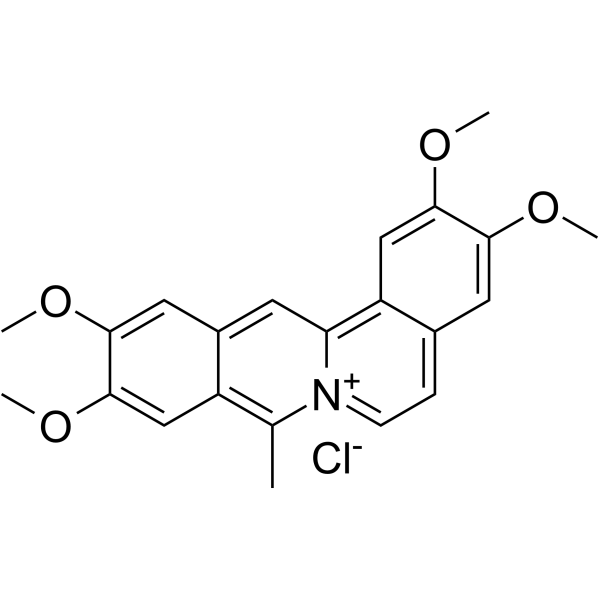
Coralyne chloride is a protoberberine alkaloid with potent anti-cancer activities. Coralyne chloride acts as a potent topoisomerase I poison and induces Top I mediated DNA cleavage . Coralyne chloride can be used for preparing?coralyne derivatives?as DNA binding fluorescent probes .
|
-
-
- HY-D1022A
-
|
Biotin-16-deoxyuridine-5'-triphosphate trisodium
|
DNA Stain
|
Others
|
|
Biotin-16- dUTP (Biotin-16-deoxyuridine-5'-triphosphate) trisodium can be used to replace its natural counterpart dTTP by enzymatically incorporating it into DNA/cDNA. Biotin-16- dUTP trisodium can be used to produce biotinylated DNA probes in a variety of assay applications .
|
-
-
- HY-W094755
-
-
-
- HY-157916
-
|
Aldehyde reactive probe
|
Fluorescent Dye
|
Others
|
|
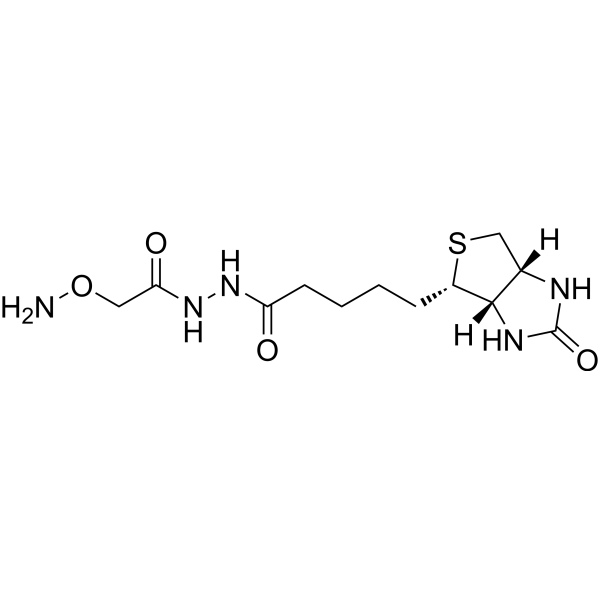
ARP (Aldehyde reactive probe) is an aldehyde-reactive probe . ARP specifically labels AP sites in DNA with biotin residues . ARP detects abasic sites induced by RNA oxidation . ARP is suitable for studies involving the quantification of AP sites, or the detection of other aldehyde-containing DNA damages and abasic sites induced by RNA oxidation .
|
-
-
- HY-D1021
-
|
Aminoallyl-dUTP sodium salt
|
DNA/RNA Synthesis
|
Others
|
|
AA-dUTP (Aminoallyl-dUTP) sodium salt is a reverse transcriptase and DNA polymerase I substrate with probe precursor activity. AA-dUTP sodium salt undergoes enzymatic incorporation into DNA during cDNA synthesis and nick translation. AA-dUTP sodium salt generates amine-modified DNA, which can be used for labeling with amine-reactive fluorescent dyes .
|
-
-
- HY-157322
-
|
|
Fluorescent Dye
|
Infection
|
|
SAV13 is an inhibitor of SaeR. SAV13 is an analogue of HR3744. SAV13 inhibits SaeR-DNA probe binding and has antivirulence properties .
|
-
-
- HY-W614753
-
|
|
Biochemical Assay Reagents
|
Others
|
|
Biotin-naphthylamine is a biotinylated biochemical assay reagent, which is a substrate for ascorbate peroxidase 2 (APEX2). Biotin-naphthylamine is utilized as a novel probe for labeling DNA and RNA .
|
-
-
- HY-135846
-
-
-
- HY-D1818
-
|
|
Fluorescent Dye
|
Others
|
|
Vari Fluor 680-Phalloidin is a fluorescent derivative of Phalloidin that specifically labels myofilament proteins and exhibits red fluorescence when labeled at 680/700 nm .
|
-
-
- HY-DY1075
-
|
|
G-quadruplex
|
Neurological Disease
|
N-Methylmesoporphyrin IX (NMM) (solution) , a widely used G-quadruplex DNA specific fluorescent binder, is an efficient probe for monitoring Aβ fibrillation. N-Methylmesoporphyrin IX is an in situ inhibitor and an ex situ monitor for Aβ amyloidogenesis both in vitro and in cells. N-Methylmesoporphyrin IX is sensitive to G-quadruplexes DNA but has no response to duplexes, triplexes and single-stranded forms DNA. N-Methylmesoporphyrin IX is nonfluorescent alone or in monomeric Aβ environments, but emits strong fluorescence through stacking with the Aβ assemblies . Solvent and concentration: DMSO: 2 mM
|
-
-
- HY-W856375A
-
|
|
Fluorescent Dye
|
Others
|
|
BSPOTPE is the mixture of (E)-BSPOTPE (HY-W856375) and (Z)-BSPOTPE. BSPOTPE binds Human serum albumin (HSA) (HY-P1956), exhibits aggregation-induced emission (AIE) phenomenon. BSPOTPE shows selectivity for albumin (such as HSA and BSA), but has no obvious fluorescence response to other proteins and DNA. BSPOTPE can be used as fluorescent probe for HSA .
|
-
-
- HY-W181026
-
|
|
Fluorescent Dye
|
Inflammation/Immunology
|
|
KLF10-IN-1 (#48-15) is a KLF10 inhibitor with an IC50 value of 40 μM for KLF10 reporter gene. KLF10-IN-1 can inhibit KLF10-DNA binding and transcriptional activity, block the conversion of CD4+CD25 T cells to CD4+CD25+T regulatory cells, and inhibit the expression of KLF10 target genes. KLF10-IN-1 can be used as a useful mechanistic probe to study KLF10-mediated effects and T regulatory cell biology .
|
-
-
- HY-W010706
-
|
5'-O-DMT-N4-Bz-dC
|
Nucleoside Antimetabolite/Analog
|
Others
|
|
N4-Benzoyl-5'-O-(4,4'-dimethoxytrityl)-2'-deoxycytidine (5'-O-DMT-N4-Bz-dC) can be used for synthesis oligodeoxynucleotides containing a 3'-S-phosphorothiolate (3'-PS) linkage. N4-Benzoyl-5'-O-(4,4'-dimethoxytrityl)-2'-deoxycytidine is an useful tool for probing enzyme-catalyzed cleavage processes in DNA .
|
-
-
- HY-W001952
-
|
|
Fluorescent Dye
Drug Intermediate
|
Others
|
|
6-Bromo-2-naphthol is an RTP (real-time polymerase chain reaction) probe that forms a 1:1 or 2:1 complex with β-cyclodextrin (β-CD). 6-Bromo-2-naphthol is capable of real-time monitoring of PCR reactions and quantification of specific nucleic acid sequences. RTP probes are a class of small DNA or RNA sequences labeled with fluorescent dyes and quencher molecules, which can be widely used in gene expression analysis, SNP genotyping, and pathogen detection. 6-Bromo-2-naphthol embeds into the cyclodextrin cavity through hydrophobic interactions, inhibits the oxygen quenching effect, and emits a phosphorescent signal at room temperature. 6-Bromo-2-naphthol can also be used as an intermediate for the synthesis of antibacterial azo dyes, and its derivatives show antibacterial activity against Staphylococcus aureus, Escherichia coli and other bacteria .
|
-
-
- HY-D1022
-
|
Biotin-16-deoxyuridine-5'-triphosphate
|
Fluorescent Dye
|
Others
|
|
Biotin-16-dUTP (Biotin-16-deoxyuridine-5'-triphosphate) can be used to replace its natural counterpart dTTP by enzymatically incorporating it into DNA/cDNA. Biotin-16- dUTP can be used to produce biotinylated DNA probes in a variety of assay applications .
|
-
-
- HY-D1812
-
|
VF 488-dUTP
|
Fluorescent Dye
|
Others
|
|
Vari Fluor 488-dUTP (VF 488-dUTP) can replace its natural counterpart, dTTP, by enzymatic incorporation into DNA/cDNA. Vari Fluor 555-dUTP can be used to produce biotinylated DNA probes in a variety of assay applications .
|
-
-
- HY-D2267
-
|
|
Fluorescent Dye
|
Others
|
|
JF646-Hoechst is a fluorescent red DNA probe that is an ideal substitute for large oligonucleotide-coupled antibodies used in PAINT experiments, especially for bacterial studies. JF646-Hoechst excitation/emission maximum =655/670 nm .
|
-
-
- HY-160841
-
|
|
DNA Stain
DNA/RNA Synthesis
|
Others
|
|
Biotin-16-dCTP is a biotinylated deoxycytidine triphosphate that serves as an important DNA labeling substrate. Biotin-16-dCTP can be enzymatically incorporated into the 3' end of DNA probes via terminal deoxynucleotidyl transferase, forming a 1-3 nucleotide-long tail to achieve biotinylation of the probes. Biotin-16-dCTP enhances chemiluminescent detection of low-abundance targets such as specific tRNA isoacceptors through Northern blotting. Biotin-16-dCTP can also replace conventional dCTP to be integrated into single-stranded DNA generated by asymmetric polymerase chain reaction, which is applicable for bioconjugation or pull-down assays. Repeated freeze-thaw cycles of Biotin-16-dCTP should be avoided to prevent degradation of its function for probe biotinylation .
|
-
-
- HY-W018008
-
|
Ferrocenylacetylene; Ferrocenylethyne
|
Biochemical Assay Reagents
|
Others
|
|
Ethynylferrocene (Ferrocenylacetylene) is a click chemistry agent. Ethynylferrocene can be used for labeling of hairpin DNA probes to monitor the DNA hybridization via the Cu(I)-catalyzed azide-alkyne cycloaddition (CuAAC) .
|
-
-
- HY-171230
-
|
|
DNA/RNA Synthesis
|
Cancer
|
|
MTH1 activator-1 is an MTH1 activator that enhances endogenous MTH1 activity and significantly reduces 8-oxo-dG levels in cellular DNA. MTH1 activator-1 can be used to probe the cellular and biological effects of upregulated oxidative damage repair in nucleotide pools and to delay or abrogate tumorigenesis .
|
-
- HY-125209A
-
|
|
Apoptosis
PARP
DNA/RNA Synthesis
|
Cancer
|
|
TH5427 hydrochloride is a NUDT5 inhibitor with a human target IC50 of 29 nM, ~690-fold selectivity over MTH1 in vitro, and selective functional inhibition over other NUDIX hydrolases including NUDT9 .TH5427 hydrochloride binds to the active site of NUDT5, blocking enzymatic activity related to ADP-ribose metabolism and PAR-derived ATP synthesis .TH5427 hydrochloride blocks progestin-dependent nuclear ATP synthesis, impairs progestin-induced chromatin remodeling, inhibits histone H1 displacement, disrupts progestin-dependent gene regulation, and abrogates progestin-dependent proliferation in breast cancer cells .TH5427 hydrochloride functions as a versatile probe to study nuclear ATP dynamics and ADP-ribose-related metabolism in cells .TH5427 hydrochloride engages NUDT5 at physiological temperatures, as demonstrated by Drug Affinity Responsive Target Stability (DARTS) assay .TH5427 hydrochloride stabilizes NUDT5 against thermal denaturation in cell lysates and intact cells, as shown by cellular thermal shift assay (CETSA) .TH5427 hydrochloride functionally inhibits NUDT5 activity, leading to downstream effects on oxidative DNA damage and DNA replication in triple-negative breast cancer (TNBC) cells .TH5427 hydrochloride suppresses proliferation of TNBC cells without inducing cell death or apoptosis, slows DNA replication in TNBC cells, promotes accumulation of oxidative DNA lesions, and triggers DNA damage response in TNBC cells .TH5427 hydrochloride suppresses growth of TNBC cells in vitro, inhibits growth of TNBC xenograft tumors in nude mice in vivo, and shows greater potency against TNBC cell lines compared to ER-positive and normal-like breast cell lines .TH5427 hydrochloride can be used for the research of breast cancer and triple-negative breast cancer .
|
-
- HY-176846
-
|
|
Biochemical Assay Reagents
|
Others
|
|
HIPS probe-1 (Compound 1) is a click chemistry reagent containing a alkyne group. HIPS probe-1 can undergo copper-catalyzed azide-alkyne cycloaddition (CuAAc) with molecules containing Azide groups. HIPS probe-1 can be used as a chemical probe to specifically recognize and label aldehyde functional groups in DNA, especially abasic sites (AP sites) for DNA damage research .
|
-
- HY-W704973
-
|
|
DNA/RNA Synthesis
|
Cancer
|
|
F-ara-EdU is a low-toxic, highly stable probe for DNA synthesis that is used as a marker for cell proliferation and DNA replication by binding to DNA or RNA in cells. F-ara-EdU can also be used to detect the rate of DNA synthesis within cells, as well as to study the mechanisms of DNA repair and damage .
|
-
- HY-D1883B
-
|
|
Fluorescent Dye
|
Others
|
|
Cy7.5-COOH bromide, a cyanine dye, is a highly fluorescent compound (Abs/Em = 781/808 nm). Cy7.5-COOH bromide can be used as a fluorescent probe in a wide-range of applications such as DNA sequencing, flow cytometry and in vivo imaging .
|
-
- HY-D1883
-
|
|
Fluorescent Dye
|
Others
|
|
Cy7.5-COOH (compound 8f), a cyanine dye, is a highly fluorescent compound (Abs/Em = 781/808 nm). Cy7.5-COOH can be used as a fluorescent probe in a wide-range of applications such as DNA sequencing, flow cytometry and in vivo imaging .
|
-
- HY-113352S
-
|
|
Endogenous Metabolite
|
Others
|
|
7-Methylguanine-d3 is the deuterium labeled 7-Methylguanine . 7-Methylguanine is a metabolite of DNA methylation. It can be generated by methylating agents, and used as a probe of protein–DNA interactions and a key component of DNA sequencing method .
|
-
- HY-129594
-
|
|
Fluorescent Dye
|
Others
|
|
DANP is a bulge base recognition probe that strongly and specifically binds to the single cytosine and thymine bulges. DANP could stabilize not only a single cytosine but also the thymine bulge in duplex DNA .
|
-
- HY-W856375
-
|
|
MOFs
Fluorescent Dye
|
Others
|
|
(E)-BSPOTPE is the E configuration of BSPOTPE (HY-W856375A). BSPOTPE binds Human serum albumin (HSA) (HY-P1956), exhibits aggregation-induced emission (AIE) phenomenon. BSPOTPE shows selectivity for albumin (such as HSA and BSA), but has no obvious fluorescence response to other proteins and DNA. BSPOTPE can be used as fluorescent probe for HSA .
|
-
- HY-W1119950
-
|
|
Nucleoside Antimetabolite/Analog
DNA/RNA Synthesis
|
Others
|
|
3'-NH-Tr-2',3'-DMF-ddA-5'-CE-Phosphoramidite is an adenine nucleotide monomer precursor used in solid-phase synthesis of oligonucleotides, particularly modified oligonucleotides, such as those with DNA chain end modifications. 3'-NH-Tr-2',3'-DMF-ddA-5'-CE-Phosphoramidite, with trityl (Tr), cyanoethyl (CE), and dimethylformamidine (DMF) protecting groups, is a ddNTP adenosine nucleoside useful in applications such as solid-phase oligonucleotide synthesis, probe design, and chain-termination sequencing .
|
-
- HY-D1811
-
|
VF 555-dUTP
|
Fluorescent Dye
|
Others
|
|
Vari Fluor 555-dUTP (VF 555-dUTP) can be used to produce biotinylated DNA probes in a variety of assay applications by enzymatic incorporation into DNA/cDNA, replacing its natural counterpart, dTTP .
|
-
- HY-D1810
-
|
|
Fluorescent Dye
|
Others
|
|
Sulfo-Cy3-E-dUTP is enzymatically incorporated into DNA/cDNA as a substitute for its natural counterpart, dTTP. Sulfo-Cy3-E-dUTP can be used to produce biotinylated DNA probes for various detection applications .
|
-
- HY-D1814
-
|
VF 640-dUTP
|
Fluorescent Dye
|
Others
|
|
Vari Fluor 640-dUTP (VF 640-dUTP) is enzymatically incorporated into DNA/cDNA and can replace its natural counterpart, dTTP. Vari Fluor 555-dUTP can be used to produce biotinylated DNA probes in a variety of assay applications .
|
-
- HY-D1813
-
|
VF 594-dUTP
|
Fluorescent Dye
|
Others
|
|
Vari Fluor 594-dUTP (VF 594-dUTP) can replace its natural counterpart, dTTP, by enzymatic incorporation into DNA/cDNA. Vari Fluor 555-dUTP can be used to produce biotinylated DNA probes in a variety of assay applications .
|
-
- HY-W012642A
-
|
|
DNA Stain
|
Others
|
|
2-Aminopurine dihydrochloride is a fluorescent analog of guanosine. 2-Aminopurine dihydrochloride can be used as a fluorescence probe for nucleic acid structure and dynamics. Incorporating 2-Aminopurine dihydrochloride into DNA quenches its fluorescence .
|
-
- HY-160840
-
|
|
Fluorescent Dye
|
Others
|
|
SPB-AAD is a BFPX probe. SPB-AAD has covalent capture of in vitro assembled MEF2/DNA and NFAT1/DNA complexes .
|
-
- HY-160839
-
|
|
Fluorescent Dye
|
Others
|
|
SPB-PEG4-AAD (compound 6) is a BFPX probe. SPB-PEG4-AAD shows significant crosslinking of the Nkx2.5/DNA complex or p53/DNA complex while displaying little effect on the DNA alone .
|
-
- HY-141618
-
|
|
Fluorescent Dye
|
Others
|
|
5(6)-Carboxyrhodamine 110 is an amine-reactive fluorescent probe for labeling DNA, cells and proteins (Ex/Em = 498/530 nm) .
|
-
- HY-172508
-
|
|
Fluorescent Dye
Phosphoramidites
|
Others
|
|
Perylene dU phosphoramidite is a bright and extremely photostable fluorescent polycyclic aromatic hydrocarbon (PAH) label with a quantum yield approaching quantitative. Due to the low lifetime of fluorescence, this probe does not form excimers.With this phosphoramidite, perylene can be introduced into DNA by automated oligonucleotide synthesis.
|
-
- HY-114346A
-
|
|
Fluorescent Dye
|
Others
|
|
ODIPY FL EDA free base is an amine-based, green fluorescent probe. The R-NH2 of ODIPY FL EDA free base can be coupled with aldehydes or ketones to form reversible Schiff base products. Convert to stable amine derivatives using reducing agents such as sodium borohydride or sodium cyanoborohydride. ODIPY FL EDA free base can be used to detect modified or normal deoxynucleotides and demonstrate DNA damage and genomic DNA methylation.
|
-
- HY-D1883A
-
|
|
Fluorescent Dye
|
Others
|
|
Cy7.5-COOH TEA (compound 8f), a cyanine dye, is a highly fluorescent compound (Abs/Em = 781/808 nm). Cy7.5-COOH TEA can be used as a fluorescent probe in a wide-range of applications such as DNA sequencing, flow cytometry and in vivo imaging .
|
-
- HY-160063
-
|
|
Fluorescent Dye
DNA Alkylator/Crosslinker
|
Cancer
|
|
SW1 aptamer sodium is a high-affinity DNA aptamer (Kd: 123.62 nM) that targets liver cancer SMMC-7721 cells and targets intracellular components within the nucleus. SW1 aptamer sodium can also identify various other types of cancer cells and tissues, serving as an effective molecular probe for clinical cancer diagnosis .
|
-
- HY-130670
-
|
|
GABA Receptor
|
Neurological Disease
|
|
CGP 54626 is a GABAB receptor modulator, which is essential in the central and peripheral nervous systems. It is used as a tool to identify and characterize GABAB receptor agonists and antagonists, which will aid in the development of drugs targeting diseases related to these systems. This discovery involves purified GABAB receptors, receptor proteins and their encoding nucleic acids, facilitating the study of new members of the GABAB receptor family through DNA cloning technology and sequence-derived probes .
|
-
- HY-131804A
-
|
3'-O-Ac-dCTP tetrasodium
|
Nucleoside Antimetabolite/Analog
DNA/RNA Synthesis
|
Others
|
|
3'-O-Acetyl-2'-deoxycytidine-5'-O-triphosphate (3'-O-Ac-dCTP) tetrasodium is a nucleoside triphosphate derivative with potential applications in DNA synthesis and nucleoside drug design. 3'-O-Acetyl-2'-deoxycytidine-5'-O-triphosphate tetrasodium can be used to inhibit chain elongation reactions and as a terminator or biochemical probe .
|
-
- HY-W040129R
-
|
|
Reference Standards
Bacterial
Fungal
Apoptosis
Antibiotic
|
Infection
Neurological Disease
Cancer
|
|
Chromomycin A3 (Standard) is the analytical standard of Chromomycin A3 (HY-W040129). This product is intended for research and analytical applications. Chromomycin A3 is an inhibitor that selectively binds to GC-rich DNA sequences. Chromomycin A3 targets the DNA minor groove after forming a dimer with Mg 2+. Chromomycin A3 inhibits DNA replication and transcription, blocks the binding of Sp1 transcription factor to target gene promoters, downregulates the expression of anti-apoptotic proteins such as FLIP, Mcl-1, and XIAP, and induces S-phase cycle arrest and caspase-dependent apoptosis in tumor cells. Chromomycin A3 can antagonize oxidative stress induced by glutathione depletion and neuronal apoptosis induced by Camptothecin (HY-15660). Chromomycin A3 can be used in basic research on malignant tumors such as cholangiocarcinoma, and is a potential chemosensitizer and GC-rich region probe .
|
-
- HY-B1422R
-
|
Aminacrine (Standard)
|
Reference Standards
Bacterial
HIV
|
Infection
|
|
9-Aminoacridine (Standard) is the analytical standard of 9-Aminoacridine. This product is intended for research and analytical applications. 9-Aminoacridine, a fluorescent probe, acts as an indicator of pH for quantitative determination of transmembrane pH gradients (inside acidic). 9-Aminoacridine is an antimicrobial. 9-Aminoacridine exerts its antimicrobial activity by interacting with specific bacterial DNA and disrupting the proton motive force in K. pneumoniae. 9-Aminoacridine is a HIV-1 inhibitor and inhibits HIV LTR transcription highly dependent on the presence and location of the amino moiety. 9-Aminoacridine inhibits virus replication in HIV-1 infected cell lines. 9-Aminoacridine is used as a Rifampin (RIF; HY-B0272) adjuvant for the multidrug-resistant K. pneumoniae infections .
|
-
- HY-B1422S
-
|
Aminacrine-13C6
|
Bacterial
HIV
Isotope-Labeled Compounds
|
Infection
|
|
9-Aminoacridine-13C6 is the 13C-labeled 9-Aminoacridine(HY-B1422). 9-Aminoacridine, a fluorescent probe, acts as an indicator of pH for quantitative determination of transmembrane pH gradients (inside acidic). 9-Aminoacridine is an antimicrobial. 9-Aminoacridine exerts its antimicrobial activity by interacting with specific bacterial DNA and disrupting the proton motive force in K. pneumoniae. 9-Aminoacridine is a HIV-1 inhibitor and inhibits HIV LTR transcription highly dependent on the presence and location of the amino moiety. 9-Aminoacridine inhibits virus replication in HIV-1 infected cell lines. 9-Aminoacridine is used as a Rifampin (RIF; HY-B0272) adjuvant for the multidrug-resistant K. pneumoniae infections .
|
-
- HY-D3404
-
|
|
DNA Stain
|
Others
|
|
BODi-1 is a fluorescent modulator targeting dsDNA, which binds to dsDNA via a bis-intercalation mechanism (Ex=465 nm, Em=490 nm). BODi-1 exhibits a fluorescence enhancement effect upon binding to nucleic acids, but its fluorescence intensity, anisotropy and average lifetime decrease at higher dye/DNA ratios. When BODi-1 binds to DNA in liposome complexes, it also shows red-shifted emission spectra, along with reduced quantum yield and average lifetime. BODi-1 does not induce significant DNA conformational changes when the dye/DNA ratio is below 0.01. BODi-1 can be used as a fluorescent probe for the characterization of liposome complexes and FRET studies at this ratio .
|
-
- HY-168322
-
|
|
Fluorescent Dye
|
Others
|
|
2-Hydroxy nile red trifluoromethanesulfonate is a fluorescent probe, that enters into oligodeoxyribonucleic acid as a nucleotide replacement. 2-Hydroxy nile red trifluoromethanesulfonate can be used as a DNA probe for detecting the polar changes in tumor microenvironments .
|
-
- HY-129594A
-
|
|
Fluorescent Dye
|
Others
|
|
DANP dihydrochloride is a bulge base recognition probe that strongly and specifically binds to the single cytosine and thymine bulges. DANP dihydrochloride could stabilize not only a single cytosine but also the thymine bulge in duplex DNA .
|
-
- HY-180366
-
|
|
Nucleoside Antimetabolite/Analog
|
Others
|
|
5-Amino-2'-deoxyuridine is a thymidine analogue and substrate for chemical reaction. 5-Amino-2'-deoxyuridine can be use in the preparation of labeled probes for DNA microarray analysis .
|
-
- HY-P11684
-
|
|
DNA/RNA Synthesis
|
Others
|
|
Fmoc-PNA-C(Boc)-OH is a protected peptide nucleic acid (PNA) monomer for solid-phase synthesis. Fmoc-PNA-C(Boc)-OH possesses Fmoc-protected skeletal amino groups and Boc-protected cytosine bases, designed to construct stable synthetic DNA analogs. Fmoc-PNA-C(Boc)-OH can be used to prepare highly specific, enzyme-stable antisense probes and diagnostic probes.
|
-
- HY-178588
-
|
|
Nucleoside Antimetabolite/Analog
|
Cancer
|
|
Fluorescein-12-dUTP is a fluorescent labeling and detection reagent that can be used for nucleic acid synthesis. Fluorescein-12-dUTP can be used to synthesize labeled DNA probes for in situ hybridization, microarray or western blot analysis .
|
-
- HY-D2941
-
|
SNAP-AF
|
Fluorescent Dye
|
Others
|
BGAF (SNAP-AF) is a fluorescent diacetyl fluorescein-labeled SNAP tag fluorescent probe, specifically designed for the covalent labeling of SNAP-tag fusion proteins in living cells. BGAF utilizes the specific reaction of the human DNA repair protein hAGT to achieve specific fluorescent labeling of the target protein in the living cell environment .
|
-
- HY-179594
-
|
|
AP-1
|
Neurological Disease
|
|
HTS10307 is a small molecule AP1 Transcription Factor ΔFOSB inhibitor. HTS10307 inhibits the binding of ΔFOSB/JUND and ΔFOSB to DNA with IC50 values of ~3 μM and ~7 μM, respectively. HTS10307 can be used as a chemical probe for investigating the role of ΔFOSB in pathological conditions such as drug addiction, Alzheimer’s disease, and Parkinson’s disease .
|
-
- HY-133240
-
|
|
DNA Alkylator/Crosslinker
Calcium Channel
Potassium Channel
Sodium Channel
|
Infection
|
|
trans-AzoTAB is a photoresponsive potassium/sodium/calcium channel modulator and DNA-binding agent. trans-AzoTAB undergoes trans-cis isomerization driven by light, with variable polarity and DNA affinity. trans-AzoTAB also enhances voltage-gated potassium currents and inhibits sodium and calcium currents in cardiomyocytes, thereby reducing spontaneous electrical activity and excitation conduction velocity. In addition, trans-AzoTAB induces compaction and frozen conformation of λ-phage DNA, and non-sequence-dependently inhibits transcription and translation processes in the dark; its activity can be reversed and restored by visible light after activation with ultraviolet irradiation. trans-AzoTAB can serve as a probe for two-photon optical regulation of myocardial excitability, and is used to construct photoresponsive interfacial polymer structures .
|
-
- HY-D3195
-
|
|
Fluorescent Dye
Bacterial
|
Infection
|
|
CDr15 is a deep-red fluorescent probe (Ex=733 nm) that can selectively intercalate into and label bacterial extracellular DNA (eDNA). CDr15 exhibits extremely high specificity for biofilm imaging and cannot effectively bind to mammalian nuclear DNA. CDr15 enables real-time visualization of the microcolony structure and developmental process of three-dimensional *Pseudomonas aeruginosa* biofilms, and accurately localizes biofilm-forming regions of microorganisms in a mouse corneal infection model. With low background interference signals, CDr15 serves as an ideal diagnostic tool for research fields including bacterial biofilms and corneal infections .
|
-
- HY-P11486
-
-
- HY-D3153
-
|
|
Apoptosis
Caspase
Microtubule/Tubulin
|
Inflammation/Immunology
|
|
PbQ is a tubulin inhibitor (with an IC50 of 5 μM against goat tubulin) and a fluorescent probe for cuprous ions Cu (I). PbQ can penetrate the membrane of peripheral blood mononuclear cells, form a stable 1:1 complex with Cu + ions, and exhibits low toxicity and good biocompatibility toward macrophage cell lines. In addition, PbQ promotes tubulin degradation and disrupts the microtubule network in lung epithelial cells without affecting actin. PbQ also possesses genotoxicity by forming DNA base adducts, and it can activate caspase-3 and apoptosis-related genes, induce loss of mitochondrial membrane potential, and trigger cell apoptosis. PbQ can be used in studies related to chronic obstructive pulmonary disease .
|
-
- HY-181421
-
|
|
SF3B1
|
Cancer
|
|
WX-02-43 is a weak covalent inhibitor of SF3B1, and is the (1S,3R) enantiomer of WX-02-23 (HY-168534). WX-02-43 cannot effectively covalently modify the C258 site in the DNA-binding domain of FOXA1, and its inhibitory activity against SF3B1 is also weaker than that of WX-02-23. WX-02-43 serves as a negative control probe that fails to remodel the chromatin binding pattern and transcriptional activity of FOXA1. WX-02-43 can be used in studies on cancers such as prostate cancer to verify the specific effects of WX-02-23 on FOXA1 and SF3B1 targets .
|
-
- HY-DY1097
-
|
|
Fluorescent Dye
|
Others
|
Thiazole Orange (solution) is an asymmetric anthocyanin dye that can be coupled with oligonucleotides (ONs) to prepare fluorescent hybridization probes. Thiazole Orange has been widely used in biomolecular detection and staining of DNA/ RNA in gels and can be used for reticulocyte analysis. Thiazole orange generates a significant fluorescence enhancement and high quantum yield when it binds with nucleic acids, especially RNA. Thiazole orange can permeate living cell membranes. Thiazole orange can use UV light for detection, but can also be detected with blue light. The excitation and emission of Thiazole orange are λex = 510 nm (488 nm and 470 nm also show strong excitation) and λem = 527 nm, respectively . Solvent and concentration: DMSO: 10 mM The 1 mL volume is defined as the base specification. All larger sizes correspond to incremental volumes of this base.
|
-
| Cat. No. |
Product Name |
Type |
-
- HY-133821
-
|
|
Fluorescent Dye
|
|
N-Methylmesoporphyrin IX (NMM), a widely used G-quadruplex DNA specific fluorescent binder, is an efficient probe for monitoring Aβ fibrillation. N-Methylmesoporphyrin IX is an in situ inhibitor and an ex situ monitor for Aβ amyloidogenesis both in vitro and in cells. N-Methylmesoporphyrin IX is sensitive to G-quadruplexes DNA but has no response to duplexes, triplexes and single-stranded forms DNA. N-Methylmesoporphyrin IX is nonfluorescent alone or in monomeric Aβ environments, but emits strong fluorescence through stacking with the Aβ assemblies .
|
-
- HY-43520
-
|
|
Fluorescent Dye
|
|
BODIPY-FL is a green fluorescent dye that can be used to label probes or primers. BODIPY-FL fluorescence can be quenched after interacting with uniquely positioned guanine, making it useful for quantifying specific DNA or RNA molecules. The maximum absorption wavelength of BODIPY-FL is 505 nm, and the maximum emission wavelength is 513 nm .
|
-
- HY-D0150
-
|
|
Fluorescent Dye
|
|
Thiazole Orange is an asymmetric anthocyanin dye that can be coupled with oligonucleotides (ONs) to prepare fluorescent hybridization probes. Thiazole Orange has been widely used in biomolecular detection and staining of DNA/ RNA in gels and can be used for reticulocyte analysis. Thiazole orange generates a significant fluorescence enhancement and high quantum yield when it binds with nucleic acids, especially RNA. Thiazole orange can permeate living cell membranes. Thiazole orange can use UV light for detection, but can also be detected with blue light. The excitation and emission of Thiazole orange are λex = 510 nm (488 nm and 470 nm also show strong excitation) and λem = 527 nm, respectively .
|
-
- HY-W012642
-
|
|
Fluorescent Dye
|
|
2-Aminopurine, a fluorescent analog of guanosine and adenosine, is a widely used fluorescence-decay-based probe of DNA structure. When 2-Aminopurine is inserted in anoligonucleotide, its fluorescence is highly quenched by stacking with the natural bases. 2-Aminopurine has been used to probe nucleic acid structure and dynamics .
|
-
- HY-D1817
-
|
|
Fluorescent Dye
|
|
Vari Fluor 488-Phalloidin is a fluorescent derivative of Phalloidin that specifically labels myofilament proteins and exhibits green fluorescence when labeled, allowing for fluorescence imaging using FITC channels (Ex/Em=488 nm/513 nm) .
|
-
- HY-15558
-
Hoechst 33258
Maximum Cited Publications
22 Publications Verification
bisBenzimide H 33258; H 33258
|
Fluorescent Dye
|
|
Hoechst 33258 is a blue to blue-green fluorescent live cell dye that can label DNA. Hoechst 33258 can specifically bind to the minor groove of DNA (and tends to bind to A/T-rich DNA), resulting in a significant increase in fluorescence intensity. Hoechst 33258 can cross the cell membrane and cause changes in DNA structure, such as G2/M phase arrest. Hoechst 33258 can bind to live or fixed cells, and the fluorescence intensity increases with increasing solution pH. As a DNA-specific probe, Hoechst 33258 can be used to detect DNA content, analyze cell cycle, etc. The excitation wavelength of Hoechst 33258 is 350-365 nm, and the emission wavelength is 460-490 nm .
|
-
- HY-D1819
-
|
|
Fluorescent Dye
|
|
Vari Fluor 633-Phalloidin is a fluorescent derivative of Phalloidin that specifically labels myofilament proteins and exhibits red fluorescence at 630/650 nm when labeled .
|
-
- HY-B1422
-
|
Aminacrine
|
Fluorescent Dye
|
|
9-Aminoacridine, a fluorescent probe, acts as an indicator of pH for quantitative determination of transmembrane pH gradients (inside acidic). 9-Aminoacridine is an antimicrobial. 9-Aminoacridine exerts its antimicrobial activity by interacting with specific bacterial DNA and disrupting the proton motive force in K. pneumoniae. 9-Aminoacridine is a HIV-1 inhibitor and inhibits HIV LTR transcription highly dependent on the presence and location of the amino moiety. 9-Aminoacridine inhibits virus replication in HIV-1 infected cell lines. 9-Aminoacridine is used as a Rifampin (RIF; HY-B0272) adjuvant for the multidrug-resistant K. pneumoniae infections .
|
-
- HY-D1730A
-
|
|
Fluorescent Dye
|
|
AF488 NHS ester TEA is an amine specific fluorescence probe (λem=525 nm=525 nm). AF488 NHS ester reacts with sulfhydryl groups and amines in aqueous and biological samples then change their chemical structure and fluorescence properties after derivatization. AF488 exhibits the λem and λex wavelength of 520 nm and 470 nm, respectively .
|
-
- HY-135009
-
|
DASPI
|
Fluorescent Dye
|
|
2-Di-1-ASP (DASPI; Compound 18a) is a mono-stryryl dye, and widely used as mitochondrial stain and groove-binding fluorescent probes for double-stranded DNA. 2-Di-1-ASP is selective for G-quadruplex (G4) and double-stranded DNA .
|
-
- HY-D1816
-
|
|
Fluorescent Dye
|
|
Vari Fluor 555-Phalloidin is a fluorescent derivative of Phalloidin that specifically labels myofilament proteins and exhibits red fluorescence when labeled, allowing for fluorescence imaging using the PE channel (Ex/Em=550 nm/561 nm) .
|
-
- HY-D1742
-
|
|
Fluorescent Dye
|
|
DeepRed Nucleus Dye is a novel cell permeant and far red-fluorescing DNA probe. DeepRed Nucleus Dye excites at a wavelength of 647 nm, close to the Ex, and produces a fluorescence spectrum extending from 665 nm out to beyond 780 nm wavelengths. DeepRed Nucleus Dye fluorescence reflects cellular DNA content. DeepRed Nucleus Dye can be used in combination with FITC and RPE-labelled antibodies, without the need for fluorescence compensation .
|
-
- HY-D2222
-
|
|
Fluorescent Dye
|
|
5-HMSiR-Hoechst is a DNA probe. 5-HMSiR-Hoechst comprises Hoechst 33258 and spontaneously blinking far-red hydroxymethyl silicon-rhodamine (HMSiR). 5-HMSiR-Hoechst can stain living cells. Ex/Em=640 nm/675 nm .
|
-
- HY-D0215
-
|
Safranine T
|
Fluorescent Dye
|
|
Safranin (Safranin T) is an important and classical phenazinium dye. Safranin has been extensively used in the academic field as a spectroscopic probe and indicator. Safranin possesses a planar structure and cationic charge. Safranin can readily intercalate into biological macromolecules, including DNA and proteins. Safranin has antibacterial effects against gram-positive bacteria (S. aureus). Safranin can be used as a redox indicator in the determination of metal ion concentration .
|
-
- HY-D1725
-
|
|
Fluorescent Dye
|
|
Cy3-dCTP is a directly fluorescently labeled deoxyribonucleotide, in which Cy3 is a cyanine fluorescent dye. Cy3-dCTP is used for direct enzymatic labeling of DNA and cDNA: with the aid of DNA polymerases, this modified nucleotide is incorporated into the extending DNA strand during processes such as reverse transcription, PCR, nick translation or random primer labeling .
|
-
- HY-D1668
-
|
|
Fluorescent Dye
|
|
Biotin-11-dCTP is a biotinylated deoxynucleoside triphosphate and an important DNA labeling reagent. In random primer DNA labeling reactions, Biotin-11-dCTP incorporates into newly synthesized DNA strands to generate labeled DNA probes suitable for hybridization applications. In addition, Biotin-11-dCTP can serve as a substrate for terminal deoxynucleotidyl transferase to end-label oligonucleotides for telomere sequence detection, or to label the cut ends of linearized DNA molecules, thereby supporting streptavidin-based electron microscopy analysis. For example, Biotin-11-dCTP can label the cut ends of linearized DNA molecules under the action of dGTP and avian myeloblastosis virus reverse transcriptase .
|
-
- HY-151662
-
|
N3-TFBA
|
Fluorescent Dye
|
|
4-Azido-2,3,5,6-tetrafluorobenzoic Acid (N3-TFBA) is a click chemistry reagent containing an azide group. 4-Azido-2,3,5,6-tetrafluorobenzoic Acid is a complex with FAM-labeled DNA probe. 4-Azido-2,3,5,6-tetrafluorobenzoic Acid can be used as versatile photoaffinity labeling agents to probe biological receptors. It contains an azide group and can undergo copper-catalyzed azide-alkyne cycloaddition (CuAAc) with molecules containing alkyne groups. It can also undergo ring strain-promoted alkyne-azide cycloaddition (SPAAC) with molecules containing DBCO or BCN groups.
|
-
- HY-D1090
-
|
|
Fluorescent Dye
|
|
JOE is a xanthene fluorophore (i.e., 4′,5′-dichloro-2′,7′-dimethoxy-5 (6)-carboxyfluorescein; 2',7'-dimethoxy-4',5'-dichloro-6-carboxyfluorescein) with an absorption wavelength of approximately 525 nm and an emission wavelength of approximately 550 nm. The fluorescence quantum yield of JOE correlates with the rigidity of the linker arm and the distance to dG nucleoside. JOE is commonly used as a fluorescent label for oligonucleotides and molecular beacon probes, and also serves as the acceptor fluorophore in fluorescence energy transfer primers for DNA sequencing .
|
-
- HY-D1820
-
|
|
Fluorescent Dye
|
|
Vari Fluor 594-Phalloidin is a fluorescent derivative of Phalloidin that specifically labels myofilament proteins and exhibits red fluorescence at 585/609 nm when labeled .
|
-
- HY-W103047
-
|
|
Fluorescent Dye
|
|
1-Pyrenebutyric acid is a fluorescence probe whose fluorescence lifetime depends on local oxygen and free radical concentrations. 1-Pyrenebutyric acid is used in fluorescence determination of DNA. 1-Pyrenebutyric acid can be used as a linker for biomolecules to form a self-assembled monolayer on grapheme. 1-Pyrenebutyric acid can also be used for the measurement of free radicals in solution and in living cells .
|
-
- HY-D1022A
-
|
Biotin-16-deoxyuridine-5'-triphosphate trisodium
|
Fluorescent Dye
|
|
Biotin-16- dUTP (Biotin-16-deoxyuridine-5'-triphosphate) trisodium can be used to replace its natural counterpart dTTP by enzymatically incorporating it into DNA/cDNA. Biotin-16- dUTP trisodium can be used to produce biotinylated DNA probes in a variety of assay applications .
|
-
- HY-D1818
-
|
|
Fluorescent Dye
|
|
Vari Fluor 680-Phalloidin is a fluorescent derivative of Phalloidin that specifically labels myofilament proteins and exhibits red fluorescence when labeled at 680/700 nm .
|
-
- HY-DY1075
-
|
|
Fluorescent Dye
|
N-Methylmesoporphyrin IX (NMM) (solution) , a widely used G-quadruplex DNA specific fluorescent binder, is an efficient probe for monitoring Aβ fibrillation. N-Methylmesoporphyrin IX is an in situ inhibitor and an ex situ monitor for Aβ amyloidogenesis both in vitro and in cells. N-Methylmesoporphyrin IX is sensitive to G-quadruplexes DNA but has no response to duplexes, triplexes and single-stranded forms DNA. N-Methylmesoporphyrin IX is nonfluorescent alone or in monomeric Aβ environments, but emits strong fluorescence through stacking with the Aβ assemblies . Solvent and concentration: DMSO: 2 mM
|
-
- HY-W856375A
-
|
|
Fluorescent Dye
|
|
BSPOTPE is the mixture of (E)-BSPOTPE (HY-W856375) and (Z)-BSPOTPE. BSPOTPE binds Human serum albumin (HSA) (HY-P1956), exhibits aggregation-induced emission (AIE) phenomenon. BSPOTPE shows selectivity for albumin (such as HSA and BSA), but has no obvious fluorescence response to other proteins and DNA. BSPOTPE can be used as fluorescent probe for HSA .
|
-
- HY-D1022
-
|
Biotin-16-deoxyuridine-5'-triphosphate
|
Fluorescent Dye
|
|
Biotin-16-dUTP (Biotin-16-deoxyuridine-5'-triphosphate) can be used to replace its natural counterpart dTTP by enzymatically incorporating it into DNA/cDNA. Biotin-16- dUTP can be used to produce biotinylated DNA probes in a variety of assay applications .
|
-
- HY-D1812
-
|
VF 488-dUTP
|
Fluorescent Dye
|
|
Vari Fluor 488-dUTP (VF 488-dUTP) can replace its natural counterpart, dTTP, by enzymatic incorporation into DNA/cDNA. Vari Fluor 555-dUTP can be used to produce biotinylated DNA probes in a variety of assay applications .
|
-
- HY-D2267
-
|
|
Fluorescent Dye
|
|
JF646-Hoechst is a fluorescent red DNA probe that is an ideal substitute for large oligonucleotide-coupled antibodies used in PAINT experiments, especially for bacterial studies. JF646-Hoechst excitation/emission maximum =655/670 nm .
|
-
- HY-D1883B
-
|
|
Fluorescent Dye
|
|
Cy7.5-COOH bromide, a cyanine dye, is a highly fluorescent compound (Abs/Em = 781/808 nm). Cy7.5-COOH bromide can be used as a fluorescent probe in a wide-range of applications such as DNA sequencing, flow cytometry and in vivo imaging .
|
-
- HY-D1883
-
|
|
Fluorescent Dye
|
|
Cy7.5-COOH (compound 8f), a cyanine dye, is a highly fluorescent compound (Abs/Em = 781/808 nm). Cy7.5-COOH can be used as a fluorescent probe in a wide-range of applications such as DNA sequencing, flow cytometry and in vivo imaging .
|
-
- HY-W856375
-
|
|
Fluorescent Dye
|
|
(E)-BSPOTPE is the E configuration of BSPOTPE (HY-W856375A). BSPOTPE binds Human serum albumin (HSA) (HY-P1956), exhibits aggregation-induced emission (AIE) phenomenon. BSPOTPE shows selectivity for albumin (such as HSA and BSA), but has no obvious fluorescence response to other proteins and DNA. BSPOTPE can be used as fluorescent probe for HSA .
|
-
- HY-D1811
-
|
VF 555-dUTP
|
Fluorescent Dye
|
|
Vari Fluor 555-dUTP (VF 555-dUTP) can be used to produce biotinylated DNA probes in a variety of assay applications by enzymatic incorporation into DNA/cDNA, replacing its natural counterpart, dTTP .
|
-
- HY-D1810
-
|
|
Fluorescent Dye
|
|
Sulfo-Cy3-E-dUTP is enzymatically incorporated into DNA/cDNA as a substitute for its natural counterpart, dTTP. Sulfo-Cy3-E-dUTP can be used to produce biotinylated DNA probes for various detection applications .
|
-
- HY-D1814
-
|
VF 640-dUTP
|
Fluorescent Dye
|
|
Vari Fluor 640-dUTP (VF 640-dUTP) is enzymatically incorporated into DNA/cDNA and can replace its natural counterpart, dTTP. Vari Fluor 555-dUTP can be used to produce biotinylated DNA probes in a variety of assay applications .
|
-
- HY-D1813
-
|
VF 594-dUTP
|
Fluorescent Dye
|
|
Vari Fluor 594-dUTP (VF 594-dUTP) can replace its natural counterpart, dTTP, by enzymatic incorporation into DNA/cDNA. Vari Fluor 555-dUTP can be used to produce biotinylated DNA probes in a variety of assay applications .
|
-
- HY-W012642A
-
|
|
Fluorescent Dye
|
|
2-Aminopurine dihydrochloride is a fluorescent analog of guanosine. 2-Aminopurine dihydrochloride can be used as a fluorescence probe for nucleic acid structure and dynamics. Incorporating 2-Aminopurine dihydrochloride into DNA quenches its fluorescence .
|
-
- HY-114346A
-
|
|
Fluorescent Dye
|
|
ODIPY FL EDA free base is an amine-based, green fluorescent probe. The R-NH2 of ODIPY FL EDA free base can be coupled with aldehydes or ketones to form reversible Schiff base products. Convert to stable amine derivatives using reducing agents such as sodium borohydride or sodium cyanoborohydride. ODIPY FL EDA free base can be used to detect modified or normal deoxynucleotides and demonstrate DNA damage and genomic DNA methylation.
|
-
- HY-D1883A
-
|
|
Fluorescent Dye
|
|
Cy7.5-COOH TEA (compound 8f), a cyanine dye, is a highly fluorescent compound (Abs/Em = 781/808 nm). Cy7.5-COOH TEA can be used as a fluorescent probe in a wide-range of applications such as DNA sequencing, flow cytometry and in vivo imaging .
|
-
- HY-B1422R
-
|
Aminacrine (Standard)
|
Fluorescent Dye
|
|
9-Aminoacridine (Standard) is the analytical standard of 9-Aminoacridine. This product is intended for research and analytical applications. 9-Aminoacridine, a fluorescent probe, acts as an indicator of pH for quantitative determination of transmembrane pH gradients (inside acidic). 9-Aminoacridine is an antimicrobial. 9-Aminoacridine exerts its antimicrobial activity by interacting with specific bacterial DNA and disrupting the proton motive force in K. pneumoniae. 9-Aminoacridine is a HIV-1 inhibitor and inhibits HIV LTR transcription highly dependent on the presence and location of the amino moiety. 9-Aminoacridine inhibits virus replication in HIV-1 infected cell lines. 9-Aminoacridine is used as a Rifampin (RIF; HY-B0272) adjuvant for the multidrug-resistant K. pneumoniae infections .
|
-
- HY-D3404
-
|
|
Fluorescent Dye
|
|
BODi-1 is a fluorescent modulator targeting dsDNA, which binds to dsDNA via a bis-intercalation mechanism (Ex=465 nm, Em=490 nm). BODi-1 exhibits a fluorescence enhancement effect upon binding to nucleic acids, but its fluorescence intensity, anisotropy and average lifetime decrease at higher dye/DNA ratios. When BODi-1 binds to DNA in liposome complexes, it also shows red-shifted emission spectra, along with reduced quantum yield and average lifetime. BODi-1 does not induce significant DNA conformational changes when the dye/DNA ratio is below 0.01. BODi-1 can be used as a fluorescent probe for the characterization of liposome complexes and FRET studies at this ratio .
|
-
- HY-D2941
-
|
SNAP-AF
|
Fluorescent Dye
|
BGAF (SNAP-AF) is a fluorescent diacetyl fluorescein-labeled SNAP tag fluorescent probe, specifically designed for the covalent labeling of SNAP-tag fusion proteins in living cells. BGAF utilizes the specific reaction of the human DNA repair protein hAGT to achieve specific fluorescent labeling of the target protein in the living cell environment .
|
-
- HY-D3195
-
|
|
Fluorescent Dye
|
|
CDr15 is a deep-red fluorescent probe (Ex=733 nm) that can selectively intercalate into and label bacterial extracellular DNA (eDNA). CDr15 exhibits extremely high specificity for biofilm imaging and cannot effectively bind to mammalian nuclear DNA. CDr15 enables real-time visualization of the microcolony structure and developmental process of three-dimensional *Pseudomonas aeruginosa* biofilms, and accurately localizes biofilm-forming regions of microorganisms in a mouse corneal infection model. With low background interference signals, CDr15 serves as an ideal diagnostic tool for research fields including bacterial biofilms and corneal infections .
|
-
- HY-D3153
-
|
|
Fluorescent Dye
|
|
PbQ is a tubulin inhibitor (with an IC50 of 5 μM against goat tubulin) and a fluorescent probe for cuprous ions Cu (I). PbQ can penetrate the membrane of peripheral blood mononuclear cells, form a stable 1:1 complex with Cu + ions, and exhibits low toxicity and good biocompatibility toward macrophage cell lines. In addition, PbQ promotes tubulin degradation and disrupts the microtubule network in lung epithelial cells without affecting actin. PbQ also possesses genotoxicity by forming DNA base adducts, and it can activate caspase-3 and apoptosis-related genes, induce loss of mitochondrial membrane potential, and trigger cell apoptosis. PbQ can be used in studies related to chronic obstructive pulmonary disease .
|
-
- HY-DY1097
-
|
|
Fluorescent Dye
|
Thiazole Orange (solution) is an asymmetric anthocyanin dye that can be coupled with oligonucleotides (ONs) to prepare fluorescent hybridization probes. Thiazole Orange has been widely used in biomolecular detection and staining of DNA/ RNA in gels and can be used for reticulocyte analysis. Thiazole orange generates a significant fluorescence enhancement and high quantum yield when it binds with nucleic acids, especially RNA. Thiazole orange can permeate living cell membranes. Thiazole orange can use UV light for detection, but can also be detected with blue light. The excitation and emission of Thiazole orange are λex = 510 nm (488 nm and 470 nm also show strong excitation) and λem = 527 nm, respectively . Solvent and concentration: DMSO: 10 mM The 1 mL volume is defined as the base specification. All larger sizes correspond to incremental volumes of this base.
|
| Cat. No. |
Product Name |
Type |
-
- HY-157916
-
|
Aldehyde reactive probe
|
Biochemical Assay Reagents
|
|
ARP (Aldehyde reactive probe) is an aldehyde-reactive probe . ARP specifically labels AP sites in DNA with biotin residues . ARP detects abasic sites induced by RNA oxidation . ARP is suitable for studies involving the quantification of AP sites, or the detection of other aldehyde-containing DNA damages and abasic sites induced by RNA oxidation .
|
-
- HY-D1021
-
|
Aminoallyl-dUTP sodium salt
|
Biochemical Assay Reagents
|
|
AA-dUTP (Aminoallyl-dUTP) sodium salt is a reverse transcriptase and DNA polymerase I substrate with probe precursor activity. AA-dUTP sodium salt undergoes enzymatic incorporation into DNA during cDNA synthesis and nick translation. AA-dUTP sodium salt generates amine-modified DNA, which can be used for labeling with amine-reactive fluorescent dyes .
|
-
- HY-W614753
-
|
|
Biochemical Assay Reagents
|
|
Biotin-naphthylamine is a biotinylated biochemical assay reagent, which is a substrate for ascorbate peroxidase 2 (APEX2). Biotin-naphthylamine is utilized as a novel probe for labeling DNA and RNA .
|
-
- HY-W001952
-
|
|
Biochemical Assay Reagents
|
|
6-Bromo-2-naphthol is an RTP (real-time polymerase chain reaction) probe that forms a 1:1 or 2:1 complex with β-cyclodextrin (β-CD). 6-Bromo-2-naphthol is capable of real-time monitoring of PCR reactions and quantification of specific nucleic acid sequences. RTP probes are a class of small DNA or RNA sequences labeled with fluorescent dyes and quencher molecules, which can be widely used in gene expression analysis, SNP genotyping, and pathogen detection. 6-Bromo-2-naphthol embeds into the cyclodextrin cavity through hydrophobic interactions, inhibits the oxygen quenching effect, and emits a phosphorescent signal at room temperature. 6-Bromo-2-naphthol can also be used as an intermediate for the synthesis of antibacterial azo dyes, and its derivatives show antibacterial activity against Staphylococcus aureus, Escherichia coli and other bacteria .
|
-
- HY-141618
-
|
|
Biochemical Assay Reagents
|
|
5(6)-Carboxyrhodamine 110 is an amine-reactive fluorescent probe for labeling DNA, cells and proteins (Ex/Em = 498/530 nm) .
|
| Cat. No. |
Product Name |
Target |
Research Area |
-
- HY-P4479
-
|
|
Peptides
|
Others
|
|
H-Phe-Phe-Phe-OH is an aromatic tripeptide that has the potential to be used as DNA molecular probe .
|
-
- HY-P11684
-
|
|
DNA/RNA Synthesis
|
Others
|
|
Fmoc-PNA-C(Boc)-OH is a protected peptide nucleic acid (PNA) monomer for solid-phase synthesis. Fmoc-PNA-C(Boc)-OH possesses Fmoc-protected skeletal amino groups and Boc-protected cytosine bases, designed to construct stable synthetic DNA analogs. Fmoc-PNA-C(Boc)-OH can be used to prepare highly specific, enzyme-stable antisense probes and diagnostic probes.
|
-
- HY-P11486
-
| Cat. No. |
Product Name |
Category |
Target |
Chemical Structure |
-
- HY-W040129
-
|
|
Microorganisms
Source Classification
|
DNA Alkylator/Crosslinker
DNA/RNA Synthesis
Apoptosis
Caspase
|
|
Chromomycin A3 is an inhibitor that selectively binds to GC-rich DNA sequences. Chromomycin A3 targets the DNA minor groove after forming a dimer with Mg 2+. Chromomycin A3 inhibits DNA replication and transcription, blocks the binding of Sp1 transcription factor to target gene promoters, downregulates the expression of anti-apoptotic proteins such as FLIP, Mcl-1, and XIAP, and induces S-phase cycle arrest and caspase-dependent apoptosis in tumor cells. Chromomycin A3 can antagonize oxidative stress induced by glutathione depletion and neuronal apoptosis induced by Camptothecin (HY-15660). Chromomycin A3 can be used in basic research on malignant tumors such as cholangiocarcinoma, and is a potential chemosensitizer and GC-rich region probe .
|
-
-
- HY-113352
-
-
-
- HY-W040129R
-
|
|
Microorganisms
Source Classification
|
Reference Standards
Bacterial
Fungal
Apoptosis
Antibiotic
|
|
Chromomycin A3 (Standard) is the analytical standard of Chromomycin A3 (HY-W040129). This product is intended for research and analytical applications. Chromomycin A3 is an inhibitor that selectively binds to GC-rich DNA sequences. Chromomycin A3 targets the DNA minor groove after forming a dimer with Mg 2+. Chromomycin A3 inhibits DNA replication and transcription, blocks the binding of Sp1 transcription factor to target gene promoters, downregulates the expression of anti-apoptotic proteins such as FLIP, Mcl-1, and XIAP, and induces S-phase cycle arrest and caspase-dependent apoptosis in tumor cells. Chromomycin A3 can antagonize oxidative stress induced by glutathione depletion and neuronal apoptosis induced by Camptothecin (HY-15660). Chromomycin A3 can be used in basic research on malignant tumors such as cholangiocarcinoma, and is a potential chemosensitizer and GC-rich region probe .
|
-
| Cat. No. |
Product Name |
Chemical Structure |
-
- HY-113352S
-
|
|
|
7-Methylguanine-d3 is the deuterium labeled 7-Methylguanine . 7-Methylguanine is a metabolite of DNA methylation. It can be generated by methylating agents, and used as a probe of protein–DNA interactions and a key component of DNA sequencing method .
|
-
-
- HY-B1422S
-
|
|
|
9-Aminoacridine-13C6 is the 13C-labeled 9-Aminoacridine(HY-B1422). 9-Aminoacridine, a fluorescent probe, acts as an indicator of pH for quantitative determination of transmembrane pH gradients (inside acidic). 9-Aminoacridine is an antimicrobial. 9-Aminoacridine exerts its antimicrobial activity by interacting with specific bacterial DNA and disrupting the proton motive force in K. pneumoniae. 9-Aminoacridine is a HIV-1 inhibitor and inhibits HIV LTR transcription highly dependent on the presence and location of the amino moiety. 9-Aminoacridine inhibits virus replication in HIV-1 infected cell lines. 9-Aminoacridine is used as a Rifampin (RIF; HY-B0272) adjuvant for the multidrug-resistant K. pneumoniae infections .
|
-
| Cat. No. |
Product Name |
|
Classification |
-
- HY-D1725
-
|
|
|
Labeling and Fluorescence Imaging
|
|
Cy3-dCTP is a directly fluorescently labeled deoxyribonucleotide, in which Cy3 is a cyanine fluorescent dye. Cy3-dCTP is used for direct enzymatic labeling of DNA and cDNA: with the aid of DNA polymerases, this modified nucleotide is incorporated into the extending DNA strand during processes such as reverse transcription, PCR, nick translation or random primer labeling .
|
-
- HY-D1668
-
|
|
|
Labeling and Fluorescence Imaging
|
|
Biotin-11-dCTP is a biotinylated deoxynucleoside triphosphate and an important DNA labeling reagent. In random primer DNA labeling reactions, Biotin-11-dCTP incorporates into newly synthesized DNA strands to generate labeled DNA probes suitable for hybridization applications. In addition, Biotin-11-dCTP can serve as a substrate for terminal deoxynucleotidyl transferase to end-label oligonucleotides for telomere sequence detection, or to label the cut ends of linearized DNA molecules, thereby supporting streptavidin-based electron microscopy analysis. For example, Biotin-11-dCTP can label the cut ends of linearized DNA molecules under the action of dGTP and avian myeloblastosis virus reverse transcriptase .
|
-
- HY-151662
-
|
N3-TFBA
|
|
Azide
|
|
4-Azido-2,3,5,6-tetrafluorobenzoic Acid (N3-TFBA) is a click chemistry reagent containing an azide group. 4-Azido-2,3,5,6-tetrafluorobenzoic Acid is a complex with FAM-labeled DNA probe. 4-Azido-2,3,5,6-tetrafluorobenzoic Acid can be used as versatile photoaffinity labeling agents to probe biological receptors. It contains an azide group and can undergo copper-catalyzed azide-alkyne cycloaddition (CuAAc) with molecules containing alkyne groups. It can also undergo ring strain-promoted alkyne-azide cycloaddition (SPAAC) with molecules containing DBCO or BCN groups.
|
-
- HY-176846
-
|
|
|
Alkynes
|
|
HIPS probe-1 (Compound 1) is a click chemistry reagent containing a alkyne group. HIPS probe-1 can undergo copper-catalyzed azide-alkyne cycloaddition (CuAAc) with molecules containing Azide groups. HIPS probe-1 can be used as a chemical probe to specifically recognize and label aldehyde functional groups in DNA, especially abasic sites (AP sites) for DNA damage research .
|
-
- HY-W704973
-
|
|
|
Alkynes
|
|
F-ara-EdU is a low-toxic, highly stable probe for DNA synthesis that is used as a marker for cell proliferation and DNA replication by binding to DNA or RNA in cells. F-ara-EdU can also be used to detect the rate of DNA synthesis within cells, as well as to study the mechanisms of DNA repair and damage .
|
| Cat. No. |
Product Name |
|
Classification |
-
- HY-W010706
-
|
5'-O-DMT-N4-Bz-dC
|
|
Nucleoside Analogs
Cytidine
|
|
N4-Benzoyl-5'-O-(4,4'-dimethoxytrityl)-2'-deoxycytidine (5'-O-DMT-N4-Bz-dC) can be used for synthesis oligodeoxynucleotides containing a 3'-S-phosphorothiolate (3'-PS) linkage. N4-Benzoyl-5'-O-(4,4'-dimethoxytrityl)-2'-deoxycytidine is an useful tool for probing enzyme-catalyzed cleavage processes in DNA .
|
-
- HY-172508
-
|
|
|
Phosphoramidites
Uracil
|
|
Perylene dU phosphoramidite is a bright and extremely photostable fluorescent polycyclic aromatic hydrocarbon (PAH) label with a quantum yield approaching quantitative. Due to the low lifetime of fluorescence, this probe does not form excimers.With this phosphoramidite, perylene can be introduced into DNA by automated oligonucleotide synthesis.
|
-
- HY-160063
-
|
|
|
Aptamers
|
|
SW1 aptamer sodium is a high-affinity DNA aptamer (Kd: 123.62 nM) that targets liver cancer SMMC-7721 cells and targets intracellular components within the nucleus. SW1 aptamer sodium can also identify various other types of cancer cells and tissues, serving as an effective molecular probe for clinical cancer diagnosis .
|
-
- HY-178588
-
|
|
|
Nucleoside Analogs
Nucleotide Analogs
|
|
Fluorescein-12-dUTP is a fluorescent labeling and detection reagent that can be used for nucleic acid synthesis. Fluorescein-12-dUTP can be used to synthesize labeled DNA probes for in situ hybridization, microarray or western blot analysis .
|
Your information is safe with us. * Required Fields.
Inquiry Information
- Product Name:
- Cat. No.:
- Quantity:
- MCE Japan Authorized Agent:

