1. Search Result
Search Result
Results for "

Dyslipidemia

" in MedChemExpress (MCE) Product Catalog:

73

Inhibitors & Agonists

1

Bibliotecas de Screening

2

Biochemical Assay Reagents

2

Inhibitory Antibodies

4

Natural
Products

2

Isotope-Labeled Compounds

1

Oligonucleotides

Cat. No. Nombre del producto Target Áreas de investigación Chemical Structure
  • HY-19522
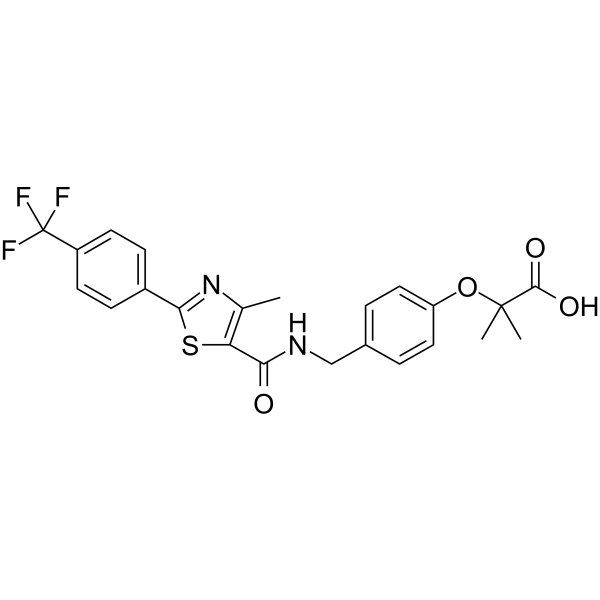
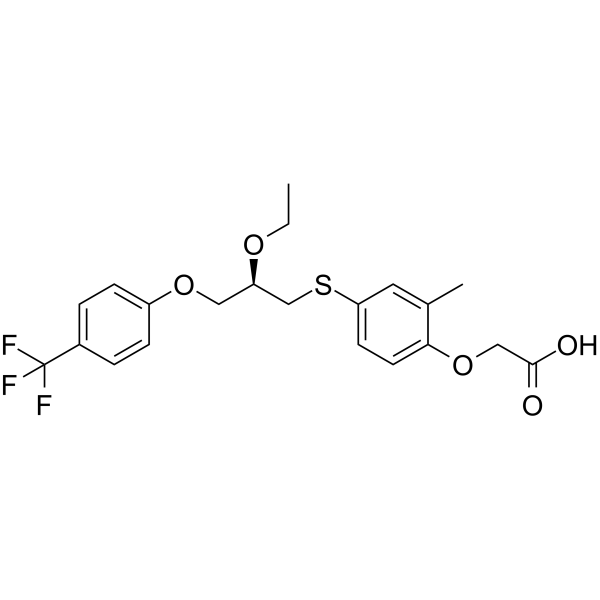
    Seladelpar
    1 Publications Verification

    MBX-8025; RWJ-800025

    PPAR Metabolic Disease
    Seladelpar (MBX-8025) is an orally active, potent and specific PPARδ agonist with an EC50 of 2 nM. Seladelpar shows more than 750-fold and 2500-fold selectivity over the PPARα and PPARγ receptors, respectively. Seladelpar can be used for the study of primary biliary cholangitis .
    Seladelpar
  • HY-N0288
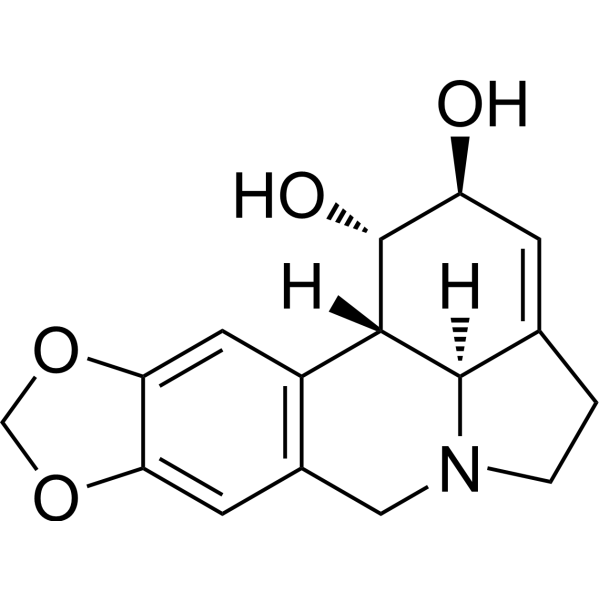
    Lycorine
    20+ Cited Publications

    Fatty Acid Synthase (FASN) Virus Protease Bacterial Apoptosis Inflammation/Immunology Cancer
    Lycorine is a natural alkaloid extracted from the Amaryllidaceae plant. Lycorine is a potent and orally active SCAP inhibitor with a Kd value 15.24 nM. Lycorine downregulates the SCAP protein level without changing its transcription . Lycorine is also a melanoma vasculogenic inhibitor . Lycorine can be used for the study of prostate cancer and metabolic diseases .
    Lycorine
  • HY-B1268
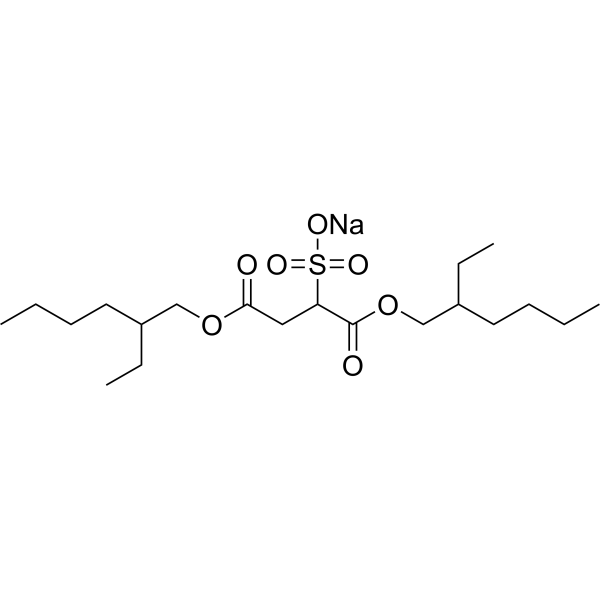
    Docusate Sodium
    2 Publications Verification

    Dioctyl sulfosuccinate sodium salt

    Environmental Pollutants HSV Others
    Docusate Sodium (Dioctyl sulfosuccinate sodium salt) is one of the main components in stool softeners. Docusate Sodium is a sulfated surfactant and may inactivate viral pathogens by disrupting viral envelopes and/or denaturing/disassociating proteins. Docusate Sodium is effective in vitro against wild type and drug-resistant strains of HSV type 1 and 2. Docusate Sodium is an obesogen. Docusate Sodium with developmental exposure leads to increased adult adiposity, inflammation, metabolic disorder and dyslipidemia in offspring fed a standard diet in mice .
    Docusate Sodium
  • HY-17444

    PPAR Metabolic Disease Cancer
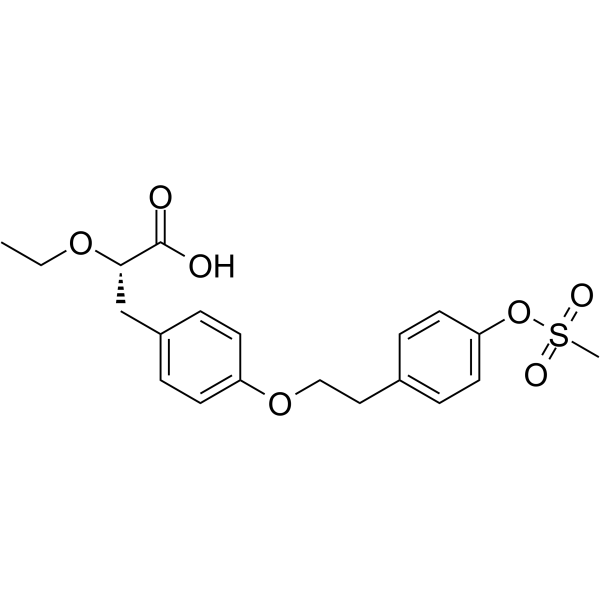
    Tesaglitazar is a dual-target PPARα/γ agonist with an EC50 of 13.4 μM for rat PPARα and 3.6 μM for human PPARα. Tesaglitazar affects lipid and glucose metabolism by activating PPARα and PPARγ receptors, and has the potential to improve blood sugar and relieve pain. Tesaglitazar can be used to induce in vivo tumor models and can be used in the study of type 2 diabetes, dyslipidemia, and neuropathic pain .
    Tesaglitazar
  • HY-18778

    TA-8995; DEZ-001; AMG-899

    CETP Apolipoprotein LPL Receptor LDLR Cardiovascular Disease
    Obicetrapib (TA-8995; DEZ-001) is an orally active cholesteryl ester transfer protein (CETP) inhibitor. Obicetrapib potently reduces atherogenic lipoproteins (such as LDL-C, ApoB, Lp (a)) and increases HDL-C. Obicetrapib can be used for the research of dyslipidemia and atherosclerotic cardiovascular disease (ASCVD) .
    Obicetrapib
  • HY-W011927

    Bisphenol S; Bis(4-hydroxyphenyl) sulfone

    Estrogen Receptor/ERR Histone Methyltransferase Thyroid Hormone Receptor PI3K Akt mTOR Androgen Receptor Drug Derivative Cardiovascular Disease Neurological Disease Metabolic Disease Inflammation/Immunology Cancer
    4,4'-Sulfonyldiphenol (Bisphenol S; Bis(4-hydroxyphenyl) sulfone), a substitute for Bisphenol A (HY-18260), is widely used in industrial and consumer products. 4,4'-Sulfonyldiphenol is an oally ative estrogen receptor (ER) agonist and can competitively bind to thyroid hormone receptors (TR) with IC50 values for TRα and TRβ are 2650 μM and 2294 μM respectively, thereby affecting breast development and reducing the expression of androgen receptor (AR) in fetal testes. 4,4'-Sulfonyldiphenol promotes the progression of glioblastoma by upregulating the EZH2 mediated PI3K/AKT/mTOR pathway. Under chronic exposure, 4,4'-Sulfonyldiphenol can cause significant lipid deposition and dyslipidemia in the mouse liver by upregulating JunB and Atf3, and has a role in causing obesity at low doses. 4,4'-Sulfonyldiphenol induces intestinal inflammation by altering the intestinal microbiome. 4,4'-Sulfonyldiphenol accelerates the progression of atherosclerosis in zebrafish embryo larvae .
    4,4'-Sulfonyldiphenol
  • HY-15790
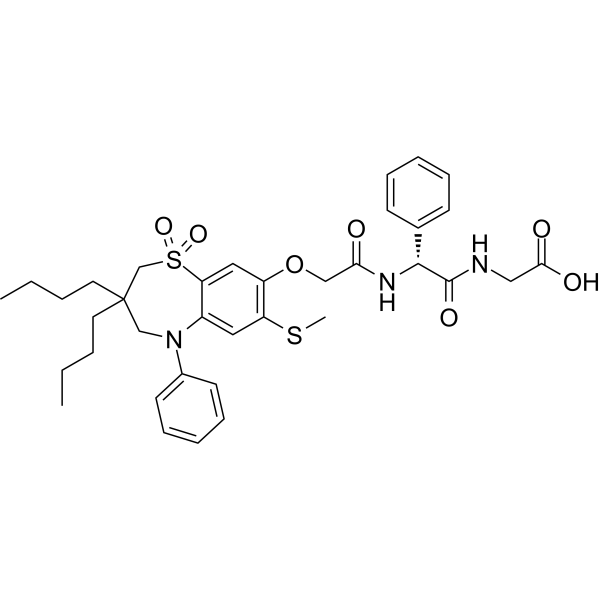
    Elobixibat
    1 Publications Verification

    A 3309; AZD 7806

    Apical Sodium-Dependent Bile Acid Transporter Metabolic Disease Inflammation/Immunology Cancer
    Elobixibat (A 3309; AZD 7806) is an orally active, bile acid transporter (IBAT) inhibitor with IC50 values ??of 0.53 nM (human IBAT), 0.13 nM (mouse IBAT), and 5.8 nM (canine IBAT). Elobixibat can lower LDL cholesterol, increase serum GLP-1, promote colonic motility, and has the potential to study metabolic syndrome. Elobixibat can be used in the study of chronic functional constipation (CIC), dyslipidemia, non-alcoholic hepatitis, and liver tumors in the elderly .
    Elobixibat
  • HY-106011

    Microsomal Triglyceride Transfer Protein (MTP) Metabolic Disease
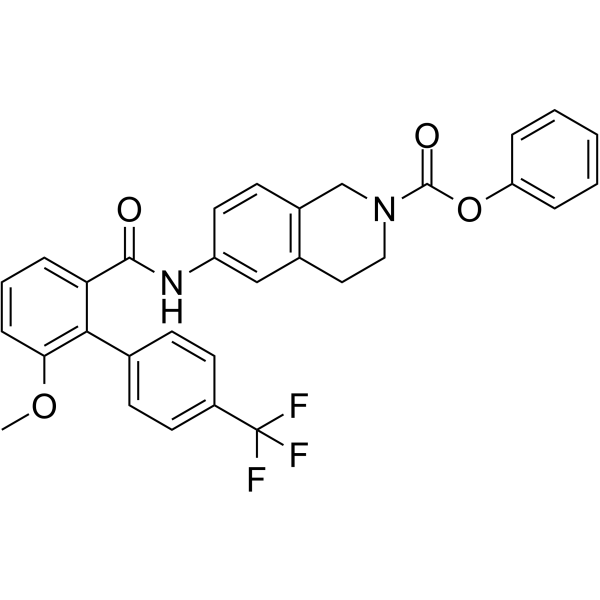
    SLX-4090 is an orally active enterocytic-specific microsomal triglyceride transfer protein (MTP) inhibitor with an IC50 of 8.0 nM. SLX-4090 can be used for the research of dyslipidemia .
    SLX-4090
  • HY-10473

    KB2115

    Thyroid Hormone Receptor Metabolic Disease Endocrinology
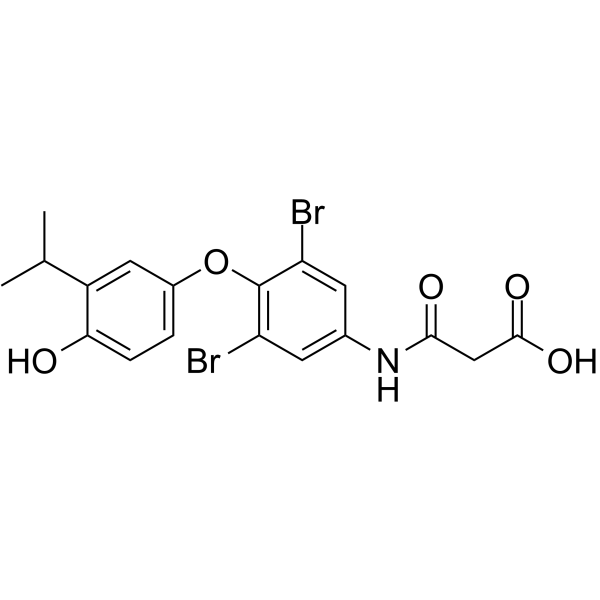
    Eprotirome (KB2115) is a liver-selective thyroid hormone receptor (TR) agonist. KB2115 has modestly higher affinity for TRβ than for TRα. Eprotirome reduces low-density lipoprotein (LDL) cholesterol concentrations. Eprotirome can be used for dyslipidemias and obesity research .
    Eprotirome
  • HY-15790A
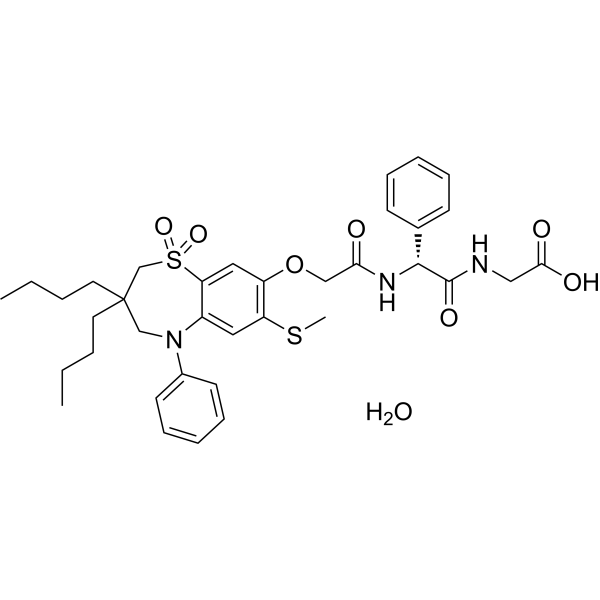
    Elobixibat hydrate
    1 Publications Verification

    A 3309 hydrate; AZD 7806 hydrate

    Apical Sodium-Dependent Bile Acid Transporter Metabolic Disease Cancer
    Elobixibat (A 3309; AZD 7806) hydrate is an orally active, bile acid transporter (IBAT) inhibitor with IC50 values ??of 0.53 nM (human IBAT), 0.13 nM (mouse IBAT), and 5.8 nM (canine IBAT). Elobixibat hydrate can lower LDL cholesterol, increase serum GLP-1, promote colonic motility, and has the potential to study metabolic syndrome. Elobixibat hydrate can be used in the study of chronic functional constipation (CIC), dyslipidemia, non-alcoholic hepatitis, and liver tumors in the elderly .
    Elobixibat hydrate
  • HY-107580

    GPR109A Cardiovascular Disease Metabolic Disease Inflammation/Immunology
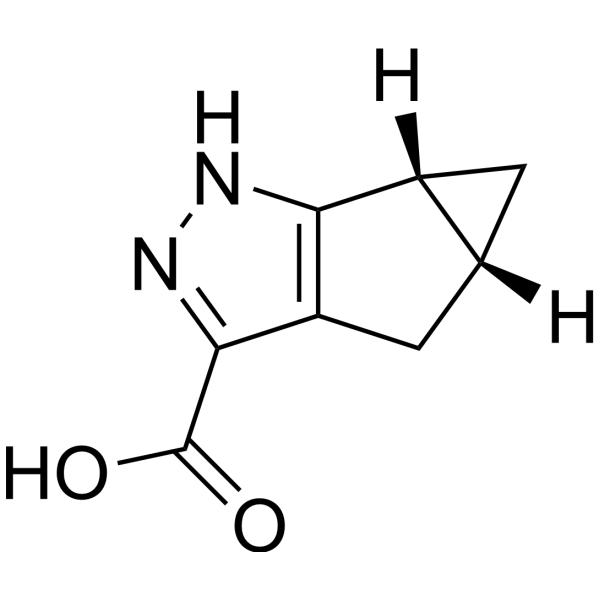
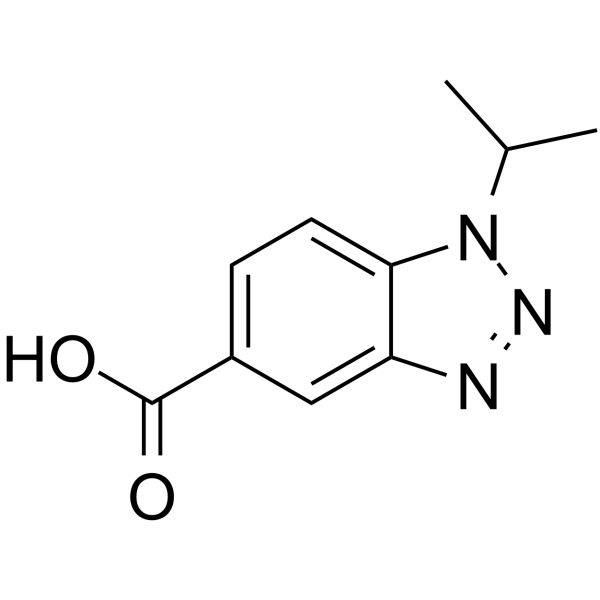
    GPR109 receptor agonist-1 is a highly selective agonist of the human orphan G protein-coupled receptor GPR109b, and does not activate the mouse homologous receptor PUMA-G. GPR109 receptor agonist-1 functionally modulates the human GPR109b receptor via the cAMP signaling pathway, with an EC50 of 400 nM. GPR109 receptor agonist-1 inhibits isoproterenol (HY-B0468)-stimulated lipolysis in human subcutaneous adipocytes, with efficacy comparable to that of Niacin (HY-B0143), and does not act on β-adrenergic receptors. GPR109 receptor agonist-1 can be used in studies related to dyslipidemia and atherosclerosis .
    GPR109 receptor agonist-1
  • HY-160004

    AMPK Cardiovascular Disease Neurological Disease Metabolic Disease Inflammation/Immunology Cancer
    PXL770 is an orally active, direct allosteric AMP-activated protein kinase (AMPK) activator. PXL770 decreases C26:0 levels, improves mitochondrial respiration, reduces expression of proinflammatory genes and induces expression of compensatory transporters (ABCD2/3) in ALD fibroblasts/lymphocytes. PXL770 normalizes plasma VLCFA levels, significantly reduces elevated VLCFA levels in brain and spinal cord in Abcd1 KO mice. PXL770 improves glycemia, dyslipidemia, and insulin resistance in ob/ob and high-fat diet (HFD)-fed mice. PXL770 can be used for the study of X-linked adrenoleukodystrophy (ALD), autosomal dominant polycystic kidney disease and nonalcoholic steatohepatitis (NASH) .
    PXL770
  • HY-17445

    BMS-298585

    PPAR Metabolic Disease
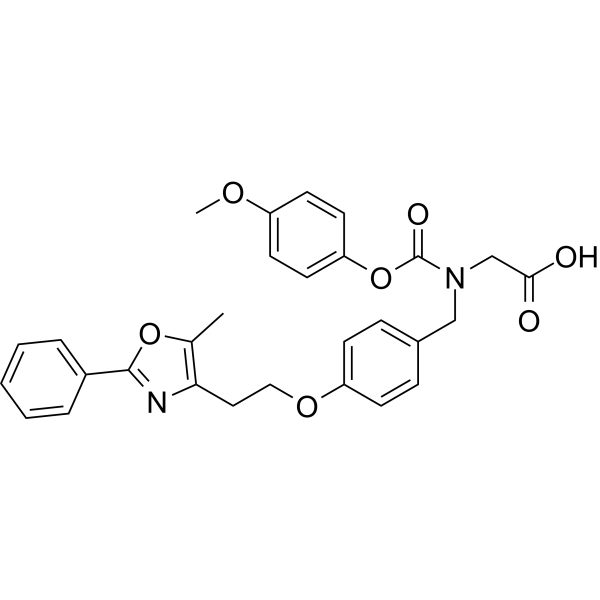
    Muraglitazar is a PPAR α/γ dual agonist for the research of type 2 diabetes and associated dyslipidemia. Muraglitazar shows potent activity in vitro at human PPARα (EC50 = 320 nM) and PPARγ(EC50 = 110 nM) .
    Muraglitazar
  • HY-119222
    GSK256073
    2 Publications Verification

    GPR109A Metabolic Disease
    GSK256073 is a potent, selective and orally active GPR109A agonist and a long-lasting and non-flushing HCA2 full agonist with a pEC50 of 7.5 (human HCA2). GSK256073 acutely improves glucose homeostasis via inhibition of lipolysis and has the potential for the study of type 2 diabetes mellitus (T2DM)and dyslipidemia . GPR109A: G-protein coupled receptor 109A; HCA2: hydroxy-carboxylic acid receptor 2
    GSK256073
  • HY-107581
    MK-1903
    1 Publications Verification

    GPR109A MMP Metabolic Disease Inflammation/Immunology
    MK-1903 is an orally active full agonist of GPR109a/HCAR2, with an EC50 of 12.9 nM. MK-1903 activates antilipolytic and vasodilatory pathways, reduces plasma free fatty acid levels, and induces skin flushing. MK-1903 stimulates the expression of HCAR2 protein and regulates the inflammatory response of microglia. MK-1903 prevents the enhanced firing activity of spinal nociceptive neurons. MK-1903 triggers the release of MMP-9 and the formation of NET. MK-1903 can be used in the research of dyslipidemia and neuroinflammation-based central nervous system diseases .
    MK-1903
  • HY-P99822

    SHR-1209

    PCSK9 Metabolic Disease
    Recaticimab (SHR-1209) is a humanized IgG1 mAb that selectively targets PCSK9. Recaticimab reduces low-density lipoprotein cholesterol (LDL-C), non-high-density lipoprotein cholesterol (non-HDL-C), apolipoprotein B (ApoB), triglyceride (TG), and lipoprotein(a) levels. Recaticimab can be used for hyperlipidemia research .
    Recaticimab
  • HY-W011927S
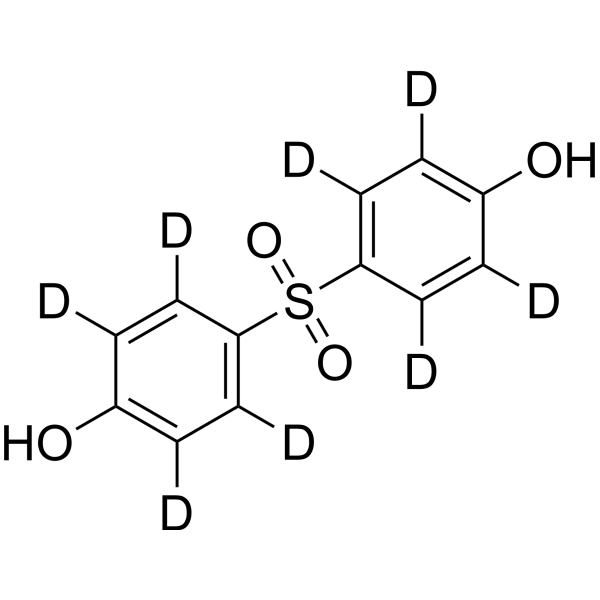
    4,4'-Sulfonyldiphenol-d8
    1 Publications Verification

    Bisphenol S (4,4'-Sulfonyldiphenol)-d8

    Isotope-Labeled Compounds Estrogen Receptor/ERR Histone Methyltransferase Thyroid Hormone Receptor PI3K Akt mTOR Androgen Receptor Cardiovascular Disease Metabolic Disease Inflammation/Immunology Endocrinology Cancer
    4,4'-Sulfonyldiphenol-d8 (Bisphenol S (4,4'-Sulfonyldiphenol)-d8) is the deuterium labeled 4,4'-Sulfonyldiphenol (HY-W011927).4,4'-Sulfonyldiphenol (Bisphenol S; Bis(4-hydroxyphenyl) sulfone), a substitute for Bisphenol A (HY-18260), is widely used in industrial and consumer products. 4,4'-Sulfonyldiphenol is an estrogen receptor (ER) agonist and can competitively bind to thyroid hormone receptors (TR) with IC50 values for TRα and TRβ are 2650 μM and 2294 μM respectively, thereby affecting breast development and reducing the expression of androgen receptor (AR) in fetal testes. 4,4'-Sulfonyldiphenol promotes the progression of glioblastoma by upregulating the EZH2 mediated PI3K/AKT/mTOR pathway. Under chronic exposure, 4,4'-Sulfonyldiphenol can cause significant lipid deposition and dyslipidemia in the mouse liver by upregulating JunB and Atf3, and has a role in causing obesity at low doses. 4,4'-Sulfonyldiphenol induces intestinal inflammation by altering the intestinal microbiome. 4,4'-Sulfonyldiphenol accelerates the progression of atherosclerosis in zebrafish embryo larvae.
    4,4'-Sulfonyldiphenol-d8
  • HY-106278
    GW 590735
    1 Publications Verification

    PPAR Metabolic Disease
    GW 590735 is a potent and selective PPARα agonist. GW 590735 showsEC50=4 nM on PPARα and at least 500-fold selectivity versus PPARδ and PPARγ. GW 590735 can be used for the research of dyslipidemia .
    GW 590735
  • HY-16434

    Acyltransferase Metabolic Disease
    DGAT1-IN-3 is a potent, selective and orally bioavailable inhibitor of DGAT-1, with IC50s of 38 nM for human DGAT-1 and 120 nM for rat DGAT-1. DGAT1-IN-3 could be used to research of obesity, dyslipidemia, and metabolic syndrome .
    DGAT1-IN-3
  • HY-125351
    SPT-IN-1
    1 Publications Verification

    Ceramidase Metabolic Disease
    SPT-IN-1 (compound 1) is an orally active and potent SPT (serine palmitoyl transferase) inhibitor, with an IC50 of 5.19 nM for hSPT1. SPT-IN-1 can be used for type 2 diabetes and dyslipidemia research .
    SPT-IN-1
  • HY-W923642

    Endogenous Metabolite Cardiovascular Disease Metabolic Disease
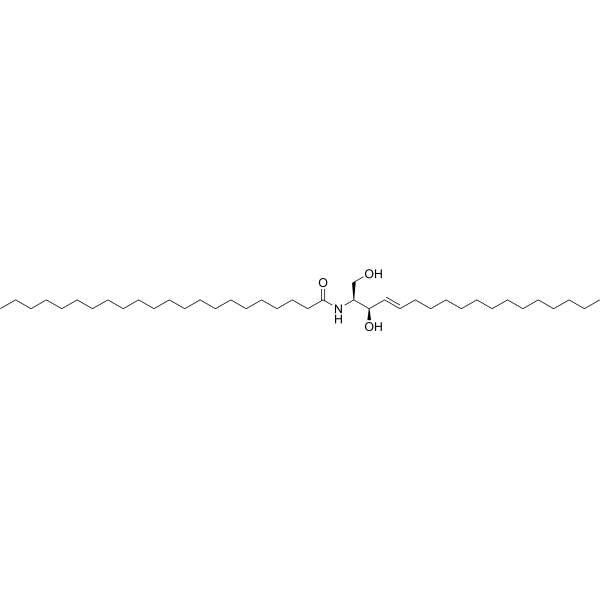
    Sphingomyelin (d18:1/12:0) is a metabolomic biomarker. Sphingomyelin (d18:1/12:0) exhibits favorable diagnostic properties and may facilitate the early detection and targeted prevention of dyslipidemia-related adverse cardiovascular events .
    Sphingomyelin (d18:1/12:0)
  • HY-117912

    Endogenous Metabolite Cardiovascular Disease
    TRC210258 is a TGR5 agonist with activity to improve diabetes-associated hyperglycemia and dyslipidemia. TRC210258 promotes energy expenditure by enhancing the release of glucagon-like peptide-1. TRC210258 is able to improve glucose metabolic control in high-fat diet-induced obese mice. TRC210258 also showed improvement in lipid parameters in high-fat-fed hamsters, including reductions in plasma triglyceride and low-density lipoprotein cholesterol levels. TRC210258 improved emerging lipid-related cardiovascular risk parameters including remnant cholesterol and triglyceride clearance .
    TRC210258
  • HY-N0288R

    Fatty Acid Synthase (FASN) Virus Protease Bacterial Apoptosis Reference Standards Inflammation/Immunology Cancer
    Lycorine (Standard) is the analytical standard of Lycorine. This product is intended for research and analytical applications. Lycorine is a natural alkaloid extracted from the Amaryllidaceae plant. Lycorine is a potent and orally active SCAP inhibitor with a Kd value 15.24 nM. Lycorine downregulates the SCAP protein level without changing its transcription . Lycorine is also a melanoma vasculogenic inhibitor . Lycorine can be used for the study of prostate cancer and metabolic diseases .
    Lycorine (Standard)
  • HY-B1268R

    Dioctyl sulfosuccinate sodium salt (Standard)

    Reference Standards HSV Others
    Docusate (Sodium) (Standard) is the analytical standard of Docusate (Sodium). This product is intended for research and analytical applications. Docusate Sodium (Dioctyl sulfosuccinate sodium salt) is one of the main components in stool softeners. Docusate Sodium is a sulfated surfactant and may inactivate viral pathogens by disrupting viral envelopes and/or denaturing/disassociating proteins. Docusate Sodium is effective in vitro against wild type and drug-resistant strains of HSV type 1 and 2. Docusate Sodium is an obesogen. Docusate Sodium with developmental exposure leads to increased adult adiposity, inflammation, metabolic disorder and dyslipidemia in offspring fed a standard diet in mice .
    Docusate Sodium (Standard)
  • HY-146997

    Thyroid Hormone Receptor Metabolic Disease
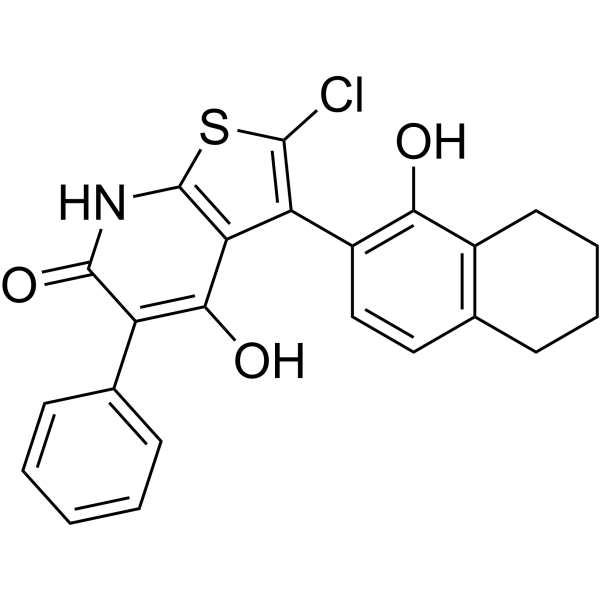
    TRβ agonist 1 is a selective and mutation-sensitive thyroid hormone receptor β (TRβ) agonist, with an EC50 value of 21 nM. TRβ agonist 1 can be used for researching dyslipidemia, nonalcoholic steatohepatitis (NASH), and resistance to thyroid hormone (RTH) .
    TRβ agonist 1
  • HY-143239

    PPAR Metabolic Disease
    PPARα/γ agonist 1 (compound 5b) is a potent and dual PPARα/γ partial agonist with EC50 values of 28 nM and 69 nM for PPARα and PPARγ, respectively. PPARα/γ agonist 1 is a promising prototype for dyslipidemia and diabetes research .
    PPARα/γ agonist 1
  • HY-119220

    JTT-130

    Microsomal Triglyceride Transfer Protein (MTP) Cardiovascular Disease Metabolic Disease Inflammation/Immunology
    Granotapide is an orally active microsomal triglyceride transfer protein (MTP) inhibitor. Granotapide reduces the absorption of cholesterol and triglycerides by inhibiting MTP. Granotapide can be used in the research of coronary artery disease, obesity, diabetes mellitus and hypertension .
    Granotapide
  • HY-19842

    CVT 3619

    Adenosine Receptor Cardiovascular Disease Metabolic Disease
    GS-9667 (CVT 3619), a novel N 6-5'-substituted adenosine analog, is a selective, partial agonist of the A1 adenosine receptor (A1AdoR). GS-9667 binds to adipocyte membranes with high (KH=14 nM) and low (KL=5.4 μM) affinities. GS-9667 reduces cyclic AMP content and release of nonesterified fatty acids from epididymal adipocytes with IC50 values of 6 nM and 44 nM, respectively. GS-9667 inhibits lipolysis and has the potential for Type 2 diabetes (T2DM) and dyslipidemia via lowering of free fatty acids (FFA) .
    GS-9667
  • HY-139077

    Stearoyl-CoA Desaturase (SCD) Metabolic Disease Cancer
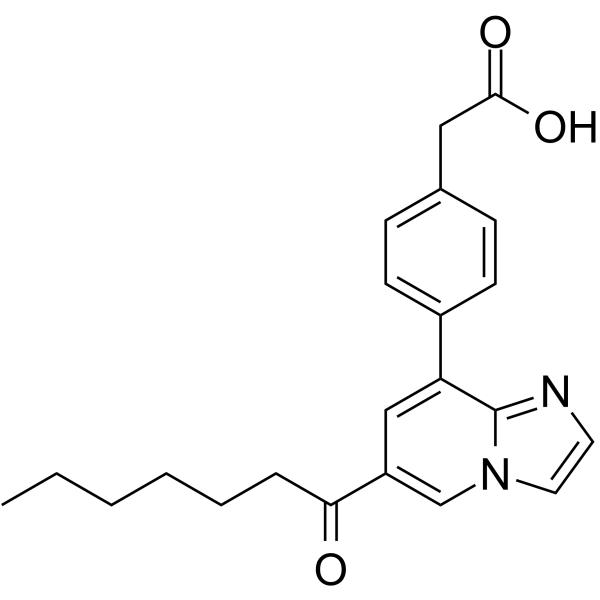
    SCD1 inhibitor-3 is a safe, potent and orally active SCD1 inhibitor. SCD1 inhibitor-3 can be used for the research of metabolic diseases such as obesity, type II diabetes and dyslipidemia, as well as skin diseases, acne and cancer .
    SCD1 inhibitor-3
  • HY-136584

    Drug Derivative Cardiovascular Disease Metabolic Disease
    2,2,14,14-Tetramethyl-8-oxopentadecanedioic acid is a ketone compound extracted from patent WO2002030860A2, compound example II-9. 2,2,14,14-Tetramethyl-8-oxopentadecanedioic acid can be used for the research of cardiovascular diseases, dyslipidemias, dysproteinemias, and glucose metabolism disorders .
    2,2,14,14-Tetramethyl-8-oxopentadecanedioic acid
  • HY-B0589H

    HMG-CoA Reductase (HMGCR) Autophagy Cardiovascular Disease
    Strontium atorvastatin is a cholesterol-lowering drug with activity in ameliorating cardiovascular disease-related events. Strontium atorvastatin exerts its biological activity by inhibiting HMG-CoA reductase in liver tissue. Strontium atorvastatin is also used to suppress dyslipidemia .
    Atorvastatin strontium
  • HY-19522C
    Seladelpar (lysine dihydrate)
    1 Publications Verification

    MBX-8025 (lysine dihydrate); RWJ-800025 (lysine dihydrate)

    PPAR Metabolic Disease
    Seladelpar (MBX-8025) Lysine dihydrate is the Lysine dihydrate salt form of Seladelpar (HY-19522). Seladelpar Lysine dihydrate is an orally active agonist for potent PPAR-δ, with EC50 of 2 nM. Seladelpar Lysine dihydrate shows more than 750-fold and 2500-fold selectivity over the PPARα and PPARγ receptors, respectively. Seladelpar Lysine dihydrate can be used for the study of primary biliary cholangitis. Seladelpar Lysine dihydrate normalizes hyperglycemia, hyperinsulinemia, glucose, serum lipids and cholesterol levels, ameliorates the nonalcoholic steatohepatitis in mouse model .
    Seladelpar (lysine dihydrate)
  • HY-W011927R

    Bisphenol S (Standard); Bis(4-hydroxyphenyl) sulfone (Standard)

    Reference Standards Estrogen Receptor/ERR Histone Methyltransferase Thyroid Hormone Receptor PI3K Akt mTOR Androgen Receptor Drug Derivative Cardiovascular Disease Metabolic Disease Inflammation/Immunology Endocrinology Cancer
    4,4'-Sulfonyldiphenol (Bisphenol S; Bis(4-hydroxyphenyl) sulfone) (Standard) is the analytical standard of 4,4'-Sulfonyldiphenol (HY-W011927). This product is intended for research and analytical applications. 4,4'-Sulfonyldiphenol, a substitute for Bisphenol A (HY-18260), is widely used in industrial and consumer products. 4,4'-Sulfonyldiphenol is an estrogen receptor (ER) agonist and can competitively bind to thyroid hormone receptors (TR) with IC50 values for TRα and TRβ are 2650 μM and 2294 μM respectively, thereby affecting breast development and reducing the expression of androgen receptor (AR) in fetal testes. 4,4'-Sulfonyldiphenol promotes the progression of glioblastoma by upregulating the EZH2 mediated PI3K/AKT/mTOR pathway. Under chronic exposure, 4,4'-Sulfonyldiphenol can cause significant lipid deposition and dyslipidemia in the mouse liver by upregulating JunB and Atf3, and has a role in causing obesity at low doses. 4,4'-Sulfonyldiphenol induces intestinal inflammation by altering the intestinal microbiome. 4,4'-Sulfonyldiphenol accelerates the progression of atherosclerosis in zebrafish embryo larvae.
    4,4'-Sulfonyldiphenol (Standard)
  • HY-144035

    GCGR Metabolic Disease Inflammation/Immunology
    GLP-1R agonist 4 is a glucagon-like peptide-1 (GLP-1) receptor agonist. GLP-1 is an intestinal hypoglycemic hormone secreted by L-cells in the lower gastrointestinal tract. GLP-1R agonist 4 can be used for the research of type 2 diabetes mellitus, obesity, non-alcoholic steatohepatitis, insulin resistance and etc .
    GLP-1R agonist 4
  • HY-19852

    PPAR Metabolic Disease
    KRP-105 is a potent, highly selective, and orally effective PPAR alpha (EC50 = 8 nM) agonist. KRP-105 can significantly reduce serum triglyceride, total cholesterol, and non high density lipoprotein cholesterol levels. KRP-105 can be used for research on metabolic diseases such as dyslipidemia .
    KRP-105
  • HY-176518

    Liposome Ser/Thr Protease Infection Neurological Disease Metabolic Disease
    ssPalmE-P4-C2 is a SS-cleavable and pH-sensitive lipid-like material (ssPalm) with a vitamin E‑scaffold. ssPalmE-P4-C2 improves gene knockdown activity against FVII with an ED50 of 0.5 mg/kg. ssPalmE-P4-C2 can be used to synthesize lipid nanoparticles (LNPs) for delivering siRNA to the hepatocyte. ssPalmE-P4-C2 can be used for the RNA therapies for dyslipidemia, hepatitis B/C infections and transthyretin amyloidosis research .
    ssPalmE-P4-C2
  • HY-176971

    PPAR Cardiovascular Disease Metabolic Disease
    PPARα agonist 6 (Compound 15) is a PPARα agonist. PPARα agonist 6 can be used in the research of dyslipidemia .
    PPARα agonist 6
  • HY-N8495

    Others Metabolic Disease
    4'-Hydroxyflavanone is an inhibitor of SREBP maturation and lipid synthesis. 4'-Hydroxyflavanone is a synthetic analogue of flavanone, has potential for hepatic steatosis and dyslipidemia research .
    4'-Hydroxyflavanone
  • HY-174887

    Thyroid Hormone Receptor AMPK Acetyl-CoA Carboxylase Mitochondrial Metabolism Metabolic Disease
    THR-β agonist 9 is a potent, selective, and His435 mutation-sensitive THR-β (EC50: 3.2 nM) agonist. THR-β agonist 9 has moderate selectivity (approximately 10-fold) and good activation capacity (EC50: 134.2 nM to 515.5 nM) for multiple His435 mutants (H435A, H435Y, and H435R). THR-β agonist 9 has the potential to be used in the study of dyslipidemia, metabolic dysfunction-associated steatohepatitis (MASH), or resistance to thyroid hormone (RTH) .
    THR-β agonist 9
  • HY-119248

    MK-0767

    PPAR Metabolic Disease
    KRP-297 is a PPARα and PPARγ agonist potentially for the research of type 2 diabetes and dyslipidemia. KRP-297 restores reduced lipid oxidation, and inhibits of enhanced lipogenesis and triglyceride accumulation in the liver.
    KRP-297
  • HY-19522B
    Seladelpar (lysine)
    1 Publications Verification

    MBX-8025 (lysine); RWJ-800025 (lysine)

    PPAR Metabolic Disease
    Seladelpar (MBX-8025) lysine is an orally active, potent and specific PPARδ agonist with an EC50 of 2 nM. Seladelpar lysine shows more than 750-fold and 2500-fold selectivity over the PPARα and PPARγ receptors, respectively. Seladelpar lysine can be used for the study of primary biliary cholangitis .
    Seladelpar (lysine)
  • HY-19522R

    MBX-8025 (Standard); RWJ-800025 (Standard)

    PPAR Reference Standards Metabolic Disease
    Seladelpar (Standard) is the analytical standard of Seladelpar. This product is intended for research and analytical applications. Seladelpar (MBX-8025) is an orally active, potent and specific PPARδ agonist with an EC50 of 2 nM. Seladelpar shows more than 750-fold and 2500-fold selectivity over the PPARα and PPARγ receptors, respectively. Seladelpar can be used for the study of primary biliary cholangitis .
    Seladelpar (Standard)
  • HY-15790H

    (S)-A 3309; (S)-AZD 7806

    Apical Sodium-Dependent Bile Acid Transporter TNF Receptor Interleukin Related Metabolic Disease Inflammation/Immunology
    (S)-Elobixibat is the S enantiomer of Elobixibat (HY-15790). (S)-Elobixibat is an orally effective Apical Sodium-Dependent Bile (IBAT) inhibitor. (S)-Elobixibat decreases LDL cholesterol, increases serum GLP-1, promotes colon motility, and has the potential to study metabolic syndrome. (S)-Elobixibat can be used to study constipation, dyslipidemia, non-alcoholic hepatitis, and liver tumors .
    (S)-Elobixibat
  • HY-107054

    ETC-1001

    PPAR Cardiovascular Disease
    ESP-31015 (ETC-1001) is an orally active and non-fibrate based PPARα agonists. ESP-31015 demonstrates significant lipid-regulating effects in the obese Zucker rat model. ESP-31015 can be used in cardiovascular disease research .
    ESP-31015
  • HY-120886

    PPAR Metabolic Disease
    GW 2433 is a dual PPARα and PPARδ agonist. GW 2433 has the potential for the study of type II diabetes and dyslipidemia .
    GW 2433
  • HY-12066A

    GPR119 Metabolic Disease
    GSK-1292263 (hydrochloride) is an orally active GPR119 agonist (pEC50 of approximately 6.9 and 6.7 nM for human and rat GPR119, respectively). GSK-1292263 is used in the research of type 2 diabetes and dyslipidemia .
    GSK-1292263 hydrochloride
  • HY-111074

    MK-0767 analog

    SARS-CoV Infection Metabolic Disease
    DB12055 (MK-0767 analog) is a covalent SARS-CoV-2 3CL protease inhibitor. DB12055 has the potential for the study of dyslipidemia and diabetes mellitus .
    DB12055
  • HY-N8495R

    Fatty Acid Synthase (FASN) Reference Standards Metabolic Disease
    4'-Hydroxyflavanone (Standard) is the analytical standard of 4'-Hydroxyflavanone. This product is intended for research and analytical applications. 4'-Hydroxyflavanone is an inhibitor of SREBP maturation and lipid synthesis. 4'-Hydroxyflavanone is a synthetic analogue of flavanone, has potential for hepatic steatosis and dyslipidemia research[1].
    4'-Hydroxyflavanone (Standard)
  • HY-121542

    PPAR Metabolic Disease
    PPARδ agonist 10 (compound 7) is an orally active, selective, and partial agonist of PPARδ, with EC50 values of 0.053 μM and 0.30 µM for hPPARδ(LBD)-GAL4 and mPPARδ, respectively. PPARδ agonist 10 is a partial PPARδ agonist in transactivation assay but a full agonist on free fatty acids (FFA) oxidation in muscle cells both in vitro and in vivo. PPARδ agonist 10 can be used for dyslipidemia research .
    PPARδ agonist 10
  • HY-153451

    PCSK9 Metabolic Disease
    PCSK9-IN-15 (compound 5) is a potent inhibitor of proprotein convertase subtilisin/kexin 9 (PCSK9, KD <200 nM). PCSK9 is involved in cholesterol metabolism and regulates levels of low-density lipoprotein cholesterol (LDL-C) in the blood. PCSK9- in -15 can be used to study cholesterol-lowering and dyslipidemia .
    PCSK9-IN-15

Consulta en línea

Your information is safe with us. * Required Fields.

Saludo


Country or Region *

Nombre del solicitante *


Nombre de la Organizaciòn *

Department *


Direcciòn del E-mail *


Nombre del producto *

Cat. No.


Requested quantity *

Número de teléfono *


Observaciones

Consulta en línea

Inquiry Information

Nombre del producto:
Cat. No.:
Cantidad:
MCE Japan Authorized Agent:

