61 Results for "

Elongation Factor

" in MedChemExpress (MCE) Product Catalog:
Products (61)

61 Results for "Elongation Factor" in MCE Product Catalog:

  • Targets Recommended:
3
3 Cited Publications
Cat. No.: HY-100576
CAS No.: 278603-08-0
Purity:  99.63%
Research Areas:  

Infection Cancer

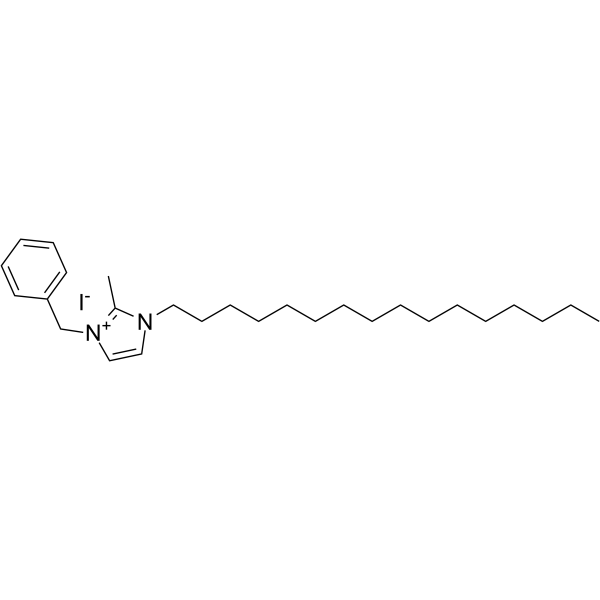
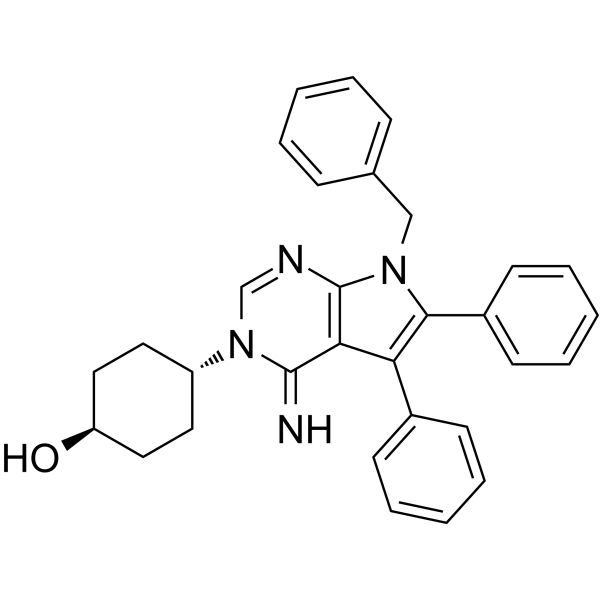
NH125 is a potent and selective inhibitor of eukaryotic elongation factor 2 kinase (eEF-2K/CaMKIII) with an IC50 of 60 nM for eEF-2K. NH125 kills methicillin-resistant S. aureus (MRSA) persisters by interacting with and disrupting membranes .
loading...
    loading...
3
3 Cited Publications
Cat. No.: HY-113225B
CAS No.: 103192-46-7
Synonyms: GTP tritris solution (100 mM)
Research Areas:  

Cancer

Guanosine triphosphate tritris (GTP tritris) (100 mM) serves as a vital enhancer of myogenic cell differentiation and plays a critical role in modulating miRNA-myogenic regulator factors. It also facilitates the release of exosomes enriched with guanosine and guanosine-derived molecules, and is regarded as an activated precursor for RNA synthesis. In mitochondrial function, GTP participates in the import of proteins into the matrix, which is essential for various regulated pathways, and is involved in initiating peptide synthesis through the binding of formylmethionyl-tRNA to the ribosome, as well as polypeptide chain elongation. Additionally, GTP acts as a phosphate and pyrophosphate carrier that channels chemical energy into specific biosynthetic pathways. It activates signal transducing G proteins that regulate cellular processes such as proliferation and differentiation, and its hydrolysis by small GTPases, including Ras and Rho, is integral to both proliferation and apoptosis. Furthermore, the small GTPase Rab is instrumental in vesicle docking, fusion, and formation. Beyond signal transduction, GTP is an energy-rich precursor in the enzymatic biosynthesis of DNA and RNA.
loading...
    loading...
2
2 Cited Publications
Cat. No.: HY-B1350
CAS No.: 6990-06-3
Synonyms: Fusidate; SQ-16603
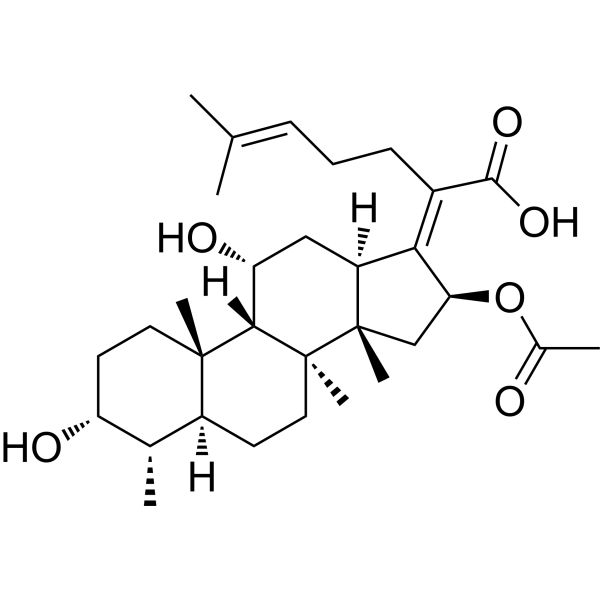
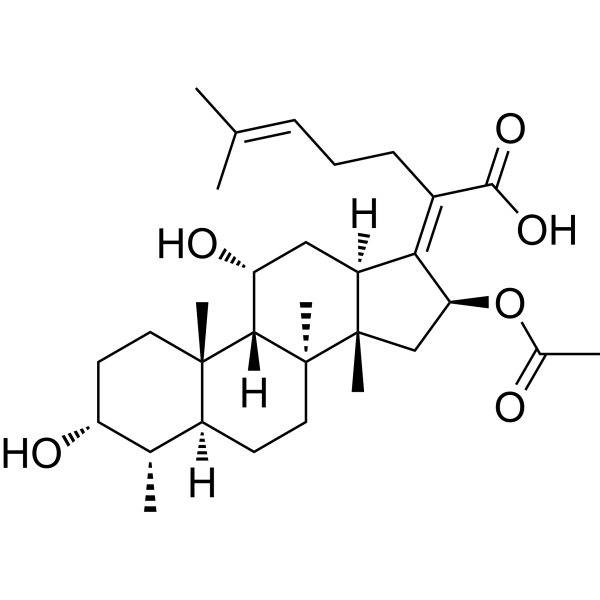
Fusidic acid (Fusidate) a bacteriostatic antibiotic produced from the Fusidium coccineum fungus, belongs to the class of steroids. Fusidic acid has no corticosteroid effects. Fusidic acid inhibits the growth of bacteria by preventing the release of translation elongation factor G (EF-G) from the ribosome. Fusidic acid holds promise for research in anticancer and anti-infective applications. .
loading...
    loading...
2
2 Cited Publications
Cat. No.: HY-B1350A
CAS No.: 751-94-0
Synonyms: Sodium fusidate; SQ-16360
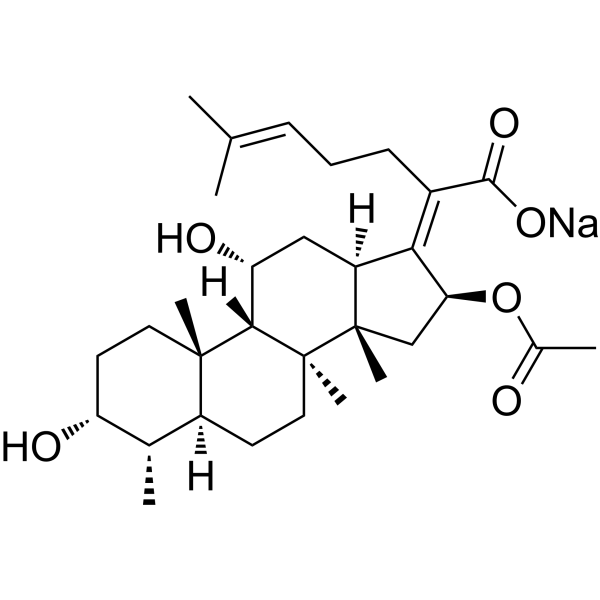
Fusidic acid sodium salt is an orally available antibacterial agent that inhibits bacterial protein synthesis by preventing the release of translation elongation factor G (EF-G) from ribosomes. Fusidic acid sodium salt inhibits the inhibitory and activating effects of interleukins IL-1 and IL-6 on glucose-induced insulin production and exhibits antidiabetic effects in a rat model. Fusidic acid sodium salt improves the symptoms of colitis in rats and inhibits the growth of Toxoplasma gondii and Listeria monocytogenes EGD in vitro, but not in mice .
loading...
    loading...
1
1 Cited Publications
Cat. No.: HY-122308
CAS No.: 58139-23-4
Purity:  99.94%
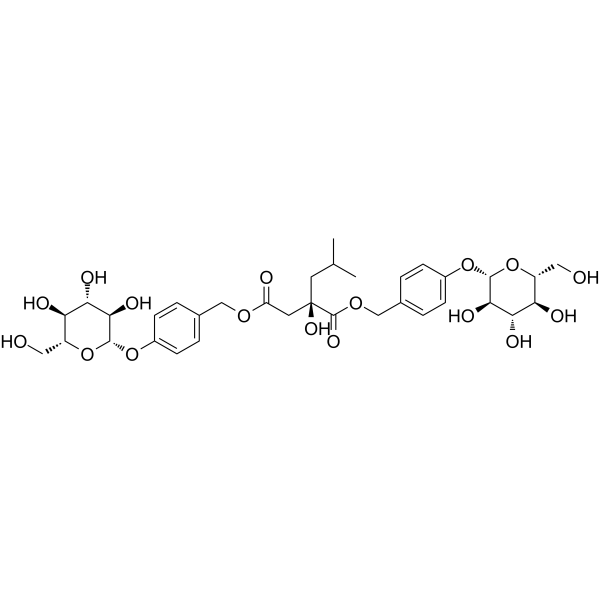
Militarine is a plant growth inhibitor and anti-inflammatory agent. Militarine inhibits the elongation of radicles and hypocotyls in seedlings of lettuce, Italian ryegrass and timothy grass. Militarine alleviates PM2.5-induced inflammatory injury and inhibits cell migration in human alveolar epithelial A549 cells by inhibiting the NF-κB signaling pathway, reducing oxidative stress and the release of inflammatory factors. Militarine can be used in studies related to PM2.5-induced pulmonary diseases .
loading...
    loading...
1
1 Cited Publications
Cat. No.: HY-W016393
CAS No.: 2305-13-7
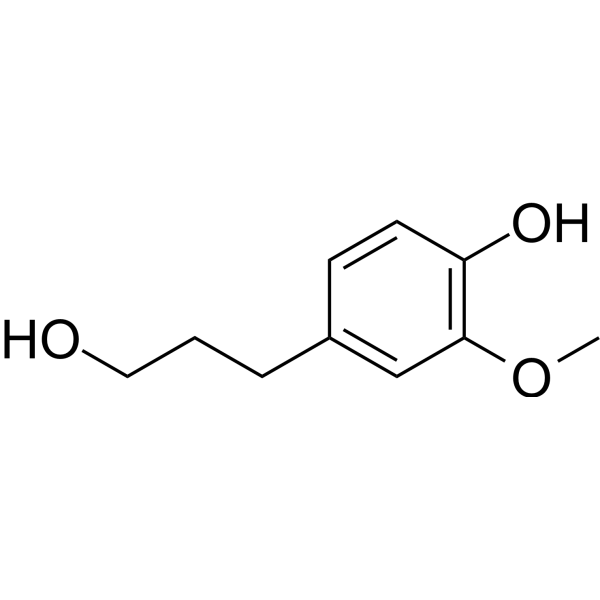
Dihydroconiferyl alcohol is a cell division factor. Dihydroconiferyl alcohol can be isolated from the American sycamore (Acer pseudoplatanus L.). Dihydroconiferyl alcohol inhibits the degradation of Indole-3-acetic acid (HY-18569). Dihydroconiferyl alcohol can stimulate the growth of soybean and tobacco callus tissue and synergistically enhance Indole-3-acetic acid-induced hypocotyl elongation in cucumber. Dihydroconiferyl alcohol can be used in the research of plant growth regulation .
loading...
    loading...
1
1 Cited Publications
Cat. No.: HY-P701676
Purity:  ≥ 90%, as determined by reducing SDS-PAGE.
Synonyms: EEF2K; Eukaryotic Elongation Factor 2 kinase; eEF-2 kinase; eEF-2K; Calcium/calmodulin-dependent eukaryotic Elongation Factor 2 kinase
Species:  
Source:  
loading...
    loading...
Cat. No.: HY-120118
CAS No.: 1443414-10-5
Purity:  99.90%
Synonyms: ML246
Target:  

DNA/RNA Synthesis

Research Areas:  

Cancer

Metarrestin (ML246) is an orally active, first-in-class and specific perinucleolar compartment inhibitor. Metarrestin disrupts the nucleolar structure and inhibits RNA polymerase (Pol) I transcription, at least in part by interacting with the translation elongation factor eEF1A2. Metarrestin blocks metastatic development and extends survival in mouse cancer models .
loading...
    loading...
Cat. No.: HY-P10396
CAS No.: 849352-44-9
Target:  

Bacterial

Research Areas:  

Infection Inflammation/Immunology

Elf18 is a peptide fragment of bacterial translation elongation factor Tu (EF-Tu). Elf18 can be recognized by plant pattern recognition receptors, thereby inducing an immune response. Elf18 can enhance plants' resistance to pathogens and can be used in research related to plant immune responses .
loading...
    loading...
Cat. No.: HY-P991550
CAS No.: 505393-48-6

Target:  

CD22

Research Areas:  

Cancer

RFB4 is an anti-CD22 monoclonal antibody. RFB4 can be fused with Pseudomonas aeruginosa exotoxin (PE38) via disulfide bonds to construct recombinant immunotoxins, such as RFB4 (dsFv)-PE38. RFB4 is applicable to the research of cancers including lymphoma .
loading...
    loading...
Cat. No.: HY-146324
CAS No.: 2458170-54-0
Purity:  98.64%
Target:  

PROTACs Apoptosis CaMK

Research Areas:  

Cancer

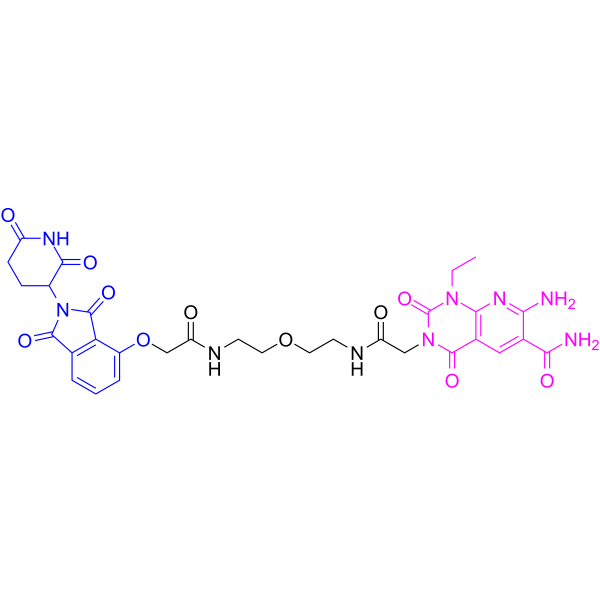
PROTAC eEF2K degrader-1 (Compound 11l) is an eEF2K-Targeting PROTAC small molecule that induces apoptosis in MDA-MB-231 cells. PROTAC eEF2K degrader-1 mediates eEF2K degradation .
loading...
    loading...
Cat. No.: HY-122386
CAS No.: 50935-71-2
Synonyms: Mocimycin; Delvomycin
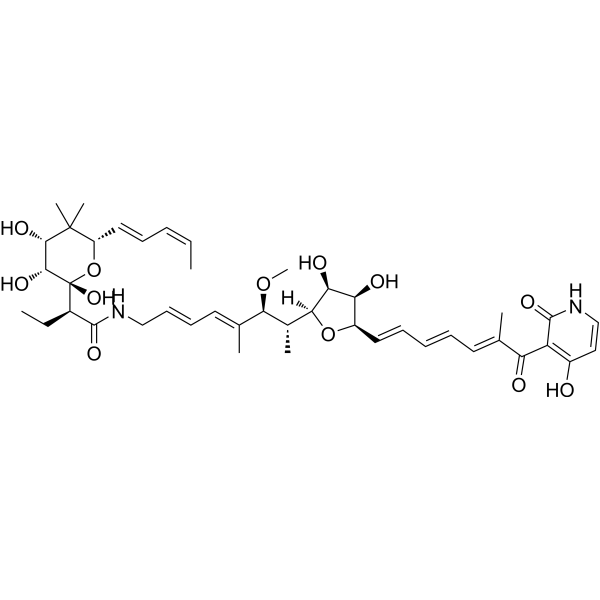
Kirromycin (Mocimycin; Delvomycin) is an elongation factor Tu (EF-Tu) inhibitor targeting protein biosynthesis. As an antibiotic, Kirromycin exerts antibacterial activity against Gram-negative bacteria by acting on EF-Tu to interfere with the peptidyl transfer reaction. Kirromycin is applicable to studies on bacterial infections .
loading...
    loading...
Cat. No.: HY-B1350R
CAS No.: 6990-06-3
Synonyms: Fusidate (Standard); SQ-16603 (Standard)
Fusidic acid (Standard) is the analytical standard of Fusidic acid. This product is intended for research and analytical applications. Fusidic acid (Fusidate) a bacteriostatic antibiotic produced from the Fusidium coccineum fungus, belongs to the class of steroids. Fusidic acid has no corticosteroid effects. Fusidic acid inhibits the growth of bacteria by preventing the release of translation elongation factor G (EF-G) from the ribosome .
loading...
    loading...
Cat. No.: HY-N3938
CAS No.: 110414-77-2
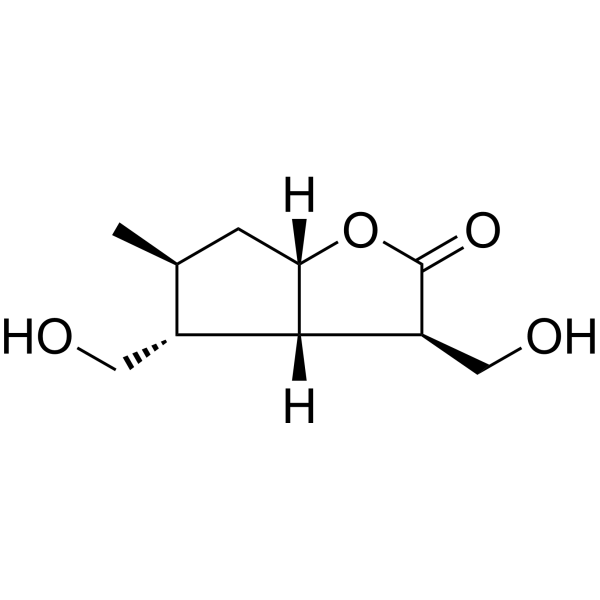
Gelsemiol is the main active ingredient in Verbena littoralis H. B. K.. Gelsemiol enhanced nerve growth factor (NGF) -induced axonal elongation in PC12D cells .
loading...
    loading...
Cat. No.: HY-145880
CAS No.: 2906180-02-5
Target:  

Bacterial

Research Areas:  

Infection

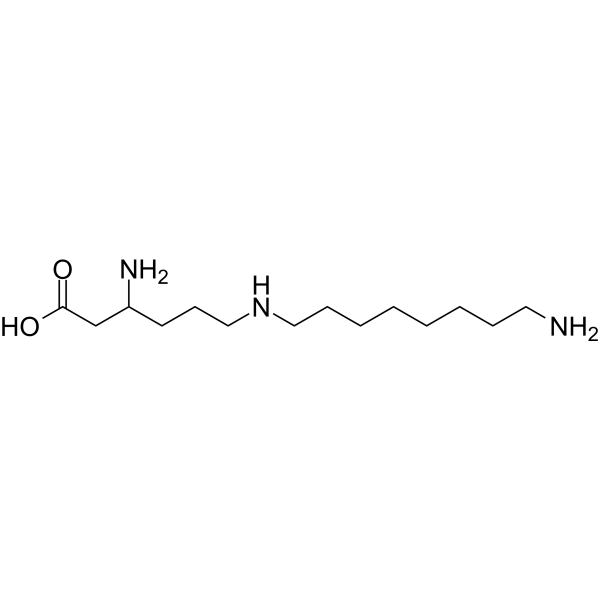
Elongation factor P-IN-1 is a potent inhibitor elongation factor P (EFP). Elongation factor P-IN-1 is a β-lysine derivative compound. Elongation factor P-IN-1 affects the proliferation rates of E. coli .
loading...
    loading...
Cat. No.: HY-145881
CAS No.: 2906180-05-8
Target:  

Bacterial

Research Areas:  

Infection

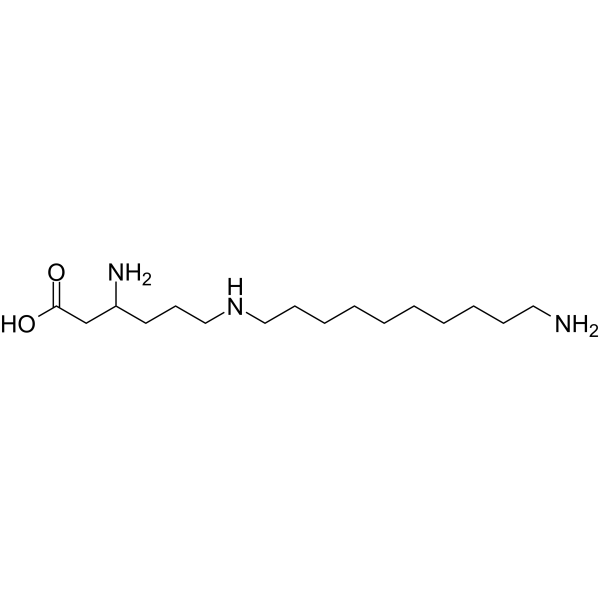
Elongation factor P-IN-2 is a potent inhibitor elongation factor P (EFP). Elongation factor P-IN-2 is a β-lysine derivative compound. Elongation factor P-IN-2 affects the proliferation rates of E. coli .
loading...
    loading...
Cat. No.: HY-128478
CAS No.: 11076-17-8
Target:  

Fungal

Sordarin (Compound 1) is an antifungal agent targeting Elongation factor 2 (EF2) with a tetracyclic diterpene core including a norbornene system. Sordarin can be isolated from the fungus Sordaria araneosa. Sordarin has potent antifungal activity against Saccharomyces cerevisiae and Candida albicans. Sordarin prevents the translocation of the ribosome along mRNA during elongation of the emerging polypeptide chain, inhibiting protein synthesis in fungi by stabilizing the ribosome/EF2 complex .
loading...
    loading...
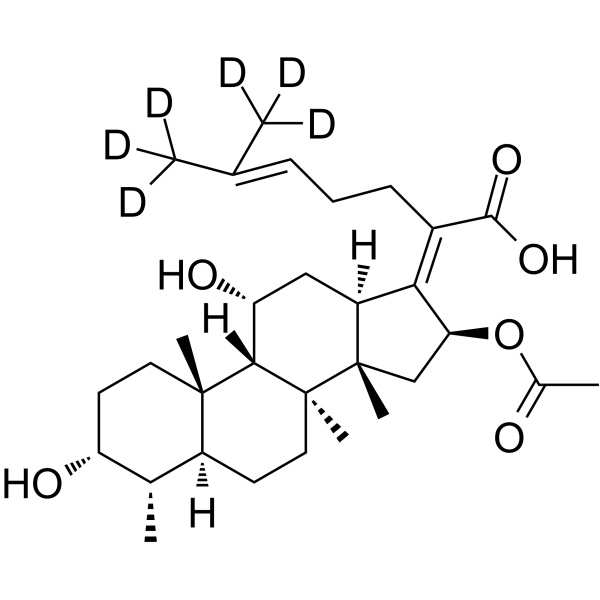
Cat. No.: HY-B1350S
Synonyms: Fusidate-d6; SQ-16603-d6
Fusidic acid-d6 is the deuterium labeled Fusidic acid. Fusidic acid (Fusidate) a bacteriostatic antibiotic produced from the Fusidium coccineum fungus, belongs to the class of steroids. Fusidic acid has no corticosteroid effects. Fusidic acid inhibits the growth of bacteria by preventing the release of translation elongation factor G (EF-G) from the ribosome .
loading...
    loading...
Cat. No.: HY-106801
CAS No.: 110883-46-0
Synonyms: RP 49532
Girolline (RP 49532) is a protein synthesis inhibitor and a functional modulator of eIF5A. Girolline induces ribosome stalling by interfering with the binding of eIF5A to ribosomes. Girolline also inhibits the production of IL-6 and IL-8, and induces cell cycle arrest in tumor cells. Girolline is applicable to research related to inflammatory diseases, solid tumors, leukemia and malaria .
loading...
    loading...
Cat. No.: HY-112393
CAS No.: 503473-32-3
Target:  

HIV Src PKA PKC

Research Areas:  

Infection

TX-1918 is an inhibitor for eukaryotic elongation factor 2 kinase (eEF2-K) and Src kinase with IC50 of 0.44 and 4.4 μM, respectively. TX-1918 exhibits cytotoxicity in cell HepG2 and HCT116, with IC50 of 2.07 and 230 μM, respectively. TX-1918 inhibits the C-terminal domain of HIV-1 CA (CA CTD)(IC50 =3.81 μM), and inhibits the viral replication (IC50 =15.16 μM) .
loading...
    loading...

