



1. Search Result
Search Result
Pathways Recommended: Metabolic Enzyme/Protease
Results for "

Enzyme response

" in MedChemExpress (MCE) Product Catalog:

72

Inhibitors & Agonists

6

Screening Libraries

3

Fluorescent Dyes

5

Biochemical Assay Reagents

2

Peptides

13

Natural
Products

6

Isotope-Labeled Compounds

1

Click Chemistry

2

Oligonucleotides

Cat. No. Product Name Target Research Areas Chemical Structure
  • HY-108882
    DNase I, Bovine pancreas
    Maximum Cited Publications
    29 Publications Verification

    DNase

    Others Inflammation/Immunology Cancer
    DNase I (EC 3.1.21.1) is an enzyme that degrade DNA, it plays a key role in the cleavage of extracellular DNA is crucial for limiting the inflammatory response and maintaining homeostasis. Exogenous deoxyribonuclease shows beneficial effects in inflammatory diseases and cancer .
    DNase I, Bovine pancreas
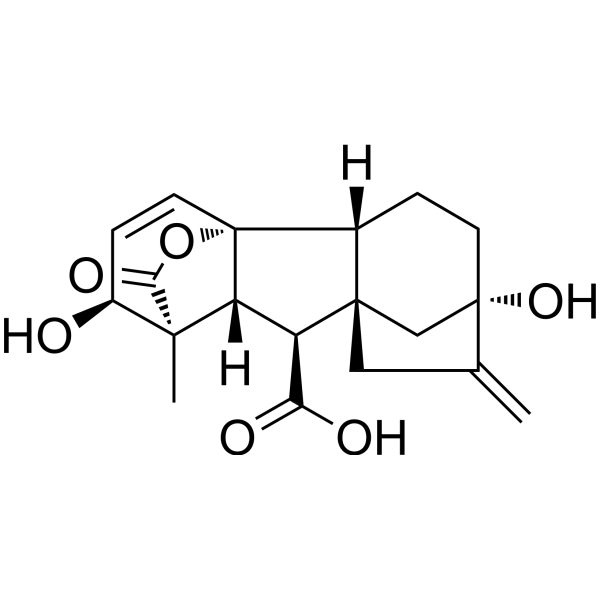
  • HY-N1964
    Gibberellic acid
    1 Publications Verification

    Gibberellin A3

    Environmental Pollutants Drug Derivative Metabolic Disease
    Gibberellic acid (GA3) is a natural plant growth regulator with oral bioactivity. Gibberellic acid governs multiple plant developmental events, including seed germination, cell elongation, floral organ formation, and rice spikelet fertility. Gibberellic acid optimizes root morphology and secondary metabolite production in Echinacea purpurea hairy roots, and serves as a bioactive seed priming agent to improve chilling stress tolerance in chickpea. Gibberellic acid mediates modulation of enzyme activity and secondary metabolism in plants and exerts tissue-specific regulatory effects on antioxidant systems and lipid peroxidation in rats. Gibberellic acid can be used in studies of plant growth, metabolism, and abiotic stress responses .
    Gibberellic acid
  • HY-N7075
    Inulin
    4 Publications Verification

    Endogenous Metabolite Infection Neurological Disease Metabolic Disease Cancer
    Inulin is an orally active prebiotic targeting the intestinal microbiota, selectively promoting the proliferation and activity of beneficial bacteria such as bifidobacteria and lactic acid bacteria, and playing a role in regulating the intestinal microecology. The functions of Inulin include: Fermentation by probiotics in the colon to produce short-chain fatty acids (such as butyrate and propionate), lowering the intestinal pH and inhibiting the overgrowth of harmful bacteria; Enhancing the intestinal barrier function and reducing endotoxin translocation; Directly scavenging free radicals (such as superoxide free radicals, hydroxyl free radicals) and activating antioxidant enzymes (SOD, CAT) to reduce oxidative stress. Inulin can also be used in the study of intestinal diseases (constipation, IBD), metabolic syndrome (diabetes, obesity) and liver damage by regulating glucose and lipid metabolism (such as reducing triglycerides, improving insulin sensitivity) and immune response (enhancing NK cell activity, inhibiting inflammatory factors)[1][2][3][4].
    Inulin
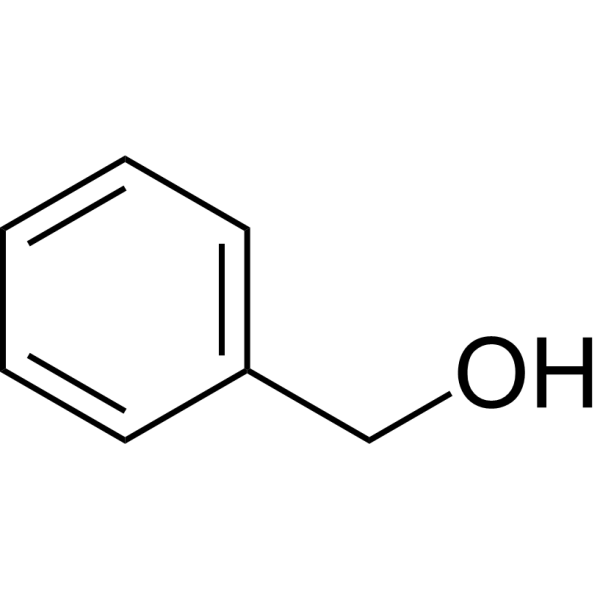
  • HY-B0892
    Benzyl alcohol
    3 Publications Verification

    Benzenemethanol

    Environmental Pollutants Toll-like Receptor (TLR) Cytochrome P450 Inflammation/Immunology
    Benzyl alcohol is an aromatic alcohol, a colorless liquid with a mild aromatic odor. Benzyl alcohol is an inhibitor of P450 enzyme. Benzyl alcohol mediated Toll-Like Receptor 4 to reduce the inflammatory response of liver injury in mice .
    Benzyl alcohol
  • HY-P2812

    PLD

    Phospholipase Neurological Disease Inflammation/Immunology Endocrinology Cancer
    Phospholipase D, Streptomyces chromofuscus (PLD) is an enzyme of the phospholipase superfamily, which widely exists in bacteria, yeast, plants, animals and viruses, and is often used in biochemical research. Phospholipase D can catalyze the hydrolysis of phosphodiester bonds in glycerophospholipids to produce phosphatidic acid and soluble choline. Phospholipase D is involved in a variety of disease-related processes, including diabetes, atherogenesis, obesity, tumorigenesis, immune response, and neuroendocrine function .
    Phospholipase D, Streptomyces chromofuscus
  • HY-134816

    Toll-like Receptor (TLR) Metabolic Disease Inflammation/Immunology Cancer
    D-Glucan is an orally effective Dectin-1 receptor immune activator with antioxidant properties (reducing TNF-α). D-Glucan activates macrophages and neutrophils to scavenge free radicals, inhibit oxidative stress and inflammatory responses, and improve insulin sensitivity. D-Glucan promotes glycolysis by enhancing the activity of the antioxidant enzyme glutathione, inhibiting gluconeogenesis and activating GK. D-Glucan can be used in the research of liver damage protection (antagonizing Acetaminophen (HY-66005) toxicity), radiation protection (synergistic with vitamin E) and diabetes (improving glucose metabolism) .
    D-Glucan
  • HY-W020780

    mPEG5000-Maleimide

    Biochemical Assay Reagents Cancer
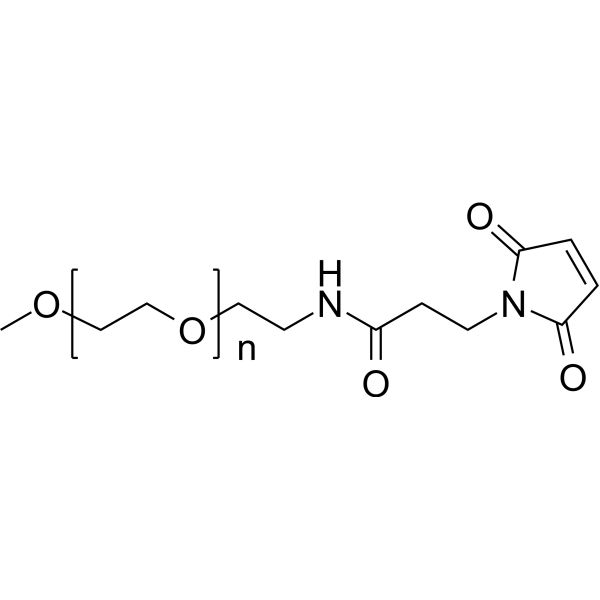
    mPEG5000-Mal (mPEG5000-Maleimide) is a PEG-derived selective covalent binding agent for sulfhydryl groups (RSGs), which can form irreversible thioether bonds with sulfhydryl groups under near-neutral conditions via the maleimide group. The mechanism of action of mPEG5000-Mal can be divided into two categories: firstly, as an enzyme modifier, it binds to target proteins through hydrophobic interactions, hydrogen bonds, and van der Waals forces, altering the protein's secondary structure; secondly, as a nanoparticle surface modifier, it covalently binds to sulfhydryl groups on the surface of red blood cells, changing the surface properties and morphology of the red blood cells, leading to their phagocytosis by macrophages of the reticuloendothelial system. mPEG5000-Mal can react with free cysteine in proteins, increasing the apparent molecular weight of the modified protein by 10-15 kDa for detection purposes. mPEG5000-Mal can enhance the thermal stability and catalytic activity of enzymes, and improve the macrophage targeting of nanoparticles, enabling targeted drug delivery. mPEG5000-Mal can be applied in enzyme engineering research in the food industry and in oncology, assisting radiotherapy by inhibiting tumor-associated macrophage infiltration and enhancing anti-tumor immune responses .
    mPEG5000-Mal
  • HY-N1437
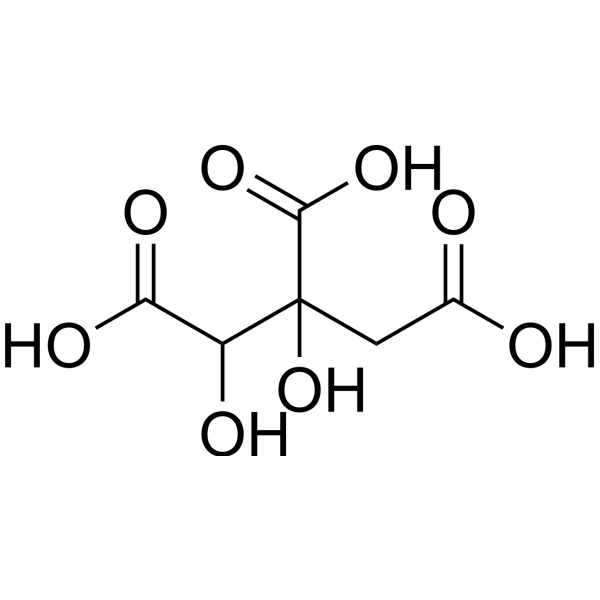
    Hydroxycitric acid
    1 Publications Verification

    Apoptosis Ferroptosis mTOR DNA/RNA Synthesis Keap1-Nrf2 Ribosomal S6 Kinase (RSK) NF-κB ATP Citrate Lyase AMPK Cardiovascular Disease Metabolic Disease Cancer
    Hydroxycitric acid is an orally active, multi-target, multi-bioactive organic acid. activates Nrf2 and its downstream molecule GPX4, increases glutathione levels, and thereby inhibits ferroptosis. Hydroxycitric acid activates the Nrf2/Keap1 and ACLY/NF-κB signaling pathways, upregulates the activities of antioxidant enzymes such as superoxide dismutase, reduces MDA content, thereby alleviating oxidative stress and renal tubular epithelial cell apoptosis, and improves pulmonary vascular and right ventricular remodeling. Hydroxycitric acid activates both the AMPK and mTORC1/S6K pathways, triggers the unfolded protein response, arrests the cancer cell cycle, and induces DNA fragmentation .
    Hydroxycitric acid
  • HY-N2464
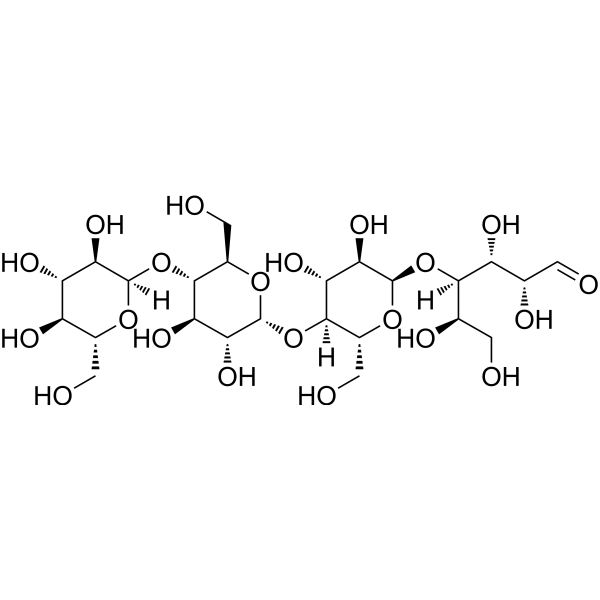
    Maltotetraose
    1 Publications Verification

    Amylotetraose; Fujioligo 450; α-1,4-Tetraglucose

    TNF Receptor Endogenous Metabolite Bacterial Integrin NF-κB Cardiovascular Disease Inflammation/Immunology
    Maltotetraose can serve as a substrate for enzyme-linked assays to measure amylase activity in biological fluids. Maltotetraose has oral active, and reduces TNF-α-induced inflammatory responses by inhibiting NF-κB activity and decreasing ICAM-1 expression. Maltotetraose also inhibits PDGF-induced vascular smooth muscle cell migration and neovascularization. Additionally, Maltotetraose derivatives can function as probes for detecting bacterial infections by targeting the maltodextrin transporter. With good long-term safety, Maltotetraose holds promise for research in atherosclerosis-related diseases .
    Maltotetraose
  • HY-W012382

    Endogenous Metabolite Metabolic Disease Cancer
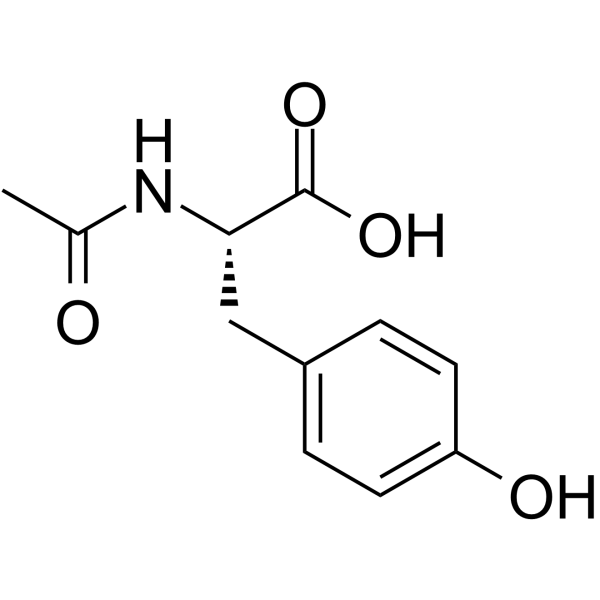
    N-Acetyl-L-tyrosine is an orally active endogenous mitochondrial stress response regulator that can permeate the cell membrane by passive diffusion. N-Acetyl-L-tyrosine induces low-level reactive oxygen species (ROS) generation by transiently perturbing mitochondrial membrane potential, triggering reverse signaling to activate FoxO and Keap1 pathways. As a result, N-Acetyl-L-tyrosine enhances the expression of antioxidant enzyme genes, exerting anti-stress and cytoprotective effects. N-Acetyl-L-tyrosine can improve heat stress tolerance, inhibit tumor growth, and regulate energy metabolism. N-Acetyl-L-tyrosine can be used in the research of aging, metabolic diseases (such as diabetes), and cancer .
    N-Acetyl-L-tyrosine
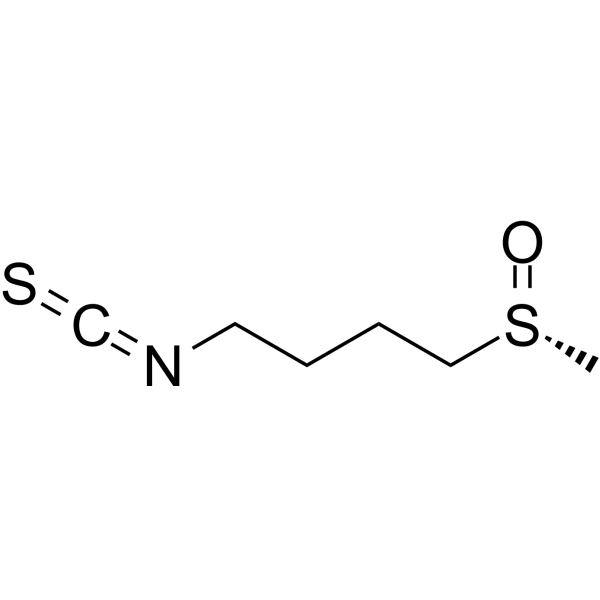
  • HY-13755A
    (R)-Sulforaphane
    2 Publications Verification

    L-Sulforaphane

    Keap1-Nrf2 Bcl-2 Family Caspase Reactive Oxygen Species (ROS) NF-κB Inflammation/Immunology Cancer
    (R)-Sulforaphane (L-Sulforaphane) is a orally active, potent inducer of the Keap1/Nrf2/ARE pathway, exhibiting antioxidant and anticancer activities. (R)-Sulforaphane primarily functions by upregulating phase II detoxifying enzymes in cells, aiding in the removal of carcinogens and combating oxidative stress. (R)-Sulforaphane is capable of modulating gene expression, influencing various signaling pathways, including Nrf2, NF-κB, and AP-1. (R)-Sulforaphane can be used in studies of tumor biology, antioxidant defense mechanisms, as well as inflammation and immune responses .
    (R)-Sulforaphane
  • HY-P10533

    Tyrosinase Others
    Cysteine peptide is a tyrosinase inhibitor with skin-whitening, antioxidant and multi-regulatory activities. Cysteine peptide inhibits enzyme activity and blocks melanin transport, effectively reducing UV-B-induced skin erythema and pigmentation. Cysteine peptide synergistically maintains skin health by quenching ROS, resisting oxidative stress and promoting pheomelanin production. Cysteine peptide safely prevents daily ultraviolet damage and supports moderate sun exposure for vitamin D synthesis. Cysteine peptide also acts as a plant signaling factor to regulate vegetative growth, development and stress resistance responses .
    Cysteine peptide
  • HY-124700
    LYPLAL1-IN-1
    1 Publications Verification

    Cyclic GMP-AMP Synthase STING PD-1/PD-L1 Epoxide Hydrolase Metabolic Disease
    LYPLAL1-IN-1 (compound 11) is a selective, covalent, and irreversible inhibitor of the lysophospholipase-like enzyme LYPLAL1 (IC50 = 6 nM). LYPLAL1-IN-1 shows selectivity against other serine hydrolases such as carboxylesterase CES1 (IC50 > 50 μM for CES1). LYPLAL1-IN-1 inhibits the depalmitoylation function of LYPLAL1, blocking its depalmitoylation modification of cyclic GMP-AMP synthase (cGAS), thereby promoting cGAS dimerization and activation, and initiating the cGAS-STING pathway-mediated innate immune response. LYPLAL1-IN-1 can enhance DNA-induced type I interferon production, upregulate PD-L1 expression in tumor cells, and promote the accumulation of tumor-infiltrating CD8 + T cells, with the core function of strengthening the anti-tumor immune response. LYPLAL1-IN-1 is primarily used in tumor immunology research, especially in combination with PD-1/PD-L1 inhibitors .
    LYPLAL1-IN-1
  • HY-108882B
    DNase I RNase & Protease free
    Maximum Cited Publications
    29 Publications Verification

    DNA/RNA Synthesis Inflammation/Immunology
    DNase I is an enzyme that degrades DNA. DNase I is mainly produced by digestive system organs, such as the pancreas and parotid gland. Three types of DNase I are known in mammals: pancreatic type, parotid type, and pancreatico-parotid type. DNase I plays a key role in the cleavage of extracellular DNA, and is critical for limiting inflammatory responses and maintaining homeostasis. DNase I is responsible for digesting extracellular nucleoproteins, which may be essential for preventing autoimmune responses. Decreased DNase I activity may be associated with the onset and progression of systemic lupus erythematosus (SLE). DNase I (RNase & Protease free) is a molecular biology-grade DNase I purified by chromatography to remove RNase and protease .
    DNase I RNase & Protease free
  • HY-A0024

    (R)-(+)-Tolterodine; (+)-Tolterodine; (R)-Tolterodine; PNU-200583

    mAChR Cytochrome P450 Neurological Disease Cancer
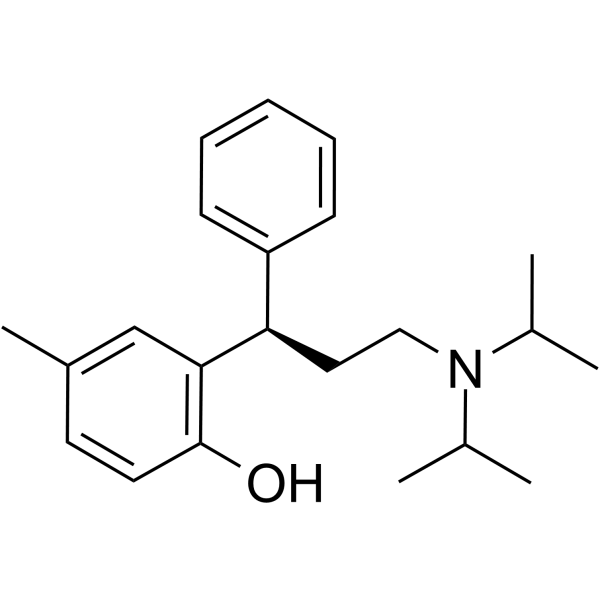
    Tolterodine ((R)-(+)-Tolterodine) is a mAChR inhibitor and substrate for cytochrome P450 enzymes. Tolterodine competitively binds acetylcholine, reduces sympathetic excitation, and inhibits involuntary bladder muscle contraction. Tolterodine restores the Nrf2/NF-κB signaling pathway, mediates protection against inflammatory response and ferroptosis. Tolterodine ameliorates LPS (HY-D1056)-induced reactive oxygen species production and lipid oxidation. Tolterodine can be used for the research of urinary tract infections and overactive bladder .
    Tolterodine
  • HY-90010

    Kabi-2234; PNU-200583E

    mAChR Cytochrome P450 Neurological Disease Cancer
    Tolterodine tartrate (Kabi-2234) is a mAChR inhibitor and substrate for cytochrome P450 enzymes. Tolterodine tartrate competitively binds acetylcholine, reduces sympathetic excitation, and inhibits involuntary bladder muscle contraction. Tolterodine tartrate restores the Nrf2/NF-κB signaling pathway, mediates protection against inflammatory response and ferroptosis. Tolterodine tartrate ameliorates LPS (HY-D1056)-induced reactive oxygen species production and lipid oxidation. Tolterodine tartrate can be used for the research of urinary tract infections and overactive bladder .
    Tolterodine tartrate
  • HY-108882C

    DNA/RNA Synthesis Inflammation/Immunology
    DNase I is an enzyme that degrades DNA. DNase I is mainly produced by digestive system organs, such as the pancreas and parotid gland. Three types of DNase I are known in mammals: pancreatic type, parotid type, and pancreatico-parotid type. DNase I plays a key role in the cleavage of extracellular DNA, and is critical for limiting inflammatory responses and maintaining homeostasis. DNase I is responsible for digesting extracellular nucleoproteins, which may be essential for preventing autoimmune reactions. Decreased DNase I activity may be associated with the occurrence and development of systemic lupus erythematosus (SLE). DNase I (filtered) is filtered through a 0.22 μM membrane and is not tested for pyrogenicity .
    DNase I (filtered)
  • HY-D0932

    Solvent Red 24; C.I. 26105

    Environmental Pollutants Biochemical Assay Reagents Cytochrome P450 Aryl Hydrocarbon Receptor Metabolic Disease
    Sudan IV is an agonist of the aryl hydrocarbon receptor (AhR) that activates downstream signaling pathways and induces CYP1A1 expression. Sudan IV promotes CYP1A1 gene transcription by activating AhR-ARNT heterodimers and binding to exogenous response elements (XREs) on DNA, thereby enhancing drug metabolizing enzyme activity. Sudan IV can be used to study the toxicity mechanisms of industrial dyes and the effects of interactions with serum proteins (such as bovine serum albumin (BSA)) on their distribution in vivo. Sudan IV is a fat-soluble diazo dye that can be used to stain lipids, triglycerides, and lipoproteins on frozen sections .
    Sudan IV
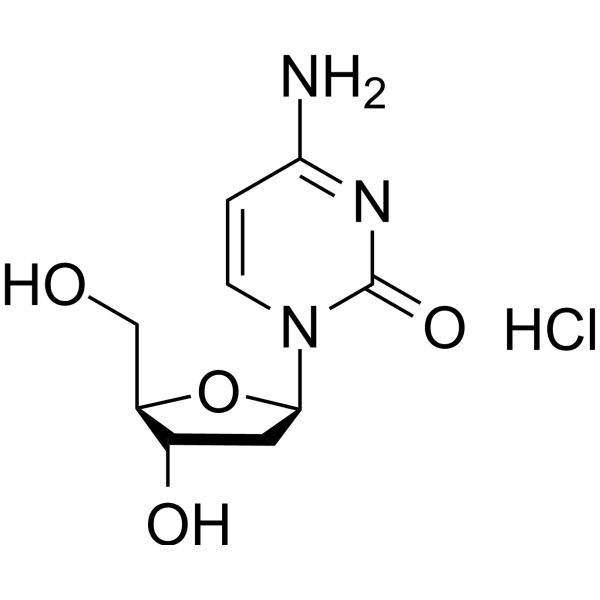
  • HY-17564

    2'-Deoxycytidine monohydrochloride; Deoxycytidine hydrochloride; NSC 83251

    Endogenous Metabolite Nucleoside Antimetabolite/Analog Cancer
    2'-Deoxycytidine hydrochloride (2'-Deoxycytidine monohydrochloride; NSC 83251) is an orally active nucleic acid biosynthesis enzyme inhibitor. 2'-Deoxycytidine hydrochloride competes with nucleic acid biosynthesis enzymes and nucleoside transporters, thereby reducing the toxicity of cytarabine. 2'-Deoxycytidine hydrochloride can be used in the research of L1210 lymphoblastic leukemia .
    2'-Deoxycytidine (hydrochloride)
  • HY-136528

    Deubiquitinase Apoptosis Cancer
    RA-9 is a potent and selective proteasome-associated deubiquitinating enzymes (DUBs) inhibitor with favorable toxicity profile and anticancer activity. RA-9 blocks ubiquitin-dependent protein degradation without impacting 20S proteasome proteolytic activity. RA-9 selectively induces onset of apoptosis in ovarian cancer cell lines and primary cultures derived from donors. RA-9 induces endoplasmic reticulum (ER)-stress responses in ovarian cancer cells .
    RA-9
  • HY-W026772
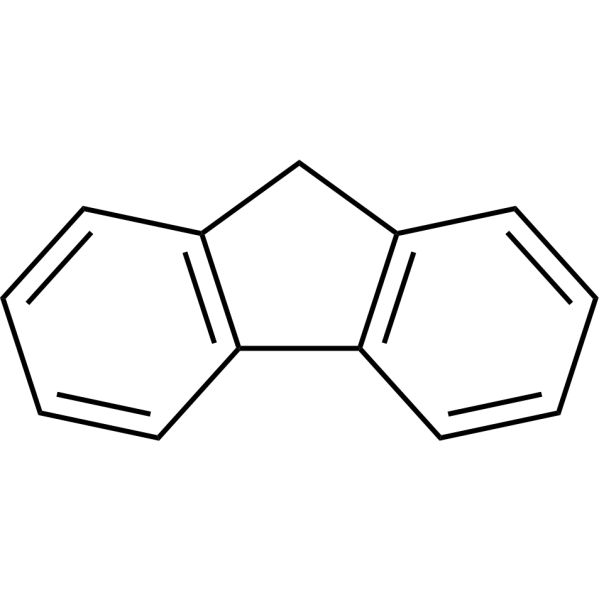
    Fluorene
    1 Publications Verification

    Environmental Pollutants Fluorescent Dye TNF Receptor Interleukin Related SOD Reactive Oxygen Species (ROS) Inflammation/Immunology
    Fluorene is an orally active polycyclic aromatic hydrocarbon (PAH) and a precursor to other fluorene-based compounds. Fluorene and its derivatives serve as dye precursors for fluorene synthesis. In A549 cells, Fluorene induces oxidative stress and inflammatory responses by increasing ROS and SOD generation, exacerbating lipid peroxidation, modulating antioxidant enzyme activity, and upregulating the expression of pro-inflammatory factors TNF-α and IL-6. In vivo, Fluorene exhibits anxiolytic activity. Fluorene holds potential for research in inflammation and neurological disorders .
    Fluorene
  • HY-W338584
    Hydroxycitric acid tripotassium
    1 Publications Verification

    Keap1-Nrf2 Ferroptosis Apoptosis mTOR NF-κB ATP Citrate Lyase AMPK Ribosomal S6 Kinase (RSK) DNA/RNA Synthesis Cardiovascular Disease Metabolic Disease Endocrinology Cancer
    Tripotassium hydroxycitrate is an orally active, multi-target, multi-bioactive organic acid. Tripotassium hydroxycitrate activates Nrf2 and its downstream molecule GPX4, increases glutathione levels, and thereby inhibits ferroptosis. Tripotassium hydroxycitrate activates the Nrf2/Keap1 and ACLY/NF-κB signaling pathways, upregulates the activities of antioxidant enzymes such as superoxide dismutase, reduces MDA content, thereby alleviating oxidative stress and renal tubular epithelial cell apoptosis, and improves pulmonary vascular and right ventricular remodeling. Tripotassium hydroxycitrate activates both the AMPK and mTORC1/S6K pathways, triggers the unfolded protein response, arrests the cancer cell cycle, and induces DNA fragmentation .
    Hydroxycitric acid tripotassium
  • HY-12379
    NS-2028
    1 Publications Verification

    Guanylate Cyclase Inflammation/Immunology
    NS-2028 is a highly selective soluble Guanylyl Cyclase (sGC) inhibitor with IC50 values of 30 nM and 200 nM for basal and NO-stimulated enzyme activity . NS-2028 inhibits soluble Guanylyl Cyclase activity in homogenates of mouse cerebellum and neuronal NO synthase with IC50 values of 17 nM and 20 nM . NS-2028 inhibits 3-morpholino-sydnonimine (SIN-1)-elicited formation of cyclic GMP in human cultured umbilical vein endothelial cells with an IC50 of 30 nM . NS-2028 is commonly used in the research of nitric oxide signaling pathways, it inhibits NO-dependent relaxant responses in non-vascular smooth muscle completely (1 μM) . NS-2028 reduces vascular endothelial growth factor-induced angiogenesis and permeability .
    NS-2028
  • HY-E70518

    Bacterial Infection
    Oxalate decarboxylase, Microorganism (EC 4.1.1.2), a stress-response enzyme in certain soil bacteria, is a Mn-dependent enzyme in the cupin superfamily and is found in fungi and soil bacteria. Oxalate decarboxylase catalyzes the decarboxylation of the oxalate mono-anion in the soil bacterium Bacillus subtilis. Enzymatic activity of OxDC is strongly pH dependent, with a maximum at around pH 4.0 .
    Oxalate decarboxylase, Microorganism
  • HY-15301

    E1/E2/E3 Enzyme Cancer
    CC0651 is an allosteric inhibitor of the human Cdc34 ubiquitin-conjugating enzyme. CC0651 potently (IC50=1.72 μM) inhibits the ubiquitination of p27 Kip1, as confirmed by dose-response analysis.
    CC0651
  • HY-E70119

    Fungal Infection
    Pectate Lyase is an enzyme that exists in microorganisms, plants and animals. Pectate Lyase degrades pectic acid via the β-elimination mechanism. Pectate Lyase induces plant immune responses and participates in virulence. Pectate Lyase is applied in fields such as plant fiber degumming and fruit and vegetable processing .
    Pectate Lyase
  • HY-B1341

    Enidrel; SC-4642; NSC 15432

    Endogenous Metabolite Progesterone Receptor Cancer
    Norethynodrel (Enidrel; SC-4642) is an orally active progestogen analog that reduces estrogen-like effects and enhances progestogen-like responses in endometrial stromal cells. Norethynodrel also promotes cell maturation and predecidual cell formation by inducing organelle hyperplasia and glycogen accumulation. Norethynodrel competitively inhibits drug-metabolizing enzymes in rat liver microsomes, thereby prolonging Pentobarbital sleep time, while exhibiting multiple effects including reduced body weight gain, attenuated heart rate elevation and ovulation inhibition. In mouse models, Norethynodrel significantly increases the incidence of mammary adenocarcinoma, cervical cancer and pituitary tumors. Norethynodrel can be used for mechanism research on related diseases such as mammary adenocarcinoma, cervical cancer, ovarian tubular adenoma and pituitary adenoma .
    Norethynodrel
  • HY-W012382S

    Isotope-Labeled Compounds Endogenous Metabolite Metabolic Disease Cancer
    N-Acetyl-L-tyrosine-d3 is the deuterated form of N-Acetyl-L-tyrosine (HY-W012382). N-Acetyl-L-tyrosine is an orally active endogenous mitochondrial stress response regulator that can permeate the cell membrane by passive diffusion. N-Acetyl-L-tyrosine induces low-level reactive oxygen species (ROS) generation by transiently perturbing mitochondrial membrane potential, triggering reverse signaling to activate FoxO and Keap1 pathways. As a result, N-Acetyl-L-tyrosine enhances the expression of antioxidant enzyme genes, exerting anti-stress and cytoprotective effects. N-Acetyl-L-tyrosine can improve heat stress tolerance, inhibit tumor growth, and regulate energy metabolism. N-Acetyl-L-tyrosine can be used in the research of aging, metabolic diseases (such as diabetes), and cancer .
    N-Acetyl-L-tyrosine-d3
  • HY-P10679

    MMP Cancer
    GPLGLAGGWGERDGS is a peptide with MMP enzyme responsiveness and tumor targeting function, which can be used to monitor enzyme-guided nanoparticle assembly in tumors .
    GPLGLAGGWGERDGS
  • HY-162238

    Parasite Infection
    OSM-S-106 is a pro-inhibitor and that inhibition of PfAsnRS occurs via enzyme-mediated production of an Asn-OSM-S-106 adduct. OSM-S-106 inhibits protein translation and activates the amino acid starvation response. OSM-S-106 exhibits selective activity against Plasmodium blood and liver stages and low intrinsic clearance by human microsomes .
    OSM-S-106
  • HY-E70418

    Endogenous Metabolite Cardiovascular Disease Inflammation/Immunology
    Epoxide hydrolase is an enzyme responsible for catalyzing the reaction between epoxides and water, converting epoxide groups into diols. Epoxide hydrolase plays a key role in the metabolism of environmental pollutants and lipids, contributing to detoxification, inflammation responses, and the regulation of cardiovascular system health. Additionally, epoxide hydrolase can be used in asymmetric catalytic reactions, such as the asymmetric ring-opening of epoxides, to produce chiral drug molecules .
    Epoxide hydrolase
  • HY-172661

    Thyroid Hormone Receptor Interleukin Related LDLR Infection Metabolic Disease
    KYLO-0603 is an orally active, selective THR-β agonist (EC50 : 31.07 nM). KYLO-0603 has significant activity in lowering serum cholesterol and low-density lipoprotein cholesterol. KYLO-0603 upregulates the expression of THR-regulated genes (including iodothyronine deiodinase 1 (Dio1), malic enzyme 1 (Me1), and thyroid hormone response (Thrsp) gene) and inhibits the expression of inflammatory and fibrotic genes (low-density lipoprotein receptor (LDL-R) gene) by activating THR-β receptors. KYLO-0603 can be used to treat metabolic dysfunction-associated steatohepatitis (MASH) and liver fibrosis research .
    Kylo-0603
  • HY-D0932R

    Solvent Red 24 (Standard); C.I. 26105 (Standard)

    Biochemical Assay Reagents Aryl Hydrocarbon Receptor Cytochrome P450 Reference Standards Metabolic Disease
    Sudan IV (Standard) (Solvent Red 24 (Standard)) is the analytical standard of Sudan IV (HY-D0932). This product is intended for research and analytical applications. Sudan IV is an agonist of the aryl hydrocarbon receptor (AhR) that activates downstream signaling pathways and induces CYP1A1 expression. Sudan IV promotes CYP1A1 gene transcription by activating AhR-ARNT heterodimers and binding to exogenous response elements (XREs) on DNA, thereby enhancing drug metabolizing enzyme activity. Sudan IV can be used to study the toxicity mechanisms of industrial dyes and the effects of interactions with serum proteins (such as bovine serum albumin (BSA)) on their distribution in vivo. Sudan IV is a fat-soluble diazo dye that can be used to stain lipids, triglycerides, and lipoproteins on frozen sections.
    Sudan IV (Standard)
  • HY-N1964A

    Drug Derivative Metabolic Disease
    Gibberellic acid, suitable for plant cell culture (GA3, suitable for plant cell culture) is a natural plant growth regulator with oral bioactivity. Gibberellic acid, suitable for plant cell culture governs multiple plant developmental events, including seed germination, cell elongation, floral organ formation, and rice spikelet fertility. Gibberellic acid, suitable for plant cell culture optimizes root morphology and secondary metabolite production in Echinacea purpurea hairy roots, and serves as a bioactive seed priming agent to improve chilling stress tolerance in chickpea. Gibberellic acid, suitable for plant cell culture mediates modulation of enzyme activity and secondary metabolism in plants and exerts tissue-specific regulatory effects on antioxidant systems and lipid peroxidation in rats. Gibberellic acid, suitable for plant cell culture can be used in studies of plant growth, metabolism, and abiotic stress responses .
    Gibberellic acid, suitable for plant cell culture
  • HY-141439

    Keap1-Nrf2 Quinone Reductase Glutathione S-transferase Apoptosis TNF Receptor Inflammation/Immunology Cancer
    TBE 31 is an orally active Keap1/Nrf2 pathway activator and NQO1 inducer with a Dm value of 1.1 nM for NQO1. TBE 31 binds to cysteine residues of Keap1, inhibits ubiquitination and degradation of Nrf2, thereby activating the expression of ARE-dependent genes. TBE 31 induces cytoprotective enzymes including NQO1 and GST isoforms, promotes Nrf2 accumulation, and upregulates Nrf2-regulated genes related to antioxidation and lipid metabolism. TBE 31 inhibits pro-inflammatory responses, formation of AFB1-DNA adducts, endoplasmic reticulum stress, cell apoptosis (apoptosis), hepatic fibrosis, oxidative stress, and the expression of ChREBP. TBE 31 reduces the number of tumors in a mouse model of ultraviolet-induced skin carcinogenesis. TBE 31 enhances nerve growth factor-induced neurite outgrowth. TBE 31 attenuates LPS-induced serum TNF-α levels and immobility time in mice. TBE 31 can be used in research related to liver cancer, skin cancer, inflammation-related depression, and non-alcoholic steatohepatitis .
    TBE 31
  • HY-W012837

    Drug Derivative Cytochrome P450 Toll-like Receptor (TLR) Others
    Benzylmethyl ether is a derivative of HY-B0892 (Benzyl alcohol). Benzylmethyl ether is an aromatic alcohol, a colorless liquid with a mild aromatic odor. Benzylmethyl ether is an inhibitor of P450 enzyme. Benzylmethyl ether mediated Toll-Like Receptor 4 to reduce the inflammatory response of liver injury in mice .
    Benzylmethyl ether
  • HY-P2812B

    Phospholipase Cardiovascular Disease Neurological Disease Inflammation/Immunology Cancer
    Phospholipase D, cabbage is an enzyme of the phospholipase superfamily. Phospholipase D, cabbage is widely found in bacteria, yeast, plants, animals and viruses and is often used in biochemical research. Phospholipase D, cabbage can catalyze the hydrolysis of the phosphodiester bond of glycerophospholipids to produce phosphatidic acid and soluble choline. Phospholipase D, cabbage is involved in a variety of disease-related processes, including diabetes, atherosclerosis, obesity, tumorigenesis, immune response and neuroendocrine function .
    Phospholipase D, cabbage
  • HY-P2848A

    Toll-like Receptor (TLR) Infection Metabolic Disease
    Cholesterol oxidase, Rhodococcus sp. is a key enzyme in the cholesterol degradation process. It catalyzes the isomerization and oxidation of cholesterol mediated by the coenzyme FAD. Research indicates that cholesterol oxidase plays a crucial role in the pathogenicity of Mycobacterium tuberculosis by modulating the host macrophage immune response through inhibition of the Toll-like receptor 2 (TLR2) signaling pathway, thereby enhancing the survival of Mycobacterium tuberculosis. Cholesterol oxidase, from Rhodococcus sp., shows potential for research in the field of tuberculosis .
    Cholesterol oxidase, rhodococcus sp
  • HY-174811

    PROTACs Epigenetic Reader Domain PD-1/PD-L1 Inflammation/Immunology Cancer
    PROTAC BRD4 Degrader-33 is an enzyme activated clickable BRD4 PROTAC degrader with favorable tumor microenvironment-response. PROTAC BRD4 Degrader-33 has superior tumor tissue penetration capabilities and efficiently inhibits PD-L1 protein expression. PROTAC BRD4 Degrader-33 shows potent anti-tumoral immunomodulation activity in 4T1 tumor-bearing mice model . Pink: BRD4 ligand (HY-174812); Blue: CRBN ligase ligand (HY-10984); Black: linker
    PROTAC BRD4 Degrader-33
  • HY-W012382R

    Reference Standards Endogenous Metabolite Metabolic Disease Cancer
    N-Acetyl-L-tyrosine (Standard) is the analytical standard of N-Acetyl-L-tyrosine (HY-W012382). This product is intended for research and analytical applications. N-Acetyl-L-tyrosine is an orally active endogenous mitochondrial stress response regulator that can permeate the cell membrane by passive diffusion. N-Acetyl-L-tyrosine induces low-level reactive oxygen species (ROS) generation by transiently perturbing mitochondrial membrane potential, triggering reverse signaling to activate FoxO and Keap1 pathways. As a result, N-Acetyl-L-tyrosine enhances the expression of antioxidant enzyme genes, exerting anti-stress and cytoprotective effects. N-Acetyl-L-tyrosine can improve heat stress tolerance, inhibit tumor growth, and regulate energy metabolism. N-Acetyl-L-tyrosine can be used in the research of aging, metabolic diseases (such as diabetes), and cancer .
    N-Acetyl-L-tyrosine (Standard)
  • HY-W478741

    Endogenous Metabolite Keap1-Nrf2 NF-κB Metabolic Disease Cancer
    Pyrraline is an Nrf2 pathway activator with antioxidant and anti-inflammatory effects. Pyrraline upregulates antioxidant enzymes such as NAD(P)H dehydrogenase (NQO1) and heme oxygenase-1 (HO-1) via antioxidant response element (ARE) activation, while inhibiting NFκB-mediated inflammation. Pyrraline is promising for research of metabolic disorders (such as diabetic nephropathy) and cancers .
    Pyrraline
  • HY-171785

    Checkpoint Kinase (Chk) Apoptosis Cancer
    CHK1-IN-12 (Compound example 1-5) is an orally active and highly selective checkpoint kinase 1 (CHK1) inhibitor with in vitro enzyme IC50≤10 nM and cellular IC50≤50 nM. CHK1-IN-12 inhibits the phosphorylation activity of CHK1 kinase to block the DNA damage response pathway, inducing tumor cell cycle arrest and apoptosis. CHK1-IN-12 is promising for research of cancers .
    CHK1-IN-12
  • HY-N1964R

    Gibberellin A3 (Standard)

    Reference Standards Drug Derivative Metabolic Disease
    Gibberellic acid (Standard) is the analytical standard of Gibberellic acid (GA3) (HY-N1964). This product is intended for research and analytical applications. Gibberellic acidis a natural plant growth regulator with oral bioactivity. Gibberellic acid governs multiple plant developmental events, including seed germination, cell elongation, floral organ formation, and rice spikelet fertility. Gibberellic acid optimizes root morphology and secondary metabolite production in Echinacea purpurea hairy roots, and serves as a bioactive seed priming agent to improve chilling stress tolerance in chickpea. Gibberellic acid mediates modulation of enzyme activity and secondary metabolism in plants and exerts tissue-specific regulatory effects on antioxidant systems and lipid peroxidation in rats. Gibberellic acid can be used in studies of plant growth, metabolism, and abiotic stress responses .
    Gibberellic acid (Standard)
  • HY-175862

    Aldose Reductase Reactive Oxygen Species (ROS) PI3K Akt SOD p38 MAPK Keap1-Nrf2 Metabolic Disease
    ALR2-IN-9 is a potent ALR2 inhibitor (IC50 = 21.8 nM) with excellent antioxidant activity (EC50 for DPPH radical scavenging = 2.8 μM). ALR2-IN-9 interacts directly with Reactive Oxygen Species (ROS)/Reactive Nitrogen Species (RNS) and interrupts the free radical chain reactions, and as an endogenous enzymatic antioxidant regulator, which regulates enzyme functions of CAT and SOD. ALR2-IN-9 regulates PI3K/Akt/Nrf2 pathway to attenuate hyperglycemia-mediated mitochondrial superoxide overproduction in vitro, and ameliorates CuSO4- and H2O2-induced oxidative stress in vivo. ALR2-IN-9 prolongs lifespan of C. elegans via the regulation of stress response genes such as PMK-1. ALR2-IN-9 is a promising anti-aging drug candidate. ALR2-IN-9 can be used for diabetic complication research .
    ALR2-IN-9
  • HY-126826

    Antibiotic Angiotensin-converting Enzyme (ACE) Cardiovascular Disease
    Antibiotic K 4 is an inhibitor of angiotensin I converting enzyme (ACE) (Ki: 0.18 μM). Antibiotic K 4 inhibits pressor response to angiotensin I in rats .
    Antibiotic K 4
  • HY-139801

    CI-907

    Angiotensin-converting Enzyme (ACE) Cardiovascular Disease Metabolic Disease
    Indolapril hydrochloride (CI-907) is an orally active nonsulfhydryl angiotensin converting enzyme (ACE) inhibitor. Indolapril hydrochloride is highly specific in suppressing the contractile or pressor responses to Angiotensin I. Indolapril hydrochloride is a potent antihypertensive agent .
    Indolapril hydrochloride
  • HY-18211

    Angiotensin-converting Enzyme (ACE) Cardiovascular Disease
    CGS 35601 is the inhibitor for endothelin-converting enzyme-1 (ECE-1), neutral endopeptidase 24.11 (NEP), and angiotensin-converting enzyme (ACE), with IC50s of 55, 2, and 22 nM, respectively. CGS 35601 suppresses the big endothelin-1 (big ET-1)- and angiotensin I-induced pressor response, and enhances circulation of atrial natriuretic peptide (ANP), regulates the cardiovascular function in SD rats .
    CGS 35601
  • HY-114536

    NSC 104800

    Angiotensin Receptor Others
    Mitolactol (NSC 104800) is an angiotensin converting enzyme (ACE) inhibitor with the activity of inhibiting ACE (IC50 of 1.4×10 M) and inhibiting the pressor response of angiotensin I when administered intravenously at 0.3 mg/kg in rats.
    Mitolactol
  • HY-117008

    PGE synthase Inflammation/Immunology
    CAY10589 is an inhibitor of mPGES-1, an enzyme induced during inflammatory responses. CAY10589 has no significant effect on the differentiation of BM myeloid precursor cells into M2-like TAMs .
    CAY10589
  • HY-105747A

    N-(3-Phenoxypropyl)guanidine nitrate; (3-Phenoxypropyl)guanidine nitrate

    Endogenous Metabolite Infection Neurological Disease
    Guanoxyfen (N-(3-Phenoxypropyl)guanidine) nitrate is a compound that exhibits potent inhibitory activity against the serine protease enzyme TMPRSS2, which plays a crucial role in the infectivity of coronaviruses. Guanoxyfen nitrate is also an effective inhibitor of vasoconstrictor responses to sympathetic nerve stimulation.
    Guanoxyfen nitrate

Inquiry Online

Your information is safe with us. * Required Fields.

Salutation


Country or Region *

Applicant Name *


Organization Name *

Department *


Email Address *


Product Name *

Cat. No.


Requested quantity *

Phone Number *


Remarks

Inquiry Online

Inquiry Information

Product Name:
Cat. No.:
Quantity:
MCE Japan Authorized Agent:

