Search Result
Results for "
Fungus
" in MedChemExpress (MCE) Product Catalog:
7
Biochemical Assay Reagents
9
Isotope-Labeled Compounds
| Cat. No. |
Product Name |
Target |
Research Areas |
Chemical Structure |
-
- HY-119663
-
|
|
Fungal
|
Infection
|
|
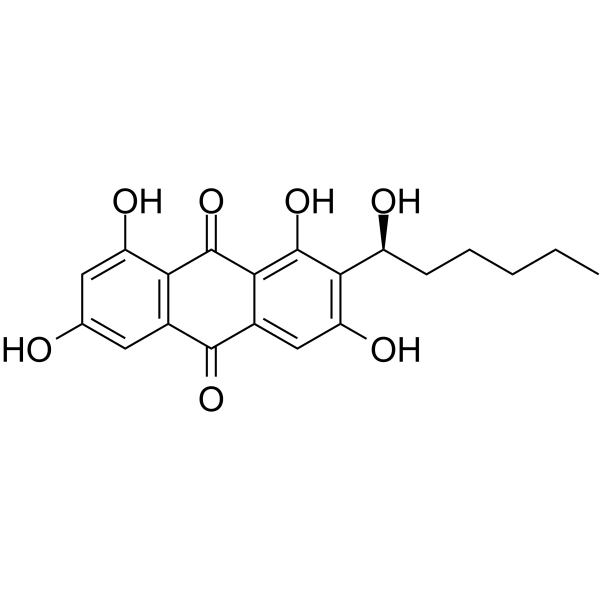
Averantin is the minor metabolite of the fungus Cercospora arachidicola . Averantin is an aflatoxin B1 precursor that can be used in the biosynthetic pathway .
|
-
-
- HY-77995
-
|
o-Anisaldehyde
|
Bacterial
Fungal
|
Infection
|
|
2-Methoxybenzaldehyde (o-Anisaldehyde) is a bacterial/fungal inhibitor with a BA50 value of 0.19 for Salmonella. 2-Methoxybenzaldehyde can be used for the study of bacterial and fungal infectious diseases .
|
-
-
- HY-17578
-
|
L-688786
|
Drug Intermediate
|
Infection
|
|
Pneumocandin B0 (L-688786) is the precursor of the synthetic antifungal agent Cancidas (Caspofungin acetate) (HY-17006). Pneumocandin B0 can be isolated from fungus Glarea lozoyensis .
|
-
-
- HY-P2910
-
|
GOase
|
Endogenous Metabolite
|
Others
|
|
Galactose Oxidase, Dactylium dendroides (GOase) from fungus is often used in biochemical studies. Galactose oxidase is a type II copper metalloenzyme, and it containing a single polypeptide. Galactose oxidase catalyzes two-electron oxidation of primary alcohols to their corresponding aldehydes, coupling with the reduction of dioxygen to hydrogen peroxide .
|
-
-
- HY-118065
-
-
-
- HY-114979
-
|
|
Antibiotic
Fungal
Apoptosis
|
Infection
Cancer
|
|
Pyoluteorin is an antibiotic that inhibits Oomycete fungi, including the plant pathogen Pythium ultimum, and suppresses plant diseases caused by this fungus . Pyoluteorin induces human triple-negative breast cancer MDA-MB-231 cells apoptosis in vitro. Pyoluteorin can be used for the research of human triple-negative breast cancer .
|
-
-
- HY-N3394
-
|
|
Others
|
Infection
|
|
Lecanoric acid is a histidine-decarboxylase inhibitor isolated from fungus. The inhibition by lecanoric acid is competitive with histidineand noncompetitive with pyridoxal phosphate. Lecanoric acid did not inhibit aromatic amino acid decarboxylase .
|
-
-
- HY-W017445
-
|
|
Fungal
|
Infection
|
|
Homogentisic acid lactone (Compound 1) is a fungal metabolite with fungicidal activity, which is found in the fungus WF5. Homogentisic acid lactone is active against the plant pathogenic fungus F. graminearum. Homogentisic acid lactone can be used as a substrate in the determination of serum paraoxonase/arylesterase 1 (PON1) activity .
|
-
-
- HY-N2990
-
|
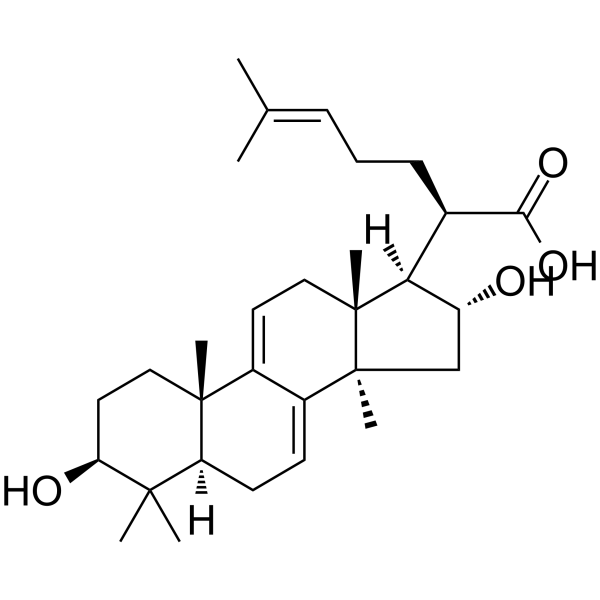
3β,16α-Dihydroxylanosta-7,9(11),24-trien-21-oic acid
|
Others
|
Inflammation/Immunology
|
|
16α-Hydroxydehydrotrametenolic acid is a triterpene Acid in fermented mycelia of edible fungus Poria cocos .
|
-
-
- HY-134181A
-
|
|
Biochemical Assay Reagents
|
Inflammation/Immunology
|
|
Tremella polysaccharide, MW<1000000, cosmetic grade, one of the fungus polysaccharides, possesses immunity enhancing capabilities. Polysaccharidase has the potential for leukopenia induced by chemotherapy and radiotherapy research .
|
-
-
- HY-B1863
-
|
|
Environmental Pollutants
Cholinesterase (ChE)
Fungal
|
Infection
|
|
Iprobenfos is an organophosphorus fungicide and is widely used to control the rice blast fungus. Iprobenfos can phosphorylate the -OH group on the serine residue in the active (esteratic) site of ChEs and so inhibit both AChE and BChE activity .
|
-
-
- HY-123100
-
|
|
Others
|
Others
|
|
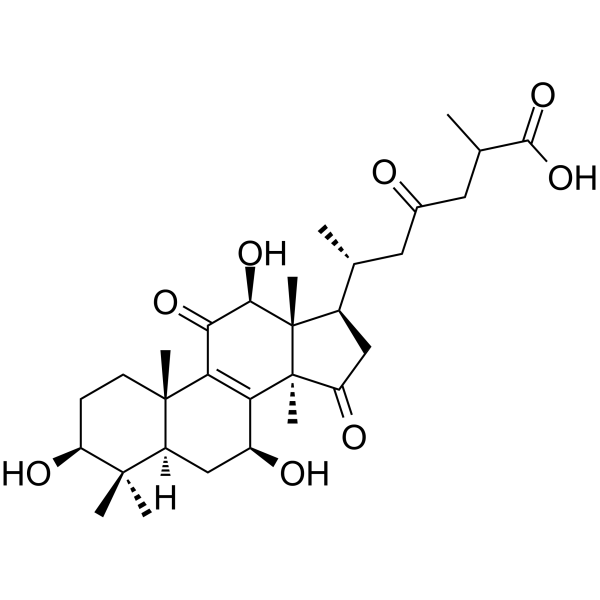
Ganoderic acid N is a natural terpenoid isolated from the Fungus Ganoderma lucidum .
|
-
-
- HY-113972
-
|
|
Others
|
Inflammation/Immunology
|
|
Methyl mycophenolate is a methyl ester of mycophenolic acid and is also found in marine-derived fungus Phaeosphaeria spartinae .
|
-
-
- HY-N10214
-
|
|
NO Synthase
|
Inflammation/Immunology
|
|
(-)-10,11-Dihydroxyfarnesol is a compound isolated from an endolichenic fungus Cryptomarasmius aucubae. (–)-10,11-Dihydroxyfarnesol significantly inhibits nitric oxide (NO) production .
|
-
-
- HY-N10203
-
|
|
Endogenous Metabolite
|
Cancer
|
|
Rostratin A is a cytotoxic disulfide found in the marine-derived fungus Exserohilum rostratum. Rostratin A shows in vitro cytotoxicity against human colon carcinoma (HCT-116) with an IC50 of 8.5 μg/mL .
|
-
-
- HY-N6294
-
|
|
Bacterial
Fungal
|
Infection
|
|
Monocerin is an isocoumarin derivative. Monocerin is isolated from Microdochium bolleyi, an endophytic fungus from Fagonia cretica. Monocerin shows good antifungal, antibacterial, and antialgal activities against Microbotryum violaceum, Escherichia coli, Bacillus megaterium, and Chlorella fusca .
|
-
-
- HY-N2646
-
|
|
Fungal
|
Infection
|
|
5-Heptadec-cis-8-enylresorcinol is a 5-alkylresorcinol that can be isolated from etiolated rice seedlings. 5-Heptadec-cis-8-enylresorcinol is an antifungal agent against the rice blast fungus. 5-Heptadec-cis-8-enylresorcinol mediates DNA relaxation .
|
-
-
- HY-N10208
-
|
|
Endogenous Metabolite
|
Cancer
|
|
Aspericin C is a pyran derivative found in the marine-derived fungus Rhizopus sp. 2-PDA-61. Aspericin C shows cytotoxic activities against P388, A549, HL-60, and BEL-7420 cell lines (IC50=14.6, 7.1, 61.4, and 24.2 μM, respectively) .
|
-
-
- HY-125706
-
|
|
Fungal
|
Infection
|
|
1233B is a secondary metabolite from filamentous fungus, Fusarium sp. RK97-94 .
|
-
-
- HY-134181
-
|
|
Biochemical Assay Reagents
|
Inflammation/Immunology
|
|
Tremella polysaccharide, MW>1000000, cosmetic grade, one of the fungus polysaccharides, possesses immunity enhancing capabilities. Polysaccharidase has the potential for leukopenia induced by chemotherapy and radiotherapy research .
|
-
-
- HY-N7569
-
|
|
Apoptosis
Caspase
PPAR
|
Cancer
|
|
Demethoxyfumitremorgin C is a secondary metabolite of the marine fungus, Aspergillus fumigatus. Demethoxyfumitremorgin C induces prostate cancer cell apoptosis. Demethoxyfumitremorgin C activates caspase-3, -8, and -9, leading to PARP/ cleavage .
|
-
-
- HY-129325
-
|
|
Antibiotic
Bacterial
Apoptosis
Bcl-2 Family
Caspase
|
Infection
Cancer
|
|
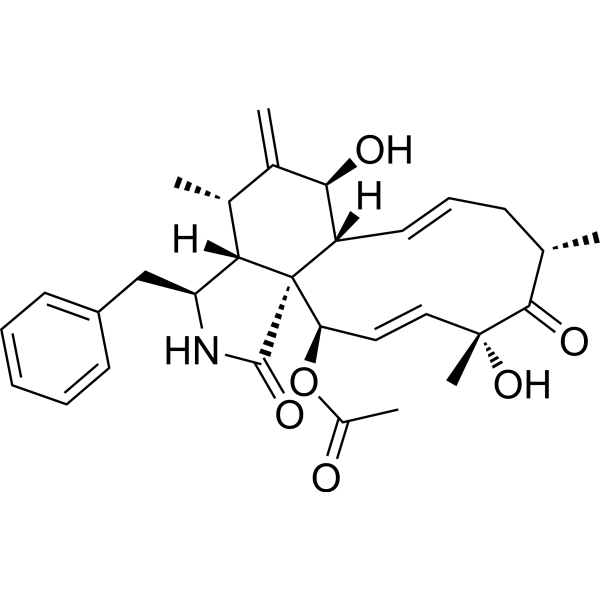
Cytochalasin H is a nature product that could be isolated from fungus Phomopsis sp. Cytochalasin H inhibits cell growth and induces apoptosis. Cytochalasin H has anti-angiogenic activity. Cytochalasin H is an antibiotic and has antibacterial activity .
|
-
-
- HY-N3290
-
|
Methyl p-methoxyphenylpropionate
|
Others
|
Others
|
|
Methyl p-methoxyhydrocinnamate is extracted from in liquid culture by the blue stain fungus Ophiostoma crassioaginata .
|
-
-
- HY-N9378
-
|
|
Fungal
|
Infection
|
|
3-Oxobetulin, an antifungal agent, shows antifungal activities against white rot fungus L. betulina and the brown rot fungus L. sulphureus .
|
-
-
- HY-121395
-
|
|
Antibiotic
Fungal
|
Infection
|
Lepiochlorin is an antibiotic metabolite produced by a fungus (Lepiota species) that is cultivated by ants, which can prevent fungal contamination .
|
-
-
- HY-N10256
-
|
|
Endogenous Metabolite
|
Infection
|
|
Varioxepine A is a 3H-oxepine-containing alkaloid with a new oxa-cage found in the marine algal-derived endophytic fungus Paecilomyces variotii. Varioxepine A inhibits plant pathogenic fungus Fusarium graminearum .
|
-
-
- HY-N12389
-
|
|
Fungal
|
Infection
|
|
Quellenin is an anti-saprolegnia compound. Quellenin can be isolated from deep-sea fungus Aspergillus sp. YK-76
|
-
-
- HY-N8552
-
-
-
- HY-N13086
-
|
|
Others
|
Others
|
|
Peniviridiol A (compound4) is a viridin derivative that can be isolated from rhizosphere fungus Penicillium sp. SMU0102 .
|
-
-
- HY-125487
-
|
|
Fungal
|
Infection
|
|
Appenolide A is an antifungal furanones that can be isolated from the coprophilous fungus Podospora appendiculata .
|
-
-
- HY-N8532
-
|
|
Others
|
Others
|
|
(1’S)-Dehydropestalotin (Compound 4) is a compound that can be isolated from the AcOEt extract of the fungus Xylaria feejeensis .
|
-
-
- HY-N10299
-
-
-
- HY-157358
-
-
-
- HY-N8416
-
|
(-)-Regiolone
|
Others
|
Others
|
|
(-)-Isosclerone is a phytotoxic phenol. (-)-Isosclerone can be isolated from culture filtrate of Discula sp., the fungus responsible for dogwood anthracnose .
|
-
-
- HY-N12913
-
|
|
Antibiotic
Fungal
|
Infection
|
|
Antibiotic WB is an antibioticwith antifungal activity and can be isolated from the soil fungus strain 38 .
|
-
-
- HY-N10213
-
|
|
NO Synthase
|
Infection
|
|
Septeremophilane E is a compound isolated from fungus Septoria rudbeckiae, a plant pathogenic fungus isolated from the halophyte Karelinia caspia. Septeremophilane E significantly inhibits the production of nitric oxide (NO) .
|
-
-
- HY-N10212
-
|
|
Fungal
|
Infection
|
|
Dendryphiellin D is a compound isolated from fungus Septoria rudbeckiae, a plant pathogenic fungus isolated from the halophyte Karelinia caspia. Dendryphiellin D significantly inhibits the production of nitric oxide (NO) .
|
-
-
- HY-113622
-
|
Palmarumycin C13; Diepoxin ζ; Antibiotic Sch53514
|
Fungal
Antibiotic
|
Infection
|
|
Cladospirone bisepoxide is a metabolite that isolated from cultures of a fungus. Cladospirone bisepoxide displays selective antibiotic activity against several bacteria and fungi and inhibits germinations of Lepidium sativum at low concentrations .
|
-
-
- HY-N8846
-
|
|
Fungal
|
Infection
|
|
dl-Aloesol is a natural product that can be isolated from fungus Aspergillus sp. Aspergillus sp metabolites has cytotoxic, antibacterial, free radical scavenging, anti-parasitic, antiviral and antiproliferative activities, etc .
|
-
-
- HY-N8621
-
|
|
Drug Isomer
|
Others
|
|
(11S)-(-)-Hydroxyjasmonic acid is a hydroxylated cyclopentane fatty acid of the jasmonic acid type that can be found in the culture filtrate of the fungus Botryodiplodia theobromae< .
|
-
-
- HY-N10217
-
|
|
NO Synthase
|
Inflammation/Immunology
|
|
Paneolilludinic acid is a compound isolated from an endolichenic fungus Cryptomarasmius aucubae. Paneolilludinic acid significantly inhibits nitric oxide (NO) production .
|
-
-
- HY-N10301
-
|
|
Toll-like Receptor (TLR)
|
Infection
|
|
Guignardone L is a metabolite isolated from the endophytic fungus Guignardia mangiferae with toll-like receptor 3 regulating activity .
|
-
-
- HY-126202
-
|
|
Drug Derivative
|
Infection
|
|
Lachnone A is a chromone derivative isolated from the filamentous fungus Lachnum sp. BCC 2424 .
|
-
-
- HY-N8864
-
|
|
Others
|
Others
|
|
Isosativenediol is a sesquiterpene compound. Isosativenediol can be purified from Cochliobolus sativus, an endophytic fungus isolated from the desert plant Artemisia Desertorum .
|
-
-
- HY-N7251
-
|
Stachybotrysin
|
Others
|
Others
|
|
Stachartin A is a phenylspirodrimane-type analogue. Stachartin A can be isolated from the tin mine tailings-associated fungus Stachybotrys chartarum .
|
-
-
- HY-N10285
-
|
|
Tyrosinase
|
Infection
|
|
Phaeosphaone D is a thiodiketopiperazine alkaloid compound isolated from Phaeosphaeria fuckelii, an endophytic fungus. Phaeosphaone D displays mushroom tyrosinase inhibitory activity with an IC50 value of 33.2 μM .
|
-
-
- HY-N10300
-
|
|
Fungal
|
Infection
|
|
Guignardone K is a meroterpene compound isolated from solid cultures of the endophytic fungus Guignardia sp.. Guignardone K has antifungal activity .
|
-
-
- HY-N10239
-
|
|
Others
|
Metabolic Disease
|
|
Aquastatin A is an inhibitor of mammalian adenosine triphosphatases. Aquastatin A is isolated from a fungus identified as Fusarium aquaeductuum. Aquastatin A inhibits Na+/K(+)-ATPase with an IC50 value of 7.1 μM, and H+/K(+)-ATPase with an apparent IC50 value of 6.2 μM .
|
-
-
- HY-N10263
-
|
|
Parasite
|
Infection
|
|
Palmarumycin C3 is a spirobisnaphthalene compound isolated from cultures of the endophytic fungus Berkleasmium sp. Dzf12 after treatment with 1-hexadecene. Palmarumycin C3 exhibits stronger antimicrobial and antioxidant activities .
|
-
-
- HY-123161
-
|
|
Drug Derivative
|
Others
|
|
JBIR-15 is a new aspochracin derivative. JBIR-15 is isolated from a sponge-derived fungus, Aspergillus sclerotiorum Huber Sp080903f04 .
|
-
- HY-N10947
-
|
|
Others
|
Others
|
|
Lanosta-7,9(11),24-trien-3β,15α-dihydrcxy-26-oic acid (compound 2) is a nature product that could be isolated from the Chinese medicinal fungus Ganoderma lucidurn .
|
-
- HY-118065R
-
|
KBR 2738 (Standard)
|
Reference Standards
Fungal
Estrogen Receptor/ERR
PI3K
|
Infection
Cancer
|
|
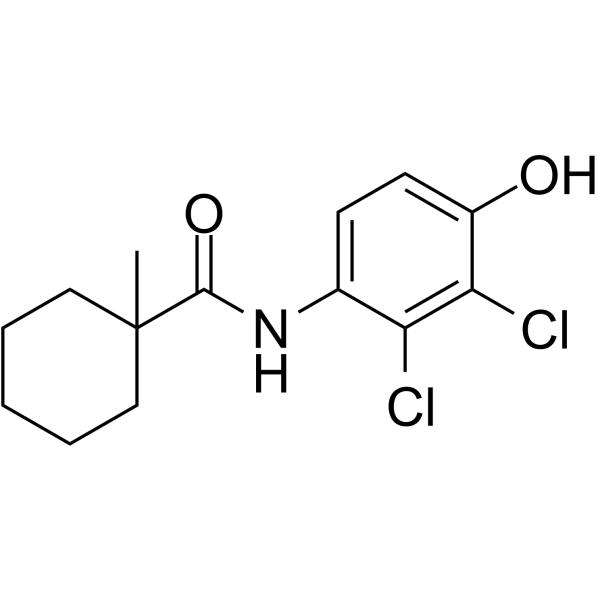
Fenhexamid (Standard) is the analytical standard of Fenhexamid. This product is intended for research and analytical applications. Fenhexamid, a botryticide, is a sterol biosynthesis inhibitor. Fenhexamid shows fungicide efficient against the plant pathogenic fungus Botryotinia fuckeliana (Botrytis cinerea) .
|
-
- HY-W164451
-
|
|
Fungal
|
Infection
|
|
N-(2-hydroxy-2-phenylethyl)acetamide is isolated from the solid rice cultures of the endophytic fungus Diaporthe eucalyptorum KY-9. N-(2-hydroxy-2-phenylethyl)acetamide exhibits antifungal activities against Alternaria solani .
|
-
- HY-113623
-
|
|
Others
|
Others
|
|
Pyrenophorol is a C9H12O3 compound isolated in low yield from culture filtrates of the phytopathogenic fungus Stemphylium radicinum, C.M.I. 105654 .
|
-
- HY-N10269
-
|
|
Fungal
Endogenous Metabolite
|
Infection
|
|
Phomalactone, produced by the fungus Nigrospora sphaerica, specifically inhibits the mycelial growth of Phytophthora infestans, with an MIC value of 2.5 mg/L . Phomalactone is phytotoxic to Z. elegans and other plant species by inhibition of seedling growth and by causing electrolyte leakage from photosynthetic tissues of both Z. elegans leaves and cucumber cotyledons .
|
-
- HY-B1863R
-
|
|
Reference Standards
Fungal
Cholinesterase (ChE)
|
Infection
|
|
Iprobenfos (Standard) is the analytical standard of Iprobenfos (HY-B1863). This product is intended for research and analytical applications. Iprobenfos is an organophosphorus fungicide and is widely used to control the rice blast fungus. Iprobenfos can phosphorylate the -OH group on the serine residue in the active (esteratic) site of ChEs and so inhibit both AChE and BChE activity .
|
-
- HY-N12165
-
|
|
Others
|
Others
|
|
1,3,5,6-Tetrahydroxy-8-methylxanthone (compound 8) is a dimeric 1,4-benzoquinone derivative isolated from the marine-derived fungus Penicillium genus .
|
-
- HY-N12390
-
|
|
Isocitrate Dehydrogenase (IDH)
|
Cancer
|
|
Alternaphenol B2 is a selective IDH1 inhibitor from the coral-derived fungus Parengyodontium album SCSIO SX7W11. Alternaphenol B2 shows inhibitory activity against isocitrate dehydrogenase mutant R132H (IDH1m), with IC50 values of 41.9 μM .
|
-
- HY-121431
-
|
|
Fungal
|
Inflammation/Immunology
|
|
FR-901235 is a new type of immunoactive substance produced by an imperfect fungus, Paecilomyces carneus F-4882. FR-901235 partially restored the impaired delayed-type hypersensitivity to sheep red blood cells in tumor-bearing mice .
|
-
- HY-122467
-
|
|
Bacterial
|
Infection
Cancer
|
|
Kumbicin C is a bis-indolyl benzenoid compound from an Australian soil fungus, Aspergillus kumbius. Kumbicin C inhibits the growth of mouse myeloma cells and the Gram-positive bacterium Bacillus subtilis .
|
-
- HY-125568
-
|
|
MMP
|
Others
|
|
Pyridoxatin is a free radical scavenger of microbial origin. Pyridoxatin is isolated from a fungus culture identified as Acremonium sp. BX86. Pyridoxatin inhibits lipid peroxidation induced by free radicals in rat liver microsomes free from vitamin E .
|
-
- HY-172184
-
-
- HY-125518
-
|
|
Fungal
|
Others
|
|
Xanthomegnin is a yellow pigment derived from the fungus Trichophyton megnini .
|
-
- HY-138098
-
|
|
Endogenous Metabolite
|
Cancer
|
|
Sartorypyrone B is a 2β-acetoxyl analogue of chevalone C. Sartorypyrone B is yielded from the ethyl acetate extract of the culture of the marine sponge-associated fungus Neosartorya tsunodae (KUFC 9213). Sartorypyrone B exhibits strong growth inhibitory activity, having GI50s of 17.8, 20.5, and 25.0 μM, respectively, for MCF-7, NCI-H460, and A375-C5. Sartorypyrone B has the potential for the research of breast adenocarcinoma, non-small cell lung cancer, and melanoma diseases .
|
-
- HY-N12206
-
|
Semicochliodinol A
|
Others
|
Others
|
|
Semicochliodinol can be isolated from rice cultures of the fungus genus Chaetomium .
|
-
- HY-N12197
-
|
|
Others
|
Others
|
|
Terretonin A is a meroterpenoid that can be isolated from the endophytic fungus Aspergillus terreus .
|
-
- HY-129642
-
|
|
Fungal
|
Others
|
|
Hirsutide is a cyclic tetrapeptide that can be found in spider-derived entomopathogenic fungus .
|
-
- HY-119328
-
-
- HY-N12184
-
|
|
Others
|
Others
|
|
Peniciside is a triterpenoid glycoside derived from the fungus Penicillium sp.169 .
|
-
- HY-N15183
-
|
|
Fungal
|
Infection
|
|
Aselacin C is a cyclic peptide that can be isolated from the fungus Acremonium spp. .
|
-
- HY-125298
-
|
|
Parasite
|
Infection
|
|
Cycloaspeptide A, isolated from the endophytic fungus Penicillium janczewskii, has antiparasitic activity .
|
-
- HY-129515
-
|
|
Fungal
|
Others
|
|
Trichodecenin II is a fungal metabolite that can be found in conidia of the fungus, Trichoderma viride .
|
-
- HY-P2061
-
-
- HY-125666
-
|
|
Fungal
|
Infection
|
|
Agistatin B, isolated from fungus, is a mycotoxin. Agistatin B inhibits cholesterol synthesis .
|
-
- HY-N13989
-
|
|
Others
|
Cancer
|
|
Acetophthalidin is an inhibitor of mammalian cell cycle found in a fungus isolated from a sea sediment .
|
-
- HY-P1638
-
|
|
Parasite
|
Infection
|
|
Isariin A is a cyclodepsipeptide isolated from the fungus Isaria cretacea, which exhibits antimalarial activity .
|
-
- HY-N10241
-
|
|
Others
|
Others
|
|
Hortein is a natural product from the fungus Hortaea werneckii associated with the sponge Aplysina aerophoba .
|
-
- HY-N14526
-
|
|
Bacterial
Fungal
|
Infection
|
|
Octacosamicin A has the function of resisting bacterium, yeast, and filamentous fungus, but the function of resisting bacterium is weak .
|
-
- HY-N16055
-
|
|
Others
|
Others
|
|
Cochliomycin B is a natural product that can be isolated from Gorgonian-Derived Fungus Cochliobolus lunatus .
|
-
- HY-N14857
-
|
|
Bacterial
Fungal
|
Infection
|
|
Kanchanamycin C has anti-Gram positive and negative bacteria, yeast and filamentous fungus action .
|
-
- HY-77995R
-
|
o-Anisaldehyde (Standard)
|
Reference Standards
Bacterial
Fungal
|
Infection
|
|
2-Methoxybenzaldehyde (Standard) is the analytical standard of 2-Methoxybenzaldehyde. This product is intended for research and analytical applications. 2-Methoxybenzaldehyde (o-Anisaldehyde) is a bacterial/fungal inhibitor with a BA50 value of 0.19 for Salmonella. 2-Methoxybenzaldehyde can be used for the study of bacterial and fungal infectious diseases .
|
-
- HY-N10427
-
|
|
Others
|
Others
|
|
5,6-Epoxyergosterol is a natural product that can be isolated from endophytic fungus Phyllosticta capitalensis .
|
-
- HY-P1992
-
|
|
Parasite
|
Infection
|
|
Isariin B is a cyclodepsipeptide isolated from the fungus Isaria felina, which exhibits antimalarial activity .
|
-
- HY-N15658
-
|
|
Biochemical Assay Reagents
|
Others
|
|
Isopatulin can be isolated from the marine isolate of the fungus Penicillium claviforme associated with the seagrass Zostera marina .
|
-
- HY-N14897
-
|
|
Quinone Reductase
|
Cancer
|
|
Pterulone is a coenzyme I: Coenzyme Q oxidoreductase inhibitor found in fungus Pterula SP.82168 .
|
-
- HY-N10242
-
|
|
Others
|
Others
|
|
Agonodepside B is a compound isolated from a nonsporulating filamentous fungus, F7524 .
|
-
- HY-N8378
-
|
|
Others
|
Infection
|
|
Clonostachydiol is an anthelmintic macrodiolide from the fungus Clonostachys cylindrospora (strain FH-A 6607) .
|
-
- HY-N9026
-
|
|
Others
|
Infection
|
|
Stachartin B is a phenylspirodrimane-type analogue. Stachartin B can be isolated from the tin mine tailings-associated fungus Stachybotrys chartarum .
|
-
- HY-182489
-
-
- HY-182490
-
-
- HY-N15306
-
|
|
Apoptosis
|
Cancer
|
|
Boerelasin E is the first cytochalasan possessing a cis-configured Δ21(22) double bond that can be isolated from endophytic fungus Boeremia exigua. Boerelasin E exhibits antiproliferative activity against MCF-7 cells (IC50=20.52 μM) more potent than cisplatin (HY-17394). Boerelasin E inhibits the complete cell division of MCF-7 cells by arresting them in the G2/M phase and inducing apoptosis[1].
|
-
- HY-N9717
-
|
|
Endogenous Metabolite
|
Infection
|
|
Herbaridine B is a potential fungal secondary metabolite that can be extracted from the fungus Anteaglonium FL0768. This fungus was isolated as an endophyte from the photosynthetic tissue of Selaginella arenicola .
|
-
- HY-N19681
-
|
|
Endogenous Metabolite
|
Neurological Disease
|
|
3-(2,6-Dihydroxyphenyl)-4-hydroxy-6-methylisobenzofuran-1(3H)-one is a polyketide compound found in the mangrove endophytic fungus Phomopsis sp. xy21. 3-(2,6-Dihydroxyphenyl)-4-hydroxy-6-methylisobenzofuran-1(3H)-one shows neuroprotective activity against Corticosterone (HY-B1618)-induced injury in neuronal cells .
|
-
- HY-N9553
-
|
|
Endogenous Metabolite
|
Others
|
|
Alternarian acid is a polyketide compound found in the endophytic fungus Alternaria alternata MT-47, an endophytic fungus isolated from the medicinal plant of Huperzia serrata. Alternarian acid shows little inhibitory activity against thrombin-activated platelets, acetylcholinesterase, or butyrylcholinesterase .
|
-
- HY-N13296
-
|
|
Others
|
Others
|
|
Epoxyganoderiol C is a triterpenoid that can be isolated from the fungus Ganoderma lucidum .
|
-
- HY-N12193
-
|
|
Others
|
Others
|
|
Cytochalasin N is a cytorelaxin derived from endophytic fungus Phomopsis sp.CIB-109 .
|
-
- HY-N16056
-
|
|
Others
|
Others
|
|
Cochliomycin C is a macrocyclic lactone that can be isolated from Gorgonian-Derived Fungus Cochliobolus lunatus .
|
-
- HY-N2724
-
|
|
Others
|
Others
|
|
6-O-Methylcerevisterol is a Steroids product that can be isolated from the fungus Ganoderma lucidum .
|
-
- HY-N3165
-
|
|
Drug Derivative
|
Others
|
|
O-Acetylcyclocalopin A is an amino acid analog of cyclocalopin, isolated from the Boletus calopus fungus from Yunnan Province .
|
-
- HY-N16430
-
|
|
Fungal
|
Infection
|
|
Neovasinin is a phytotoxin that can be produced by the fungus Neocosmospora vasinfecta. Neovasinin exhibits toxic effects on soybean plants .
|
-
- HY-N12194
-
|
|
Others
|
Infection
|
|
Cytochalasin O (compound 13) is a secondary metabolite of the phytopathogenic fungus P. sp. CIB-109 .
|
-
- HY-N14527
-
|
|
Bacterial
Fungal
|
Infection
|
|
Octacosamicin B has the function of resisting bacterium, yeast, and filamentous fungus, but the function of resisting bacterium is weak .
|
-
- HY-N8571
-
|
|
Others
|
Others
|
|
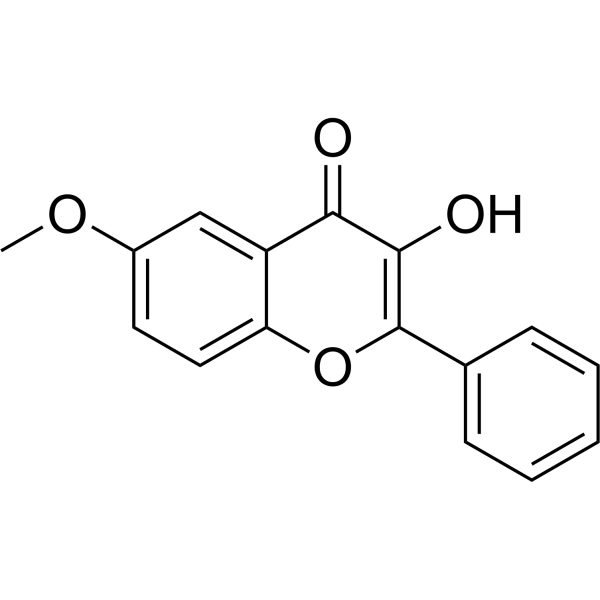
6-Methoxyflavonol (Compound 15) is a natural flavone isolated from the marine-derived fungus Aspergillus candidus .
|
-
- HY-122298
-
|
XDE 777
|
Antibiotic
Fungal
|
Infection
|
|
Fenpicoxamid is a new fungicide. Fenpicoxamid inhibits the growth of the fungus Z. tritici with an EC50 value of 0.051 mg/L .
|
-
- HY-N7023
-
|
7-O-Prenylumbelliferone
|
Fungal
|
Infection
|
|
7-Prenyloxycoumarin (7-O-Prenylumbelliferone) is a secondary metabolite from the endophytic fungus of Annulohypoxylon ilanense .
|
-
- HY-N19796
-
|
|
Drug Derivative
|
Others
|
|
Diaporol I is a pimarane-type sesquiterpene that can be isolated from the mangrove-derived endophytic fungus Diaporthe sp.
|
-
- HY-170738
-
|
|
Tryptophan Hydroxylase
|
Neurological Disease
|
|
Oudenone derivative-1 potassium is a derivative of Oudenone. Oudenone, a metabolite of the fungus, is a catecholamine biosynthesis and tyrosine hydroxylases inhibitor .
|
-
- HY-123096
-
|
Silthiopham; Mon65500
|
Fungal
|
Infection
|
|
Silthiofam (Silthiopham) is a wheat fungicide used to control take-all disease caused by the soil-borne fungus Gaeumannomyces graminis .
|
-
- HY-N7353
-
|
|
Others
|
Others
|
|
Stachartin C is a Sesquiterpenoids product that can be isolated from the cultures of the tin mine tailings-associated fungus Stachybotrys chartarum. .
|
-
- HY-N6793
-
|
|
Microtubule/Tubulin
|
Cancer
|
|
Phomopsin A is a cyclic hexapeptide mycotoxin isolated from the fungus Phomopsis leptostomiformis. Phomopsin A is a noncompetitive inhibitor of the binding of radiolabeled vincristine to tubulin .
|
-
- HY-130052
-
|
|
Bacterial
|
Infection
|
|
Rosellichalasin is an antibacterial agent isolated from the endophytic fungus Aspergillus flavipes Y-62. Rosellichalasin exhibits antibacterial activity .
|
-
- HY-N17416
-
-
- HY-N14488
-
|
|
Bacterial
Fungal
|
Infection
|
|
Nemotinic acid has the activity against Gram-positive bacteria, mycobacterium and fungus, and also against Gram-negative bacteria, but the activity is weak .
|
-
- HY-N14487
-
|
|
Bacterial
Fungal
|
Infection
|
|
Nemotin has the activity against Gram-positive bacteria, mycobacterium and fungus, and also against Gram-negative bacteria, but the activity is weak .
|
-
- HY-N2458
-
|
|
Others
|
Others
|
|
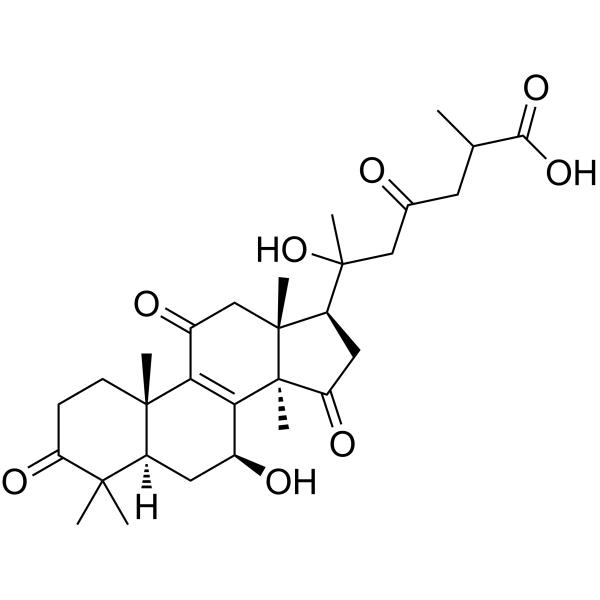
Ganoderic acid G is a highly oxidized lanostane-type triterpenoid compound. Ganoderic acid G can be isolated from the fungus Ganoderma lucidum .
|
-
- HY-N10200
-
|
|
Others
|
Others
|
|
2,7-Dimethoxy-6-(1-acetoxyethyl)juglone is a naphthoquinone derivative found in the fungus Kirschsteiniothelia species .
|
-
- HY-N15514
-
|
|
Others
|
Others
|
|
Harzianol N is a harziane-type diterpene derivative isolated from the deep-sea sediment-derived fungus Trichoderma sp. SCSIOW21 .
|
-
- HY-N15747
-
|
(-)-Mycoleptodiscin A
|
Apoptosis
|
Cancer
|
|
Mycoleptodiscin A ((-)-Mycoleptodiscin A) is a cytotoxic indole alkaloid found in fungus. Mycoleptodiscin A exerts cytotoxic effects by inducing apoptosis or inhibiting cell cycle progression .
|
-
- HY-N10262
-
|
|
Endogenous Metabolite
|
Others
|
|
Piliformic acid is a fungal metabolite found in the endophytic fungus Xylariasp sp.(No. 2508) from mangrove trees from the coast of the South China Sea .
|
-
- HY-P1991
-
|
|
Parasite
|
Infection
|
|
Isariin D is a cyclodepsipeptide isolated from the fungus Isaria felina, which exhibits significant insecticidal activity against Galleria mellonella larvae .
|
-
- HY-N15515
-
|
|
Others
|
Others
|
|
Harzianol O is a harziane-type diterpene derivative isolated from the deep-sea sediment-derived fungus Trichoderma sp. SCSIOW21 .
|
-
- HY-N12901
-
|
Ficalin C
|
Others
|
Others
|
|
Fiscalin C (Ficalin C) is an alkaloid and can be isolated from Stentrophomonas maltophilia .
|
-
- HY-119726
-
|
APX001; E1211
|
Fungal
|
Infection
Inflammation/Immunology
Cancer
|
|
Fosmanogepix (APX001) is a broad-spectrum agent against invasive fungal infections. Fosmanogepix (APX001) targets the conserved Gwt1 enzyme required for the localization of glycosylphosphatidylinositol-anchored mannoproteins in fungi. This inhibition prevents the appropriate localization of cell wall mannoproteins, which compromises cell wall integrity, biofilm formation, germ tube formation, and fungal growth. Fosmanogepix (APX001) can be used for invasive fungal infections research .
|
-
- HY-N12906
-
-
- HY-N9312
-
|
|
Others
|
Inflammation/Immunology
|
|
Ganoderic acid J is a natural terpenoid isolated from the Fungus Ganoderma lucidum. Ganoderic acid J possesses anti-inflammatory anti-inflammatory activity .
|
-
- HY-N12118
-
|
|
Fungal
|
Infection
|
|
Piperanine is an antifungal agent. Piperanine shows growth inhibition against the fungus Cladosporium claspoirioides. Piperanine can be isolated from the fruits of Piper retrofractum .
|
-
- HY-W012589
-
|
tert-Amylbenzene
|
Endogenous Metabolite
|
Others
|
|
tert-Pentylbenzene (tert-Amylbenzene), a volatile aromatic hydrocarbon, is a fungal metabolite. tert-Pentylbenzene can be isolated from the saprophytic fungus Memnoniella sp. .
|
-
- HY-N2997
-
|
|
Others
|
Cancer
|
|
Ganoderic acid LM2 is a natural terpenoid isolated from the Fungus Ganoderma lucidum. Ganoderic acid LM2 possesses potential anti-tumor activity .
|
-
- HY-B1086
-
|
N-Acetyl-DL-phenylalanine
|
Endogenous Metabolite
|
Neurological Disease
|
|
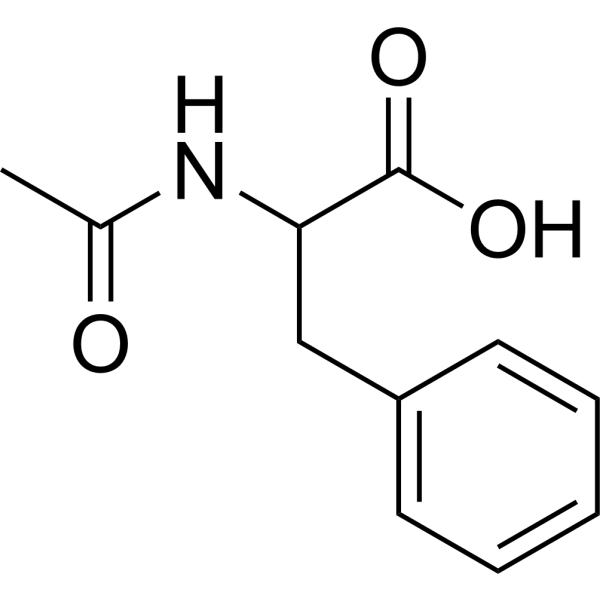
Afalanine (N-Acetyl-DL-phenylalanine) is an endogenous metabolite of an endophytic fungus with antidepressant activity. Afalanine can be used in combination with antibiotics to prevent renal damage.
|
-
- HY-N18767
-
|
|
Others
|
Others
|
|
Poria Cocos Extract is obtained from the dried sclerotia of the fungus Poria cocos. It has a variety of skin care effects and is widely used in functional cosmetics.
|
-
- HY-138288
-
|
|
Others
|
Others
|
|
threo-6'-Hydroxyustusolate C is an ustusolic acid ester that can be isolated from the fermentation broth of the mangrove-derived fungus Aspergillus ustus 094102 .
|
-
- HY-P5648
-
|
|
Bacterial
|
Infection
|
|
PhD2 is an antimicrobial peptide derived from monkey white blood cells. PhD2 has activity against bacteria and fungus Candida albicans .
|
-
- HY-N9350
-
|
|
Others
|
Cancer
|
|
Ganoderic acid ε is a natural terpenoid isolated from the Fungus Ganoderma lucidum. Ganoderic acid ε exhibits an ED50 of 12.2 μg/mL in Meth-A tumor cells
|
-
- HY-E71295
-
|
|
Biochemical Assay Reagents
|
Others
|
|
β-Galactofuranosidase (EC 3.2.1.146) detoxifies helminthosporoside, a bis (digalactosyl) terpene produced by this fungus, by releasing its four molecules of bound galactose.
|
-
- HY-P5647
-
|
|
Bacterial
|
Infection
|
|
PhD1 is an antimicrobial peptide derived from monkey white blood cells. PhD1 has activity against bacteria and fungus Candida albicans .
|
-
- HY-P5649
-
|
|
Bacterial
|
Infection
|
|
PhD3 is an antimicrobial peptide derived from monkey white blood cells. PhD3 has activity against bacteria and fungus Candida albicans .
|
-
- HY-N10289
-
|
|
Fungal
|
Infection
|
|
Cytosporone C is an antifungal metabolite from the Melia azedarach-Associated Fungus Diaporthe eucalyptorum. Cytosporone C exhibits antifungal activities against Alternaria solani .
|
-
- HY-N8491C
-
|
|
Others
|
Others
|
|
(+)-Neodihydrocarveol is a monoterpenoid compound. (+)-Neodihydrocarveol is a major metabolite during the biotransformation of (-)-limonene (HY-Z0478) by the fungus Aspergillus cellulosae M-77 .
|
-
- HY-N15316
-
-
- HY-W775186
-
|
|
Fungal
|
Infection
|
|
Tolprocarb is an oomyces fungicide, which has a strong inhibitory effect on rice blast fungus Magnaporthe grisea by inhibiting polyketide synthase in melanin synthesis pathway .
|
-
- HY-N11759
-
|
|
Others
|
Inflammation/Immunology
|
|
2′-Hydroxydihydrodaidzein is an isoflavonoid phytoalexin that can be extacted from the Fungus-inoculated Leaflets of Erythrina Species. 2′-Hydroxydihydrodaidzein has antioxidant acitivity .
|
-
- HY-N8443
-
|
|
Bacterial
|
Infection
|
|
Isoaltenuene is an anti-bacterial agent with moderate activity against Staphylococcus aureus. Isoaltenuene can be isolated from fungus Alternaria alternate cib-137 .
|
-
- HY-P5651
-
|
|
Bacterial
|
Infection
|
|
PhD4 is an antimicrobial peptide derived from monkey white blood cells. PhD4 has activity against bacteria and fungus Candida albicans .
|
-
- HY-119821
-
|
|
Glycosidase
|
Infection
|
|
Terphenyllin is a naturally abundant p-terphenyl metabolite isolated from the coral derived fungus Aspergillus candidus, has significant α-glucosidase inhibitory activity .
|
-
- HY-N8520
-
|
|
Bacterial
|
Infection
Cancer
|
|
Variculanol is an antimicrobial, anticancer and anti-HCV NS3/4A Protease agent which can be extracted from marine fungus Aspergillus versicolor .
|
-
- HY-N16432
-
|
|
Fungal
|
Infection
|
|
Nidulol is a compound that can be isolated from the fungus Aspergillus nidulans metabolites. Nidulol shows no phytotoxic activity against Zea mays and Medicago polymorpha L. at a concentration of 5 mM .
|
-
- HY-N7151
-
|
|
Antibiotic
Bacterial
Fungal
|
Infection
|
|
Aurachin D is an antibiotic. Aurachin D inhibits Gram-positive bacteria and a few funguses. Aurachin D blocks NADH oxidation in beef heart submitochondrial particles .
|
-
- HY-N13291
-
|
|
Fungal
|
Others
|
|
6-O-Methylreticulol (compound 1a) is an isocoumarin isolated from an endophytic fungus on the mangrove plant Avicennia marina in the Pearl River Estuary in southern China .
|
-
- HY-N15601
-
|
NSC 257450
|
Biochemical Assay Reagents
|
Others
|
|
Dermocybin (NSC 257450) is a natural anthraquinone isolated from the fungus Derniocybe sarzgiiirzea. Dermocybin can be used as a high-temperature disperse dye for polyester and polyamide fabrics .
|
-
- HY-N16131
-
|
|
Drug Derivative
|
Others
|
|
Sydonic acid is a bisabolane-type sesquiterpenoid that can be isolated from the fungus Aspergillus sydowii BTBU20213012, which was obtained from a marine sediment sample in the Western Pacific .
|
-
- HY-N4116
-
|
|
Fungal
|
Infection
Cancer
|
|
Xanthyletin is a coumarin isolated from Stauranthus perforatus, with anti-tumor and anti-bacterial activities. Xanthyletin also inhibits symbiotic fungus cultivated by leaf-cutting ants .
|
-
- HY-E71345
-
|
|
Biochemical Assay Reagents
|
Others
|
|
γ-Muurolene synthase (EC 4.2.3.126) has been characterized from the fungus Coprinus cinereus. Also gives germacrene A and α-muurolene.
|
-
- HY-N12893
-
|
|
Fungal
Lipase
|
Infection
|
|
Sclerodione is a metabolite that can be produced by the Scleroderris canker fungus, Gremmeniellaabietina. Sclerodione has antifungal activity. Sclerodione is a lipase inhibitor (IC50: 1 μM) .
|
-
- HY-N19294
-
|
|
Others
|
Cancer
|
|
Hancockiamide A is a compound found in the Australian soil fungus Aspergillus hancockii. Hancockiamide A inhibits tumor cell viability and inactivity against fibroblasts. Hancockiamide A can be used for the research of myeloma .
|
-
- HY-122474
-
|
|
Drug Derivative
|
Cancer
|
|
Acetylaranotin is a metabolite produced by the fungus Arachniotus aureus, exhibiting antitumor activity. Acetylaranotin is utilized in research within the field of oncology for its potential in anti-cancer applications .
|
-
- HY-N7435
-
|
(±)-Massoia lactone
|
Others
|
Others
|
|
Massoia lactone ((±)-Massoia lactone) is a coconut and creamy fragrant compound mianly isolated from Cryptocarya massoy. Massoia lactone is also a fragrant biosurfactant produced by a fungus Aureobasidium pullulans .
|
-
- HY-126597
-
|
|
Bacterial
|
Infection
|
|
Chaetoglobosin C (Compound 4) is a anthraquinone-chromone compound derived from the fungus Chaetomium globosum KMITL-N0802. Chaetoglobosin C has anti-tuberculosis activity .
|
-
- HY-N12195
-
|
|
Fungal
|
Infection
|
|
Cytochalasin R (compound 17) is a cytochalasin analogue that can be isolated from the endophytic fungus Phomopsis sp. xz-18. Cytochalasin R shows potential antifungal activity .
|
-
- HY-N16053
-
|
|
Bacterial
Fungal
|
Infection
|
|
Antibacterial agent 288 (Compound 1) has antibacterial and antifungal activities. Antibacterial agent 288 can be isolated from Mangrove fungus (No. B60) from the South China Sea .
|
-
- HY-W133982
-
-
- HY-N12266
-
|
|
Others
|
Others
|
|
12-Hydroxyalbrassitriol is a drimane sesquiterpenoid that can be isolated from Penicillium sp .
|
-
- HY-N10280
-
|
|
Bacterial
Endogenous Metabolite
|
Infection
|
|
Asperglaucin A represents an unusual phthalide-like derivative. Asperglaucin A exhibits potent antibacterial activities against two plant pathogens Pseudomonas syringae pv actinidae (Psa) and Bacillus cereus, with an MIC value of 6.25 μM .
|
-
- HY-126871
-
|
|
Farnesyl Transferase
|
Metabolic Disease
Cancer
|
|
Zaragozic acid D2 is the inhibitor for squalene synthase and Ras farnesyl-protein transferase (Ras FPTase), with IC50 of 2 nM and 100 nM, respectively. Zaragozic acid D2 is potentially ameliorating hypercholesterolemia and Ras-induced cancer .
|
-
- HY-124555
-
|
Benzimine
|
Fungal
|
Infection
|
|
Hexamide (Benzamine) is a fungal inhibitor. Hexamide is effective against Trichophyton .
|
-
- HY-N10184
-
|
FKI-0550
|
Others
|
Infection
|
|
Paecilaminol (FKI-0550) is potent NADH-fumarate reductase inhibitor. Paecilaminol exhibits an IC50 value of 5.1 μM against Ascaris suum NADH-fumarate reductase .
|
-
- HY-N3502
-
|
|
HIV Protease
|
Infection
|
|
20(21)-Dehydrolucidenic acid A is a triterpenoid isolated from the fruiting body of the fungus Ganoderma sinense. 20(21)-Dehydrolucidenic acid A has weak anti-HIV-1 protease activity .
|
-
- HY-W006429
-
|
|
Endogenous Metabolite
|
Others
|
|
L-Uridine is an enantiomer of the normal RNA constituent D-uridine. L-Uridine can be isolated from the Polyporaceae fungus Poria cocos (Schw.). L-uridine acts as a phosphate acceptor for nucleoside phosphotransferases .
|
-
- HY-D0008
-
|
|
Bacterial
Fungal
Parasite
|
Infection
|
|
Brilliant green is a cationic dye used to color silk and wool. Brilliant green inhibits propagation of mold, intestinal parasites and fungus. Brilliant green is effective against Gram-positive bacteria .
|
-
- HY-N15585
-
|
|
Others
|
Metabolic Disease
|
|
Fomentariol is a natural compound found in the fungus Fomes fomentarius. Fomentariol has major biological activities such as anti-diabetic and antioxidant. Fomentariol can be used in the research of anti-diabetic or natural active ingredients .
|
-
- HY-123096R
-
|
Silthiopham (Standard); Mon65500 (Standard)
|
Reference Standards
Fungal
|
Infection
|
|
Silthiofam (Standard) is the analytical standard of Silthiofam. This product is intended for research and analytical applications. Silthiofam (Silthiopham) is a wheat fungicide used to control take-all disease caused by the soil-borne fungus Gaeumannomyces graminis .
|
-
- HY-162256
-
|
|
Fungal
|
Infection
|
|
Antibacterial agent 184 (compound 4j) is a fungal inhibitor that is toxic to the plant pathogenic fungus Sclerotinia sclerotiorum. Antibacterial agent 184 can effectively inhibit Sclerotinia sclerotiorum (IR>97%) .
|
-
- HY-N10332
-
|
|
Proteasome
|
Cancer
|
|
Leptosphaerodione, isolated from Remotididymella sp. Fungus, is a potent ubiquitin-proteasome system (UPS) inhibitor. Leptosphaerodione exhibits cytotoxicity in HeLa cells with IC50 value of 3.2 μM. Anti-tumor agent .
|
-
- HY-N12179
-
|
|
Bacterial
|
Others
|
|
Brevianamide M (compound 4) is a metabolite of Aspergillus versicolor. This is an endophytic fungus isolated from the marine brown alga Sargassum. Brevianamide M has antimicrobial activity against Escherichia coli and Staphylococcus aureus .
|
-
- HY-N14614
-
|
|
Acyltransferase
|
Metabolic Disease
|
|
Pyripyropene B is a powerful acyl-CoA: cholesterol acyltransferase 2 (ACAT2) inhibitor found in the fungus Aspergillus fumigatus FO 1289. Pyripyropene B inhibits acyl-CoA: cholesterol acyltransferase with an IC50 of 117 nM .
|
-
- HY-N16438
-
|
|
Microtubule/Tubulin
|
Cancer
|
|
Phomopsin B (Compound 3), a hexapeptide, is a Microtubule depolymerizer. Phomopsin B can be isolated from the fungus Phomopsis Leptostromiformis. Phomopsin B has an antimitotic activity. Phomopsin B can be used for cancers research .
|
-
- HY-N7697
-
|
|
Others
|
Others
|
|
Chitotetraose tetrahydrochloride is a short-chain chitin oligomer derived from arbuscular mycorrhizal (AM) fungi. Chitotetraose tetrahydrochloride activates the AM fungus-dependent conserved symbiotic signaling pathway (CSSP) in actinorhizal plant species .
|
-
- HY-N16440
-
|
|
Drug Derivative
|
Others
|
|
Phomopsin D, a mycotoxin, is a derivative of Phomopsin A (HY-N6793). Phomopsin A is a cyclic hexapeptide mycotoxin isolated from the fungus Phomopsis leptostomiformis. Phomopsin A is a noncompetitive inhibitor of the binding of radiolabeled vincristine to tubulin .
|
-
- HY-N16401
-
|
|
Bacterial
Drug Derivative
|
Infection
|
|
Aspergillumarin B (Compound 2) is a derivative of dihydroisocoumarin. Aspergillumarin B can be isolated from the endophytic fungus Aspergillus sp.. Aspergillumarin B has a weak antibacterial activity against Staphylococcus aureus and Bacillus subtilis .
|
-
- HY-N13021
-
|
|
Endogenous Metabolite
|
Others
|
|
2-(2-Hydroxy-5-methoxyphenoxy)-acrylic acid is a metabolite, which can be isolated from endophytic fungus Phoma macrostoma inhabiting the inner tissue of medicinal plant Glycyrrhiza glabra Linn .
|
-
- HY-N8498
-
|
|
Apoptosis
|
Cancer
|
|
GKK1032B is an alkaloid compound that can be found in endophytic fungus Penicillium sp. GKK1032B can induce the apoptosis of human osteosarcoma MG63 cells through caspase pathway activation .
|
-
- HY-N15509
-
|
|
NO Synthase
|
Inflammation/Immunology
|
|
Harzianol K is a novel harziane - type diterpene derivative discovered from the deep - sea sediment fungus Trichoderma sp. SCSIOW21. It has an inhibitory effect on NO production and can be used in the research of the anti - inflammatory field .
|
-
- HY-N14807
-
|
|
Fungal
|
Infection
|
|
Neobulgarone A is an anthraquinone derivative of Neobulgaria pura HA A07-97, a fungus of the ascomycetes class. Neobulgarone A can inhibit the formation of Appressorium in Magnaporthe grisea and has weak cytotoxicity without antifungal, antibacterial or phytotoxicity .
|
-
- HY-W971442
-
|
|
Endogenous Metabolite
NF-κB
|
Inflammation/Immunology
|
|
Moniliphenone (Compounds 5) is a secondary metabolite. Moniliphenone can be isolated from the endophytic fungus Penicillium chrysogenum. Moniliphenone has an anti-inflammatory activity and significantly inhibits TNF-α-stimulated NF-κB activation .
|
-
- HY-N8511
-
|
|
Fungal
|
Infection
|
|
Acremine I is a fungi inhibitor and also a metabolite of the endophytic fungus Acremonium byssoides. Acremine I can effectively inhibit Plasmopara viticola. Acremine I can be used for research on plant diseases, such as grape downy mildew .
|
-
- HY-N8443S
-
|
|
Isotope-Labeled Compounds
Bacterial
|
Infection
|
|
Isoaltenuene-d6 is deuterium labeled Isoaltenuene. Isoaltenuene is an anti-bacterial agent with moderate activity against Staphylococcus aureus. Isoaltenuene can be isolated from fungus Alternaria alternate cib-137 .
|
-
- HY-W701943
-
|
|
Isotope-Labeled Compounds
Fungal
PI3K
Estrogen Receptor/ERR
|
Cancer
|
|
Fenhexamid-d10 is the deuterium labeled Fenhexamid (HY-118065). Fenhexamid, a botryticide, is a sterol biosynthesis inhibitor. Fenhexamid shows fungicide efficient against the plant pathogenic fungus Botryotinia fuckeliana (Botrytis cinerea) .
|
-
- HY-N16404
-
|
|
Apoptosis
Endogenous Metabolite
|
Cancer
|
|
Asperindole A is an indole-diterpene alkaloid. Asperindole A can be isolated from fungus Aspergillus sp. KMM 4676. Asperindole A induces Apoptosis. Asperindole A exerts cytotoxic activity against hormone-resistant and hormone-sensitive prostate cancer cells .
|
-
- HY-B1086R
-
|
N-Acetyl-DL-phenylalanine (Standard)
|
Endogenous Metabolite
Reference Standards
|
Neurological Disease
|
|
Afalanine (Standard) is the analytical standard of Afalanine. This product is intended for research and analytical applications. Afalanine (N-Acetyl-DL-phenylalanine) is an endogenous metabolite of an endophytic fungus with antidepressant activity. Afalanine can be used in combination with antibiotics to prevent renal damage.
|
-
- HY-N13070
-
|
|
Others
|
Metabolic Disease
|
|
3β-Acetoxy-5α-lanosta-8,24-dien-21-oic acid (compound 89) can be isolated from the secretions of the fungus Poria cocos (Schw.) .
|
-
- HY-P2973A
-
|
Aspergillus acid protease (Xeno-free)
|
Fungal
Endogenous Metabolite
|
Infection
|
|
Aspergillopepsin I (Xeno-free) is an acid protease and aspartic protease. Aspergillopepsin I (Xeno-free) is derived from the marine fungus Aspergillus tubingensis. Aspergillopepsin I from Aspergillus tubingensis hydrolyzes glycinin, especially the 7S globulin .
|
-
- HY-N8406
-
|
|
Bacterial
Antibiotic
|
Infection
|
|
Monomethylsulochrin is a potent antibacterial metabolite from endophytic fungus Aspergillus fumigatus, isolated from Albizia lucidior leaves (fabaceae). Monomethylsulochrin exhibits anti-Staphylococcus aureus activity with minimum inhibitory concentration (MIC) of 31.25 μg/mL .
|
-
- HY-N6181
-
|
|
Others
|
Endocrinology
|
|
Terrelumamide A is a lumazine-containing peptide. Terrelumamide A is isolated from the culture broth of the marine-derived fungus Aspergillus terreus. Terrelumamide A exhibits pharmacological activity by improving insulin sensitivity. Terrelumamide A has the potential in the application of DNA sequence recognition .
|
-
- HY-75564
-
|
|
Endogenous Metabolite
|
Cancer
|
|
Cyclo(Ala-Gly), a metabolite of a mangrove endophytic fungus, Penicillium thomi, exhibits cytotoxicity against A549, HepG2 and HT29 cells. The IC50 values range from 9.5 to 18.1 μM .
|
-
- HY-N10288
-
-
- HY-N7731R
-
|
|
Others
Reference Standards
|
Others
|
|
(±)-Lavandulol (Standard) is the analytical standard of (±)-Lavandulol. This product is intended for research and analytical applications. (±)-Lavandulol is an irregular monoterpene alcohol. (±)-Lavandulol can be transformed by a fungal strain Rhizopus oryzae into corresponding oxygenated metabolite .
|
-
- HY-N7731
-
|
|
Others
|
Others
|
|
(±)-Lavandulol is an irregular monoterpene alcohol. (±)-Lavandulol can be transformed by a fungal strain Rhizopus oryzae into corresponding oxygenated metabolite .
|
-
- HY-N7731A
-
|
(R)-Lavandulol
|
Others
|
Others
|
|
(-)-Lavandulol is the isomer of (±)-Lavandulol (HY-N7731). (±)-Lavandulol is an irregular monoterpene alcohol. (±)-Lavandulol can be transformed by a fungal strain Rhizopus oryzae into corresponding oxygenated metabolite .
|
-
- HY-N9003
-
|
|
Others
|
Cancer
|
|
Dihydroprehelminthosporol (Compound 1) from the
fungusVeronaea sp.of the separated. Dihydroprehelminthosporol on
human cancer cell line A549 and SK-0A-3 has cytotoxicity .
|
-
- HY-N14808
-
|
|
Fungal
|
Infection
|
|
Neobulgarone B is an anthraquinone derivative of Neobulgaria pura HA A07-97, a fungus of the ascomycetes class. Neobulgarone B can inhibit the formation of Appressorium in Magnaporthe grisea and has weak cytotoxicity without antifungal, antibacterial or phytotoxicity .
|
-
- HY-N19666
-
|
|
Others
|
Others
|
|
2-Hexylglutaconic acid is a 2-Pentenedioic acid (HY-W073501A) derivative found in the soil-derived fungus Gongronella butleri. 2-Pentenedioic acid is a chemical building block in synthesis, with research applications focusing on metabolic studies .
|
-
- HY-N14812
-
|
|
Fungal
|
Infection
|
|
Neobulgarone E is an anthraquinone derivative of Neobulgaria pura HA A07-97, a fungus of the ascomycetes class. Neobulgarone E can inhibit the formation of Appressorium in Magnaporthe grisea and has weak cytotoxicity without antifungal, antibacterial or phytotoxicity .
|
-
- HY-124384
-
|
Soudanone A
|
Fungal
|
Infection
|
|
Pseudoanguillosporin A (Soudanone A) (Compound 3) is an isochromanone that can be isolated from the fungus Cadophora sp.. Pseudoanguillosporin A has significant antifungal activity against Cryptococcus neoformans with a MIC50 of 40 μg/mL. Pseudoanguillosporin A can be used for fungal infection research .
|
-
- HY-B0751
-
|
Amebacilin; NSC9168
|
Parasite
HIV
Antibiotic
|
Infection
|
|
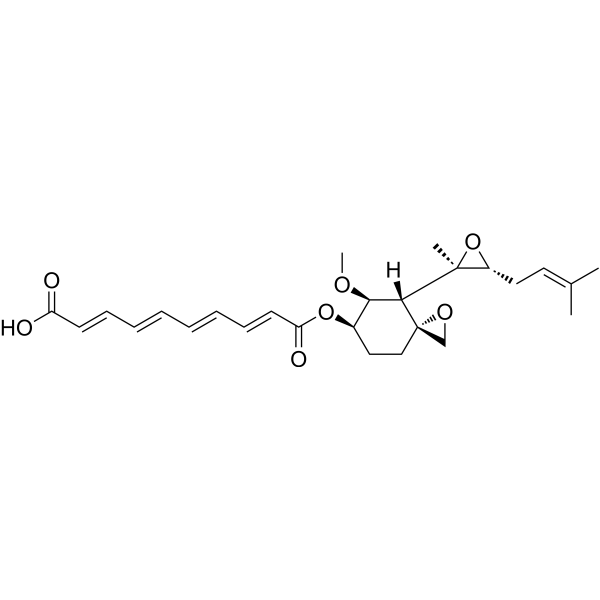
Fumagillin(NSC9168) is an antimicrobial compound first isolated in 1949 from the fungus Aspergillus fumigatu. Fumagillin can inhibits HIV‐1 infection through the inhibition of HIV-1 viral protein R (Vpr) activity.
|
-
- HY-N14810
-
|
|
Fungal
|
Infection
|
|
Neobulgarone D is an anthraquinone derivative of Neobulgaria pura HA A07-97, a fungus of the ascomycetes class. Neobulgarone D can inhibit the formation of Appressorium in Magnaporthe grisea and has weak cytotoxicity without antifungal, antibacterial or phytotoxicity .
|
-
- HY-N14809
-
|
|
Fungal
|
Infection
|
|
Neobulgarone C is an anthraquinone derivative of Neobulgaria pura HA A07-97, a fungus of the ascomycetes class. Neobulgarone C can inhibit the formation of Appressorium in Magnaporthe grisea and has weak cytotoxicity without antifungal, antibacterial or phytotoxicity .
|
-
- HY-N16447
-
|
|
Cholinesterase (ChE)
|
Others
|
|
Territrem C is an acetylcholinesterase (AchE) inhibitor with an IC50 value of 0.23 μM. Territrem C, which belongs to α-pyrone meroterpenoids, can be isolated and produced from the fungus Penicillium sp. SK5GW1L .
|
-
- HY-N14814
-
|
|
Fungal
|
Infection
|
|
Neobulgarone F is an anthraquinone derivative of Neobulgaria pura HA A07-97, a fungus of the ascomycetes class. Neobulgarone F can inhibit the formation of Appressorium in Magnaporthe grisea and has weak cytotoxicity without antifungal, antibacterial or phytotoxicity .
|
-
- HY-135549
-
-
- HY-N15655
-
|
|
Bacterial
|
Infection
|
|
Ravenelin is a xanthone that can be isolated from the endophytic fungus Exserohilum rostratum. Ravenelin exhibits antiprotozoal and antibacterial activity. Ravenelin is active against gram-positive bacterial strains. Ravenelin can be studied for hit-to-lead development, especially for Chagas Disease .
|
-
- HY-126649
-
|
|
Antibiotic
|
Infection
|
|
Bacillosporin C is an oxaphenalenone dimer originally isolated from T. bacillosporus. Bacillosporin C, an anhydride, is formed from the lactone bacillosporin D in the mangrove endophytic fungus SBE-14. Similar oxaphenalenone dimers have antibiotic activity and inhibit acetylcholinesterase.
|
-
- HY-N19754
-
|
|
Parasite
|
Infection
|
|
Cladospirone B is a secondary metabolite of the endophytic fungus Lasiodiplodia theobromae. Cladospirone B exhibits trypanocidal activity, with a MIC of 17.8 µM against Trypanosoma brucei. Cladospirone B can be used in the research of African human trypanosomiasis (sleeping sickness) .
|
-
- HY-N13024
-
|
|
Fungal
|
Infection
|
|
Radulone A is a secondary metabolite, which can be isolated from the wood decomposing fungus Granulobasidium vellereum. Radulone A inhibits spore germination of Phlebiopsis gigantea, Coniophora puteana and Heterobasidion occidentale, with concentrations of 10 µM, 500 µM and 100 µM, respectively .
|
-
- HY-119458
-
|
|
Topoisomerase
TMV
Fungal
|
Infection
|
|
Luotonin A is an antiviral and antiphytopathogenic fungus agent. Luotonin A has good antiviral activity against tobacco mosaic virus (TMV). Luotonin A also has certain inhibitory activity on topoisomerase I and topoisomerase II. Luotonin A shows antitumor activity .
|
-
- HY-179212
-
|
|
Drug Derivative
Fungal
|
Infection
|
|
(±)-Coladonin (Compound (±)-12), Coumarin (HY-N0709) derivative, is an antifungal agent. (±)-Coladonin exhibits potent inhibitory effect on the plant pathogenic fungus Botrytis cinerea. (±)-Coladonin is mainly used for the research on the prevention and control of gray mold disease in crops .
|
-
- HY-N17406
-
-
- HY-N14291
-
|
|
Antibiotic
Bacterial
Fungal
|
Infection
|
|
4-Methoxy-p-toluquinone is a quinone antibiotic found in the fungus Coprinus siniilis, Lentinus degener. 4-Methoxy-p-toluquinone has anti-bacterial, mycobacterial and fungal effects, but is weak against Gram-negative bacteria. The serum will inactivate it .
|
-
- HY-N8105
-
|
|
Fungal
|
Infection
Cancer
|
|
Protoneogracillin, a furostanol glycoside, shows anti-fungal activity against the plant pathogenic fungus P.oryzae (MMDC=94.0 μM) and cytotoxic activity on K562 cancer cells (IC50=6.6 μM) .
|
-
- HY-N8908
-
|
|
Others
|
Infection
|
|
2α,9α,11-Trihydroxy-6-oxodrim-7-ene is a natural product that can be isolated from the culture medium of the marine-derived fungus Aspergillus insuetus .
|
-
- HY-165368
-
|
|
Bacterial
|
Infection
|
|
Atromentin, a phthalide derivative that can be isolated from the wood fungus Hypoxylon fendleri BCC32408, is a selective enoyl-ACP reductase FabK inhibitor with an IC50 of 0.24 μM. Atromentin exhibits selectivity over FabI. Atromentin can be used for antimicrobial research .
|
-
- HY-N8571R
-
|
|
Others
Reference Standards
|
Others
|
|
6-Methoxyflavonol (Standard) is the analytical standard of 6-Methoxyflavonol (HY-N8571). This product is intended for research and analytical applications. 6-Methoxyflavonol (Compound 15) is a natural flavone isolated from the marine-derived fungus Aspergillus candidus .
|
-
- HY-N15063
-
|
|
Antibiotic
Bacterial
Fungal
|
Infection
|
|
10-Hydroxyundeca-2,4,6, 8-tetraynamide is a polyacetylene antibiotic. 10-Hydroxyundeca-2,4,6,8-tetraynamide has anti-Gram-positive bacteria, negative bacteria, yeast, fungus activity and cytotoxicity .
|
-
- HY-A0210
-
-
- HY-N3290R
-
|
Methyl p-methoxyphenylpropionate (Standard)
|
Others
Reference Standards
|
Others
|
|
Methyl p-methoxyhydrocinnamate (Standard) (Methyl p-methoxyphenylpropionate (Standard)) is the analytical standard of Methyl p-methoxyhydrocinnamate (HY-N3290). This product is intended for research and analytical applications. Methyl p-methoxyhydrocinnamate is extracted from in liquid culture by the blue stain fungus Ophiostoma crassioaginata .
|
-
- HY-N8509
-
|
Deacetylchevalone C
|
Bacterial
|
Infection
|
|
Chevalone E (Deacetylchevalone C) (Compound 3) is a meroditerpenoid. Chevalone E can be isolated from the fungus Aspergillus similanensis sp. Chevalone E has a synergic effect with Oxacillin (HY-B0925A) and Ampicillin (HY-B0522) against MRSA .
|
-
- HY-N3570
-
|
|
Fungal
|
Infection
|
|
Cerebroside B, a sphingolipid compound, is a non-racespecific elicitor, which elicits defense responses in rice .
|
-
- HY-N7352
-
-
- HY-12361
-
|
|
Parasite
|
Infection
|
|
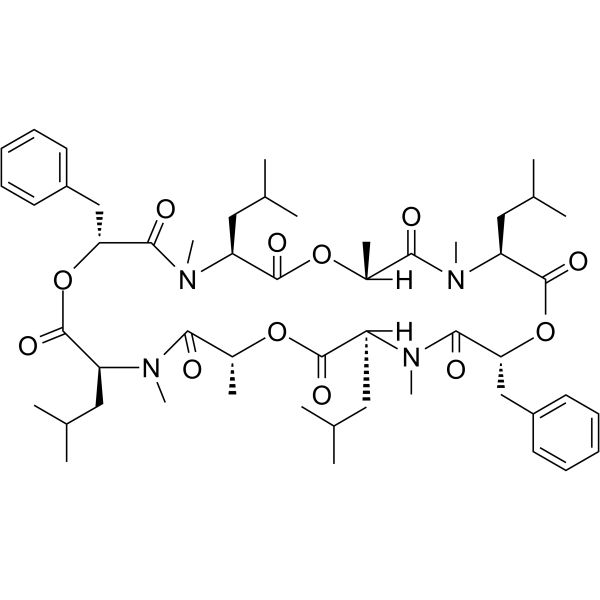
PF 1022A is a cyclooctadepsipeptide with broadspectrum anthelmintic properties produced by fermentation of the fungus Mycelia sterilia. PF 1022A is a channel-forming ionophore. PF 1022A showes strong anthelmintic activities against Ascaridia galli in chickens. PF 1022A also can be used for angiostrongyliasis research .
|
-
- HY-P1508
-
|
Bactenecin, bovine
|
Bacterial
Fungal
Antibiotic
|
Infection
|
|
Bactenecin (Bactenecin, bovine) is a potent 12-aa looped antimicrobial peptide isolated from bovine neutrophils. Bactenecin inhibits the growth of bacteria and yeast, and kills the fungus Trichophyton rubrum. Bactenecin increass membrane permeability, inhibits the growth and biofilm formation of B. pseudomallei .
|
-
- HY-W663230
-
|
|
Parasite
|
Infection
|
|
Eugenitin is a polyketide isolated from the fungus Mycoleptodiscus indicus that is related to the South American medicinal plant. Eugenitin inhibits Leishmania major with LD50=39.9 μM. Eugenitin has low cytotoxicity (IC50 >131 μM) against several human cancer cell lines .
|
-
- HY-N15359
-
|
|
Bacterial
|
Infection
|
|
Germicidin C is a microbial metabolite with antibacterial activity, which is found in the marine sponge-derived fungus Aspergillus niger. Germicidin C can inhibit the growth of various pathogenic bacteria such as Staphylococcus aureus, Escherichia coli, and Bacillus subtilis with MIC values ranging from 32 to 64 µg/mL .
|
-
- HY-N10281
-
|
|
Bacterial
|
Infection
|
|
Asperglaucin B is an alkylated salicylaldehyde derivative from the fungus Aspergillus chevalieri SQ-8, with antibacterial activities. Asperglaucin B displays potent antibacterial activities against two plant pathogens Pseudomonas syringae pv actinidae (Psa) and Bacillus cereus, with an MIC value of 6.25 μM .
|
-
- HY-182326
-
|
FR900261
|
Antibiotic
Fungal
|
Cancer
|
|
WF-3161 (FR900261) is a cyclic tetrapeptide antibiotic isolated from the fungus Petriella guttulata with anti-tumor activity. WF-3161 inhibits the growth of Trichophyton asteroides with an MIC of 3 μg/mL. WF-3161 is applicable to research related to P-388 leukemia .
|
-
- HY-N16054
-
|
(+)-Cochliomycin A
|
Bacterial
|
Infection
|
|
Cochliomycin A ((+)-Cochliomycin A) can be isolated from Gorgonian-Derived Fungus Cochliobolus lunatus. Cochliomycin A has antifouling activity (EC50: 1.2 μg/mL). Cochliomycin A inhibits barnacle larval settlement by stimulating the NO/cGMP pathway. Cochliomycin A also has moderate antibacterial activity against S. aureus .
|
-
- HY-158321
-
|
|
Fungal
Succinate Dehydrogenase
|
Infection
|
|
SDH-IN-15 (Compound 5e) is an inhibitor of succinate dehydrogenase (SDH) (IC50=2.04 μM). SDH-IN-15 has significant antifungal activity. SDH-IN-15 blocks the mitochondrial respiratory chain of the fungus through inhibition of SDH, resulting in fungal death .
|
-
- HY-N8537
-
|
|
Fungal
|
Infection
|
|
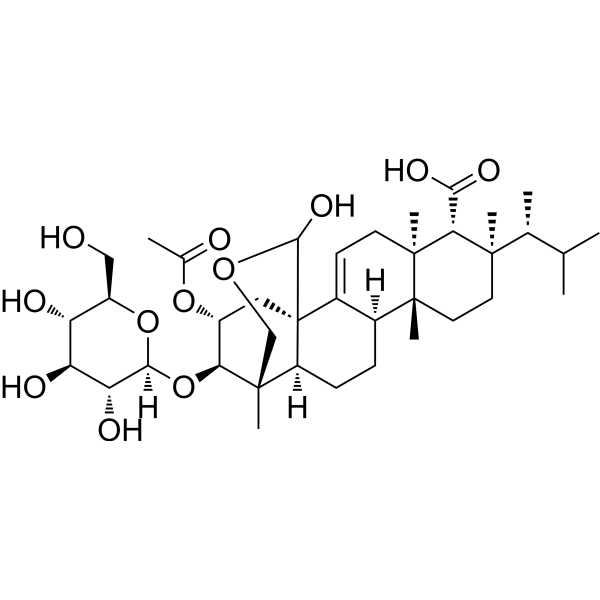
Enfumafungin, a triterpene glycoside, is isolated from extracts derived from fungus Hormonema carpetanum. Enfumafungin is an antifungal compound that is acting on the fungal cell wall, as the (1,3)-beta-D-glucan synthase inhibitor. Enfumafungin is specific for yeasts and fungi (excluding Cryptococcus) and does not inhibit the growth of Bacillus subtilis .
|
-
- HY-118736
-
|
|
Others
|
Cardiovascular Disease
|
|
Ganodermic acid S is an oxygenated triterpenoid, that can be isolated from the Chinese medicinal fungus Ganoderma lucidum (Fr.) Karst (Polyporaceae). Ganodermic acid S exerts a concentration dependent inhibition on the response of human gel-filtered platelets (GFP) to U-46619 (HY-108566), a thromboxane (TX) A2 mimetic .
|
-
- HY-N15651
-
|
|
NO Synthase
TNF Receptor
Interleukin Related
|
Inflammation/Immunology
|
|
Asperflavin is an anti-inflammatory compound that can be produced by the marine fungus Eurotium amstelodami. Asperflavin inhibits the production of NO, PGE2, and proinflammatory cytokines, as well as the expression of inducible NOS (iNOS) in RAW 264.7 cells treated with LPS (HY-D1056). Asperflavin can be used in the study of inflammatory diseases .
|
-
- HY-N15391
-
|
|
Antibiotic
Bacterial
Fungal
|
Infection
|
|
1-hydroxynon-2-yn-4-one is an antibiotic. 1-Hydroxy-2-nonyn-4-one has anti-yeast, filamentous fungus, tumor and weak anti-Gram-positive bacteria and Gram-negative bacteria activity .
|
-
- HY-P1508A
-
|
Bactenecin, bovine TFA
|
Bacterial
Fungal
|
Infection
|
|
Bactenecin TFA (Bactenecin, bovine TFA) is a potent 12-aa looped antimicrobial peptide isolated from bovine neutrophils. Bactenecin TFA inhibits the growth of bacteria and yeast, and kills the fungus Trichophyton rubrum. Bactenecin TFA increass membrane permeability, inhibits the growth and biofilm formation of B. pseudomallei .
|
-
- HY-117872
-
|
20-O-Acetylsartorypyrone D
|
Fungal
|
Infection
|
|
Sartorypyrone A (20-O-Acetylsartorypyrone D) is a monocyclic terpenoid isolated from the soil fungus Neosartorya fischeri. Sartorypyrone A exhibits in vitro growth inhibitory activity against MCF-7, NCI-H460, and A375-C5 cell lines, and has potential anticancer properties.
|
-
- HY-N12229
-
|
|
Endogenous Metabolite
Bacterial
|
Infection
|
|
Penipurdin A (Compound 1), an anthraquinone, is a microbial secondary metabolite. Penipurdin A can be isolated from the soil fungus Penicillium purpurogenum SC0070. Penipurdin A has no significant cytotoxicity against cancer cells, such as A549, HepG2 and Hela cells. Penipurdin A has antibacterial activity against Enterococcus faecalis and Staphylococcus aureus .
|
-
- HY-135549R
-
|
|
Reference Standards
Antibiotic
Fungal
Succinate Dehydrogenase
Cytochrome P450
|
Infection
Inflammation/Immunology
|
|
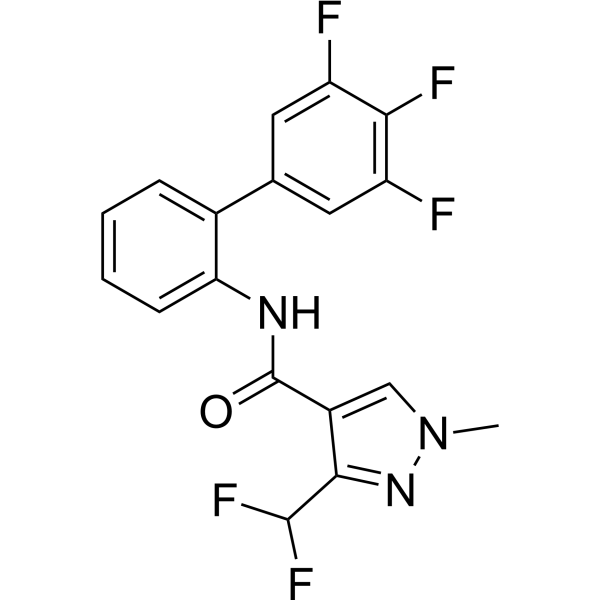
Fluxapyroxad (Standard) is the analytical standard of Fluxapyroxad. This product is intended for research and analytical applications. Fluxapyroxad is a synthetic broad-spectrum fungicide for the control of fungal diseases. It works by inhibiting succinate dehydrogenase in complex II of the mitochondrial respiratory chain, resulting in inhibition of spore germination, germ tubes and mycelia growth within the fungus target species .
|
-
- HY-B1350S
-
|
Fusidate-d6; SQ-16603-d6
|
Bacterial
Antibiotic
|
Infection
|
|
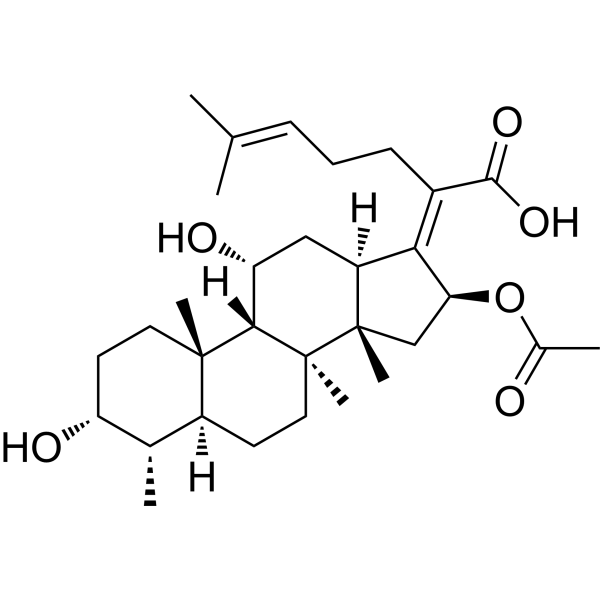
Fusidic acid-d6 is the deuterium labeled Fusidic acid. Fusidic acid (Fusidate) a bacteriostatic antibiotic produced from the Fusidium coccineum fungus, belongs to the class of steroids. Fusidic acid has no corticosteroid effects. Fusidic acid inhibits the growth of bacteria by preventing the release of translation elongation factor G (EF-G) from the ribosome .
|
-
- HY-156241
-
|
|
NO Synthase
Fungal
|
Infection
Inflammation/Immunology
|
|
Meliadubin B is a natural triterpenoid with significant inflammatory inhibition effect toward superoxide anion generation in human neutrophils (EC50 of 5.54 μM). Meliadubin B inhibits inducible nitric oxide synthase. Meliadubin B shows remarkable inhibition against the rice pathogenic fungus Magnaporthe oryzae with IC50 of 182.50 μM.
|
-
- HY-N9599
-
|
|
Fungal
Endogenous Metabolite
Parasite
Insecticide
|
Infection
|
|
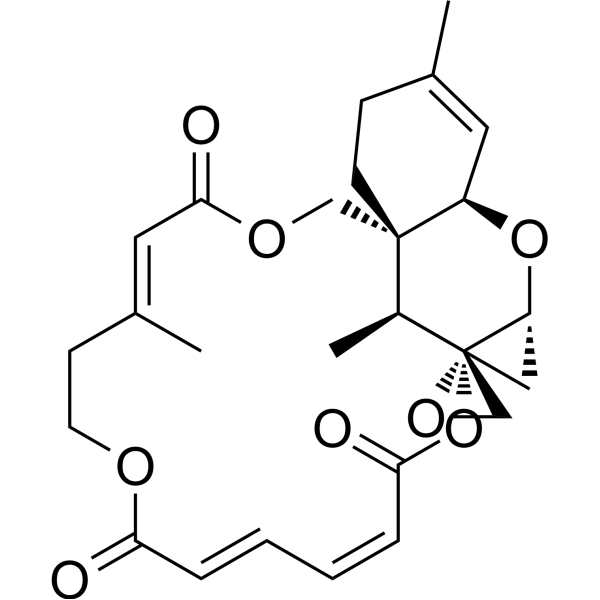
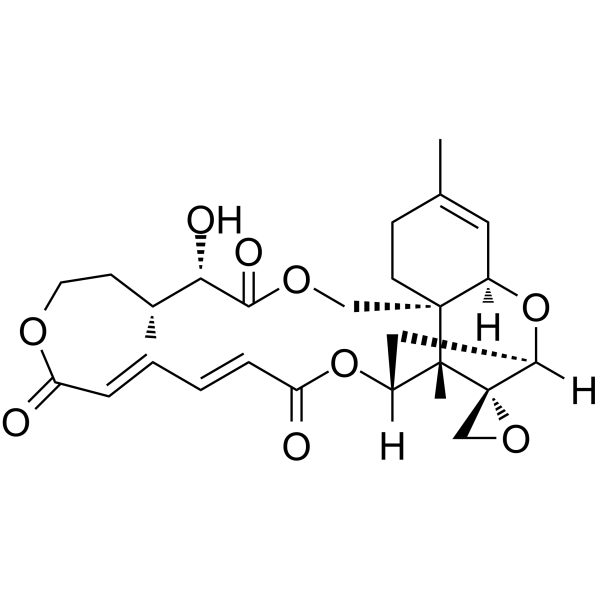
Roridin A acts as an inhibitor of pollen development in Arabidopsis thaliana and nematicide. Roridin A is isolated from the fungus Cylindrocarpon sp. Roridin A delays the flowering time of Arabidopsis thaliana, inhibits pollen development and stem elongation, and blocks plant growth. Roridin A induces larval death of the southern root-knot nematode (Meloidogyne incognita) .
|
-
- HY-135422
-
|
Methylustin
|
Bacterial
Fungal
|
Infection
|
|
Nidulin (Methylustin) is a depsidone isolated from a marine fungus Aspergillus unguis. Nidulin shows antifungal and antibacterial against pathogenetic strains, Pseudomonas aeruginosa, Methicillin-resistant Staphylococcus aureus and Candida albicans with inhibition zones of 9.5 mm, 9.0 mm and 9.0 mm, respectively. Nidulin exhibits potent larvicidality against brine shrimp .
|
-
- HY-N17297
-
|
|
Fungal
|
Infection
|
|
Leotiomycene C is an isoprenylated bisresorcinol natural product present in the freshwater fungus Helotiales sp. Leotiomycene C inhibits the quorum sensing system of methicillin (HY-121544)-resistant Staphylococcus aureus (MRSA), with an IC₅₀ of 6.3-12.5 μM. Leotiomycene C is applicable to research related to MRSA infections .
|
-
- HY-W006429R
-
|
|
Endogenous Metabolite
Reference Standards
|
Others
|
|
L-Uridine (Standard) is the analytical standard of L-Uridine (HY-W006429). This product is intended for research and analytical applications. L-Uridine is an enantiomer of the normal RNA constituent D-uridine. L-Uridine can be isolated from the Polyporaceae fungus Poria cocos (Schw.). L-uridine acts as a phosphate acceptor for nucleoside phosphotransferases .
|
-
- HY-B0751R
-
|
Amebacilin (Standard); NSC9168 (Standard)
|
Reference Standards
Parasite
HIV
Antibiotic
|
Infection
|
|
Fumagillin (Standard) is the analytical standard of Fumagillin. This product is intended for research and analytical applications. Fumagillin(NSC9168) is an antimicrobial compound first isolated in 1949 from the fungus Aspergillus fumigatu. Fumagillin can inhibits HIV‐1 infection through the inhibition of HIV-1 viral protein R (Vpr) activity.
|
-
- HY-126810A
-
|
|
Fungal
|
Infection
|
|
NP213 TFA is a rapidly acting, novel, first-in-class synthetic antimicrobial peptide (AMP), has anti-fungal activities. NP213 TFA targets the fungal cytoplasmic membrane and plays it role via membrane perturbation and disruption. NP213 TFA is effective and well-tolerated in resolving nail fungal infections .
|
-
- HY-N10286
-
|
|
Tyrosinase
|
Others
|
|
Chetoseminudin B possesses mushroom tyrosinase inhibitory activity with IC50 of 31.7 μM .
|
-
- HY-N16442
-
|
|
Endogenous Metabolite
Prolyl Endopeptidase (PREP)
|
Cancer
|
|
Pyrrocidine B (Compound 6), an alkaloid, is a microbial secondary metabolite. Pyrrocidine B can be isolated from the endophytic fungus Neonectria ramulariae Wollenw KS-246. Pyrrocidine B has significant cytotoxicity against leukemia cells (IC50 of 4.6 μM for HL60 cells) with a weak Prolyl oligopeptidase (POP) inhibitory activity .
|
-
- HY-N12761
-
|
|
Phosphatase
Glycosidase
|
Metabolic Disease
Inflammation/Immunology
|
|
Penpaxilloids A (Compound 1) is a non-competitive inhibitor of protein tyrosine phosphatase 1B (PTP1B) with an IC50 value of 8.60 μM. Penpaxilloids A can be isolated from the fungus Penicillium sp. ZYX-Z-143. Penpaxilloids A is also an α-glucosidase (α-glucosidase) inhibitor with anti-inflammatory activity .
|
-
- HY-N7435R
-
|
(±)-Massoia lactone (Standard)
|
Others
Reference Standards
|
Others
|
|
Massoia lactone (Standard) ((±)-Massoia lactone (Standard)) is the analytical standard of Massoia lactone (HY-N7435). This product is intended for research and analytical applications. Massoia lactone ((±)-Massoia lactone) is a coconut and creamy fragrant compound mianly isolated from Cryptocarya massoy. Massoia lactone is also a fragrant biosurfactant produced by a fungus Aureobasidium pullulans .
|
-
- HY-116686
-
|
|
Cytochrome P450
Fungal
|
Infection
|
|
Inz-1 is a potent and selective mitochondrial cytochrome bc1 inhibitor for yeast (IC50=8.092 μM) over humans (IC50=45.320 μM). Inz-1 reverses Fluconazole (HY-B0101) or other triazole antifungals’ resistance in the pathogenic fungus Candida albicans .
|
-
- HY-B1350
-
|
Fusidate; SQ-16603
|
Bacterial
Antibiotic
|
Infection
Cancer
|
|
Fusidic acid (Fusidate) a bacteriostatic antibiotic produced from the Fusidium coccineum fungus, belongs to the class of steroids. Fusidic acid has no corticosteroid effects. Fusidic acid inhibits the growth of bacteria by preventing the release of translation elongation factor G (EF-G) from the ribosome. Fusidic acid holds promise for research in anticancer and anti-infective applications. .
|
-
- HY-N16067
-
|
|
Epigenetic Reader Domain
|
Inflammation/Immunology
|
|
Penipanoid C (Compound 9) is a BRD4 inhibitor. Penipanoid C can be isolated from marine sediment-derived fungus Penicillium paneum SD-44. Penipanoid C has anti-inflammatory activity and cytotoxic activity against the SMMC-7721 cells. Penipanoid C can be used for inflammatory diseases research .
|
-
- HY-N16441
-
|
|
Endogenous Metabolite
Influenza Virus
|
Infection
|
|
Pulvic acid (Compound 3), a butenolide, is a microbial secondary metabolite. Pulvic acid can be isolated from the marine-derived fungus Aspergillus terreus Gwq-48. Pulvic acid has significant antiviral activity with an IC50 of 29.1 μg/mL for influenza A H1N1 virus. Pulvic acid can be used for influenza virus infections research .
|
-
- HY-N12177
-
|
|
Phosphatase
SHP1
|
Metabolic Disease
|
|
Cryptosporioptide A (Compound 3) is a pigment protein tyrosine phosphatase inhibitor derived from the insect-parasitic fungus Cordyceps gracilioides. Cryptosporioptide A inhibits PTP1B, SHP2, CDC25B, LAR and SHP1 enzymes with IC50 of 7.3, 5.7, 7.6, >50, 4.9 μg/mL, respectively .
|
-
- HY-B1350AR
-
|
Sodium fusidate (Standard); SQ-16360 (Standard)
|
Reference Standards
Bacterial
Antibiotic
|
Infection
Cancer
|
|
Fusidic acid (sodium salt) (Standard) is the analytical standard of Fusidic acid (sodium salt). This product is intended for research and analytical applications. Fusidic acid sodium salt (Sodium fusidate), a bacteriostatic antibiotic produced from the Fusidium coccineum fungus, belongs to the class of steroids. Fusidic acid sodium salt has no corticosteroid effects. Fusidic acid sodium salt inhibits the growth of bacteria by preventing the release of translation elongation factor G (EF-G) from the ribosome .
|
-
- HY-B1350R
-
|
Fusidate (Standard); SQ-16603 (Standard)
|
Antibiotic
Bacterial
Reference Standards
|
Infection
Cancer
|
|
Fusidic acid (Standard) is the analytical standard of Fusidic acid. This product is intended for research and analytical applications. Fusidic acid (Fusidate) a bacteriostatic antibiotic produced from the Fusidium coccineum fungus, belongs to the class of steroids. Fusidic acid has no corticosteroid effects. Fusidic acid inhibits the growth of bacteria by preventing the release of translation elongation factor G (EF-G) from the ribosome .
|
-
- HY-P11342
-
|
|
Fungal
HSV
|
Infection
|
|
Verlamelin A is a macrocyclic depsipeptide with antifungal and antiviral activity. Verlamelin A shows
antifungal activity toward Aspergillus versicolor and Curvularia australiensis and also has antiviral activity toward
HSV-1 (IC50 = 16.7 μM). Verlamelin A is isolated from the entomopathogenic fungus Lecanicillium sp. Verlamelin A is useful for antifungal and antiviral research .
|
-
- HY-N15498
-
|
|
Insecticide
|
Infection
|
|
Gibepyrone D is an α-pyrone compound found in Gibberella fujikuroi and the endophytic fungus Fusarium oxysporum 162. Gibepyrone D exhibits significant lethal activity against nematodes with an LC50 value of 134 μg/mL (72 h) against the J2 larvae of Meloidogyne incognita. Gibepyrone D is promising for research of nematicides .
|
-
- HY-142088
-
|
|
Endogenous Metabolite
|
Metabolic Disease
|
|
Beauverolide Ka, a cyclotetradepsipeptide, is a metabolite of Beauveria bassiana fungus. Beauverolide Ka stimulates glucose uptake in cultured rat L6 myoblasts at 50 μM. Beauverolide Ka exhibits protecting effects on HEI-OC1 cells at 10 μM and shows dose-dependent activity in both L6 myoblasts and myotubes .
|
-
- HY-N16402
-
|
|
Cytochrome P450
Endogenous Metabolite
|
Cancer
|
|
Aspergillusidone D (Compound 1), a brominated depsidone, is a Aromatase inhibitor with an IC50 of 0.8 μM. Aspergillusidone D can be isolated from fungus Aspergillus unguis cultured in KBr medium. Aspergillusidone D has potent cytotoxicity against cancers cells, such as MOLT-3 cells. Aspergillusidone D can be used for cancers like breast cancer research .
|
-
- HY-N15348
-
|
|
Others
|
Cancer
|
|
Aphidicolins B32 is a diterpenoid compound discovered in the marine fungus Botryotinia fuckeliana, exhibiting cytotoxic activity against human bladder cancer cells. It inhibits the proliferation of T24 cells in the G0/G1 phase, with an IC50 of 27.6 μM. Aphidicolins B32 holds potential for research in the field of cancer therapy .
|
-
- HY-N16369
-
|
|
Thrombin
|
Cardiovascular Disease
|
|
1,2-Di-(9Z-hexadecenoyl)-sn-glycerol (Compound 2e) is a diacylglycerol derivative that can be isolated from the fungus Stereum Hirsutum. 1,2-Di-(9Z-hexadecenoyl)-sn-glycerol has potential thrombin-inhibiting activity and can be used in research related to antithrombotic drugs .
|
-
- HY-P2902
-
|
|
Endogenous Metabolite
|
Cancer
|
|
Glucose oxidase is used in the food and beverage industry as a preservative and stabilizer and is commonly derived from the fungus Aspergillus niger. Glucose oxidase can react with intracellular glucose and oxygen (O2) to produce hydrogen peroxide (H2O2) and gluconic acid, which can cut off the nutrition source of cancer cells and consequently inhibit their proliferation .
|
-
- HY-N15505
-
|
|
NO Synthase
|
Inflammation/Immunology
|
|
Cycloneroside D is a novel sesquiterpene aminoglycoside compound discovered from the deep - sea - sediment fungus Trichoderma sp. SCSIOW21. Cycloneroside D has the activity of inhibiting the production of NO. In the experiment with macrophage RAW 264.7 cells, its IC50 value for inhibiting the production of NO is 42.0 μM. Cycloneroside D can be used in the research of the anti - inflammatory field .
|
-
- HY-N16428
-
|
NSC 356436
|
Endogenous Metabolite
Fungal
Bacterial
|
Infection
Cancer
|
|
Neoaspergillic acid (NSC 356436) (Compound 2) is a microbial secondary metabolite. Neoaspergillic acid can be isolated from the endophytic fungus Aspergillus sp. SPH2. Neoaspergillic acid has potent antifungal activity against Alternaria alternata, Botrytis cinerea and Fusarium oxysporum. Neoaspergillic acid appears during the exponential phase of fungal growth. Neoaspergillic acid also antitumor and antibacterial effects .
|
-
- HY-N16394
-
|
|
Endogenous Metabolite
|
Cancer
|
|
4-Hydroxyscytalone (Compound 3) is a microbial secondary metabolite. 4-Hydroxyscytalone can be isolated from the oak fungus Diplodia corticola. 4-Hydroxyscytalone has toxicity against Artemia salina with a LC50 of 90.6 μ/mL, but no significant antifungal activity. 4-Hydroxyscytalone can be used for cancer therapy research .
|
-
- HY-N15504
-
|
|
NO Synthase
|
Inflammation/Immunology
|
|
Cycloneroside C is a novel sesquiterpene aminoglycoside compound discovered from the deep - sea - sediment fungus Trichoderma sp. SCSIOW21. Cycloneroside C has the activity of inhibiting the production of NO. In the experiment with macrophage RAW 264.7 cells, its IC50 value for inhibiting the production of NO is 57.1 μM. Cycloneroside C can be used in the research of the anti - inflammatory field .
|
-
- HY-75564R
-
|
|
Reference Standards
Endogenous Metabolite
|
Cancer
|
|
Cyclo(Ala-Gly) (Standard) is the analytical standard of Cyclo(Ala-Gly). This product is intended for research and analytical applications. Cyclo(Ala-Gly), a metabolite of a mangrove endophytic fungus, Penicillium thomi, exhibits cytotoxicity against A549, HepG2 and HT29 cells. The IC50 values range from 9.5 to 18.1 μM[1].
|
-
- HY-N18069
-
|
|
Fungal
Endogenous Metabolite
|
Infection
|
|
Avenanthramide L is a phytoalexin that can inhibit the spore germination of Puccinia coronata f. sp. avenae. Avenanthramide L is found in the leaves of inoculated oats, but not in the leaves of healthy oat seedlings, and at a concentration of 200-300 μg/mL. Avenanthramide L inhibits fungal spore germination by up to 50%. Avenanthramide L is absent from the leaves of healthy oat seedlings. Avenanthramide L can be used for the research of oat crown rust .
|
-
- HY-126810
-
|
|
Fungal
|
Infection
|
|
NP213 is a rapidly acting, novel, first-in-class synthetic antimicrobial peptide (AMP), has anti-fungal activities. NP213 targets the fungal cytoplasmic membrane and plays it role via membrane perturbation and disruption. NP213 is effective and well-tolerated in resolving nail fungal infections .
|
-
- HY-W751002
-
|
(+)-Orthosporin
|
Endogenous Metabolite
Bacterial
HIV
Reverse Transcriptase
|
Infection
|
|
Orthosporin ((+)-Orthosporin), a phytotoxic isocoumarin compound, is a microbial secondary metabolite. Orthosporin can be isolated from the endophytic fungus Lasiodiplodia tbeobromae. Orthosporin has potent antibacterial activity against B. subtilis, E. coli and P. aeruginosa. Orthosporin also has antioxidant activity against DPPH radical and antiviral activities with inhibition of HIV-1 reverse transcriptase activity .
|
-
- HY-B0751S
-
|
Amebacilin-13C26; NSC9168-13C26
|
Isotope-Labeled Compounds
|
Infection
|
|
Fumagillin- 13C26 (Amebacilin- 13C26) is the 13C-labeled Fumagillin (HY-B0751). Fumagillin(NSC9168) is an antimicrobial compound first isolated in 1949 from the fungus Aspergillus fumigatu. Fumagillin can inhibits HIV‐1 infection through the inhibition of HIV-1 viral protein R (Vpr) activity.
|
-
- HY-W714837
-
|
4-Oxo-5-phenylpentanoic acid; 5-Phenyl-4-oxopentanoic acid
|
Bacterial
Fungal
Antibiotic
Drug Intermediate
Endogenous Metabolite
Sigma Receptor
|
Infection
|
|
5-Phenyllevulinic acid (4-Oxo-5-phenylpentanoic acid) is an endogenous fungal metabolite with inhibitory activity against the bacterium B. megaterium, the plant pathogenic fungus S. tritici, and the alga C. fusca. 5-Phenyllevulinic acid is also an intermediate in the synthesis of σ receptor ligands. 5-Phenyllevulinic acid holds potential for research in the field of anti-infection studies .
|
-
- HY-N15652
-
|
|
Biochemical Assay Reagents
|
Cancer
|
|
Versimide (Compound 15) can be isolated from the insect pathogenic fungus Gibellula sp. BCC36964. Versimide exhibits cytotoxicity in cell lines including MCF-7, KB, NCI-H187, and Vero with IC50s of 3.59, 4.83, 1.89, and 3.49 μg/mL, respectively, demonstrating its anticancer activity .
|
-
- HY-N12726
-
|
|
p38 MAPK
MMP
|
Infection
Inflammation/Immunology
Cancer
|
Halociline, a derivative of alkaloids, that can be isolated from the marine fungus Penicillium griseofulvum.
Halociline targets MAPK1, MMP-9, and PIK3CA in gastric cancer cells, potentially mediated by diverse pathways including cancer, lipid metabolism, atherosclerosis, and EGFR tyrosine kinase inhibitor resistance. Halociline possesses antimicrobial, antioxidant and biofilm inhibitory activities .
|
-
- HY-N12386
-
|
|
Sirtuin
|
Cancer
|
|
SIRT1 activator 1(compound 3) is a derivative of marine compound xyloallenoide A isolated from the mangrove fungus Xylaria sp.SIRT1 activator 1 shows angiogenic activities in zebrafish. SIRT1 activator 1 protects hEPC against AngII-induced senescence by increasing SIRT1 expression levels and balancing the AMPK/Akt signaling pathway .
|
-
- HY-W004261
-
|
|
Endogenous Metabolite
Interleukin Related
Ser/Thr Protease
Thrombin
|
Others
|
|
Nonadecanoic acid is a 19-carbon long saturated fatty acid. Nonadecanoic acid is the major constituent of the substance secreted by Rhinotermes marginalis. Nonadecanoic acid can be isolated from several sources, including fungus, plant, and marine sponge. Nonadecanoic acid exhibits inhibitory effects on fibrinolysis and plasmin activity. Nonadecanoic acid produced from Streptomyces is an anti-tumor agent and inhibits IL-12 production .
|
-
- HY-N15510
-
|
|
NO Synthase
|
Inflammation/Immunology
|
|
Harzianol J is a harziane - type diterpene compound discovered from the deep - sea - sediment fungus Trichoderma sp. SCSIOW21. Harzianol J has certain anti - inflammatory activity. At a concentration of 100 µM, its inhibition rate of NO is 81.8%, and its IC50 value for inhibiting the production of NO is 66.7 µM. Harzianol J can be used in the research of the anti - inflammatory field .
|
-
- HY-12361R
-
|
|
Reference Standards
Parasite
|
Infection
|
|
PF 1022A (Standard) is the analytical standard of PF 1022A. This product is intended for research and analytical applications. PF 1022A is a cyclooctadepsipeptide with broadspectrum anthelmintic properties produced by fermentation of the fungus Mycelia sterilia. PF 1022A is a channel-forming ionophore. PF 1022A showes strong anthelmintic activities against Ascaridia galli in chickens. PF 1022A also can be used for angiostrongyliasis research[1][2][3].
|
-
- HY-N7307
-
|
|
Bacterial
|
Infection
|
|
Pachybasin is a major metabolite from culture broth of endophytic coelomyceteous AFKR-18 fungus. Pachybasin showes antimicrobial activities against E. coli, B. subtilis, M. luteus, S. cerevisiae, C. albicans, A. niger, and A. flavus, with MIC values of 64.0 μg/mL, and against S. aureus and F. oxysporum with MIC values of 32.0 and 16.0 μg/mL respectively .
|
-
- HY-N15264
-
|
(-)-Azaspirene
|
VEGFR
Raf
|
Cancer
|
|
Azaspirene ((-)-Azaspirene) is an angiogenesis and Raf-1 activation inhibitor isolated from the fungus Neosartorya sp. Azaspirene inhibits vascular endothelial growth factor (VEGF)-induced human umbilical vein endothelial cell (HUVEC) migration and Raf-1 activation, but has no effect on the activation of kinase insert domain-containing receptor/fetal liver kinase 1 (VEGF receptor 2) .
|
-
- HY-N16065
-
|
|
Bacterial
|
Infection
|
|
Prenylterphenyllin (Compound 1) is an antibacterial agent. Prenylterphenyllin can be isolated from marine-derived fungus Aspergillus candidus IF10. Prenylterphenyllin has cytotoxic activity against KB3-1 cells with an IC50 of 8.5 mg/mL. Prenylterphenyllin also has antibacterial activities against Xanthomonas oryzae and Erwinia amylovora with MICs of both 20 μg/mL .
|
-
- HY-107426
-
|
Muconomycin A
|
Apoptosis
Reactive Oxygen Species (ROS)
|
Cancer
|
|
Verrucarin A (Muconomycin A), a Type D macrocyclic mycotoxin derived from the pathogen fungus Myrothecium verrucaria, is an inhibitor of protein synthesis. Verrucarin A inhibits growth of leukemia cell lines and activates caspases and apoptosis and inflammatory signaling in macrophages. Verrucarin A effectively increased the phosphorylation of p38 MAPK and diminished the phosphorylation of ERK/Akt. Verrucarin A caused cell cycle deregulation through the induction of p21 and p53 .
|
-
- HY-N8537R
-
|
|
Reference Standards
Fungal
|
Infection
|
|
Enfumafungin (Standard) is the analytical standard of Enfumafungin. This product is intended for research and analytical applications. Enfumafungin, a triterpene glycoside, is isolated from extracts derived from fungus Hormonema carpetanum. Enfumafungin is an antifungal compound that is acting on the fungal cell wall, as the (1,3)-beta-D-glucan synthase inhibitor. Enfumafungin is specific for yeasts and fungi (excluding Cryptococcus) and does not inhibit the growth of Bacillus subtilis[1][2].
|
-
- HY-119387
-
|
|
Bacterial
|
Infection
|
|
Chevalone B was isolated from the ethyl acetate extract of the marine sponge-associated fungus Aspergillus similanensis. The structure of Chevalone B was confirmed by 1D and 2D NMR spectroscopy. Chevalone B showed antimicrobial activity against Gram-positive and Gram-negative bacteria, Candida albicans, and multidrug-resistant strains from the environment. Studies on Chevalone B have shown its potential value in antimicrobial applications.
|
-
- HY-N11528
-
|
7-Noreugenitin
|
Others
|
Infection
|
|
Eugenitol (Compound 3) is an antifungal metabolite isolated and purified from Diaporthe eucalyptorum. Eugenitol has inhibitory effect on four plant pathogenic fungi (Alternaria solani, Botrytis cinerea, Fusarium solani and Gibberella saubinettii) .
|
-
- HY-N16374
-
|
|
Antibiotic
Bacterial
Fungal
|
Infection
Cancer
|
|
Mazethramycin B (Compound II) is an antitumor antibiotic. Mazethramycin B can be isolated from the Streptomyces thioluteusM ME561-L4. Mazethramycin B has a broad-spectrum antimicrobial activity (such as MICs of 1.56 and 6.25 μg/mL for the bacteria Bacillus subtilis PCI 219 and the fungus Candida pseudotropicalis, resepectively). Mazethramycin B significantly increases survival in L1210 leukemia mice model .
|
-
- HY-B1290S1
-
|
Phenylethyl alcohol-d9; Phenethyl alcohol-d9; Benzyl carbinol-d9
|
Bacterial
Virus Protease
Antibiotic
|
Infection
|
|
2-Phenylethanol-d9 is the deuterium labeled 2-Phenylethanol . 2-Phenylethanol (Phenethyl alcohol), extracted from rose, carnation, hyacinth, Aleppo pine, orange blossom and other organisms, is a colourless liquid. It has a pleasant floral odor and also an autoantibiotic produced by the fungus Candida albicans . It is used as an additive in cigarettes and also used as a preservative in soaps due to its stability in basic conditions.
|
-
- HY-B1290S2
-
|
Phenylethyl alcohol-d5; Phenethyl alcohol-d5; Benzyl carbinol-d5
|
Bacterial
Virus Protease
Antibiotic
|
Infection
|
|
2-Phenylethanol-d5 is the deuterium labeled 2-Phenylethanol . 2-Phenylethanol (Phenethyl alcohol), extracted from rose, carnation, hyacinth, Aleppo pine, orange blossom and other organisms, is a colourless liquid. It has a pleasant floral odor and also an autoantibiotic produced by the fungus Candida albicans . It is used as an additive in cigarettes and also used as a preservative in soaps due to its stability in basic conditions.
|
-
- HY-B1290S
-
|
Phenylethyl alcohol-d4; Phenethyl alcohol-d4; Benzyl carbinol-d4
|
Bacterial
Virus Protease
Antibiotic
|
Infection
|
|
2-Phenylethanol-d4 is the deuterium labeled 2-Phenylethanol . 2-Phenylethanol (Phenethyl alcohol), extracted from rose, carnation, hyacinth, Aleppo pine, orange blossom and other organisms, is a colourless liquid. It has a pleasant floral odor and also an autoantibiotic produced by the fungus Candida albicans . It is used as an additive in cigarettes and also used as a preservative in soaps due to its stability in basic conditions.
|
-
- HY-N6690
-
|
|
Bcl-2 Family
Caspase
Apoptosis
|
Infection
Cancer
|
|
Destruxin B, isolated from entomopathogenic fungus Metarhizium anisopliae, is one of the cyclodepsipeptides with insecticidal and anticancer activities. Destruxin B induces apoptosis via a Bcl-2 Family-dependent mitochondrial pathway in human nonsmall cell lung cancer cells . Destruxin B significantly activates caspase-3 and reduces tumor cell proliferation through caspase-mediated apoptosis, not only in vitro but also in vivo .
|
-
- HY-N12198
-
|
|
Others
|
Cancer
|
|
Mollicellin H is a secondary metabolite of the fungus C. brasiliense and has a wide range of biological activities, including immunomodulation, cytotoxicity and anti-tumor effects. The growth inhibitory effects (GI50s) of Mollicellin H on human breast cancer (Bre04), human lung (Lu04) and human neuroma (N04) cell lines are 5.1 μg/mL, 6.5 μg/mL and 2.5 μg/mL respectively .
|
-
- HY-N16457
-
|
|
Endogenous Metabolite
Influenza Virus
|
Infection
|
|
5,6-Dihydro-6-hydroxypenicillic acid (Compound 6) is a microbial secondary metabolite. 5,6-Dihydro-6-hydroxypenicillic acid can be isolated from the endophytic fungus Talaromyces sp. CPCC 400783 of Reynoutria japonica Houtt. 5,6-Dihydro-6-hydroxypenicillic acid has antiviral activity against influenza A virus with an IC50 of 65.45 μM .
|
-
- HY-123888
-
|
|
E1/E2/E3 Enzyme
Bacterial
|
Cancer
|
|
Viomellein is a SUMOylation inhibitor with antibacterial and anticancer activities. Viomellein inhibits biofilm formation of strains produced from the fungus Aspergillus ochraceus from the Mediterranean sponge Agelas oroides. Viomellein exhibits cytotoxicity against A2780 human ovarian cancer cells with an IC50 value of 5.0 μM. Viomellein also inhibits SUMOylation of RanGAP1 (GTPase activating protein) with an IC50 of 10.2 μM .
|
-
- HY-N10113
-
|
Muconomycin B
|
Apoptosis
Arenavirus
Fungal
Antibiotic
Reactive Oxygen Species (ROS)
|
Infection
Cancer
|
|
Verrucarin J (Muconomycin B) is a metabolite of the Myrothecium fungus family. Verrucarin J generates reactive oxygen species (ROS) and induces apoptosis of cancer cell lines, such as A549, HCT 116 and SW-620 cells. Verrucarin J shows activities against Candida albicans and Mucor miehei. Verrucarin J inhibits arenavirus Junin (JUNV) yield with an IC50 of 1.2 ng/mL .
|
-
- HY-135535
-
|
|
Endogenous Metabolite
Bacterial
Fungal
|
Infection
|
|
Sclerotioramine (Compound 1), a red pigment, is an antioxidant compound. Sclerotioramine can be isolated from the endolichenic fungus Penicillium sp.-strain 1322P. Sclerotioramine has potent antibacterial activity with MICs of 3.125, 3.125 and 6.25 μg/mL for Bacillus subtilis, Bacillus megaterium and Shigella dysentery, respectively. Sclerotioramine also has significant antifungal activity against Pestalotiopsis theae, Cochliobolus miyabeanus and Exserohilum turcicum .
|
-
- HY-W001084
-
|
|
Others
|
Infection
Cancer
|
|
Methyl 4-hydroxyphenylacetate is a compound found in the marine fungus Penicillium oxalicum 0312F1. Methyl 4-hydroxyphenylacetate can be Methyl 4-hydroxyphenylacetate inhibits replication of tobacco mosaic virus (TMV) in Nicotiana tabacum leaf discs. Methyl 4-hydroxyphenylacetate shows inhibitory activity against proliferation of cancer cells. Methyl 4-hydroxyphenylacetate can be used for the researches of TMV infection and cancer .
|
-
- HY-N5159
-
|
|
iGluR
|
Neurological Disease
|
|
Ampullosporin A is a peptaibol-type polypeptide that can be isolated from the fungus Sepedonium ampullosporum HKI-0053, exhibiting neuroleptic-like activity. Ampullosporin A can inhibit hyperactivity induced by NMDA receptor antagonist MK-801 (HY-15084B) and ameliorate social behavior abnormalities caused by subchronic drug treatment. Ampullosporin A alters the activity of glutamate receptors without affecting dopamine D1 and D2 receptors .
|
-
- HY-163777
-
|
|
Phosphodiesterase (PDE)
|
Others
Inflammation/Immunology
|
|
Talaroterphenyl A (compound 1) is a p-terphenyl derivative present in the mangrove sediment-derived fungus Talaromyces sp. SCSIO 41412, which exhibits phosphodiesterase 4 (PDE4) inhibitory activity (IC50=1.2 μM). Talaroterphenyl A also exhibits anti-inflammatory and anti-fibrotic activities, significantly reducing the mRNA levels of pro-inflammatory cytokines IL-6, TNF-α, and IL-1β .
|
-
- HY-W145522
-
|
|
Biochemical Assay Reagents
|
Others
|
|
Pullulan (Pullulan standard 5800) (Mw 362-480 kDa; Mn 100-200 kDa) is a class of orally active and water-soluble linear glucosic polysaccharide. Pullulan can be isolated from the polymorphic fungus Aureobasidium pullulans. Pullulan is composed of maltotriose repeating units linked by α-1,6 linkages and is an amorphous slime matter. Pullulan is widely used in food, environment, pharmaceutical, manufacturing, and electronics .
|
-
- HY-128478
-
|
|
Fungal
|
Infection
|
|
Sordarin (Compound 1) is an antifungal agent targeting Elongation factor 2 (EF2) with a tetracyclic diterpene core including a norbornene system. Sordarin can be isolated from the fungus Sordaria araneosa. Sordarin has potent antifungal activity against Saccharomyces cerevisiae and Candida albicans. Sordarin prevents the translocation of the ribosome along mRNA during elongation of the emerging polypeptide chain, inhibiting protein synthesis in fungi by stabilizing the ribosome/EF2 complex .
|
-
- HY-118817
-
|
|
Reactive Oxygen Species (ROS)
Calcium Channel
JNK
ERK
p38 MAPK
Apoptosis
|
Neurological Disease
|
|
Evariquinone is an anthraquinone compound isolated from the endophytic fungus Colletotrichum sp. JS-0367 of mulberry. Evariquinone possesses direct antioxidant activity. It inhibits excessive phosphorylation of the JNK, ERK1/2 and p38 MAPK signaling pathways by suppressing ROS and Ca 2+, thereby reducing neuronal apoptosis. Evariquinone can be used to study glutamate excitotoxicity-related neurological disorders (such as Alzheimer's disease, Parkinson's disease, cerebral ischemia, etc.) .
|
-
- HY-126167
-
|
|
Fungal
Phosphodiesterase (PDE)
|
Infection
|
|
Deacetylsclerotiorin is a secondary metabolite of chloramphenicol isolated from the fungus Bartalinia robillardoides strain LF550. Deacetylsclerotiorin has significant inhibitory effects on Candida albicans (IC50=24 μM), Trichophyton rubrum (IC50=2.83 μM) and Septoria tritici (IC50=7..45 μM). In addition, Deacetylsclerotiorin also exhibits inhibitory effects on the enzyme phosphodiesterase 4 (PDE4) (IC50=2.8 μM) .
|
-
- HY-178398S
-
|
|
Isotope-Labeled Compounds
Ser/Thr Protease
Interleukin Related
Thrombin
Endogenous Metabolite
|
Others
|
|
Nonadecanoic acid-d3 is the deuterium labeled Nonadecanoic acid (HY-W004261). Nonadecanoic acid is a 19-carbon long saturated fatty acid. Nonadecanoic acid is the major constituent of the substance secreted by Rhinotermes marginalis. Nonadecanoic acid can be isolated from several sources, including fungus, plant, and marine sponge. Nonadecanoic acid exhibits inhibitory effects on fibrinolysis and plasmin activity. Nonadecanoic acid produced from Streptomyces is an anti-tumor agent and inhibits IL-12 production .
|
-
- HY-162329
-
|
|
Bacterial
Fungal
Antibiotic
|
Infection
Inflammation/Immunology
|
|
Antibacterial agent 195 (compound A20), a Matrine (HY-N0164) derivative, is a potent antibiotic. Antibacterial agent 195 shows antibacterial activity against Gram-positive bacterium (MICS.aureus=0.021 mg/mL; MICP.acnes=0.030 mg/mL), Gram-negative bacterium (MICE.coli=0.092 mg/mL; MICC.albicans=0.379 mg/mL) and Fungus (MIC=2.806 mg/mL) .
|
-
- HY-W004261R
-
|
|
Reference Standards
Endogenous Metabolite
Interleukin Related
Ser/Thr Protease
Thrombin
|
Others
|
|
Nonadecanoic acid (Standard) is the analytical standard of Nonadecanoic acid. This product is intended for research and analytical applications. Nonadecanoic acid is a 19-carbon long saturated fatty acid. Nonadecanoic acid is the major constituent of the substance secreted by Rhinotermes marginalis. Nonadecanoic acid can be isolated from several sources, including fungus, plant, and marine sponge. Nonadecanoic acid exhibits inhibitory effects on fibrinolysis and plasmin activity. Nonadecanoic acid produced from Streptomyces is an anti-tumor agent and inhibits IL-12 production .
|
-
- HY-100513
-
|
|
DNA/RNA Synthesis
Apoptosis
Antibiotic
|
Cancer
|
|
(±)-Dehydroaltenusin, an antibiotic, is a selective eukaryotic DNA polymerase α (pol α) inhibitor with an IC50 of 0.68 μM. (±)-Dehydroaltenusin can be isolated from fungus Alternaria tenuis. (±)-Dehydroaltenusin competitively inhibits the DNA template primer (Ki: 0.23 μM) and non-competitively suppresses the 2'-deoxyribonucleoside 5'-triphosphate substrate (Ki: 0.18 μM). (±)-Dehydroaltenusin induces the cancer cell S-phase cycle arrest and apoptosis. (±)-Dehydroaltenusin can be used for cancers like human adenocarcinoma research .
|
-
- HY-N16448
-
|
|
Bacterial
|
Infection
|
|
Xanthoascin (Compound 1) is a natural phenolic metabolite with strong anti plant pathogen activity. Xanthoascin can be extracted from the solid fermentation product of endophytic fungus Aspergillus sp. IFB-YXS isolated from Ginkgo biloba leaves. Xanthoascin has a MIC of 0.3125 µg/mL against Clavibacter michiganense subsp. Sepedonicus and moderate inhibitory activity against other pathogens (MIC = 5-20 µg/mL). Xanthoascin can disrupt the permeability of bacterial cell membranes, leading to nucleic acid leakage .
|
-
- HY-N11756
-
|
|
Bacterial
|
Infection
|
|
Linearmycin A is a polyene antibiotic that has been found in Streptomyces. It is active against the bacteria S. aureus and E. coli (MICs=3.1 and 1.6 μg/disc, respectively), the fungi S. cerevisiae and C. albicans (MICs=0.1 and 1.6 μg/disc, respectively), and the plant pathogenic fungus A. niger in disc assays (MIC=0.2 μg/disc). Linearmycin A induces lysis and degradation of B. subtilis as a component of Streptomyces Mg1 extract.
|
-
- HY-N12561
-
|
|
ERK
p38 MAPK
JNK
|
Others
|
|
Pestanoid A is a rearranged pimarane diterpenoid osteoclastogenesis inhibitor with an IC50 of 4.2 μM. Pestanoid A can be isolated from the marine mesophotic zone chalinidae sponge-associated fungus, Pestalotiopsis sp. NBUF145. Pestanoid A inhibits the receptor activator of NF-kB ligand-induced MAPK and NF-κB signaling by suppressing the phosphorylation of ERK1/2-JNK1/2-p38 MAPKs and NF-κB nuclear translocation. Pestanoid A can be used for the study of osteoporosis .
|
-
- HY-N1791
-
|
|
Others
|
Infection
|
|
3, 5-diprenyl-4-hydroxybenzaldehyde is an isoprene phenyl butyl aldehyde. 3, 5-diprenyl-4-hydroxybenzaldehyde had the ability to inhibit biofilm formation in strains. 3, 5-diprenyl-4-hydroxybenzaldehyde can be used to study the potential synergistic effect of clinically relevant antibiotics .
|
-
- HY-158721
-
|
Marinamide
|
Endogenous Metabolite
Parasite
|
Infection
Cancer
|
|
Penicinoline (Marinamide) (Compound 1), a pyrrolyl 4-quinolinone alkaloid, is a microbial secondary metabolite. Penicinoline can be isolated from endophytic fungus Penicillium sp. Penicinoline has antimalarial activity against Chloroquine (HY-17589A) sensitive strain (pf3d7) and against Chloroquine resistant strain (pfDd2) of plasmodium falciparum. Penicinoline also has strong insecticidal activity against Aphis gossypii and selective anticancer effect with significant cytotoxicity for 95-D and HepG2 cells .
|
-
- HY-P10408
-
|
|
EGFR
MMP
Calcium Channel
NOD-like Receptor (NLR)
ERK
p38 MAPK
|
Infection
Inflammation/Immunology
|
|
Candidalysin is a cytolytic peptide toxin secreted by the fungus Candida albicans. Candidalysin drives epithelial immune responses by activating the EGFR-MAPK signaling pathway, inducing MMP expression and calcium influx, and regulating the c-Fos transcription factor and MKP1 via p38 MAPK and ERK1/2 respectively. Candidalysin is essential for mucosal and systemic infections, activating NLRP3 to promote inflammatory responses, neutrophil recruitment, and Th17 immunity. Candidalysin activates LDH causing membrane damage and exhibiting cytotoxicity
|
-
- HY-B0996
-
|
NSC-17764
|
Bacterial
Fungal
|
Infection
Inflammation/Immunology
|
|
Hexetidine (NSC-17764) is an orally active antibacterial and antifungal agent with broad antibacterial and antifungal activity. Hexetidine combined with IPBC potentiates strong fungal growth inhibition properties. Hexetidine at concentrations greater than 0.1% can cause oral ulceration. Additionally, Hexetidine improves its plaque inhibiting activities combined with zinc and has been confirmed the effectiveness on purulent wound along with ultrasound. Hexetidine is a promising candidate for research in fungus-related diseases and soft tissue purulent-inflammatory
|
-
- HY-N7432
-
|
|
Antibiotic
Bacterial
Fungal
|
Infection
|
|
DIMBOA, an antibiotic, has antibacterial properties and inhibits bacteria such as Staphylococcus aureus and the mycotoxin-producing fungus Fusarium graminearum (which causes scab). DIMBOA exhibits strong free radical scavenging activity and weak iron(III) ion reducing activity, and has antioxidant activity. DIMBOA inhibits the biosynthesis and accumulation of toxic trichothecenes by affecting the expression of Tri6 and Tri5. DIMBOA reduces plant susceptibility to scab. DIMBOA also exhibits cytotoxicity to plant cells, causing plasmolysis, cell collapse, and cell rupture .
|
-
- HY-N6682
-
Cytochalasin D
Maximum Cited Publications
91 Publications Verification
Zygosporin A; NSC 209835
|
Exosomes
Arp2/3 Complex
Antibiotic
YAP
|
Infection
Cancer
|
|
Cytochalasin D (Zygosporin A) is a potent actin polymerization inhibitor, could be derived from fungus. Cytochalasin D has cell-permeable activity. Cytochalasin D inhibits the G-actin–cofilin interaction by binding to G-actin. Cytochalasin D also inhibits the binding of cofilin to F-actin and decreases the rate of both actin polymerization and depolymerization in living cells. Cytochalasin D can reduce exosome release, in turn reducing the amount of survivin present in the tumour environment. Cytochalasin D induces phosphorylation and cytoplasmic retention of Yap .
|
-
- HY-N16066
-
|
CHNQD-0803
|
AMPK
Apoptosis
NF-κB
TNF Receptor
|
Inflammation/Immunology
|
|
Candidusin A (CHNQD-0803) (Compound 4) is a AMPK activator with a KD of 47.28 nM. Candidusin A can be isolated from marine fungus Aspergillus candidus. Candidusin A has cytotoxic activity and induces apoptosis in human prostate cancer cells (22Rv1, PC-3 and LNCaP cells). Candidusin A reduces adipogenesis genes expression and fat deposition, negatively regulates the NF-κB-TNFα inflammatory axis to suppress inflammation, and ameliorates liver injury and fibrosis. Candidusin A can be used for non-alcoholic steatohepatitis (NASH) research .
|
-
- HY-121197
-
|
Ophiocordin; Azepinostatin
|
MARCKS
PKA
PKC
|
Others
|
|
Balanol (Ophiocordin; Azepinostatin) is a potent and ATP competitive PKC/PKA inhibitor against human PKC isozymes α, β-I, β-II, γ, δ, ε, η (IC50s=4-9 nM) and ζ (IC50=150 nM). Balanol also blocks the phosphorylation of cyclic AMP response element-binding protein (CREB) and myristoylated alanine-rich C kinase substrate (MARCKS). Balanol can be isolated from the fungus Verticillium balanoides .
|
-
- HY-129432
-
|
|
Fungal
Phosphodiesterase (PDE)
|
Infection
|
|
(-)-Deacetylsclerotiorin (Compound 30) is the enantiomer of Deacetylsclerotiorin (HY-126167). Deacetylsclerotiorin is the metabolite of chloramphenicol isolated from the fungus Bartalinia robillardoides strain LF550. Deacetylsclerotiorin has significant inhibitory effects on Candida albicans (IC50=24 μM), Trichophyton rubrum (IC50=2.83 μM) and Septoria tritici (IC50=7.45 μM). In addition, Deacetylsclerotiorin also exhibits inhibitory effects on the enzyme phosphodiesterase 4 (PDE4) (IC50=2.8 μM) .
|
-
- HY-D0027
-
|
Coumarin 120; AMC
|
Fluorescent Dye
Antibiotic
Fungal
|
Infection
|
|
7-Amino-4-methylcoumarin belongs to the coumarin class, can be isolated from the endophytic fungus Xylaria sp. and has a broad spectrum of antibacterial activity. 7-Amino-4-methylcoumarin is also commonly used as an important laser dye that emits in the blue region, capable of analyzing glycoprotein monosaccharides and N-linked oligosaccharides, and is also utilized in tissue pathology analysis, enzyme activity measurement, and copper ion detection. The excitation wavelength and emission wavelength are 351 nm and 430 nm, respectively.
|
-
- HY-N7697BR
-
|
|
Reference Standards
Others
|
Others
|
|
Gibberellic acid (Standard) is the analytical standard of Gibberellic acid. This product is intended for research and analytical applications. Gibberellic Acid is named after the fungus Gibberella fujikuroi. Gibberellic Acid regulates processes in plant development and growth, including seed development and germination, stem and root growth, cell division, and flowering time. Gibberellic Acid also improves plant response to growth stress caused by various environmental stresses, such as cold stress, drought stress, heavy metal stress, etc. Gibberellic Acid also causes increased lipid peroxidation and fluctuations in the antioxidant defense system in rats .
|
-
- HY-165504
-
|
|
Glycosidase
|
Inflammation/Immunology
Cancer
|
|
Nagstatin is a naturally derived competitive inhibitor of N-acetyl-β-D-glucosaminidase (NAG-ase), with an IC50 of 0.0012 μg/mL and a Ki of 1.7×10 -8 M against porcine-derived enzyme. Nagstatin enhances cellular immune responses in normal mice and reactivates suppressed cellular immune responses in tumor-bearing mice. Nagstatin can be used in the research of various diseases such as diabetes and leukemia .
|
-
- HY-N15454
-
|
Altertenuol
|
Herbicide
Bacterial
|
Infection
|
|
Altenuisol is a compound that can be found in the pathogenic fungus of the genus Alternaria in Xanthium italicum. It has herbicidal activity. At a low concentration of Altenuisol (10 μg/mL), it promotes the root growth of Pennisetum alopecuroides and Medicago sativa by 75.2% and 51.0% respectively. At a high concentration of Altenuisol (1000 μg/mL), the inhibition rates of root growth of Pennisetum alopecuroides and Medicago sativa are 52.0% and 42.0% respectively. In addition, Altenuisol is cytotoxic to HeLa cells and also exhibits antibacterial and antioxidant activities. Altenuisol is expected to be used in research in fields such as agricultural weeding, anti - tumor, and anti - infection .
|
-
- HY-W162983
-
|
|
COX
|
Neurological Disease
Inflammation/Immunology
|
|
3,4-Diphenyl-5H-furan-2-one is a natural compound isolated from the endophytic fungus Aspergillus flavipes AIL8 derived from the mangrove plant Acanthus ilicifolius. 3,4-Diphenyl-5H-furan-2-one is a derivative of 2,3-diphenyltetrahydrofuran (DPTF), which is a COX-2 inhibitor. 3,4-Diphenyl-5H-furan-2-one can be used as a lead compound for inflammation and pain .
|
-
- HY-N16403
-
|
|
Cytochrome P450
Endogenous Metabolite
Bacterial
Insecticide
Fungal
|
Infection
Cancer
|
|
Aspergillusidone F is a Depsidone and antibacterial agent. Aspergillusidone F can be isolated from a marine fungus Aspergillus unguis. Aspergillusidone F potently inhibits Aromatase with an IC50 of 0.5 μM. Aspergillusidone F exhibits antibacterial activity against Pseudomonas aeruginosa and Methicillin (HY-121544)-resistant Staphylococcus aureus. Aspergillusidone F exhibits potent larvicidal activity against Artemia salina larvae, with an LC50 value of 12.8 μM. Aspergillusidone F exhibits anticancer activity against intrahepatic cholangiocarcinoma, non-small cell lung cancer, and acute lymphoblastic leukemia .
|
-
- HY-W714137
-
|
Lesquerellin; 6-Methylthiohexyl isothiocyanate
|
Bacterial
|
Infection
|
|
(6-Isothiocyanatohexyl)(methyl)sulfane (Lesquerellin; 6-Methylthiohexyl isothiocyanate) is an isothiocyanate found in wasabi (W. japonica) and has various biological activities. (6-Isothiocyanatohexyl)(methyl)sulfane is active against the bacterium Bacillus subtilis and the fungus T. mentagrophytes (MIC=25 μg/mL). (6-Isothiocyanatohexyl)(methyl)sulfane also has anthelmintic activity against blue mussel (M. edulis). (6-Isothiocyanatohexyl)(methyl)sulfane has antifouling activity when applied to polyvinyl chloride (PVC) panels at a concentration of 50 μmol/cm2 in a conventional immersion test.
|
-
- HY-W001084R
-
|
|
Reference Standards
|
Others
|
|
Methyl 4-hydroxyphenylacetate (Standard) is the analytical standard of Methyl 4-hydroxyphenylacetate (HY-W001084). This product is intended for research and analytical applications. Methyl 4-hydroxyphenylacetate is a compound found in the marine fungus Penicillium oxalicum 0312F1. Methyl 4-hydroxyphenylacetate can be Methyl 4-hydroxyphenylacetate inhibits replication of tobacco mosaic virus (TMV) in Nicotiana tabacum leaf discs. Methyl 4-hydroxyphenylacetate shows inhibitory activity against proliferation of cancer cells. Methyl 4-hydroxyphenylacetate can be used for the researches of TMV infection and cancer .
|
-
- HY-178724
-
|
|
Fungal
Bacterial
Parasite
|
Infection
Cancer
|
|
Mollicellin K is a depsidone that can be isolated from the fungus Chaetomium brasiliense. Mollicellin K exhibits antimicrobial activity against Myobacterium tuberculosis, antimalarial activity (IC50 = 1.2 μM) against Plasmodium falciparum as well as antifungal property (IC50 = 1.2 μM) against Candida albicans. Mollicellin K is cytotoxic against KB (IC50 = 1.9 μM), BC1 (IC50 = 6.8 μM), NCI-H187 (IC50 = 0.35 μM), and five cholangiocarcinoma cell lines. Mollicellin K also has an MIC of 12.5 μM for tuberculosis .
|
-
- HY-115407
-
|
|
Bacterial
|
Infection
Cancer
|
|
Cochliodone A is an active compound extracted from cultures of the deep-sea derived fungus Chaetomium sp. and has antibacterial and anticancer activity. Cochliodone A is toxic to a variety of bacteria, with MICs of 15.3 μg/mL (V. vulnificus), 32.7 μg/mL (V. rotiferianus), 15.9 μg/mL (S. aureus ATCC 43300), and 16.3 μg/mL (S . aureus CGMCC 1.12409). Cochliodone A also inhibits a variety of cancer cell lines, with IC50s of 28.1 μM (A549), 20.7 μM (HeLa), and 23.2 μM (Hep G2) .
|
-
- HY-165126
-
|
SPG
|
Endogenous Metabolite
Sirtuin
JNK
p38 MAPK
PPAR
AP-1
|
Infection
Metabolic Disease
Inflammation/Immunology
Cancer
|
|
Schizophyllan (SPG) is an orally active extracellular β-glucan produced by the fungus Schizophyllum commune. Schizophyllan improves mitochondrial function and protects against metabolic liver injury by activating the SIRT3 pathway. Schizophyllan inhibits osteoclastogenesis and promotes osteoblast differentiation by suppressing the phosphorylation of JNK/p38, as well as downregulating PGC1β/PPARγ, c-Fos and NFATc1. Recognized via Dectin-1, schizophyllan enables precise delivery of oligonucleotide drugs and antigens to antigen-presenting cells, thus holding great potential in the treatment of inflammatory diseases and vaccine development .
|
-
- HY-N7432R
-
|
|
Antibiotic
Bacterial
Fungal
Reference Standards
|
Infection
|
|
DIMBOA (Standard) is the analytical standard of DIMBOA. This product is intended for research and analytical applications. DIMBOA, an antibiotic, has antibacterial properties and inhibits bacteria such as Staphylococcus aureus and the mycotoxin-producing fungus Fusarium graminearum (which causes scab). DIMBOA exhibits strong free radical scavenging activity and weak iron(III) ion reducing activity, and has antioxidant activity. DIMBOA inhibits the biosynthesis and accumulation of toxic trichothecenes by affecting the expression of Tri6 and Tri5. DIMBOA reduces plant susceptibility to scab. DIMBOA also exhibits cytotoxicity to plant cells, causing plasmolysis, cell collapse, and cell rupture[1][2][3][4][5].
|
-
- HY-N19814
-
|
3'-Deacetyl-FC A
; Fusicoccin C
|
Others
|
Others
|
|
3'-Deacetylfusicoccin A (3'-Deacetyl-FC A; Fusicoccin C) is a fusicoccin that belongs to the 5-8-5 tricyclic diterpenoid glycosides. It can be isolated from the culture filtrate of the Niigata 2-A isolate of Phomopsis amygdali .
|
-
- HY-D0027R
-
|
Coumarin 120 (Standard); AMC (Standard)
|
Fluorescent Dye
Antibiotic
Fungal
Reference Standards
|
Infection
|
|
7-Amino-4-methylcoumarin (Standard) is the analytical standard of 7-Amino-4-methylcoumarin. This product is intended for research and analytical applications. 7-Amino-4-methylcoumarin belongs to the coumarin class, can be isolated from the endophytic fungus Xylaria sp. and has a broad spectrum of antibacterial activity. 7-Amino-4-methylcoumarin is also commonly used as an important laser dye that emits in the blue region, capable of analyzing glycoprotein monosaccharides and N-linked oligosaccharides, and is also utilized in tissue pathology analysis, enzyme activity measurement, and copper ion detection. The excitation wavelength and emission wavelength are 351 nm and 430 nm, respectively. [4]
|
-
- HY-D0027S1
-
|
Coumarin 120-d4; AMC-d4
|
Isotope-Labeled Compounds
Fluorescent Dye
Antibiotic
Fungal
|
Infection
|
|
7-Amino-4-methylcoumarin-d4 (Coumarin 120-d4) is the deuterium labeled 7-Amino-4-methylcoumarin (HY-D0027). 7-Amino-4-methylcoumarin belongs to the coumarin class, can be isolated from the endophytic fungus Xylaria sp. and has a broad spectrum of antibacterial activity. 7-Amino-4-methylcoumarin is also commonly used as an important laser dye that emits in the blue region, capable of analyzing glycoprotein monosaccharides and N-linked oligosaccharides, and is also utilized in tissue pathology analysis, enzyme activity measurement, and copper ion detection. The excitation wavelength and emission wavelength are 351 nm and 430 nm, respectively .
|
-
- HY-N6784
-
|
|
ATP Synthase
Bacterial
Apoptosis
Antibiotic
|
Infection
Neurological Disease
|
|
Oligomycin B is an antibiotic that acts as a non-selective inhibitor of ATP Synthase. Oligomycin B increases mitochondrial membrane potential. Oligomycin B induces apoptosis and necrosis. Oligomycin B impairs the motility of Plasmopara viticola zoospores and induces their lysis. Oligomycin B inhibits Magnaporthe oryzae (wheat blast fungus) and suppresses the development of wheat blast. Oligomycin B reduces hyphal growth and spore germination of Botrytis cinerea, and protects Arabidopsis thaliana against Botrytis cinerea infection. Oligomycin B exacerbates cytotoxic brain edema in rats with cerebral cortical contusion, increases intracranial pressure and brain water content, and aggravates mitochondrial damage in these rats. Oligomycin B is used in studies related to grape downy mildew, traumatic brain injury, wheat blast, and gray mold .
|
-
- HY-N7282
-
-
- HY-P10785
-
|
|
Bacterial
Antibiotic
|
Infection
|
|
Iturin A-2 is a cyclic lipopeptide discovered in B. subtilis and exhibits inhibitory activity against the plant pathogenic fungus P. expansum (MIC = 8 µg/disk). Iturin A-2 is cytotoxic to MCF-7 and BT474 breast cancer cells, as well as HeLa cervical cancer cells, with IC50 values of 66.81, 95.04, and 77.5 µg/mL, respectively. In greenhouse studies, Iturin A-2 at concentrations of 100 and 300 mg/kg Iturin A-2 reduces the lesion area of southern corn leaf blight caused by B. maydis, and in field studies, concentrations of 300 and 500 mg/kg Iturin A-2 reduce the incidence of the disease. Iturin A-2 (12.5 µg/mL) inhibits cell division, but not nuclear division, in isolated fertilized starfish eggs .
|
-
- HY-N19907
-
|
|
Endogenous Metabolite
Fungal
Antibiotic
|
Infection
|
|
Phomopsinone A is an Antifungal agent. Phomopsinone A is isolated from Phomopsis sp. Phomopsinone A exhibits activity against plant and crop pathogens Pyricularia oryzae, Septoria tritici and Botrytis cinerea. Phomopsinone A can be used in the research of plant/crop fungal diseases .
|
-
| Cat. No. |
Product Name |
Type |
-
- HY-D0027
-
|
Coumarin 120; AMC
|
Fluorescent Dyes
|
|
7-Amino-4-methylcoumarin belongs to the coumarin class, can be isolated from the endophytic fungus Xylaria sp. and has a broad spectrum of antibacterial activity. 7-Amino-4-methylcoumarin is also commonly used as an important laser dye that emits in the blue region, capable of analyzing glycoprotein monosaccharides and N-linked oligosaccharides, and is also utilized in tissue pathology analysis, enzyme activity measurement, and copper ion detection. The excitation wavelength and emission wavelength are 351 nm and 430 nm, respectively.
|
-
- HY-D0027R
-
|
Coumarin 120 (Standard); AMC (Standard)
|
Fluorescent Dyes
|
|
7-Amino-4-methylcoumarin (Standard) is the analytical standard of 7-Amino-4-methylcoumarin. This product is intended for research and analytical applications. 7-Amino-4-methylcoumarin belongs to the coumarin class, can be isolated from the endophytic fungus Xylaria sp. and has a broad spectrum of antibacterial activity. 7-Amino-4-methylcoumarin is also commonly used as an important laser dye that emits in the blue region, capable of analyzing glycoprotein monosaccharides and N-linked oligosaccharides, and is also utilized in tissue pathology analysis, enzyme activity measurement, and copper ion detection. The excitation wavelength and emission wavelength are 351 nm and 430 nm, respectively. [4]
|
| Cat. No. |
Product Name |
Type |
-
- HY-W145522
-
|
|
Biochemical Assay Reagents
|
|
Pullulan (Pullulan standard 5800) (Mw 362-480 kDa; Mn 100-200 kDa) is a class of orally active and water-soluble linear glucosic polysaccharide. Pullulan can be isolated from the polymorphic fungus Aureobasidium pullulans. Pullulan is composed of maltotriose repeating units linked by α-1,6 linkages and is an amorphous slime matter. Pullulan is widely used in food, environment, pharmaceutical, manufacturing, and electronics .
|
-
- HY-W133982
-
|
|
Biochemical Assay Reagents
|
|
Corn steep liquor, a food industrial by-product, is a nutritional additive in the liquid culture medium of fungus. Corn steep liquor can increase the production of fairy chemicals and mycelia .
|
-
- HY-134181A
-
|
|
Biochemical Assay Reagents
|
|
Tremella polysaccharide, MW<1000000, cosmetic grade, one of the fungus polysaccharides, possesses immunity enhancing capabilities. Polysaccharidase has the potential for leukopenia induced by chemotherapy and radiotherapy research .
|
-
- HY-D0008
-
|
|
Biochemical Assay Reagents
|
|
Brilliant green is a cationic dye used to color silk and wool. Brilliant green inhibits propagation of mold, intestinal parasites and fungus. Brilliant green is effective against Gram-positive bacteria .
|
-
- HY-134181
-
|
|
Biochemical Assay Reagents
|
|
Tremella polysaccharide, MW>1000000, cosmetic grade, one of the fungus polysaccharides, possesses immunity enhancing capabilities. Polysaccharidase has the potential for leukopenia induced by chemotherapy and radiotherapy research .
|
-
- HY-157358
-
|
|
Biochemical Assay Reagents
|
|
Corn Meal Medium is a special medium for fungus culture. The composition of 1 litre medium is 22 g Corn Meal Medium.
|
-
- HY-172184
-
| Cat. No. |
Product Name |
Target |
Research Area |
-
- HY-P10408
-
|
|
EGFR
MMP
Calcium Channel
NOD-like Receptor (NLR)
ERK
p38 MAPK
|
Infection
Inflammation/Immunology
|
|
Candidalysin is a cytolytic peptide toxin secreted by the fungus Candida albicans. Candidalysin drives epithelial immune responses by activating the EGFR-MAPK signaling pathway, inducing MMP expression and calcium influx, and regulating the c-Fos transcription factor and MKP1 via p38 MAPK and ERK1/2 respectively. Candidalysin is essential for mucosal and systemic infections, activating NLRP3 to promote inflammatory responses, neutrophil recruitment, and Th17 immunity. Candidalysin activates LDH causing membrane damage and exhibiting cytotoxicity
|
-
- HY-126810A
-
|
|
Fungal
|
Infection
|
|
NP213 TFA is a rapidly acting, novel, first-in-class synthetic antimicrobial peptide (AMP), has anti-fungal activities. NP213 TFA targets the fungal cytoplasmic membrane and plays it role via membrane perturbation and disruption. NP213 TFA is effective and well-tolerated in resolving nail fungal infections .
|
-
- HY-75564
-
|
|
Endogenous Metabolite
|
Cancer
|
|
Cyclo(Ala-Gly), a metabolite of a mangrove endophytic fungus, Penicillium thomi, exhibits cytotoxicity against A549, HepG2 and HT29 cells. The IC50 values range from 9.5 to 18.1 μM .
|
-
- HY-126810
-
|
|
Fungal
|
Infection
|
|
NP213 is a rapidly acting, novel, first-in-class synthetic antimicrobial peptide (AMP), has anti-fungal activities. NP213 targets the fungal cytoplasmic membrane and plays it role via membrane perturbation and disruption. NP213 is effective and well-tolerated in resolving nail fungal infections .
|
-
- HY-P1508
-
|
Bactenecin, bovine
|
Bacterial
Fungal
Antibiotic
|
Infection
|
|
Bactenecin (Bactenecin, bovine) is a potent 12-aa looped antimicrobial peptide isolated from bovine neutrophils. Bactenecin inhibits the growth of bacteria and yeast, and kills the fungus Trichophyton rubrum. Bactenecin increass membrane permeability, inhibits the growth and biofilm formation of B. pseudomallei .
|
-
- HY-P1508A
-
|
Bactenecin, bovine TFA
|
Bacterial
Fungal
|
Infection
|
|
Bactenecin TFA (Bactenecin, bovine TFA) is a potent 12-aa looped antimicrobial peptide isolated from bovine neutrophils. Bactenecin TFA inhibits the growth of bacteria and yeast, and kills the fungus Trichophyton rubrum. Bactenecin TFA increass membrane permeability, inhibits the growth and biofilm formation of B. pseudomallei .
|
-
- HY-P11342
-
|
|
Fungal
HSV
|
Infection
|
|
Verlamelin A is a macrocyclic depsipeptide with antifungal and antiviral activity. Verlamelin A shows
antifungal activity toward Aspergillus versicolor and Curvularia australiensis and also has antiviral activity toward
HSV-1 (IC50 = 16.7 μM). Verlamelin A is isolated from the entomopathogenic fungus Lecanicillium sp. Verlamelin A is useful for antifungal and antiviral research .
|
-
- HY-P10785
-
|
|
Bacterial
Antibiotic
|
Infection
|
|
Iturin A-2 is a cyclic lipopeptide discovered in B. subtilis and exhibits inhibitory activity against the plant pathogenic fungus P. expansum (MIC = 8 µg/disk). Iturin A-2 is cytotoxic to MCF-7 and BT474 breast cancer cells, as well as HeLa cervical cancer cells, with IC50 values of 66.81, 95.04, and 77.5 µg/mL, respectively. In greenhouse studies, Iturin A-2 at concentrations of 100 and 300 mg/kg Iturin A-2 reduces the lesion area of southern corn leaf blight caused by B. maydis, and in field studies, concentrations of 300 and 500 mg/kg Iturin A-2 reduce the incidence of the disease. Iturin A-2 (12.5 µg/mL) inhibits cell division, but not nuclear division, in isolated fertilized starfish eggs .
|
-
- HY-133801
-
|
|
Peptides
|
Others
|
|
Unguisin A s a cyclic peptides that can be isolated from the marine-derived fungus Emericella unguis .
|
-
- HY-125488
-
|
|
Peptides
|
Others
|
|
Unguisin B s a cyclic peptides that can be isolated from the marine-derived fungus Emericella unguis .
|
-
- HY-P2061
-
-
- HY-P1638
-
|
|
Parasite
|
Infection
|
|
Isariin A is a cyclodepsipeptide isolated from the fungus Isaria cretacea, which exhibits antimalarial activity .
|
-
- HY-P1992
-
|
|
Parasite
|
Infection
|
|
Isariin B is a cyclodepsipeptide isolated from the fungus Isaria felina, which exhibits antimalarial activity .
|
-
- HY-P1991
-
|
|
Parasite
|
Infection
|
|
Isariin D is a cyclodepsipeptide isolated from the fungus Isaria felina, which exhibits significant insecticidal activity against Galleria mellonella larvae .
|
-
- HY-P5648
-
|
|
Bacterial
|
Infection
|
|
PhD2 is an antimicrobial peptide derived from monkey white blood cells. PhD2 has activity against bacteria and fungus Candida albicans .
|
-
- HY-P5647
-
|
|
Bacterial
|
Infection
|
|
PhD1 is an antimicrobial peptide derived from monkey white blood cells. PhD1 has activity against bacteria and fungus Candida albicans .
|
-
- HY-P5649
-
|
|
Bacterial
|
Infection
|
|
PhD3 is an antimicrobial peptide derived from monkey white blood cells. PhD3 has activity against bacteria and fungus Candida albicans .
|
-
- HY-P5651
-
|
|
Bacterial
|
Infection
|
|
PhD4 is an antimicrobial peptide derived from monkey white blood cells. PhD4 has activity against bacteria and fungus Candida albicans .
|
| Cat. No. |
Product Name |
Category |
Target |
Chemical Structure |
- HY-N12165
-
-
- HY-N12390
-
-
- HY-121431
-
|
|
Microorganisms
Phenols
Polyphenols
Source Classification
|
Fungal
|
|
FR-901235 is a new type of immunoactive substance produced by an imperfect fungus, Paecilomyces carneus F-4882. FR-901235 partially restored the impaired delayed-type hypersensitivity to sheep red blood cells in tumor-bearing mice .
|
-
- HY-122467
-
-
- HY-125568
-
-
- HY-125518
-
-
- HY-138098
-
-
- HY-N12206
-
-
- HY-N12197
-
-
- HY-129642
-
-
- HY-119328
-
-
- HY-N12184
-
-
- HY-N15183
-
-
- HY-125298
-
-
- HY-129515
-
-
- HY-125666
-
-
- HY-N13989
-
-
- HY-P1638
-
-
- HY-N10241
-
-
- HY-N14526
-
-
- HY-N16055
-
-
- HY-N14857
-
-
- HY-77995R
-
-
- HY-N10427
-
-
- HY-P1992
-
-
- HY-N15658
-
-
- HY-N14897
-
-
- HY-N14527
-
-
- HY-N14488
-
-
- HY-N14487
-
-
- HY-N10200
-
-
- HY-N10242
-
-
- HY-N8378
-
-
- HY-N9026
-
-
- HY-182490
-
-
- HY-N15306
-
|
|
Microorganisms
Ketones, Aldehydes, Acids
Phenols
Source Classification
|
Apoptosis
|
|
Boerelasin E is the first cytochalasan possessing a cis-configured Δ21(22) double bond that can be isolated from endophytic fungus Boeremia exigua. Boerelasin E exhibits antiproliferative activity against MCF-7 cells (IC50=20.52 μM) more potent than cisplatin (HY-17394). Boerelasin E inhibits the complete cell division of MCF-7 cells by arresting them in the G2/M phase and inducing apoptosis[1].
|
-
- HY-N9717
-
-
- HY-N19681
-
-
- HY-N9553
-
-
- HY-N13296
-
-
- HY-N12193
-
-
- HY-N16056
-
-
- HY-N2724
-
-
- HY-N3165
-
-
- HY-N16430
-
-
- HY-N12194
-
-
- HY-N19796
-
-
- HY-N7353
-
-
- HY-130052
-
-
- HY-N17416
-
-
- HY-N15514
-
-
- HY-N15747
-
-
- HY-N10262
-
-
- HY-P1991
-
-
- HY-N15515
-
-
- HY-N12901
-
-
- HY-N12906
-
-
- HY-N9312
-
-
- HY-N12118
-
-
- HY-N2997
-
-
- HY-N18767
-
|
|
Structural Classification
Extract
|
Others
|
|
Poria Cocos Extract is obtained from the dried sclerotia of the fungus Poria cocos. It has a variety of skin care effects and is widely used in functional cosmetics.
|
-
- HY-138288
-
-
- HY-N9350
-
-
- HY-N10289
-
-
- HY-N8491C
-
-
- HY-N15316
-
-
- HY-N11759
-
-
- HY-N8443
-
-
- HY-119821
-
-
- HY-N8520
-
-
- HY-N16432
-
-
- HY-N7151
-
-
- HY-N13291
-
-
- HY-N15601
-
-
- HY-N16131
-
-
- HY-N4116
-
-
- HY-N12893
-
-
- HY-N19294
-
-
- HY-122474
-
-
- HY-N7435
-
-
- HY-126597
-
-
- HY-N12195
-
-
- HY-N16053
-
-
- HY-N12266
-
-
- HY-N10280
-
-
- HY-126871
-
-
- HY-N10184
-
-
- HY-N3502
-
-
- HY-W006429
-
-
- HY-N15585
-
|
|
Microorganisms
Antibiotics
Source Classification
|
Others
|
|
Fomentariol is a natural compound found in the fungus Fomes fomentarius. Fomentariol has major biological activities such as anti-diabetic and antioxidant. Fomentariol can be used in the research of anti-diabetic or natural active ingredients .
|
-
- HY-N10332
-
-
- HY-N12179
-
-
- HY-N14614
-
-
- HY-N16438
-
-
- HY-N7697
-
-
- HY-N16440
-
-
- HY-N16401
-
-
- HY-N13021
-
-
- HY-N8498
-
-
- HY-N15509
-
-
- HY-N14807
-
|
|
Microorganisms
Xanthones
Phenols
Source Classification
|
Fungal
|
|
Neobulgarone A is an anthraquinone derivative of Neobulgaria pura HA A07-97, a fungus of the ascomycetes class. Neobulgarone A can inhibit the formation of Appressorium in Magnaporthe grisea and has weak cytotoxicity without antifungal, antibacterial or phytotoxicity .
|
-
- HY-W971442
-
-
- HY-N8511
-
|
|
Natural Products
Microorganisms
Source Classification
|
Fungal
|
|
Acremine I is a fungi inhibitor and also a metabolite of the endophytic fungus Acremonium byssoides. Acremine I can effectively inhibit Plasmopara viticola. Acremine I can be used for research on plant diseases, such as grape downy mildew .
|
-
- HY-N16404
-
-
- HY-N13070
-
-
- HY-N8406
-
|
|
Microorganisms
Phenols
Source Classification
|
Bacterial
Antibiotic
|
|
Monomethylsulochrin is a potent antibacterial metabolite from endophytic fungus Aspergillus fumigatus, isolated from Albizia lucidior leaves (fabaceae). Monomethylsulochrin exhibits anti-Staphylococcus aureus activity with minimum inhibitory concentration (MIC) of 31.25 μg/mL .
|
-
- HY-N6181
-
-
- HY-75564
-
-
- HY-N10288
-
-
- HY-N7731R
-
|
|
Natural Products
Microorganisms
Source Classification
|
Others
Reference Standards
|
|
(±)-Lavandulol (Standard) is the analytical standard of (±)-Lavandulol. This product is intended for research and analytical applications. (±)-Lavandulol is an irregular monoterpene alcohol. (±)-Lavandulol can be transformed by a fungal strain Rhizopus oryzae into corresponding oxygenated metabolite .
|
-
- HY-N7731
-
-
- HY-N7731A
-
-
- HY-N9003
-
-
- HY-N14808
-
-
- HY-N19666
-
-
- HY-N14812
-
|
|
Microorganisms
Xanthones
Phenols
Source Classification
|
Fungal
|
|
Neobulgarone E is an anthraquinone derivative of Neobulgaria pura HA A07-97, a fungus of the ascomycetes class. Neobulgarone E can inhibit the formation of Appressorium in Magnaporthe grisea and has weak cytotoxicity without antifungal, antibacterial or phytotoxicity .
|
-
- HY-124384
-
-
- HY-B0751
-
-
- HY-N14810
-
-
- HY-N14809
-
|
|
Microorganisms
Xanthones
Phenols
Source Classification
|
Fungal
|
|
Neobulgarone C is an anthraquinone derivative of Neobulgaria pura HA A07-97, a fungus of the ascomycetes class. Neobulgarone C can inhibit the formation of Appressorium in Magnaporthe grisea and has weak cytotoxicity without antifungal, antibacterial or phytotoxicity .
|
-
- HY-N16447
-
-
- HY-N14814
-
|
|
Microorganisms
Xanthones
Phenols
Source Classification
|
Fungal
|
|
Neobulgarone F is an anthraquinone derivative of Neobulgaria pura HA A07-97, a fungus of the ascomycetes class. Neobulgarone F can inhibit the formation of Appressorium in Magnaporthe grisea and has weak cytotoxicity without antifungal, antibacterial or phytotoxicity .
|
-
- HY-N15655
-
-
- HY-N19754
-
-
- HY-N13024
-
|
|
Microorganisms
Terpenoids
Sesquiterpenes
Source Classification
|
Fungal
|
|
Radulone A is a secondary metabolite, which can be isolated from the wood decomposing fungus Granulobasidium vellereum. Radulone A inhibits spore germination of Phlebiopsis gigantea, Coniophora puteana and Heterobasidion occidentale, with concentrations of 10 µM, 500 µM and 100 µM, respectively .
|
-
- HY-119458
-
-
- HY-N17406
-
-
- HY-N14291
-
-
- HY-N8105
-
-
- HY-N8908
-
-
- HY-165368
-
-
- HY-N8571R
-
-
- HY-N15063
-
-
- HY-A0210
-
-
- HY-N3290R
-
-
- HY-N8509
-
|
Deacetylchevalone C
|
Microorganisms
Terpenoids
Diterpenoids
Source Classification
|
Bacterial
|
|
Chevalone E (Deacetylchevalone C) (Compound 3) is a meroditerpenoid. Chevalone E can be isolated from the fungus Aspergillus similanensis sp. Chevalone E has a synergic effect with Oxacillin (HY-B0925A) and Ampicillin (HY-B0522) against MRSA .
|
-
- HY-N3570
-
-
- HY-N7352
-
-
- HY-12361
-
-
- HY-P1508
-
-
- HY-W663230
-
|
|
Natural Products
Microorganisms
Source Classification
|
Parasite
|
|
Eugenitin is a polyketide isolated from the fungus Mycoleptodiscus indicus that is related to the South American medicinal plant. Eugenitin inhibits Leishmania major with LD50=39.9 μM. Eugenitin has low cytotoxicity (IC50 >131 μM) against several human cancer cell lines .
|
-
- HY-N15359
-
|
|
Natural Products
Microorganisms
Source Classification
|
Bacterial
|
|
Germicidin C is a microbial metabolite with antibacterial activity, which is found in the marine sponge-derived fungus Aspergillus niger. Germicidin C can inhibit the growth of various pathogenic bacteria such as Staphylococcus aureus, Escherichia coli, and Bacillus subtilis with MIC values ranging from 32 to 64 µg/mL .
|
-
- HY-N10281
-
-
- HY-N16054
-
|
(+)-Cochliomycin A
|
Microorganisms
Macrolide Antibiotics
Antibiotics
Source Classification
|
Bacterial
|
|
Cochliomycin A ((+)-Cochliomycin A) can be isolated from Gorgonian-Derived Fungus Cochliobolus lunatus. Cochliomycin A has antifouling activity (EC50: 1.2 μg/mL). Cochliomycin A inhibits barnacle larval settlement by stimulating the NO/cGMP pathway. Cochliomycin A also has moderate antibacterial activity against S. aureus .
|
-
- HY-N8537
-
-
- HY-118736
-
-
- HY-N15651
-
-
- HY-N15391
-
-
- HY-P1508A
-
-
- HY-117872
-
|
20-O-Acetylsartorypyrone D
|
Microorganisms
Terpenoids
Diterpenoids
Source Classification
|
Fungal
|
|
Sartorypyrone A (20-O-Acetylsartorypyrone D) is a monocyclic terpenoid isolated from the soil fungus Neosartorya fischeri. Sartorypyrone A exhibits in vitro growth inhibitory activity against MCF-7, NCI-H460, and A375-C5 cell lines, and has potential anticancer properties.
|
-
- HY-N12229
-
|
|
Quinones
Microorganisms
Anthraquinones
Source Classification
|
Endogenous Metabolite
Bacterial
|
|
Penipurdin A (Compound 1), an anthraquinone, is a microbial secondary metabolite. Penipurdin A can be isolated from the soil fungus Penicillium purpurogenum SC0070. Penipurdin A has no significant cytotoxicity against cancer cells, such as A549, HepG2 and Hela cells. Penipurdin A has antibacterial activity against Enterococcus faecalis and Staphylococcus aureus .
|
-
- HY-156241
-
-
- HY-N9599
-
-
- HY-135422
-
|
Methylustin
|
Natural Products
Microorganisms
Source Classification
|
Bacterial
Fungal
|
|
Nidulin (Methylustin) is a depsidone isolated from a marine fungus Aspergillus unguis. Nidulin shows antifungal and antibacterial against pathogenetic strains, Pseudomonas aeruginosa, Methicillin-resistant Staphylococcus aureus and Candida albicans with inhibition zones of 9.5 mm, 9.0 mm and 9.0 mm, respectively. Nidulin exhibits potent larvicidality against brine shrimp .
|
-
- HY-N17297
-
-
- HY-W006429R
-
-
- HY-B0751R
-
-
- HY-N10286
-
-
- HY-N16442
-
-
- HY-N12761
-
-
- HY-N7435R
-
|
(±)-Massoia lactone (Standard)
|
Structural Classification
Natural Products
other families
Plants
Source Classification
|
Others
Reference Standards
|
|
Massoia lactone (Standard) ((±)-Massoia lactone (Standard)) is the analytical standard of Massoia lactone (HY-N7435). This product is intended for research and analytical applications. Massoia lactone ((±)-Massoia lactone) is a coconut and creamy fragrant compound mianly isolated from Cryptocarya massoy. Massoia lactone is also a fragrant biosurfactant produced by a fungus Aureobasidium pullulans .
|
-
- HY-B1350
-
-
- HY-N16067
-
-
- HY-N16441
-
-
- HY-N12177
-
-
- HY-B1350AR
-
|
Sodium fusidate (Standard); SQ-16360 (Standard)
|
Triterpenes
Structural Classification
Microorganisms
Terpenoids
Source Classification
|
Reference Standards
Bacterial
Antibiotic
|
|
Fusidic acid (sodium salt) (Standard) is the analytical standard of Fusidic acid (sodium salt). This product is intended for research and analytical applications. Fusidic acid sodium salt (Sodium fusidate), a bacteriostatic antibiotic produced from the Fusidium coccineum fungus, belongs to the class of steroids. Fusidic acid sodium salt has no corticosteroid effects. Fusidic acid sodium salt inhibits the growth of bacteria by preventing the release of translation elongation factor G (EF-G) from the ribosome .
|
-
- HY-B1350R
-
-
- HY-P11342
-
|
|
Structural Classification
Natural Products
Microorganisms
Source Classification
|
Fungal
HSV
|
|
Verlamelin A is a macrocyclic depsipeptide with antifungal and antiviral activity. Verlamelin A shows
antifungal activity toward Aspergillus versicolor and Curvularia australiensis and also has antiviral activity toward
HSV-1 (IC50 = 16.7 μM). Verlamelin A is isolated from the entomopathogenic fungus Lecanicillium sp. Verlamelin A is useful for antifungal and antiviral research .
|
-
- HY-N15498
-
|
|
Microorganisms
Ketones, Aldehydes, Acids
Source Classification
|
Insecticide
|
|
Gibepyrone D is an α-pyrone compound found in Gibberella fujikuroi and the endophytic fungus Fusarium oxysporum 162. Gibepyrone D exhibits significant lethal activity against nematodes with an LC50 value of 134 μg/mL (72 h) against the J2 larvae of Meloidogyne incognita. Gibepyrone D is promising for research of nematicides .
|
-
- HY-142088
-
|
|
Natural Products
Microorganisms
Source Classification
|
Endogenous Metabolite
|
|
Beauverolide Ka, a cyclotetradepsipeptide, is a metabolite of Beauveria bassiana fungus. Beauverolide Ka stimulates glucose uptake in cultured rat L6 myoblasts at 50 μM. Beauverolide Ka exhibits protecting effects on HEI-OC1 cells at 10 μM and shows dose-dependent activity in both L6 myoblasts and myotubes .
|
-
- HY-N16402
-
|
|
Natural Products
Microorganisms
Source Classification
|
Cytochrome P450
Endogenous Metabolite
|
|
Aspergillusidone D (Compound 1), a brominated depsidone, is a Aromatase inhibitor with an IC50 of 0.8 μM. Aspergillusidone D can be isolated from fungus Aspergillus unguis cultured in KBr medium. Aspergillusidone D has potent cytotoxicity against cancers cells, such as MOLT-3 cells. Aspergillusidone D can be used for cancers like breast cancer research .
|
-
- HY-N15348
-
|
|
Microorganisms
Terpenoids
Diterpenoids
Source Classification
|
Others
|
|
Aphidicolins B32 is a diterpenoid compound discovered in the marine fungus Botryotinia fuckeliana, exhibiting cytotoxic activity against human bladder cancer cells. It inhibits the proliferation of T24 cells in the G0/G1 phase, with an IC50 of 27.6 μM. Aphidicolins B32 holds potential for research in the field of cancer therapy .
|
-
- HY-N16369
-
-
- HY-N15505
-
|
|
Microorganisms
Terpenoids
Sesquiterpenes
Source Classification
|
NO Synthase
|
|
Cycloneroside D is a novel sesquiterpene aminoglycoside compound discovered from the deep - sea - sediment fungus Trichoderma sp. SCSIOW21. Cycloneroside D has the activity of inhibiting the production of NO. In the experiment with macrophage RAW 264.7 cells, its IC50 value for inhibiting the production of NO is 42.0 μM. Cycloneroside D can be used in the research of the anti - inflammatory field .
|
-
- HY-N16428
-
|
NSC 356436
|
Natural Products
Microorganisms
Source Classification
|
Endogenous Metabolite
Fungal
Bacterial
|
|
Neoaspergillic acid (NSC 356436) (Compound 2) is a microbial secondary metabolite. Neoaspergillic acid can be isolated from the endophytic fungus Aspergillus sp. SPH2. Neoaspergillic acid has potent antifungal activity against Alternaria alternata, Botrytis cinerea and Fusarium oxysporum. Neoaspergillic acid appears during the exponential phase of fungal growth. Neoaspergillic acid also antitumor and antibacterial effects .
|
-
- HY-N16394
-
-
- HY-N15504
-
|
|
Microorganisms
Terpenoids
Sesquiterpenes
Source Classification
|
NO Synthase
|
|
Cycloneroside C is a novel sesquiterpene aminoglycoside compound discovered from the deep - sea - sediment fungus Trichoderma sp. SCSIOW21. Cycloneroside C has the activity of inhibiting the production of NO. In the experiment with macrophage RAW 264.7 cells, its IC50 value for inhibiting the production of NO is 57.1 μM. Cycloneroside C can be used in the research of the anti - inflammatory field .
|
-
- HY-75564R
-
-
- HY-N18069
-
|
|
Structural Classification
Alkaloids
Microorganisms
Other Alkaloids
Source Classification
|
Fungal
Endogenous Metabolite
|
|
Avenanthramide L is a phytoalexin that can inhibit the spore germination of Puccinia coronata f. sp. avenae. Avenanthramide L is found in the leaves of inoculated oats, but not in the leaves of healthy oat seedlings, and at a concentration of 200-300 μg/mL. Avenanthramide L inhibits fungal spore germination by up to 50%. Avenanthramide L is absent from the leaves of healthy oat seedlings. Avenanthramide L can be used for the research of oat crown rust .
|
-
- HY-W751002
-
-
- HY-N15652
-
-
- HY-N12726
-
|
|
Microorganisms
Marine natural products
Phenols
Marine microorganism
Source Classification
|
p38 MAPK
MMP
|
Halociline, a derivative of alkaloids, that can be isolated from the marine fungus Penicillium griseofulvum.
Halociline targets MAPK1, MMP-9, and PIK3CA in gastric cancer cells, potentially mediated by diverse pathways including cancer, lipid metabolism, atherosclerosis, and EGFR tyrosine kinase inhibitor resistance. Halociline possesses antimicrobial, antioxidant and biofilm inhibitory activities .
|
-
- HY-N12386
-
-
- HY-W004261
-
-
- HY-N15510
-
|
|
Microorganisms
Terpenoids
Diterpenoids
Source Classification
|
NO Synthase
|
|
Harzianol J is a harziane - type diterpene compound discovered from the deep - sea - sediment fungus Trichoderma sp. SCSIOW21. Harzianol J has certain anti - inflammatory activity. At a concentration of 100 µM, its inhibition rate of NO is 81.8%, and its IC50 value for inhibiting the production of NO is 66.7 µM. Harzianol J can be used in the research of the anti - inflammatory field .
|
-
- HY-12361R
-
|
|
Natural Products
Microorganisms
Source Classification
|
Reference Standards
Parasite
|
|
PF 1022A (Standard) is the analytical standard of PF 1022A. This product is intended for research and analytical applications. PF 1022A is a cyclooctadepsipeptide with broadspectrum anthelmintic properties produced by fermentation of the fungus Mycelia sterilia. PF 1022A is a channel-forming ionophore. PF 1022A showes strong anthelmintic activities against Ascaridia galli in chickens. PF 1022A also can be used for angiostrongyliasis research[1][2][3].
|
-
- HY-N7307
-
-
- HY-N15264
-
|
(-)-Azaspirene
|
Natural Products
Microorganisms
Source Classification
|
VEGFR
Raf
|
|
Azaspirene ((-)-Azaspirene) is an angiogenesis and Raf-1 activation inhibitor isolated from the fungus Neosartorya sp. Azaspirene inhibits vascular endothelial growth factor (VEGF)-induced human umbilical vein endothelial cell (HUVEC) migration and Raf-1 activation, but has no effect on the activation of kinase insert domain-containing receptor/fetal liver kinase 1 (VEGF receptor 2) .
|
-
- HY-N16065
-
|
|
Microorganisms
Phenols
Polyphenols
Source Classification
|
Bacterial
|
|
Prenylterphenyllin (Compound 1) is an antibacterial agent. Prenylterphenyllin can be isolated from marine-derived fungus Aspergillus candidus IF10. Prenylterphenyllin has cytotoxic activity against KB3-1 cells with an IC50 of 8.5 mg/mL. Prenylterphenyllin also has antibacterial activities against Xanthomonas oryzae and Erwinia amylovora with MICs of both 20 μg/mL .
|
-
- HY-N8537R
-
|
|
Triterpenes
Microorganisms
Terpenoids
Source Classification
|
Reference Standards
Fungal
|
|
Enfumafungin (Standard) is the analytical standard of Enfumafungin. This product is intended for research and analytical applications. Enfumafungin, a triterpene glycoside, is isolated from extracts derived from fungus Hormonema carpetanum. Enfumafungin is an antifungal compound that is acting on the fungal cell wall, as the (1,3)-beta-D-glucan synthase inhibitor. Enfumafungin is specific for yeasts and fungi (excluding Cryptococcus) and does not inhibit the growth of Bacillus subtilis[1][2].
|
-
- HY-119387
-
|
|
Other Terpenoids
Microorganisms
Terpenoids
Source Classification
|
Bacterial
|
|
Chevalone B was isolated from the ethyl acetate extract of the marine sponge-associated fungus Aspergillus similanensis. The structure of Chevalone B was confirmed by 1D and 2D NMR spectroscopy. Chevalone B showed antimicrobial activity against Gram-positive and Gram-negative bacteria, Candida albicans, and multidrug-resistant strains from the environment. Studies on Chevalone B have shown its potential value in antimicrobial applications.
|
-
- HY-N11528
-
|
7-Noreugenitin
|
Natural Products
Microorganisms
Source Classification
|
Others
|
|
Eugenitol (Compound 3) is an antifungal metabolite isolated and purified from Diaporthe eucalyptorum. Eugenitol has inhibitory effect on four plant pathogenic fungi (Alternaria solani, Botrytis cinerea, Fusarium solani and Gibberella saubinettii) .
|
-
- HY-N16374
-
|
|
Microorganisms
Antibiotics
Source Classification
|
Antibiotic
Bacterial
Fungal
|
|
Mazethramycin B (Compound II) is an antitumor antibiotic. Mazethramycin B can be isolated from the Streptomyces thioluteusM ME561-L4. Mazethramycin B has a broad-spectrum antimicrobial activity (such as MICs of 1.56 and 6.25 μg/mL for the bacteria Bacillus subtilis PCI 219 and the fungus Candida pseudotropicalis, resepectively). Mazethramycin B significantly increases survival in L1210 leukemia mice model .
|
-
- HY-N6690
-
-
- HY-N12198
-
|
|
Natural Products
Microorganisms
Source Classification
|
Others
|
|
Mollicellin H is a secondary metabolite of the fungus C. brasiliense and has a wide range of biological activities, including immunomodulation, cytotoxicity and anti-tumor effects. The growth inhibitory effects (GI50s) of Mollicellin H on human breast cancer (Bre04), human lung (Lu04) and human neuroma (N04) cell lines are 5.1 μg/mL, 6.5 μg/mL and 2.5 μg/mL respectively .
|
-
- HY-N16457
-
-
- HY-123888
-
|
|
Microorganisms
Phenols
Polyphenols
Source Classification
|
E1/E2/E3 Enzyme
Bacterial
|
|
Viomellein is a SUMOylation inhibitor with antibacterial and anticancer activities. Viomellein inhibits biofilm formation of strains produced from the fungus Aspergillus ochraceus from the Mediterranean sponge Agelas oroides. Viomellein exhibits cytotoxicity against A2780 human ovarian cancer cells with an IC50 value of 5.0 μM. Viomellein also inhibits SUMOylation of RanGAP1 (GTPase activating protein) with an IC50 of 10.2 μM .
|
-
- HY-N10113
-
-
- HY-135535
-
|
|
Natural Products
Microorganisms
Source Classification
|
Endogenous Metabolite
Bacterial
Fungal
|
|
Sclerotioramine (Compound 1), a red pigment, is an antioxidant compound. Sclerotioramine can be isolated from the endolichenic fungus Penicillium sp.-strain 1322P. Sclerotioramine has potent antibacterial activity with MICs of 3.125, 3.125 and 6.25 μg/mL for Bacillus subtilis, Bacillus megaterium and Shigella dysentery, respectively. Sclerotioramine also has significant antifungal activity against Pestalotiopsis theae, Cochliobolus miyabeanus and Exserohilum turcicum .
|
-
- HY-W001084
-
-
- HY-N5159
-
|
|
Structural Classification
Microorganisms
Antibiotics
Other Antibiotics
Source Classification
|
iGluR
|
|
Ampullosporin A is a peptaibol-type polypeptide that can be isolated from the fungus Sepedonium ampullosporum HKI-0053, exhibiting neuroleptic-like activity. Ampullosporin A can inhibit hyperactivity induced by NMDA receptor antagonist MK-801 (HY-15084B) and ameliorate social behavior abnormalities caused by subchronic drug treatment. Ampullosporin A alters the activity of glutamate receptors without affecting dopamine D1 and D2 receptors .
|
-
- HY-163777
-
|
|
Monophenols
Microorganisms
Phenols
Source Classification
|
Phosphodiesterase (PDE)
|
|
Talaroterphenyl A (compound 1) is a p-terphenyl derivative present in the mangrove sediment-derived fungus Talaromyces sp. SCSIO 41412, which exhibits phosphodiesterase 4 (PDE4) inhibitory activity (IC50=1.2 μM). Talaroterphenyl A also exhibits anti-inflammatory and anti-fibrotic activities, significantly reducing the mRNA levels of pro-inflammatory cytokines IL-6, TNF-α, and IL-1β .
|
-
- HY-128478
-
|
|
Microorganisms
Ketones, Aldehydes, Acids
Source Classification
|
Fungal
|
|
Sordarin (Compound 1) is an antifungal agent targeting Elongation factor 2 (EF2) with a tetracyclic diterpene core including a norbornene system. Sordarin can be isolated from the fungus Sordaria araneosa. Sordarin has potent antifungal activity against Saccharomyces cerevisiae and Candida albicans. Sordarin prevents the translocation of the ribosome along mRNA during elongation of the emerging polypeptide chain, inhibiting protein synthesis in fungi by stabilizing the ribosome/EF2 complex .
|
-
- HY-118817
-
-
- HY-W004261R
-
-
- HY-100513
-
|
|
Structural Classification
Microorganisms
Antibiotics
Source Classification
|
DNA/RNA Synthesis
Apoptosis
Antibiotic
|
|
(±)-Dehydroaltenusin, an antibiotic, is a selective eukaryotic DNA polymerase α (pol α) inhibitor with an IC50 of 0.68 μM. (±)-Dehydroaltenusin can be isolated from fungus Alternaria tenuis. (±)-Dehydroaltenusin competitively inhibits the DNA template primer (Ki: 0.23 μM) and non-competitively suppresses the 2'-deoxyribonucleoside 5'-triphosphate substrate (Ki: 0.18 μM). (±)-Dehydroaltenusin induces the cancer cell S-phase cycle arrest and apoptosis. (±)-Dehydroaltenusin can be used for cancers like human adenocarcinoma research .
|
-
- HY-N16448
-
|
|
Monophenols
Microorganisms
Phenols
Source Classification
|
Bacterial
|
|
Xanthoascin (Compound 1) is a natural phenolic metabolite with strong anti plant pathogen activity. Xanthoascin can be extracted from the solid fermentation product of endophytic fungus Aspergillus sp. IFB-YXS isolated from Ginkgo biloba leaves. Xanthoascin has a MIC of 0.3125 µg/mL against Clavibacter michiganense subsp. Sepedonicus and moderate inhibitory activity against other pathogens (MIC = 5-20 µg/mL). Xanthoascin can disrupt the permeability of bacterial cell membranes, leading to nucleic acid leakage .
|
-
- HY-N11756
-
|
|
Microorganisms
Ketones, Aldehydes, Acids
Source Classification
|
Bacterial
|
|
Linearmycin A is a polyene antibiotic that has been found in Streptomyces. It is active against the bacteria S. aureus and E. coli (MICs=3.1 and 1.6 μg/disc, respectively), the fungi S. cerevisiae and C. albicans (MICs=0.1 and 1.6 μg/disc, respectively), and the plant pathogenic fungus A. niger in disc assays (MIC=0.2 μg/disc). Linearmycin A induces lysis and degradation of B. subtilis as a component of Streptomyces Mg1 extract.
|
-
- HY-N12561
-
|
|
Microorganisms
Terpenoids
Diterpenoids
Source Classification
|
ERK
p38 MAPK
JNK
|
|
Pestanoid A is a rearranged pimarane diterpenoid osteoclastogenesis inhibitor with an IC50 of 4.2 μM. Pestanoid A can be isolated from the marine mesophotic zone chalinidae sponge-associated fungus, Pestalotiopsis sp. NBUF145. Pestanoid A inhibits the receptor activator of NF-kB ligand-induced MAPK and NF-κB signaling by suppressing the phosphorylation of ERK1/2-JNK1/2-p38 MAPKs and NF-κB nuclear translocation. Pestanoid A can be used for the study of osteoporosis .
|
-
- HY-N1791
-
|
|
Monophenols
Microorganisms
Phenols
Source Classification
|
Others
|
|
3, 5-diprenyl-4-hydroxybenzaldehyde is an isoprene phenyl butyl aldehyde. 3, 5-diprenyl-4-hydroxybenzaldehyde had the ability to inhibit biofilm formation in strains. 3, 5-diprenyl-4-hydroxybenzaldehyde can be used to study the potential synergistic effect of clinically relevant antibiotics .
|
-
- HY-158721
-
|
Marinamide
|
Structural Classification
Alkaloids
Microorganisms
Indole Alkaloids
Source Classification
|
Endogenous Metabolite
Parasite
|
|
Penicinoline (Marinamide) (Compound 1), a pyrrolyl 4-quinolinone alkaloid, is a microbial secondary metabolite. Penicinoline can be isolated from endophytic fungus Penicillium sp. Penicinoline has antimalarial activity against Chloroquine (HY-17589A) sensitive strain (pf3d7) and against Chloroquine resistant strain (pfDd2) of plasmodium falciparum. Penicinoline also has strong insecticidal activity against Aphis gossypii and selective anticancer effect with significant cytotoxicity for 95-D and HepG2 cells .
|
-
- HY-N7432
-
-
- HY-N6682
-
-
- HY-N16066
-
|
CHNQD-0803
|
Monophenols
Microorganisms
Phenols
Source Classification
|
AMPK
Apoptosis
NF-κB
TNF Receptor
|
|
Candidusin A (CHNQD-0803) (Compound 4) is a AMPK activator with a KD of 47.28 nM. Candidusin A can be isolated from marine fungus Aspergillus candidus. Candidusin A has cytotoxic activity and induces apoptosis in human prostate cancer cells (22Rv1, PC-3 and LNCaP cells). Candidusin A reduces adipogenesis genes expression and fat deposition, negatively regulates the NF-κB-TNFα inflammatory axis to suppress inflammation, and ameliorates liver injury and fibrosis. Candidusin A can be used for non-alcoholic steatohepatitis (NASH) research .
|
-
- HY-121197
-
|
Ophiocordin; Azepinostatin
|
Structural Classification
Natural Products
Microorganisms
Source Classification
|
MARCKS
PKA
PKC
|
|
Balanol (Ophiocordin; Azepinostatin) is a potent and ATP competitive PKC/PKA inhibitor against human PKC isozymes α, β-I, β-II, γ, δ, ε, η (IC50s=4-9 nM) and ζ (IC50=150 nM). Balanol also blocks the phosphorylation of cyclic AMP response element-binding protein (CREB) and myristoylated alanine-rich C kinase substrate (MARCKS). Balanol can be isolated from the fungus Verticillium balanoides .
|
-
- HY-N7697BR
-
|
|
Structural Classification
Microorganisms
Saccharides
Source Classification
|
Reference Standards
Others
|
|
Gibberellic acid (Standard) is the analytical standard of Gibberellic acid. This product is intended for research and analytical applications. Gibberellic Acid is named after the fungus Gibberella fujikuroi. Gibberellic Acid regulates processes in plant development and growth, including seed development and germination, stem and root growth, cell division, and flowering time. Gibberellic Acid also improves plant response to growth stress caused by various environmental stresses, such as cold stress, drought stress, heavy metal stress, etc. Gibberellic Acid also causes increased lipid peroxidation and fluctuations in the antioxidant defense system in rats .
|
-
- HY-N15454
-
|
Altertenuol
|
Microorganisms
Phenols
Polyphenols
Source Classification
|
Herbicide
Bacterial
|
|
Altenuisol is a compound that can be found in the pathogenic fungus of the genus Alternaria in Xanthium italicum. It has herbicidal activity. At a low concentration of Altenuisol (10 μg/mL), it promotes the root growth of Pennisetum alopecuroides and Medicago sativa by 75.2% and 51.0% respectively. At a high concentration of Altenuisol (1000 μg/mL), the inhibition rates of root growth of Pennisetum alopecuroides and Medicago sativa are 52.0% and 42.0% respectively. In addition, Altenuisol is cytotoxic to HeLa cells and also exhibits antibacterial and antioxidant activities. Altenuisol is expected to be used in research in fields such as agricultural weeding, anti - tumor, and anti - infection .
|
-
- HY-W162983
-
|
|
Callicarpa cathayana Hung T. Chang
Natural Products
Acanthaceae
Plants
Source Classification
|
COX
|
|
3,4-Diphenyl-5H-furan-2-one is a natural compound isolated from the endophytic fungus Aspergillus flavipes AIL8 derived from the mangrove plant Acanthus ilicifolius. 3,4-Diphenyl-5H-furan-2-one is a derivative of 2,3-diphenyltetrahydrofuran (DPTF), which is a COX-2 inhibitor. 3,4-Diphenyl-5H-furan-2-one can be used as a lead compound for inflammation and pain .
|
-
- HY-N16403
-
|
|
Structural Classification
Natural Products
Microorganisms
Source Classification
|
Cytochrome P450
Endogenous Metabolite
Bacterial
Insecticide
Fungal
|
|
Aspergillusidone F is a Depsidone and antibacterial agent. Aspergillusidone F can be isolated from a marine fungus Aspergillus unguis. Aspergillusidone F potently inhibits Aromatase with an IC50 of 0.5 μM. Aspergillusidone F exhibits antibacterial activity against Pseudomonas aeruginosa and Methicillin (HY-121544)-resistant Staphylococcus aureus. Aspergillusidone F exhibits potent larvicidal activity against Artemia salina larvae, with an LC50 value of 12.8 μM. Aspergillusidone F exhibits anticancer activity against intrahepatic cholangiocarcinoma, non-small cell lung cancer, and acute lymphoblastic leukemia .
|
-
- HY-W001084R
-
|
|
Structural Classification
Monophenols
Microorganisms
Phenols
Source Classification
|
Reference Standards
|
|
Methyl 4-hydroxyphenylacetate (Standard) is the analytical standard of Methyl 4-hydroxyphenylacetate (HY-W001084). This product is intended for research and analytical applications. Methyl 4-hydroxyphenylacetate is a compound found in the marine fungus Penicillium oxalicum 0312F1. Methyl 4-hydroxyphenylacetate can be Methyl 4-hydroxyphenylacetate inhibits replication of tobacco mosaic virus (TMV) in Nicotiana tabacum leaf discs. Methyl 4-hydroxyphenylacetate shows inhibitory activity against proliferation of cancer cells. Methyl 4-hydroxyphenylacetate can be used for the researches of TMV infection and cancer .
|
-
- HY-115407
-
|
|
Natural Products
Microorganisms
Source Classification
|
Bacterial
|
|
Cochliodone A is an active compound extracted from cultures of the deep-sea derived fungus Chaetomium sp. and has antibacterial and anticancer activity. Cochliodone A is toxic to a variety of bacteria, with MICs of 15.3 μg/mL (V. vulnificus), 32.7 μg/mL (V. rotiferianus), 15.9 μg/mL (S. aureus ATCC 43300), and 16.3 μg/mL (S . aureus CGMCC 1.12409). Cochliodone A also inhibits a variety of cancer cell lines, with IC50s of 28.1 μM (A549), 20.7 μM (HeLa), and 23.2 μM (Hep G2) .
|
-
- HY-N7432R
-
|
|
Structural Classification
Zea mays L.
Antibiotics
Gramineae
Antibacterial
Disease Research
Plants
Other Antibiotics
Source Classification
|
Antibiotic
Bacterial
Fungal
Reference Standards
|
|
DIMBOA (Standard) is the analytical standard of DIMBOA. This product is intended for research and analytical applications. DIMBOA, an antibiotic, has antibacterial properties and inhibits bacteria such as Staphylococcus aureus and the mycotoxin-producing fungus Fusarium graminearum (which causes scab). DIMBOA exhibits strong free radical scavenging activity and weak iron(III) ion reducing activity, and has antioxidant activity. DIMBOA inhibits the biosynthesis and accumulation of toxic trichothecenes by affecting the expression of Tri6 and Tri5. DIMBOA reduces plant susceptibility to scab. DIMBOA also exhibits cytotoxicity to plant cells, causing plasmolysis, cell collapse, and cell rupture[1][2][3][4][5].
|
-
- HY-N19814
-
-
- HY-N6784
-
|
|
Structural Classification
Microorganisms
Antifungal
Macrolide Antibiotics
Antibiotics
Disease Research
Source Classification
|
ATP Synthase
Bacterial
Apoptosis
Antibiotic
|
|
Oligomycin B is an antibiotic that acts as a non-selective inhibitor of ATP Synthase. Oligomycin B increases mitochondrial membrane potential. Oligomycin B induces apoptosis and necrosis. Oligomycin B impairs the motility of Plasmopara viticola zoospores and induces their lysis. Oligomycin B inhibits Magnaporthe oryzae (wheat blast fungus) and suppresses the development of wheat blast. Oligomycin B reduces hyphal growth and spore germination of Botrytis cinerea, and protects Arabidopsis thaliana against Botrytis cinerea infection. Oligomycin B exacerbates cytotoxic brain edema in rats with cerebral cortical contusion, increases intracranial pressure and brain water content, and aggravates mitochondrial damage in these rats. Oligomycin B is used in studies related to grape downy mildew, traumatic brain injury, wheat blast, and gray mold .
|
-
- HY-N7282
-
-
- HY-N19907
-
-
| Cat. No. |
Product Name |
Chemical Structure |
-
- HY-B1290S2
-
|
|
|
2-Phenylethanol-d5 is the deuterium labeled 2-Phenylethanol . 2-Phenylethanol (Phenethyl alcohol), extracted from rose, carnation, hyacinth, Aleppo pine, orange blossom and other organisms, is a colourless liquid. It has a pleasant floral odor and also an autoantibiotic produced by the fungus Candida albicans . It is used as an additive in cigarettes and also used as a preservative in soaps due to its stability in basic conditions.
|
-
-
- HY-B1350S
-
|
|
|
Fusidic acid-d6 is the deuterium labeled Fusidic acid. Fusidic acid (Fusidate) a bacteriostatic antibiotic produced from the Fusidium coccineum fungus, belongs to the class of steroids. Fusidic acid has no corticosteroid effects. Fusidic acid inhibits the growth of bacteria by preventing the release of translation elongation factor G (EF-G) from the ribosome .
|
-
-
- HY-B1290S1
-
|
|
|
2-Phenylethanol-d9 is the deuterium labeled 2-Phenylethanol . 2-Phenylethanol (Phenethyl alcohol), extracted from rose, carnation, hyacinth, Aleppo pine, orange blossom and other organisms, is a colourless liquid. It has a pleasant floral odor and also an autoantibiotic produced by the fungus Candida albicans . It is used as an additive in cigarettes and also used as a preservative in soaps due to its stability in basic conditions.
|
-
-
- HY-B1290S
-
|
|
|
2-Phenylethanol-d4 is the deuterium labeled 2-Phenylethanol . 2-Phenylethanol (Phenethyl alcohol), extracted from rose, carnation, hyacinth, Aleppo pine, orange blossom and other organisms, is a colourless liquid. It has a pleasant floral odor and also an autoantibiotic produced by the fungus Candida albicans . It is used as an additive in cigarettes and also used as a preservative in soaps due to its stability in basic conditions.
|
-
-
- HY-N8443S
-
|
|
|
Isoaltenuene-d6 is deuterium labeled Isoaltenuene. Isoaltenuene is an anti-bacterial agent with moderate activity against Staphylococcus aureus. Isoaltenuene can be isolated from fungus Alternaria alternate cib-137 .
|
-
-
- HY-W701943
-
|
|
|
Fenhexamid-d10 is the deuterium labeled Fenhexamid (HY-118065). Fenhexamid, a botryticide, is a sterol biosynthesis inhibitor. Fenhexamid shows fungicide efficient against the plant pathogenic fungus Botryotinia fuckeliana (Botrytis cinerea) .
|
-
-
- HY-B0751S
-
|
|
|
Fumagillin- 13C26 (Amebacilin- 13C26) is the 13C-labeled Fumagillin (HY-B0751). Fumagillin(NSC9168) is an antimicrobial compound first isolated in 1949 from the fungus Aspergillus fumigatu. Fumagillin can inhibits HIV‐1 infection through the inhibition of HIV-1 viral protein R (Vpr) activity.
|
-
-
- HY-178398S
-
|
|
|
Nonadecanoic acid-d3 is the deuterium labeled Nonadecanoic acid (HY-W004261). Nonadecanoic acid is a 19-carbon long saturated fatty acid. Nonadecanoic acid is the major constituent of the substance secreted by Rhinotermes marginalis. Nonadecanoic acid can be isolated from several sources, including fungus, plant, and marine sponge. Nonadecanoic acid exhibits inhibitory effects on fibrinolysis and plasmin activity. Nonadecanoic acid produced from Streptomyces is an anti-tumor agent and inhibits IL-12 production .
|
-
-
- HY-D0027S1
-
|
|
|
7-Amino-4-methylcoumarin-d4 (Coumarin 120-d4) is the deuterium labeled 7-Amino-4-methylcoumarin (HY-D0027). 7-Amino-4-methylcoumarin belongs to the coumarin class, can be isolated from the endophytic fungus Xylaria sp. and has a broad spectrum of antibacterial activity. 7-Amino-4-methylcoumarin is also commonly used as an important laser dye that emits in the blue region, capable of analyzing glycoprotein monosaccharides and N-linked oligosaccharides, and is also utilized in tissue pathology analysis, enzyme activity measurement, and copper ion detection. The excitation wavelength and emission wavelength are 351 nm and 430 nm, respectively .
|
-
| Cat. No. |
Product Name |
|
Classification |
-
- HY-W006429
-
|
|
|
Nucleoside Analogs
Uridine
|
|
L-Uridine is an enantiomer of the normal RNA constituent D-uridine. L-Uridine can be isolated from the Polyporaceae fungus Poria cocos (Schw.). L-uridine acts as a phosphate acceptor for nucleoside phosphotransferases .
|
Your information is safe with us. * Required Fields.
Inquiry Information
- Product Name:
- Cat. No.:
- Quantity:
- MCE Japan Authorized Agent:

