
1. Search Result
Search Result
Results for "

GST

" in MedChemExpress (MCE) Product Catalog:

69

Inhibitors & Agonists

1

Fluorescent Dye

4

Biochemical Assay Reagents

5

Peptides

3

MCE Kits

15

Natural
Products

850

Recombinant Proteins

1

Isotope-Labeled Compounds

21

Antibodies

2

Oligonucleotides

Cat. No. Product Name Target Research Areas Chemical Structure
  • HY-P0175
    740 Y-P
    240+ Cited Publications

    740YPDGFR; PDGFR 740Y-P

    PI3K Autophagy Cancer
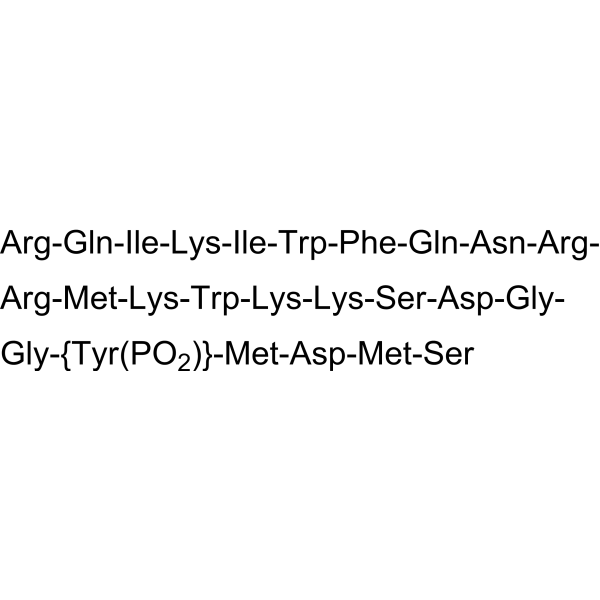
    740 Y-P (740YPDGFR; PDGFR 740Y-P) is a potent and cell-permeable PI3K activator. 740 Y-P readily binds GST fusion proteins containing both the N- and C- terminal SH2 domains of p85 but fails to bind GST alone .
    740 Y-P
  • HY-15435
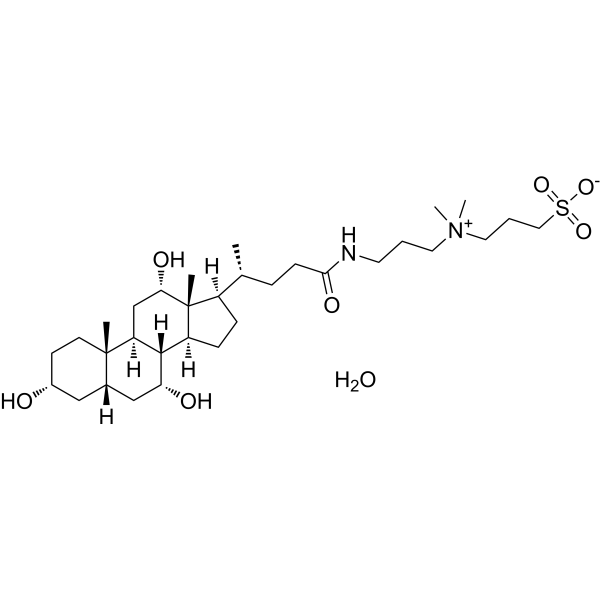
    CHAPS
    4 Publications Verification

    Exosomes Biochemical Assay Reagents Others
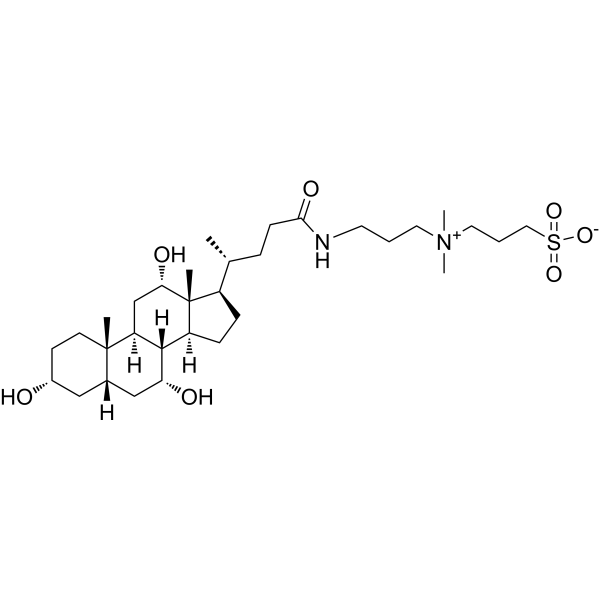
    CHAPS is a cholic acid-derived, sulfobetaine-type zwitterionic detergent and micelle-forming agent. CHAPS exhibits properties of weak cationic or nonionic surfactants in different solution systems, undergoes micellization, and forms small, loose hydrophilic aggregates that are temperature-dependent. CHAPS stabilizes mononucleosomes under different ionic strengths, reduces nucleosome sequence specificity, promotes sliding of histone cores along DNA, solubilizes Tamm-Horsfall protein to reduce its interference with urinary exosome isolation, and maintains vesicle structure and the activity of related proteins at the same time. CHAPS is used to recover native folded fusion proteins, enhance the binding capacity of GST fusion proteins, and restore GST enzyme activity. However, CHAPS cannot refold proteins denatured by urea, guanidine hydrochloride or heat, nor can it construct the structure of intrinsically disordered proteins. CHAPS is commonly used in research on the separation and purification of membrane proteins .
    CHAPS
  • HY-114164
    Thrombin (MW 37kDa)
    5+ Cited Publications

    Thrombin Neurological Disease
    Thrombin (MW 37kDa) is a Na +-activated, allosteric serine protease that plays opposing functional roles in blood coagulation. Thrombin recognition sequence and can be used to digest GST-tagged proteins.
    Thrombin  (MW 37kDa)
  • HY-B1640
    Ethacrynic acid
    5+ Cited Publications

    Etacrynic acid

    Wnt Glutathione S-transferase NF-κB Calcium Channel NO Synthase Cardiovascular Disease Inflammation/Immunology Cancer
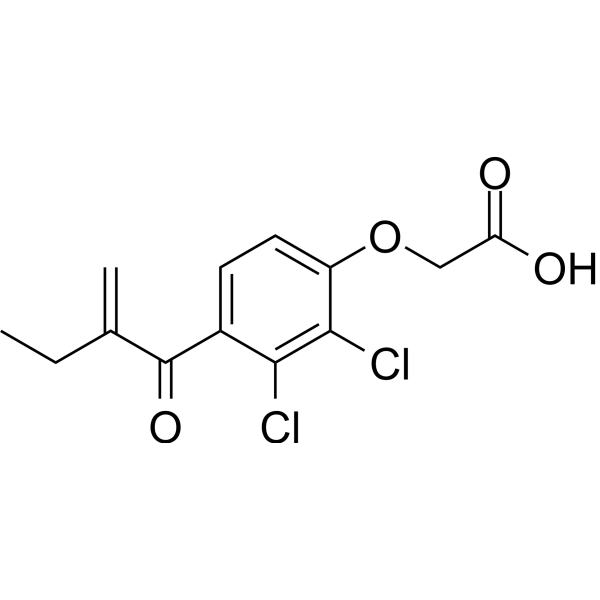
    Ethacrynic acid has anti-inflammatory and anticancer activity. Ethacrynic acid is an orally active diuretic. Ethacrynic acid is an inhibitor of glutathione S-transferase (GSTs) and Wnt signaling pathways. Ethacrynic acid is a radiosensitizer. Ethacrynic acid can inhibit airway smooth muscle (ASM) contraction in mice. Ethacrynic acid can increase the outflow of aqueous humor from the eye for the study of glaucoma .
    Ethacrynic acid
  • HY-B0766

    SY801

    Autophagy Apoptosis HBV HCV HSP Reactive Oxygen Species (ROS) Bcl-2 Family Glutathione S-transferase p38 MAPK NF-κB Microtubule/Tubulin ERK JNK TNF Receptor Interleukin Related CDK Cyclin G-associated Kinase (GAK) mTOR P-glycoprotein Ferroptosis Infection Inflammation/Immunology Cancer
    Bicyclol (SY801) is an orally active derivative of the traditional Chinese medicine Schisandra chinensis, which has antiviral, anti-inflammatory, immunomodulatory, antioxidant, anti-steatosis, anti-fibrotic and anti-tumor activities. Bicyclol regulates the expression of heat shock proteins and plays an anti-apoptosis role in hepatocytes. Bicyclol reduces the activation of NF-κB and the levels of inflammatory factors in hepatocytes infected with hepatitis C virus (HCV) by inhibiting the activation of the ROS-MAPK-NF-κB pathway, and prevents ferroptosis in acute liver injury. Bicyclol can change the expression of Mdr-1, GSH/GST and Bcl-2, increase the intracellular concentration of anticancer drugs, and sensitize drug-resistant cells to anticancer drugs. Bicyclol inhibits the proliferation of human malignant hepatoma cells by regulating the PI3K/AKT pathway and the Ras/Raf/MEK/ERK pathway. Bicyclol can be used in the study of chronic hepatitis, acute liver injury, nonalcoholic fatty liver disease, liver fibrosis and hepatocellular carcinoma .
    Bicyclol
  • HY-N0548
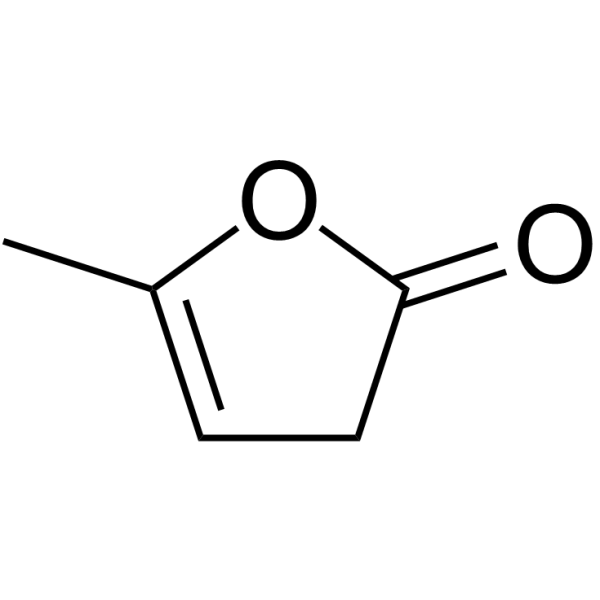
    α-Angelica lactone
    2 Publications Verification

    Glutathione S-transferase Cancer
    α-Angelica lactone is a naturally occurring anticarcinogen and an vinylogous nucleophile. α-Angelica lactone can give the chiral δ-amino γ,γ-disubstituted butenolide carbonyl derivatives and exhibitselectrophilic trapping at the γ-carbon. α-Angelica lactone exerts strong chemoprotective effects by selective enhancement of glutathione-S-thansferase (GST) and UDP-glucononosyltransferase (UGT) detoxification enzymes .
    α-Angelica lactone
  • HY-B1330
    Proglumide
    1 Publications Verification

    Cholecystokinin Receptor Neurological Disease Endocrinology Cancer
    Proglumide is a nonpeptide and orally active cholecystokinin (CCK)-A/B receptors antagonist. Proglumide selective blocks CCK’s effects in the central nervous system (CNS). Proglumide has ability to inhibit gastric secretion and to protect the gastroduodenal mucosa. Proglumide also has antiepileptic and antioxidant activities .
    Proglumide
  • HY-N1968

    Quercetin-3-O-beta-D-glucose-7-O-beta-D-gentiobioside

    Parasite Infection
    Quercetin-3-O-β-D-glucose-7-O-β-D-gentiobiosiden (Quercetin-3-O-beta-D-glucose-7-O-beta-D-gentiobioside) is a flavonoid compound. In Cylas formicarius, Quercetin-3-O-β-D-glucose-7-O-β-D-gentiobioside can bind to chemosensory proteins such as CforCSP5 (Ki: 1.429 μM) and CforOBP3 (Ki: 3.697 μM), potentially participating in the recognition process of insect host plant volatiles. Quercetin-3-O-β-D-glucose-7-O-β-D-gentiobiosiden is also an inhibitor of Sb28GST (IC50: 0.13 mM) and can be used in the research of anti-schistosome agents .
    Quercetin-3-O-β-D-glucose-7-O-β-D-gentiobiosiden
  • HY-15435A
    CHAPS hydrate
    4 Publications Verification

    Biochemical Assay Reagents Exosomes Others
    CHAPS hydrate is a cholic acid-derived, sulfobetaine-type zwitterionic detergent and micelle-forming agent. CHAPS hydrate exhibits properties of weak cationic or nonionic surfactants in different solution systems, undergoes micellization, and forms small, loose hydrophilic aggregates that are temperature-dependent. CHAPS hydrate stabilizes mononucleosomes under different ionic strengths, reduces nucleosome sequence specificity, promotes sliding of histone cores along DNA, solubilizes Tamm‑Horsfall protein to reduce its interference with urinary exosome isolation, and maintains vesicle structure and the activity of related proteins at the same time. CHAPS hydrate is used to recover native folded fusion proteins, enhance the binding capacity of GST fusion proteins, and restore GST enzyme activity. However, CHAPS hydrate cannot refold proteins denatured by urea, guanidine hydrochloride or heat, nor can it construct the structure of intrinsically disordered proteins. CHAPS hydrate is commonly used in research on the separation and purification of membrane proteins .
    CHAPS hydrate
  • HY-W075903

    Cobalt hexammine trichloride; Hexaamminecobalt trichloride

    Biochemical Assay Reagents SOD Glutathione S-transferase Metabolic Disease Cancer
    Hexaamminecobalt (III) chloride is an orally active cobalt coordination compound. Hexaamminecobalt (III) chloride restores the activities of liver antioxidant enzymes (SOD, Catalase) and detoxification enzyme GST. Hexaamminecobalt (III) chloride restores GSH content and reduces DAG. Hexaamminecobalt (III) chloride impairs renal function. Hexaamminecobalt (III) chloride exerts anti-carcinogenic effects in Diethylnitrosamine (HY-N7434)-induced hepatocarcinoma .
    Hexaamminecobalt(III) chloride
  • HY-N3029
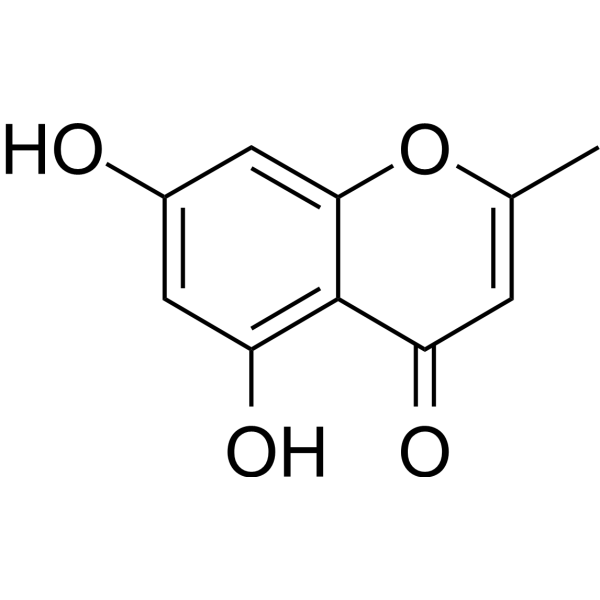
    Noreugenin
    2 Publications Verification

    Interleukin Related Apoptosis Glutathione Peroxidase SOD Glutathione S-transferase Necroptosis Inflammation/Immunology
    Noreugenin is a phenolic compound found in Calea uniflora Less. Noreugenin inhibits myeloperoxidase activity and reduces levels of proinflammatory cytokines IL-1β and IL-17A levels in LPS (HY-D1056)-induced murine pleurisy model. Noreugenin reduces apoptosis and necrosis. Noreugenin reduces lipid peroxidation, and antioxidant enzyme (CAT, SOD, GST) activity. Noreugenin exhibits anti-inflammatory and antioxidant effects. Noreugenin can be used for the research of inflammatory conditions, such as pleurisy .
    Noreugenin
  • HY-135318
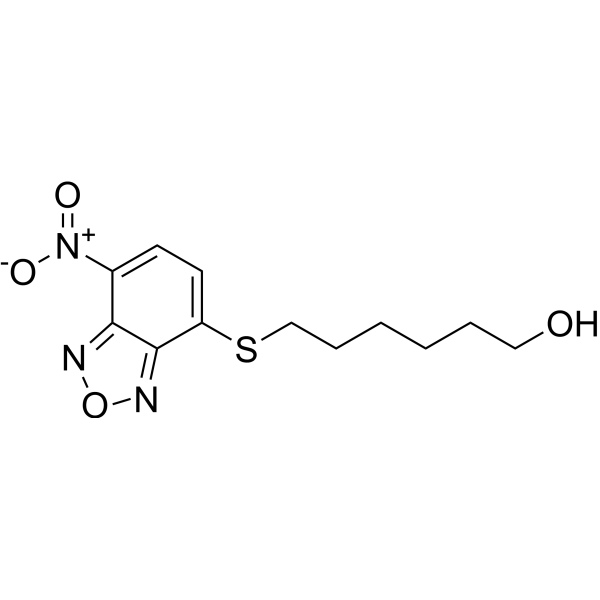
    NBDHEX
    2 Publications Verification

    Apoptosis Autophagy Glutathione S-transferase Cancer
    NBDHEX is a potent glutathione S-transferase P1-1 (GSTP1-1) inhibitor. NBDHEX induces apoptosis of tumor cells. NBDHEX acts as an anticancer agent by inhibiting GSTs catalytic activity, avoiding inconvenience of the inhibitor extrusion from the cell by specific pumps and disrupting the interaction between the GSTP1-1 and key signaling effectors. NBDHEX can also act as late-phase autophagy inhibitor .
    NBDHEX
  • HY-132205

    Estrogen Receptor/ERR Metabolic Disease
    DS45500853 is an estrogen-related receptor α (ERRα) agonist. DS45500853 inhibits the binding between receptor-interacting protein 140 (RIP140) corepressor peptide (10 nM) and GST-ERRα ligand-binding domain (LBD; 1.2 μM) with an IC50 value of 0.80 μM. DS45500853 can be used for the research of metabolic disorders, including type 2 diabetes mellitus (T2DM) .
    DS45500853
  • HY-N2853

    α-Tocopherylquinone

    Reactive Oxygen Species (ROS) Others
    D-α-Tocopherylquinone (α-Tocopherylquinone) is a quinone, can be isolated from Phaeodactylum tricornutum. D-α-Tocopherylquinone is an oxidation product of α-Tocopherol (vitamin E). D-α-Tocopherylquinone can act as an anticoagulant and as an antioxidant. D-α-Tocopherylquinone reduces cellular oxidative damage produced by oxidized lipids. D-α-Tocopherylquinone binds to a liver cytosolic protein with a molecular mass of about 40 kDa. D-α-Tocopherylquinone binds to glurathione-S-transferase (GST) and can be transported to the site of metabolism or excreted in the bile .
    D-α-Tocopherylquinone
  • HY-N1916
    Coniferyl ferulate
    1 Publications Verification

    Glutathione S-transferase P-glycoprotein Apoptosis iGluR CaMK p38 MAPK Reactive Oxygen Species (ROS) Bacterial Infection Cardiovascular Disease Neurological Disease Inflammation/Immunology Cancer
    Coniferyl ferulate is an orally active phenolic acid compound. Coniferyl ferulate is a potent inhibitor of glutathione S-transferase (GST) (IC50 = 0.3 μM), which downregulates P-gp expression, induces apoptosis in B-MD-C1 (ADR+/+) cells, and reverses multidrug resistance. Coniferyl ferulate blocks the NMDAR/NR2B-CaMKII-MAPKs signaling pathway, inhibits ROS production and mitochondrial apoptosis, while reshapes the intestinal microbiota and microbial metabolism, ameliorates colonic inflammation and alleviates depressive symptoms in mice. Coniferyl ferulate can alleviate the toxicity of xylene to hematopoietic stem and progenitor cells by targeting Mgst2. Coniferyl ferulate exhibits antibacterial activity against the Gram-positive Bacillus subtilis and Staphylococcus aureus .
    Coniferyl ferulate
  • HY-114164C
    Thrombin, Pig blood
    5+ Cited Publications

    Protease Activated Receptor (PAR) Thrombin Cardiovascular Disease
    Rabbit Thrombin is a Na +-activated, allosteric serine protease that plays opposing functional roles in blood coagulation. Thrombin recognition sequence and can be used to digest GST-tagged proteins .
    Thrombin, Pig blood
  • HY-12895
    SKI V
    1 Publications Verification

    SphK PI3K Apoptosis Cancer
    SKI V is a noncompetitive and potent non-lipid sphingosine kinase (SPHK; SK) inhibitor with an IC50 of 2 μM for GST-hSK. SKI V potently inhibits PI3K with an IC50 of 6 μM for hPI3k. SKI V decreases formation of the mitogenic second messenger sphingosine-1-phosphate (S1P). SKI V induces apoptosis and has antitumor activity .
    SKI V
  • HY-103354
    Proglumide sodium
    1 Publications Verification

    Cholecystokinin Receptor Neurological Disease Endocrinology Cancer
    Proglumide sodium is a nonpeptide and orally active cholecystokinin (CCK)-A/B receptors antagonist. Proglumide sodium selective blocks CCK’s effects in the central nervous system (CNS). Proglumide sodium has ability to inhibit gastric secretion and to protect the gastroduodenal mucosa. Proglumide sodium also has antiepileptic and antioxidant activities .
    Proglumide sodium
  • HY-137877

    4-Methylumbelliferyl acetate

    Glutathione S-transferase Others
    7-Acetoxy-4-methylcoumarin is an inhibitor of GST.7-Acetoxy-4-methylcoumarin inhibits AFB1-DNA binding in vitro with 36.7% inhibition .
    7-Acetoxy-4-methylcoumarin
  • HY-E70528

    Biochemical Assay Reagents Others
    HRV-3C protease fuses with GST is a recombinant protease that combines human rhinovirus (HRV) type 14 3C protease and a GST-tag. HRV-3C protease fuses with GST can specifically recognize the short peptide Leu-Glu-Val-Leu-Phe-Gln-Gly-Pro at 4°C and cleave between Gln and Gly amino acids .
    HRV-3C protease fuses with GST
  • HY-N7227

    Glutathione S-transferase Parasite Infection Cancer
    Anonaine is an antiparasitic agent. Anonaine also is a glutathione S-transferase (GST) inhibitor .
    Anonaine
  • HY-143201

    Estrogen Receptor/ERR Metabolic Disease
    DS20362725 is an estrogen-related receptor α (ERRα) agonist. DS20362725 inhibits the binding between receptor-interacting protein 140 (RIP140) corepressor peptide (10 nM) and GST-ERRα ligand-binding domain (LBD; 1.2 μM) with an IC50 value of 0.6 μM. DS20362725 can be used for the research of metabolic disorders, including type 2 diabetes mellitus (T2DM) .
    DS20362725
  • HY-N7700A
    Guluronic acid sodium
    1 Publications Verification

    G2013 sodium

    VEGFR Toll-like Receptor (TLR) COX NO Synthase NF-κB MMP Inflammation/Immunology Cancer
    Guluronic acid (G2013) sodium is an orally active oxidative stress regulator and anti-inflammatory agent that exerts pharmacological effects by down-regulating various pro-inflammatory and oxidative stress-related genes (such as TLR4, NF-κB, iNOS, etc.) and inhibiting the activities of COX-2, MMPs and VEGF. Low-dose Guluronic acid sodium up-regulates the expression of immunoregulatory genes SHIP1 and SOCS1, thereby effectively inhibiting cancer-related inflammation, tumor angiogenesis, cell adhesion and metastasis, while reducing the accumulation of immunosuppressive cells. Guluronic acid sodium significantly prolongs the survival time of tumor-bearing hosts within a concentration range without direct cytotoxicity, demonstrating favorable safety. Guluronic acid sodium has involved in the research of multiple sclerosis, ankylosing spondylitis, breast cancer and other inflammatory diseases .
    Guluronic acid sodium
  • HY-136376

    Environmental Pollutants Herbicide Others
    Mefenpyr-diethyl is a pyrazoline-type herbicide safener that functions to enhance lipid biosynthesis. Mefenpyr-diethyl effectively prevents herbicide-induced phytotoxic damage caused by herbicides such as fenoxaprop-p-ethyl (HY-B2013) and mesosulfuron-methyl (HY-126987) by protecting cereal crops including wheat. Mefenpyr-diethyl significantly increases lipid content in wheat either when applied alone or in combination with the herbicide fenoxaprop-p-ethyl. The mechanism of action of Mefenpyr-diethyl does not involve the induction of glutathione S-transferase (GST) activity in wheat .
    Mefenpyr-diethyl
  • HY-114164D
    Rat Thrombin
    5+ Cited Publications

    Thrombin Cardiovascular Disease
    Rat Thrombin is a Na +-activated, allosteric serine protease that plays opposing functional roles in blood coagulation. Thrombin recognition sequence and can be used to digest GST-tagged proteins .
    Rat Thrombin
  • HY-N7436

    Glutathione S-transferase Cancer
    Methyl propyl disulfide is an orally administrable volatile sulfide present in onions. Methyl propyl disulfide reduces the activity of spermine N'1-acetyltransferase (SAT), inhibits cell proliferation, and decreases the induction of placental glutathione S-transferase (GST-P)-positive hepatocyte foci in rat livers. Methyl propyl disulfide can be used in studies related to the mechanism of hepatocarcinogenesis .
    Methyl propyl disulfide
  • HY-123779

    Bacterial Fungal Infection
    RWJ-49815 is a histidine kinase inhibitor. RWJ-49815 inhibits the autokinase activity of purified GST-Sln1 and the autophosphorylation of KinA in vitro. RWJ-49815 acts as a fungal growth inhibitor . RWJ-49815 serves as a bactericide against Gram-positive pathogenic bacteria. RWJ-49815 is applicable to research related to fungal infections and Gram-positive bacterial infections .
    RWJ-49815
  • HY-B1640R
    Ethacrynic acid (Standard)
    5+ Cited Publications

    Etacrynic acid (Standard)

    Reference Standards Glutathione S-transferase NF-κB Calcium Channel Inflammation/Immunology Cancer
    Ethacrynic acid (Standard) is the analytical standard of Ethacrynic acid. This product is intended for research and analytical applications. Ethacrynic acid (Etacrynic acid) is a diuretic. Ethacrynic acid is an inhibitor of glutathione S-transferases (GSTs). Ethacrynic acid is a potent inhibitor of NF-kB-signaling pathway, and also modulates leukotriene formation. Ethacrynic acid also inhibits L-type voltage-dependent and store-operated calcium channel, leading to relaxation of airway smooth muscle (ASM) cells. Ethacrynic acid has anti-inflammatory properties that reduces the retinoid-induced ear edema in mice .
    Ethacrynic acid (Standard)
  • HY-160875

    Glutathione S-transferase Metabolic Disease
    GST-FH.1 is a GST-FH compound, a complex that produces frequent false positive hits (FH) in the interaction between glutathione S-transferase (GST) and glutathione (GSH) . GST-FH.4 inhibits glutathione S-transferase (GST) activity with an IC50 of 0.32 μM .
    GST-FH.1
  • HY-170920

    Cytochrome P450 SOD Glutathione S-transferase Acetolactate Synthase (ALS) Others
    Herbicide safener-4 (Compound I-15) is a Herbicide safener, improving the herbicide resistance of crops without reducing the herbicidal effect on targeted weed species. Herbicide safener-4 competitively binds to the ALS active site with Mesosulfuron-methyl (HY-126987). Herbicide safener-4 enhances GSH (HY-D0187), GST, CYP450, POD, SOD and ALS activity in plants .
    Herbicide safener-4
  • HY-W339331

    NNI-0001

    Insecticide Calcium Channel Reactive Oxygen Species (ROS) Apoptosis Infection Metabolic Disease
    Flubendiamide (NNI-0001) is an orally active phthalic diamide insecticide that acts by targeting insect ryanodine receptors (RyRs), causing insect muscle dysfunction, paralysis and death. Flubendiamide disrupts molting, metamorphosis and reproductive processes, induces oxidative stress by increasing the levels of ROS/RNS, MDA and 8OHdG and decreasing the levels of SOD, CAT and GST, activates the CncC/Maf apoptosis pathway, impairs calcium homeostasis, promotes adipogenesis, increases triglyceride accumulation, and upregulates the expression of regulatory factors for adipocyte differentiation and adipogenesis .
    Flubendiamide
  • HY-N0548R

    Glutathione S-transferase Reference Standards Cancer
    α-Angelica lactone (Standard) is the analytical standard of α-Angelica lactone. This product is intended for research and analytical applications. α-Angelica lactone is a naturally occurring anticarcinogen and an vinylogous nucleophile. α-Angelica lactone can give the chiral δ-amino γ,γ-disubstituted butenolide carbonyl derivatives and exhibitselectrophilic trapping at the γ-carbon. α-Angelica lactone exerts strong chemoprotective effects by selective enhancement of glutathione-S-thansferase (GST) and UDP-glucononosyltransferase (UGT) detoxification enzymes .
    α-Angelica lactone (Standard)
  • HY-W013744

    Glutathione S-transferase Others
    S-Octylglutathione is a competitive glutathione S-transferase (GST) inhibitor .
    S-Octylglutathione
  • HY-RS05878

    Small Interfering RNA (siRNA) Others

    GSTK1 Human Pre-designed siRNA Set A contains three designed siRNAs for GSTK1 gene (Human), as well as a negative control, a positive control, and a FAM-labeled negative control.

    GSTK1 Human Pre-designed siRNA Set A
    GSTK1 Human Pre-designed siRNA Set A
  • HY-P1377A
    Caffeic acid-pYEEIE TFA
    1 Publications Verification

    Src Neurological Disease Inflammation/Immunology Cancer
    Caffeic acid-pYEEIE TFA, a phosphopeptide inhibitor, exhibits potent binding affinity for the GST-Lck-SH2 domain .
    Caffeic acid-pYEEIE TFA
  • HY-114164E

    Thrombin Cardiovascular Disease
    Rabbit Thrombin is a Na +-activated, allosteric serine protease that plays opposing functional roles in blood coagulation. Thrombin recognition sequence and can be used to digest GST-tagged proteins .
    Rabbit Thrombin
  • HY-W681867

    CGA-133205

    Herbicide Glutathione S-transferase Others
    Fluxofenim (CGA-133205) is a herbicide safener, with activity against Pyroxasulfone (HY-136633) and Metolachlor (HY-B1871). Fluxofenim enhances the activity of needle glutathione S-transferase (GST) towards the substrate 1-chloro-2,4-dinitrobenzene (CDNB) .
    Fluxofenim
  • HY-149419

    Glutathione S-transferase Others
    GST-IN-1 (compound 16) is a glutathione S-transferase (GST) inhibitor with IC50s of 1.55 μM (sjGST) and 2.02 μM (hGSTM2), respectively.
    GST-IN-1
  • HY-P0175A

    740YPDGFR TFA; PDGFR 740Y-P TFA

    PI3K Autophagy Cancer
    740 Y-P TFA is a potent and cell-permeable PI3K activator. 740 Y-P TFA readily binds GST fusion proteins containing both the N- and C- terminal SH2 domains of p85 but fails to bind GST alone .
    740 Y-P TFA
  • HY-160926

    Glutathione S-transferase Cancer
    16-Oxocafestol enhances levels of glutathione S-transferase (GST) and tissue sulfhydryl in liver and in small bowel mucosa .
    16-Oxocafestol
  • HY-P1377

    Src Inflammation/Immunology
    Caffeic acid-pYEEIE, a phosphopeptide inhibitor, exhibits potent binding affinity for the GST-Lck-SH2 domain .
    Caffeic acid-pYEEIE
  • HY-110013

    Btk Antibiotic Infection Inflammation/Immunology
    Terreic acid, a quinone epoxide antibiotic, acts as an effective Btk inhibitor. Terreic acid blocks the interaction between PKC and the pleckstrin homology domain of Btk. Terreic acid inhibits the binding of GST-BtkPH to PKC in lysates of HMC-1 human mast cells with an IC50 of approximately 100 μM .
    Terreic acid
  • HY-160874

    Glutathione S-transferase Metabolic Disease
    GST-FH.4 is a GST-FH compound, a complex that produces frequent false positive hits (FH) in the interaction between glutathione S-transferase (GST) and glutathione (GSH) . GST-FH.4 inhibits glutathione S-transferase (GST) activity with an IC50 of 24.38 μM .
    GST-FH.4
  • HY-175398

    Glutathione S-transferase Cancer
    OZO-Cl is an OZO derivative. OZO-Cl has anti-cancer activity. OZO-Cl significantly decreases the intracellular glutathion S-transferase Pi (GST) activity. OZO-Cl exhibits cytotoxicity to cancer cell lines, with IC50s of 150 and 120 μmol/L in Panc-1 and K562 cells respectively .
    OZO-Cl
  • HY-W019780

    Dichlorobromomethane

    Glutathione S-transferase Metabolic Disease Cancer
    Bromodichloromethane (Dichlorobromomethane) is a type of trihalomethane, commonly found in chlorinated drinking water for disinfection, and is a disinfection by-product. The bromination of bromodichloromethane can cause the formation of mutagenic intermediates through the transformation mediated by glutathione S-transferase (GST). Bromodichloromethane inhibits the differentiation of human placental trophoblast cells and reduces the secretion of chorionic gonadotropin (CG). Bromodichloromethane has potential reproductive toxicity and carcinogenicity .
    Bromodichloromethane
  • HY-30139

    Biochemical Assay Reagents Others
    4-Amino-2-chloropyrimidine is a pyrimidine derivative. 4-Amino-2-chloropyrimidine is a competitive inhibitor for AChE (Ki = 0.18 μM) and BChE (Ki = 1.324 μM). 4-Amino-2-chloropyrimidine fits in the binding pocket of 4BDS. 4-Amino-2-chloropyrimidine has high inhibitory activity on GST enzyme activity (IC50 = 0.037 μM, Ki = 0.047 μM) in vitro .
    4-Amino-2-chloropyrimidine
  • HY-W154265

    Glutathione S-transferase Apoptosis Cancer
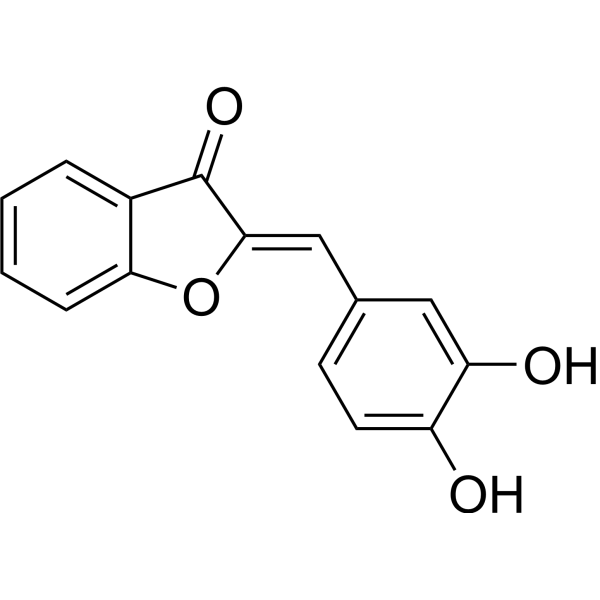
    2,2′-Dihydroxychalcone, a flavonoid, is a glutathione S-transferase (GST) inhibitor with an IC50 of 28.9 μM in human colon cancer cells. 2,2′-Dihydroxychalcone induces cell cycle arrest and apoptosis in prostate cancer cells. 2,2′-Dihydroxychalcone has anticancer and anti-inflammatory properties .
    2,2′-Dihydroxychalcone
  • HY-RS19219

    Small Interfering RNA (siRNA) Others

    Mgst1 Mouse Pre-designed siRNA Set A contains three designed siRNAs for Mgst1 gene (Mouse), as well as a negative control, a positive control, and a FAM-labeled negative control.

    Mgst1 Mouse Pre-designed siRNA Set A
    Mgst1 Mouse Pre-designed siRNA Set A
  • HY-171980

    CAY10562

    Glutathione S-transferase JNK Cancer
    OZO-H is a GST inhibitor. OZO-H is an OZO derivative with potent anti-cancer effects. OZO-H releases JNK1 from GST-JNK1 complex. OZO-H induces JNK1 phosphorylation and activates c-Jun in cancer cells .
    OZO-H
  • HY-162927

    MDM-2/p53 Apoptosis Cancer
    p53-MDM2-IN-6 (Compound 10a), a LSM-83177 hydrazone analog, is a potent p53-MDM2 inhibitor with an IC50 value of 11.08 µg/mL. p53-MDM2-IN-6 arrests the cell cycle in the S phase and induces early and late Apoptosis with antiproliferative activity against HT29 cell lines with an IC50 value of 10.44 µg/mL. p53-MDM2-IN-6 inhibits p53-MDM2 interaction with increment in p-53 level and decrease the expression of GST enzymes. p53-MDM2-IN-6 is promising for research of colorectal cancer .
    p53-MDM2-IN-6

Inquiry Online

Your information is safe with us. * Required Fields.

Salutation


Country or Region *

Applicant Name *


Organization Name *

Department *


Email Address *


Product Name *

Cat. No.


Requested quantity *

Phone Number *


Remarks

Inquiry Online

Inquiry Information

Product Name:
Cat. No.:
Quantity:
MCE Japan Authorized Agent:

