Search Result
| Isoforms Recommended: |
HSV-2
|
Results for "
HSV-2
" in MedChemExpress (MCE) Product Catalog:
9
Isotope-Labeled Compounds
| Cat. No. |
Product Name |
Target |
Research Areas |
Chemical Structure |
-
- HY-A0181
-
-
-
- HY-17422
-
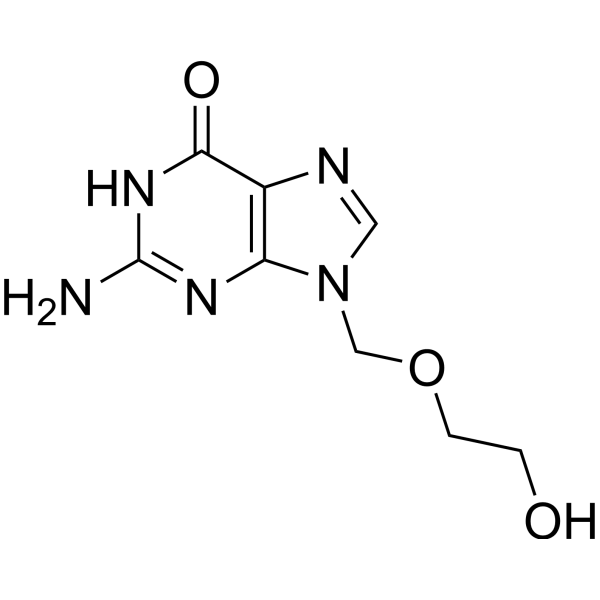
Acyclovir
Maximum Cited Publications
21 Publications Verification
Aciclovir; Acycloguanosine
|
HSV
Apoptosis
Antibiotic
Bacterial
|
Infection
Cancer
|
|
Acyclovir (Aciclovir) is a potent, orally active antiviral agent. Acyclovir has antiherpetic activity with IC50 values of 0.85 μM and 0.86 μM for HSV-1 and HSV-2, respectively. Acyclovir induces cell cycle perturbation and apoptosis. Acyclovir prevents bacterial infections during induction therapy for acute leukaemia [2] .
|
-
-
- HY-N1067
-
|
|
COX
Acyltransferase
Apoptosis
HSV
CMV
Influenza Virus
|
Infection
Cancer
|
|
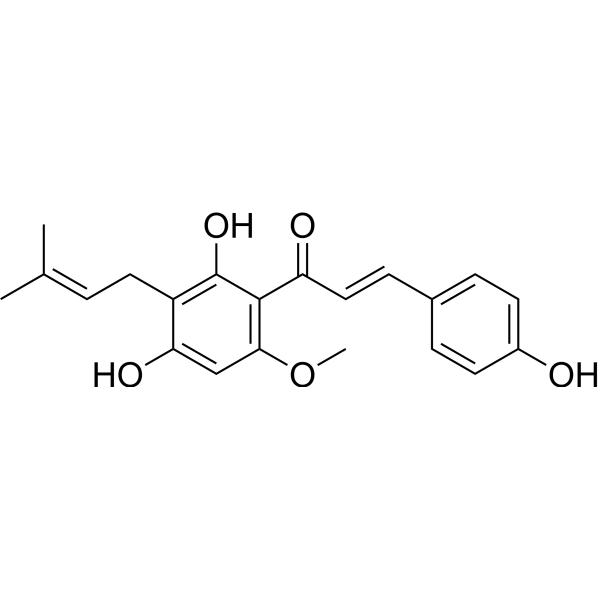
Xanthohumol is one of the principal flavonoids isolated from hops, the inhibitor of diacylglycerol acetyltransferase (DGAT), COX-1 and COX-2, and shows anti-cancer and anti-angiogenic activities. Xanthohumol also has antiviral activity against bovine viral diarrhea virus (BVDV), rhinovirus, HSV-1, HSV-2 and cytomegalovirus (CMV).
|
-
-
- HY-118122
-
|
FIAU; DRG-0098; NSC 678514
|
HSV
HBV
DNA/RNA Synthesis
Orthopoxvirus
Nucleoside Antimetabolite/Analog
|
Infection
|
|
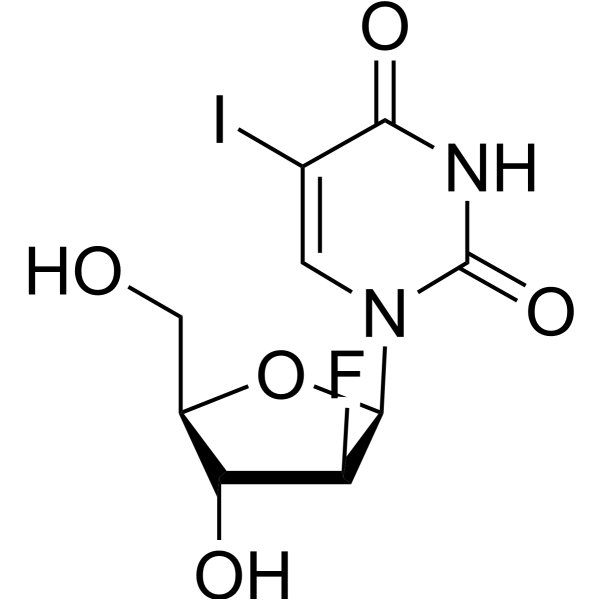
Fialuridine (FIAU), a nucleoside analog, is a HSV-1 and HSV-2 inhibitor with Kis of 0.14 μM and 0.95 μM, respectively. Fialuridine shows anti-orthopoxvirus and anti-hepatitis B virus (HBV) activities. Fialuridine inhibits duck HBV DNA replication with IC50 values of 0.075 μM and 156 μM in human hepatoma cells and in chicken liver cells, respectively [2] .
|
-
-
- HY-N1430
-
|
trans-Oxyresveratrol
|
Tyrosinase
HSV
Autophagy
|
Others
|
|
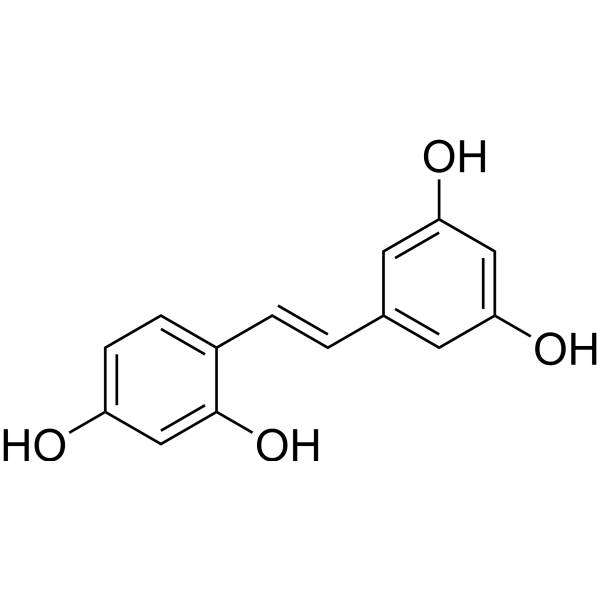
Oxyresveratrol (trans-Oxyresveratrol) is a potent naturally occurring antioxidant and free radical scavenger (IC50 of 28.9 µM against DPPH free radicals). Oxyresveratrol is potent and noncompetitive tyrosinase inhibitor with an IC50 value of 1.2 µM for mushroom tyrosinase. Oxyresveratrol is effective against HSV-1, HSV-2 and varicella-zoster virus, and has neuroprotective effects [2] .
|
-
-
- HY-P2310
-
|
|
Bacterial
Parasite
Apoptosis
HIV
HSV
CMV
TNF Receptor
NOD-like Receptor (NLR)
DNA/RNA Synthesis
Influenza Virus
|
Cardiovascular Disease
Infection
|
|
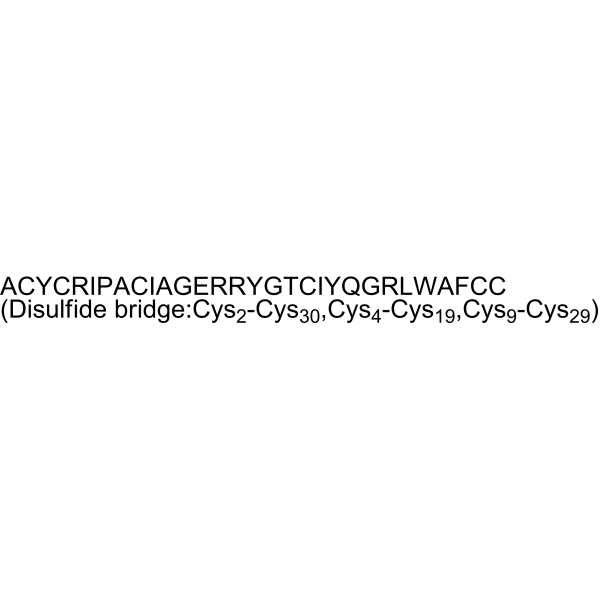
Defensin HNP-1 human is a type of human neutrophil peptide (HNPs). Defensin HNP-1 human possesses immunomodulatory functions and can delay the apoptosis of neutrophils. Defensin HNP-1 human inhibits DNA/RNA/protein synthesis and interferes with metabolic pathways, thus exhibiting broad antibacterial activity. Defensin HNP-1 human has direct inactivation effects on HIV, HSV-1, HSV-2, CMV, influenza virus, etc. Defensin HNP-1 human has antileishmanial activity. Defensin HNP-1 human is involved in endothelial cell dysfunction during the early development of atherosclerosis [2] .
|
-
-
- HY-15303
-
|
AIC316; BAY 57-1293
|
DNA/RNA Synthesis
HSV
|
Infection
|
|
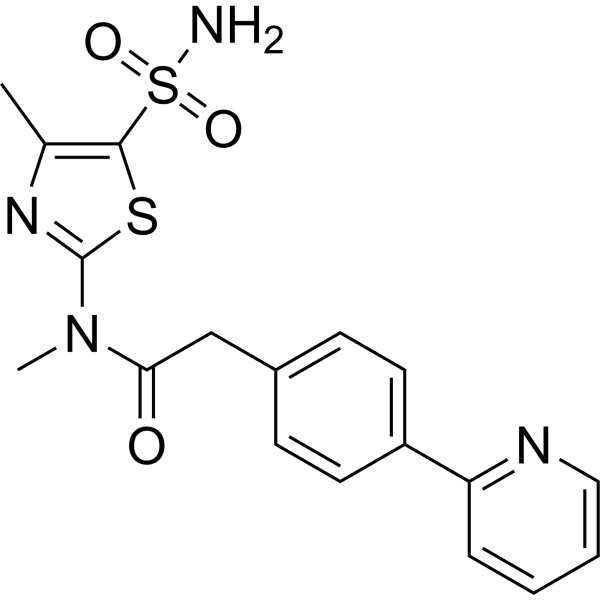
Pritelivir (AIC316), an inhibitor of the viral helicase-primase complex, exhibits antiviral activity in vitro and in animal models of herpes simplex virus (HSV) infection. Pritelivir is active against herpes simplex virus types 1 and 2 (HSV-1 and HSV-2) with the IC50 of 0.02 μM against HSV1-2 .
|
-
-
- HY-W141881
-
|
|
Environmental Pollutants
Biochemical Assay Reagents
HSV
|
Infection
|
|
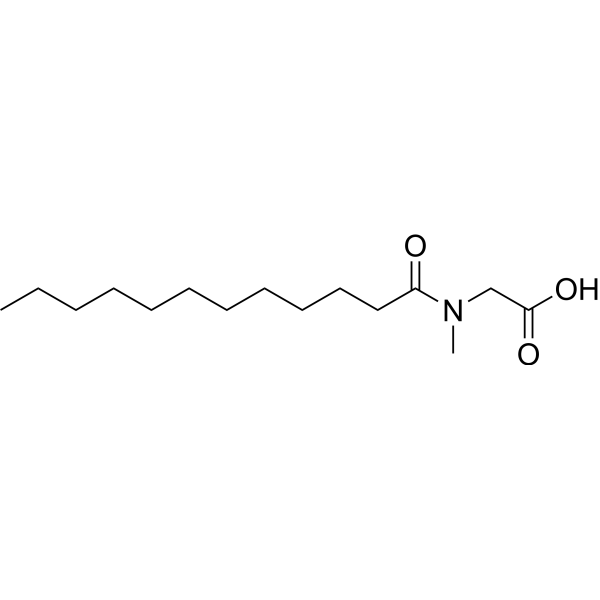
N-lauroylsarcosine is an anionic surfactant. N-lauroylsarcosine has antiviral activity against HSV-2 strain 333 and HSV-1 strain F. N-lauroylsarcosine synergistically increases skin permeability with 25-50% ethanol. N-lauroylsarcosine can be used to study HSV-2 infection [2] .
|
-
-
- HY-P2036A
-
|
|
Toll-like Receptor (TLR)
MMP
HSV
Antibiotic
|
Infection
|
|
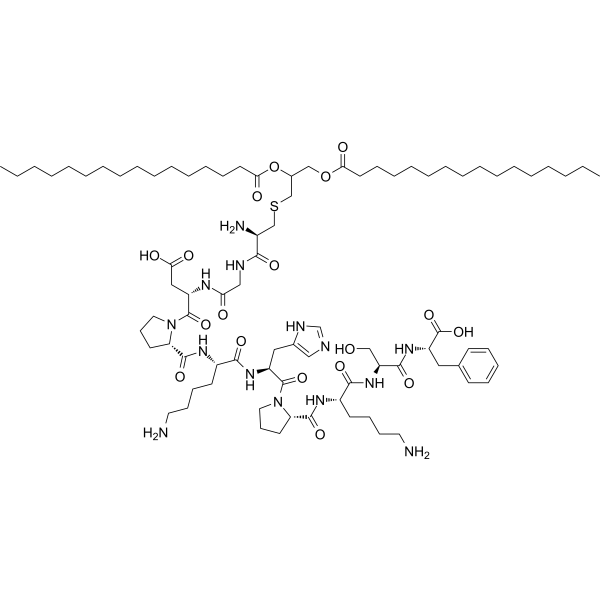
FSL-1 TFA, a bacterial-derived toll-like receptor 2/6 (TLR2/6) agonist, enhances resistance to experimental HSV-2 infection . FSL-1 TFA induces MMP-9 production through TLR2 and NF-κB/AP-1 signaling pathways in monocytic THP-1 cells [2].
|
-
-
- HY-P2036
-
-
-
- HY-A0181A
-
-
-
- HY-17424
-
|
BRL 39123; VSA 671
|
HSV
|
Infection
|
|
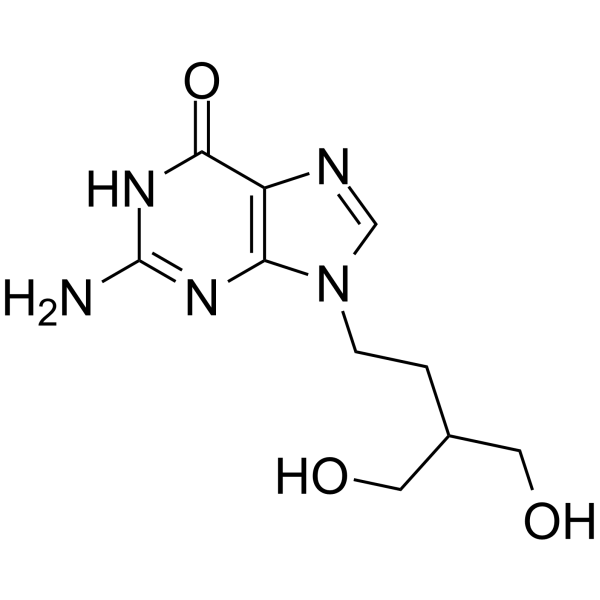
Penciclovir (VSA 671) is a potent and selective anti-herpesvirus agent with EC50 values of 0.5, 0.8 μg/ml for HSV-1 (HFEM), HSV-2 (MS), respectively. Penciclovir shows anti-herpesvirus activity with no-toxic. Penciclovir preventes mortality in mouse [2].
|
-
-
- HY-131606B
-
|
|
Drug Metabolite
DNA/RNA Synthesis
|
Infection
|
|
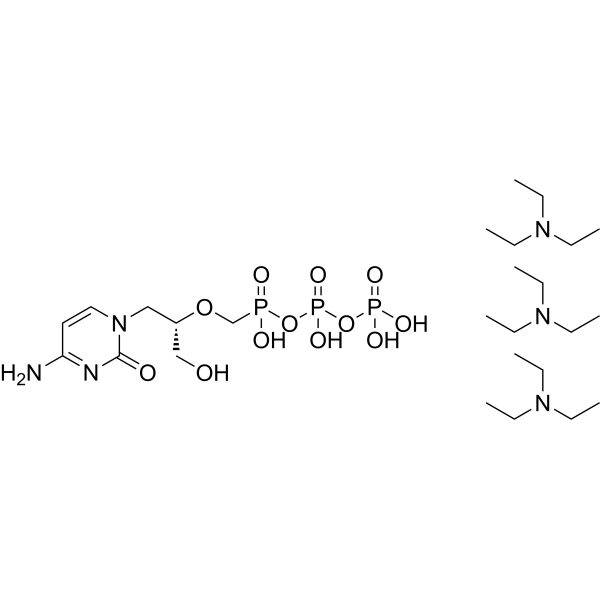
Cidofovir diphosphate tri triethylamine is an active intracellular metabolite of Cidofovir. Cidofovir diphosphate tri triethylamine is a selective inhibitor of viral DNA polymerases with Ki values of 6.6, 0.86 and 1.4 μM for HCMV, HSV-1 and HSV-2 DNA polymerase, respectively [2].
|
-
-
- HY-17422A
-
|
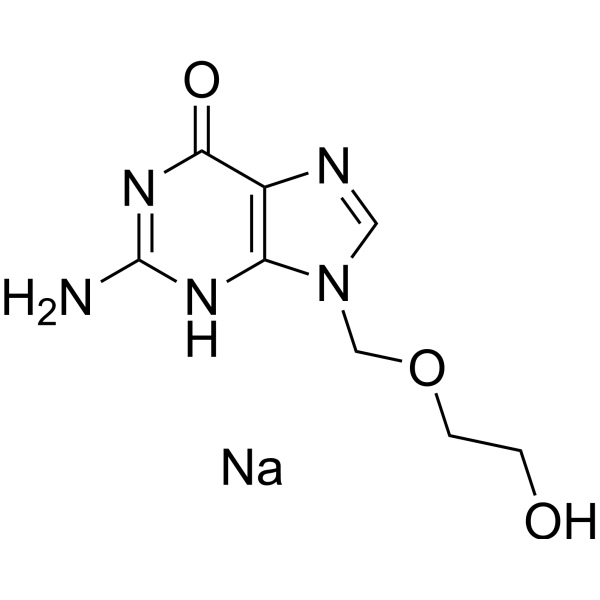
Aciclovir sodium; Acycloguanosine sodium
|
HSV
Apoptosis
Antibiotic
Bacterial
|
Infection
Cancer
|
|
Acyclovir (Aciclovir) sodium is a potent, orally active antiviral agent. Acyclovir sodium has antiherpetic activity with IC50 values of 0.85 μM and 0.86 μM for HSV-1 and HSV-2, respectively. Acyclovir sodium induces cell cycle perturbation and apoptosis. Acyclovir sodium prevents bacterial infections during induction therapy for acute leukaemia [2] .
|
-
-
- HY-A0181S1
-
-
-
- HY-A0181R
-
|
AMP (Standard)
|
Reference Standards
Endogenous Metabolite
Adenosine Receptor
HSV
|
Infection
Metabolic Disease
|
|
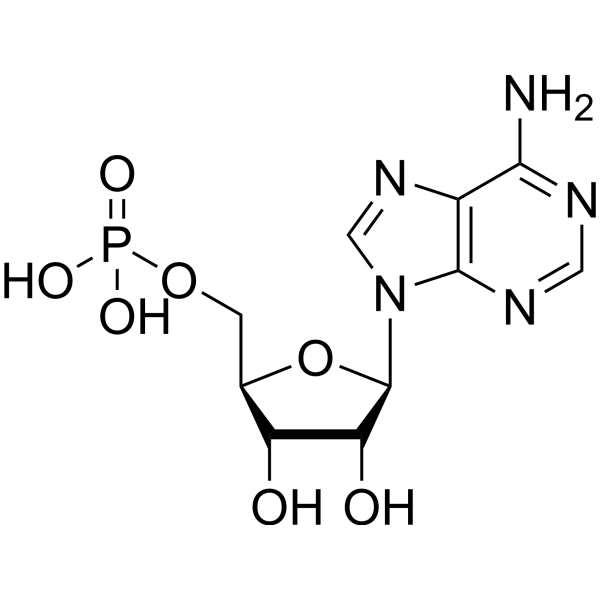
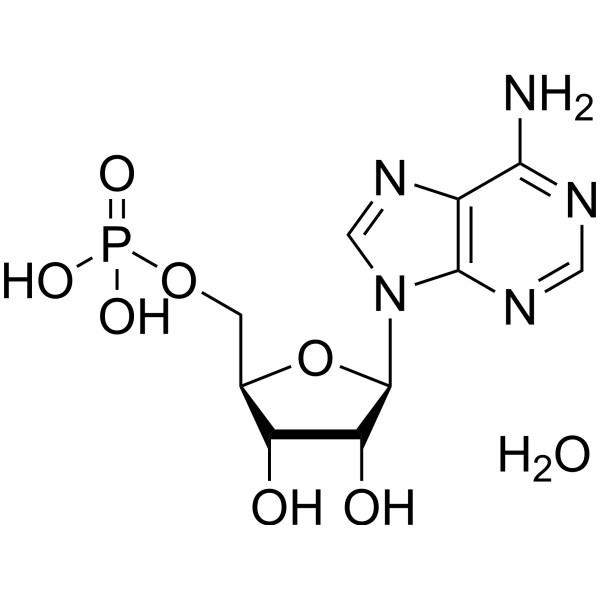
Adenosine monophosphate (Standard) is the analytical standard of Adenosine monophosphate (HY-A0181). This product is intended for research and analytical applications. Adenosine monophosphate is an adenosine A1 receptor agonist. Adenosine monophosphate has significant antiviral activity against HSV-1 and HSV-2. Adenosine monophosphate is a key cellular metabolite regulating energy homeostasis and signal transduction [2] .
|
-
-
- HY-A0181S
-
|
AMP-13C10,15N5 dilithium
|
Isotope-Labeled Compounds
Endogenous Metabolite
Adenosine Receptor
HSV
|
Infection
Metabolic Disease
|
|
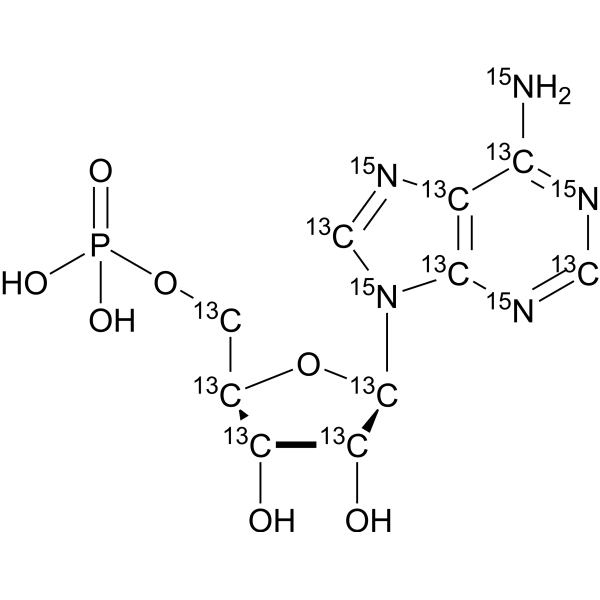
Adenosine monophosphate- 13C10, 15N5(AMP- 13C10, 15N5) is the 13C-labeled and 15N-labeled Adenosine monophosphate (HY-A0181). Adenosine monophosphate is an adenosine A1 receptor agonist. Adenosine monophosphate has significant antiviral activity against HSV-1 and HSV-2. Adenosine monophosphate is a key cellular metabolite regulating energy homeostasis and signal transduction [2] .
|
-
-
- HY-120427
-
|
NSC 658586
|
CCR
CXCR
HIV
HSV
|
Infection
Inflammation/Immunology
|
|
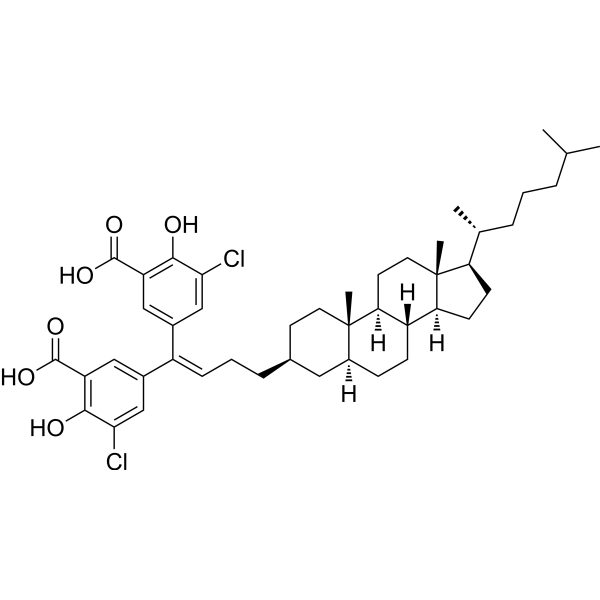
Cosalane (NSC 658586) is a CCR7 (IC50 = 2.43 μM) and CXCR2 antagonist (IC50 = 0.66 μM). Cosalane is an inhibitor of HIV replication with a wide range of activity against HIV-1 isolates, HIV-2, Rauscher murine leukemia virus, HSV-1, HSV-2 and human cytomegalovirus. Cosalane inhibits both attachment of gp120 to CD4. Cosalane inhibits human and murine CCR7 in response to both CCL19 and CCL21 agonists. Cosalane can be studied in research for HIV or attenuating acute graft-versus-host disease (aGVHD) in allogeneic hematopoietic stem cell transplantation (HSCT) [2] .
|
-
-
- HY-P2310A
-
|
|
Bacterial
Parasite
Apoptosis
HIV
HSV
CMV
TNF Receptor
Interleukin Related
NOD-like Receptor (NLR)
DNA/RNA Synthesis
Influenza Virus
|
Cardiovascular Disease
Infection
|
|
Defensin HNP-1 human TFA is a type of human neutrophil peptide (HNPs). Defensin HNP-1 human TFA possesses immunomodulatory functions and can delay the apoptosis of neutrophils. Defensin HNP-1 human TFA inhibits DNA/RNA/protein synthesis and interferes with metabolic pathways, thus exhibiting broad antibacterial activity. Defensin HNP-1 human TFA has direct inactivation effects on HIV, HSV-1, HSV-2, CMV, influenza virus, etc. Defensin HNP-1 human TFA has antileishmanial activity. Defensin HNP-1 human TFA is involved in endothelial cell dysfunction during the early development of atherosclerosis [2] .
|
-
-
- HY-18944
-
|
|
CDK
HSV
CMV
DNA/RNA Synthesis
|
Infection
|
|
FIT-039 is a selective, ATP-competitive and orally active CDK9 inhibitor with an IC50 of 5.8 μM for CKD9/cyclin T1. FIT-039 does not inhibit other CDKs and other kinases. FIT-039 inhibits replication of HSV-1 (IC50 of 0.69 μM), HSV-2, human adenovirus, and human CMV. FIT-039 is a promising antiviral agent for inhibiting drug-resistant HSVs and other DNA viruses.
|
-
-
- HY-17422R
-
|
Aciclovir (Standard); Acycloguanosine (Standard)
|
Reference Standards
HSV
Apoptosis
Antibiotic
Bacterial
|
Infection
Cancer
|
|
Acyclovir (Standard) is the analytical standard of Acyclovir. This product is intended for research and analytical applications. Acyclovir (Aciclovir) is a potent, orally active antiviral agent. Acyclovir has antiherpetic activity with IC50 values of 0.85 μM and 0.86 μM for HSV-1 and HSV-2, respectively. Acyclovir induces cell cycle perturbation and apoptosis. Acyclovir prevents bacterial infections during induction therapy for acute leukaemia [2] .
|
-
-
- HY-17422S1
-
|
Aciclovir-d4; Acycloguanosine-d4
|
Isotope-Labeled Compounds
HSV
Bacterial
Apoptosis
Antibiotic
|
Infection
Cancer
|
|
Acyclovir-d4 is the deuterium labeled Acyclovir. Acyclovir (Aciclovir) is a guanosine analogue and an orally active antiviral agent. Acyclovir inhibits HSV-1 (IC50 of 0.85 μM), HSV-2 (IC50 of 0.86 μM) and varicella-zoster virus. Acyclovir can be phosphorylated by viral thymidine kinase (TK), and Acyclovir triphosphate interferes with viral DNA polymerization through competitive inhibition with guanosine triphosphate and obligatory chain termination [2] . Acyclovir prevents bacterial infections during induction therapy for acute leukaemia .
|
-
-
- HY-U00124B
-
|
|
HSV
|
Infection
|
|
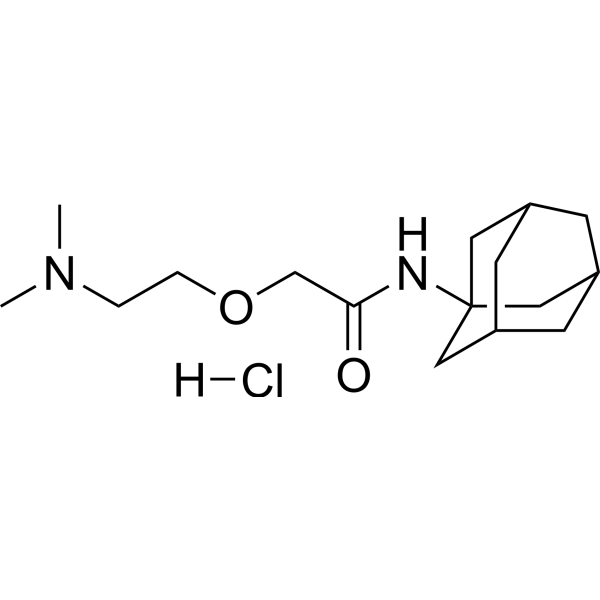
Tromantadine hydrochloride, an Amantadine derivative with antiherpetic activity, inhibits herpes simplex virus type 1 (HSV-1) and HSV-2 replication .
|
-
-
- HY-110354
-
UCM05
2 Publications Verification
G28UCM
|
Fatty Acid Synthase (FASN)
Bacterial
|
Infection
|
|
UCM05 (G28UCM) is a fatty acid synthase (FASN) and filamentous temperature-sensitive protein Z (Ftsz) inhibitor. UCM05 inhibits fatty acid synthesis, viral replication, and Gram-positive bacterial growth. UCM05 binds to FtsZ GTP-binding sites, inhibits GTPase activity, and disrupts Z-ring localization. UCM05 can be used for the research of HSV-1/2 infection, HIV-1 infection, and Gram-positive bacterial infections[1][2][3].
|
-
-
- HY-N12717
-
|
|
PAK
FASTK
HSP
p38 MAPK
NF-κB
NO Synthase
COX
HSV
Caspase
TNF Receptor
Fungal
Apoptosis
|
Infection
Inflammation/Immunology
Cancer
|
|
Casuarinin is an orally active antiproliferative, anti-inflammatory, antifungal, virucidal and gastroprotective agent. Casuarinin upregulates the expression of p21/WAF1, Fas/APO‑1, mFasL, sFasL and HSP‑70, arrests cell cycle, induces apoptosis and inhibits cancer cell proliferation. Casuarinin inhibits TNF‑α-induced phosphorylation of MAPK and activation of NF‑κB, downregulates the expression of iNOS, NF‑κB, COX‑2 and ICAM‑1, and reduces the production of proinflammatory mediators. Casuarinin attenuates ethanol-induced activation of caspase‑3 and elevation of TNF‑α, inhibits the growth of Candida albicans, and inhibits HSV‑2. Casuarinin can be used in research related to mammary adenocarcinoma, inflammatory skin diseases, gastric ulcers, candidiasis and herpes simplex virus infections [2] .
|
-
-
- HY-15303A
-
|
AIC316 mesylate; BAY 57-1293 mesylate
|
DNA/RNA Synthesis
HSV
|
Infection
|
|
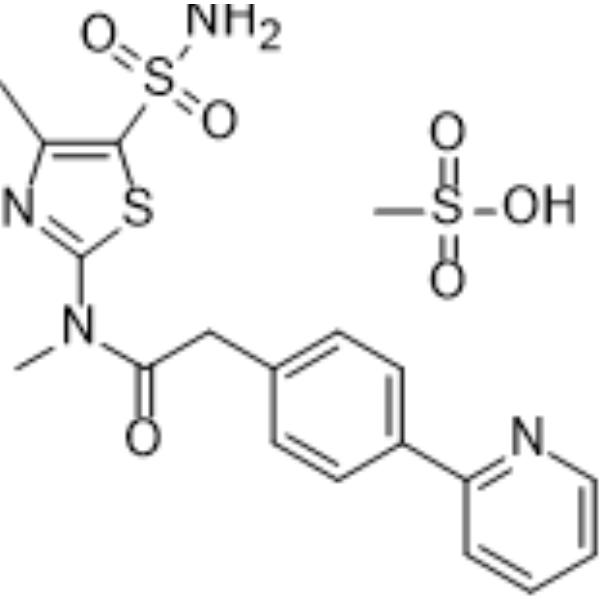
Pritelivir mesylate (BAY 57-1293 mesylate), an inhibitor of the viral helicase-primase complex, exhibits antiviral activity in vitro and in animal models of herpes simplex virus (HSV) infection. Pritelivir mesylate is active against herpes simplex virus types 1 and 2 (HSV-1 and HSV-2) with the IC50 of 0.02 μM against HSV1-2 .
|
-
-
- HY-50735
-
|
NSC 382097; FIAC; FOAC
|
HSV
EBV
DNA/RNA Synthesis
|
Infection
|
|
Fiacitabine (NSC 382097; FIAC; FOAC) is a potent and highly selective anti-herpesvirus agent. Fiacitabine acts as an inhibitor of HSV DNA polymerase, with a Ki of 0.26 μM for HSV-1 and 0.42 μM for HSV-2, respectively. Fiacitabine can be efficiently phosphorylated by thymidine kinase encoded by the virus itself to generate FIACTP, an active triphosphate metabolite. Fiacitabine is applicable to research related to herpesvirus infections [2].
|
-
-
- HY-A0181S3
-
|
AMP-13C10 dilithium
|
Isotope-Labeled Compounds
Endogenous Metabolite
Adenosine Receptor
HSV
|
Infection
Metabolic Disease
|
|
Adenosine monophosphate- 13C10 (AMP- 13C10) dilithium is 13C-labeled Adenosine monophosphate (HY-A0181). Adenosine monophosphate is an adenosine A1 receptor agonist. Adenosine monophosphate has significant antiviral activity against HSV-1 and HSV-2. Adenosine monophosphate is a key cellular metabolite regulating energy homeostasis and signal transduction [2] .
|
-
-
- HY-14743B
-
|
SCV 07 hydrochloride; Gamma-D-glutamyl-L-tryptophan hydrochloride
|
Bacterial
STAT
|
Infection
Inflammation/Immunology
Cancer
|
|
Golotimod hydrochloride (SCV 07 hydrochloride), an immunomodulating peptide with antimicrobial activity, significantly increases the efficacy of antituberculosis therapy, stimulates thymic and splenic cell proliferation, and improves macrophage function. Golotimod hydrochloride (SCV 07 hydrochloride) inhibits STAT3 signaling and modulates the duration and severity of oral mucositis in animal models that received radiation or a combination of radiation and Cisplatin. Golotimod hydrochloride (SCV 07 hydrochloride) is also a potential therapeutic for recurrent genital herpes simplex virus type 2 (HSV-2) [2] .
|
-
-
- HY-131606
-
|
|
HSV
CMV
DNA/RNA Synthesis
|
Infection
|
|
Cidofovir diphosphate is an active intracellular metabolite of Cidofovir. Cidofovir diphosphate is a selective inhibitor of viral DNA polymerases with Ki values of 6.6, 0.86 and 1.4 μM for HCMV, HSV-1 and HSV-2 DNA polymerase, respectively [2].
|
-
-
- HY-17424R
-
|
BRL 39123 (Standard); VSA 671 (Standard)
|
Reference Standards
HSV
|
Infection
|
|
Penciclovir (Standard) is the analytical standard of Penciclovir. This product is intended for research and analytical applications. Penciclovir (VSA 671) is a potent and selective anti-herpesvirus agent with EC50 values of 0.5, 0.8 µg/ml for HSV-1 (HFEM), HSV-2 (MS), respectively. Penciclovir shows anti-herpesvirus activity with no-toxic. Penciclovir preventes mortality in mouse [2].
|
-
-
- HY-A0181S2
-
|
AMP-d12 dilithium
|
Isotope-Labeled Compounds
Endogenous Metabolite
Adenosine Receptor
HSV
|
Infection
Metabolic Disease
|
|
Adenosine monophosphate-d12 (AMP-d12) dilithium is deuterium labeled Adenosine monophosphate (HY-A0181). Adenosine monophosphate is an adenosine A1 receptor agonist. Adenosine monophosphate has significant antiviral activity against HSV-1 and HSV-2. Adenosine monophosphate is a key cellular metabolite regulating energy homeostasis and signal transduction [2] .
|
-
-
- HY-149022
-
|
|
HSV
Orthopoxvirus
|
Infection
|
|
HSV-1/HSV-2-IN-1 (compound 7d) is a HSV-1 and HSV-2 inhibitor, with EC50s of 7.6, 7.6, 4, and 12 μM for HSV-1 (KOS), HSV-2 (G), HSV-1 TK - KOS ACV r and vaccinia virus in human embryonic lung fibroblast cell cultures .
|
-
-
- HY-15303B
-
|
AIC316 mesylate hydrate; BAY 57-1293 mesylate hydrate
|
DNA/RNA Synthesis
HSV
|
Infection
|
|
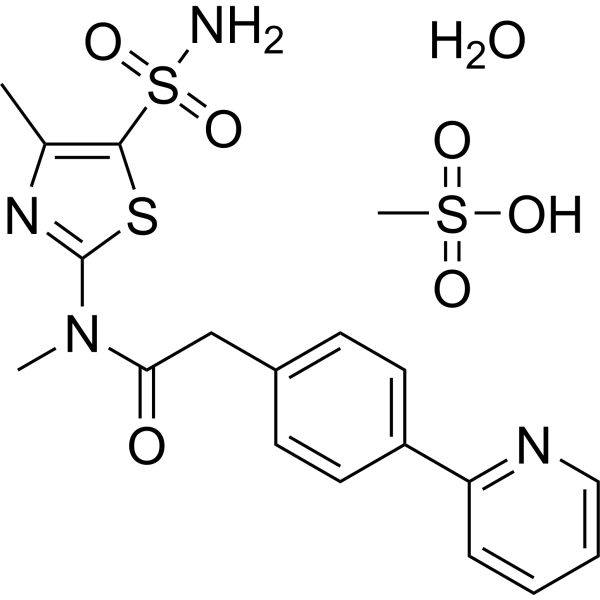
Pritelivir mesylate hydrate (BAY 57-1293 mesylate hydrate), an inhibitor of the viral helicase-primase complex, exhibits antiviral activity in vitro and in animal models of herpes simplex virus (HSV) infection. Pritelivir mesylate hydrate is active against herpes simplex virus types 1 and 2 (HSV-1 and HSV-2) with the IC50 of 0.02 μM against HSV1-2 .
|
-
-
- HY-149023
-
|
|
HSV
|
Infection
|
|
HSV-1/HSV-2-IN-2 is a HSV-1, HSV-2 and VV inhibitor with EC50 values of 6.8, 8.9 and 8.9 µM, respectively. HSV-1/HSV-2-IN-2 shows antiviral activity .
|
-
-
- HY-14743
-
|
SCV 07; Gamma-D-glutamyl-L-tryptophan
|
Bacterial
STAT
|
Infection
Inflammation/Immunology
Cancer
|
|
Golotimod (SCV-07), an immunomodulating peptide with antimicrobial activity, significantly increases the efficacy of antituberculosis therapy, stimulates thymic and splenic cell proliferation, and improves macrophage function. Golotimod (SCV-07) inhibits STAT3 signaling and modulates the duration and severity of oral mucositis in animal models that received radiation or a combination of radiation and Cisplatin. Golotimod (SCV-07) is also a potential therapeutic for recurrent genital herpes simplex virus type 2 (HSV-2) [2] .
|
-
-
- HY-100272
-
|
|
HSV
CMV
|
Infection
Cancer
|
|
B220 is an antiviral agent which can inhibit the growth of HSV-1, HSV-2 and human cytomegalovirus (CMV).
|
-
-
- HY-170547
-
|
|
DNA/RNA Synthesis
HSV
EBV
CMV
|
Infection
|
|
DNA polymerase-IN-6 is an antiviral agent and a DNA polymerase inhibitor. DNA polymerase-IN-6 inhibits the replication of HCMV, HSV-1, HSV-2 and EBV. DNA polymerase-IN-6 exhibits low cytotoxicity in mammalian cells. DNA polymerase-IN-6 can be used in research related to viral infections .
|
-
-
- HY-A0181S6
-
|
AMP-13C10,15N5
|
Isotope-Labeled Compounds
Endogenous Metabolite
Adenosine Receptor
HSV
|
Infection
|
|
Adenosine monophosphate- 13C10, 15N5 (AMP- 13C10, 15N5) is the 13C- and 15N-labeled Adenosine monophosphate (HY-A0181). Adenosine monophosphate is an adenosine A1 receptor agonist. Adenosine monophosphate has significant antiviral activity against HSV-1 and HSV-2. Adenosine monophosphate is a key cellular metabolite regulating energy homeostasis and signal transduction [2] .
|
-
-
- HY-A0181S4
-
|
AMP-13C10,15N5,d12 dilithium
|
Isotope-Labeled Compounds
Endogenous Metabolite
Adenosine Receptor
HSV
|
Infection
Metabolic Disease
|
|
Adenosine monophosphate- 13C10, 15N5,d12 (AMP- 13C10, 15N5,d12) dilithium is 13C and 15N-labeled Adenosine monophosphate (HY-A0181). Adenosine monophosphate is an adenosine A1 receptor agonist. Adenosine monophosphate has significant antiviral activity against HSV-1 and HSV-2. Adenosine monophosphate is a key cellular metabolite regulating energy homeostasis and signal transduction [2] .
|
-
-
- HY-174252
-
|
|
DNA/RNA Synthesis
HSV
|
Infection
|
|
HSV-1/HSV-2-IN-3 inhibits the herpes-simplex-virus (HSV) helicase-primase complex, blocking the coordinated DNA-unwinding and primer-synthesis steps required for viral genome replication. HSV-1/HSV-2-IN-3 exhibits an EC50 of 7.0 nM against HSV-2 in a gD-immunofluorescence cell assay containing 2 % FBS and 57.5 nM when 10 % human serum is present. HSV-1/HSV-2-IN-3 achieves an EC50 of 1.1 nM in a qPCR replication assay. HSV-1/HSV-2-IN-3 shows strong selectivity over human carbonic-anhydrase off-targets (IC50 ≈ 2.9 µM for hCA II and > 35 µM for hCA I). HSV-1/HSV-2-IN-3 can be studied in anti-HSV research .
|
-
-
- HY-U00124
-
|
|
HSV
|
Infection
|
|
Tromantadine hydrochloride, an Amantadine derivative with antiherpetic activity, inhibits herpes simplex virus type 1 (HSV-1) and HSV-2 replication .
|
-
-
- HY-15303AR
-
|
AIC316 mesylate (Standard); BAY 57-1293 mesylate (Standard)
|
HSV
Reference Standards
|
Infection
|
|
Pritelivir (mesylate) (Standard) is the analytical standard of Pritelivir (mesylate). This product is intended for research and analytical applications. Pritelivir mesylate (BAY 57-1293 mesylate), an inhibitor of the viral helicase-primase complex, exhibits antiviral activity in vitro and in animal models of herpes simplex virus (HSV) infection. Pritelivir mesylate is active against herpes simplex virus types 1 and 2 (HSV-1 and HSV-2) with the IC50 of 0.02 μM against HSV1-2 .
|
-
-
- HY-15303R
-
|
AIC316 (Standard); BAY 57-1293 (Standard)
|
HSV
Reference Standards
|
Infection
|
|
Pritelivir (Standard) is the analytical standard of Pritelivir. This product is intended for research and analytical applications. Pritelivir (AIC316), an inhibitor of the viral helicase-primase complex, exhibits antiviral activity in vitro and in animal models of herpes simplex virus (HSV) infection. Pritelivir is active against herpes simplex virus types 1 and 2 (HSV-1 and HSV-2) with the IC50 of 0.02 μM against HSV1-2 .
|
-
-
- HY-N1430R
-
|
trans-Oxyresveratrol (Standard)
|
Reference Standards
Tyrosinase
HSV
Autophagy
|
Others
|
|
Oxyresveratrol (Standard) is the analytical standard of Oxyresveratrol. This product is intended for research and analytical applications. Oxyresveratrol (trans-Oxyresveratrol) is a potent naturally occurring antioxidant and free radical scavenger (IC50 of 28.9 μM against DPPH free radicals). Oxyresveratrol is potent and noncompetitive tyrosinase inhibitor with an IC50 value of 1.2 μM for mushroom tyrosinase. Oxyresveratrol is effective against HSV-1, HSV-2 and varicella-zoster virus, and has neuroprotective effects [2] .
|
-
-
- HY-18944R
-
|
|
CDK
HSV
CMV
DNA/RNA Synthesis
|
Infection
|
|
FIT-039 (Standard) is the analytical standard of FIT-039. This product is intended for research and analytical applications. FIT-039 is a selective, ATP-competitive and orally active CDK9 inhibitor with an IC50 of 5.8 μM for CKD9/cyclin T1. FIT-039 does not inhibit other CDKs and other kinases. FIT-039 inhibits replication of HSV-1 (IC50 of 0.69 μM), HSV-2, human adenovirus, and human CMV. FIT-039 is a promising antiviral agent for inhibiting drug-resistant HSVs and other DNA viruses.
|
-
-
- HY-U00224
-
|
|
EBV
VZV
HSV
|
Infection
|
|
BRL44385 is a potent and selective inhibitor of the replication of herpes simplex virus types 1 and 2 (HSV-1 and HSV2), varicella zoster virus (VZV) and Epstein-Barr virus (EBV).
|
-
-
- HY-106685
-
|
CI 935
|
Influenza Virus
|
Infection
|
|
Selenazofurin is an antiviral compound used against influenza A and influenza B viruses. Selenazofurin shows antiviral activity in cells against Measles, Para-3, Mumps, VV, HSV-2 with the ED50s of 3.7 μg/ml, 1.3 μg/ml, 8.0 μg/ml, 3.4 μg/ml, 4.3 μg/ml .
|
-
-
- HY-P4743
-
|
|
HSV
|
Infection
|
|
FITC-εAhx-HHV-2 Envelope Glycoprotein G (561-578) is a FITC labeled HHV-2 Envelope Glycoprotein G (561-578). HHV-2 Envelope Glycoprotein G (561-578) is an immunodominant region of glycoprotein G (gG-2) reactive with all herpes simplex (HSV-2) sera .
|
-
-
- HY-N1067R
-
|
|
Reference Standards
COX
Acyltransferase
Apoptosis
HSV
CMV
Influenza Virus
|
Infection
Cancer
|
|
Xanthohumol (Standard) is the analytical standard of Xanthohumol. This product is intended for research and analytical applications. Xanthohumol is one of the principal flavonoids isolated from hops, the inhibitor of diacylglycerol acetyltransferase (DGAT), COX-1 and COX-2, and shows anti-cancer and anti-angiogenic activities. Xanthohumol also has antiviral activity against bovine viral diarrhea virus (BVDV), rhinovirus, HSV-1, HSV-2 and cytomegalovirus (CMV).
|
-
- HY-118745
-
|
|
HSV
VZV
|
Infection
|
|
A-73209 is an orally active and potent antivirus agent against VZV, HSV-1, and HSV-2. A-73209 is an Oxetanocin derivative and can be utilized in antivirus research .
|
-
- HY-14743A
-
|
SCV 07 TFA; Gamma-D-glutamyl-L-tryptophan TFA
|
Bacterial
STAT
|
Infection
Inflammation/Immunology
Cancer
|
|
Golotimod TFA (SCV 07 TFA), an immunomodulating peptide with antimicrobial activity, significantly increases the efficacy of antituberculosis therapy, stimulates thymic and splenic cell proliferation, and improves macrophage function. Golotimod TFA (SCV 07 TFA) inhibits STAT3 signaling and modulates the duration and severity of oral mucositis in animal models that received radiation or a combination of radiation and Cisplatin. Golotimod TFA (SCV 07 TFA) is also a potential therapeutic for recurrent genital herpes simplex virus type 2 (HSV-2) [2] .
|
-
- HY-14743R
-
|
SCV 07 (Standard); Gamma-D-glutamyl-L-tryptophan (Standard)
|
Bacterial
STAT
Reference Standards
|
Infection
Inflammation/Immunology
Cancer
|
|
Golotimod (Standard) is the analytical standard of Golotimod. This product is intended for research and analytical applications. Golotimod (SCV-07), an immunomodulating peptide with antimicrobial activity, significantly increases the efficacy of antituberculosis therapy, stimulates thymic and splenic cell proliferation, and improves macrophage function. Golotimod (SCV-07) inhibits STAT3 signaling and modulates the duration and severity of oral mucositis in animal models that received radiation or a combination of radiation and Cisplatin. Golotimod (SCV-07) is also a potential therapeutic for recurrent genital herpes simplex virus type 2 (HSV-2) [2] .
|
-
- HY-P5567
-
|
|
HIV
HSV
|
Infection
|
|
GLR-19 is an anti-HIV peptide. GLR-19 also has antiviral activity against HSV-2 [2].
|
-
- HY-N13837
-
|
|
Drug Derivative
HSV
|
Infection
Cancer
|
|
2-Methoxy-1,6-dimethyl-5-vinyl-9,10-dihydrophenanthren-7-ol (Compound 1) is a 9,10-dihydrophenanthrene derivative. 2-Methoxy-1,6-dimethyl-5-vinyl-9,10-dihydrophenanthren-7-ol can be isolated from Juncus compressus. 2-Methoxy-1,6-dimethyl-5-vinyl-9,10-dihydrophenanthren-7-ol exhibits anticancer activity against cervical and ovarian cancers. 2-Methoxy-1,6-dimethyl-5-vinyl-9,10-dihydrophenanthren-7-ol can be used for HSV-2 virus research .
|
-
- HY-P4318
-
|
|
HSV
|
Infection
|
|
HHV-2 Envelope Glycoprotein G (552-574) is an immunodominant region of glycoprotein G (gG-2) reactive with all herpes simplex (HSV-2) sera .
|
-
- HY-N14446
-
|
|
HSV
|
Infection
|
|
Karalicin inhibits herpes simplex virus HSV-1, HSV-2, vaccinia virus, polio virus type I with the IC50s (μg/mL) of 0.004, 0.008, 0.016 and 0.016 .
|
-
- HY-107739
-
|
VSA 671 sodium; BRL 39123A; BRL 39123D
|
HSV
|
Infection
|
|
Penciclovir (VSA 671) sodium is a potent and selective anti-herpesvirus agent with EC50 values of 0.5, 0.8 µg/ml for HSV-1 (HFEM), HSV-2 (MS), respectively. Penciclovir sodium shows anti-herpesvirus activity with no-toxic. Penciclovir sodium preventes mortality in mouse [2].
|
-
- HY-104083
-
|
N-MCT
|
DNA/RNA Synthesis
HSV
|
Infection
Cancer
|
|
North-methanocarbathymidine (N-MCT) is a potent antiviral agent. North-methanocarbathymidine inhibits DNA synthesis. North-methanocarbathymidine demonstrates potent antiviral activity against HSV-1, HSV-2 and KSHV. North-methanocarbathymidine exhibits anticancer activity against colon adenocarcinoma expressing HSV-tk .
|
-
- HY-121763
-
|
|
HSV
|
Infection
|
|
SCH-43478 is a non-nucleoside antiviral agent. SCH-43478 shows potent and selective activity against herpes simplex virus type 2 (HSV-2) with an IC50 of 1.8 μg/mL using Vero cells. SCH-43478 demonstrates significant efficacy in the guinea pig genital model of HSV infection .
|
-
- HY-17422D
-
|
Aciclovir hydrochloride; Acycloguanosine hydrochloride
|
HSV
Apoptosis
Antibiotic
Bacterial
|
Infection
Cancer
|
|
Acyclovir (Aciclovir) hydrochloride is a potent, orally active antiviral agent. Acyclovir hydrochloride has antiherpetic activity with IC50 values of 0.85 μM and 0.86 μM for HSV-1 and HSV-2, respectively. Acyclovir hydrochloride induces cell cycle perturbation and apoptosis. Acyclovir hydrochloride prevents bacterial infections during induction therapy for acute leukaemia [2] .
|
-
- HY-P5693
-
|
|
Bacterial
CMV
HSV
|
Infection
|
|
HBA(111-142), an antimicrobial peptide, is a C-terminal 32-mer fragment of alpha-hemoglobin. HBA(111-142) has antibacterial activity against the ESKAPE panel of pathogens. HBA(111-142) forms amyloid fibrils, and has antiviral activities. HBA(111-142) inhibits measles and herpes viruses (HSV-1, HSV-2, HCMV) .
|
-
- HY-162701
-
|
|
SARS-CoV
Influenza Virus
RSV
HSV
|
Infection
|
|
Antiviral agent 58 (Compound J1) is an orally active antiviral agent with broad-spectrum antiviral activity against enveloped viruses, including influenza A virus (IAV), respiratory syncytial virus (RSV), severe acute respiratory syndrome coronavirus 2 (SARS-CoV-2), human coronavirus OC43 (HCoV-OC43), herpes simplex virus type 1 (HSV-1), and HSV-2 .
|
-
- HY-15303S
-
|
AIC316-d4-1; BAY 57-1293-d4-1
|
Isotope-Labeled Compounds
HSV
DNA/RNA Synthesis
|
Infection
|
|
Pritelivir-d4-1 (AIC316-d4-1) is deuterium labeled Pritelivir. Pritelivir (AIC316), an inhibitor of the viral helicase-primase complex, exhibits antiviral activity in vitro and in animal models of herpes simplex virus (HSV) infection. Pritelivir is active against herpes simplex virus types 1 and 2 (HSV-1 and HSV-2) with the IC50 of 0.02 μM against HSV1-2 [2].
|
-
- HY-A0181S5
-
|
AMP-15N5,d12 dilithium
|
Isotope-Labeled Compounds
Endogenous Metabolite
Adenosine Receptor
HSV
|
Infection
Metabolic Disease
|
|
Adenosine monophosphate- 15N5,d12 (AMP- 15N5,d12) dilithium is deuterium and 15N labeled Adenosine monophosphate (HY-A0181). Adenosine monophosphate is an adenosine A1 receptor agonist. Adenosine monophosphate has significant antiviral activity against HSV-1 and HSV-2. Adenosine monophosphate is a key cellular metabolite regulating energy homeostasis and signal transduction [2] .
|
-
- HY-163546
-
|
|
HSV
|
Infection
|
|
HSV-1-IN-1 (compound 1b) is a drug candidate for herpes simplex virus HSV-1(IC50=0.5 nM) and HSV-2(IC50=16 nM) infection. HSV-1-IN-1 inhibits the helicase-primase complex to prevent viral replication, thereby inhibiting HSV infection .
|
-
- HY-110354R
-
|
G28UCM (Standard)
|
Reference Standards
Fatty Acid Synthase (FASN)
Bacterial
|
Infection
|
|
UCM05 (Standard) is the analytical standard of Lysipressin. This product is intended for research and analytical applications. UCM05 (G28UCM) is a fatty acid synthase (FASN) and filamentous temperature-sensitive protein Z (Ftsz) inhibitor. UCM05 inhibits fatty acid synthesis, viral replication, and Gram-positive bacterial growth. UCM05 binds to FtsZ GTP-binding sites, inhibits GTPase activity, and disrupts Z-ring localization. UCM05 can be used for the research of HSV-1/2 infection, HIV-1 infection, and Gram-positive bacterial infections [1][2][3].
|
-
- HY-P11022
-
|
A-3302-B
|
Endogenous Metabolite
HSV
TRP Channel
|
Infection
Cancer
|
|
TL-119 (A-3302-B) is a polypeptide. TL-119 can be isolated from the bacteria Micromonospora sp. MAG 9-7 and Saccharomonospora sp. CNQ-490. TL-119 inhibits TRPV-1. TL-119 exhibits antiviral activity against HSV-2. TL-119 possesses anticancer activity against gastric cancer and colorectal cancer [2].
|
-
- HY-W035144
-
|
|
HSV
Drug Intermediate
|
Infection
|
|
5-(4-Carboxyphenyl)-10,15,20-triphenylporphyrin is a porphyrin compound. 5-(4-Carboxyphenyl)-10,15,20-triphenylporphyrin exhibits virucidal effects of 85% and 60% against HSV-1 and HSV-2, respectively. 5-(4-Carboxyphenyl)-10,15,20-triphenylporphyrin has a maximum noncytotoxic studied concentration of 5 μg/mL on Vero cells. 5-(4-Carboxyphenyl)-10,15,20-triphenylporphyrin can be used for the synthesis of compounds with stronger antiviral activity .
|
-
- HY-W783223
-
|
|
HSV
|
Infection
|
|
C-AFG is a novel compound against herpes virus (HSV). C-AFG exhibits excellent inhibitory activity and high selectivity towards HSV-1 and HSV-2. C-AFG can be used for research on viral infections .
|
-
- HY-170547A
-
|
|
HSV
CMV
EBV
DNA/RNA Synthesis
|
Infection
|
|
DNA polymerase-IN-6 formic is an antiviral agent and a DNA polymerase inhibitor. DNA polymerase-IN-6 formic inhibits the replication of HCMV, HSV-1, HSV-2 and EBV. DNA polymerase-IN-6 formic exhibits low cytotoxicity in mammalian cells. DNA polymerase-IN-6 formic can be used in research related to viral infections .
|
-
- HY-W587782
-
|
|
HIV
SOD
HSV
Interleukin Related
Bacterial
|
Infection
|
|
Nonoxynol-9 is a nonionic detergent. Nonoxynol-9 inhibits SOD activity. Nonoxynol-9 exhibits activity against diverse microbes and pathogens. Nonoxynol-9 can be used for the research of HIV infection [2] .
|
-
- HY-150306A
-
|
(Rac)-IM-250
|
HSV
DNA/RNA Synthesis
|
Infection
|
|
(Rac)-Adibelivir ((Rac)-IM-250) is a blood-brain barrier-penetrant HSV helicase-primase inhibitor and metabolic stabilizer with antiviral activity. (Rac)-Adibelivir is also effective against Acyclovir (HY-17422)-resistant strains, and its deuterated structure exhibits enhanced metabolic stability, reducing the formation of hydroxylated metabolites. (Rac)-Adibelivir prolongs in vivo half-life, reduces administration dosage, improves oral bioavailability, and achieves higher brain exposure in mice. (Rac)-Adibelivir can be used in the research of herpes simplex infection, herpes encephalitis and Alzheimer's disease .
|
-
| Cat. No. |
Product Name |
Target |
Research Area |
-
- HY-P2310
-
|
|
Bacterial
Parasite
Apoptosis
HIV
HSV
CMV
TNF Receptor
NOD-like Receptor (NLR)
DNA/RNA Synthesis
Influenza Virus
|
Cardiovascular Disease
Infection
|
|
Defensin HNP-1 human is a type of human neutrophil peptide (HNPs). Defensin HNP-1 human possesses immunomodulatory functions and can delay the apoptosis of neutrophils. Defensin HNP-1 human inhibits DNA/RNA/protein synthesis and interferes with metabolic pathways, thus exhibiting broad antibacterial activity. Defensin HNP-1 human has direct inactivation effects on HIV, HSV-1, HSV-2, CMV, influenza virus, etc. Defensin HNP-1 human has antileishmanial activity. Defensin HNP-1 human is involved in endothelial cell dysfunction during the early development of atherosclerosis [2] .
|
-
- HY-W141881
-
|
|
Environmental Pollutants
Biochemical Assay Reagents
HSV
|
Infection
|
|
N-lauroylsarcosine is an anionic surfactant. N-lauroylsarcosine has antiviral activity against HSV-2 strain 333 and HSV-1 strain F. N-lauroylsarcosine synergistically increases skin permeability with 25-50% ethanol. N-lauroylsarcosine can be used to study HSV-2 infection [2] .
|
-
- HY-P2036A
-
|
|
Toll-like Receptor (TLR)
MMP
HSV
Antibiotic
|
Infection
|
|
FSL-1 TFA, a bacterial-derived toll-like receptor 2/6 (TLR2/6) agonist, enhances resistance to experimental HSV-2 infection . FSL-1 TFA induces MMP-9 production through TLR2 and NF-κB/AP-1 signaling pathways in monocytic THP-1 cells [2].
|
-
- HY-P2036
-
-
- HY-P2310A
-
|
|
Bacterial
Parasite
Apoptosis
HIV
HSV
CMV
TNF Receptor
Interleukin Related
NOD-like Receptor (NLR)
DNA/RNA Synthesis
Influenza Virus
|
Cardiovascular Disease
Infection
|
|
Defensin HNP-1 human TFA is a type of human neutrophil peptide (HNPs). Defensin HNP-1 human TFA possesses immunomodulatory functions and can delay the apoptosis of neutrophils. Defensin HNP-1 human TFA inhibits DNA/RNA/protein synthesis and interferes with metabolic pathways, thus exhibiting broad antibacterial activity. Defensin HNP-1 human TFA has direct inactivation effects on HIV, HSV-1, HSV-2, CMV, influenza virus, etc. Defensin HNP-1 human TFA has antileishmanial activity. Defensin HNP-1 human TFA is involved in endothelial cell dysfunction during the early development of atherosclerosis [2] .
|
-
- HY-14743
-
|
SCV 07; Gamma-D-glutamyl-L-tryptophan
|
Bacterial
STAT
|
Infection
Inflammation/Immunology
Cancer
|
|
Golotimod (SCV-07), an immunomodulating peptide with antimicrobial activity, significantly increases the efficacy of antituberculosis therapy, stimulates thymic and splenic cell proliferation, and improves macrophage function. Golotimod (SCV-07) inhibits STAT3 signaling and modulates the duration and severity of oral mucositis in animal models that received radiation or a combination of radiation and Cisplatin. Golotimod (SCV-07) is also a potential therapeutic for recurrent genital herpes simplex virus type 2 (HSV-2) [2] .
|
-
- HY-P4743
-
|
|
HSV
|
Infection
|
|
FITC-εAhx-HHV-2 Envelope Glycoprotein G (561-578) is a FITC labeled HHV-2 Envelope Glycoprotein G (561-578). HHV-2 Envelope Glycoprotein G (561-578) is an immunodominant region of glycoprotein G (gG-2) reactive with all herpes simplex (HSV-2) sera .
|
-
- HY-14743R
-
|
SCV 07 (Standard); Gamma-D-glutamyl-L-tryptophan (Standard)
|
Bacterial
STAT
Reference Standards
|
Infection
Inflammation/Immunology
Cancer
|
|
Golotimod (Standard) is the analytical standard of Golotimod. This product is intended for research and analytical applications. Golotimod (SCV-07), an immunomodulating peptide with antimicrobial activity, significantly increases the efficacy of antituberculosis therapy, stimulates thymic and splenic cell proliferation, and improves macrophage function. Golotimod (SCV-07) inhibits STAT3 signaling and modulates the duration and severity of oral mucositis in animal models that received radiation or a combination of radiation and Cisplatin. Golotimod (SCV-07) is also a potential therapeutic for recurrent genital herpes simplex virus type 2 (HSV-2) [2] .
|
-
- HY-P5567
-
|
|
HIV
HSV
|
Infection
|
|
GLR-19 is an anti-HIV peptide. GLR-19 also has antiviral activity against HSV-2 [2].
|
-
- HY-P4318
-
|
|
HSV
|
Infection
|
|
HHV-2 Envelope Glycoprotein G (552-574) is an immunodominant region of glycoprotein G (gG-2) reactive with all herpes simplex (HSV-2) sera .
|
-
- HY-P5693
-
|
|
Bacterial
CMV
HSV
|
Infection
|
|
HBA(111-142), an antimicrobial peptide, is a C-terminal 32-mer fragment of alpha-hemoglobin. HBA(111-142) has antibacterial activity against the ESKAPE panel of pathogens. HBA(111-142) forms amyloid fibrils, and has antiviral activities. HBA(111-142) inhibits measles and herpes viruses (HSV-1, HSV-2, HCMV) .
|
-
- HY-P11022
-
|
A-3302-B
|
Endogenous Metabolite
HSV
TRP Channel
|
Infection
Cancer
|
|
TL-119 (A-3302-B) is a polypeptide. TL-119 can be isolated from the bacteria Micromonospora sp. MAG 9-7 and Saccharomonospora sp. CNQ-490. TL-119 inhibits TRPV-1. TL-119 exhibits antiviral activity against HSV-2. TL-119 possesses anticancer activity against gastric cancer and colorectal cancer [2].
|
| Cat. No. |
Product Name |
Category |
Target |
Chemical Structure |
-
- HY-A0181
-
-
-
- HY-N1067
-
-
-
- HY-N1430
-
-
-
- HY-A0181A
-
-
-
- HY-A0181R
-
-
-
- HY-N12717
-
|
|
Terminalia arjuna (Roxb. ex DC.) Wight & Arn.
Structural Classification
Combretaceae
Phenols
Polyphenols
Plants
Source Classification
|
PAK
FASTK
HSP
p38 MAPK
NF-κB
NO Synthase
COX
HSV
Caspase
TNF Receptor
Fungal
Apoptosis
|
|
Casuarinin is an orally active antiproliferative, anti-inflammatory, antifungal, virucidal and gastroprotective agent. Casuarinin upregulates the expression of p21/WAF1, Fas/APO‑1, mFasL, sFasL and HSP‑70, arrests cell cycle, induces apoptosis and inhibits cancer cell proliferation. Casuarinin inhibits TNF‑α-induced phosphorylation of MAPK and activation of NF‑κB, downregulates the expression of iNOS, NF‑κB, COX‑2 and ICAM‑1, and reduces the production of proinflammatory mediators. Casuarinin attenuates ethanol-induced activation of caspase‑3 and elevation of TNF‑α, inhibits the growth of Candida albicans, and inhibits HSV‑2. Casuarinin can be used in research related to mammary adenocarcinoma, inflammatory skin diseases, gastric ulcers, candidiasis and herpes simplex virus infections [2] .
|
-
-
- HY-N1430R
-
|
trans-Oxyresveratrol (Standard)
|
Structural Classification
other families
Stilbenes
Phenols
Polyphenols
Plants
Source Classification
|
Reference Standards
Tyrosinase
HSV
Autophagy
|
|
Oxyresveratrol (Standard) is the analytical standard of Oxyresveratrol. This product is intended for research and analytical applications. Oxyresveratrol (trans-Oxyresveratrol) is a potent naturally occurring antioxidant and free radical scavenger (IC50 of 28.9 μM against DPPH free radicals). Oxyresveratrol is potent and noncompetitive tyrosinase inhibitor with an IC50 value of 1.2 μM for mushroom tyrosinase. Oxyresveratrol is effective against HSV-1, HSV-2 and varicella-zoster virus, and has neuroprotective effects [2] .
|
-
-
- HY-N1067R
-
-
-
- HY-N13837
-
|
|
Natural Products
Juncus effusus Linn.
Juncaceae
Phenols
Plants
Source Classification
|
Drug Derivative
HSV
|
|
2-Methoxy-1,6-dimethyl-5-vinyl-9,10-dihydrophenanthren-7-ol (Compound 1) is a 9,10-dihydrophenanthrene derivative. 2-Methoxy-1,6-dimethyl-5-vinyl-9,10-dihydrophenanthren-7-ol can be isolated from Juncus compressus. 2-Methoxy-1,6-dimethyl-5-vinyl-9,10-dihydrophenanthren-7-ol exhibits anticancer activity against cervical and ovarian cancers. 2-Methoxy-1,6-dimethyl-5-vinyl-9,10-dihydrophenanthren-7-ol can be used for HSV-2 virus research .
|
-
-
- HY-N14446
-
-
| Cat. No. |
Compare |
Product Name |
Species |
Source |
Image |
Compare Products
|
| Products |
|
| Cat. No. |
|
| Species |
|
| Source |
|
| Tag |
|
| Accession |
|
| Gene ID |
|
| Molecular Weight |
|
| Purity |
|
| Endotoxin Level |
|
| Biological Activity |
|
| Appearance |
|
| Formulation |
|
| Storage & Stability |
|
| Shipping |
|
| Free Sample |
Yes
No
|
| Size |
* This product has been "discontinued".
Optimized version of product available:
|
| Cat. No. |
Product Name |
Chemical Structure |
-
- HY-A0181S1
-
|
|
|
Adenosine monophosphate- 15N5 dilithium is the 15N labeled Adenosine monophosphate (HY-A0181). Adenosine monophosphate is an adenosine A1 receptor agonist. Adenosine monophosphate has significant antiviral activity against HSV-1 and HSV-2. Adenosine monophosphate is a key cellular metabolite regulating energy homeostasis and signal transduction [2] .
|
-
-
- HY-A0181S
-
|
|
|
Adenosine monophosphate- 13C10, 15N5(AMP- 13C10, 15N5) is the 13C-labeled and 15N-labeled Adenosine monophosphate (HY-A0181). Adenosine monophosphate is an adenosine A1 receptor agonist. Adenosine monophosphate has significant antiviral activity against HSV-1 and HSV-2. Adenosine monophosphate is a key cellular metabolite regulating energy homeostasis and signal transduction [2] .
|
-
-
- HY-17422S1
-
|
|
|
Acyclovir-d4 is the deuterium labeled Acyclovir. Acyclovir (Aciclovir) is a guanosine analogue and an orally active antiviral agent. Acyclovir inhibits HSV-1 (IC50 of 0.85 μM), HSV-2 (IC50 of 0.86 μM) and varicella-zoster virus. Acyclovir can be phosphorylated by viral thymidine kinase (TK), and Acyclovir triphosphate interferes with viral DNA polymerization through competitive inhibition with guanosine triphosphate and obligatory chain termination [2] . Acyclovir prevents bacterial infections during induction therapy for acute leukaemia .
|
-
-
- HY-A0181S3
-
|
|
|
Adenosine monophosphate- 13C10 (AMP- 13C10) dilithium is 13C-labeled Adenosine monophosphate (HY-A0181). Adenosine monophosphate is an adenosine A1 receptor agonist. Adenosine monophosphate has significant antiviral activity against HSV-1 and HSV-2. Adenosine monophosphate is a key cellular metabolite regulating energy homeostasis and signal transduction [2] .
|
-
-
- HY-A0181S2
-
|
|
|
Adenosine monophosphate-d12 (AMP-d12) dilithium is deuterium labeled Adenosine monophosphate (HY-A0181). Adenosine monophosphate is an adenosine A1 receptor agonist. Adenosine monophosphate has significant antiviral activity against HSV-1 and HSV-2. Adenosine monophosphate is a key cellular metabolite regulating energy homeostasis and signal transduction [2] .
|
-
-
- HY-A0181S6
-
|
|
|
Adenosine monophosphate- 13C10, 15N5 (AMP- 13C10, 15N5) is the 13C- and 15N-labeled Adenosine monophosphate (HY-A0181). Adenosine monophosphate is an adenosine A1 receptor agonist. Adenosine monophosphate has significant antiviral activity against HSV-1 and HSV-2. Adenosine monophosphate is a key cellular metabolite regulating energy homeostasis and signal transduction [2] .
|
-
-
- HY-A0181S4
-
|
|
|
Adenosine monophosphate- 13C10, 15N5,d12 (AMP- 13C10, 15N5,d12) dilithium is 13C and 15N-labeled Adenosine monophosphate (HY-A0181). Adenosine monophosphate is an adenosine A1 receptor agonist. Adenosine monophosphate has significant antiviral activity against HSV-1 and HSV-2. Adenosine monophosphate is a key cellular metabolite regulating energy homeostasis and signal transduction [2] .
|
-
-
- HY-15303S
-
|
|
|
Pritelivir-d4-1 (AIC316-d4-1) is deuterium labeled Pritelivir. Pritelivir (AIC316), an inhibitor of the viral helicase-primase complex, exhibits antiviral activity in vitro and in animal models of herpes simplex virus (HSV) infection. Pritelivir is active against herpes simplex virus types 1 and 2 (HSV-1 and HSV-2) with the IC50 of 0.02 μM against HSV1-2 [2].
|
-
-
- HY-A0181S5
-
|
|
|
Adenosine monophosphate- 15N5,d12 (AMP- 15N5,d12) dilithium is deuterium and 15N labeled Adenosine monophosphate (HY-A0181). Adenosine monophosphate is an adenosine A1 receptor agonist. Adenosine monophosphate has significant antiviral activity against HSV-1 and HSV-2. Adenosine monophosphate is a key cellular metabolite regulating energy homeostasis and signal transduction [2] .
|
-
Your information is safe with us. * Required Fields.
Inquiry Information
- Product Name:
- Cat. No.:
- Quantity:
- MCE Japan Authorized Agent:

